

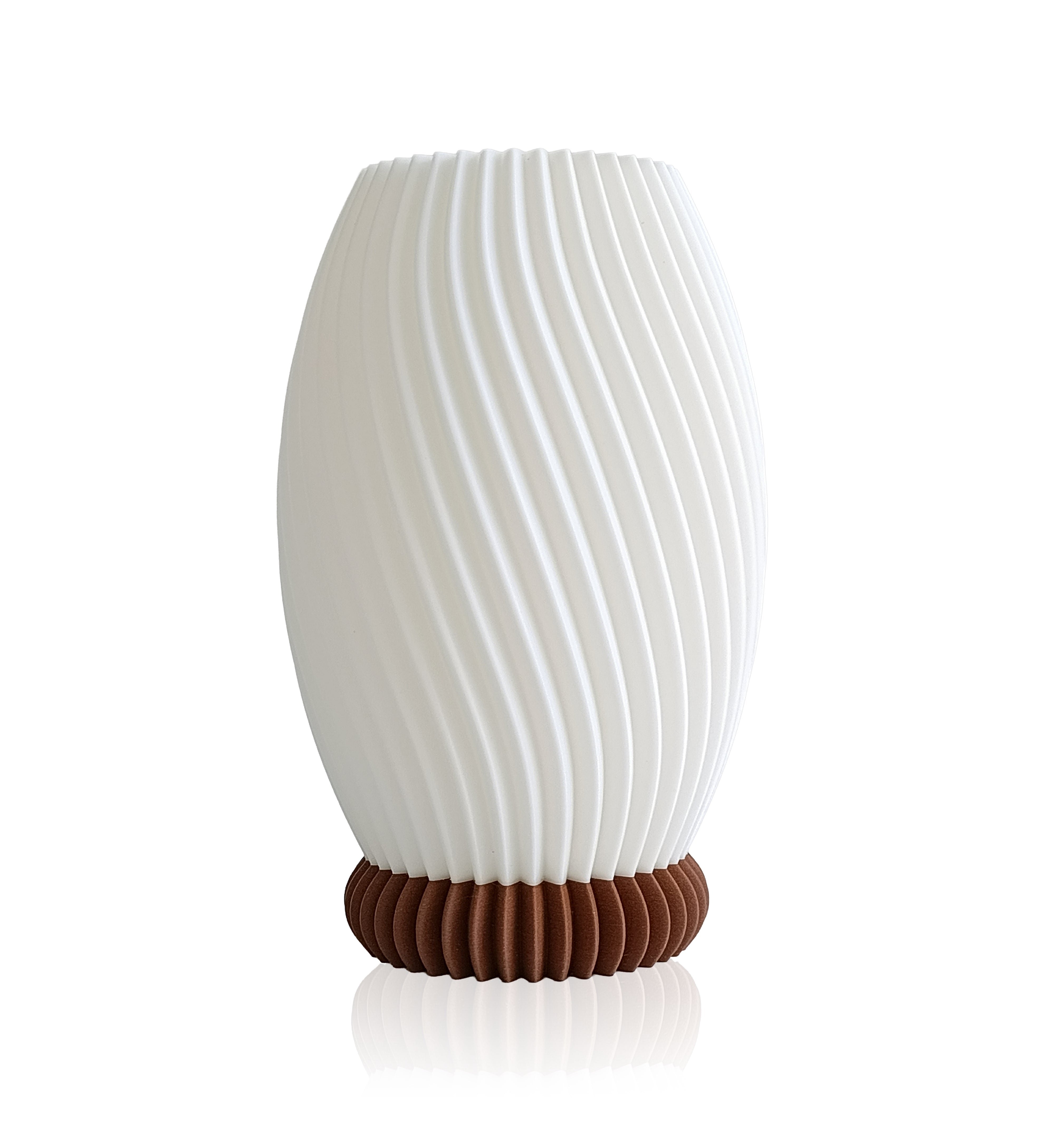
Lighting and Eye Health: Light That Prevents Eye Strain

The average American spends over seven hours daily looking at screens—and that's before considering the role of ambient lighting in our homes. Yet most of us rarely think about how the light surrounding us affects our eyes until discomfort sets in. Lighting and eye health are fundamentally connected, and understanding the relationship between them can transform not just how your eyes feel, but how your entire home functions. The right lighting prevents eye strain, supports focus, and creates spaces where your vision can genuinely rest.
How Light Sources Cause Eye Strain
Eye strain, or asthenopia, occurs when your eyes work harder than necessary to process light and focus on tasks. Several lighting conditions contribute to this fatigue. Harsh, flickering light forces your pupils to constantly adjust. Insufficient brightness makes your eyes strain to gather enough visual information. Uneven lighting creates contrast that exhausts your visual system. And certain color temperatures—particularly cool, blue-heavy light in the evening—can disrupt your circadian rhythm, leading to tired, strained eyes the following day.
The culprit is often not one factor, but a combination. A desk lamp with poor flicker control paired with bright overhead lighting and a nearby window creates visual conflict. Your eyes must continuously adapt between different light levels and color temperatures, which depletes the muscles responsible for focus and pupil dilation. This is why many people experience end-of-day eye fatigue even after minimal screen time—their lighting environment was working against them all along.
What Eye-Healthy Lighting Actually Looks Like
Healthy lighting for eye comfort requires attention to three core qualities: color temperature, flicker elimination, and appropriate brightness levels.
Color Temperature (Kelvin) measures whether light leans warm or cool. Measured on the Kelvin scale:
- 2700K–3000K: Warm white, ideal for evenings and relaxation spaces
- 4000K–4100K: Neutral white, suitable for task-oriented areas like kitchens and home offices
- 5000K and above: Cool white, energizing but potentially disruptive in the evening
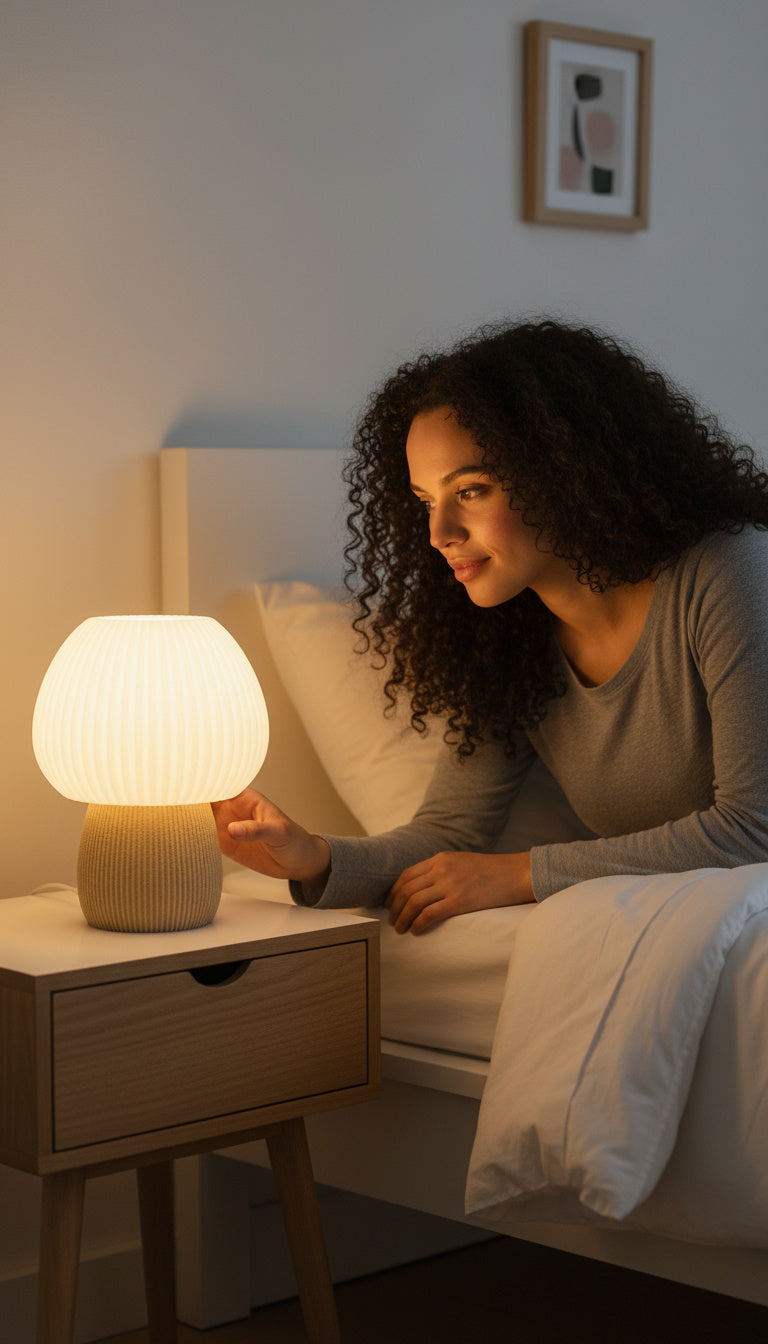
For eye health, warmth matters. Cooler color temperatures (5000K+) suppress melatonin production and signal your brain that it's daytime, even at 10 p.m. This keeps your eyes in a heightened state of alertness, preventing genuine rest. Warmer light (2700K–3000K) allows your eyes to relax and supports natural sleep cycles.
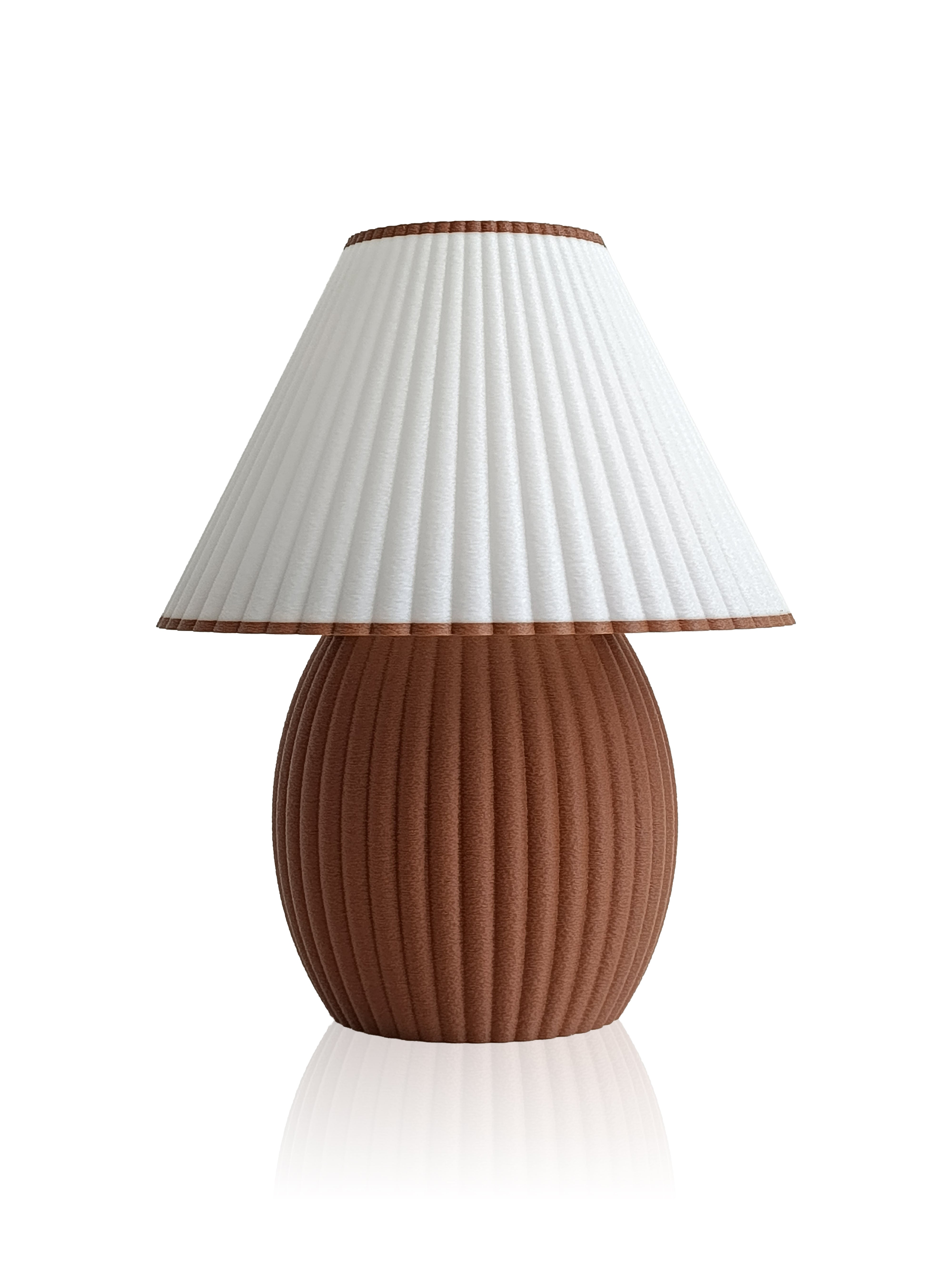
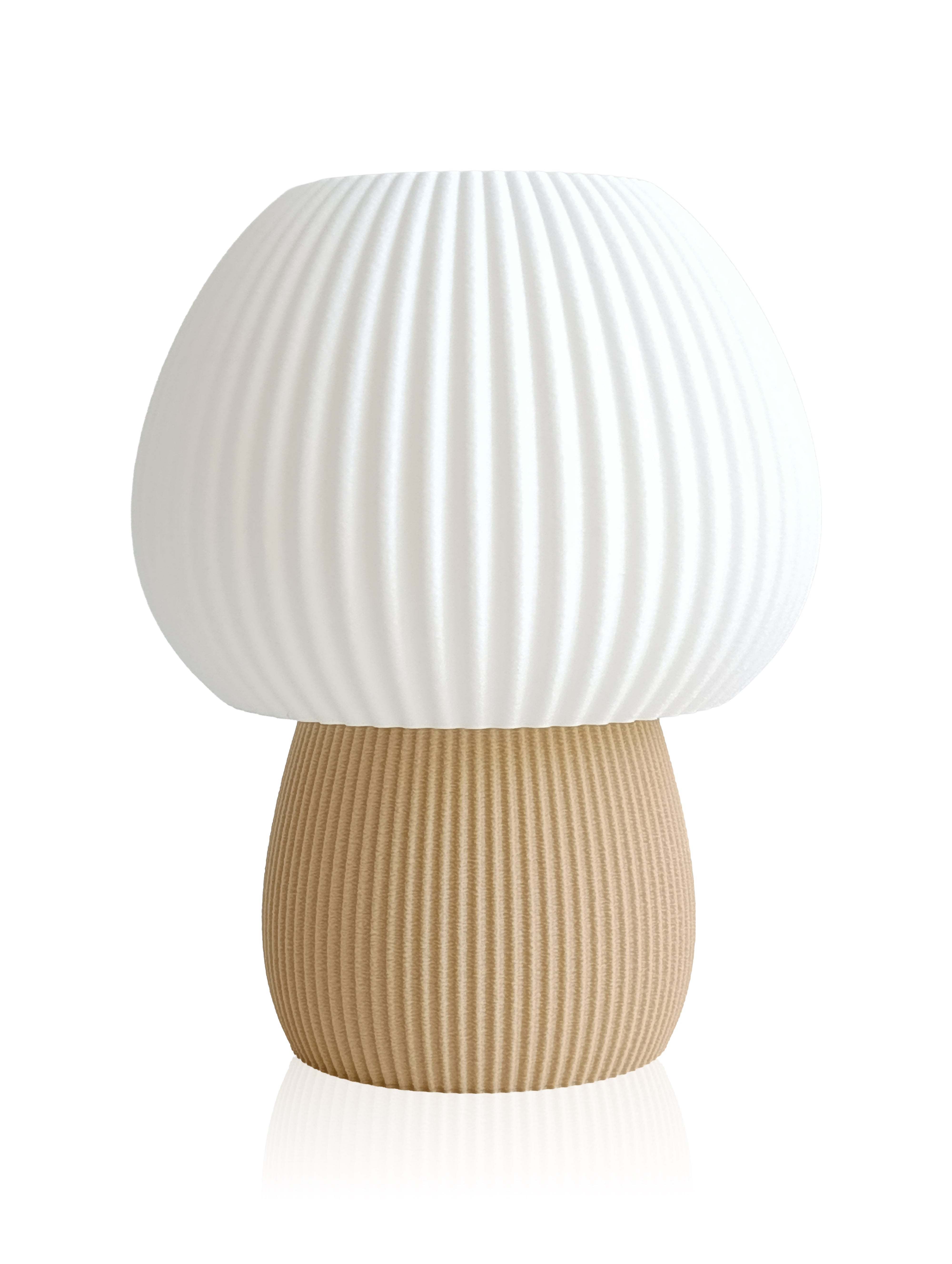
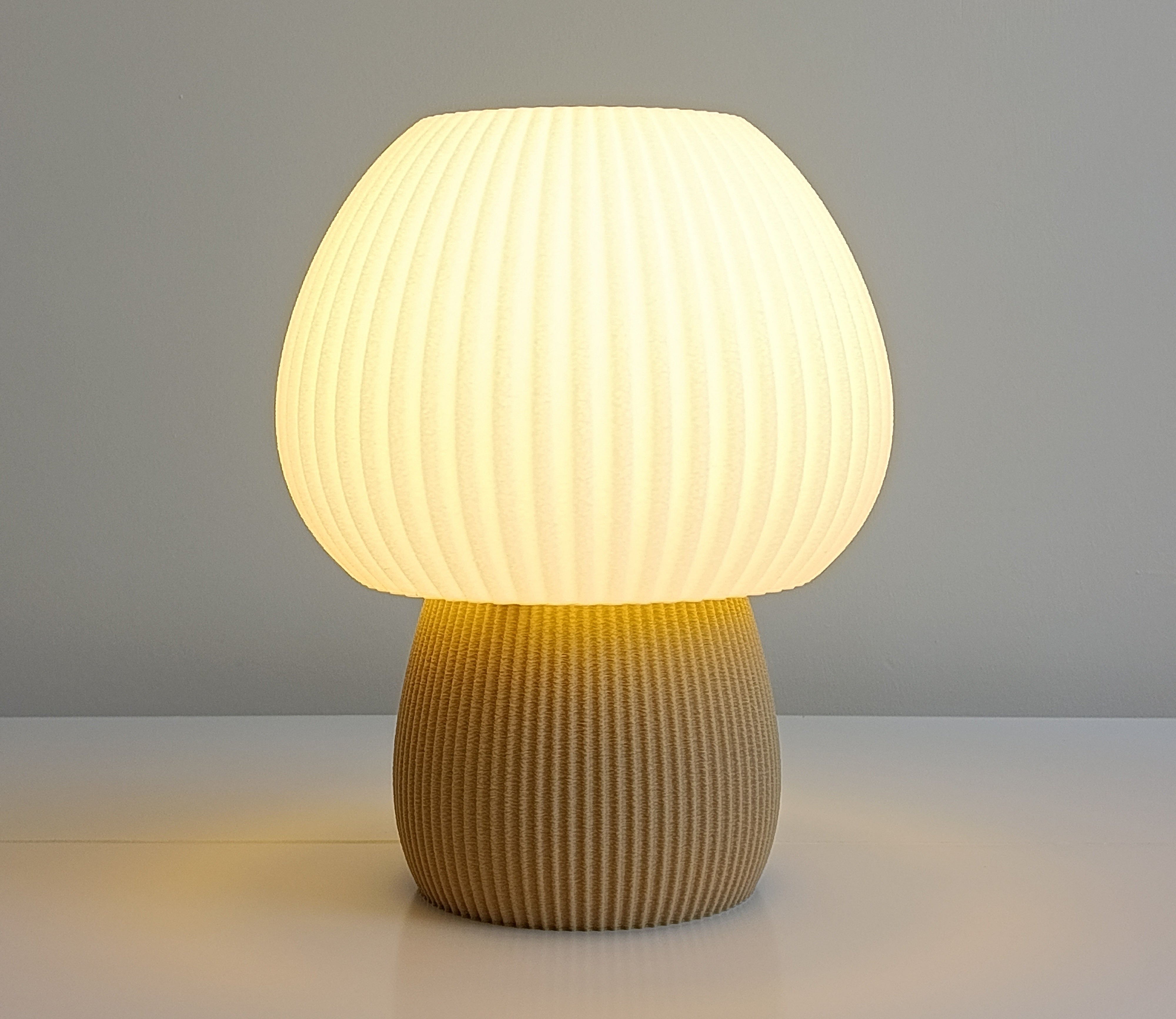
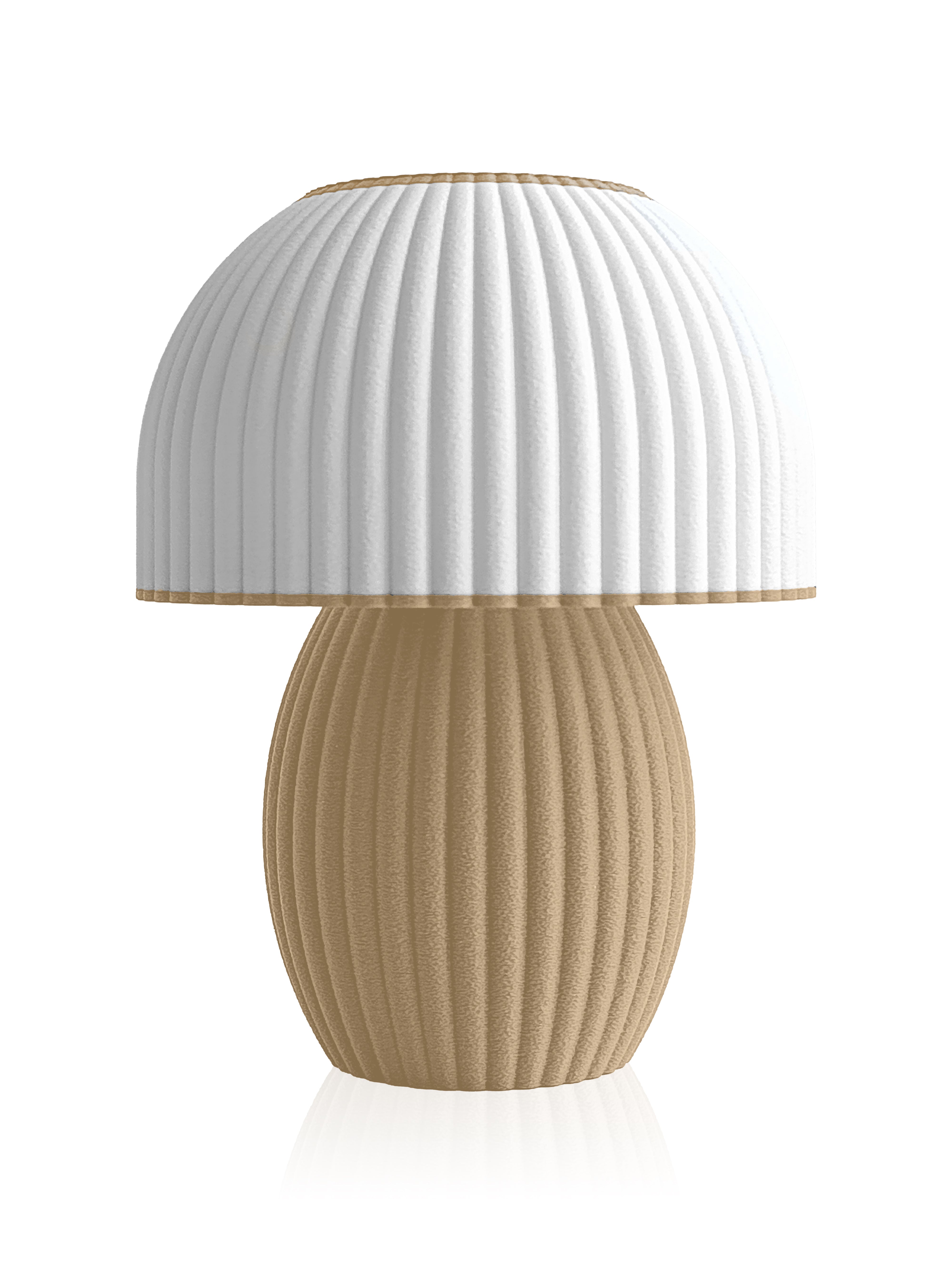
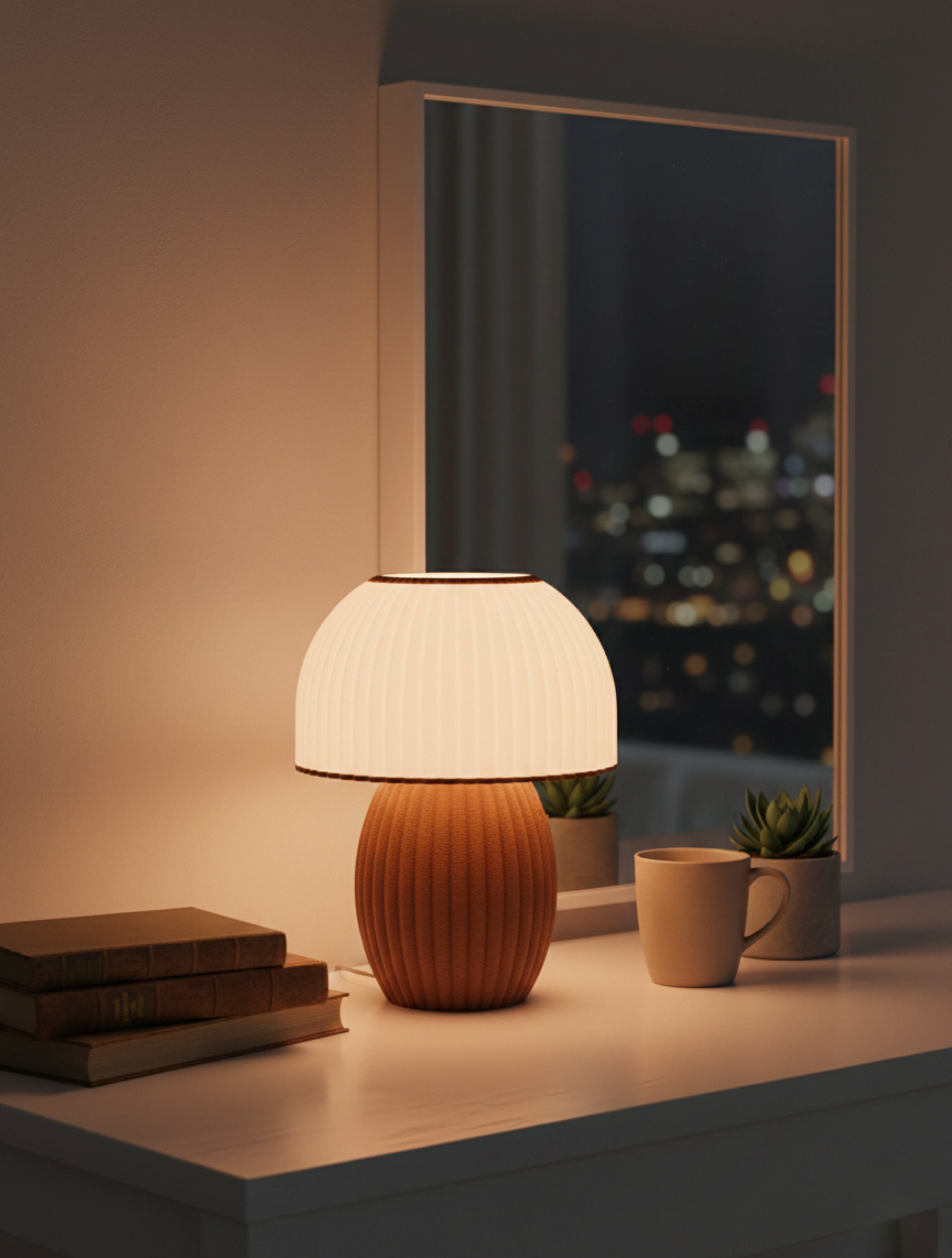
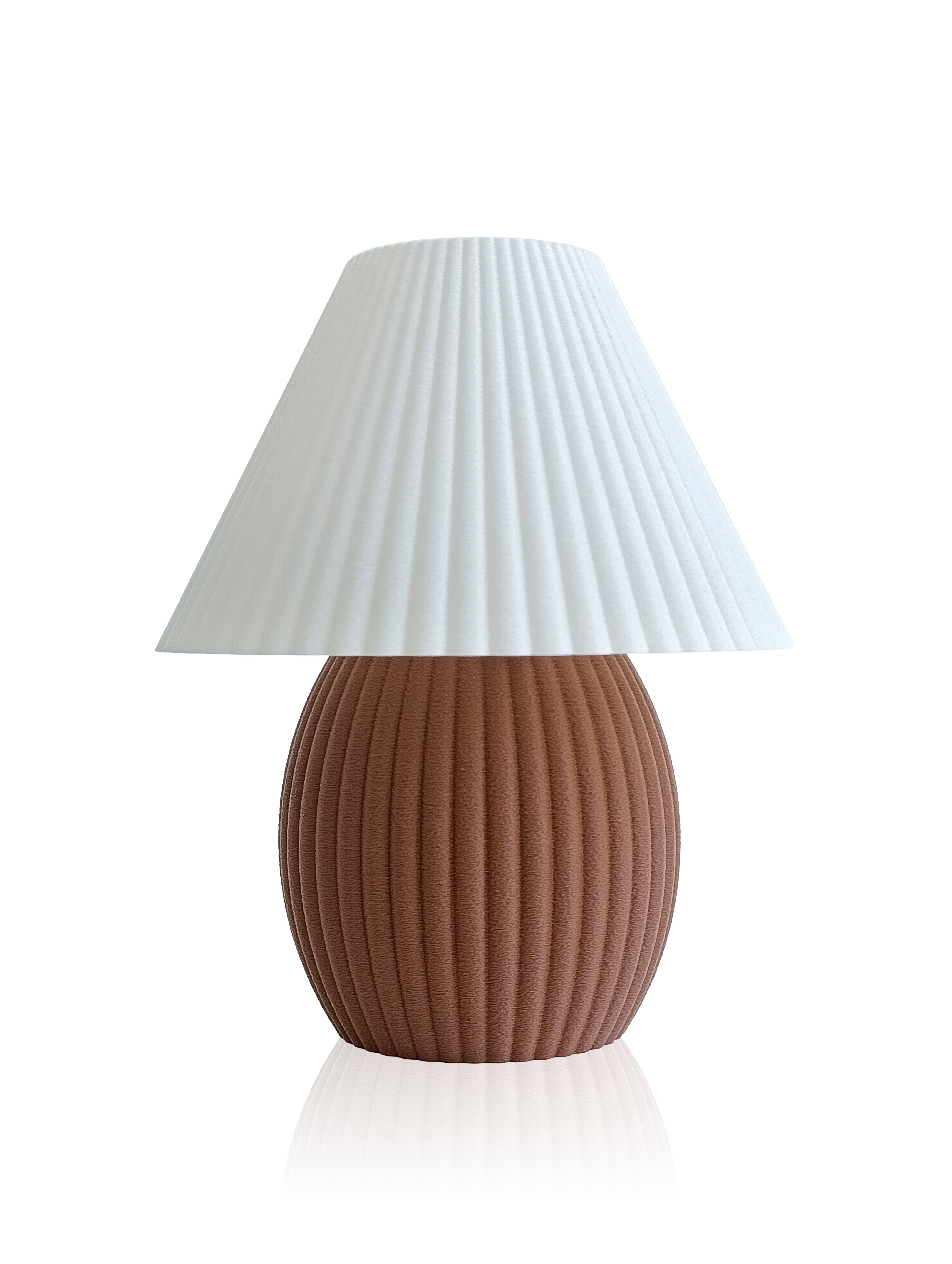
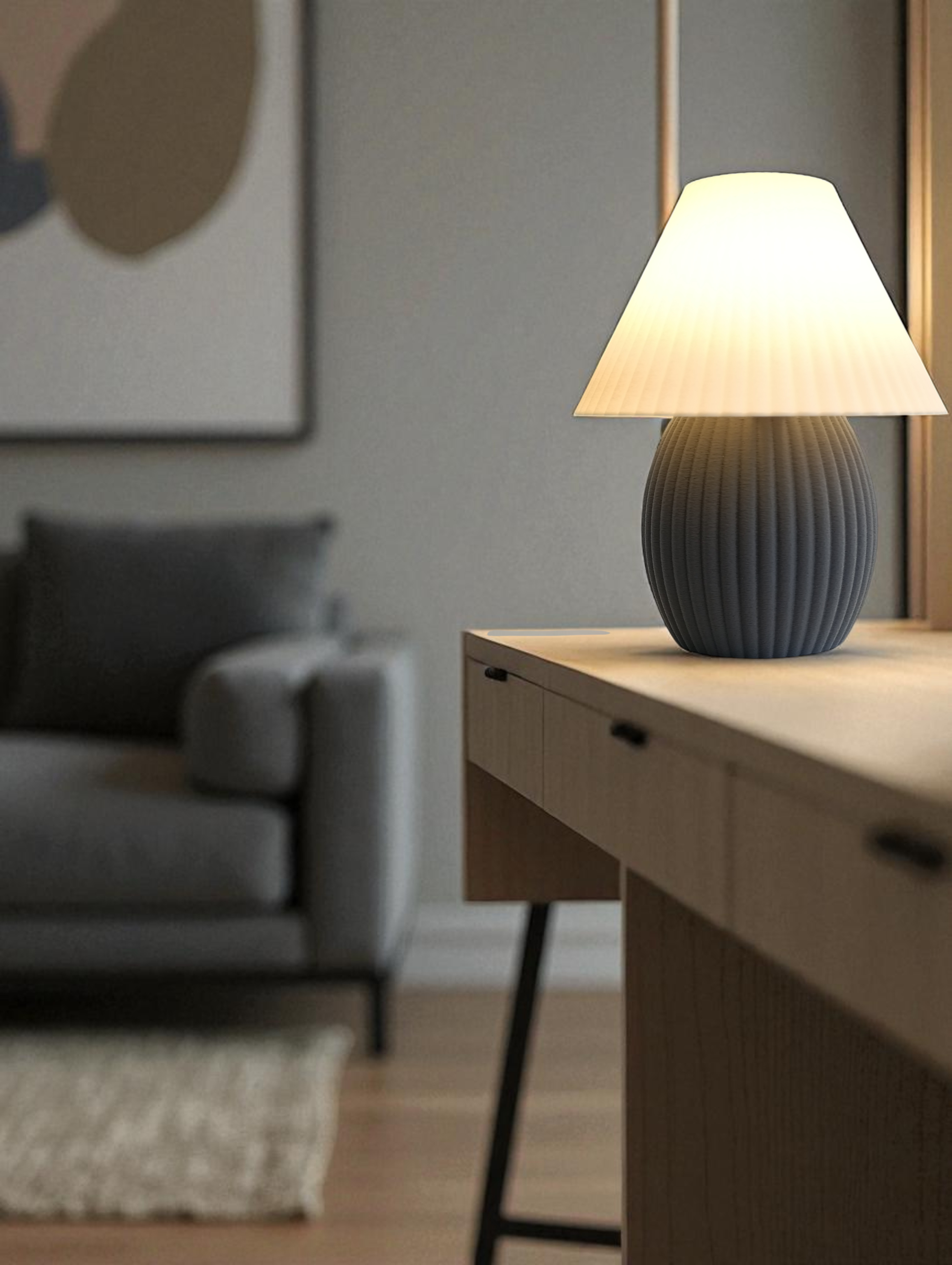
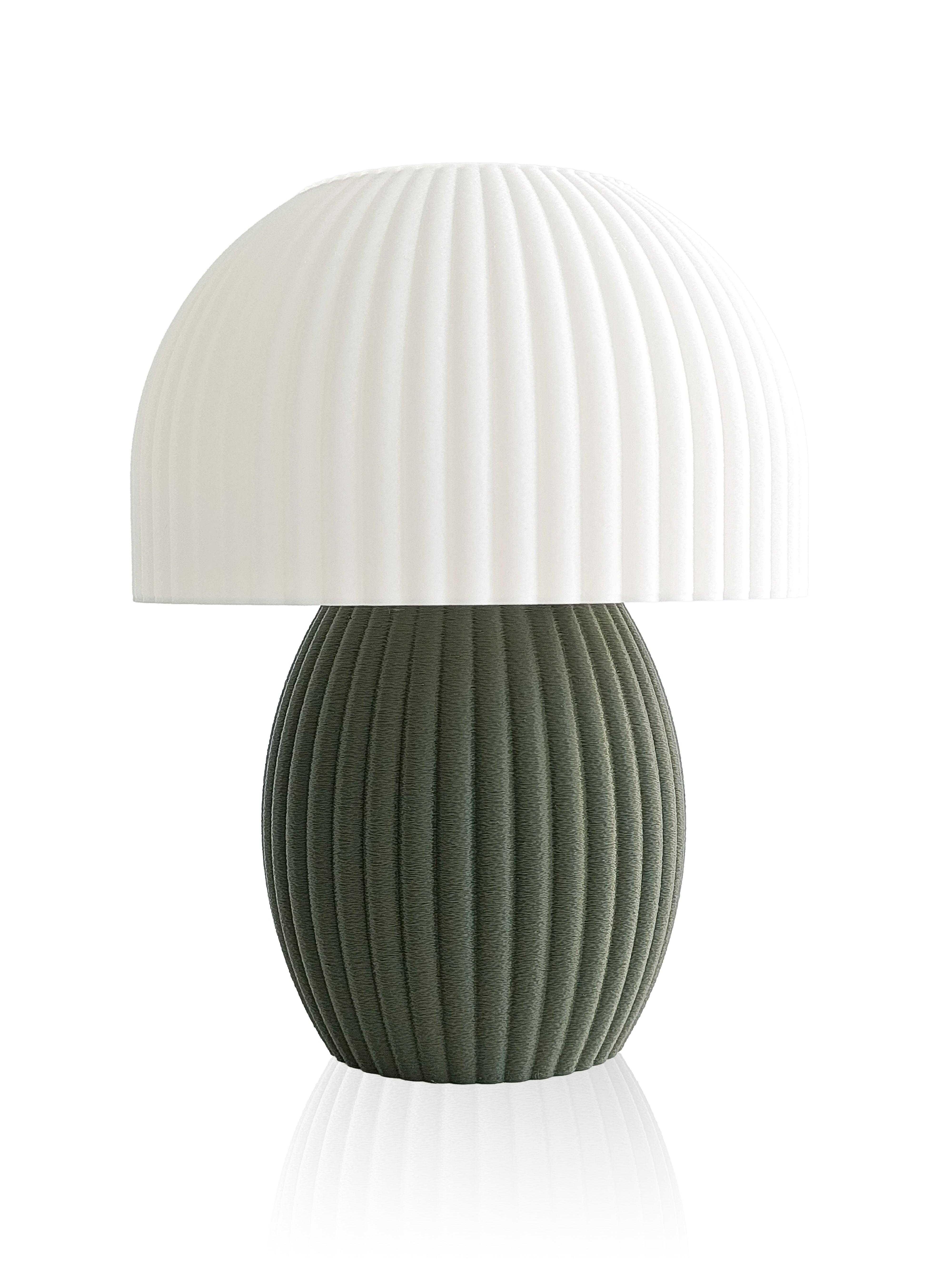
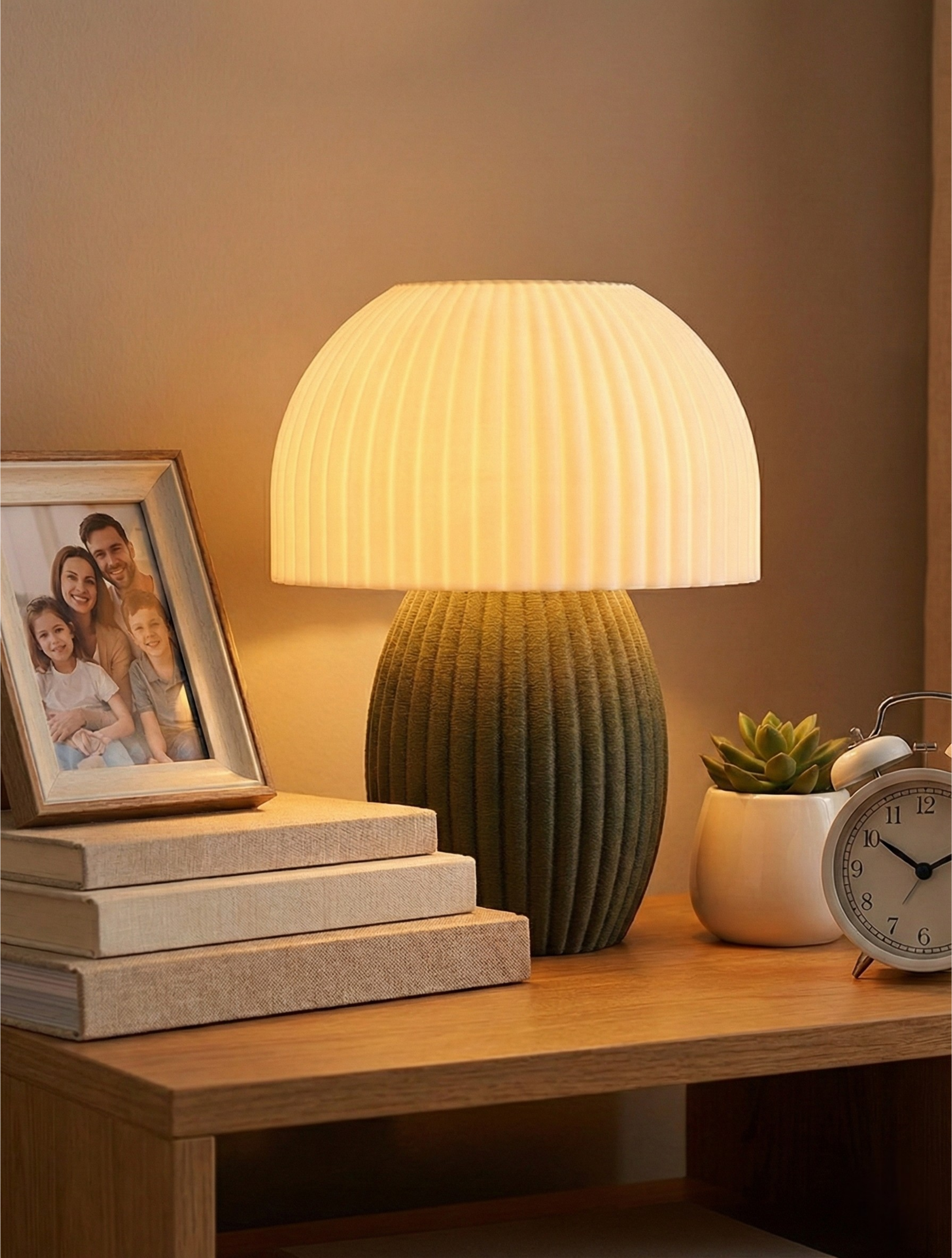
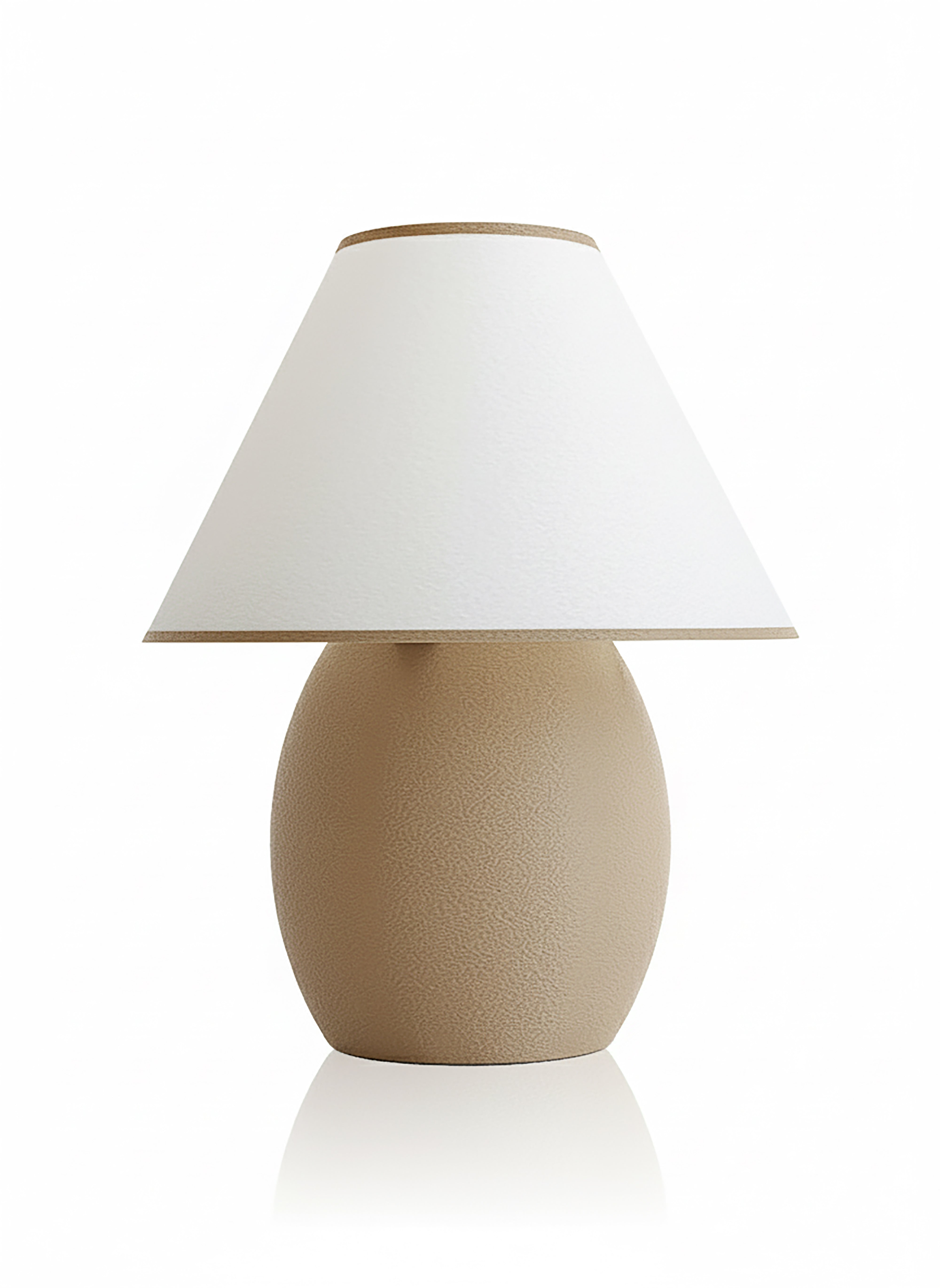
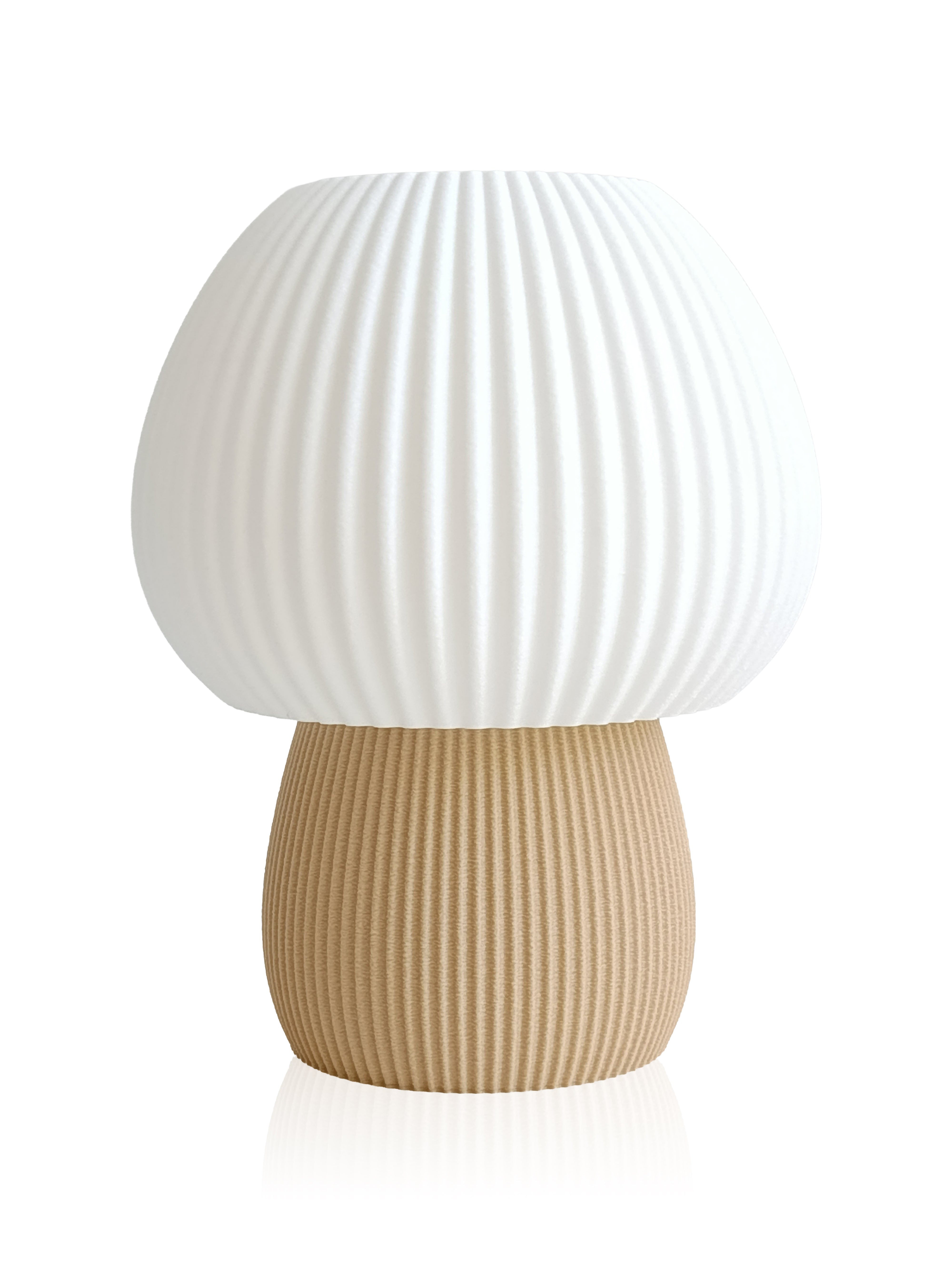
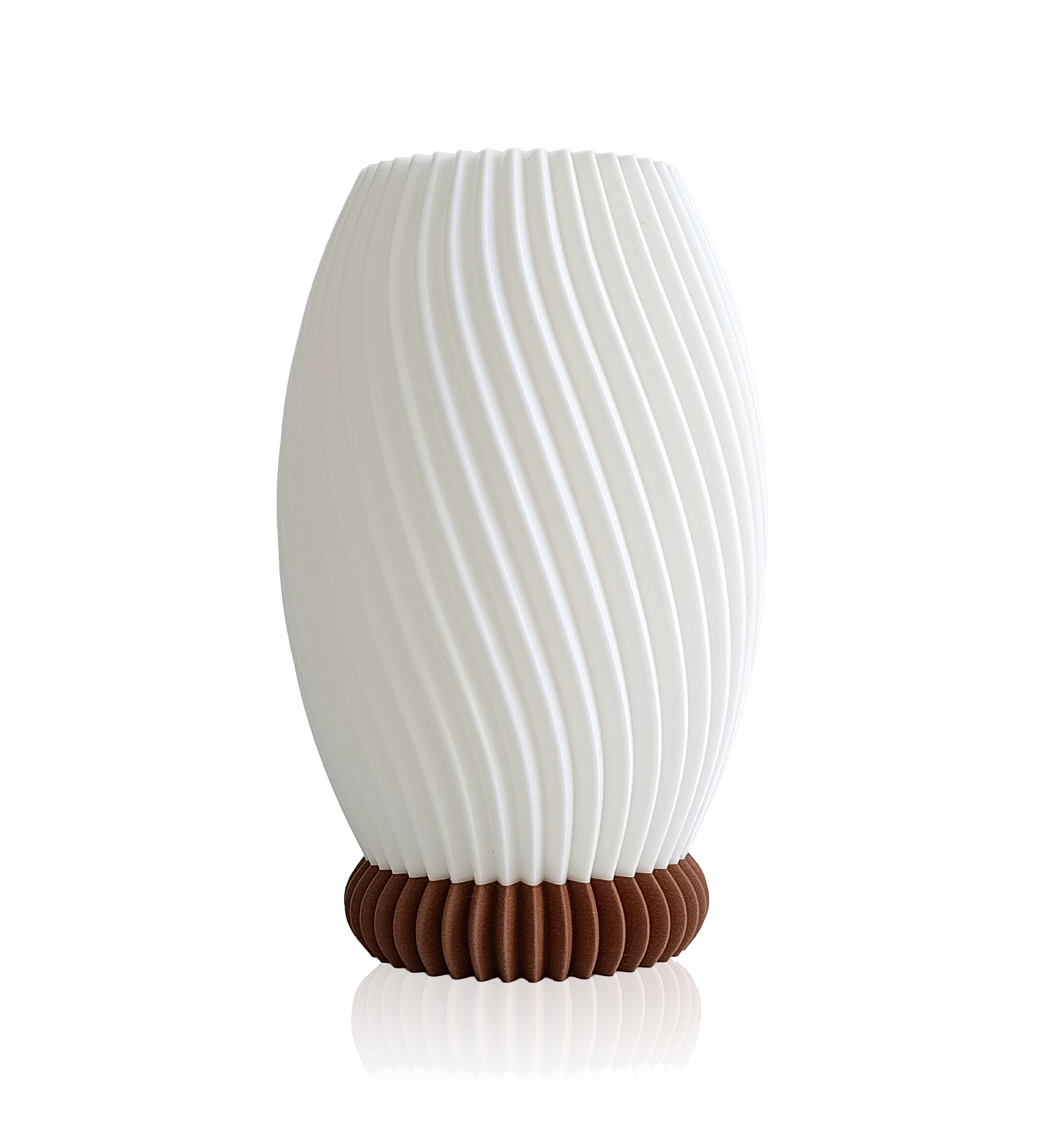
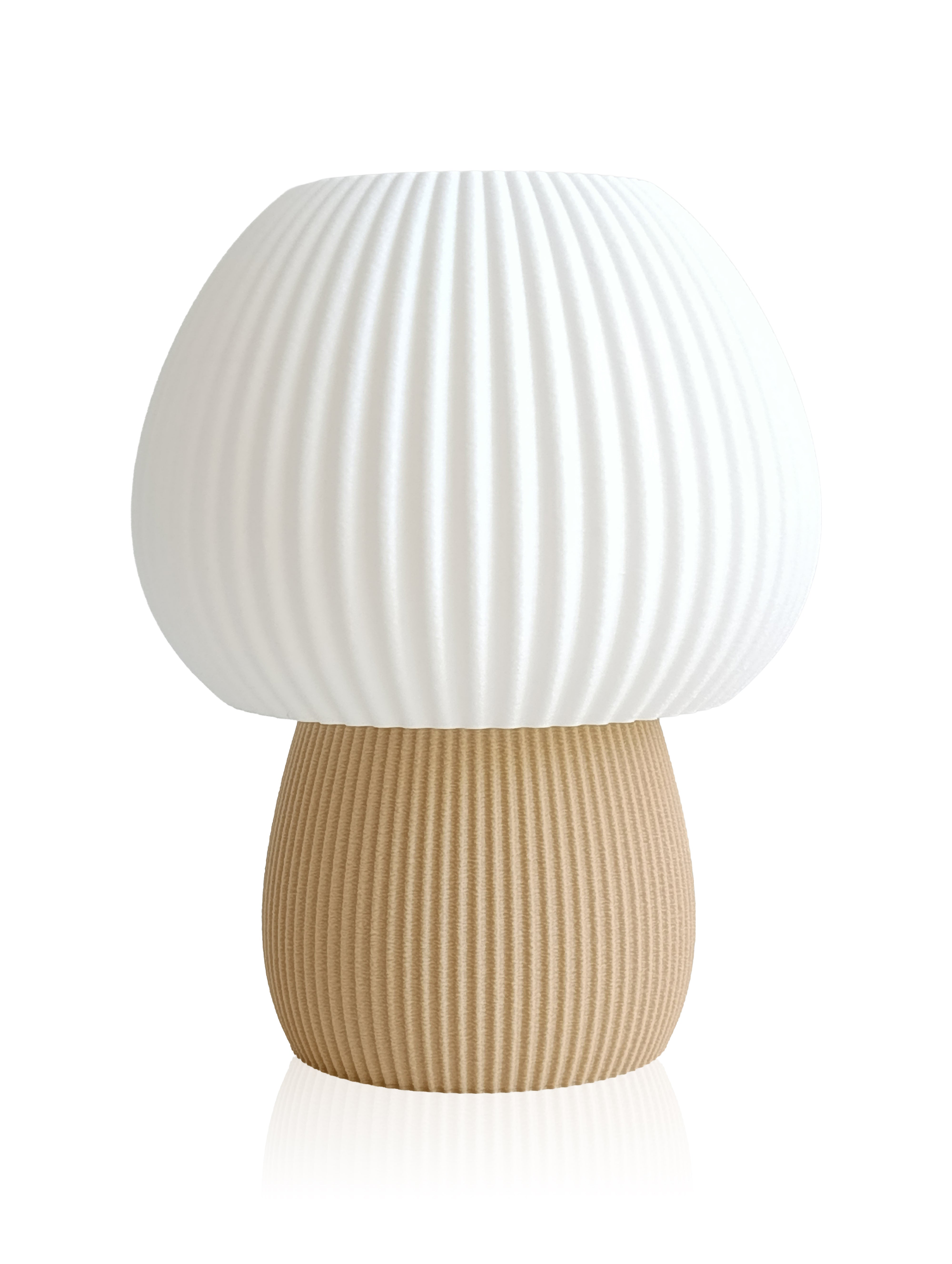
Flicker and Consistency are equally important. Flickering light—whether imperceptible or obvious—forces your visual system into constant micro-adjustments. Quality fixtures use technologies like high-frequency drivers to eliminate flicker entirely, creating stable light that your eyes can process without fatigue. The LUMOR US is engineered specifically with flicker-free technology, delivering the smooth, consistent light that prevents the subtle exhaustion many people attribute to aging rather than poor lighting.
Brightness (Lux Levels) should match the task:
- Reading or detailed work: 300–500 lux
- General living areas: 150–300 lux
- Ambient evening lighting: 50–150 lux
Designing Your Home's Lighting Layers
The most eye-healthy homes use layered lighting—combining ambient, task, and accent light in ways that reduce contrast and allow flexibility. This means:
- Ambient lighting provides gentle, diffused background light that fills your entire room without harsh shadows
- Task lighting delivers focused brightness exactly where you need it—reading nooks, desks, kitchen counters—preventing you from squinting or hunching
- Accent lighting adds warmth and visual interest without contributing to functional brightness
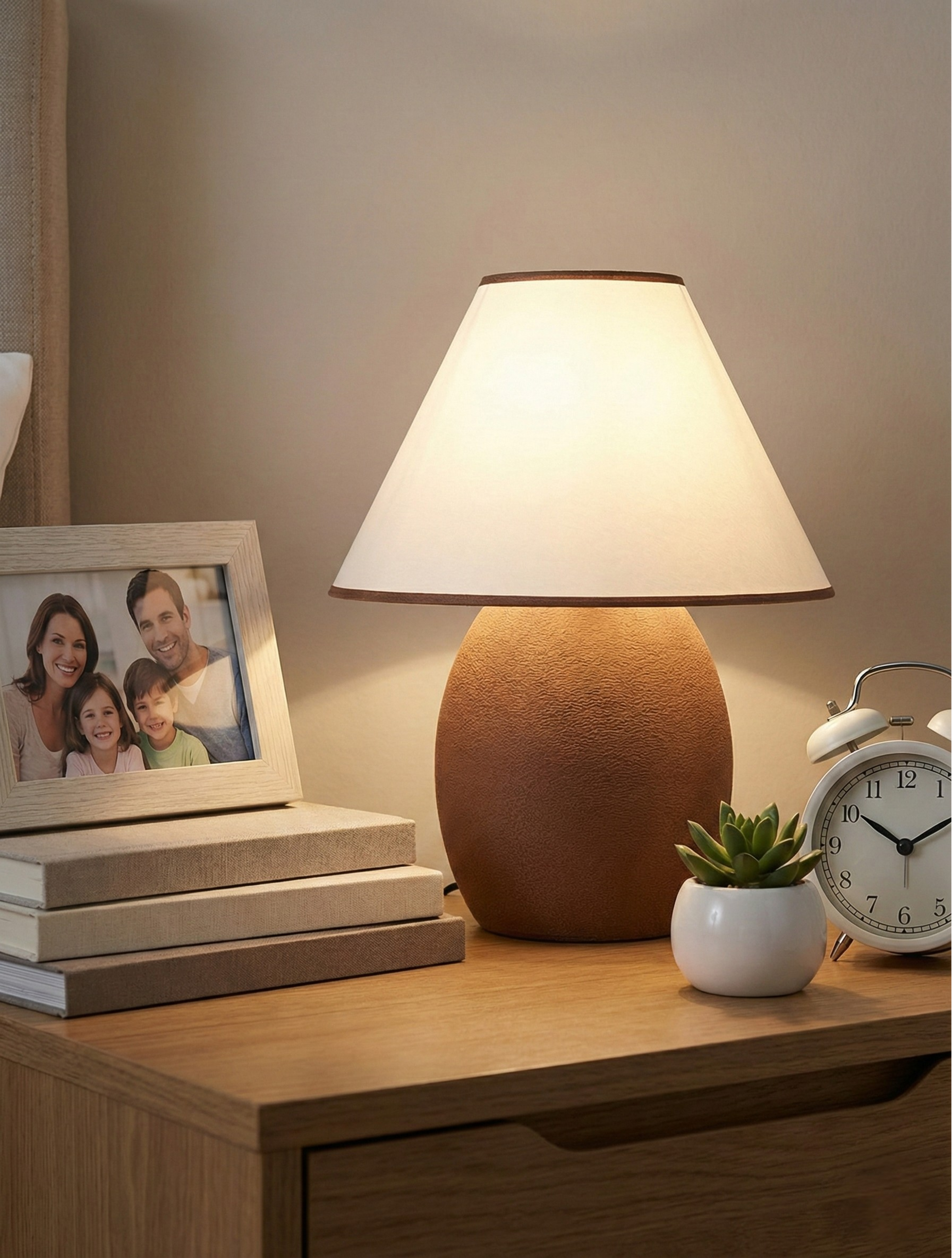
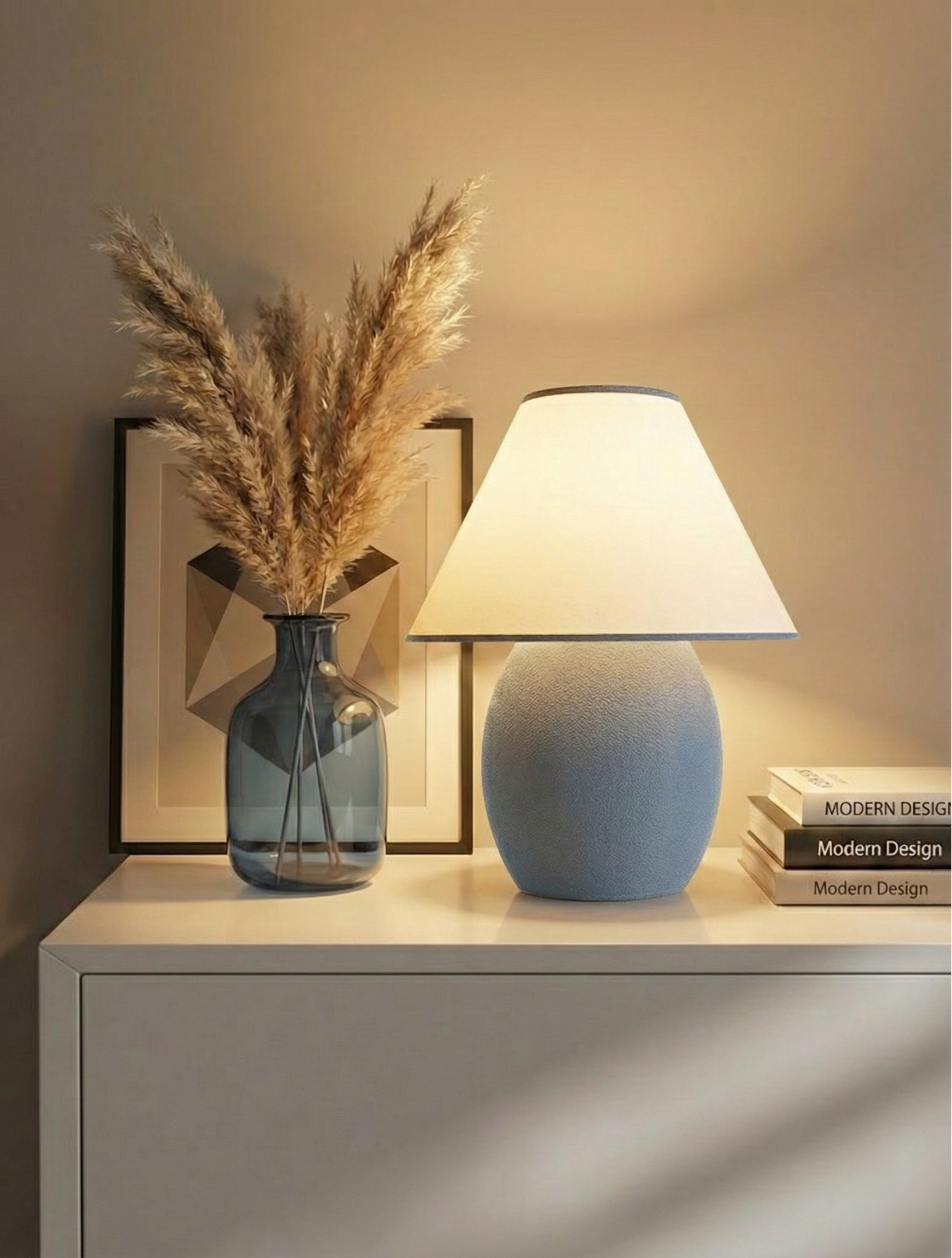
The key principle: avoid relying on a single overhead fixture. One bright ceiling light creates contrast between illuminated and dark zones, forcing your eyes to adapt repeatedly. Instead, distribute light across multiple sources at different levels. Wall sconces, table lamps, and under-cabinet lighting work together to create even, comfortable illumination.
Consider your daily rhythm too. Morning and afternoon call for cooler, more energizing light (4000K–4100K). As evening approaches, transition to warm white (2700K–3000K) to signal your body that rest is coming. This alignment with your circadian rhythm reduces strain and improves sleep quality—which itself supports healthier eyes.
Frequently Asked Questions
Does blue light from screens actually damage your eyes?
Blue light itself doesn't cause permanent damage, but excessive exposure—especially at night—can disrupt sleep and contribute to eye fatigue. The real issue is that screens demand sustained focus without natural breaks, combined with reduced blinking. Pairing screen time with warm, ambient lighting helps mitigate strain.
What's the best color temperature for a home office?
Neutral white light around 4000K–4100K is ideal for focused work because it promotes alertness without the disruptive effects of cooler light. Pair it with task lighting directly on your work surface to prevent contrast between your desk and surroundings, and always take regular breaks to rest your eyes.
Is flicker-free lighting worth the investment?
Yes. Flicker-free lighting eliminates the invisible micro-adjustments your eyes make constantly with standard bulbs, reducing cumulative fatigue. Many people don't realize their end-of-day eye discomfort stems from flickering light—switching to flicker-free sources often brings noticeable relief within days.
Creating Light That Serves Your Vision and Your Home
Your home's lighting should feel like an extension of thoughtful design, not an afterthought. When you prioritize eye health—through warm color temperatures, flicker-free technology, and intentional layering—you're not just reducing strain. You're creating spaces where your body can genuinely relax, where focus flows naturally, and where the light itself feels like part of your home rather than something working against it. The relationship between lighting and eye health isn't complicated; it's about choosing light that respects how your eyes actually work, and designing your home around that wisdom.





Share:
Light Temperature and Color Selection: Proper Lighting for Decor Colors
Light and Social Status: How Lighting Affects Prestige Perception