

Light Temperature and Color Selection: Proper Lighting for Decor Colors

The color of light in your home is just as important as the color of your walls, furniture, and art. Light temperature—measured in Kelvin (K)—fundamentally changes how your decor appears and how you feel in a space. Understanding light temperature and color selection ensures that your carefully chosen interior design actually looks the way you envisioned it. This science-backed approach to lighting transforms your home from a collection of beautiful objects into a cohesive, emotionally resonant environment.
What Is Light Temperature and Why It Matters for Your Home
Light temperature describes the color appearance of light, ranging from warm (reddish-yellow) to cool (bluish-white). The Kelvin scale measures this: lower values (2000K–3000K) produce warm light, while higher values (4000K–6500K) produce cool light. Your home's lighting temperature directly influences how colors appear on walls, textiles, and finishes, and it affects your mood and circadian rhythm.
When you paint a wall a specific shade or select fabric for your sofa, you're viewing it under certain lighting conditions—likely daylight or store lighting. But when you bring those pieces home, the light temperature in your space may be completely different, causing colors to appear duller, warmer, or entirely unfamiliar. This is why professional designers always consider light temperature alongside color selection. Your home deserves lighting that honors the aesthetic vision you've invested in.
Warm Light (2700K–3000K) for Cozy, Intimate Spaces
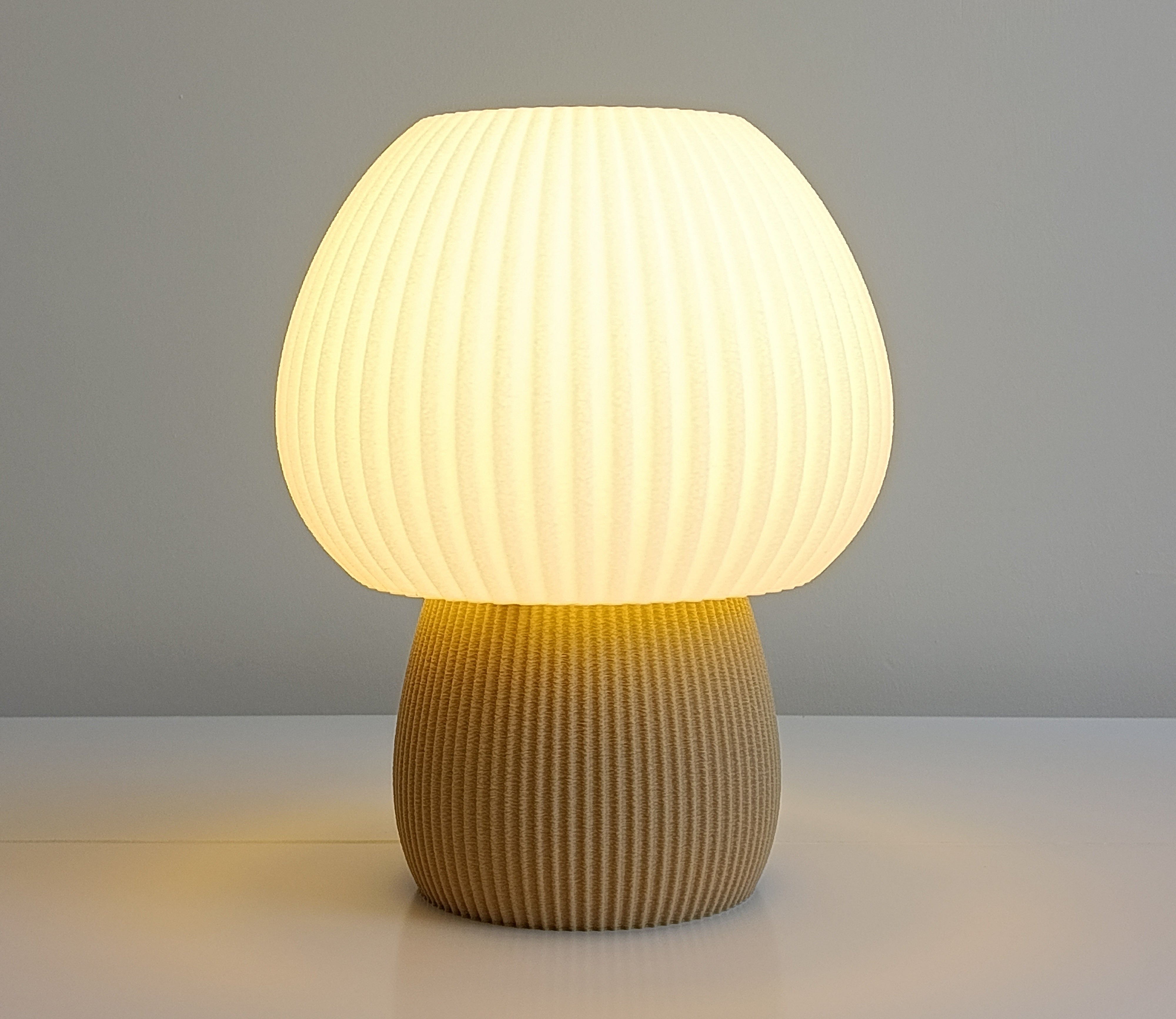
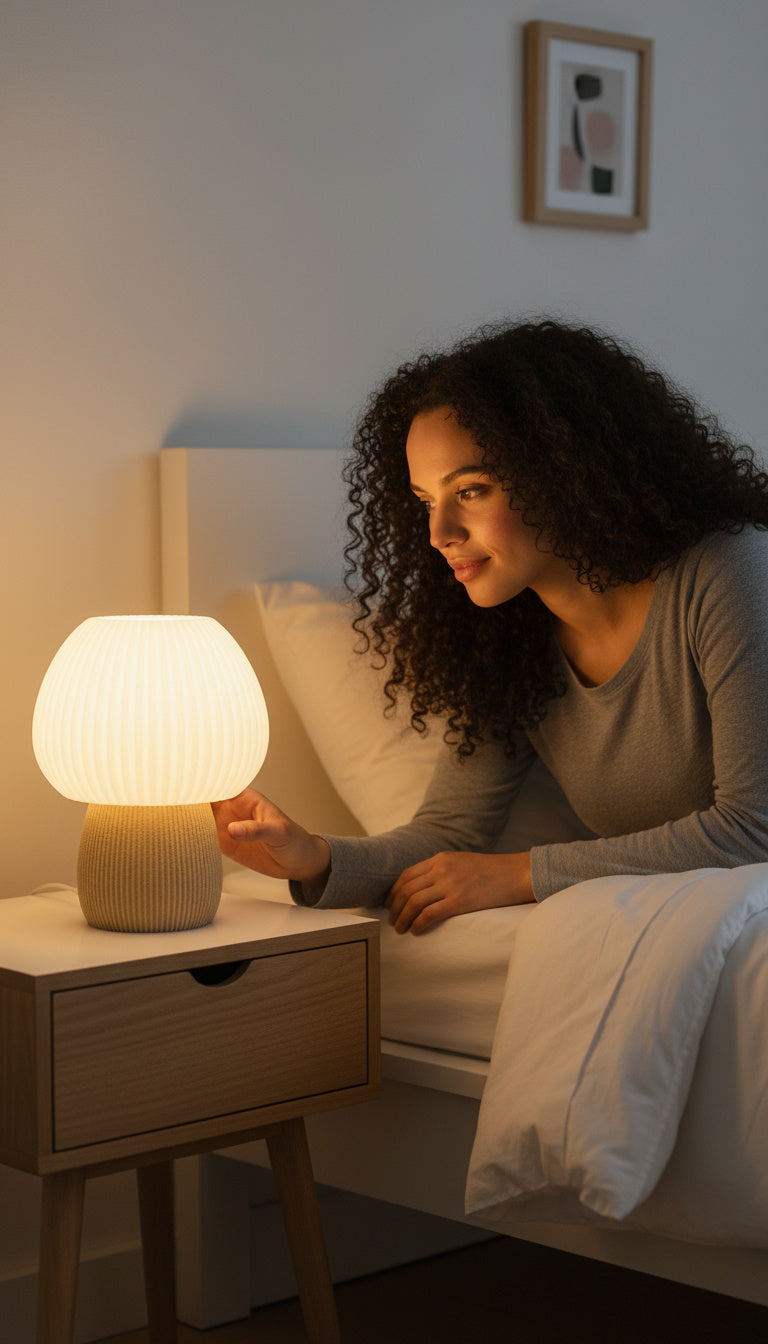
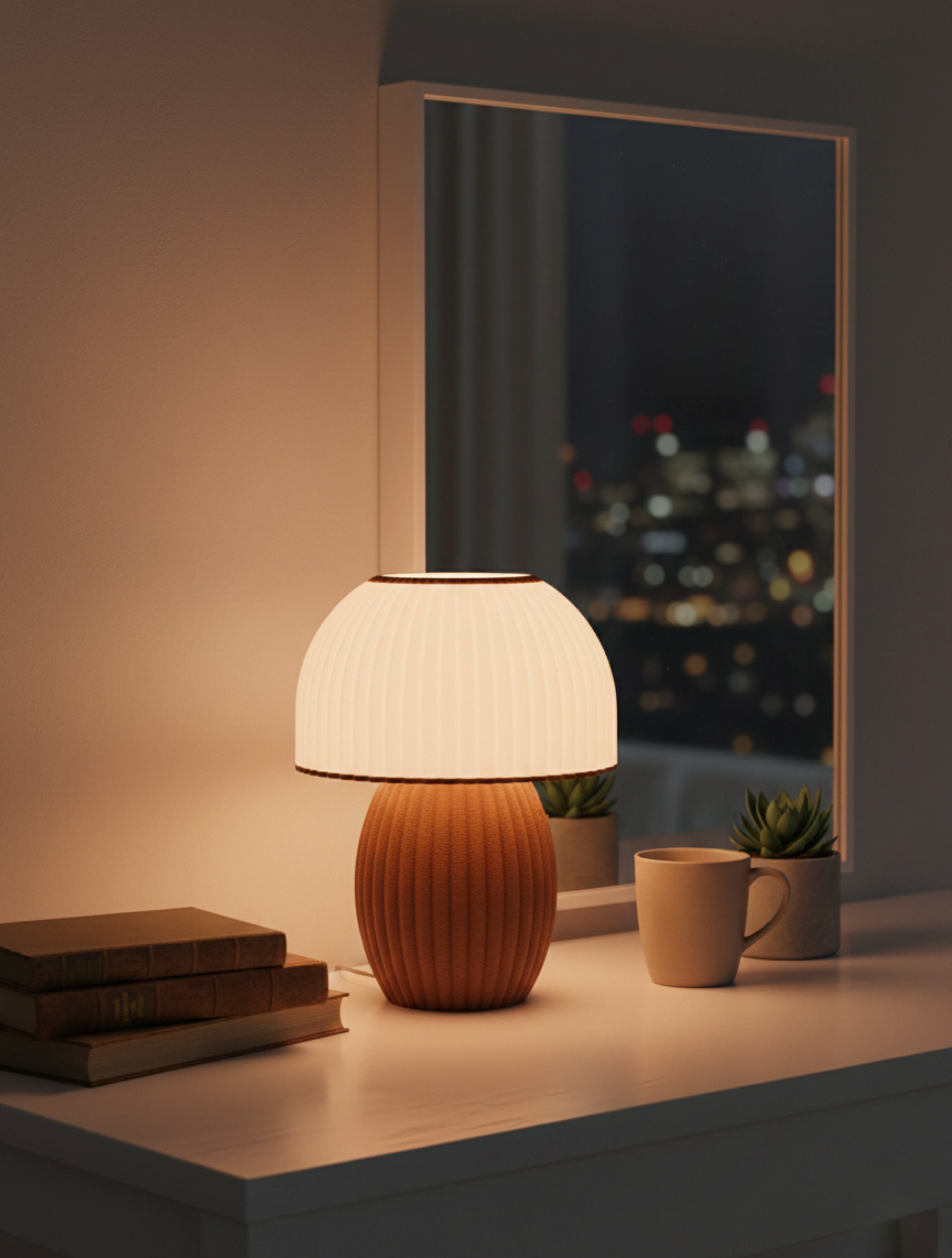
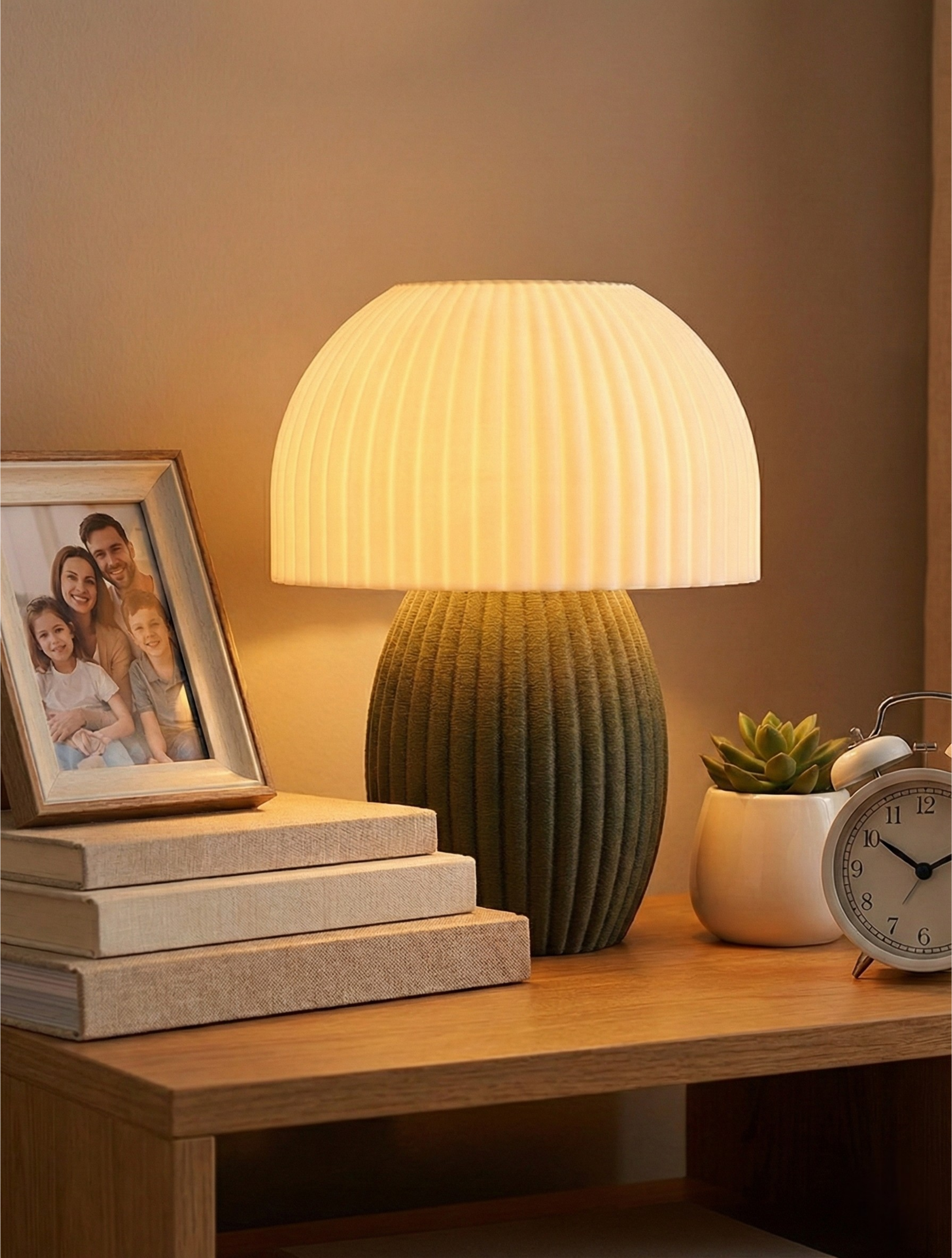
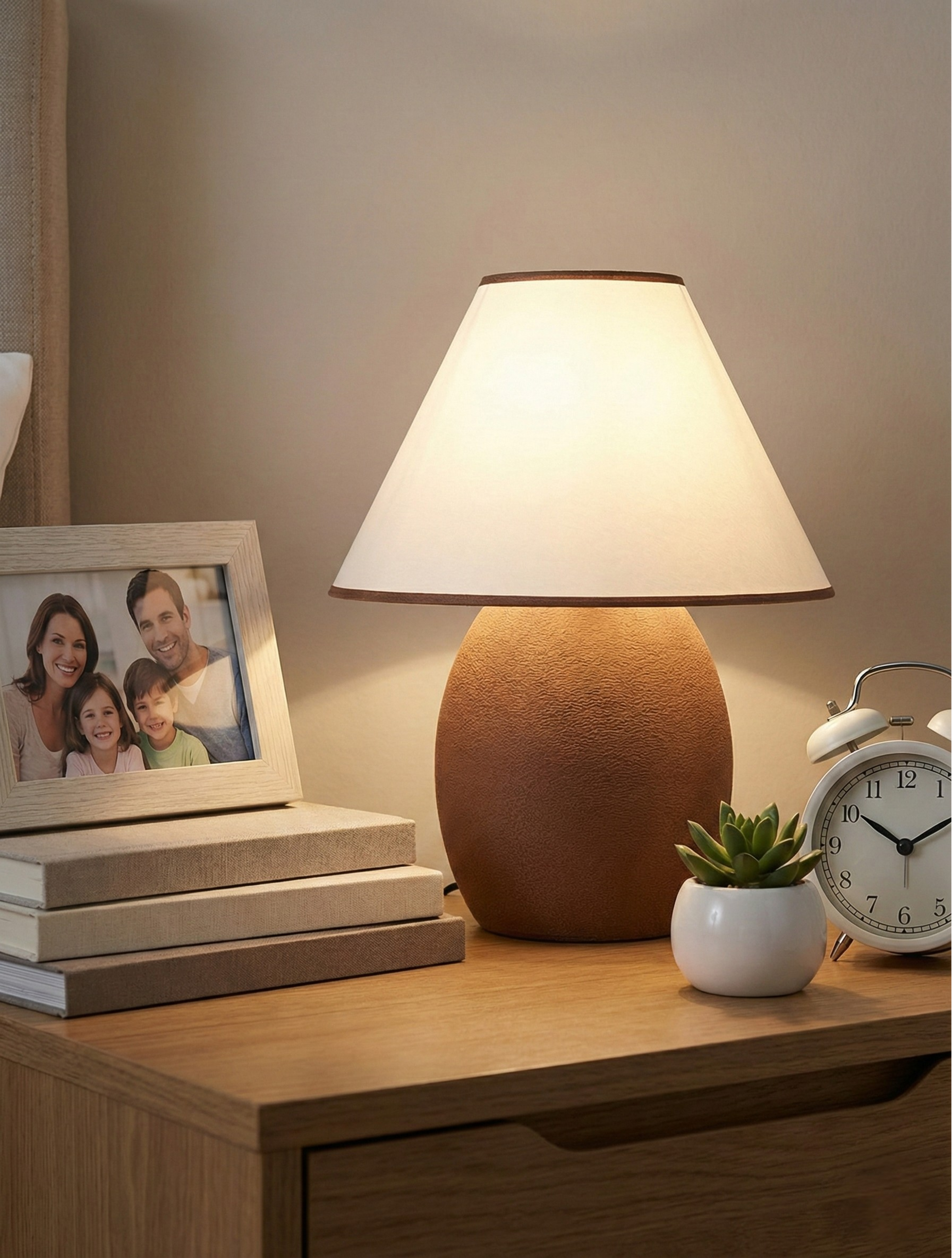
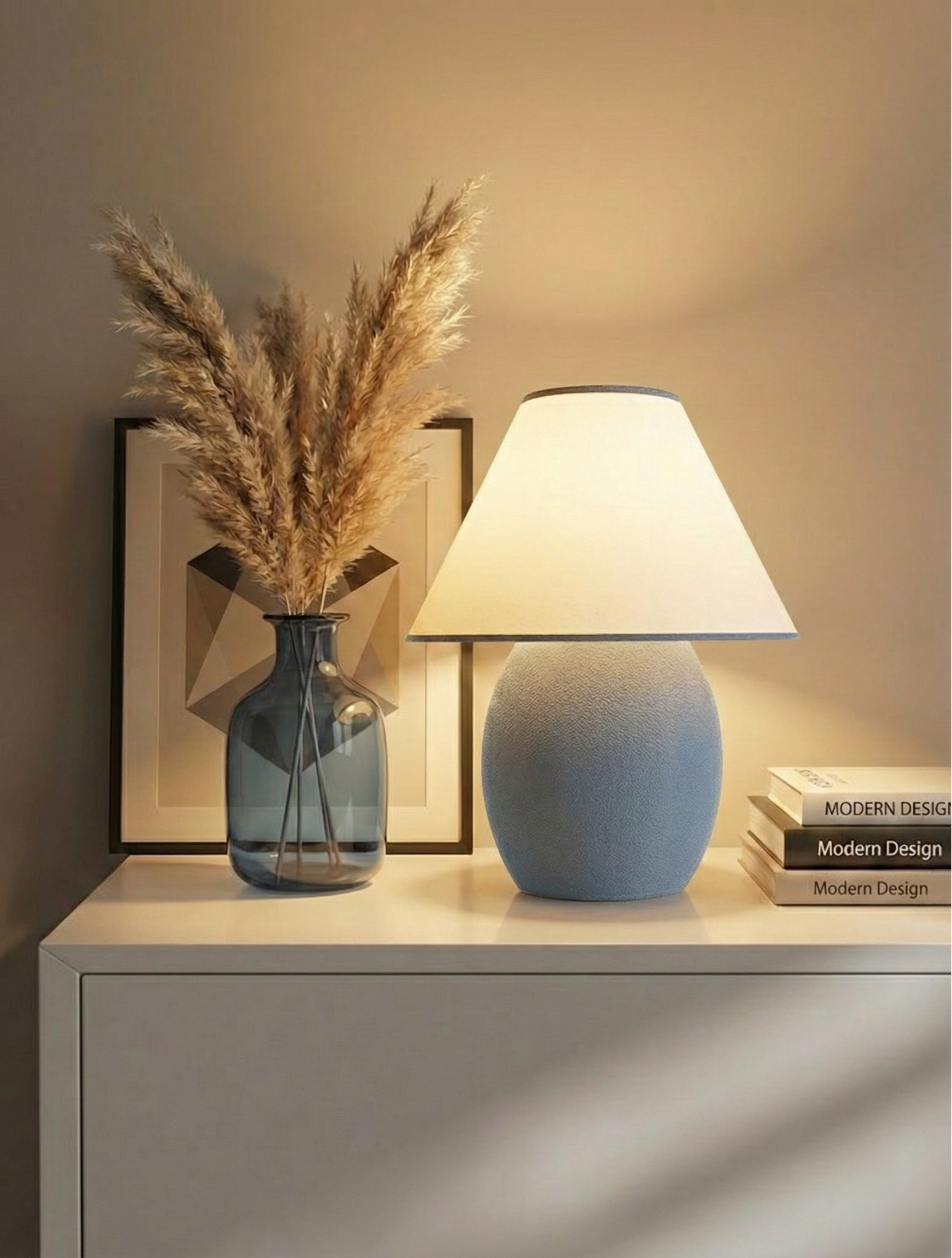
Warm light mimics the golden glow of sunset and candlelight. At 2700K–3000K, it creates a sense of comfort, relaxation, and intimacy—perfect for bedrooms, living rooms, and dining areas where you want to unwind. Warm light flatters skin tones and enhances warm colors like oranges, reds, browns, and warm neutrals. If your decor features earthy palettes, vintage furnishings, or jewel tones, warm light will make these elements feel more inviting and luxurious.
However, warm light can make cool-toned colors (like cool blues, grays, or cool whites) appear slightly muddy or less vibrant. This is important to remember if you're blending color temperatures or have multiple rooms with different design aesthetics. In spaces where you want maximum visual clarity—like kitchens or home offices—warm light alone may not be sufficient.
Cool Light (4000K–5000K) for Clarity and Modern Aesthetics
Cool light sits in the middle of the temperature spectrum and closely resembles midday natural daylight. At 4000K–5000K, it provides clarity without the harshness of very cool, clinical light. Cool light makes colors appear more true-to-life and is ideal for spaces where you need visual acuity: kitchens, bathrooms, home offices, and art display areas. It also enhances cool-toned decor like blues, grays, cool whites, and contemporary furnishings.
Cool light can feel sterile or clinical if it's too intense, so context matters. In social spaces like dining rooms or living areas, cool light works best when paired with warm ambient lighting or when used in moderation. Consider layering your lighting with different temperatures to create depth and flexibility in how your home feels throughout the day.
Layering Light Temperature for Design Flexibility
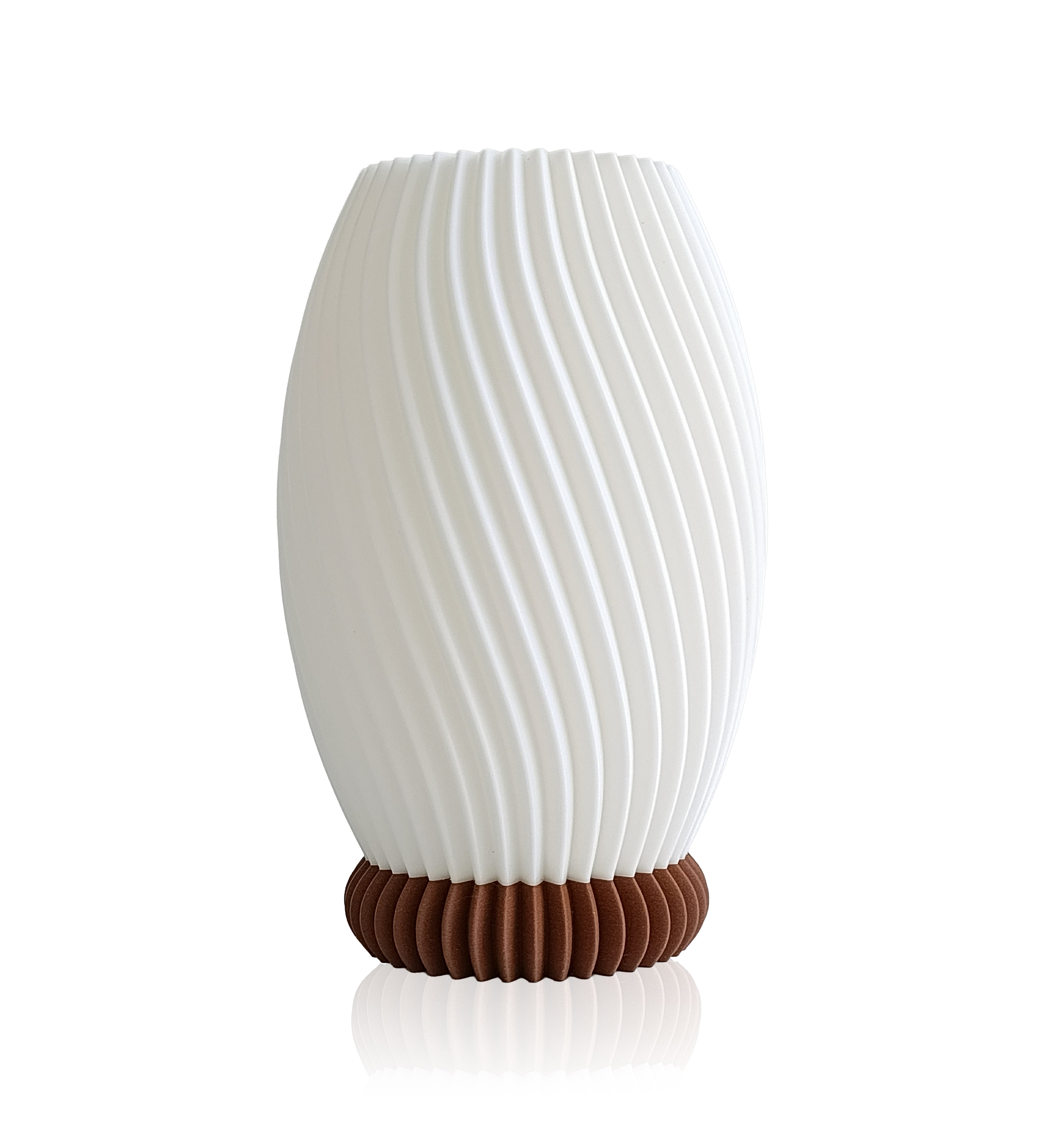
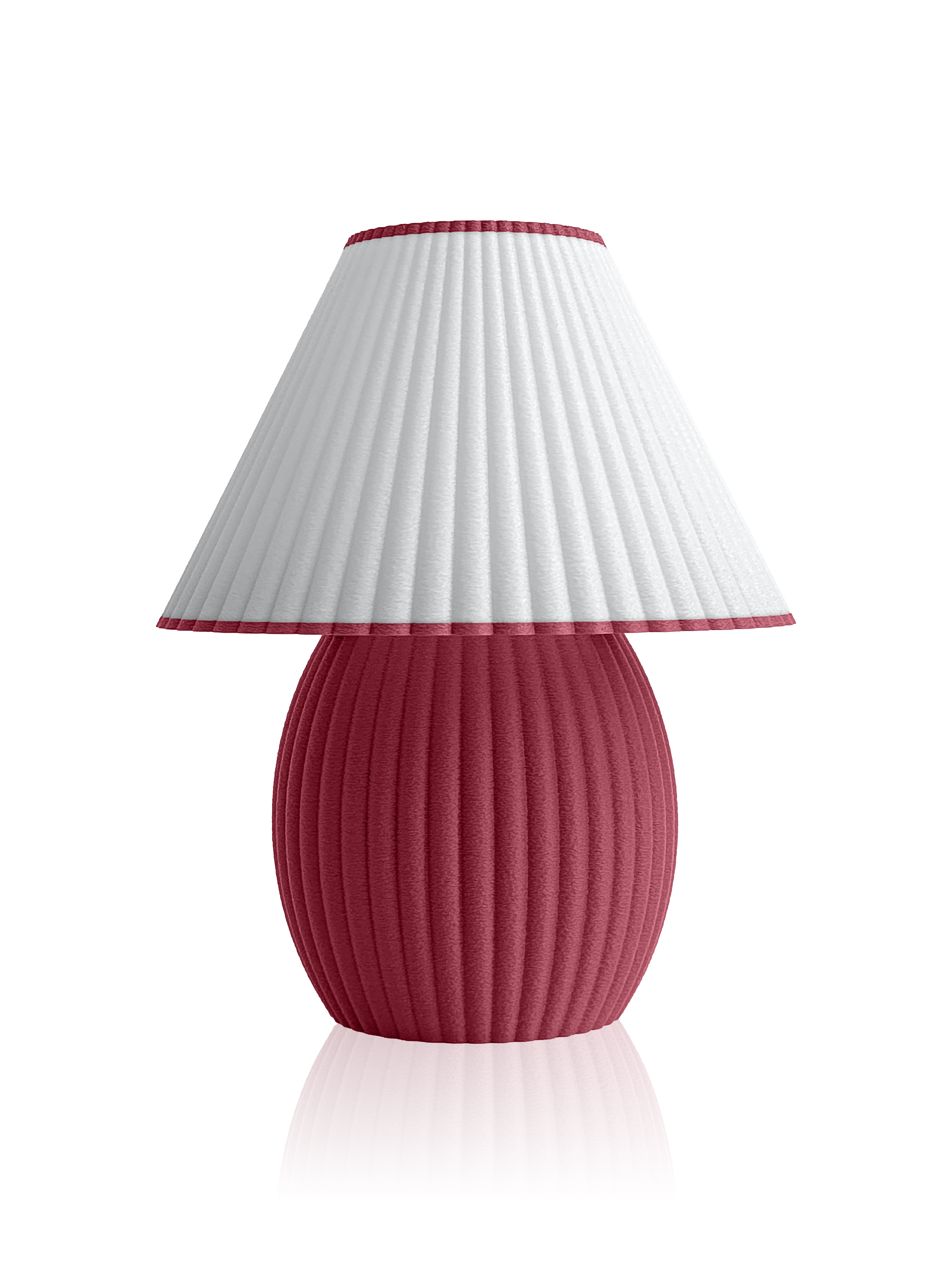
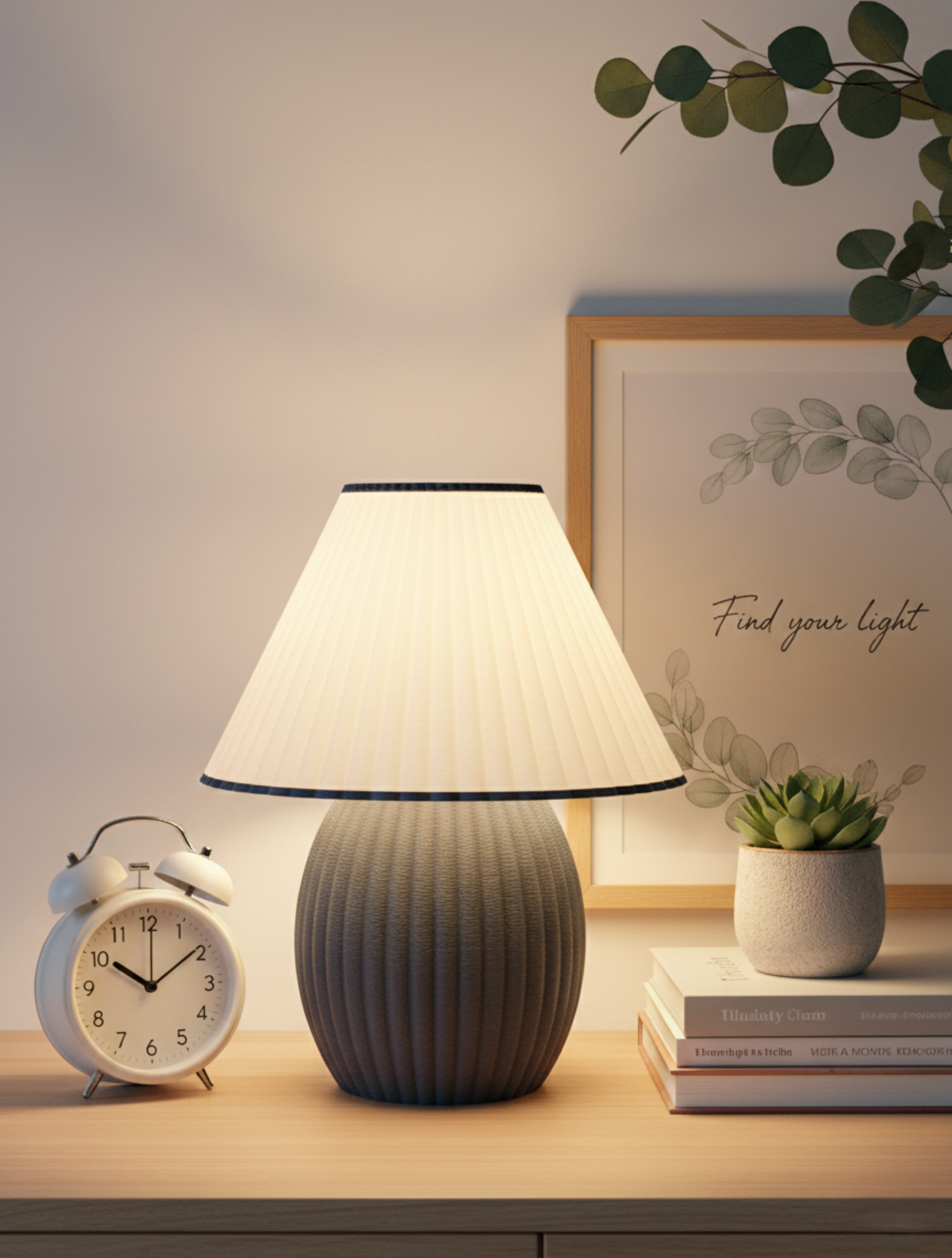
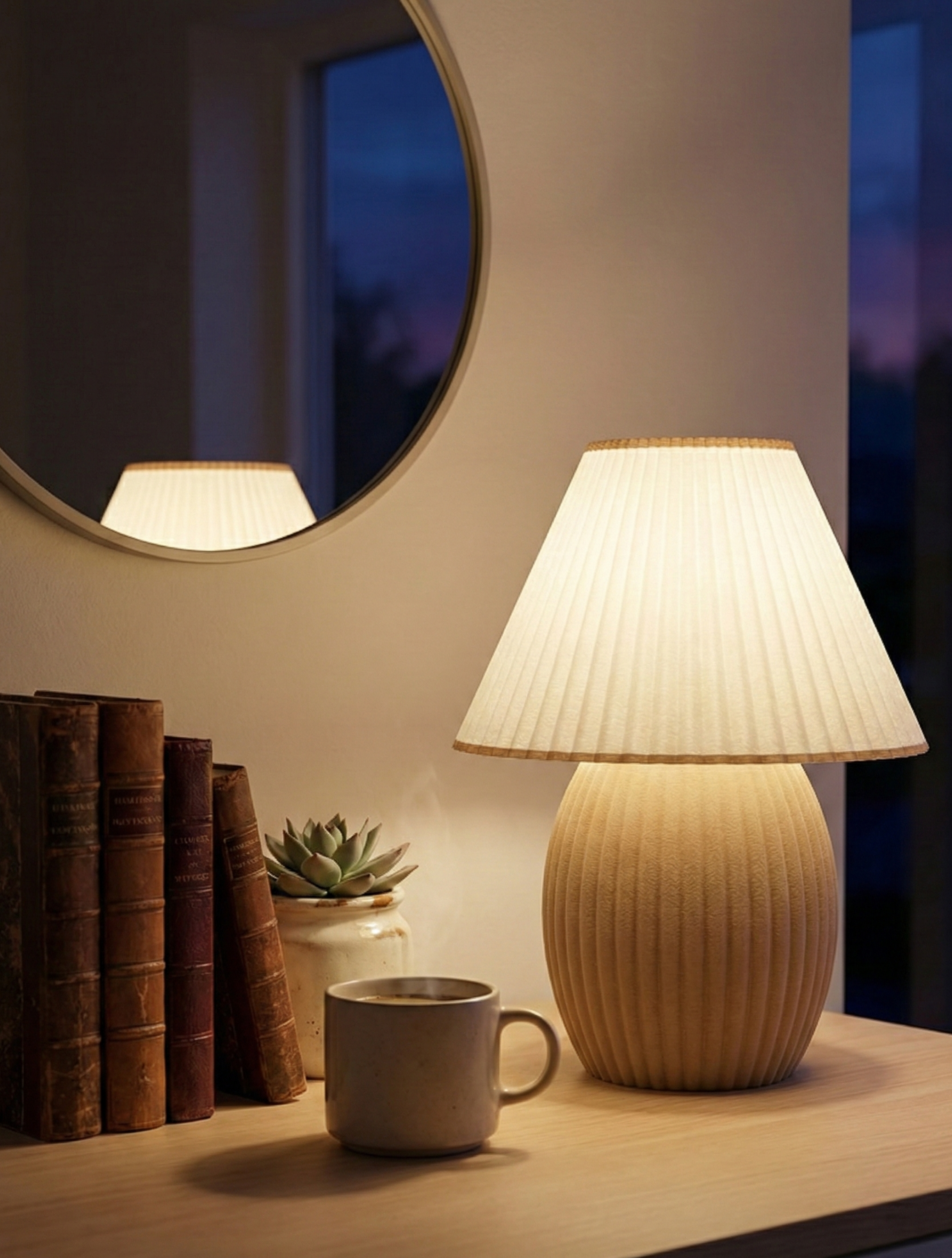
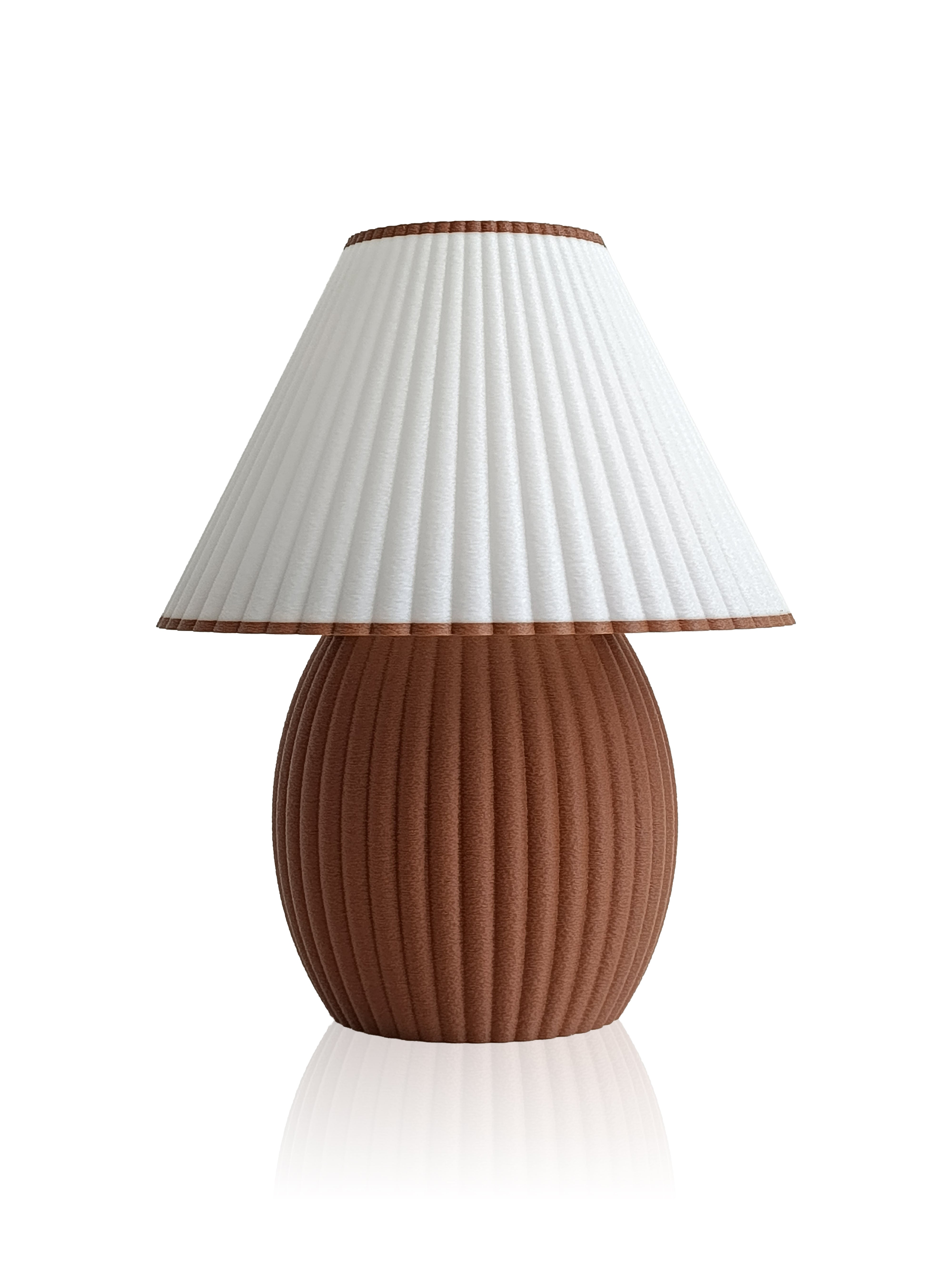
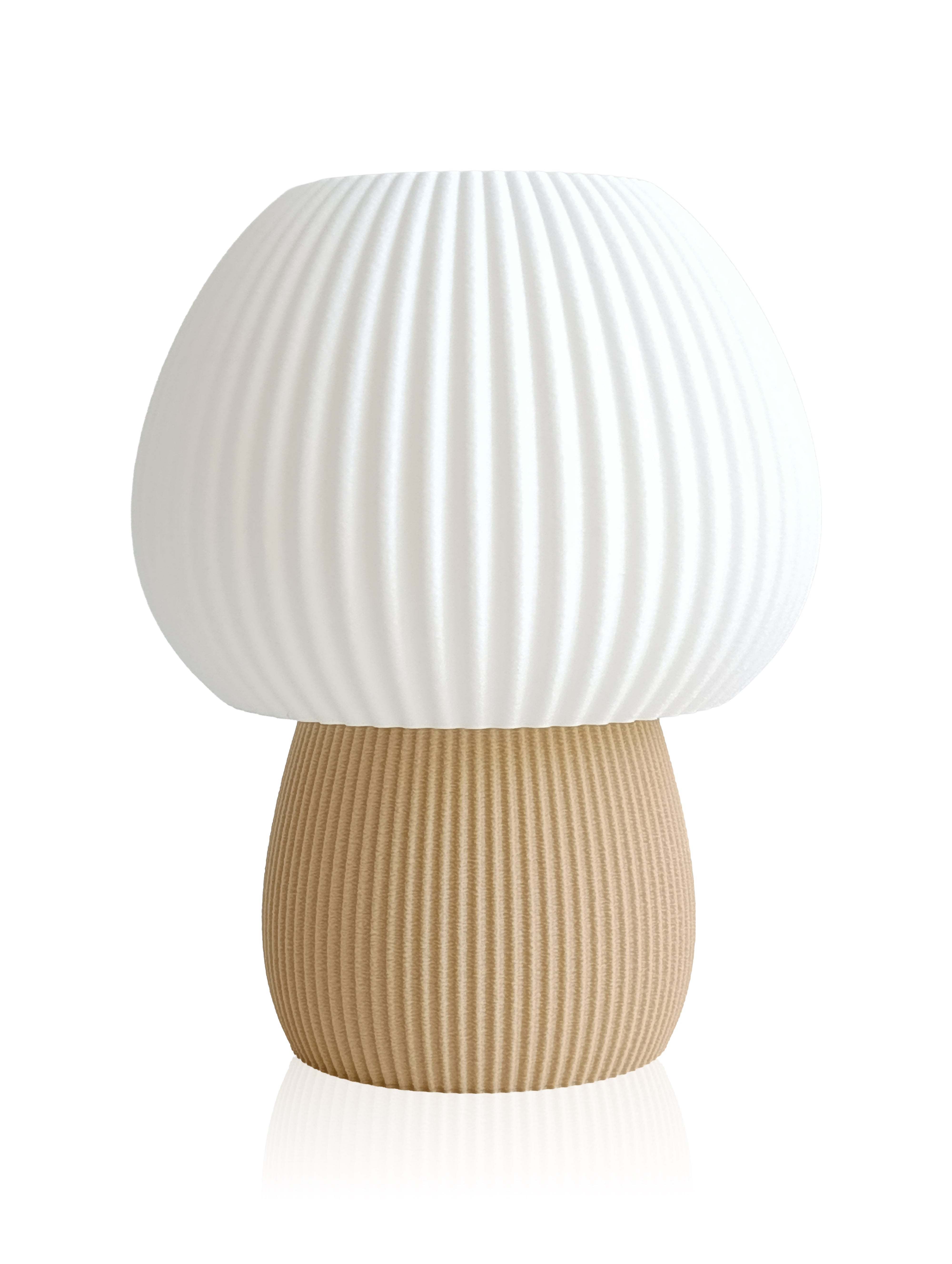
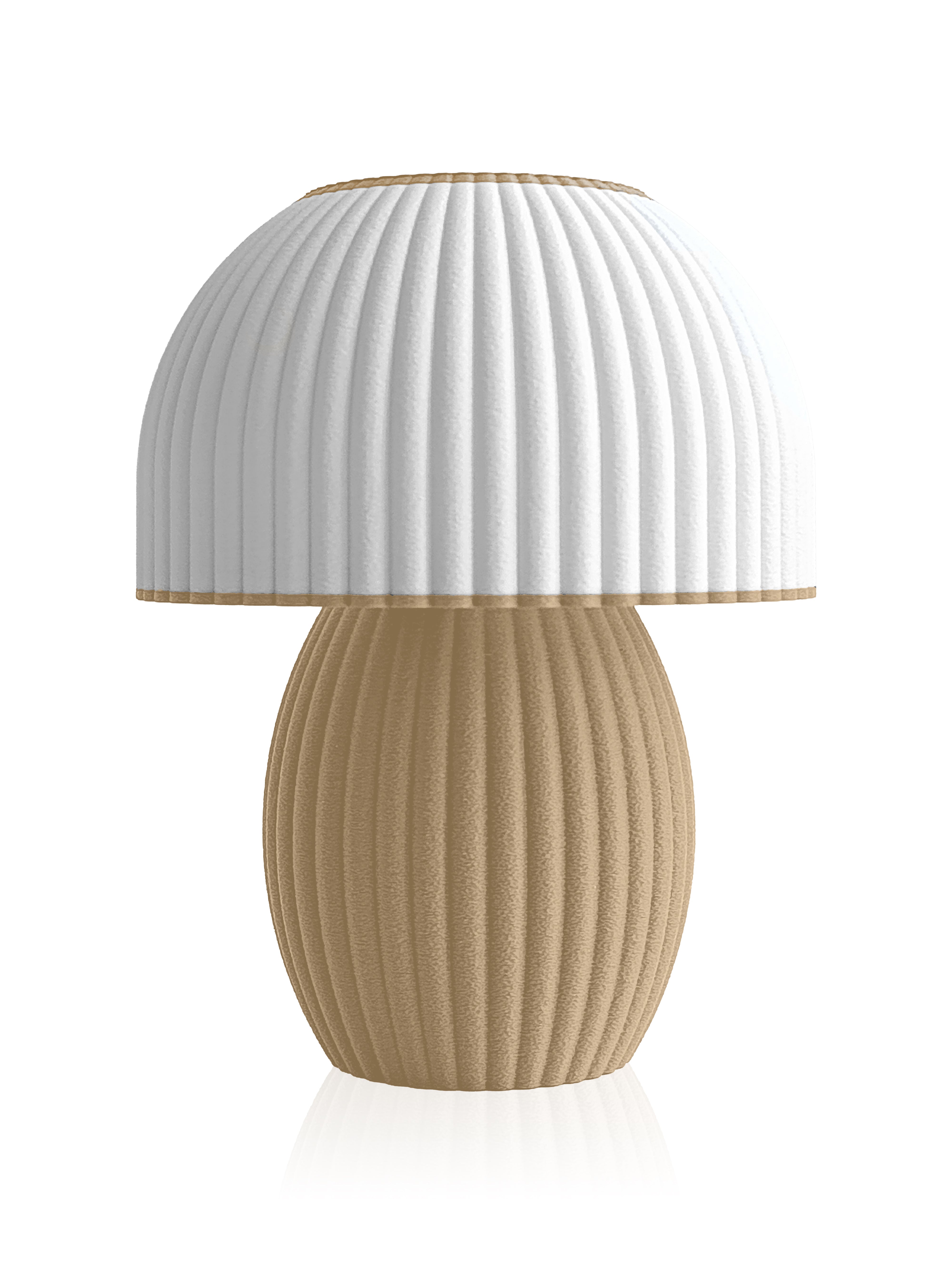
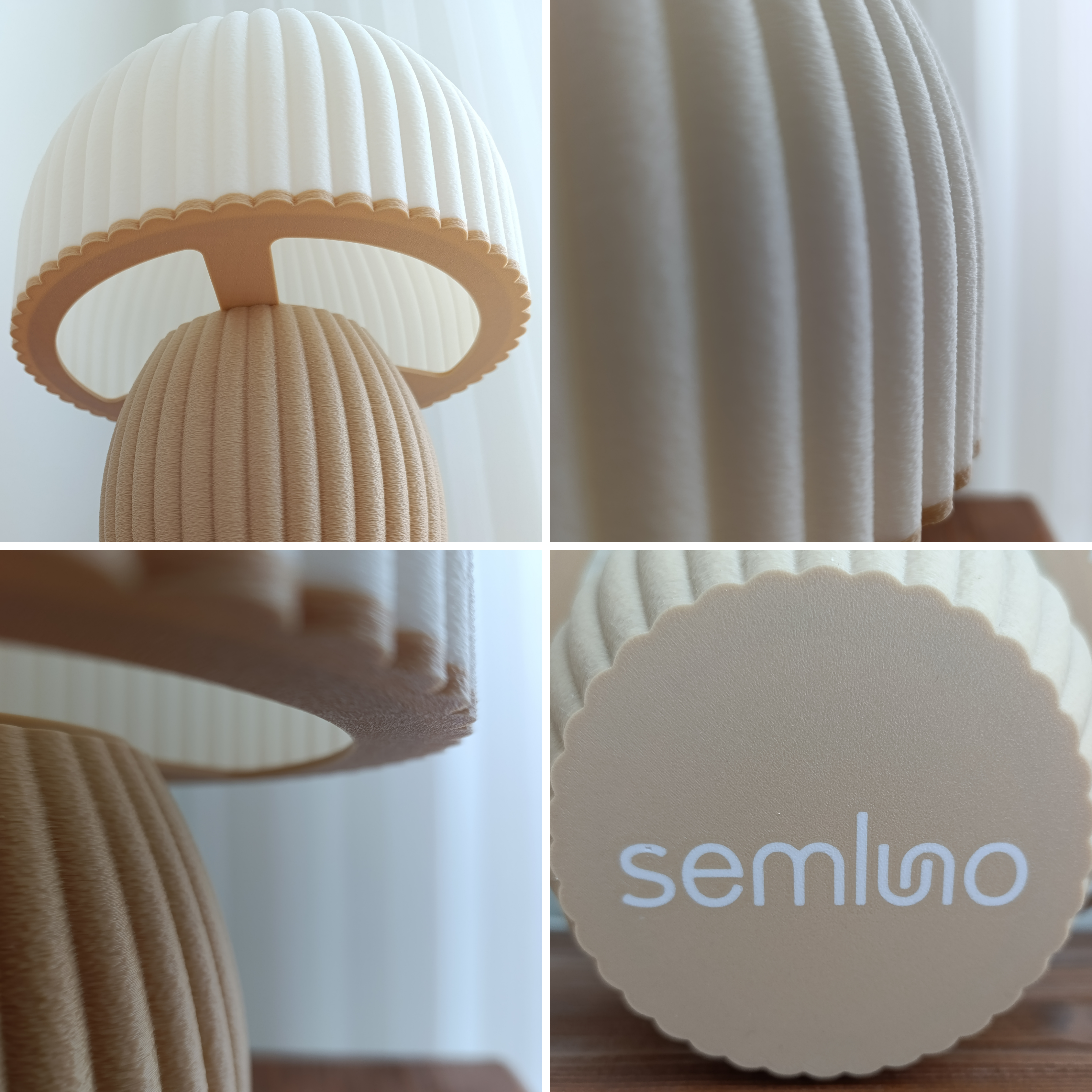
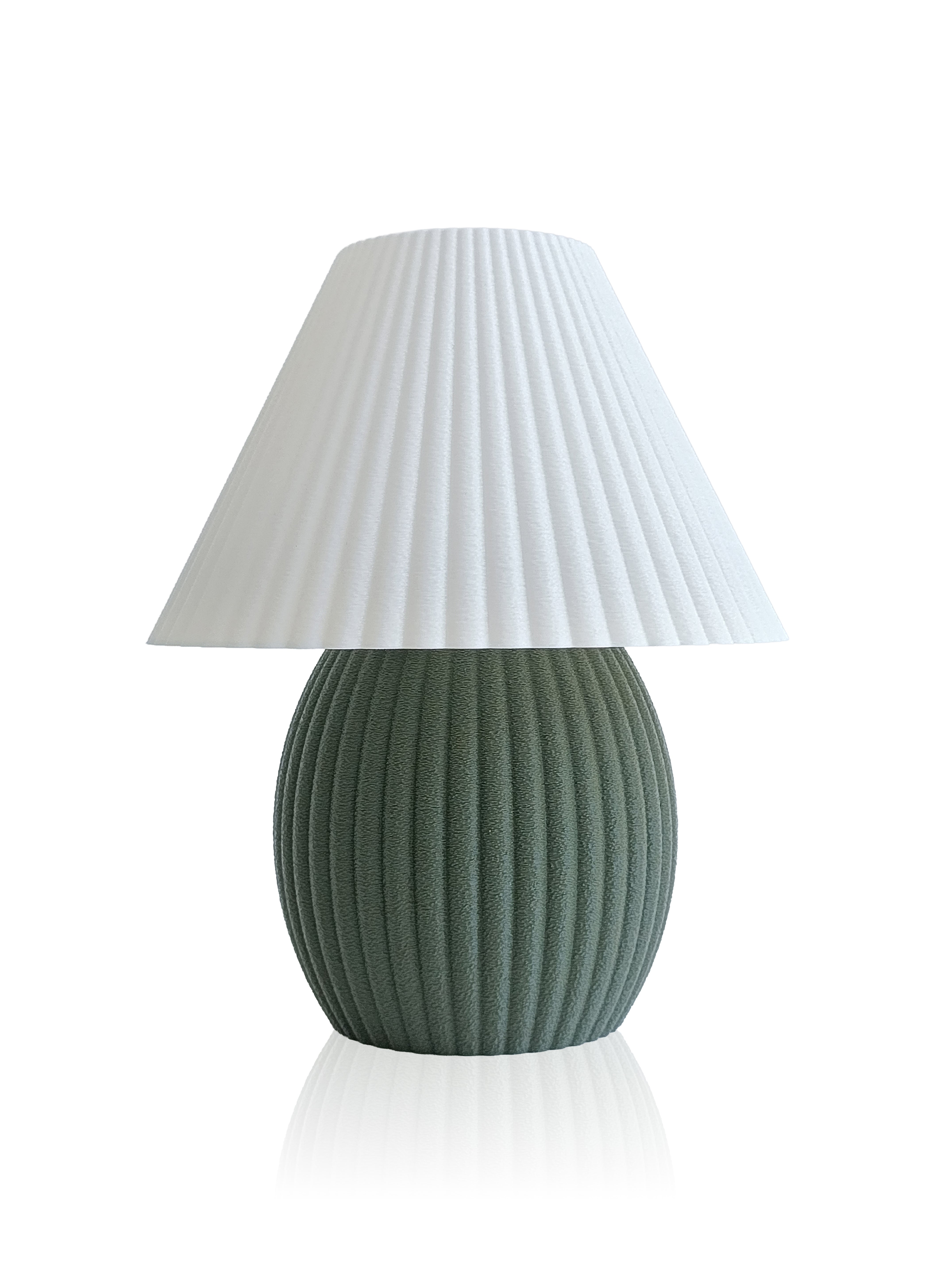
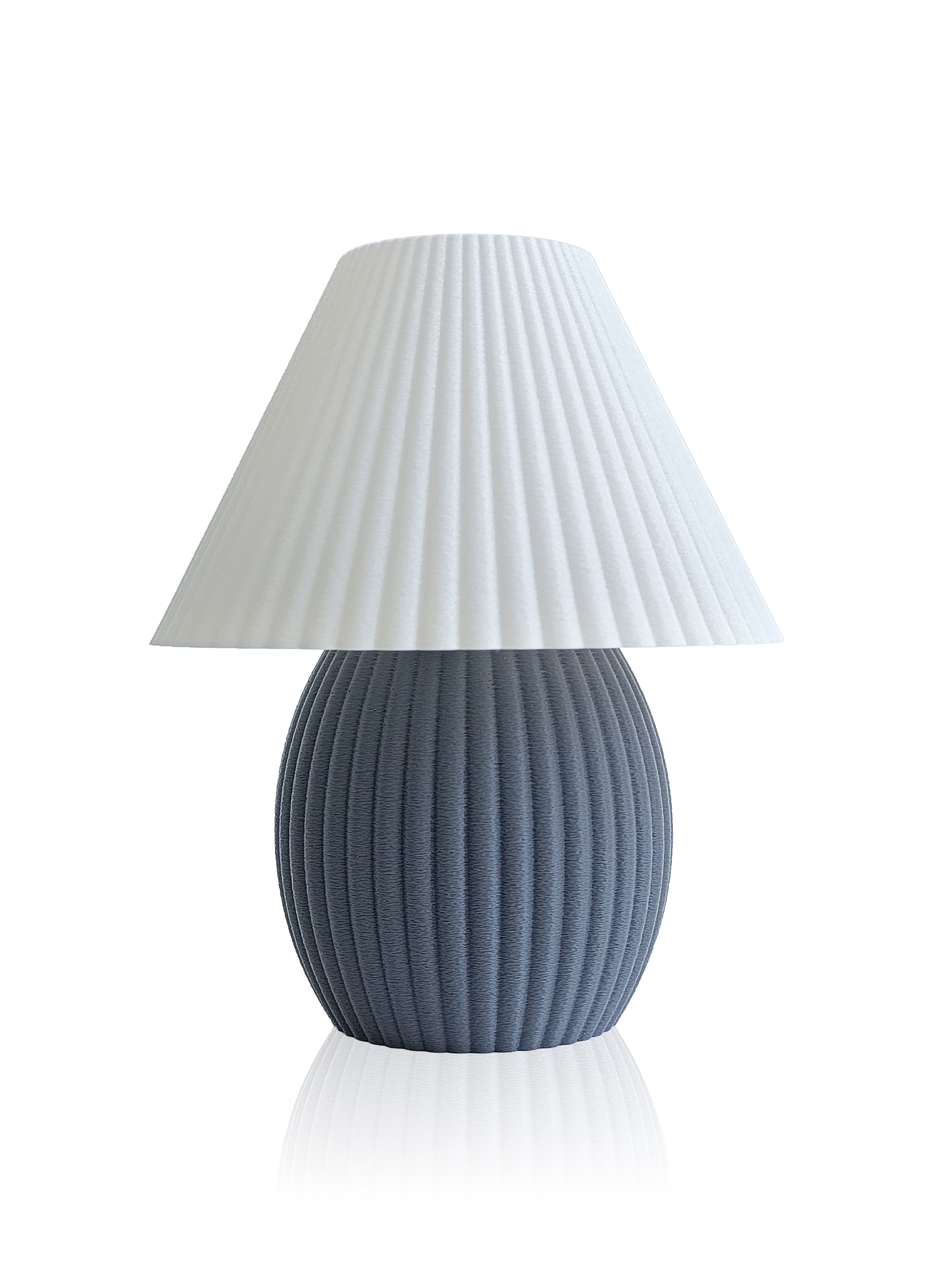
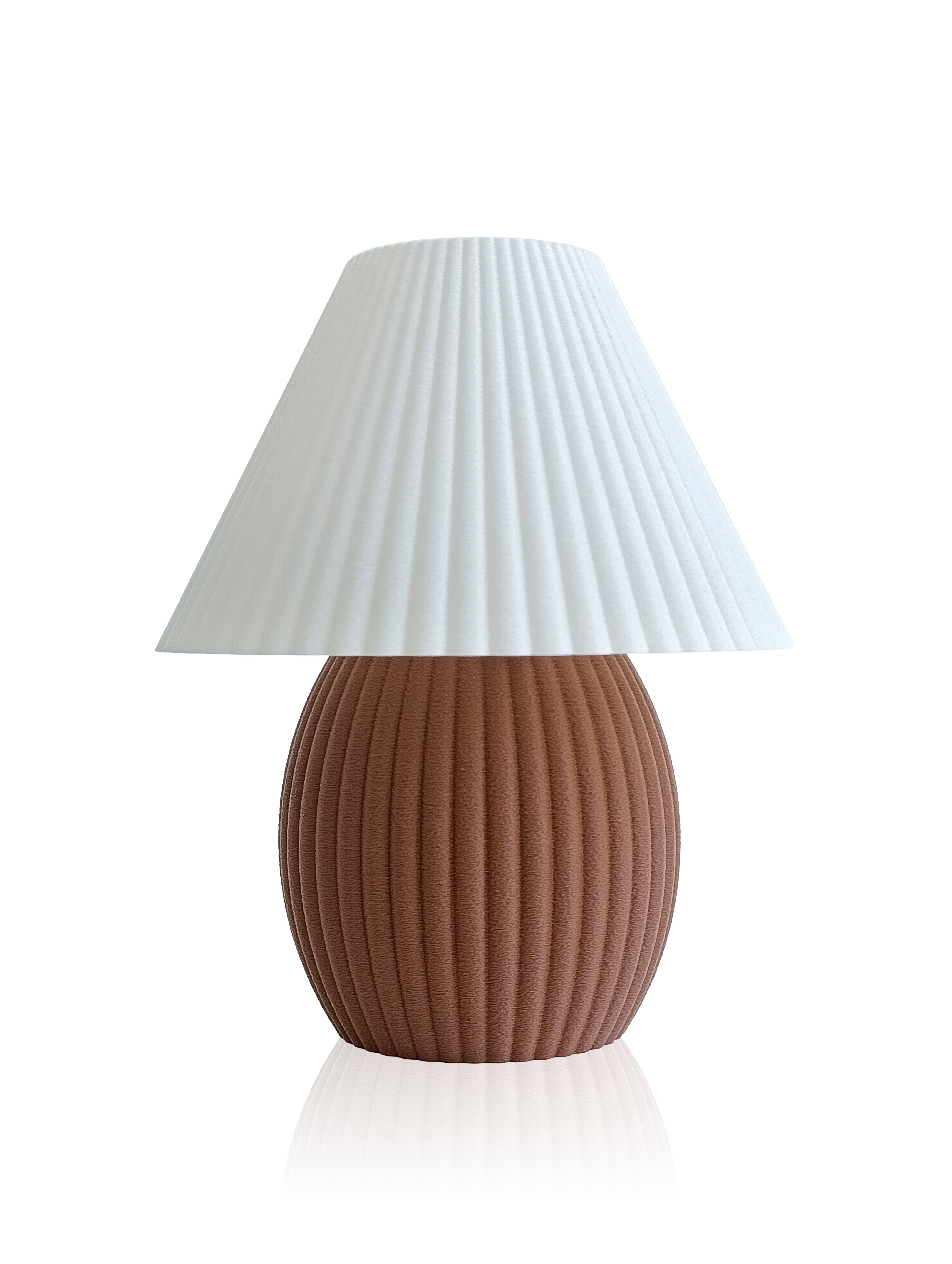
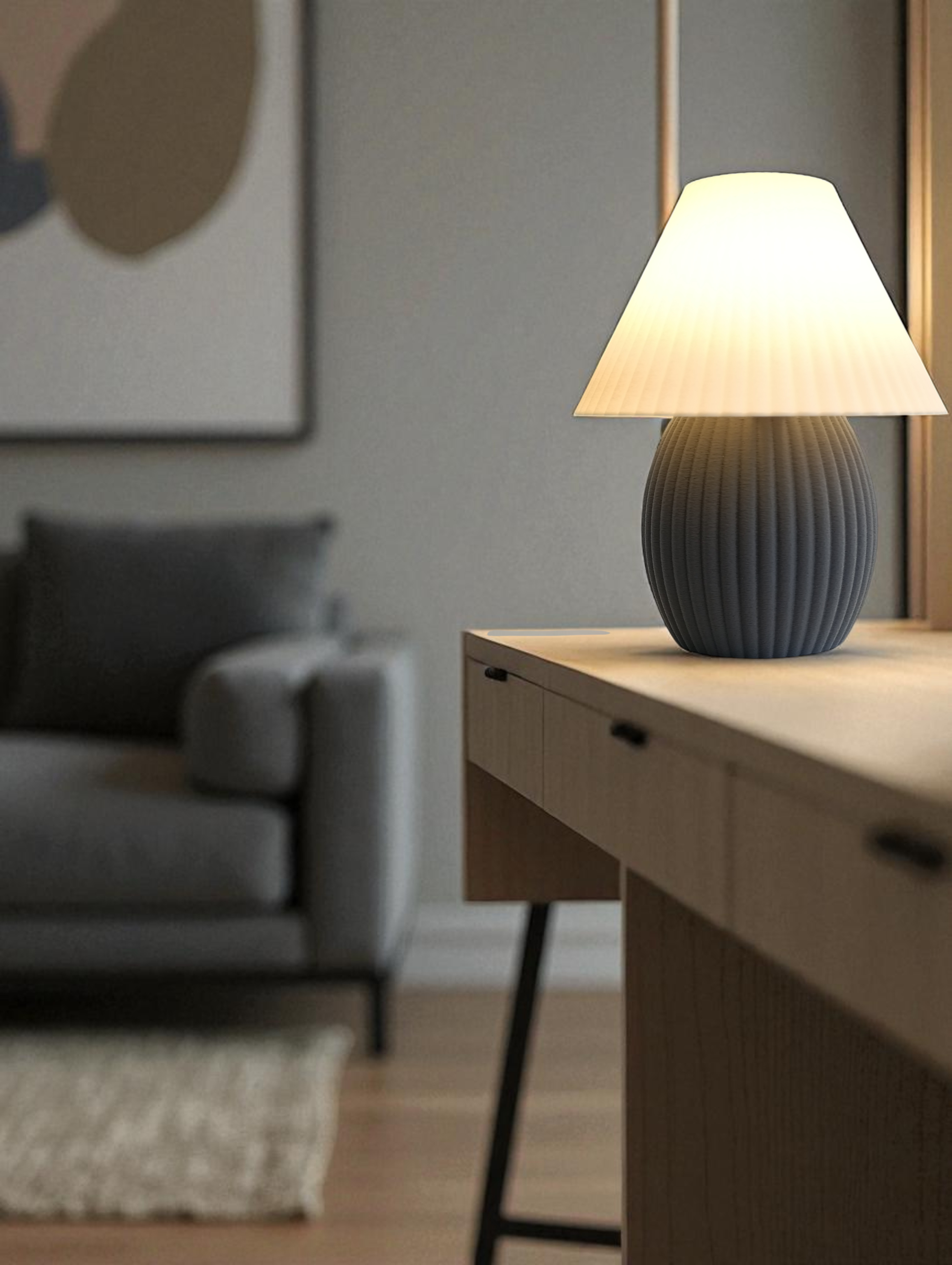
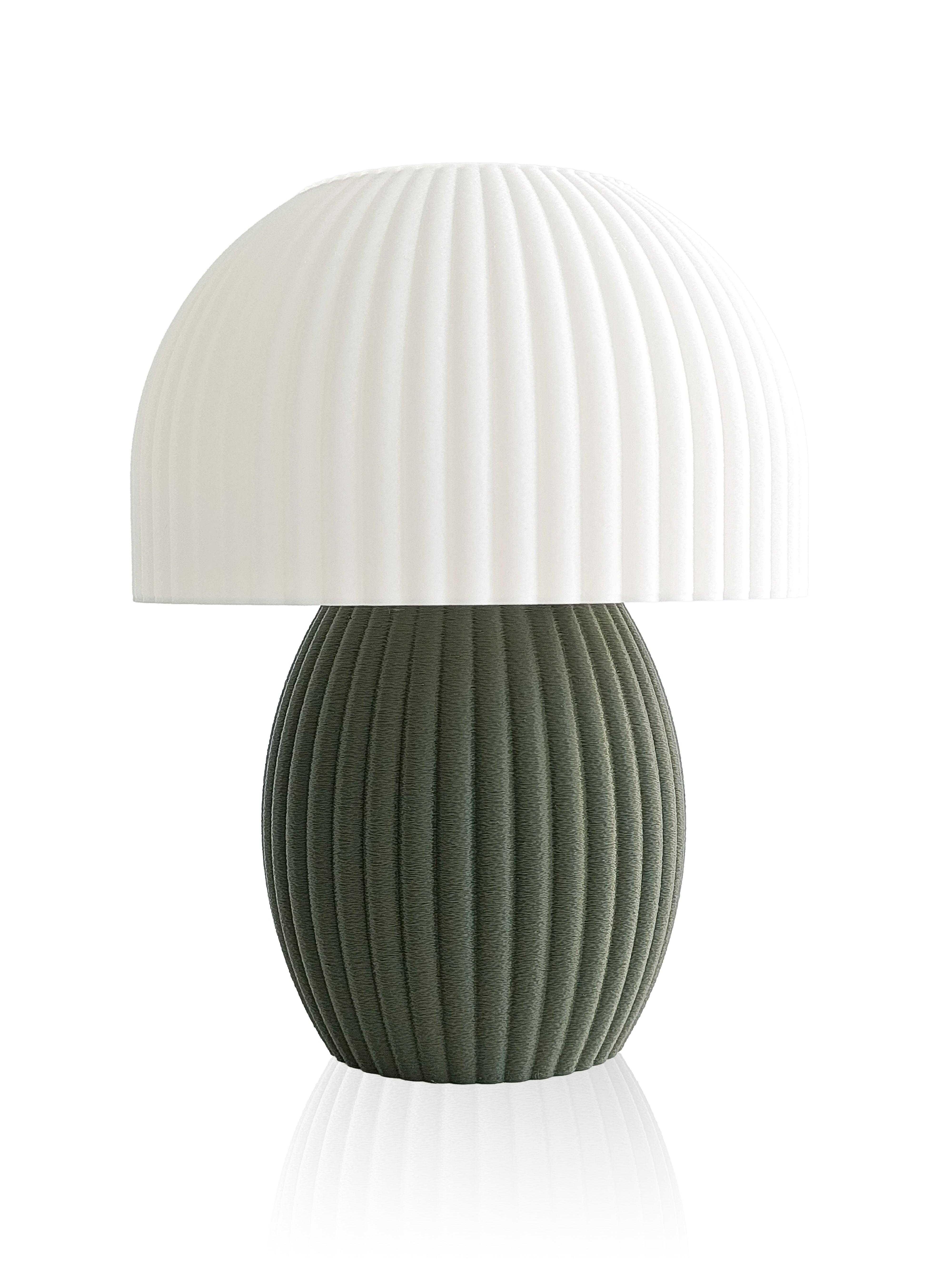
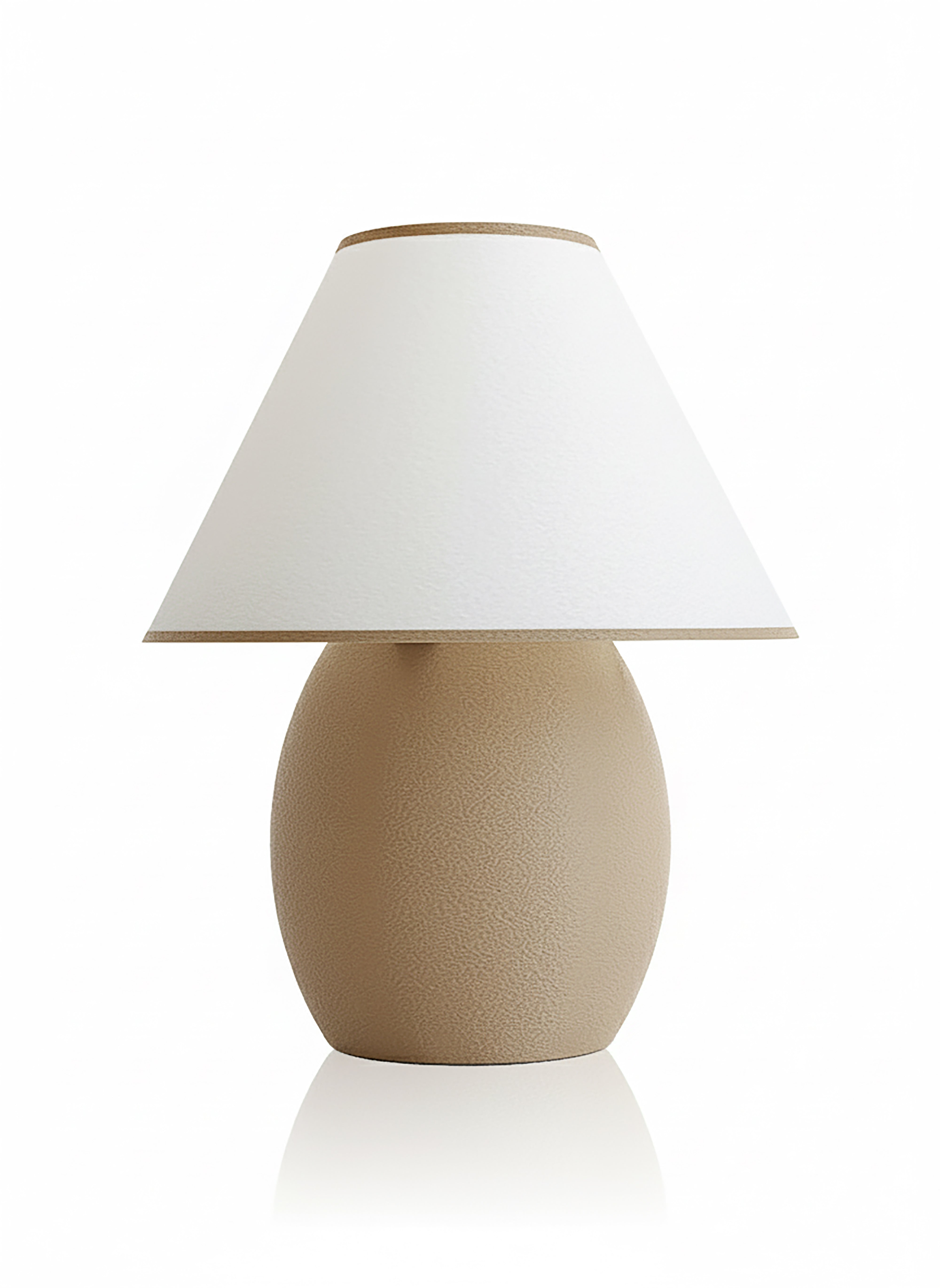
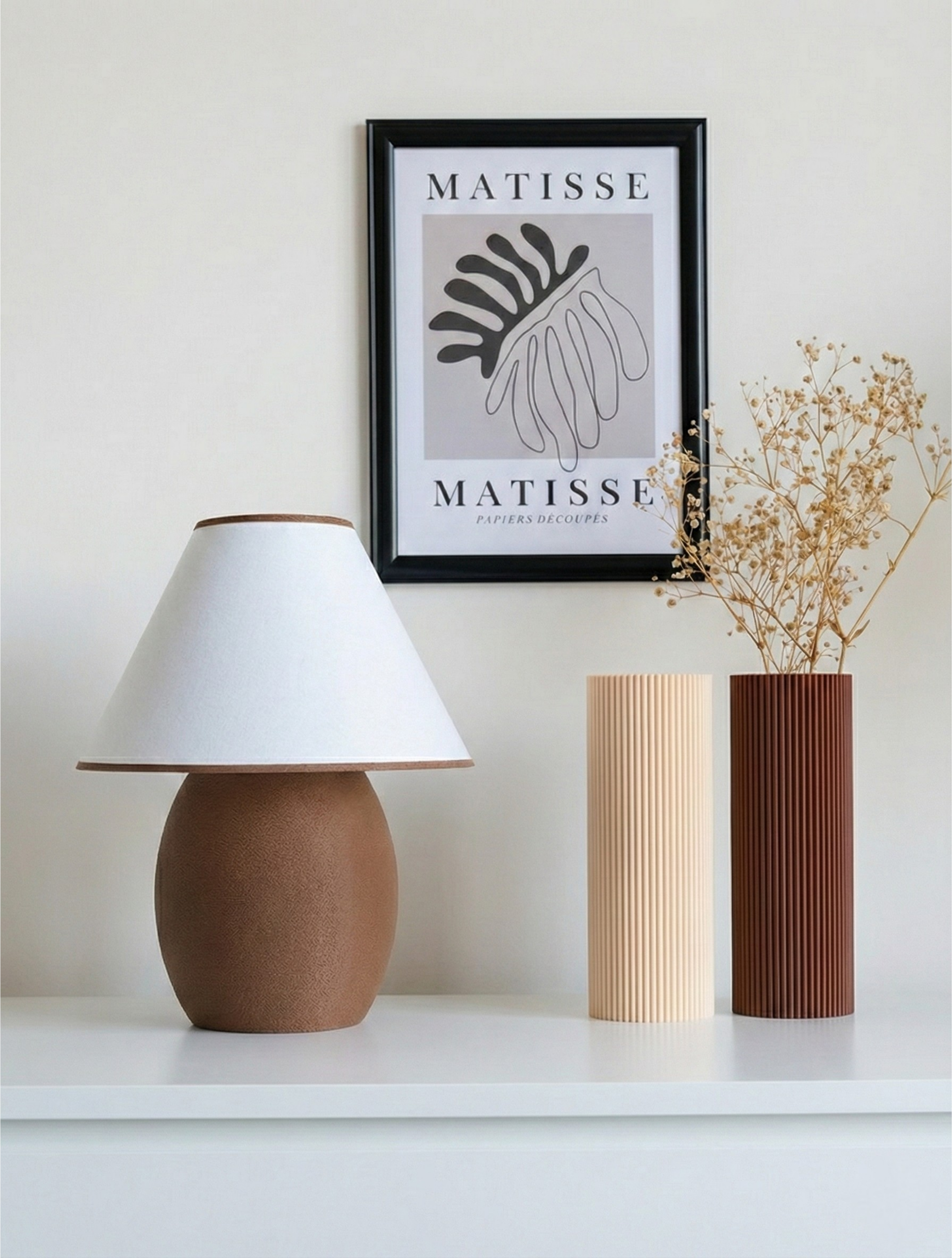
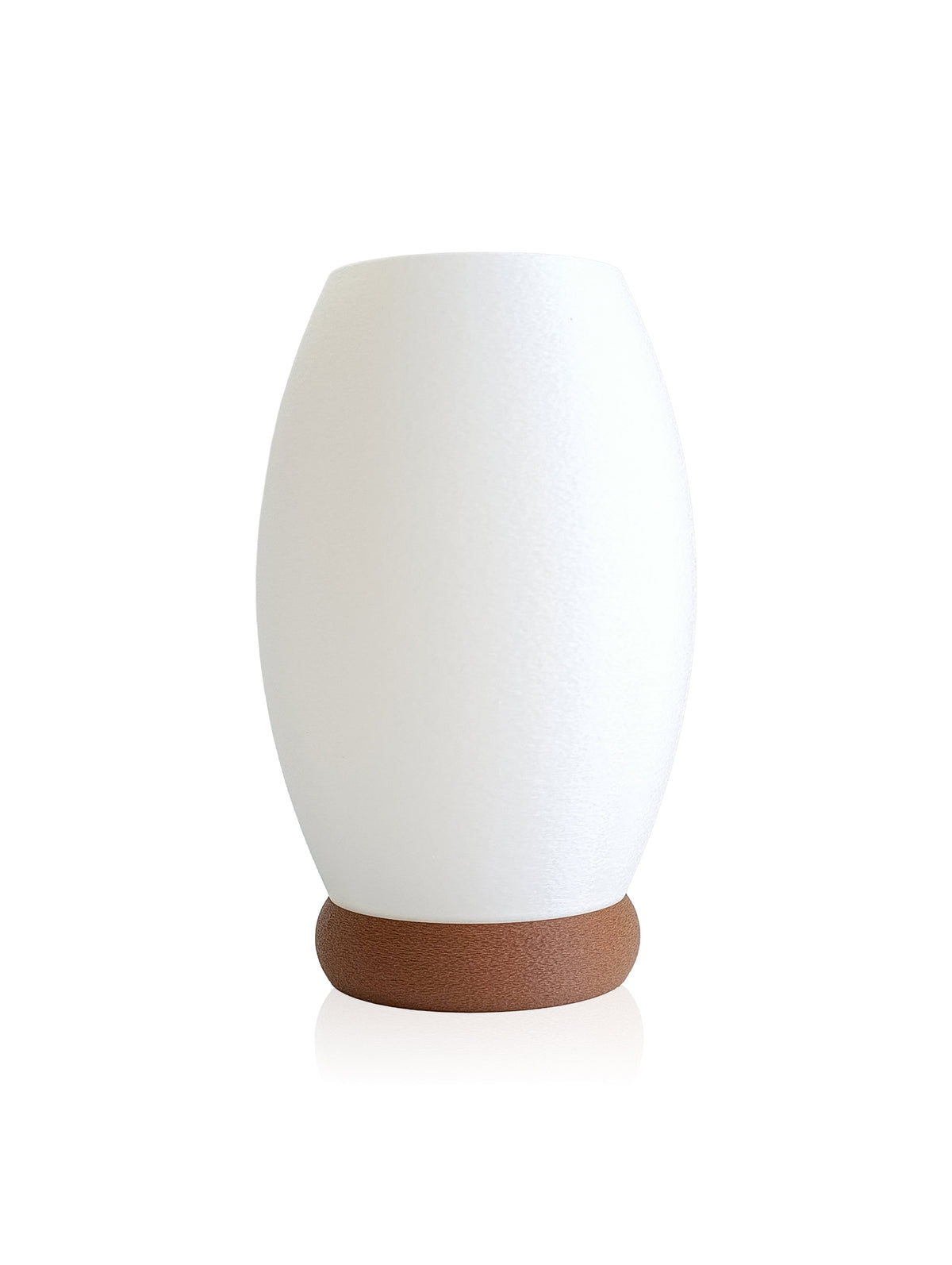
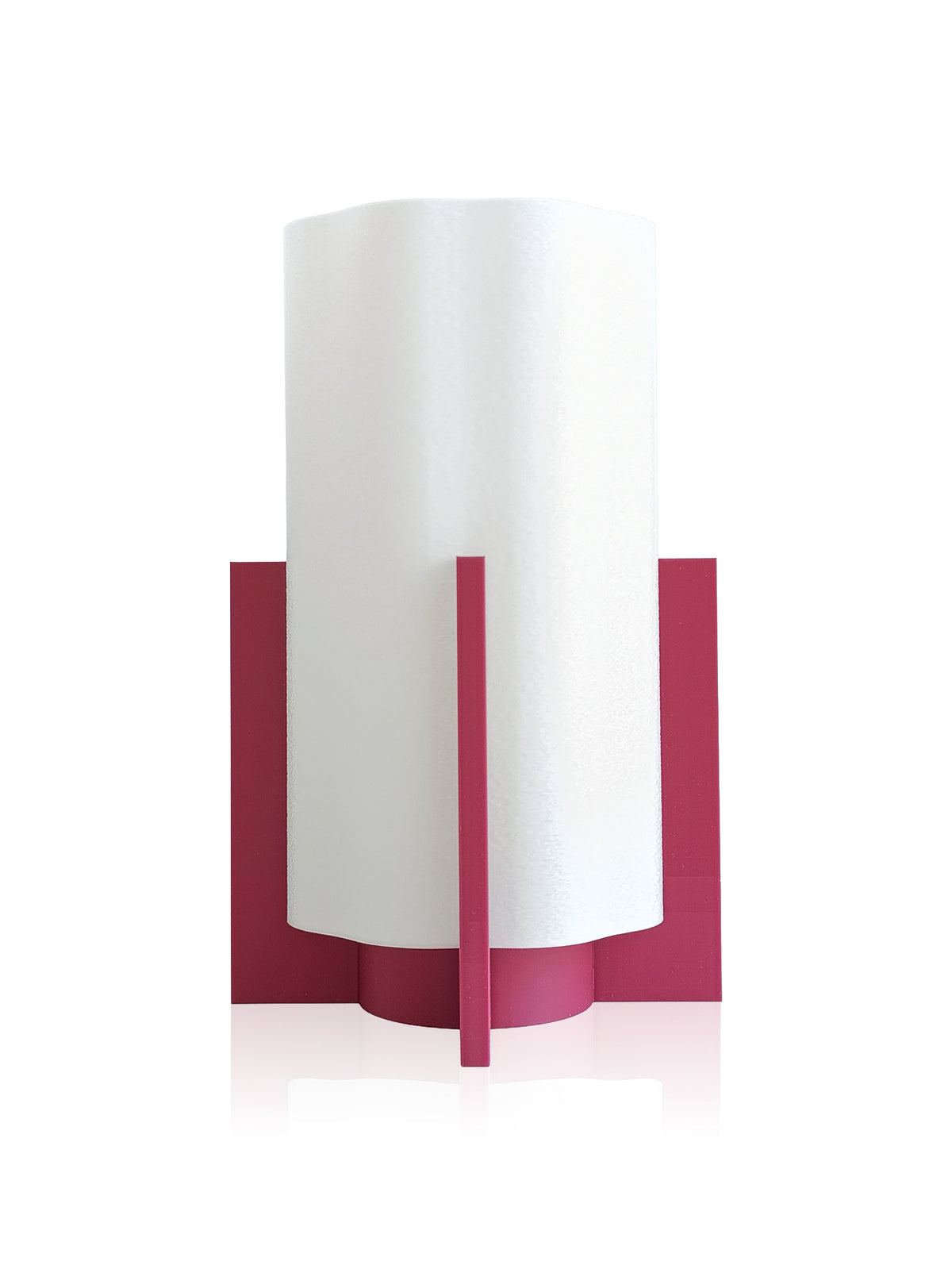
The most sophisticated approach to lighting your home involves layering different light temperatures and intensities. Use warm ambient lighting as your base—this sets the emotional tone of the room—then add cooler task lighting where needed. A LUMOR US fixture, for example, offers flexibility in how light interacts with your space, allowing you to create multiple lighting scenarios.
Consider these practical strategies:
- Bedrooms and living rooms: 2700K ambient lighting for comfort
- Kitchens and bathrooms: 4000K–5000K for task visibility
- Dining areas: 2700K–3000K to enhance food appearance and create atmosphere
- Home offices: 4000K for focus, with warmer accent lighting to prevent eye strain
- Hallways and transitional spaces: 3000K as a neutral middle ground
When you layer lighting thoughtfully, your decor colors remain true and your home supports how you want to live in it—whether that means concentration, relaxation, or connection.
Frequently Asked Questions
How does light temperature affect paint color appearance?
Paint colors shift dramatically under different light temperatures. Warm light (2700K) makes colors appear warmer and more golden, while cool light (5000K) makes the same color appear cooler and more blue-shifted. Always test paint samples under your actual home lighting before committing to a full room.
What light temperature is best for displaying artwork?
Museums and galleries typically use 4000K–5000K light because it reveals true color and detail without introducing warm or cool bias. However, some art—particularly warm-toned pieces—can benefit from slightly warmer lighting. Choose based on the artwork's color palette and your home's overall design.
Can I mix different light temperatures in one room?
Yes, and it's actually recommended. Layering warm ambient light with cooler task lighting creates visual interest and functional flexibility. Just ensure transitions feel intentional rather than jarring—use dimmer controls to adjust intensity and create cohesion.





Share:
Night Lighting and Safety: Indoor Nighttime Illumination Strategy
Lighting and Eye Health: Light That Prevents Eye Strain