

Light and Social Status: How Lighting Affects Prestige Perception

There's a reason luxury hotels, high-end restaurants, and prestigious homes all invest heavily in their lighting design. Light and social status are deeply intertwined—the way a space is illuminated sends immediate signals about its quality, refinement, and the care invested in it. Beyond mere visibility, lighting design functions as a subtle language of prestige, shaping how others perceive both the space and, by extension, the person who inhabits it. Understanding this connection between lighting and perceived status can help you create spaces that feel intentional, elevated, and authentically yours.
The Psychology Behind Lighting and Perceived Prestige
Our brains process lighting instantly, often before we're consciously aware of it. Research in environmental psychology shows that people make rapid judgments about a space's quality based on how it's lit. Dim, uneven, or overly bright lighting can make even an expensive room feel cheap or uncomfortable, while thoughtfully designed light creates an immediate sense of sophistication.
This phenomenon connects to what researchers call "fluency"—the ease with which our brains process visual information. When lighting is well-designed and intentional, our cognitive systems process it smoothly, which we interpret as quality. Conversely, harsh fluorescents or inadequate lighting create cognitive strain, signaling (rightly or not) that a space lacks refinement. The most prestigious spaces typically feature layered lighting with multiple sources, allowing for control and adaptation—a hallmark of deliberate design rather than accident.
- Soft, warm light (2700K–3000K) signals comfort and luxury
- Even distribution of light suggests intentional design
- Lack of glare or harsh shadows indicates quality craftsmanship
- Dimmable options offer flexibility and control—a marker of sophistication
Color Temperature and the Language of Luxury
One of the most overlooked elements of prestige lighting is color temperature—measured in Kelvin (K). The warmth or coolness of light carries cultural and psychological weight that directly influences status perception.
Warm light (2700K–3000K) has become synonymous with luxury and high-end design. It evokes candlelight, the glow of firelight, and historical spaces associated with wealth and refinement. This warm, amber-tinged quality creates a sense of intimacy and care—it suggests that someone has thoughtfully curated the environment. Cool, bright light (5000K and above), by contrast, is associated with commercial spaces, hospitals, and utilitarian environments. While cool light has its place, relying solely on it can inadvertently communicate that a space is functional rather than carefully considered.
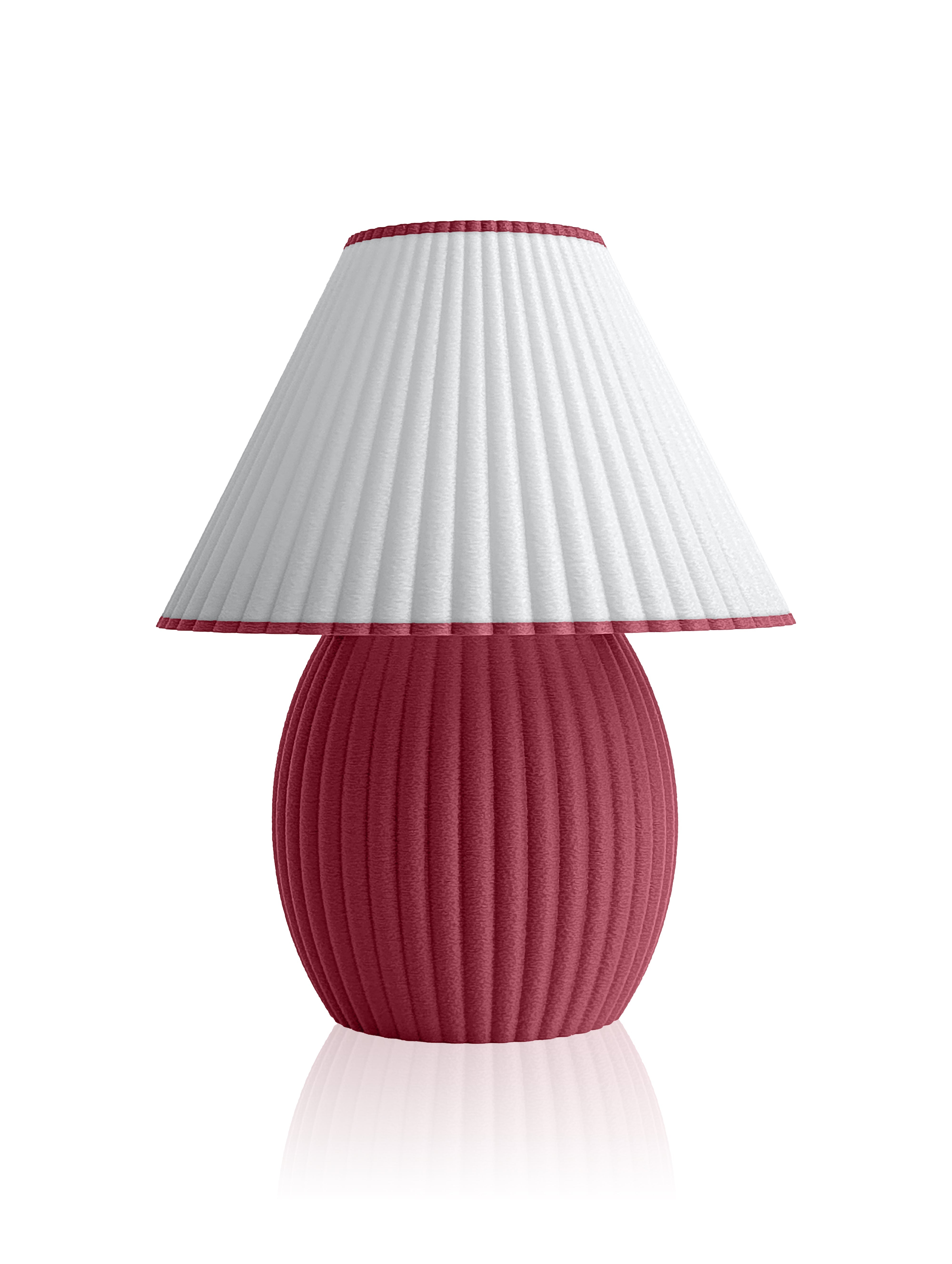
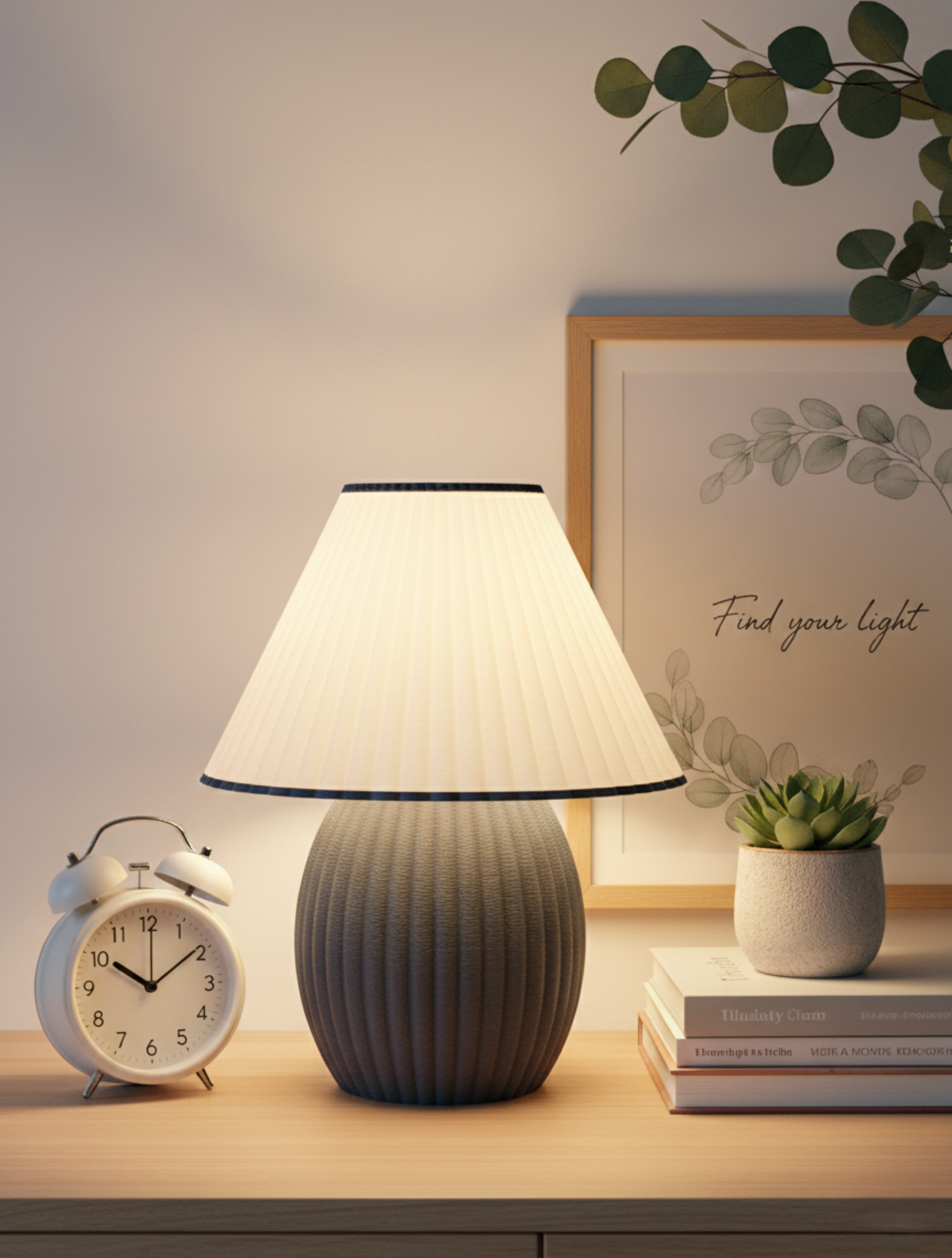
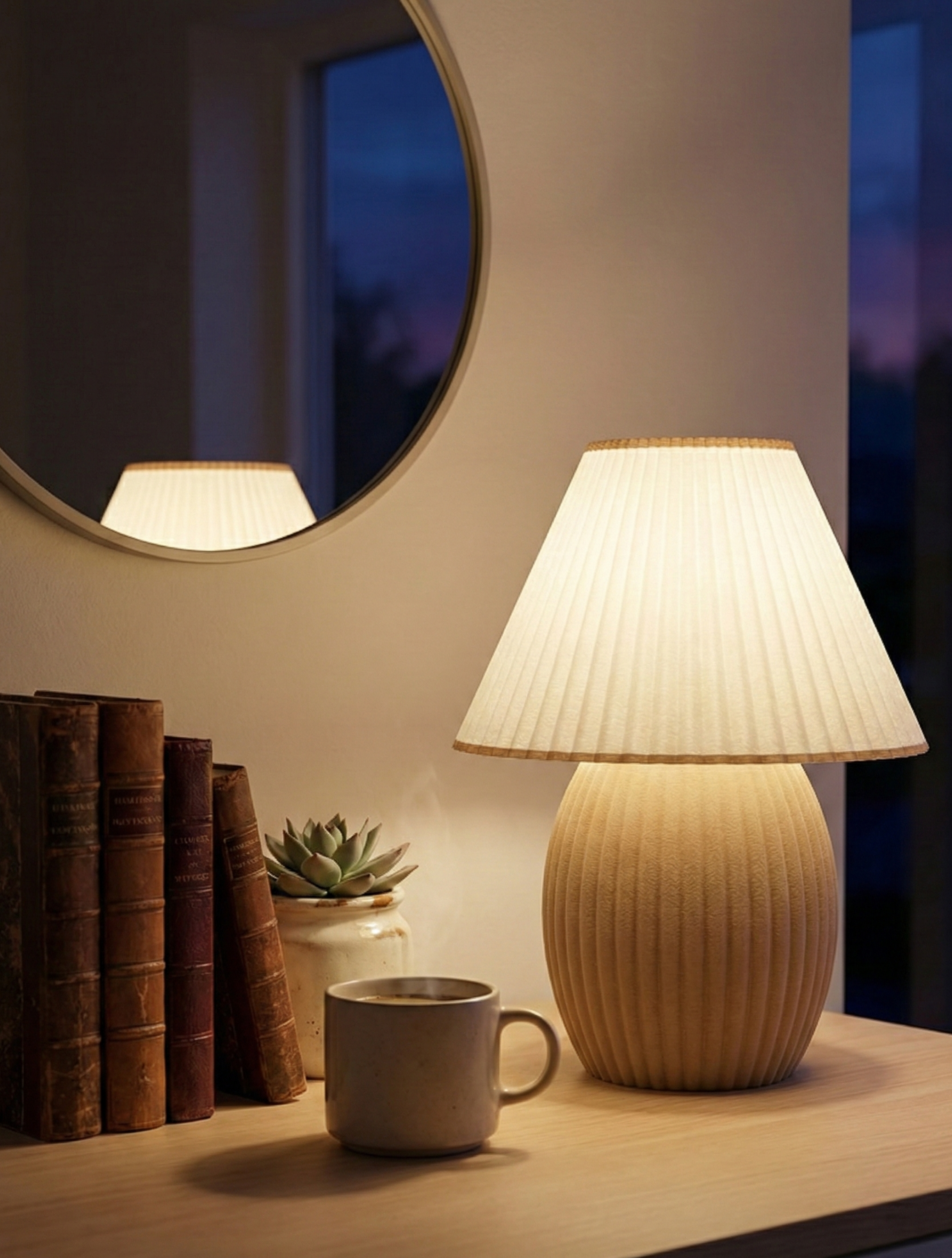
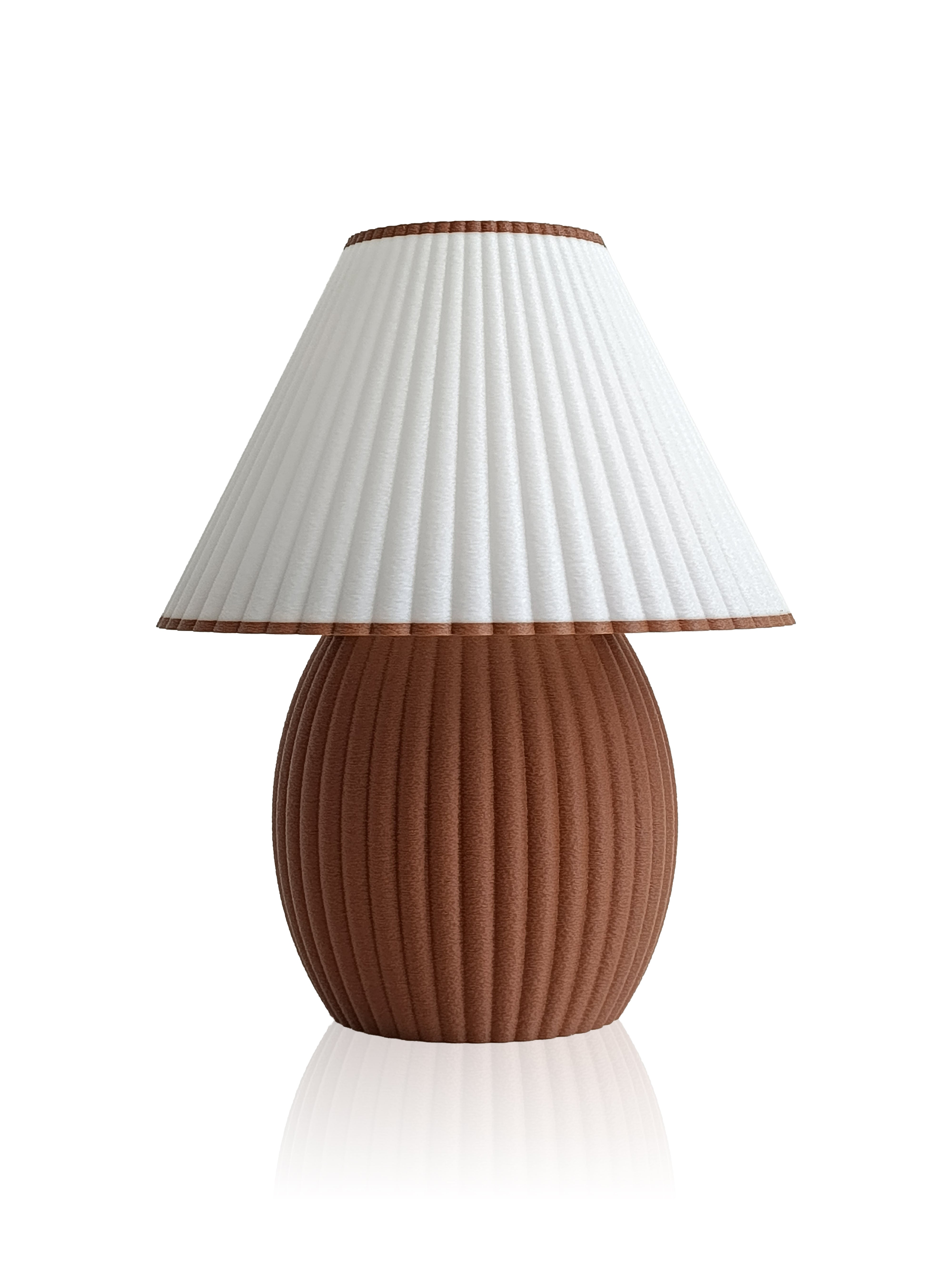
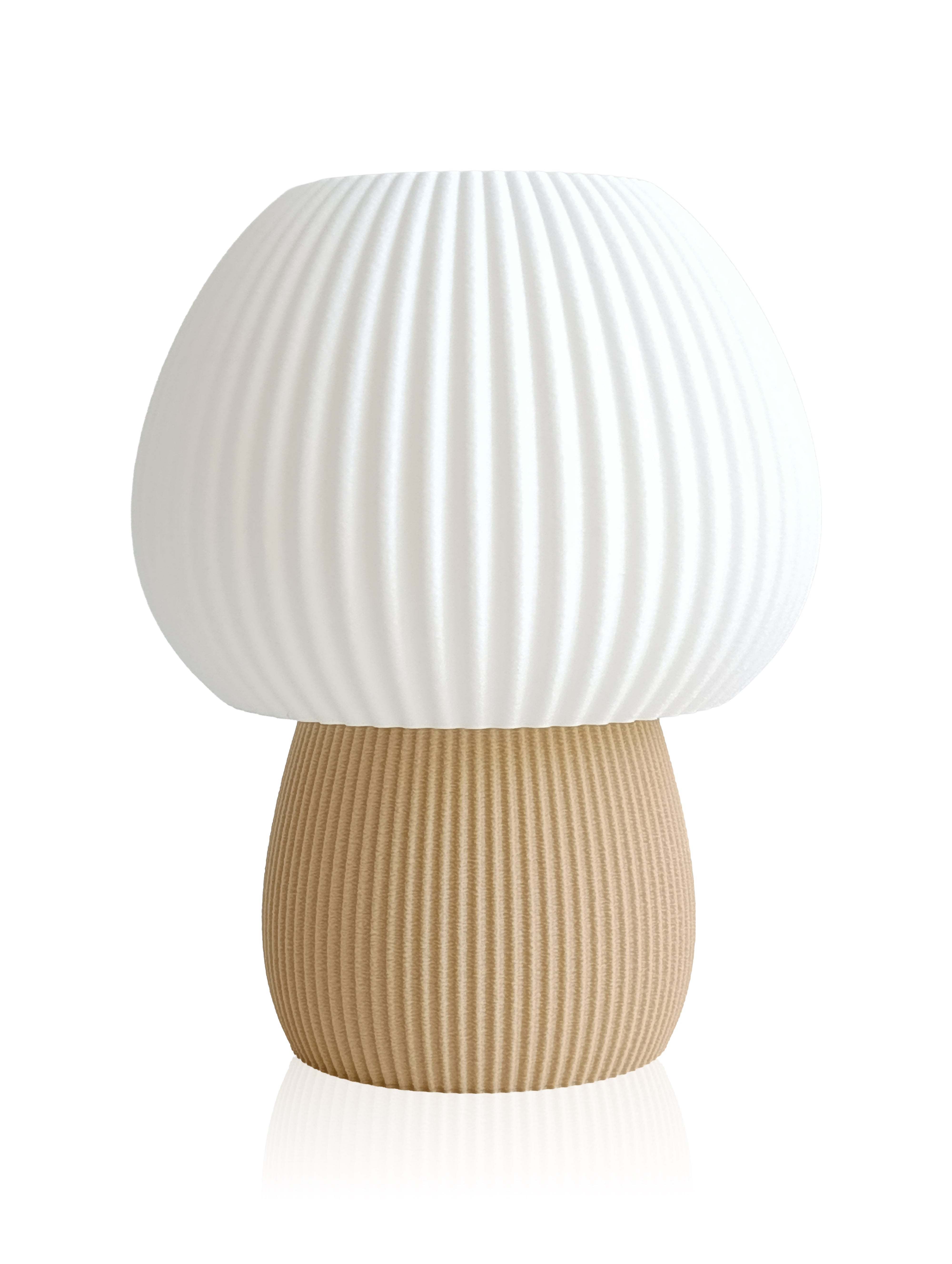
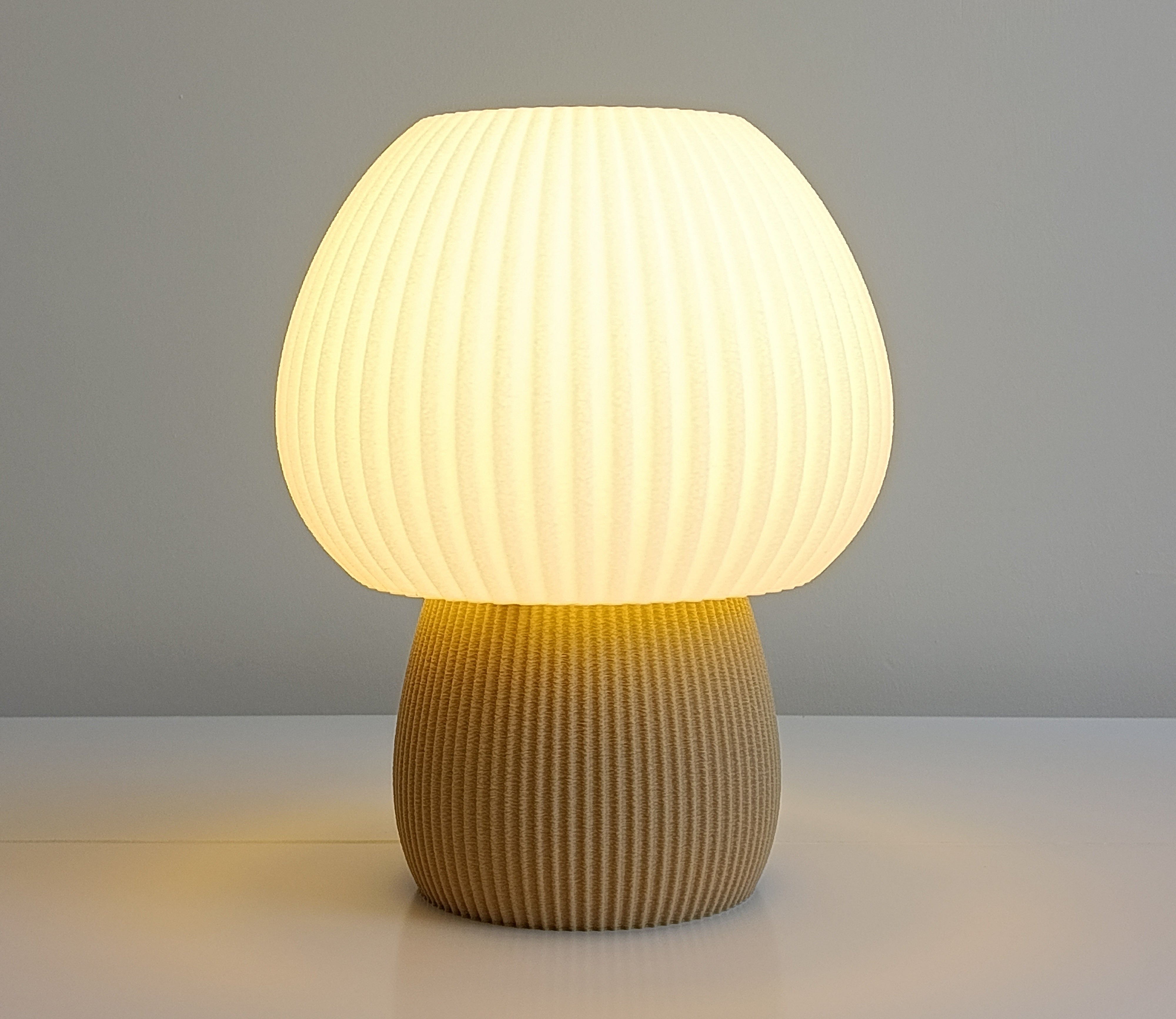
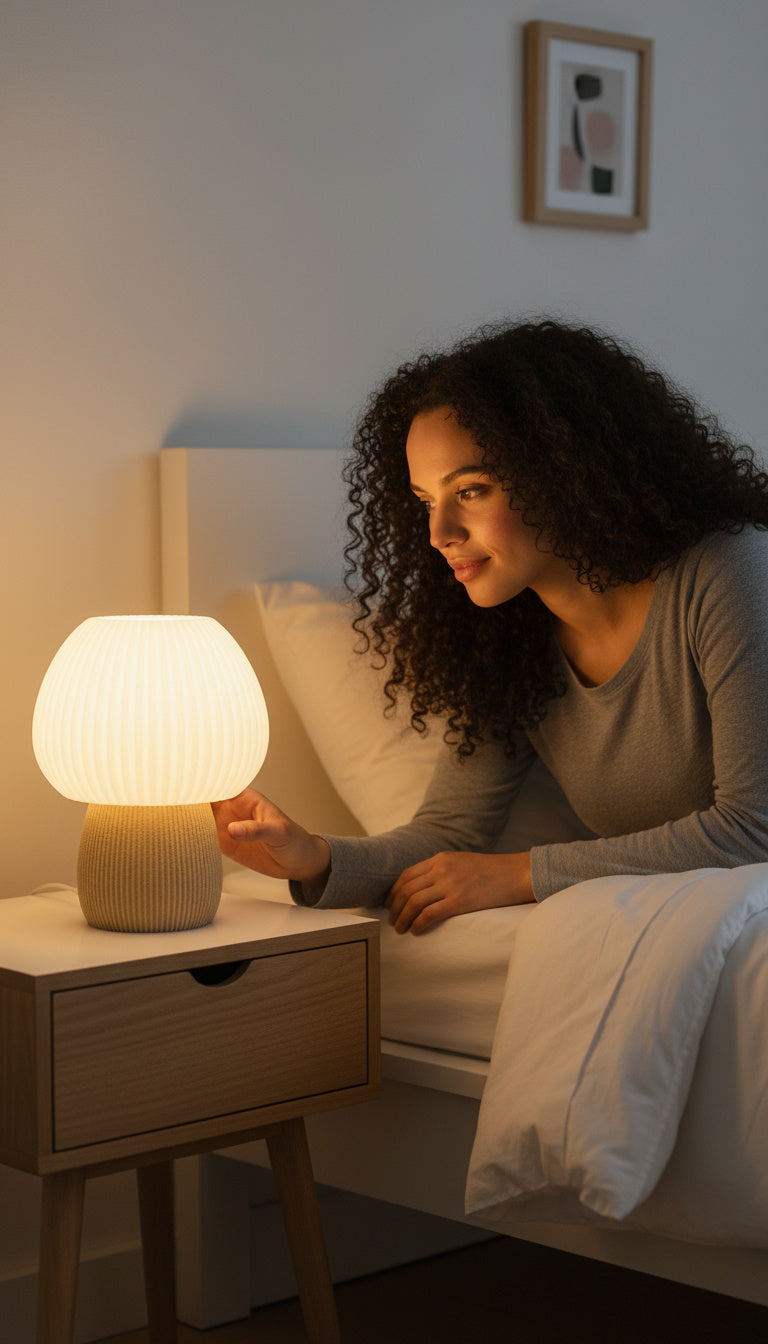
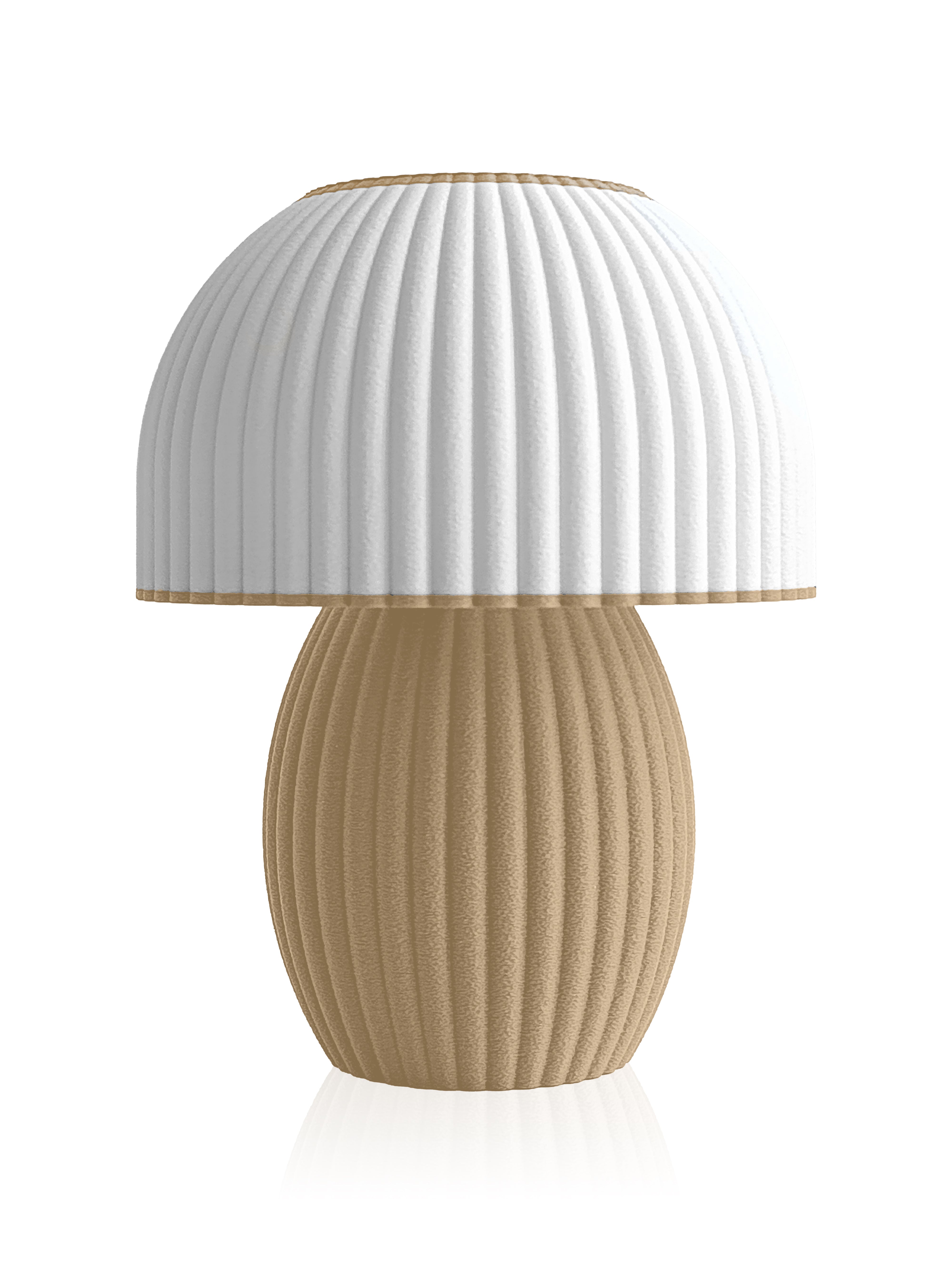
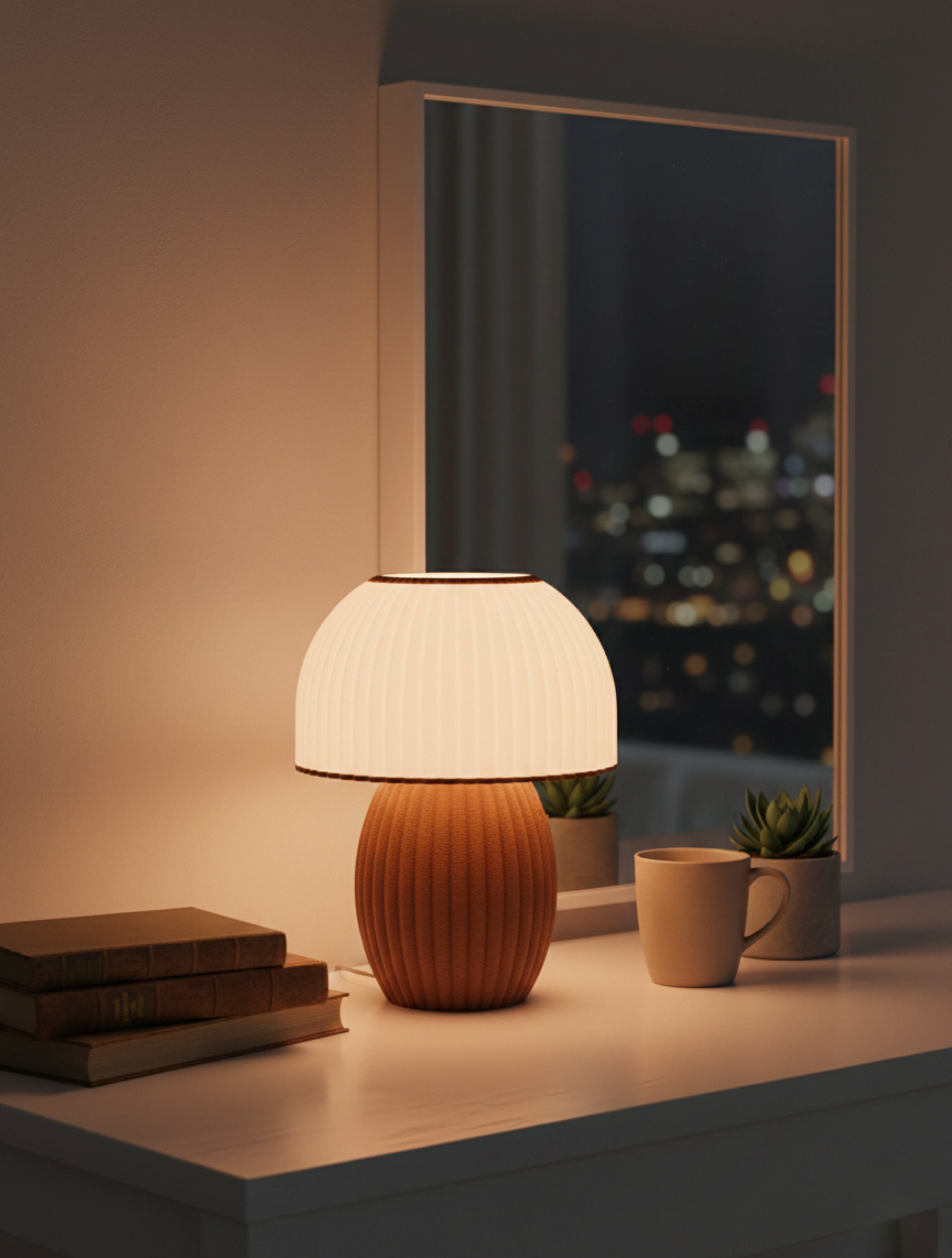
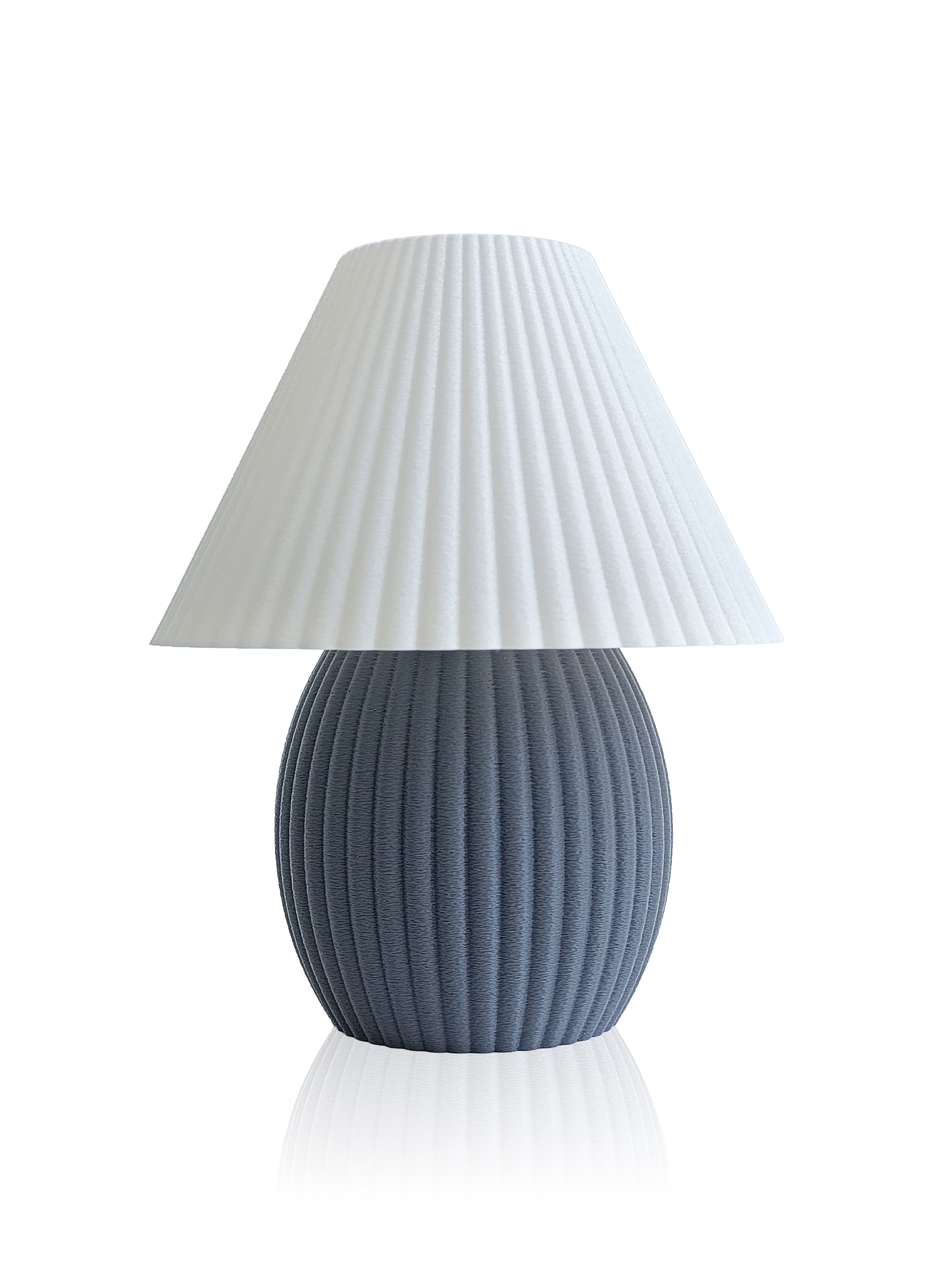
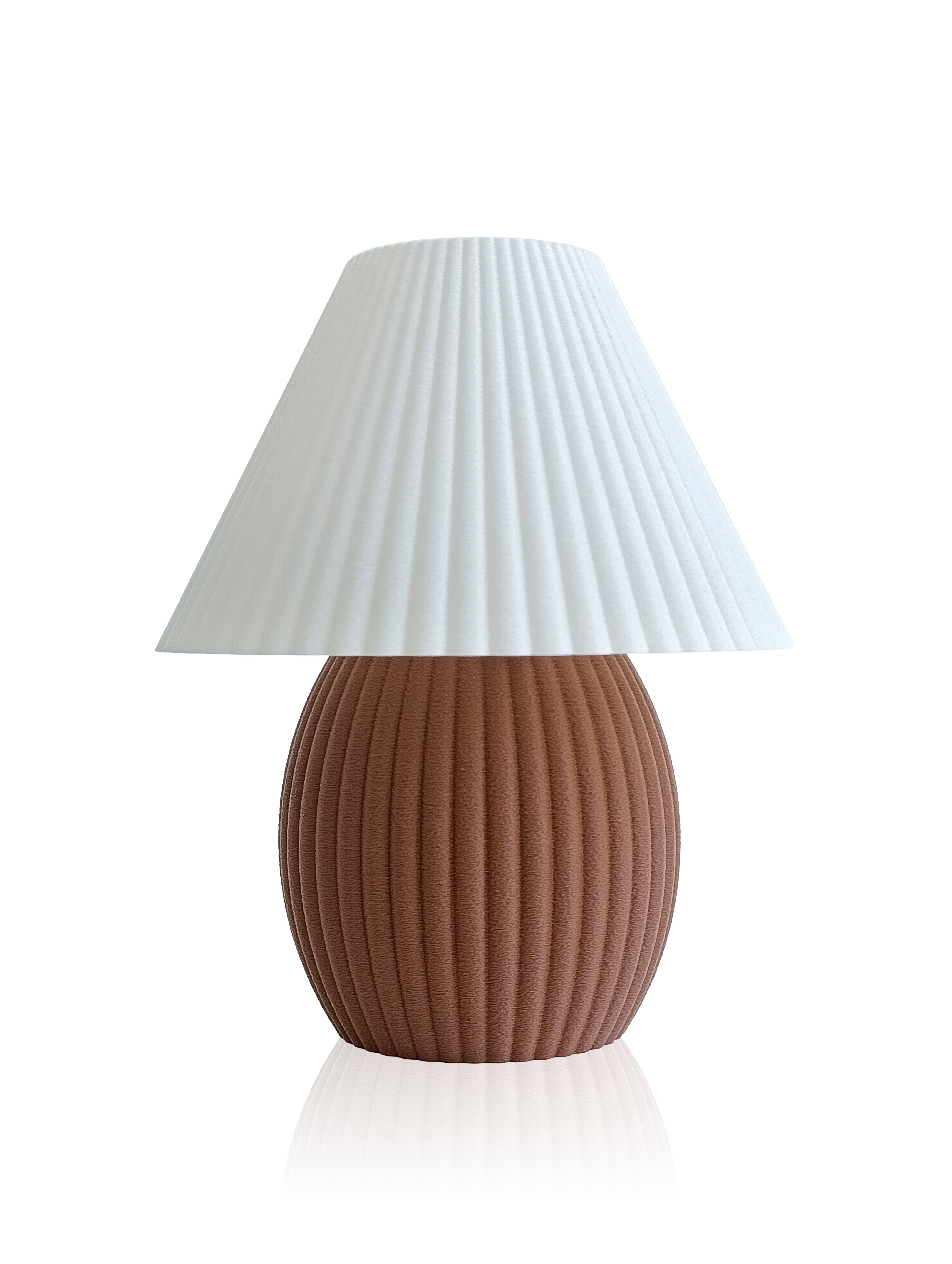
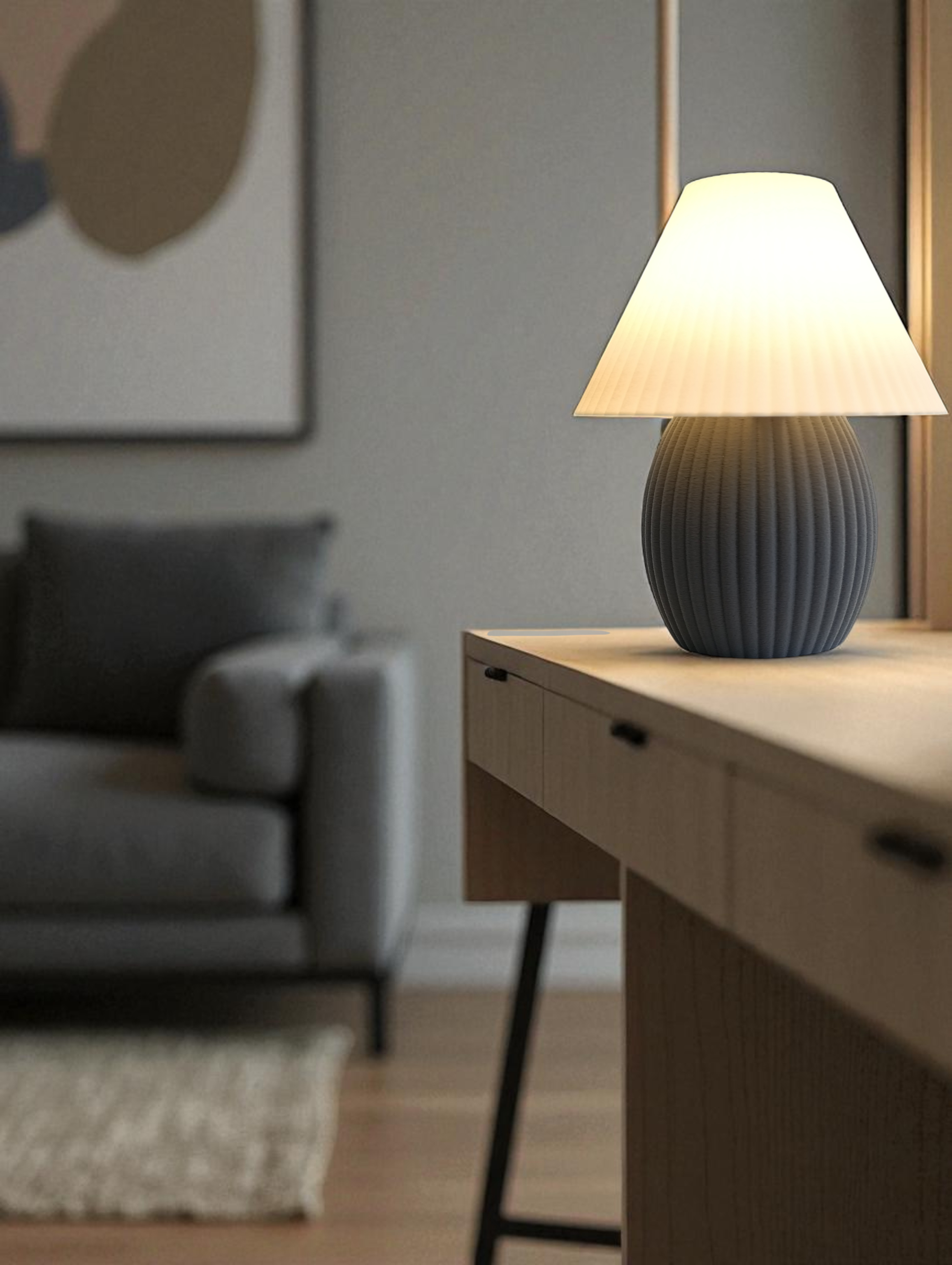
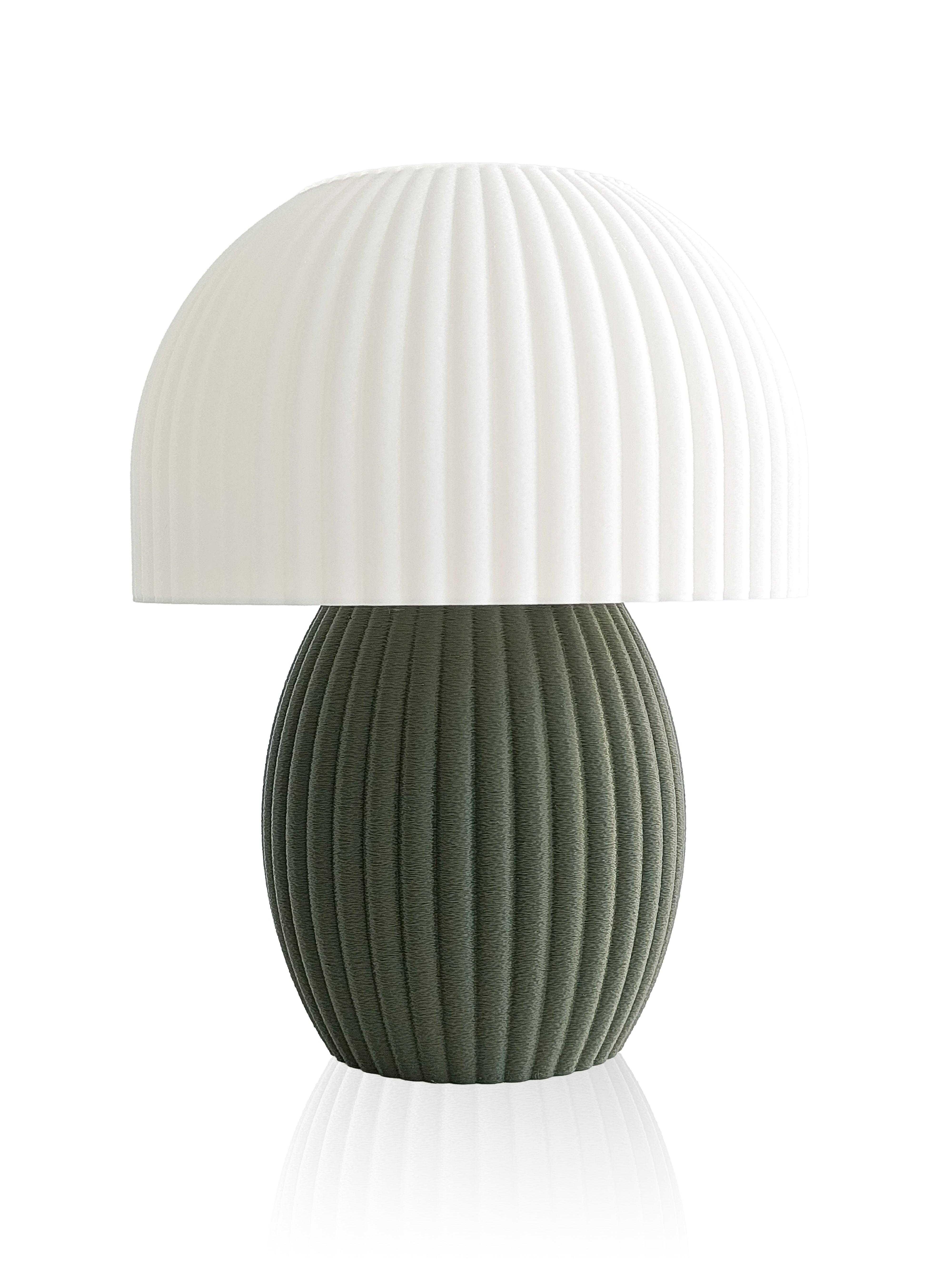
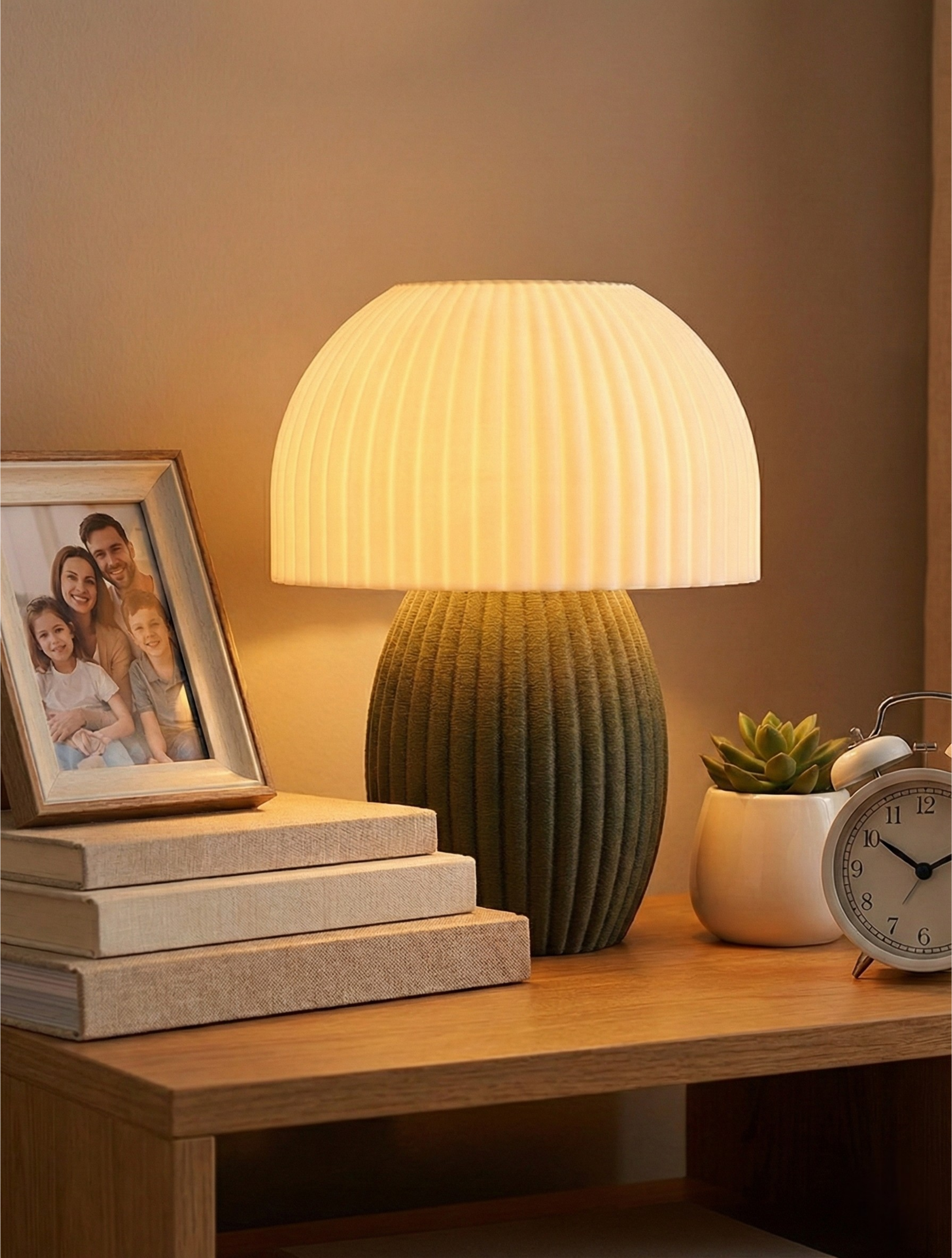
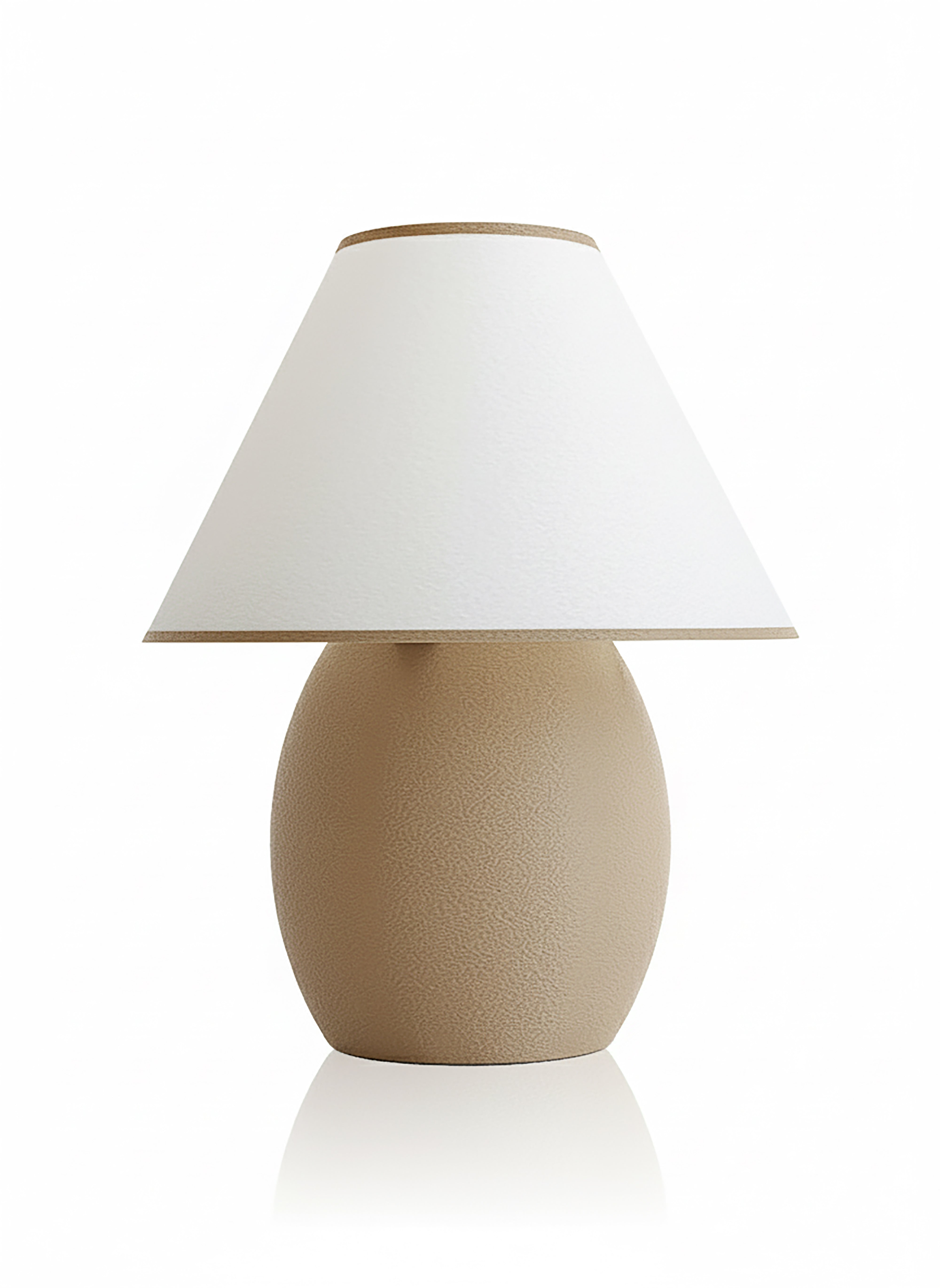
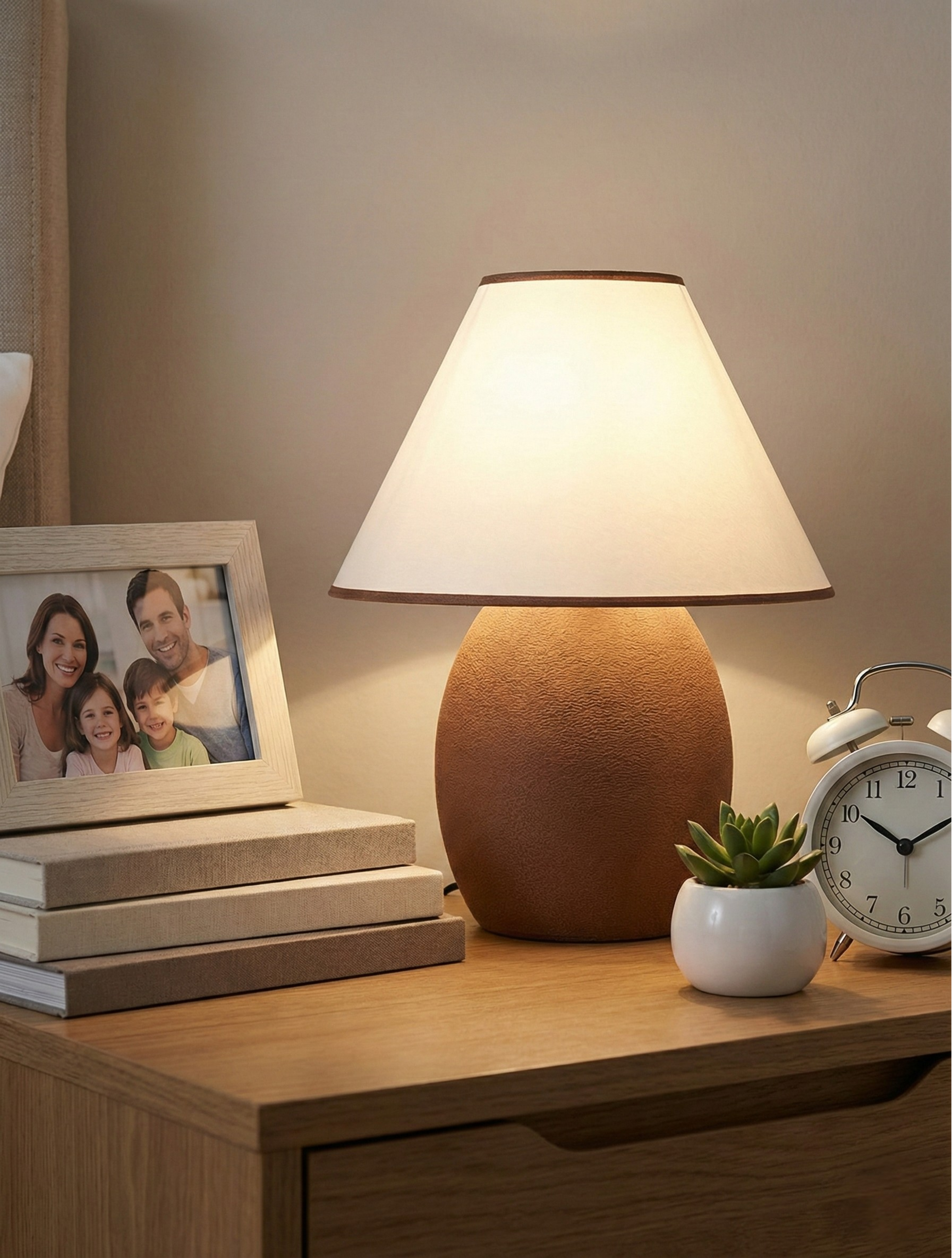
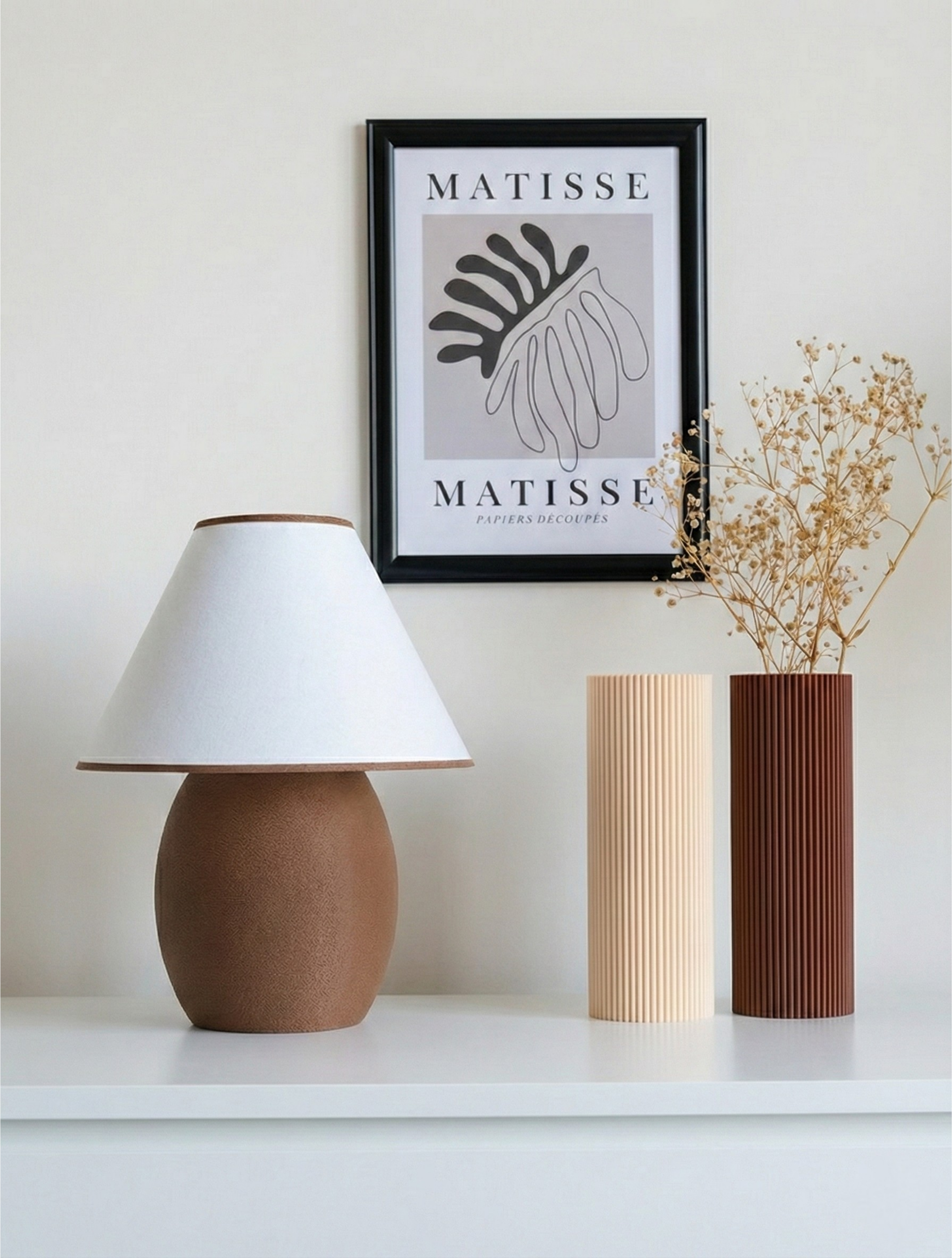
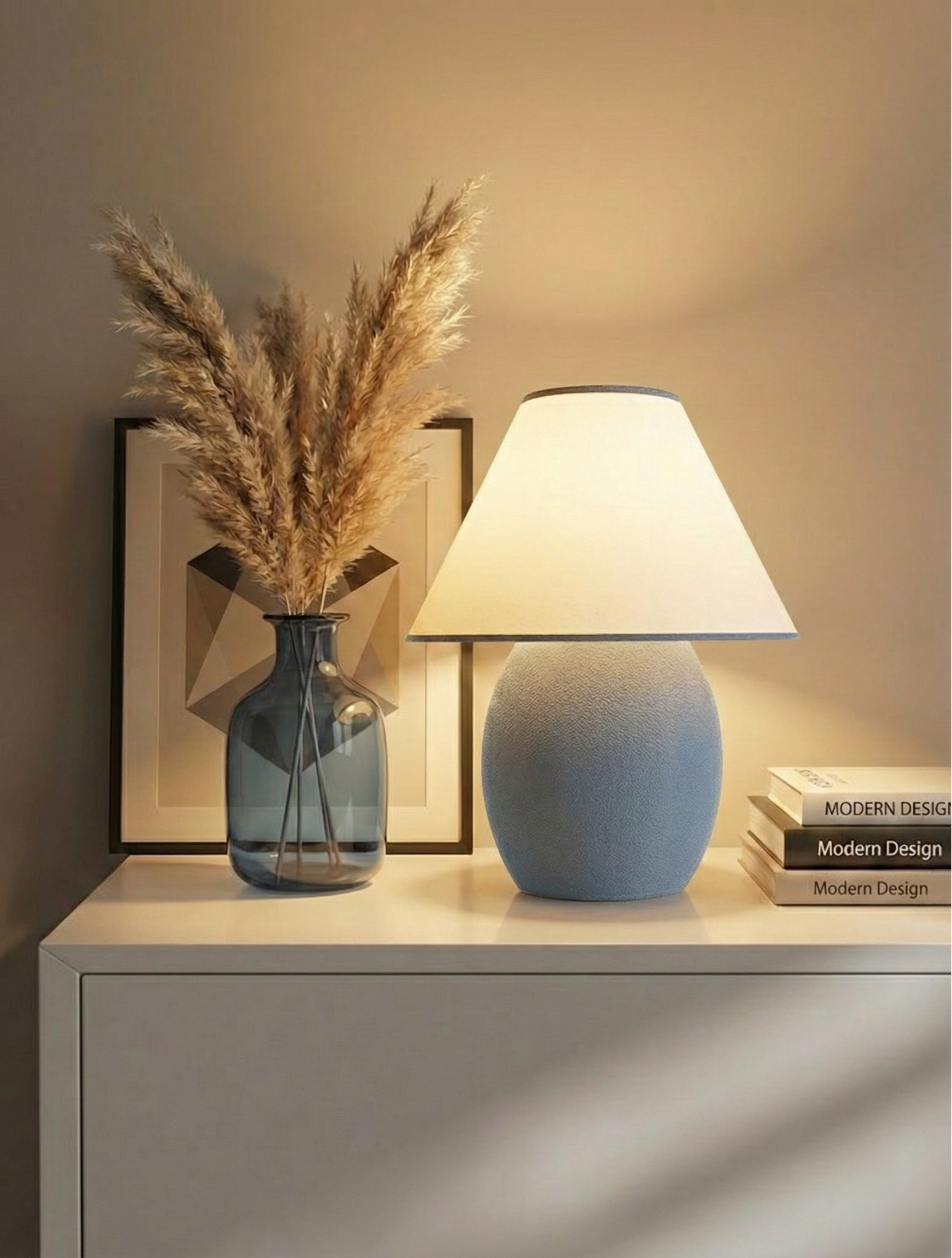
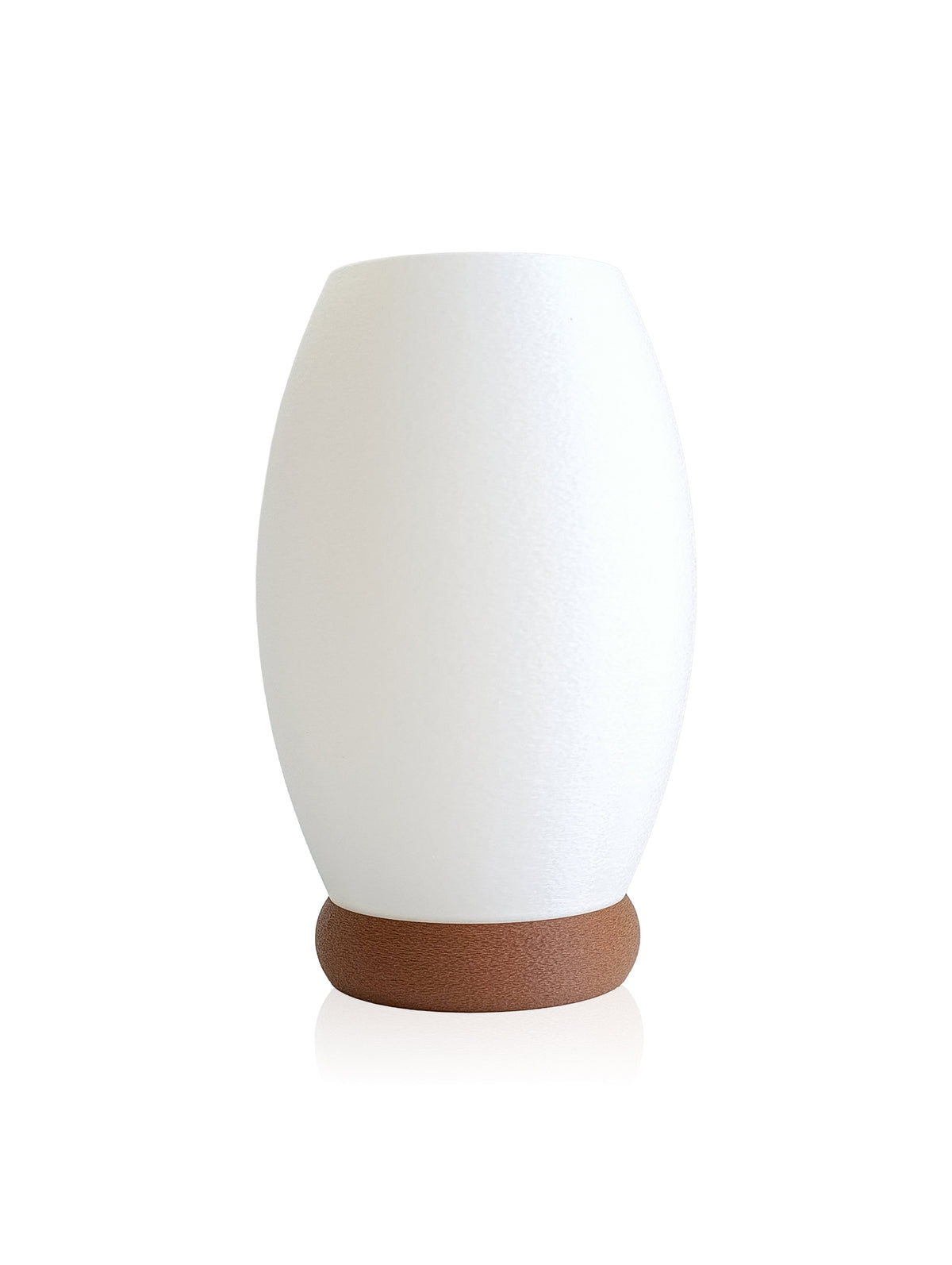
The FRILOON US exemplifies this principle—its warm, inviting glow is engineered to flatter spaces and create the kind of ambient environment that feels intentionally designed. Luxury homes and high-end interiors consistently choose warm light sources because they communicate care, thoughtfulness, and an understanding of how light shapes emotion.
- Warm light (2700K) = luxury, intimacy, refinement
- Cool light (5000K+) = functionality, utility, institutional
- Consistency in color temperature across a space enhances perceived quality
- Dimmable warm light offers maximum flexibility and prestige
Layering and Control: Markers of Design Sophistication
Walk into a prestigious space—a luxury hotel lobby, a high-end residence, a Michelin-starred restaurant—and you'll notice the same principle: layered lighting. This isn't accidental. Layered lighting systems, featuring ambient, task, and accent light, communicate that a space has been carefully designed by someone who understands how light shapes experience.
When visitors see that lighting can be adjusted, dimmed, or modified for different moods, they perceive the environment as sophisticated and intentional. This control suggests wealth, foresight, and investment in quality. A single overhead fixture, by contrast, reads as basic or budget-conscious. The ability to shift a room from bright and energized to warm and intimate signals mastery over one's environment—a subtle but powerful marker of prestige.
Accent lighting—highlighting artwork, architectural features, or specific zones—further elevates perceived status. It demonstrates that thought has been given not just to general illumination, but to composition and visual hierarchy. The FRILOON Line offers the kind of design flexibility that allows for sophisticated layering, enabling you to create environments that feel curated rather than merely lit.
- Multiple light sources create visual interest and sophistication
- Dimmability allows mood adjustment—a luxury feature
- Accent lighting draws attention to what matters most
- Layered lighting systems suggest investment in design
Light Distribution and Craft: The Hidden Details
Beyond color temperature and layering, the physical quality of light—how evenly it spreads, how it avoids glare, how it renders colors—silently communicates status. Even illumination without harsh shadows or spots of excessive brightness signals professional design. Visible light sources (exposed bulbs without proper diffusion) or uneven coverage can undermine prestige, making a space feel unfinished or poorly planned.
High-end lighting design prioritizes craftsmanship in how light is delivered. Diffusers, reflectors, and careful fixture placement ensure that light feels natural and intentional. This attention to detail—often invisible to the casual observer—is what separates a carefully designed home from one that's merely well-lit. It's the difference between a space that feels "right" and one that leaves an uneasy impression you can't quite name.
Frequently Asked Questions
Does warm lighting actually make a space look more expensive?
Yes. Warm light (2700K–3000K) is consistently associated with luxury because it flatters skin tones, creates intimacy, and evokes high-end hospitality design. Numerous studies show that warm-lit spaces are perceived as more prestigious and carefully designed than identical spaces lit with cool or harsh light.
Can I use layered lighting in a small apartment?
Absolutely. Layered lighting doesn't require square footage—it requires intentionality. Use a combination of overhead, task, and accent lights (even simple table lamps) with dimmable bulbs to create flexibility and sophistication in any size space.
Why do hotel rooms always look so good when I visit?
Hotels invest heavily in lighting design because they understand its psychological impact. They use warm color temperatures, multiple light sources, and careful layering to create an atmosphere that feels luxurious and welcoming—design principles you can absolutely replicate at home.
Creating Your Own Prestige Through Light
The connection between light and perceived status isn't about wealth or pretense—it's about intention. When you thoughtfully design your lighting, you're signaling to yourself and others that your home matters, that you've considered how you want to feel in it, and that you understand the subtle power of environment to shape experience. That intentionality, more than anything else, is what prestige truly looks like. Start by assessing your current light sources: Are they warm or cool? Can they be dimmed? Is there layering? Small adjustments—swapping bulbs, adding task lighting, or installing dimmers—can transform how your space feels and how it's perceived. Your home deserves that attention.






Share:
Lighting and Eye Health: Light That Prevents Eye Strain
Light and Color Perception: How Lighting Changes Colors