


Smart Home Lighting: Voice Control and Automation Guide

Smart home lighting has evolved from a luxury novelty into an accessible way to shape the mood, efficiency, and functionality of your home. Whether you're interested in voice-controlled smart lights for convenience or automated lighting systems that adjust to your daily rhythms, understanding how these technologies work together helps you create a living space that truly responds to your needs. In this guide, we'll explore how voice control and automation can work in harmony to transform the way you experience light in your home.
Understanding Voice Control and Home Automation
Voice control and automation are two distinct features that often get confused because they work best together. Voice control allows you to command your lights through smart speakers—saying things like "Alexa, dim the living room lights to 40%" or "Hey Google, turn off the bedroom lights." This requires you to actively initiate the command. Automation, by contrast, operates independently, adjusting your lights based on predetermined conditions without any voice input needed.
Think of voice control as manual steering and automation as cruise control. Both serve different purposes in your home:
- Voice control: Immediate, hands-free adjustments for real-time needs
- Automation: Passive, intelligent responses that support your routines
- Combined: A seamless system that adapts to both spontaneous moments and predictable patterns
How Automation Creates Smarter Lighting Routines
Automation transforms your home by removing friction from everyday actions. Instead of manually adjusting lights, your home learns and responds to what matters to you. Common automation triggers include time-based schedules, sunset/sunrise tracking, motion sensors, and integration with other smart home devices.
Practical automation scenarios for your home might include:
- Morning routines: Lights gradually brighten 30 minutes before your alarm, mimicking sunrise and easing you awake
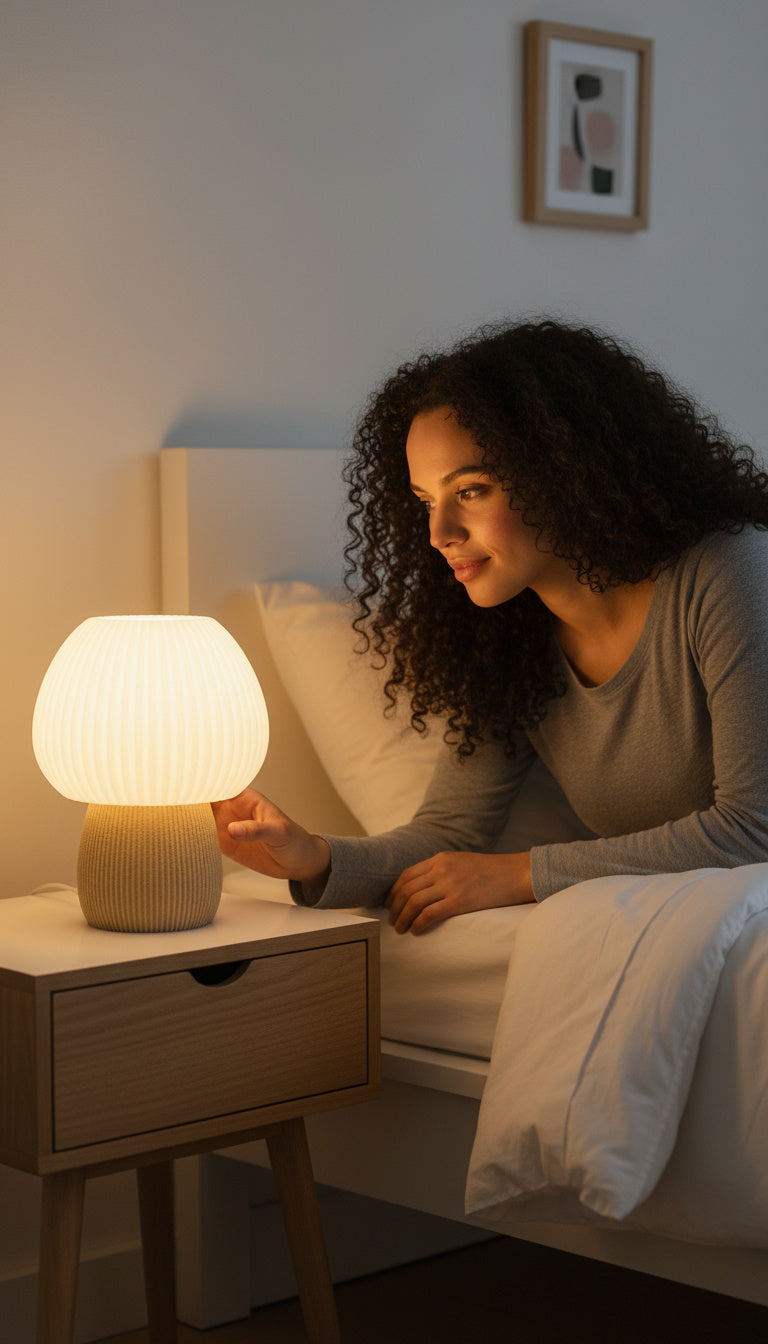
- Evening wind-down: Lights automatically shift to warm, dimmed tones at 8 PM to support melatonin production
- Movie mode: Lights fade to black when you press play on your TV
- Away settings: Random light patterns simulate occupancy when you're traveling
- Energy saving: Unoccupied rooms turn off automatically based on motion detection
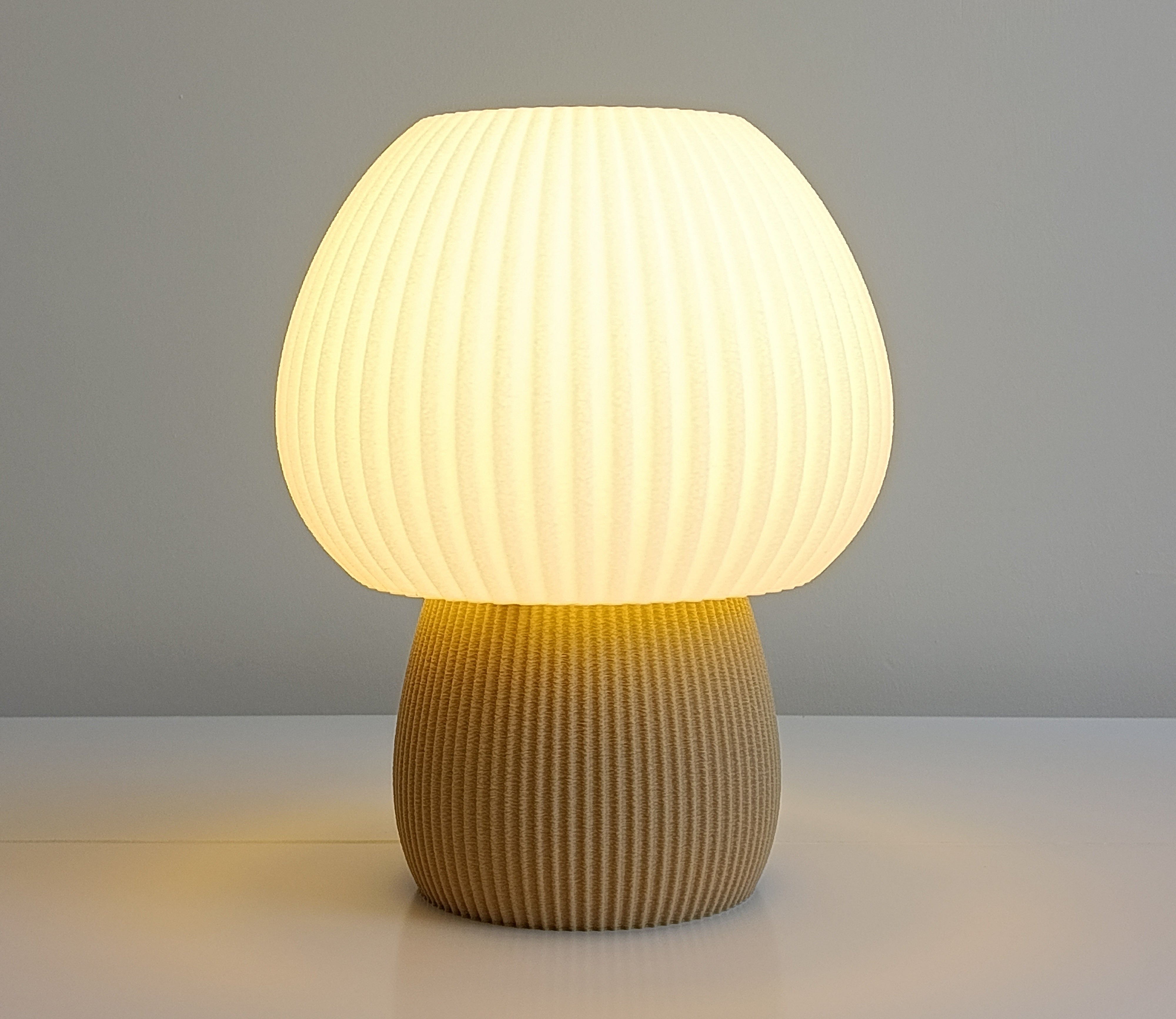
These routines work continuously in the background, creating an environment that feels intentionally designed rather than randomly lit. Products like the LEXOR US support these layered automation features, allowing you to build nuanced lighting scenarios that reflect your lifestyle.
The Science Behind Circadian-Friendly Smart Lighting
One of the most impactful uses of smart lighting automation involves supporting your body's natural circadian rhythm—the internal clock that regulates sleep, alertness, and hormone production. Research shows that light exposure directly influences melatonin levels, cortisol patterns, and overall sleep quality. Smart lights that adjust color temperature throughout the day can help align your home environment with these biological processes.
Here's how color temperature affects your circadian system:
- 5000-6500K (daylight white): Promotes alertness and focus; ideal for mornings and work areas
- 3000-4000K (neutral white): Balanced light suitable for mid-day and general living
- 2700K or lower (warm white): Reduces blue light in evenings, supporting natural sleep onset
Automating this color temperature shift—sometimes called "color temperature automation" or "circadian lighting"—means your home naturally supports healthier sleep patterns without requiring daily manual adjustments. This is particularly valuable during seasons with shorter daylight hours or for shift workers whose schedules don't align with traditional sunrise and sunset.
Setting Up Voice Control in Your Home
Getting started with voice control requires three basic components: smart lights, a smart speaker (like Amazon Echo, Google Home, or Apple HomePod), and a stable WiFi connection. Most modern smart bulbs and fixtures are compatible with at least one major voice platform, though some work with all three.
Steps to enable voice control:
- Install smart lights in your fixtures and connect them to your WiFi through the manufacturer's app
- Set up your smart speaker and link it to the same WiFi network
- Authorize the light manufacturer's skill or action in your voice assistant (usually a one-time setup)
- Name your lights and rooms intuitively ("kitchen island" rather than "light 3") for natural voice commands
- Test commands and adjust device names if recognition is inconsistent
The best voice commands use clear room and light names, so consider your naming strategy before installation. Voice control works fastest with a strong WiFi signal and minimal network congestion—placing your router centrally helps ensure reliable response times.
Frequently Asked Questions
What's the difference between voice control and automation?
Voice control lets you command your lights manually using your voice through a smart speaker. Automation allows your lights to adjust based on preset schedules, routines, or triggers like sunset time or motion detection—no voice command needed.
Can smart lights work without WiFi?
Most smart lights require WiFi or a hub to function fully, though some devices support Bluetooth for direct phone control. If your WiFi goes down, voice commands and remote access typically won't work, but manually controlled features may remain functional depending on the product.
Do smart lights increase my electricity bill?
No—smart lights typically use less energy than traditional bulbs because they're LED-based and can be programmed to turn off automatically. Their efficiency often results in lower electricity costs over time.
Creating Your Intentional Lighting Home
Smart home lighting—whether through voice commands or seamless automation—is ultimately about returning intention to your space. Rather than lighting that simply illuminates, you gain lighting that listens, learns, and adapts. The combination of voice control for immediate needs and automation for daily rhythms creates a home that feels attentive to how you actually live. Start with one room, understand what routines matter most to you, and build from there. Your home's lighting should support your well-being, not complicate it.








Share:
Art Lighting: Proper Light Design for Paintings and Artwork
Restaurant Lighting: Light Design That Enhances Customer Experience