

Restaurant Lighting: Light Design That Enhances Customer Experience

The right restaurant lighting does more than illuminate a space—it shapes how guests feel, how long they stay, and whether they return. Restaurant lighting design is both an art and a science, blending aesthetic intention with human psychology. When executed thoughtfully, light becomes invisible infrastructure for memorable dining experiences. Whether you're designing a fine dining establishment, a casual café, or a wine bar, understanding how light influences customer experience is essential to creating your home away from home.
How Does Light Temperature Affect Dining Mood?
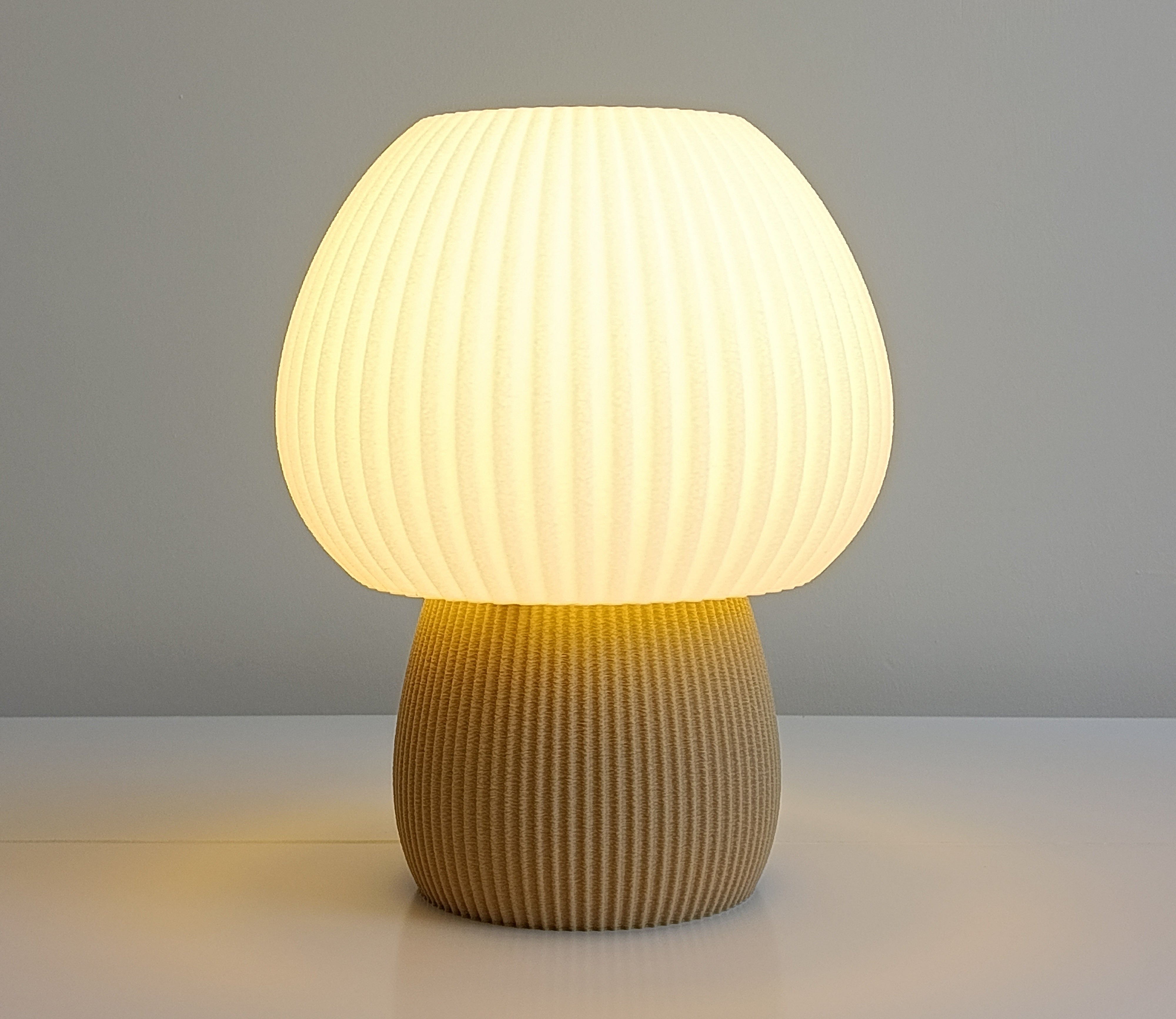
Color temperature, measured in Kelvin (K), directly influences the emotional tone of a dining space. Warm light—typically between 2700K and 3000K—creates intimacy, comfort, and relaxation. This is why candlelit dinners feel romantic; the warm glow signals safety and connection. Cool light above 4000K, by contrast, feels clinical and energizing, suitable for quick-service environments where you want to encourage turnover.
For most full-service restaurants aiming to encourage lingering and repeat visits, warm color temperatures are the foundation. The key is consistency: mixing warm and cool light in the same space creates visual confusion and discomfort. Many successful restaurants use warm ambient lighting (2700K–3000K) as the baseline, then layer in slightly warmer accent lighting to deepen the effect. This approach creates what designers call "visual coherence"—the sense that every corner of the room belongs to the same intentional space.
What's the Difference Between Ambient, Task, and Accent Lighting?
Professional restaurant lighting always relies on three layers working in concert:
- Ambient lighting: The foundational illumination that allows guests to navigate safely and see their food. This is typically 10–20 lux (a unit of light intensity) and comes from ceiling fixtures, wall sconces, or cove lighting.
- Task lighting: Focused light that helps guests read menus and see their plates clearly. Subtle downlighting or table-mounted fixtures deliver 30–50 lux without creating glare or shadows on faces.
- Accent lighting: Strategic highlights that draw attention to architectural features, artwork, or design elements. This creates visual interest and depth, preventing the space from feeling flat or institutional.
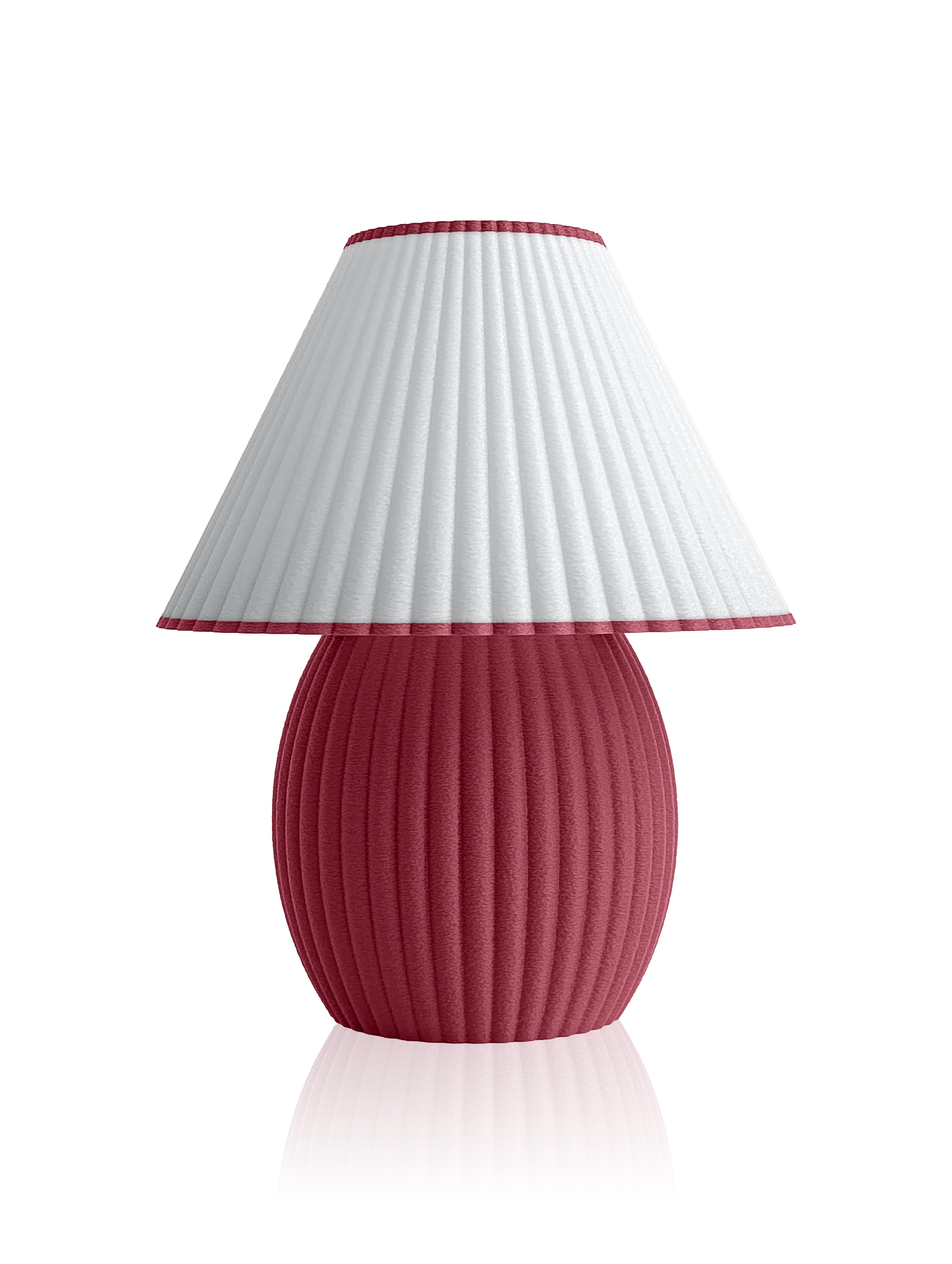
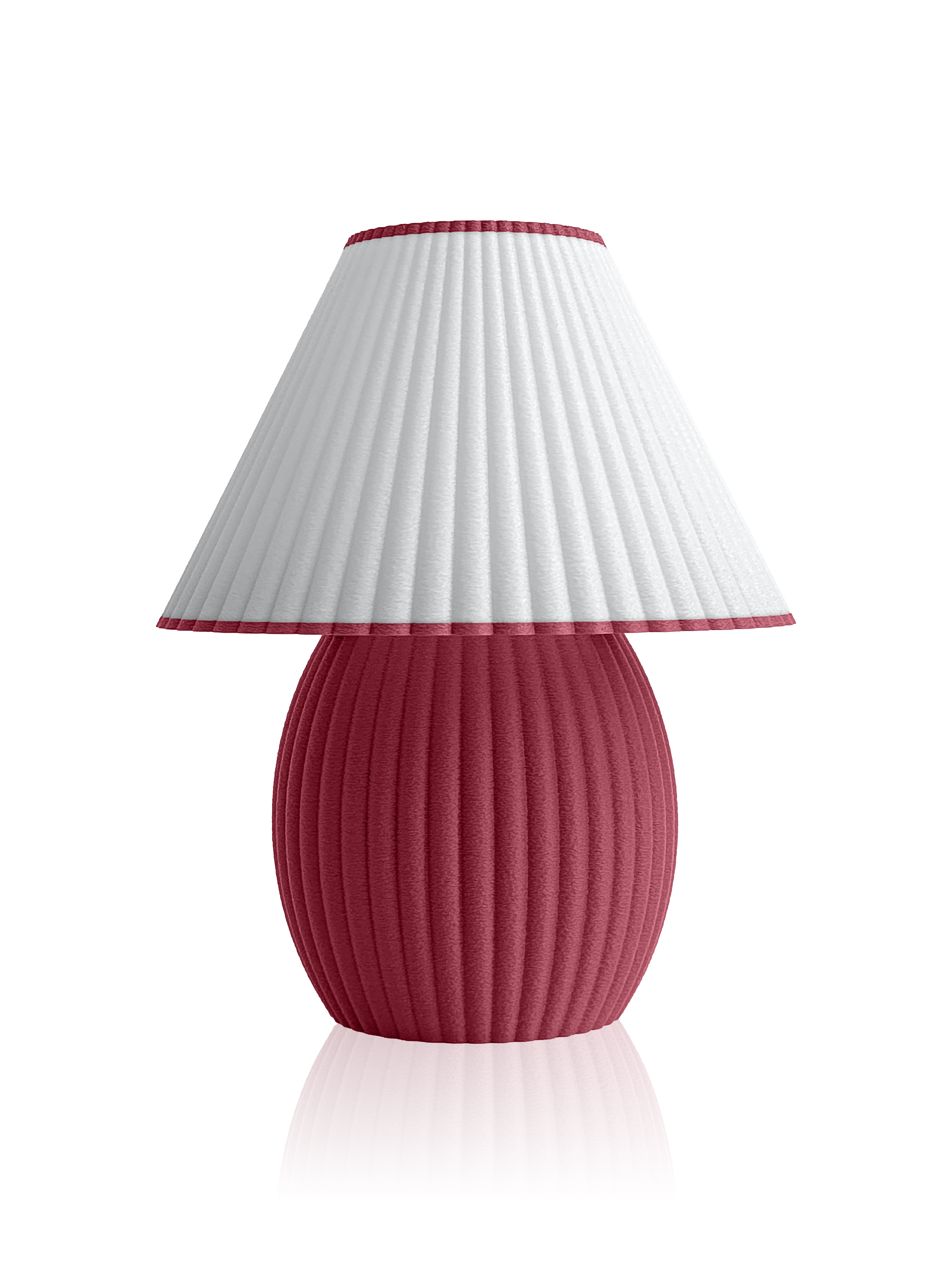
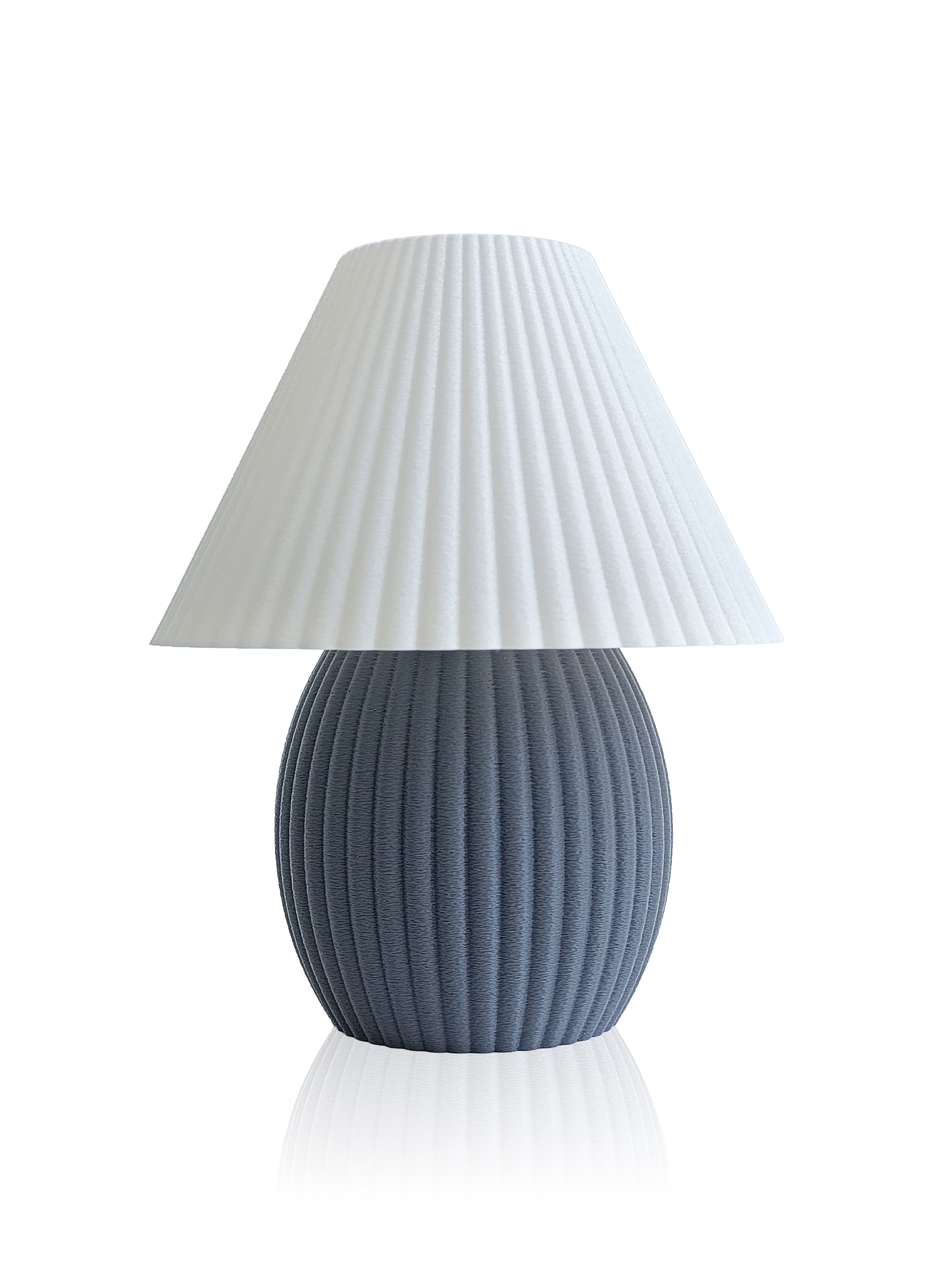
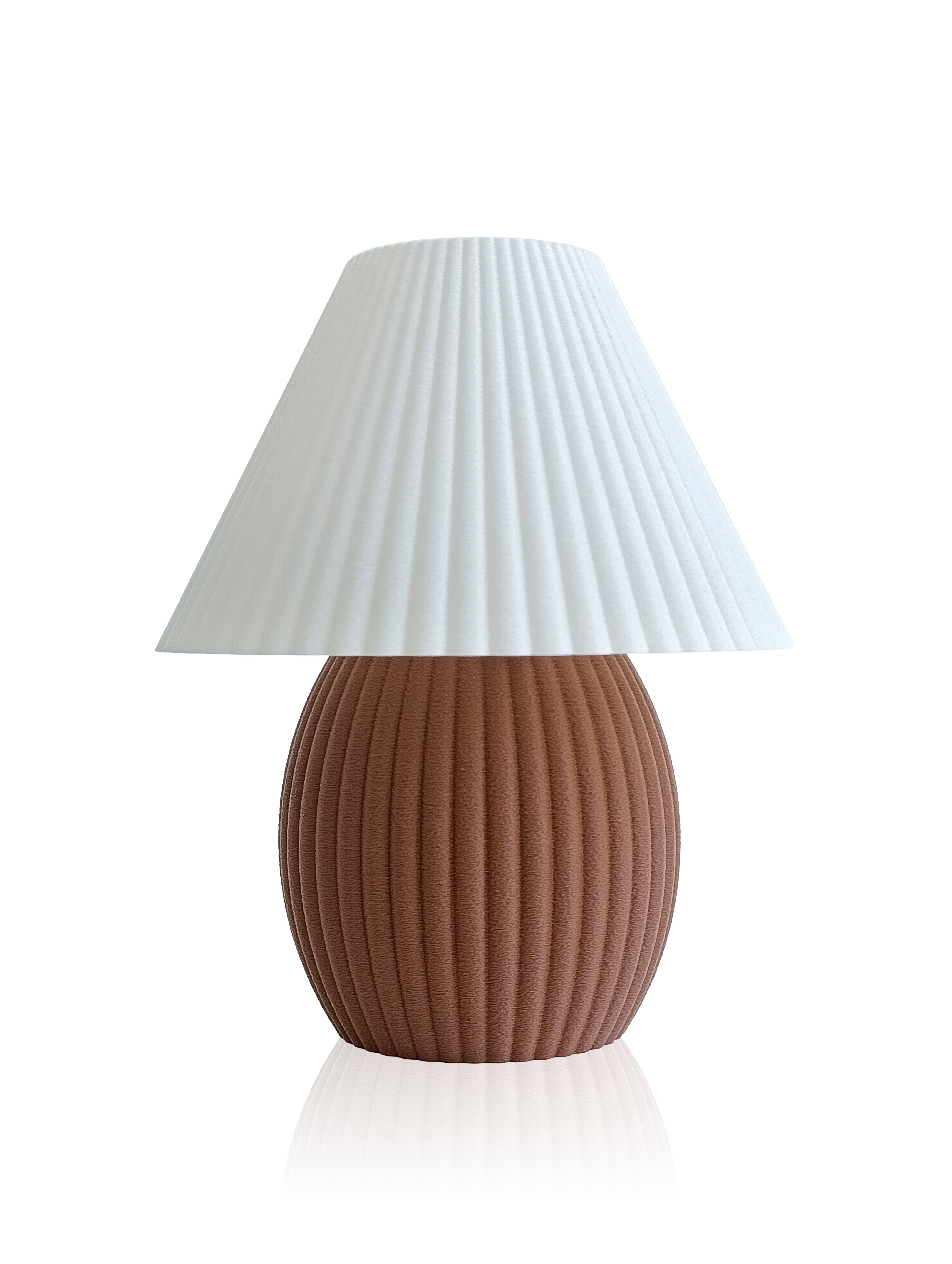
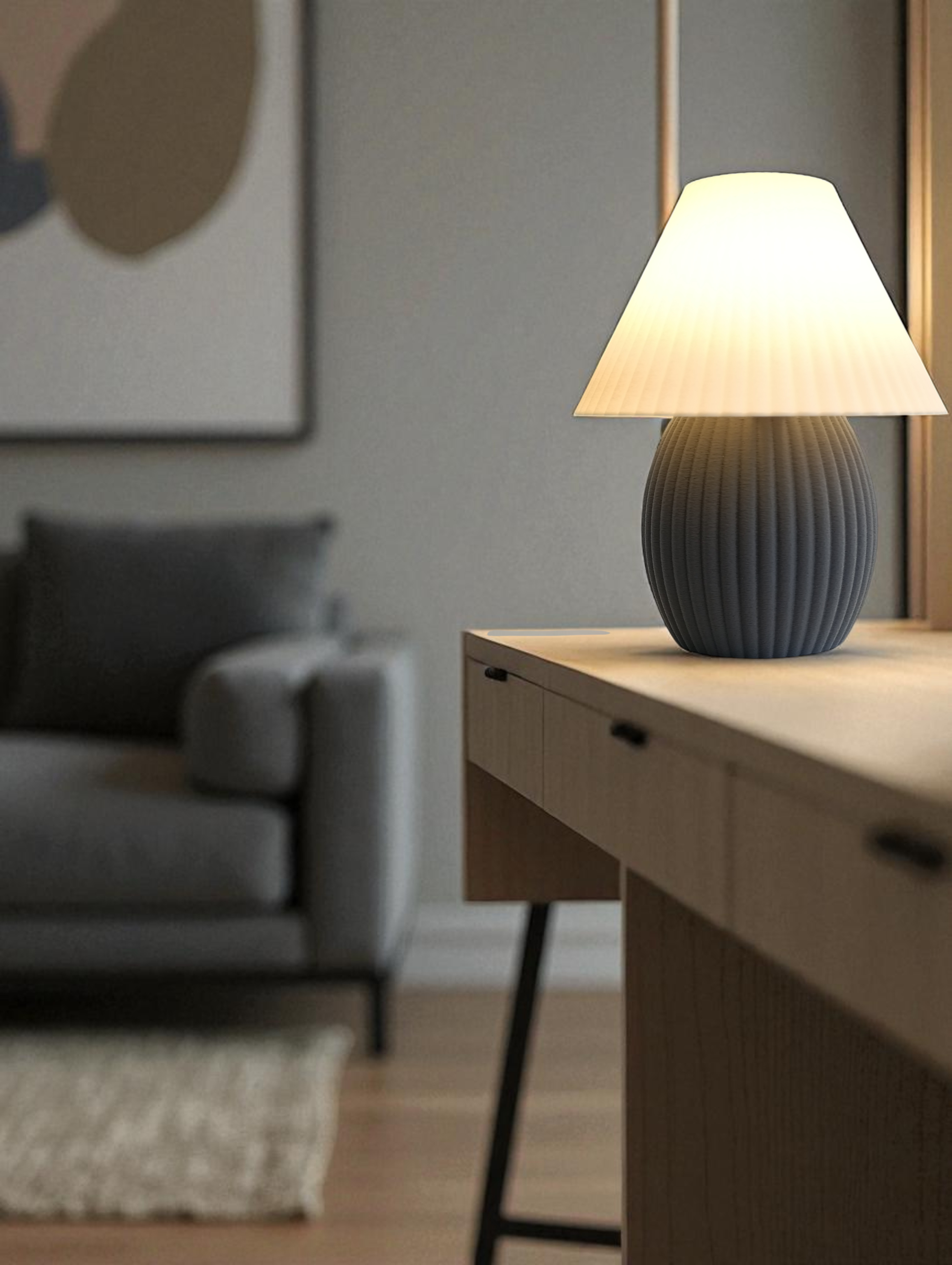
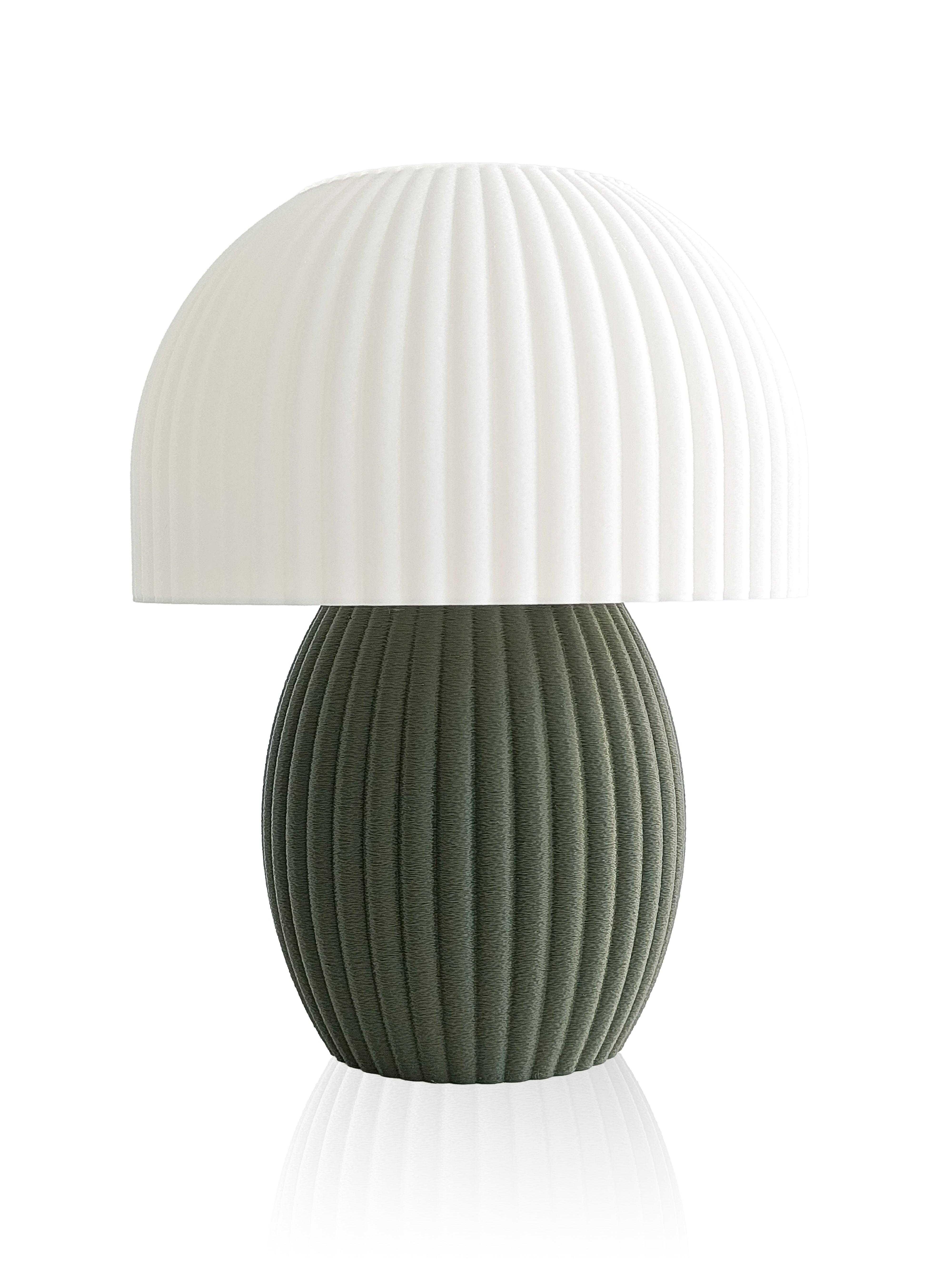
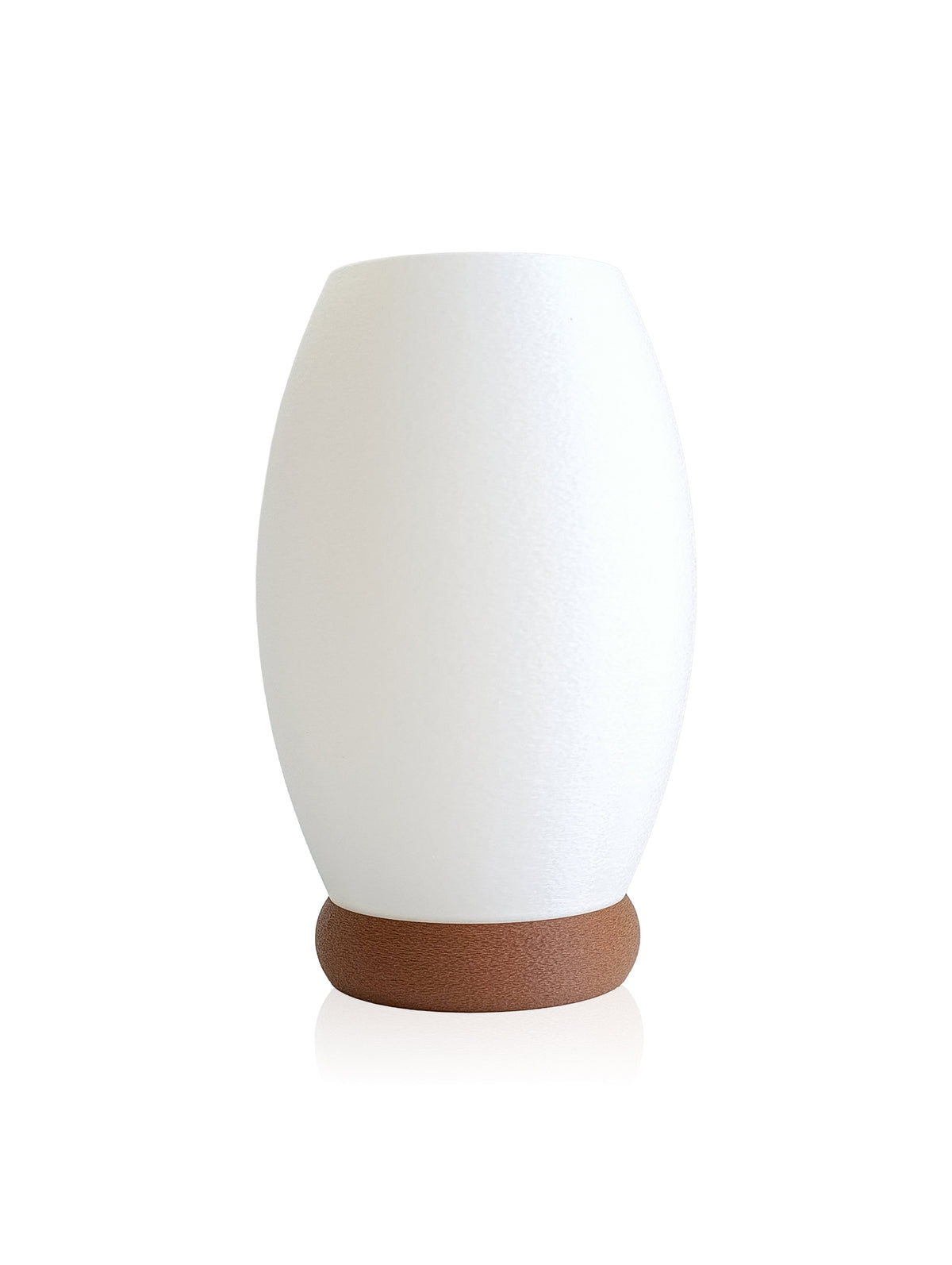
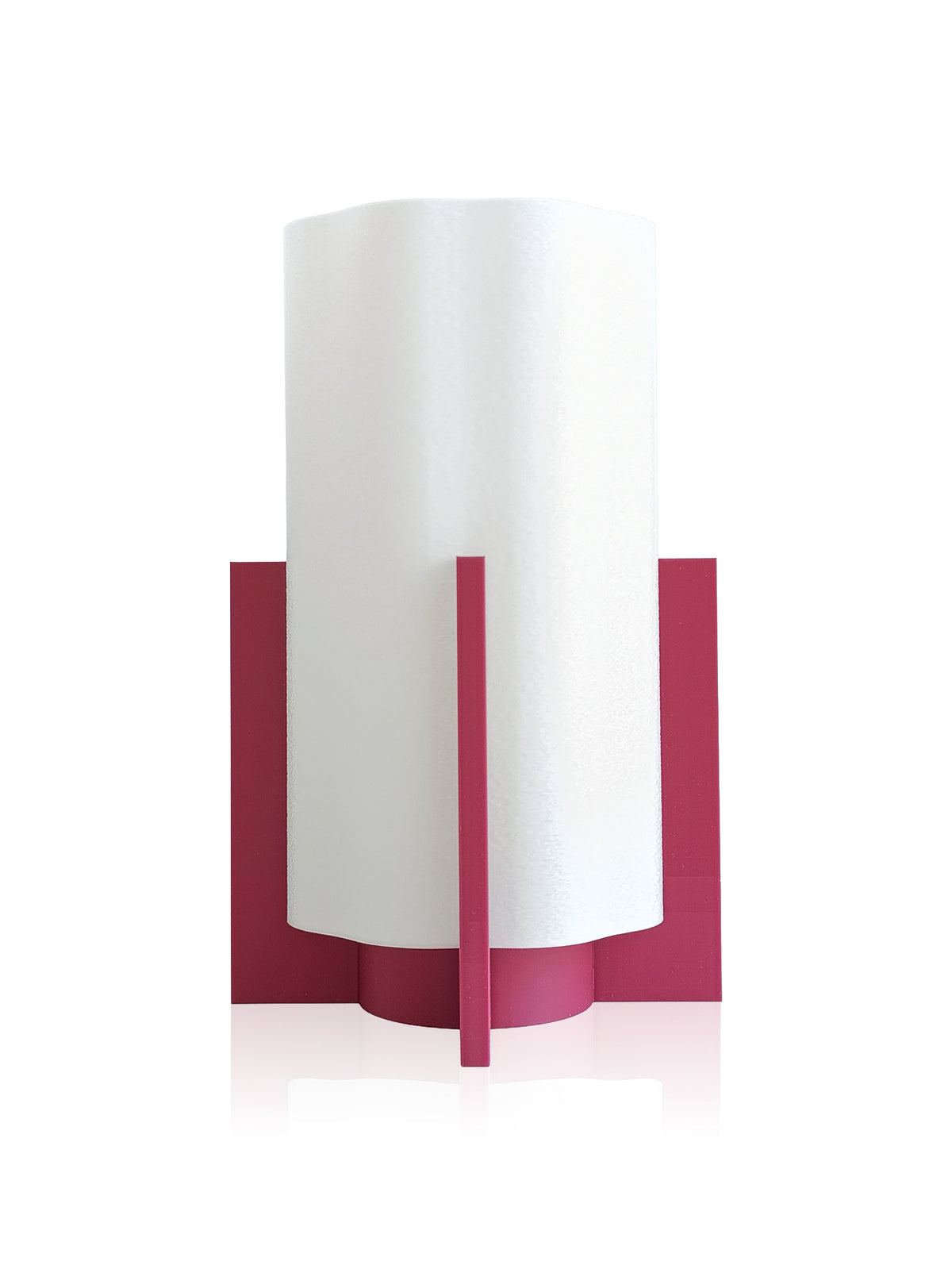
Many restaurants fail because they rely on a single light source overhead, creating harsh shadows and uneven illumination. The best dining environments use all three layers, dimmed to work together. Modern fixtures like the FRILOON LINE allow designers to adjust both intensity and color temperature, giving restaurants flexibility to shift the mood from early evening (brighter, slightly cooler) to late night (dimmer, warmer).
Why Does Dimmability Matter in Restaurant Design?
Dimmable lighting is no longer a luxury—it's essential infrastructure in hospitality. A restaurant's lighting needs change dramatically across service hours. Lunch service requires brighter, more efficient light to encourage quick turnarounds and highlight food quality. Dinner service calls for dimmer, warmer ambiance that encourages relaxation and extended stays. Special events demand different moods entirely.
Beyond time-of-day shifts, dimmable systems accommodate seasonal changes and guest preferences. Summer diners often prefer slightly brighter light, while winter guests respond to deeper, cozier warmth. The ability to adjust without replacing fixtures represents both operational intelligence and respect for your guests' comfort. This flexibility also reduces energy waste—you're never over-lighting a half-full dining room.
Practical Steps for Assessing Your Restaurant's Lighting
If you're renovating or troubleshooting an existing space, consider this framework:
- Identify your restaurant's identity: Fine dining, casual, fast-casual, or bar? Each demands different light temperatures and intensity levels.
- Map light zones: Do entryways, dining areas, bar, and restrooms each have distinct lighting? Transitions between zones should feel intentional, not jarring.
- Check for glare: Sit at various tables during service hours. Do overhead lights reflect off plates or screens? Can guests read faces comfortably?
- Assess shadow patterns: Do diners cast unflattering shadows on their faces? This typically means light sources are too high or too narrow.
- Test dimmer responsiveness: If you have dimmers, does light shift smoothly across the color spectrum, or does it feel harsh as it dims?
These observations reveal whether your lighting supports or undermines your intended guest experience.
Frequently Asked Questions
What's the ideal light level for a restaurant dining room?
Most comfortable dining experiences fall between 20–50 lux for ambient light, depending on cuisine and atmosphere. Fine dining typically uses 20–30 lux, while casual restaurants work at 30–50 lux. Task lighting near tables or menus should reach 50–100 lux for legibility without glare.
Can warm lighting make food look unappetizing?
Not if chosen thoughtfully. Warm light (2700K–3000K) is flattering to most foods and skin tones. The risk comes from overly dim warm light, which can obscure food detail. The solution: balance warmth with sufficient brightness so guests can see and appreciate what they're eating.
How does restaurant lighting affect how long guests stay?
Warm, dimmer lighting psychologically signals comfort and encourages guests to relax and linger, increasing average table time by 15–20 minutes in some studies. Bright, cool light activates alertness and tends to shorten visits, which may be desirable for quick-service concepts.
Creating Light That Honors Your Restaurant's Story
Restaurant lighting design is ultimately about intention. Whether you're opening a neighborhood bistro or refining an established concept, the light you choose communicates values—luxury or accessibility, energy or calm, innovation or tradition. It tells guests they belong in this space and that you've thought carefully about their comfort.
Start by asking what feeling you want to create, then work backward through color temperature, layering, and dimmer systems to support that vision. The most memorable dining experiences often feel effortless because the lighting is working invisibly, shaping mood and experience without demanding attention. That invisible craft is where great restaurant design lives.





Share:
Smart Home Lighting: Voice Control and Automation Guide
Light Pollution: The Hidden Danger in Home Lighting