

Light Cultures: Lighting Traditions Around the World

Light is a universal language, yet every culture speaks it differently. The way we illuminate our homes reflects centuries of tradition, climate, and values. Light cultures around the world tell stories about how people live, what they prioritize, and how they create comfort in their spaces. Whether it's the soft glow of Japanese lanterns or the rich amber warmth of Moroccan riads, lighting traditions offer us profound lessons about designing homes that feel intentional and alive.
How Do Japanese Lighting Traditions Shape Modern Home Design?
In Japan, light is treated as a design element with philosophical weight. The concept of ma—the importance of empty space—extends to lighting. Japanese homes traditionally embrace soft, diffused light rather than bright, direct illumination. This approach reflects both practical considerations (paper walls and screens) and deeper aesthetic values rooted in Zen Buddhism and the tea ceremony tradition.
Japanese lighting prioritizes subtlety and layers. Rather than one dominant light source, Japanese interiors use multiple gentle points of light—lanterns (andon), paper lamps, and natural light filtered through shoji screens. This creates an atmosphere of calm and encourages mindfulness. Modern interpretations of this tradition have influenced minimalist design worldwide, with people seeking to replace harsh overhead lighting with warmer, more intentional alternatives that support both visual comfort and mental well-being.
- Diffused light reduces visual strain and creates relaxation
- Layered lighting allows for mood adjustment throughout the day
- Natural light combined with soft artificial light supports circadian rhythms
- Emphasis on quality over quantity mirrors Japanese aesthetics
What Makes Mediterranean and Moroccan Light So Distinctive?
Travel south and the light cultures shift dramatically. Mediterranean and North African traditions celebrate warmth and richness, partly due to intense natural sunlight and partly due to cultural values around gathering and hospitality. Moroccan homes, in particular, use light as a tool for creating drama and intimacy in spaces.
Moroccan riads (traditional homes built around courtyards) harness natural light through careful architectural design, then enhance it with brass lanterns, carved glass, and warm-toned surfaces. The goal isn't brightness for its own sake—it's creating pools of warm light that draw people together and add depth to a room. The color temperature tends toward warm amber and gold, typically between 2700K and 3000K on the Kelvin scale. Mediterranean traditions similarly favor warm light paired with rich earth tones, creating spaces that feel sun-soaked even at night. These lighting approaches prioritize emotional warmth and social connection over clinical visibility.
- Warm color temperatures (2700K-3000K) dominate Mediterranean design
- Decorative fixtures serve both functional and aesthetic purposes
- Light and shadow play create visual interest and depth
- Emphasis on gathering spaces and social warmth
How Do Scandinavian Cultures Approach Light During Long Winters?
In Nordic countries, light culture has evolved out of necessity. Scandinavia's extreme seasonal light variations—with some regions experiencing polar nights—have shaped a profound relationship with artificial lighting. Scandinavian design philosophy treats light as essential to mental and physical health, not merely decoration.
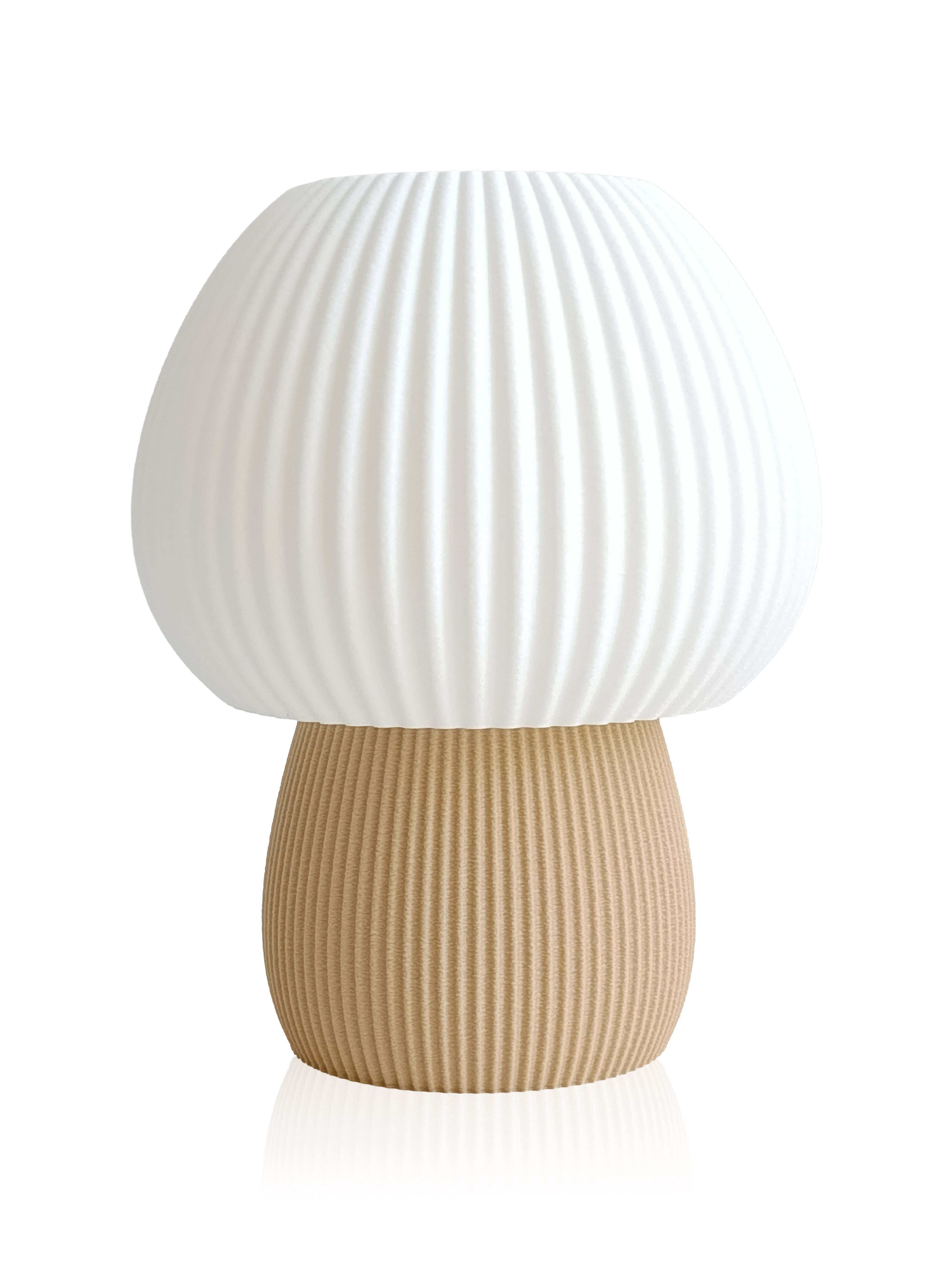
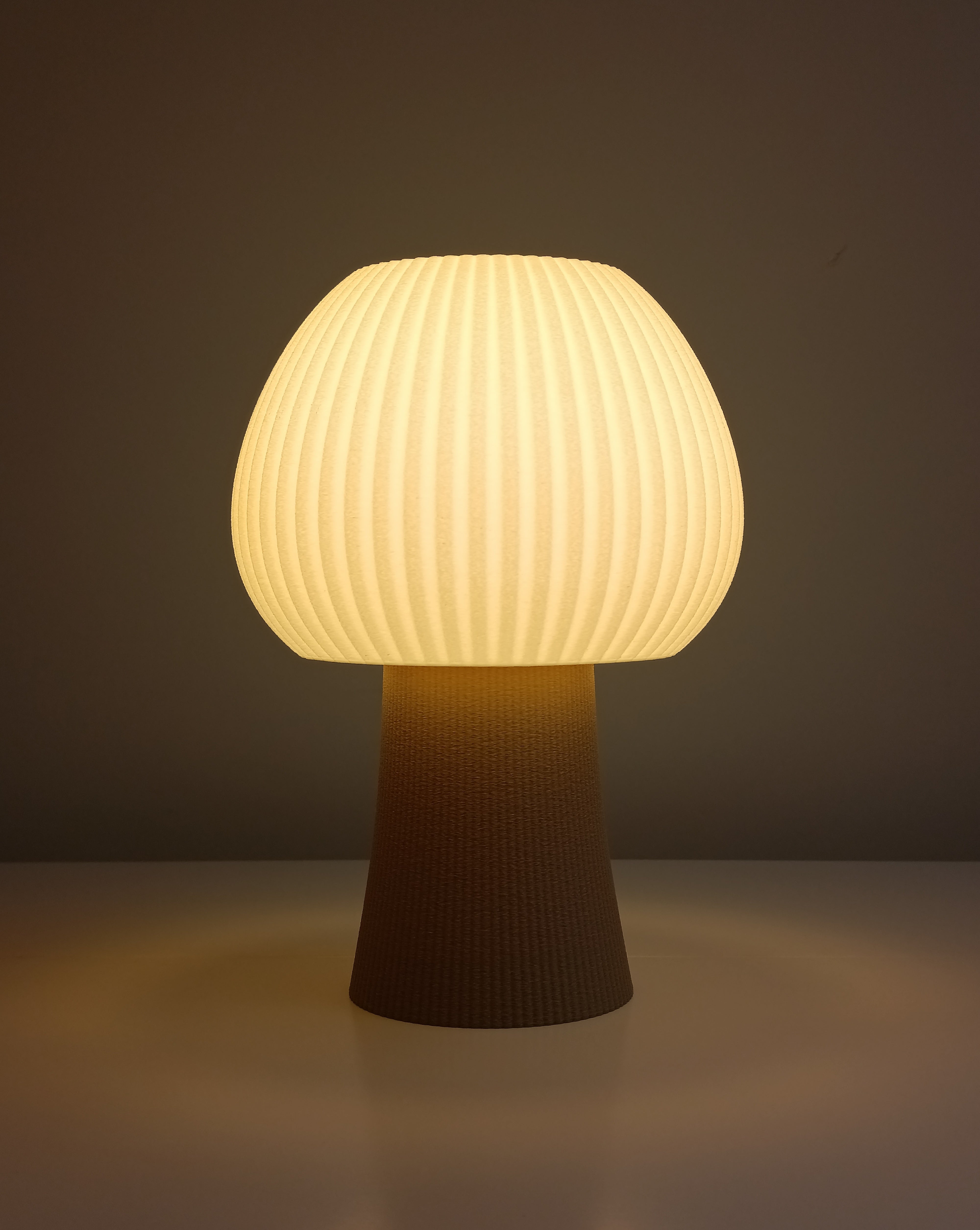
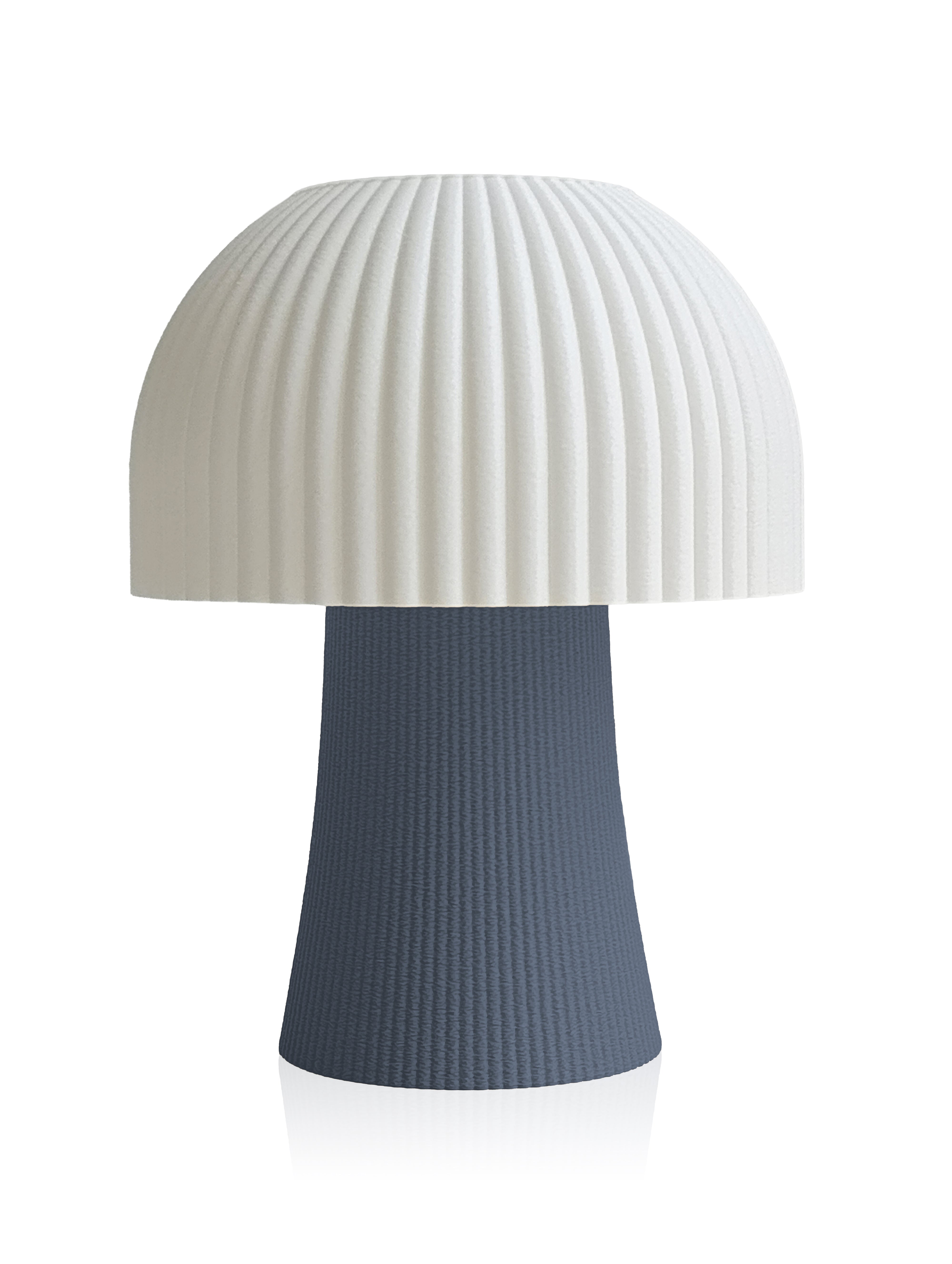
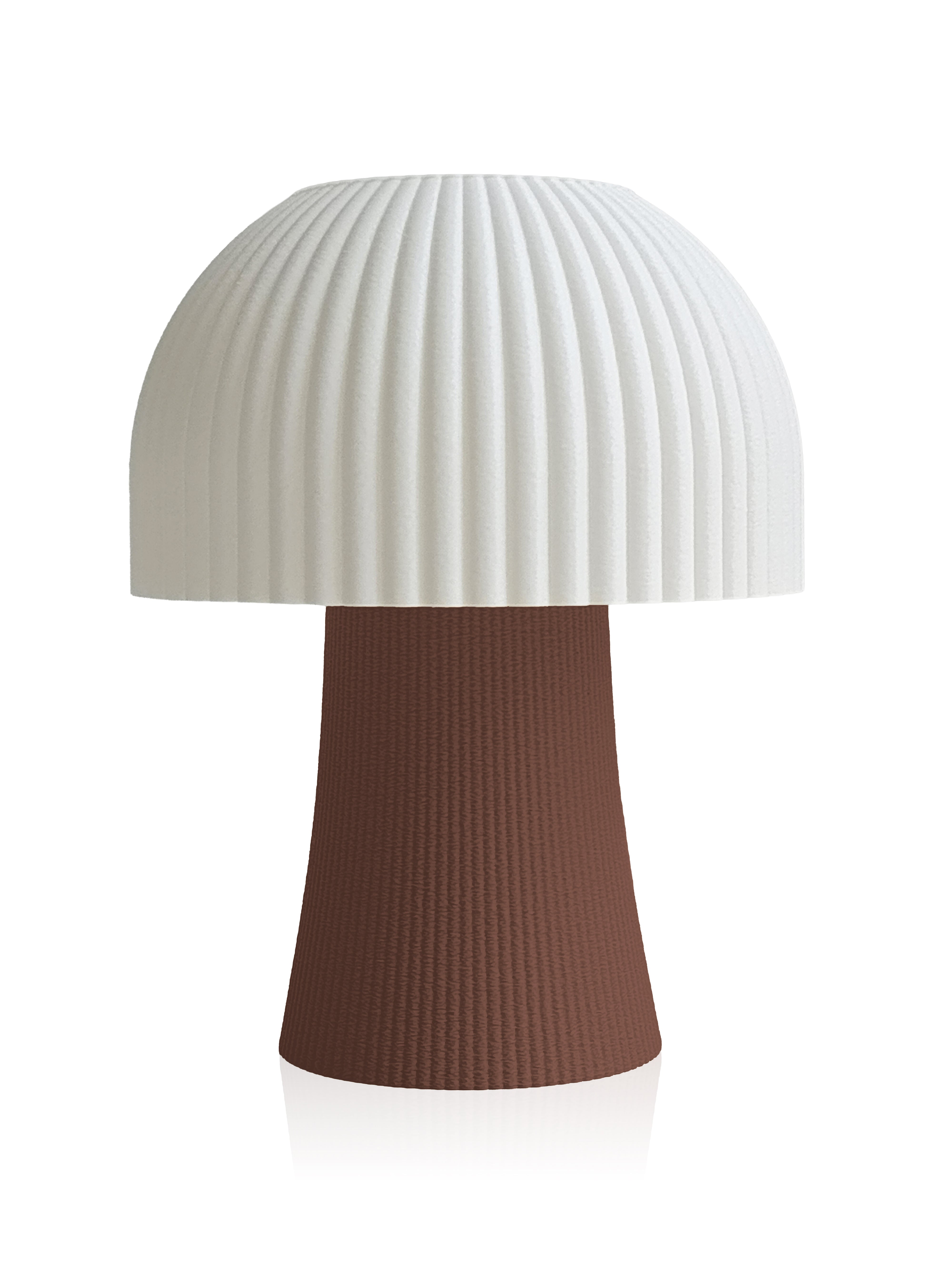
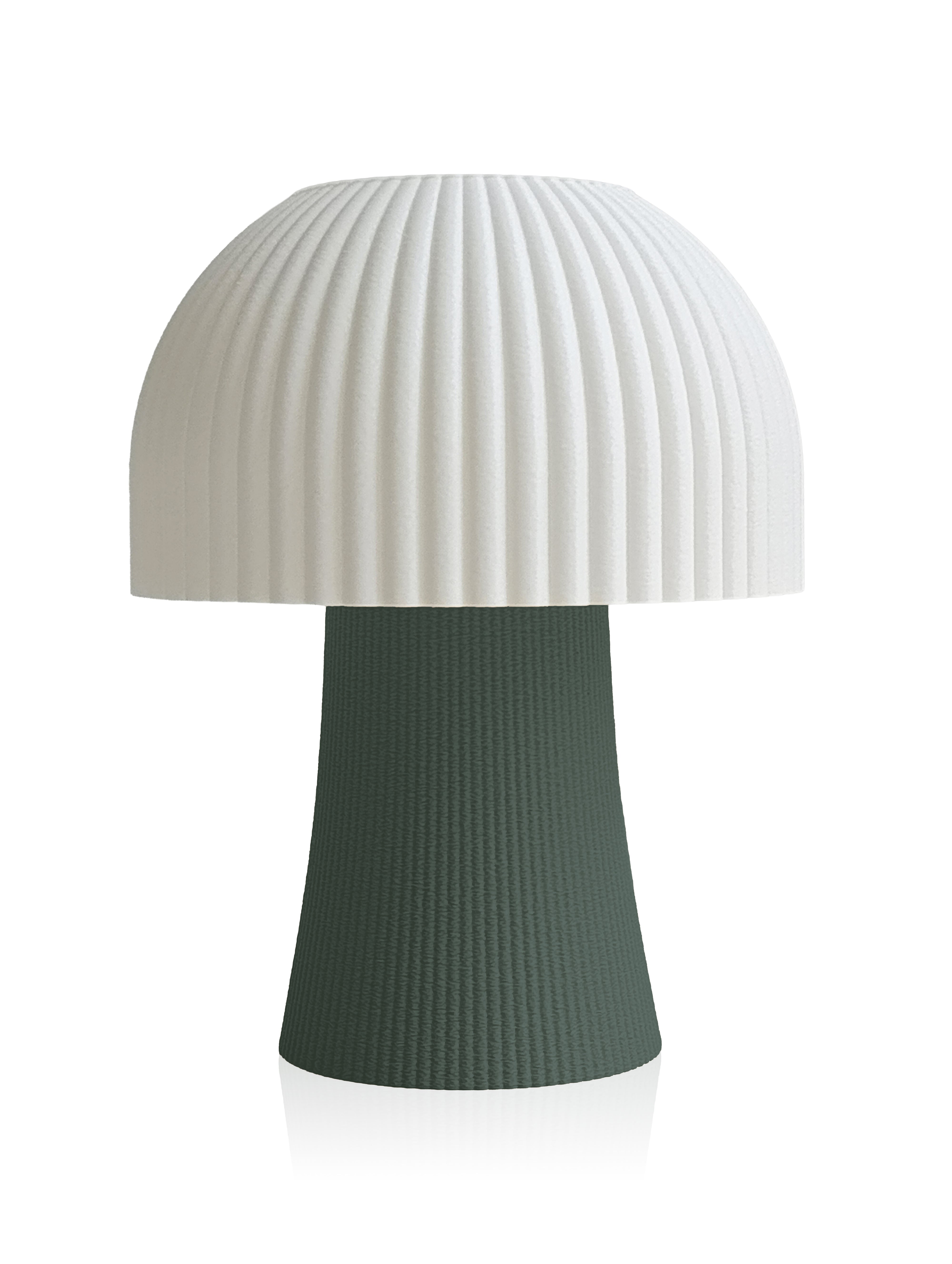
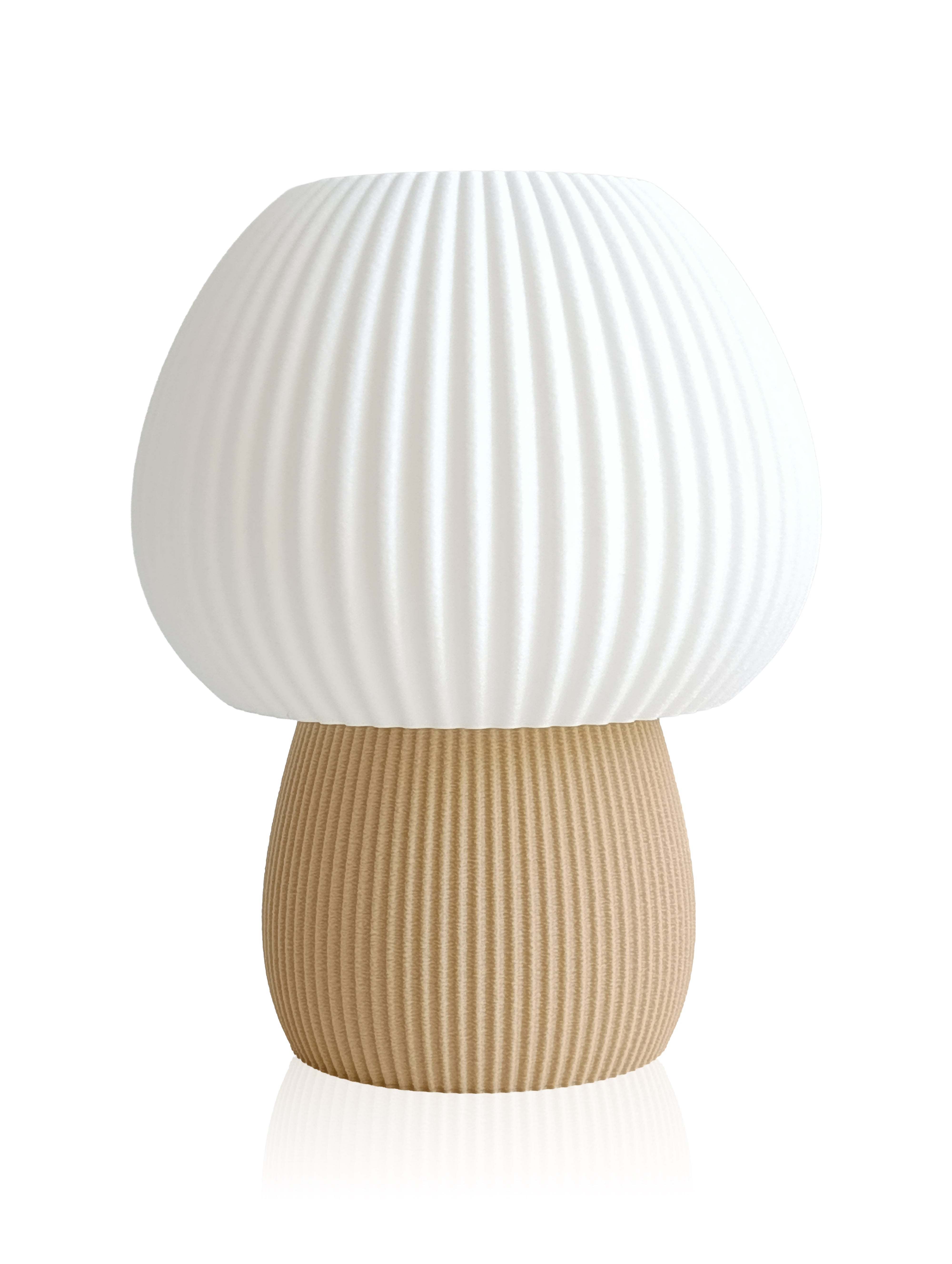
The Danish concept of hygge is deeply rooted in lighting strategy. It refers to coziness, warmth, and contentment, and it's achieved through layered, warm lighting combined with natural materials and texture. Scandinavian homes use multiple light sources at lower intensities, often with warm-toned bulbs (2700K), to create depth and avoid the harsh flatness that can come from central overhead lighting. This tradition has proven so effective that hygge-inspired lighting is now widely adopted in North America, where people are seeking refuge from screen time and harsh artificial light. The LUMORA US collection draws on these principles, offering warm, dimmable lighting designed for homes that prioritize both aesthetics and well-being.
- Multiple light layers reduce reliance on single bright sources
- Warm bulbs (2700K) support melatonin production in evenings
- Emphasis on natural materials and soft textures paired with light
- Seasonal awareness influences year-round lighting choices
What Can We Learn From Global Light Cultures Today?
These lighting traditions, separated by geography and history, share a common thread: intentionality. Whether minimalist Japanese, warm Moroccan, or cozy Scandinavian, each culture has developed lighting approaches that serve both function and emotion. In our homes, we can borrow from these traditions without copying them directly.
The broader lesson is that light shapes how we feel and behave. Modern research on circadian rhythms confirms what these cultures intuitively understood—that the quality, color, and timing of light affects our sleep, mood, and focus. By studying light cultures around the world, we gain permission to be more thoughtful about our own lighting choices. This might mean adding dimmers to soften harsh light, choosing warm bulbs that support evening relaxation, or layering different light sources to create depth. Your home's lighting should reflect your values and support your well-being, not simply illuminate a space.
Frequently Asked Questions
What color temperature is best for creating a warm, cozy home?
Warm white light between 2700K and 3000K creates the coziest atmosphere, mimicking candlelight and sunset. This range is ideal for living spaces, bedrooms, and areas where you want to encourage relaxation and social connection.
How does lighting culture differ across continents?
Lighting traditions vary based on climate, geography, and cultural values. Japan emphasizes diffused, minimal light for calm; Mediterranean regions favor warm, dramatic light for gathering; Scandinavia uses layered warm light to combat seasonal darkness. Each approach reflects what residents prioritize for well-being and aesthetics.
Can I apply multiple lighting traditions to my home?
Absolutely. Many modern homes blend traditions—using Japanese-inspired minimalism with Scandinavian hygge principles and touches of Mediterranean warmth. The key is layering different light sources and choosing warm color temperatures that align with how you want to feel in your space.
Your home's lighting doesn't need to follow one culture's tradition exclusively. Instead, let global light cultures inspire you to think intentionally about the atmosphere you're creating. Whether it's the softness of Japanese design, the warmth of Mediterranean spaces, or the coziness of Nordic homes, thoughtful lighting transforms a house into a sanctuary—a place that feels genuinely yours.







Share:
Lighting and Age: Do Different Age Groups Need Different Light?
Living Room Corner Lighting: Design That Brings Dark Spaces to Life