

Lighting and Age: Do Different Age Groups Need Different Light?

The light we live in matters more than we often realize, and lighting and age are intimately connected. Whether you're in your twenties or your seventies, your eyes and circadian rhythm respond differently to light—and your home should reflect those needs. Science shows us that our visual acuity, color perception, and sensitivity to light shift across our lifespan, making it worth asking: does your lighting actually support where you are in life?
How Vision Changes As We Age
Our eyes aren't static. Beginning in our early forties, a process called presbyopia makes it harder to focus on close objects. By sixty, we need roughly three times more light to see the same detail compared to someone in their twenties. This isn't about vanity—it's physics. The lens in our eye hardens, the pupil becomes smaller, and the retina becomes less sensitive to incoming light.
Beyond brightness, color perception shifts too. Yellowing of the lens means older adults see blues and purples less vividly, while warmer tones appear more saturated. This has real implications for how we should light our homes:
- Ages 20–40: Eyes are efficient; standard 300–500 lux is typically sufficient for most tasks
- Ages 40–60: Need begins to increase; 500–750 lux recommended for detailed work
- Ages 60+: May require 750–1,000+ lux for comfortable reading and safety
Lux is the standard unit measuring light intensity at a surface. Knowing your age range's needs helps you design a home that doesn't strain your eyes—and won't need overhauling as you age.
Circadian Rhythm and Light Sensitivity Across Life Stages
Beyond seeing clearly, light controls our internal clock. Our circadian rhythm—the biological process that regulates sleep, hormones, and alertness—is sensitive to blue light wavelengths. Research published in the Journal of Gerontology shows that older adults are actually more sensitive to circadian disruption from poor lighting, yet they often receive less bright light during the day, creating a problematic mismatch.
Younger adults benefit from bright, blue-enriched light (4000–5000K) during morning and daytime hours to maintain alertness and reinforce healthy sleep cycles. Middle-aged adults begin showing reduced melatonin sensitivity, making consistent, well-timed light exposure more important. Older adults often experience circadian rhythm disorders—insomnia, early waking—partly because their homes lack sufficient daytime brightness and contain too much evening light.
The solution isn't complicated: intentional lighting that matches your age and daily schedule. Bright, cool light in living and work spaces during the day. Warm, dimmed light in evenings. This rhythm supports everyone, but becomes increasingly critical after fifty.
Designing Light for Your Age and Lifestyle
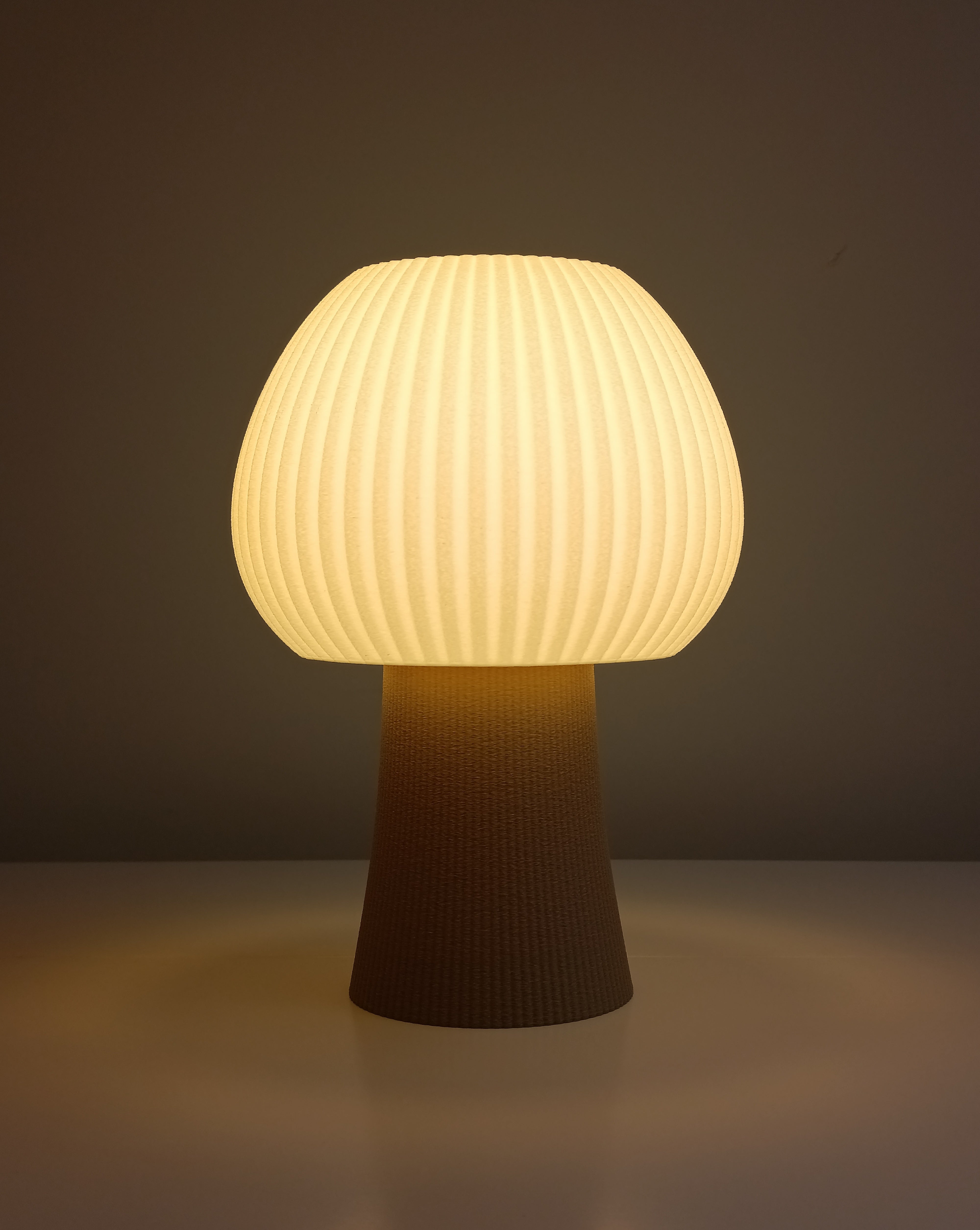
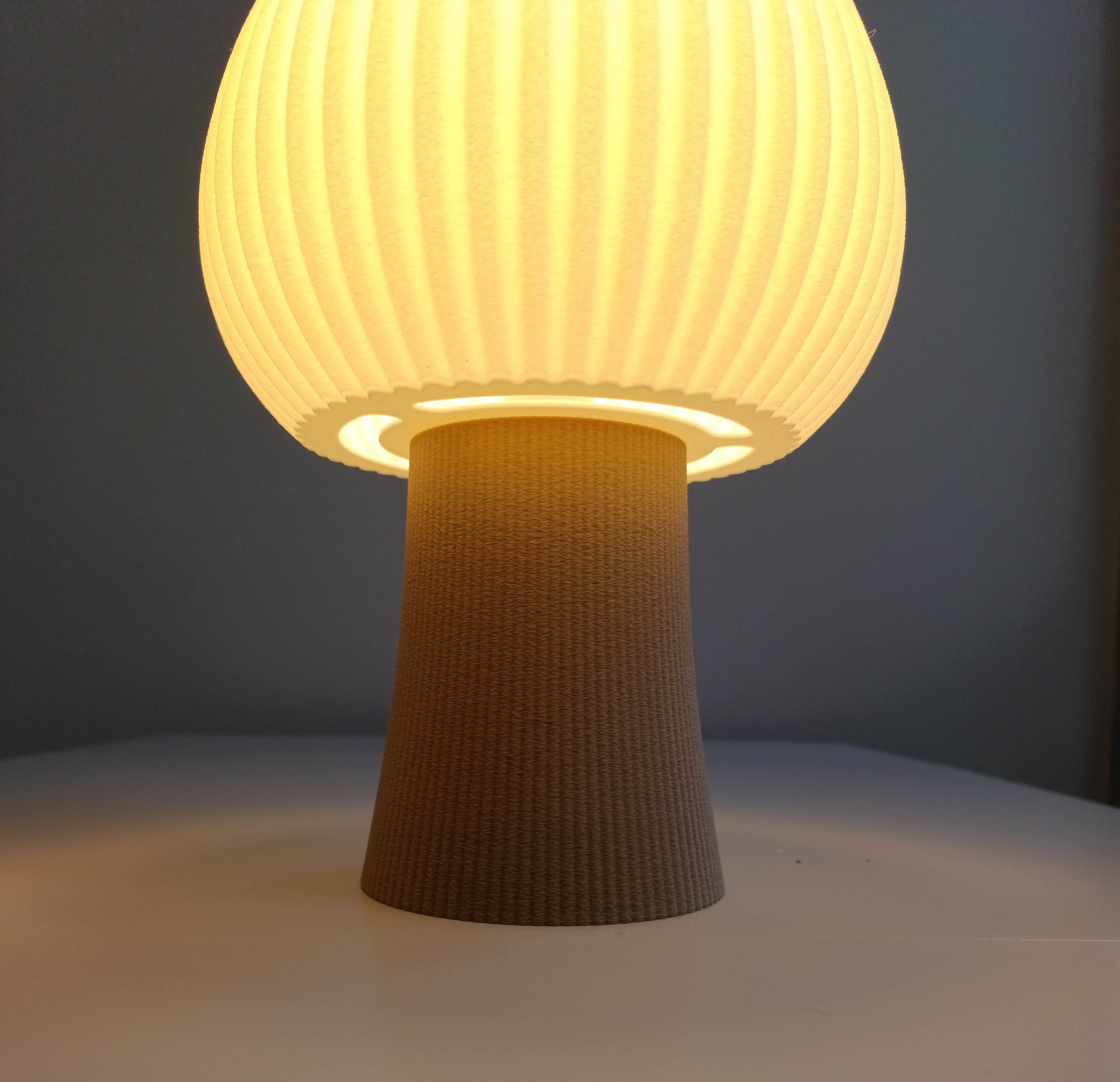
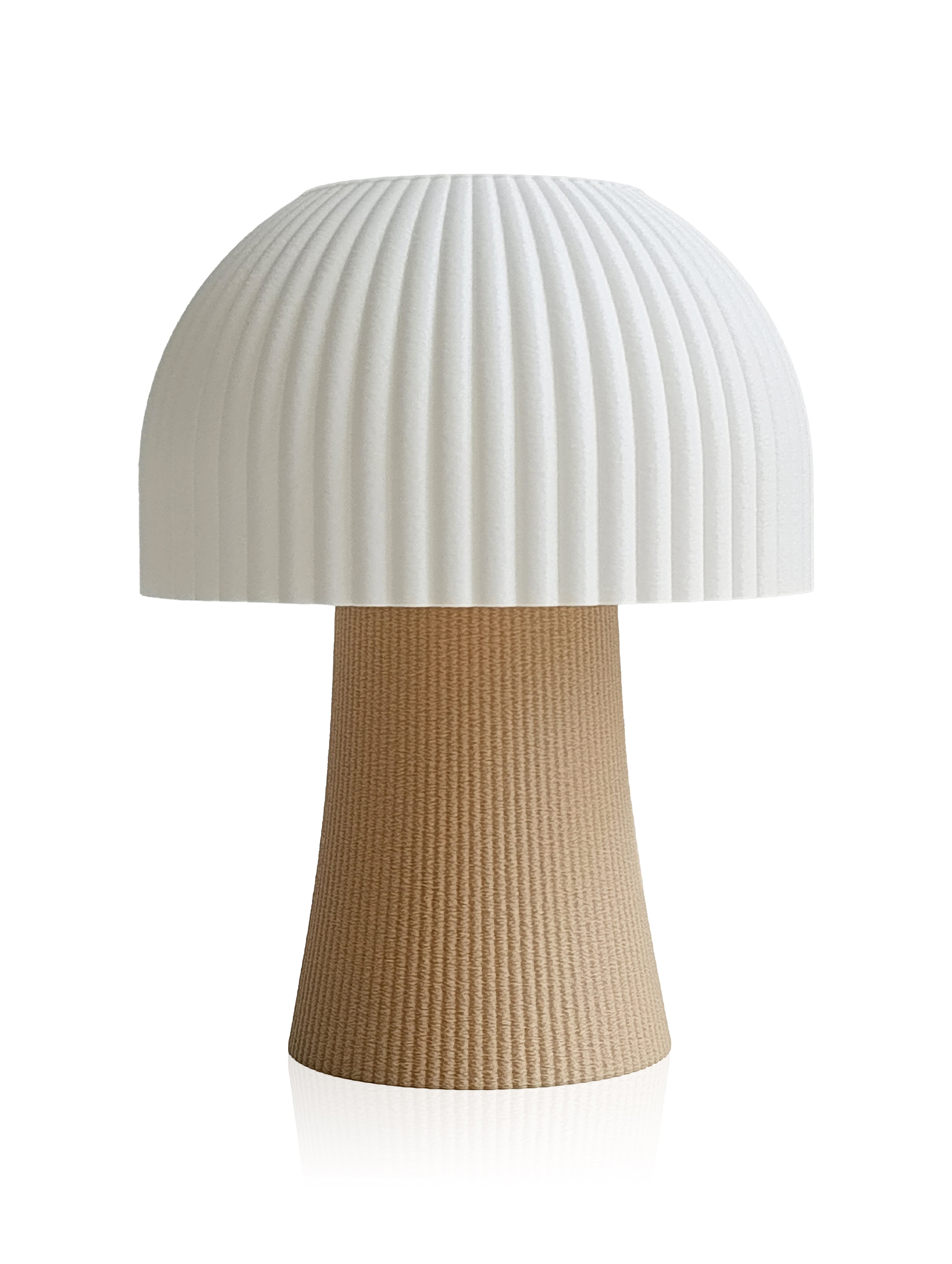
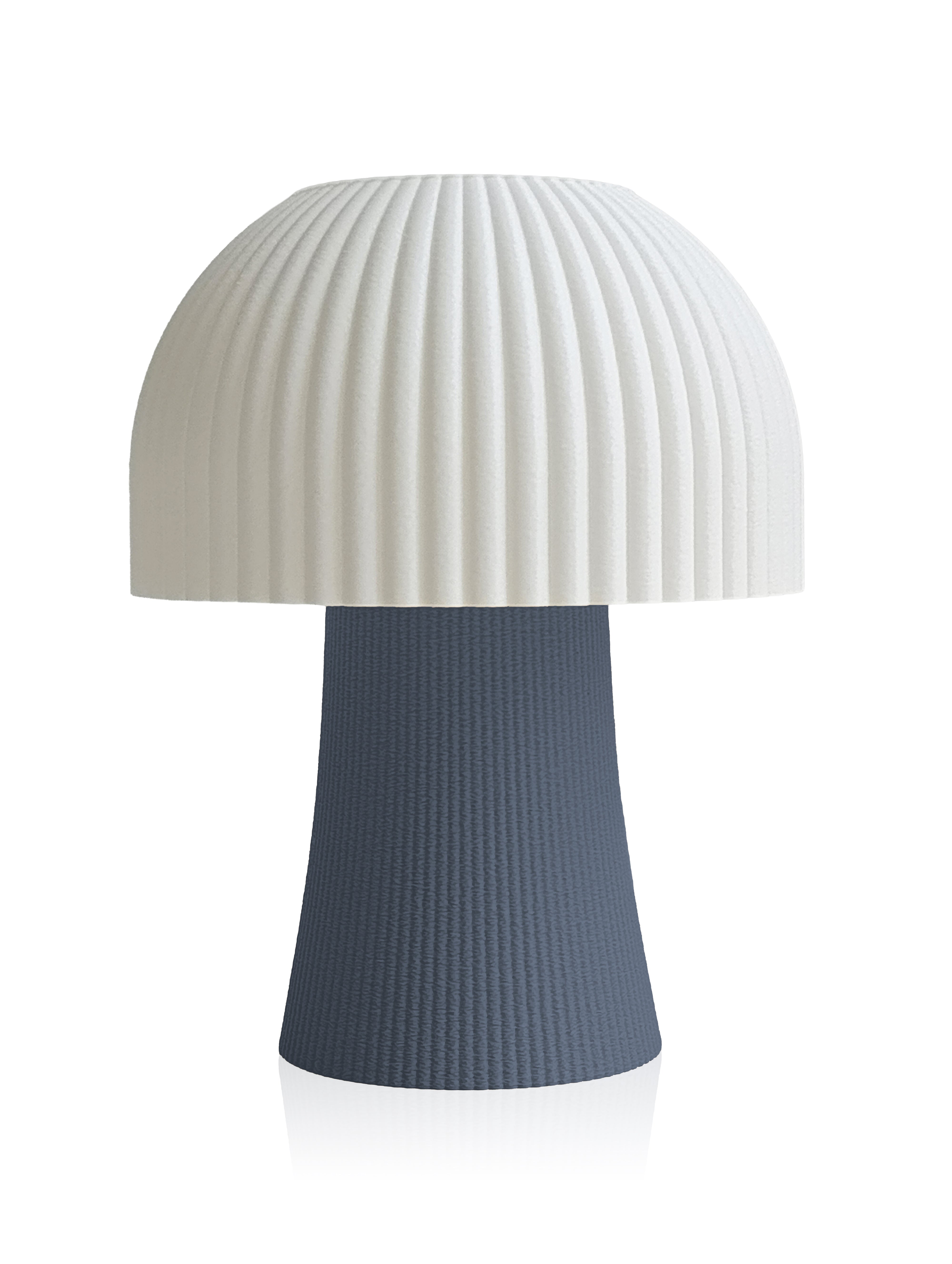
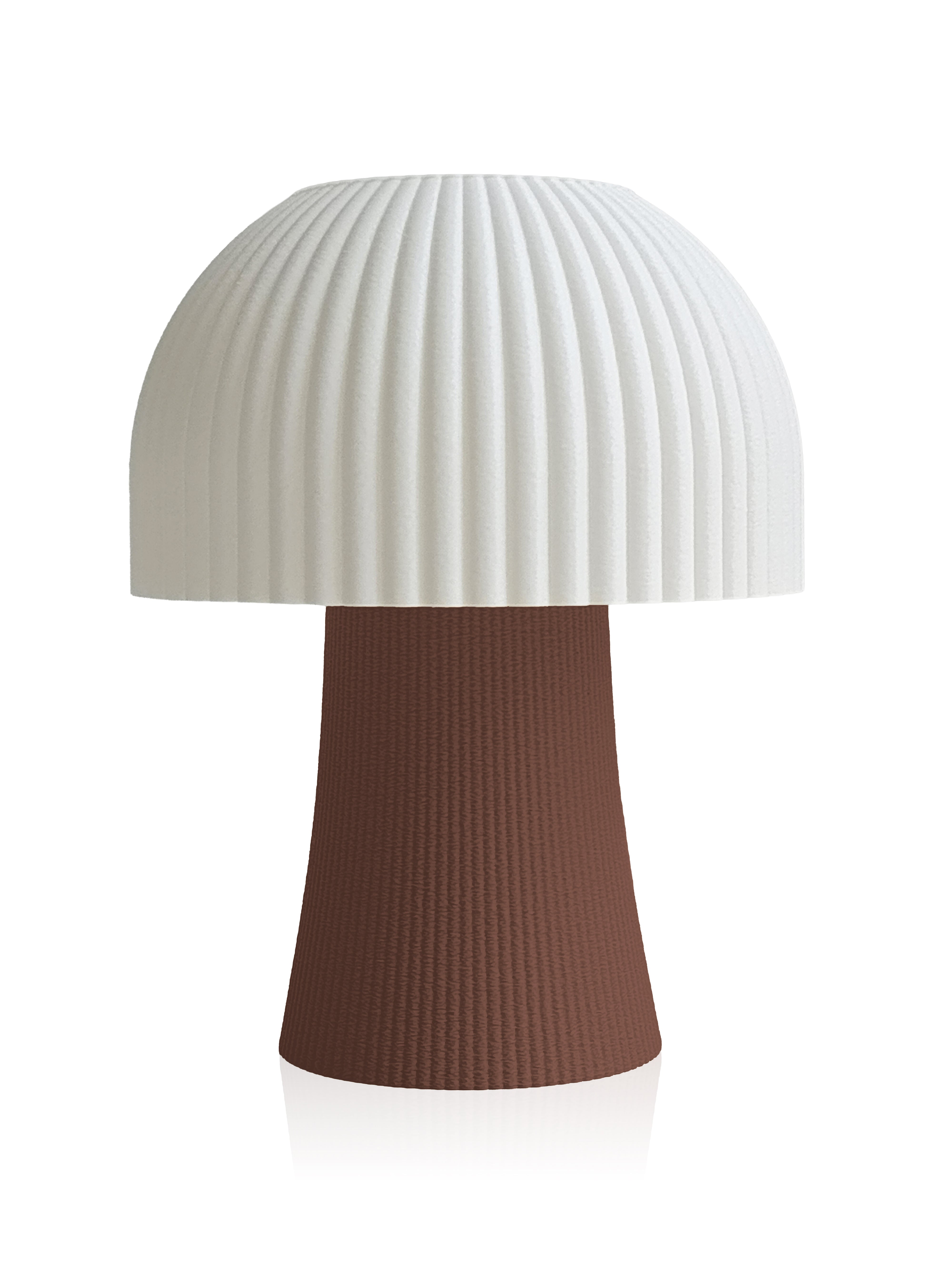
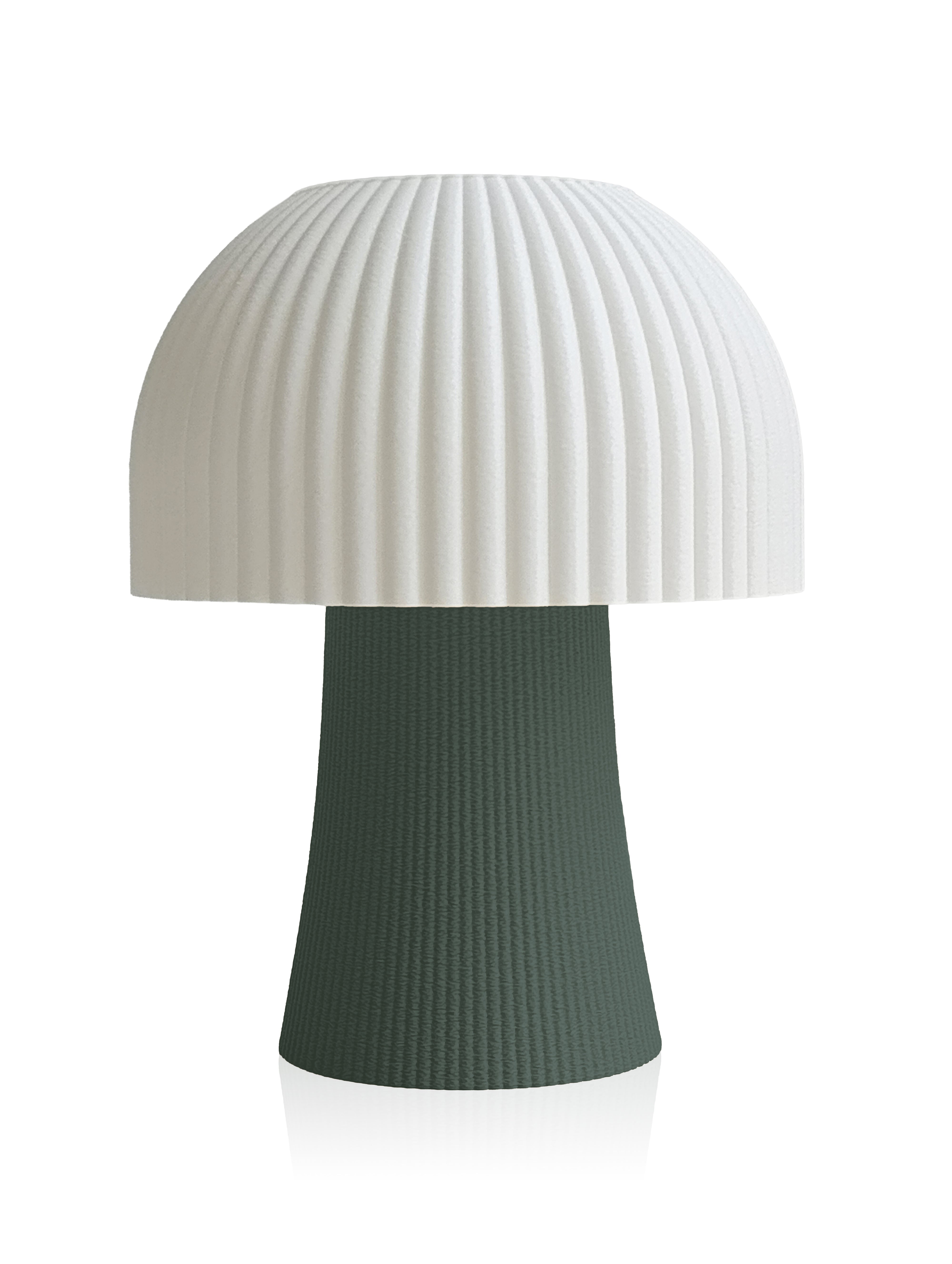
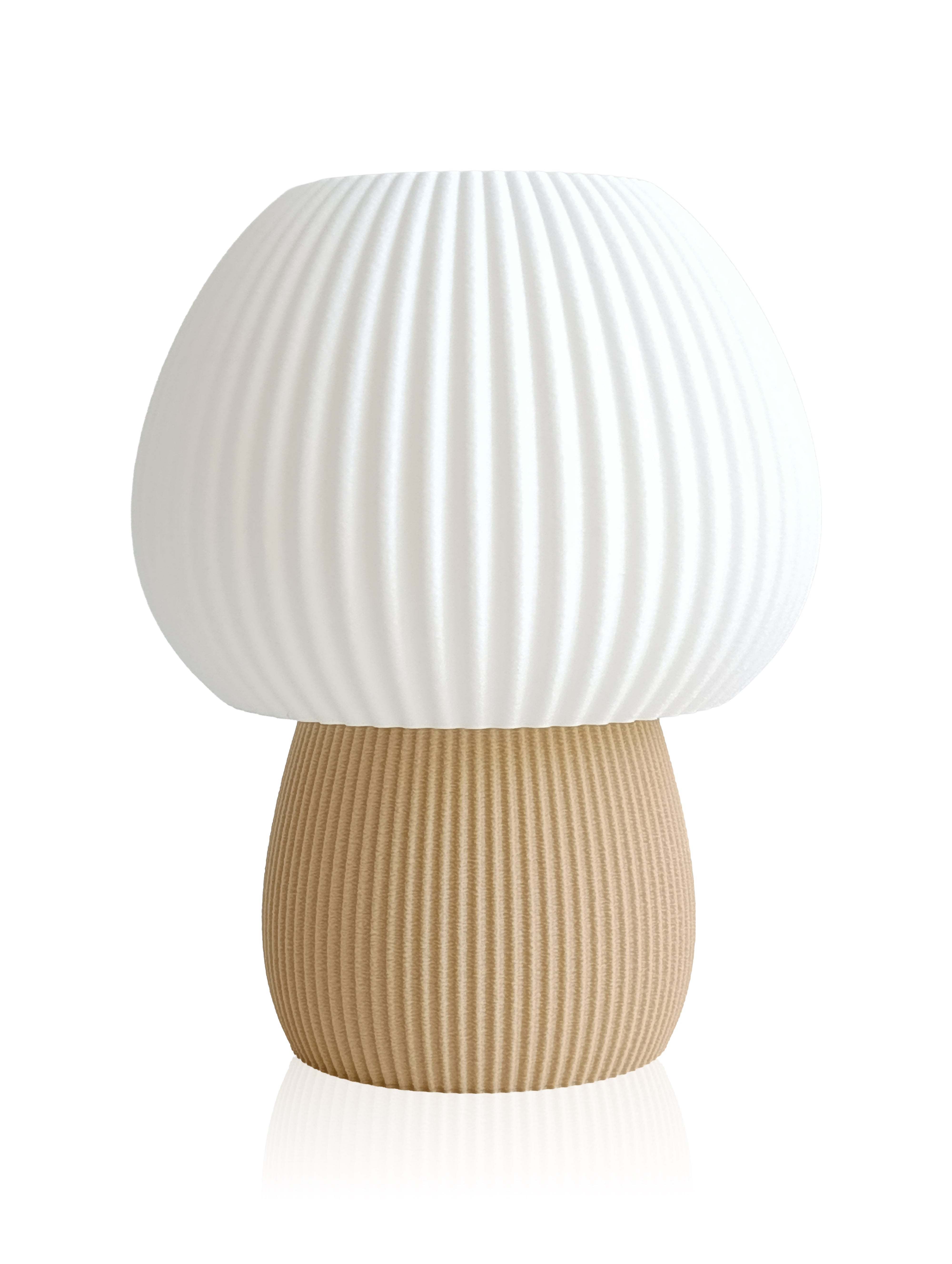
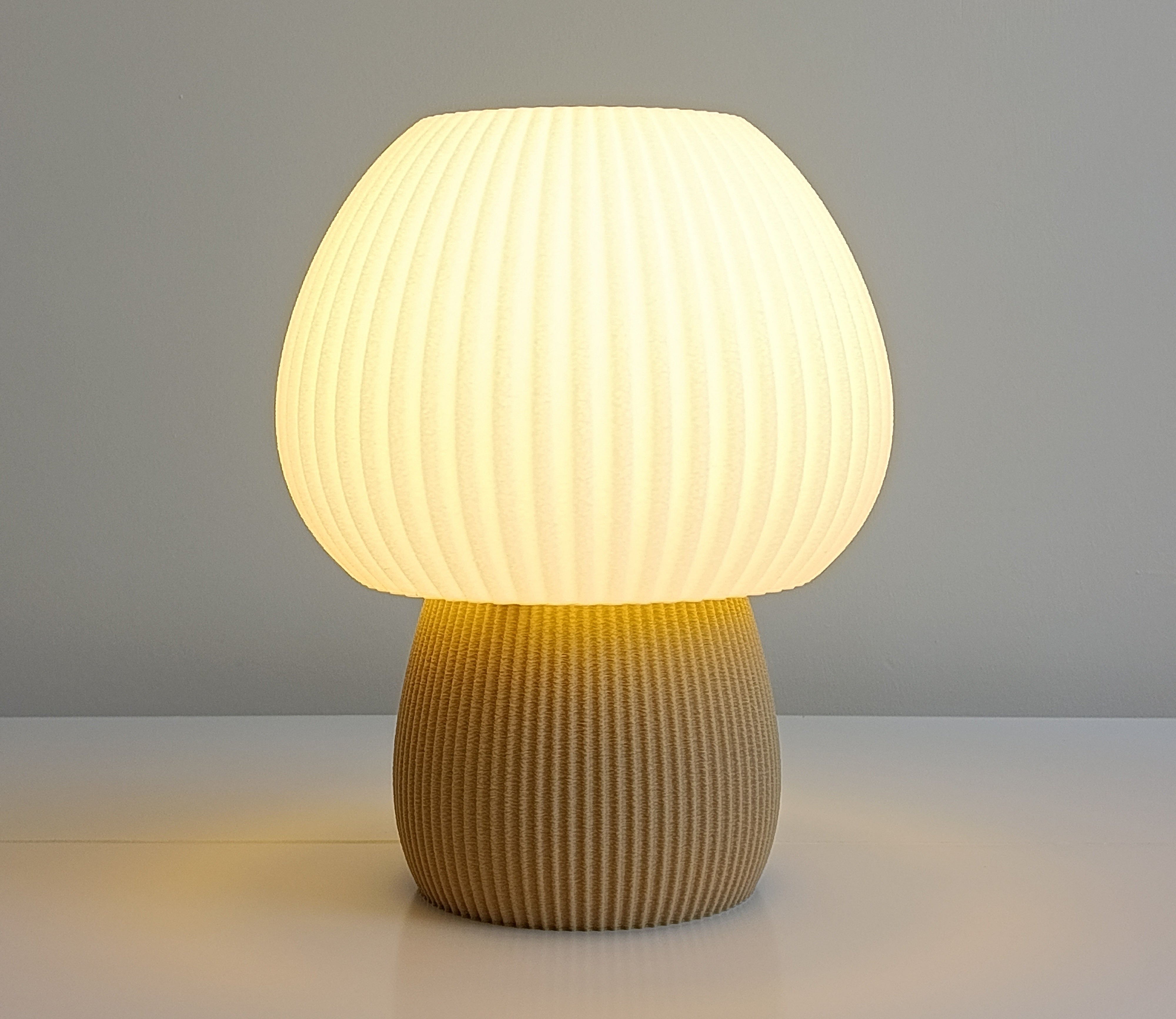
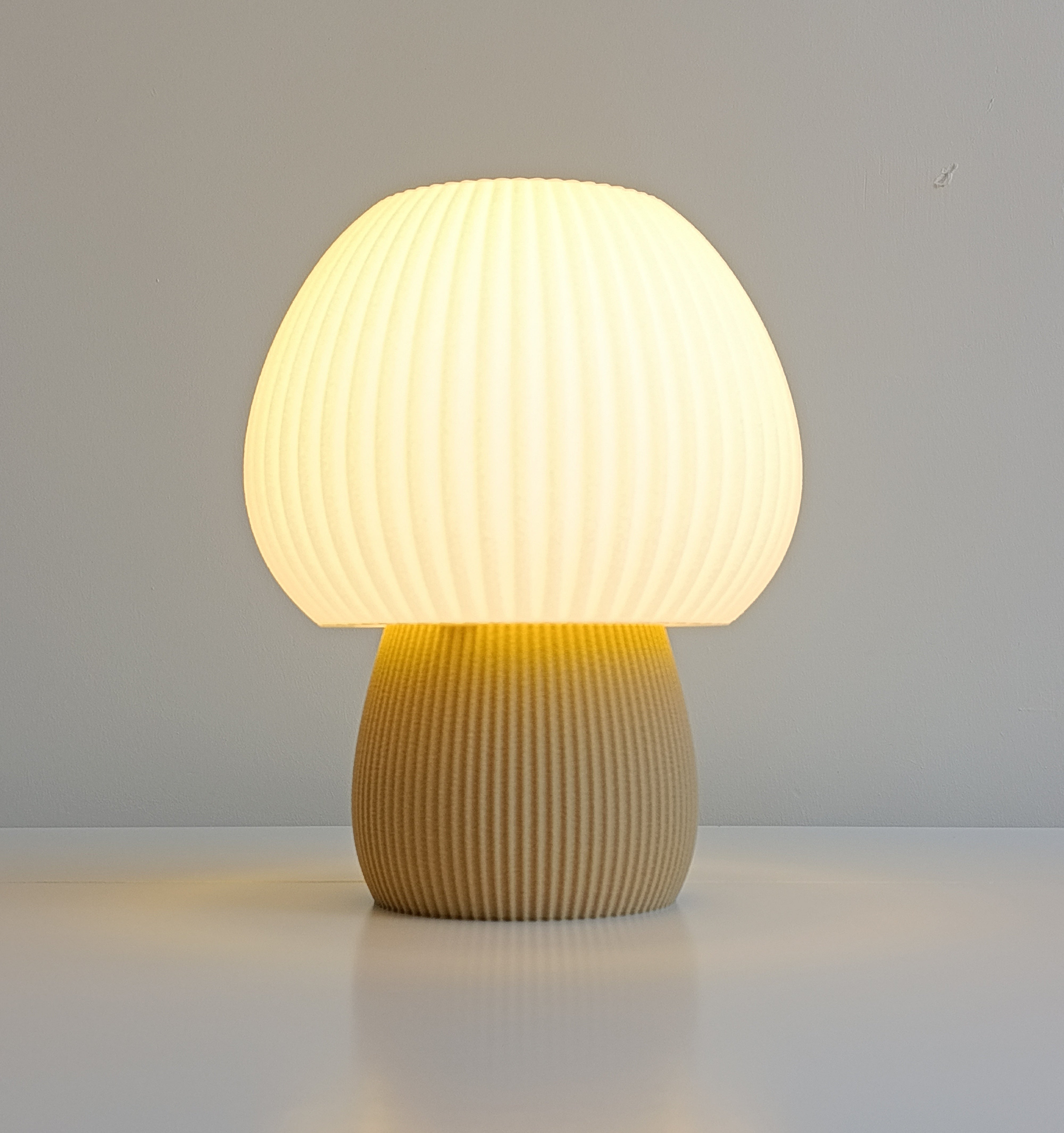
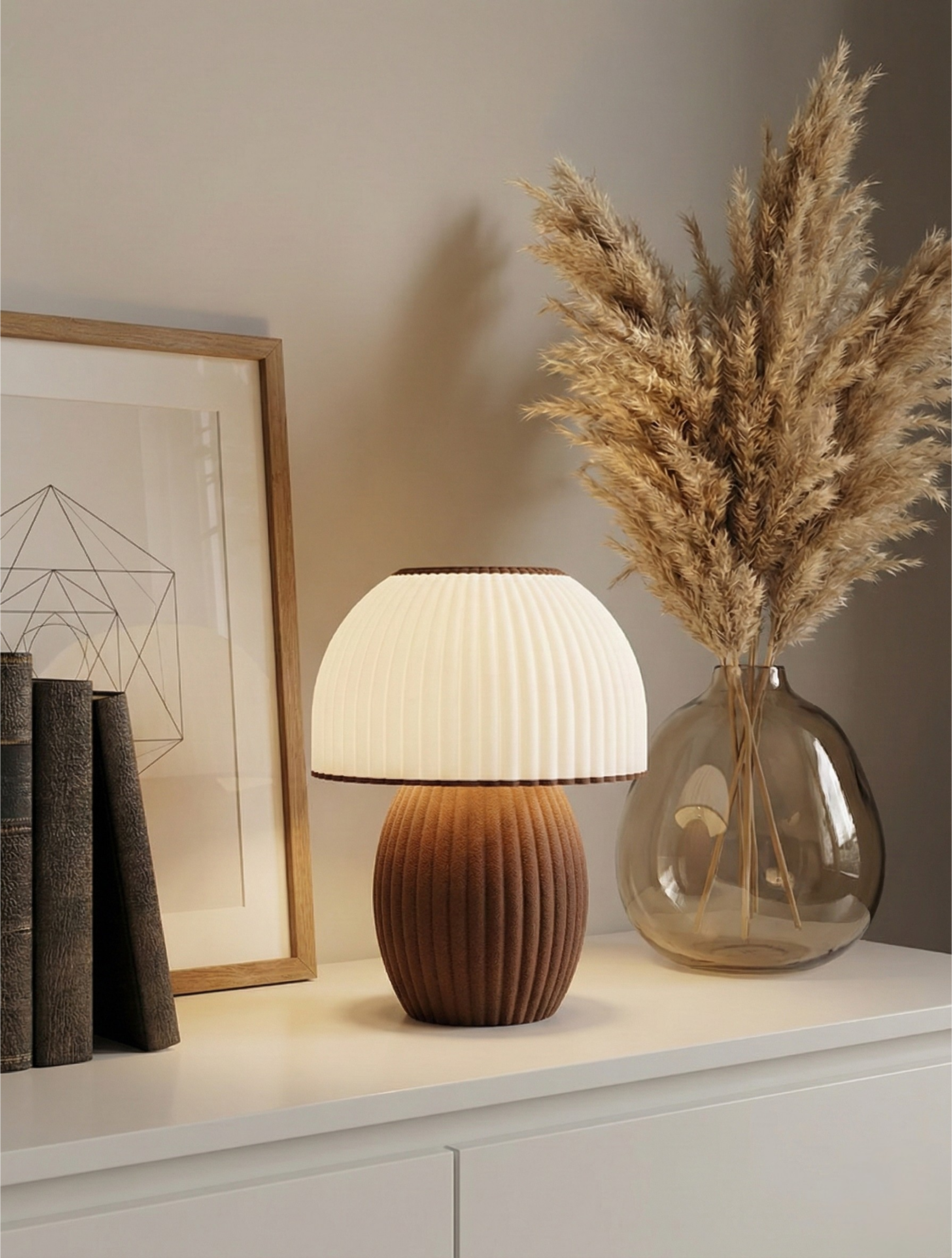
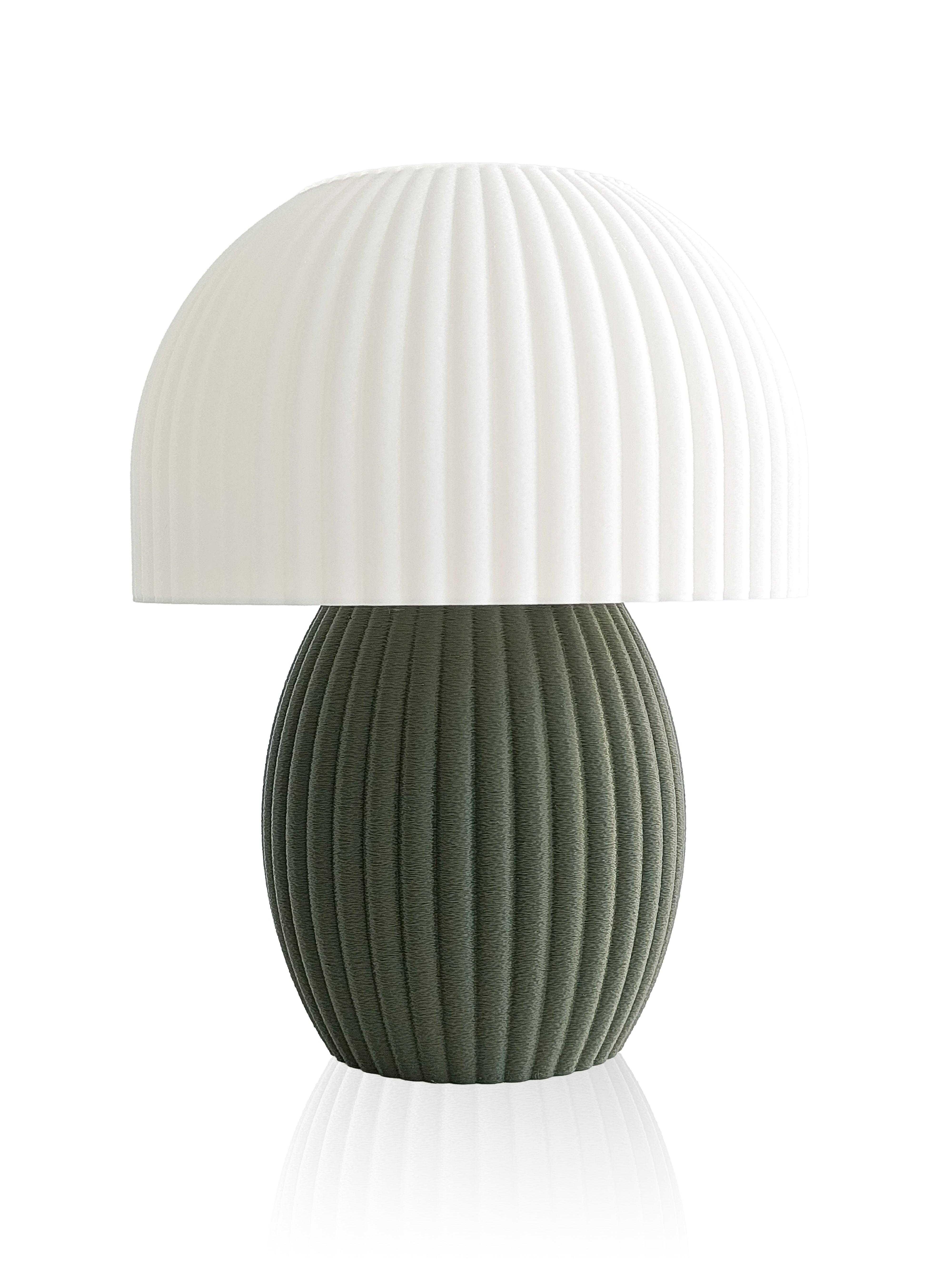
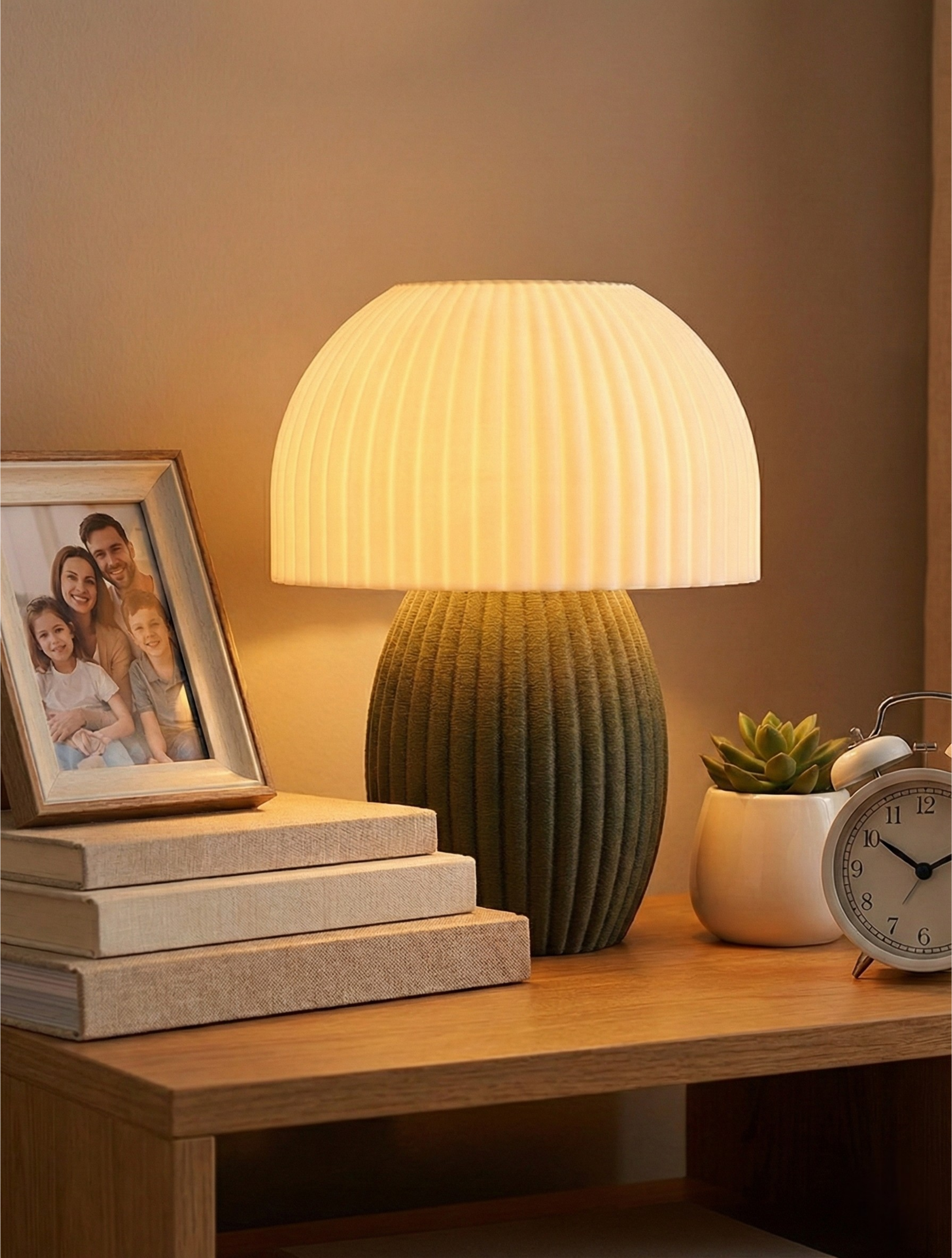
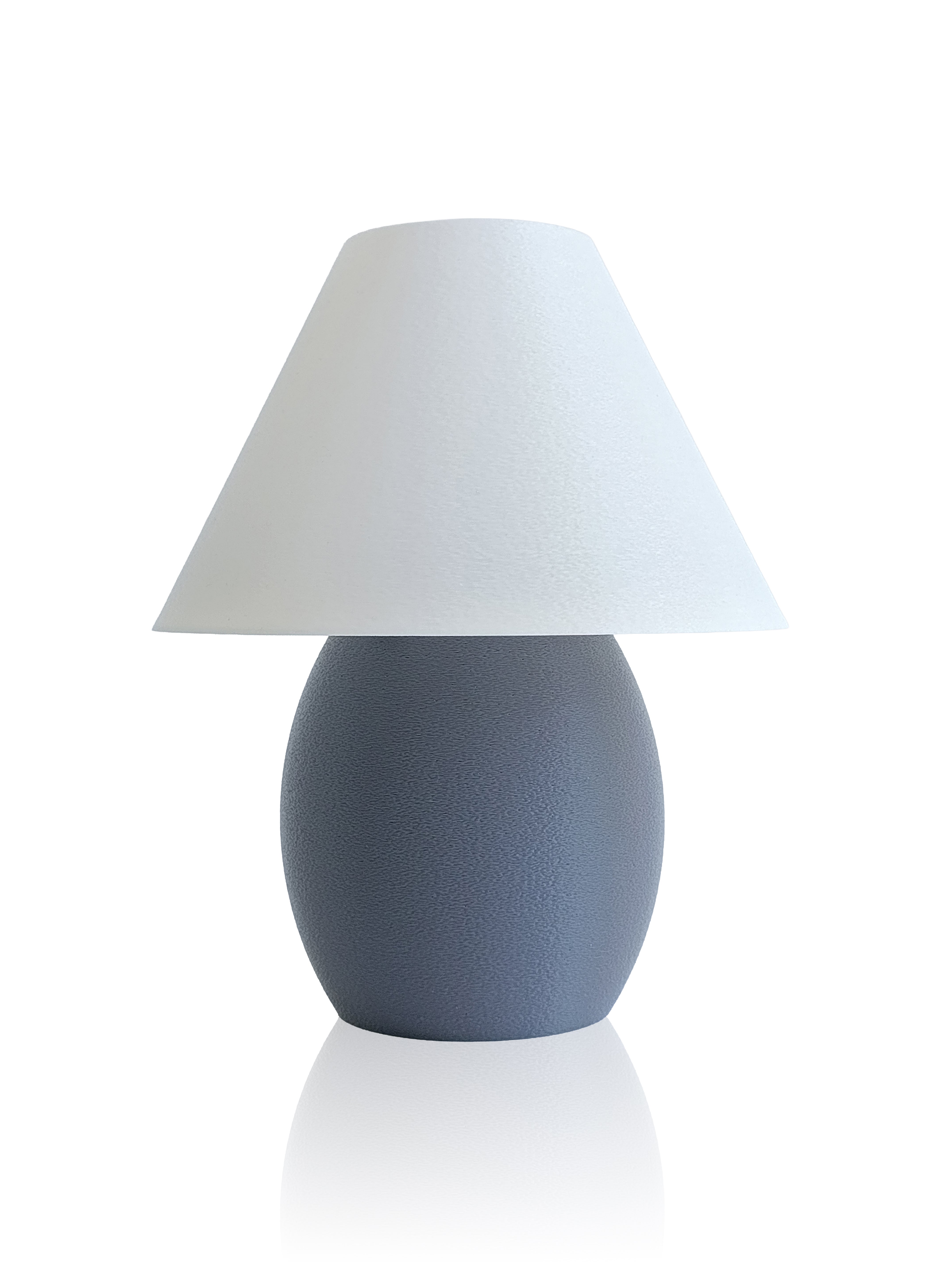
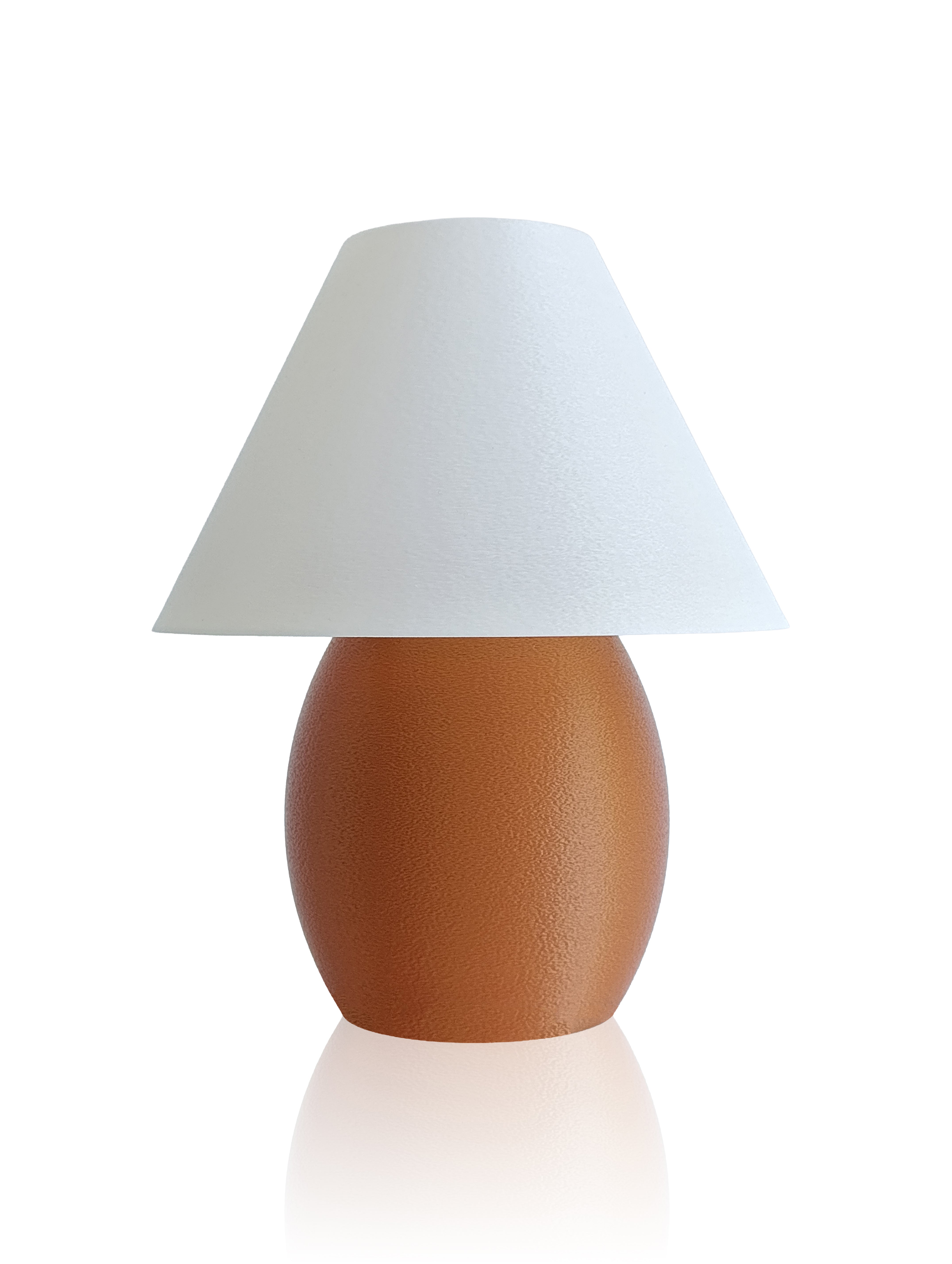
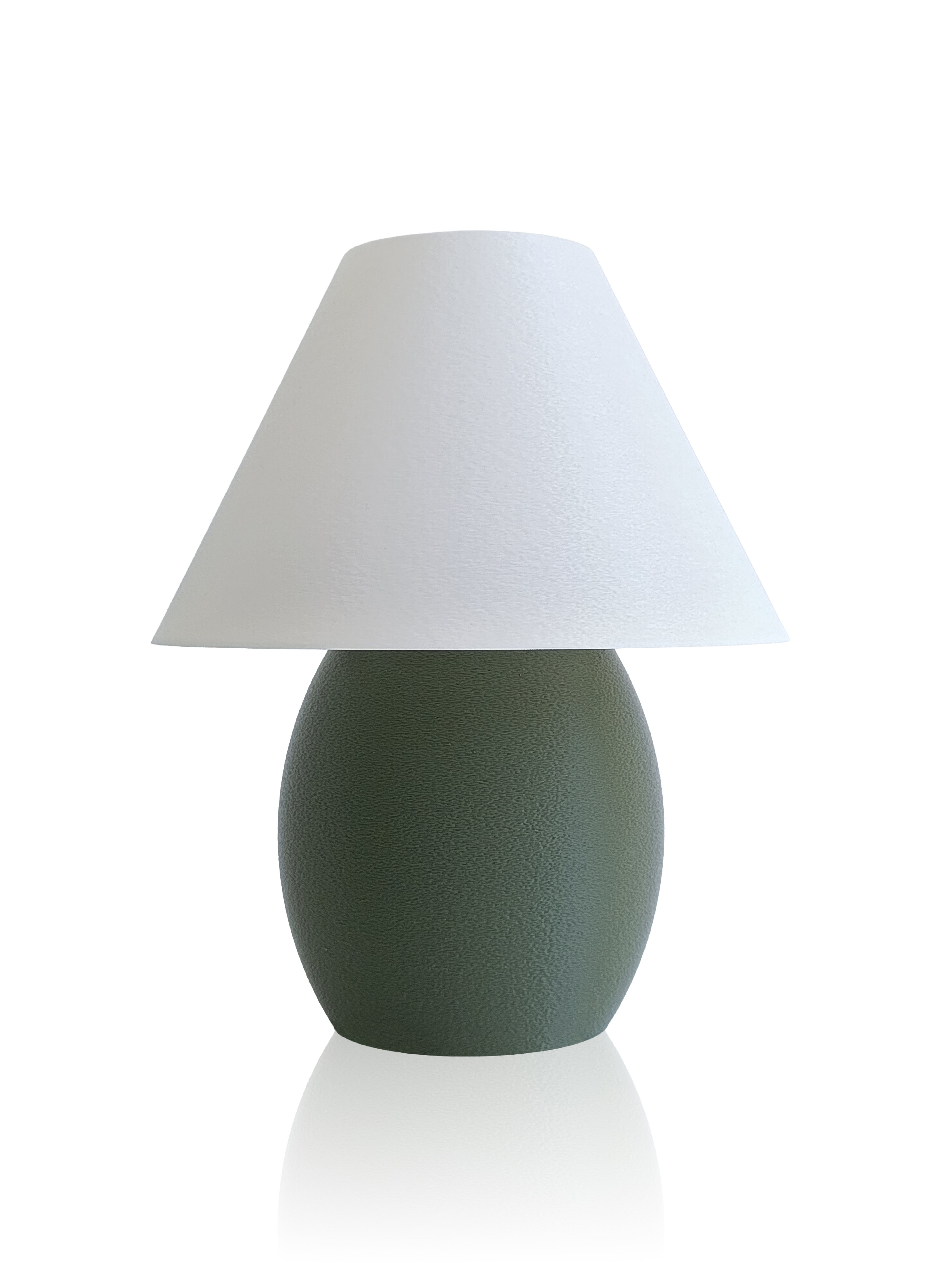
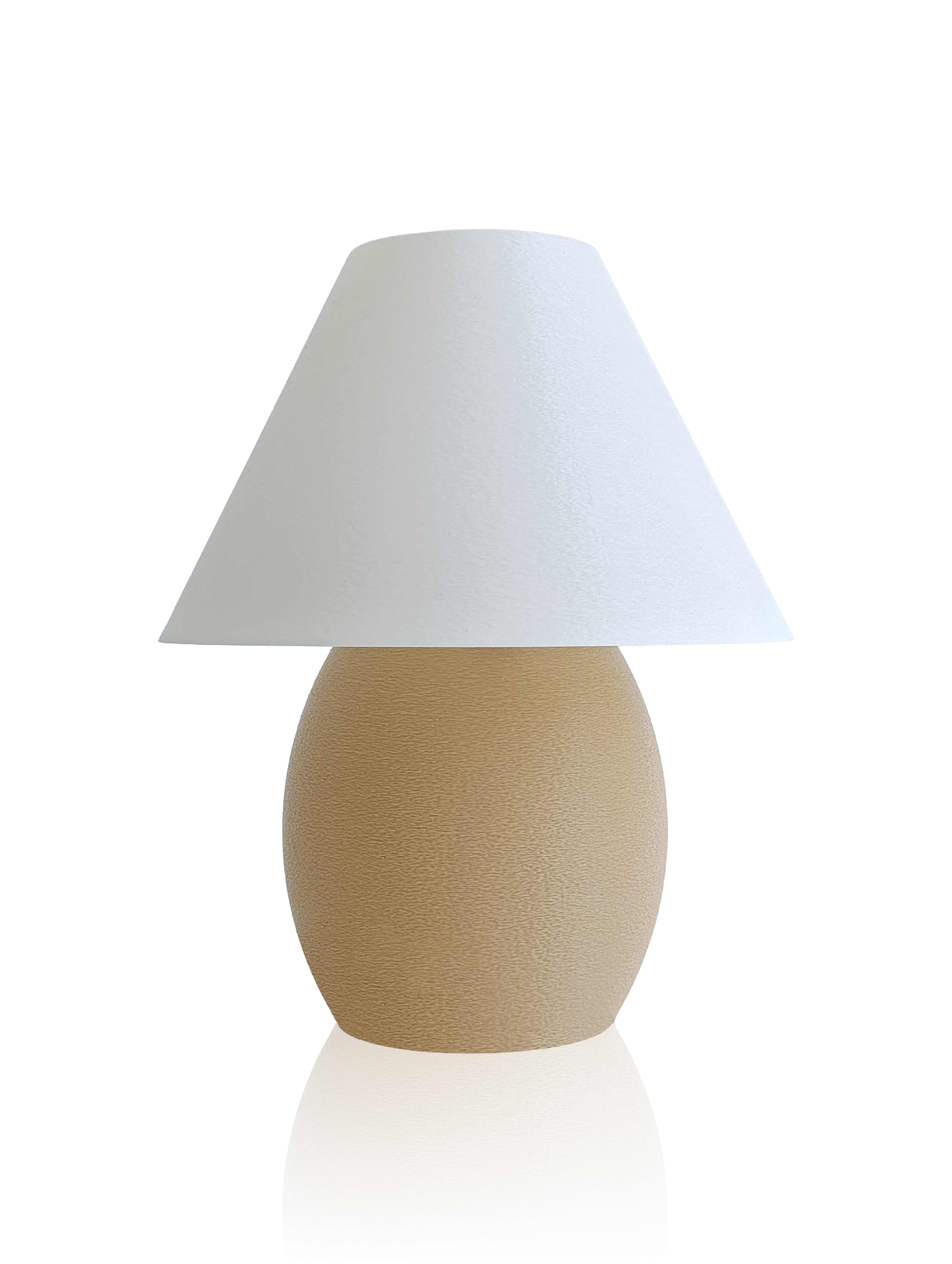
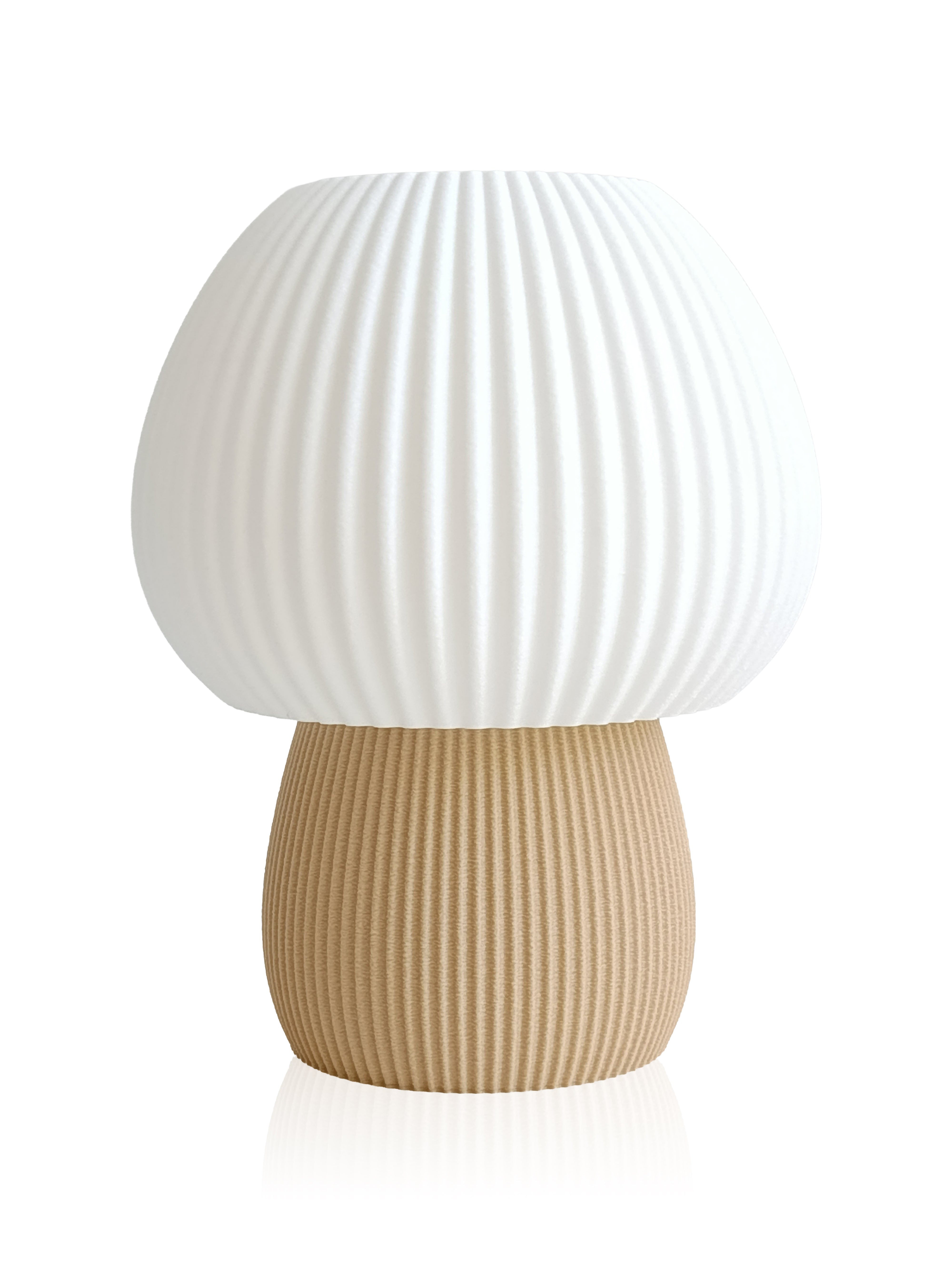
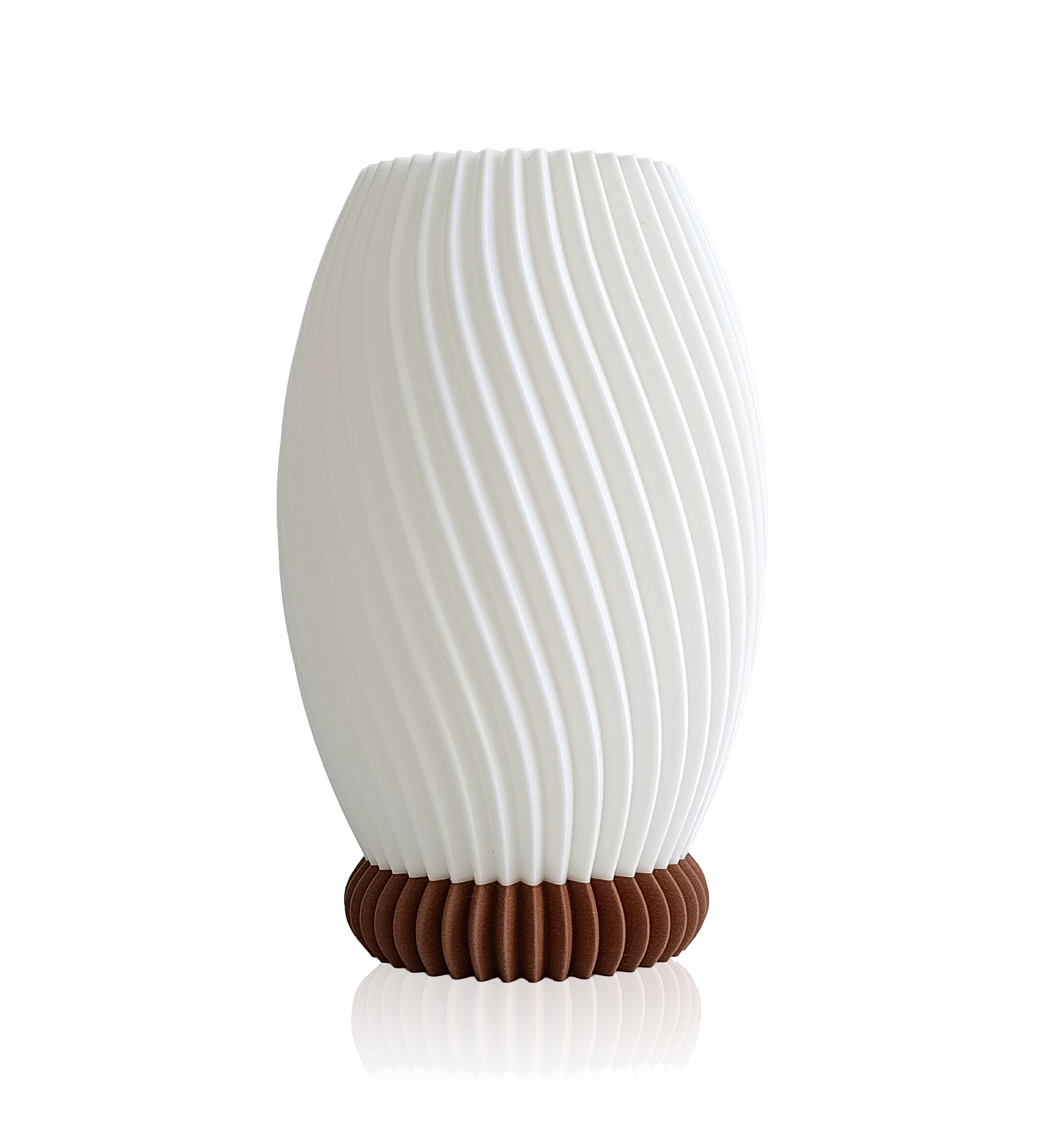
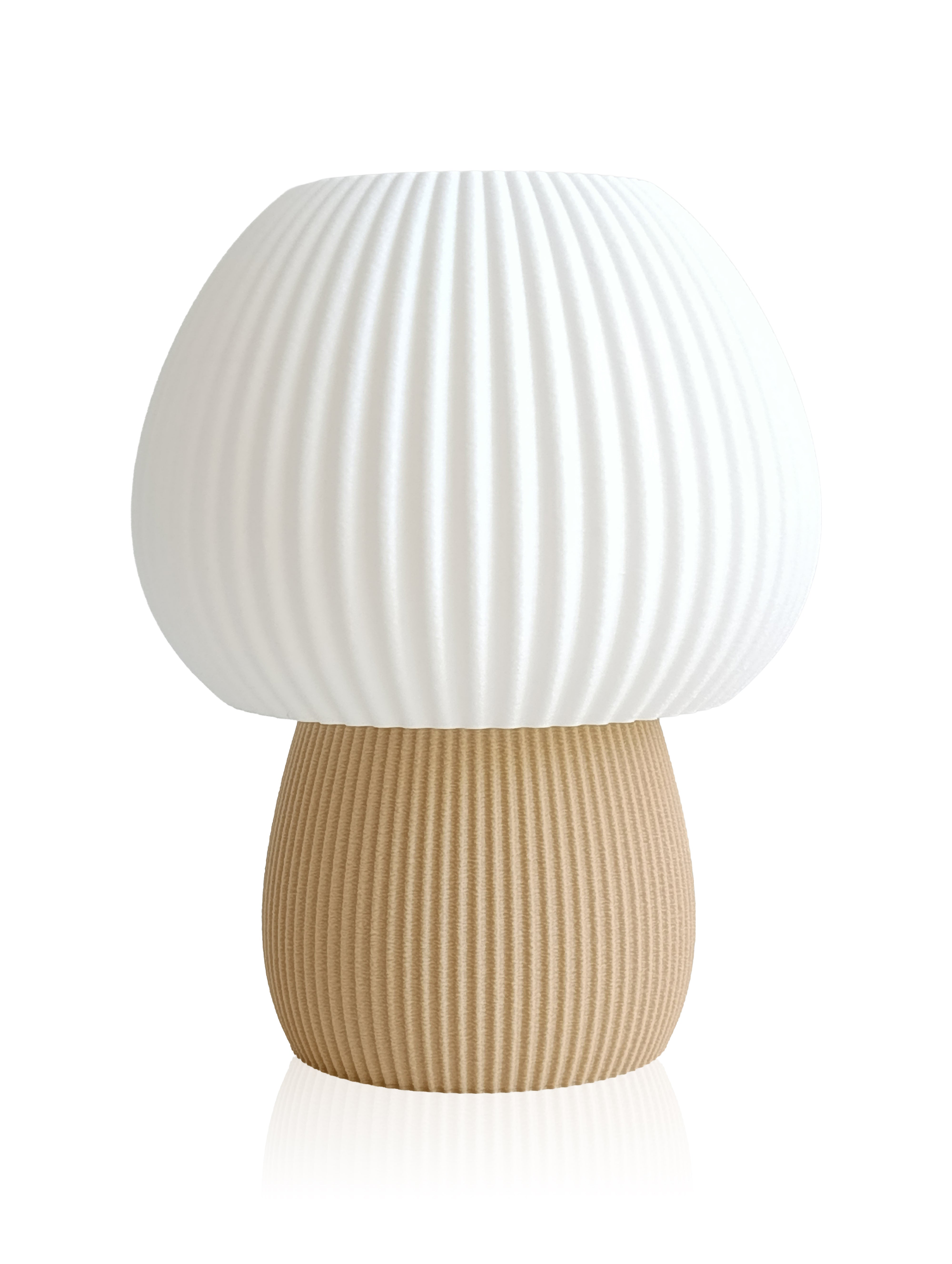
Understanding these biological realities, how do you actually light your home? Start with task-specific brightness. If you read, cook, or work from home, those areas deserve focused, adequate light. A LUMOR US provides directional illumination that doesn't require flooding your entire room with harsh brightness—a smarter approach for any age.
Consider these principles:
- Layered lighting: Combine ambient, task, and accent light so you can adjust for different times of day and activities
- Color temperature matters: 2700K for evenings and relaxation; 3000–4000K for daytime and focused work
- Avoid glare: Direct light sources cause discomfort; diffused or indirect light is gentler on aging eyes
- Brightness control: Dimmers and smart bulbs let you adapt light to your changing needs without replacing fixtures
Your twenties might feel fine under any light, but designing intentionally now sets a foundation that supports you through every decade ahead. That's not about aging—it's about respecting how your home should evolve with you.
Frequently Asked Questions
Do I need brighter light as I get older?
Yes. By age sixty, most people need 2–3 times more light for the same visual clarity. This isn't weakness—it's a natural shift in how the eye's lens and retina function. Adequate brightness reduces eye strain and supports safety in your home.
What color temperature is best for sleep?
Warm light around 2700K (soft, amber-toned) one to two hours before bed supports melatonin production and better sleep. This matters at every age, but becomes especially important for people over fifty who experience more circadian disruption.
Can better lighting improve vision problems?
Lighting won't correct refractive errors like nearsightedness, but adequate brightness and reduced glare make it significantly easier to see comfortably and reduce eye fatigue during reading or detailed work.
The Takeaway
Lighting and age aren't separate conversations—they're linked to how our eyes and bodies actually function. Rather than thinking of age as a limitation, think of it as information. Your home's lighting should support your vision, your sleep, and your daily rhythm exactly where you are in life. Whether you're optimizing for focus in your forties or comfort in your sixties, intentional light design is an investment in how you live, day after day, in the space that matters most to you.






Share:
Dim Light and Creativity: Lighting That Sparks Artistic Inspiration
Light Cultures: Lighting Traditions Around the World