

Why Warm Light Increases Appetite: The Secret of Restaurant Lighting

Walk into an upscale restaurant, and you'll notice something immediately: soft golden lighting that makes the food look irresistible and makes you feel like lingering over your meal. This isn't accidental design. The relationship between warm light and appetite is rooted in both neuroscience and environmental psychology. Understanding how warm light increases appetite reveals not just restaurant secrets, but also practical insights for creating the right mood in your own dining spaces. Whether you're designing a home where you want to encourage longer, more mindful meals, or simply curious about how light shapes our eating habits, the science is fascinating.
The Science Behind Warm Light and Hunger
Warm light, typically measured between 2700K and 3000K on the Kelvin color temperature scale, triggers subtle but powerful responses in the human body. When our eyes perceive warm, golden tones, our brains associate them with natural settings—sunsets, candlelight, firelight—environments historically linked to comfort and sustenance. This connection is deeply wired into our neurology.
Research in environmental psychology shows that warm lighting stimulates the production of appetite-related hormones and increases sensory perception of food. A study published in the Journal of Sensory Studies found that diners in warm-lit environments reported higher levels of hunger and ate larger portions than those in cool-lit spaces. The warm light literally makes food appear more appetizing by enhancing color saturation and creating visual warmth that our brains interpret as invitation and nourishment. Additionally, warm light promotes relaxation by supporting melatonin-friendly environments, which paradoxically makes us feel more present and engaged with our surroundings—including the meal in front of us.
How Restaurants Weaponize Warm Lighting
Fine dining establishments have long understood that lighting is a tool for guest experience and revenue. Most upscale restaurants use warm bulbs (typically 2700K) combined with dimmers to create an intimate, luxurious atmosphere. But the strategy goes deeper than aesthetics.
Consider these restaurant lighting tactics: • Overhead warm lighting: Creates an overall ambiance that relaxes the nervous system • Strategic spotlighting: Highlights dishes to enhance their visual appeal and color • Dimmer control: Allows gradual adjustment as the evening progresses, keeping diners engaged longer • Layered lighting: Combines ambient warm light with subtle accent lighting on food and faces • Color rendering: High-quality bulbs with excellent color rendering index (CRI) make food look fresher and more vibrant Restaurants also strategically avoid cool white light (5000K and above), which can make skin tones look pale and food appear less appetizing. The cooler the light, the less inviting food becomes—which is why hospital cafeterias and fast-casual chains often use brighter, cooler lighting to move customers through more quickly.
Creating Intentional Lighting in Your Home Dining Space
Understanding restaurant lighting strategies doesn't mean you should replicate them blindly in your home. Instead, it's an opportunity to be intentional about the kind of eating experience you want to cultivate in your own space. Do you want meals that feel luxurious and slow, or quick and efficient? Your lighting should support that intention.
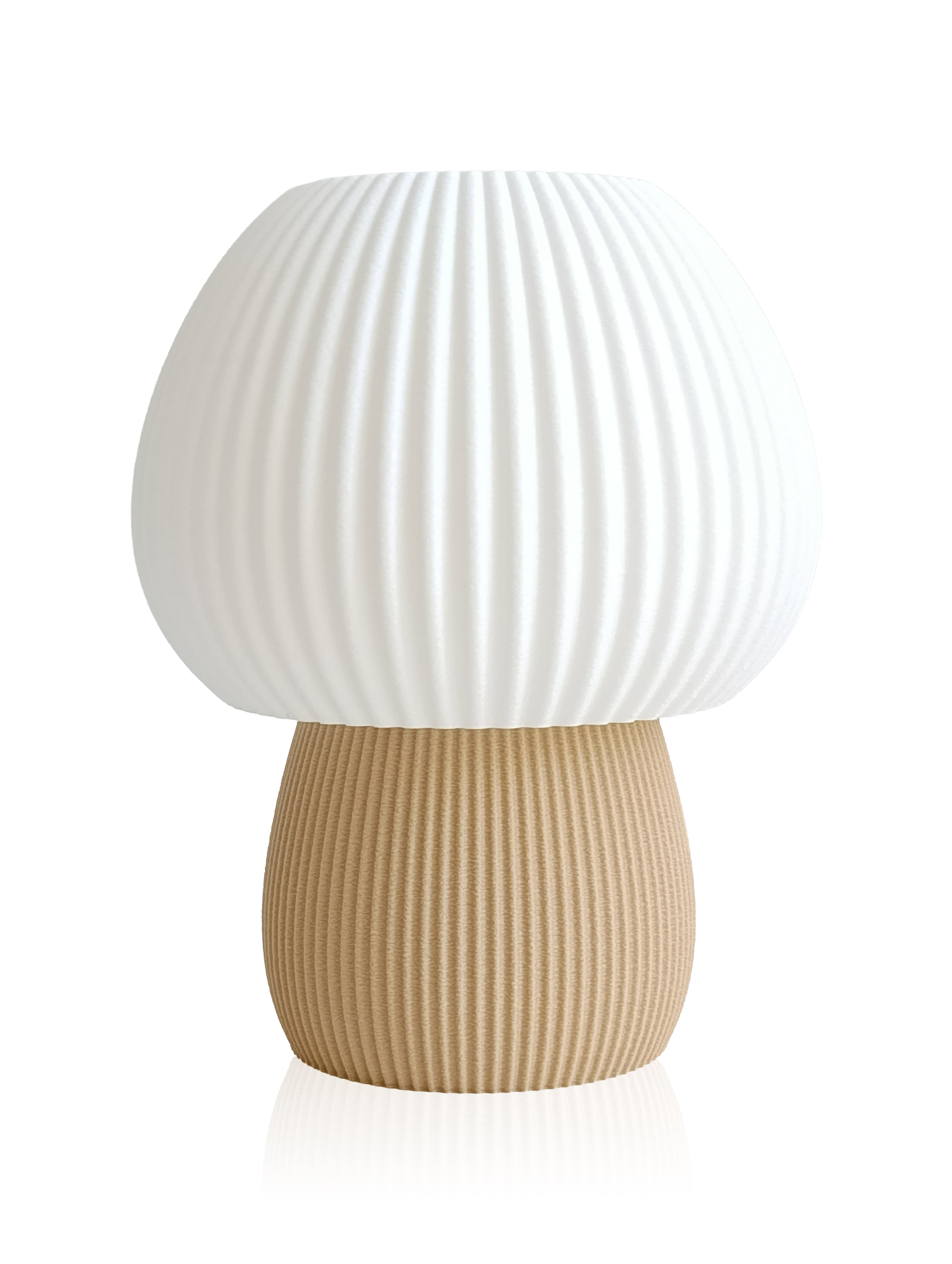
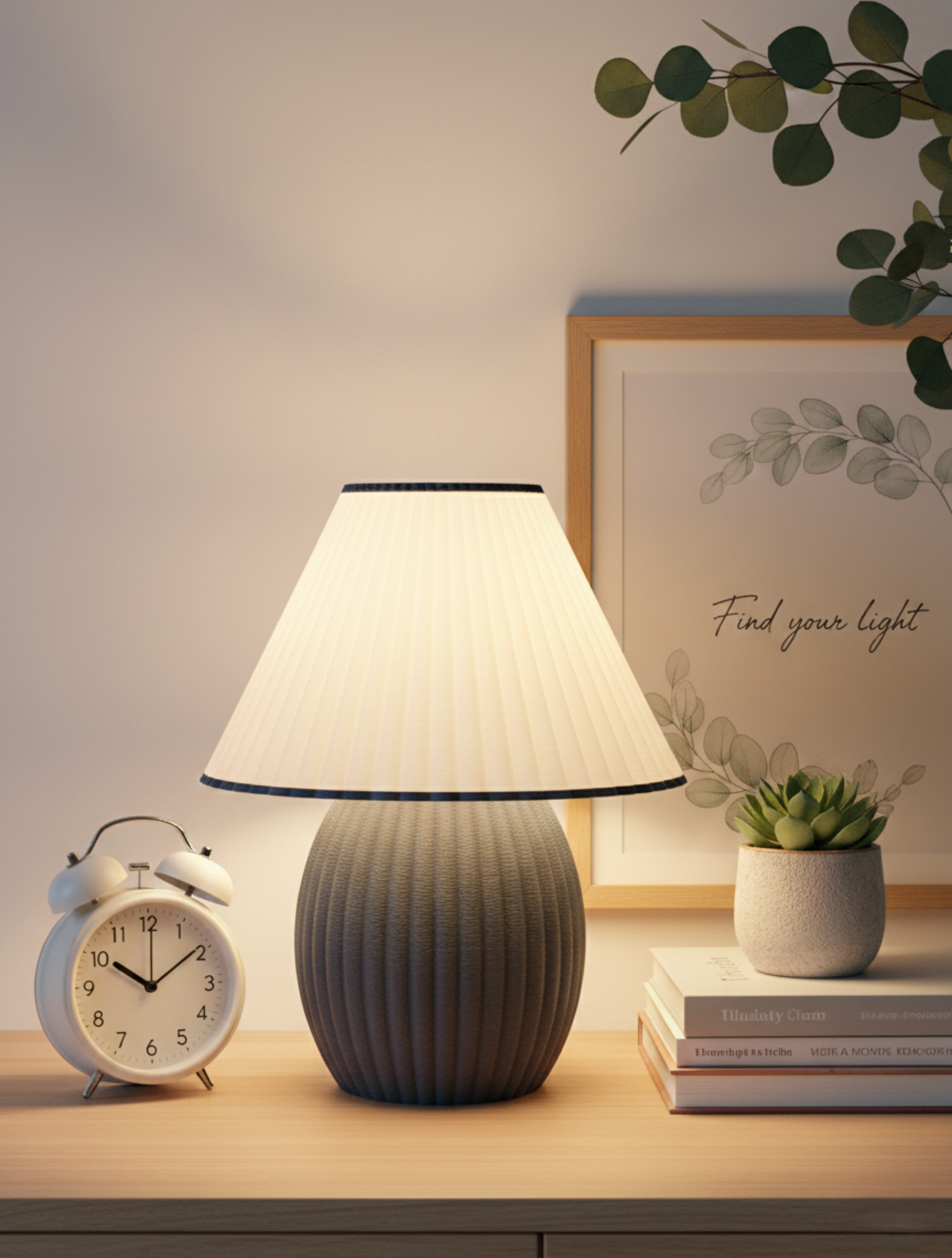
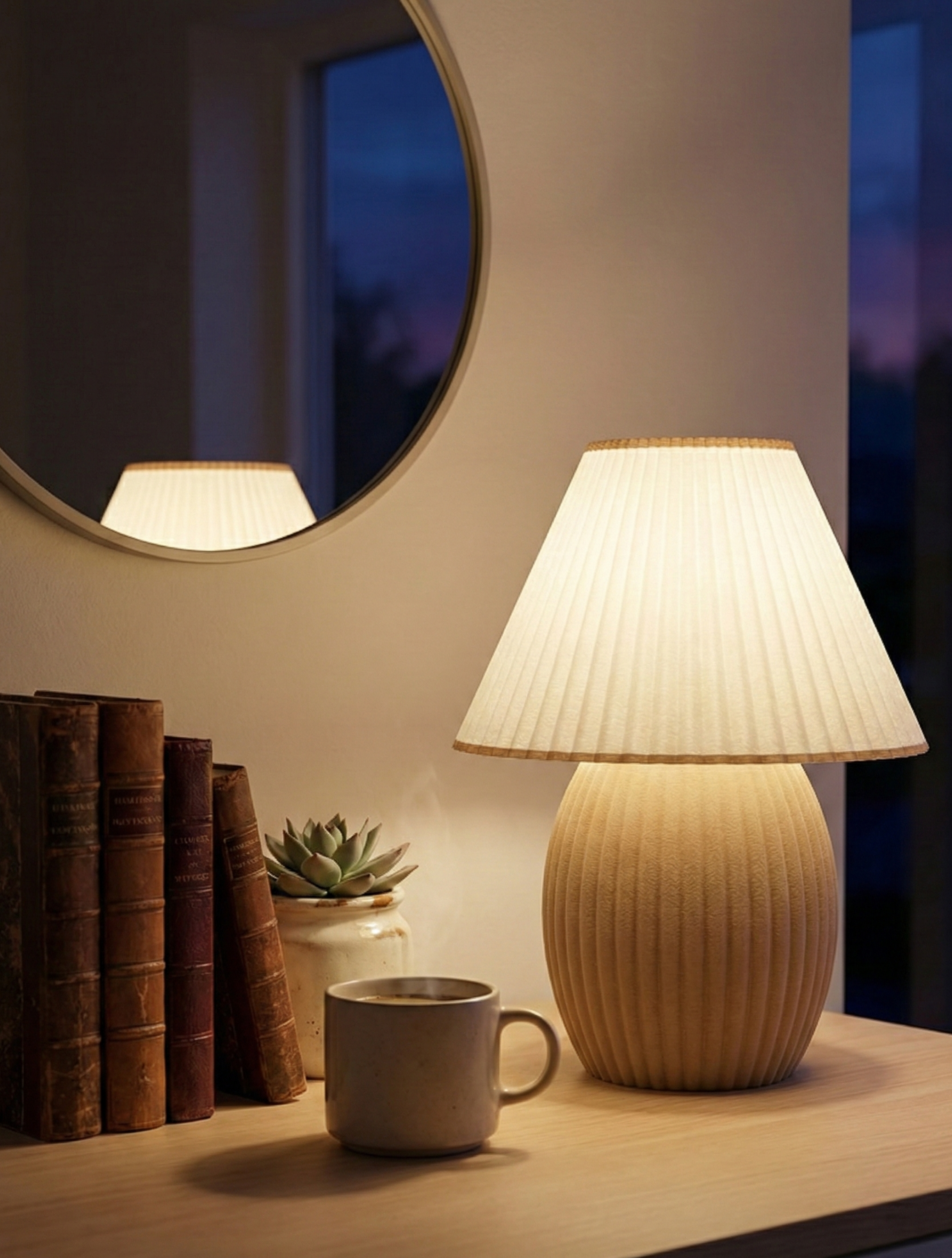
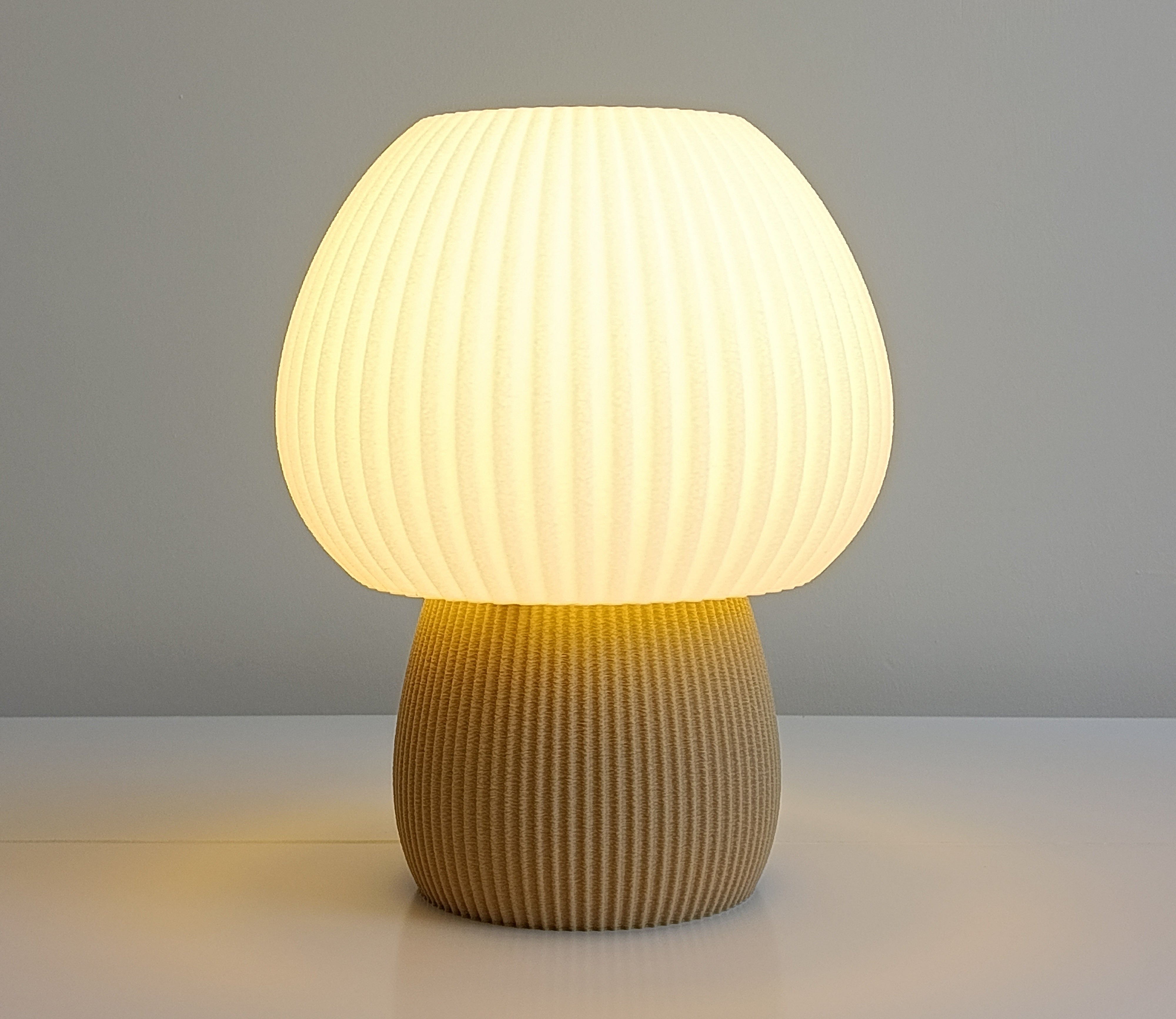
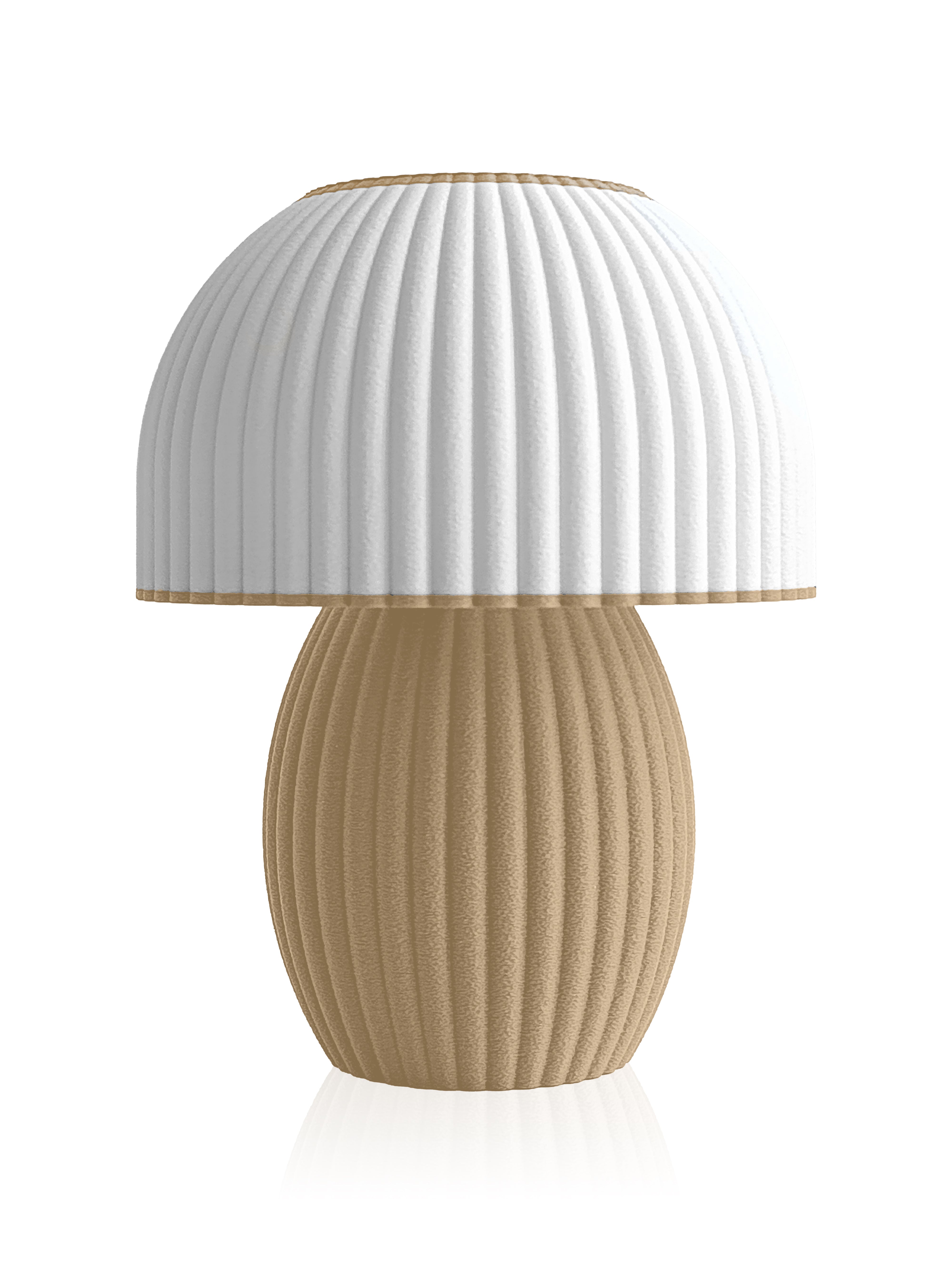
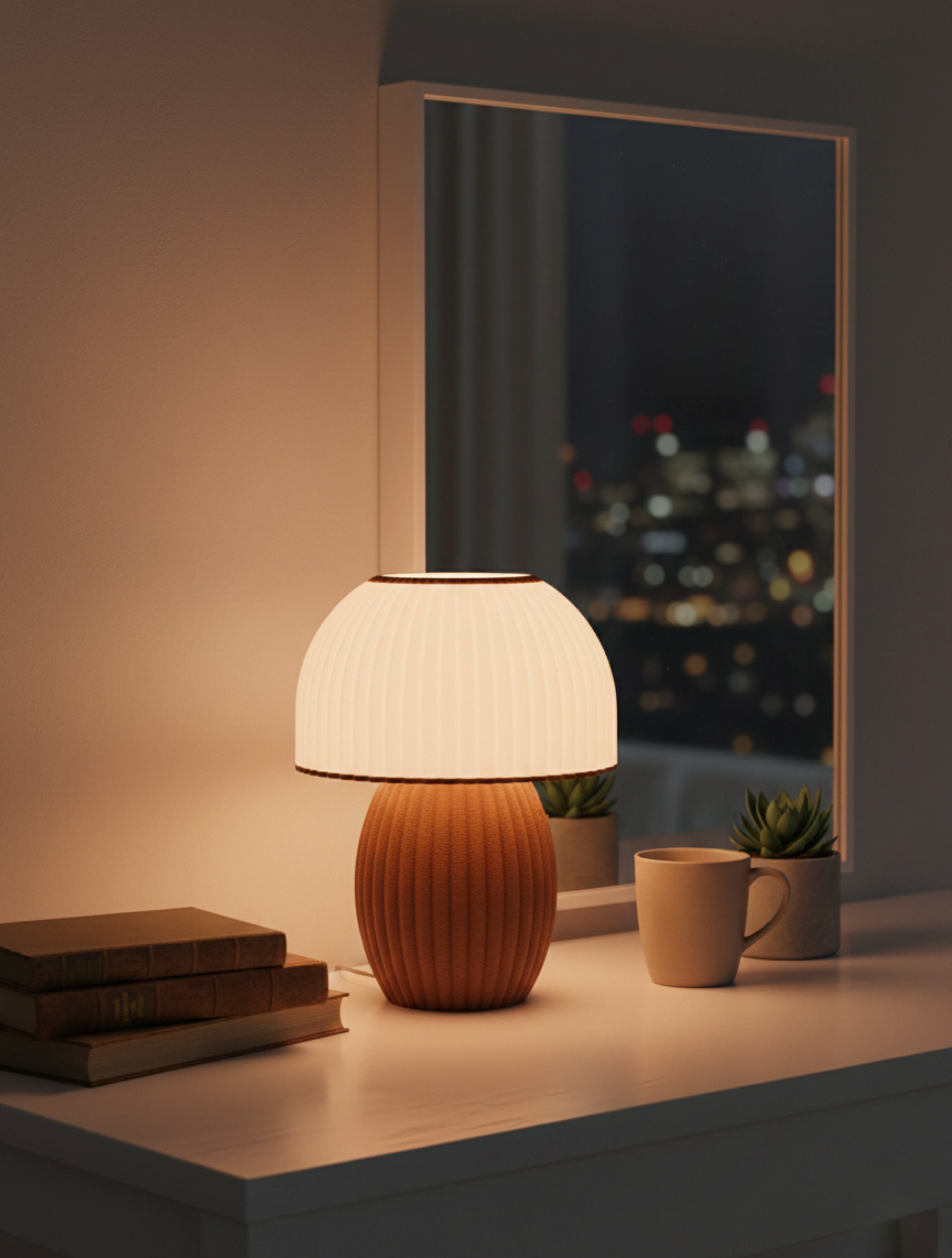
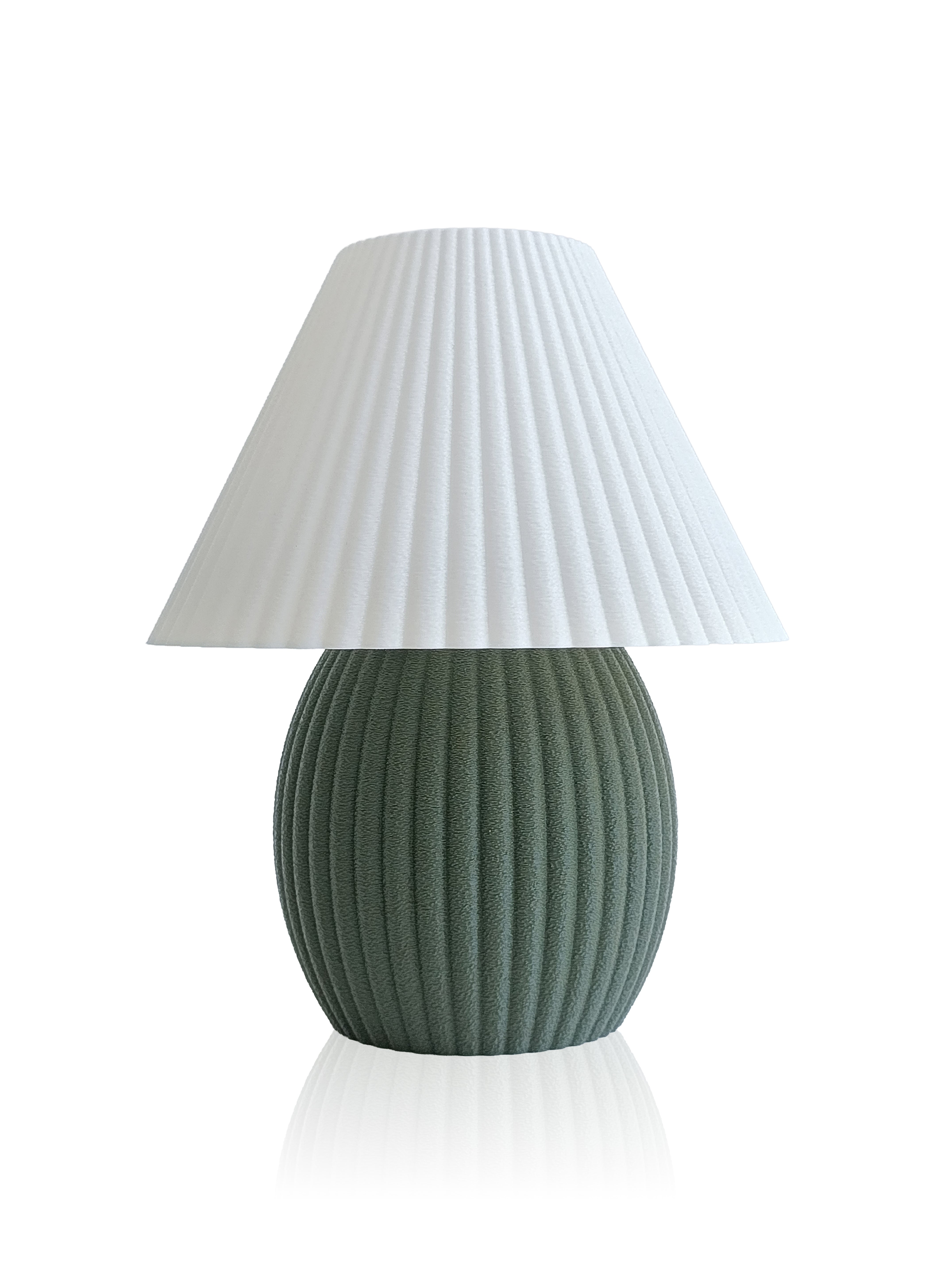
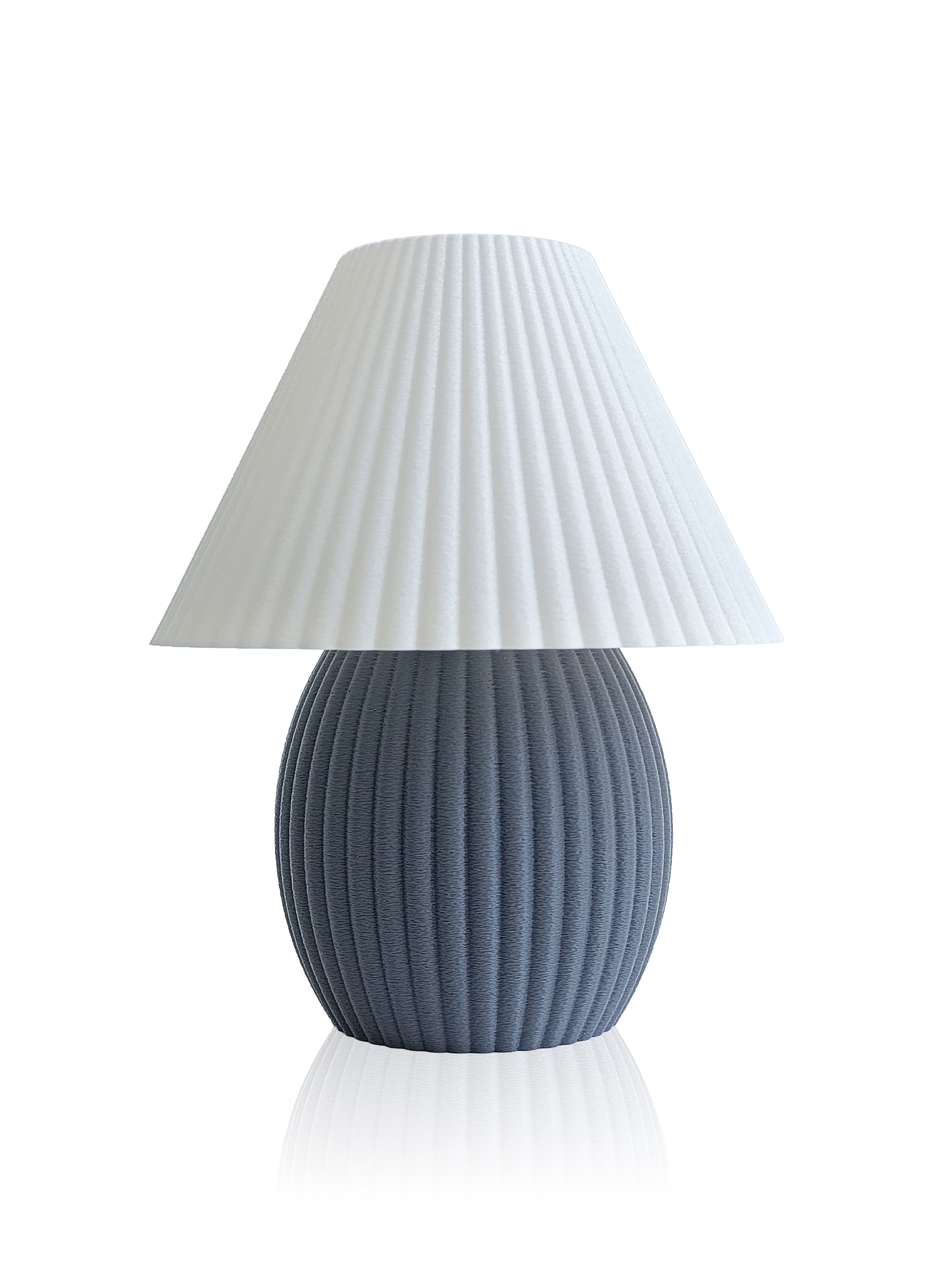
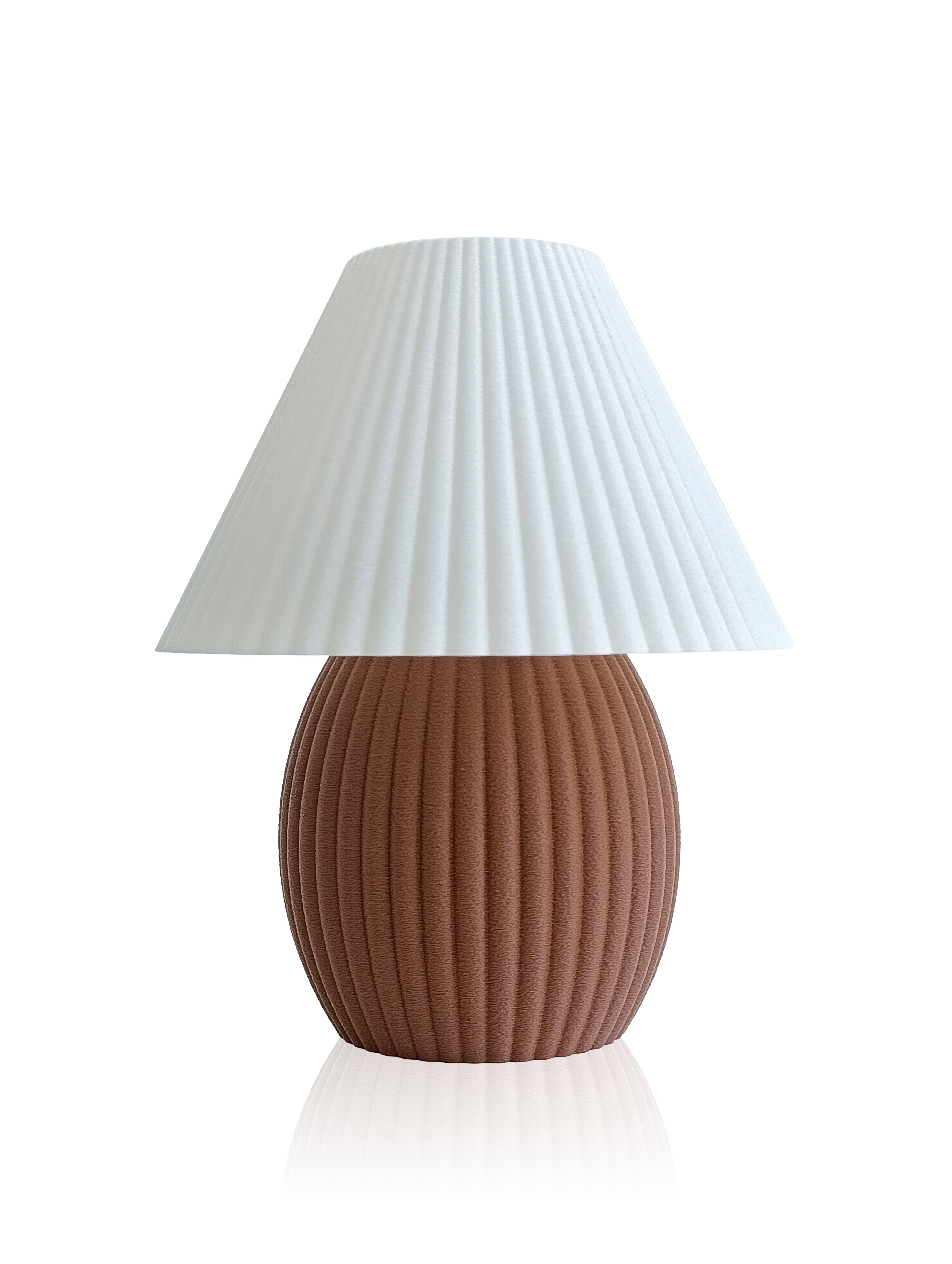
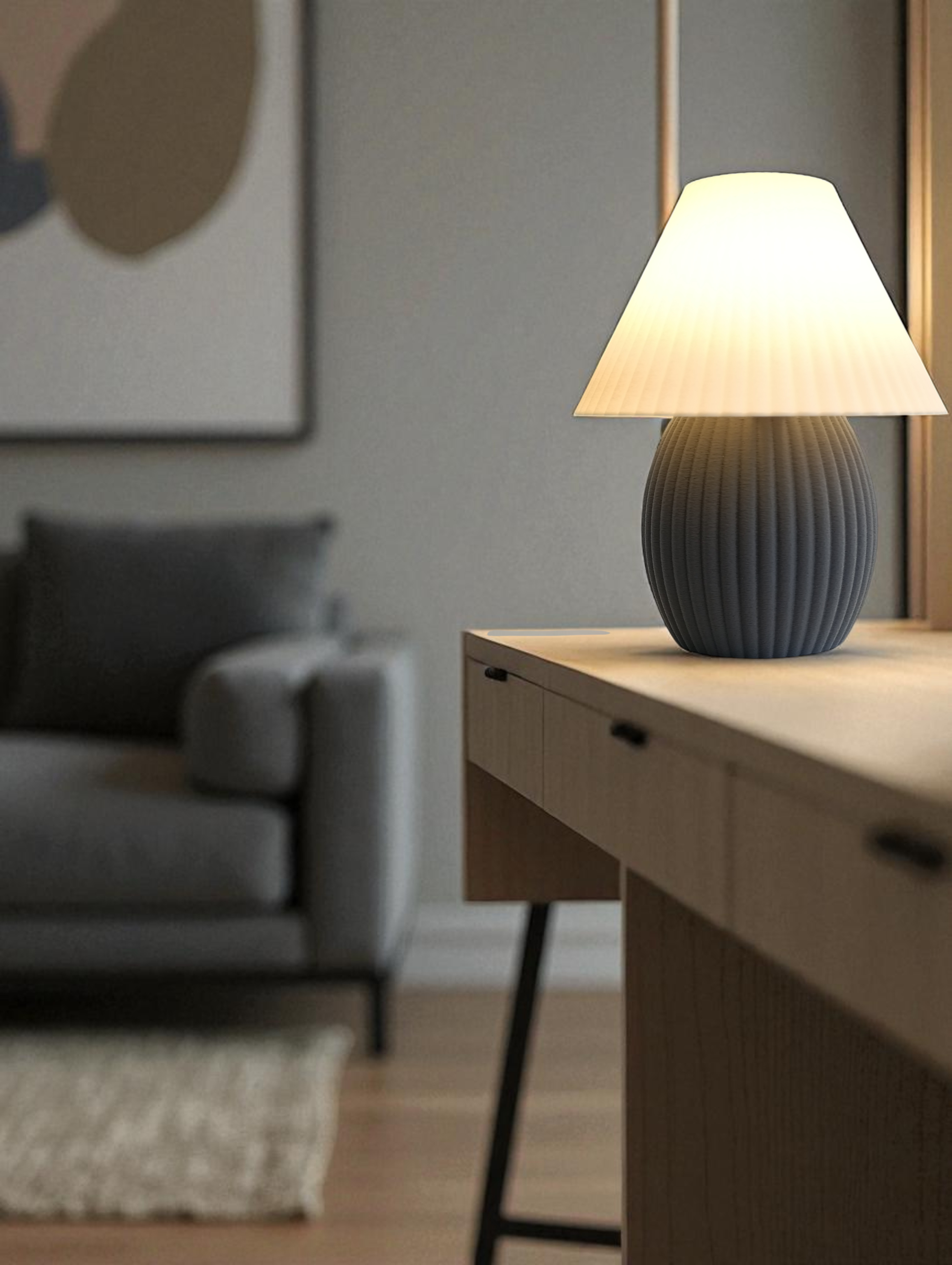
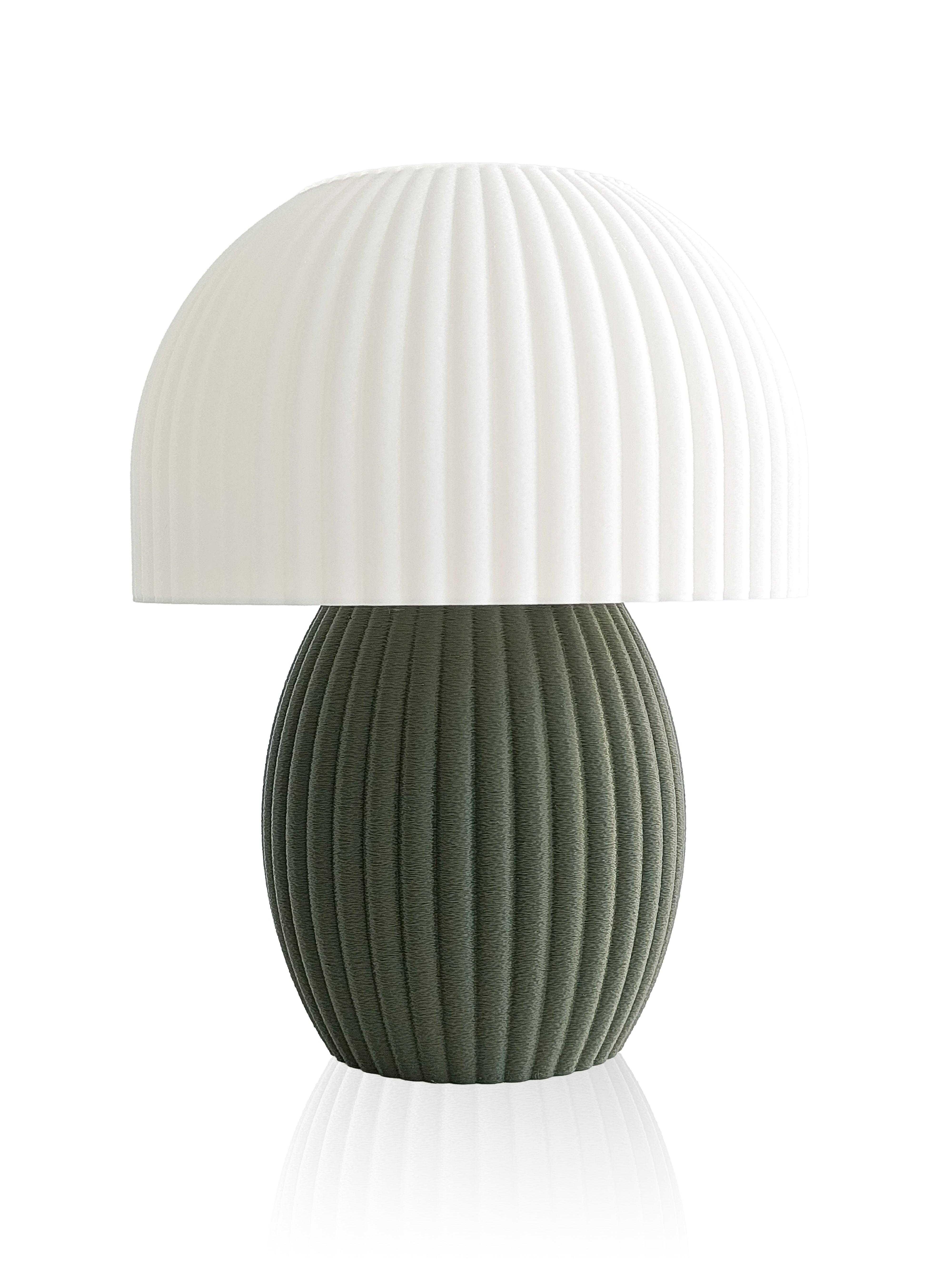
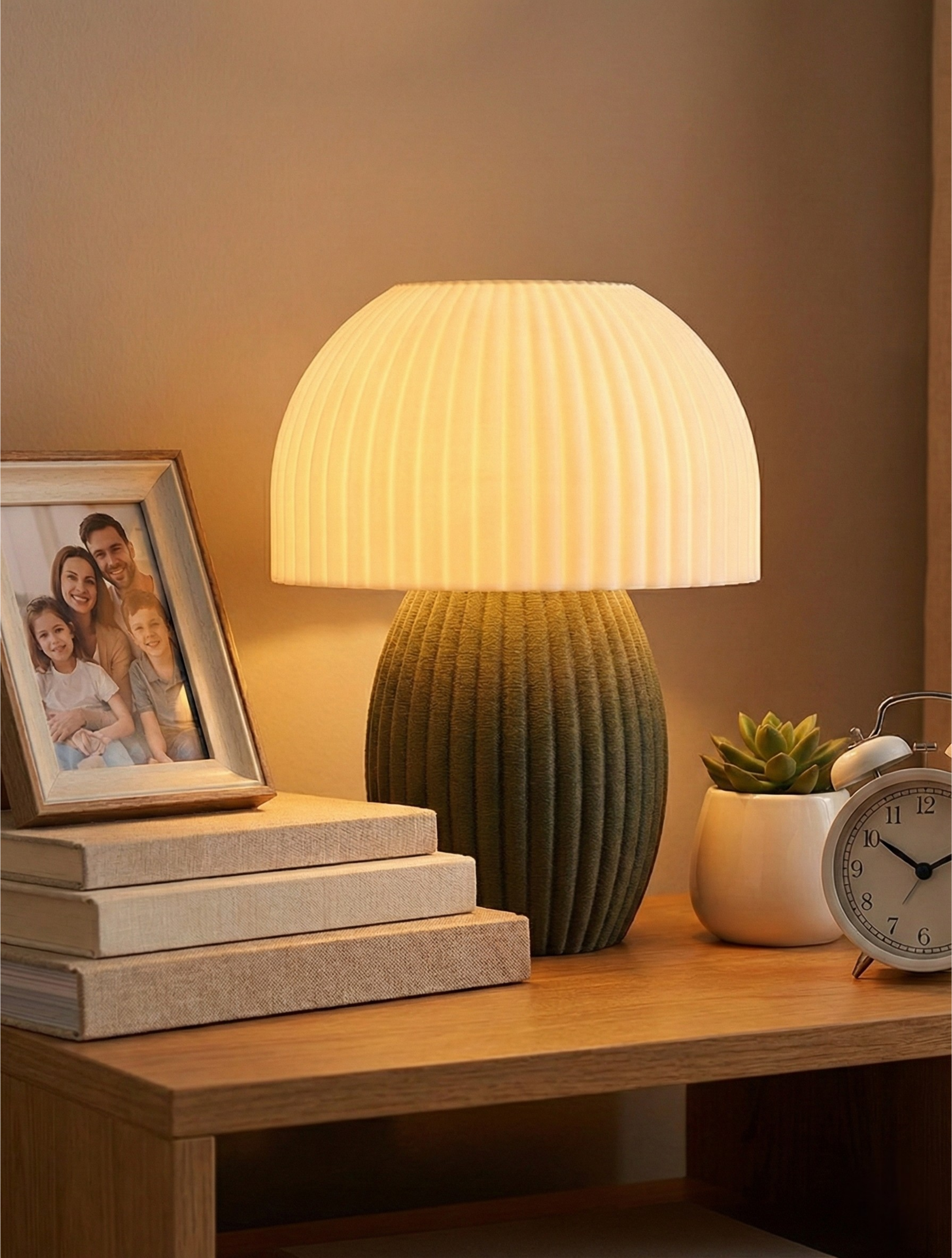
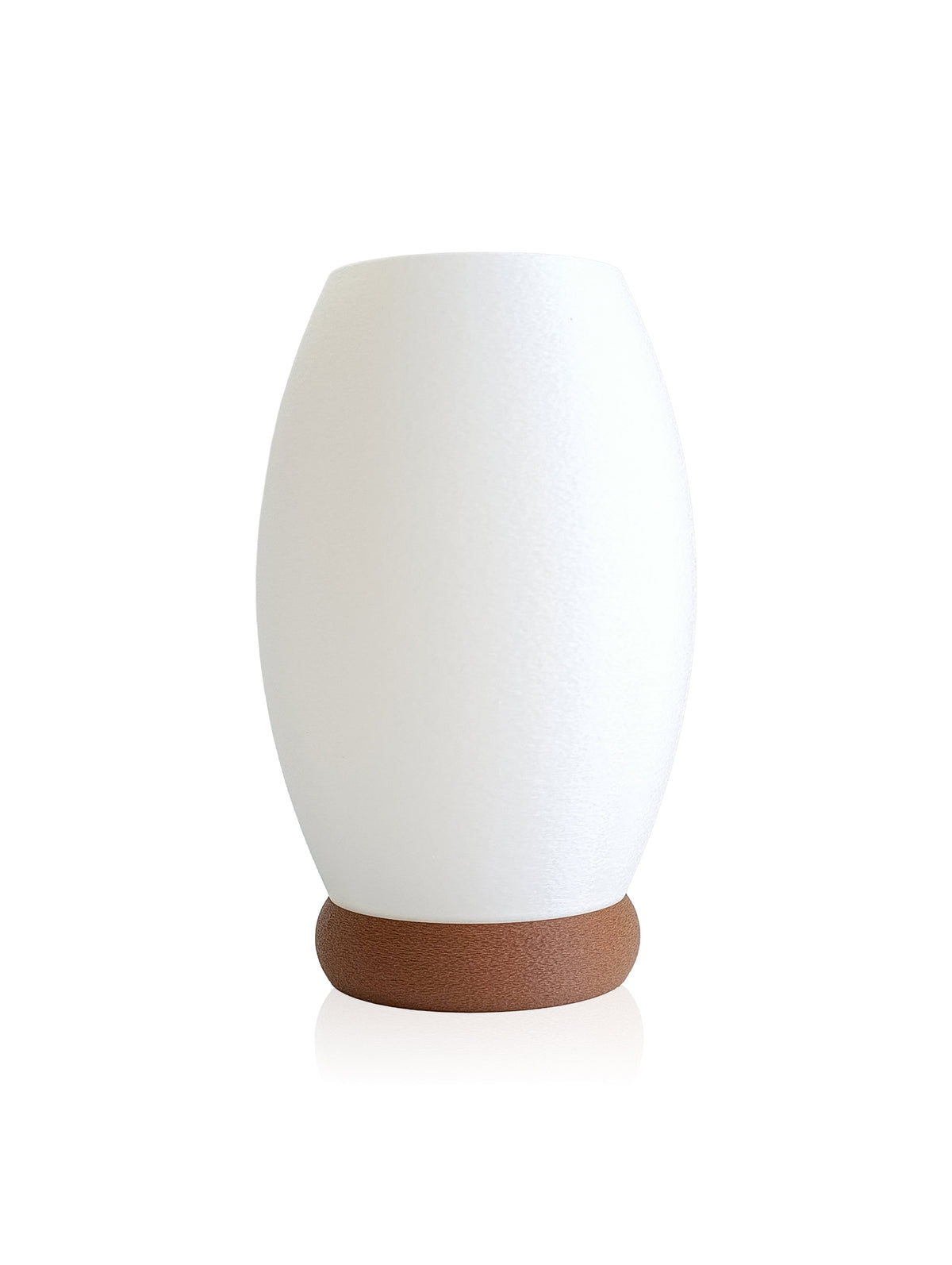
For a dining space where you want to encourage presence and mindfulness, warm lighting becomes a tool for slowing down. The LUMORA US fixtures offer warm color temperatures that create the kind of enveloping atmosphere that makes people naturally inclined to linger, talk, and savor their food. The key is choosing bulbs in the 2700K range, dimming capability, and ensuring they have a high color rendering index (90+) so that the food on your table actually looks as good as it tastes. This transforms dinner from a functional task into a ritual.
Beyond Appetite: The Emotional Weight of Warm Light
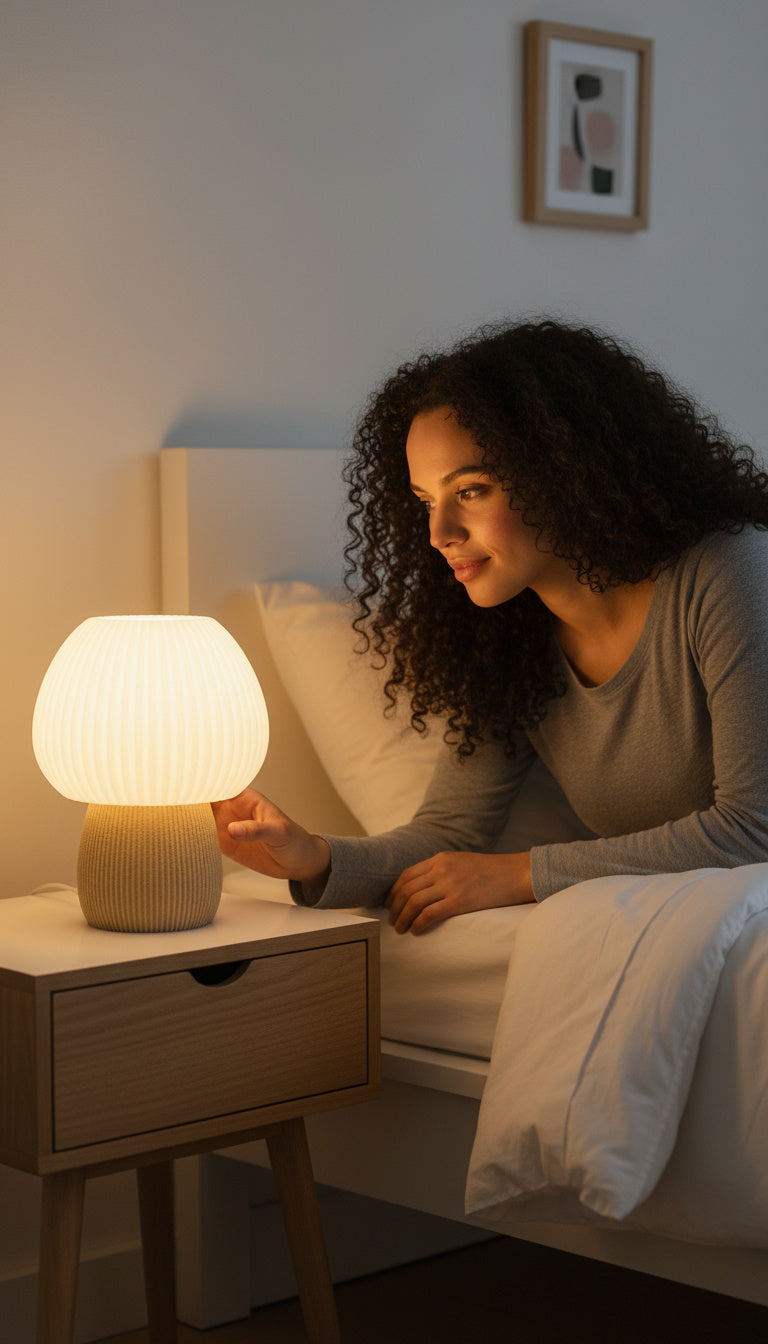
While the appetite connection is scientifically measurable, warm light does something deeper in your home. It creates what designers call "emotional resonance." Warm light feels like being held; it signals safety and comfort to our primitive brain. This is why warm-lit spaces feel like home, regardless of whether we're eating in them or not.
In a dining context, this emotional dimension enhances the entire experience. You're not just eating food—you're creating memories in a space that feels welcoming. Family dinners under warm light tend to feel more connected. Meals alone feel less isolating. Even simple everyday eating gains a small measure of intentionality and care when the light supports it. This is the real secret that restaurants understand and why you might find yourself returning to spaces that make you feel a certain way, even if you can't quite articulate why.
Frequently Asked Questions
What color temperature makes you hungry?
Warm light between 2700K and 3000K stimulates appetite most effectively. This range mimics natural warm light sources like fire and sunset, which trigger hunger responses and make food appear more visually appealing to our brains.
Do restaurants use special bulbs to make food look better?
Yes. High-end restaurants use bulbs with a Color Rendering Index (CRI) of 90 or higher, which means colors—especially the reds and yellows in food—appear more vibrant and true to life. Combined with warm color temperature, this makes dishes look significantly more appetizing.
Can I use warm lighting in my home without eating more?
Absolutely. Warm lighting creates ambiance and emotional comfort, but awareness and intention matter. You can enjoy the coziness of warm light while being mindful about portion sizes and eating pace—the light enhances the experience, but you remain in control.
Closing Thoughts
The next time you're in a restaurant and find yourself reaching for another bite, remember: it's not just the food that's compelling you. It's the carefully orchestrated warmth of the light above you, the way it catches the edge of your plate, the feeling it creates in the room. This knowledge doesn't diminish the experience—it deepens it. In your home, this same principle becomes a tool for intentionality. By choosing warm lighting for your dining space, you're not just making food look better; you're creating an environment where nourishment becomes ritual, where meals matter, where your table becomes a place of presence. That's the real power of warm light.







Share:
Light and Memory: How Lighting Affects Learning Capacity
Light and Social Interaction: How Lighting Affects Communication