

Light Polarity: Warm-Cool Light Balance in Home Design

The concept of light polarity—the balance between warm and cool light in your home—is one of the most overlooked elements of interior design. Yet it profoundly shapes how a room feels, how you move through it, and how you experience your own space. Light polarity isn't about brightness alone; it's about the color temperature of light and how warm versus cool tones work together to create emotional and functional environments. Understanding this balance transforms not just how your home looks, but how it makes you feel.
What Is Light Polarity and Why It Matters
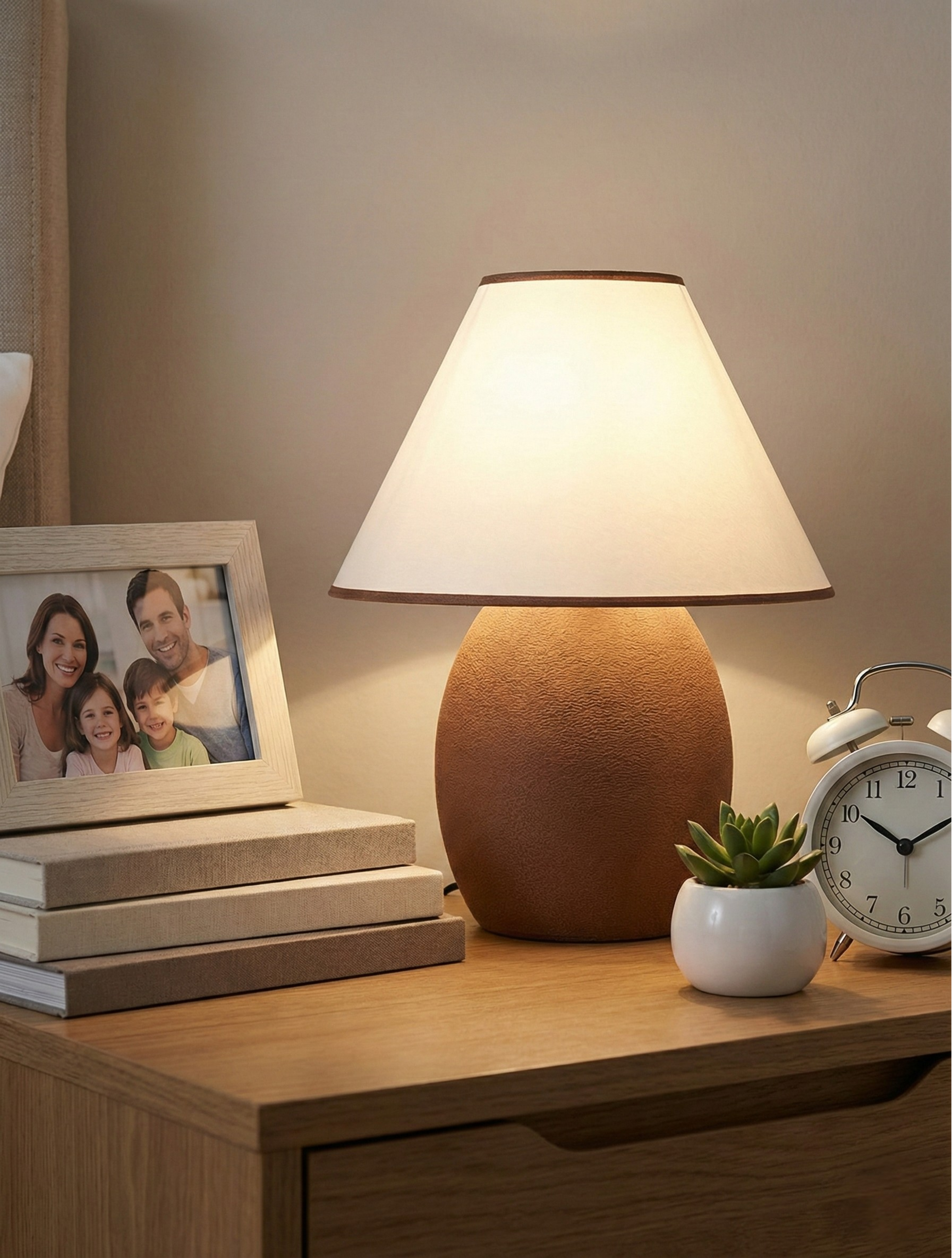
Light polarity refers to the interplay between warm light (lower color temperatures around 2700K–3000K) and cool light (higher color temperatures around 4000K–6500K). Warm light has golden, amber undertones that evoke coziness and intimacy. Cool light has blue undertones associated with clarity and alertness. Neither is inherently better; rather, they serve different purposes and emotional needs throughout your home.
The science behind this is rooted in how our brains respond to light wavelengths. Warm light activates relaxation responses, making it ideal for bedrooms and living areas where you want to unwind. Cool light supports focus and energy, which is why it works well in kitchens, home offices, and bathrooms. The tension between these poles—the polarity—creates visual interest and psychological balance in a thoughtfully lit home.
Creating Intentional Warm-Cool Balance in Each Room
The key to mastering light polarity is treating each room as its own ecosystem. Rather than defaulting to one temperature throughout your home, consider what activities and moods each space requires:
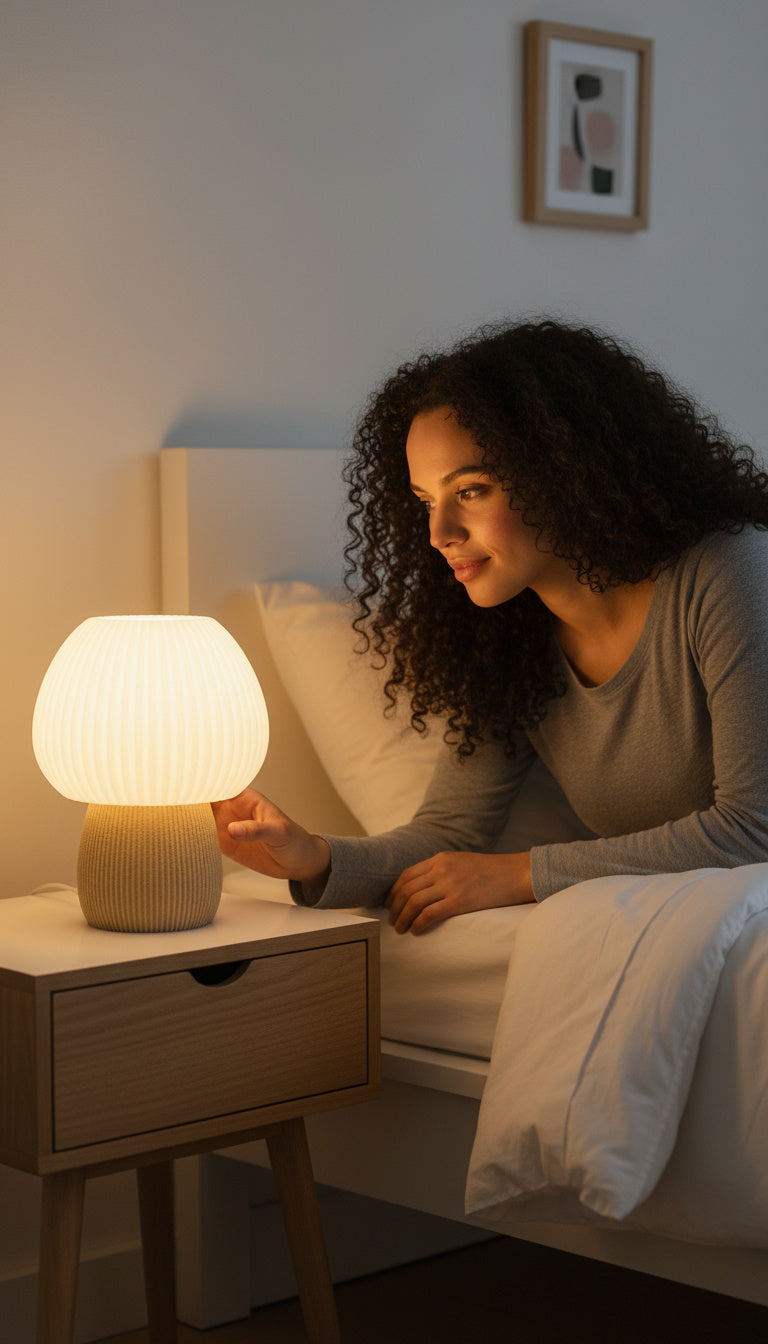
- Living rooms and bedrooms: Lean toward warm light (2700K–3000K) to encourage relaxation and connection
- Kitchens and workspaces: Use cool to neutral light (4000K–4500K) for clarity and task visibility
- Entryways and hallways: Balance both with layered lighting—warm ambient light with cooler accent lighting
- Bathrooms: Combine warm and cool strategically—cool task lighting near mirrors, warm ambient light elsewhere
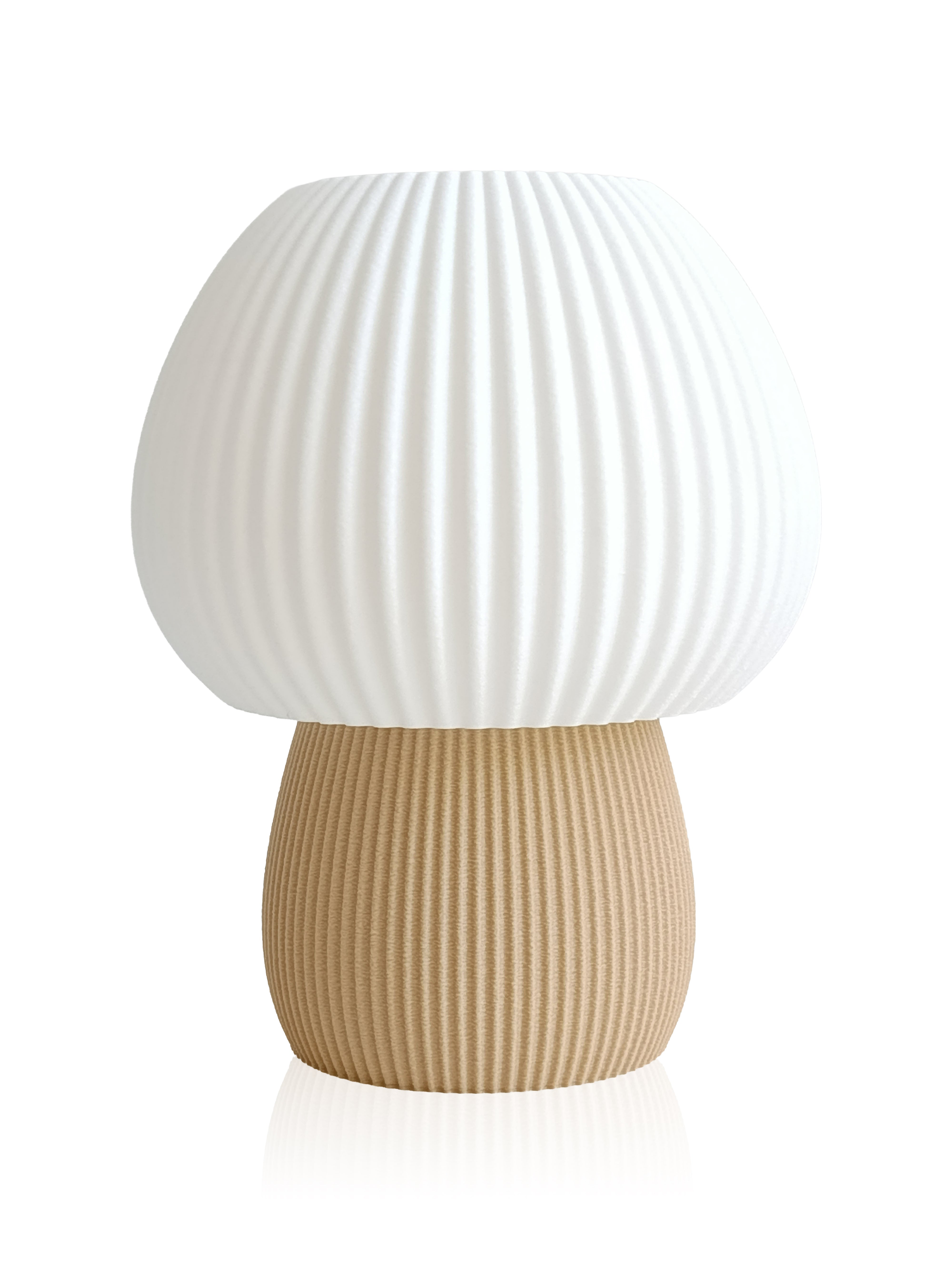
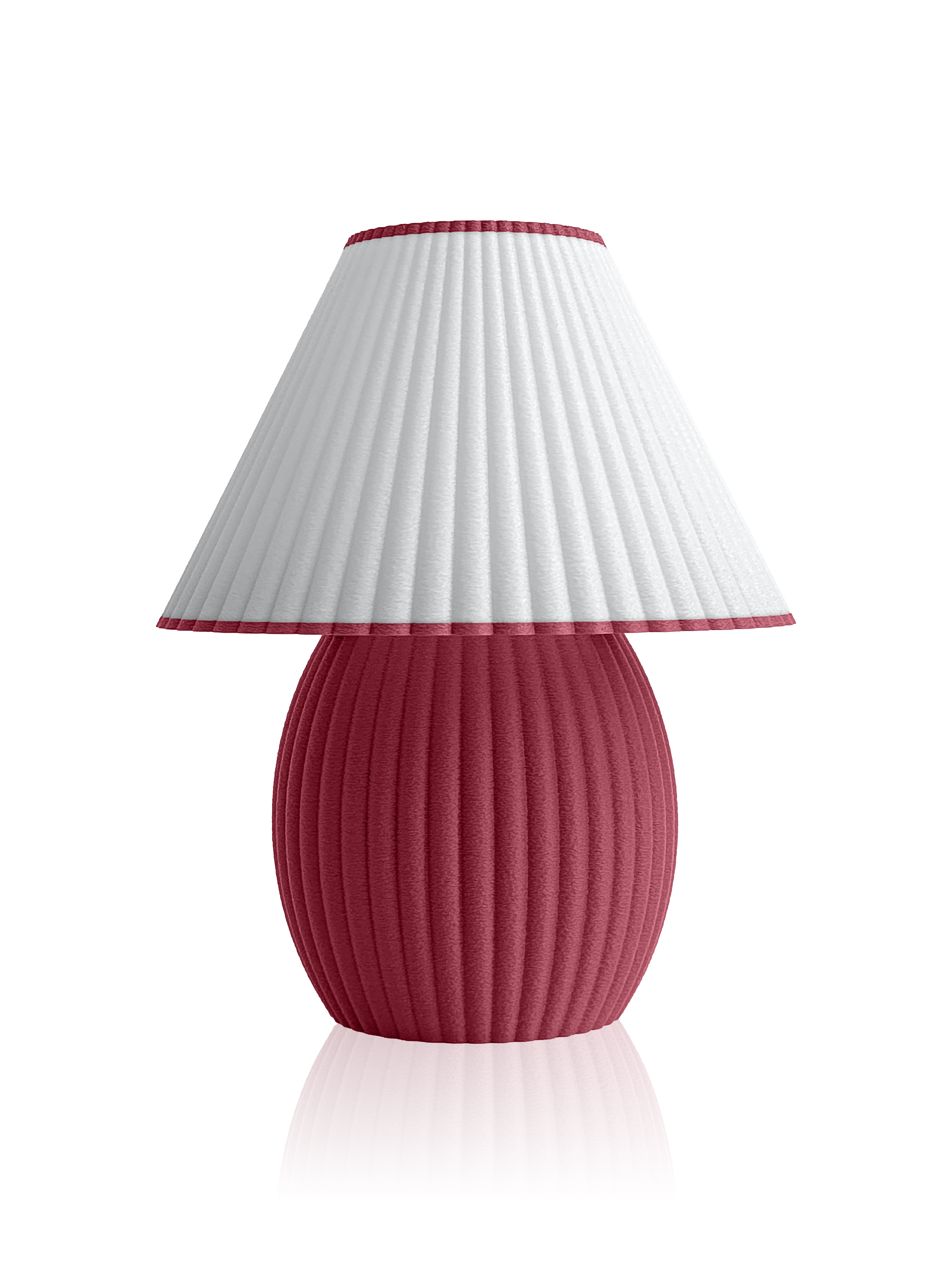
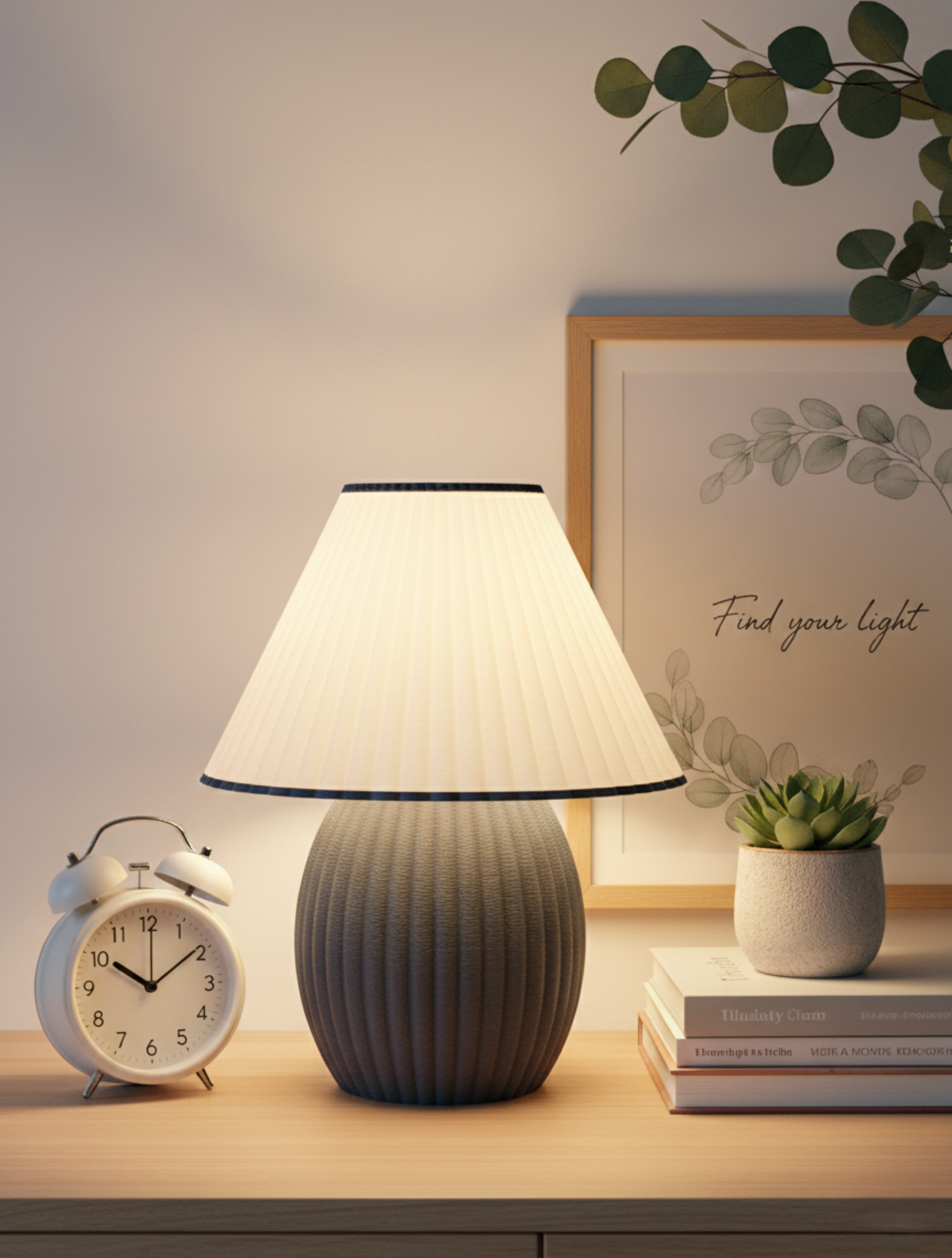
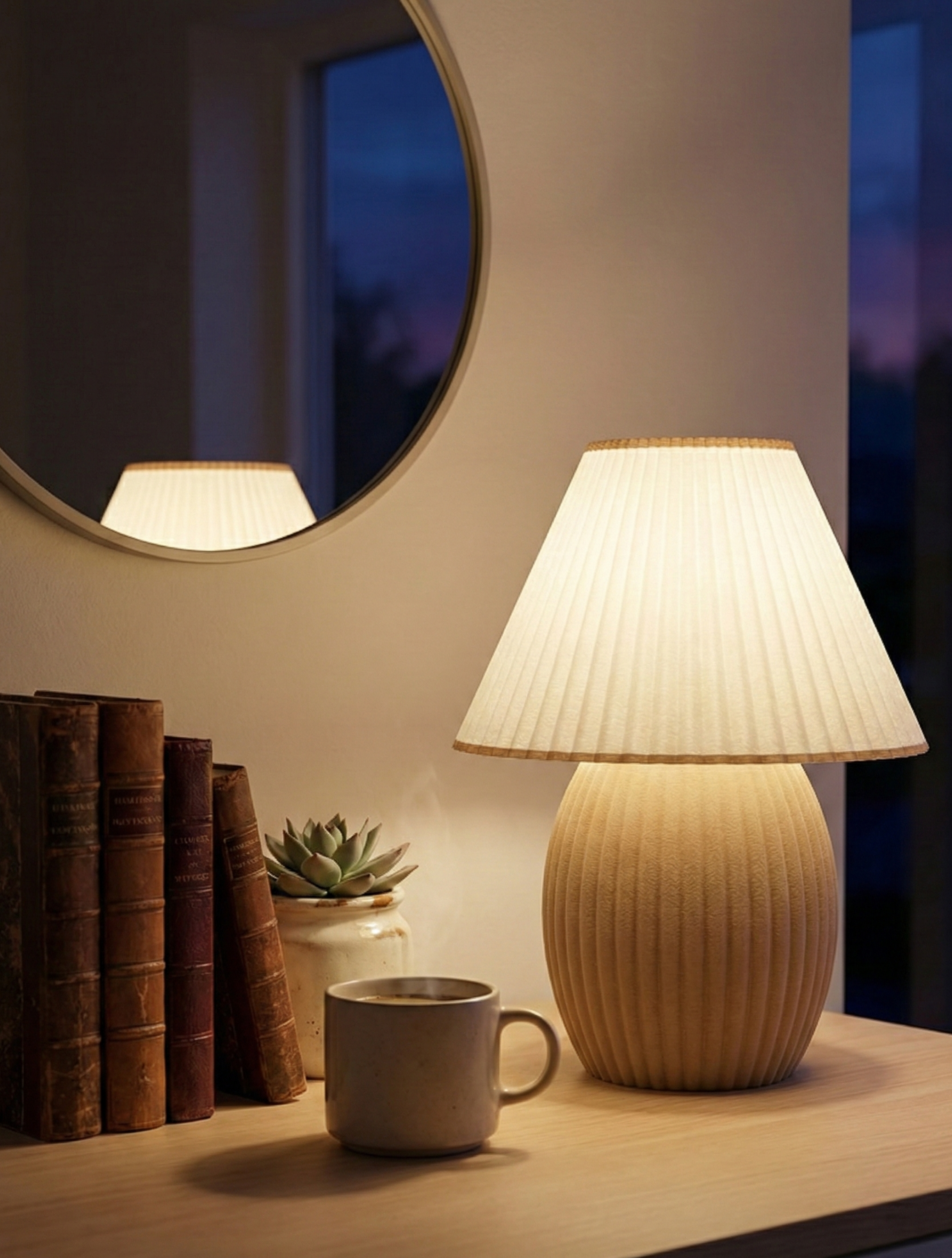
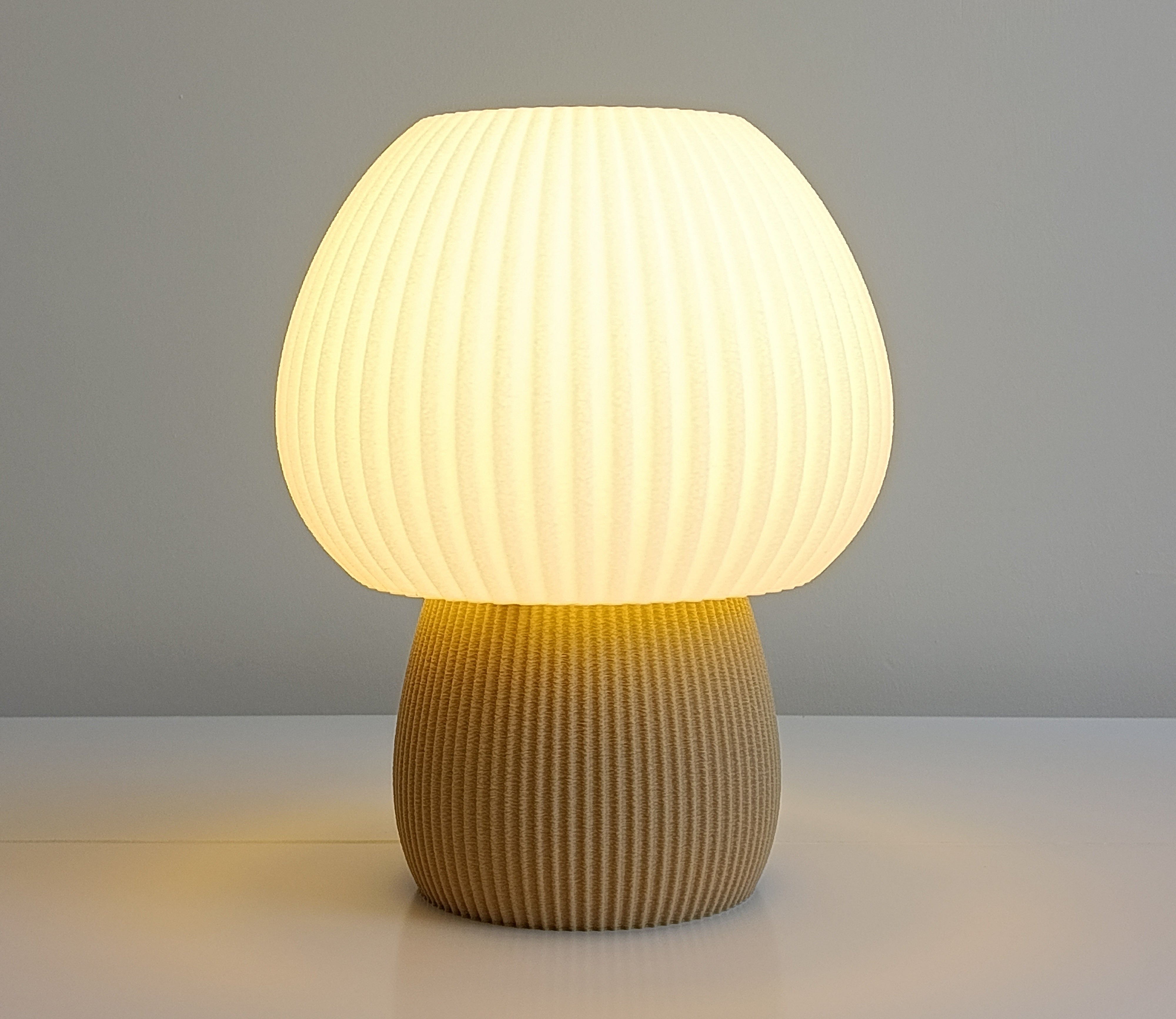
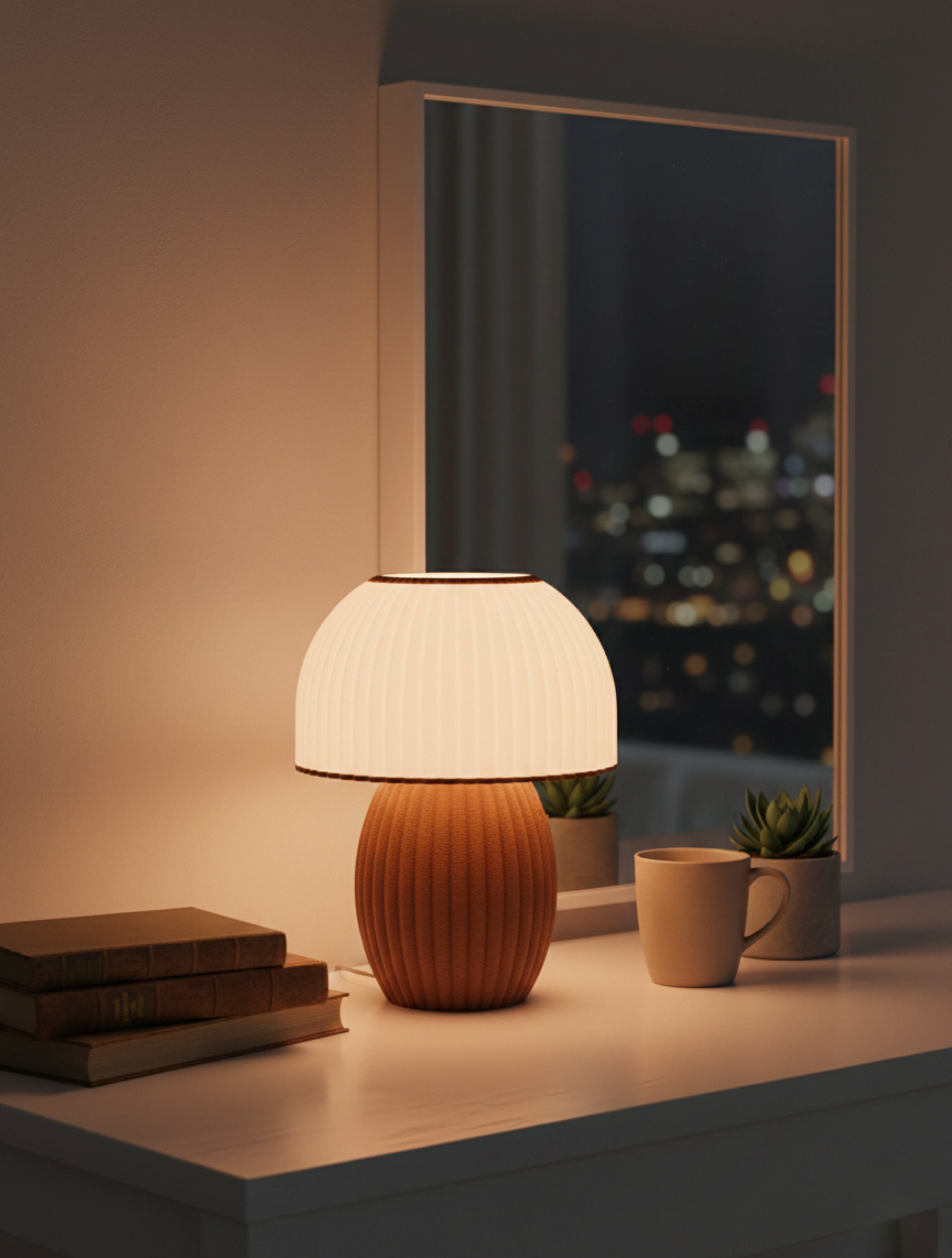
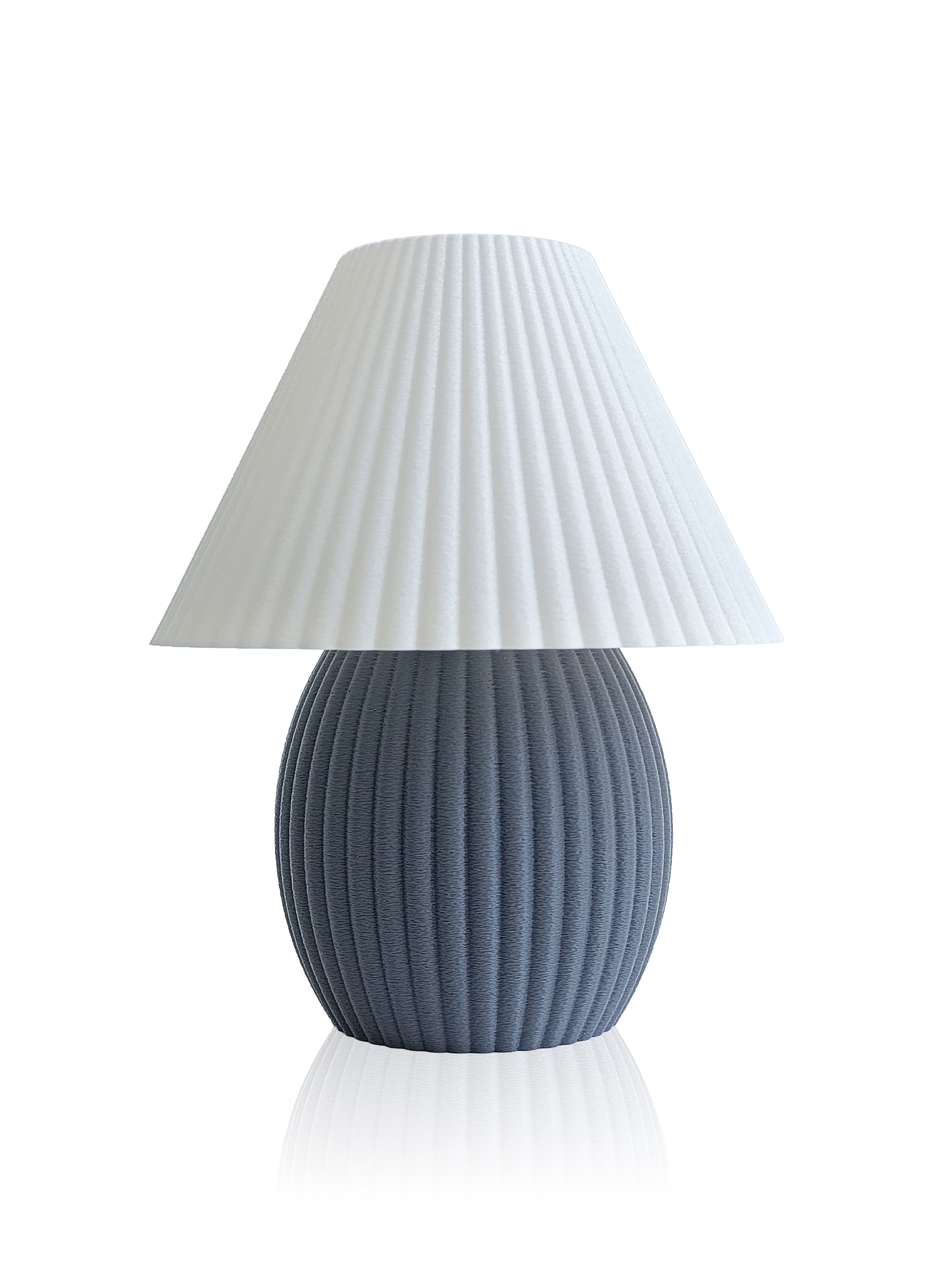
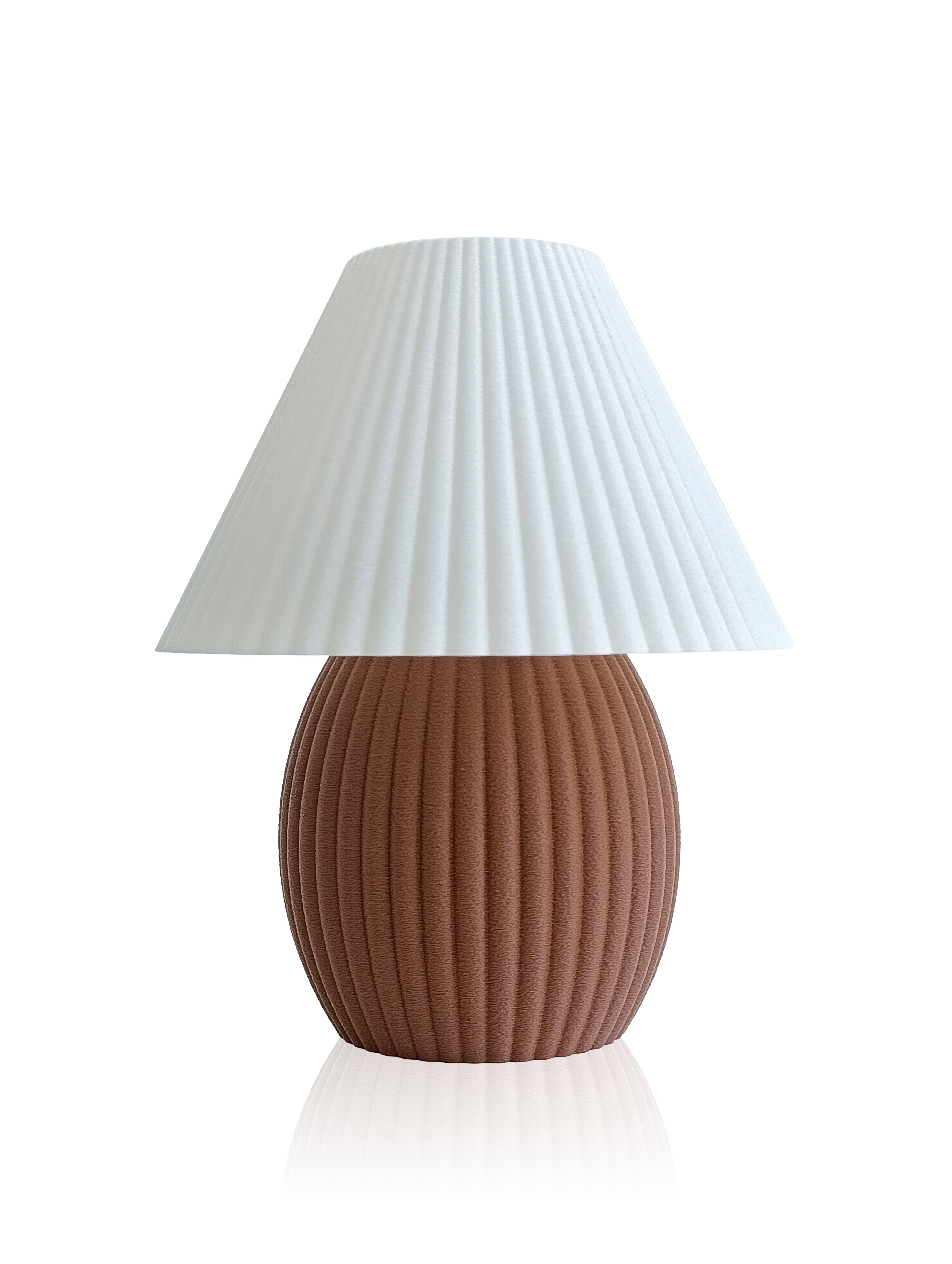
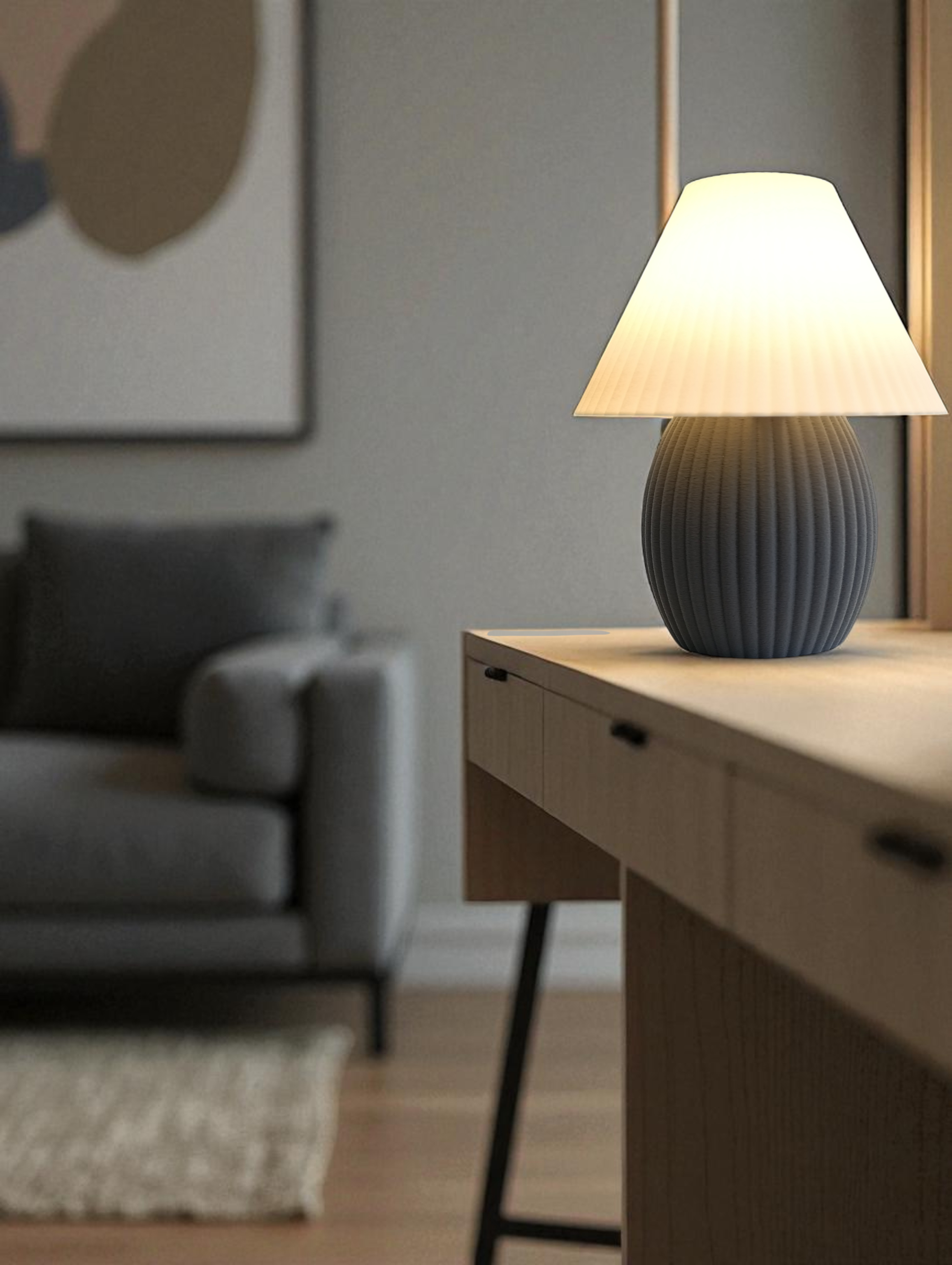
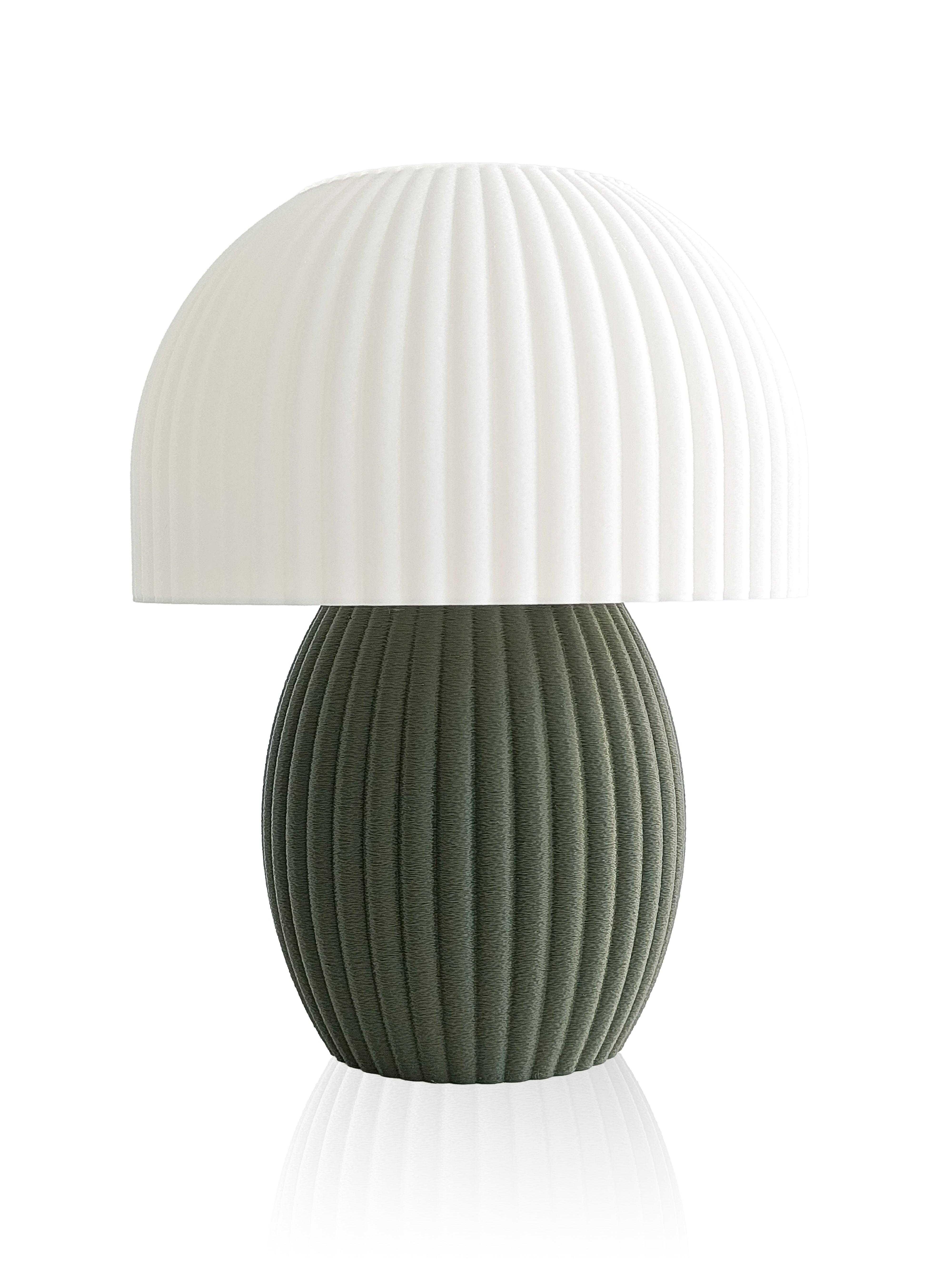
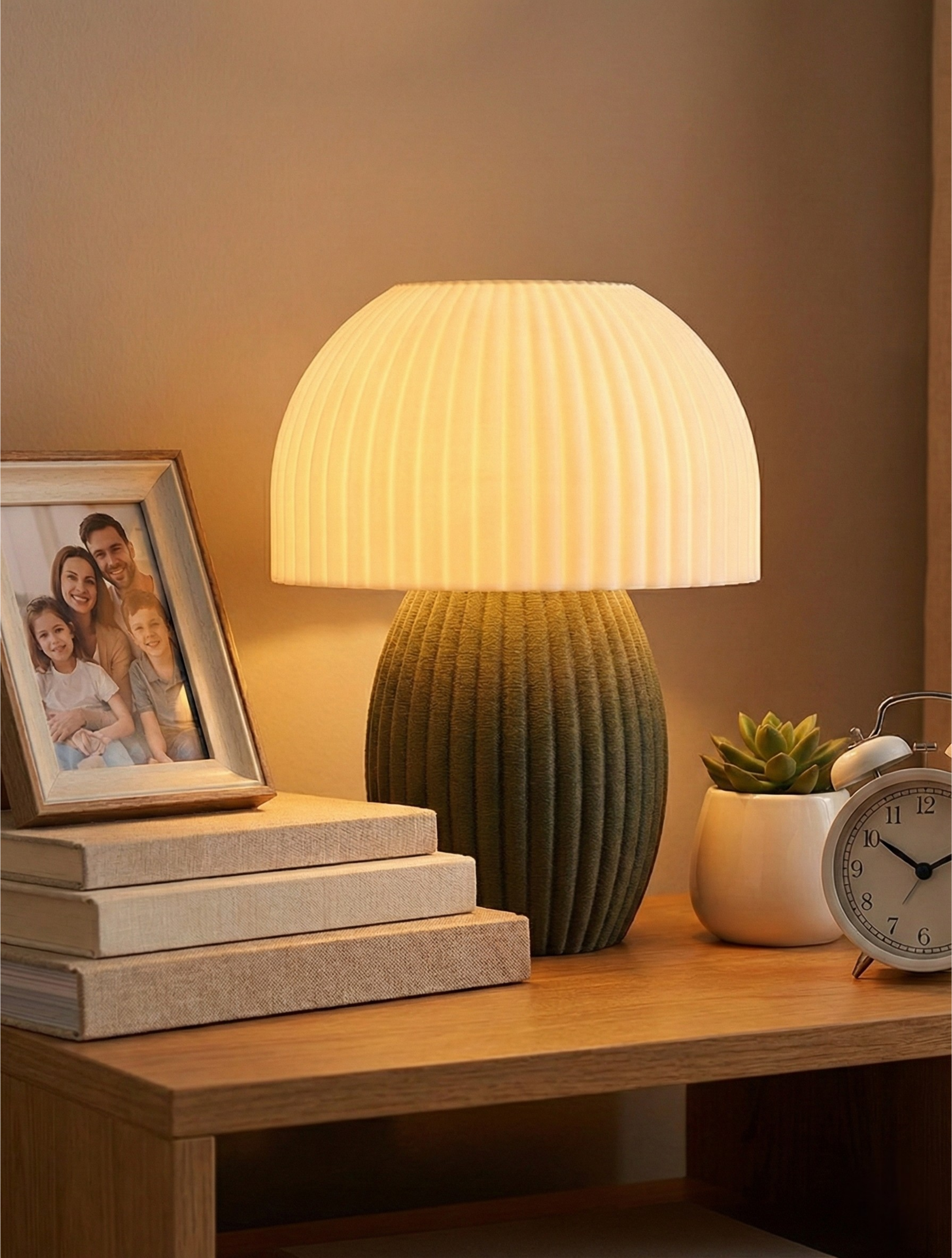
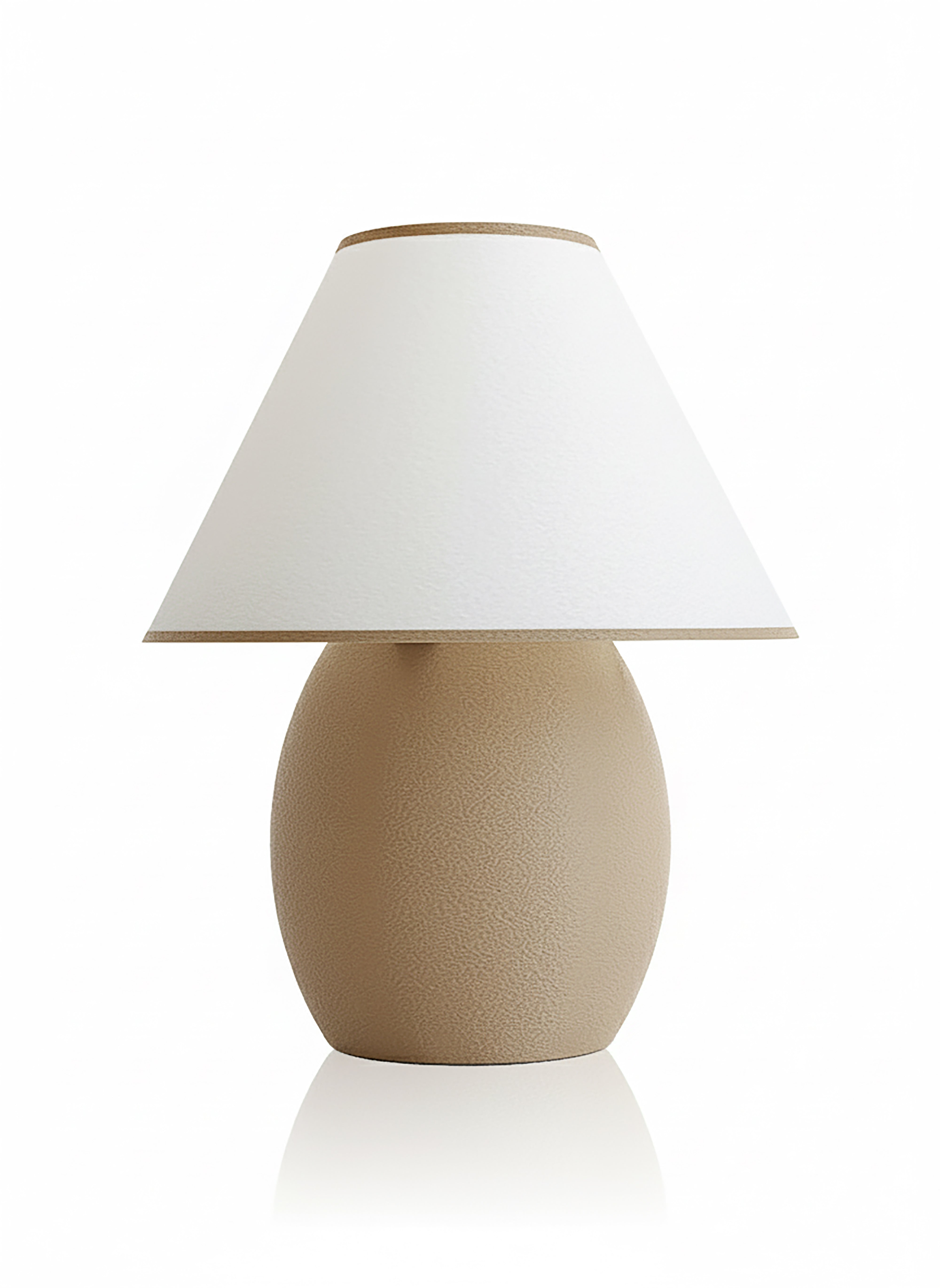
The art of light polarity is in the layering. Rather than installing a single overhead fixture, think in terms of primary ambient light (your baseline mood-setter), task lighting (functional and often cooler), and accent lighting (atmospheric and often warmer). The LUMORA US is designed with this layering philosophy in mind, offering flexibility to adjust both intensity and color temperature so you can craft your own light polarity balance.
Light Polarity and Circadian Rhythm Alignment
Beyond aesthetics, light polarity has real implications for your body's natural rhythms. Your circadian system responds to light cues throughout the day—bright, cooler light in the morning and afternoon supports alertness, while warmer light in the evening signals your body to prepare for rest. A home with poor light polarity can work against these natural rhythms, leaving you tired during the day and restless at night.
This doesn't mean you need expensive smart lighting systems. Simple choices matter: using warmer light sources in evening spaces, avoiding bright cool light in bedrooms, and considering dimmers that let you adjust intensity (and perceived warmth) as the day shifts. The goal is to align your home's lighting with how you actually live—supporting your energy and rest cycles rather than fighting them.
Practical Tips for Assessing Your Home's Light Polarity
If you're unsure whether your current lighting has good polarity balance, start with observation:
- Notice which rooms feel energizing and which feel draining
- Pay attention to where you naturally gravitate at different times of day
- Look at shadow quality—warm light creates softer, more flattering shadows; cool light is more neutral
- Consider how light changes your perception of color on walls and furnishings
Often, homes that feel off-balance have too much cool overhead lighting or too much warm ambient light without functional task lighting. The fix is rarely expensive—it usually involves adding layered light sources and being intentional about where warm and cool light live in your space.
Frequently Asked Questions
What color temperature is considered "warm" light?
Warm light typically ranges from 2700K to 3000K on the Kelvin scale. This range produces golden, amber tones reminiscent of candlelight and incandescent bulbs. The lower the Kelvin number, the warmer (more orange-toned) the light appears.
Can I use cool light in bedrooms?
While cool light (4000K and above) isn't ideal for bedroom relaxation, it can work in task-specific areas like reading nooks or vanities. The key is balancing cooler task lighting with warm ambient light so the overall bedroom environment remains conducive to sleep and rest.
How does light polarity affect how colors look in my home?
Warm light brings out warm tones in paint, furnishings, and artwork, making spaces feel cozier but potentially less vibrant. Cool light reveals truer color saturation and makes colors appear more vivid, which is why it's preferred near art displays and in spaces where accurate color perception matters.
Conclusion: Light as a Design Language
Light polarity isn't a rigid formula—it's a design language you learn to speak. By understanding how warm and cool light interact emotionally and functionally, you gain the ability to shape your home's atmosphere intentionally. The best-lit homes aren't the brightest ones. They're the ones where light polarity is balanced thoughtfully, where warmth and coolness work together to support how you actually live, rest, and move through your space. Start small: layer your lighting, notice what feels right, and let your home teach you what balance means for you.





Share:
Light and Color Perception: How Lighting Changes Colors
Light Intensity for Living Spaces: Ideal Lumen Values for Every Room