


Remote Work Lighting: Finding Warmth in Your Home Office

When you work from home, your office becomes more than just a productivity zone—it's an extension of your living space, and remote work lighting plays a crucial role in how you feel during the day. The right lighting can enhance focus, reduce eye strain, and create an environment that feels genuinely inviting rather than sterile. Unlike corporate fluorescents, your home office deserves warmth and intentionality, lighting that supports both your work and your wellbeing.
Why Warm Lighting Matters for Remote Work
The color temperature of your lighting directly influences your mood, energy levels, and circadian rhythm. Measured in Kelvin (K), light ranges from warm (2700K-3000K) to cool (5000K and above). Most home offices benefit from warm light, which mimics the glow of early morning or late afternoon—times when our bodies naturally feel creative and calm. Cool, blue-tinted light can feel jarring and overstimulating during long work hours.
Beyond color temperature, the quality of light matters just as much. Harsh, flickering overhead lights create fatigue and headaches. Layered, diffused lighting—combining ambient, task, and accent sources—allows you to adjust your environment throughout the day. This flexibility is especially important if you're sitting in the same spot for eight hours. Consider your light sources as layers you can control, rather than a single, inflexible fixture.
Designing Your Home Office Lighting Layers
The most effective workspace uses three types of lighting working together:
- Ambient lighting: Soft, general illumination that fills the room. This might be a ceiling fixture, floor lamp, or wall sconces set to warm tones. Ambient light should feel enveloping, not overwhelming.
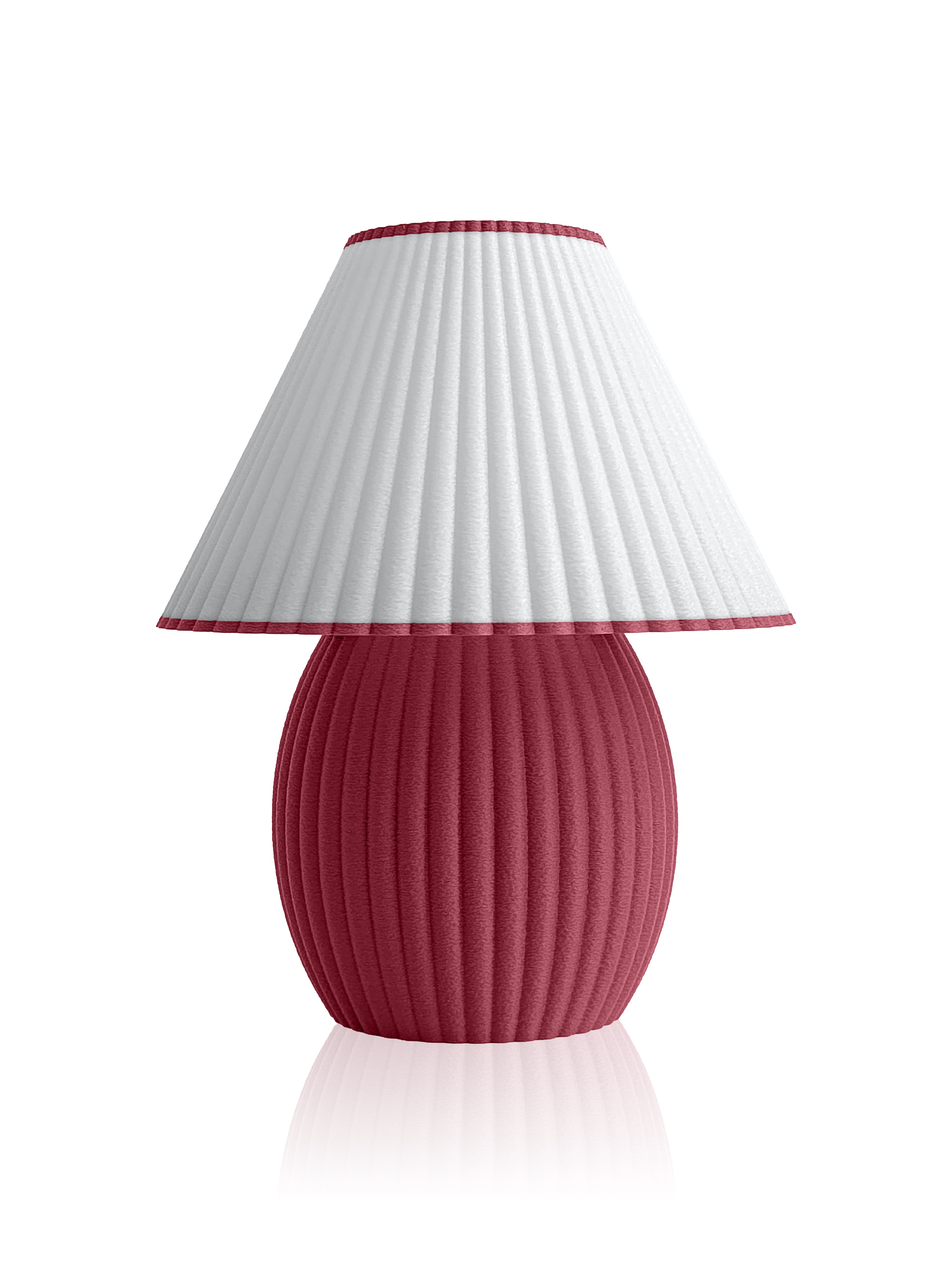
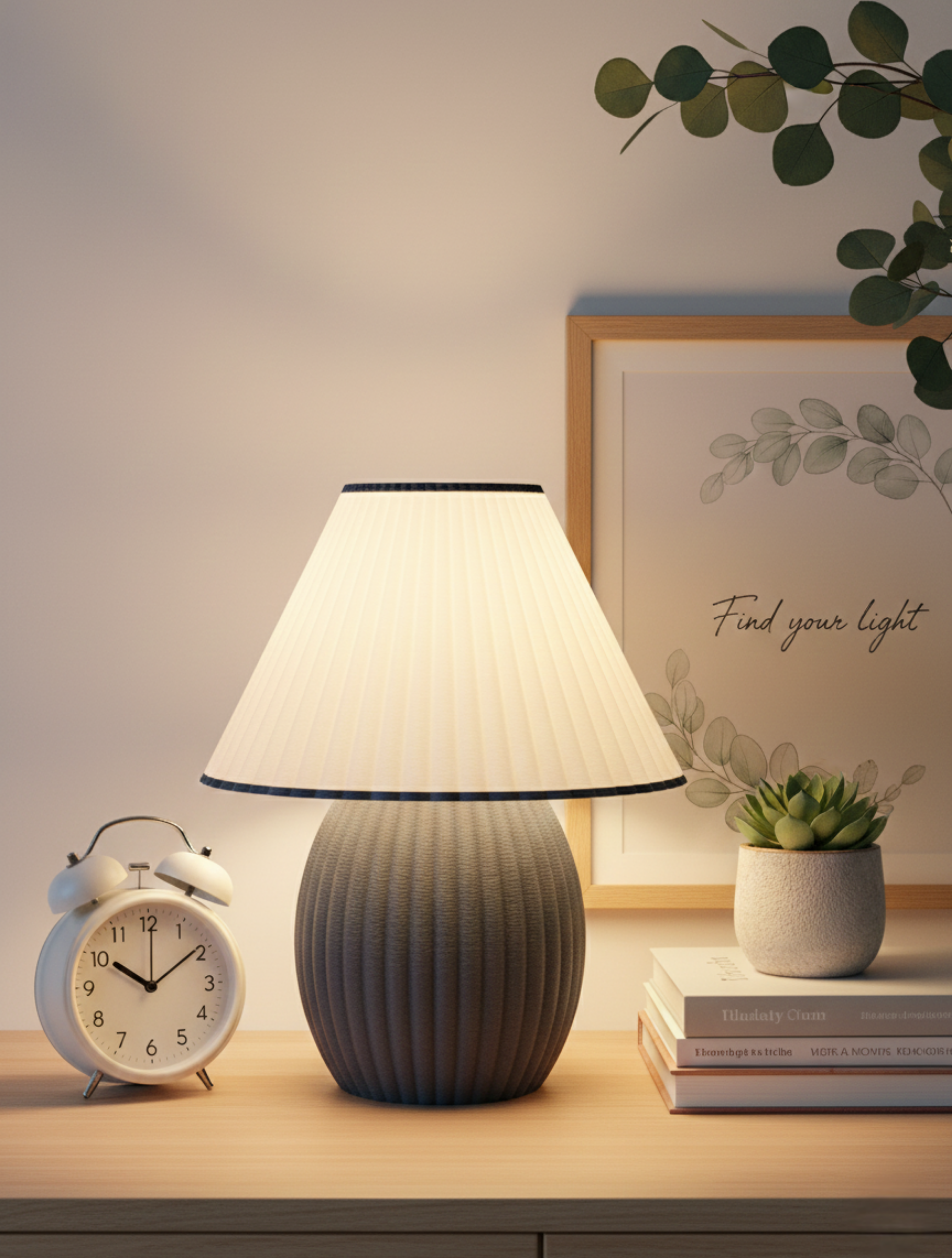
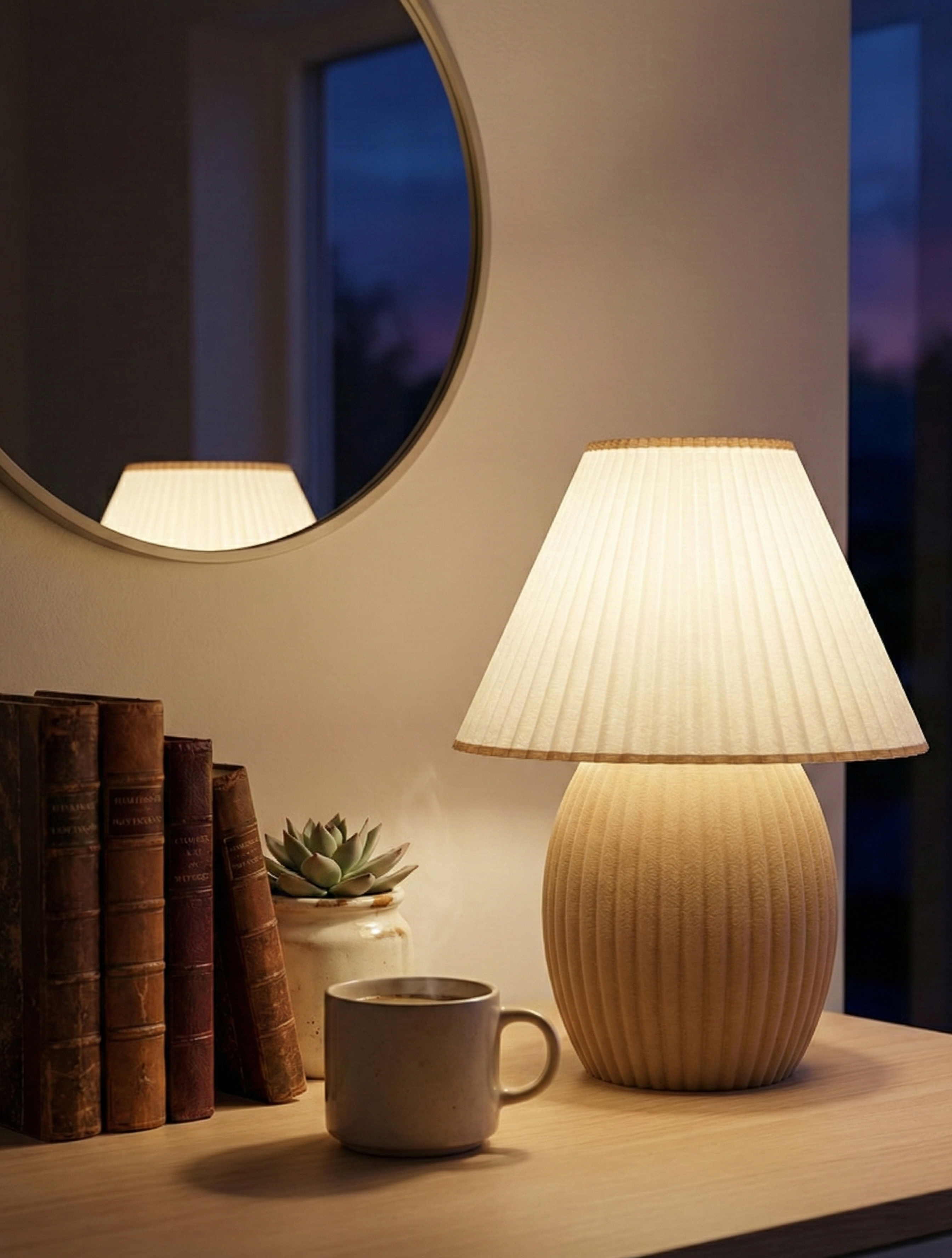
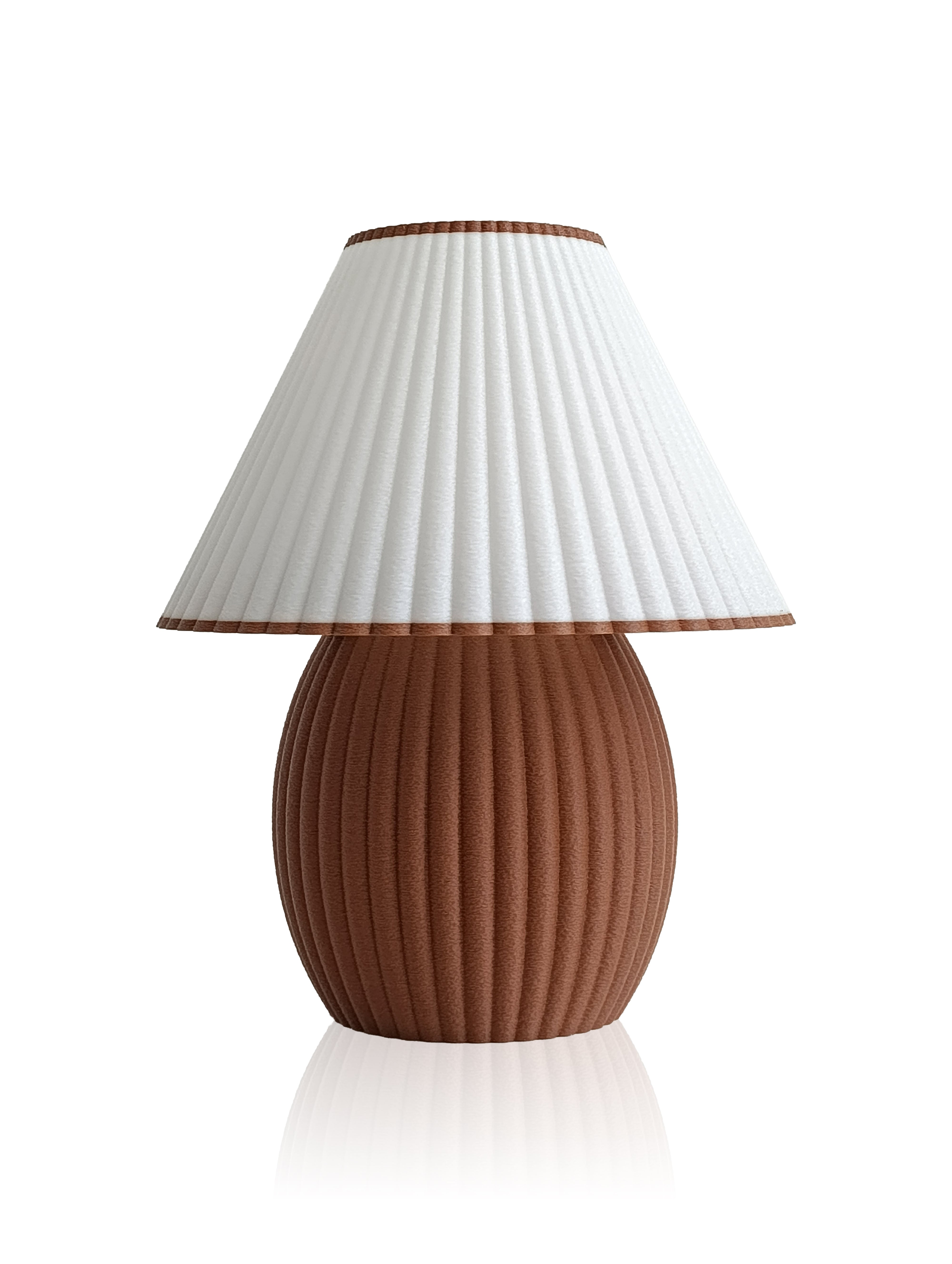
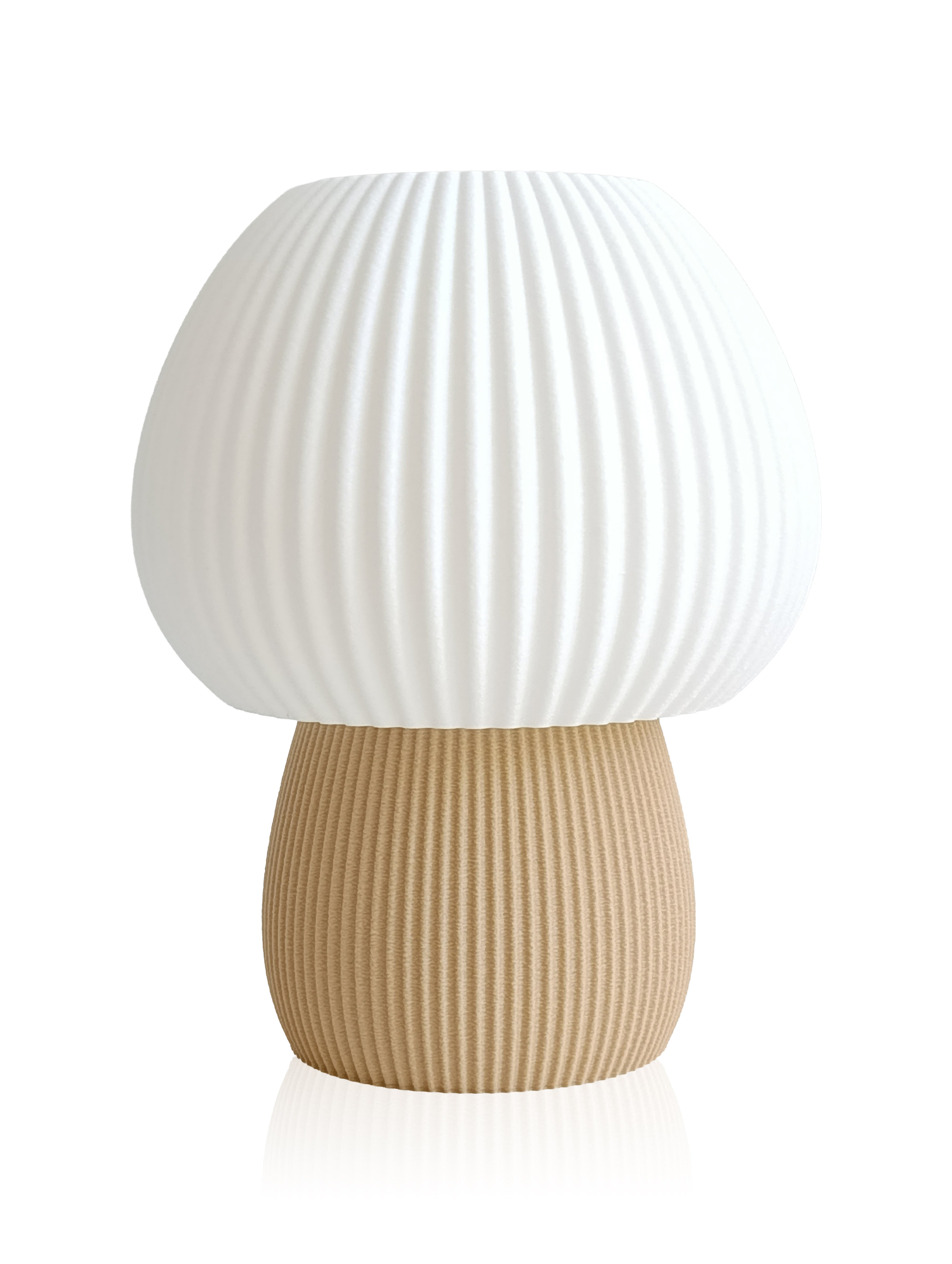
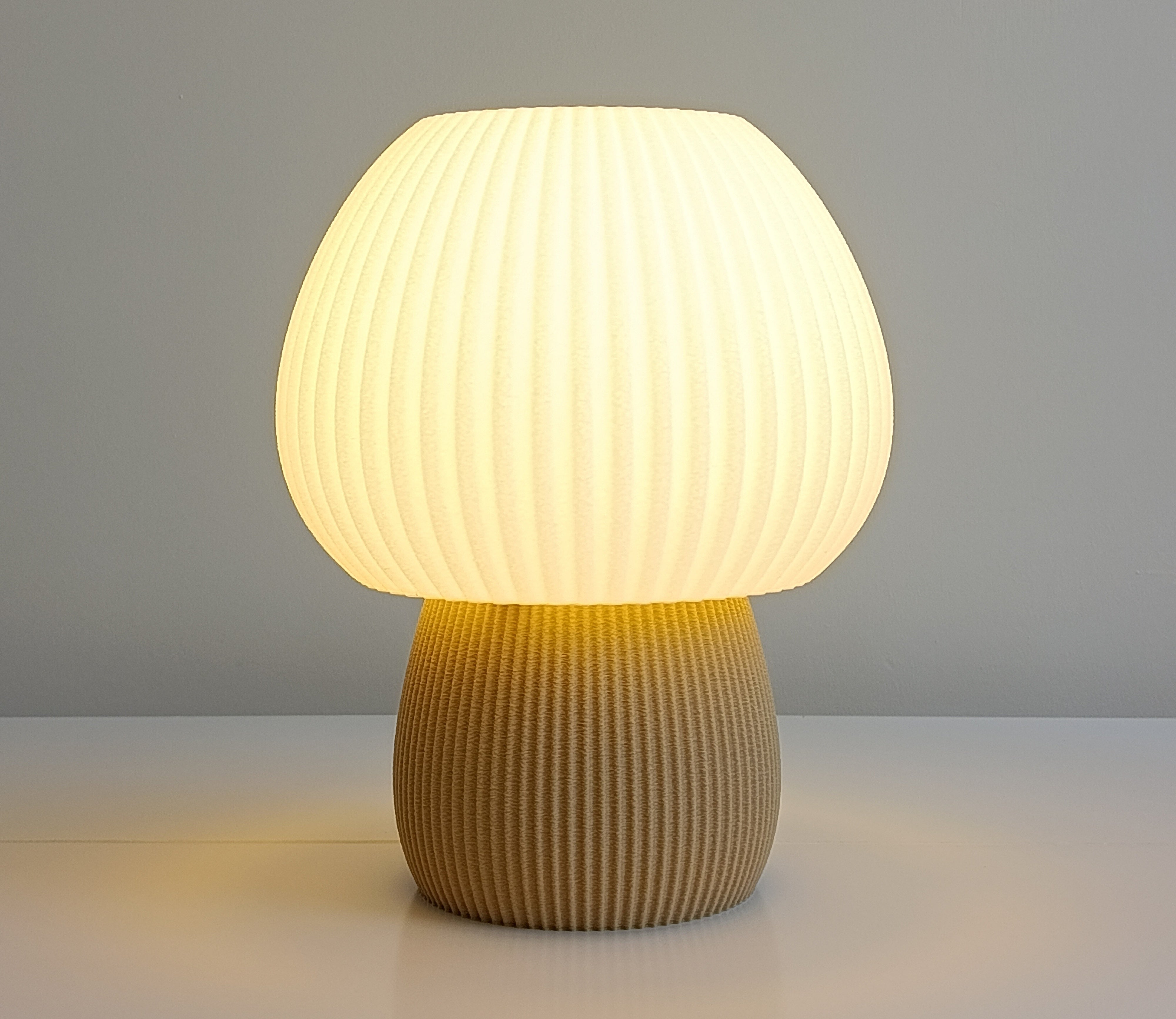
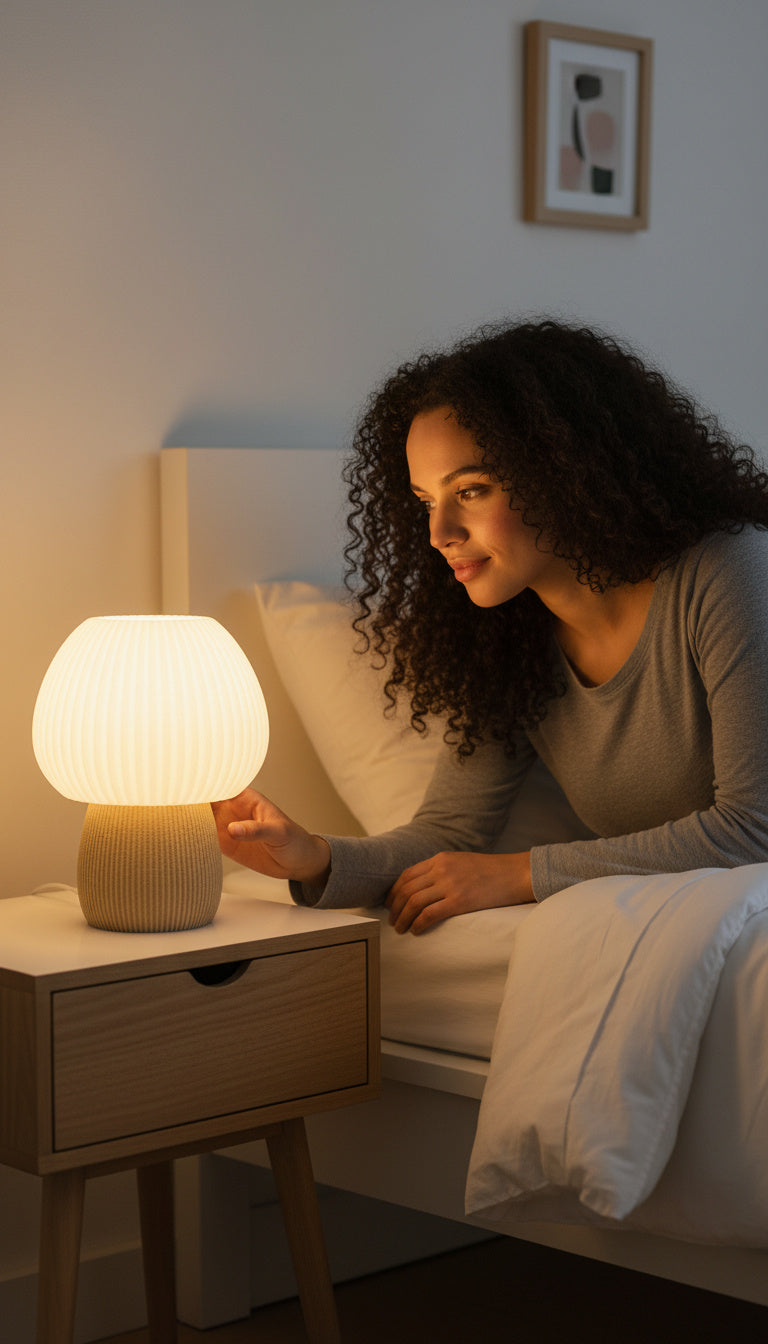
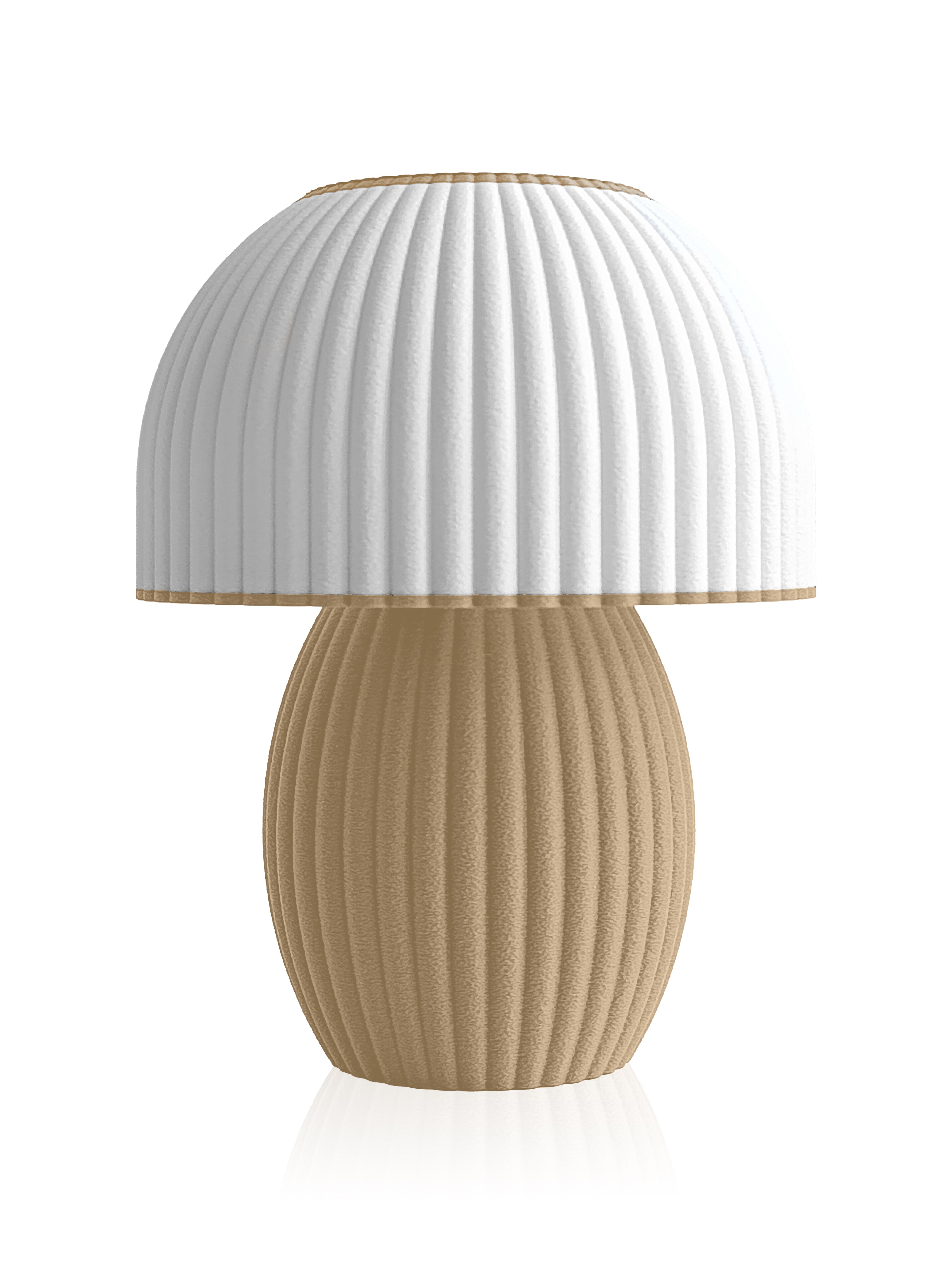
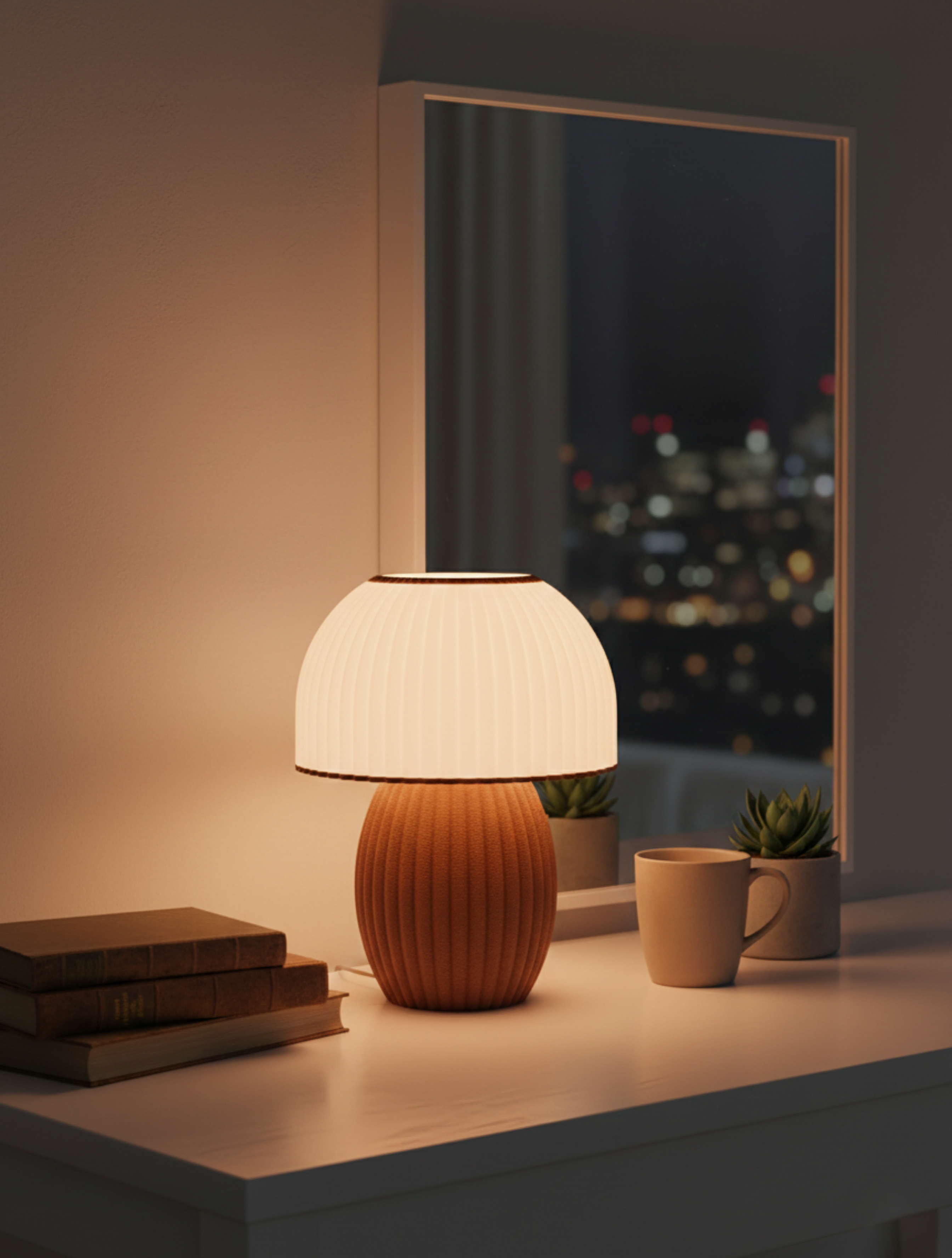
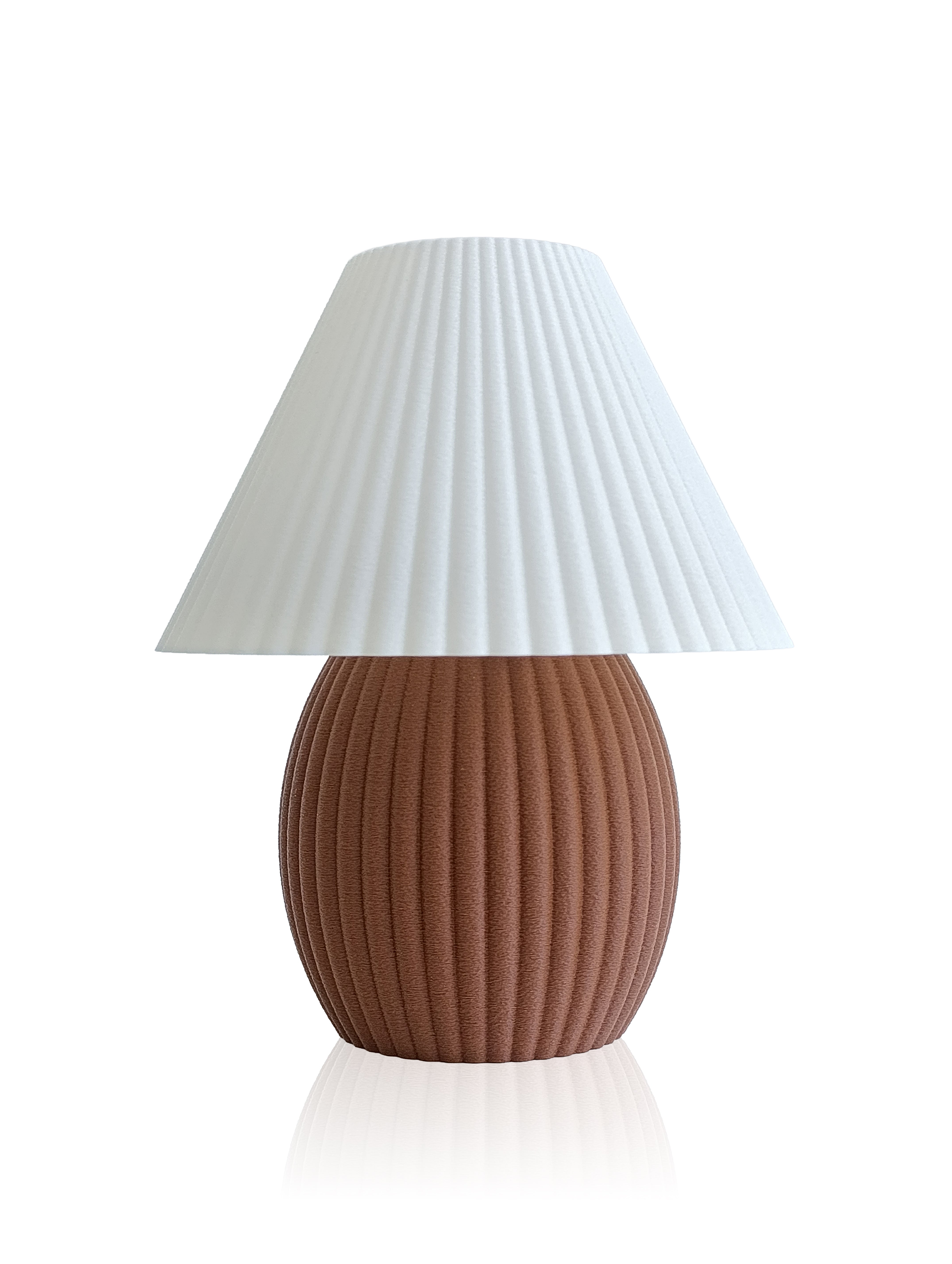
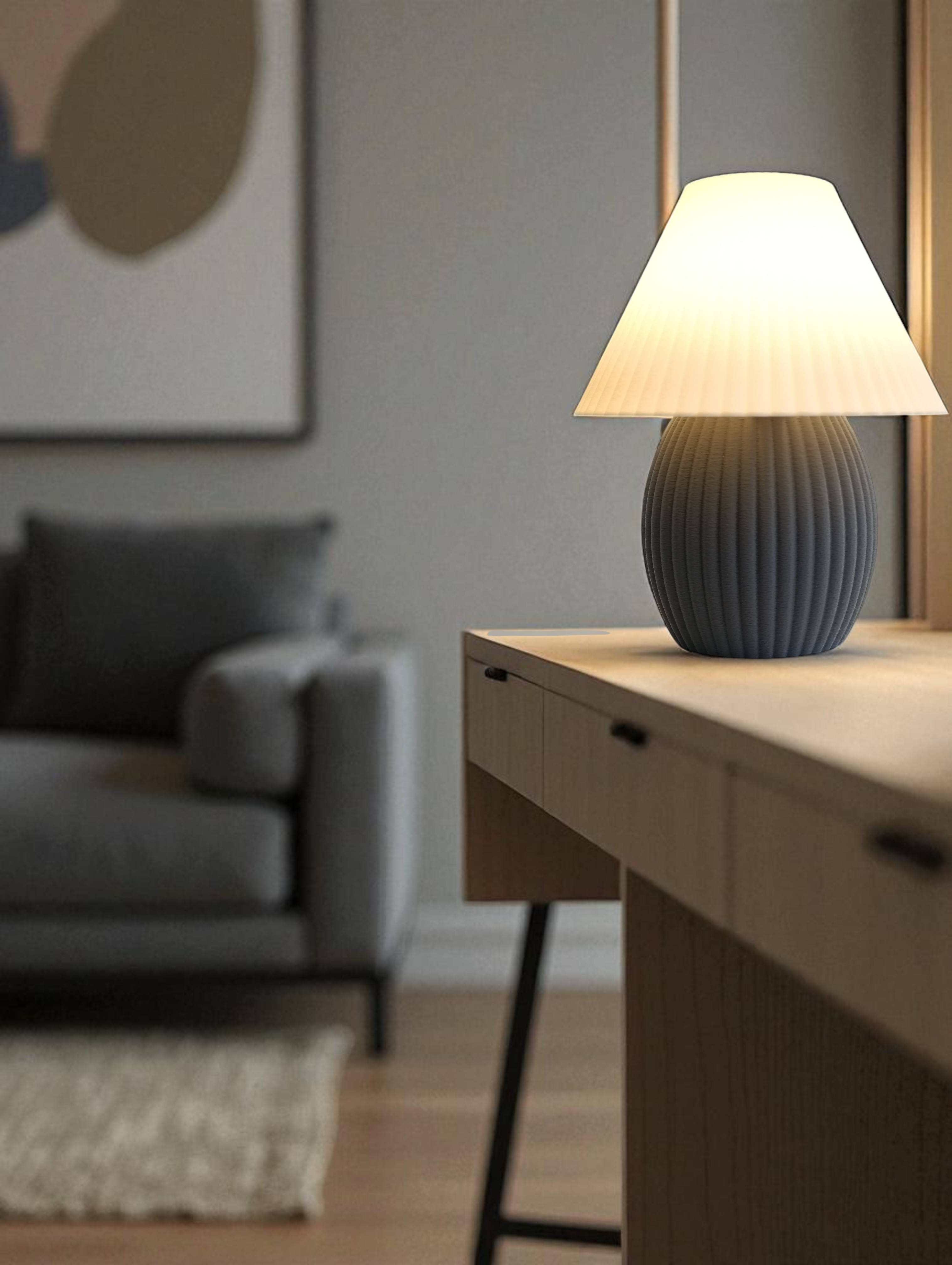
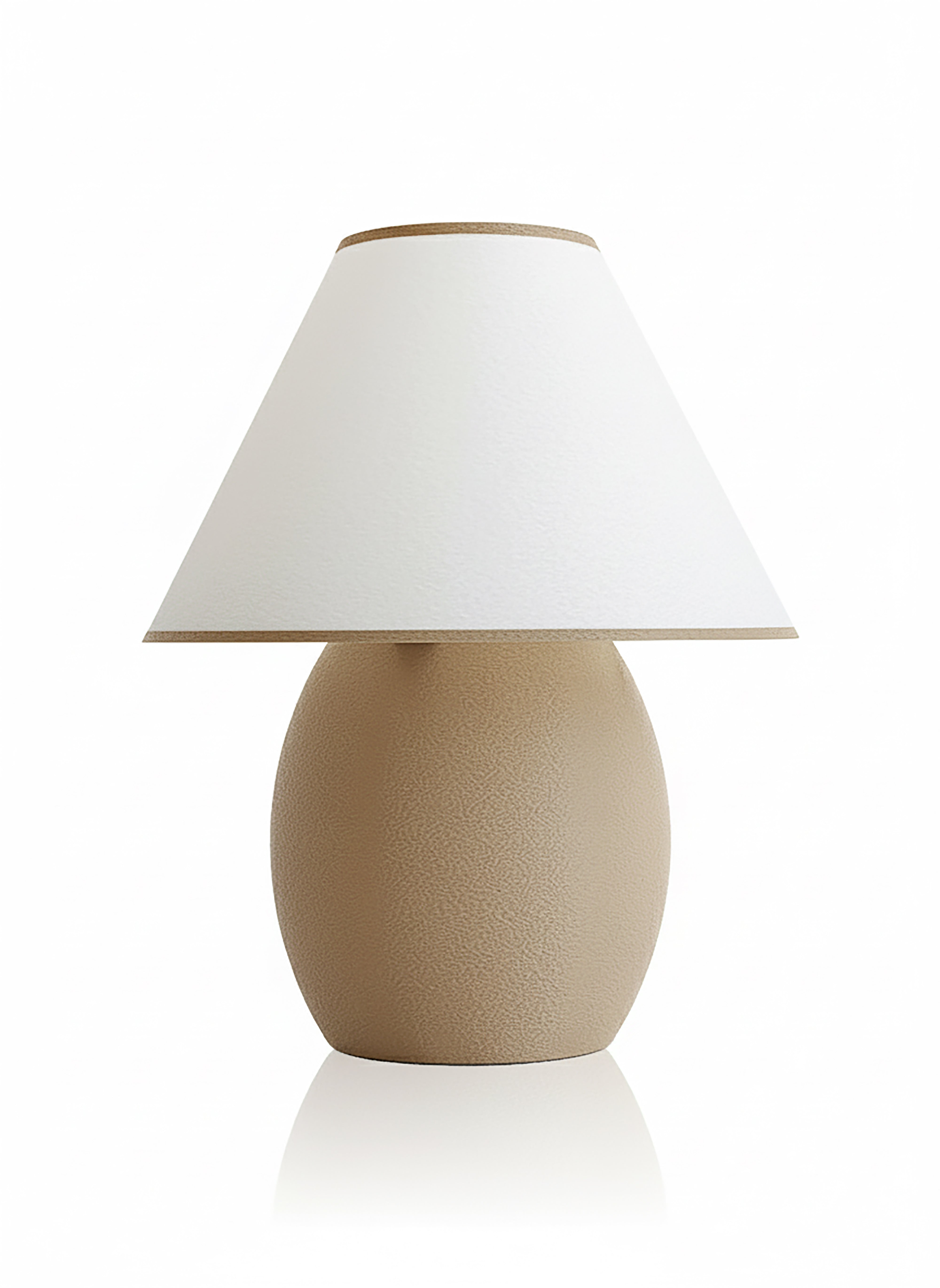
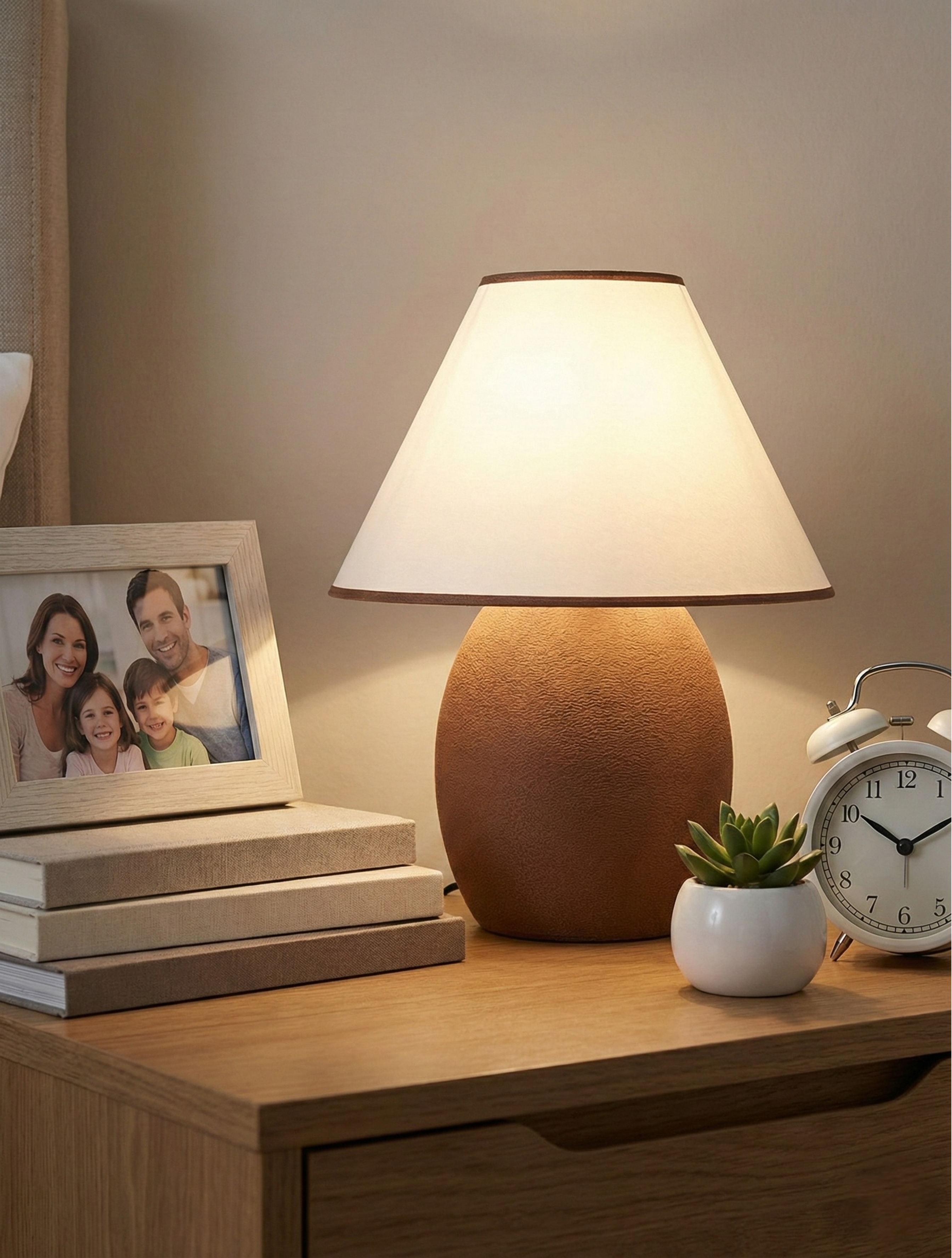
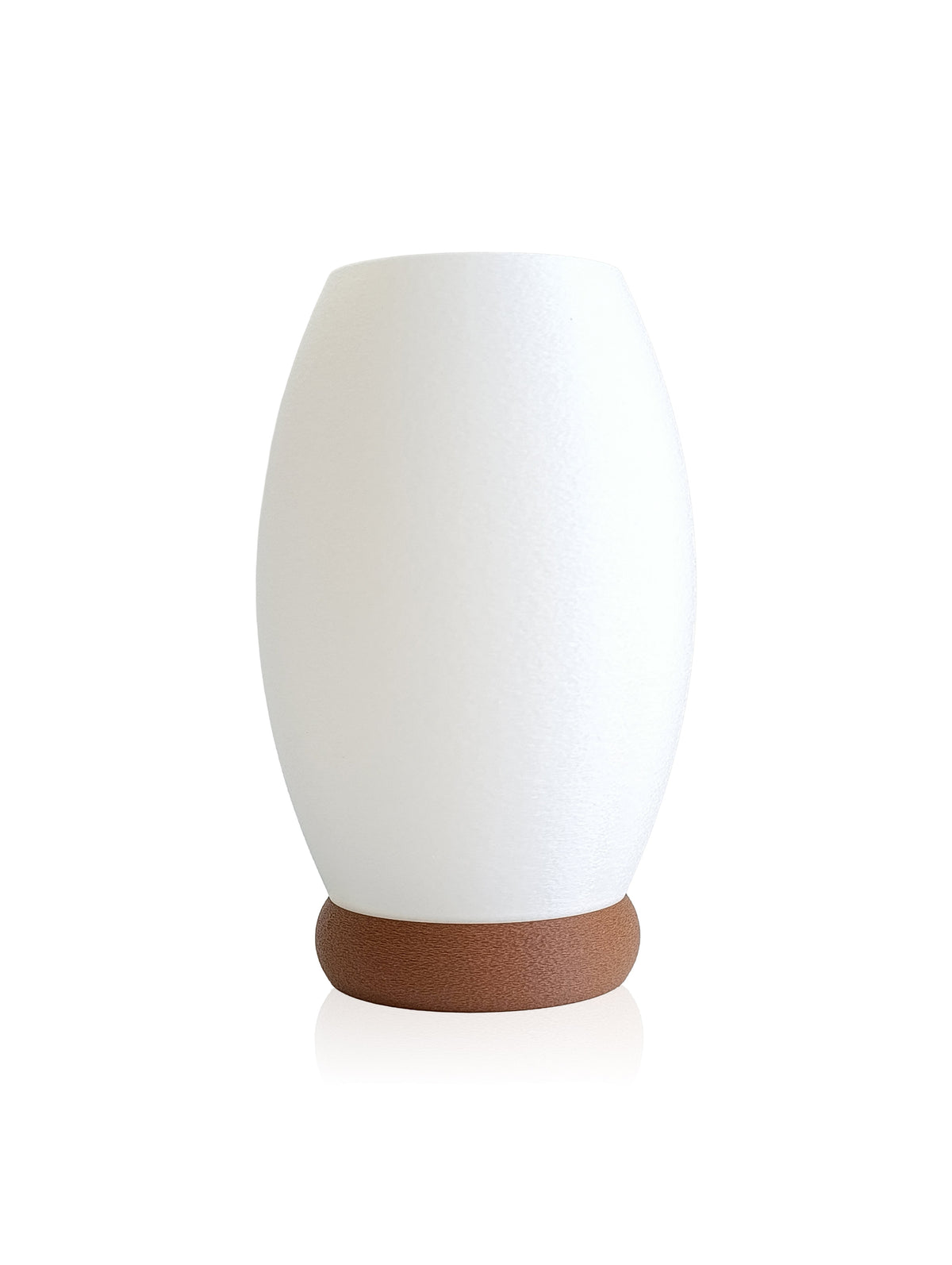
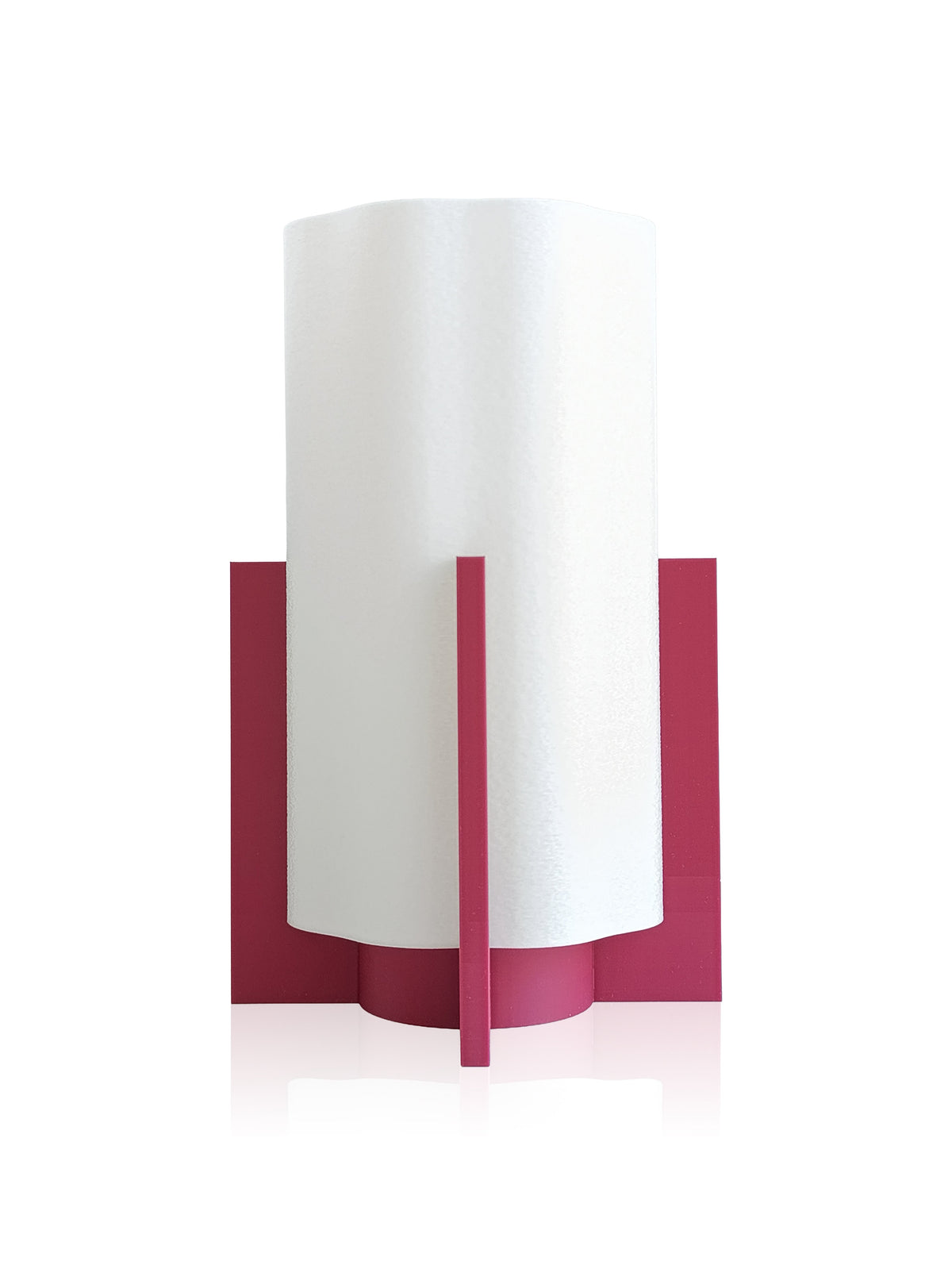
- Task lighting: Focused light directly on your desk or work surface to reduce eye strain. A desk lamp with adjustable intensity and color temperature control gives you agency over your immediate environment. The NOLIX US is designed specifically for this purpose, providing warm, focused light that adapts to your needs without harsh glare.
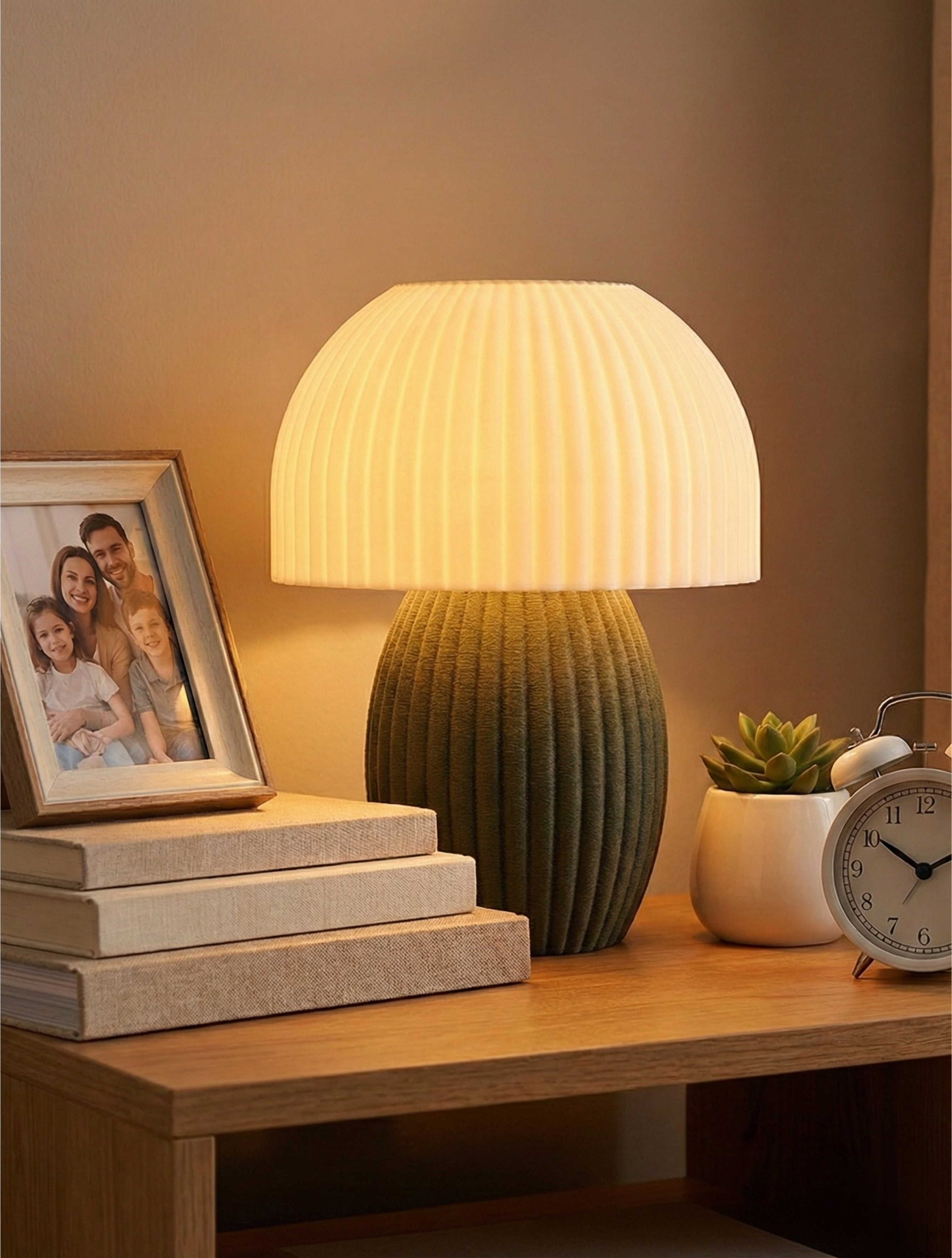
- Accent lighting: Subtle highlights that add depth and visual interest—perhaps a small lamp on a shelf or light behind a plant. This prevents your office from feeling flat or institutional.
Start by assessing what you already have, then identify gaps. If your overhead light is cool-toned, add a warm desk lamp. If your space feels dim, introduce a floor lamp in a corner. The goal is flexibility: you want the ability to brighten your space for focus or soften it during video calls.
Placement and Positioning for Comfort
Where you place your lights is as important as what you choose. Position your task light slightly to the side and slightly behind your screen to avoid glare and reflections. Direct light shining into your eyes or bouncing off your monitor creates fatigue and reduces visibility. If possible, position ambient light sources perpendicular to your desk rather than directly overhead.
Natural light is valuable too, but it's inconsistent. A window might provide beautiful morning light but harsh afternoon sun. Use window treatments—sheer curtains or blinds—to diffuse direct sunlight, and supplement with artificial lighting as the day changes. Aim for a balanced approach where natural and artificial light work together rather than competing.
Circadian-Friendly Practices for Your Workspace
Your lighting should evolve with your natural rhythms. During morning and midday hours, slightly cooler, brighter light (3500K-4000K) can support alertness and focus. As afternoon approaches, transitioning to warmer tones (2700K-3000K) signals your body to begin winding down. If you work into evening, warm light becomes even more important—it minimizes blue light exposure that can disrupt sleep.
The intensity of your lighting matters too. Aim for 300-500 lux (a measure of light intensity) on your work surface—enough to see clearly without feeling overexposed. Many desk lamps allow dimming, which gives you control to adjust throughout the day. This small act of intentionality—choosing your light rather than accepting whatever comes from overhead—transforms your workspace into something that truly feels like yours.
Frequently Asked Questions
What color temperature is best for a home office?
Warm white light between 2700K-3000K is ideal for most home offices, as it promotes focus without causing eye strain or circadian disruption. If you need to work during very early mornings, 3500K-4000K can provide helpful alertness without becoming harsh.
How can I reduce glare from my computer screen?
Position your task light to the side or slightly behind your monitor rather than directly in front, and ensure it doesn't shine into your eyes. An anti-glare screen protector and proper monitor height also help. Soft, diffused light is gentler than direct, bright sources.
Do I need special lighting if I take video calls from home?
Yes—position ambient or task lighting in front of or slightly above eye level so it illuminates your face naturally. Avoid backlighting (windows or lamps behind you), which can make you appear dark on camera. Warm, even light is most flattering and professional.
Creating a warm, thoughtfully lit home office isn't a luxury—it's an investment in how you spend your days. Your workspace should feel as intentional and inviting as the rest of your home. With layered lighting, the right color temperature, and mindful placement, you can design an environment that supports both productivity and wellbeing. The difference is subtle but profound: you're no longer just working from home, you're working within a space that honors both your output and your inner life.





Share:
Bedroom Decor: Creating Atmosphere with Bedside Lamps
Living Room Lighting Guide: The Right Lamp for Every Corner