

Reading Corner Lighting: Complete Guide for Book Lovers

A good book deserves good light—and the right reading corner lighting can transform how you experience your home and the stories you love. Whether you're curling up for an hour before bed or settling in for an afternoon with a novel, thoughtful lighting makes the difference between eye strain and genuine comfort. This guide walks you through everything you need to know about designing reading corner lighting that supports both your eyesight and your mood.
Understanding Light Quality for Reading
Reading light isn't simply about brightness; it's about quality. The most important factors are color temperature, intensity, and how light reaches your material. When light quality is right, reading feels effortless. When it's wrong, your eyes tire quickly and focus becomes difficult.
Color temperature—measured in Kelvin (K)—determines whether light feels warm or cool. For reading, aim for light between 2700K and 4000K depending on the time of day and your preference. Warmer light (2700K–3000K) creates a relaxing atmosphere ideal for evening reading, while slightly cooler light (3500K–4000K) enhances clarity and reduces eye strain during longer daytime reading sessions. The intensity should measure between 300–500 lux on your page—enough to read comfortably without harsh glare.
- Warm light (2700K–3000K): Promotes relaxation, supports evening reading, aligns with your natural circadian rhythm
- Neutral light (3500K–4000K): Reduces eye fatigue, improves text contrast, ideal for daytime or extended reading sessions
- Cool light (5000K+): Best avoided for reading, can trigger alertness and disrupt sleep if used in evening
Layering Your Reading Space Lighting
The most comfortable reading environments use layered lighting—a combination of task, ambient, and accent light working together. Task lighting directly illuminates your book or e-reader, ambient lighting fills the room without creating harsh shadows, and accent lighting adds visual interest to your space.
Start with a primary light source positioned beside or slightly behind your reading chair, angled to avoid glare on the page. A floor lamp or wall-mounted fixture works well here. Then add softer background lighting—perhaps a ceiling fixture on a dimmer or additional wall sconces—to eliminate shadows and prevent the contrast that causes eye fatigue. This layered approach lets you adjust your environment based on the time of day and how you're feeling.
- Task lighting: Focused fixture 15–20 inches from your reading material, delivering 300–500 lux
- Ambient lighting: Softer, diffused light throughout the room to reduce shadows and contrast
- Dimmable controls: Allows you to adjust intensity based on time of day and personal comfort
Choosing the Right Fixture for Your Reading Corner
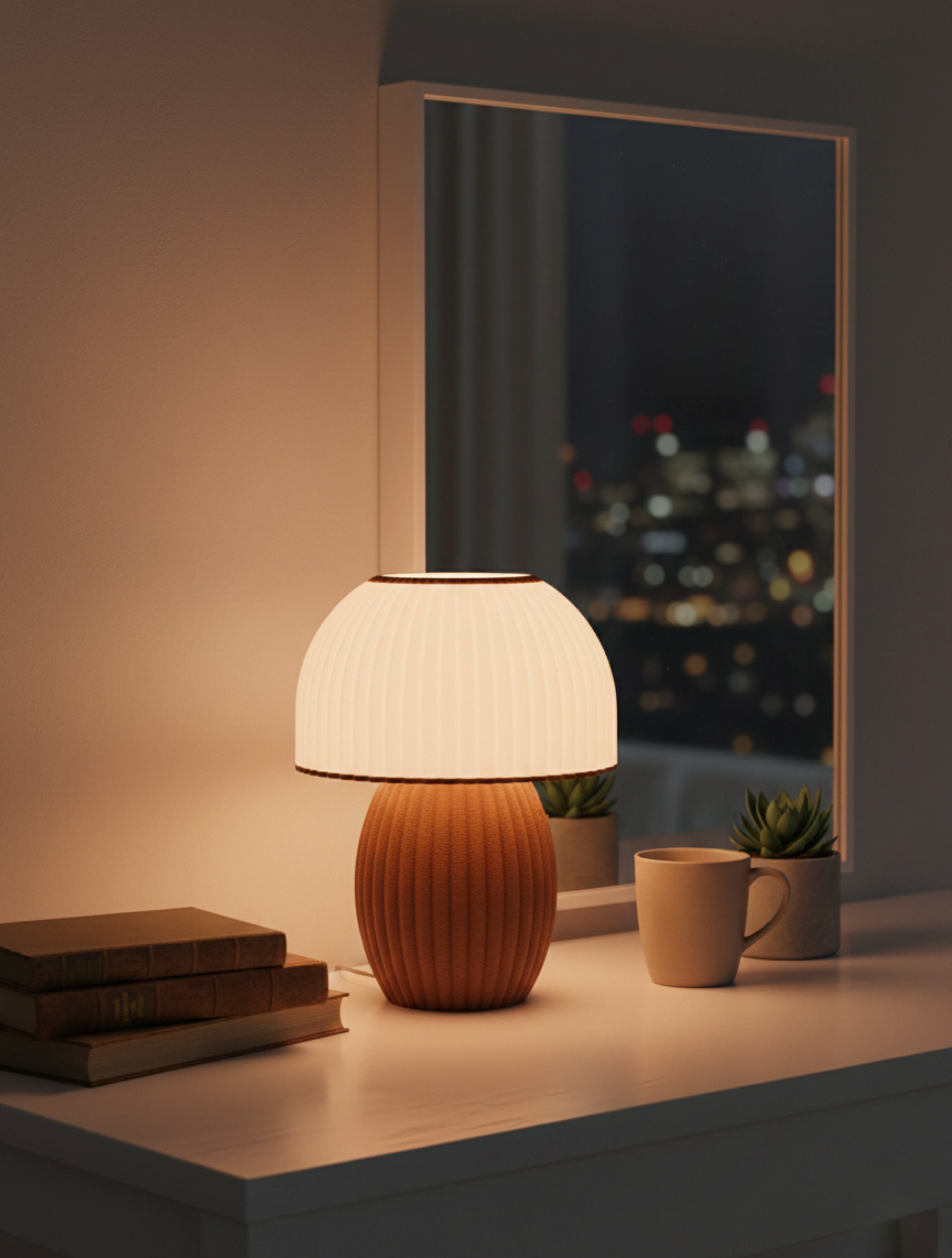
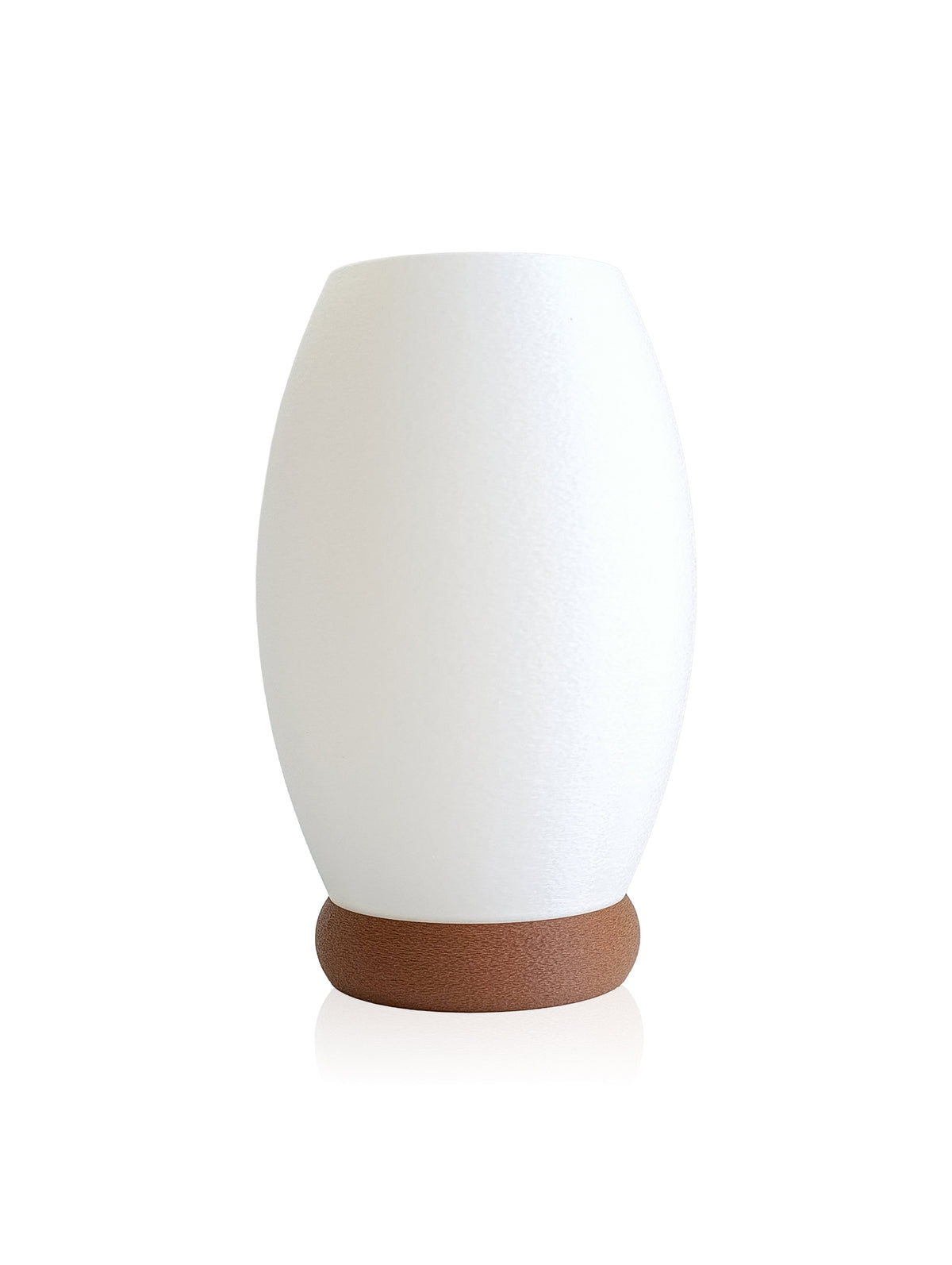
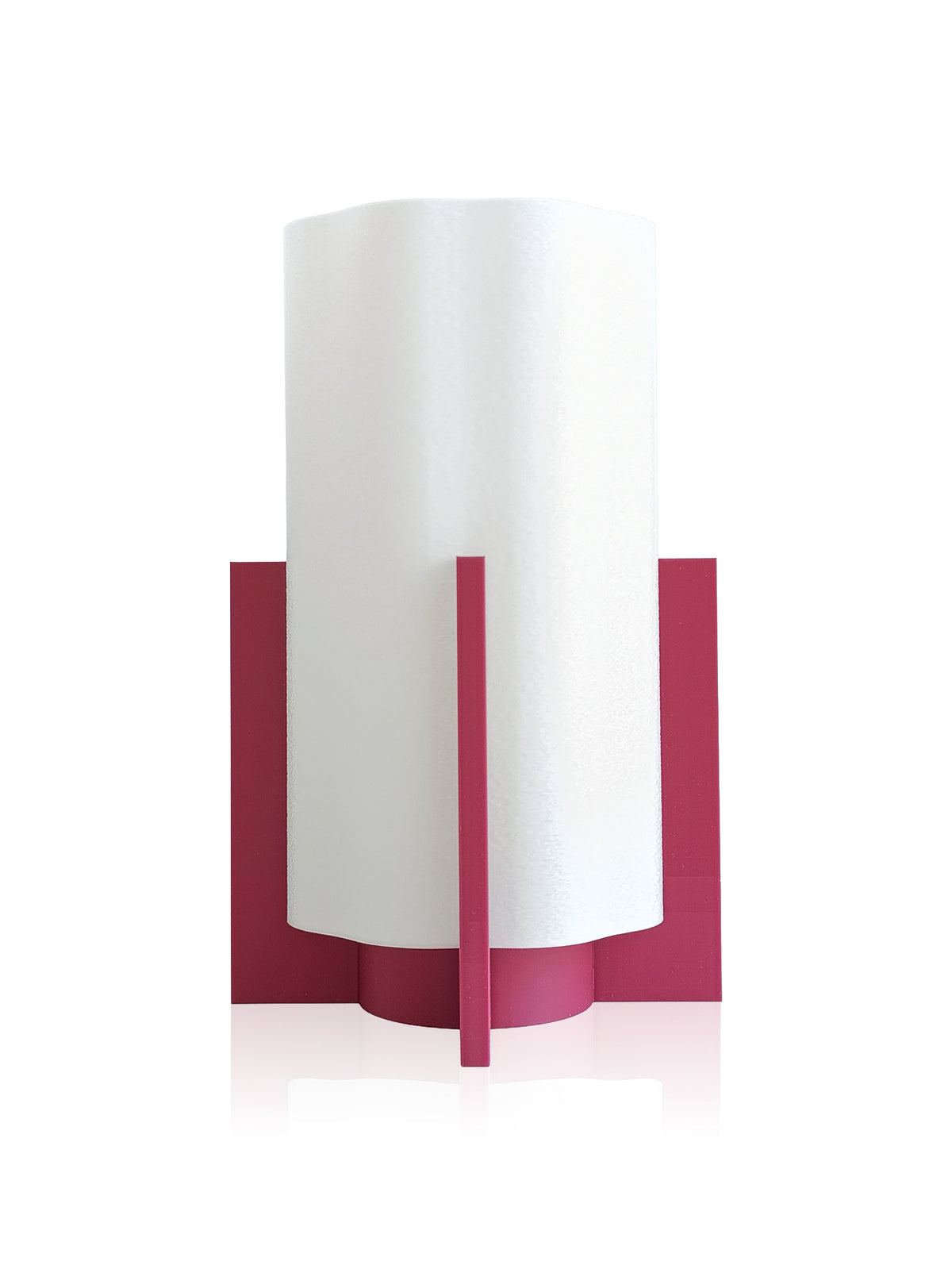
The fixture you choose should balance function with the aesthetic of your home. Arc floor lamps are excellent for reading because they extend over seating without taking up much floor space. Wall-mounted reading lights save space and can be positioned precisely. Table lamps offer flexibility and work well on side tables next to your chair. Whatever you choose, look for adjustable fixtures that let you direct light exactly where you need it.
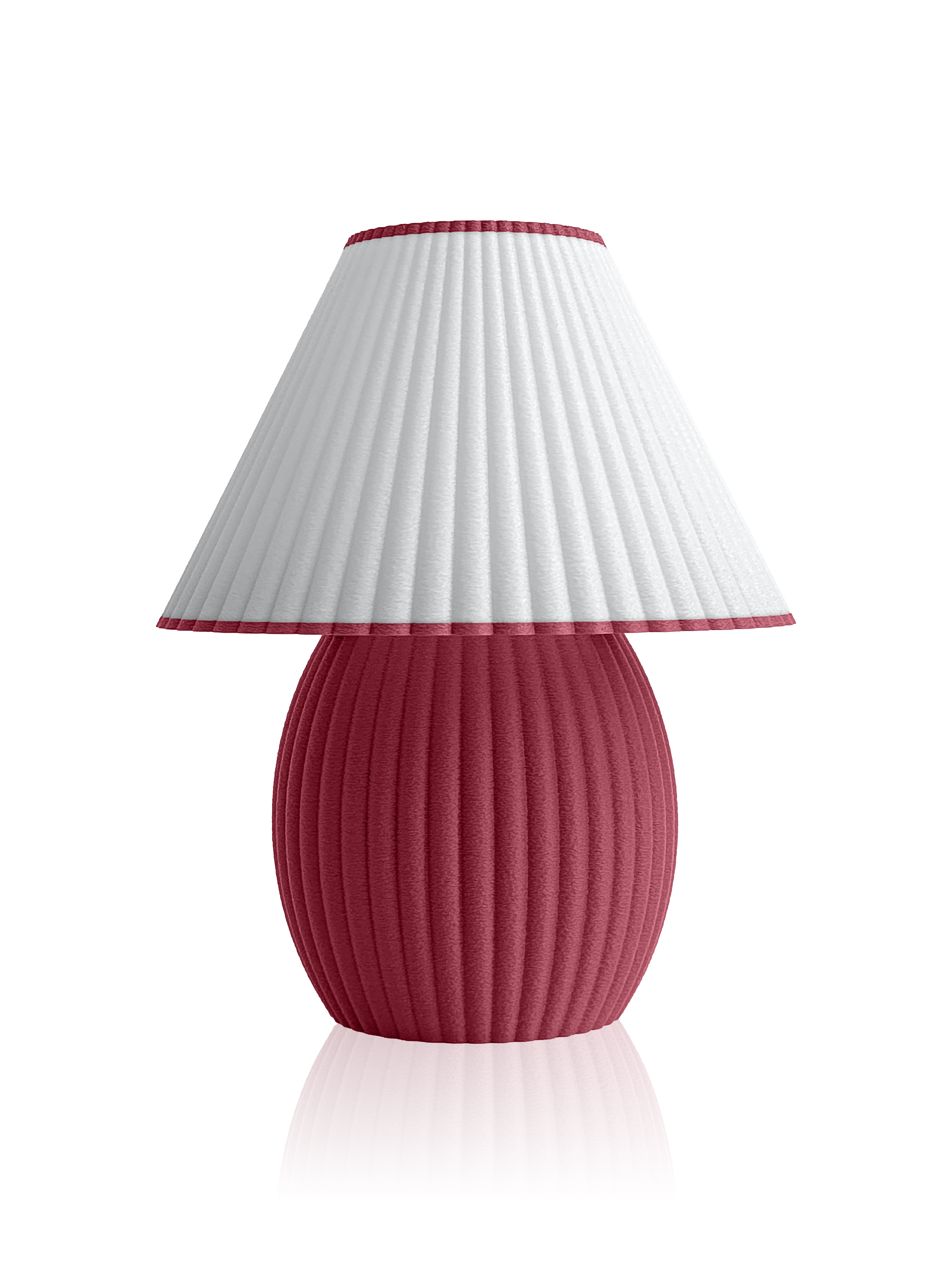
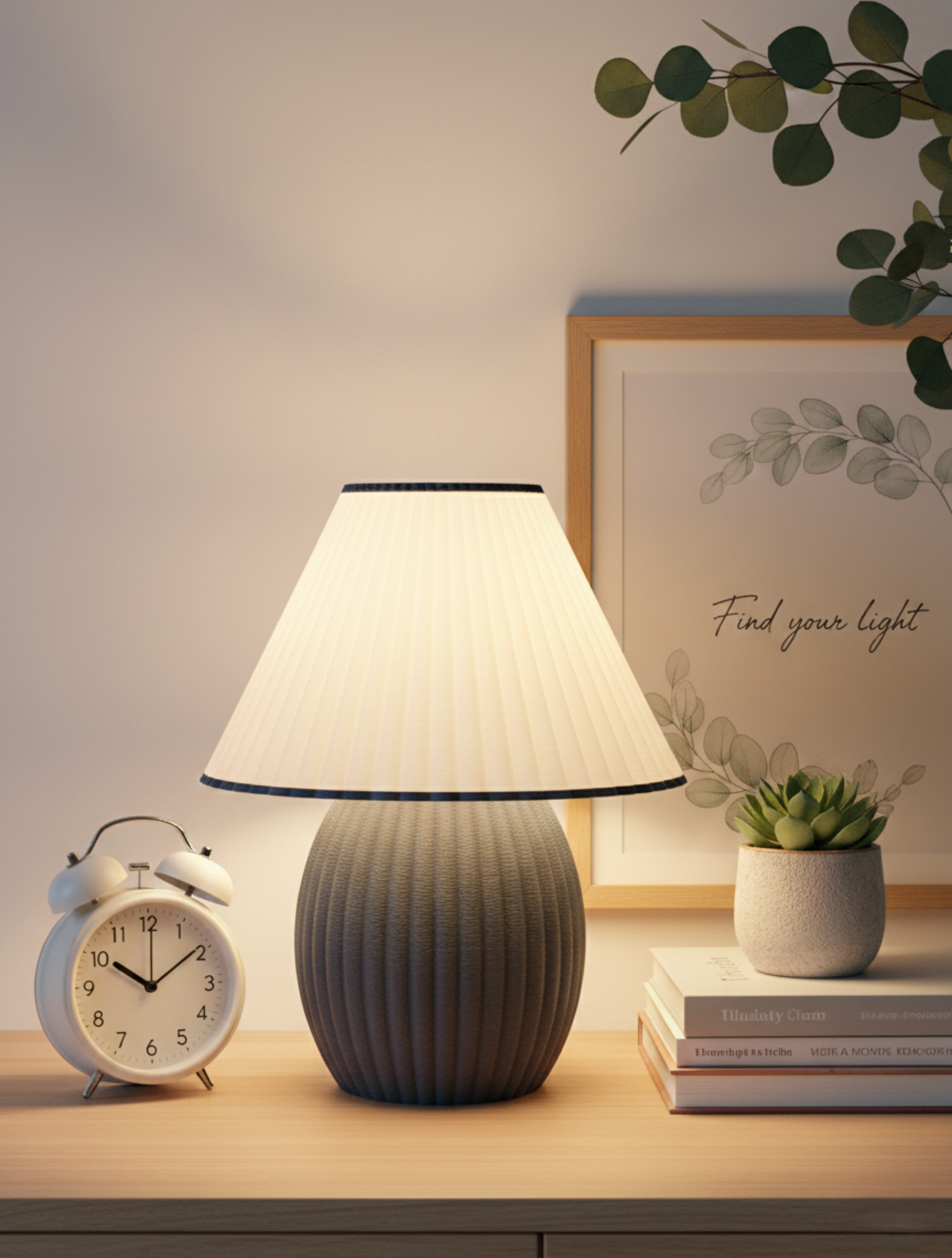
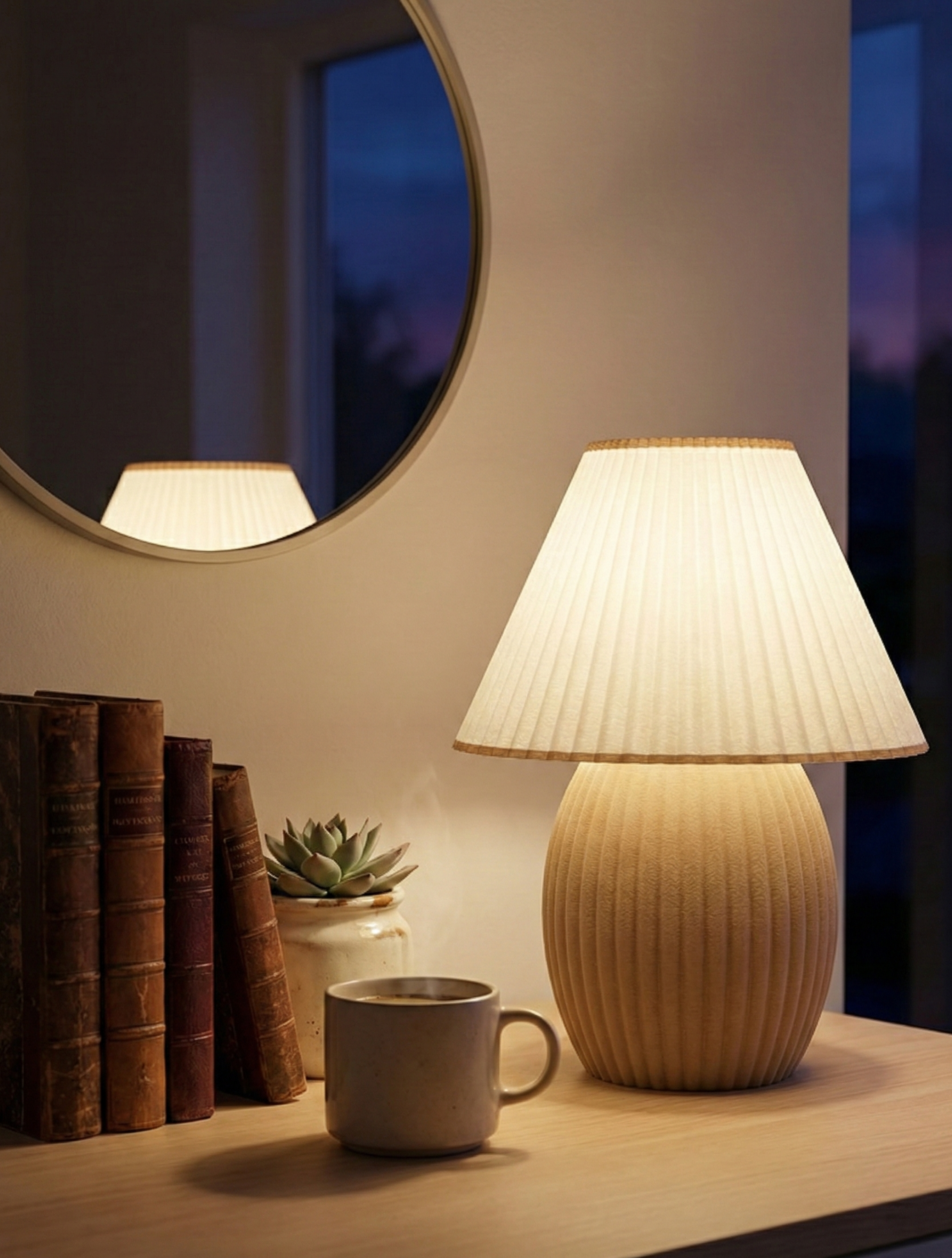
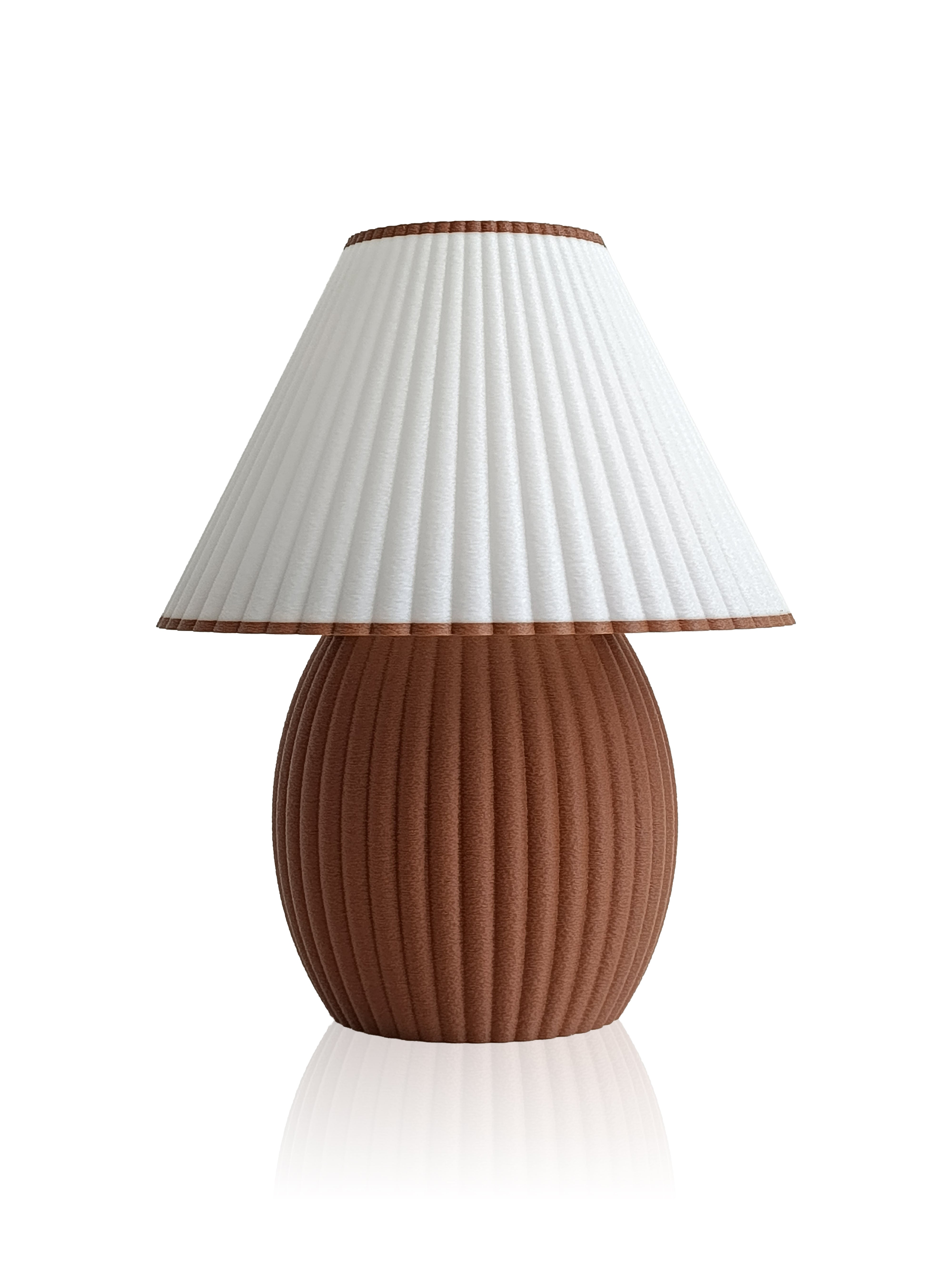
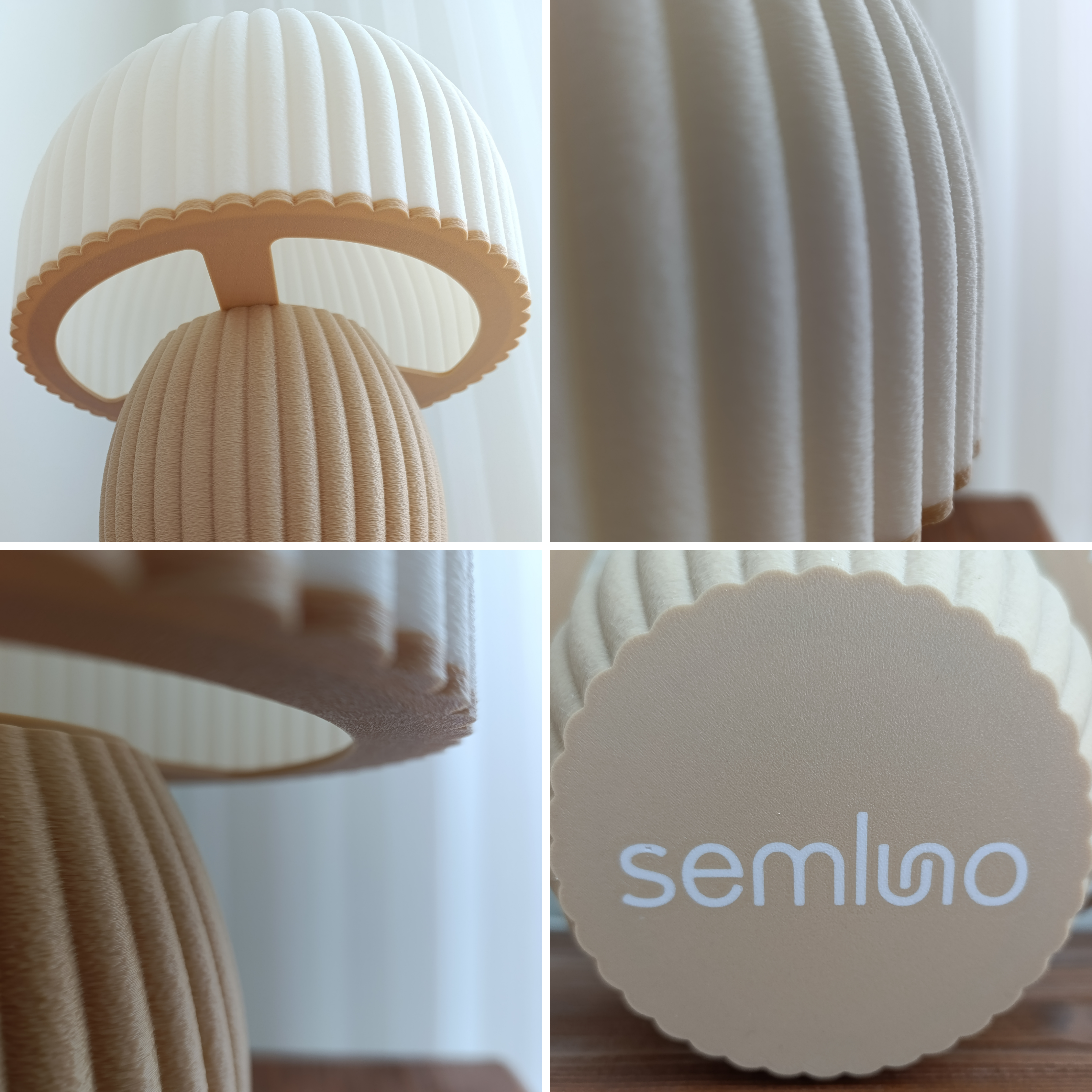
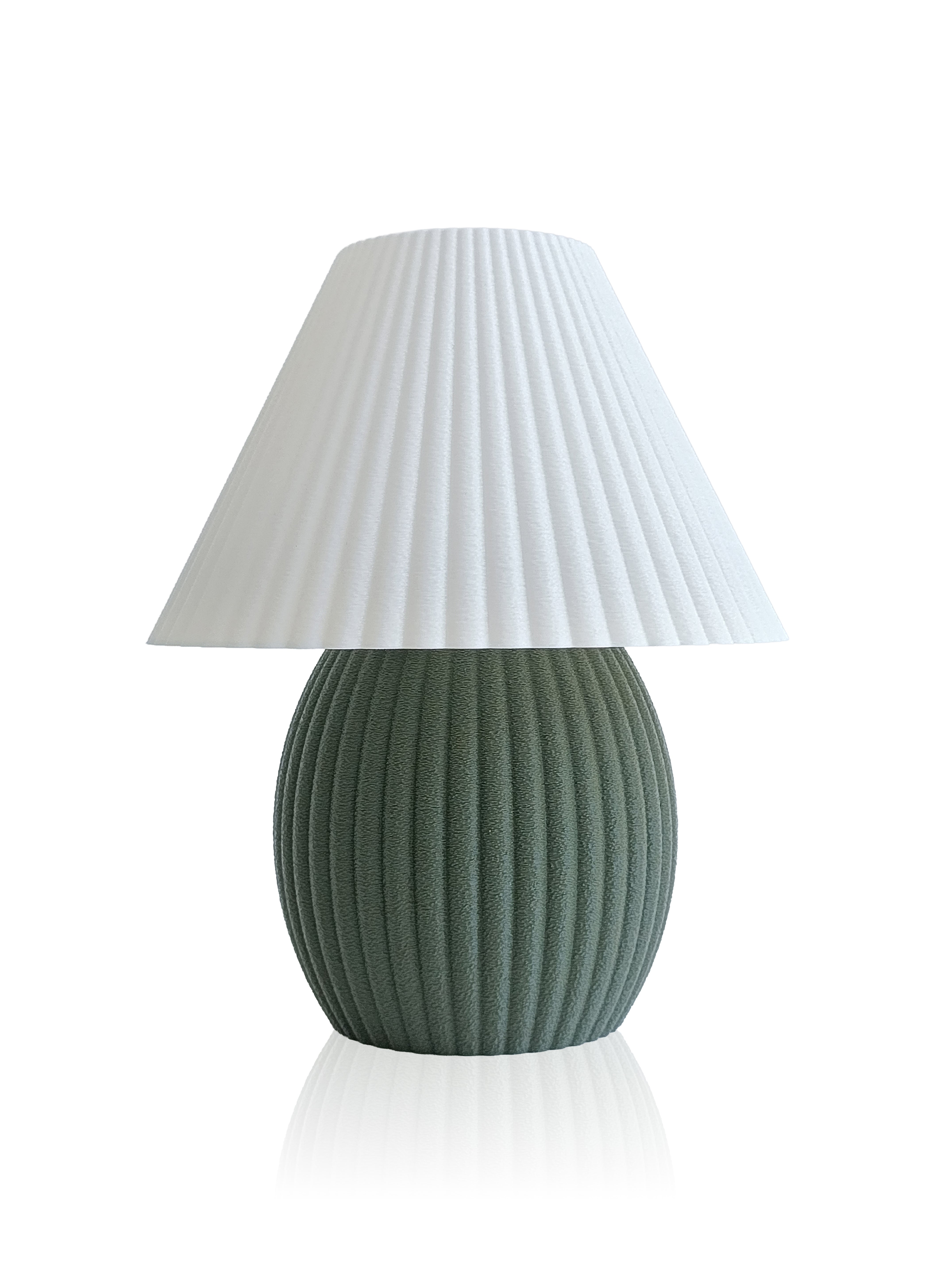
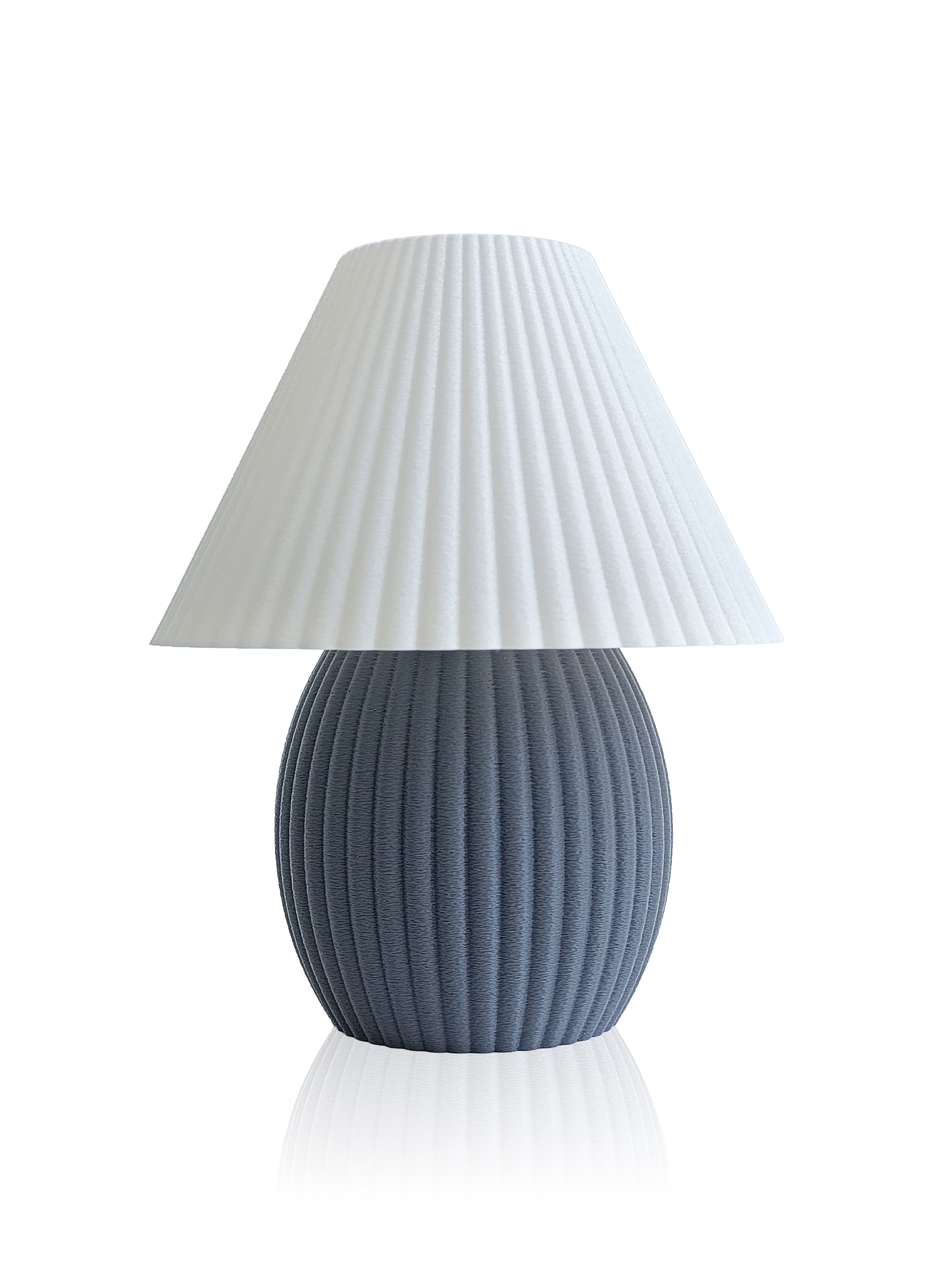
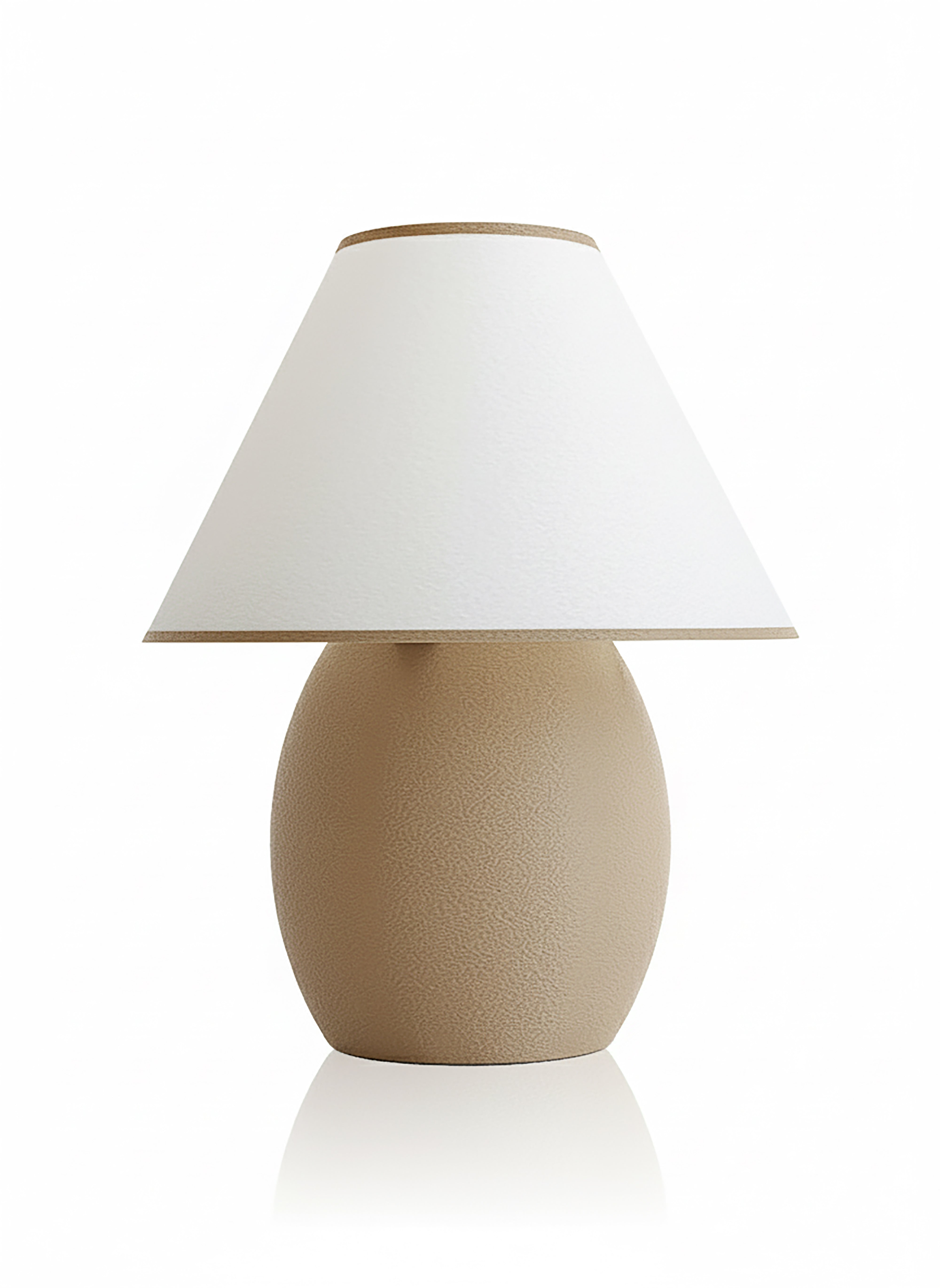
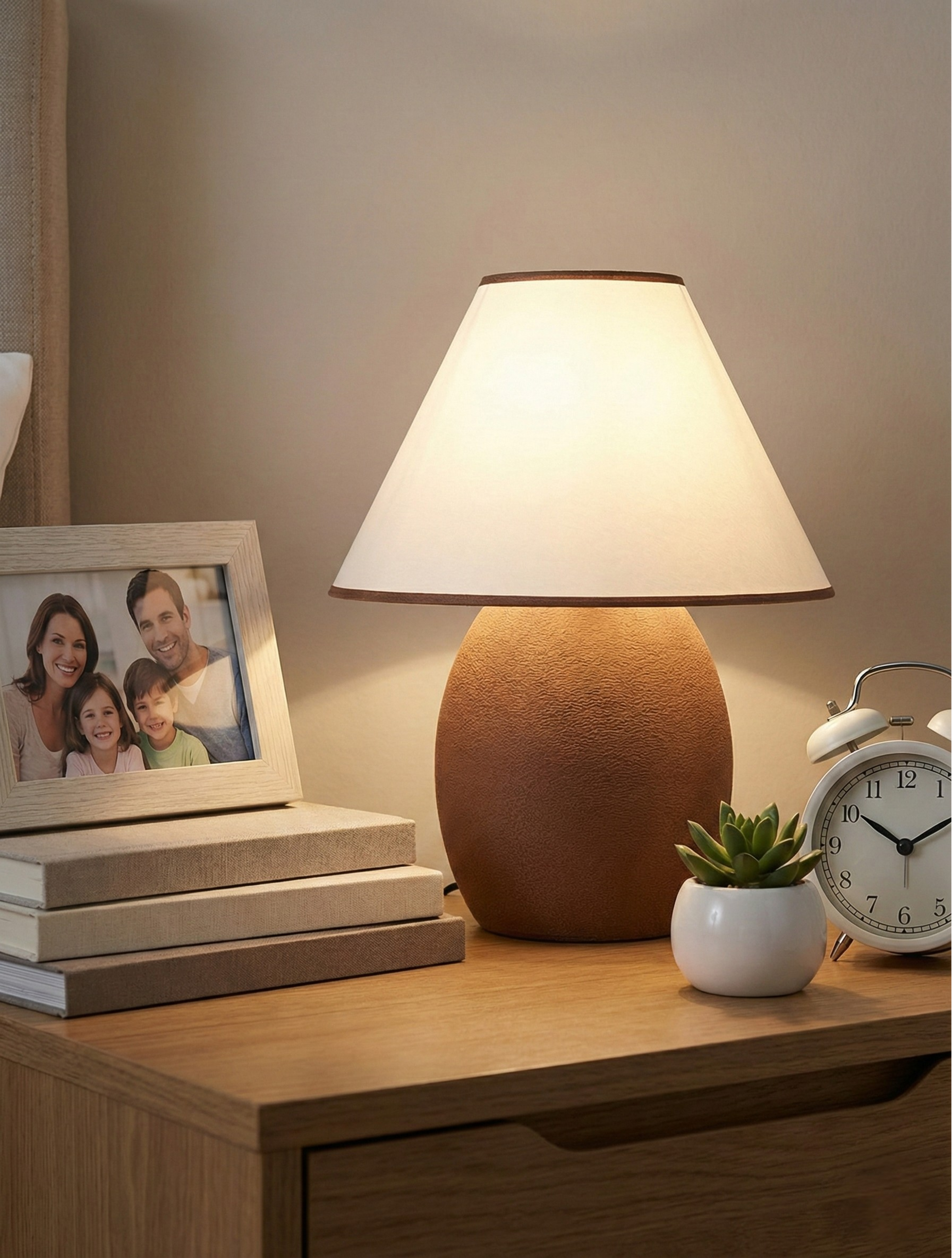
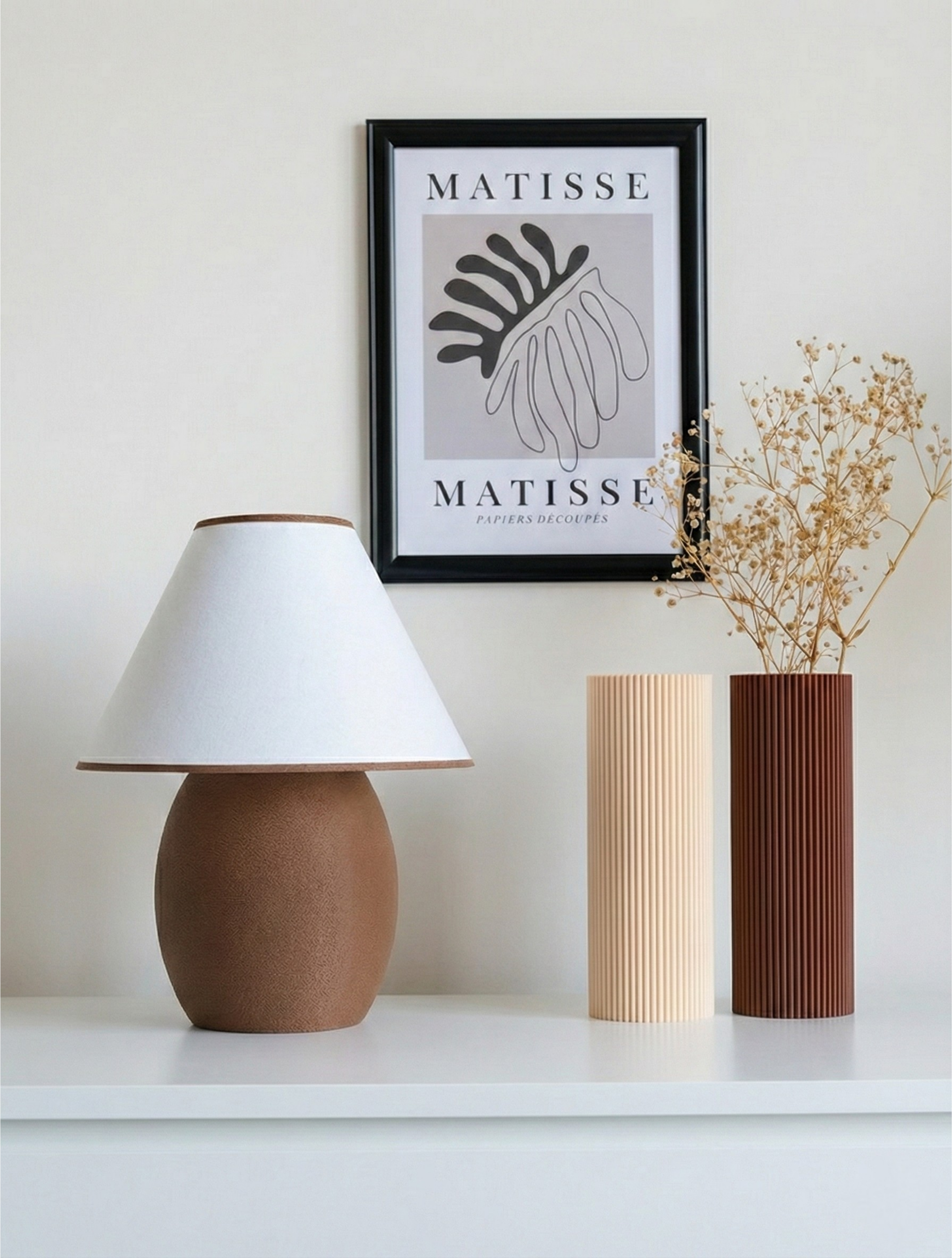
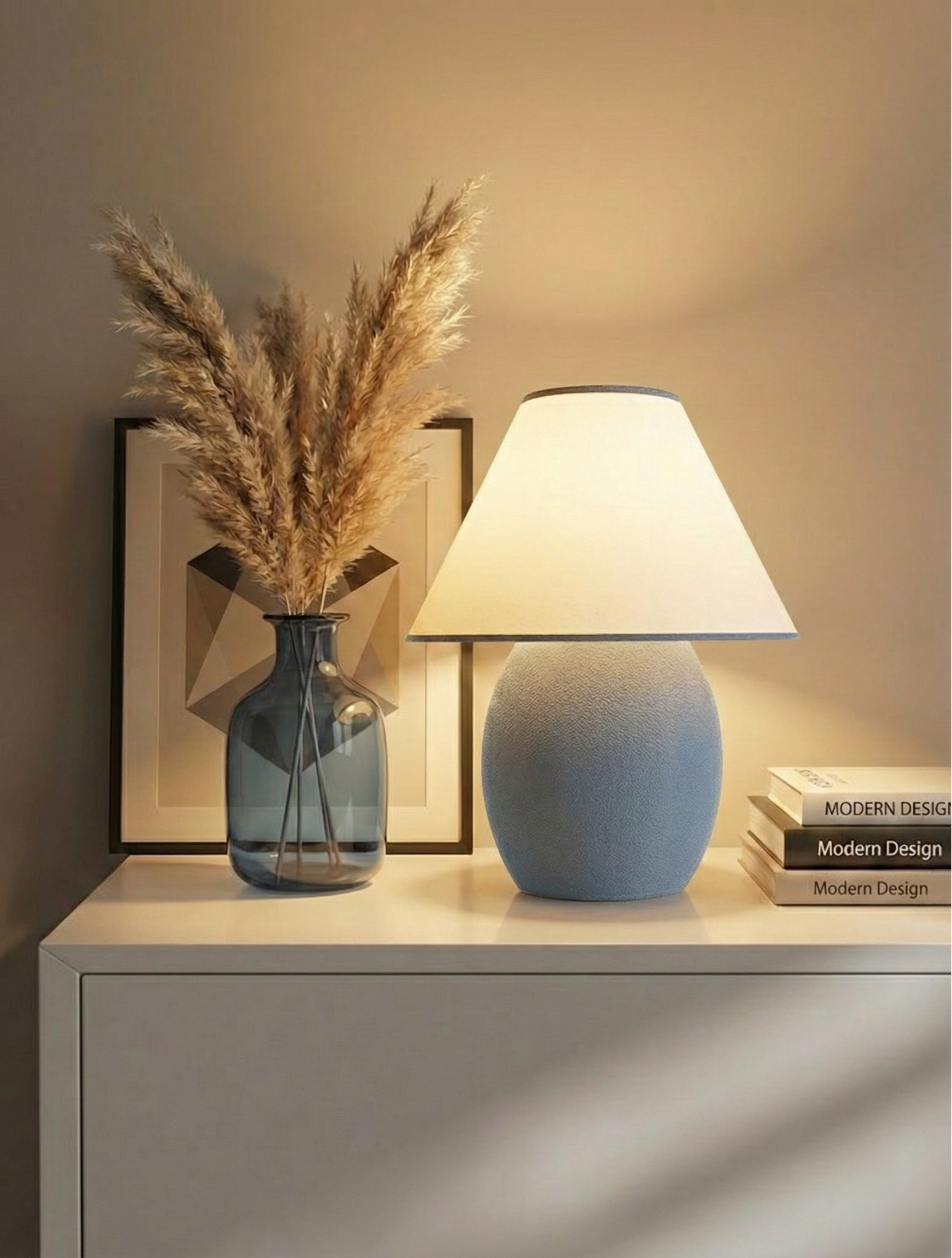
Consider fixtures with warm-toned finishes and fabric shades that diffuse light evenly. The LEXOR US is thoughtfully designed with reading in mind—its adjustable arm lets you position light for optimal page illumination, and its warm finish complements any reading nook aesthetic. Quality matters here; a well-made fixture with proper diffusion prevents glare and creates consistent light that won't tire your eyes during long reading sessions.
- Floor lamps: Great for corner spaces, adjustable arms position light where needed
- Wall sconces: Space-saving, elegant, can be installed at the perfect height beside your seat
- Table lamps: Flexible placement, work well on small side tables, easy to reposition
- Adjustability: Look for fixtures with articulating arms or swivel bases to fine-tune light direction
Circadian Rhythm and Evening Reading Habits
If you read before bed, lighting becomes even more important. Blue-rich light signals your brain to stay alert and can interfere with melatonin production, making it harder to fall asleep. This is why warm light—below 3000K—matters for evening reading routines. Your home's lighting shapes your circadian rhythm, so intentional choices here support better sleep and overall wellbeing.
Consider using dimmable fixtures in your reading corner so you can gradually reduce brightness as evening approaches. This gentle transition prepares your body for sleep while still providing comfortable reading light. If you use your reading space throughout the day and evening, invest in adjustable color temperature fixtures or separate warm and bright options you can switch between.
Frequently Asked Questions
What's the best color temperature for reading light?
The ideal color temperature for reading is between 2700K and 4000K. Warmer light (2700K–3000K) is best for evening reading as it won't interfere with your sleep cycle, while cooler light (3500K–4000K) works well for daytime reading and reduces eye strain during longer sessions.
How many lux do I need for comfortable reading?
Reading comfortably requires 300–500 lux of illumination on your book or page. This level prevents eye fatigue and provides enough contrast for clear text visibility without creating harsh shadows or glare.
Should reading light be direct or indirect?
A combination of both works best. Direct task lighting on your reading material prevents eye strain, while indirect ambient lighting in the room reduces contrast and shadows. This layered approach creates a balanced, comfortable reading environment.
The reading corner you create becomes a sanctuary in your home—a place where you slow down, focus, and lose yourself in stories. Thoughtful lighting design is how you honor that space and protect the experience itself. Whether you prefer morning sunlight with gentle warm lamps or cozy evening reading by soft lamplight, the principles here will help you build the perfect environment for your reading life.





Share:
Seasonal Lighting: Light Therapy Against Winter Depression
Bedroom Lighting: Creating a Romantic and Relaxing Atmosphere