

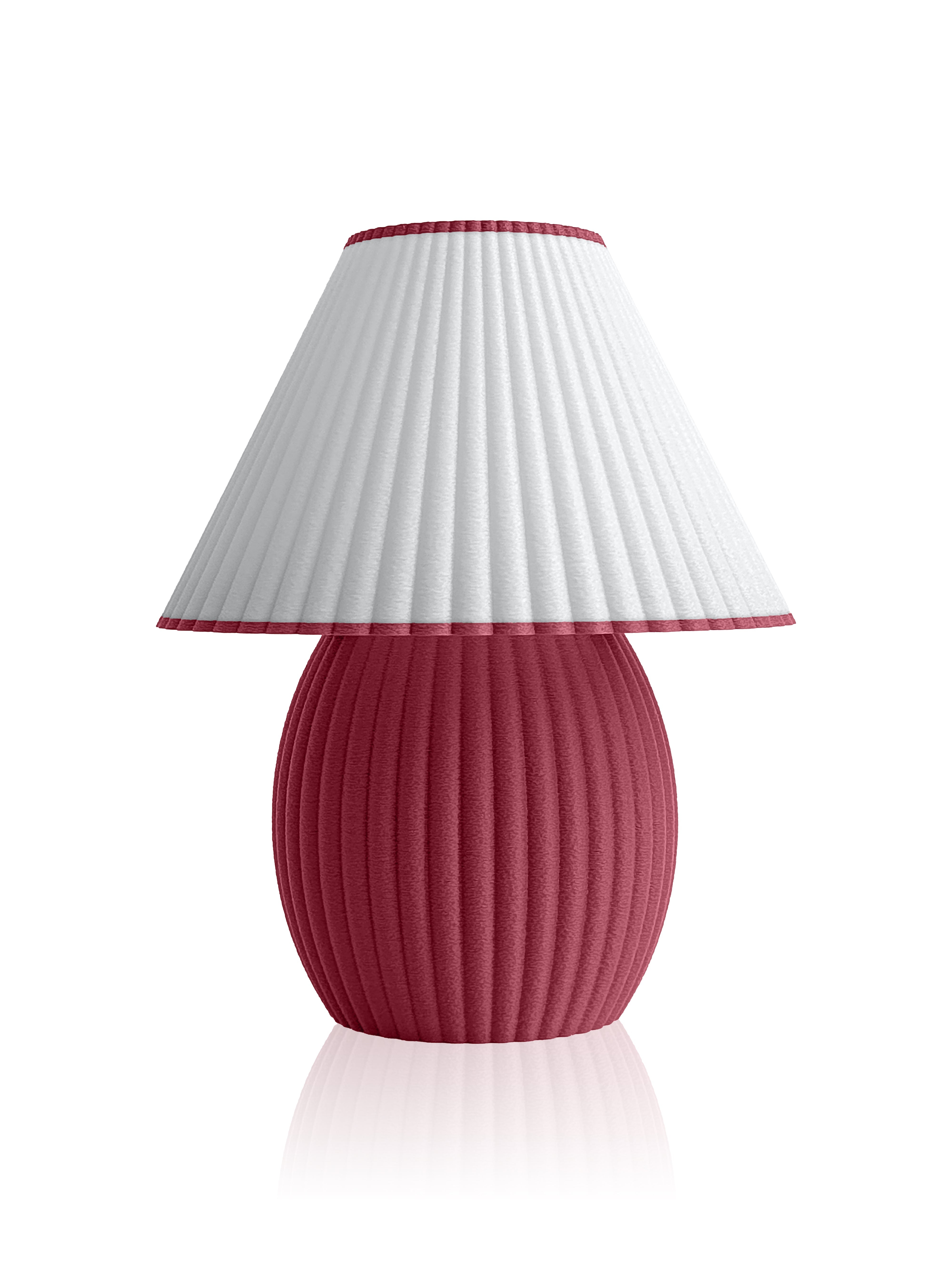
Psychology of Dim Light: Why Our Brains Need Darkness

We live in an increasingly bright world. Our screens glow late into the night, streetlights flood our bedrooms, and our homes stay illuminated well past sunset. Yet the psychology of dim light tells a different story—one our ancestors knew instinctively. Our brains are wired to crave darkness. Understanding why darkness matters isn't just about comfort; it's about how we think, sleep, and feel. This is where the science of low light becomes essential to mindful living and your home's wellness.
How Dim Light Affects Your Circadian Rhythm
Your circadian rhythm is your body's internal 24-hour clock, and it runs on light cues more than anything else. When your eyes detect dim light or darkness in the evening, your brain signals the release of melatonin—the hormone that prepares you for sleep. Bright light does the opposite, suppressing melatonin and keeping you alert. This system evolved over millions of years when humans lived by the sun's natural cycle.
Modern life has disrupted this ancient rhythm. Exposure to bright light (especially blue light from screens) in the evening confuses your brain into thinking it's still daytime. This suppresses melatonin production and delays sleep onset by hours. Research from the National Institutes of Health shows that even moderate exposure to bright light at night can shift your circadian rhythm, affecting not just sleep but metabolism, mood, and cognitive function. The solution? Dimming your lights as evening approaches signals to your brain that rest is coming.
- Dim light (below 300 lux) triggers melatonin production
- Bright light (above 1000 lux) suppresses melatonin for 1-2 hours
- Consistency matters: dim light at the same time each night strengthens your rhythm
The Emotional Intelligence of Low Light
Beyond biology, dim light carries emotional weight. Psychologically, low light environments feel safer, more intimate, and more reflective. This is why candlelit dinners feel romantic, why libraries with soft lighting feel contemplative, and why your bedroom needs darkness for rest. Light intensity directly influences our emotional state—brighter spaces tend to energize and activate, while dimmer spaces invite calm and introspection.
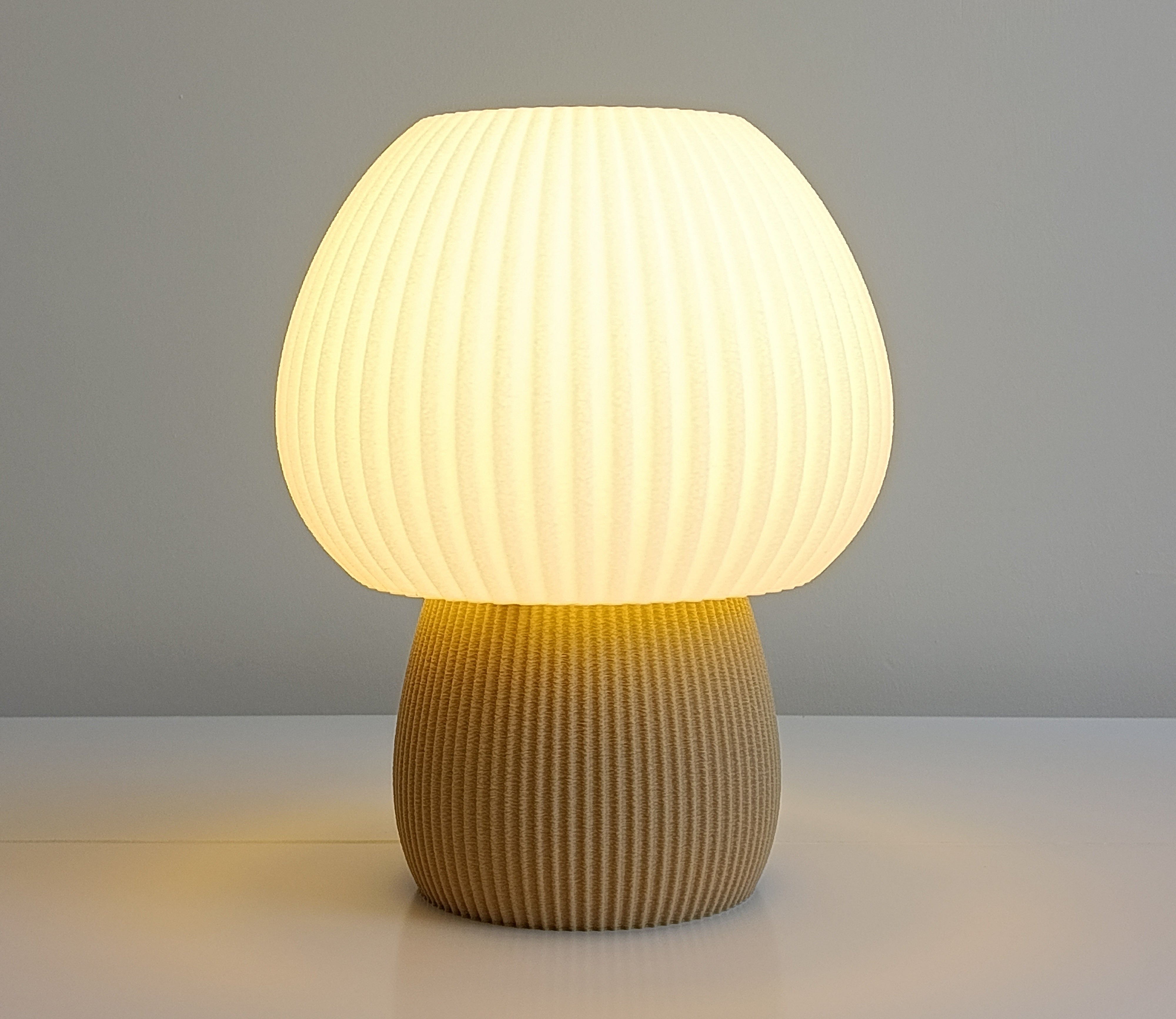
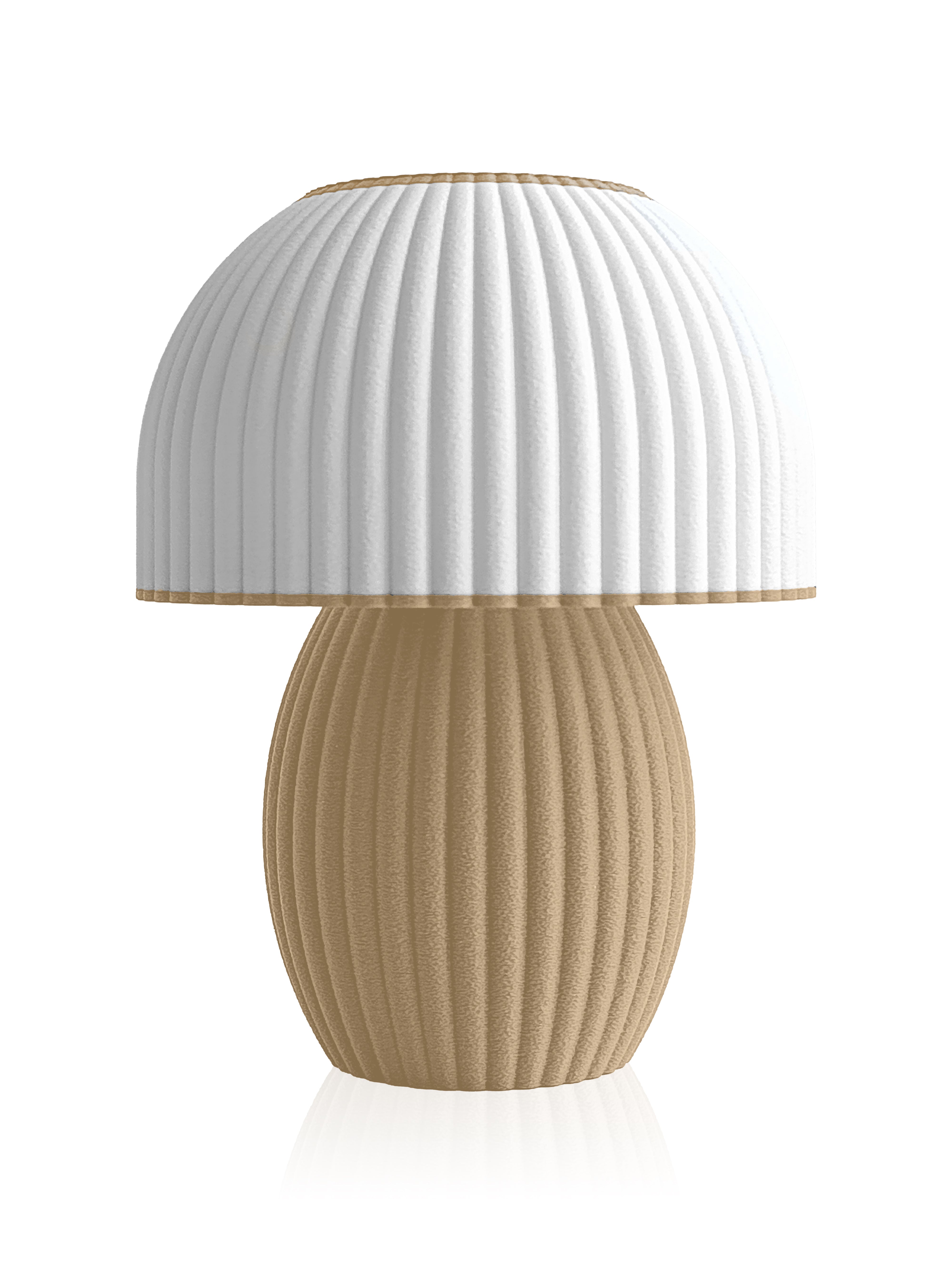
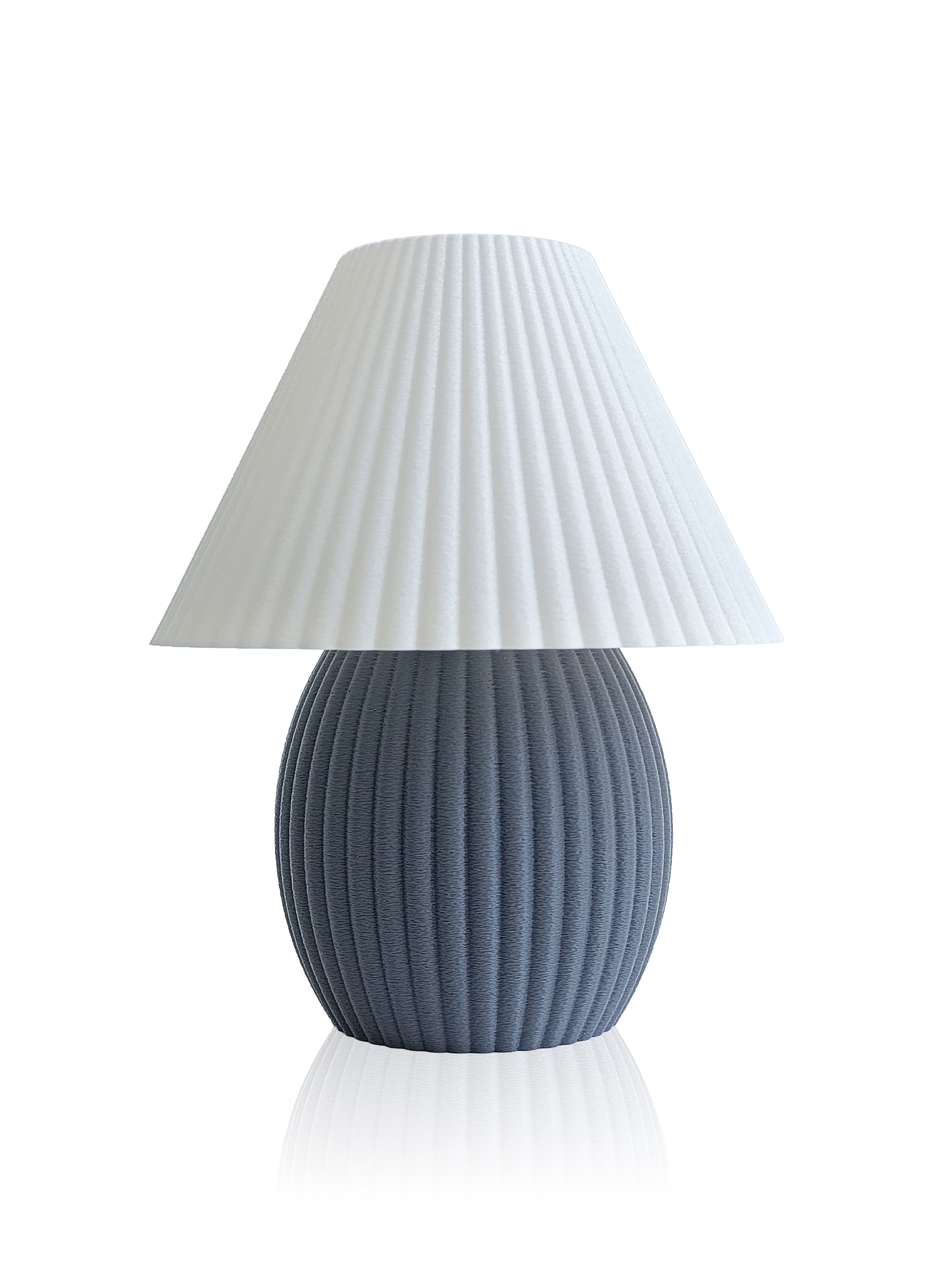
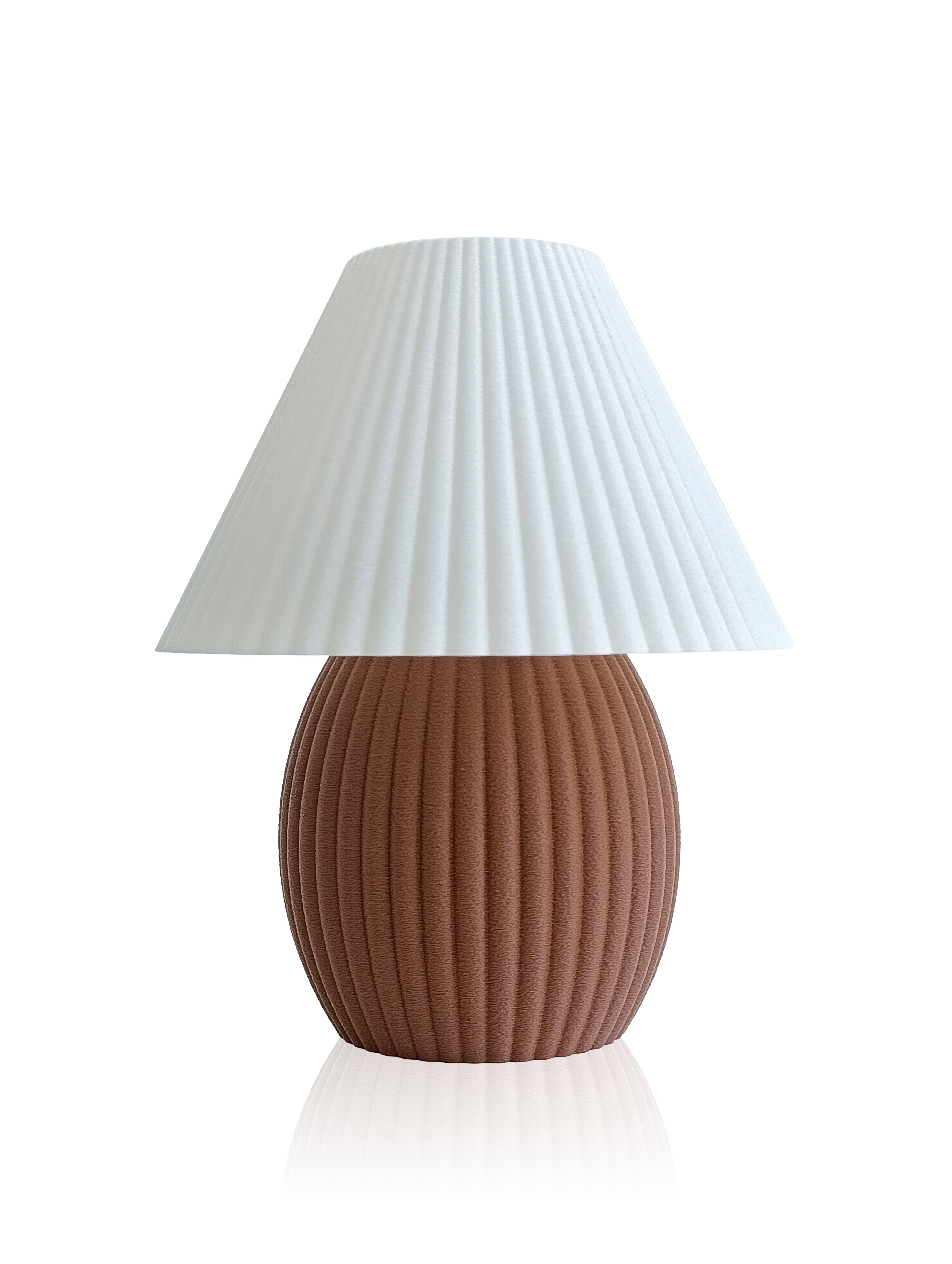
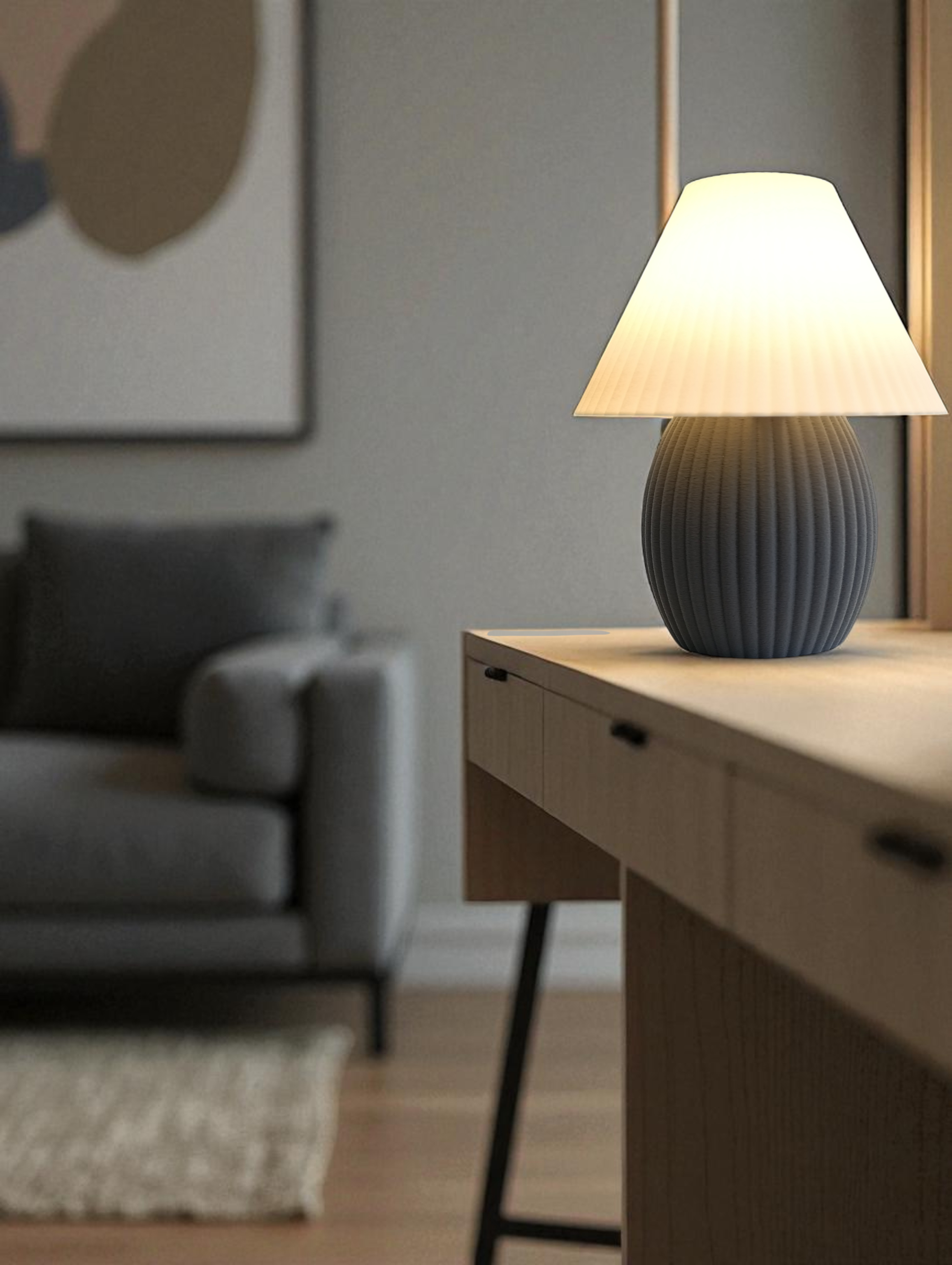
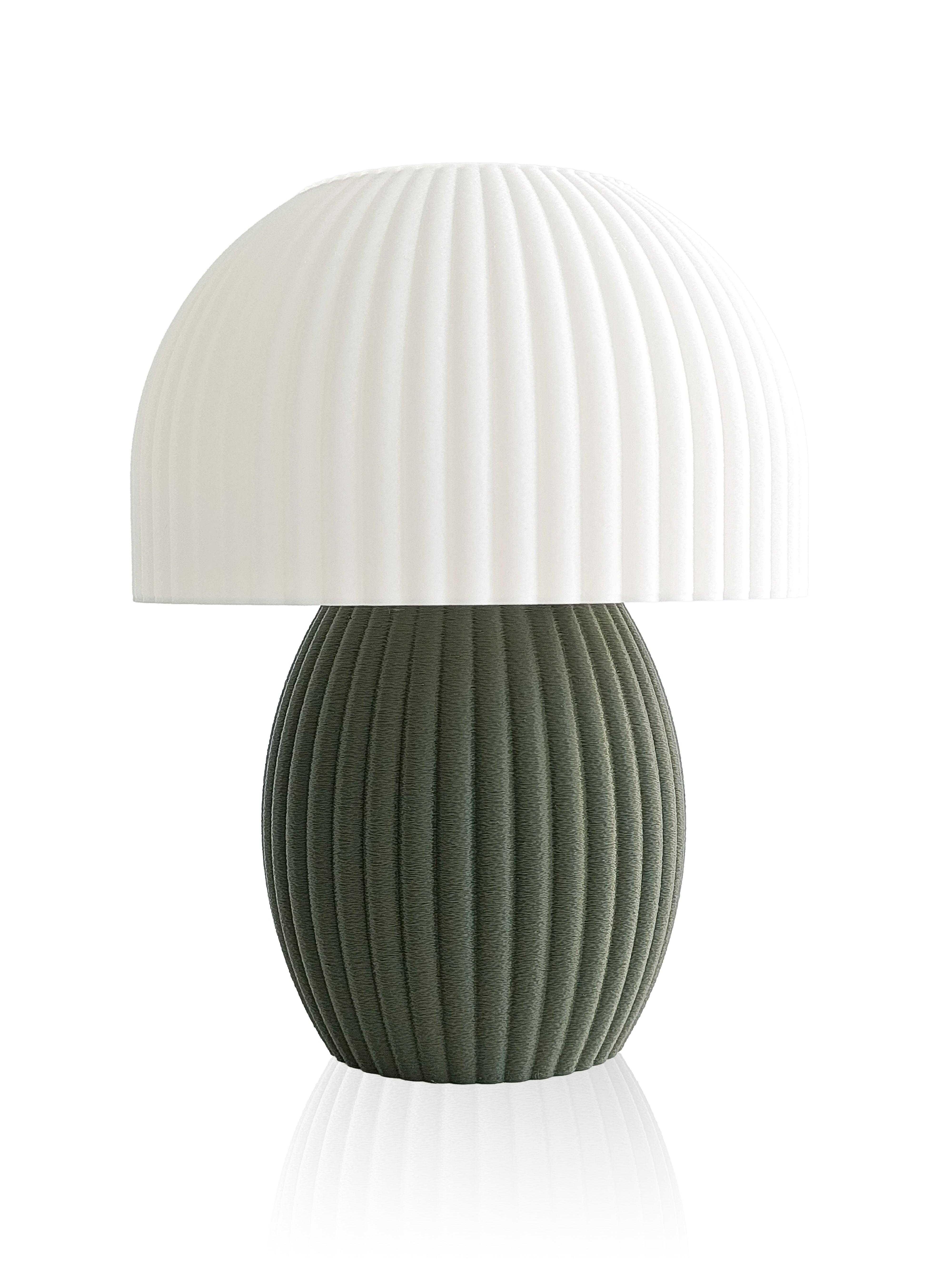
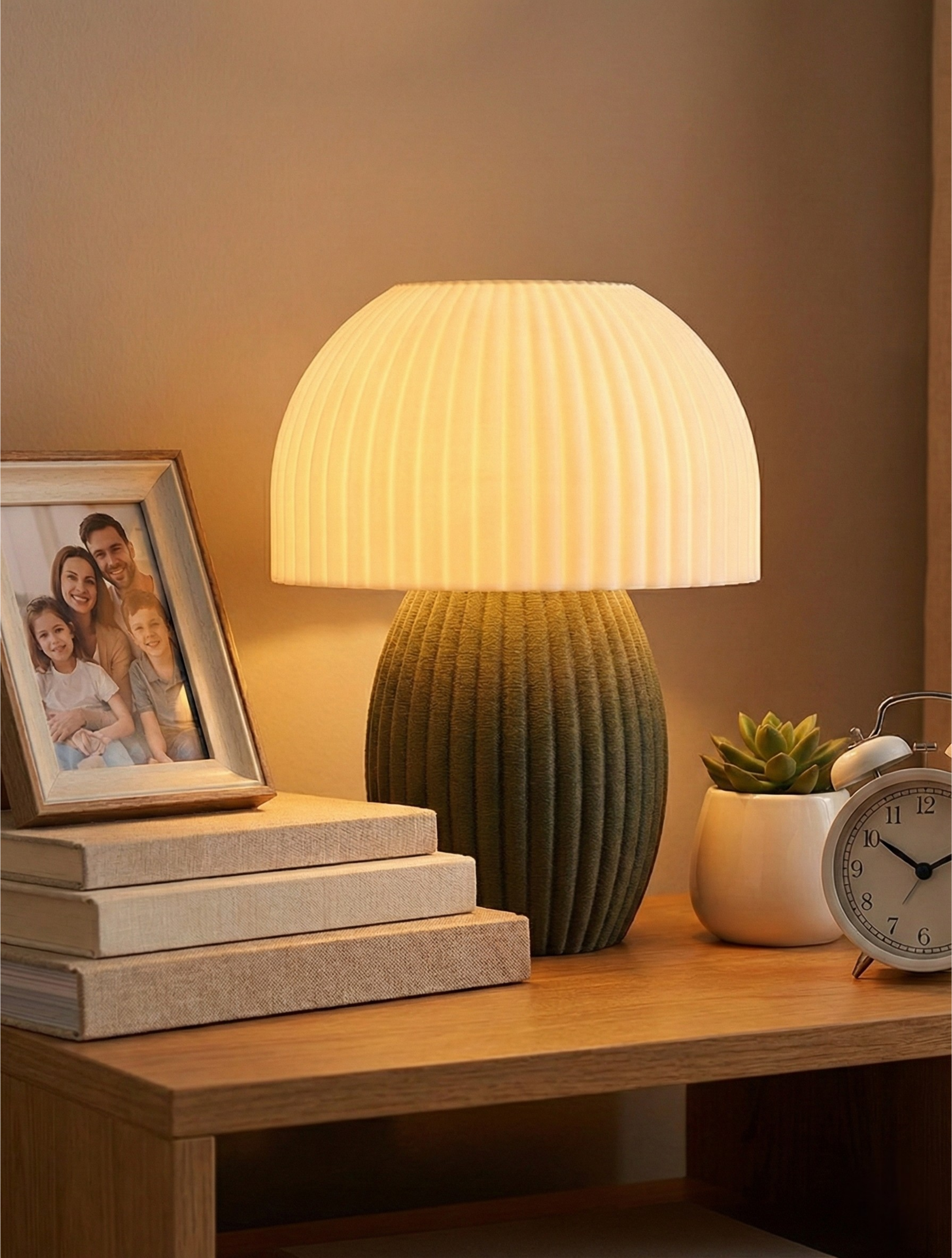
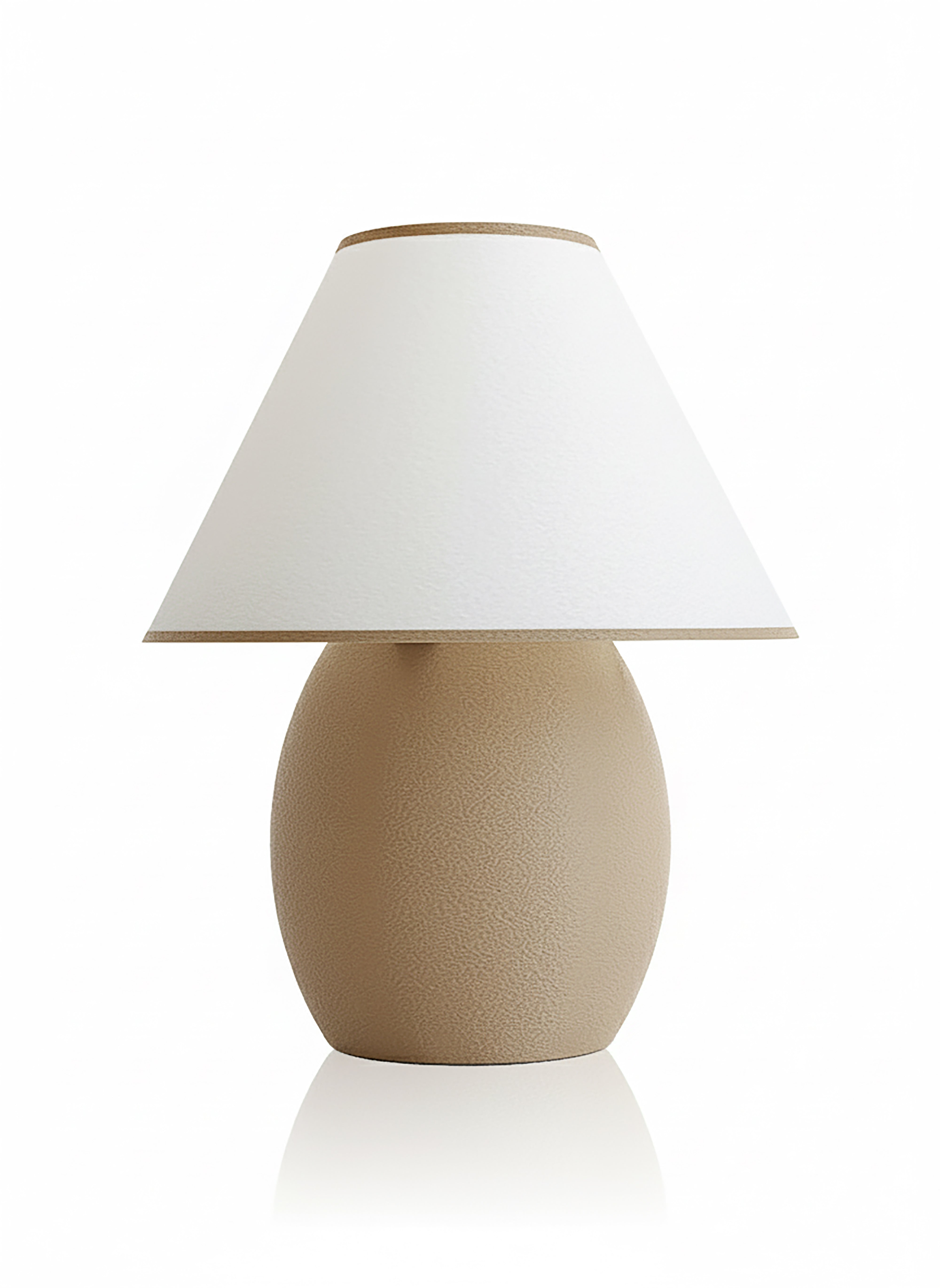
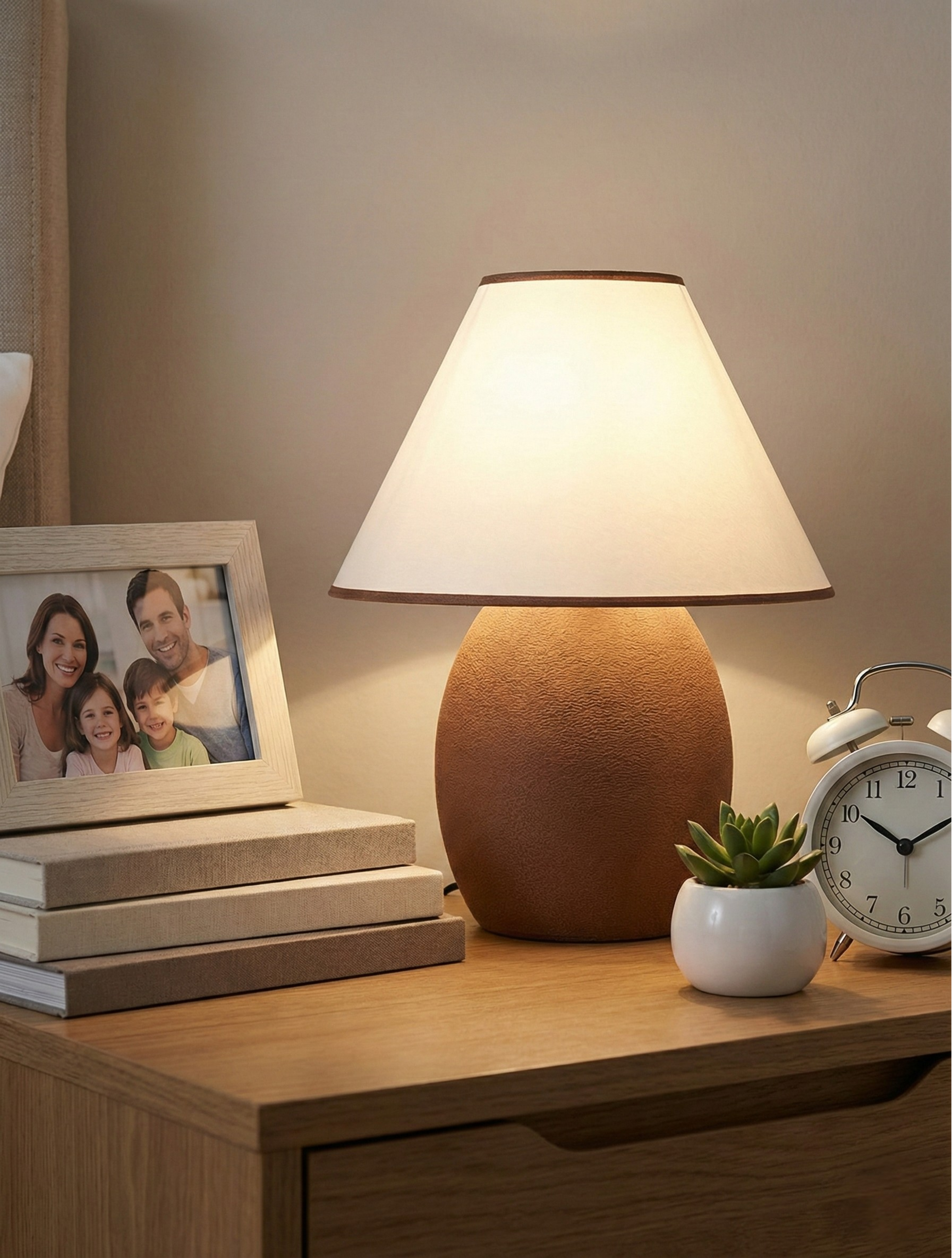
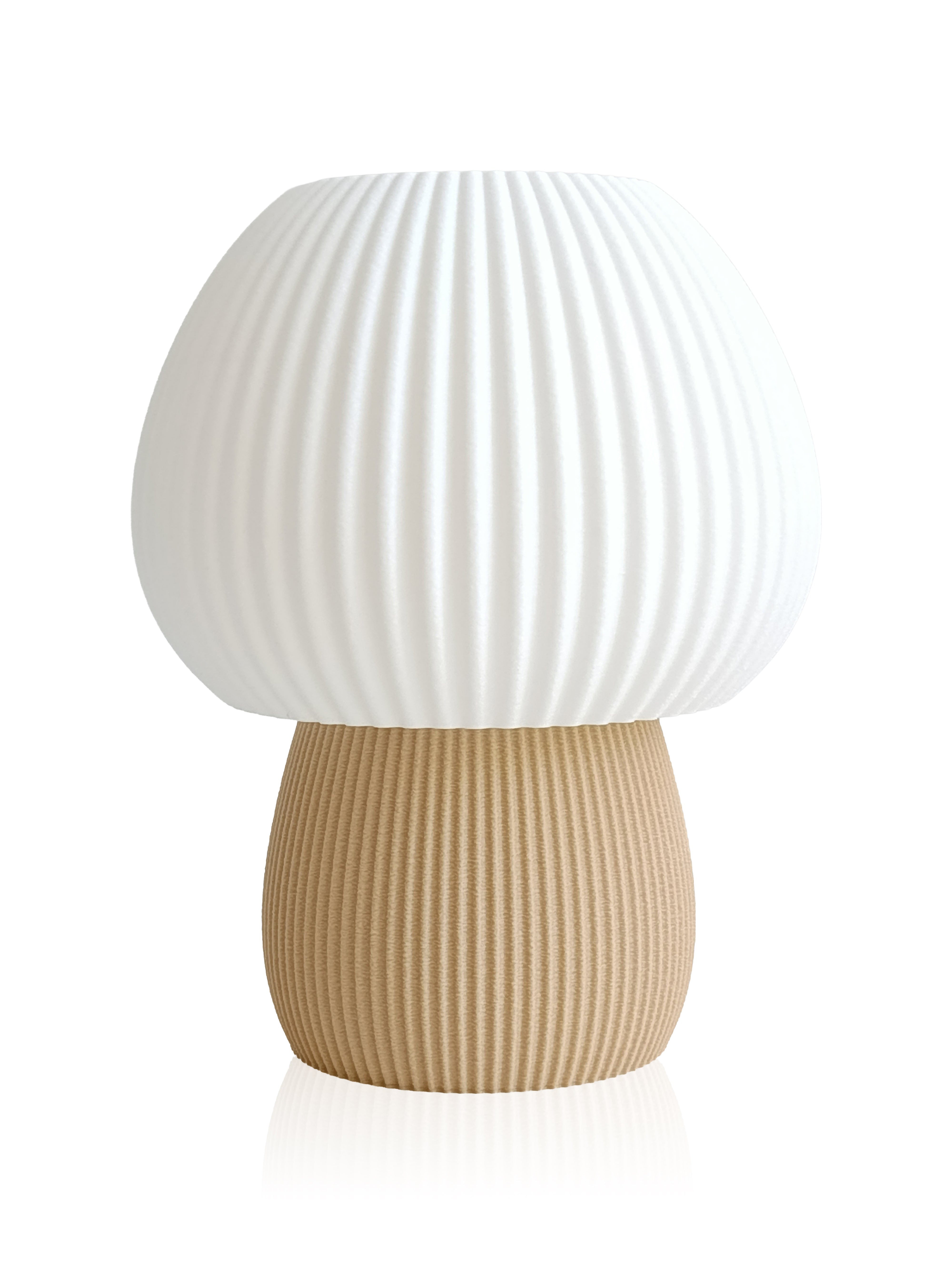
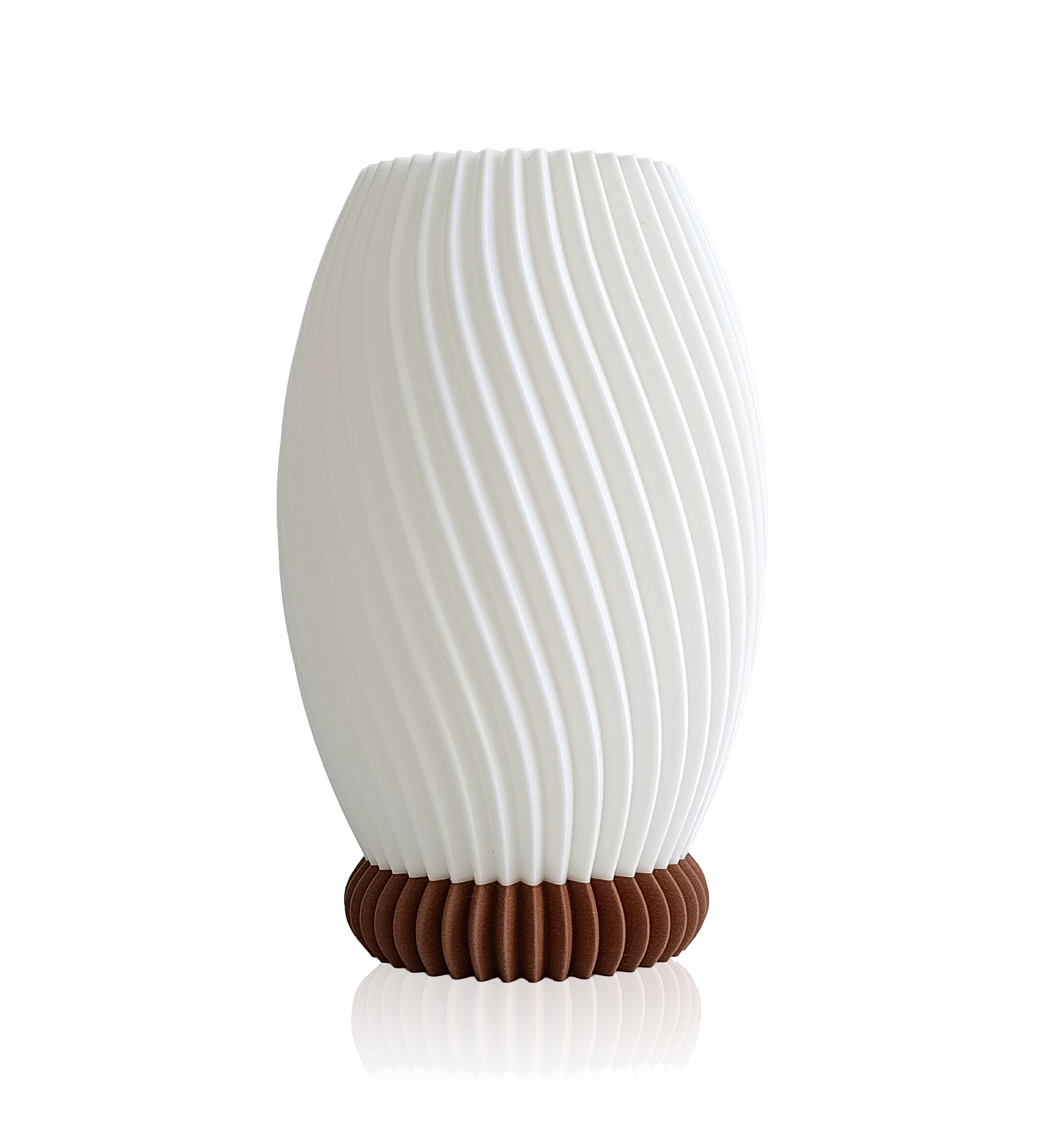
Neuroscience research suggests that dim lighting reduces sensory stimulation, allowing your nervous system to shift from "fight or flight" (sympathetic) to "rest and digest" (parasympathetic). When you're bathed in harsh fluorescent light all day, your body stays in a low-level state of alert. Dimming the lights literally gives your mind permission to relax. This is why so many of us instinctively reach for a dimmer switch when we want to decompress. The Friloon Line was designed with this understanding—lighting that adapts to your emotional needs throughout the day.
- Dim light reduces cortisol (stress hormone) levels
- Low light environments activate the parasympathetic nervous system
- Warmer color temperatures (2700K or lower) feel more emotionally grounding than cool light
Why Your Home Needs Darkness in the Evening
Your home should reflect your daily rhythm. Morning and afternoon call for brighter, more energizing light—think 4000K-5000K (neutral to cool white). But as evening approaches, your home should gradually transition toward dim, warm light. This isn't just aesthetically pleasing; it's neurologically necessary. When you maintain bright lighting throughout the evening, you're essentially fighting against your own biology.
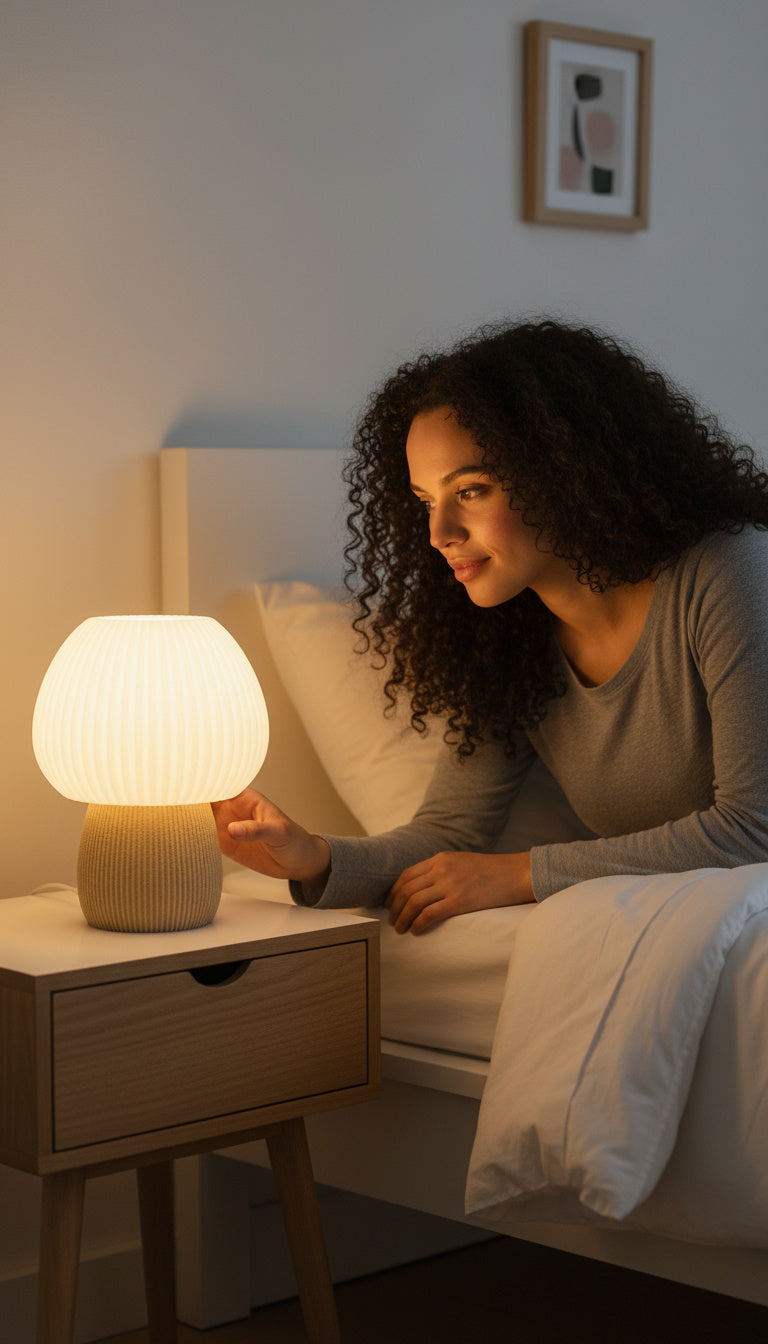
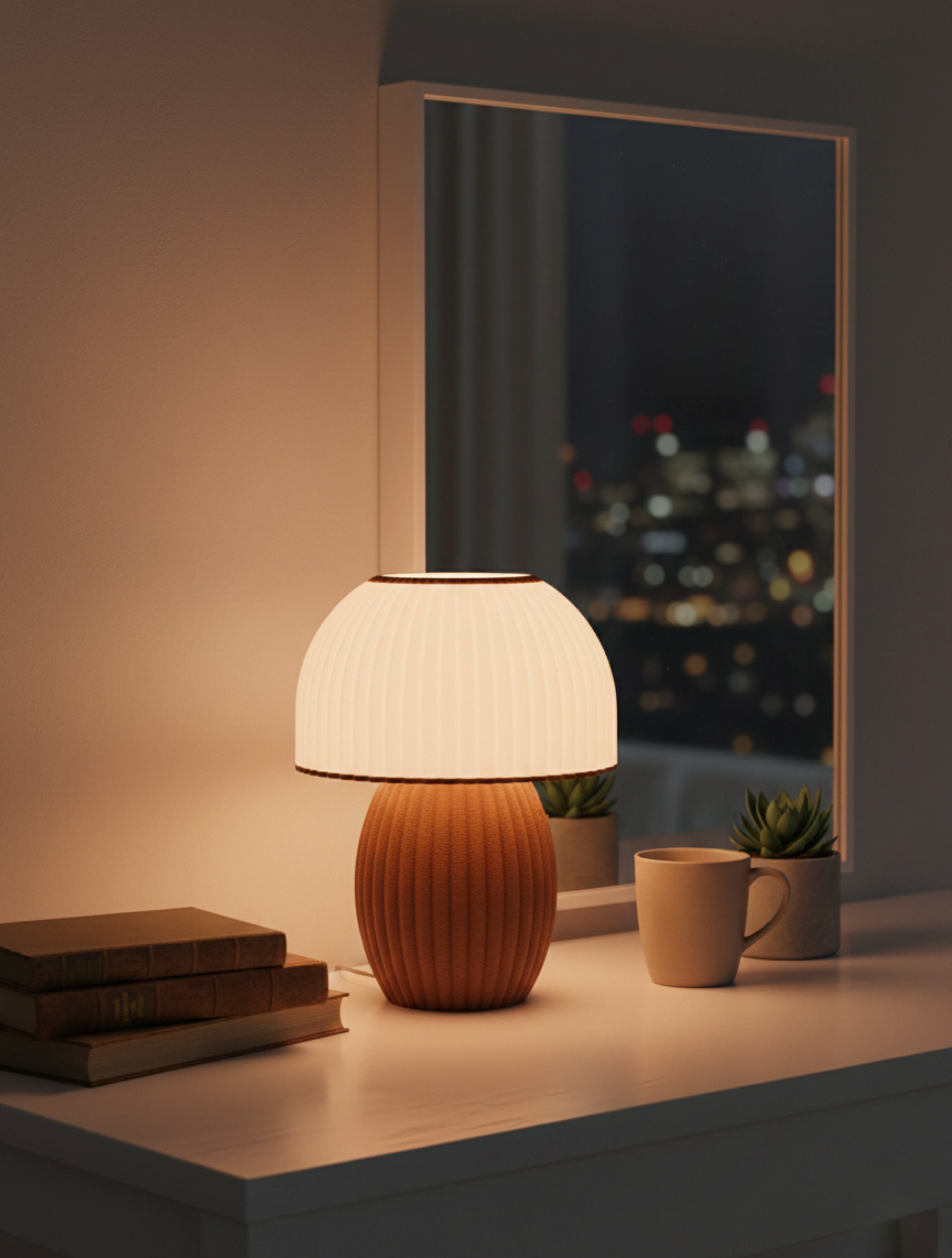
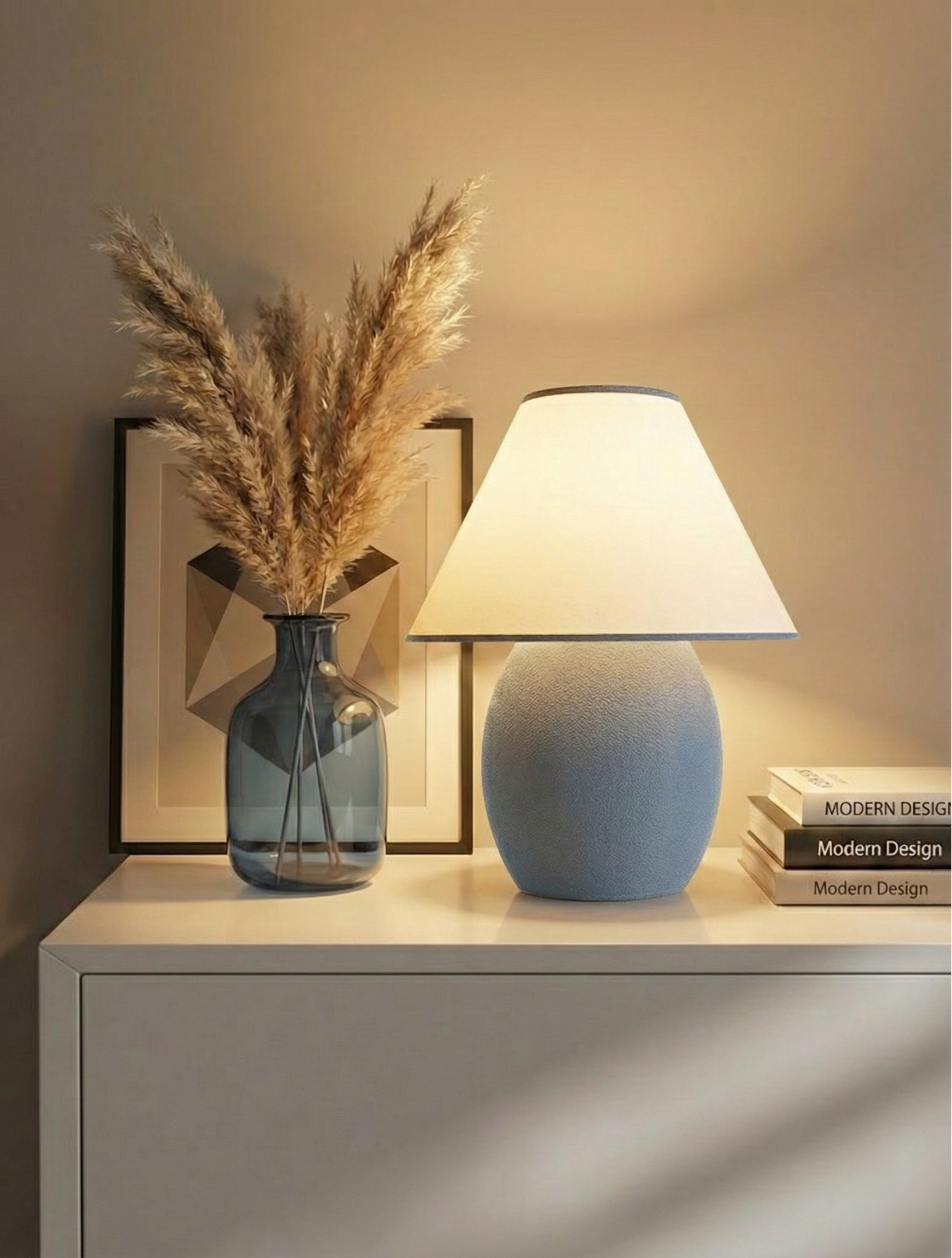
Designers and wellness experts now recognize that "layered lighting" is essential. This means having multiple light sources at different intensities so you can adjust based on time of day and mood. A room with only overhead bright lights leaves you stuck. But a room with dimmers, accent lighting, and warm fixtures like the Friloon allows you to create the environment your brain actually needs. When you dim the lights two hours before bed, you're not just setting a mood—you're preparing your entire neurochemistry for rest.
- Gradually dim lights 2-3 hours before bedtime
- Aim for warm color temperatures (2700K or below) in evening spaces
- Use layered lighting so you're never locked into one brightness level
- Remove bright overhead lights from bedrooms entirely
The Neuroscience of Relaxation Through Light
When researchers study how environments affect brain activity, they consistently find that dim, warm lighting increases alpha brain waves—the frequency associated with relaxation and creativity. Conversely, bright fluorescent light increases beta waves, which correspond to alertness and analytical thinking. Your home lighting literally shapes your brainwave patterns.
This is why people often report feeling calmer, more creative, and more connected in spaces with warm, dim lighting. It's not just preference; it's neuroscience. Your brain is literally in a different state. Understanding this shifts how you think about your home. It's not a luxury to have good lighting—it's a necessity for mental health and emotional wellbeing.
Frequently Asked Questions
Does dim light really improve sleep quality?
Yes. Dim light in the evening increases melatonin production, which reduces sleep latency (time to fall asleep) and improves sleep quality. Maintaining darkness throughout the night prevents sleep disruption caused by light exposure.
What color temperature is best for evening lighting?
Warm white light (2700K or lower) is ideal for evenings. Warmer light wavelengths have less impact on melatonin suppression than cool or blue light, making them naturally more sleep-friendly.
Can I use dim light during the day?
Not ideally. During daylight hours, brighter, cooler light supports alertness and productivity. Reserve dim lighting for late afternoon and evening to align with your natural circadian rhythm.
Creating Your Home's Light Language
The psychology of dim light isn't complicated, but it is profound. Your brain evolved to respond to natural light cycles, and you can honor that design by thoughtfully controlling your home's lighting. This means dimmers, warm bulbs, and the intentionality to dim as day turns to evening. It means recognizing that your lighting choices ripple through your sleep, mood, focus, and overall sense of peace in your own space. Your home should support how you actually want to feel—and darkness is part of that conversation.




Share:
Dinner Lighting: How Light Enhances Food Flavor
Winter Lighting: Energy and Mood in Dark Days