


Lampshade Color and Light Tone: Choosing the Right Shade for Your Home

The color of your lampshade does more than complement your decor—it fundamentally changes how light behaves in your room. Understanding the relationship between lampshade color and light tone is essential for creating the atmosphere you want in your home. Whether you're drawn to warm, ambient lighting or crisp, energizing brightness, your shade choice matters far more than most people realize.
How Lampshade Color Affects Light Transmission
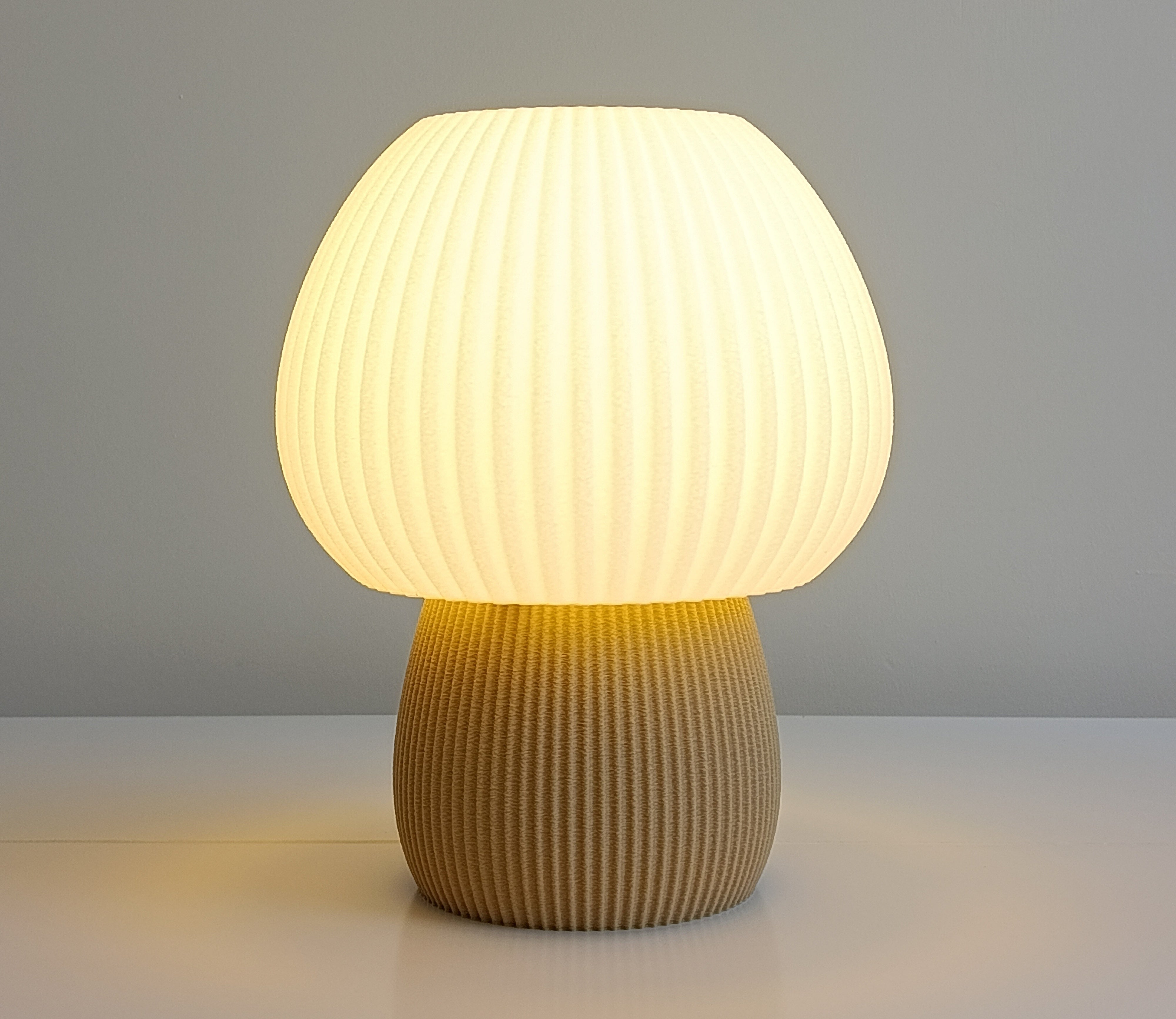
Light doesn't simply pass through a lampshade unchanged. The color and material of your shade act as a filter, absorbing some wavelengths while allowing others to pass through. A white or cream shade transmits the most light, letting roughly 80-90% of the bulb's output into your room. Darker shades—think charcoal, navy, or deep burgundy—absorb more light and create a more concentrated, intimate glow around the lamp itself.
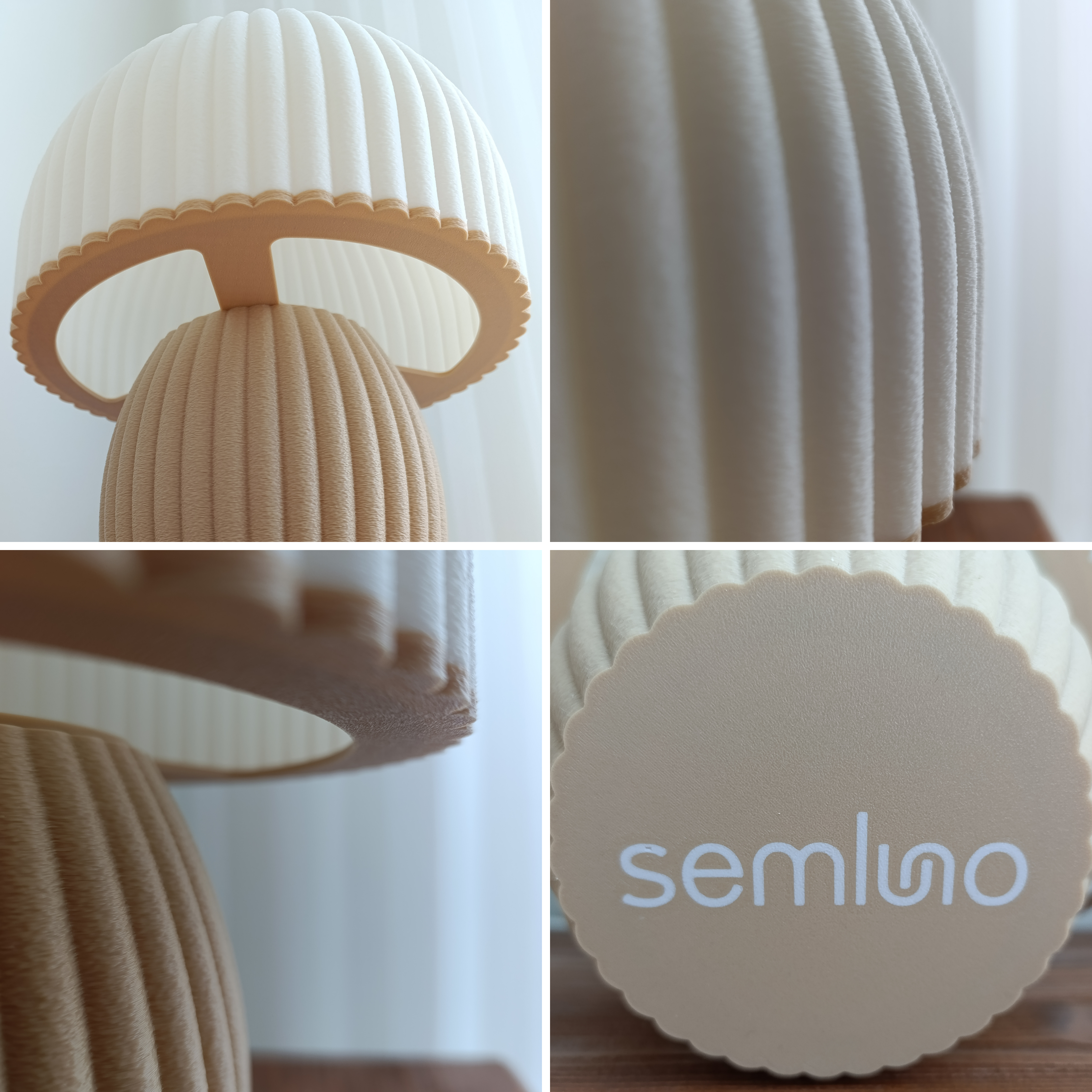
The thickness and opacity of the material matter just as much as color. A thin, translucent shade will feel lighter and brighter than a thick, opaque one in the same color. This is why linen and paper shades often feel airier than velvet or heavy cotton blends. If you're looking for both style and functional brightness, consider the material composition alongside the hue.
- White and cream shades: Maximum light output, versatile aesthetic
- Pale gray or soft taupe: Softens light slightly while maintaining brightness
- Deep jewel tones: Creates moody, intimate atmospheres
- Textured or patterned shades: Casts interesting shadow patterns on walls
Warm vs. Cool Light Tones: What Your Shade Color Creates
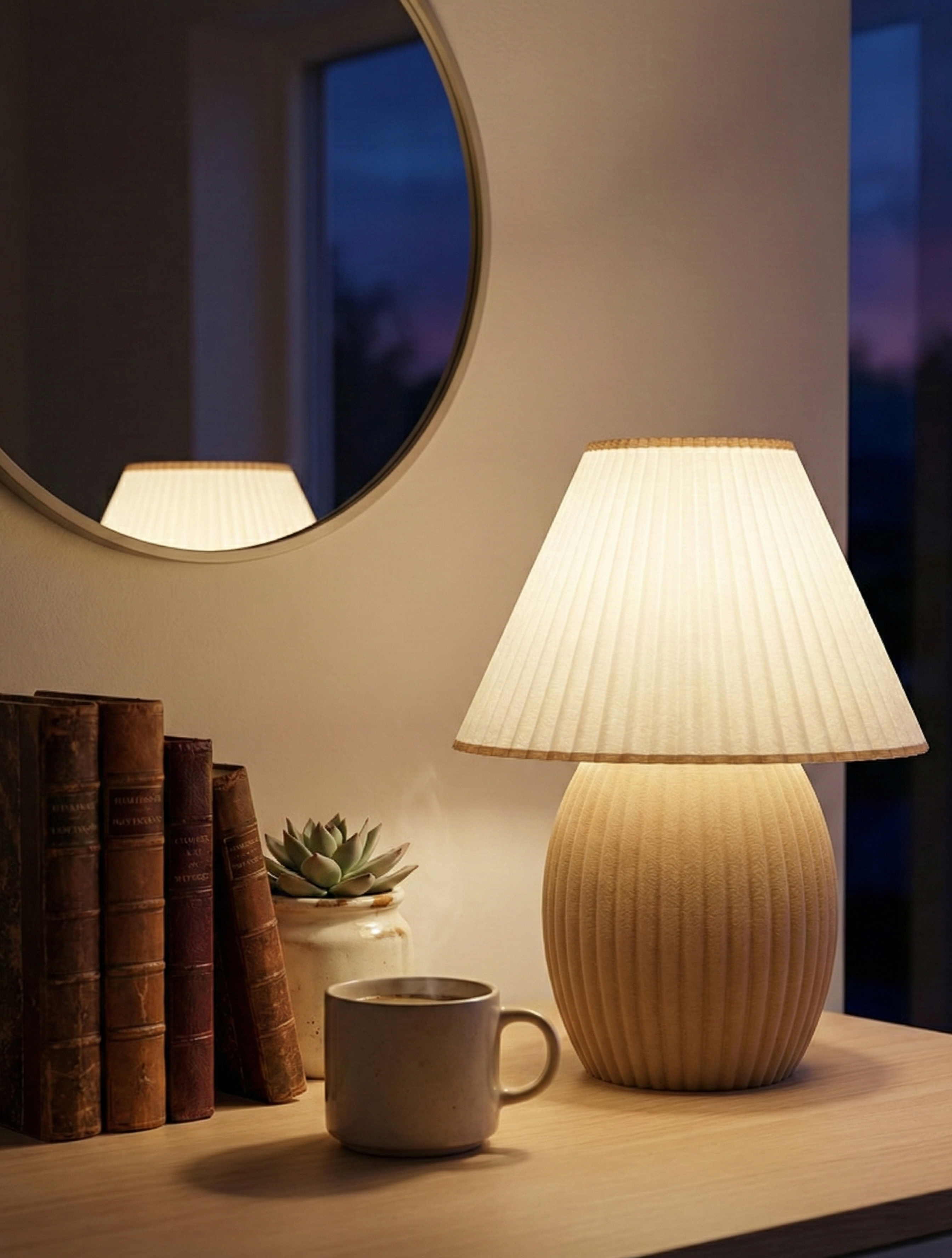
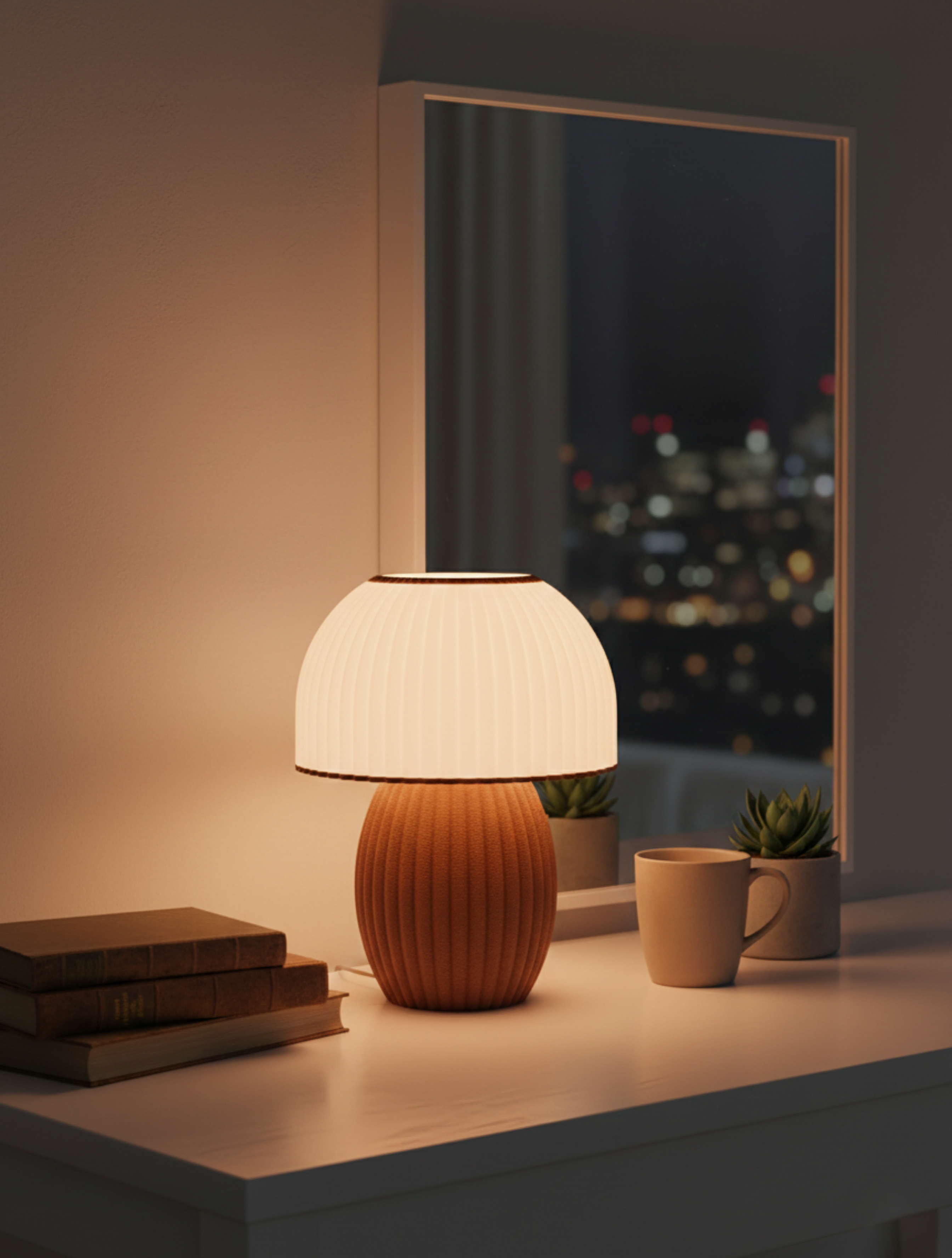
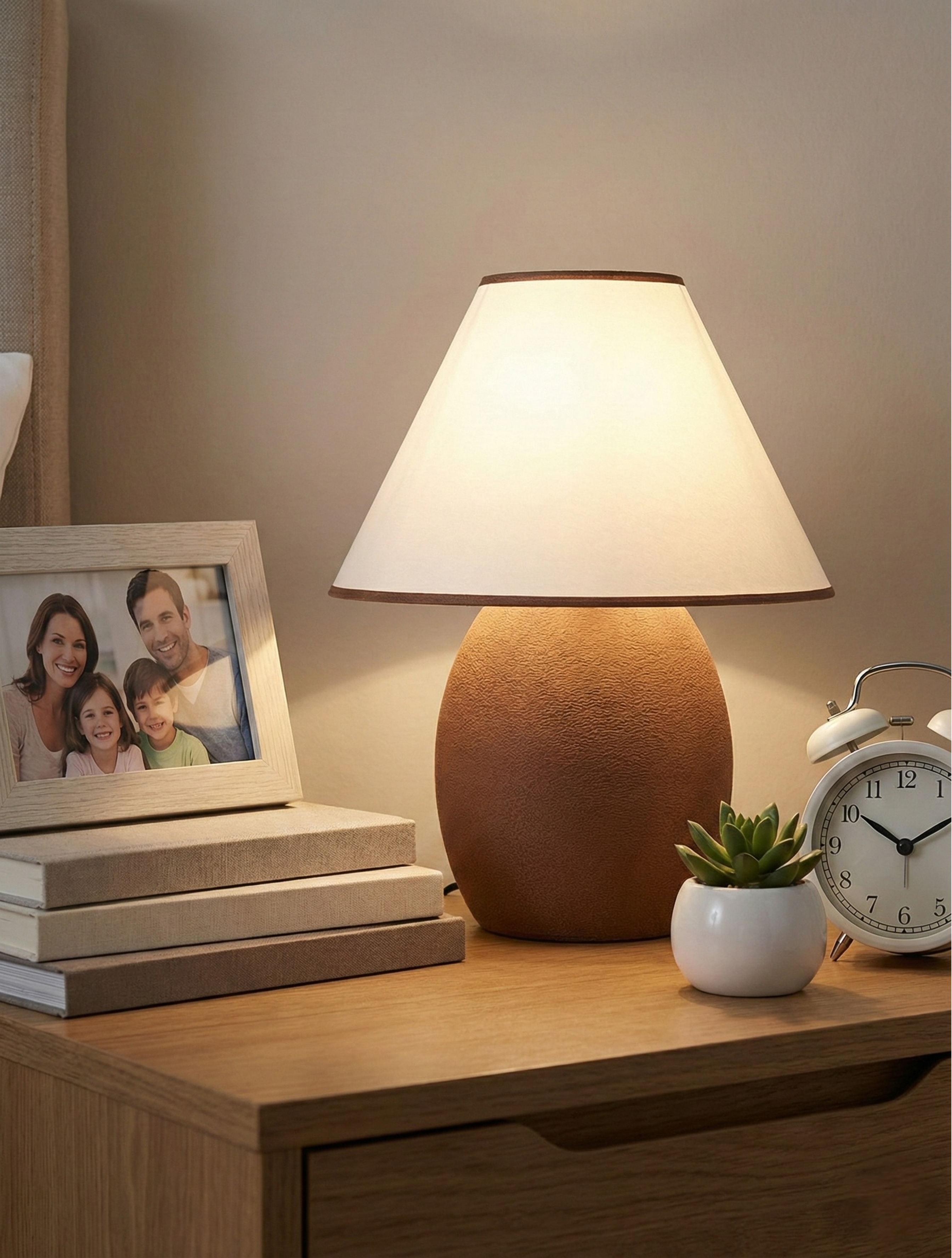
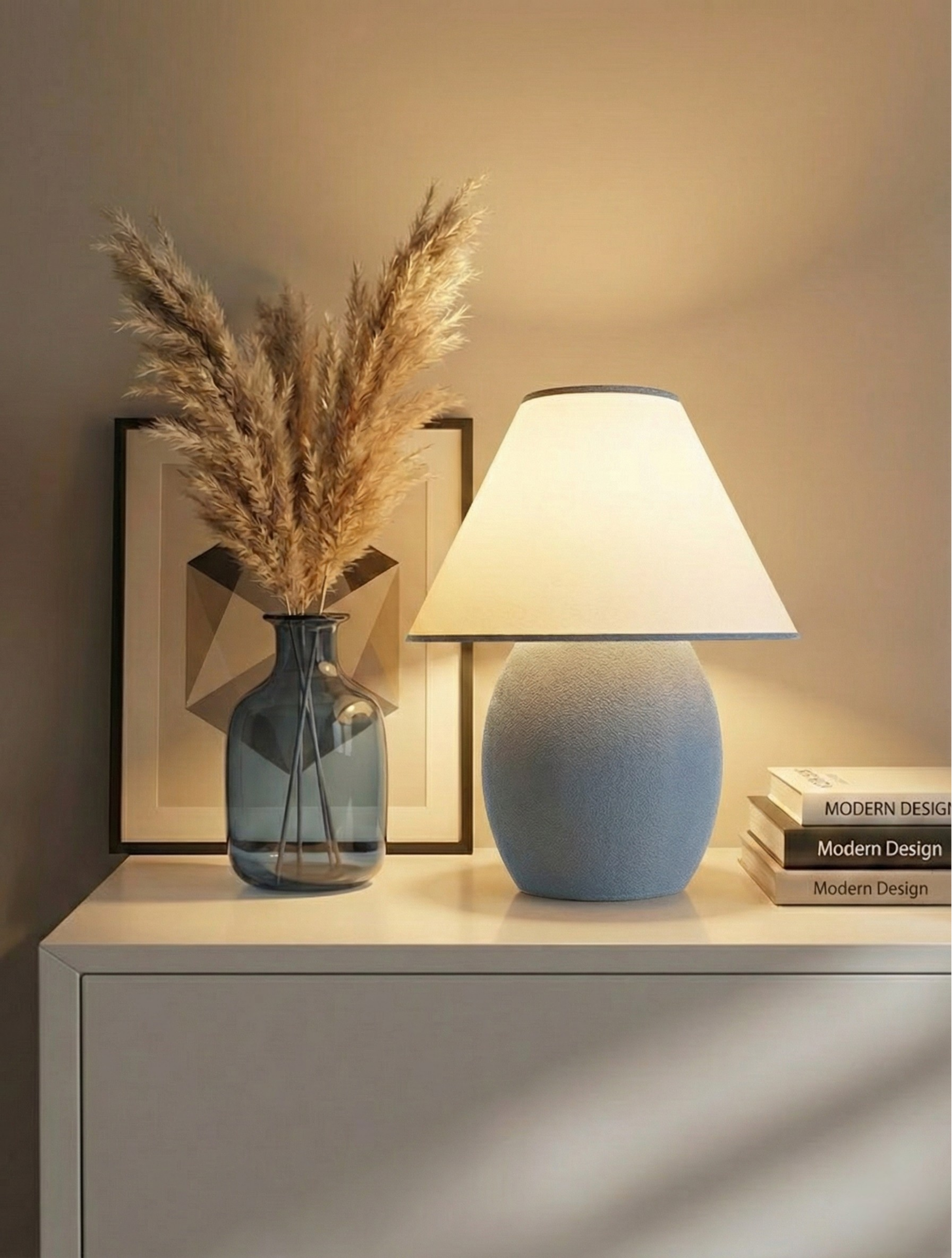
Lampshade color interacts with your bulb's color temperature to create the final light tone you experience. A warm white bulb (around 2700K) shining through a cream shade produces cozy, inviting light—ideal for living rooms and bedrooms. The same bulb through a blue-gray shade will feel cooler and slightly more sophisticated, though still fundamentally warm.
This principle works in reverse too. If you choose a neutral shade and want warmth, select a warm-toned bulb. If you prefer cooler light for a workspace or modern aesthetic, pair a neutral shade with a daylight or cool white bulb (5000K or higher). The collaboration between shade color and bulb temperature determines your home's actual lighting experience.
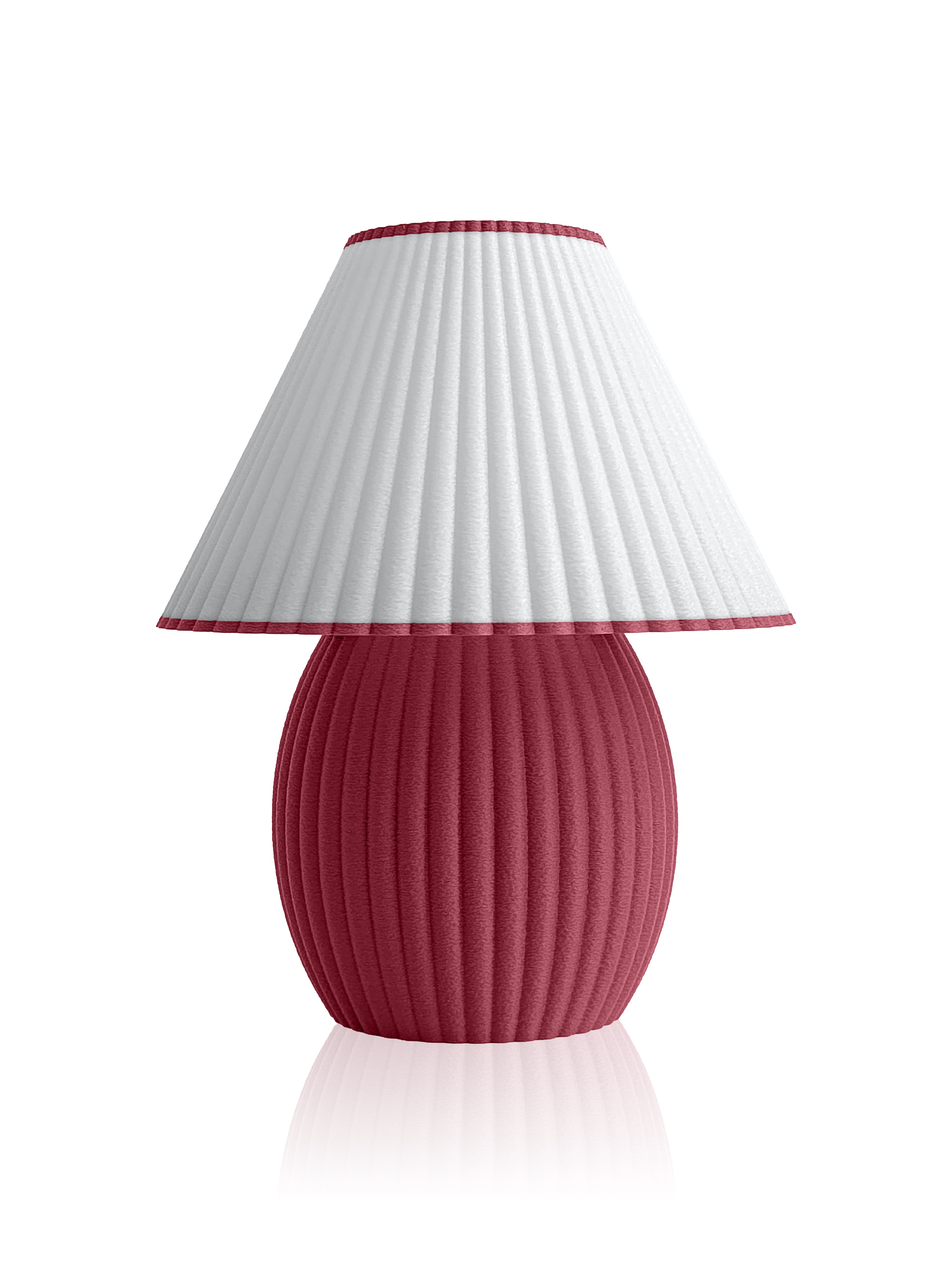
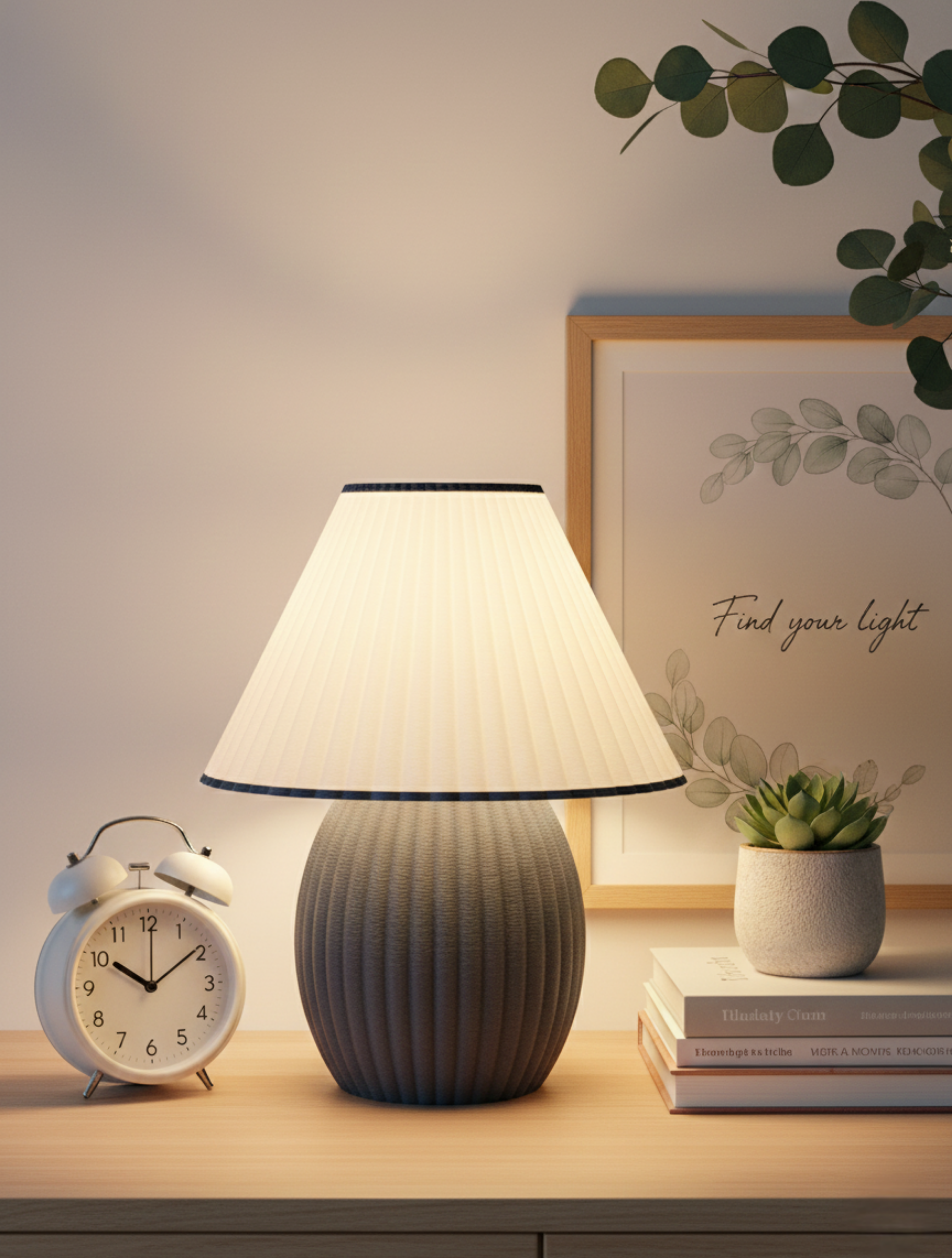
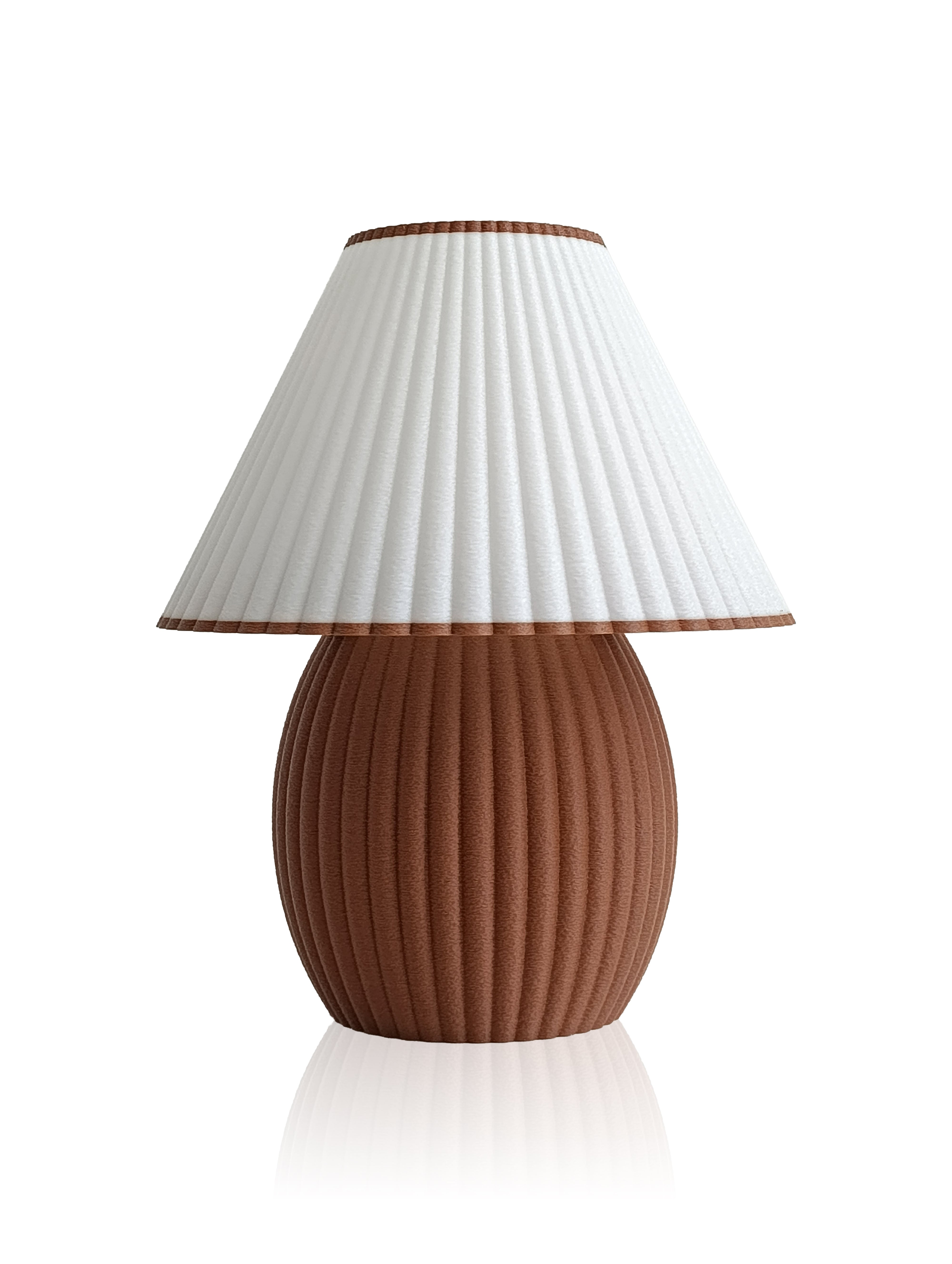
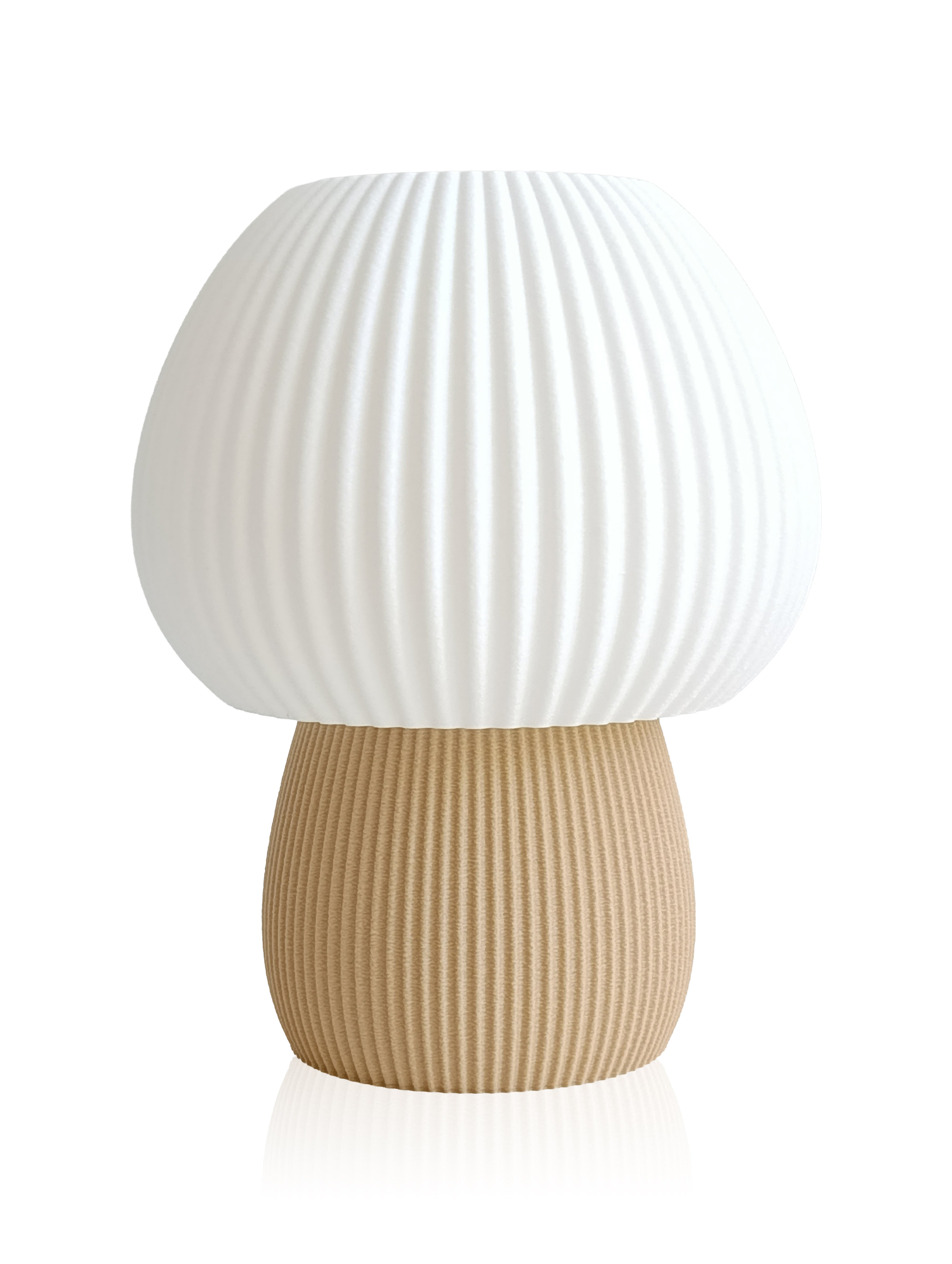
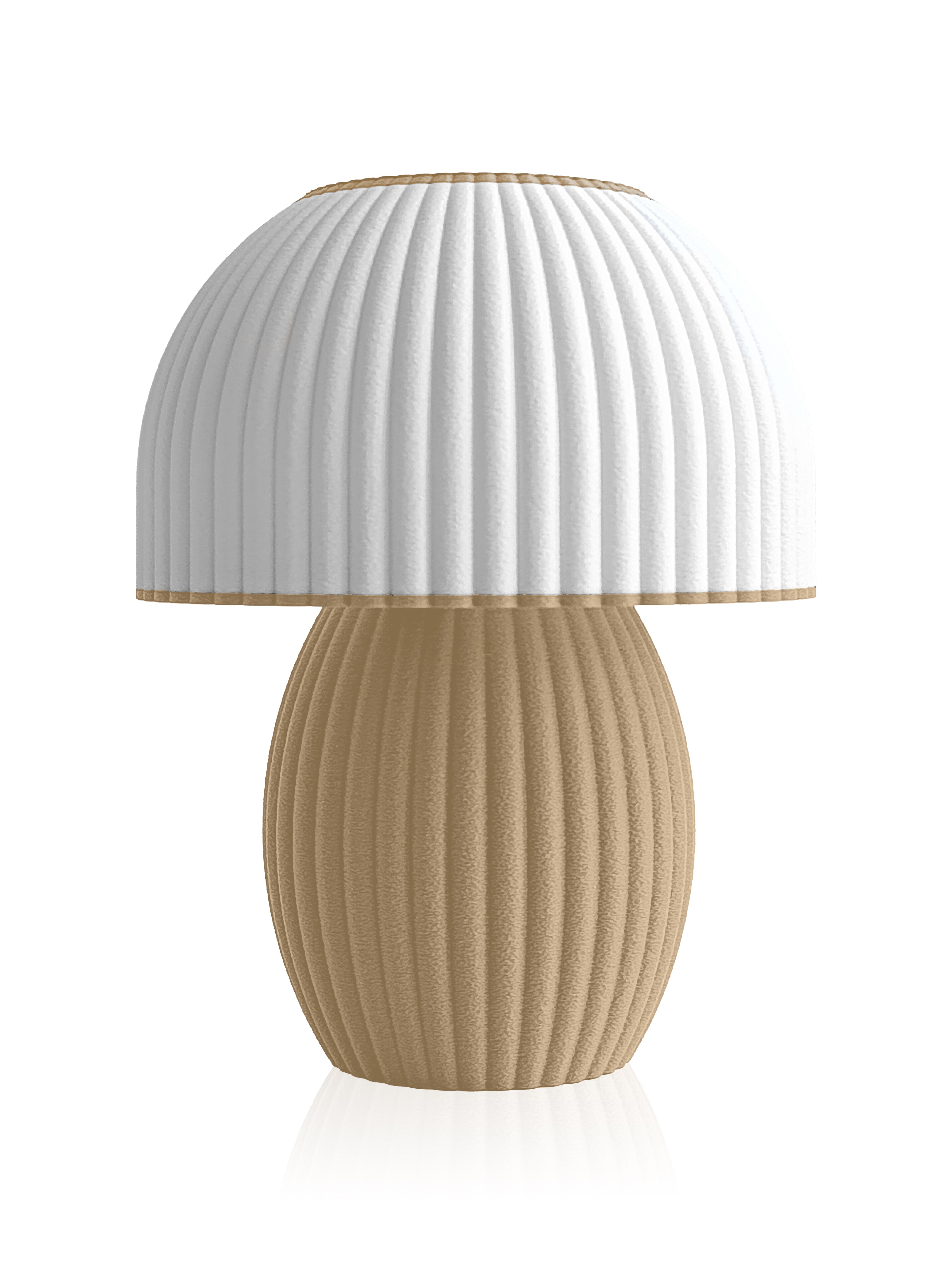
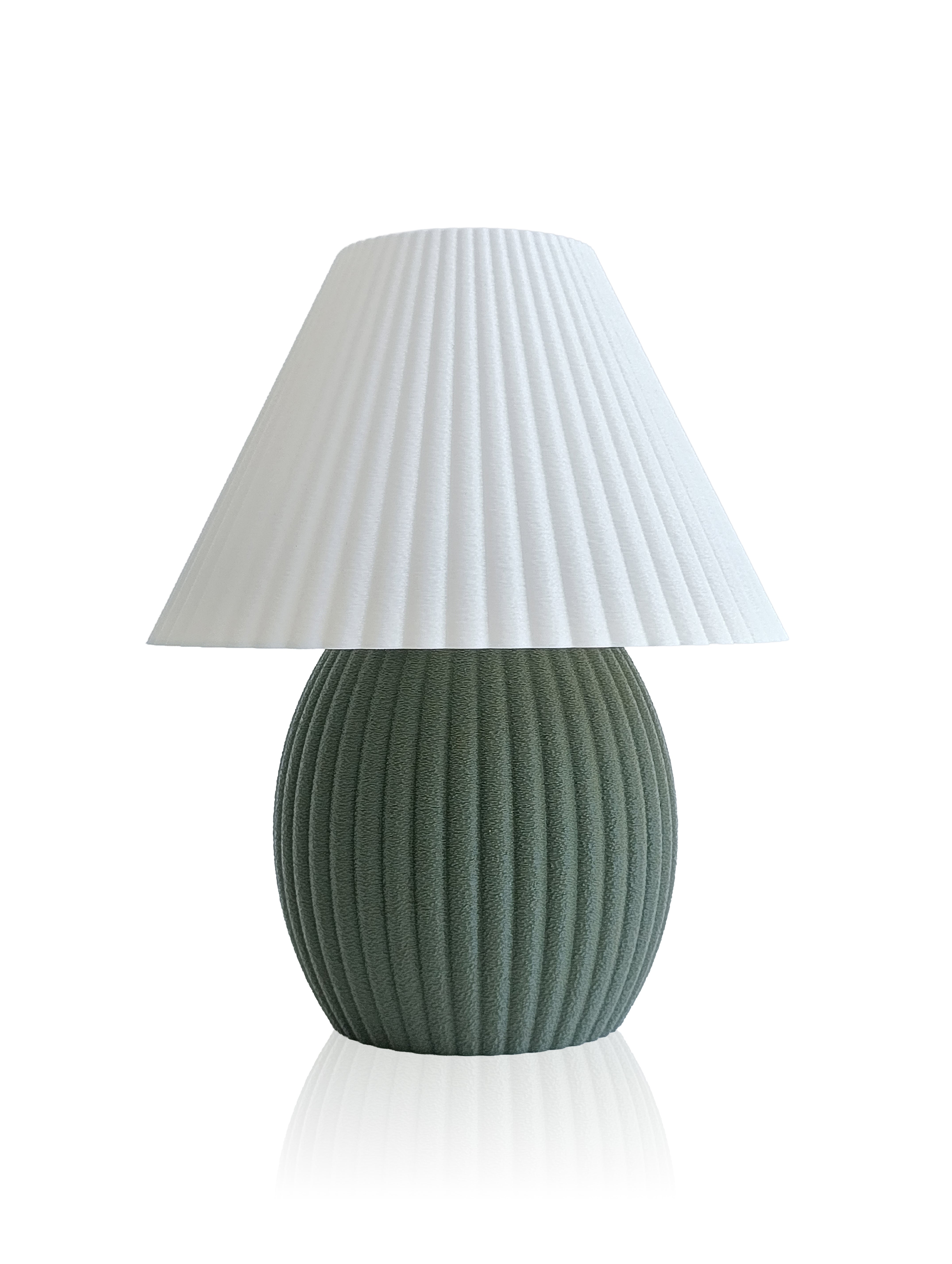
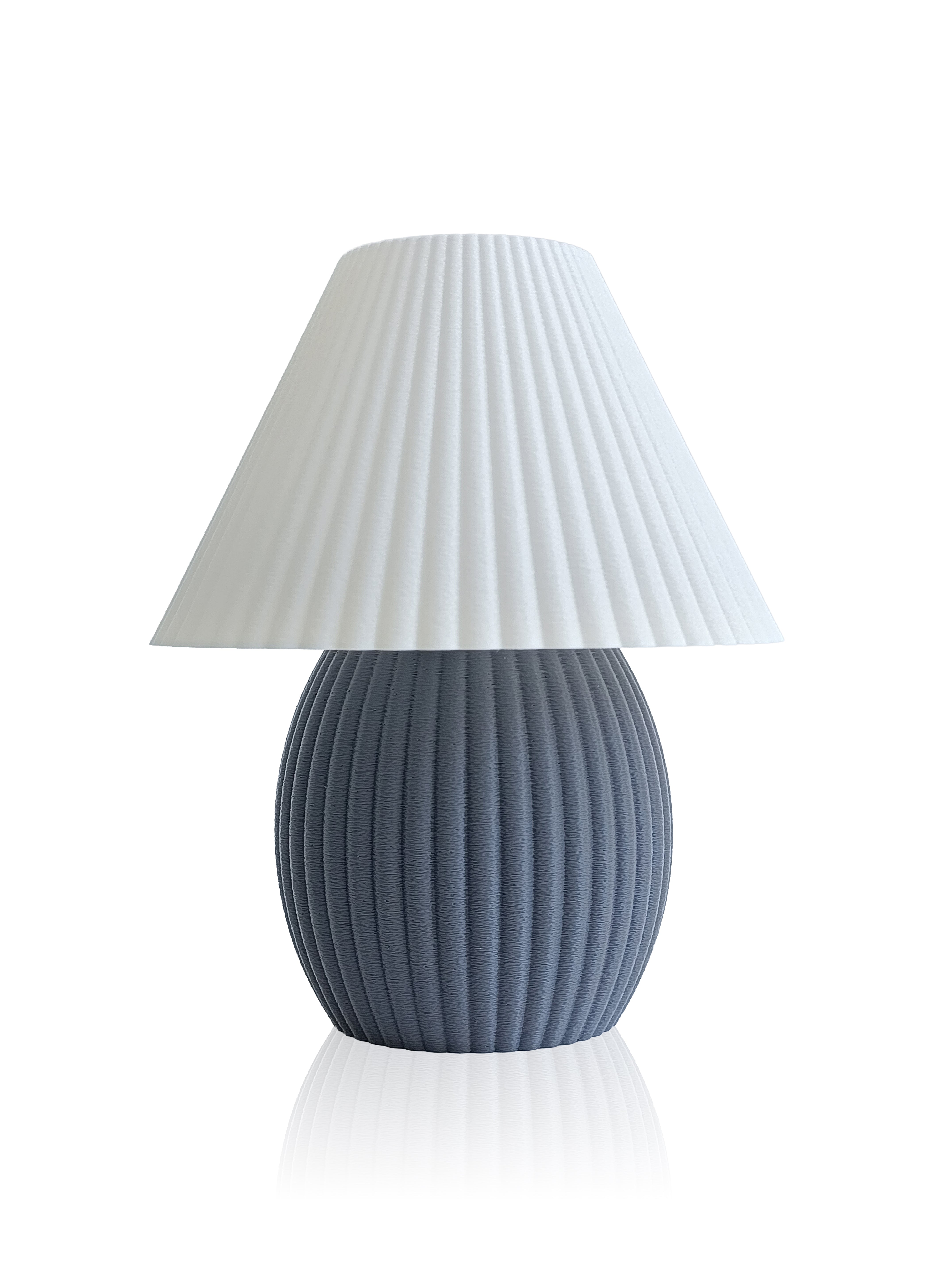
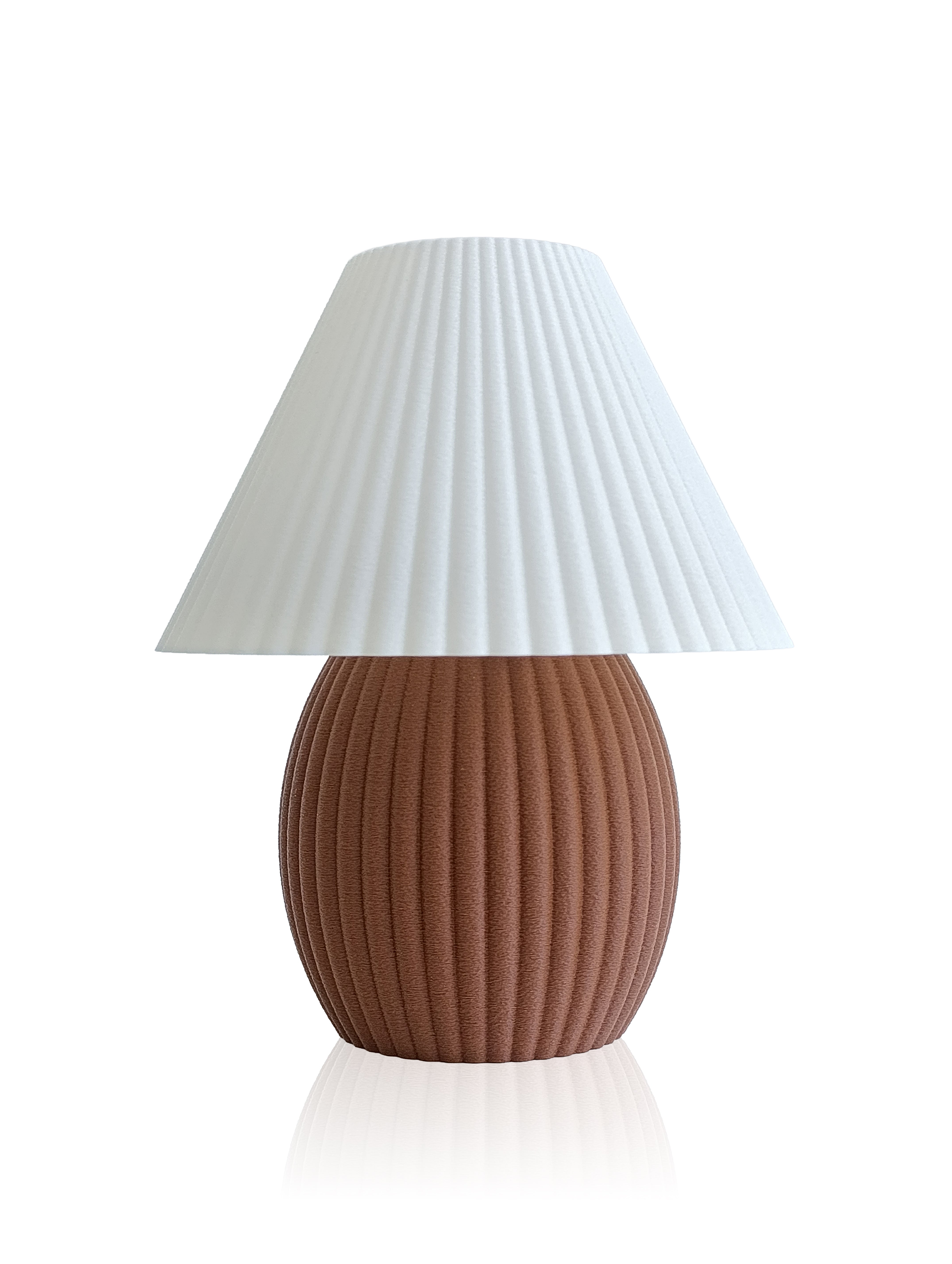
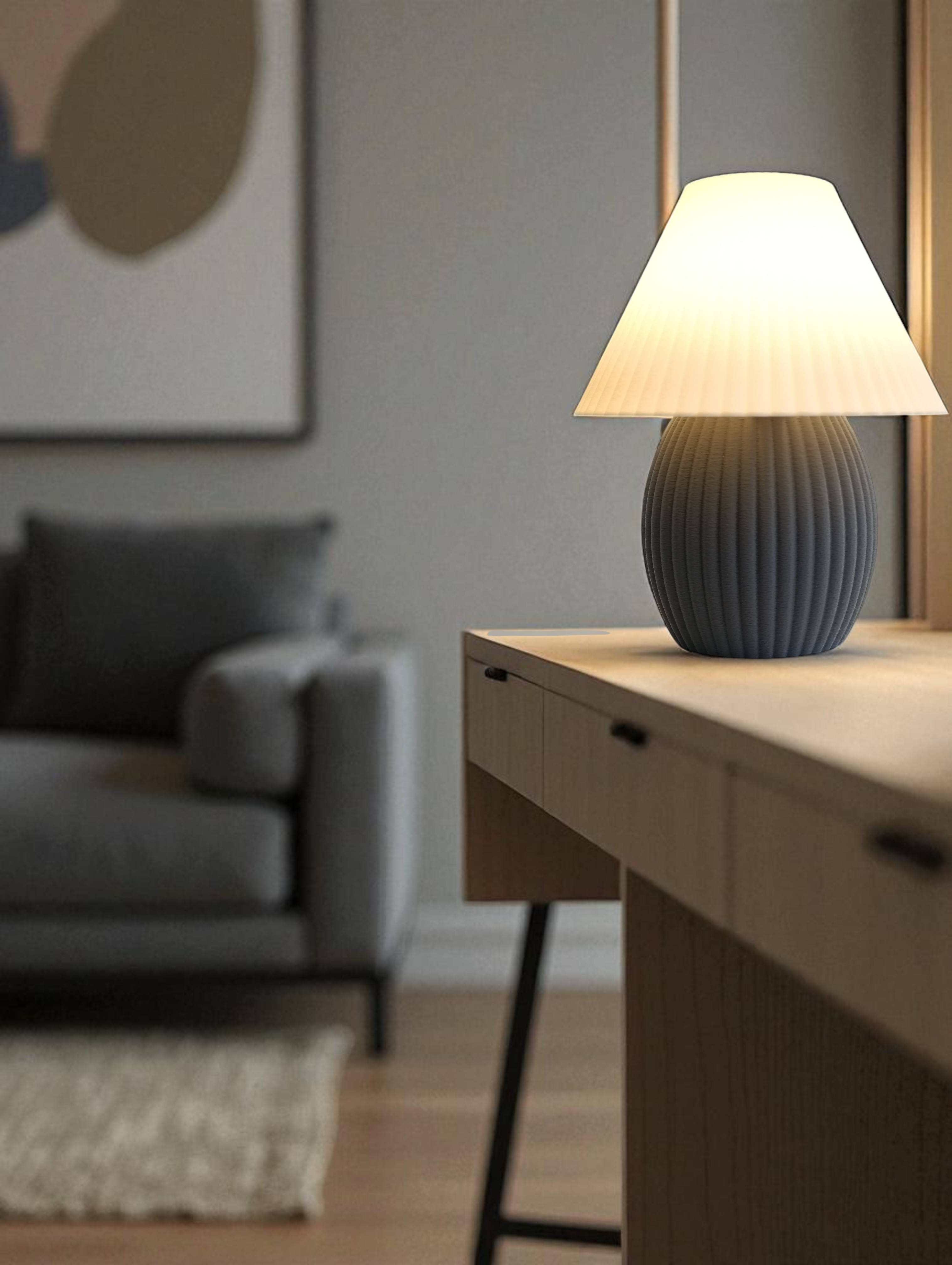
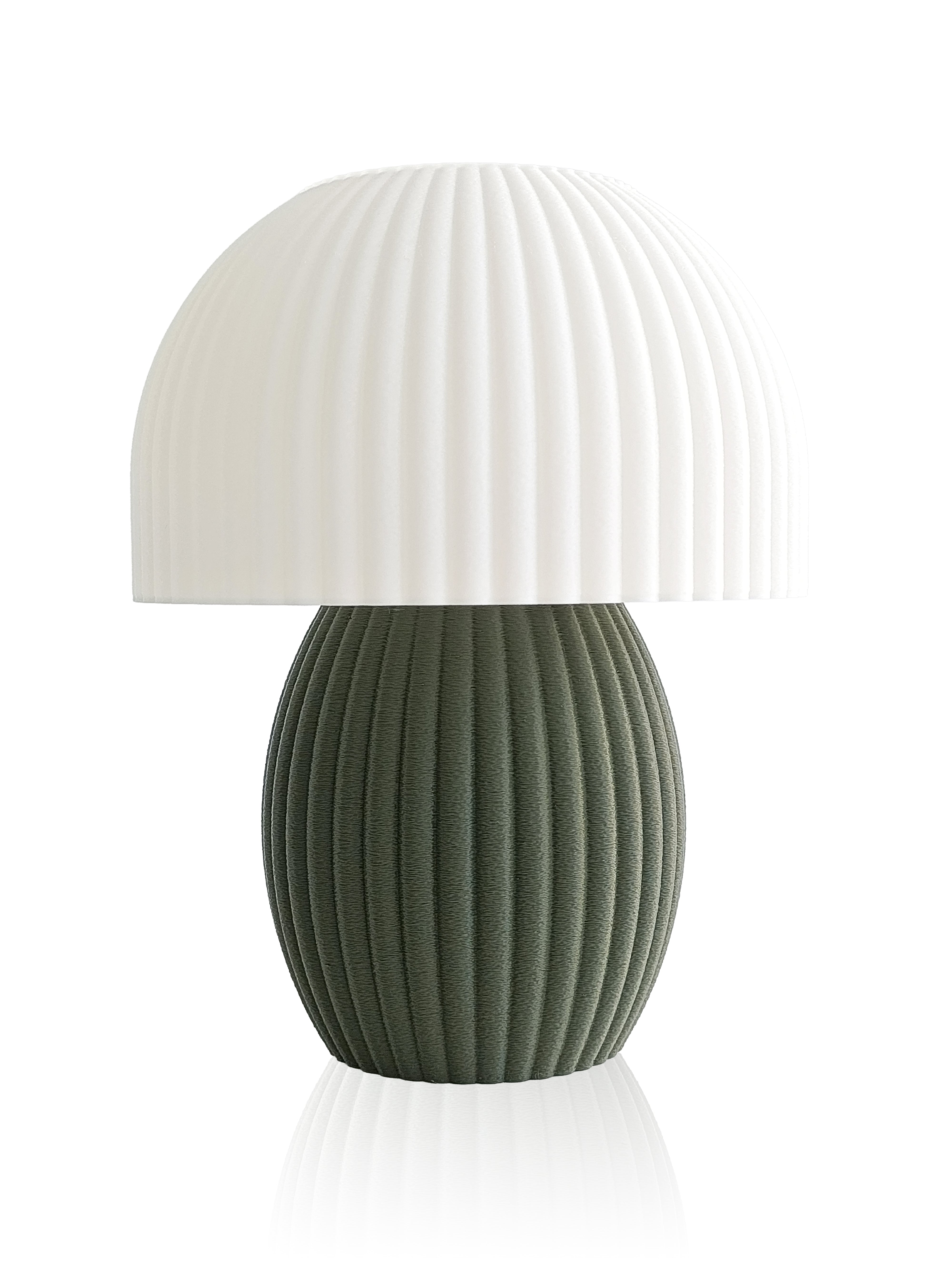
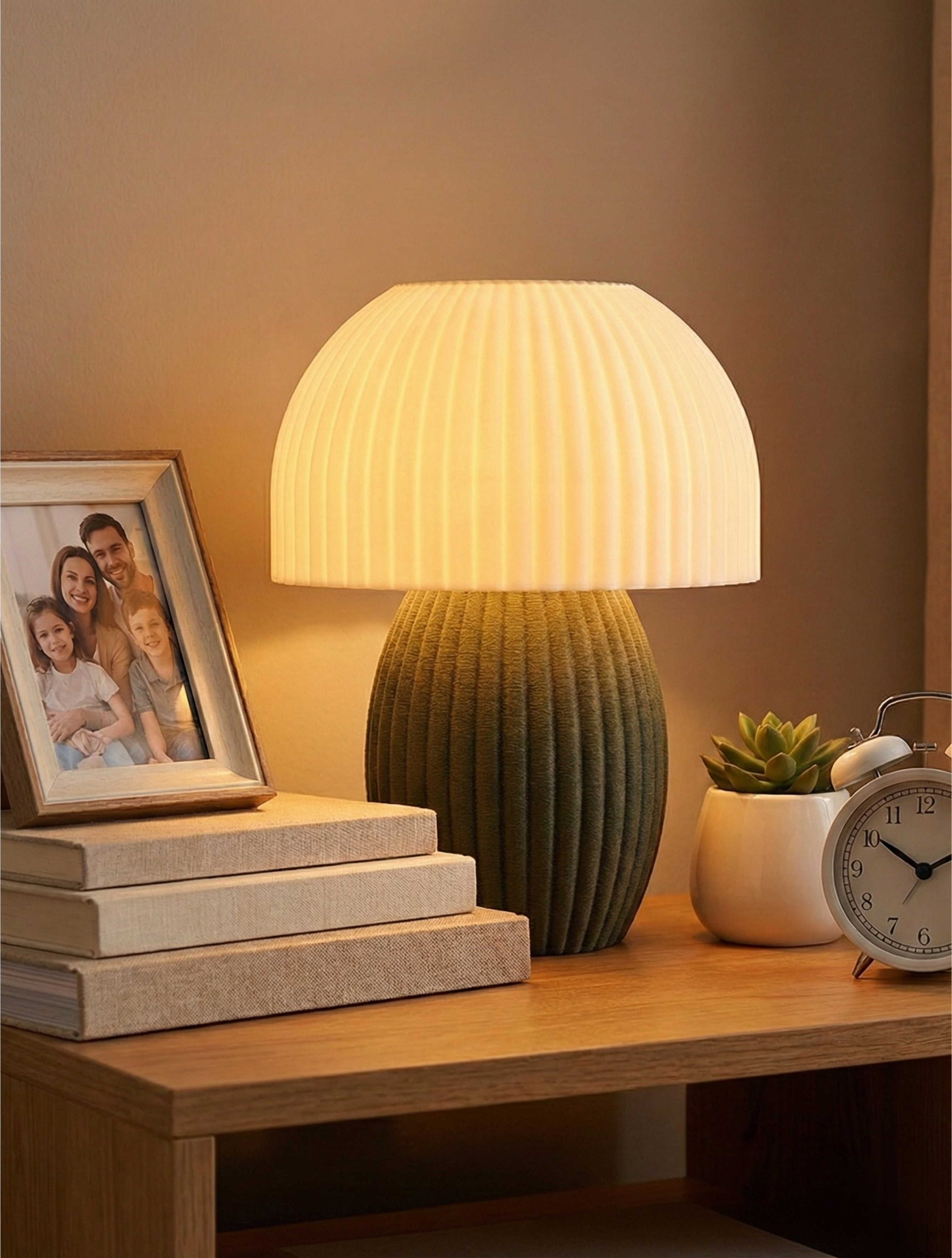
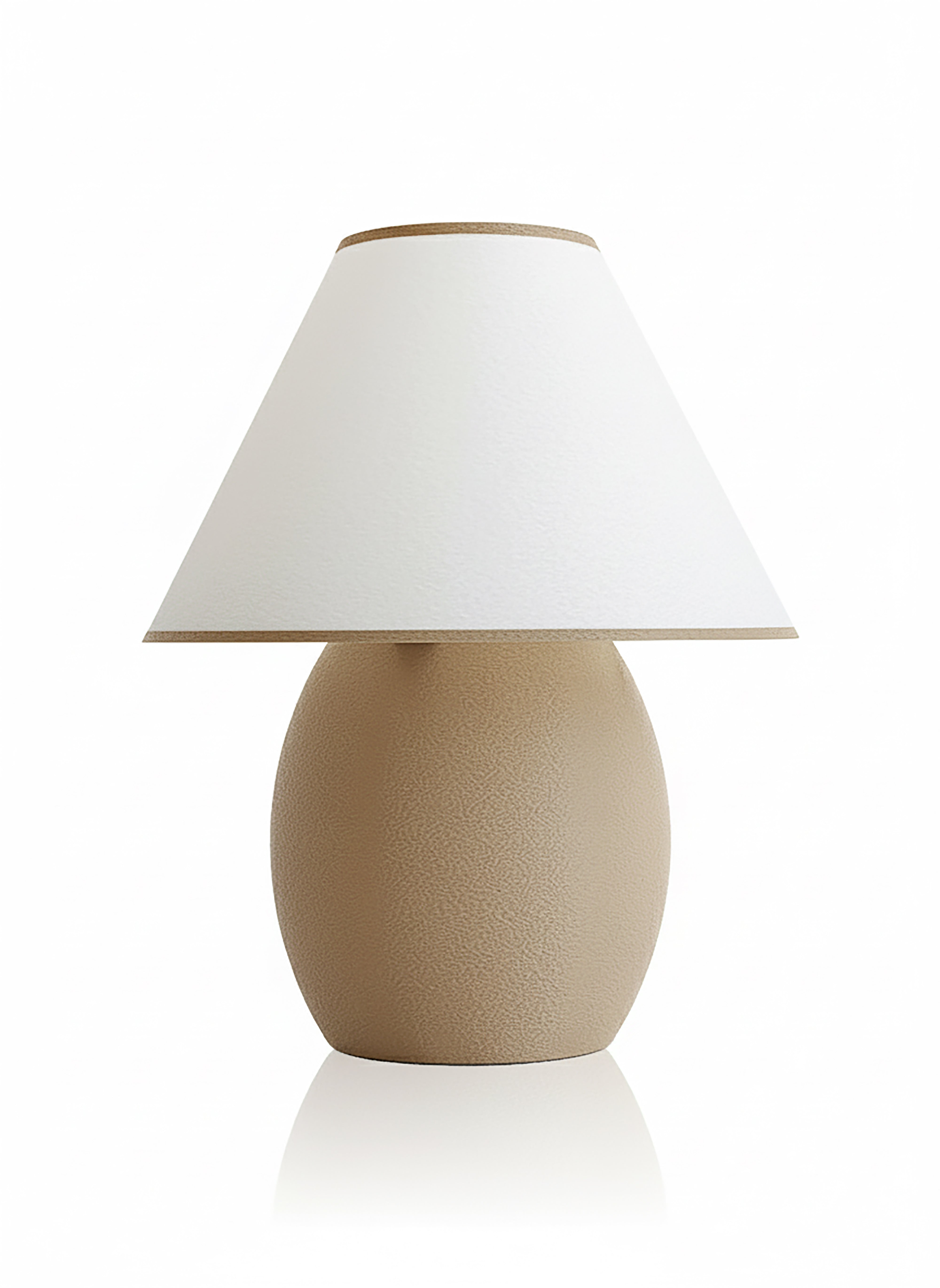
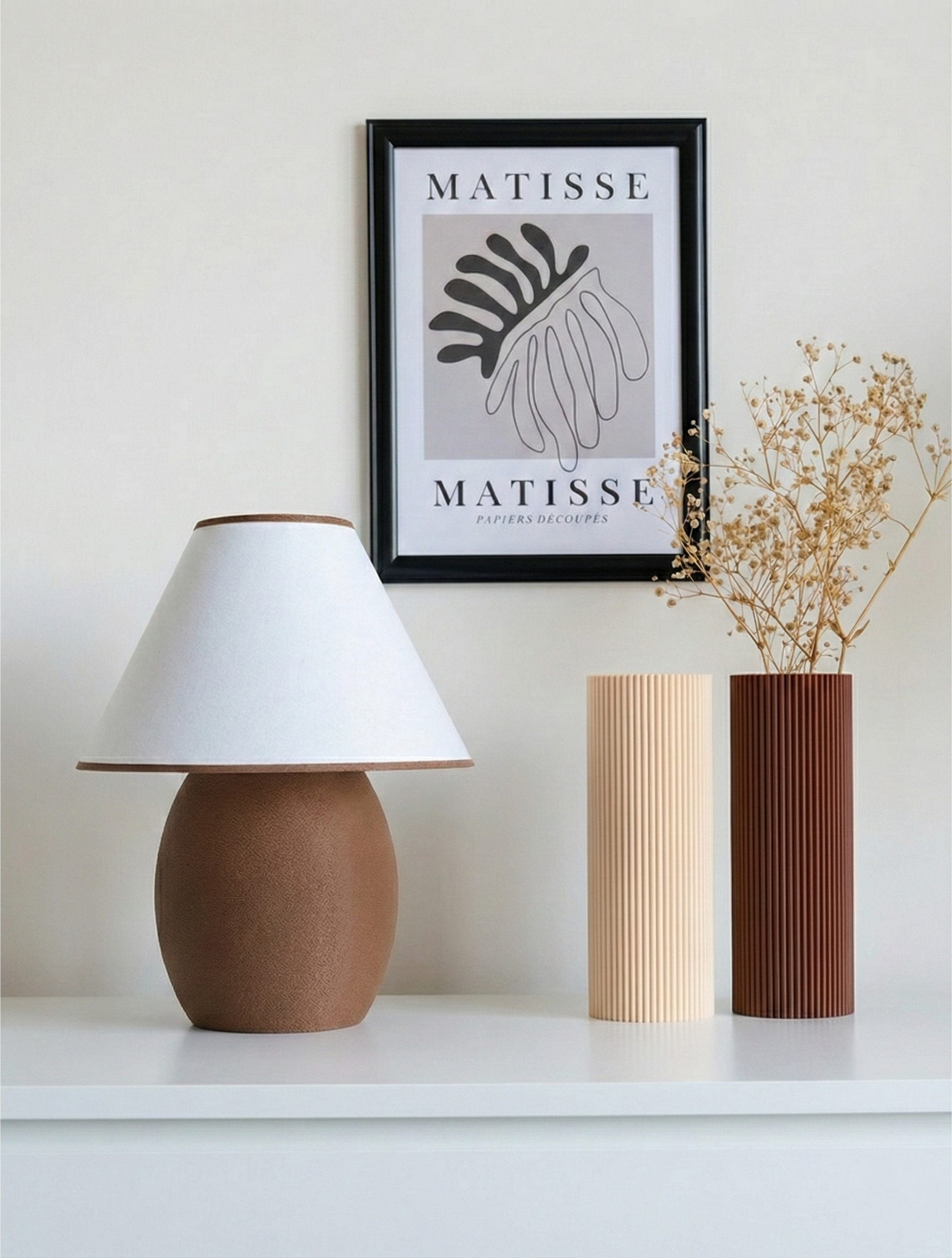
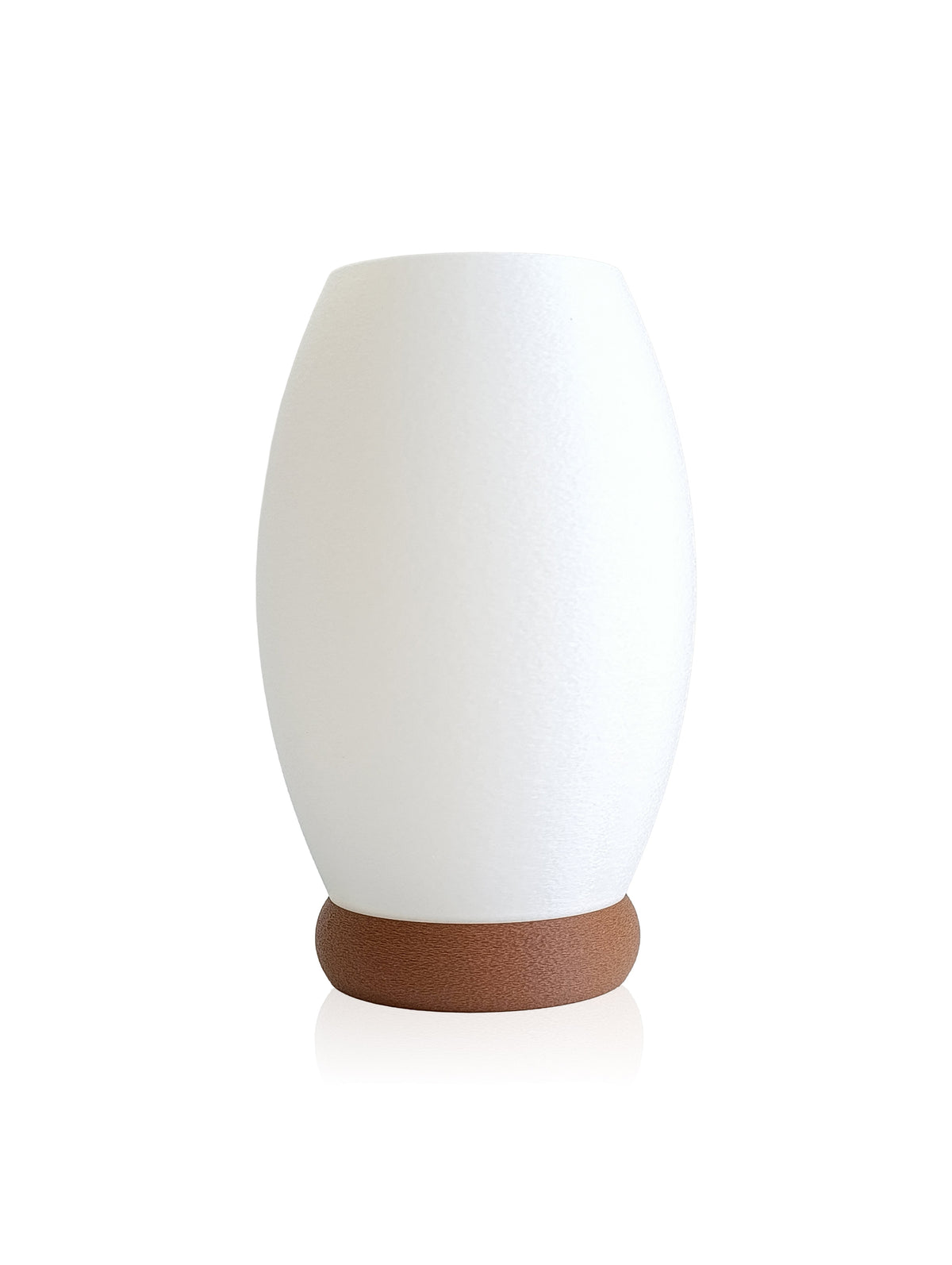
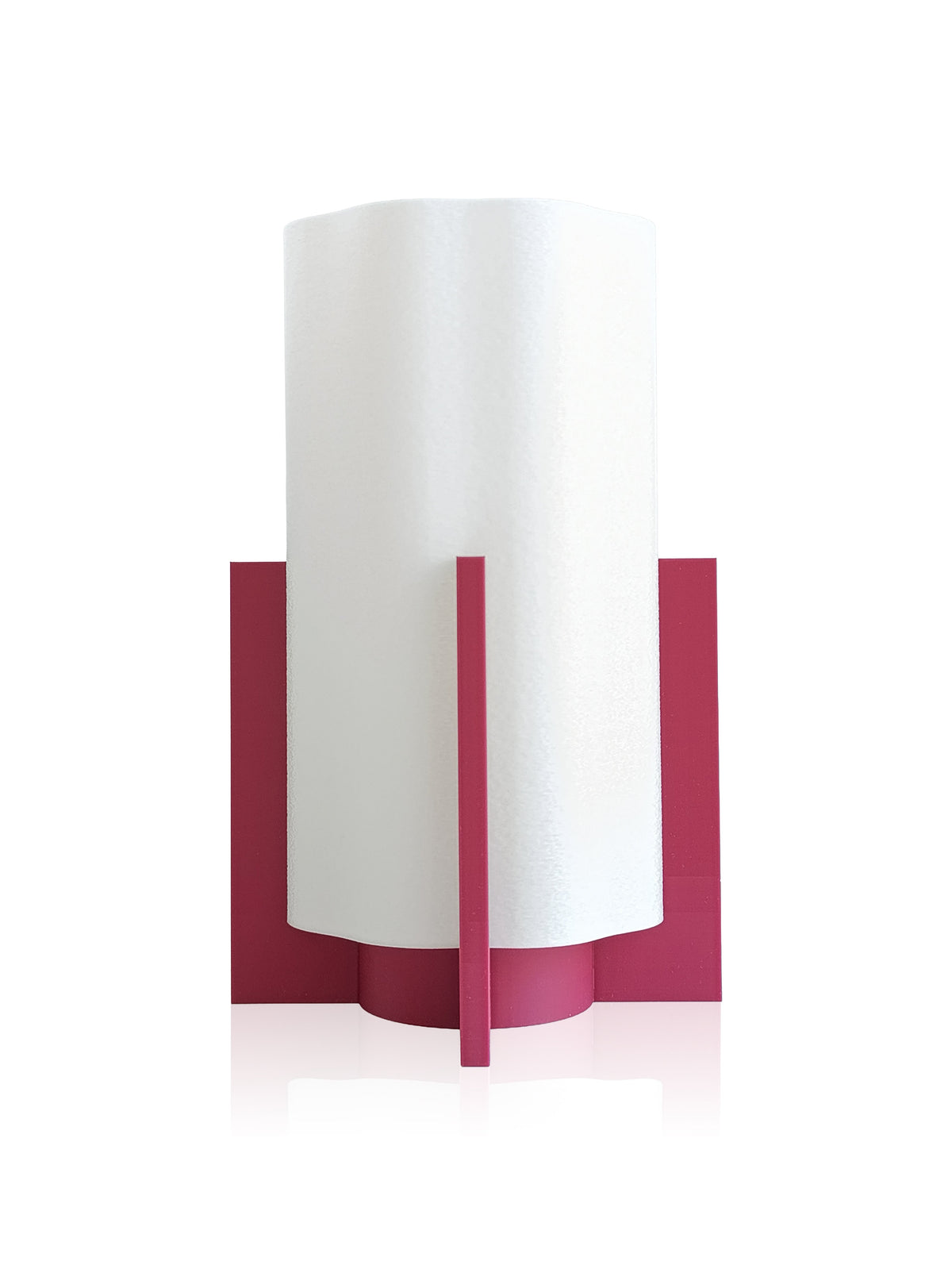
Consider the FRILOON collection, which offers carefully curated shade options designed to work with different color temperatures and room moods. The selection reflects thoughtful design that acknowledges how color and light interact.
- Warm shade + warm bulb = Maximum coziness
- Neutral shade + warm bulb = Balanced warmth
- Cool shade + cool bulb = Modern, crisp atmosphere
- Neutral shade + cool bulb = Professional, energizing light
Matching Lampshade Color to Room Purpose and Mood
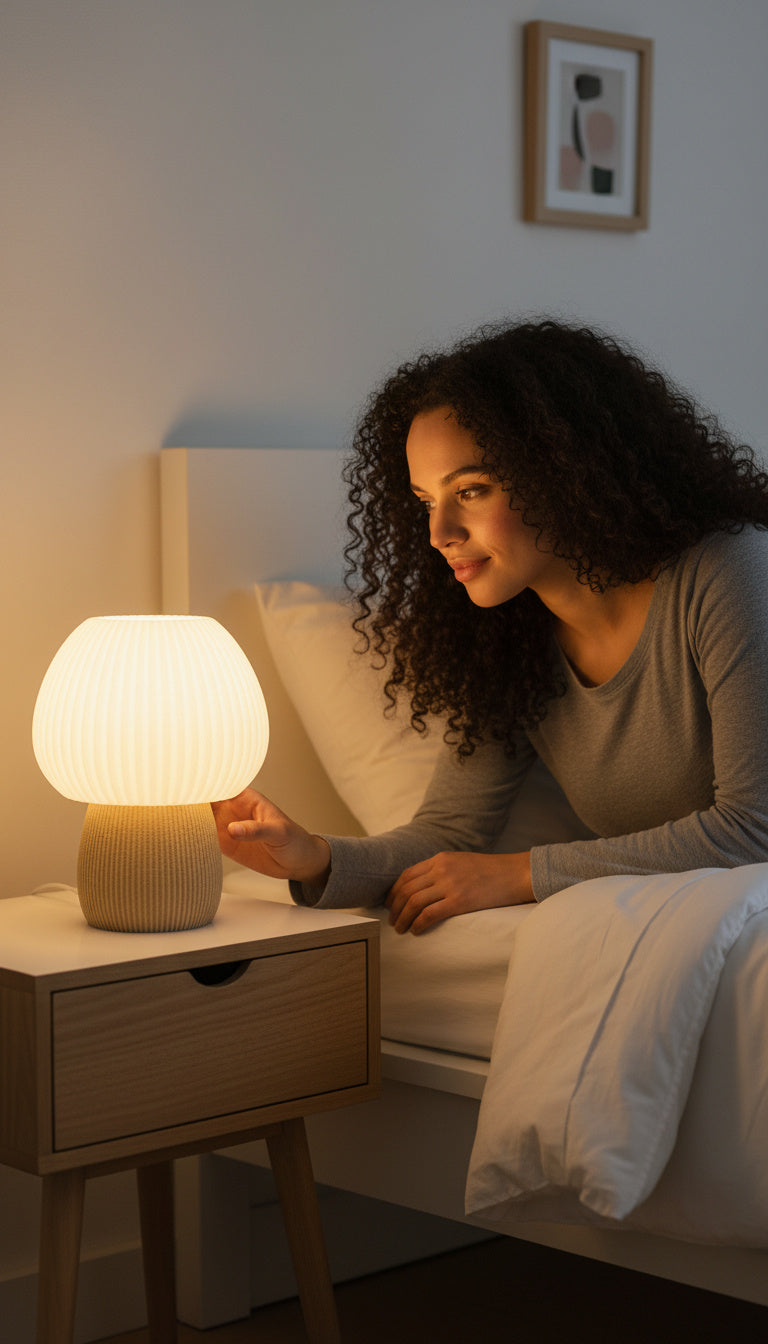
Your lampshade color should align with both your room's function and the emotional tone you want to establish. Bedrooms and relaxation spaces thrive with warm, diffused light filtered through soft cream, pale gray, or warm beige shades. These colors slow down the visual stimulation and encourage the parasympathetic nervous system—your body's rest mode.
Home offices and reading nooks benefit from brighter, more direct light. White or pale neutral shades maximize visibility without creating harsh shadows. If you want something less sterile, light gray or soft taupe maintains brightness while adding sophistication. Dining areas can go either direction depending on your preference: romantic and intimate with warmer, deeper shades, or fresh and contemporary with clean, neutral tones.
The FRILOON Line offers variety in both color and scale, allowing you to find the right match for different rooms and lighting needs throughout your home.
Think about your room's natural light exposure too. Spaces with abundant daylight can handle deeper shade colors without feeling dim. Rooms with limited natural light need lighter shades to feel open and welcoming.
Practical Considerations for Choosing Your Shade
Beyond aesthetics, consider these practical factors when selecting a lampshade color. If you have pets or live with smokers, darker shades hide dust and discoloration better than white ones. Patterned or textured shades add visual interest but can be harder to keep clean. White and cream shades offer the most versatility for redecorating since they pair with nearly any color scheme.
Test your shade choice in your actual space if possible. Lighting showrooms often feel different from home environments due to ambient light, wall colors, and furnishings. Consider ordering a shade and living with it for a few days before fully committing. The difference between how a shade looks in a store and in your bedroom might surprise you.
- Measure your lamp base and shade proportions carefully
- Consider cleaning and maintenance requirements
- Think about how the shade looks both lit and unlit
- Account for natural light in the room throughout the day
- Test the shade in your space before final purchase if possible
Frequently Asked Questions
Does lampshade color affect energy efficiency?
Lampshade color doesn't change how much energy your bulb uses, but it does affect how much light reaches your room. Lighter shades transmit more light with the same bulb, potentially allowing you to use a lower-wattage bulb to achieve your desired brightness.
Can I use any color shade with any type of bulb?
Yes, technically any shade works with any bulb. However, the combination determines your final light tone and brightness. Pair your shade color with a bulb temperature that supports your desired atmosphere—warm bulbs with warm shades for coziness, or cool bulbs with neutral shades for crispness.
What's the best lampshade color for a small room?
Lighter shades—cream, white, or pale gray—are generally best for small rooms because they transmit more light and make the space feel more open. Dark shades can make compact spaces feel smaller and dimmer, though they work beautifully if you prioritize intimacy over spaciousness.





Share:
The Role of Warm Lighting in Cafe and Restaurant Design
Solitary Rituals: A Cup of Coffee and the Right Light