

Dim Light and Creativity: Lighting That Sparks Artistic Inspiration

There's a reason so many artists, writers, and musicians gravitate toward dimly lit studios and candlelit rooms. Dim light and creativity share a surprisingly strong connection, backed by both neuroscience and centuries of creative tradition. When we soften the brightness in our spaces, we're not just changing the ambiance—we're actually shifting how our brains process information, make associations, and tap into deeper wells of imagination. Understanding this relationship can transform how you light your home workspace, studio, or any corner where you want to unlock your creative potential.
How Dim Lighting Affects Brain Function and Creative Thinking
Research in cognitive psychology reveals that reduced lighting conditions can enhance creative problem-solving. When our eyes encounter lower light levels, our pupils dilate and our brains activate what's called "diffuse attention mode"—a mental state where we make broader, less obvious connections between ideas. This is fundamentally different from the focused, analytical thinking that bright light promotes. Bright environments push us toward precision and detail work, while dimmer settings encourage us to wander mentally, to explore tangents, and to discover unexpected solutions.
The mechanism behind this shift involves how our brain's visual cortex works. In bright conditions, we're neurologically primed for immediate task completion and linear thinking. Dim light, by contrast, reduces the amount of visual information flooding our sensory system, which paradoxically frees up cognitive resources for imaginative thinking. Your brain isn't distracted by every visual stimulus in the room; instead, it can turn inward and make the kind of wild, unexpected connections that characterize genuine creative breakthroughs.
The Role of Color Temperature in Creative Environments
Not all dim light is created equal. The color temperature of your lighting—measured in Kelvin (K)—plays a crucial role in how your creative mind responds. Warmer light, typically in the 2700K to 3000K range, creates a psychological sense of comfort and intimacy. This warmth mimics the light of fire and sunset, evoking feelings of safety and relaxation that allow creative thinking to flourish without the pressure of productivity.
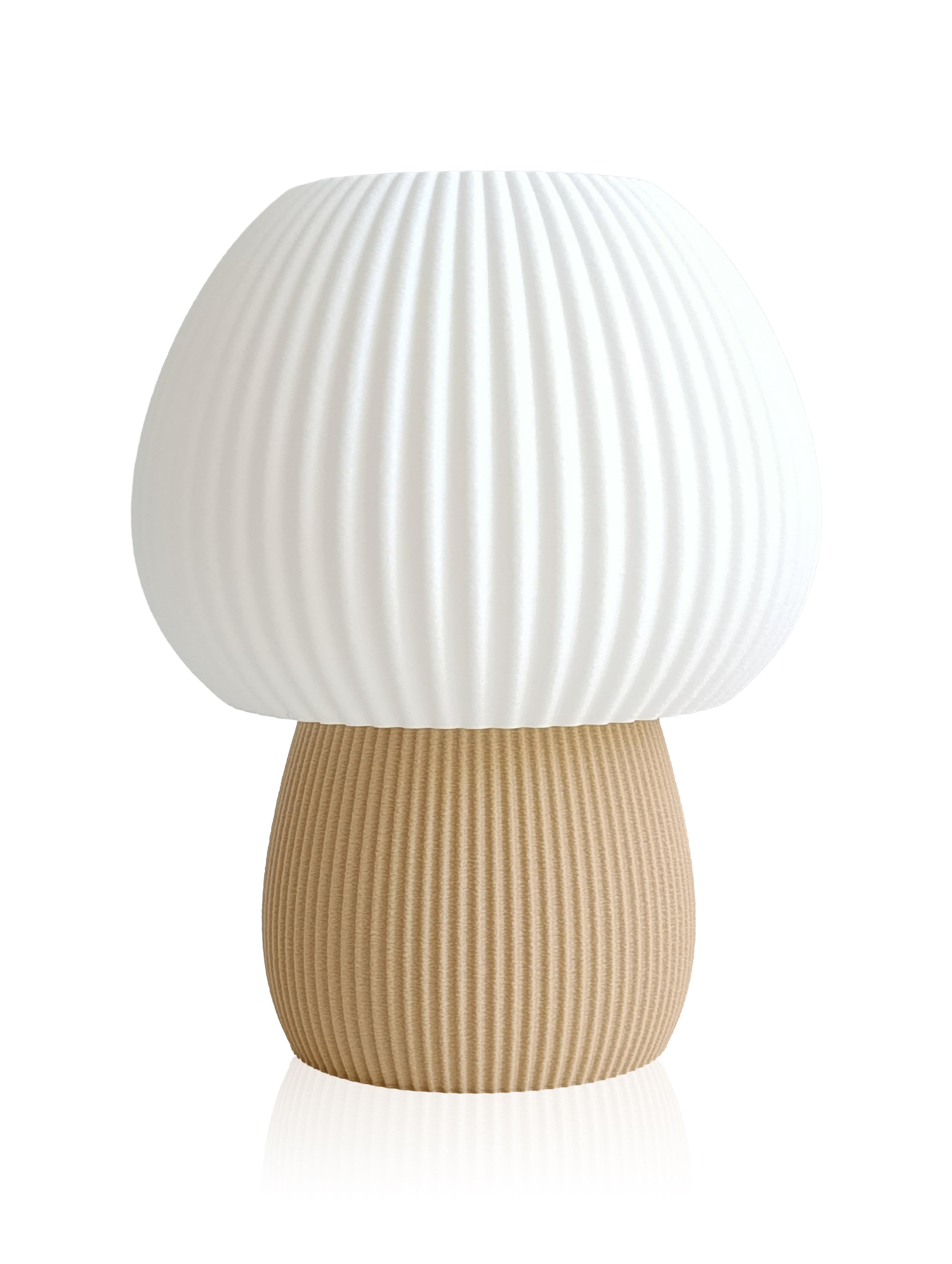
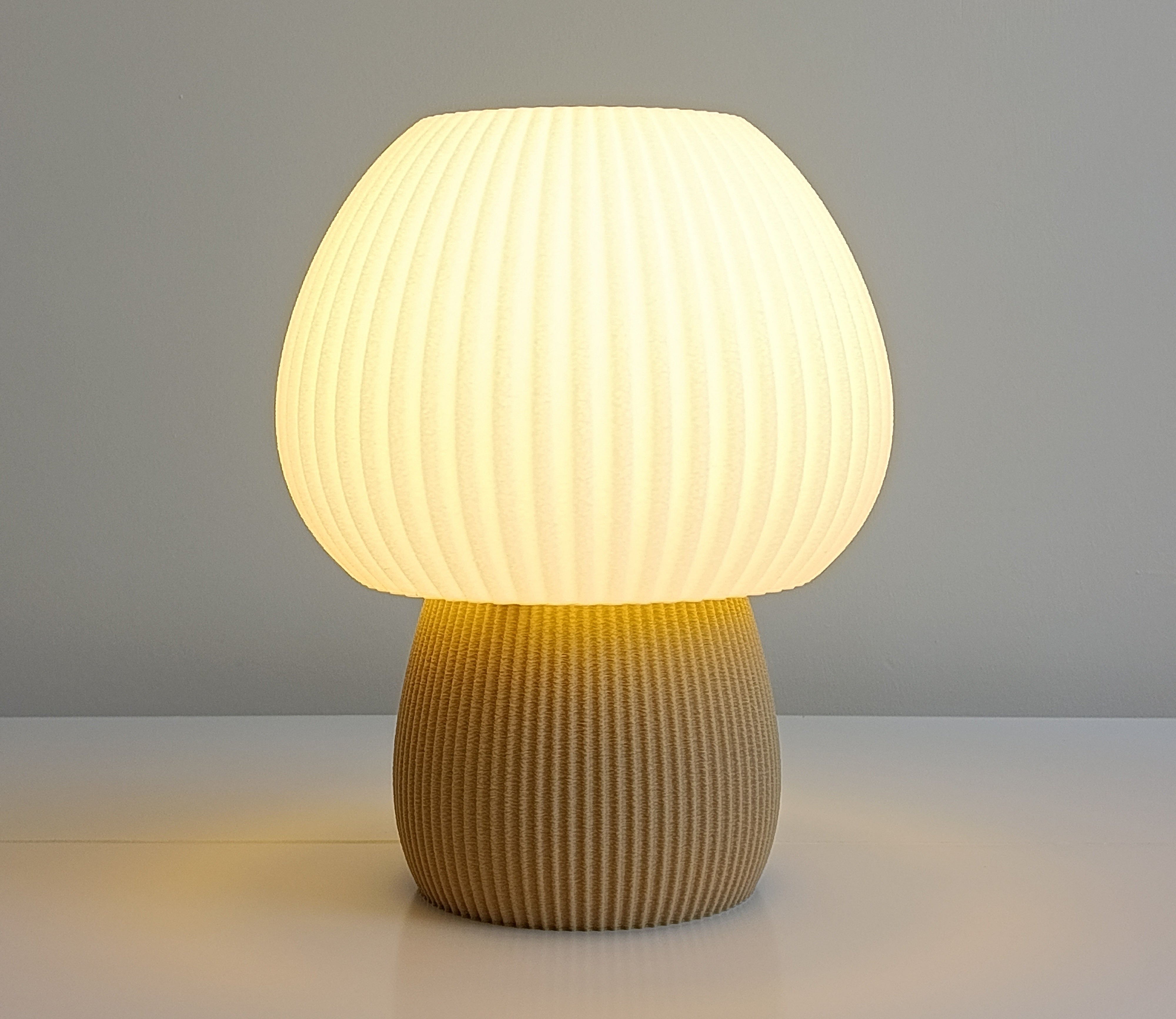
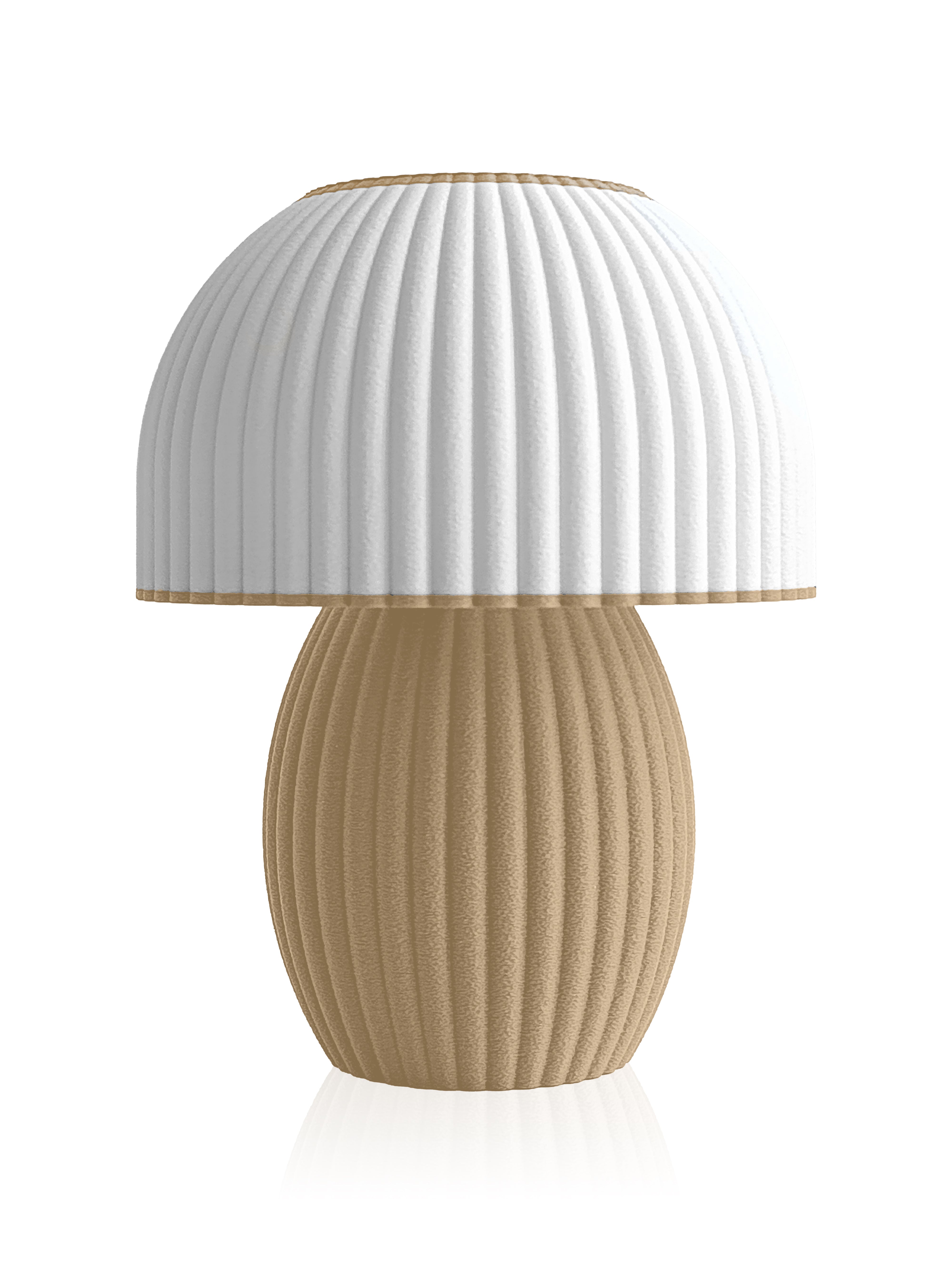
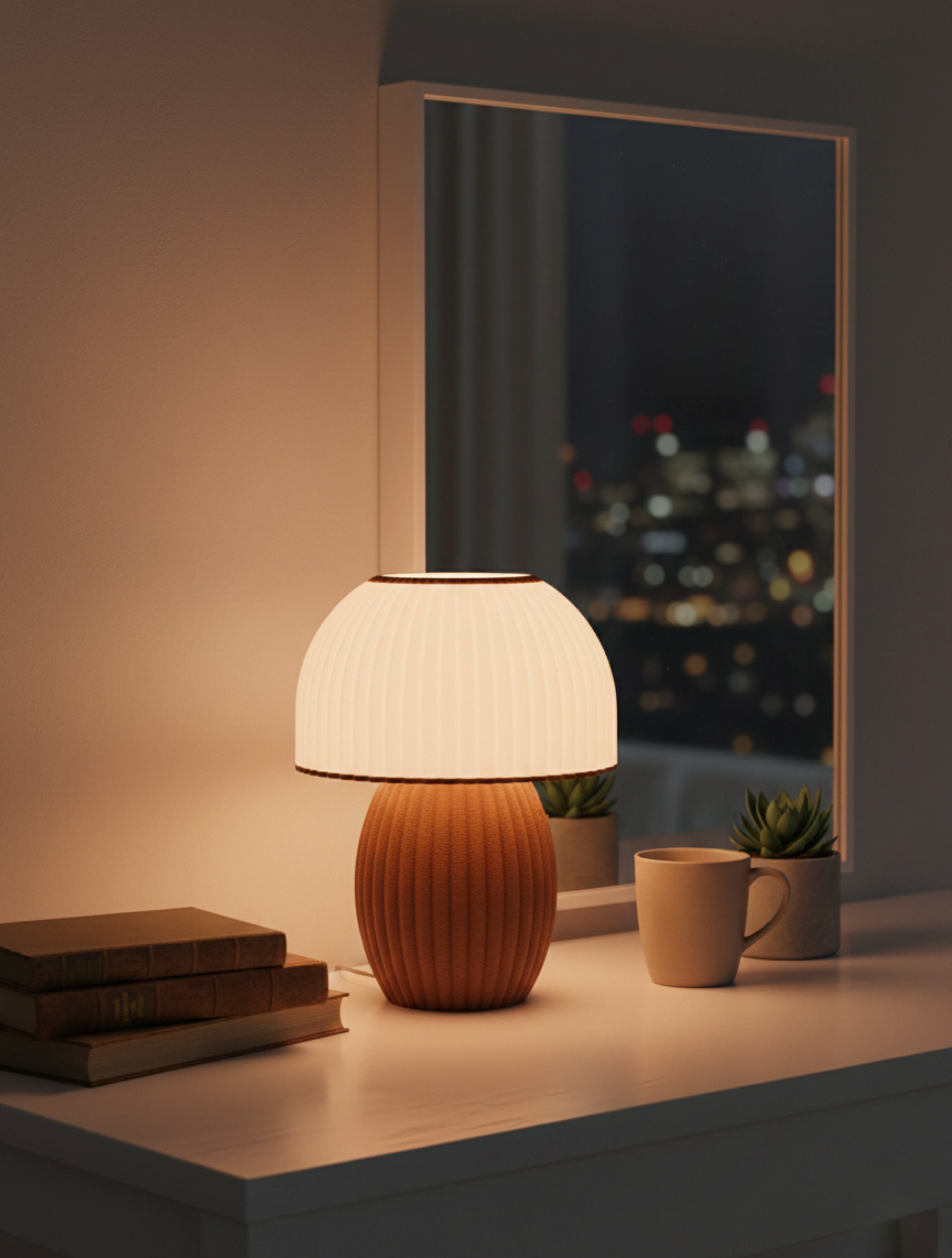
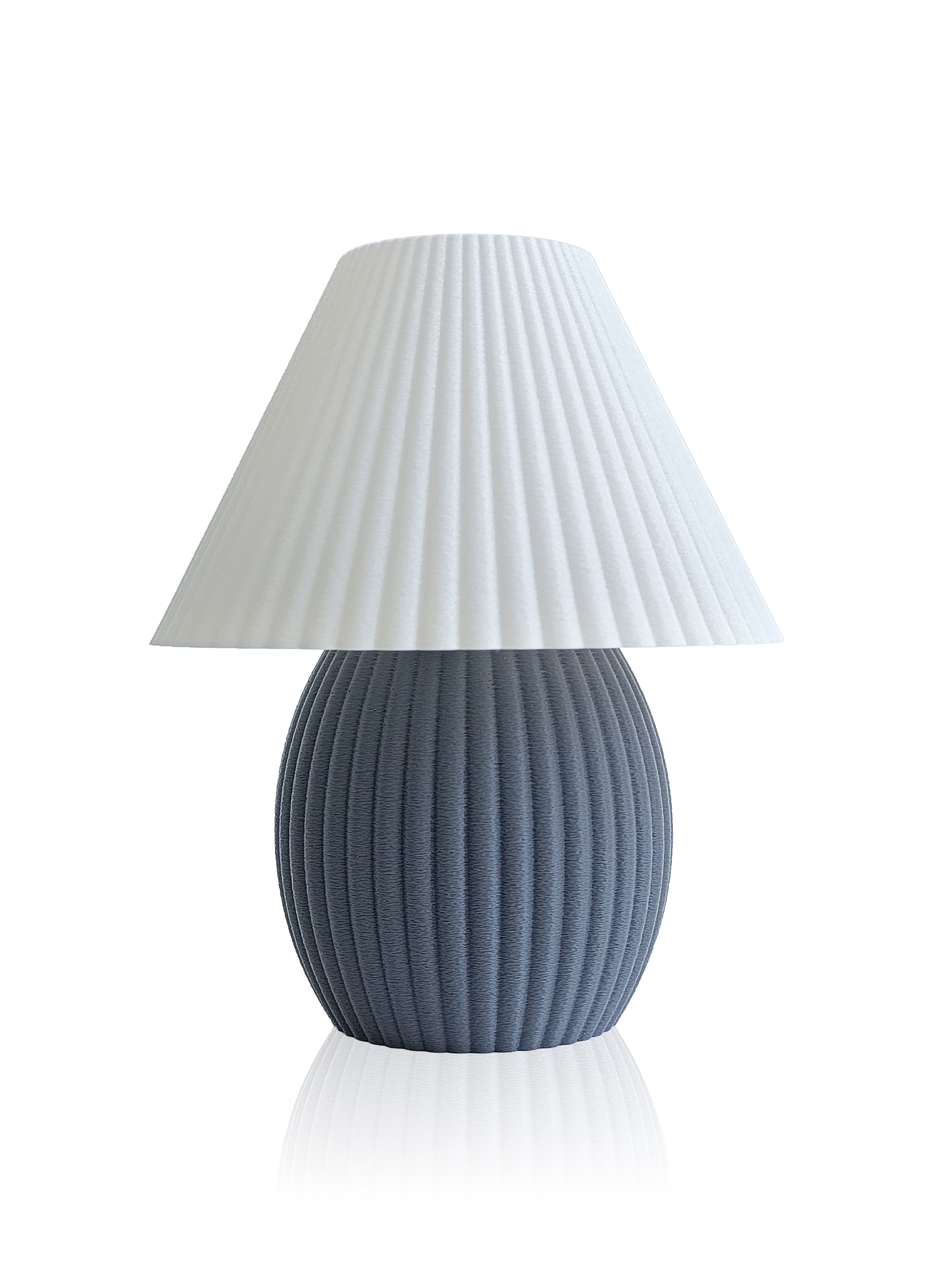
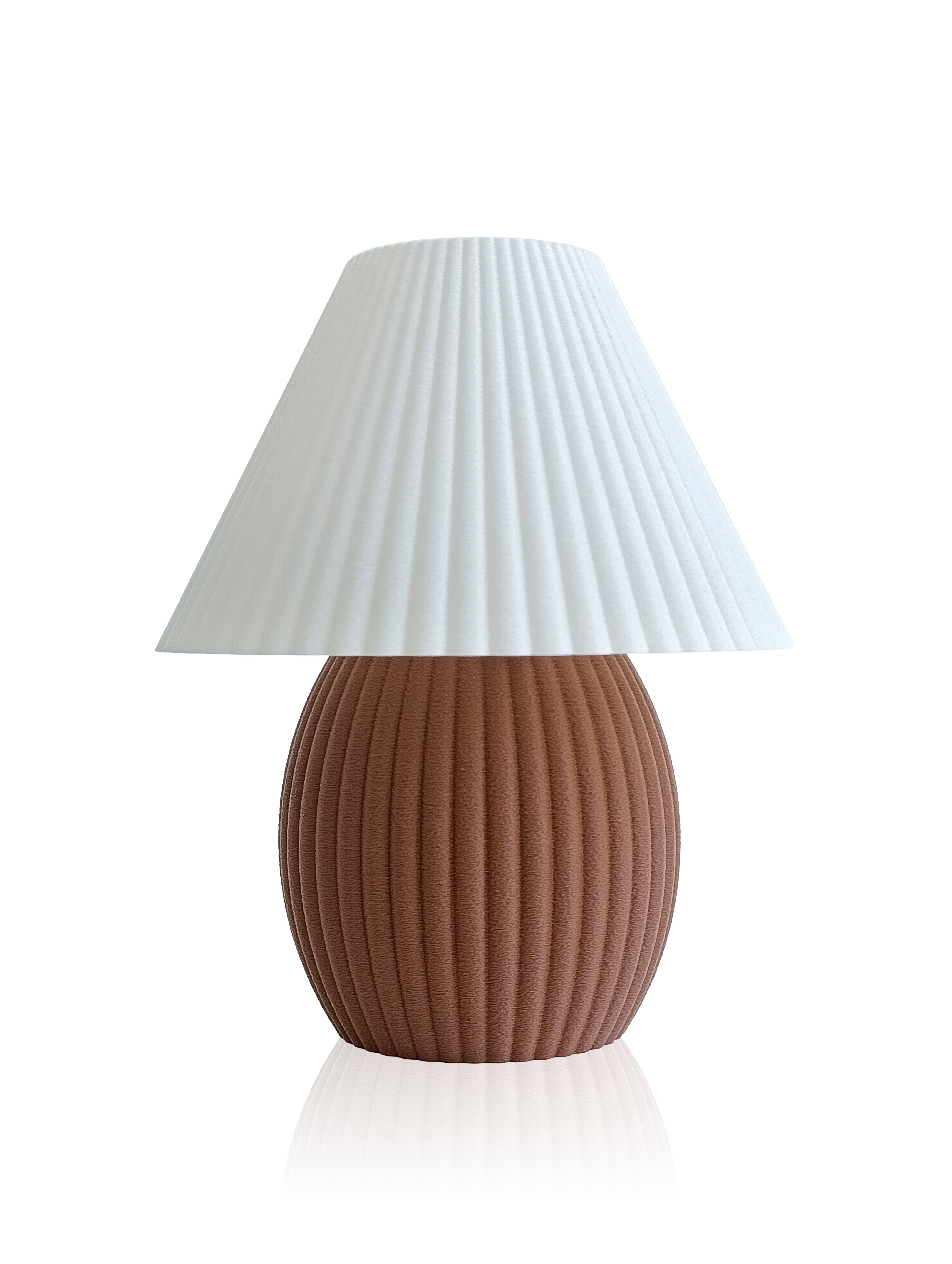
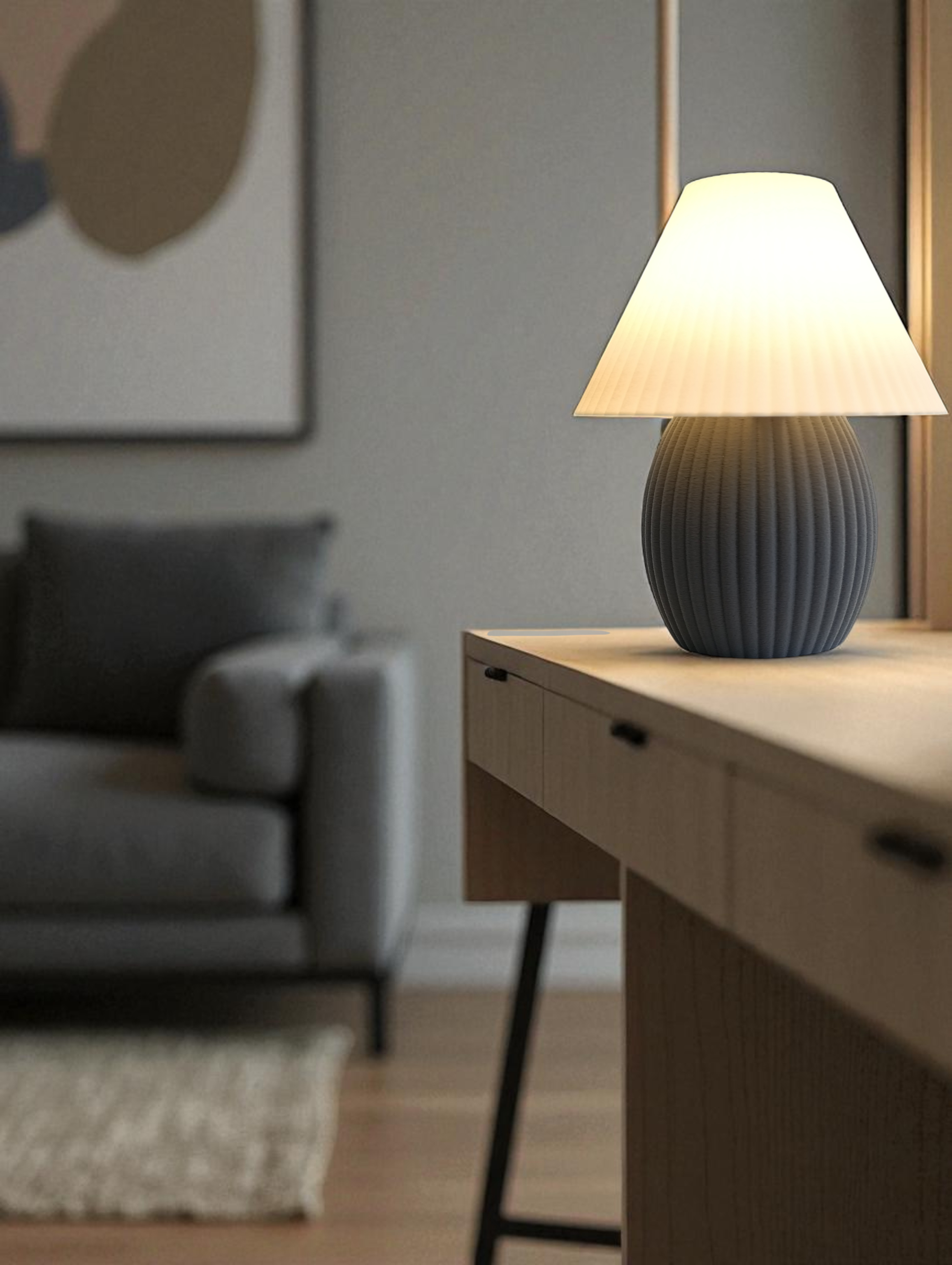
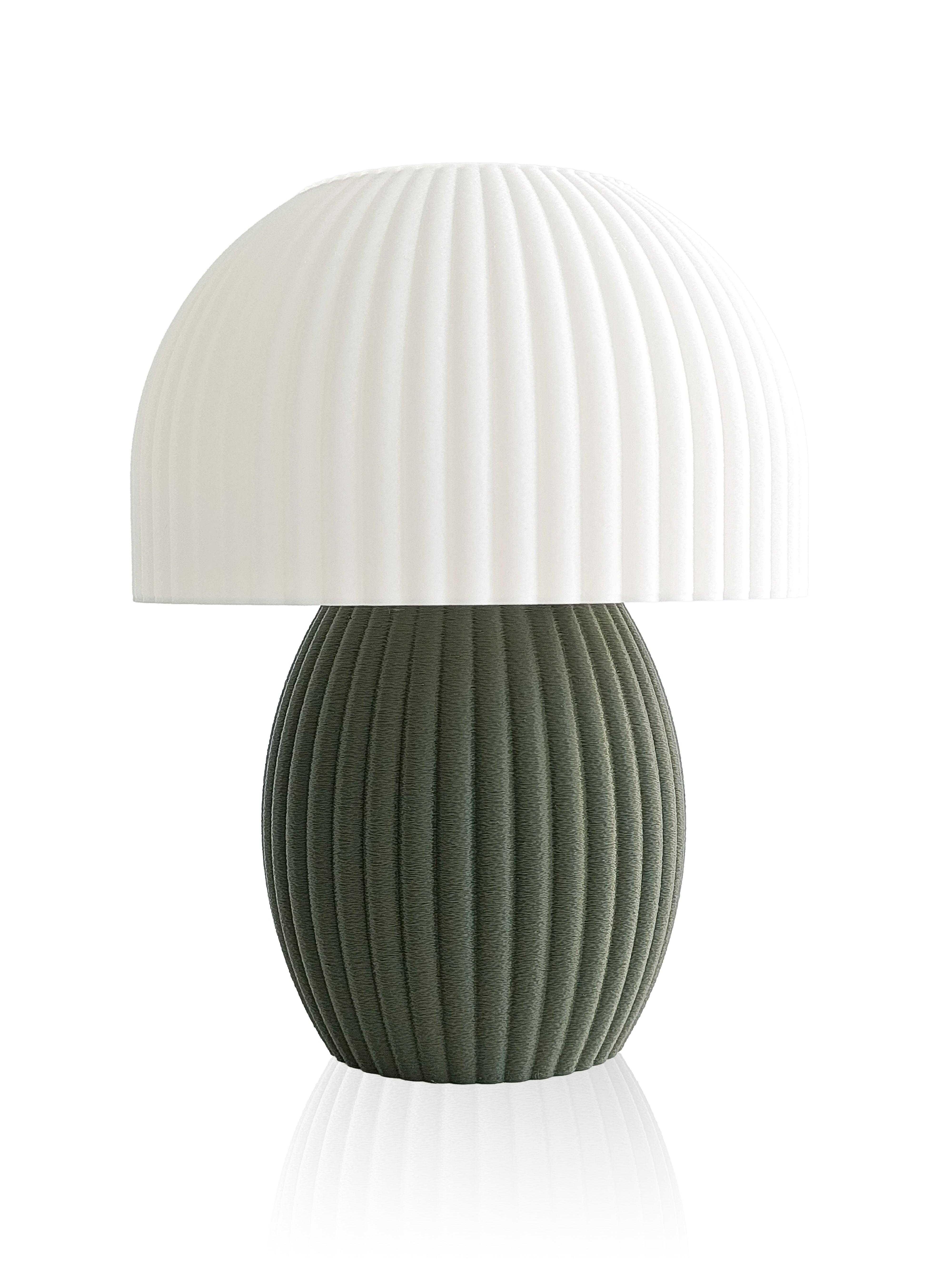
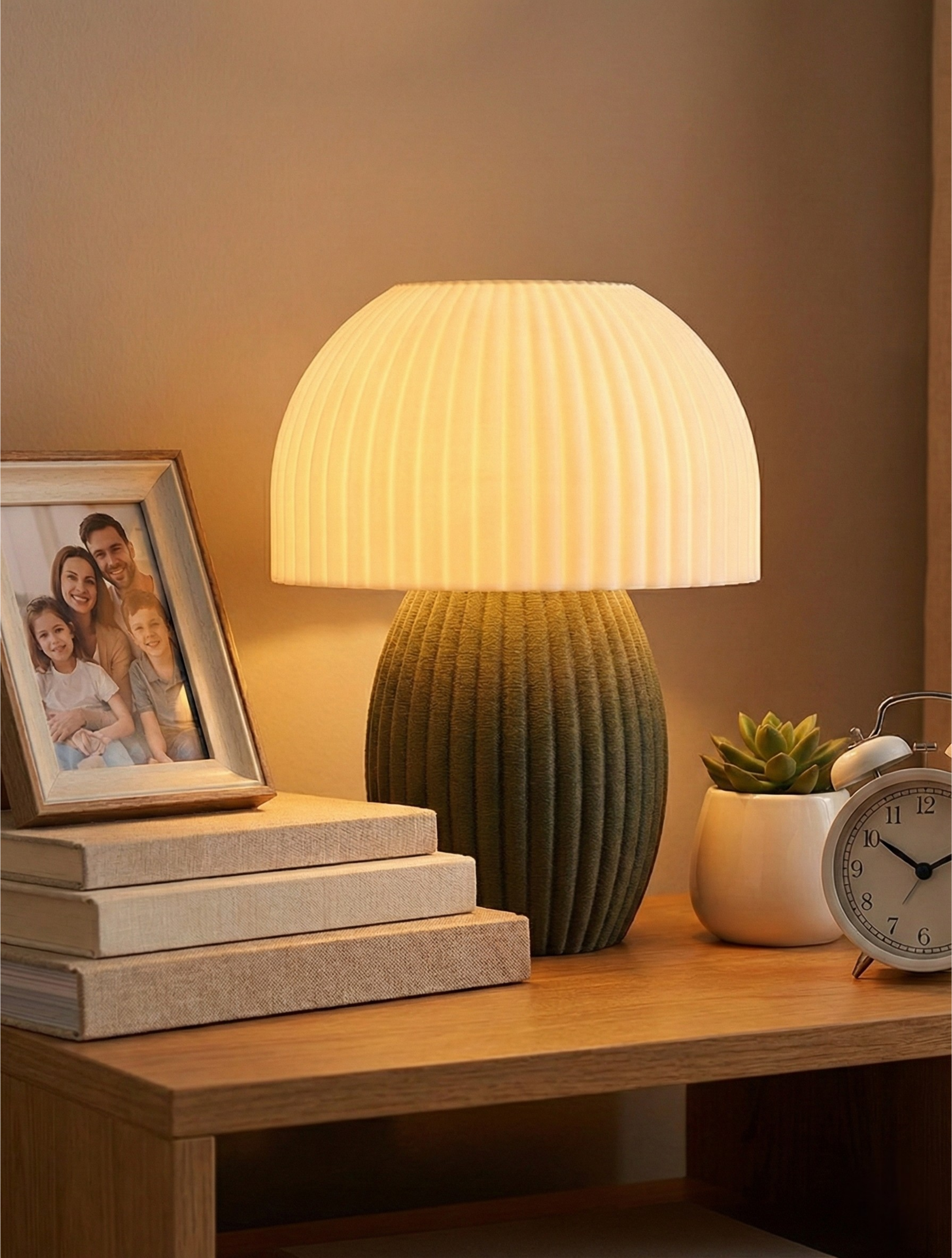
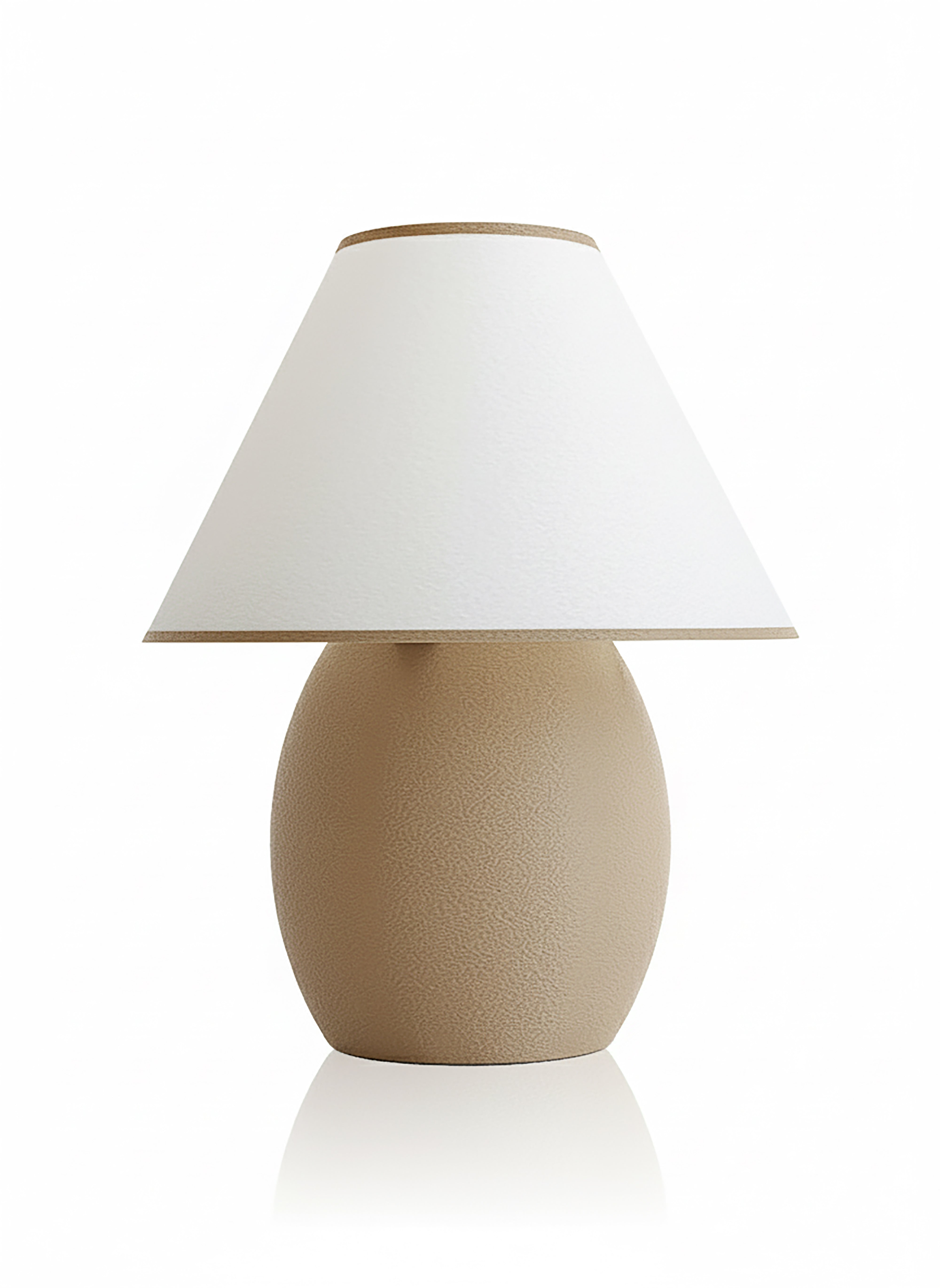
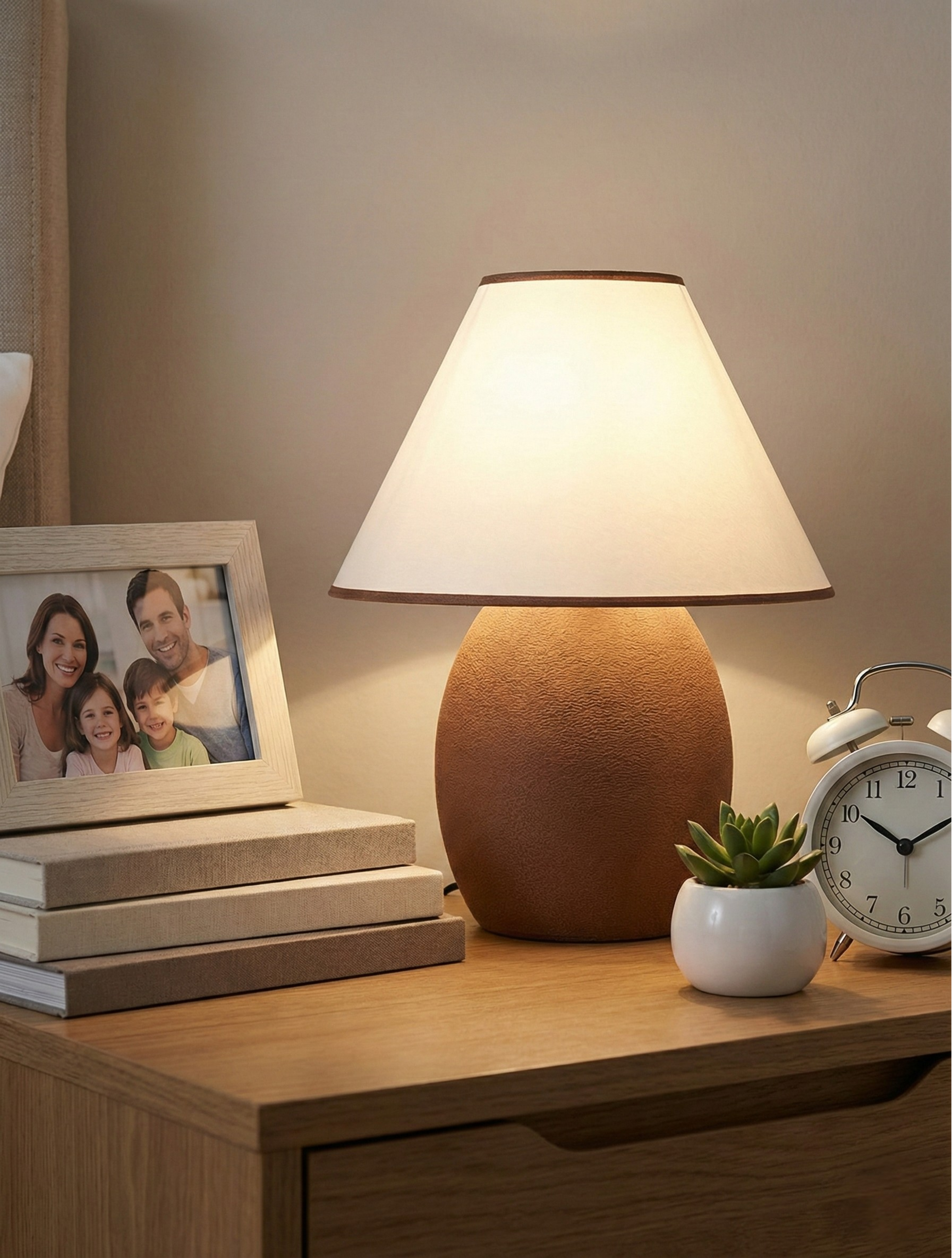
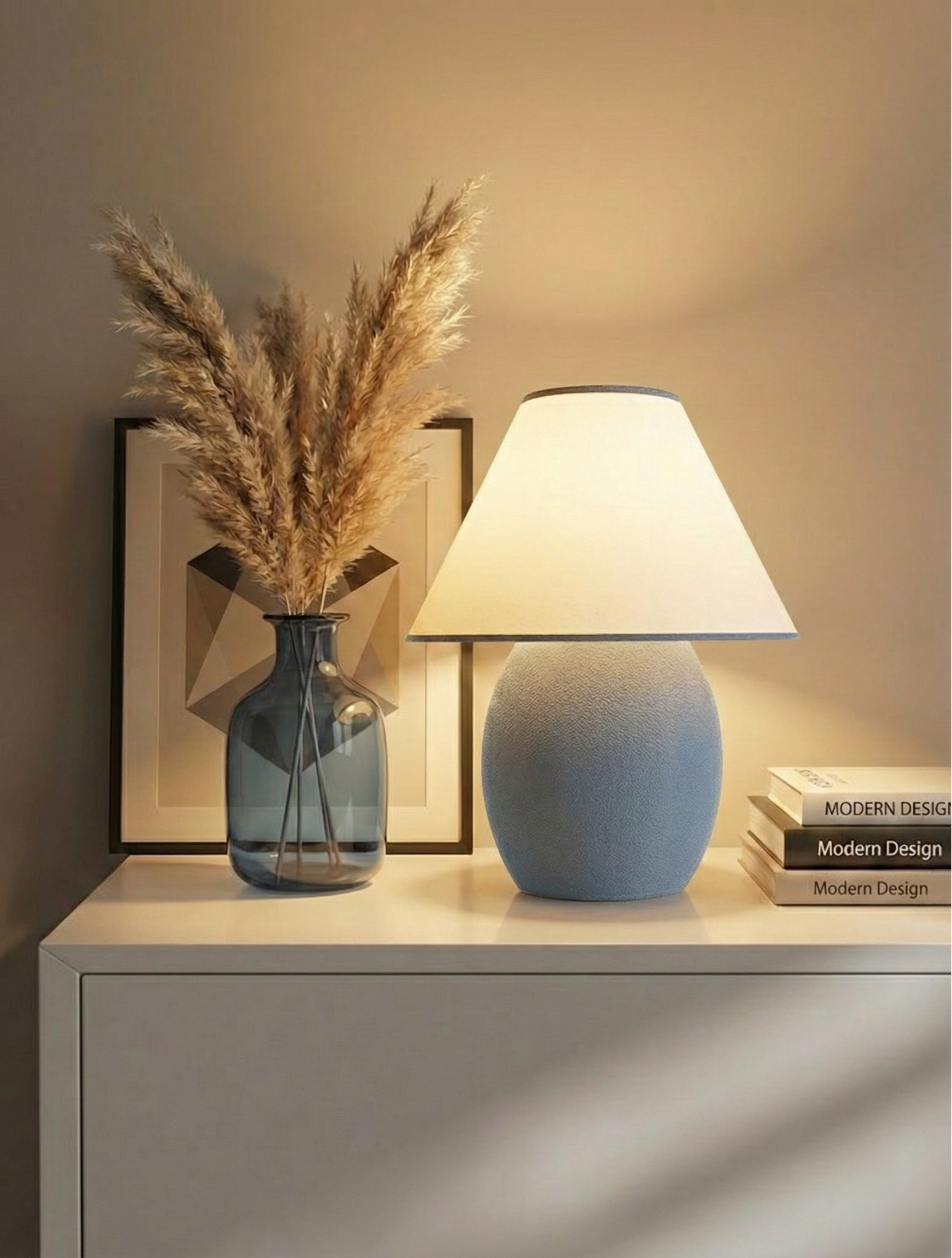
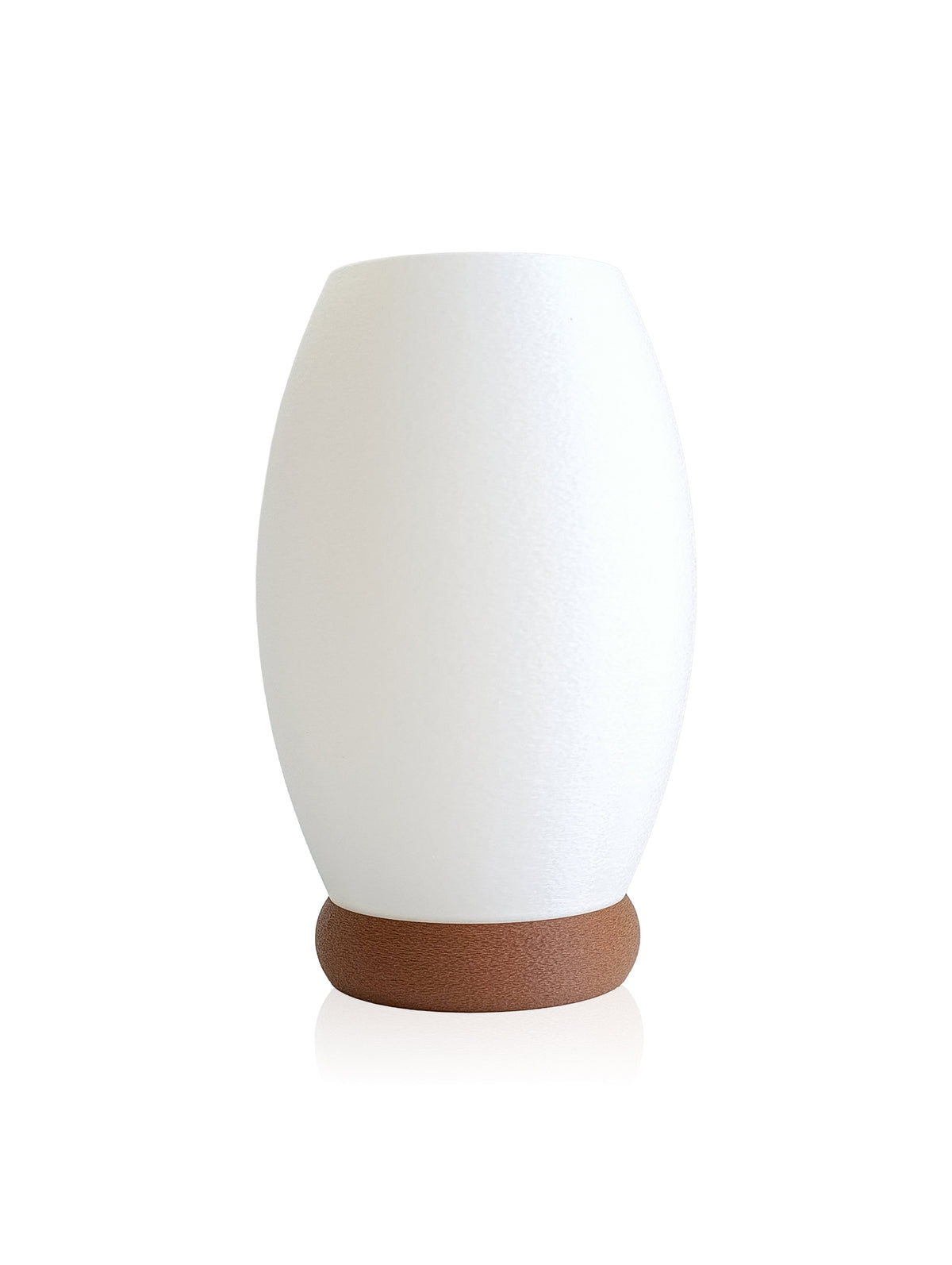
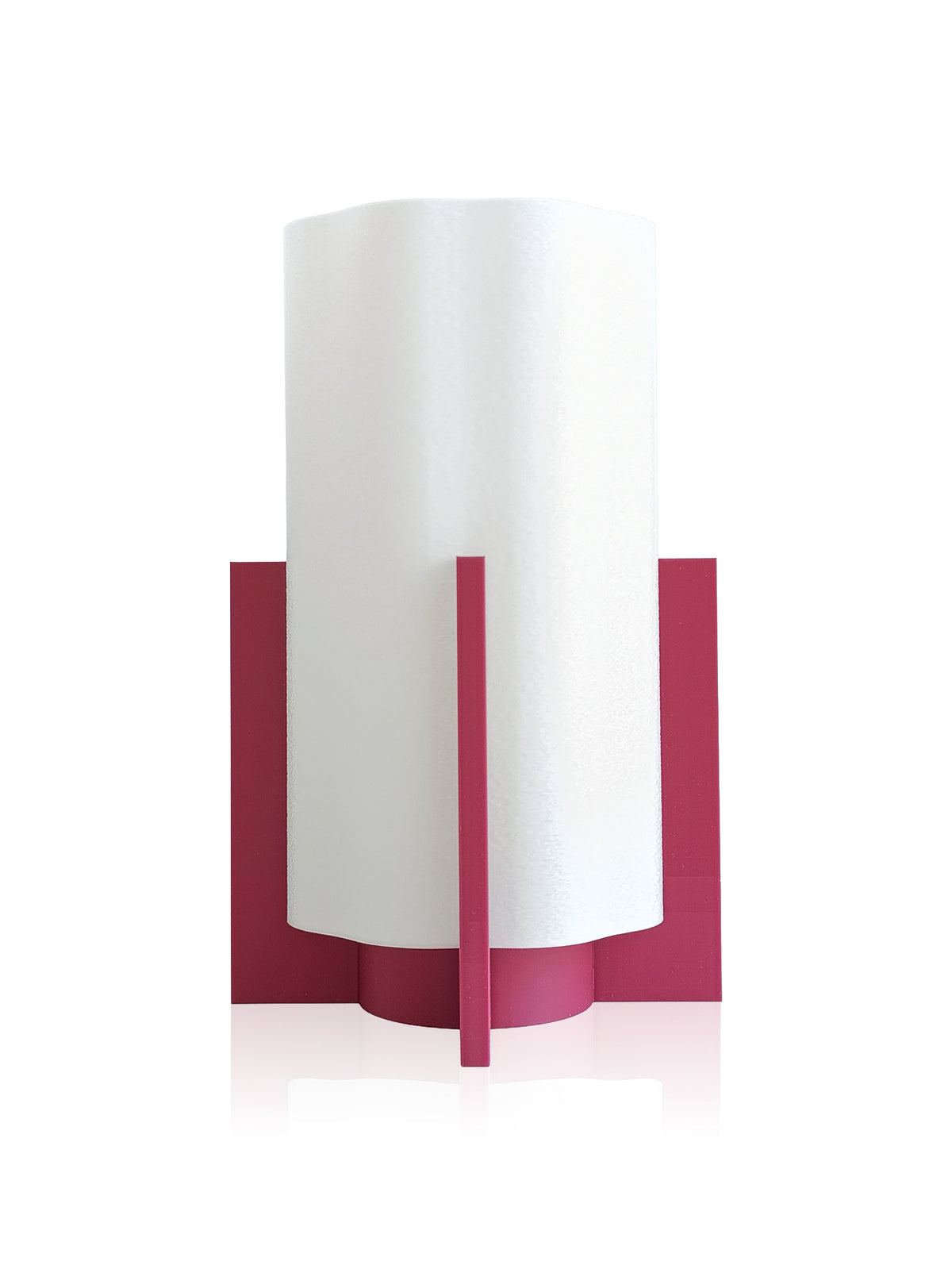
Cooler light (above 4000K) tends to sharpen focus and increase alertness, making it better suited for analytical work rather than imaginative exploration. When designing your creative space, consider layering warm, dimmable lighting that you can adjust throughout your creative process. The LUMORA US offers the kind of warm, adjustable illumination that supports this balance—bright enough to see your work clearly, but soft enough to keep your mind in that expansive, creative state.
Designing Your Ideal Dim Creative Space
Building a workspace that harnesses the benefits of dim lighting for creativity requires intentional design. Start by considering your primary creative activity: painters and visual artists may need slightly more light than writers or musicians, but all creative work benefits from avoiding the harsh brightness of overhead fixtures.
Key elements for your creative lighting setup:
- Dimmable fixtures that let you control light intensity moment to moment
- Warm color temperature (2700K–3000K) to foster relaxation and imaginative thinking
- Layered lighting—a main source plus accent or task lighting to avoid dark shadows that create eye strain
- Indirect light sources that don't create glare on screens or work surfaces
- Minimal ambient overhead lighting; opt instead for table lamps, wall sconces, or floor lamps positioned to your side
The goal is to create an environment where your eyes feel comfortable and your mind feels free. Too much light can trigger mental rigidity; too little can cause fatigue. The sweet spot sits somewhere in between—a soft, warm illumination that whispers rather than shouts.
Circadian Rhythm and Creative Energy Throughout the Day
Our creative capacity naturally fluctuates throughout the day in sync with our circadian rhythm. Morning light exposure boosts alertness and focus, making it ideal for technical or detail-oriented creative work. As afternoon transitions to evening, our bodies naturally produce more melatonin, and our minds naturally soften into the kind of diffuse thinking that supports ideation and conceptual work.
Rather than fighting this biological rhythm, design your lighting to support it. Use slightly brighter (but still warm) lighting during morning creative sessions, then gradually dim your space as afternoon becomes evening. This alignment with your body's natural rhythm can amplify creative flow and prevent the afternoon creative slump that many experience.
Frequently Asked Questions
Does dim lighting actually improve creativity, or is it just psychological?
Both. Neuroimaging studies show that dim lighting activates the brain's default mode network, associated with imaginative thinking. This is a measurable biological response, though the psychological comfort of a warm, intimate space amplifies the effect.
What's the ideal light level for creative work in lux?
For creative work like writing or sketching, aim for 300–500 lux (a measure of light intensity). This is dimmer than standard office lighting (500–1000 lux) but bright enough to prevent eye strain. Dimmable fixtures give you flexibility to adjust based on your specific task and preference.
Can I use regular overhead lights dimmed, or do I need special fixtures?
Regular overhead lights dimmed work to some extent, but they often create uneven, shadowy lighting. Dedicated warm-toned, dimmable task lighting or wall sconces provide better quality light for sustained creative work and are easier on the eyes over long periods.
Your home's creative spaces deserve lighting that honors the work you do there. By embracing dimmer, warmer illumination, you're not just setting a mood—you're creating the neurological conditions for your best, most imaginative thinking. The artists and creators who've long understood this instinctively now have science to back them up: sometimes, the best ideas emerge not in the spotlight, but in the gentle, forgiving glow of a dimmed room.






Share:
Winter Lighting: Energy and Mood in Dark Days
Lighting and Age: Do Different Age Groups Need Different Light?