

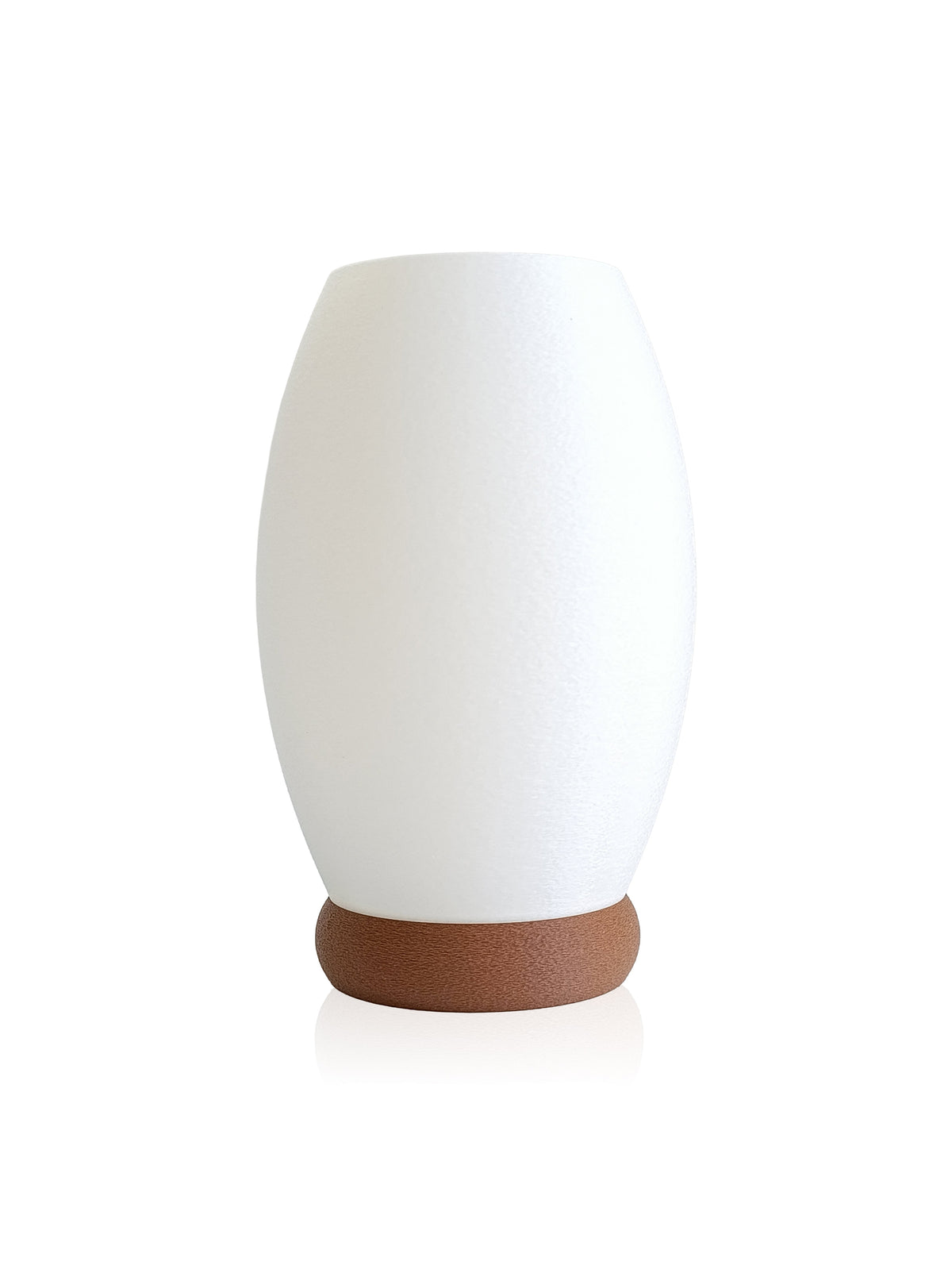
Table Lamp Size: Finding the Right Proportion for Your Furniture

There's something quietly powerful about choosing the right table lamp size for your space. It's not just about illumination—it's about balance, proportion, and how light shapes the feeling of a room. Whether you're furnishing a new bedroom, redesigning a reading nook, or adding task lighting to your desk, understanding table lamp size proportions will help you make choices that feel intentional and look effortless. Getting this right means your lamp becomes an invisible anchor in your space, enhancing both form and function without drawing unwanted attention.
Understanding Lamp Height and Base Diameter
The foundation of proper lamp sizing starts with two measurements: overall height and base diameter. Most table lamps range from 24 to 32 inches tall (measured from the base to the top of the shade), though desk lamps often run shorter at 18 to 24 inches. Base diameter typically spans 4 to 8 inches, with larger bases providing visual stability for taller shades.
Here's what matters for your home: these proportions should feel grounded, not top-heavy or diminished. A lamp that's too tall relative to its base will look unstable. One that's too squat will feel weighted down. The magic happens when height and base work together as a visual unit—when your eye perceives them as a complete, balanced object.
- Standard table lamps: 24–32 inches total height
- Desk and task lamps: 18–24 inches
- Statement or floor-adjacent lamps: 30–36 inches
- Base diameter: typically 1/3 to 1/2 the width of the shade
How to Size a Lamp to Your Furniture
The relationship between your lamp and the furniture it sits on is what determines whether it feels at home in your space. A lamp placed on a nightstand, console table, or side table should be proportional to that surface—not dwarfing it or disappearing into it.
Here's a practical approach: your lamp's base diameter should be roughly 1/3 to 1/2 the width of the surface it occupies. If your nightstand is 18 inches wide, a lamp with a 6-inch base diameter works beautifully. For a 24-inch console, aim for a 7 to 9-inch base. Similarly, the height of the lamp shade should align with the height of nearby furniture when you're seated—aim for your sightline to fall at about mid-shade, not directly into the bulb.
- Nightstands: 18–24 inch tall lamps with 4–6 inch bases
- Console tables: 26–32 inch tall lamps with 6–8 inch bases
- Desks: 20–28 inch tall lamps with 5–7 inch bases; position shade 15–16 inches above work surface
- End tables next to seating: 24–28 inch lamps positioned at eye level when seated
Creating Visual Balance in Your Room
Beyond the furniture surface itself, think about how your lamp relates to the larger room. A single delicate lamp in a sprawling living room will feel lost. A heavy, oversized lamp in a compact bedroom will crowd the space. This is where proportion becomes emotional—it's about whether your lamp feels like it belongs.
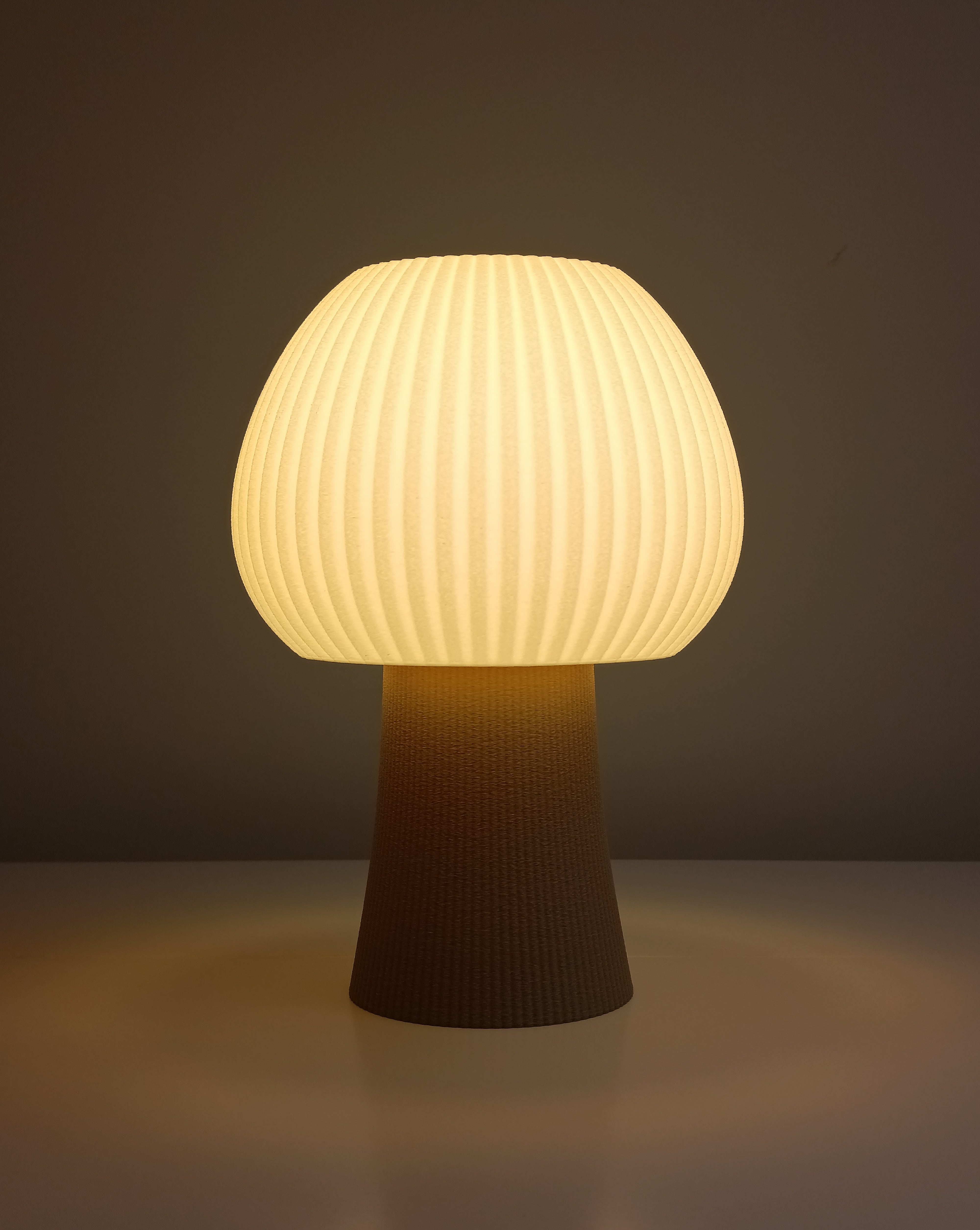
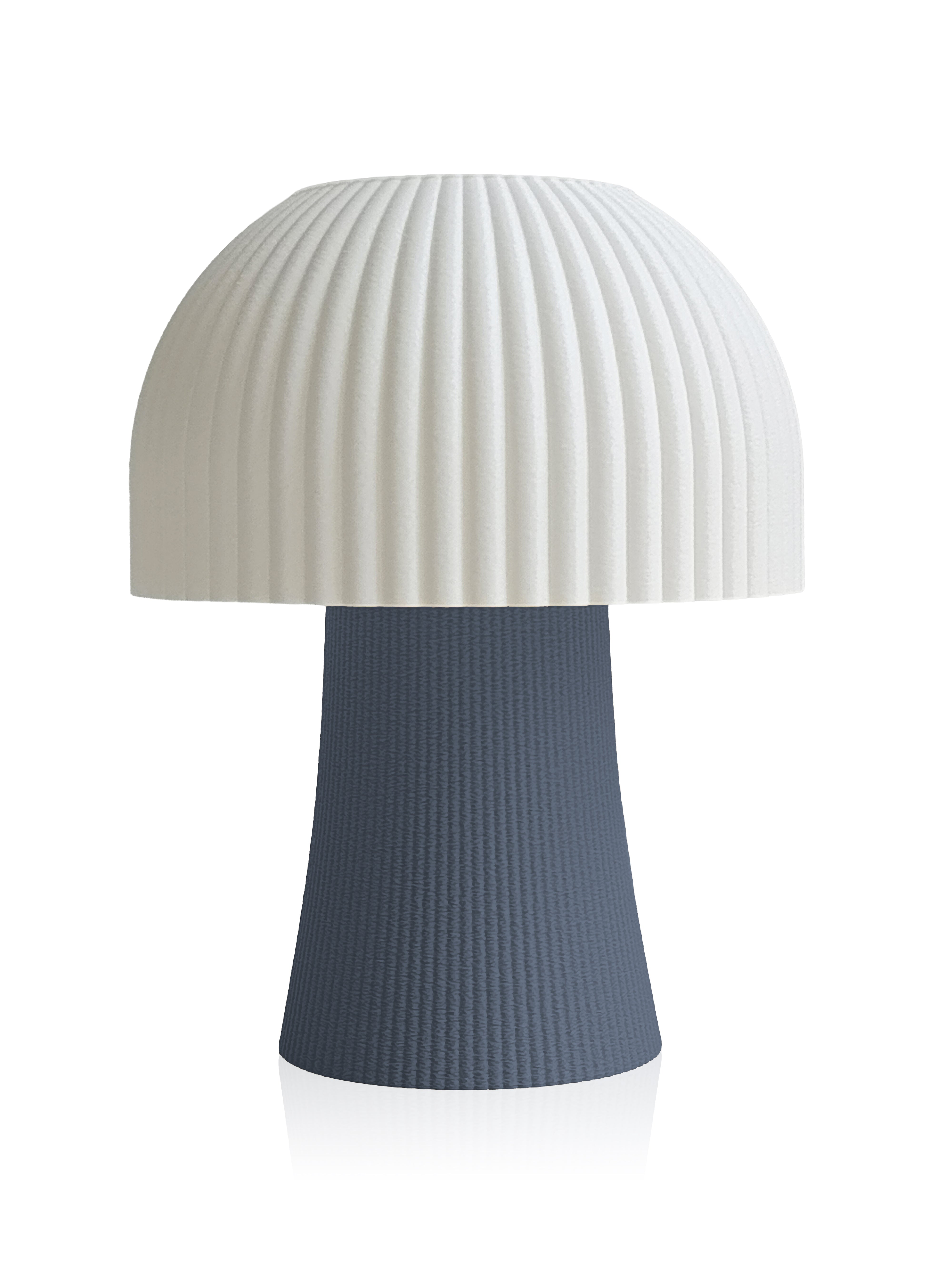
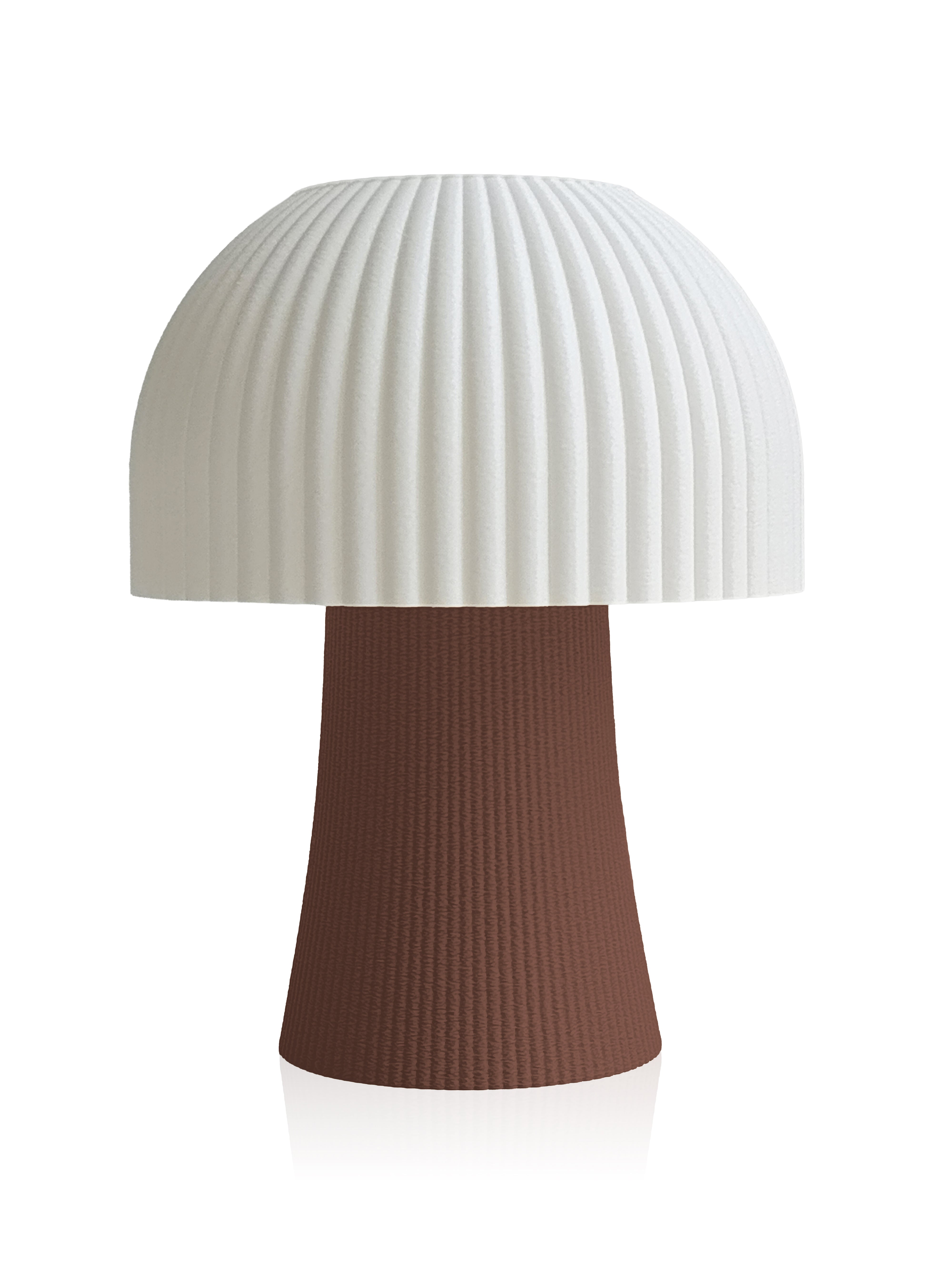
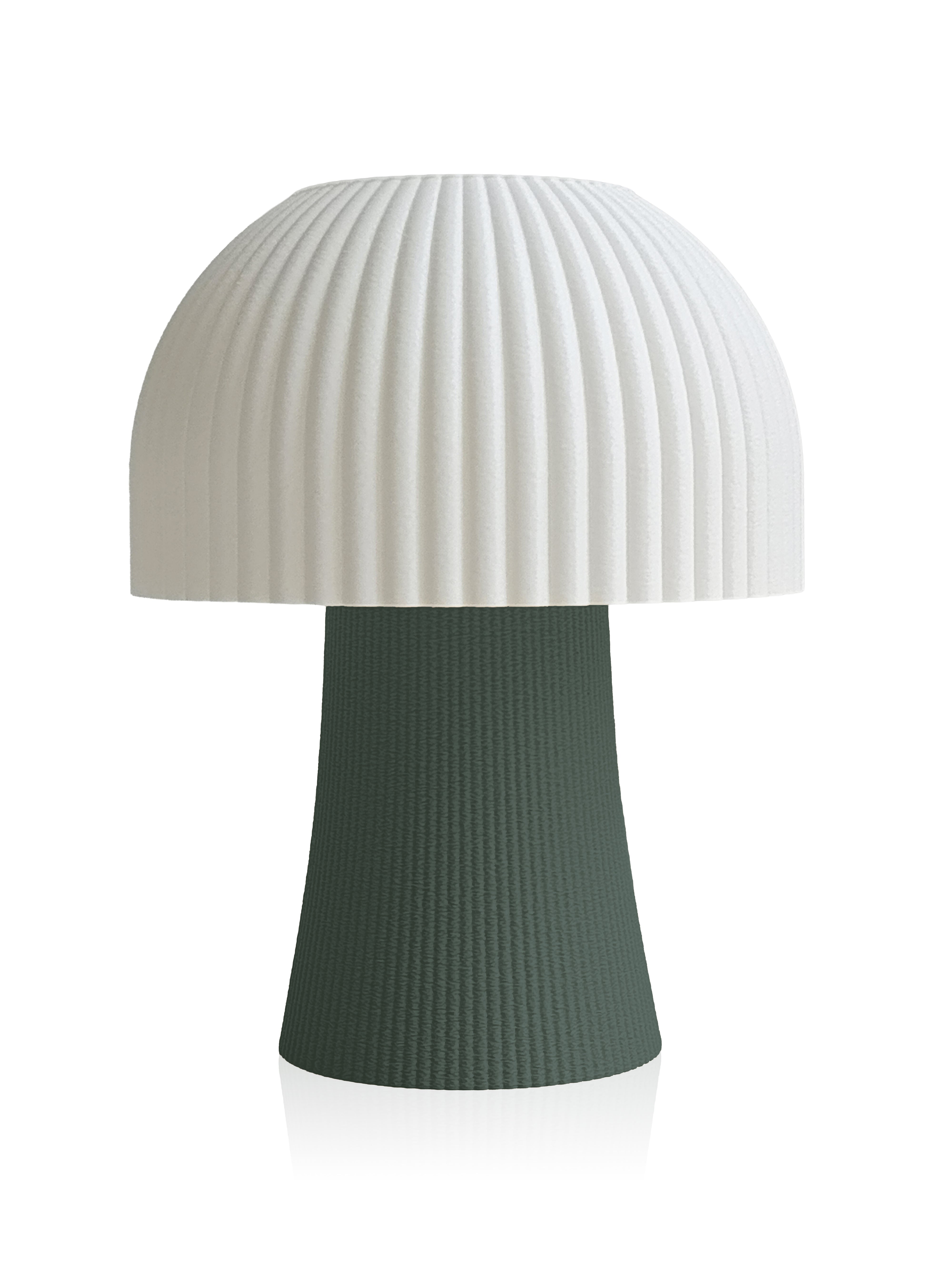
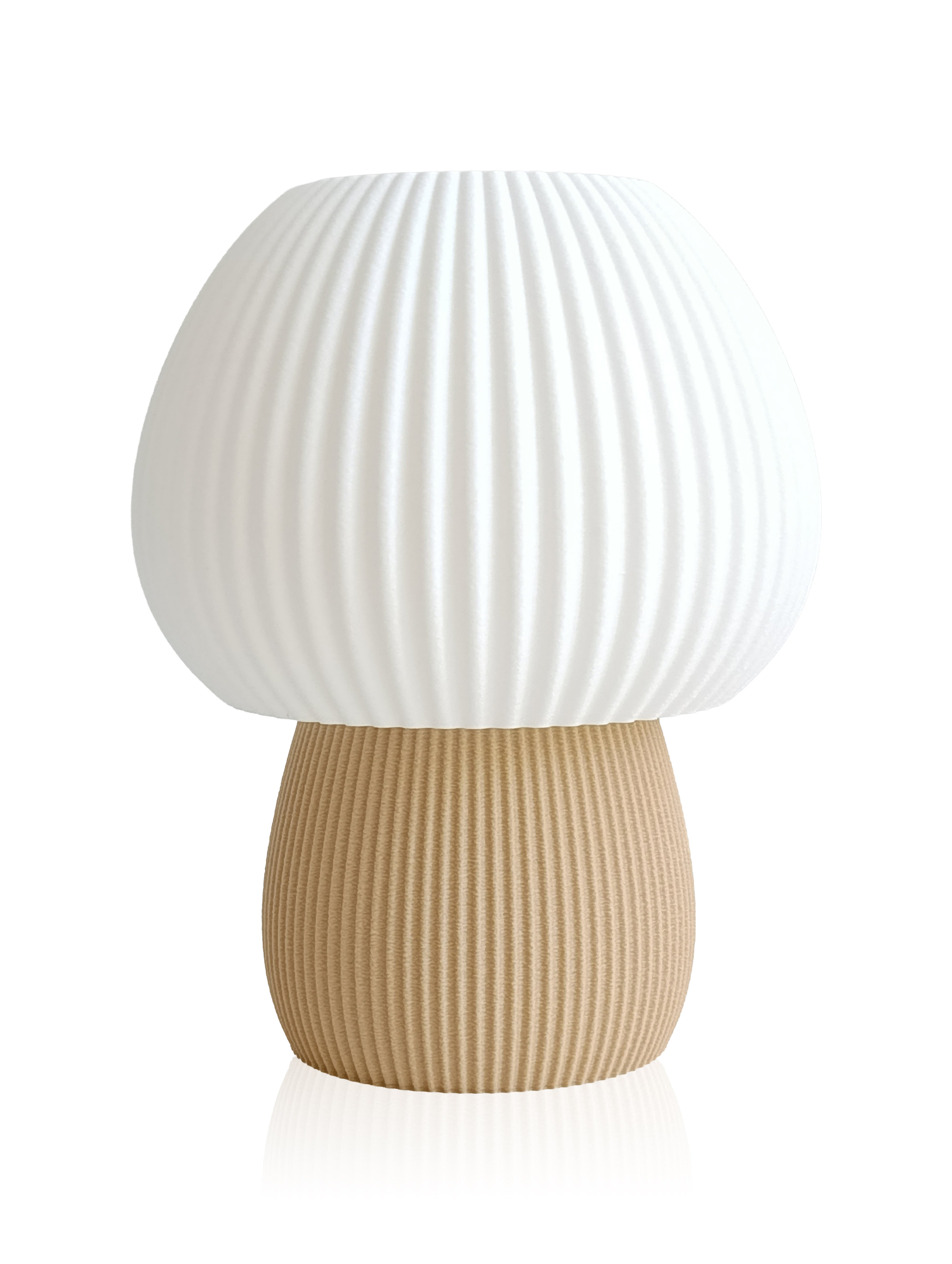
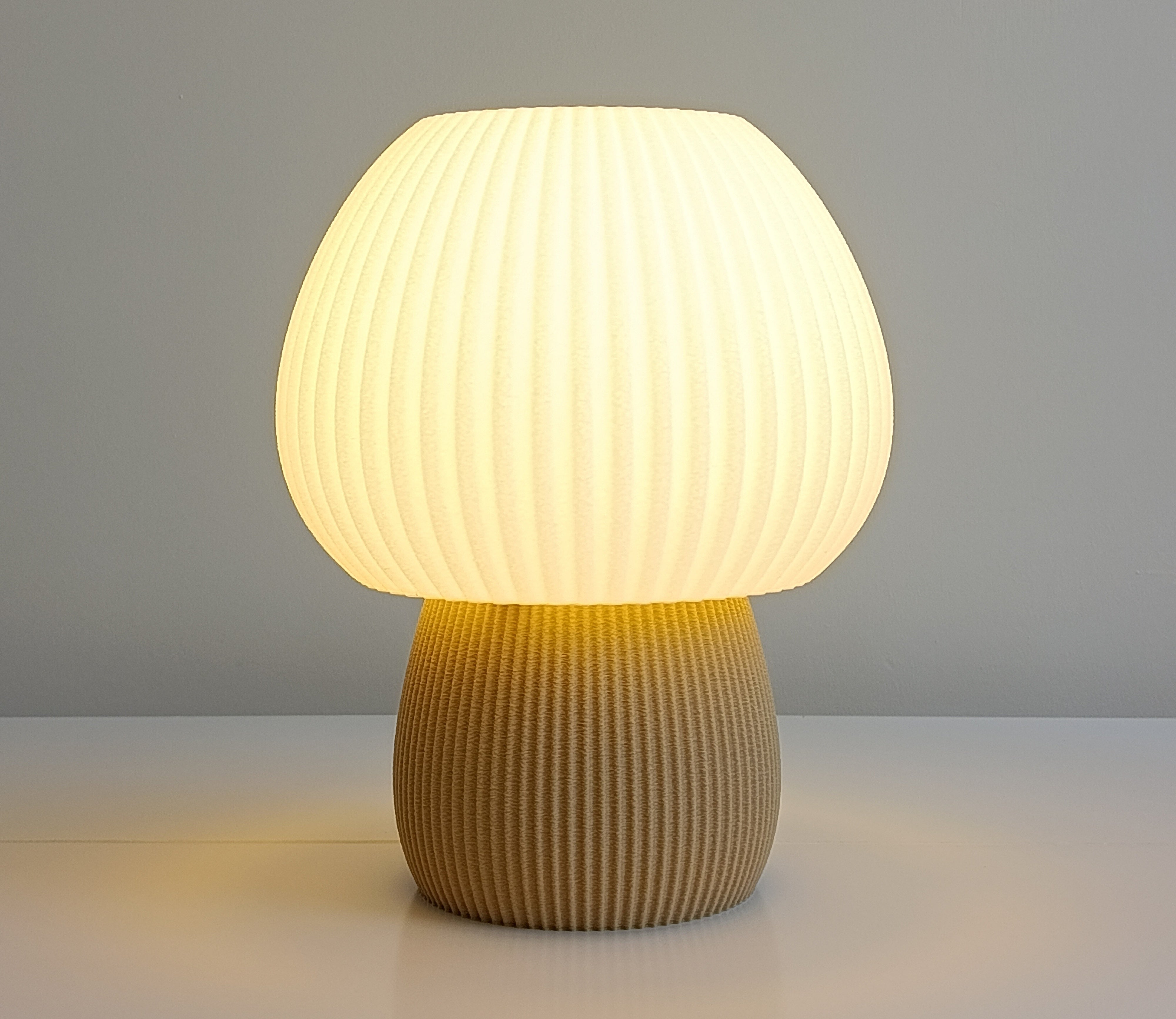
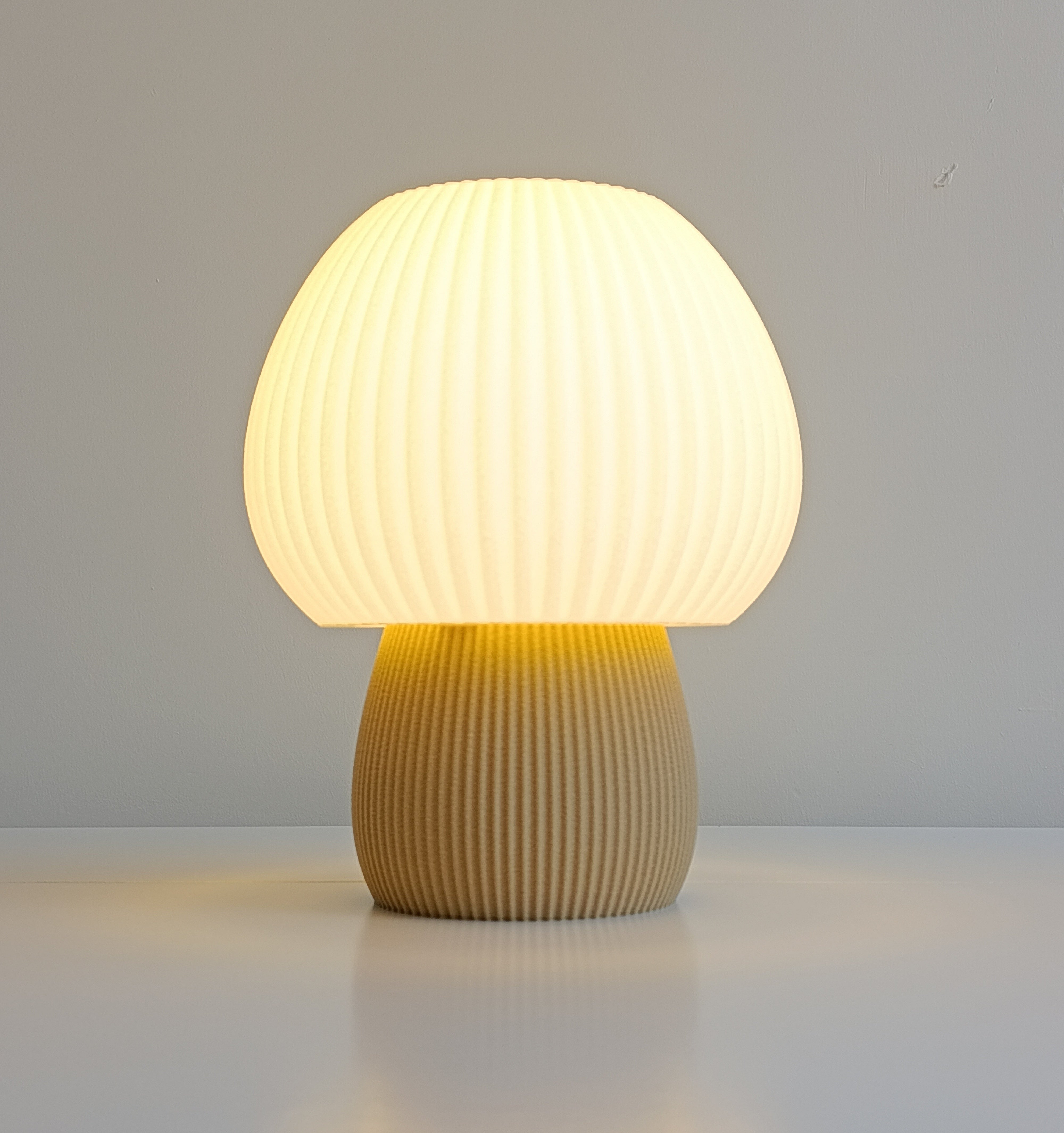
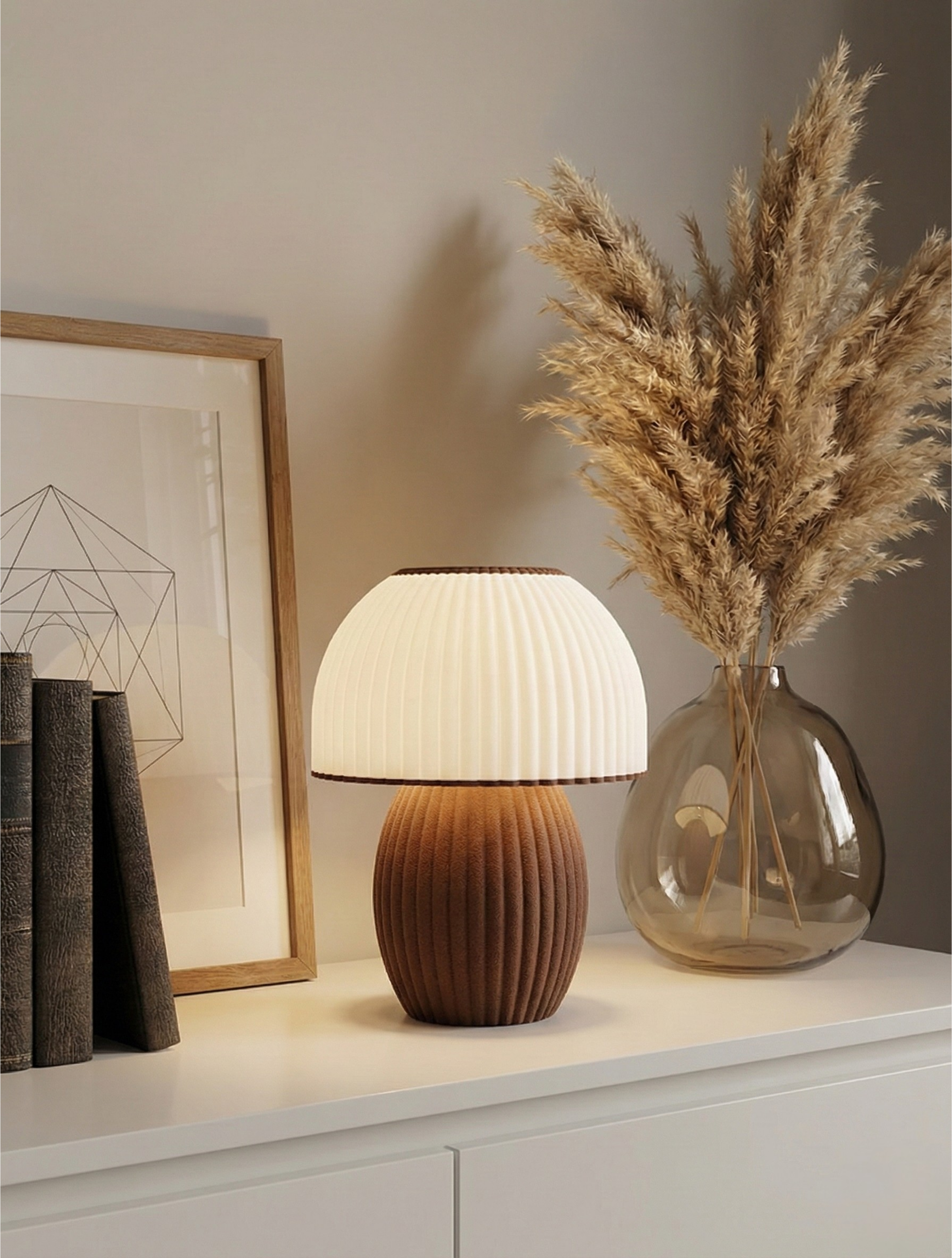
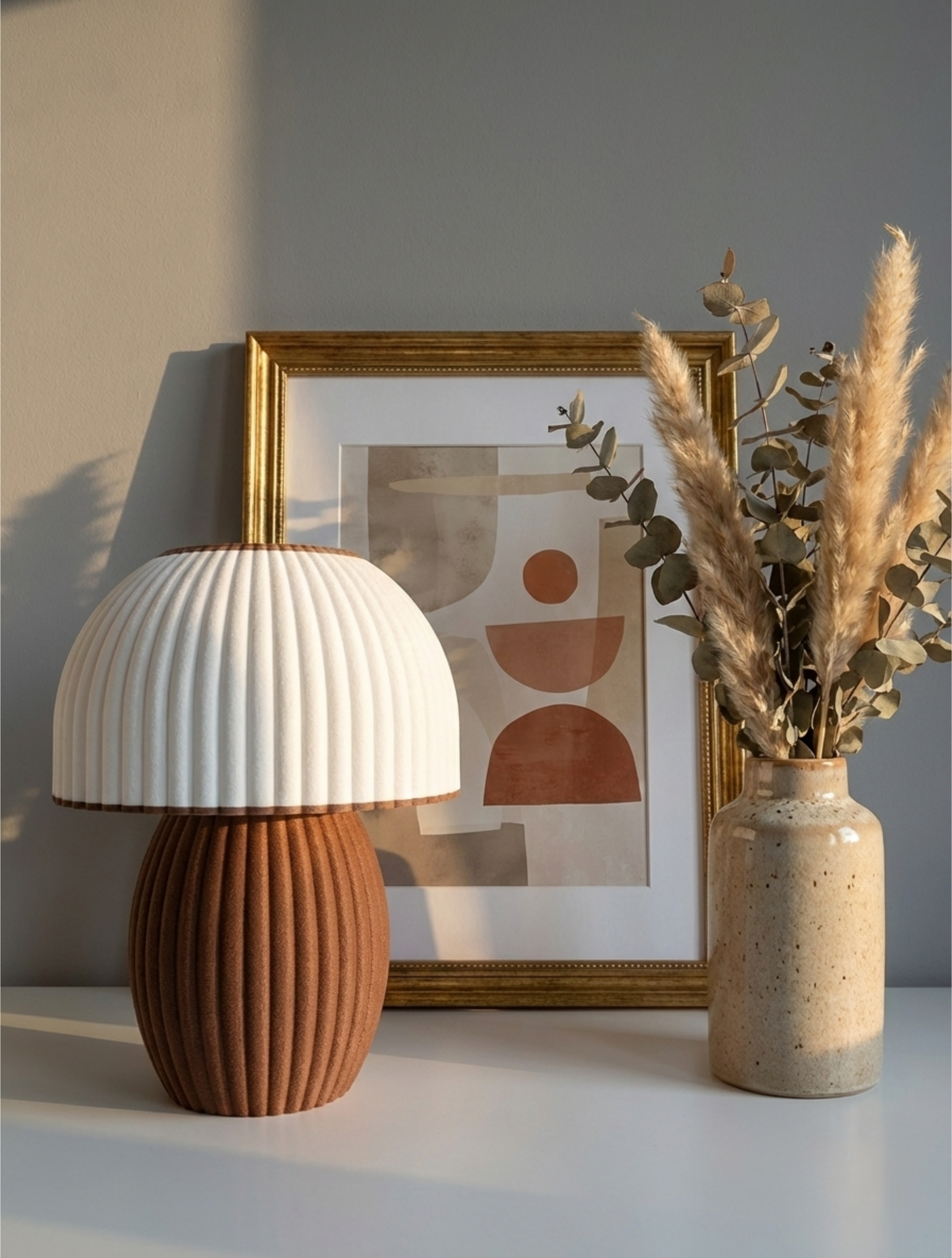
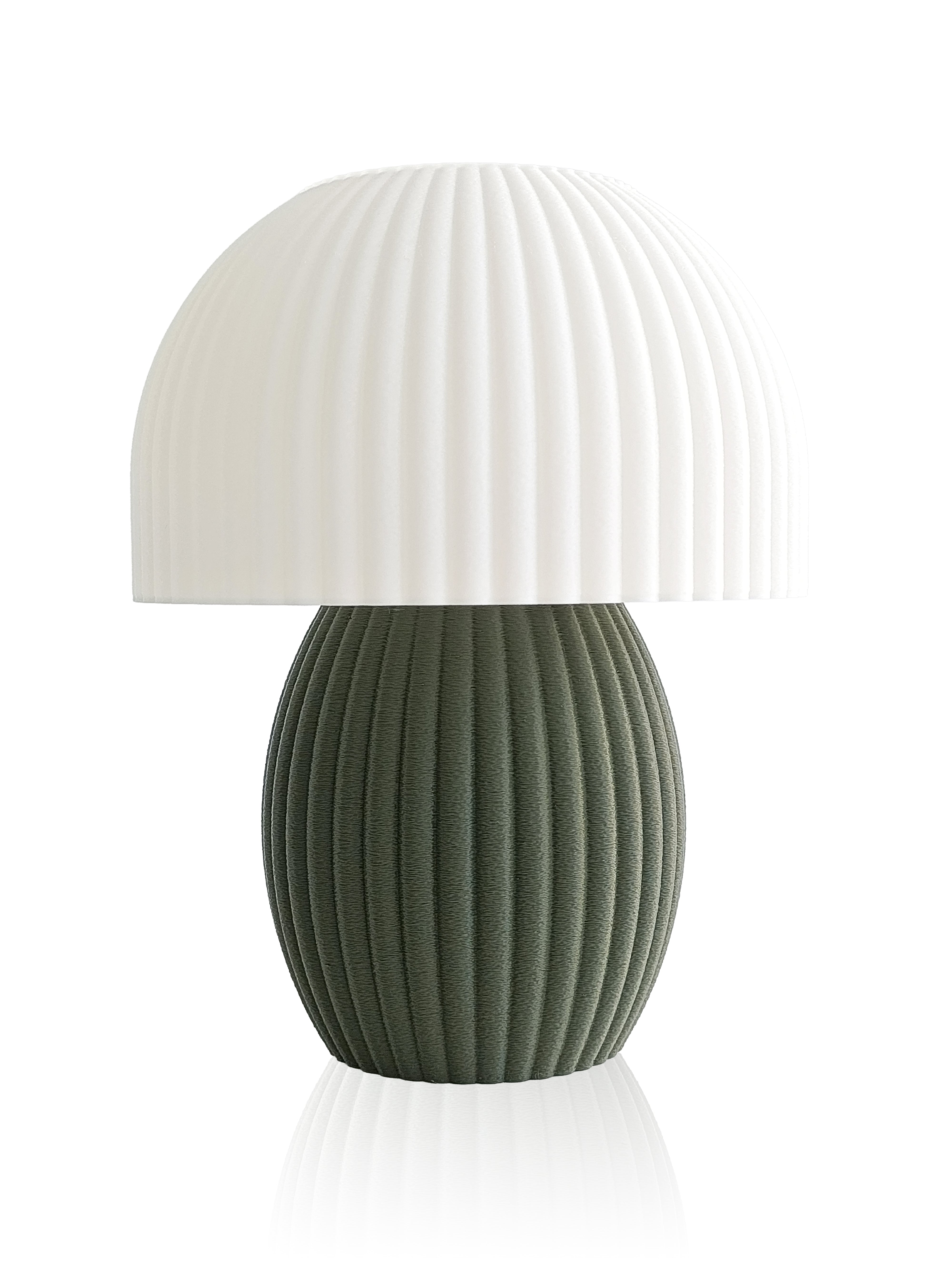
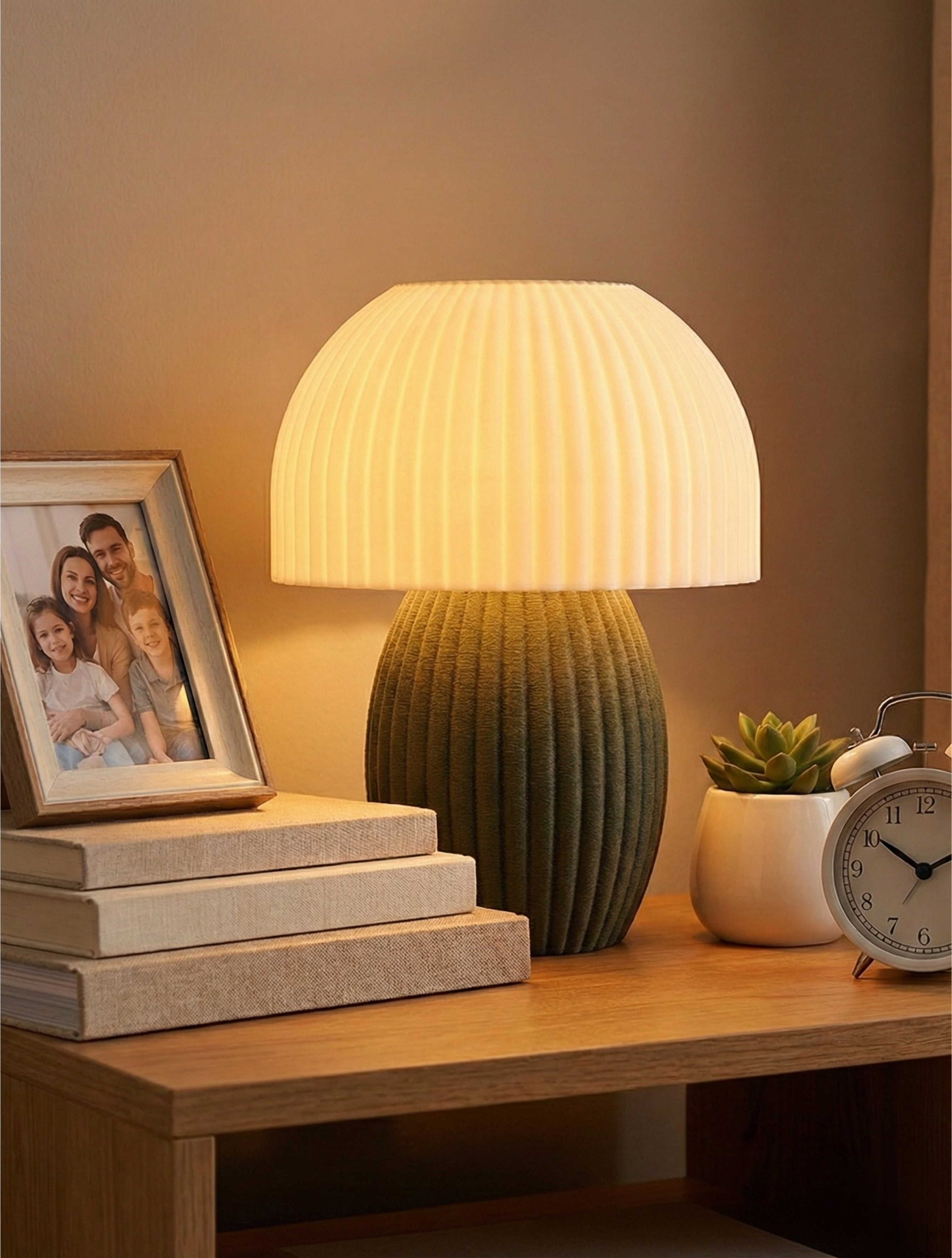
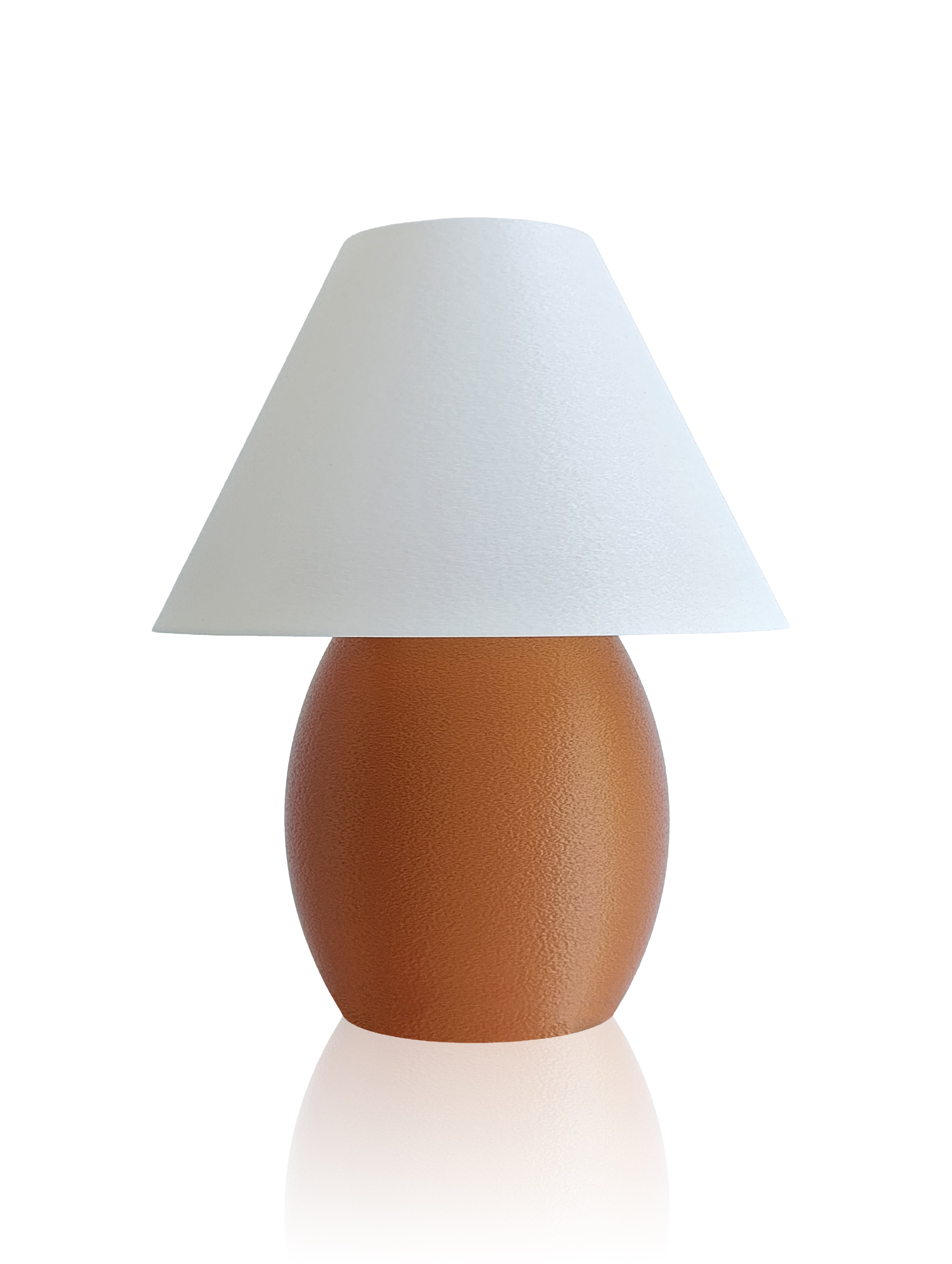
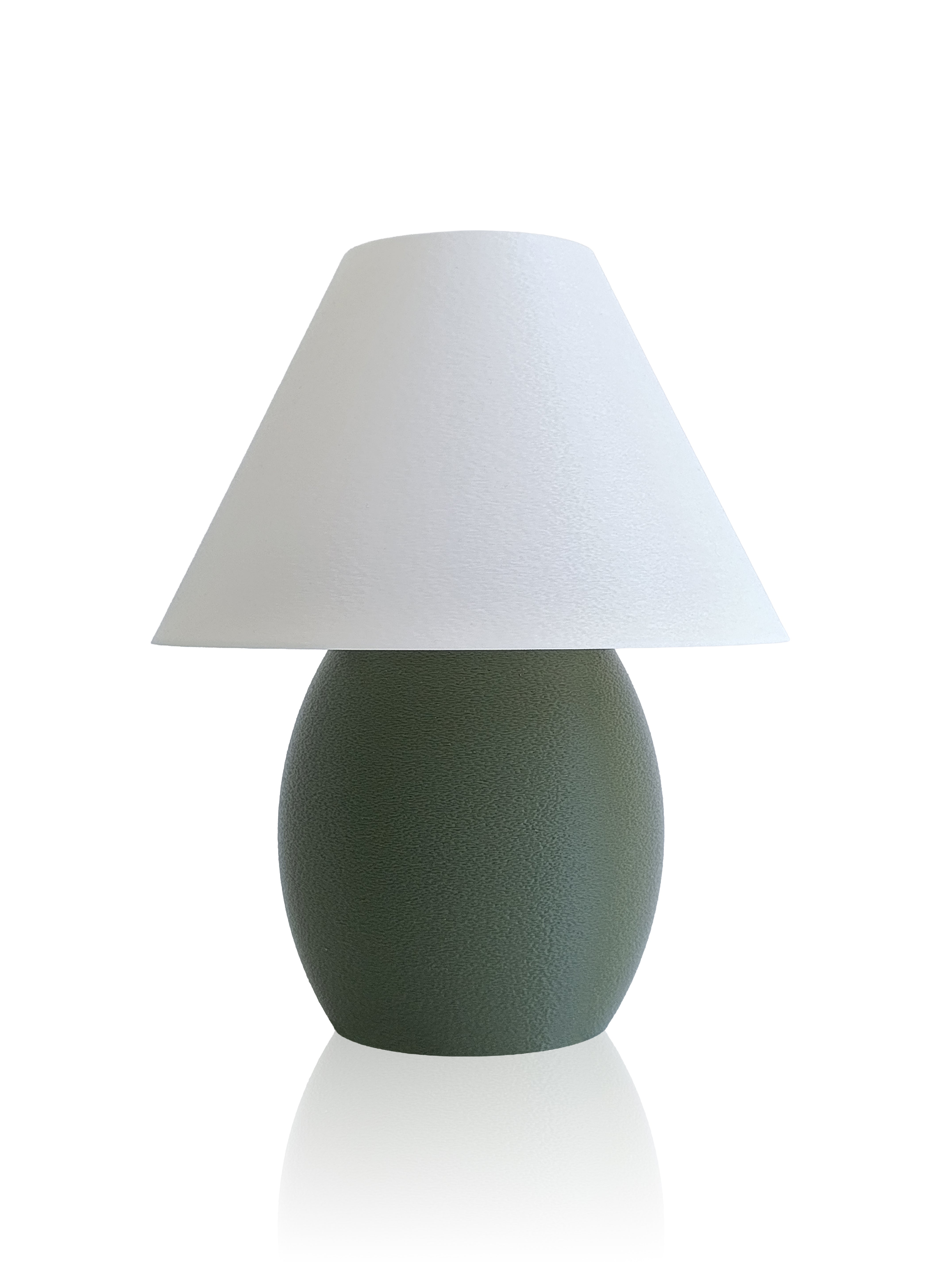
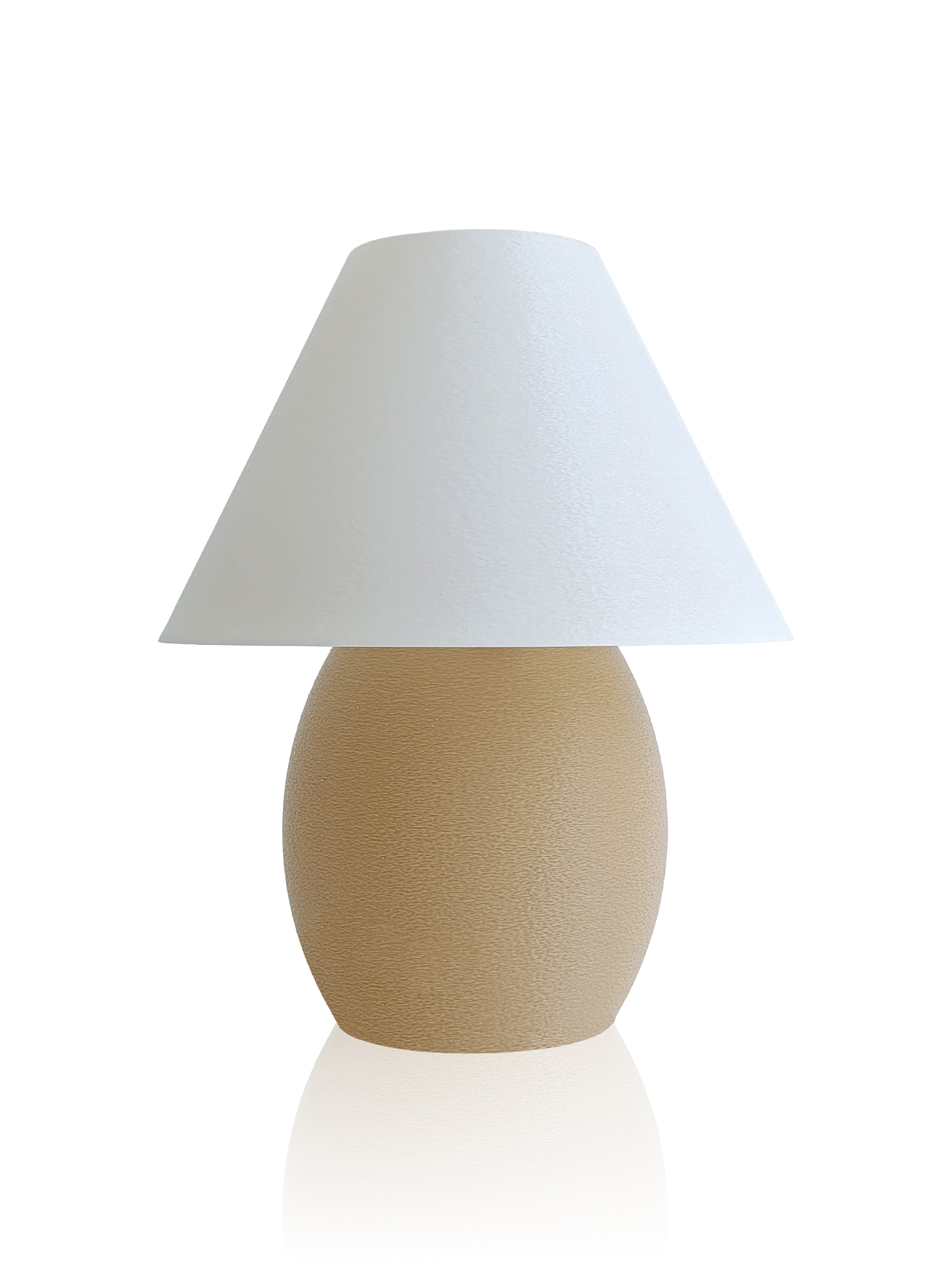
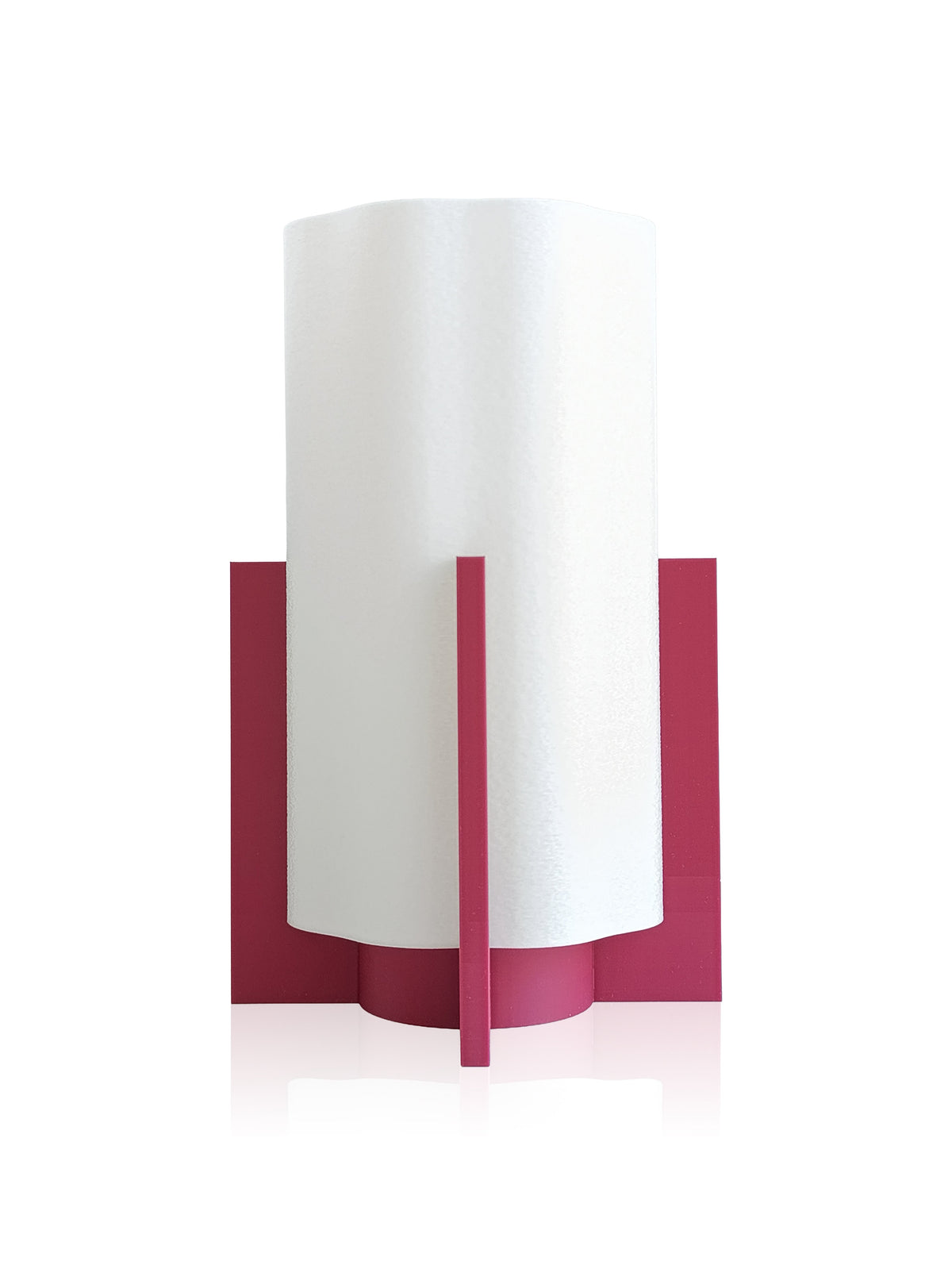
Consider the scale of nearby pieces: the sofa it anchors, the mirror above the console, the art on the walls. Your lamp should feel like it's in conversation with these elements, not competing with them or shrinking away. The LUMI US, for example, offers a proportioned silhouette that reads clearly in medium to large rooms without overwhelming more intimate spaces—the kind of thoughtful design that makes placement feel intuitive.
One useful principle: in rooms with high ceilings, you can embrace taller lamps (30–36 inches). In rooms with standard or lower ceilings (8–9 feet), keep lamps in the 24–28 inch range. This visual math helps the room feel cohesive rather than cramped or hollow.
Shade Size and Light Distribution
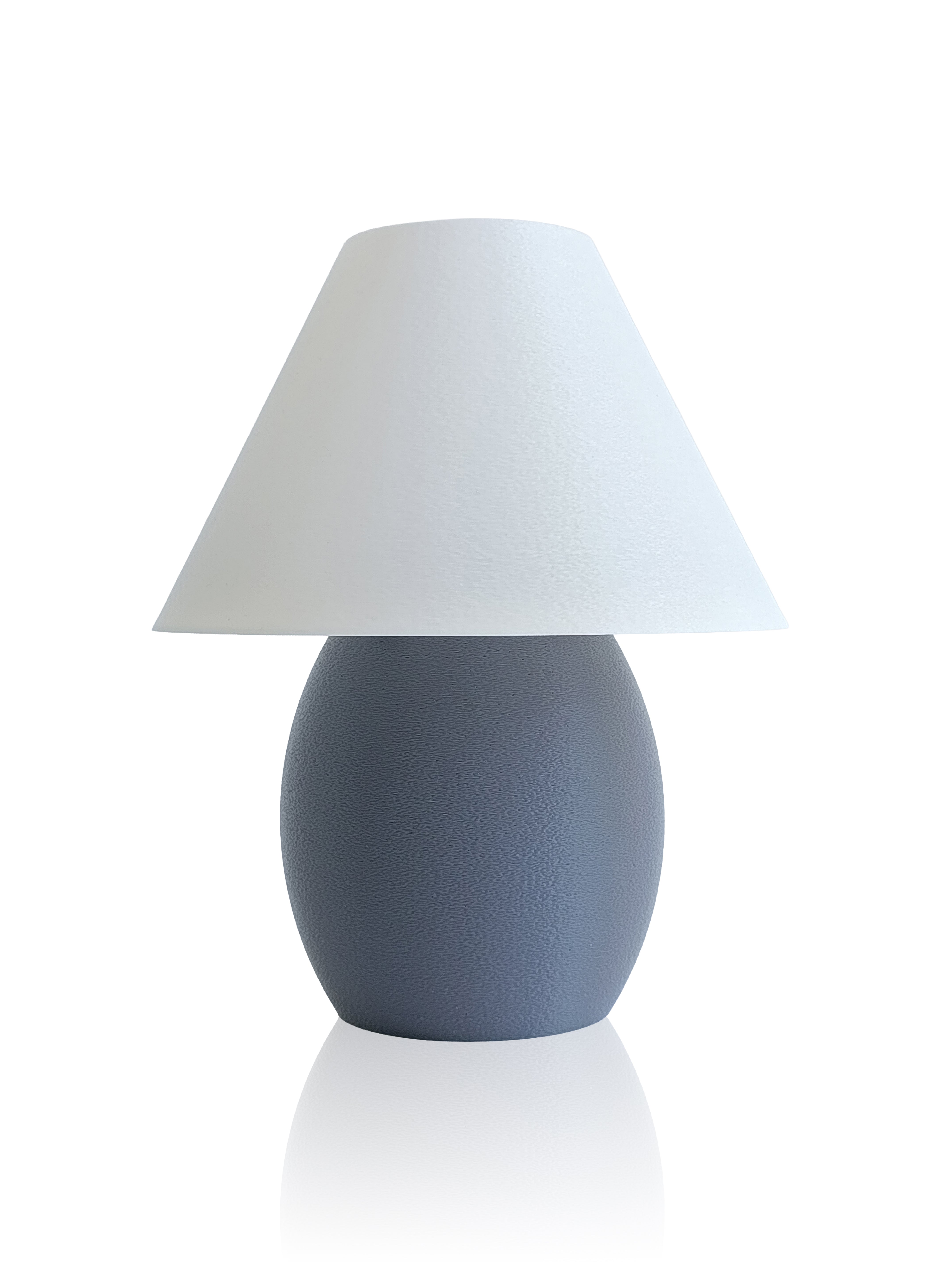
The shade is where proportion and function intersect. A lamp shade that's too small relative to the base looks awkward and typically casts a narrow pool of light. A shade that's too large can overwhelm the base and create uneven illumination. Generally, the shade diameter should be roughly the same width as the widest part of the lamp base, or slightly larger.
Shade depth matters too. A drum shade 8 inches deep works well for general ambient lighting, while deeper shades (10–12 inches) focus light downward—ideal for reading or task work. Shallower shades (5–7 inches) diffuse light more broadly, which suits accent lighting. Pay attention to shade material as well: linen and cotton offer warm diffusion, while structured fabrics create more directed pools of light.
Frequently Asked Questions
What's the ideal distance between a table lamp and eye level when seated?
When seated, the bottom edge of your lamp shade should ideally sit at or slightly below eye level (roughly 40–48 inches from the floor). This prevents direct glare while keeping the light source visible and functional. Adjust lamp height on the furniture surface—raising it on books or a small stand—if needed.
Can I use a tall lamp on a small side table?
It's generally not recommended. A lamp significantly taller than the table surface it occupies will look unbalanced and can create instability. Instead, choose a proportionally matched lamp, or if you need height for aesthetic reasons, use a sturdy base with a wider diameter for visual grounding.
How do I measure a lamp before buying it online?
Always check the product specifications for total height (base to top of shade), base diameter, and shade dimensions. Most reputable lighting retailers, including Semluno, provide detailed measurements. Cross-reference these against your furniture dimensions to ensure a proper fit before purchasing.
Choosing the right table lamp size is an exercise in mindfulness—pausing to consider how light, proportion, and function work together in your home. When you get it right, your lamp becomes part of the rhythm of your space: functional, beautiful, and utterly at ease. Take time to measure, visualize, and trust your instincts. Your home will feel the difference.







Share:
Lampshade Fabric: How Pleated, Plain and Linen Textures Affect Light
The Role of Warm Lighting in Cafe and Restaurant Design