

Seasonal Lighting: Light Therapy Against Winter Depression
As daylight hours shrink and gray skies dominate your view, you might notice your energy waning and mood dipping. This seasonal shift affects millions of Americans, with light therapy emerging as a scientifically-backed approach to combat winter depression and Seasonal Affective Disorder (SAD). Understanding how strategic lighting choices in your home can support your mental health offers a pathway to brighter, more balanced winter months.
How Does Light Therapy Work Against Depression?
Light therapy operates by directly influencing your body's circadian rhythms—the internal biological clock that regulates sleep, mood, and hormone production. When exposed to bright light, particularly in the morning, your brain suppresses melatonin production and increases serotonin levels, creating a natural antidepressant effect.
The mechanism is rooted in evolutionary biology. Your retina contains specialized cells that detect light intensity and communicate directly with the hypothalamus, the brain region controlling circadian rhythms. During winter's shortened days, this system becomes disrupted, leading to the fatigue, mood changes, and depression characteristic of SAD. Therapeutic lighting essentially tricks your brain into maintaining summer-like hormonal patterns despite the seasonal darkness.
What Makes Lighting Therapeutically Effective?
Not all light sources provide therapeutic benefits. Research indicates that effective light therapy requires specific parameters that dramatically differ from typical home lighting conditions. Understanding these requirements helps you make informed decisions about incorporating therapeutic elements into your living space.
Key factors for therapeutic lighting include:
- Intensity: 10,000 lux minimum for standard therapy (compared to 100-500 lux in typical indoor spaces)
- Color temperature: 5000K-6500K (cool white to daylight spectrum)
- Timing: Morning exposure, ideally between 6-9 AM
- Duration: 20-30 minutes of consistent exposure
- UV filtering: Therapeutic benefits without harmful ultraviolet radiation
Can Your Home Lighting Support Winter Wellness?
While dedicated light therapy boxes remain the gold standard for treating SAD, thoughtful home lighting design can provide meaningful support for your winter wellbeing. The key lies in creating brighter, more dynamic lighting environments that complement your natural circadian patterns rather than working against them.
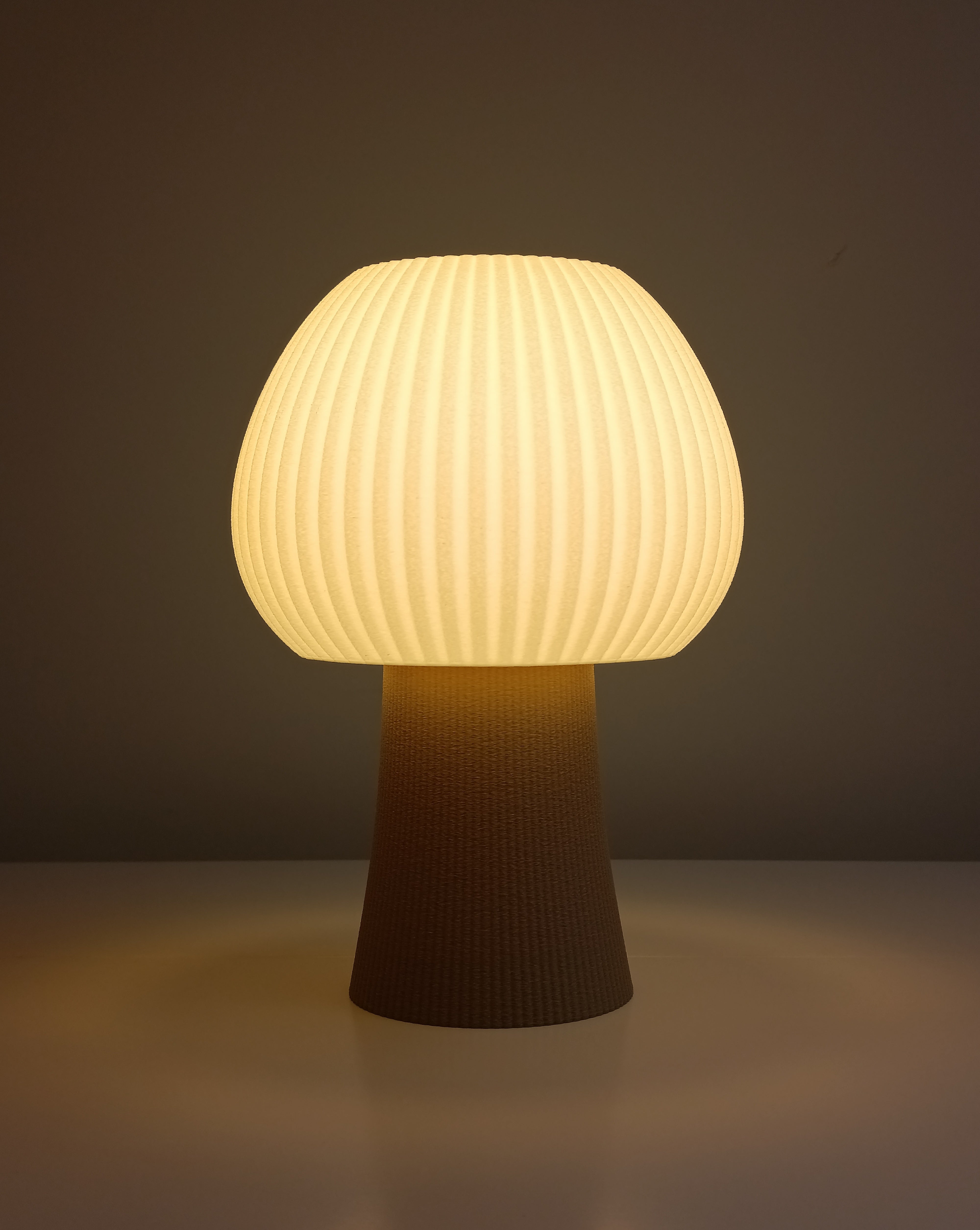
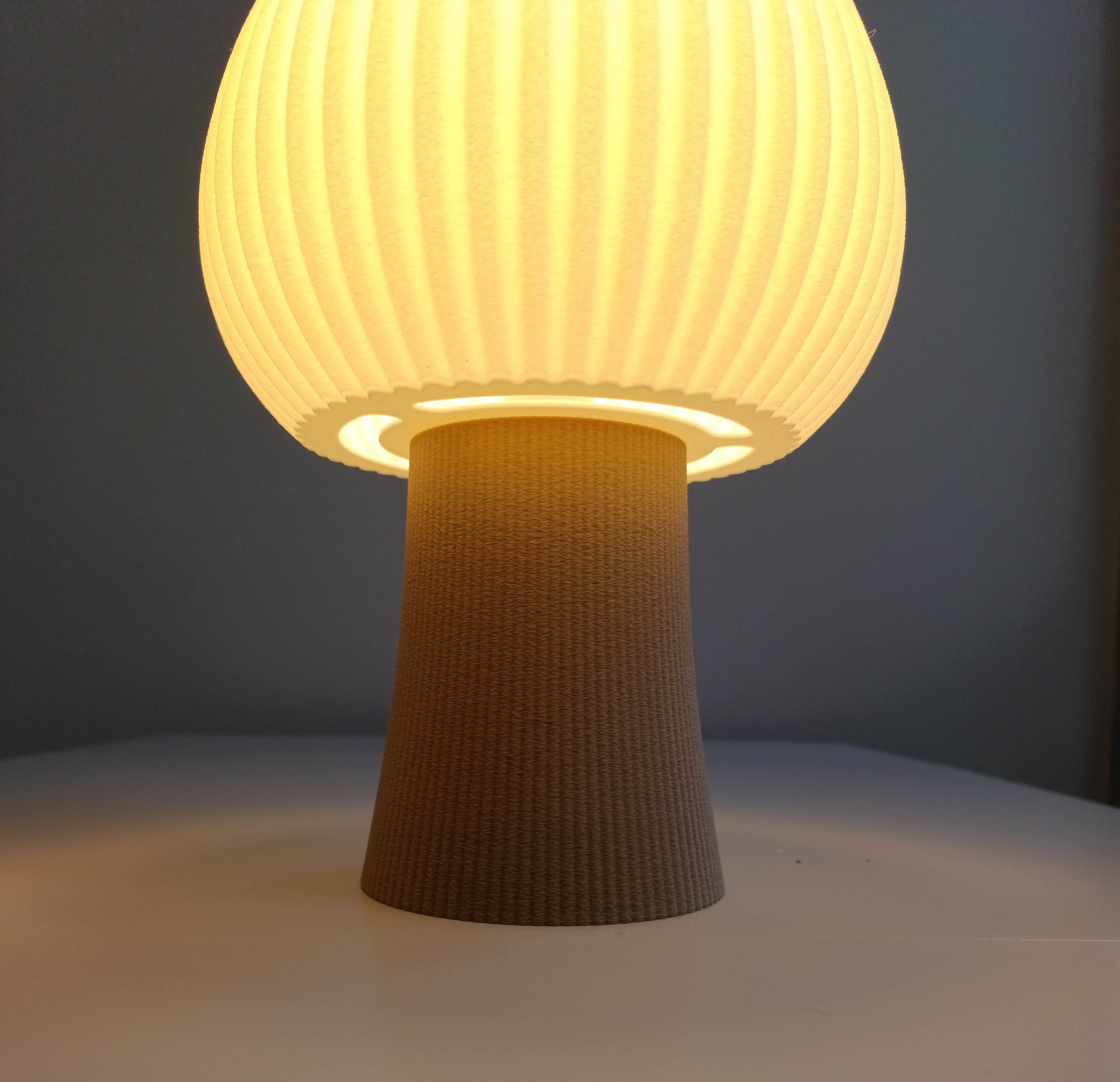
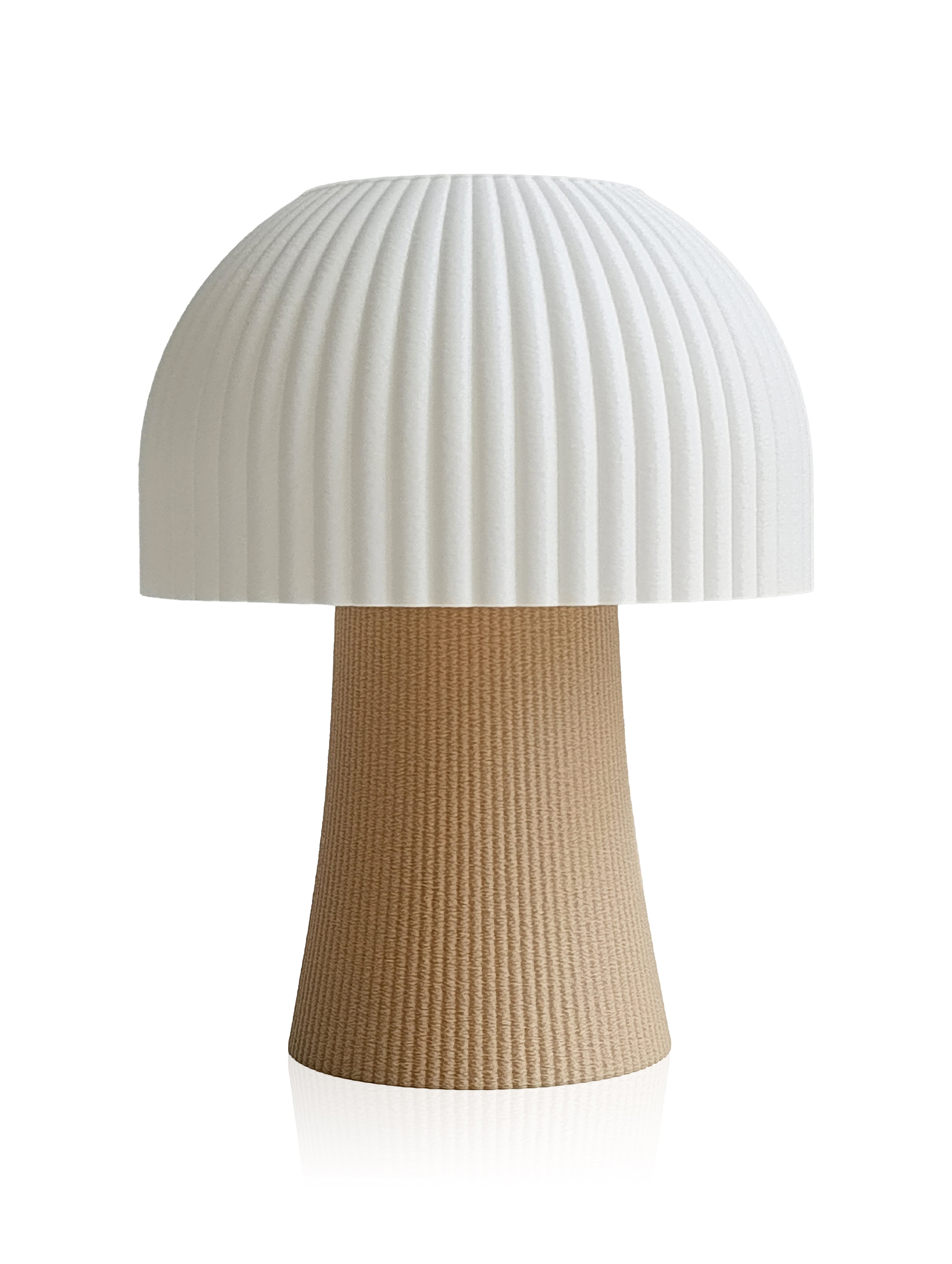
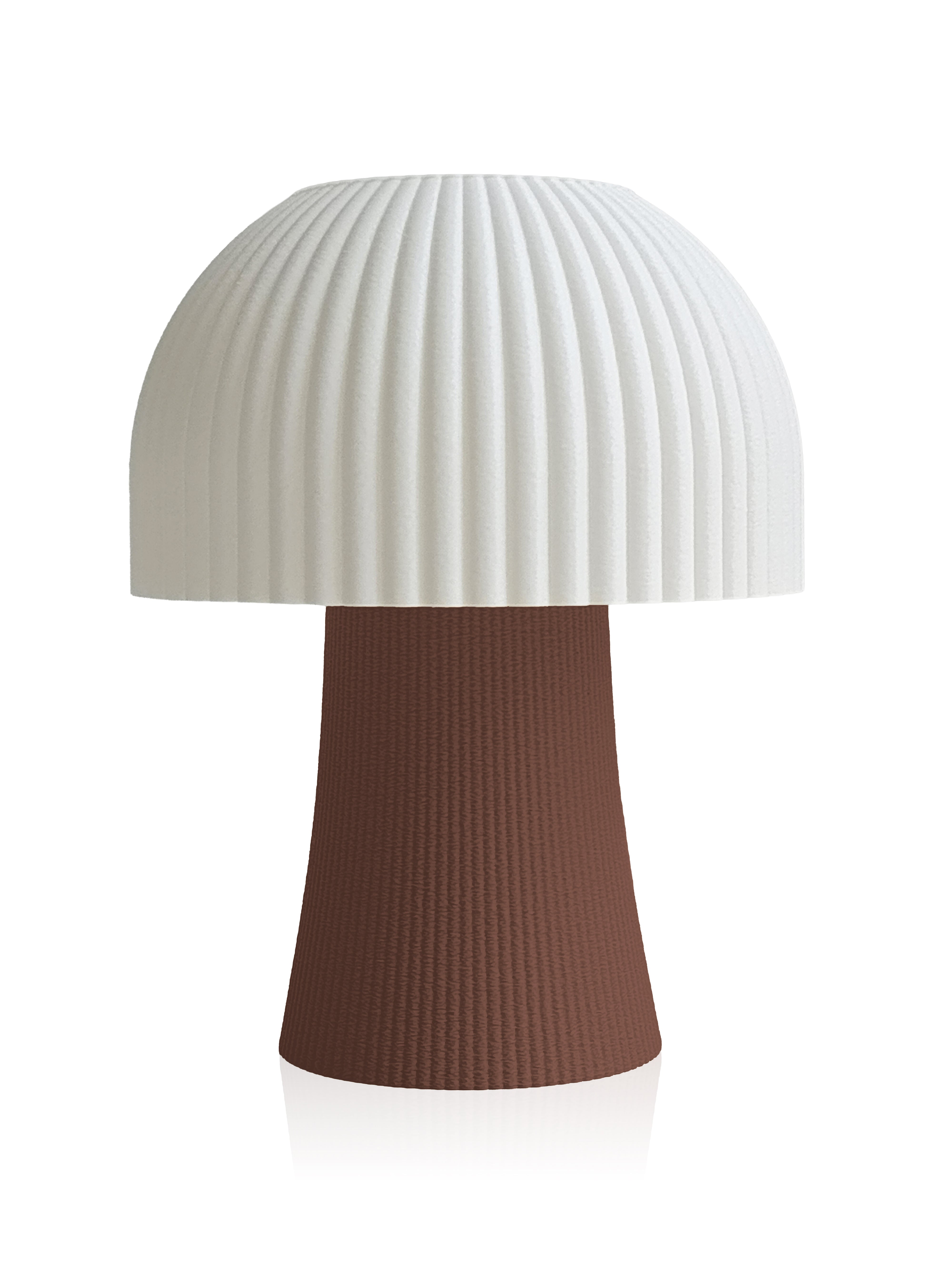
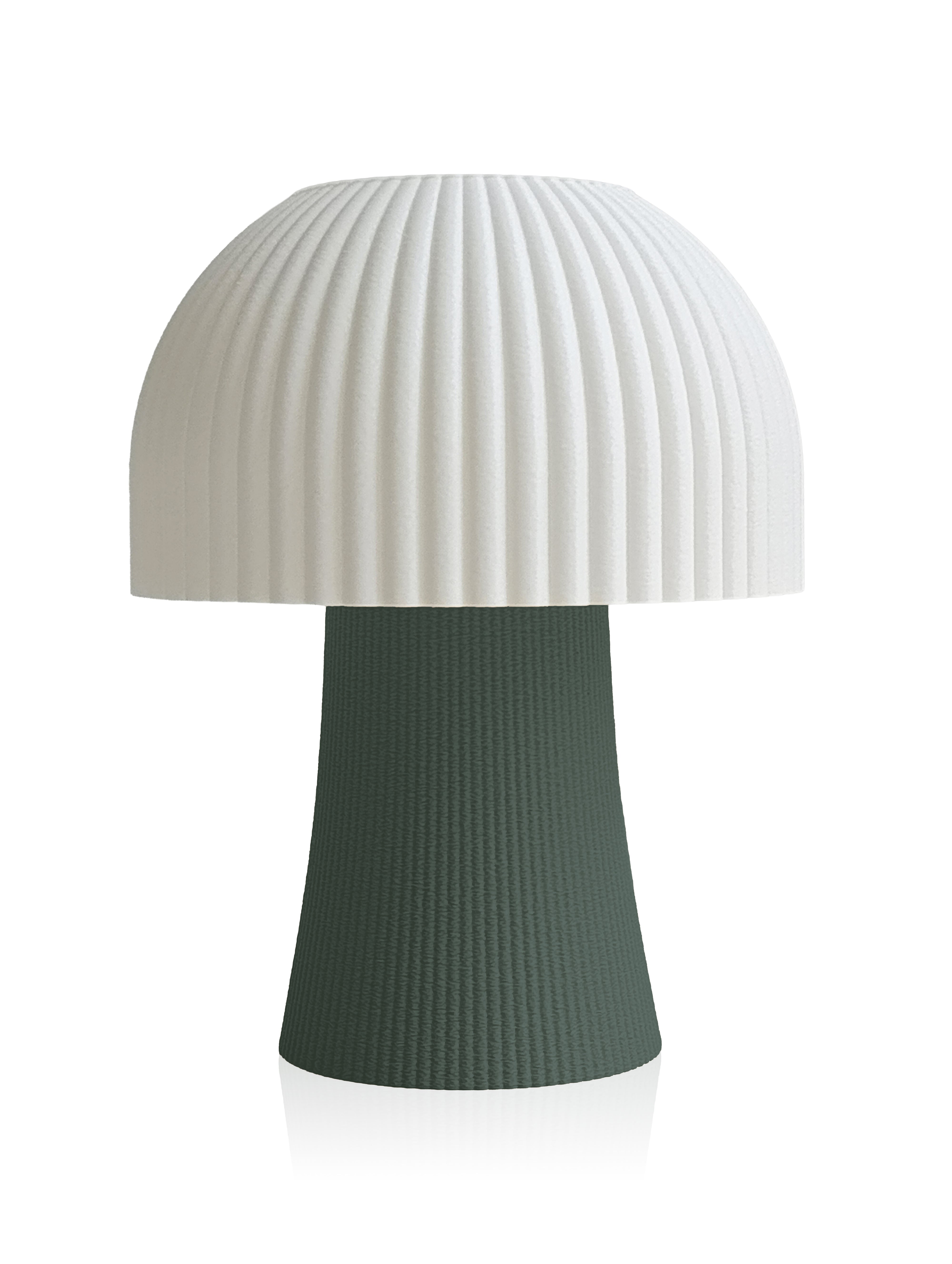
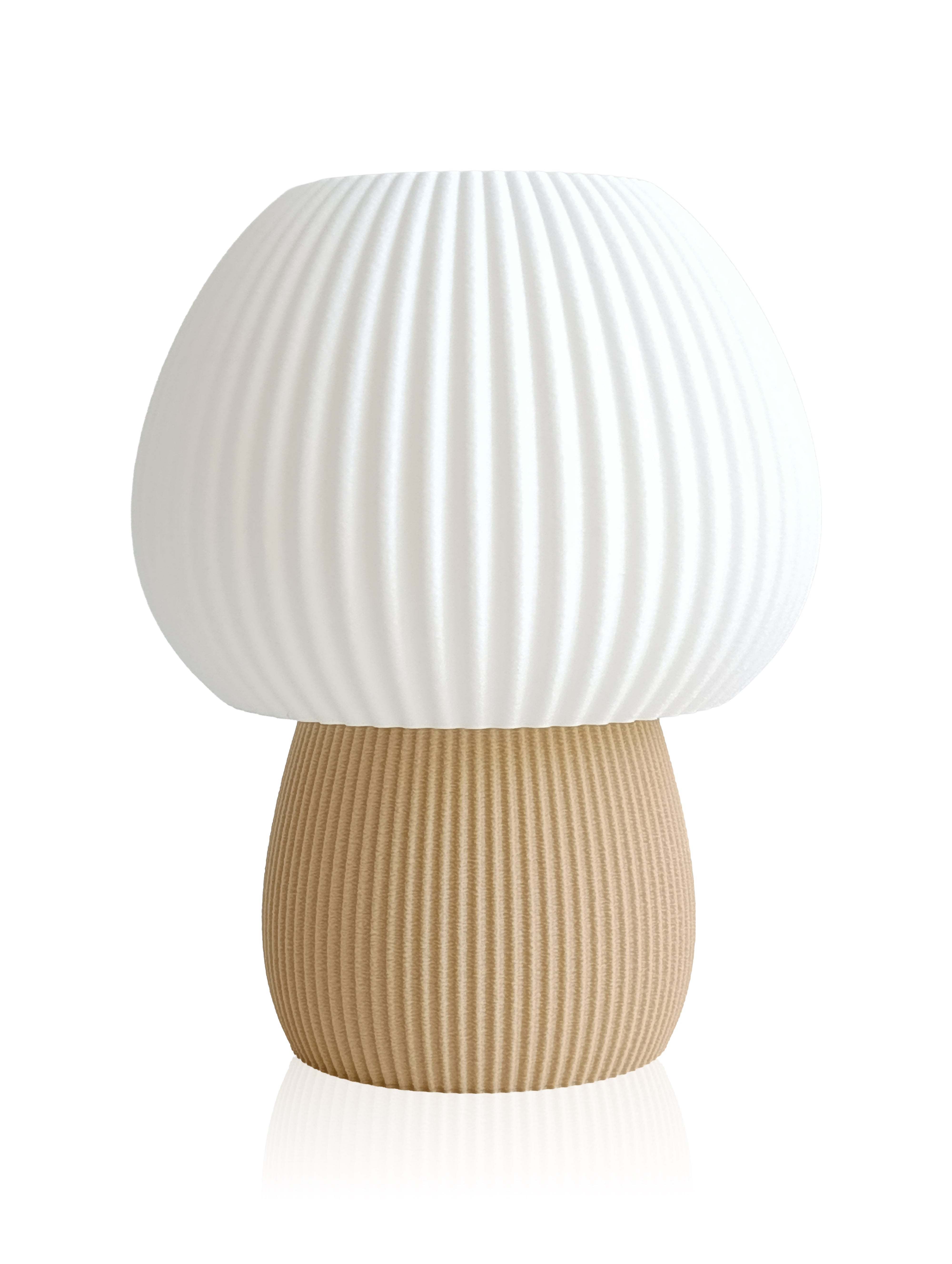
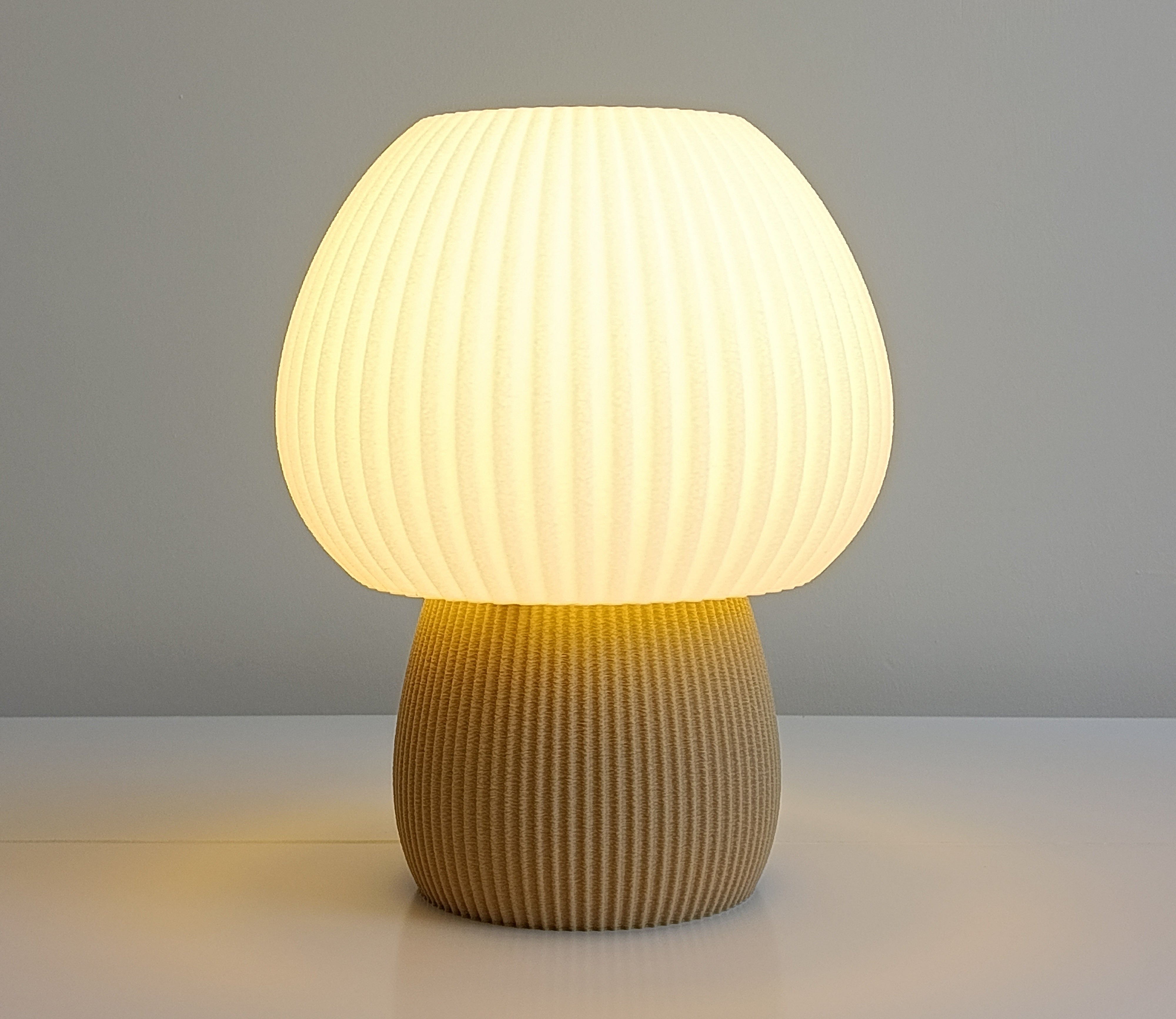
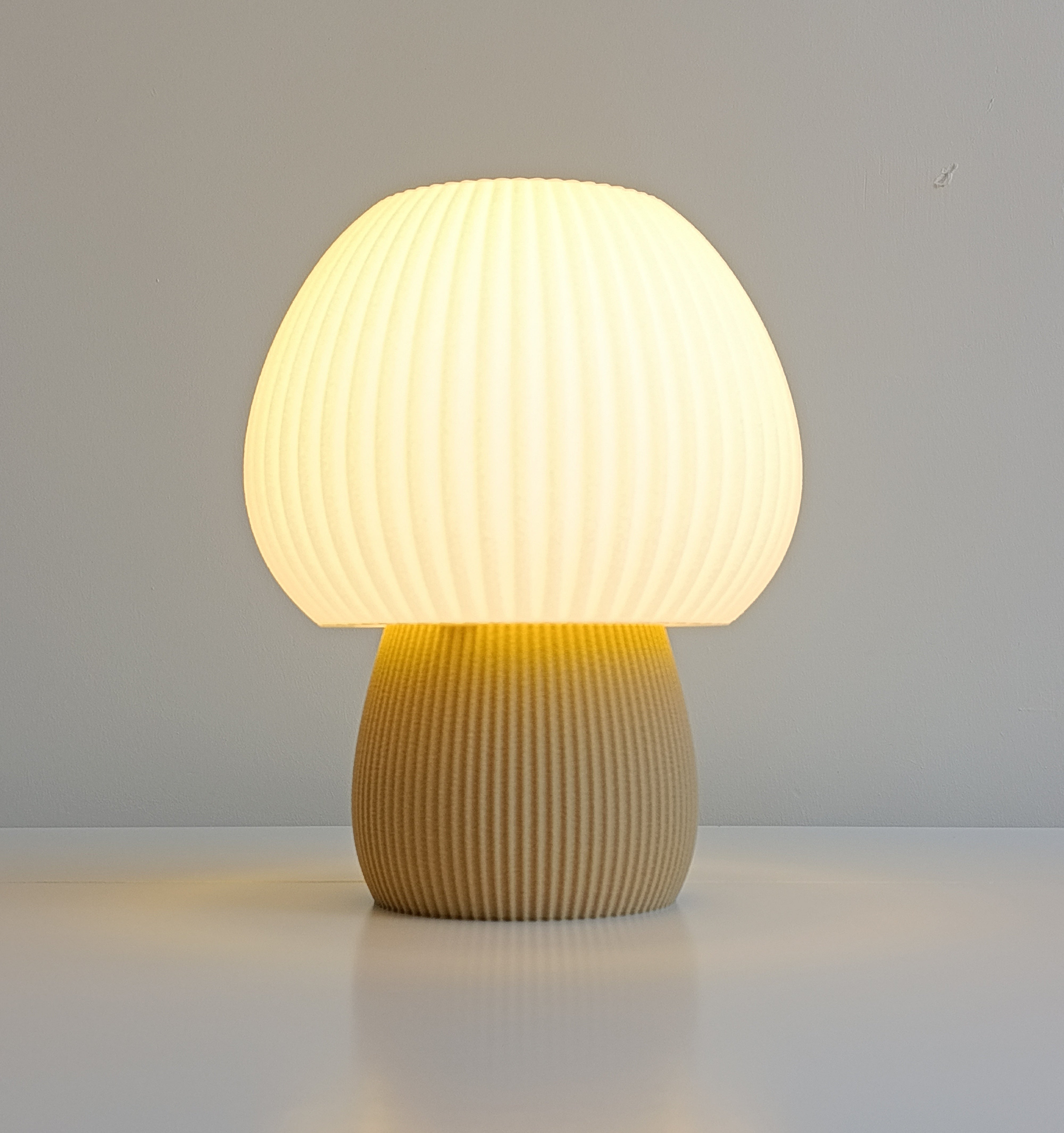
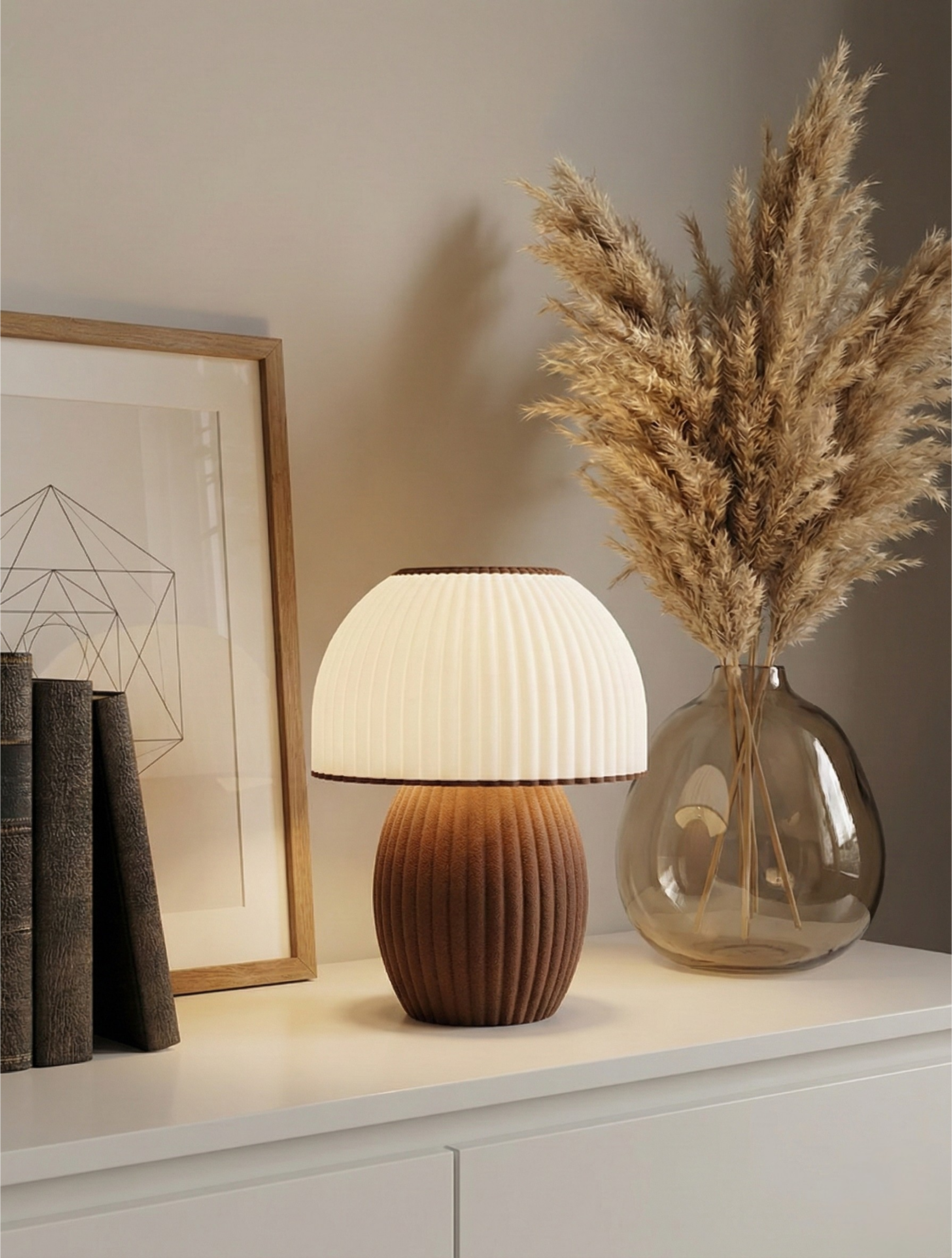
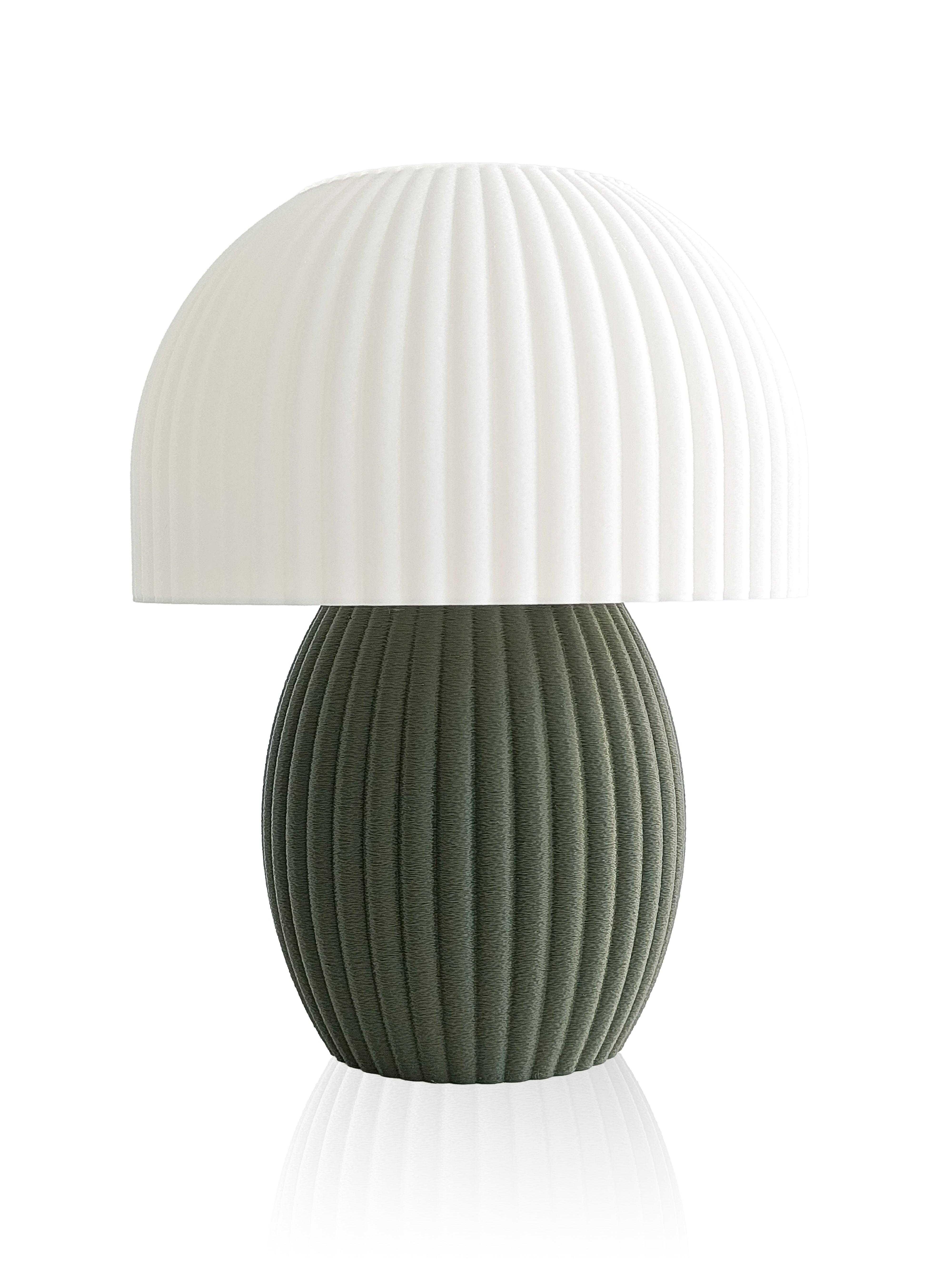
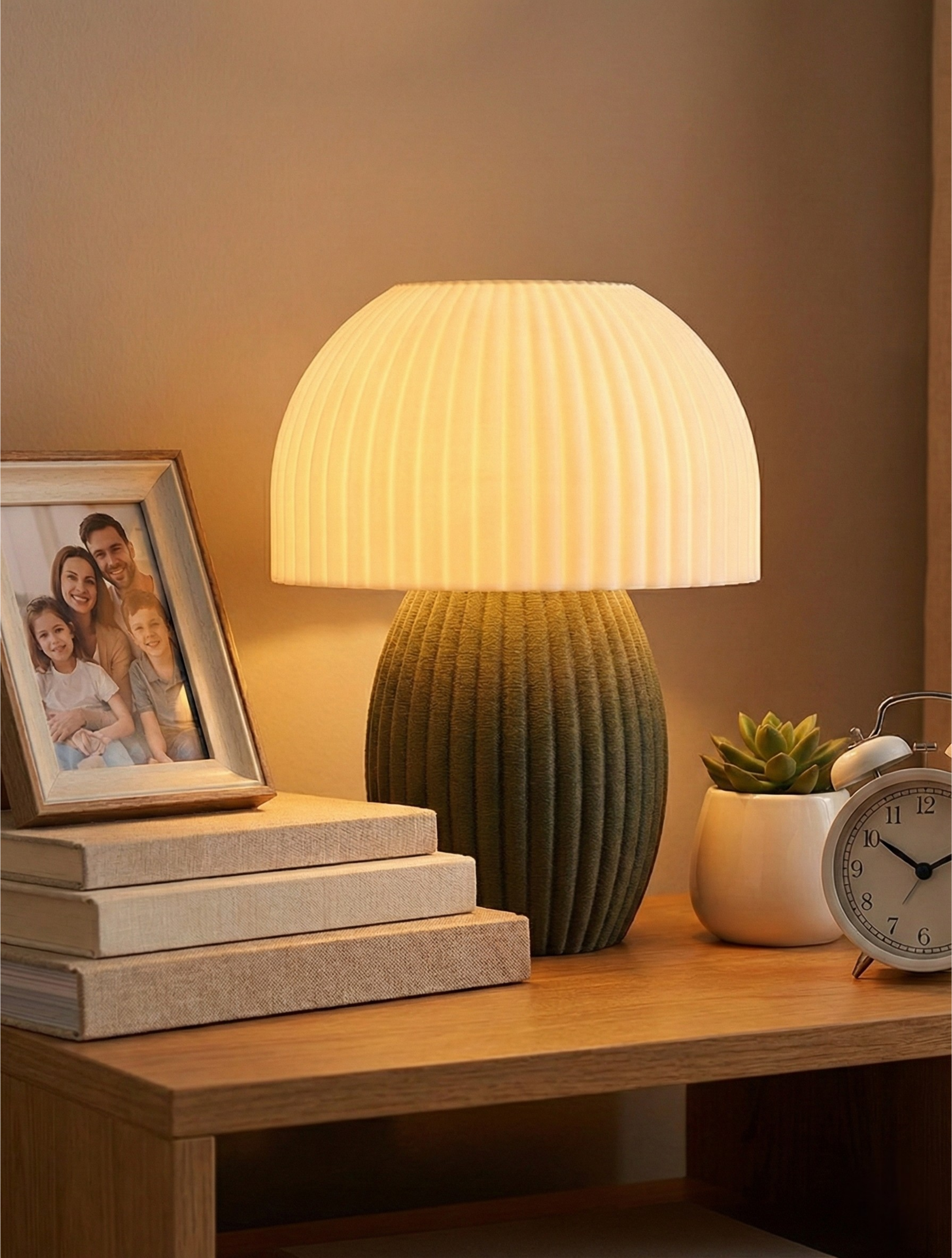
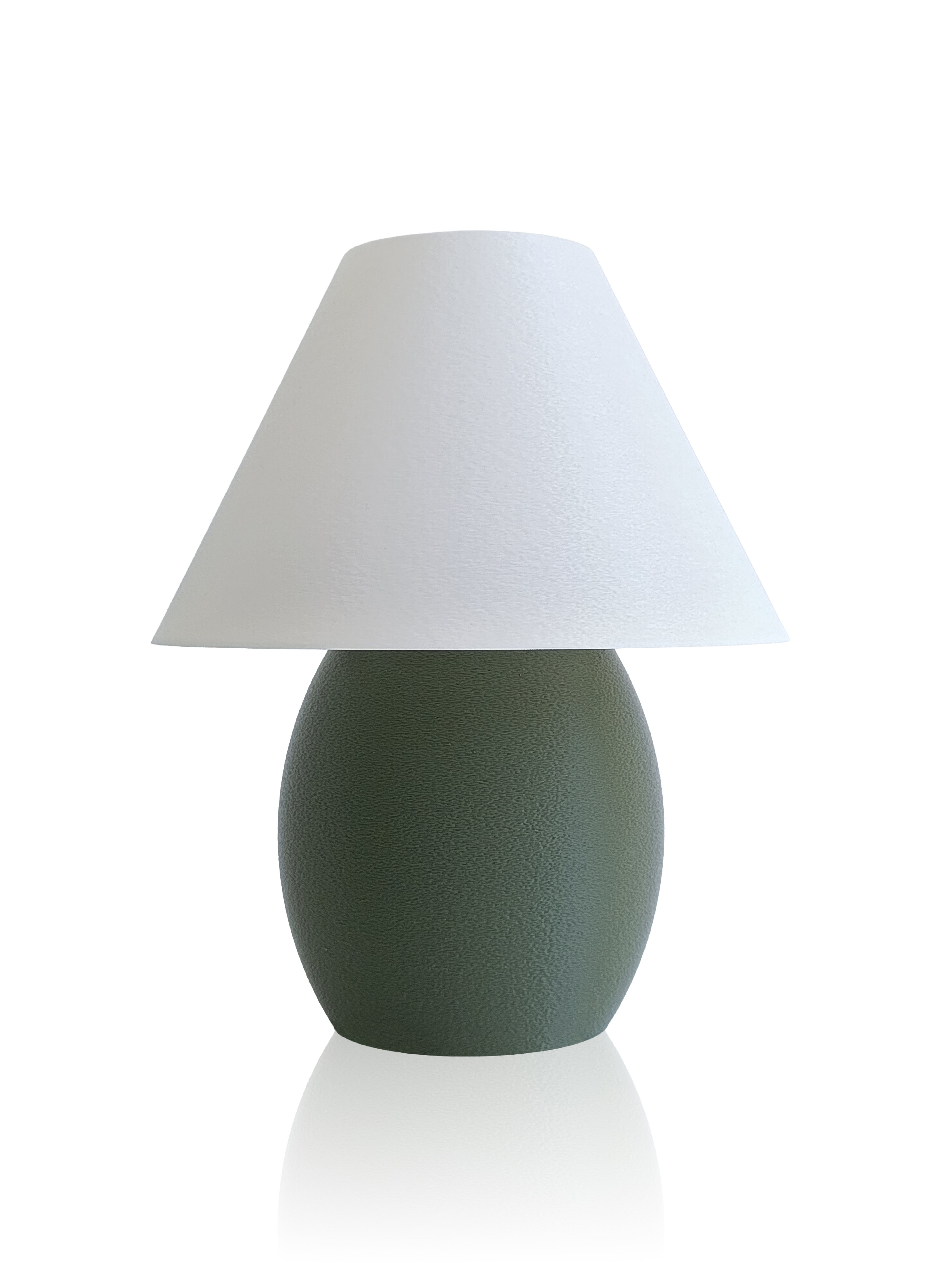
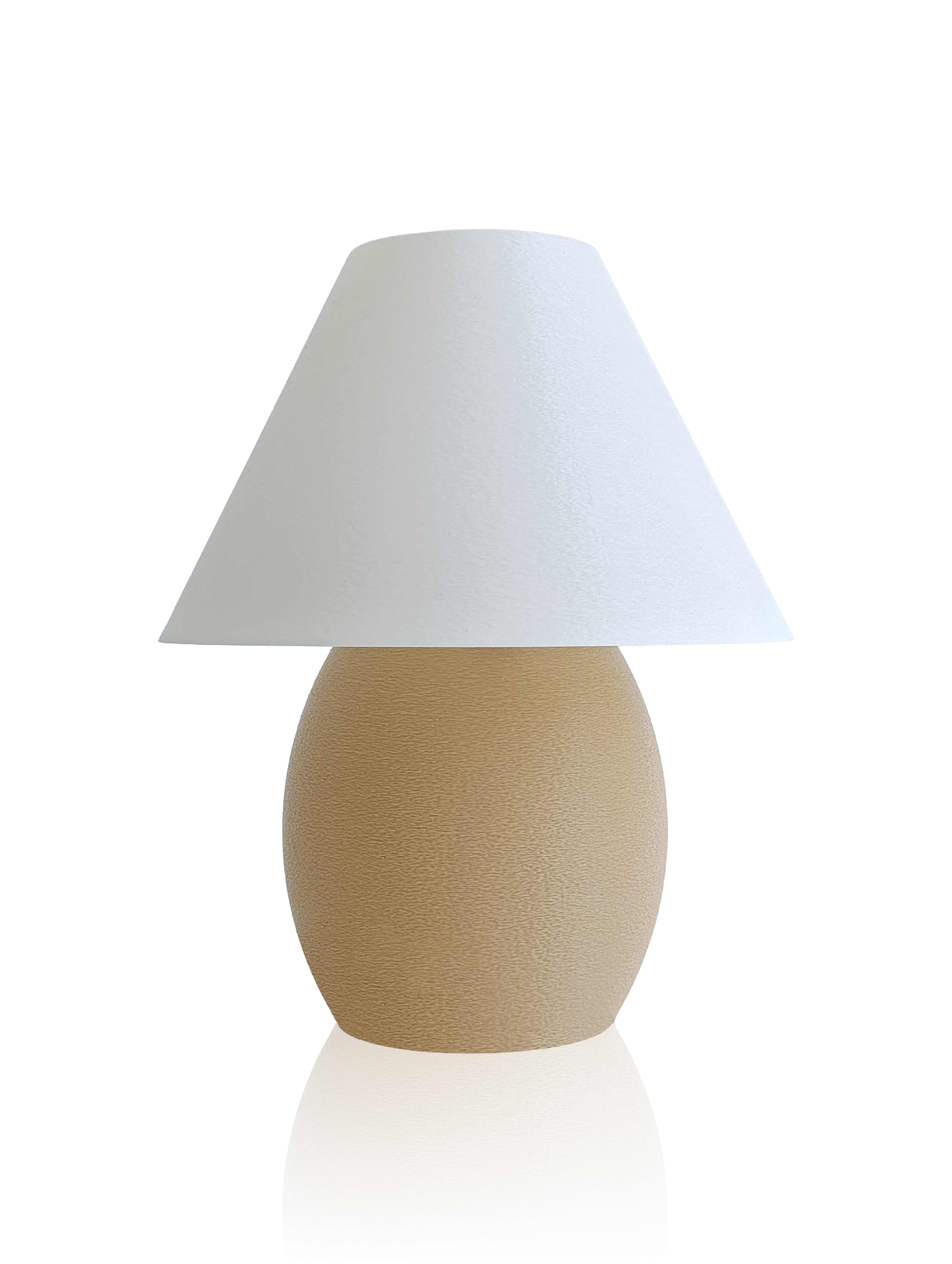
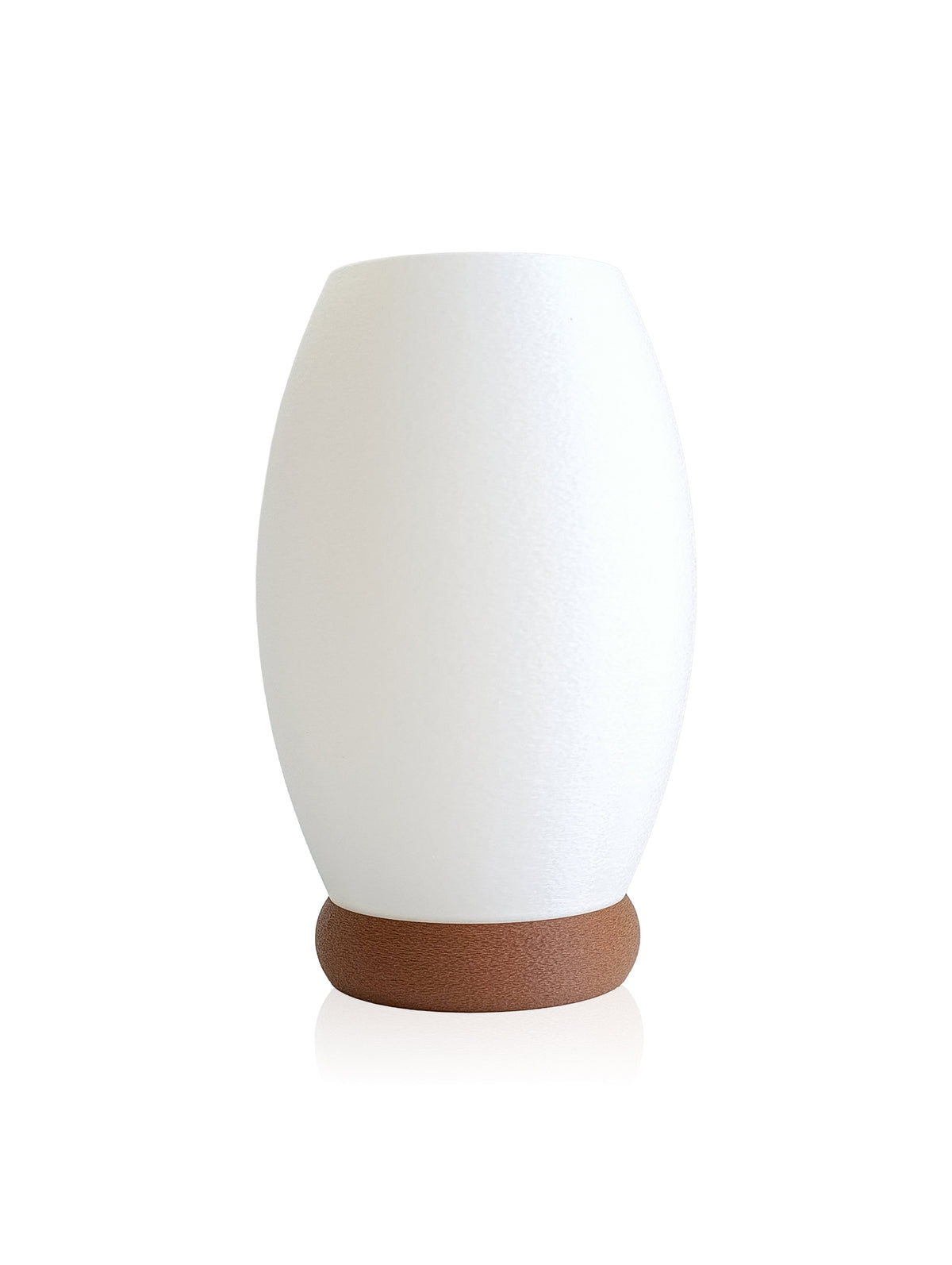
Consider incorporating lighting solutions that offer adjustable brightness and color temperature throughout your day. Modern fixtures like the LUMI US allow you to dial up brightness and shift toward cooler tones during morning hours, then gradually warm and dim as evening approaches. This approach mimics natural sunlight patterns, supporting your body's biological rhythms even when outdoor light is limited.
Creating a Light-Supportive Environment
Beyond intensity and color temperature, the strategic placement and timing of your home lighting can amplify its mood-supporting benefits. Your morning routine becomes particularly crucial—the first hour after waking sets your circadian rhythm for the entire day.
Focus on maximizing natural light exposure by keeping window treatments minimal during daylight hours, positioning work or breakfast areas near windows, and using reflective surfaces to bounce available light throughout your space. In areas where natural light is limited, supplement with bright, cool-toned artificial lighting during morning and midday hours, gradually transitioning to warmer, dimmer lighting as evening approaches.
Frequently Asked Questions
What light intensity is needed for effective light therapy?
Effective light therapy typically requires 10,000 lux of bright light for 20-30 minutes daily. This is significantly brighter than typical indoor lighting, which ranges from 100-500 lux.
When is the best time to use light therapy for winter depression?
Morning light therapy, ideally between 6-9 AM, is most effective for resetting your circadian rhythm. This timing mimics natural sunrise and helps regulate melatonin production throughout the day.
Can regular home lighting help with seasonal depression?
While not as intensive as dedicated light therapy, strategic home lighting with higher color temperatures (5000K-6500K) and increased brightness during winter months can provide meaningful support for mood and energy levels.
Remember that while lighting strategies can significantly support your winter wellness, persistent symptoms of depression warrant consultation with healthcare professionals. Your home's lighting environment works best as part of a comprehensive approach to seasonal mental health, combining thoughtful design with appropriate medical guidance when needed.








Share:
Home Office Lighting: Professional Appearance in Video Calls
Reading Corner Lighting: Complete Guide for Book Lovers