

Lighting and Meditation: A Light Guide for Peaceful Moments

The relationship between lighting and meditation is more profound than most of us realize. When we think about creating a space for meditation, we often focus on cushions, candles, and silence—but the quality of light in your environment is equally essential. The right lighting for meditation doesn't just set a mood; it directly influences your nervous system, your ability to focus, and your capacity to find genuine calm. Whether you're establishing a dedicated meditation corner or simply seeking to bring more mindfulness into your daily routine, understanding how to layer and control light can transform any room into a sanctuary for peaceful moments.
How Light Temperature Affects Your Mental State
Color temperature—measured in Kelvin (K)—is the foundation of meditation-friendly lighting. Warm light, typically between 2700K and 3000K, promotes relaxation by mimicking the natural light of sunset and candlelight. This wavelength triggers the production of melatonin, the hormone responsible for sleep and relaxation, making it ideal for evening meditation or restorative practices.
Cooler light, around 4000K to 5000K, energizes the mind and supports alertness. While useful for morning meditation or mindfulness practices that require focus, these cooler tones can feel jarring in spaces meant for deep relaxation. The key is choosing light that matches your meditation intention. For most people seeking inner peace, warm light is the natural choice—it communicates safety to your brain and creates an environment where your nervous system can truly settle.
- Warm light (2700K–3000K): Relaxation, evening practices, restorative meditation
- Cool light (4000K–5000K): Focus, morning practices, active mindfulness
- Natural daylight (5600K): General wellness, grounding practices
Brightness and Intensity: Less Is Often More
The intensity of light in your meditation space matters just as much as its color. Overly bright environments can overstimulate the visual cortex and keep you in an alert state, working against the goal of calm. Dimmers are invaluable here—they allow you to adjust illumination to match your needs moment by moment. A good meditation space typically operates between 50 and 200 lux (a unit measuring light intensity), rather than the 300–500 lux common in work environments.
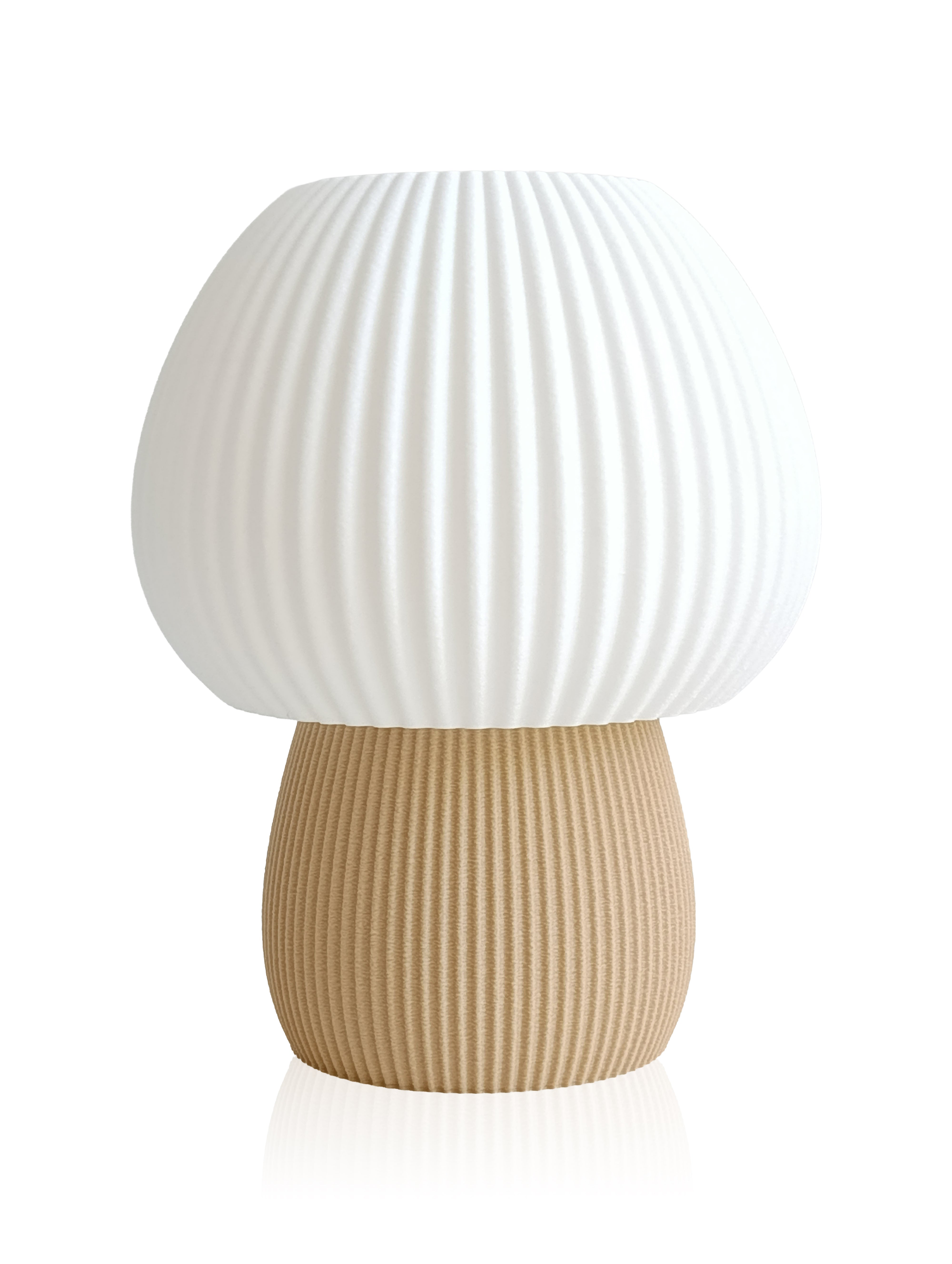
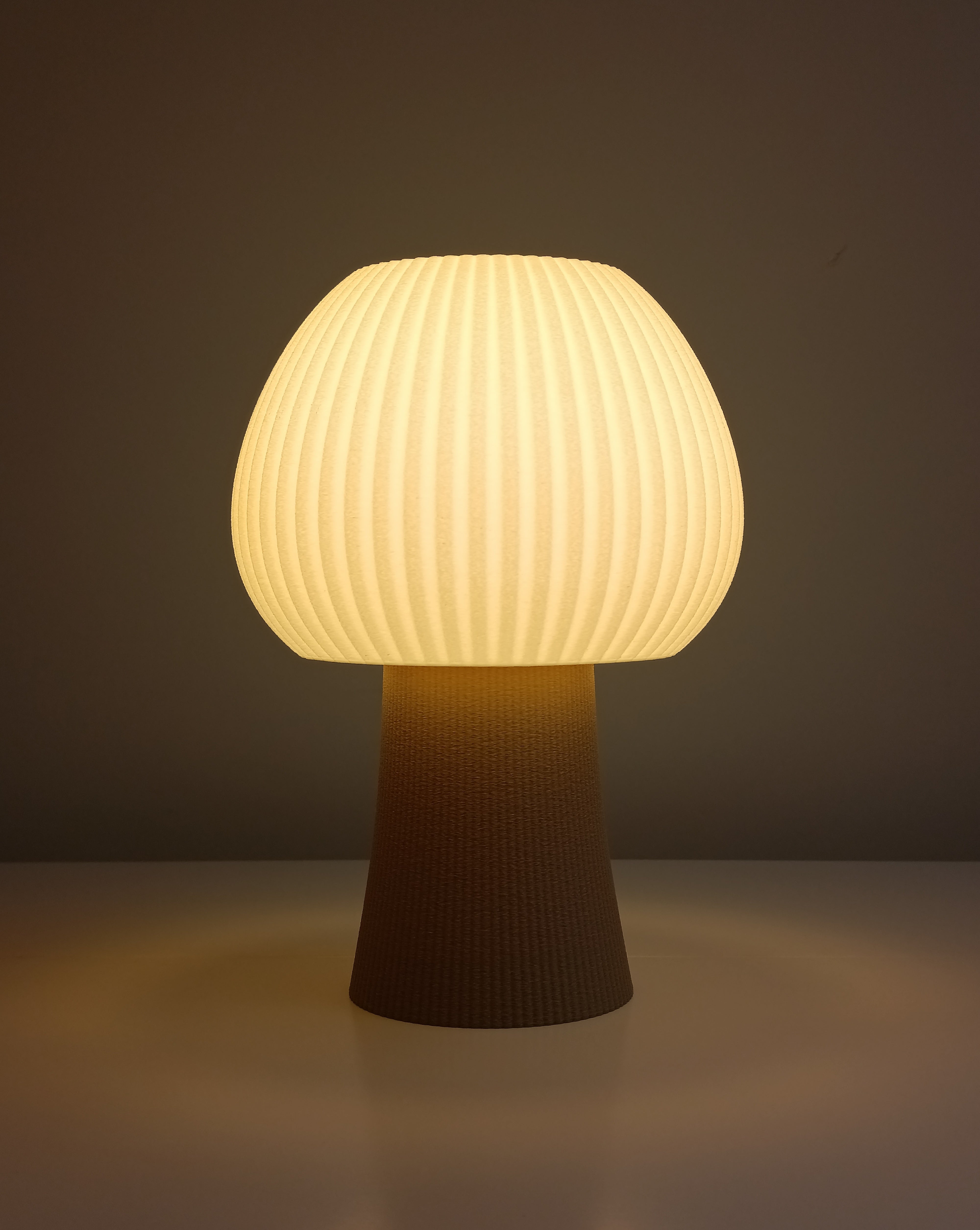
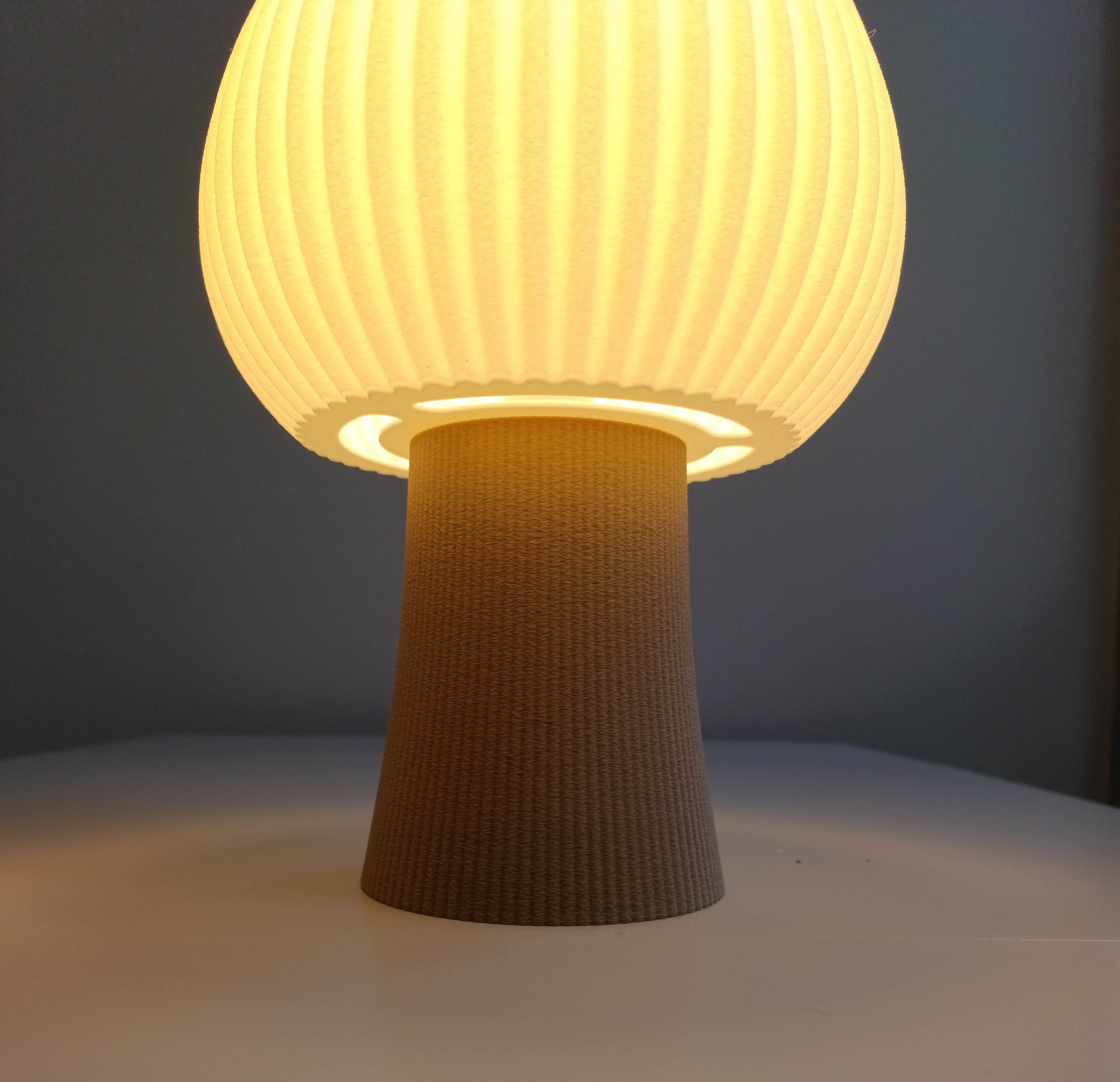
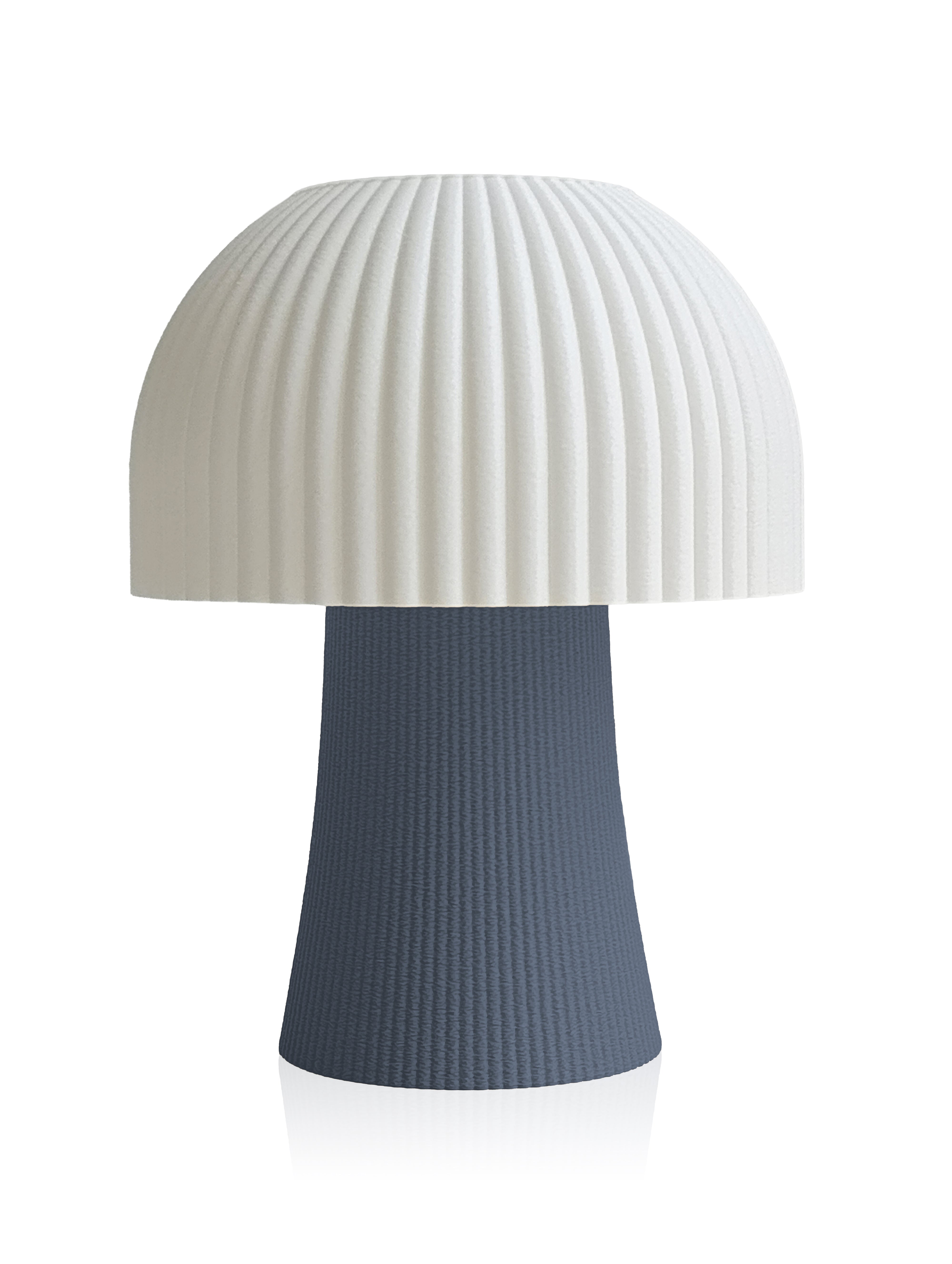
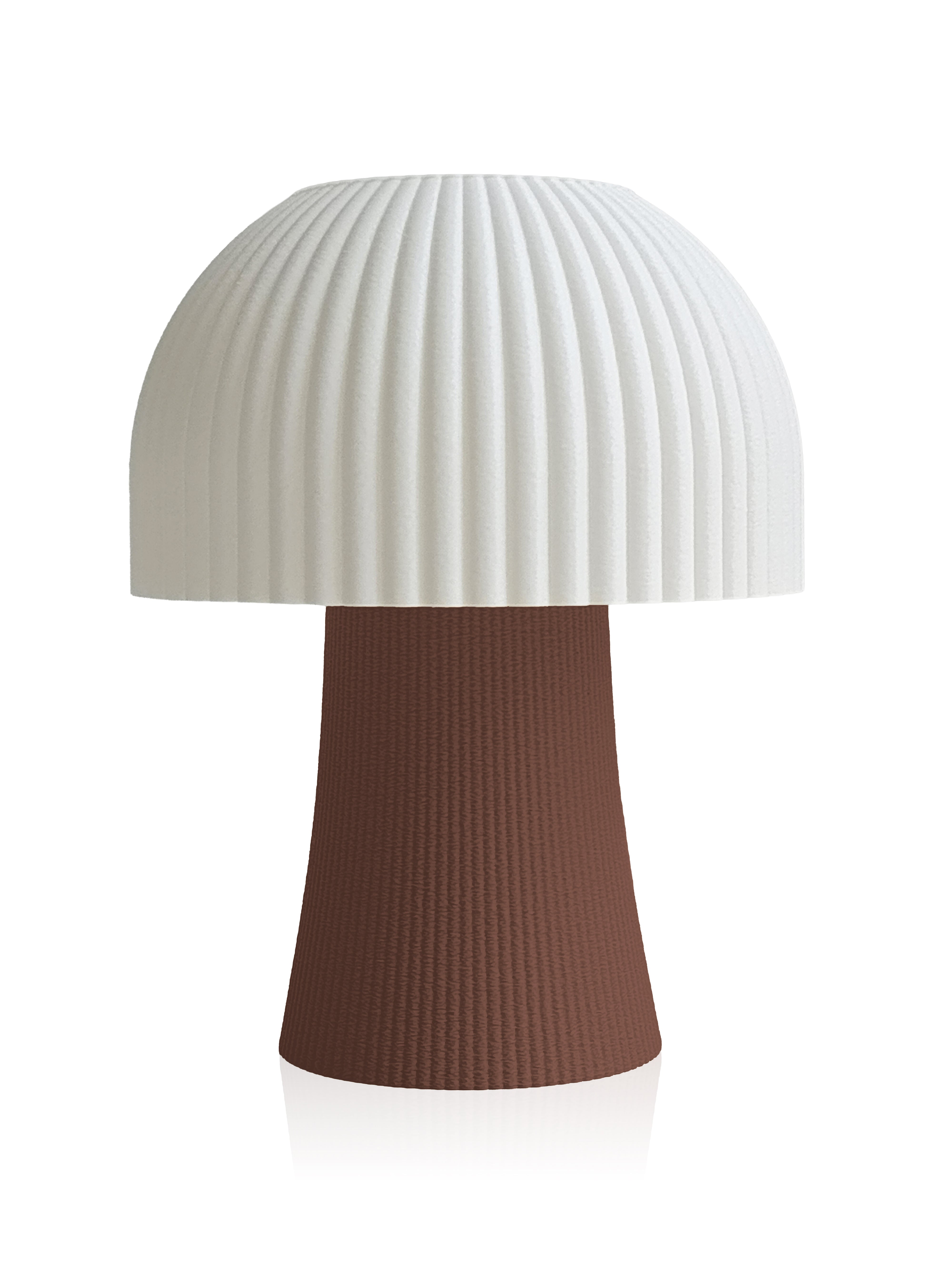
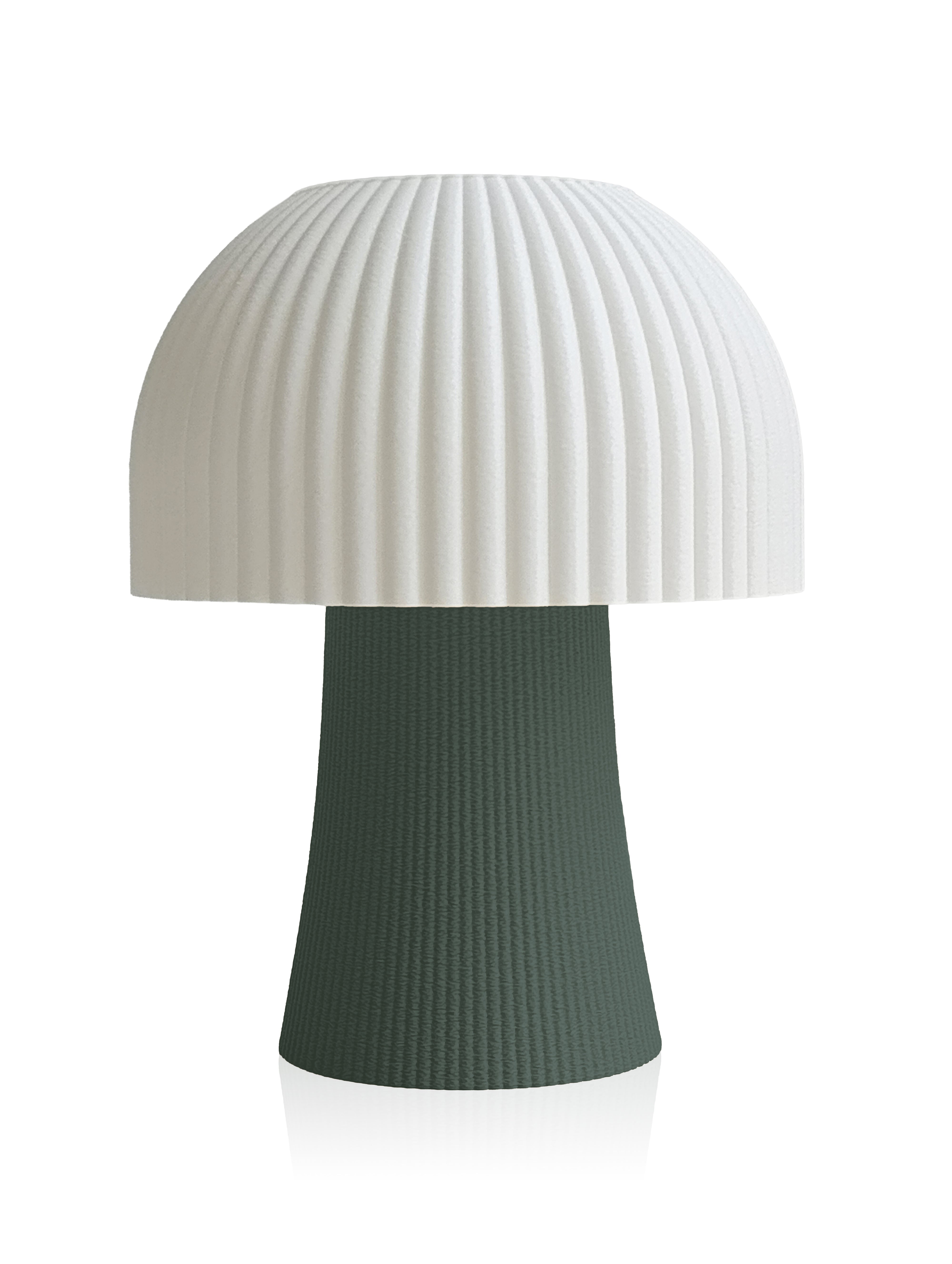
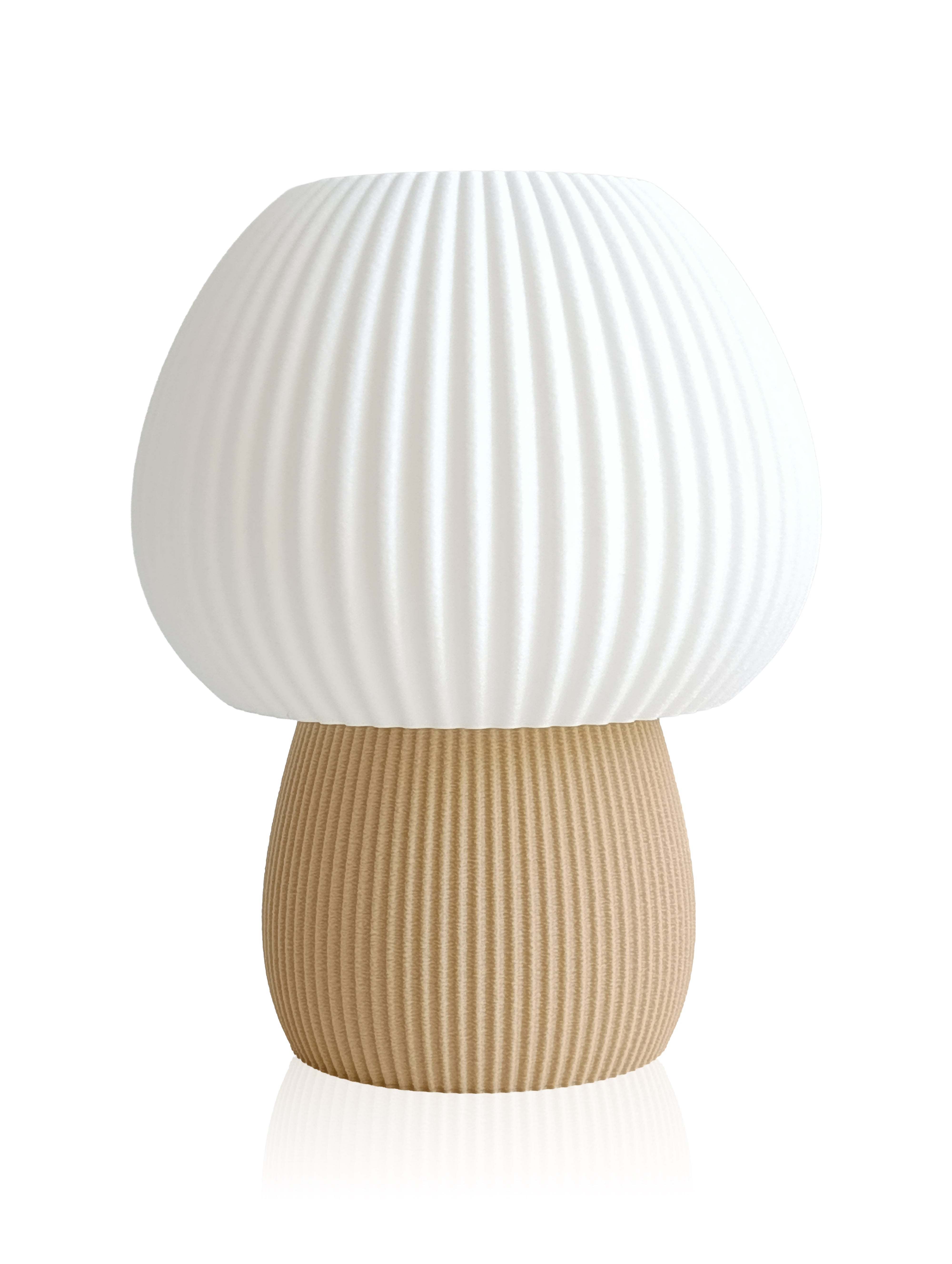
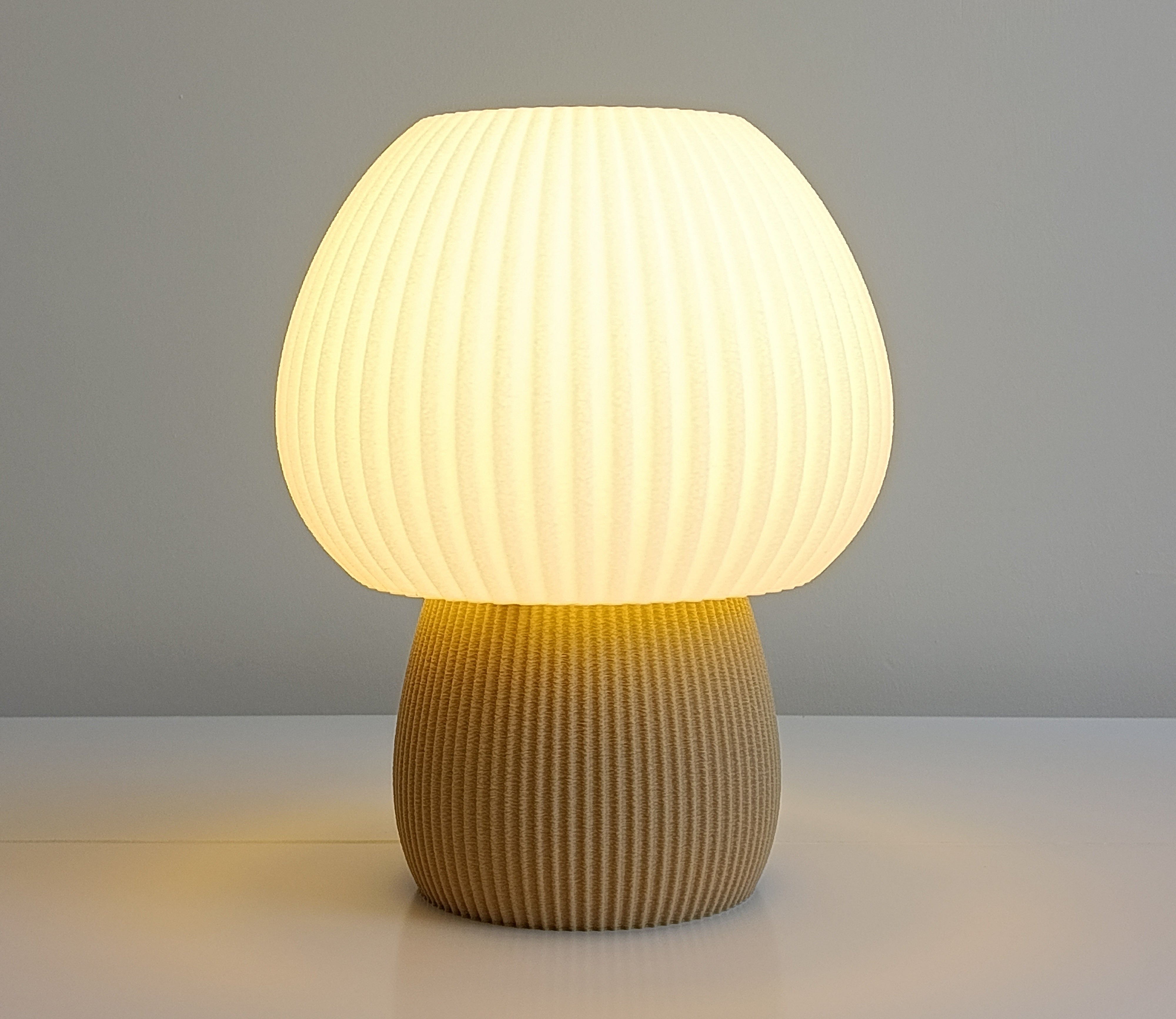
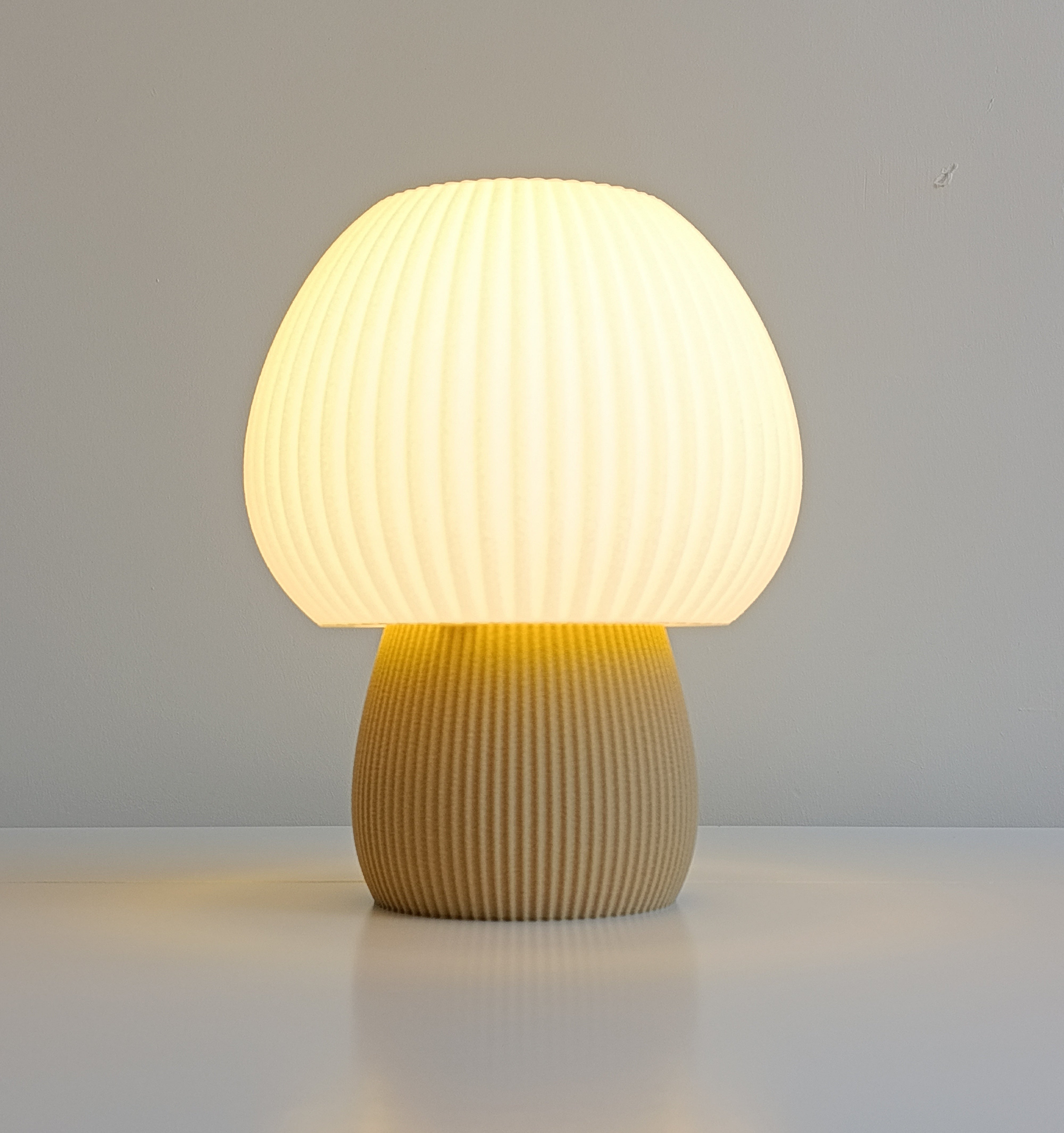
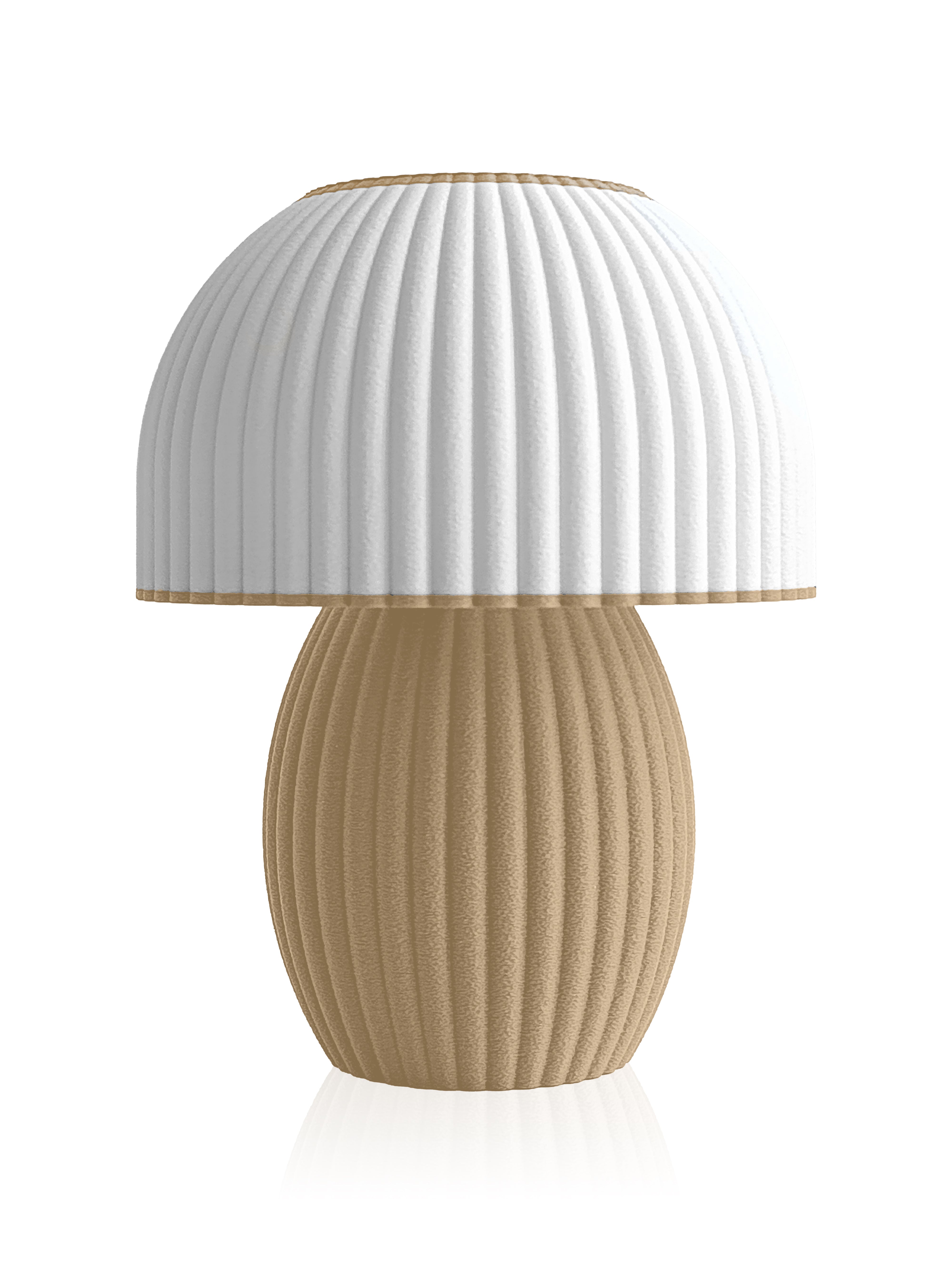
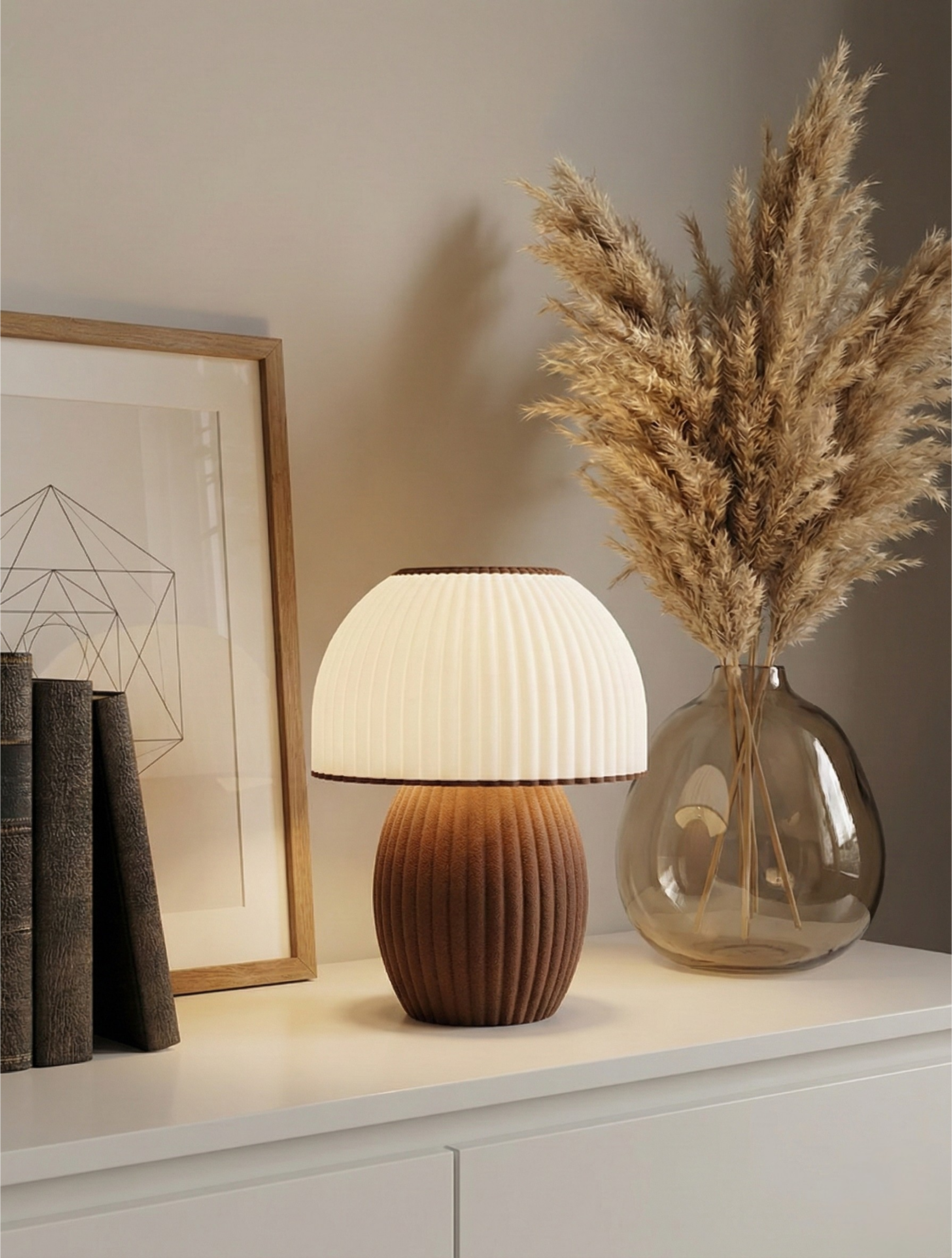
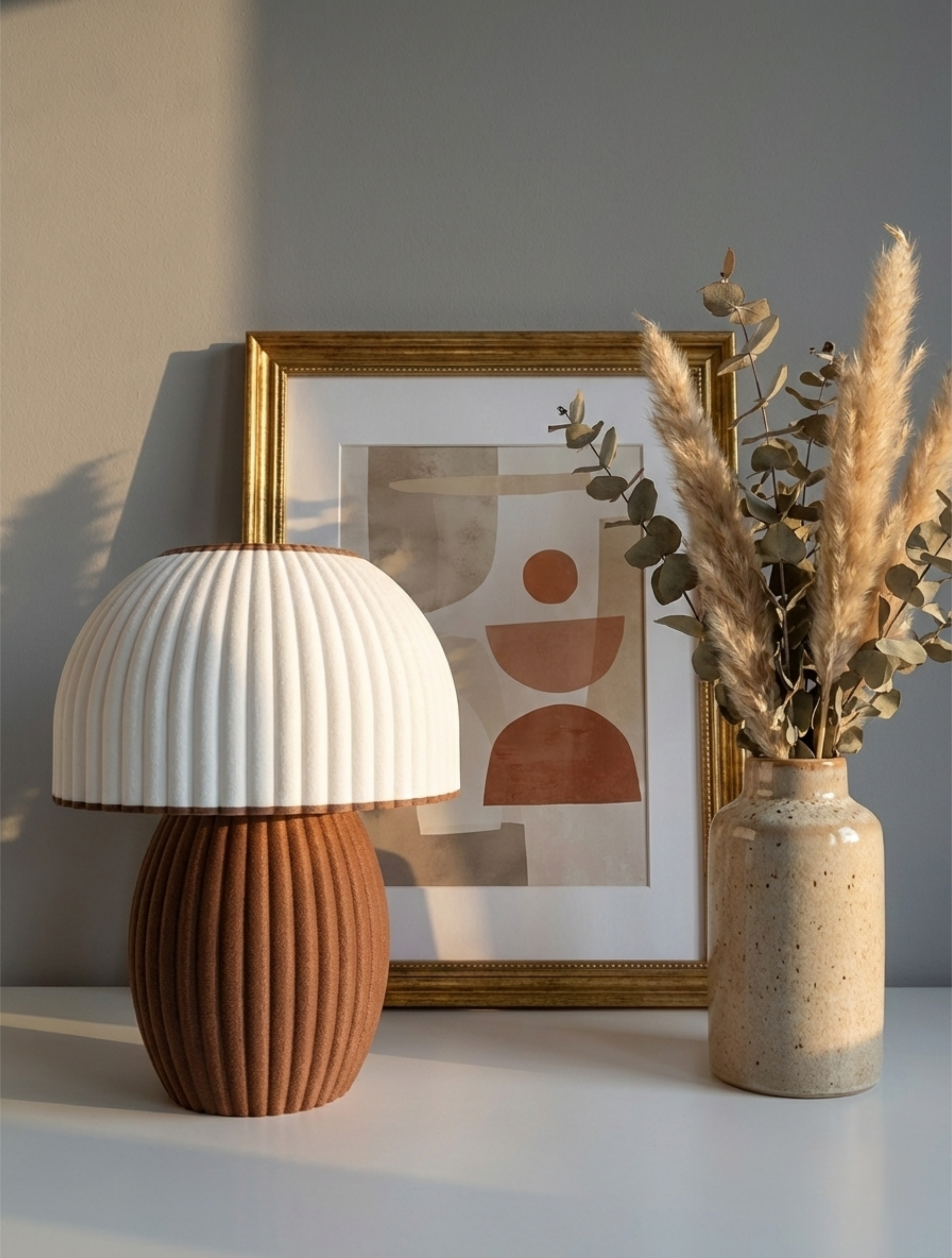
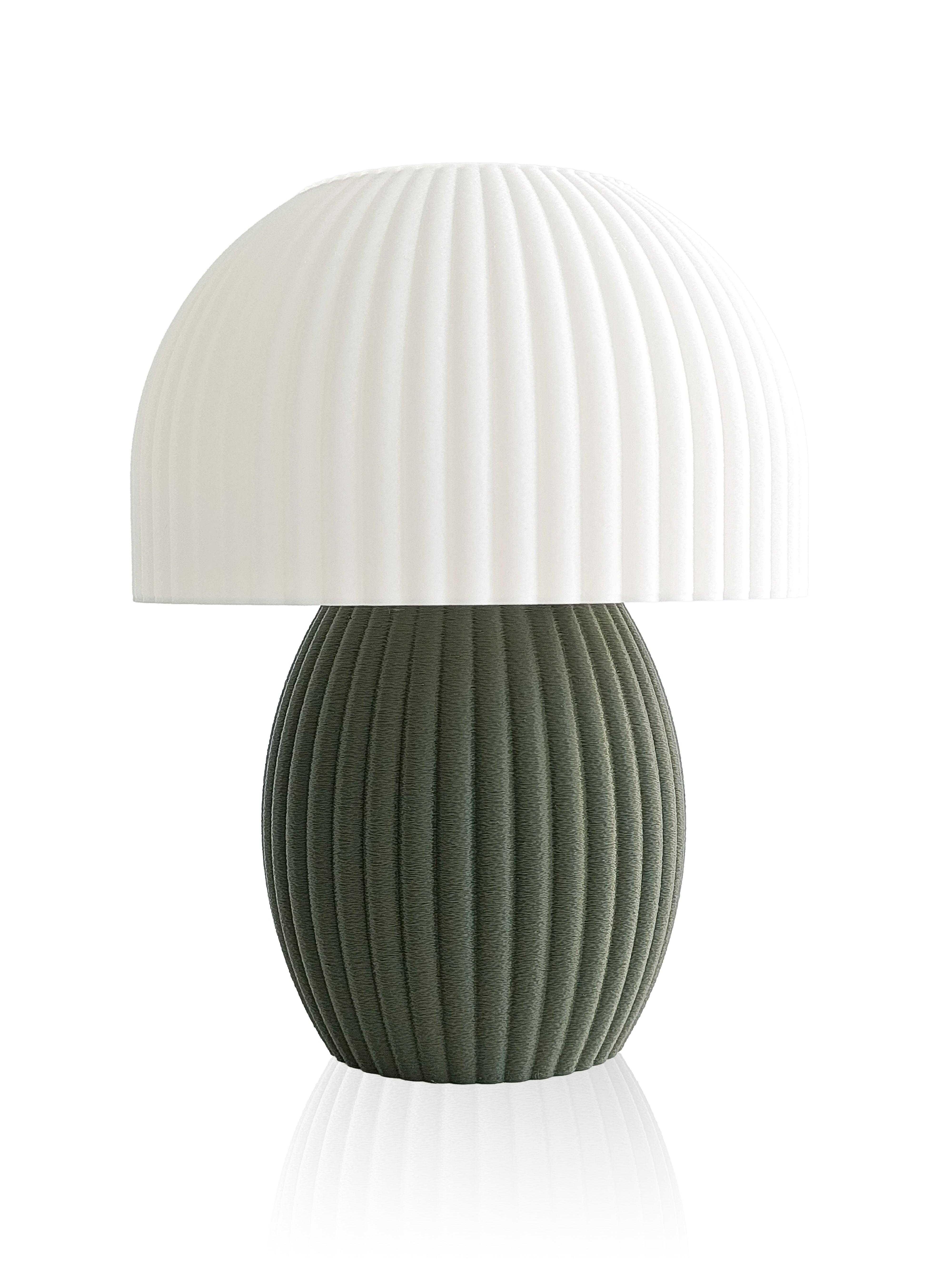
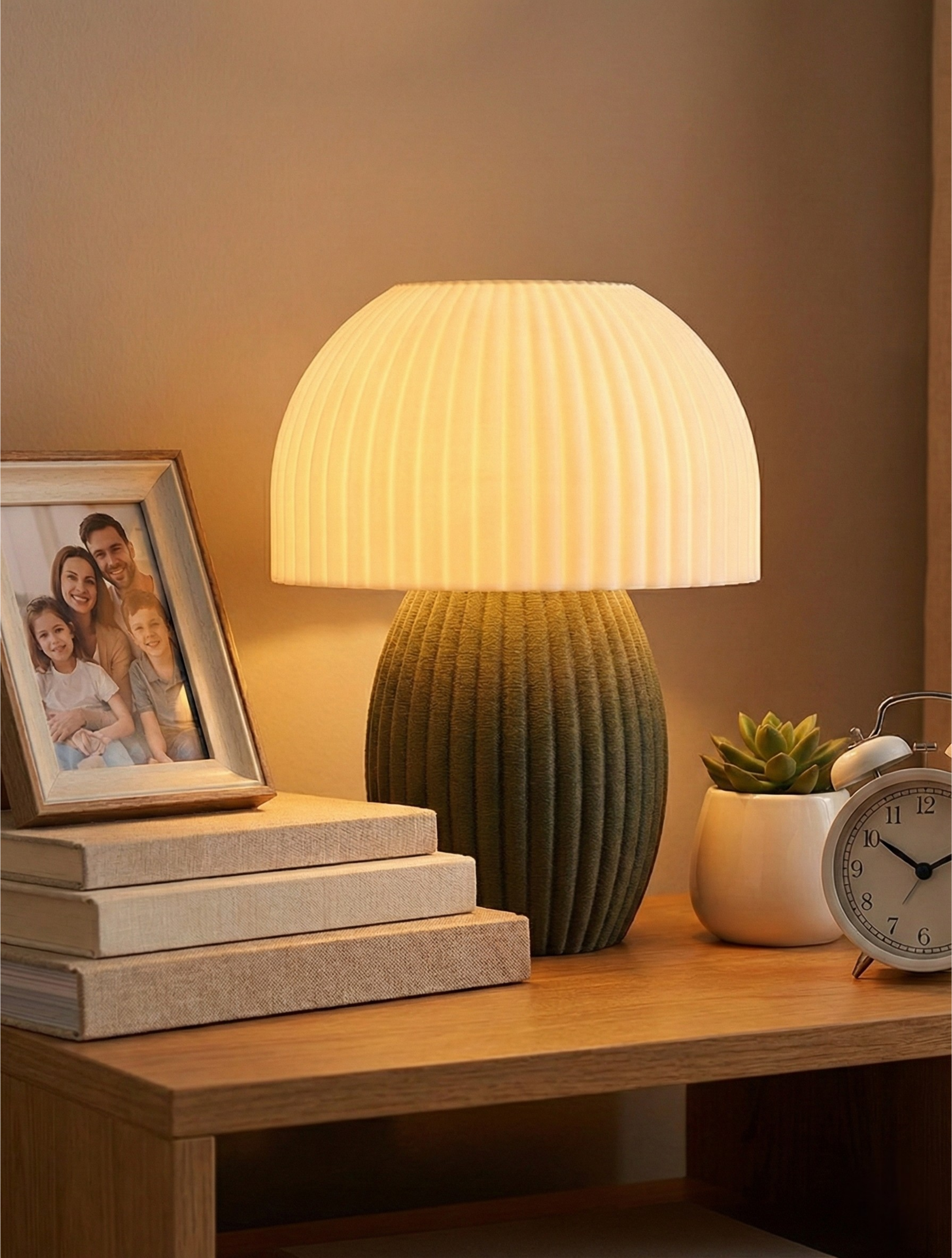
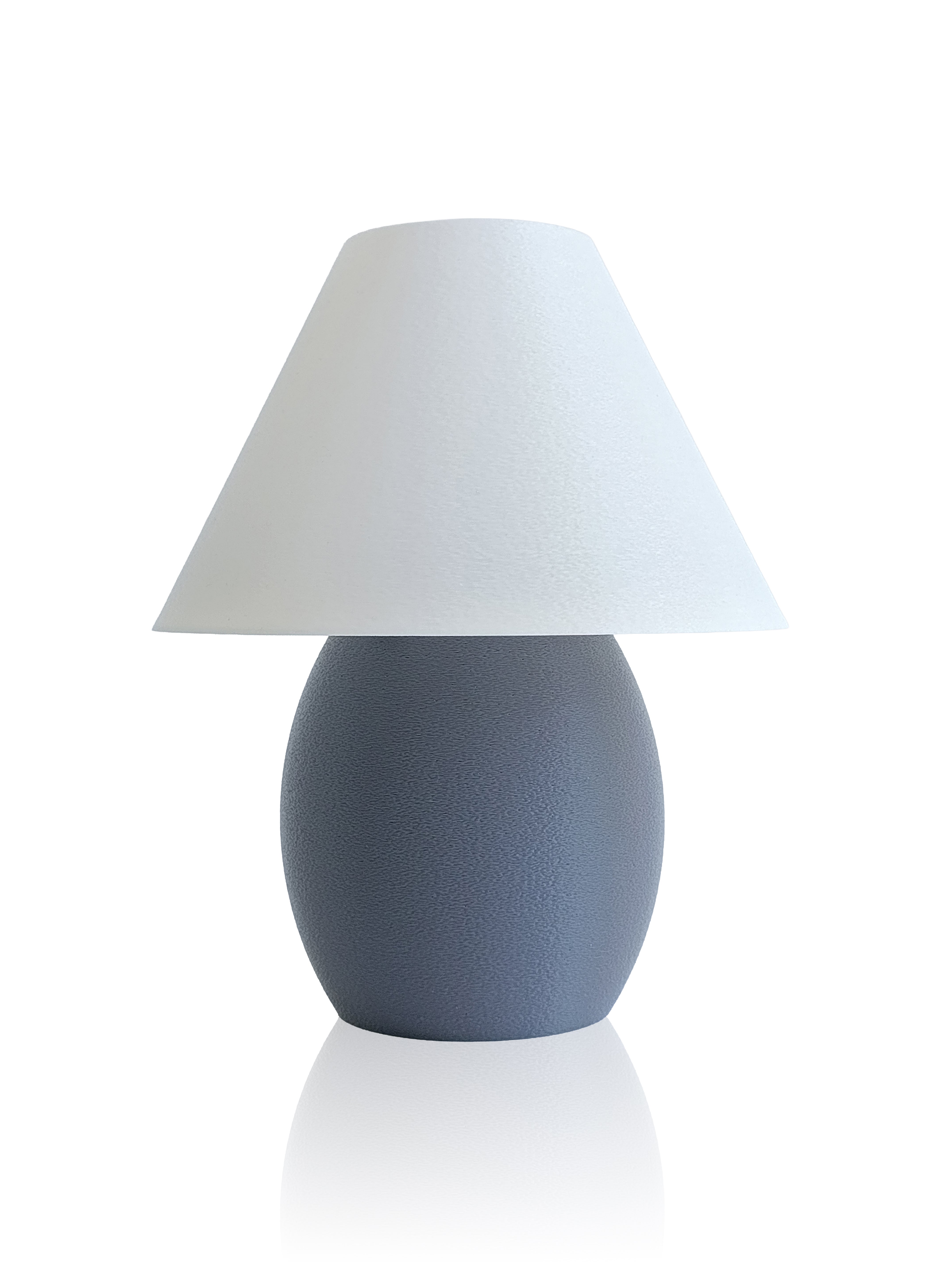
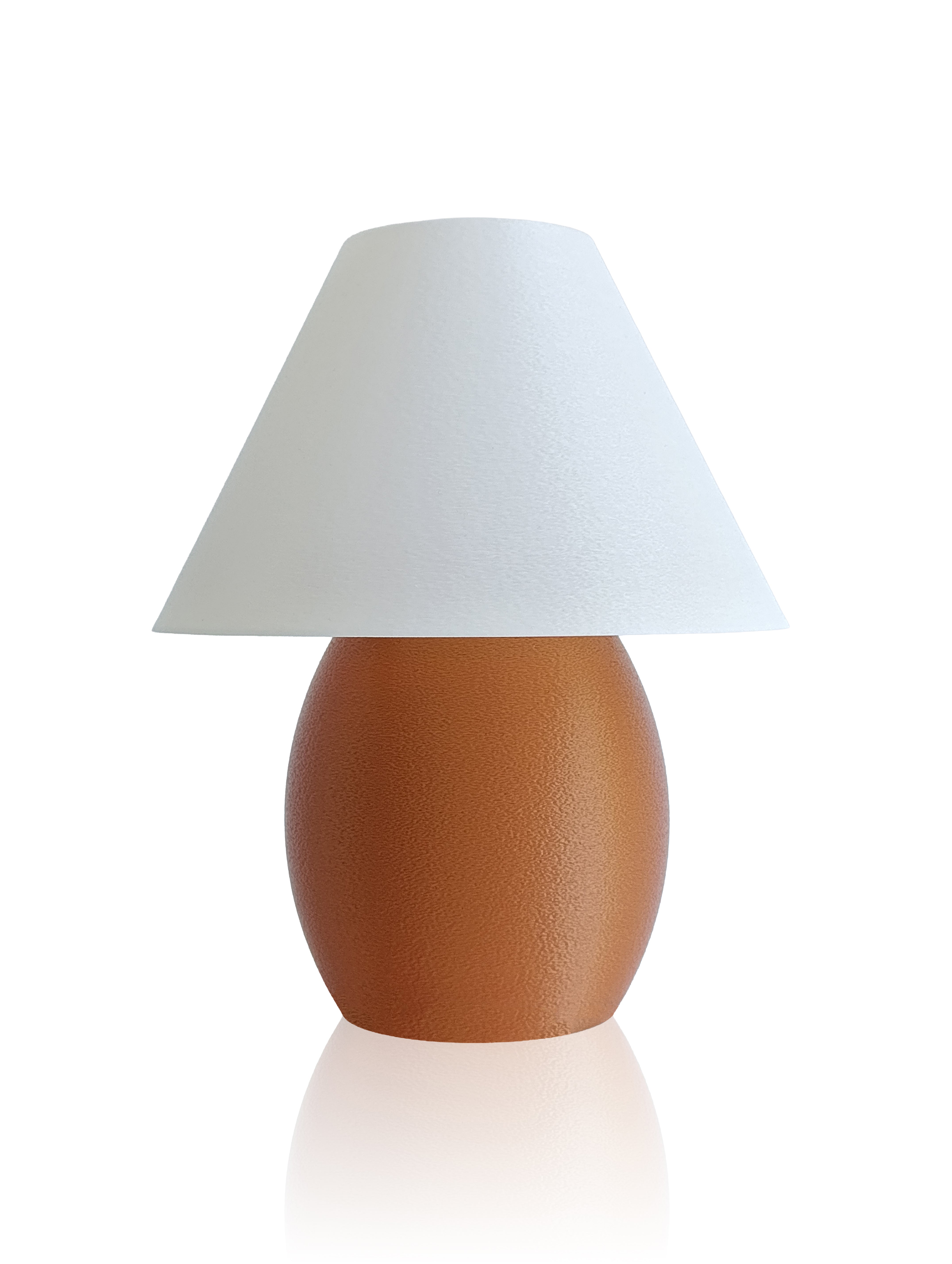
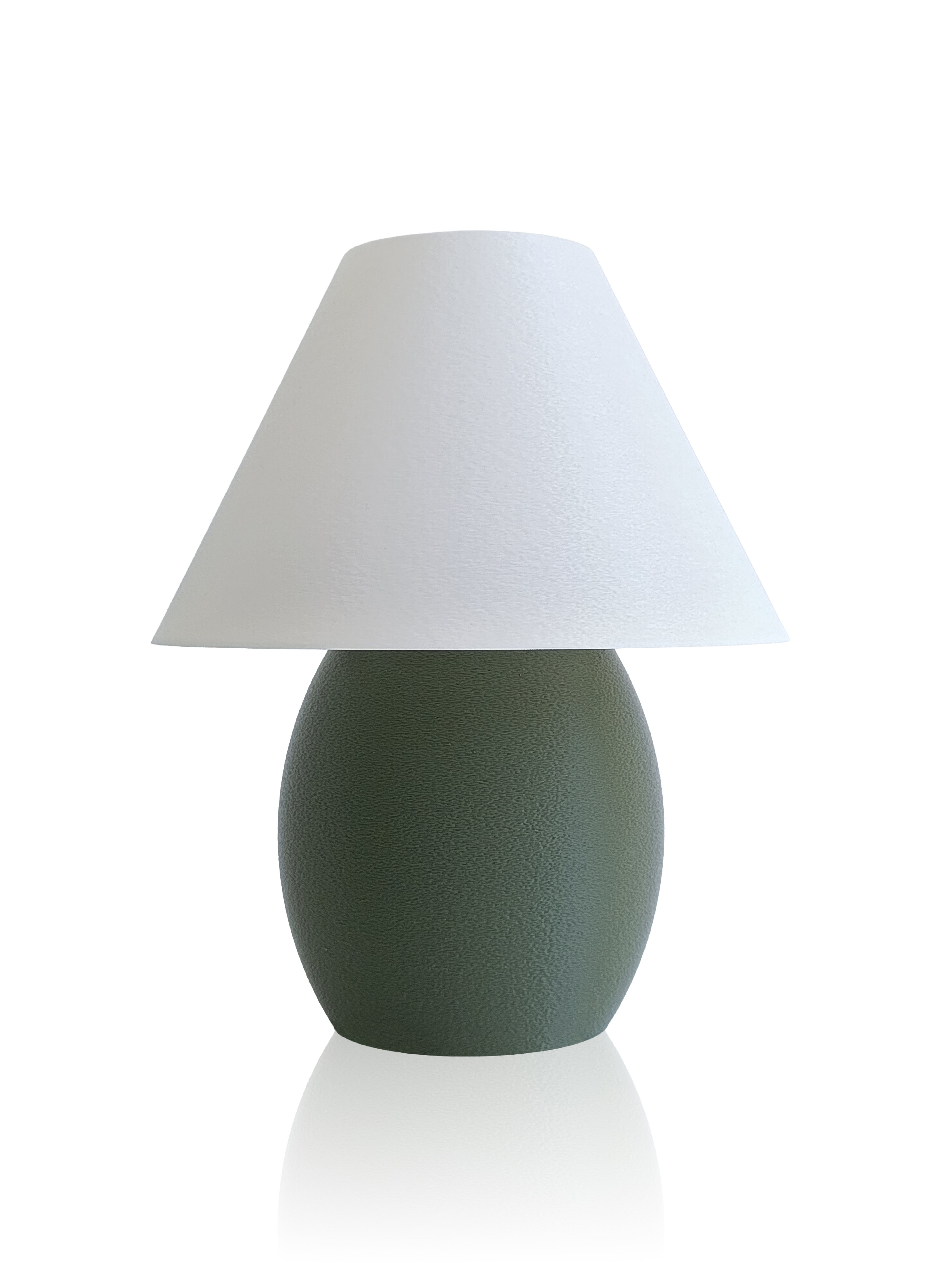
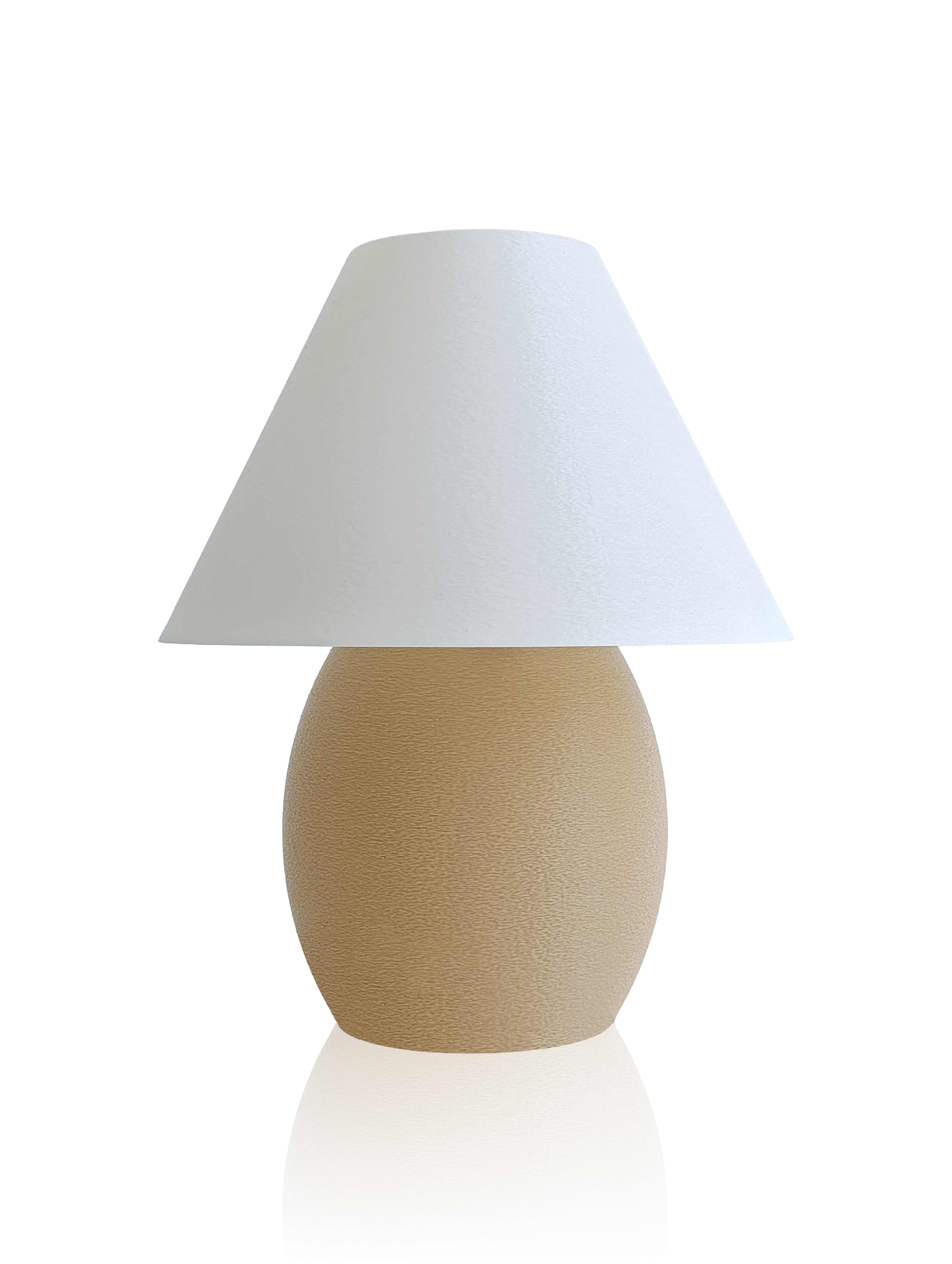
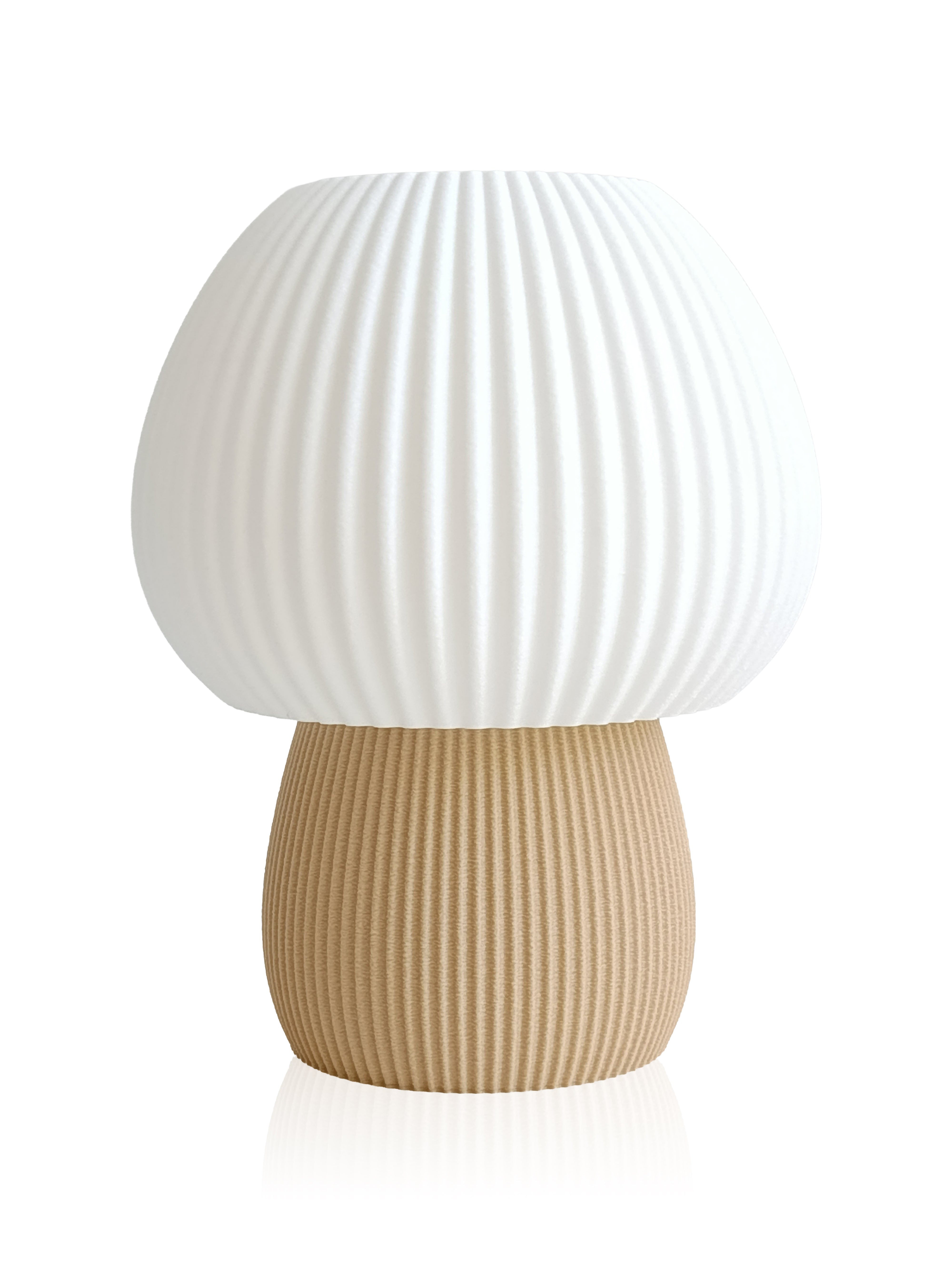
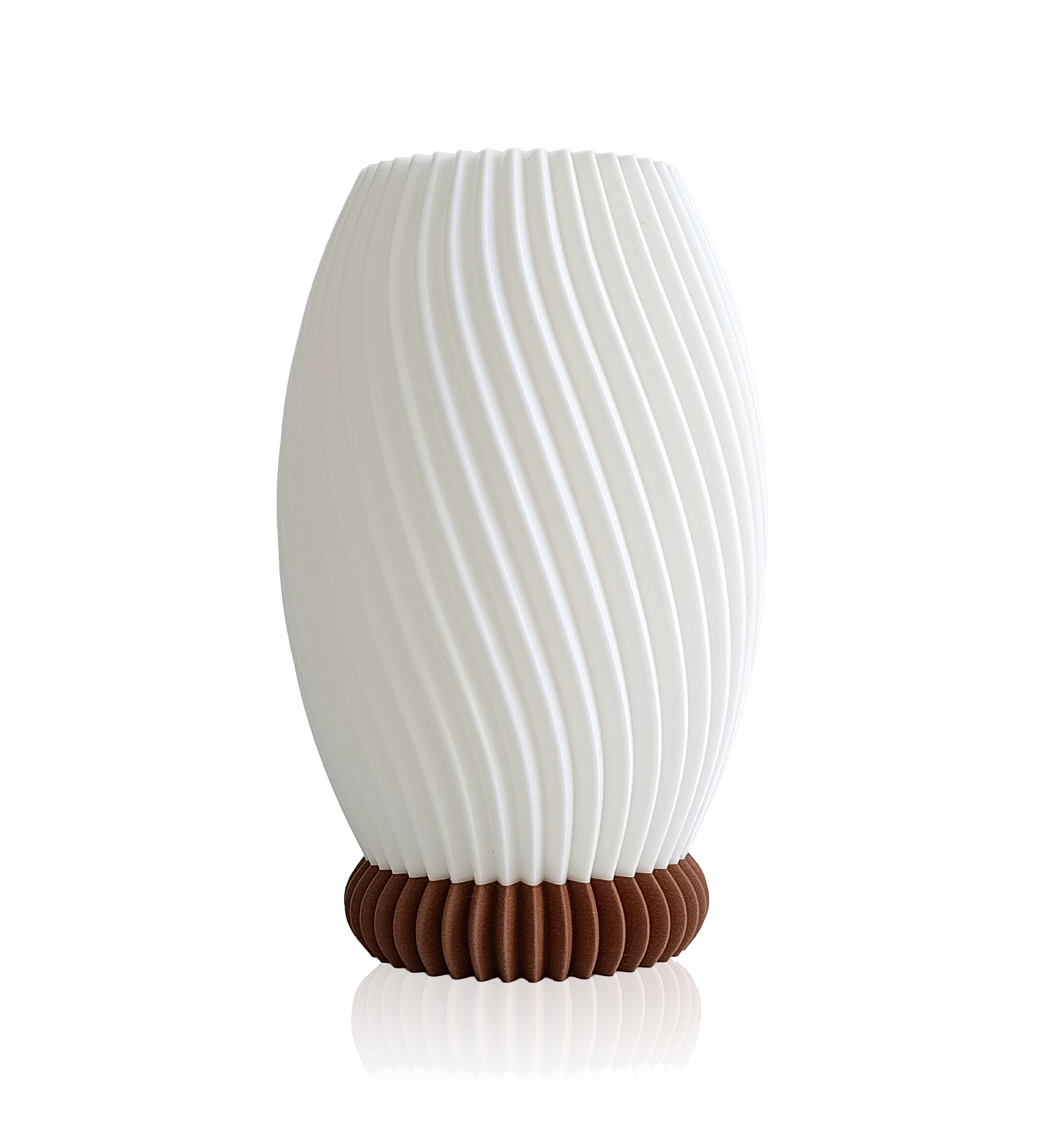
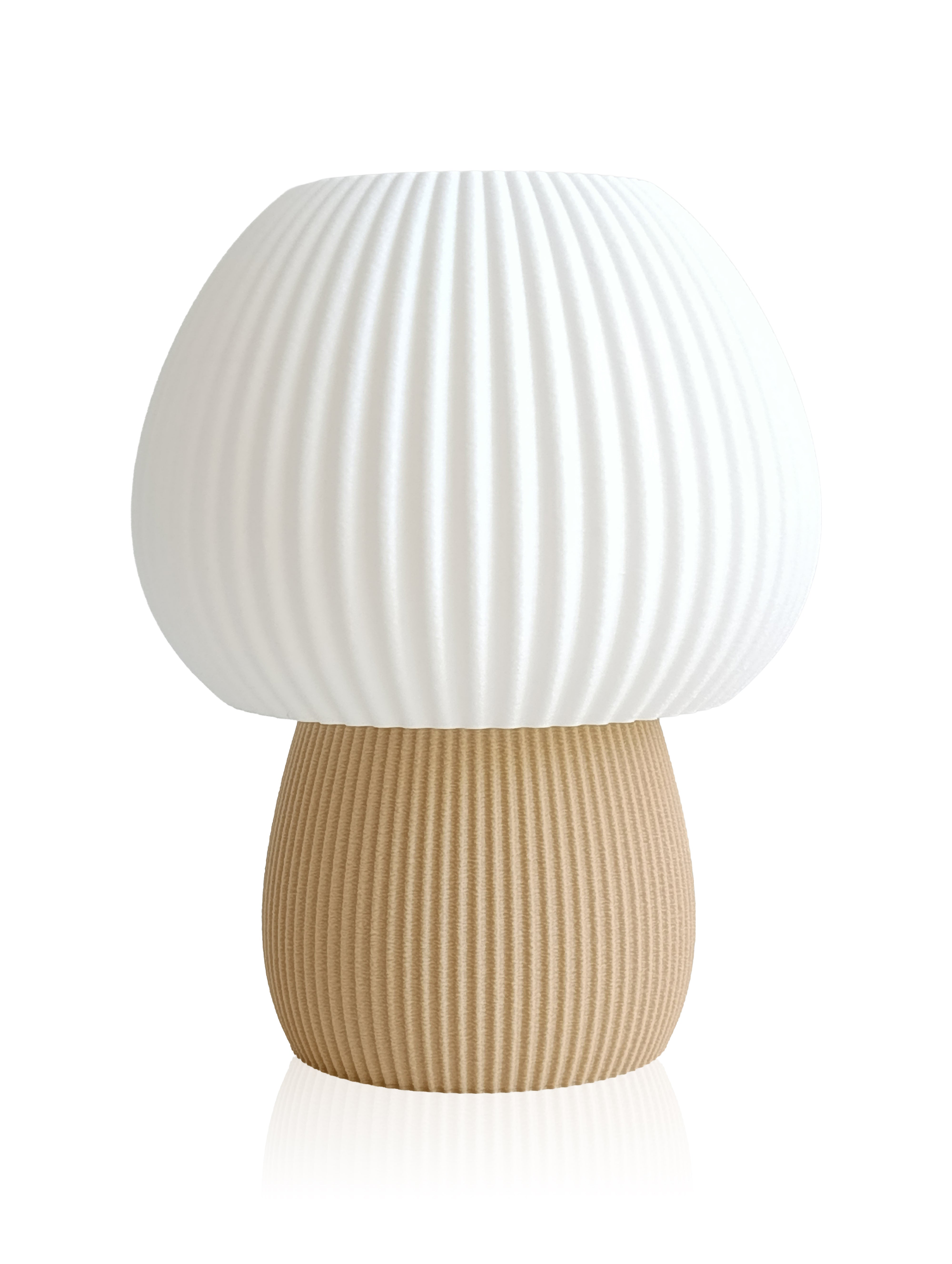
Layered lighting gives you flexibility. Consider combining ambient light with accent lighting: a LUMORA US provides soft, adjustable warmth that won't overwhelm the senses, while a small task light can be available if you're reading or practicing guided meditation from text. The goal is to create an environment where light feels gentle and supportive, never harsh.
Designing Your Meditation Space: Practical Light Placement
Where you place your lights matters as much as what they are. Direct, unobstructed light sources can create glare and shadow, pulling your attention outward rather than inward. Instead, consider indirect lighting—fixtures that bounce light off walls or ceilings, diffusing it gently throughout the room. This approach creates a more even, contemplative atmosphere.
Position your primary light source to the side or behind you, rather than directly overhead. If you're sitting for meditation, avoid having light at eye level where it creates a focal point. Wall-mounted fixtures, uplighting, and light diffusers all help soften the visual landscape. Many people also benefit from a small table light on a low setting nearby—not for active use, but for the sense of comfort it provides to know gentle illumination is available.
- Use indirect lighting to avoid glare and shadows
- Position light sources to the side or behind you
- Choose diffusers or frosted fixtures over bare bulbs
- Keep brightness between 50–200 lux for deep relaxation
- Install dimmers to adjust light as your practice evolves
Building a Ritual Around Light and Mindfulness
Beyond the technical aspects, the most powerful meditation lighting is the lighting you use intentionally. Many people find that dimming the lights becomes part of their meditation ritual—a signal to the mind and body that it's time to transition into a more introspective state. This ritualistic element, combined with warm, gentle illumination, creates a multisensory cue that deepens your practice over time.
As you build this habit, notice how different light settings affect your meditation. You may discover that slightly warmer or dimmer lighting helps you access deeper states of calm, or that you prefer a specific angle or quality of light. Your meditation space is personal—the best lighting is the lighting that feels right to your nervous system.
Frequently Asked Questions
What color temperature is best for meditation?
Warm light between 2700K and 3000K is ideal for meditation because it promotes relaxation and melatonin production. This mimics natural sunset light and signals to your body that it's time to slow down and rest.
Can I meditate in bright light?
Yes, but it's more challenging. Bright light activates alertness and can overstimulate the senses. If bright light is your only option, try directing it indirectly and using dimmer switches to create a softer, more contemplative environment.
Do I need special lighting equipment to meditate?
No. Any warm-toned lamp with a dimmer can support a meditation practice. You don't need expensive equipment—focus on warm color temperature, soft diffusion, and the ability to control brightness. Simple adjustments to existing fixtures often make a significant difference.
Creating a meditative space with thoughtful lighting is an act of self-care. It's a way of telling yourself that your moments of peace matter enough to design for intentionally. As you explore the intersection of light and stillness in your home, you're not just changing the atmosphere—you're building a sanctuary where your mind and body can finally rest.






Share:
Living Room Corner Lighting: Design That Brings Dark Spaces to Life
Light Direction and Shadow: From Single Point to Multi-Directional Lighting