


Light Direction and Shadow: From Single Point to Multi-Directional Lighting

The way light moves through your home—where it comes from, where it falls, what it illuminates and what it leaves in shadow—is one of the most fundamental yet overlooked aspects of interior design. Light direction and shadow aren't just technical considerations; they're the invisible architecture of how a room feels. Understanding the difference between single-point and multi-directional lighting can transform not only how your space looks, but how you live in it day to day.
What Is Light Direction and Why Does It Matter?
Light direction refers to the angle and source from which light travels into a space. When light comes from a single point—say, one overhead fixture—it creates distinct, pronounced shadows. When it comes from multiple sources and angles, shadows soften, and the entire room feels more dimensionally lit.
This matters because light direction affects:
- How textures read on walls, fabrics, and surfaces
- The perception of space and depth in a room
- Eye comfort and visual fatigue throughout the day
- The emotional tone your home communicates
- Your circadian rhythm and how light influences your sleep-wake cycle
A room lit by a single harsh overhead source can feel institutional or flat, while the same room with layered, multi-directional light feels intimate and intentional. Your home deserves lighting that works with your daily rhythms, not against them.
Single-Point Lighting: Clarity With Cost
A single light source—typically a ceiling fixture—offers simplicity and uniform coverage. Functionally, it's efficient. Aesthetically, it comes with real trade-offs. Single-point lighting creates strong, defined shadows directly beneath objects, which can make a room feel less refined and can actually be harder on the eyes during extended periods.
Single-point sources work well in specific contexts:
- Task-focused areas where you need concentrated brightness (a kitchen work surface, a desk)
- Small bathrooms where space is limited
- Utility spaces like closets or entry halls
But as your primary lighting strategy in living spaces, relying on a single overhead fixture often leaves corners dim, creates unflattering shadows on faces, and can contribute to eye strain. The solution isn't to add more brightness—it's to add direction.
How Multi-Directional Lighting Creates Depth and Comfort
Multi-directional lighting layers light from different angles and heights throughout a room. This might include ambient overhead light, wall sconces, task lighting at eye level, and accent or floor-level light. When light reaches a surface from multiple directions, shadows become softer and less pronounced, making the space feel larger and more welcoming.
The science here is straightforward: shadows only exist where light doesn't reach. With one light source, unlit areas feel like voids. With multiple sources, those areas receive ambient fill light, reducing harsh contrast and creating visual harmony.
Multi-directional setups also give you control. You can adjust which lights are on depending on the time of day and your needs:
- Morning: Bright, cooler-temperature light (around 4000K) to support alertness
- Afternoon: Balanced, natural-feeling light across multiple sources
- Evening: Warmer light (2700K or lower) from lower-level, indirect sources to support melatonin production
This flexibility aligns your home's lighting with your actual life, supporting both productivity and rest.
Shadow as Design Element, Not Problem
Interestingly, shadows aren't something to eliminate entirely. In well-designed spaces, shadows are intentional. Soft shadows from indirect wall light can emphasize architectural details. Shadows cast by plants or furniture add visual interest. The key is controlling their intensity and direction.
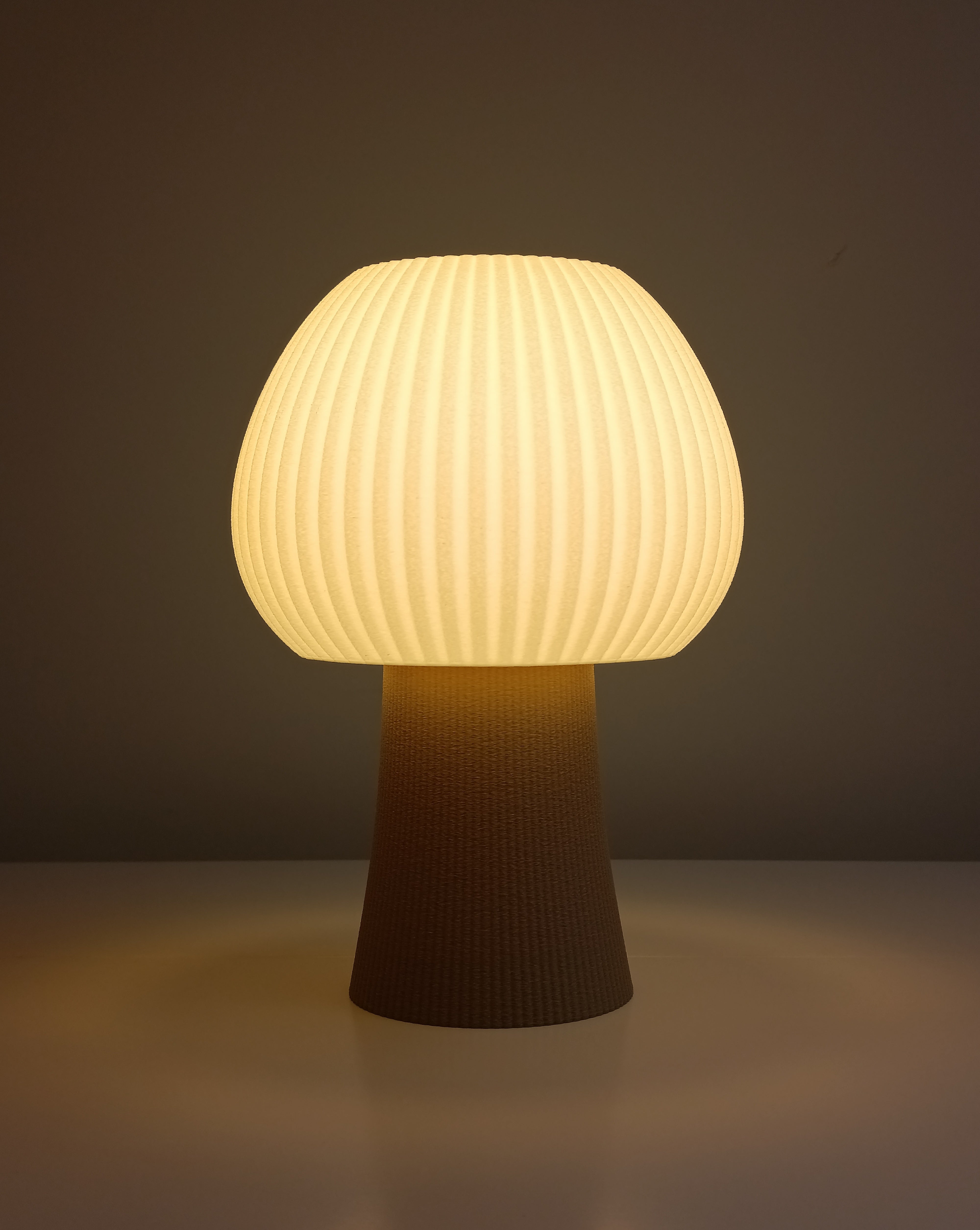
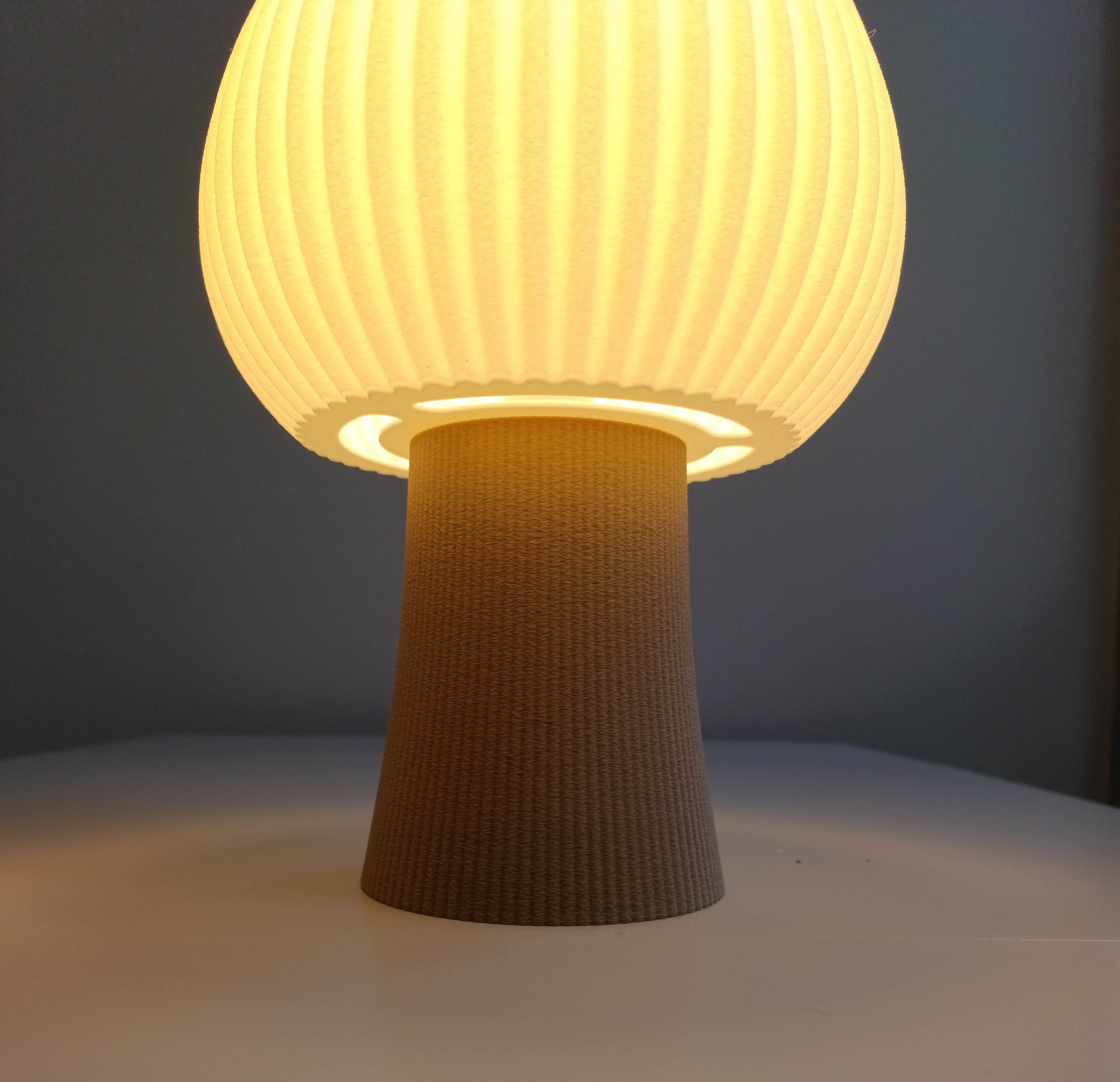
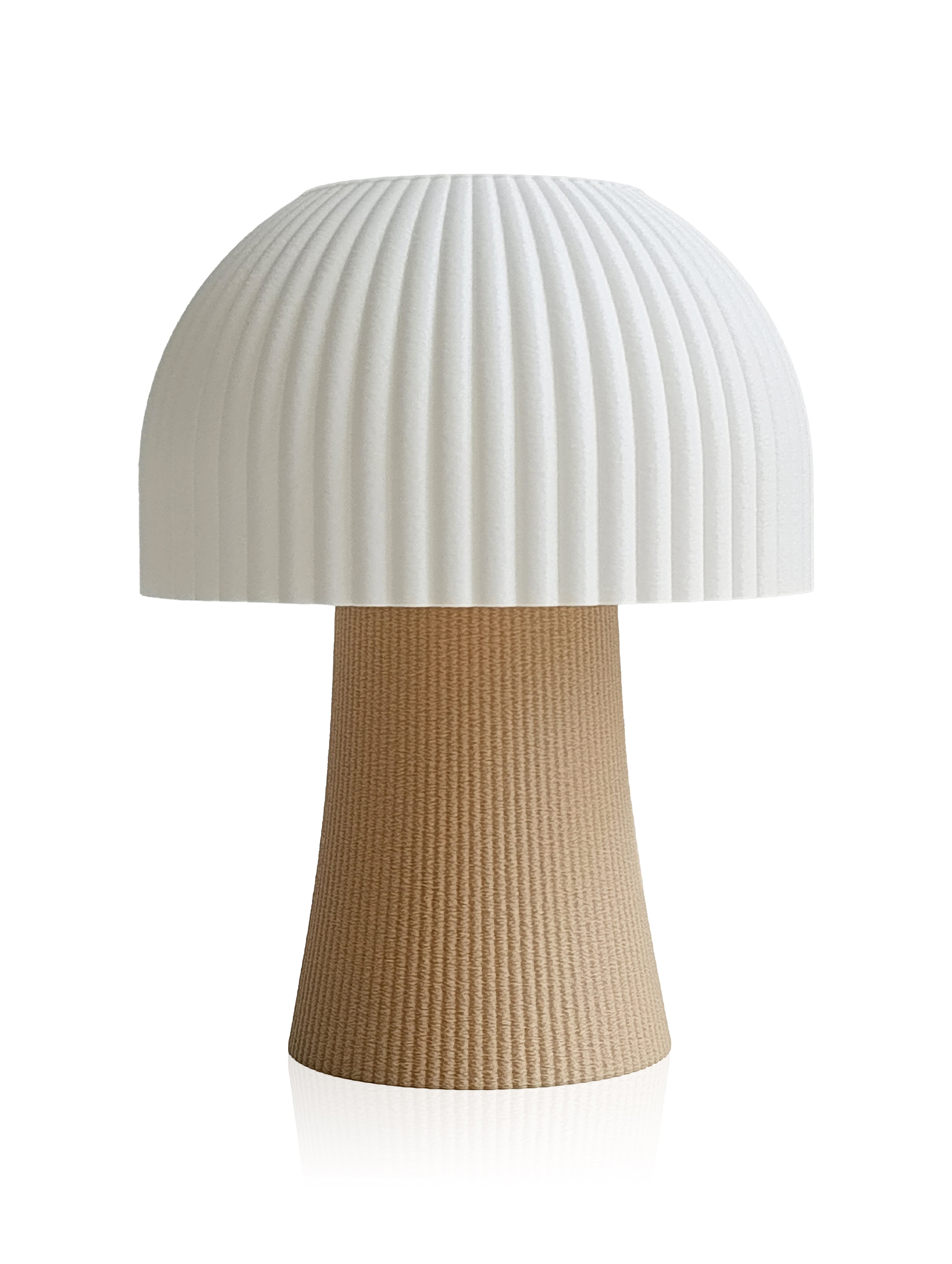
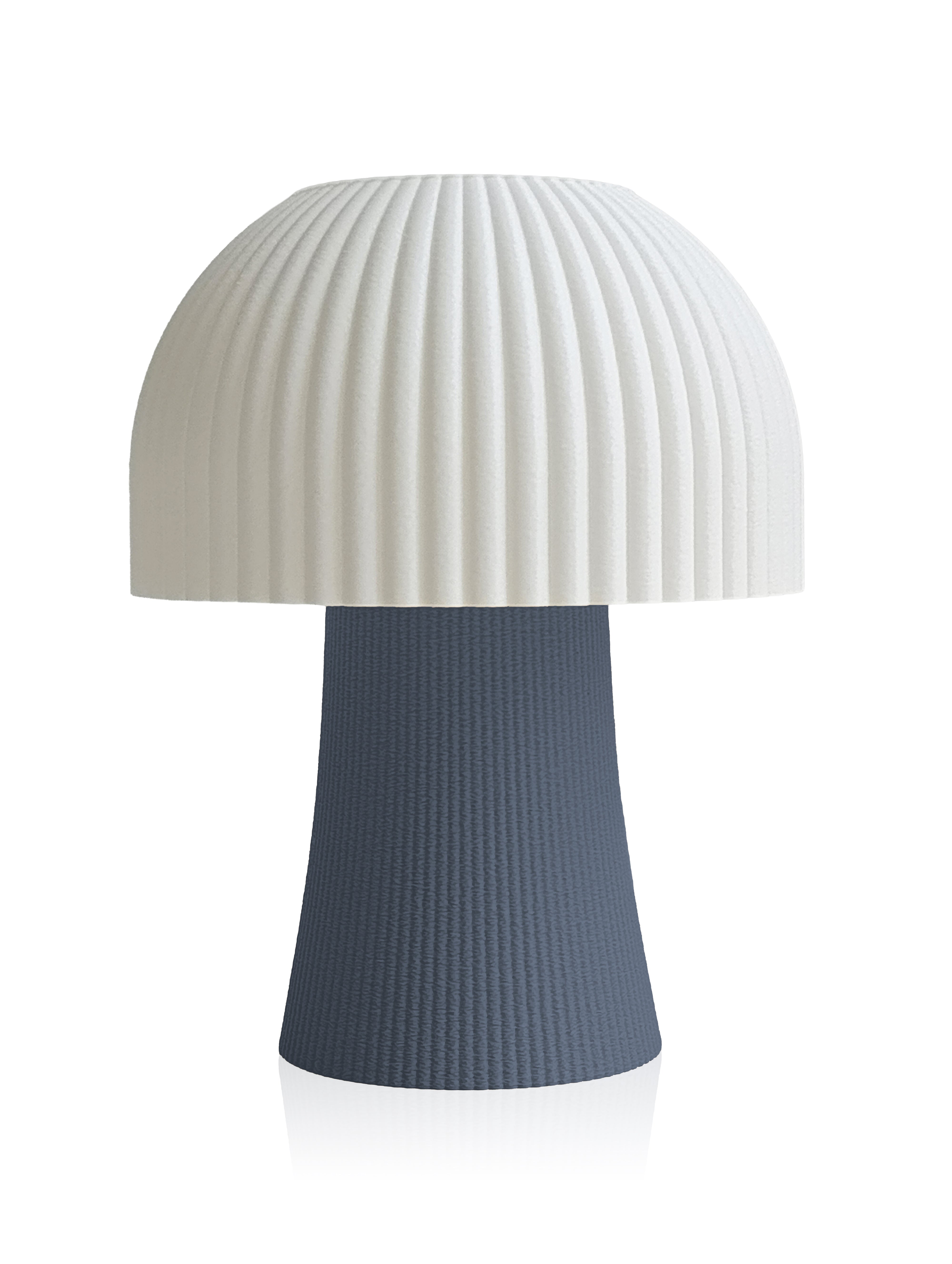
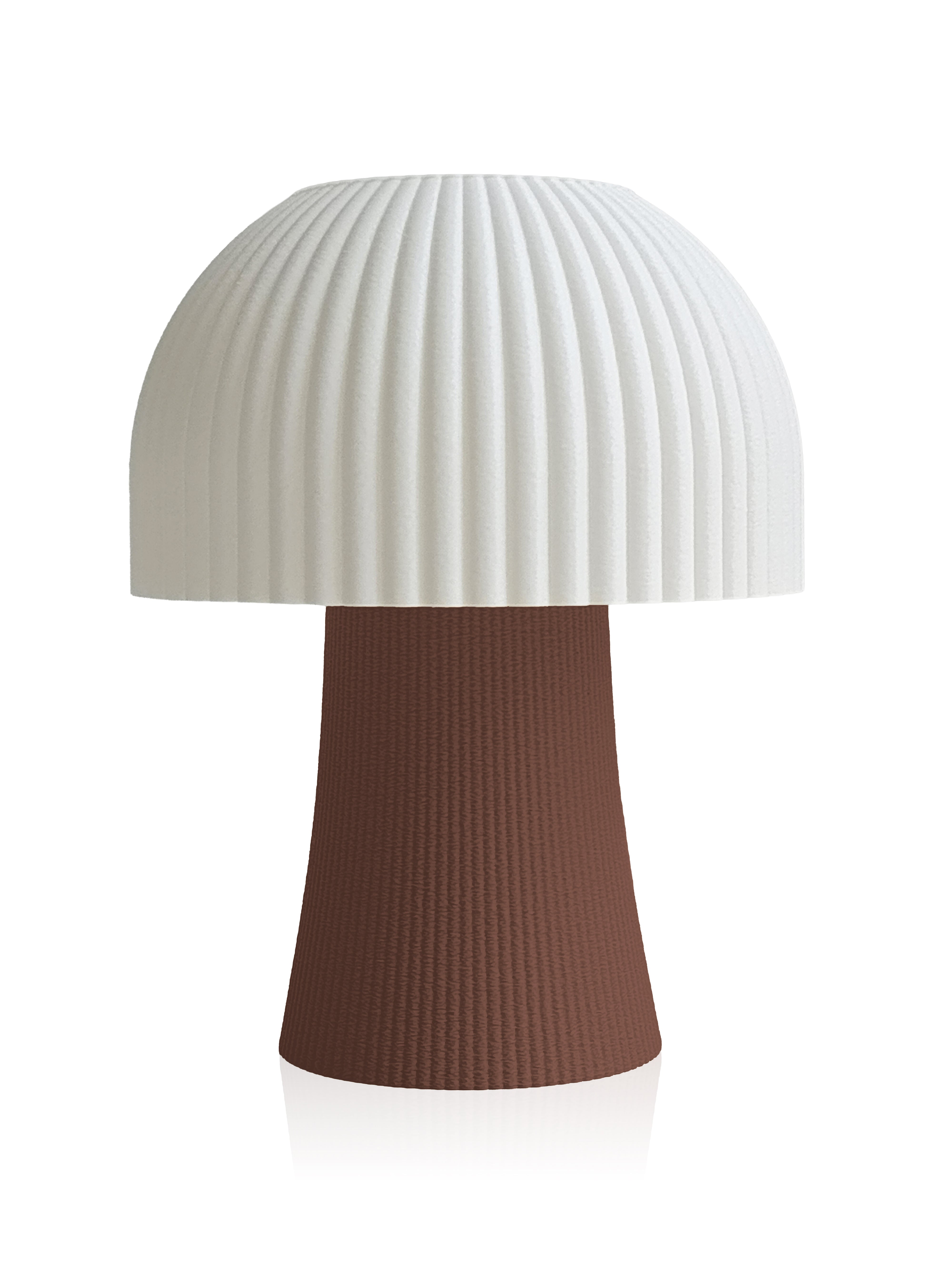
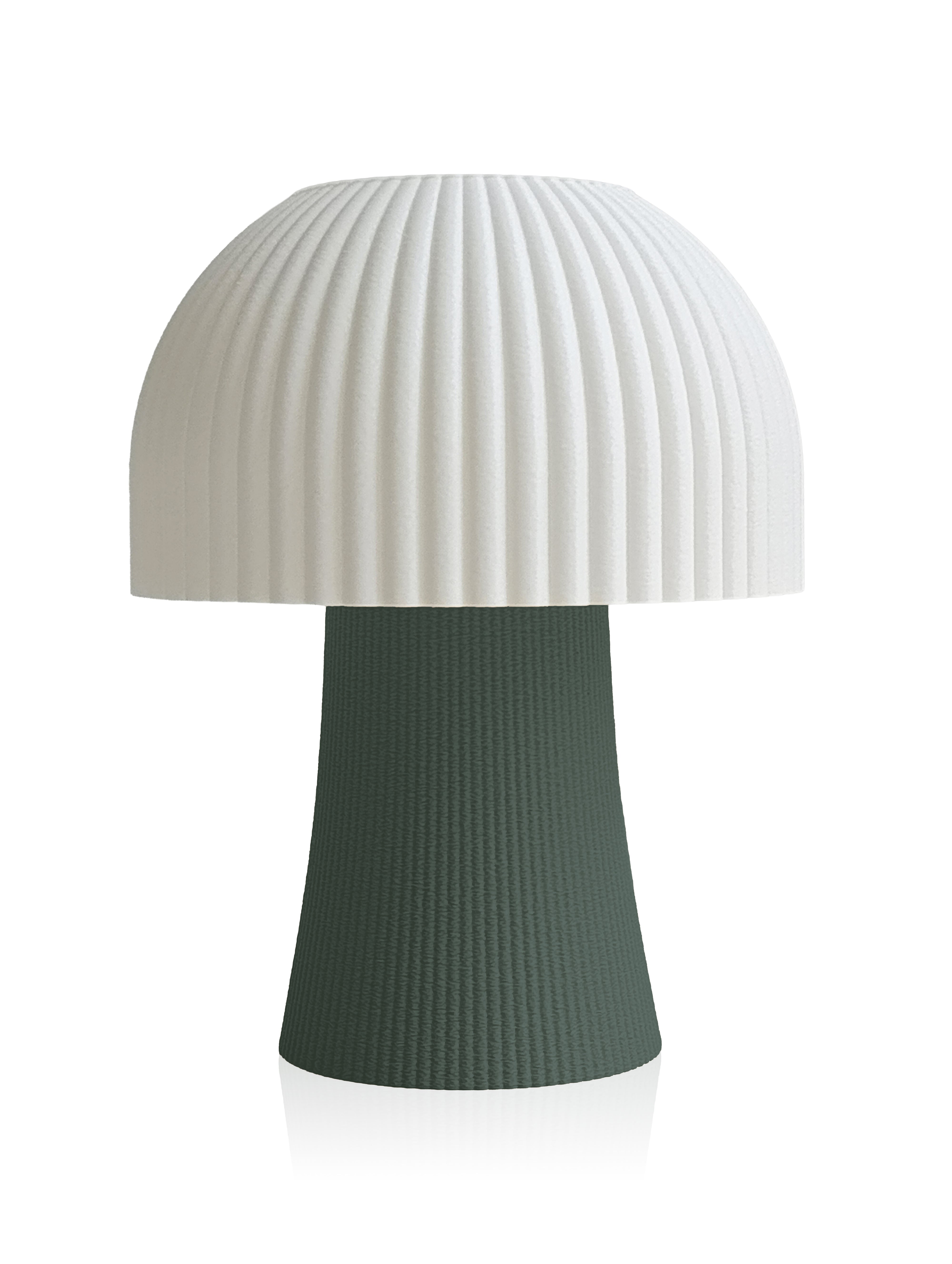
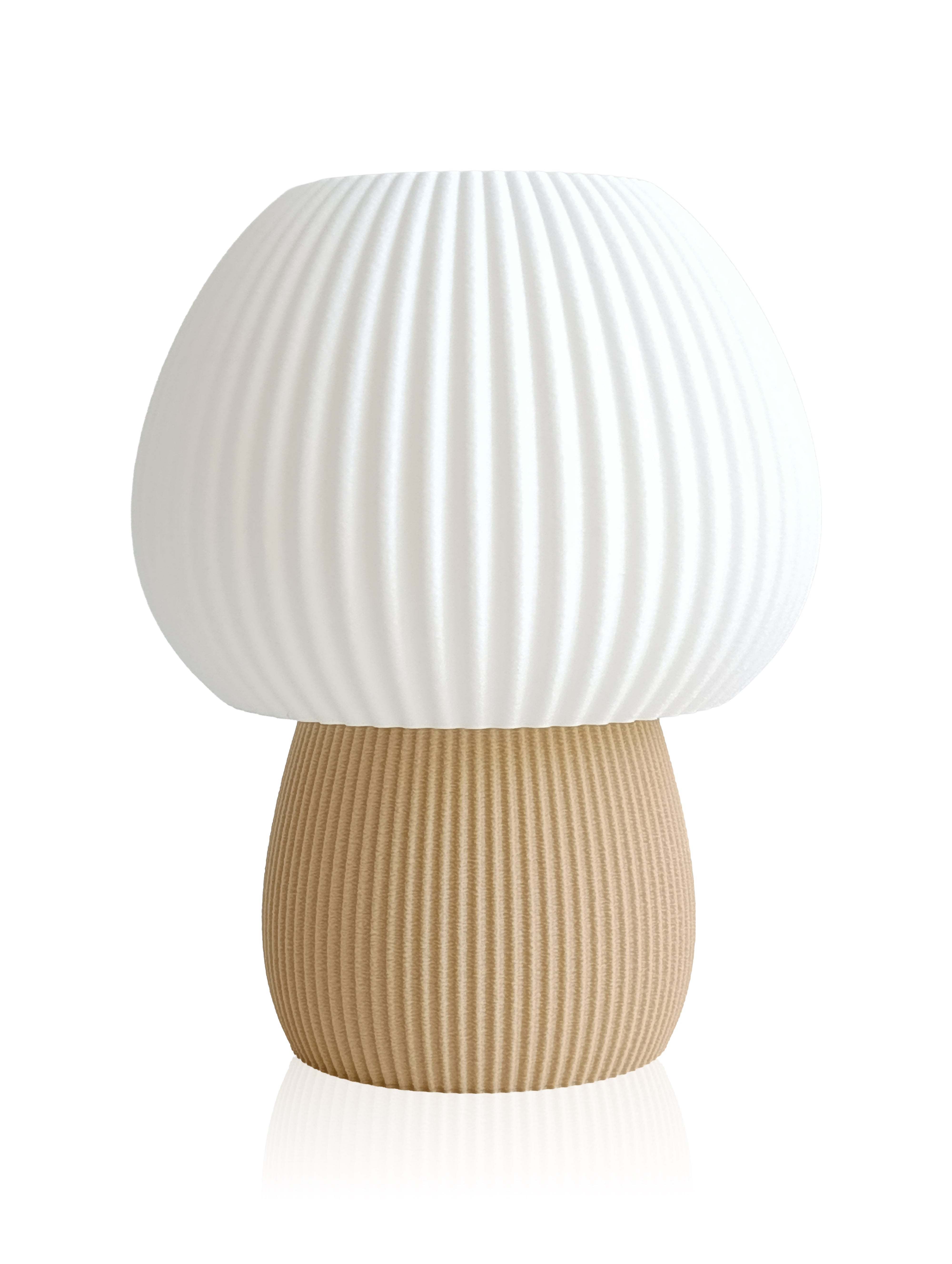
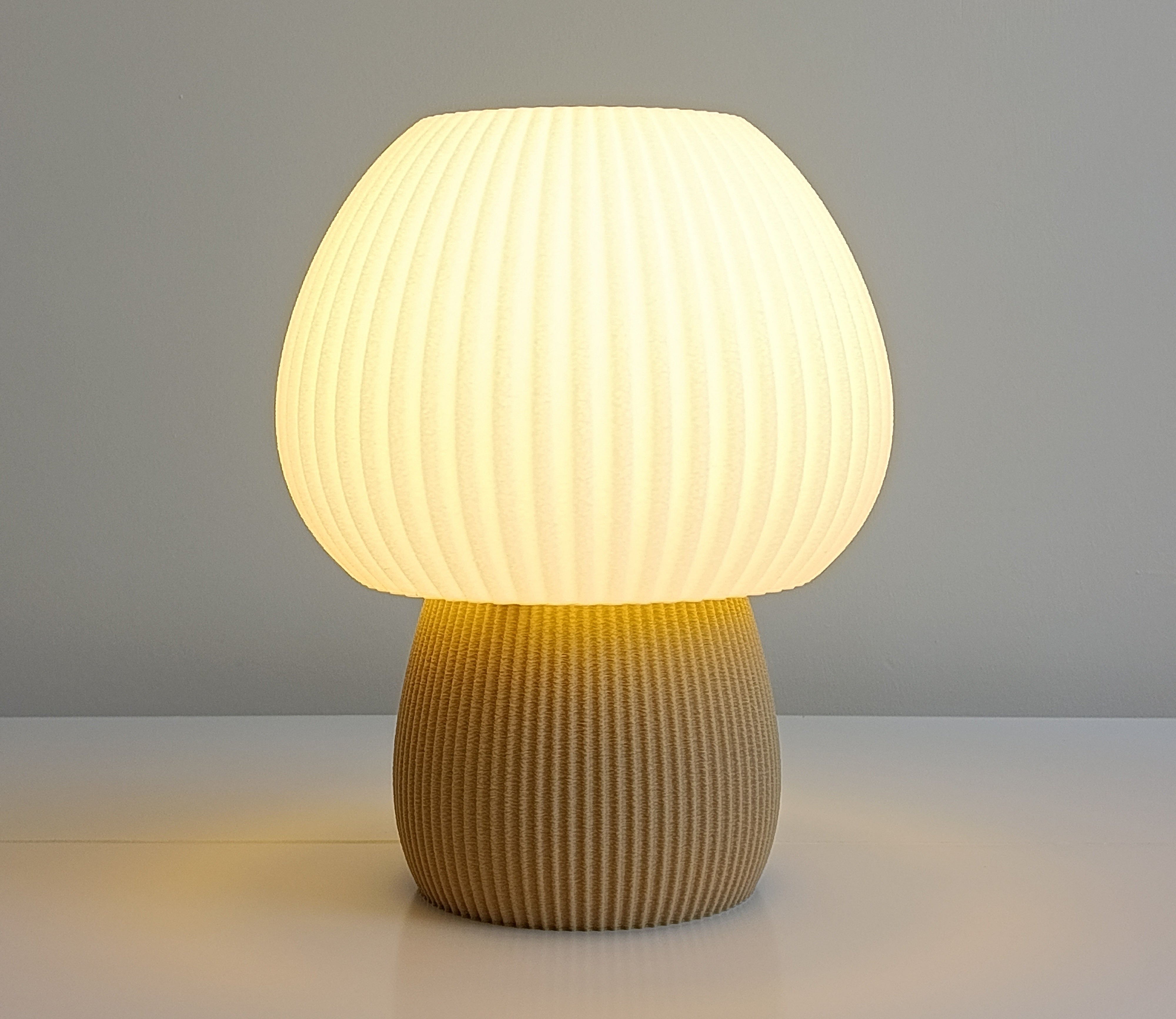
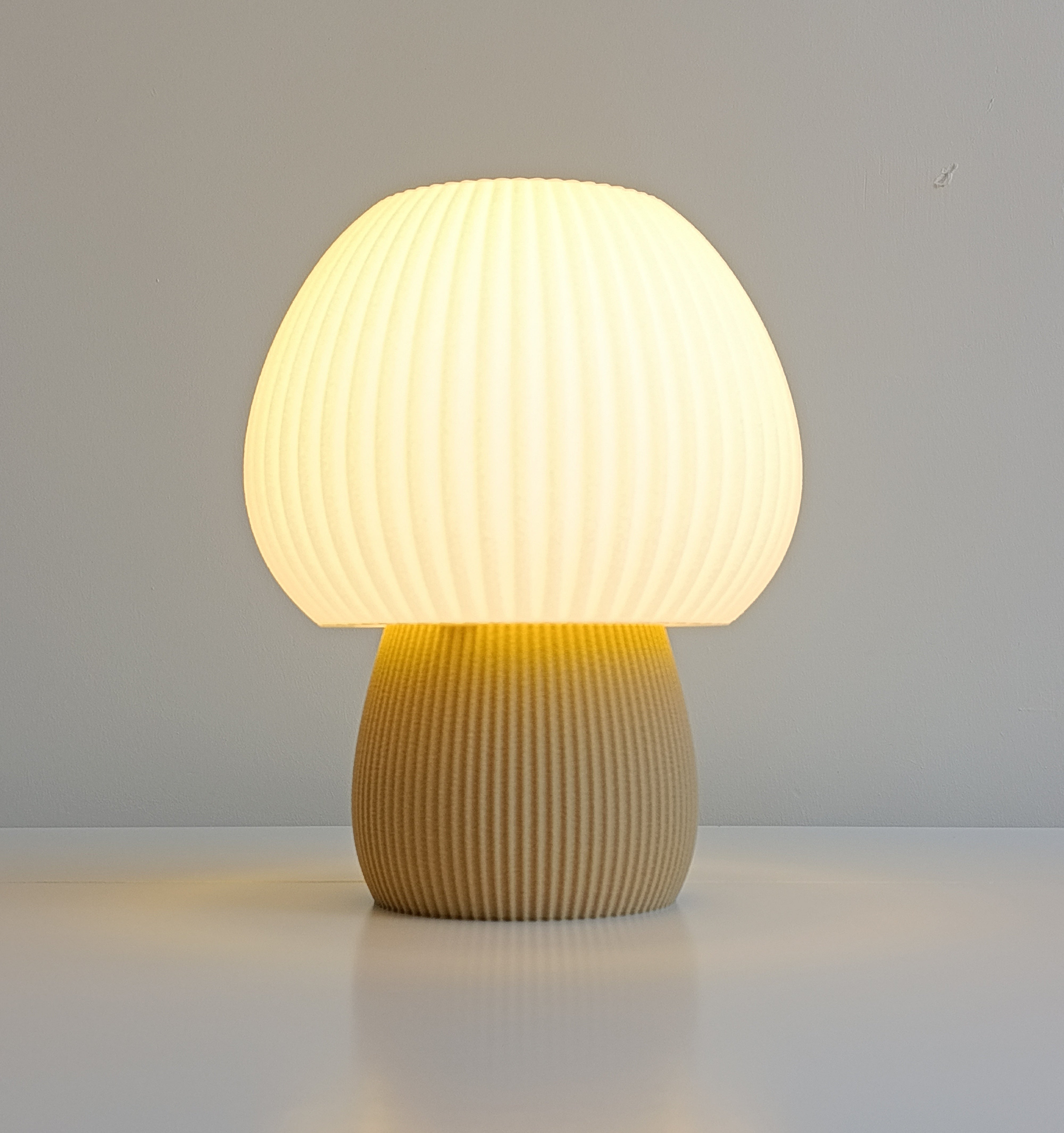
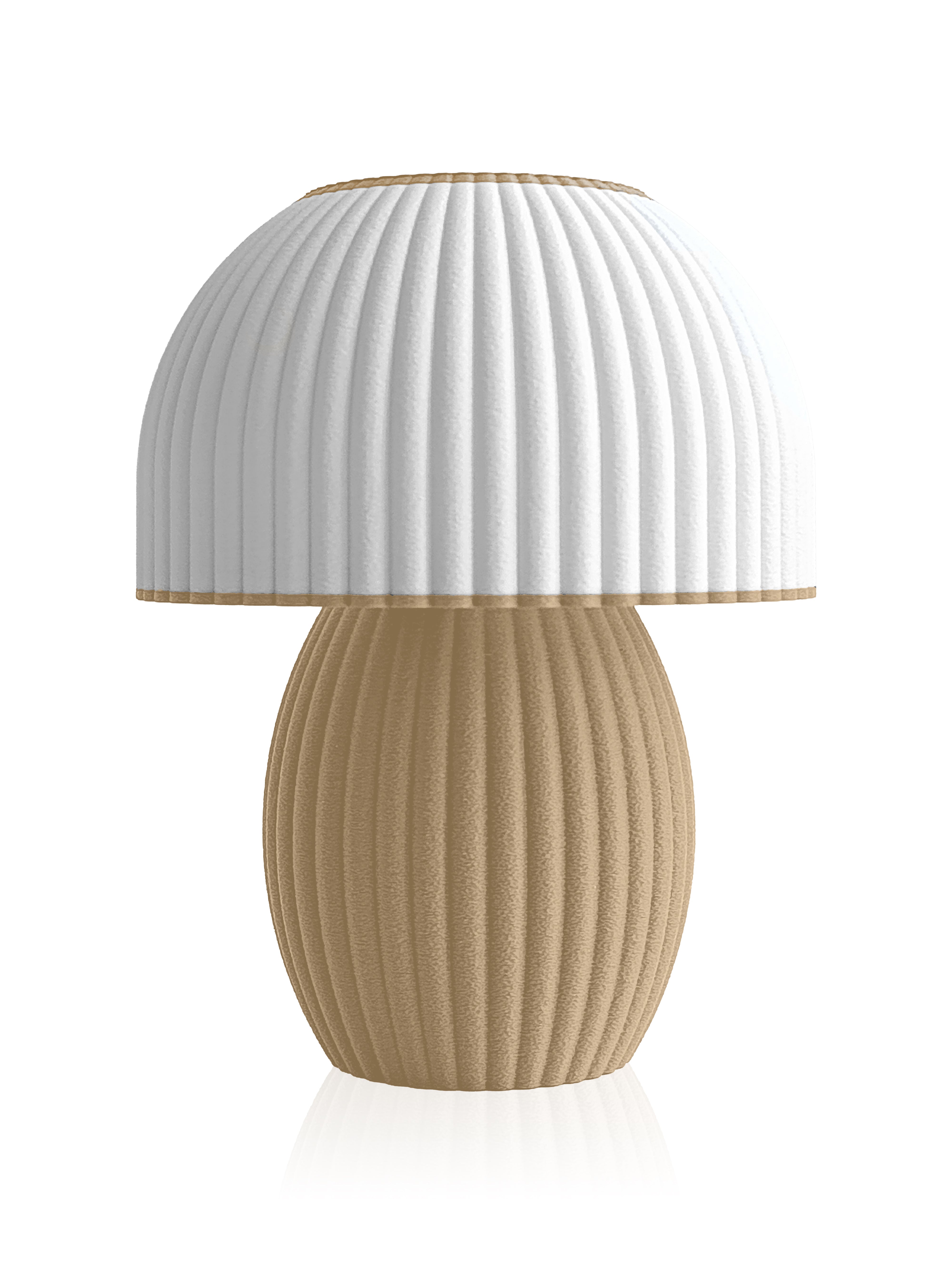
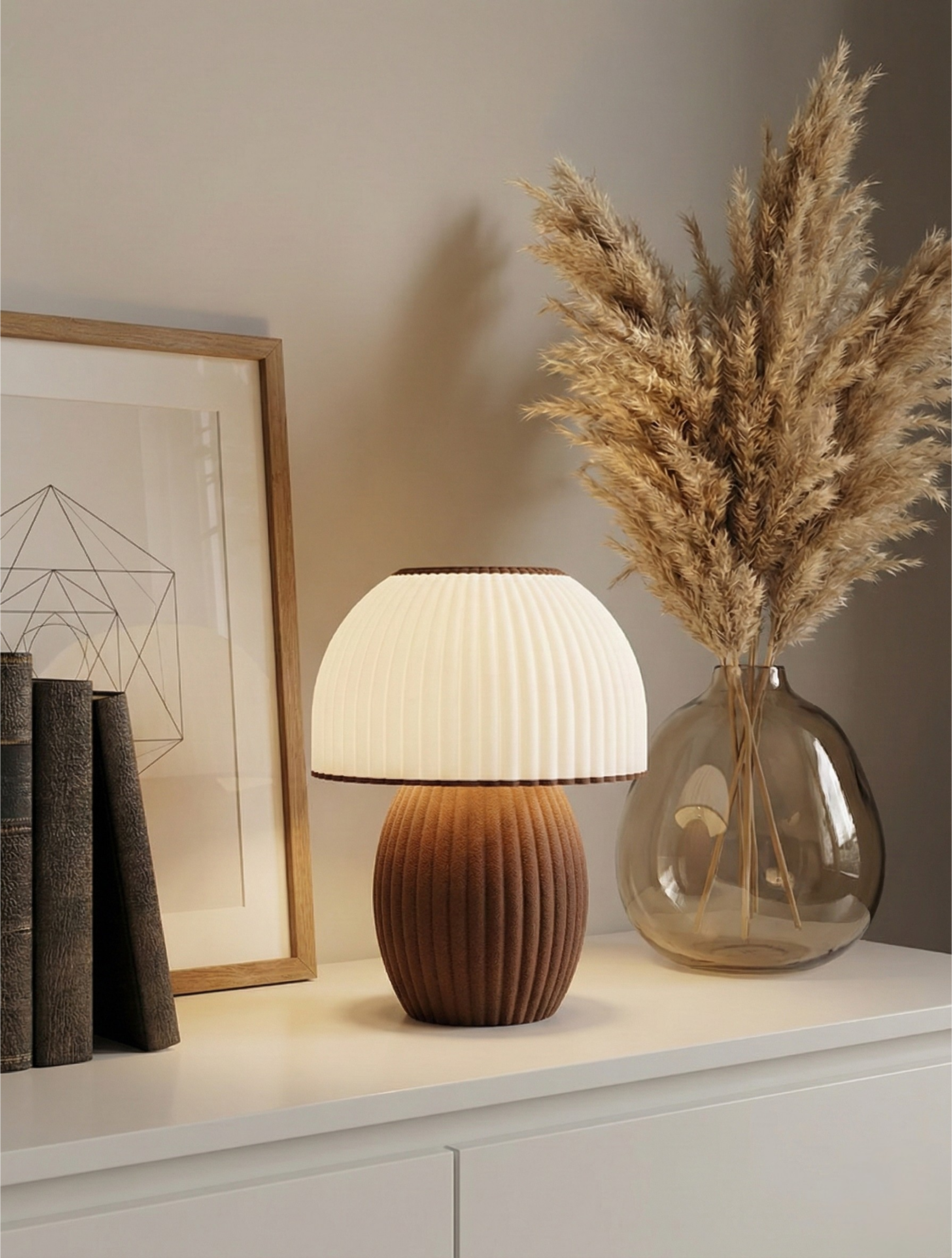
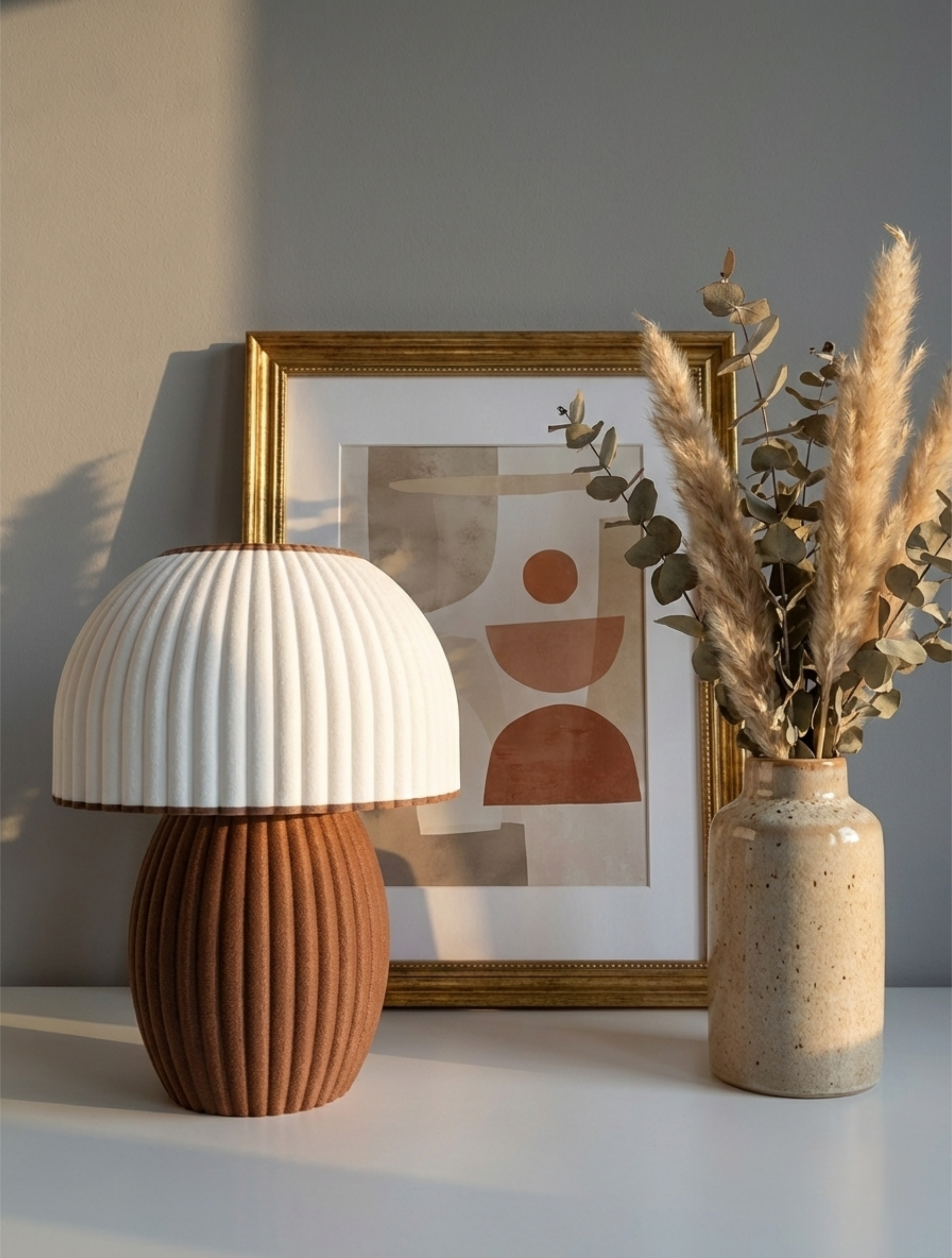
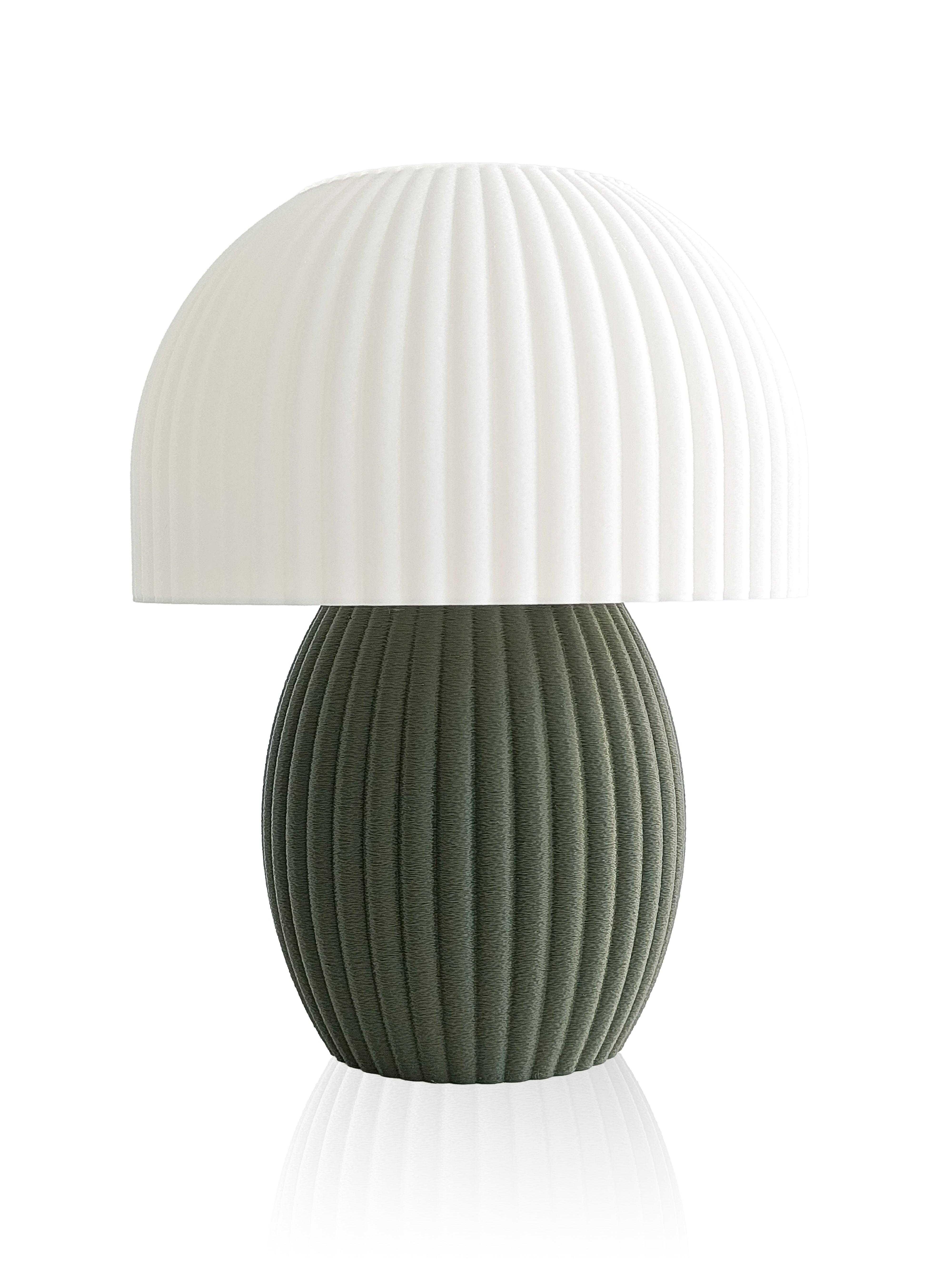
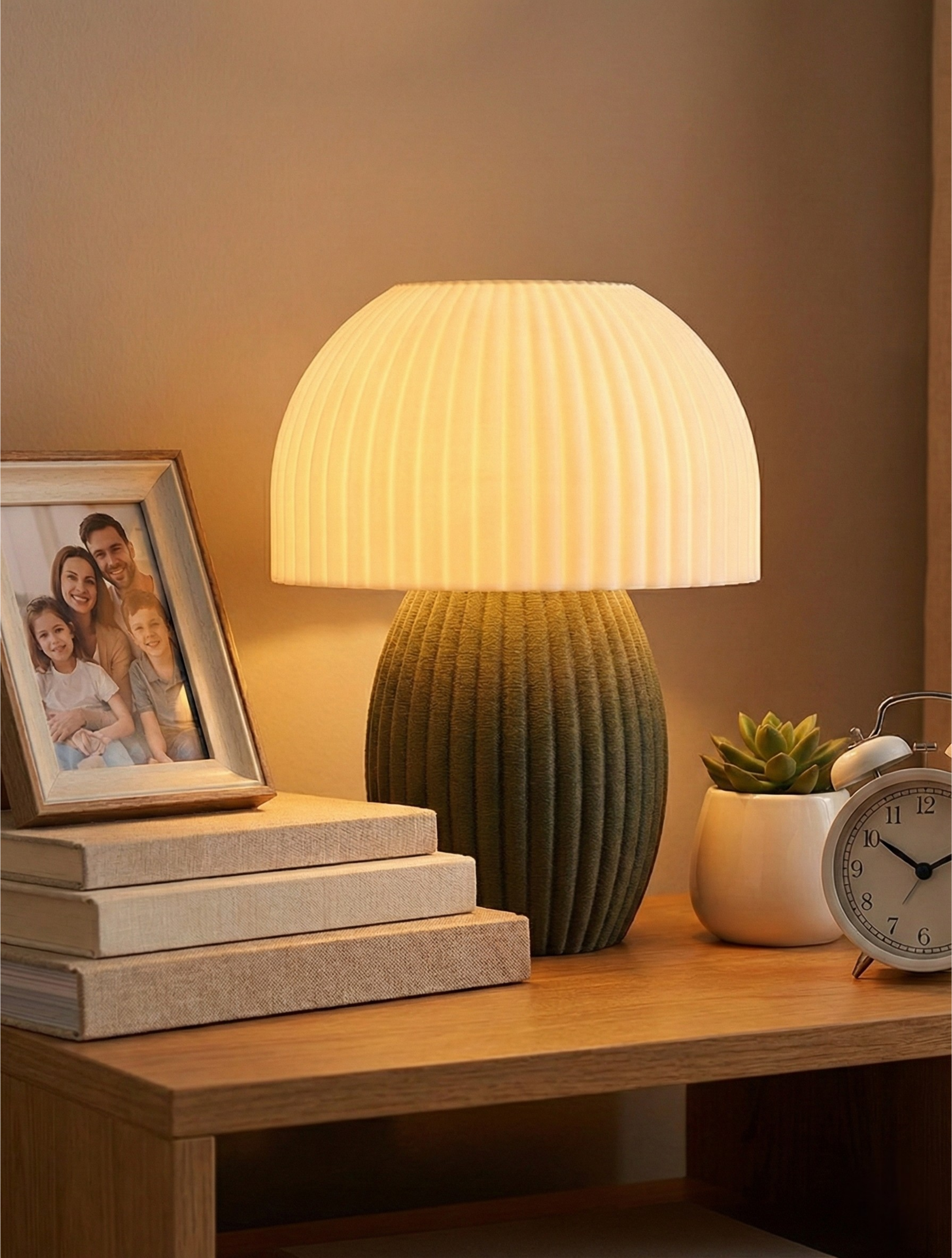
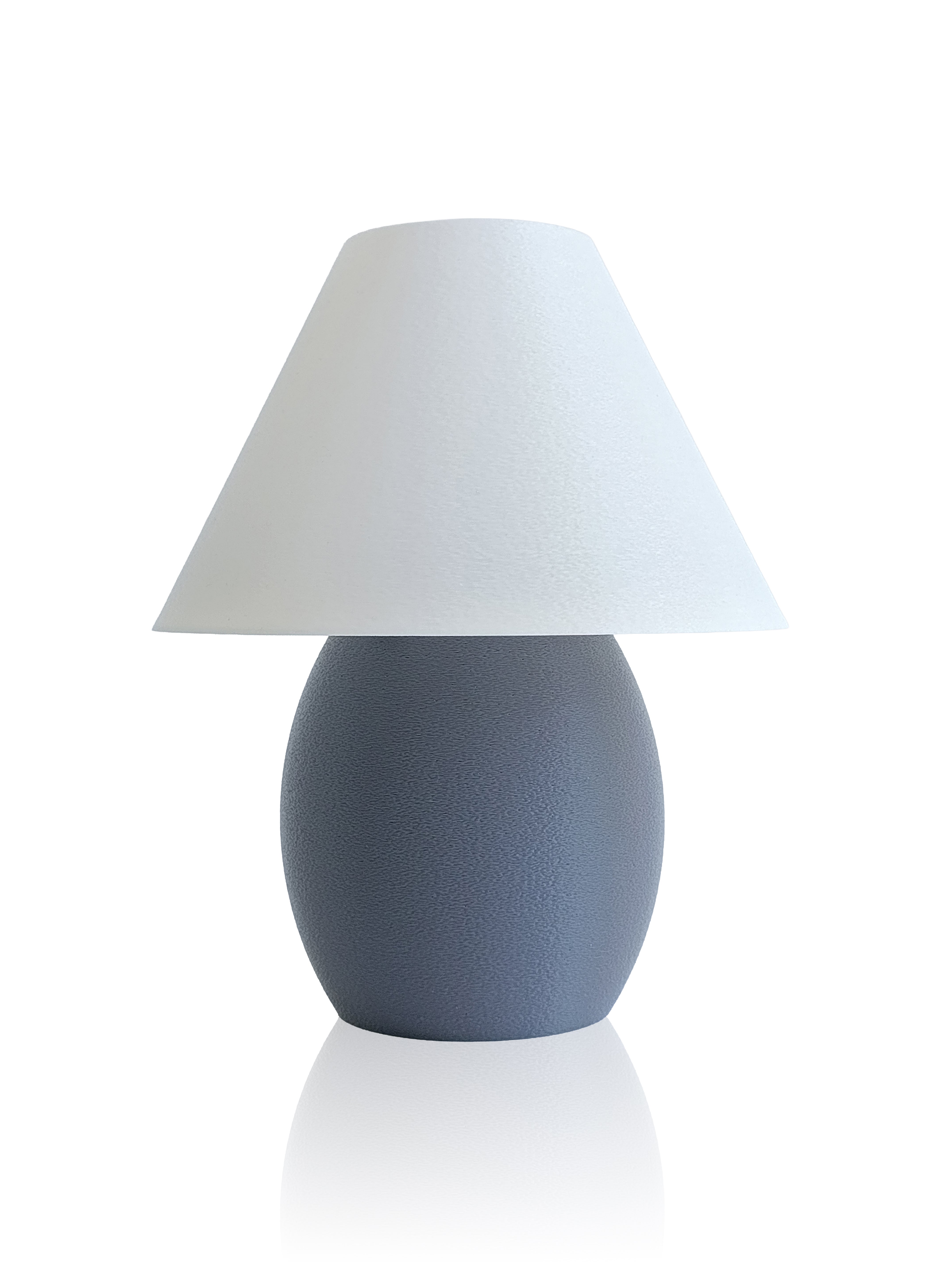
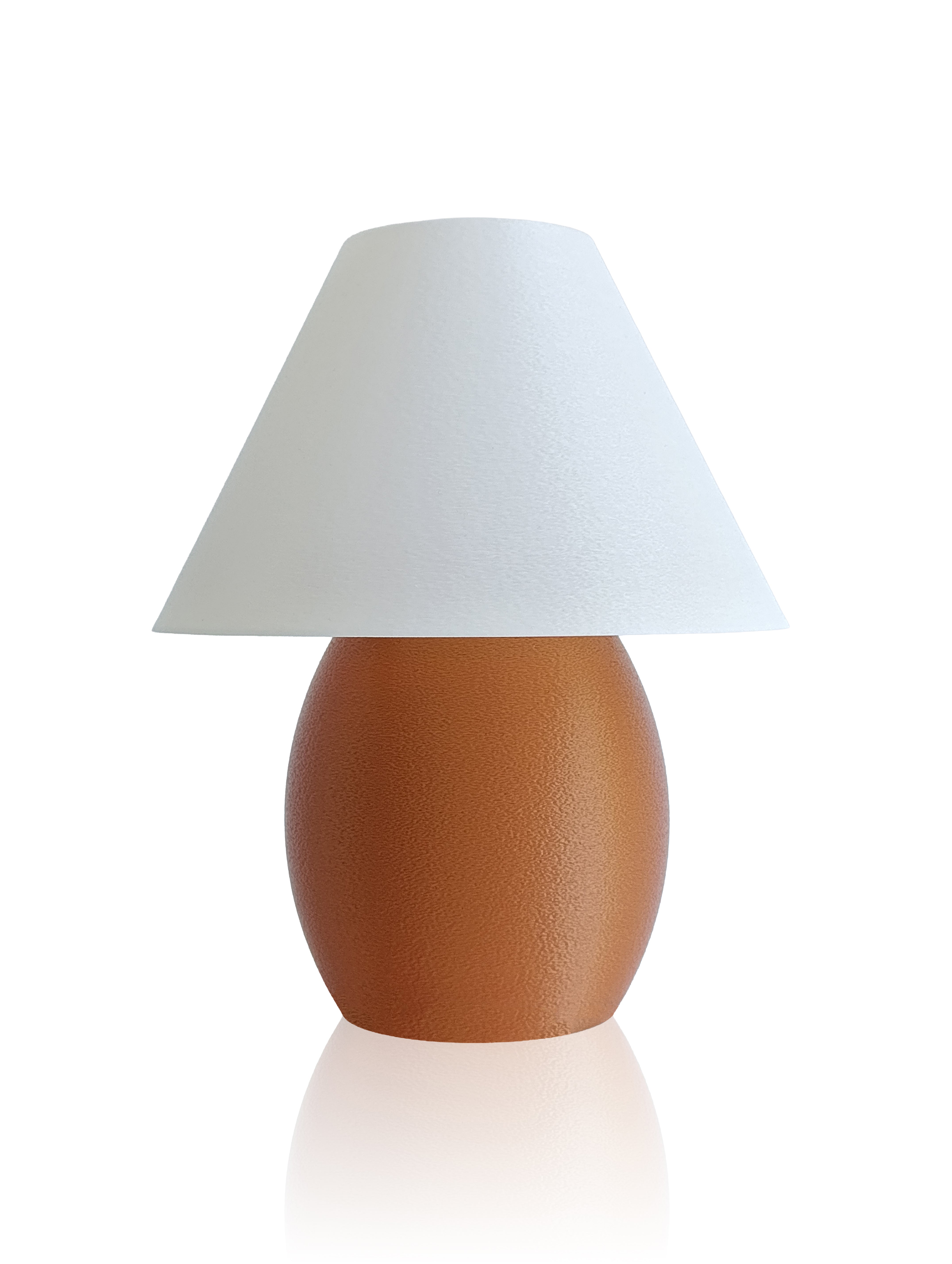
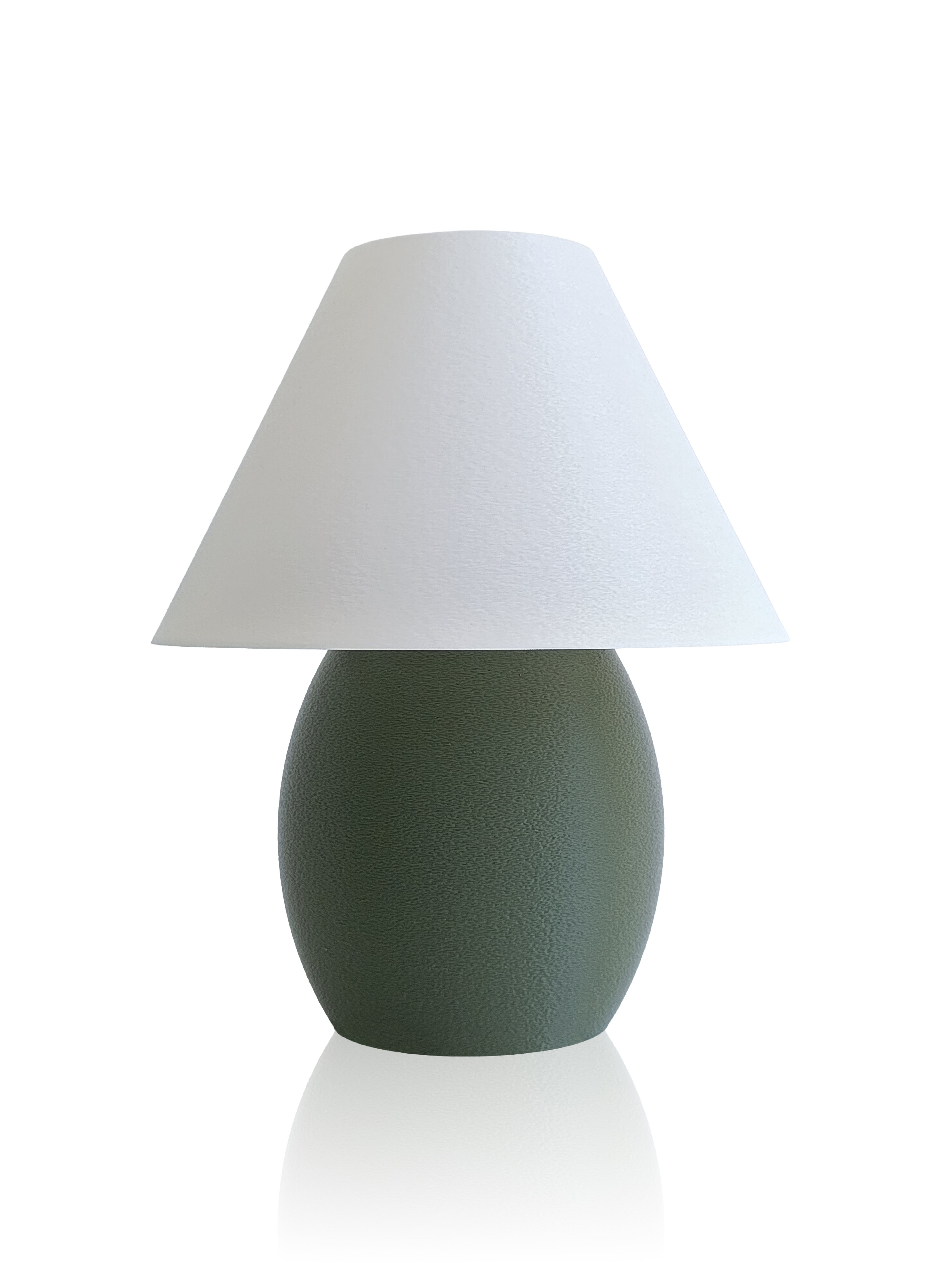
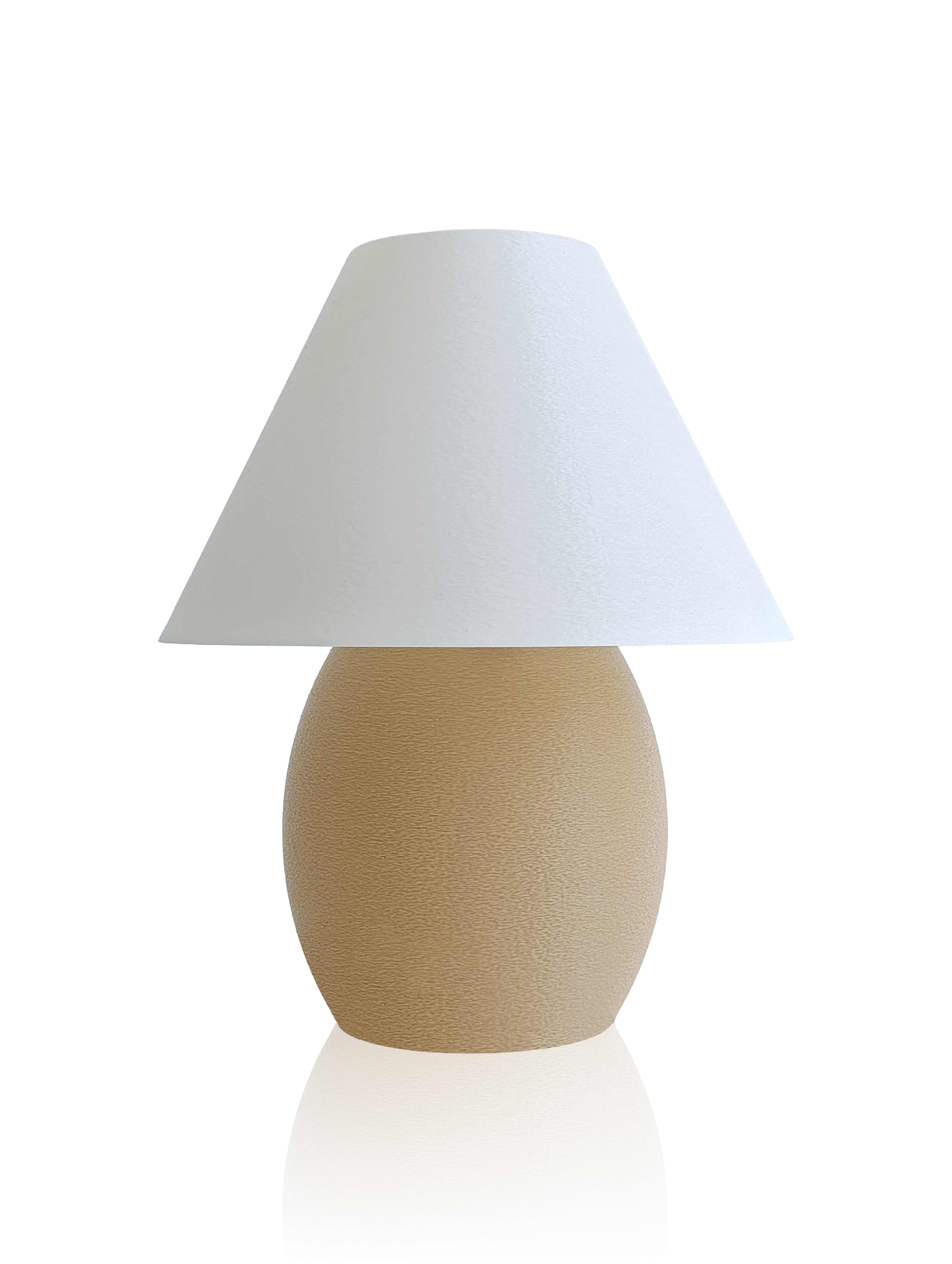
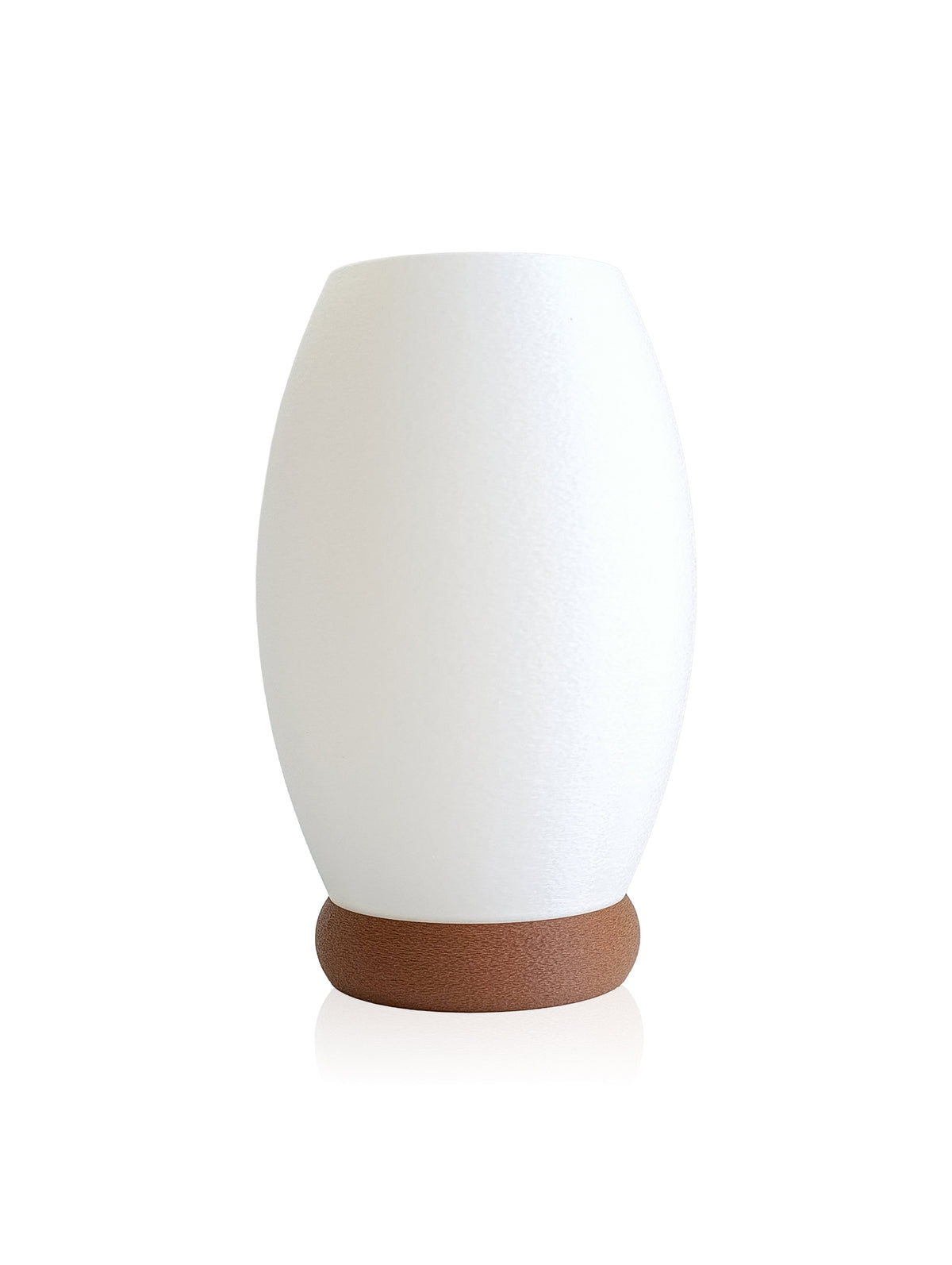
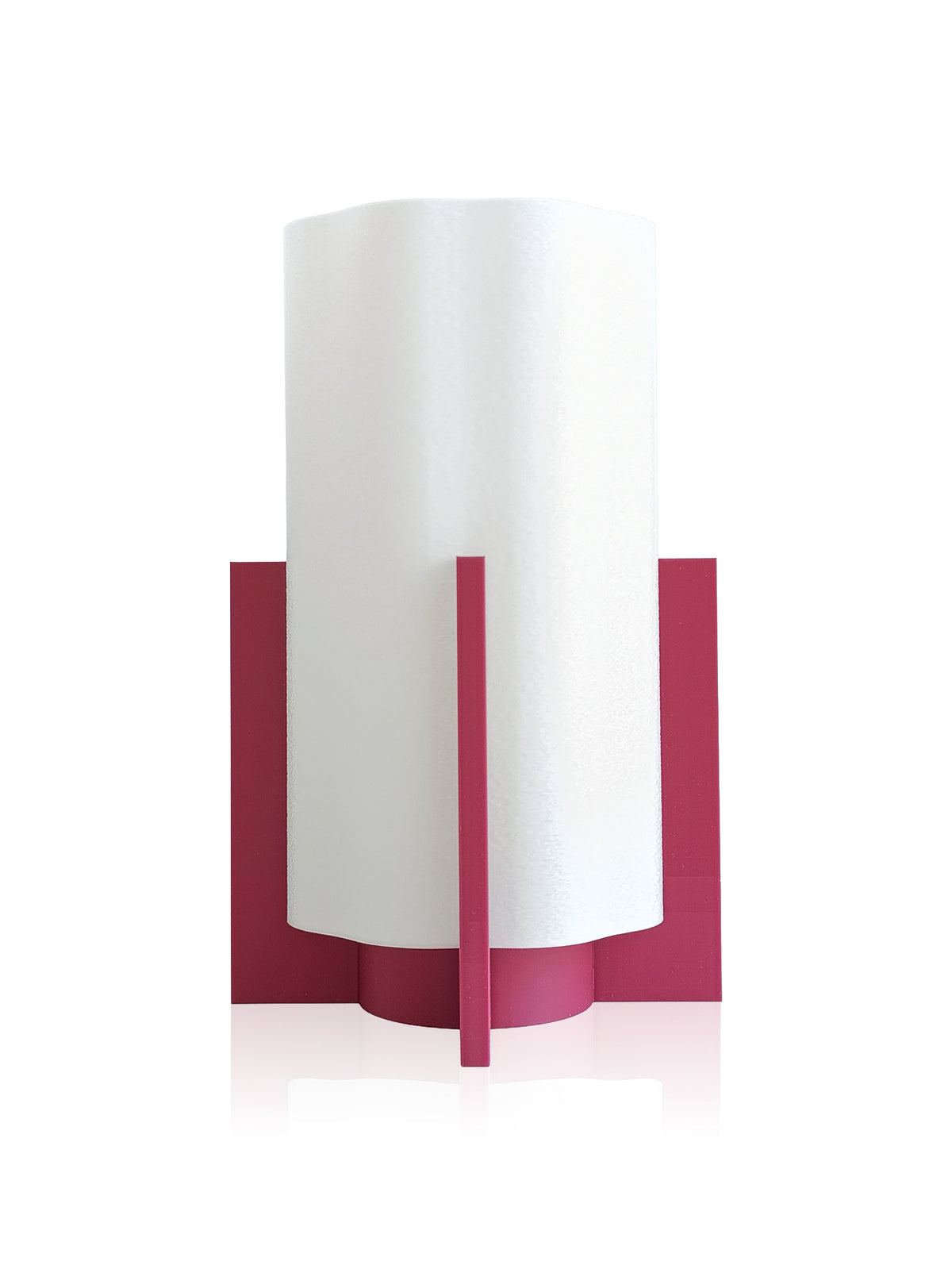
Products like the SEMLORA US are designed with this philosophy—providing warm, diffused light that minimizes harsh shadows while still creating definition and depth. The fixture works with your room's architecture rather than against it, allowing light to wrap around surfaces rather than blast down from above.
When shadows are managed thoughtfully, they become part of the room's visual language. A floor lamp casting a gentle glow creates a different emotional environment than overhead light, even if the total brightness is similar. That difference matters to how you feel in your home.
Frequently Asked Questions
What's the ideal light color temperature for multi-directional lighting?
Warm white (2700K–3000K) is ideal for most home spaces, as it feels welcoming and supports relaxation. For kitchens or workspaces, 4000K (neutral white) offers better task visibility. The key is consistency—if you're using multiple fixtures, keeping them within the same color temperature range prevents the room from feeling disjointed.
Can I retrofit single-point lighting to multi-directional without rewiring?
Absolutely. Add plug-in floor lamps, wall sconces (hardwired, but manageable with professional help), table lamps, and uplighting behind furniture to layer light. This approach is flexible and lets you experiment before committing to permanent changes.
Does multi-directional lighting use more electricity?
Not necessarily. Multiple lower-wattage lights can use less total energy than one bright overhead fixture. LED technology makes this especially efficient. Using dimmers and adjusting which lights are on throughout the day further reduces consumption while improving comfort.







Share:
Lighting and Meditation: A Light Guide for Peaceful Moments
Light and Memory: How Lighting Affects Learning Capacity