

Light and Spatial Perception: How Lighting Affects Room Size

The way a room feels has less to do with its actual square footage than you might think. Light and spatial perception are deeply connected—and understanding this relationship transforms how we design our homes. When light is distributed thoughtfully, a modest bedroom can feel expansive and serene. When it's poorly planned, even a generous living room can feel cramped and unwelcoming. This guide explores the science behind how lighting affects the way we perceive space, and how to use this knowledge to create rooms that feel exactly right for your life.
The Science of Light Reflection and Visual Expansion
Light doesn't just illuminate a room—it creates the boundaries of what we perceive as space. When light bounces off surfaces, our brains use these reflections to estimate distance and dimension. Rooms with high-quality, evenly distributed lighting appear larger because our eyes can see further into corners and along walls. Conversely, dim or unevenly lit spaces feel smaller and more enclosed, even if they're objectively the same size.
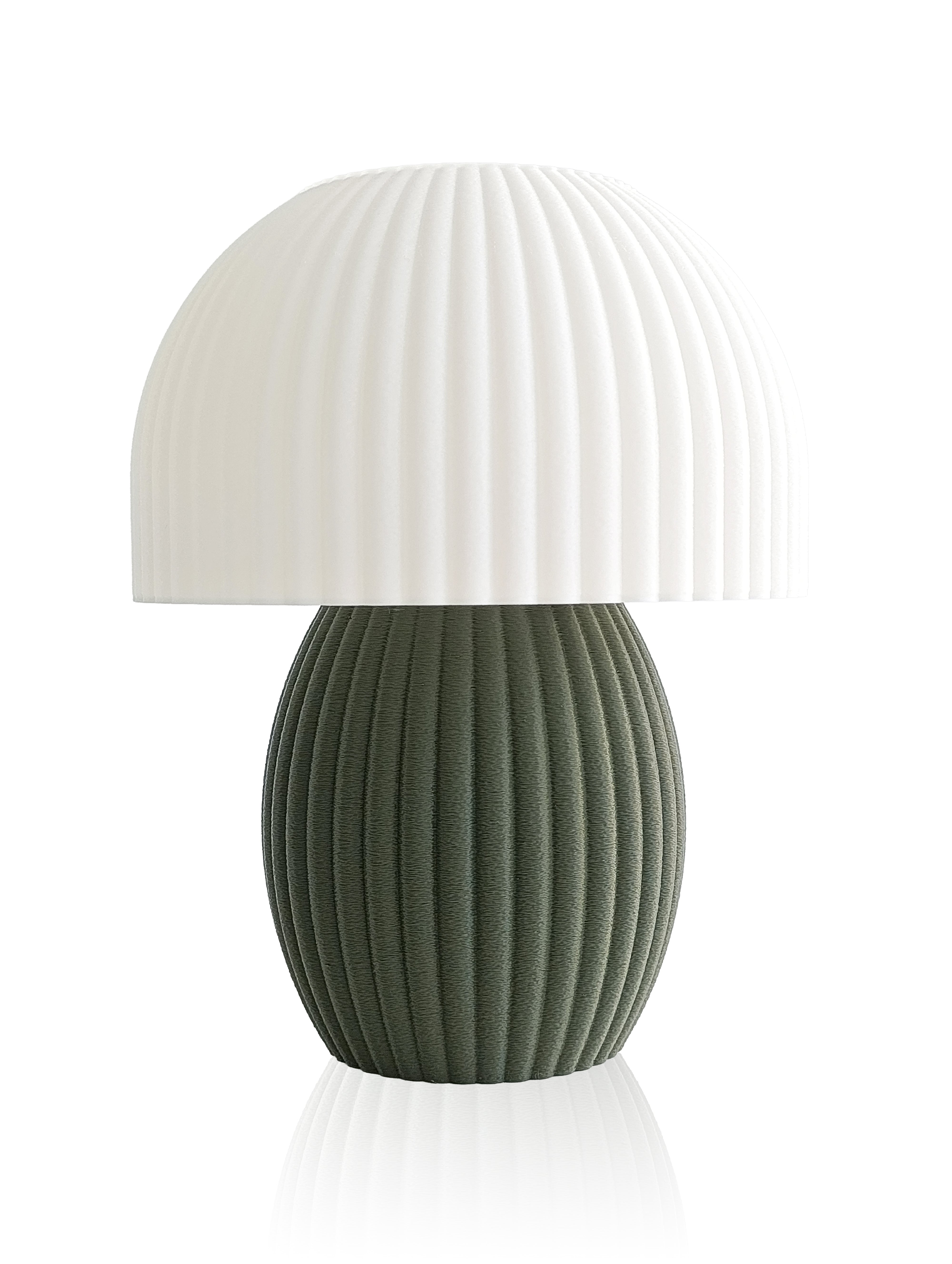
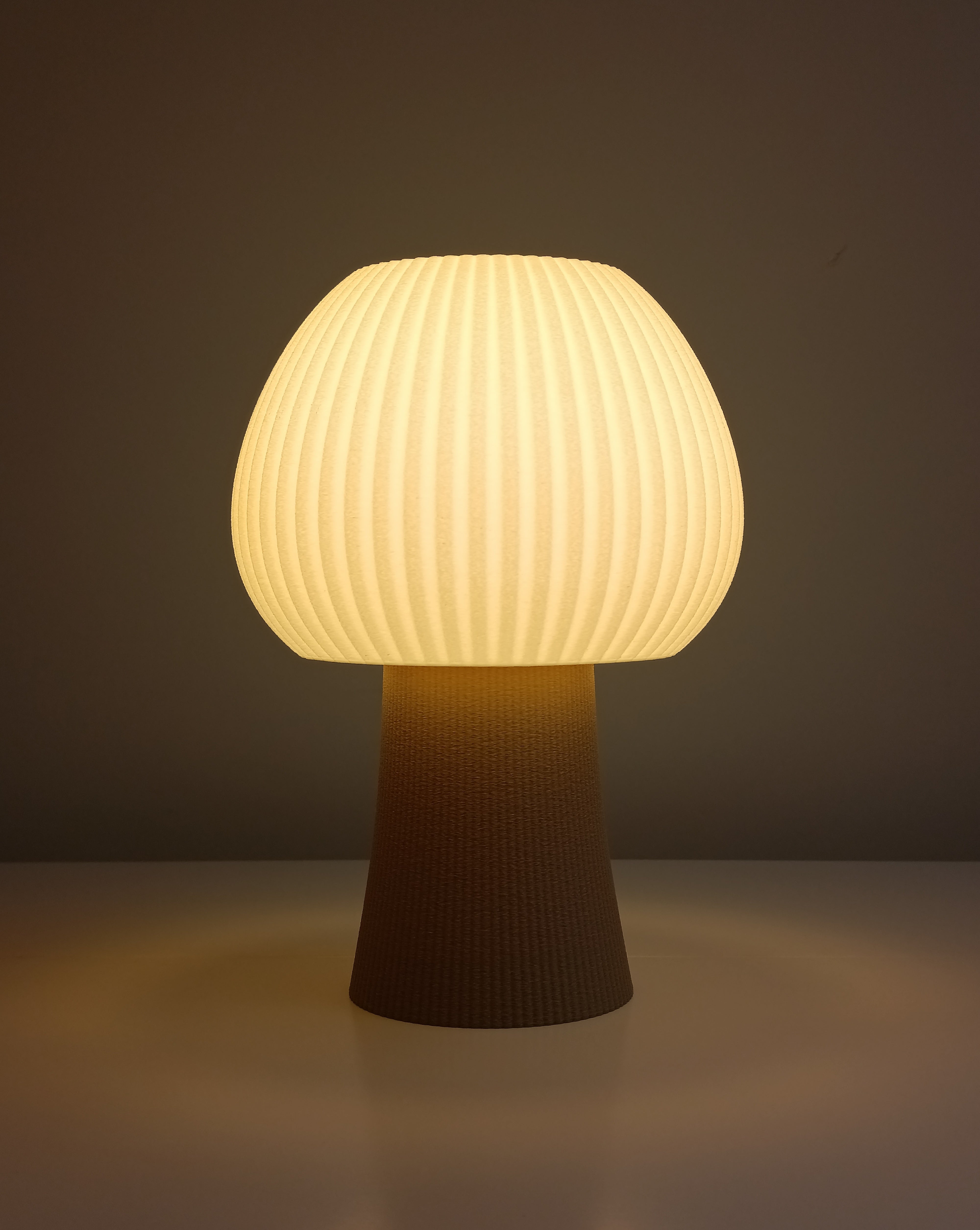
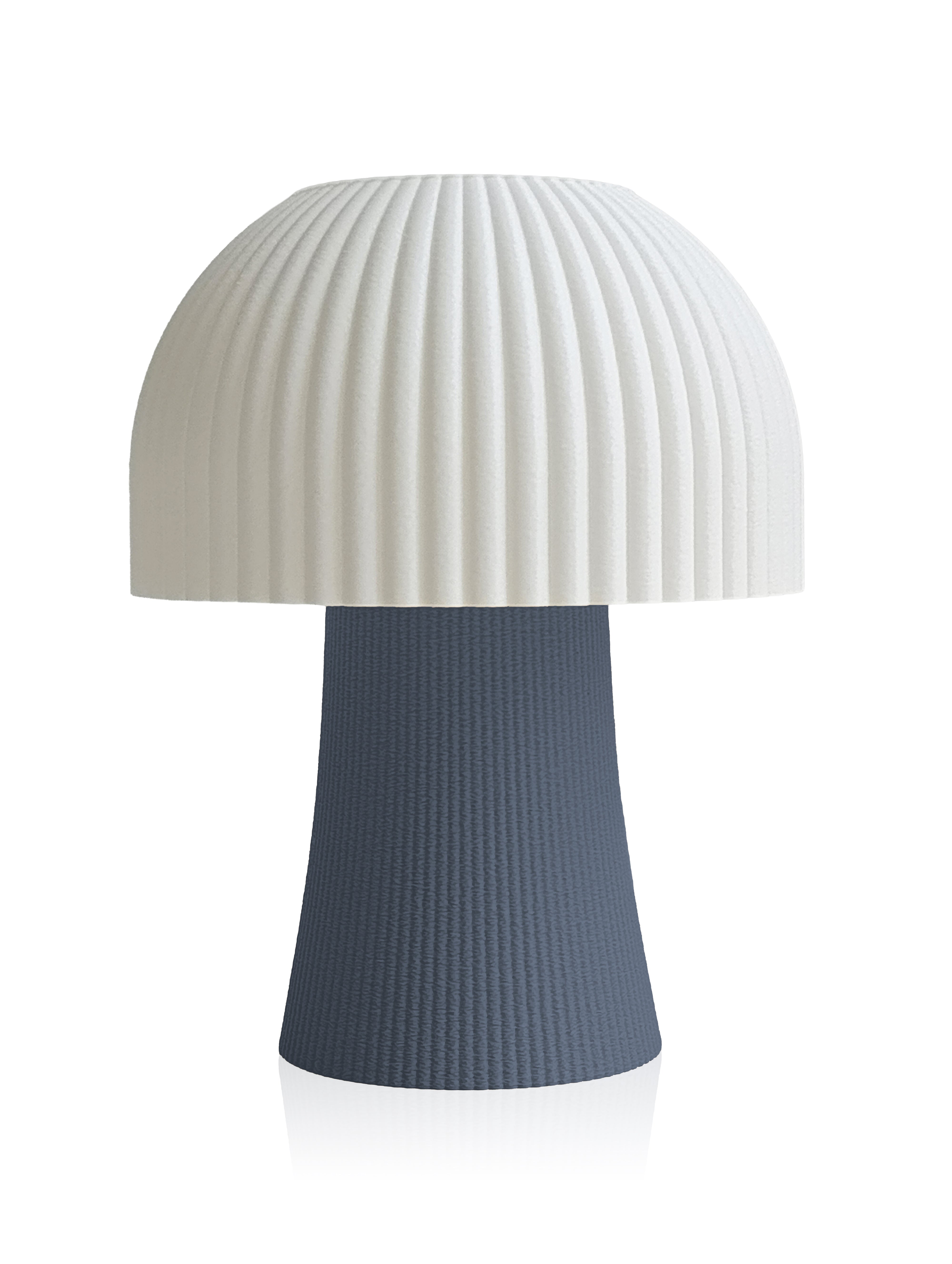
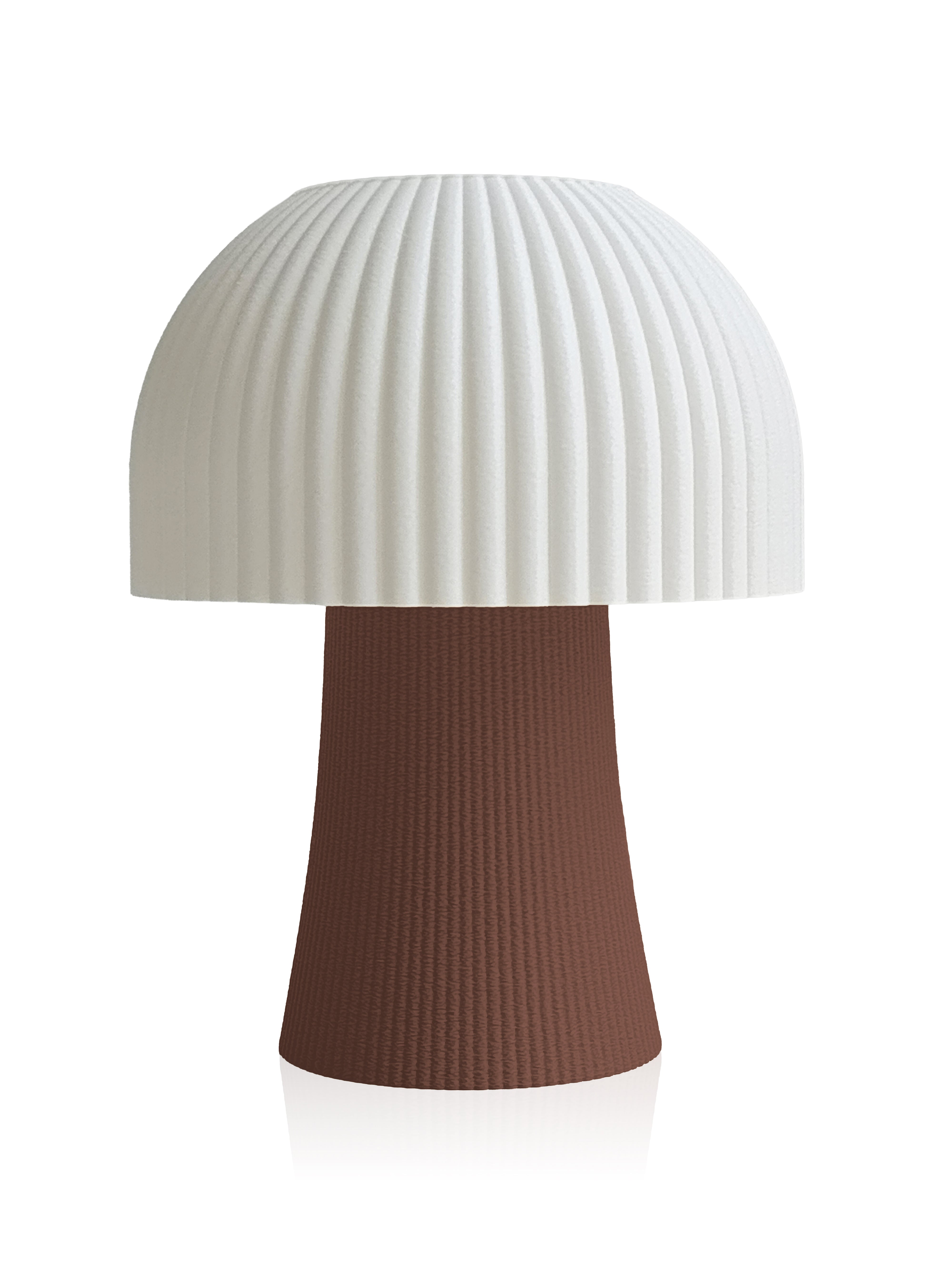
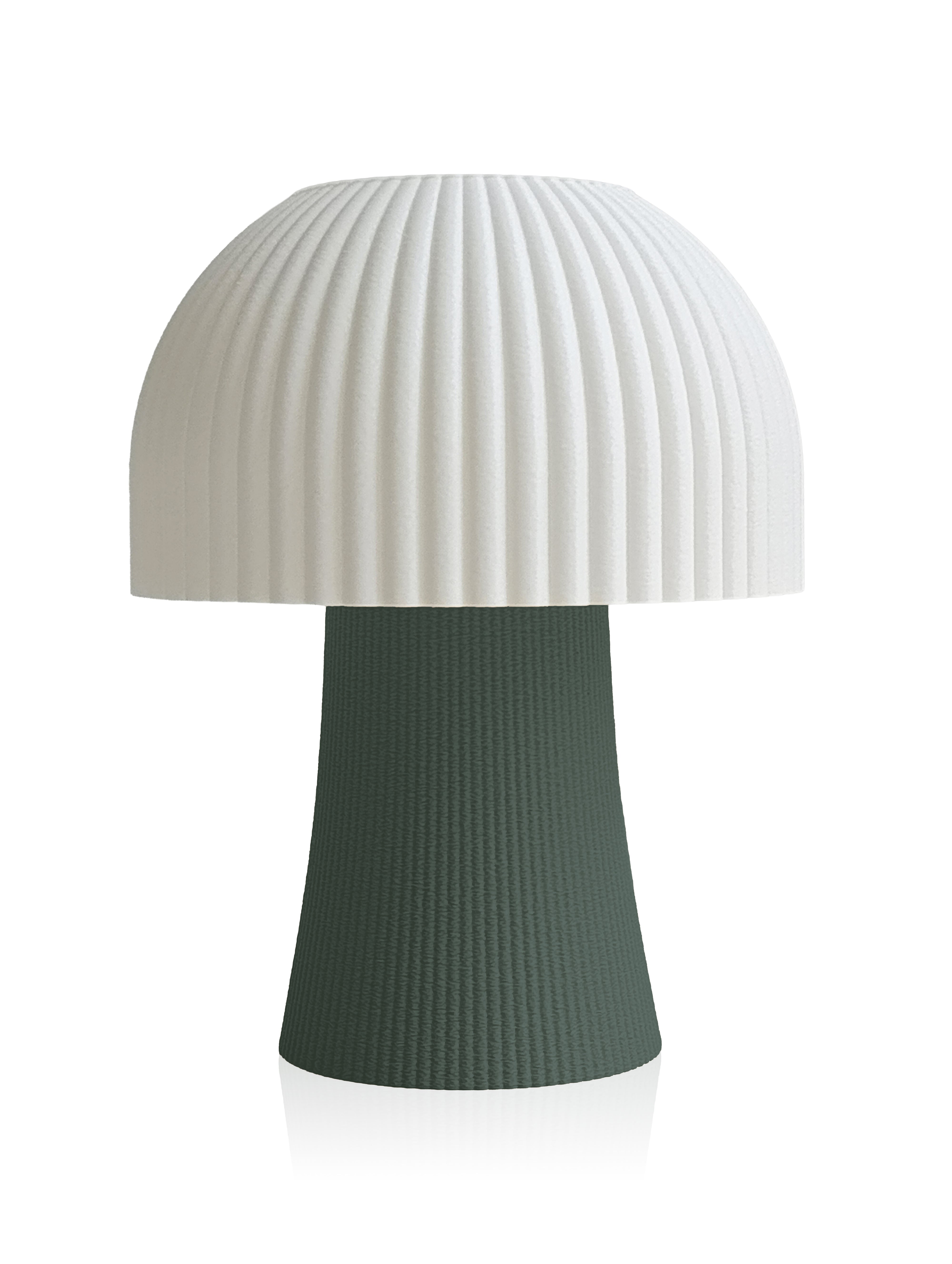
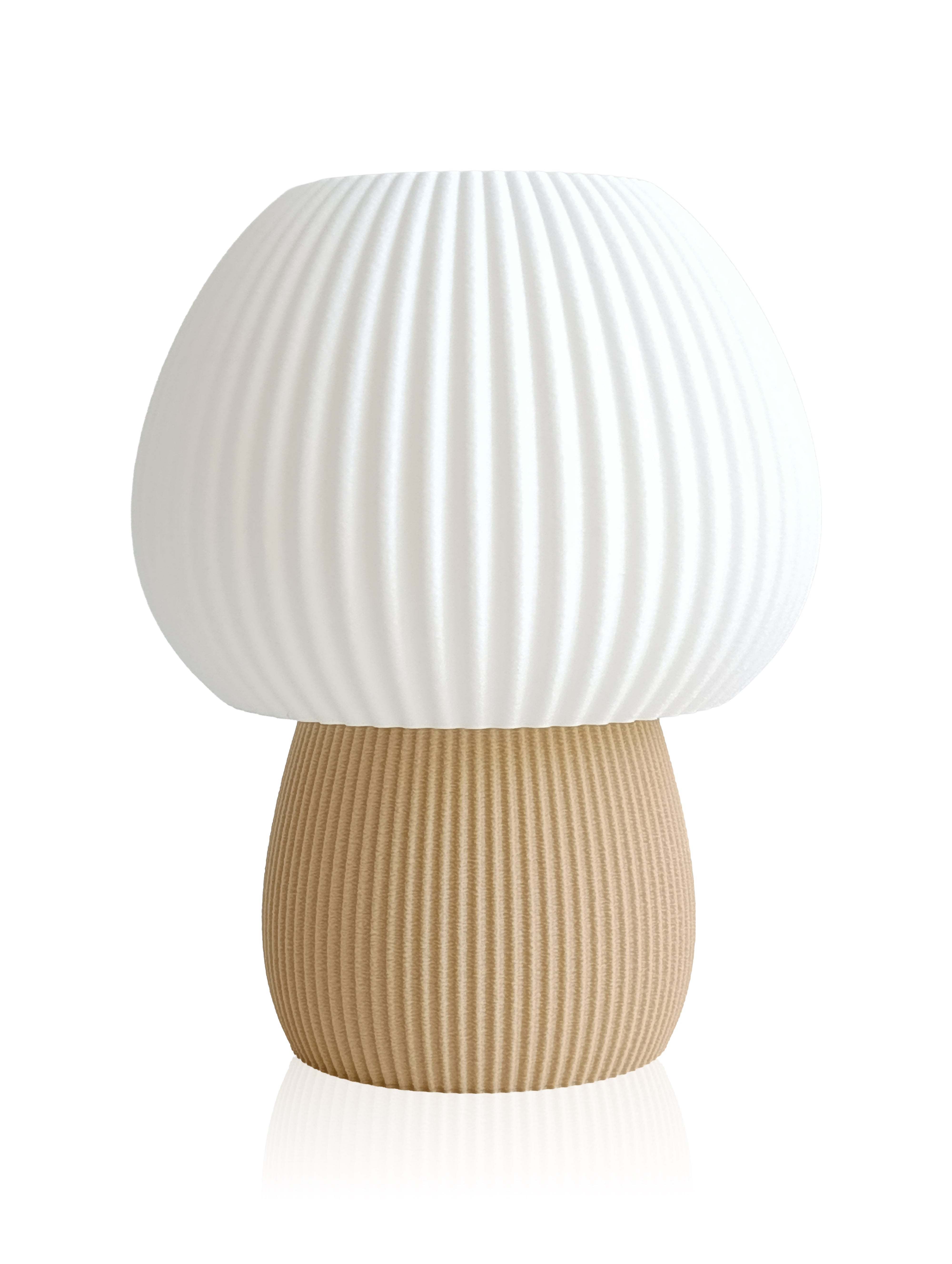
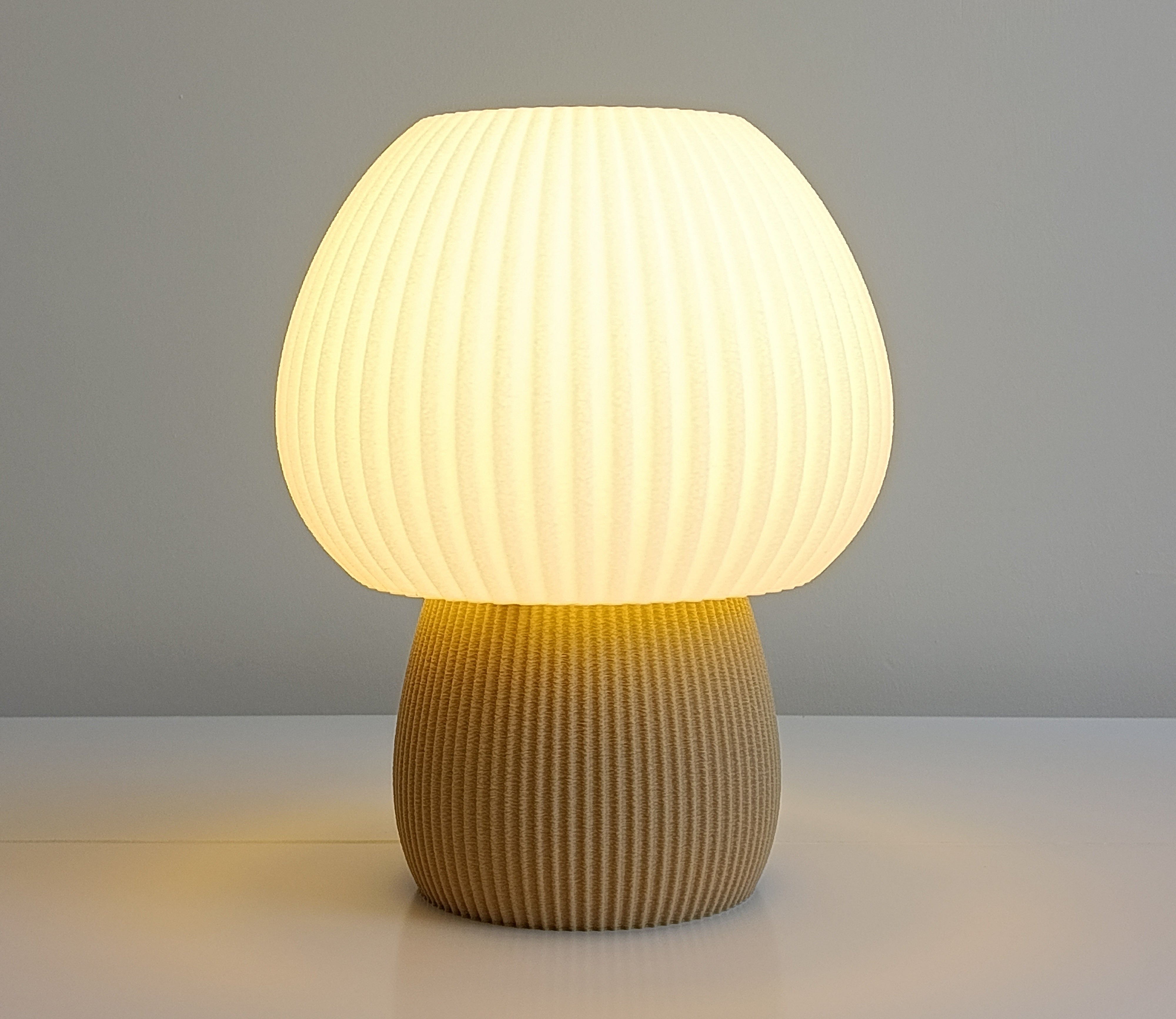
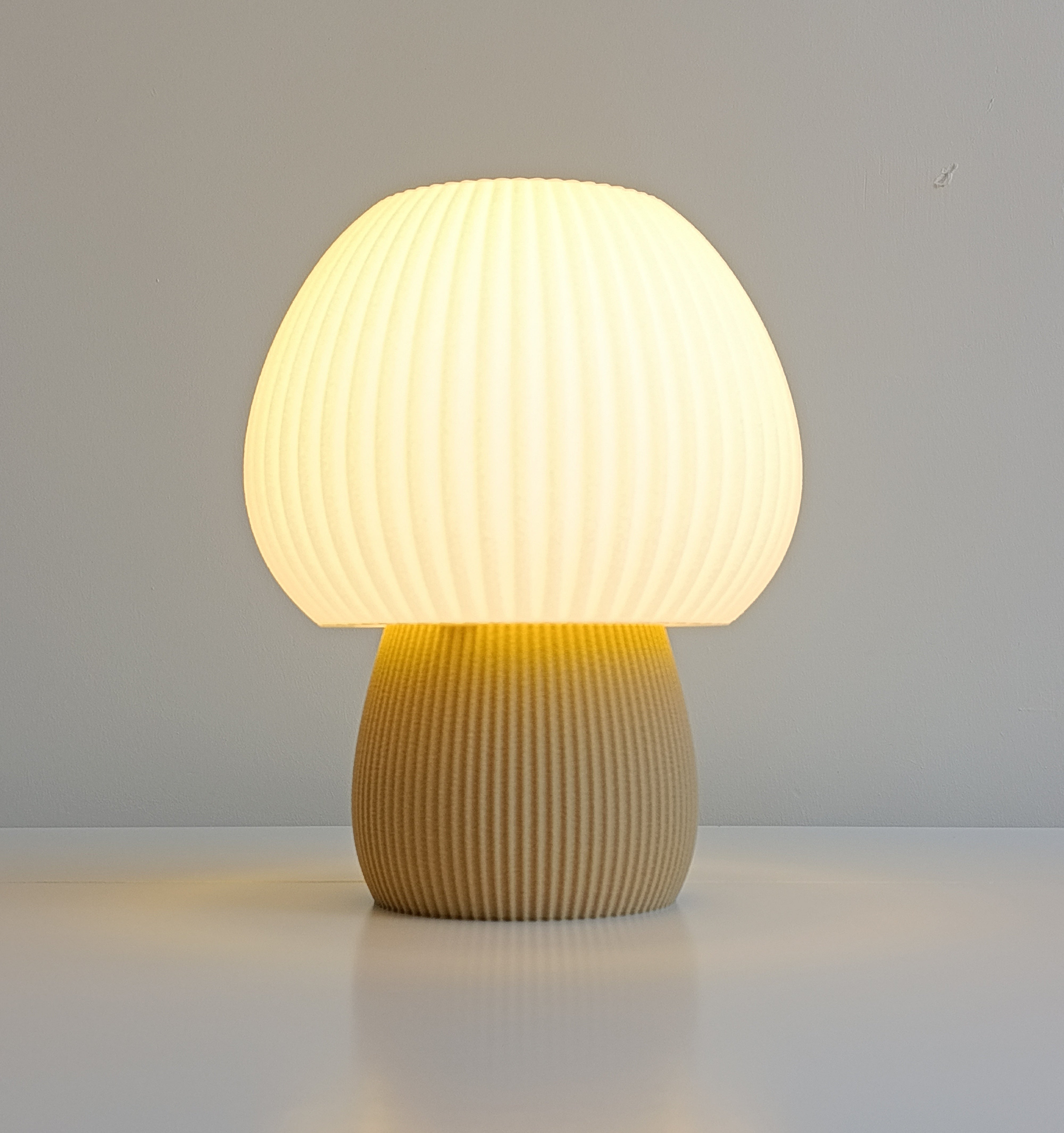
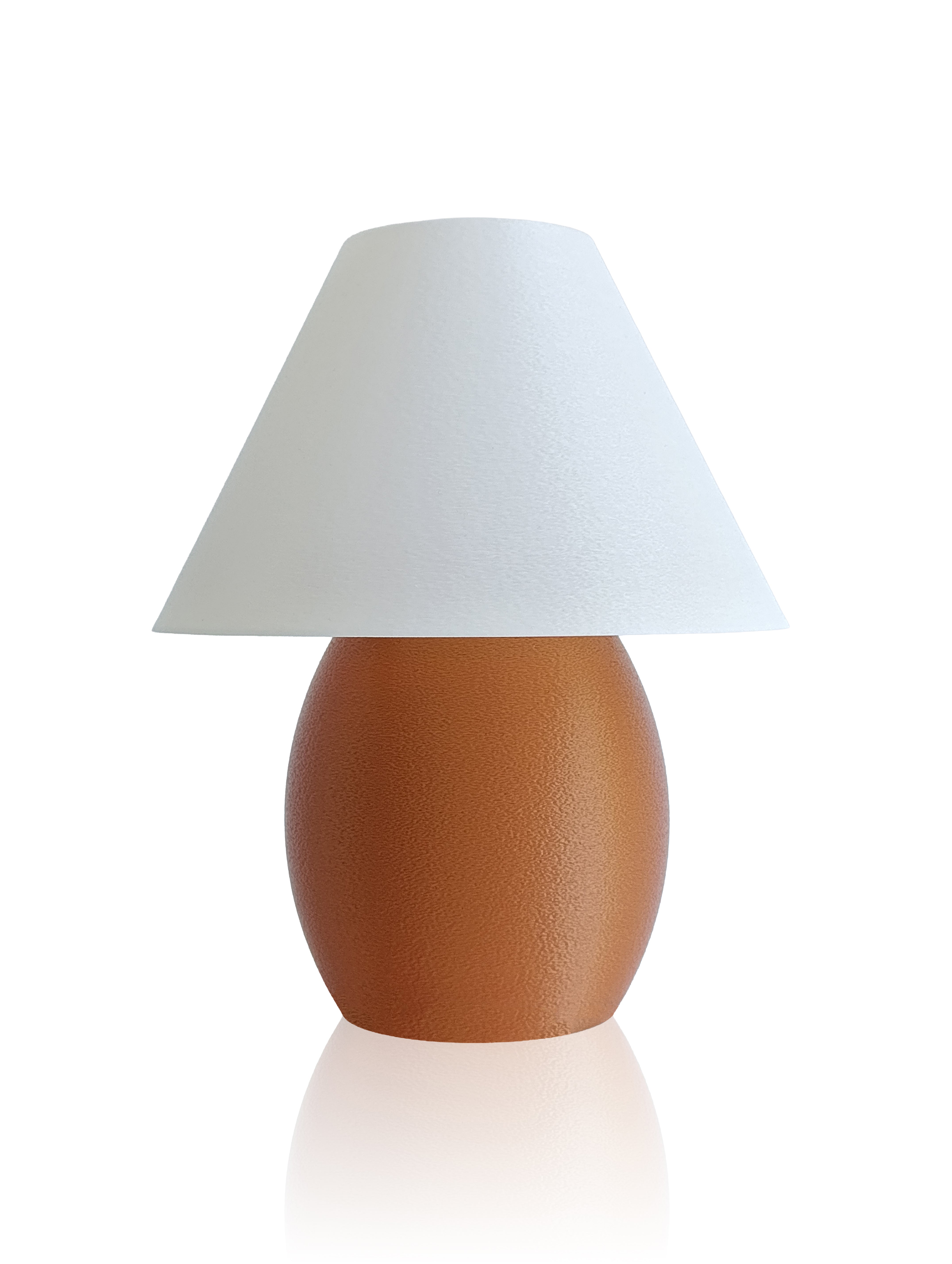
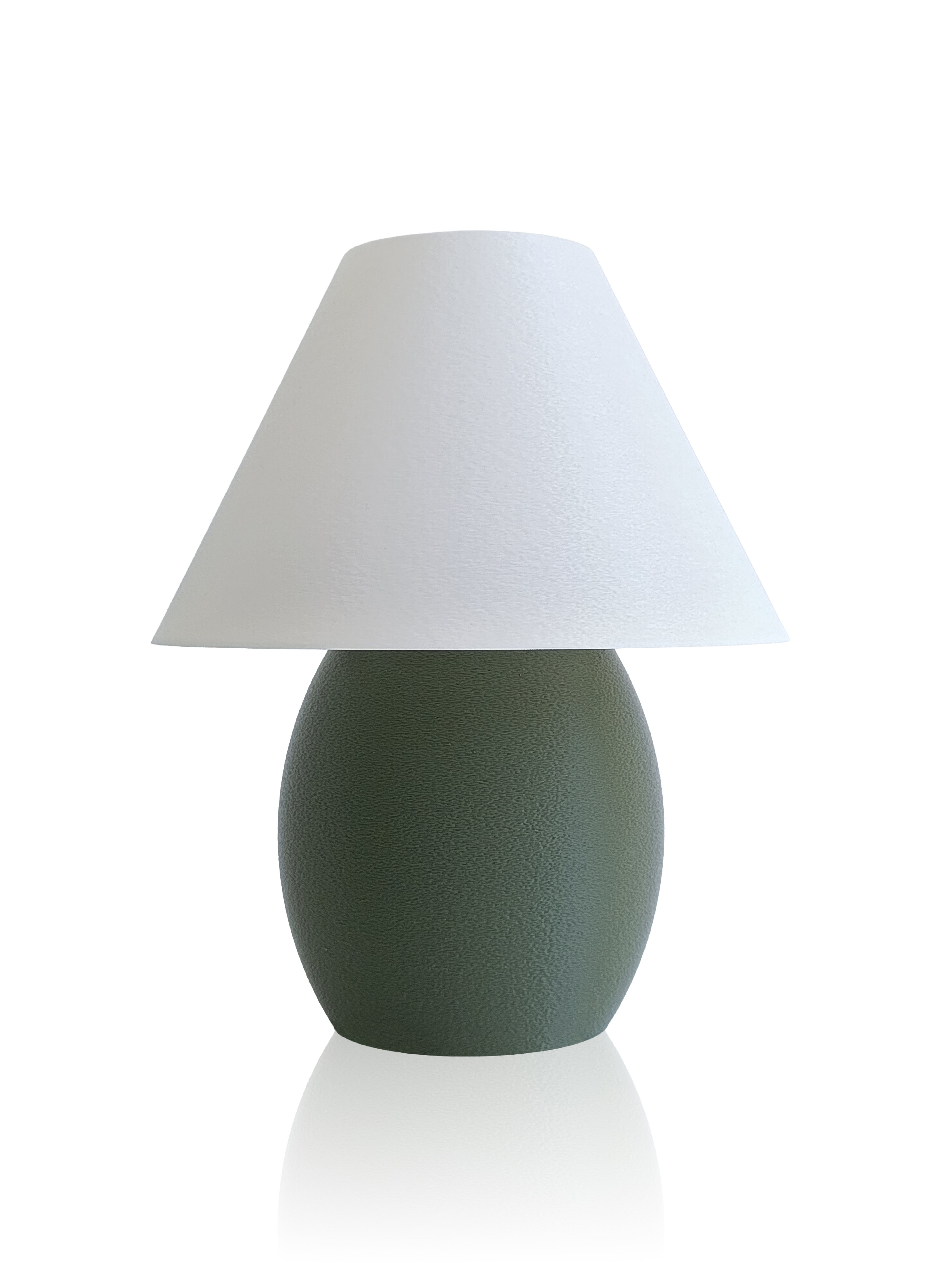
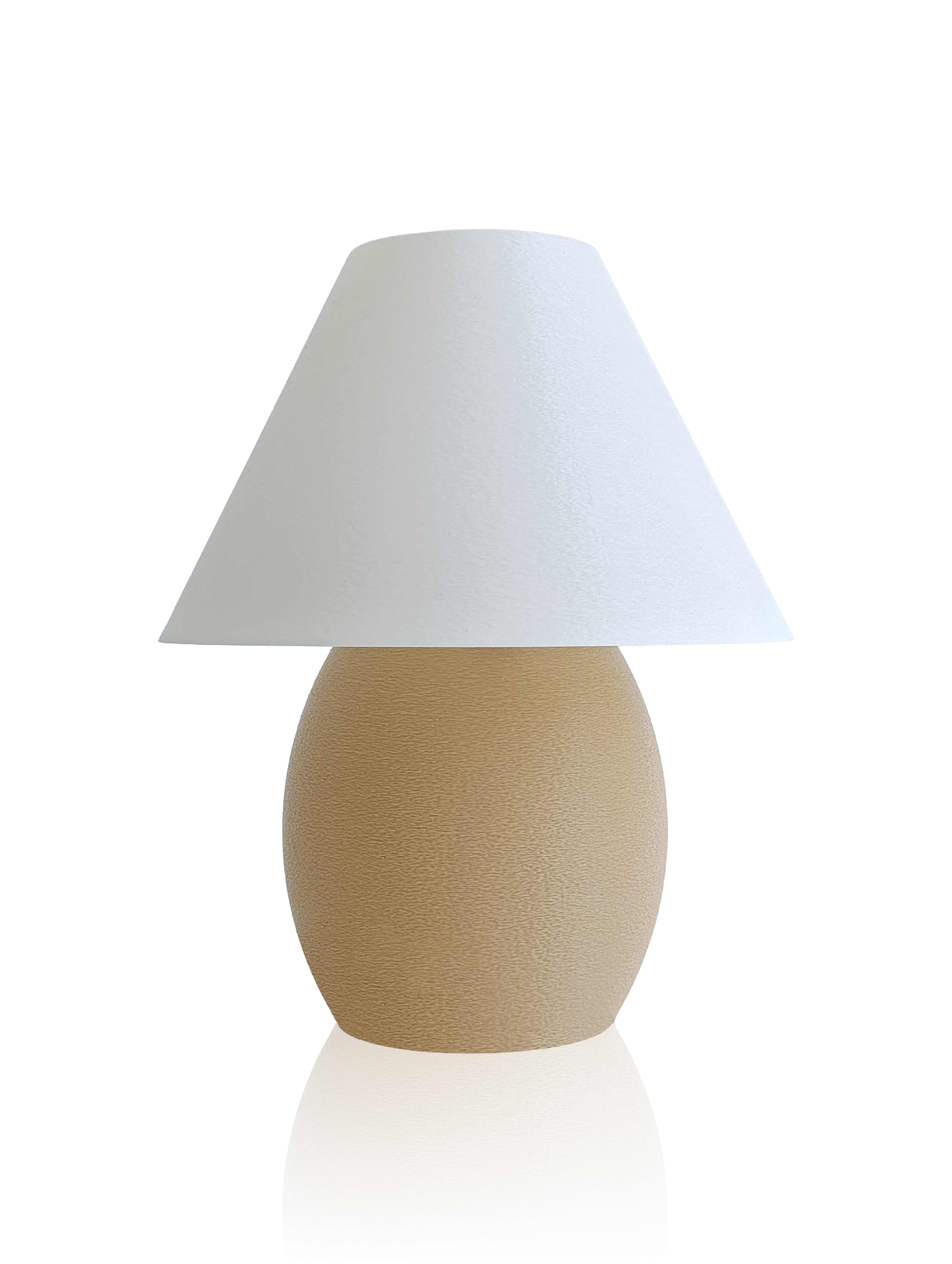
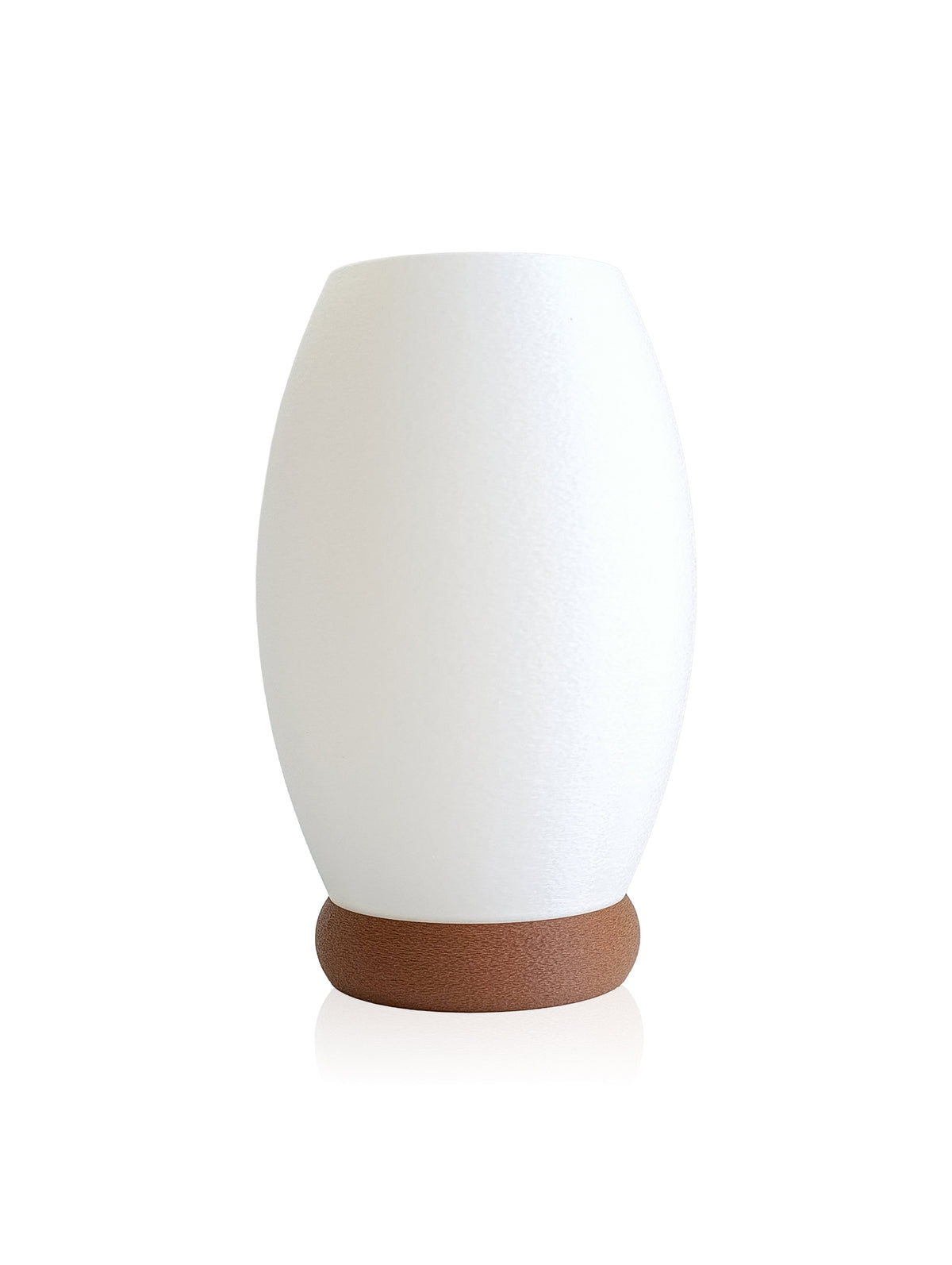
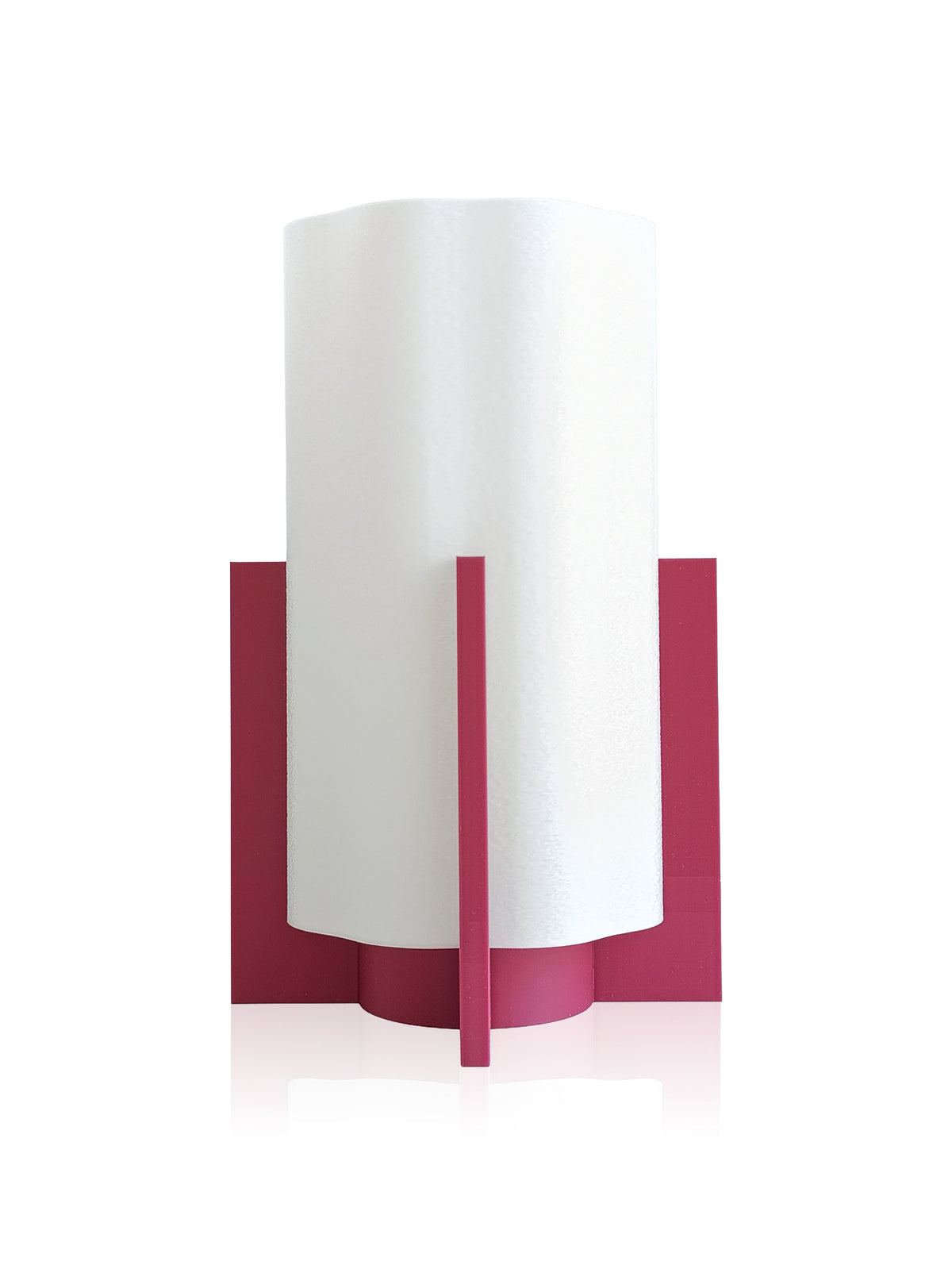
This happens because of how our visual system works. When areas remain shadowed or dark, our brains literally cannot process them as usable space. We unconsciously treat those zones as barriers or dead ends. Strategic lighting eliminates these visual dead zones by illuminating surfaces that would otherwise recede into darkness. Ceiling-directed light, in particular, creates a sense of height and openness—which is why uplighting designs like Orbela are so effective at making rooms feel airier and more generous.
Color Temperature and the Illusion of Space
The color of light—measured in Kelvin—profoundly influences how spacious a room feels. Warmer light (2700K-3000K) tends to feel intimate and cozy, subtly compressing our perception of space. Cooler light (4000K-5000K) creates visual clarity and makes rooms feel more open and expansive. This is partly psychological: cool light is associated with clear skies and open environments, while warm light reminds us of enclosed, intimate settings like candlelight.
The key is intentionality. Rather than choosing one temperature for an entire home, consider the function of each room. A bedroom benefits from warmer tones that encourage relaxation, while a home office or kitchen functions better with cooler, more energizing light. The most sophisticated approach uses layered lighting with different color temperatures—a technique that gives you control over how spacious or intimate a room feels at any given moment.
Brightness Distribution: Avoiding Visual Contrast
Uneven lighting creates visual chaos that makes rooms feel smaller and more chaotic. When one corner is bright and another is dim, your eye bounces between light and shadow, unable to settle into a sense of continuous space. This fragmentation compresses our spatial perception. Conversely, evenly distributed brightness allows your visual system to sweep smoothly across a room, creating a unified sense of expansiveness.
Achieve even distribution through layered lighting:
- Ambient lighting (general overhead light) as your baseline
- Task lighting (desk lamps, reading lights) for specific activities
- Accent lighting (wall sconces, uplighting) to illuminate architectural features and surfaces
This three-layer approach ensures no dark pockets exist where the eye gets "trapped." When surfaces are consistently lit—especially vertical surfaces like walls—a room automatically feels more open and intentional.
Reflective Surfaces and Light Multiplication
Light alone isn't enough; where it travels matters equally. Reflective surfaces like mirrors, light-colored walls, and glossy finishes multiply the visual impact of your lighting. A single light source hitting a white wall bounces throughout the room, effectively filling more space than the light itself occupies. This is why rooms with matte, dark finishes feel smaller despite being identical in size to rooms with reflective, light surfaces.
Strategic placement amplifies this effect. Positioning light sources so they reflect off walls and ceilings rather than being absorbed creates a sense of boundlessness. This is particularly important in smaller rooms where every photon counts toward the perception of openness.
Frequently Asked Questions
Does brighter light always make a room feel bigger?
Not necessarily. Brightness matters, but quality and distribution matter more. A very bright but unevenly lit room can feel harsh and cramped, while a moderately bright, evenly lit room feels spacious and calm. Aim for consistent brightness rather than maximum brightness.
What's the best color temperature for a small bedroom?
A warm color temperature (2700K-3000K) creates coziness in small bedrooms, though some prefer a neutral 3500K for versatility. The key is avoiding very cool light (5000K+) which can feel clinically bright in intimate spaces.
Can lighting make a dark room feel larger?
Yes. Uplighting and wall-washing techniques that illuminate surfaces—especially ceilings and upper walls—create a sense of height and openness. This works even in naturally dark rooms when artificial lighting is thoughtfully layered.
Creating Your Ideal Room Through Light
Light is one of the most powerful tools in your home design toolkit, yet it's often an afterthought. By understanding how light affects spatial perception, you gain the ability to make any room feel more expansive, more intimate, or exactly balanced between the two. Start by evaluating your current lighting: Are there dark corners? Is the brightness even? Do surfaces reflect light or absorb it? Once you identify the gaps, layering in appropriate fixtures—and choosing the right color temperature—transforms not just how your room looks, but how it makes you feel. Your home deserves light that works as thoughtfully as you do.







Share:
Dual Light Layering: Balancing General and Task Lighting
Night Lighting and Safety: Indoor Nighttime Illumination Strategy