

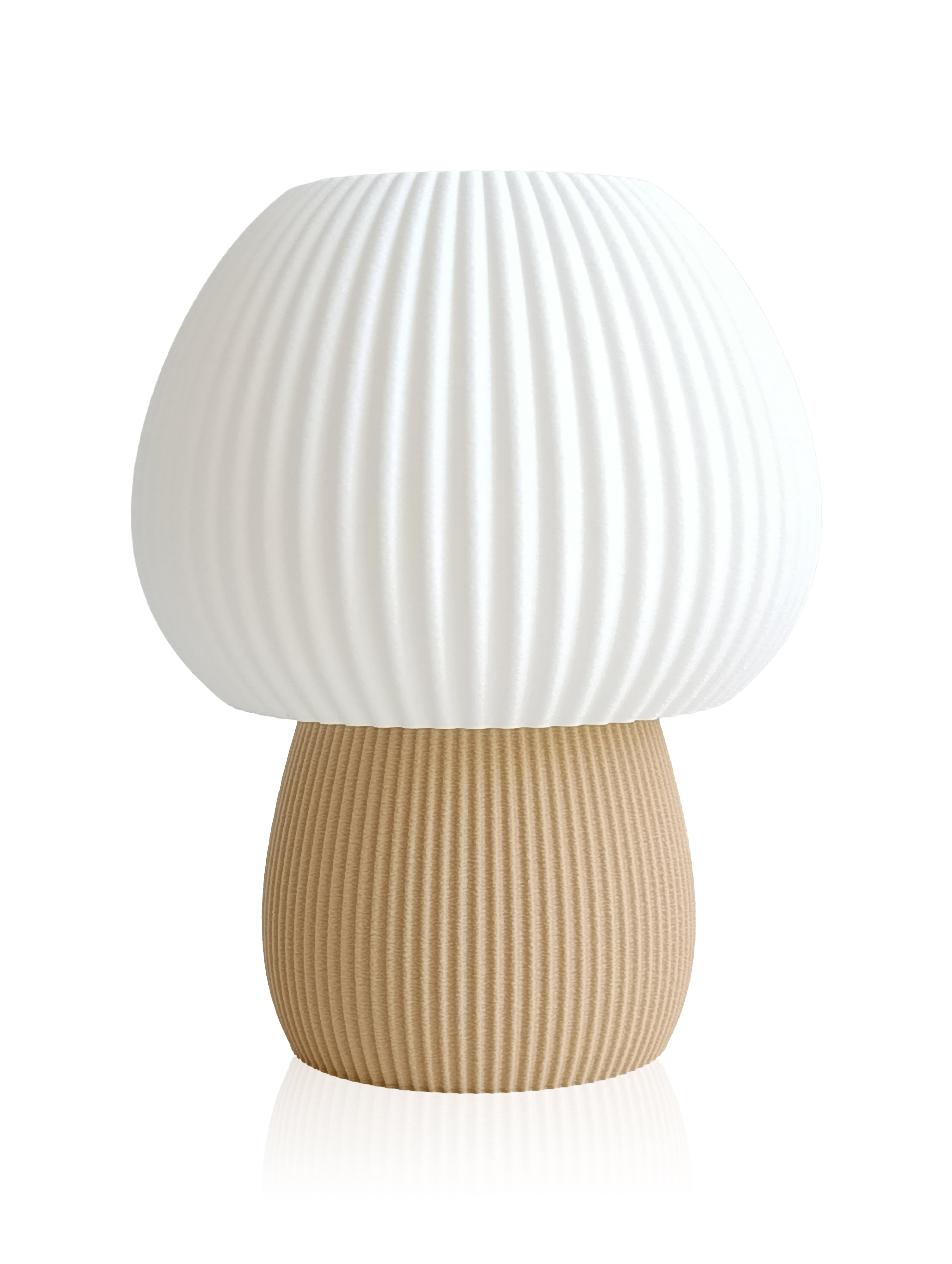
Light Pollution: The Hidden Danger in Home Lighting

When we think about light pollution, we often picture the glow of city streets drowning out stars. But light pollution doesn't just happen outside—it happens inside your home, too. The artificial light we surround ourselves with every day can silently disrupt our sleep, mood, and overall health. Understanding light pollution means understanding how the light in your home affects your body's natural rhythms, and what you can do to create a more balanced, restorative living space.
What Is Light Pollution and Why Does It Matter at Home?
Light pollution refers to excessive or misdirected artificial light that disrupts natural light cycles. While outdoor light pollution obscures the night sky, indoor light pollution—often overlooked—directly interferes with your body's circadian rhythm, the internal clock that regulates sleep, hormone production, and metabolism.
Your home is supposed to be your sanctuary. Yet many of us fill it with harsh overhead lighting, bright screens, and cool-toned bulbs that mimic daylight regardless of the time of day. This constant exposure to artificial light confuses your body about when it should rest, leading to poor sleep quality, disrupted melatonin production, and long-term health consequences. The problem isn't light itself—it's the wrong light at the wrong time.
How Artificial Light Disrupts Your Circadian Rhythm
Your circadian rhythm is governed by light exposure. When your eyes detect bright, blue-enriched light (similar to natural daylight), your brain suppresses melatonin production and keeps you alert. When darkness falls, melatonin rises, signaling your body it's time to sleep. This system evolved over millennia with natural sunlight cycles.
Modern home lighting disrupts this delicate balance. Key contributors to circadian disruption include:
- Blue light from screens — phones, tablets, and computers emit high amounts of blue wavelengths that suppress melatonin
- Cool-toned artificial lights — standard 4000K-6500K bulbs simulate daylight and signal alertness to your brain
- Constant brightness — bright interior lighting throughout the evening prevents natural dusk-like dimming
- Lack of light variation — homes with uniform lighting throughout the day don't mirror natural light cycles
The result: your body doesn't know when to wind down. Sleep onset delays, sleep quality suffers, and you may experience grogginess, mood changes, and reduced focus the next day.
The Health Impact of Indoor Light Pollution
The consequences of chronic light pollution go beyond poor sleep. Research links disrupted circadian rhythms to increased risk of depression, anxiety, metabolic disorders, and even certain cancers. When your body's natural light-dark cycle is consistently out of sync with your environment, it creates physiological stress.
Consider these health markers affected by light pollution:
- Melatonin suppression leading to insomnia and fragmented sleep
- Elevated cortisol (stress hormone) due to circadian misalignment
- Decreased serotonin production affecting mood and mental clarity
- Metabolic slowdown and increased risk of weight gain
- Immune system dysregulation from chronic sleep disruption
The good news: creating intentional, circadian-aligned lighting in your home is one of the most powerful tools for better sleep and overall wellness. This is where mindful lighting design becomes essential.
Creating Circadian-Aligned Lighting in Your Home
Thoughtful lighting design respects your body's natural needs throughout the day. The solution isn't to eliminate artificial light—it's to use it intentionally:
- Morning and afternoon (6am-3pm): Embrace bright, cool-toned light (5000K+) to reinforce your natural wake cycle and boost alertness
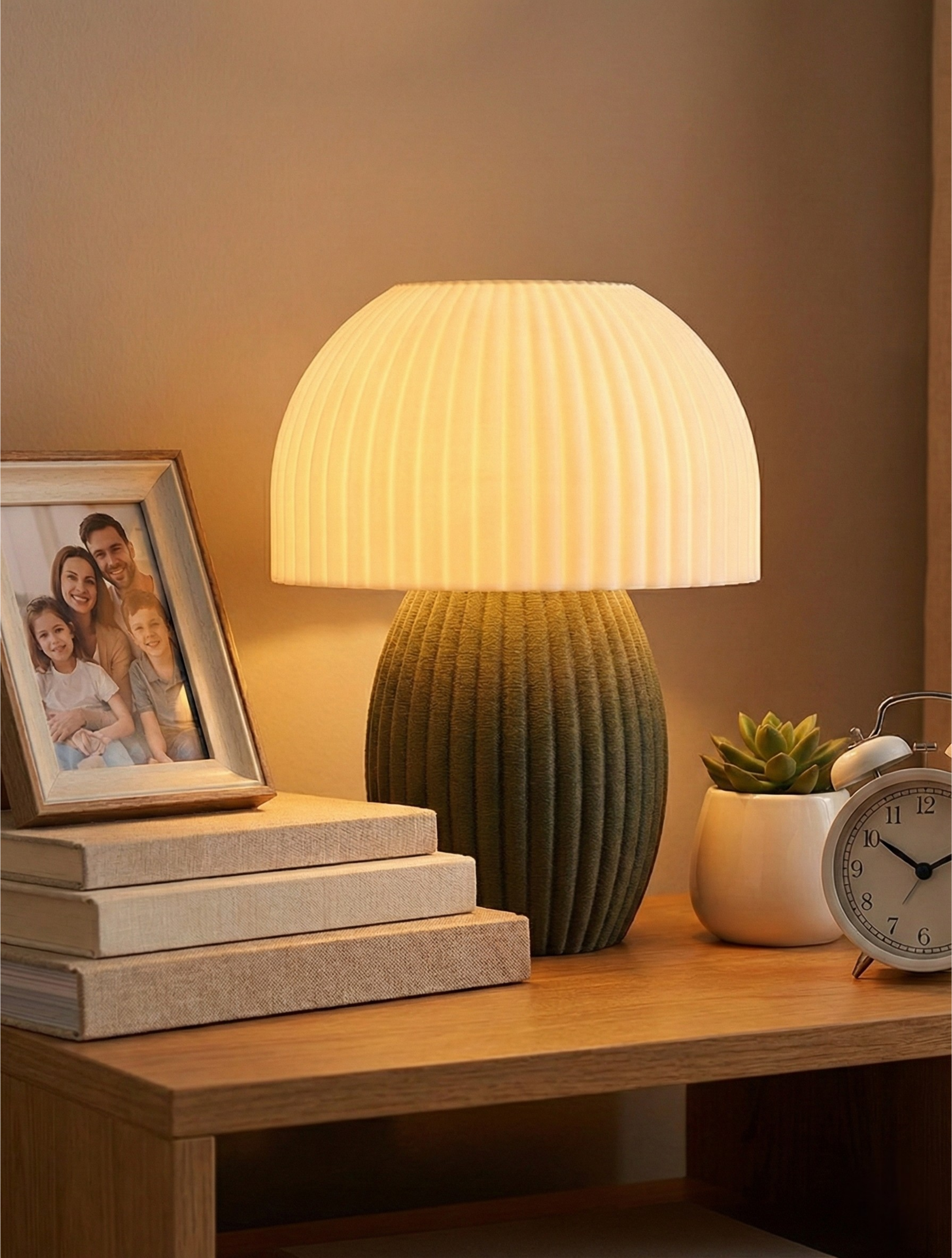
- Evening (3pm-bedtime): Gradually shift to warm, dimmed light (2700K or lower) to support melatonin production
- Night (bedtime onward): Minimize bright light; consider red-spectrum night lights if needed, as red light minimally disrupts melatonin
- Screen time: Use blue light filters after sunset, or wear blue-light-blocking glasses
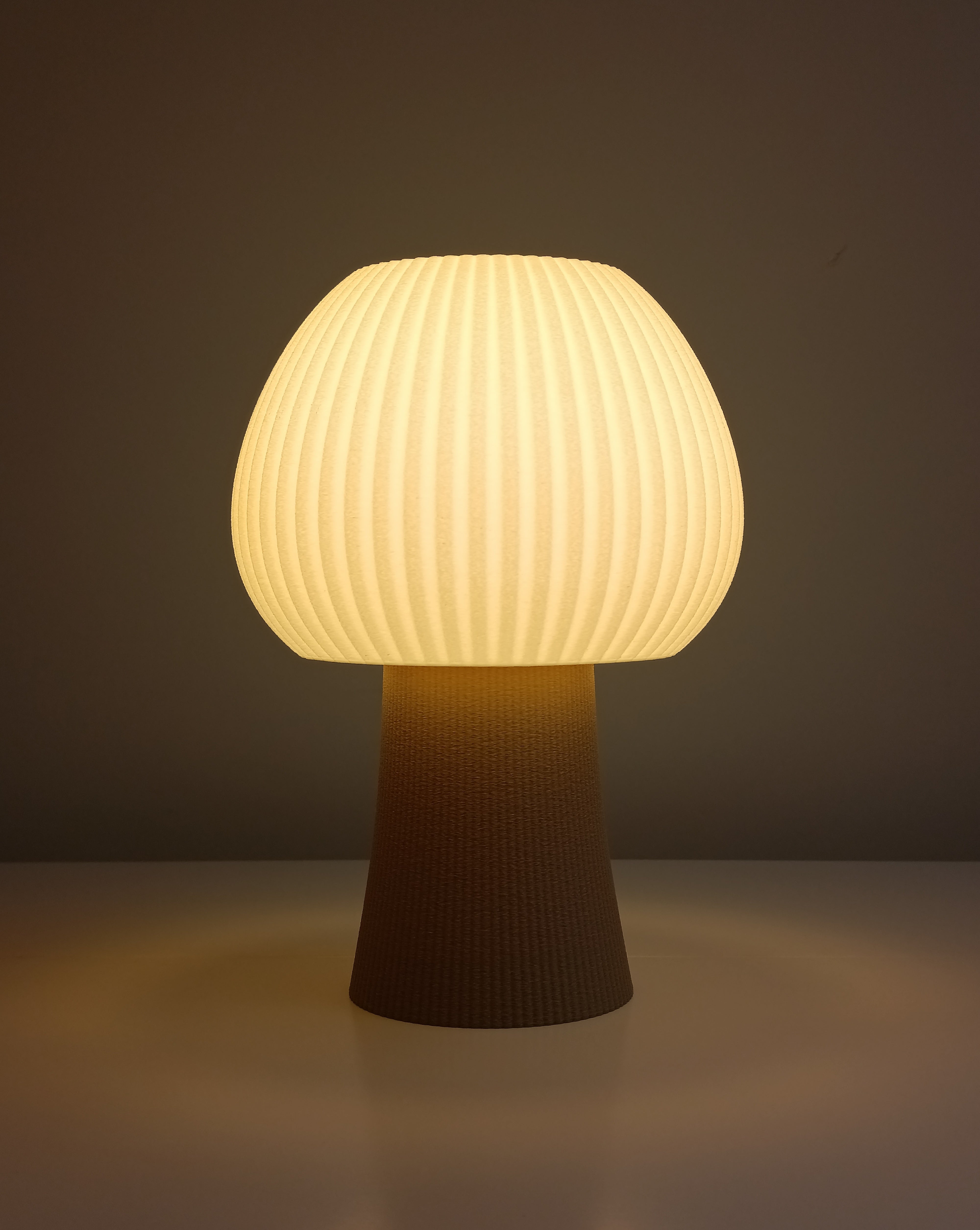
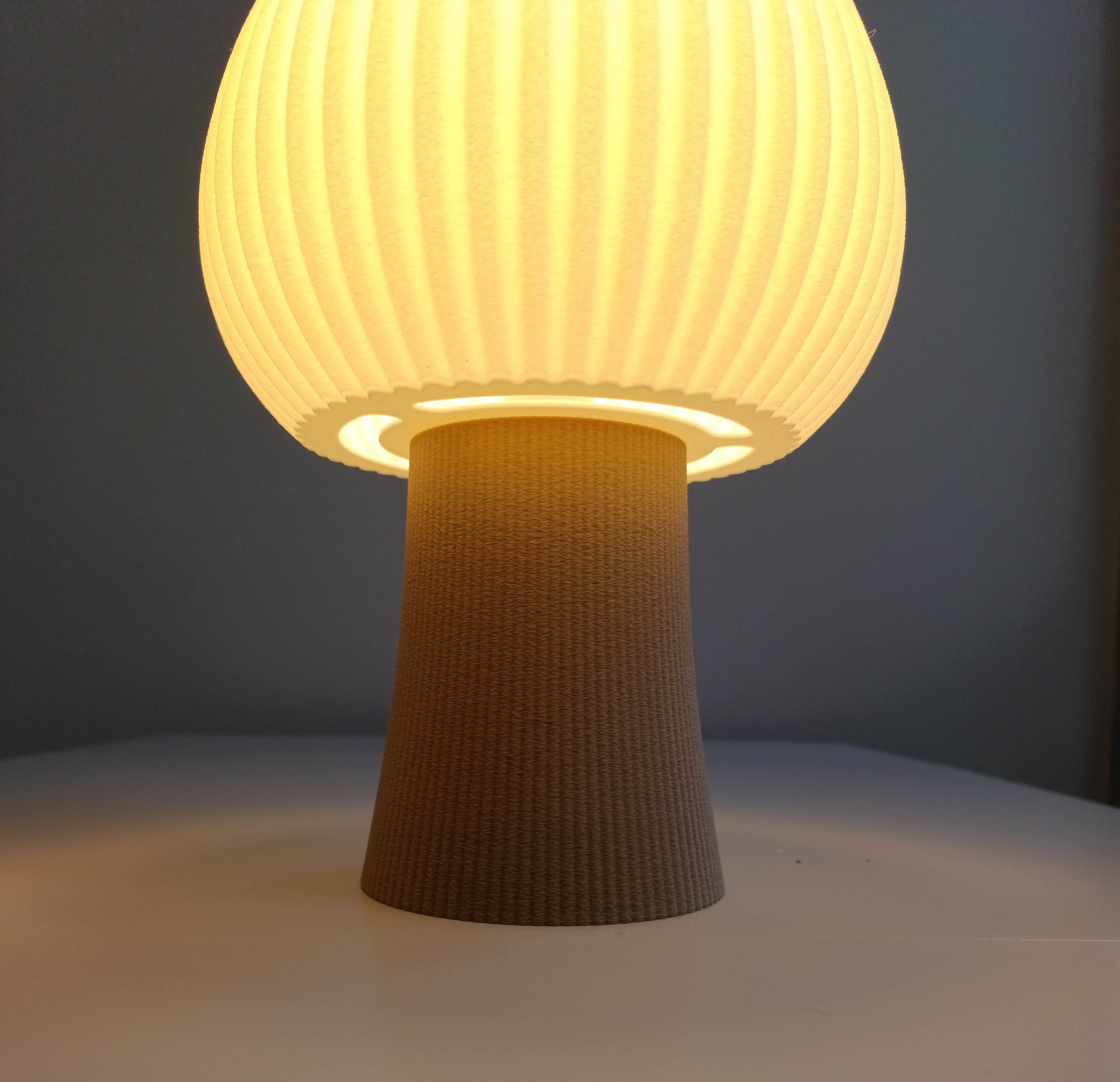
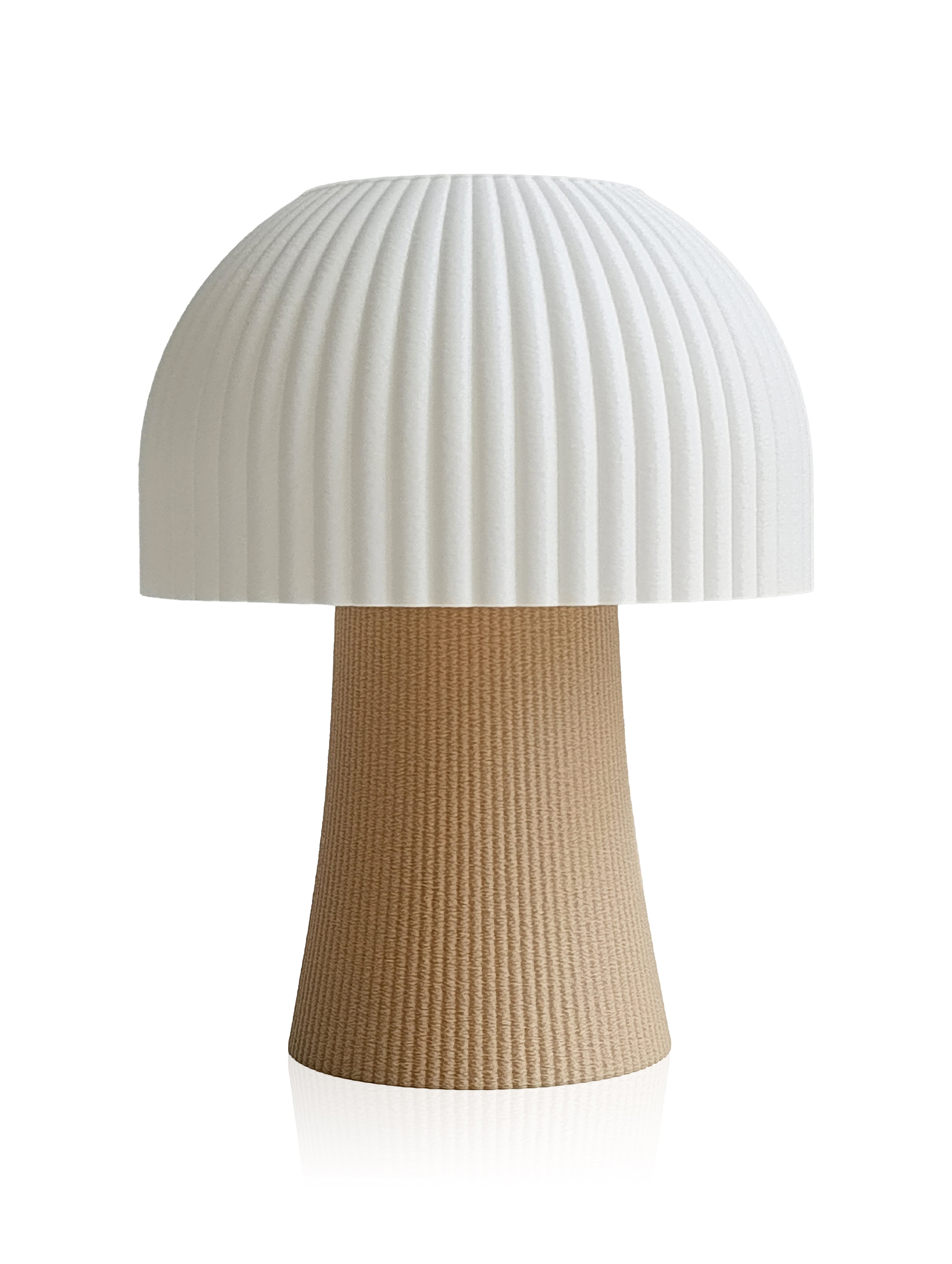
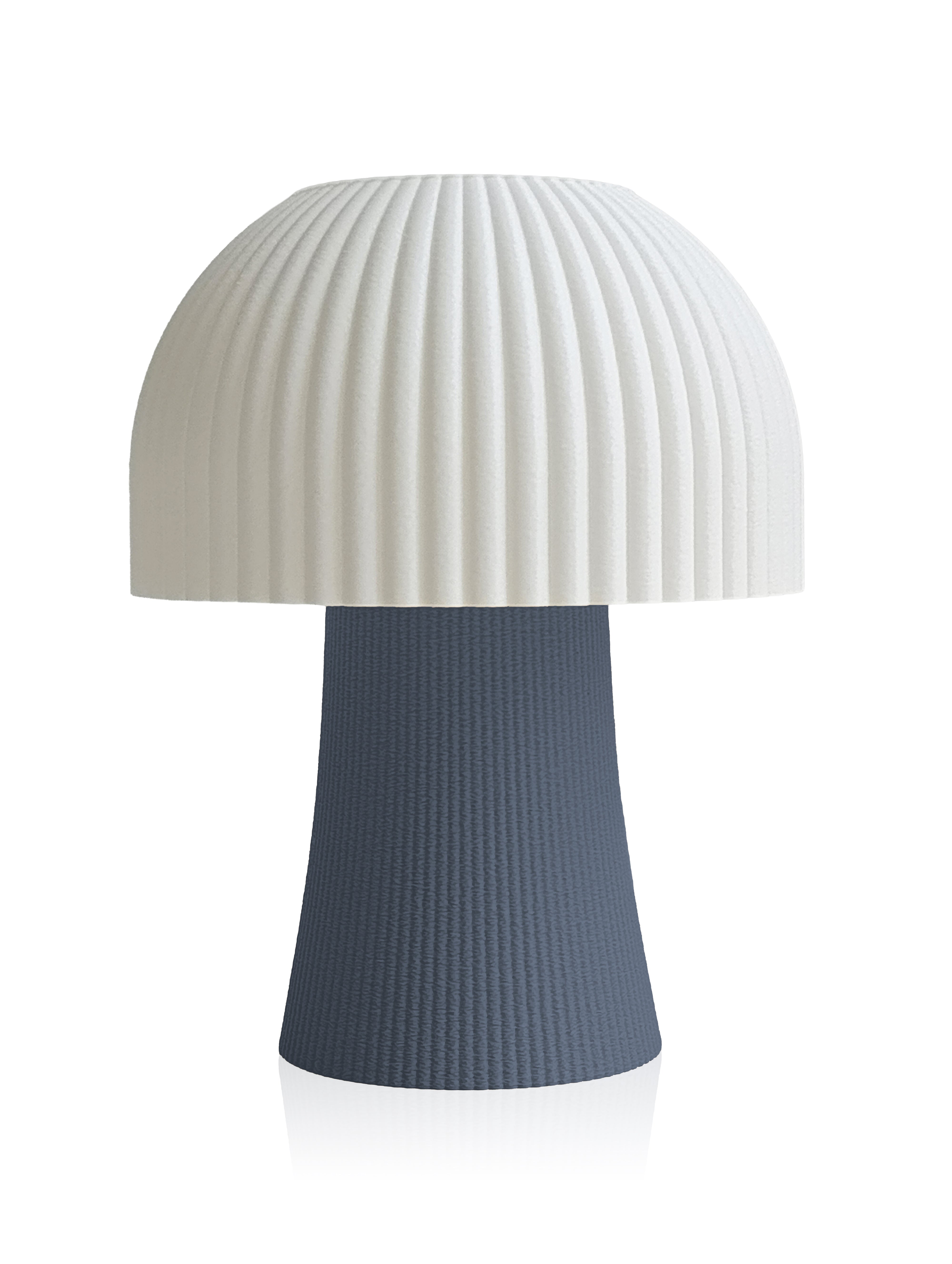
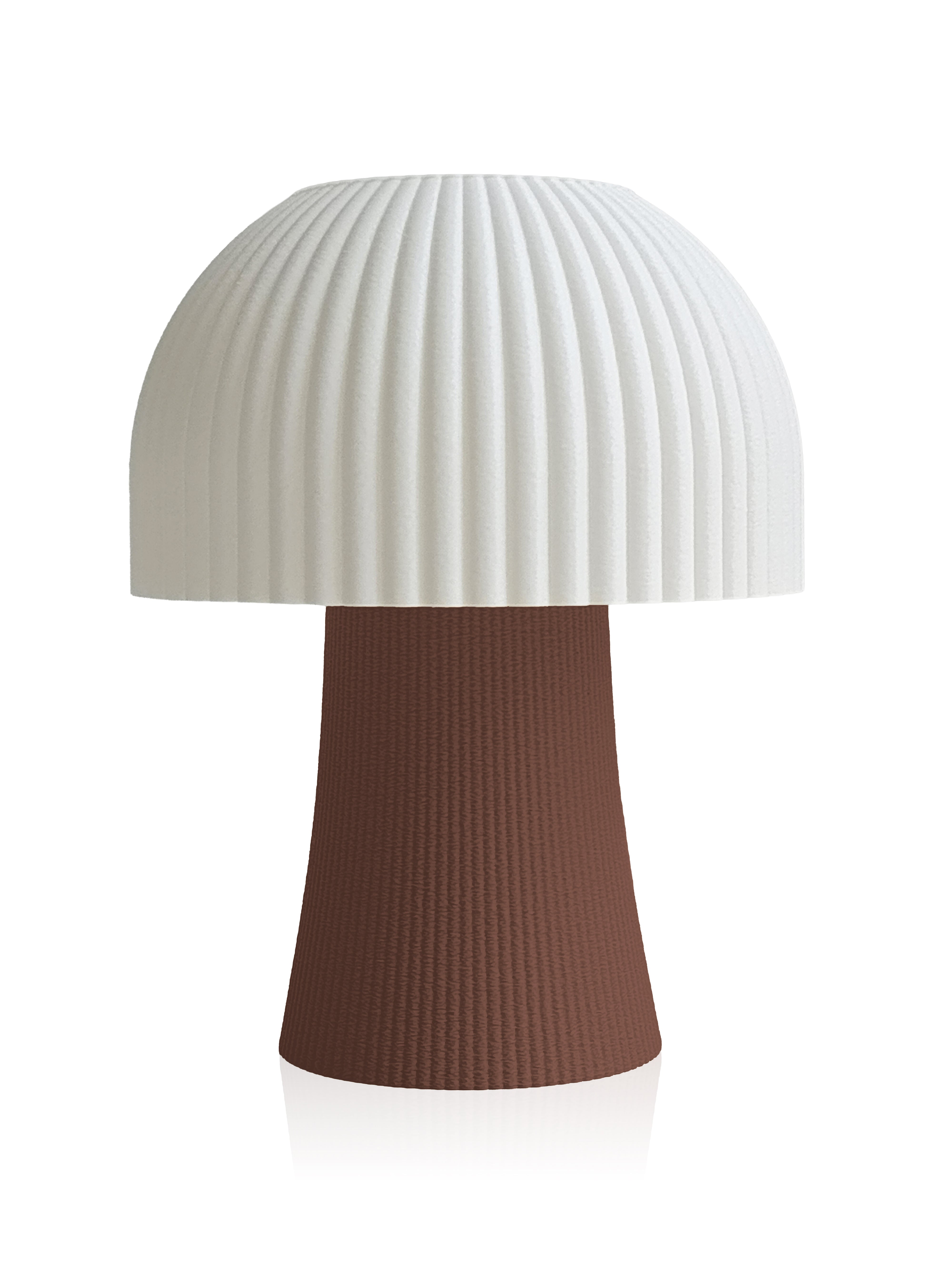
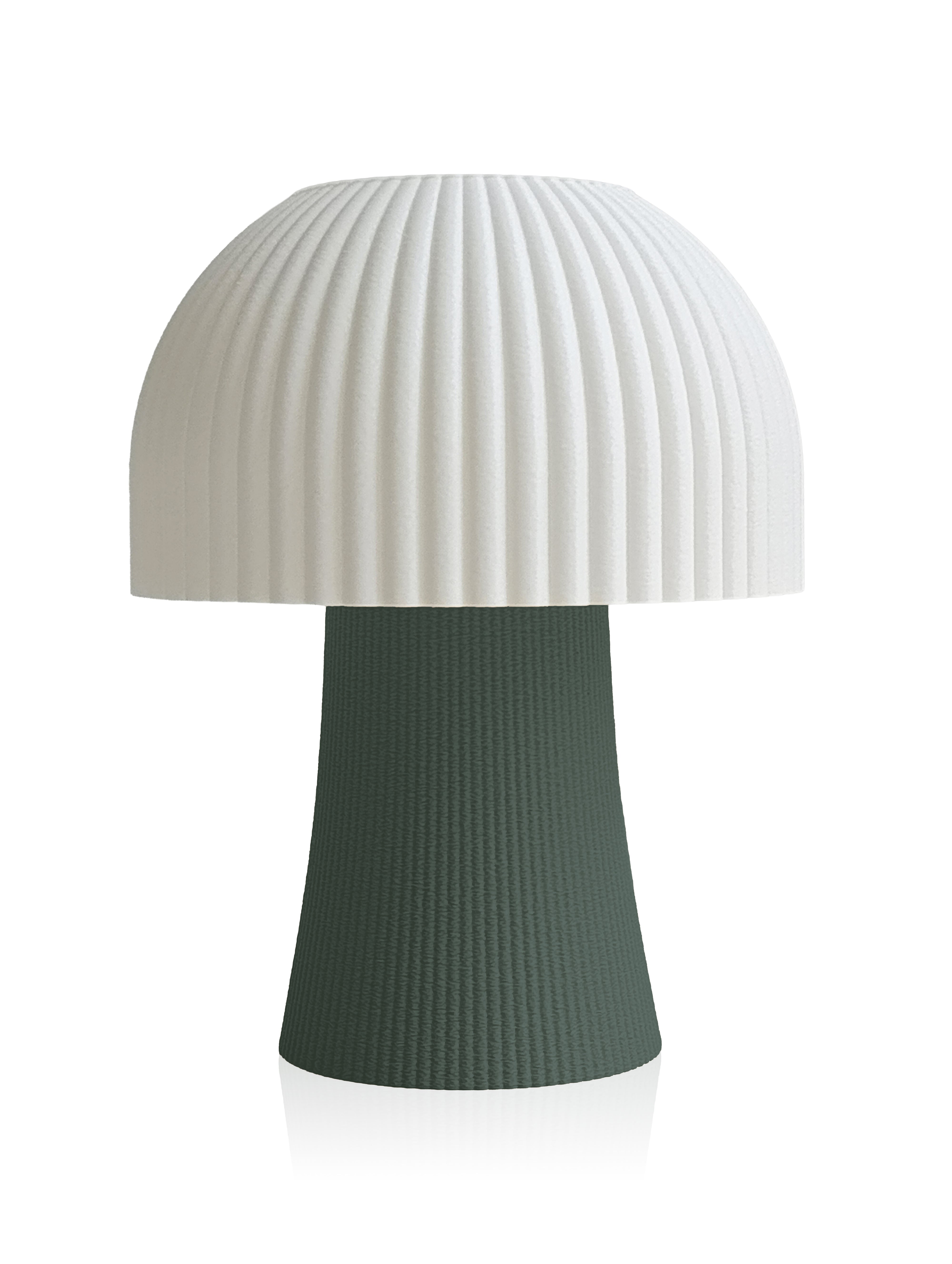
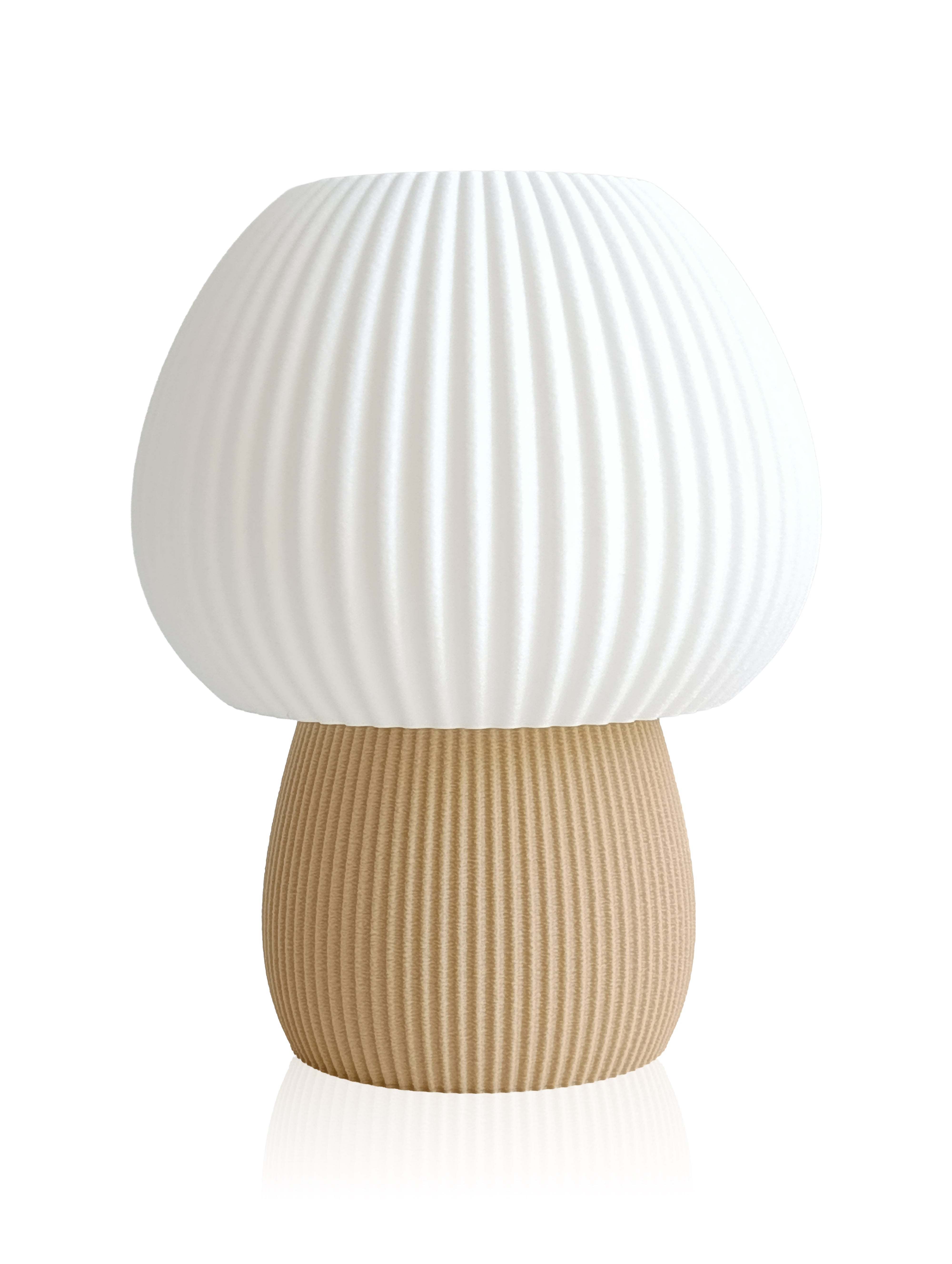
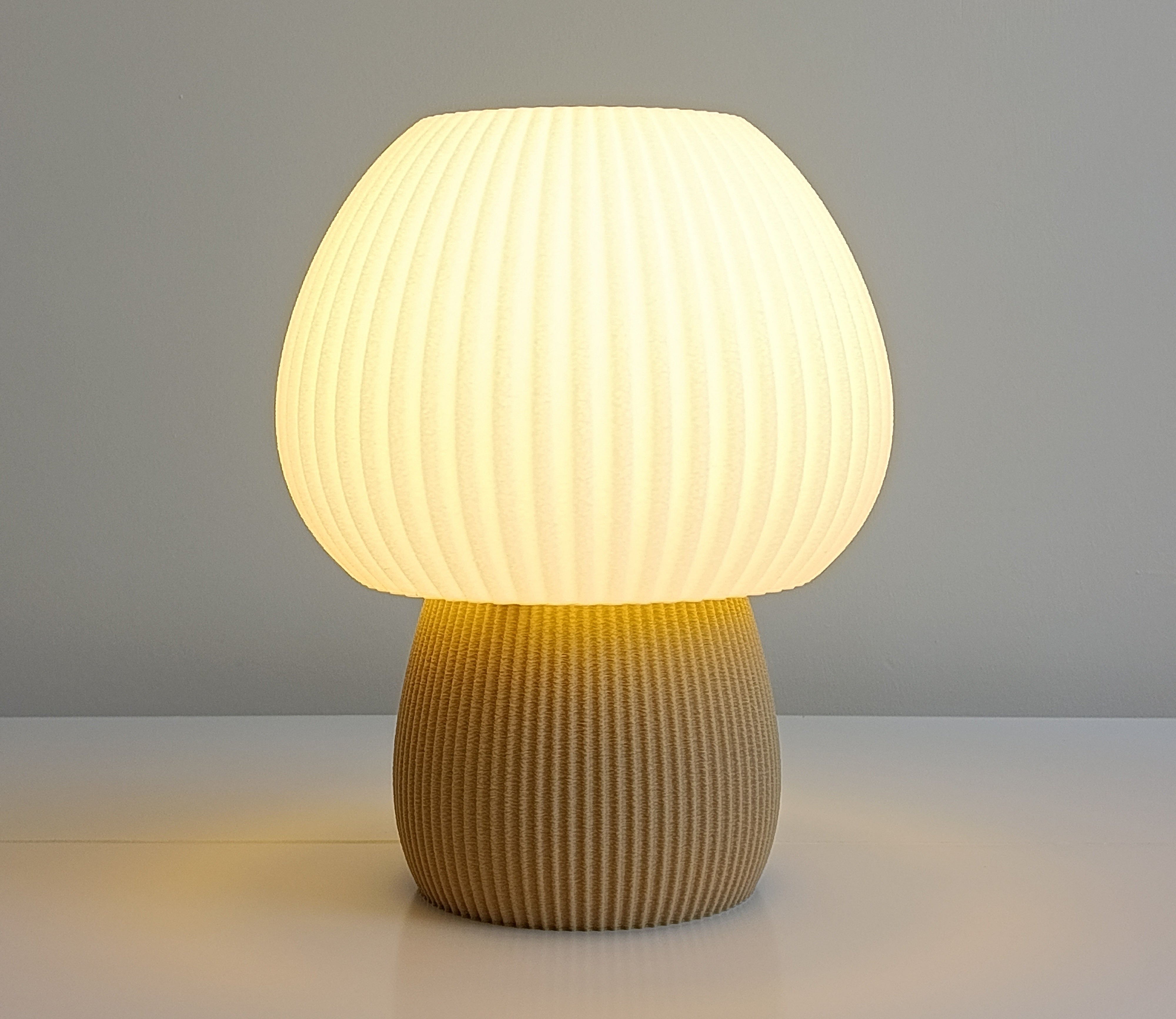
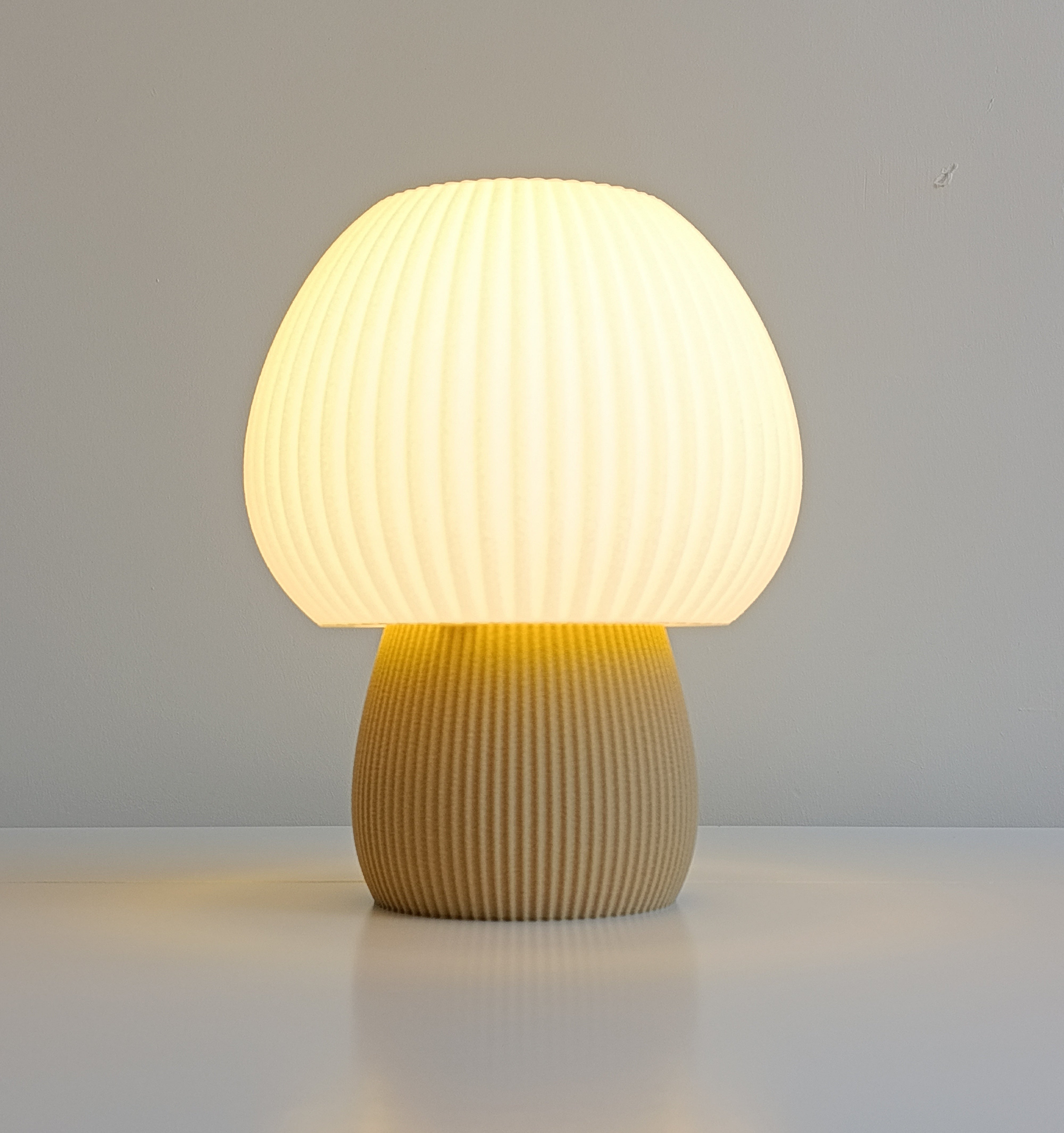
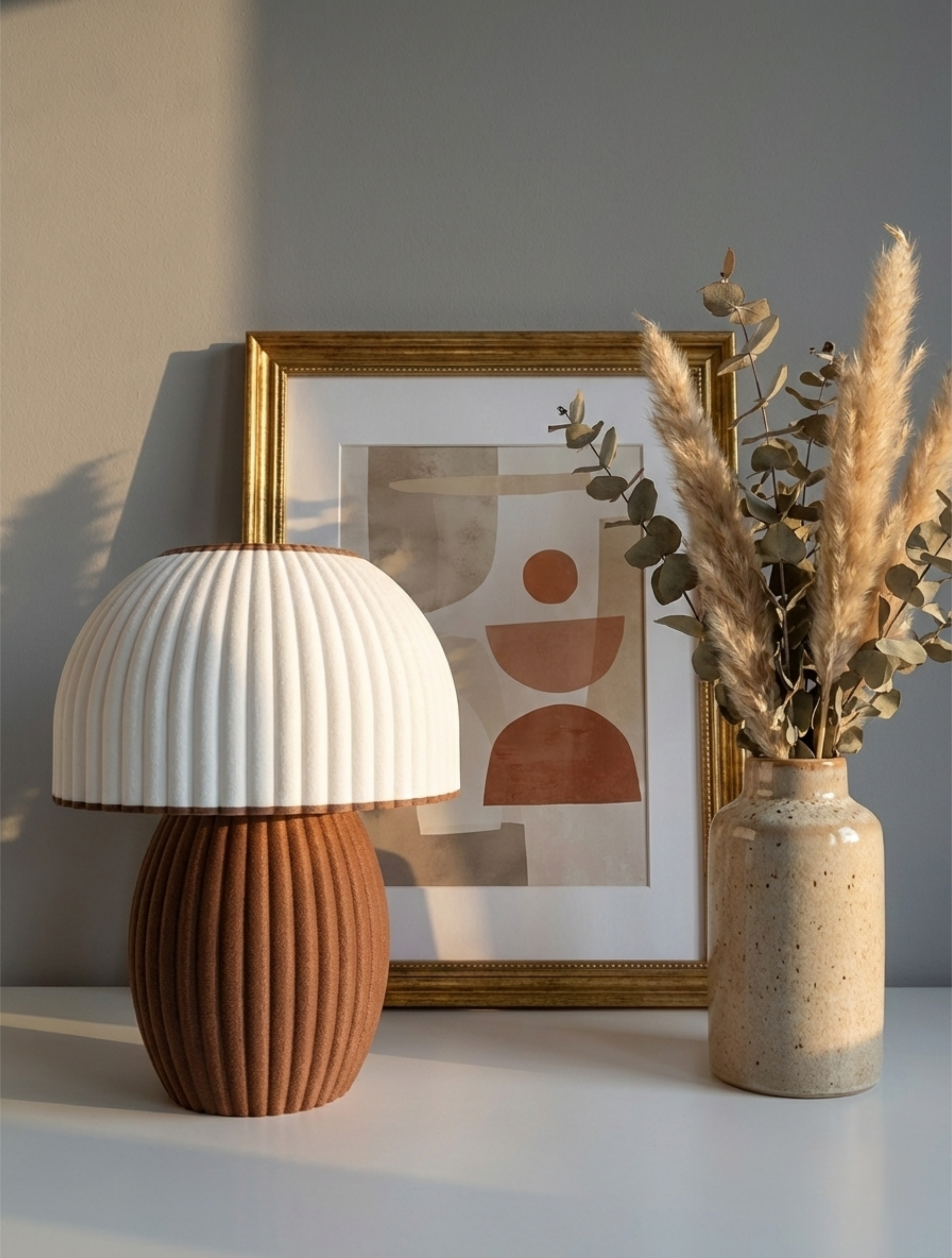
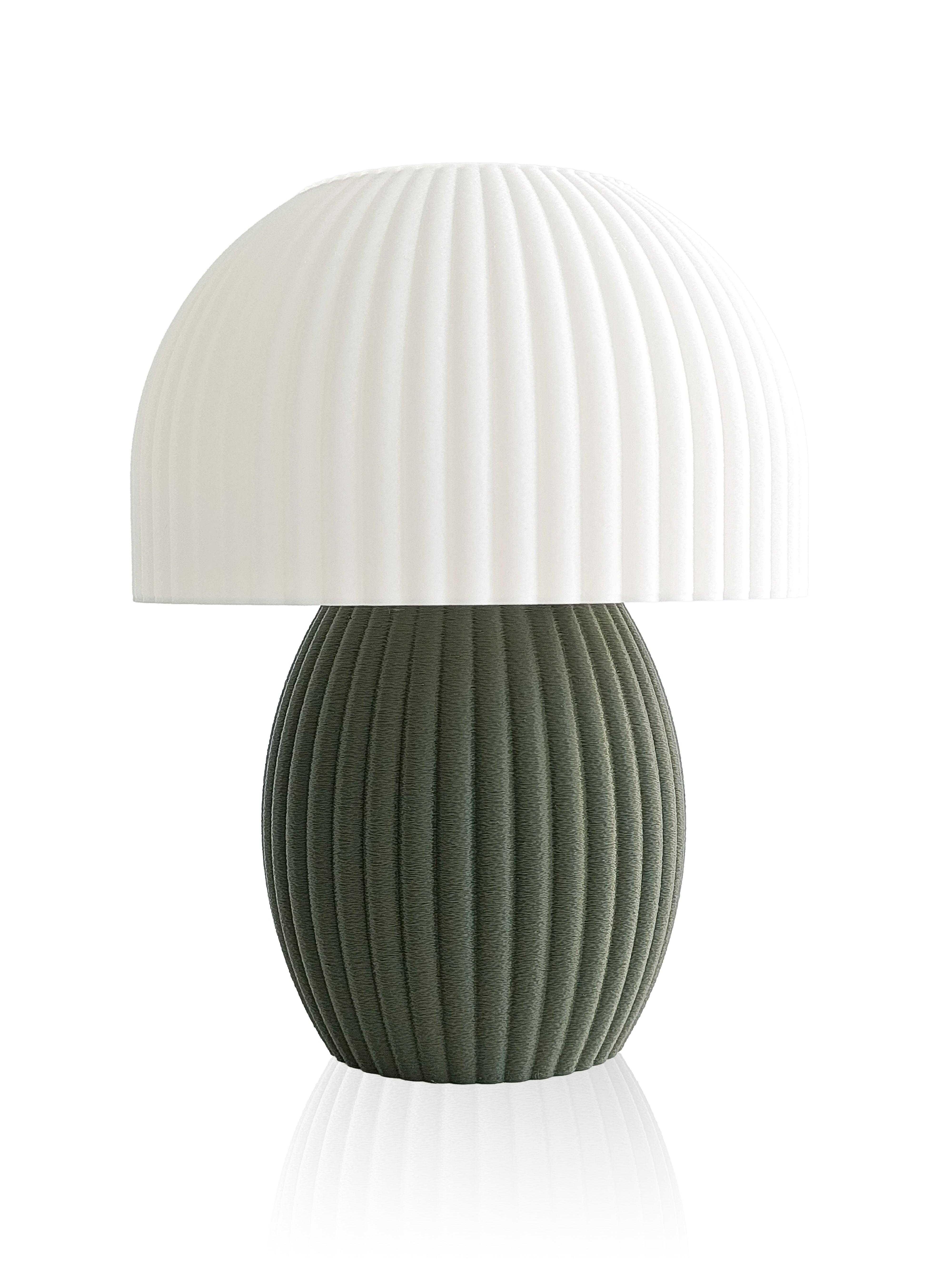
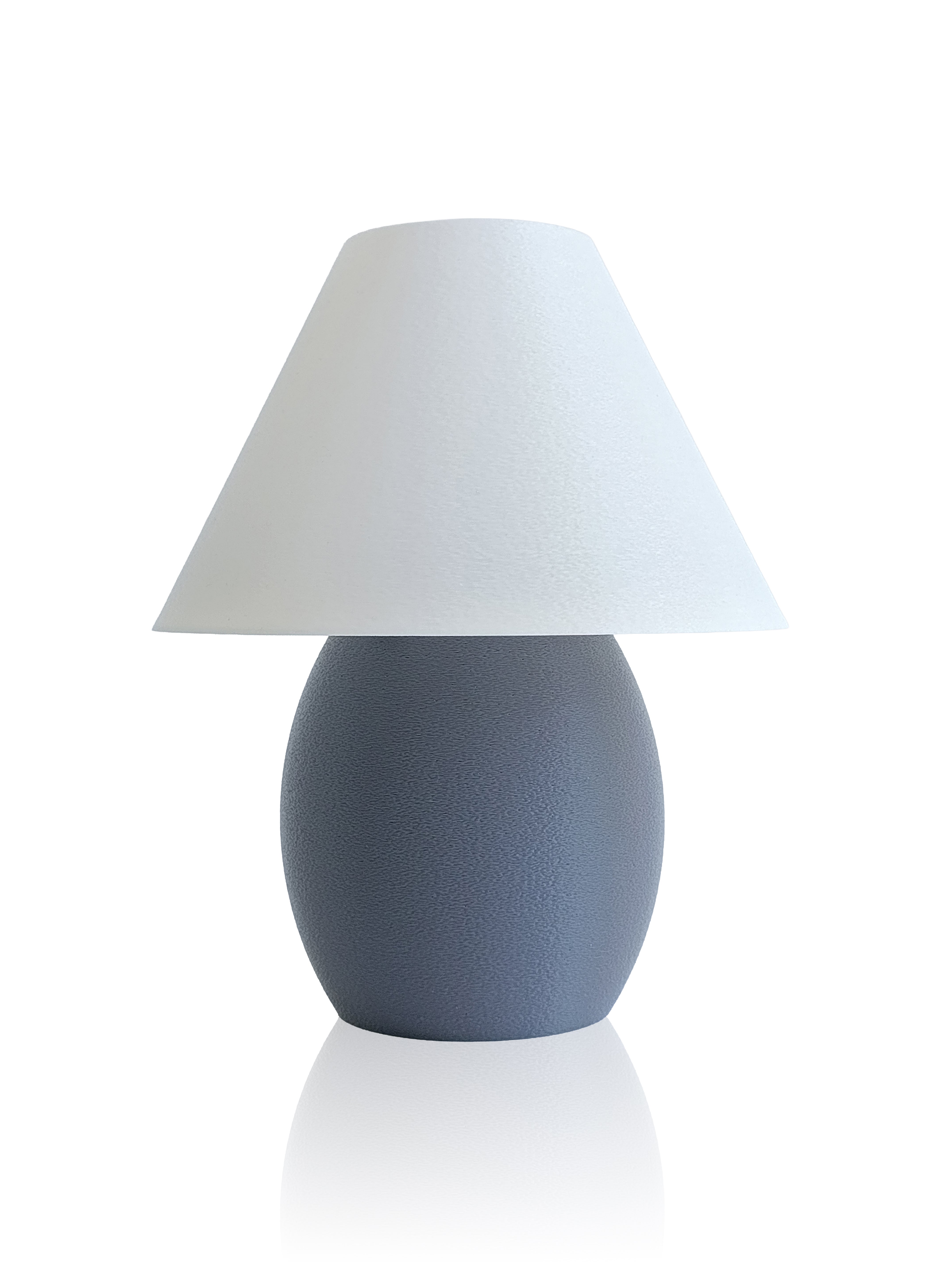
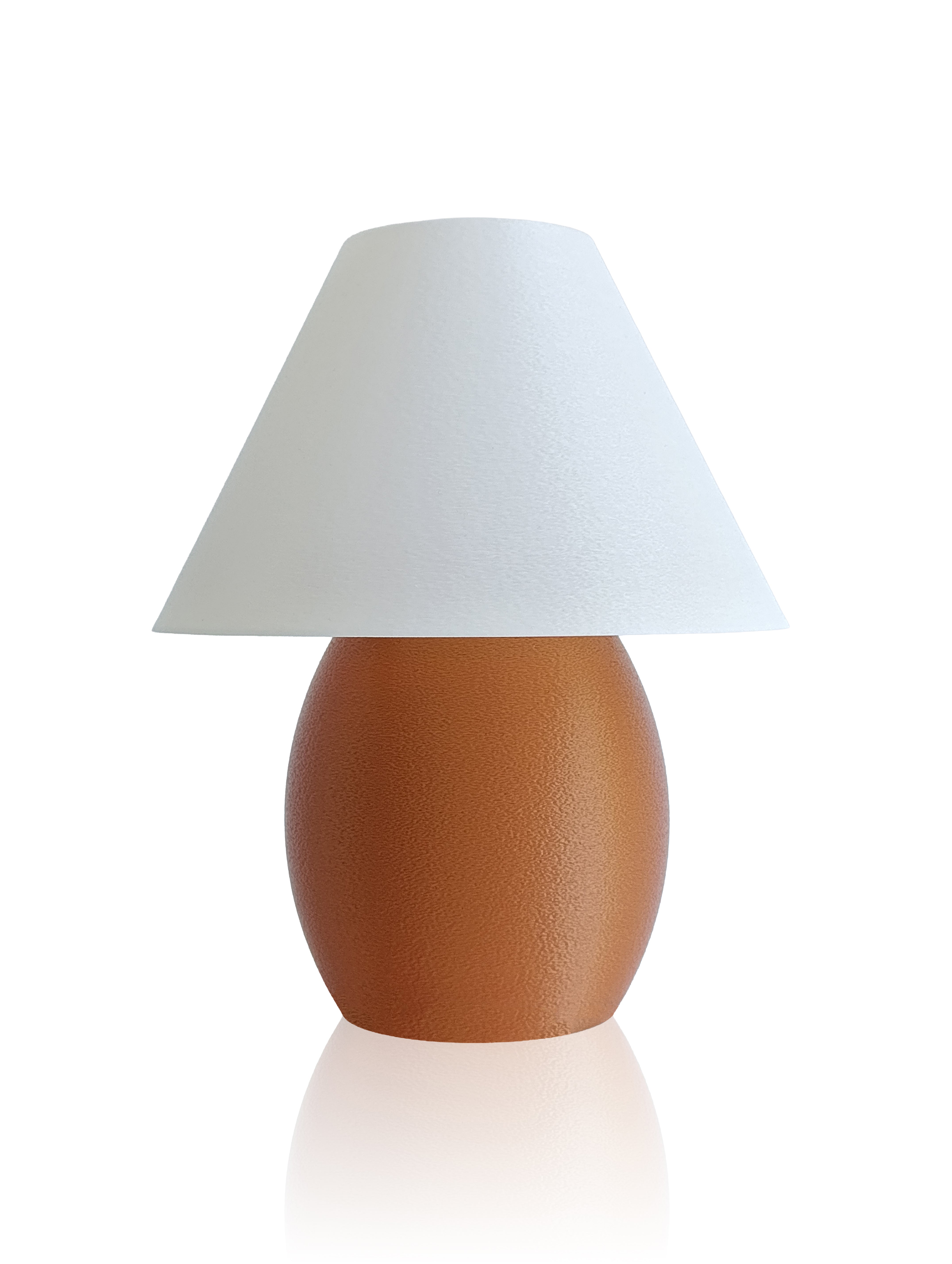
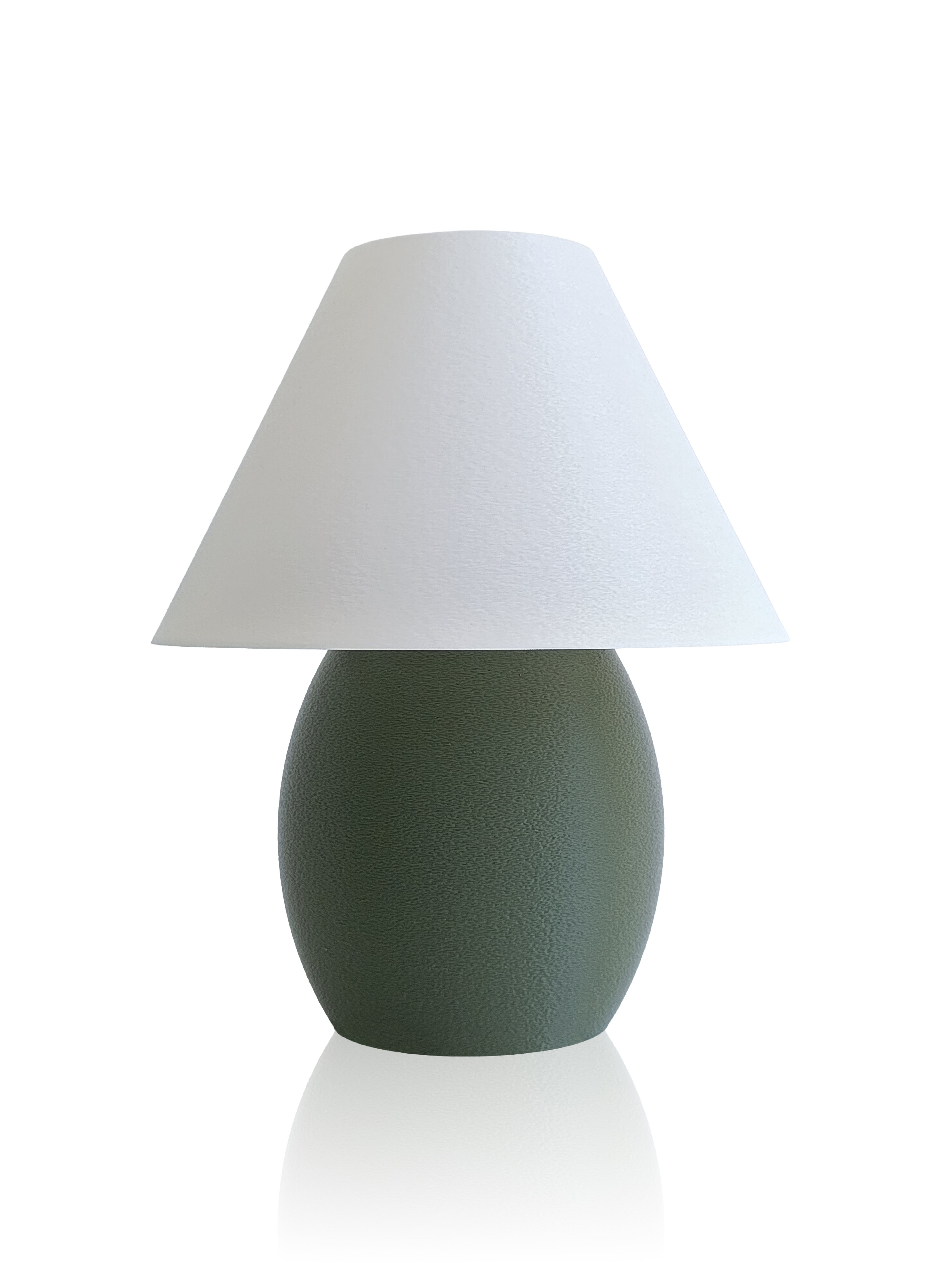
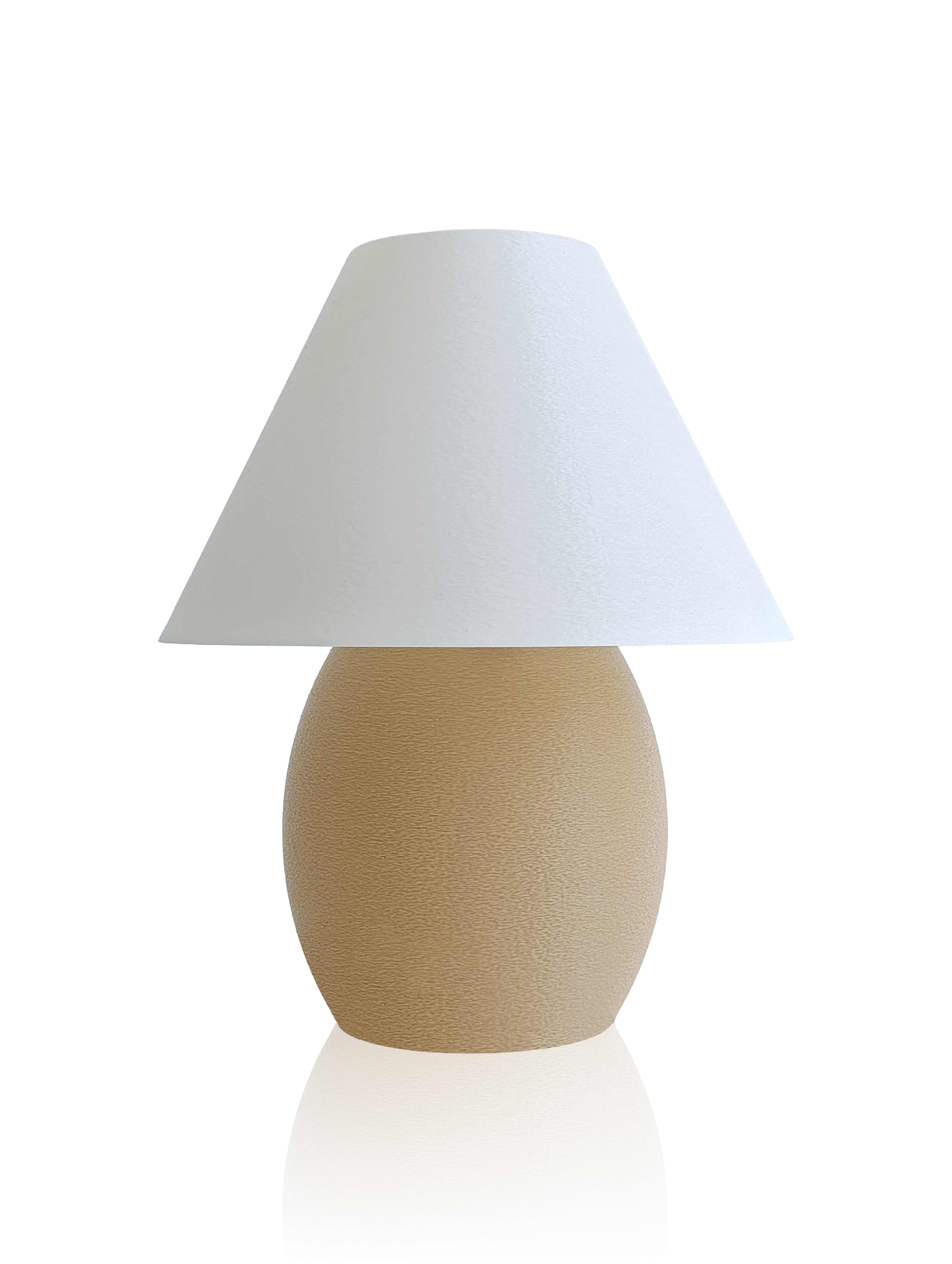
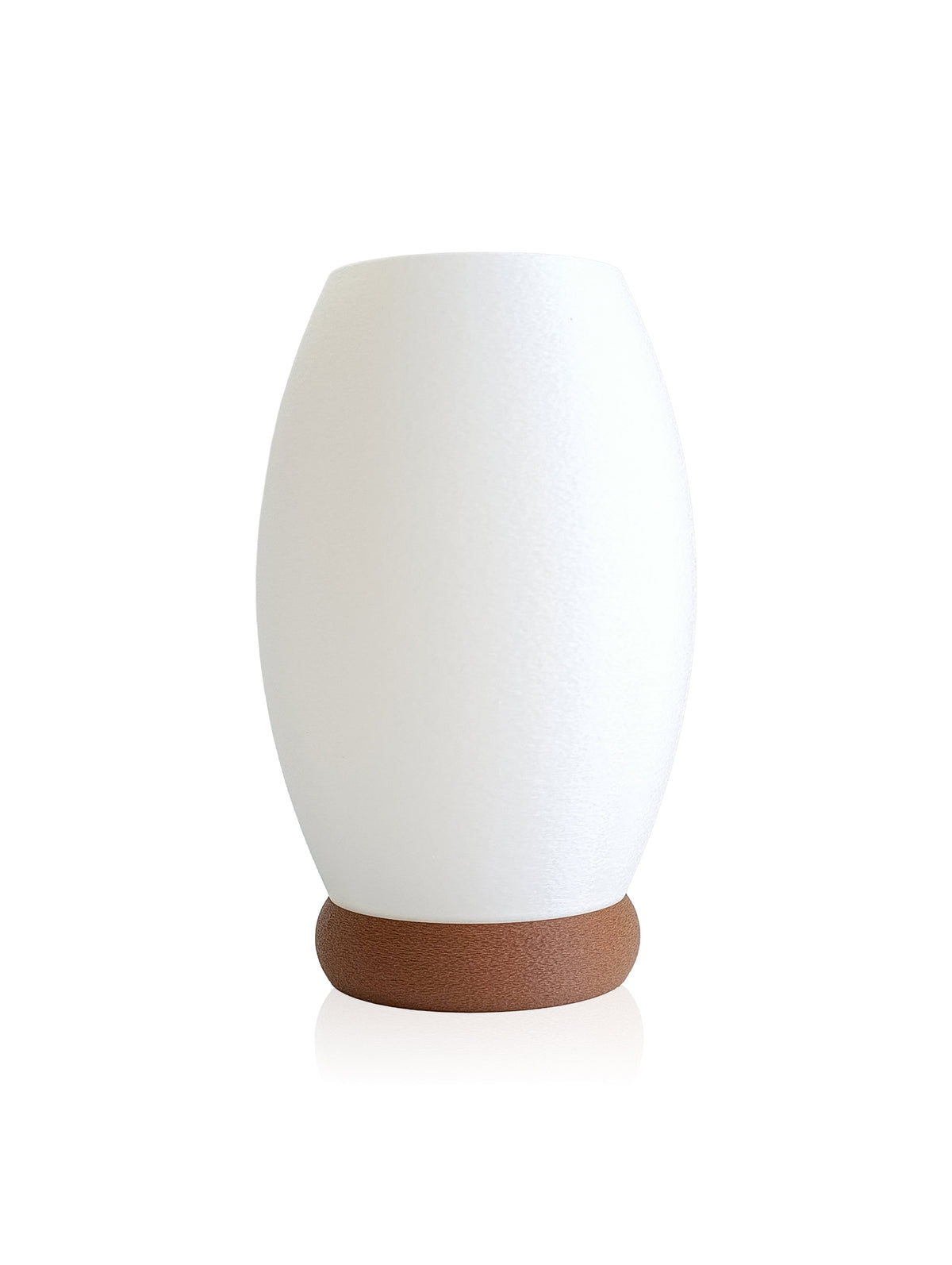
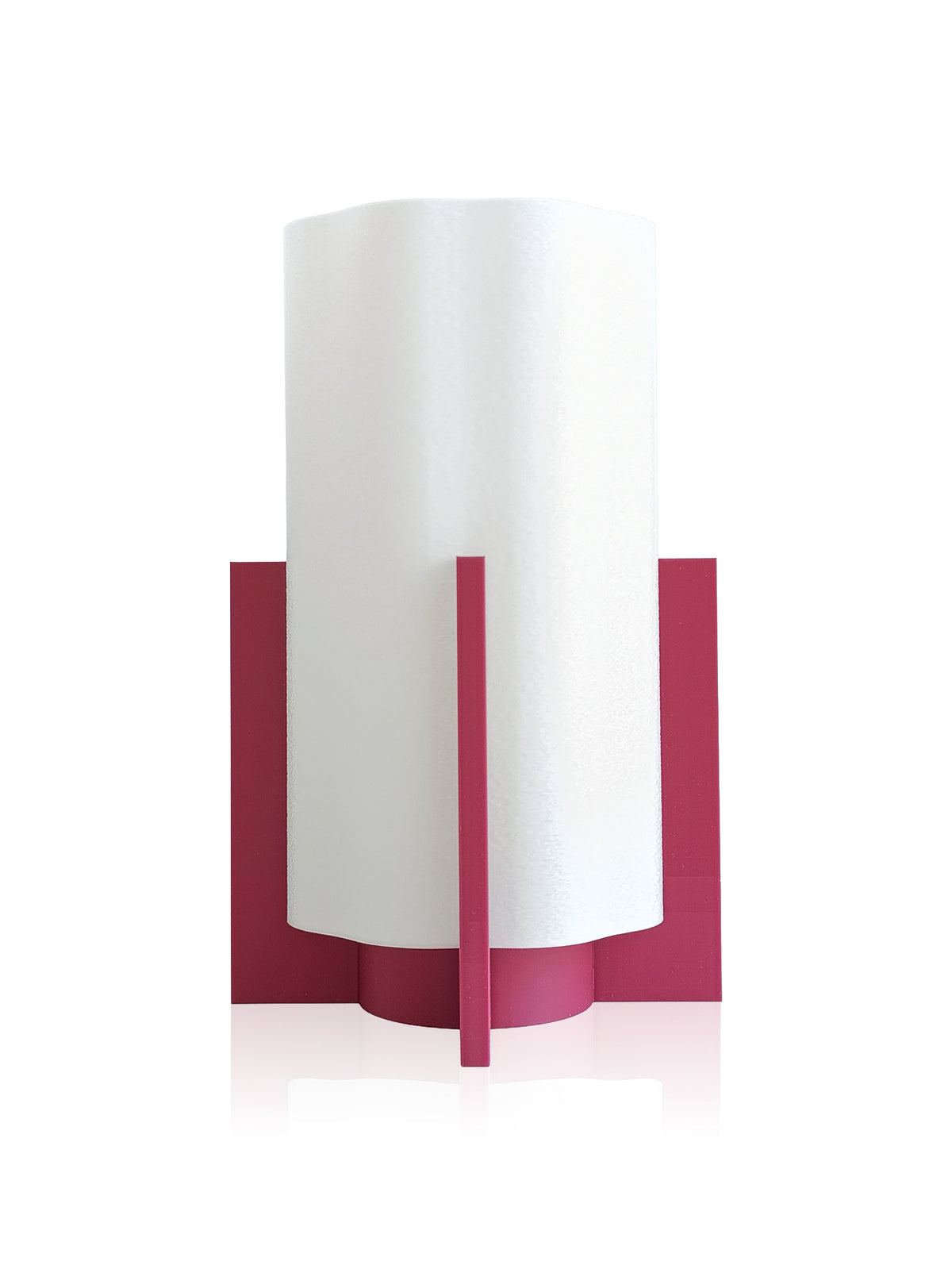
Products like the LUMORA US offer adjustable color temperature and brightness, allowing you to align your lighting with your circadian needs throughout the day. Dimmable, warm-toned fixtures in bedrooms and living spaces support evening wind-down, while brighter task lighting in kitchens and workspaces energizes daytime hours.
The shift toward circadian lighting isn't trendy—it's essential for modern homes where artificial light dominates. Your home should support your natural rhythms, not fight them.
Frequently Asked Questions
What color temperature is best for evening lighting?
Warm, amber-toned light in the 2200K-3000K range is ideal for evenings. This color temperature minimally suppresses melatonin and signals to your body that it's time to wind down. Avoid cool-toned (4000K+) bulbs after sunset.
How much blue light exposure is too much before bed?
Ideally, limit bright blue-light exposure (from screens and cool lighting) at least one to two hours before bedtime. If you must use devices, enable night mode or wear blue-light-blocking glasses to reduce circadian disruption.
Can light pollution affect children and teenagers differently?
Yes. Adolescents are particularly sensitive to light's effects on circadian rhythm. Exposure to bright, cool-toned light in the evening can delay sleep onset even more dramatically in teens, worsening the natural teenage sleep phase shift. Mindful home lighting is especially important in households with young people.
Closing
Light pollution in your home is invisible, but its effects are real. By understanding how artificial light affects your circadian rhythm and sleep quality, you take back control over one of your body's most fundamental processes. Start small: dim your evening lights, shift toward warmer tones after sunset, and observe how your sleep and mood improve. Your home's lighting should nurture you, not exhaust you. That's what mindful living looks like.







Share:
Restaurant Lighting: Light Design That Enhances Customer Experience
Mirrors and Light Relationship: Design Secrets That Multiply Lighting