


Light vs Dark Lampshades: How Color Impacts Light Distribution in Your Home

When you're designing your home's lighting, the color of your lampshade matters more than you might think. The choice between light and dark lampshades directly affects how much light reaches your room, the quality of that light, and the overall mood you create. Understanding light vs dark lampshades—and their impact on light distribution—helps you make intentional decisions that serve both your space and your well-being.
How Lampshade Color Affects Light Output
The fundamental difference between light and dark lampshades comes down to one simple principle: absorption versus transmission. Light-colored shades (cream, white, pale gray) allow more light to pass through the fabric, while dark shades (charcoal, deep navy, black) absorb more light, reducing the brightness that reaches your room.
Consider the numbers: a white or cream lampshade can transmit 70-90% of the light from your bulb, while a dark shade might transmit only 30-50%. This means that if you're using the same wattage bulb beneath two different shades, the light shade will brighten your space significantly more. For spaces where you need functional task lighting—a reading nook, kitchen, or home office—lighter shades are typically the more practical choice.
- White and cream shades: maximize light output (70-90% transmission)
- Medium tones (beige, soft gray): moderate light output (50-70% transmission)
- Dark shades (charcoal, navy, black): minimize light output (30-50% transmission)
The Design and Mood Factor: When Dark Shades Make Sense
Even though dark lampshades reduce light output, they serve an important purpose in home design. They create intimacy, focus attention, and establish a more sophisticated or cozy atmosphere. A dark shade doesn't necessarily mean your space will be dim—it means the light is more directional and concentrated.
Dark shades work beautifully in bedrooms, living rooms, and dining areas where you want to encourage relaxation rather than function. They also hide the interior mechanics of the lamp (the socket, wiring) more effectively than light shades, creating a cleaner aesthetic. The key is pairing a dark shade with a higher wattage bulb or multiple light sources if you need adequate illumination for the room.
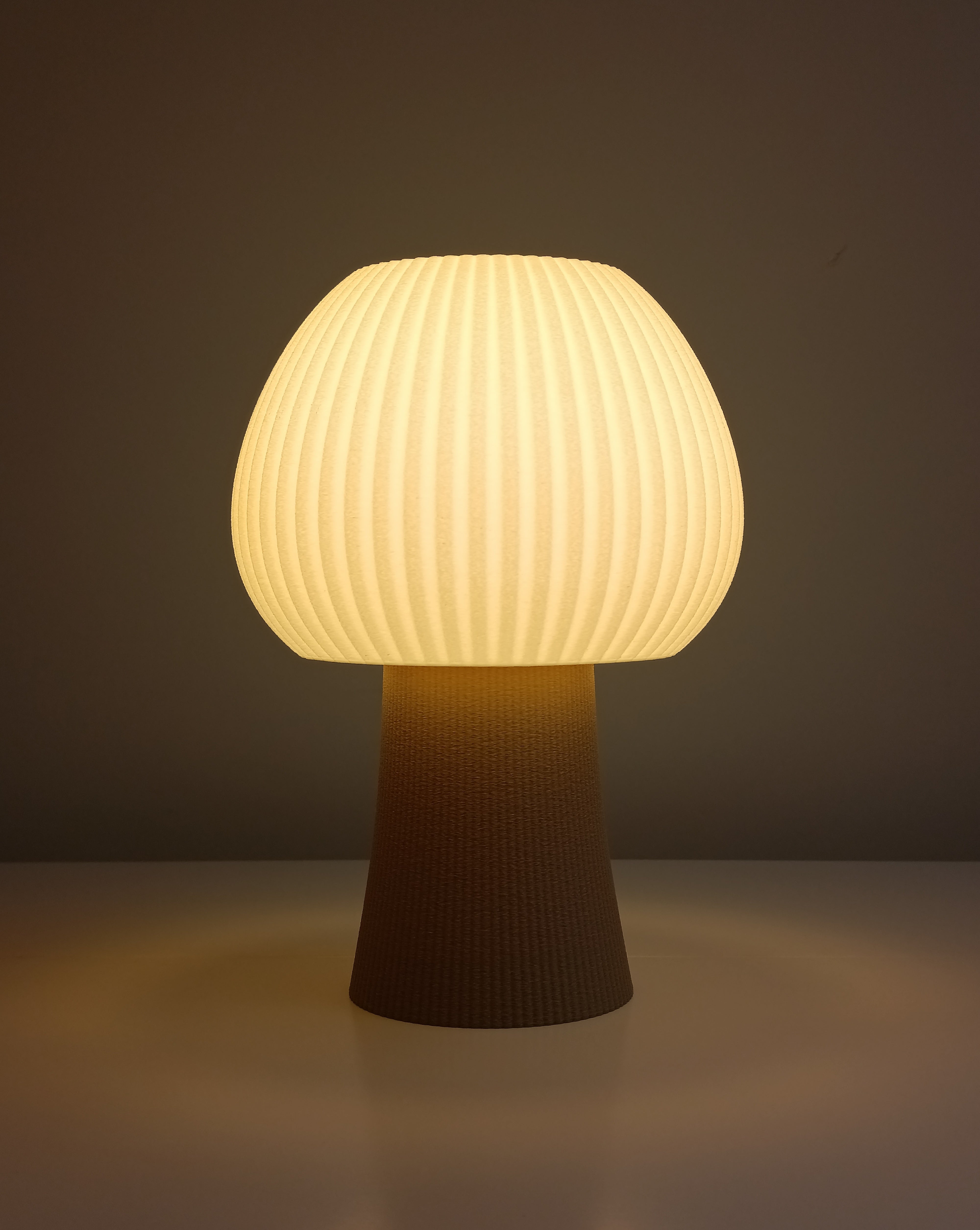
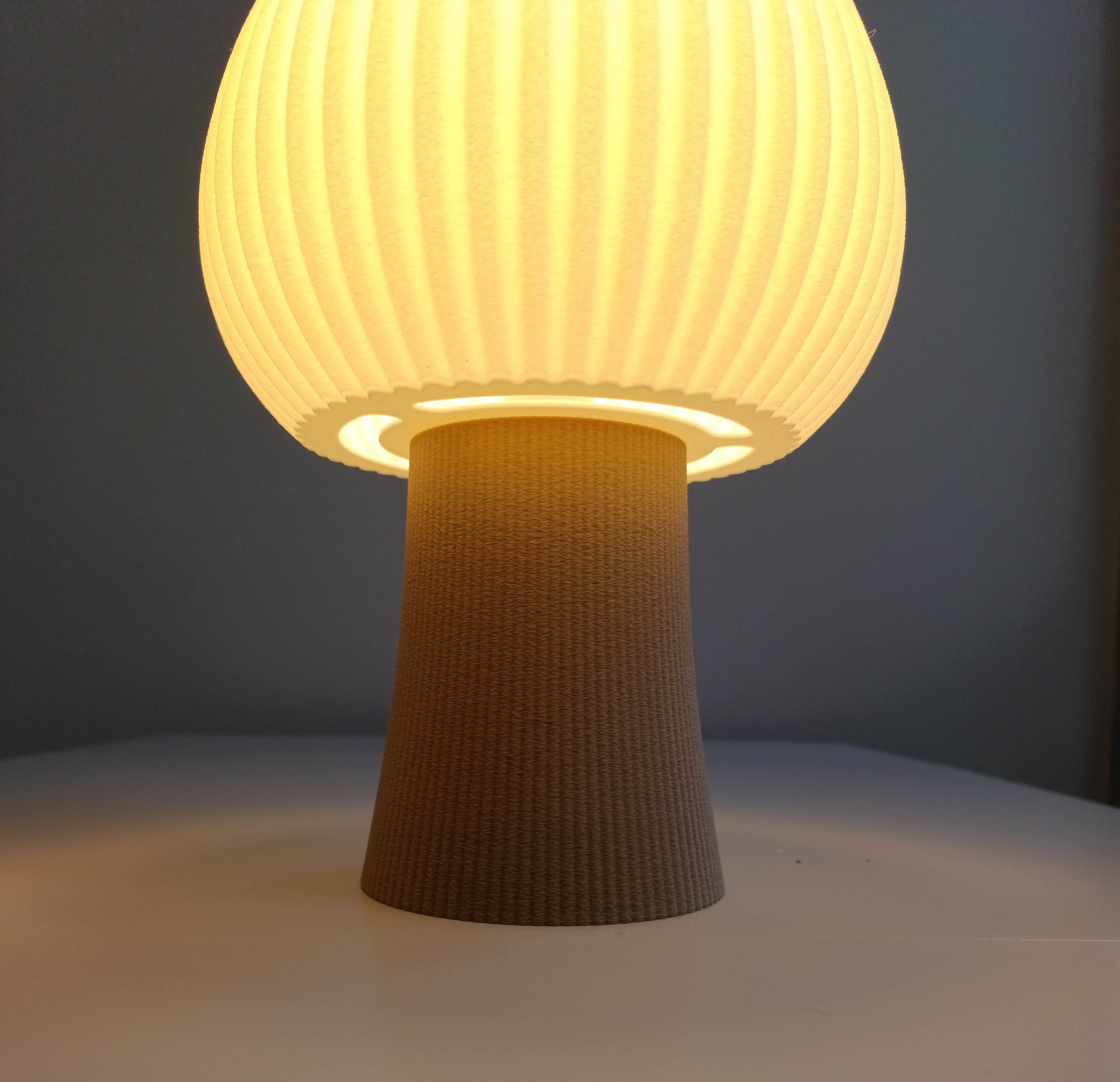
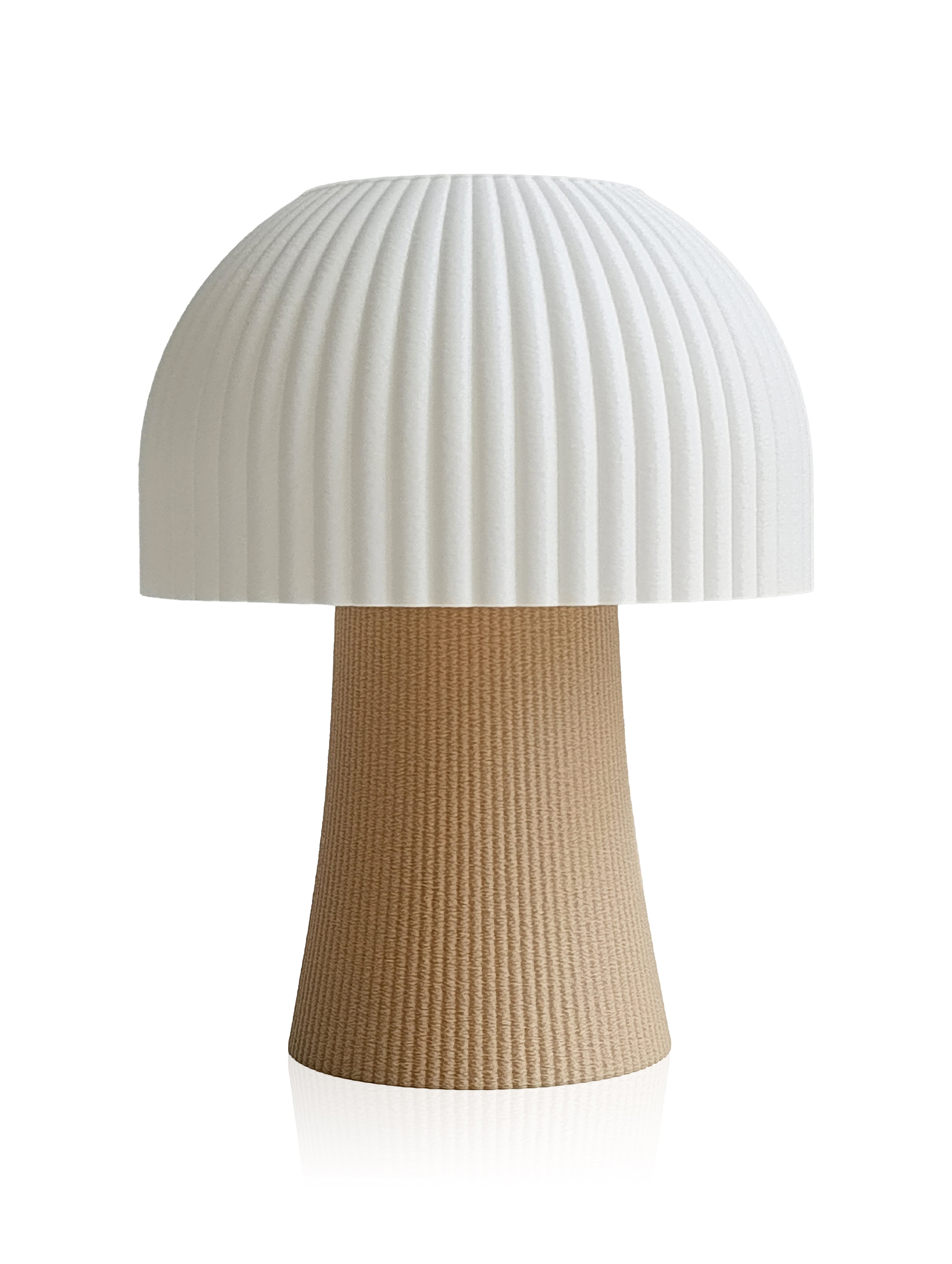
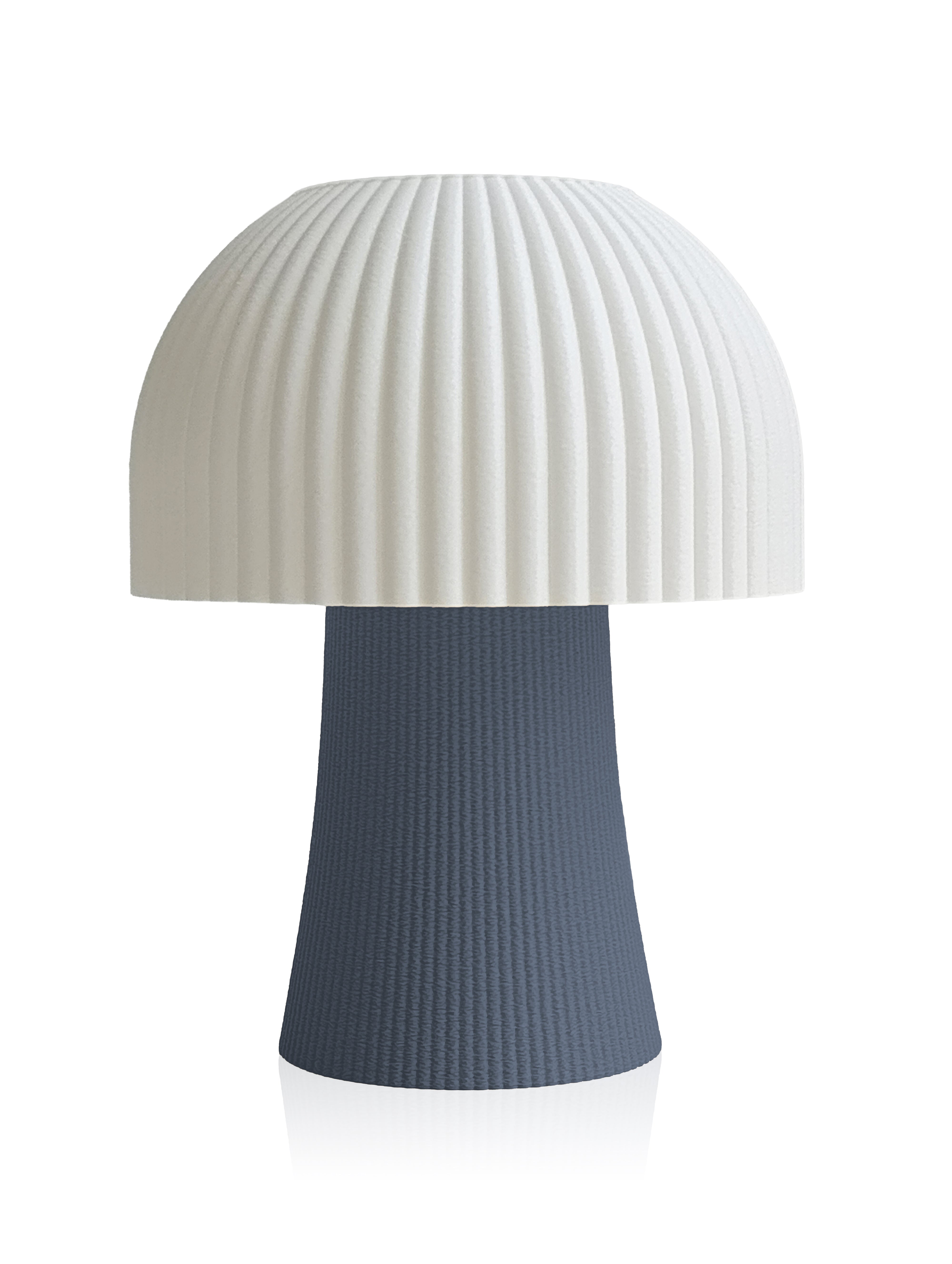
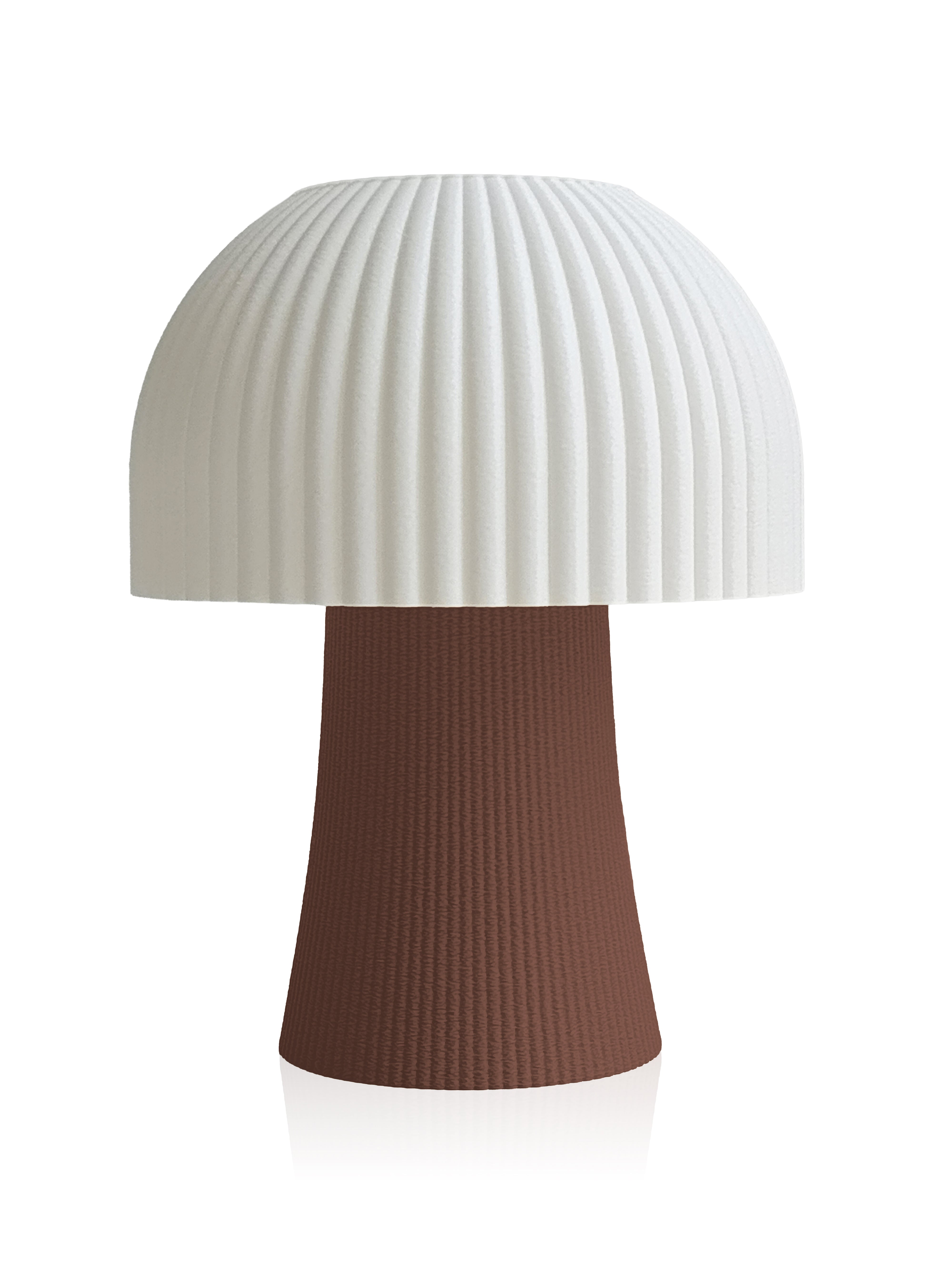
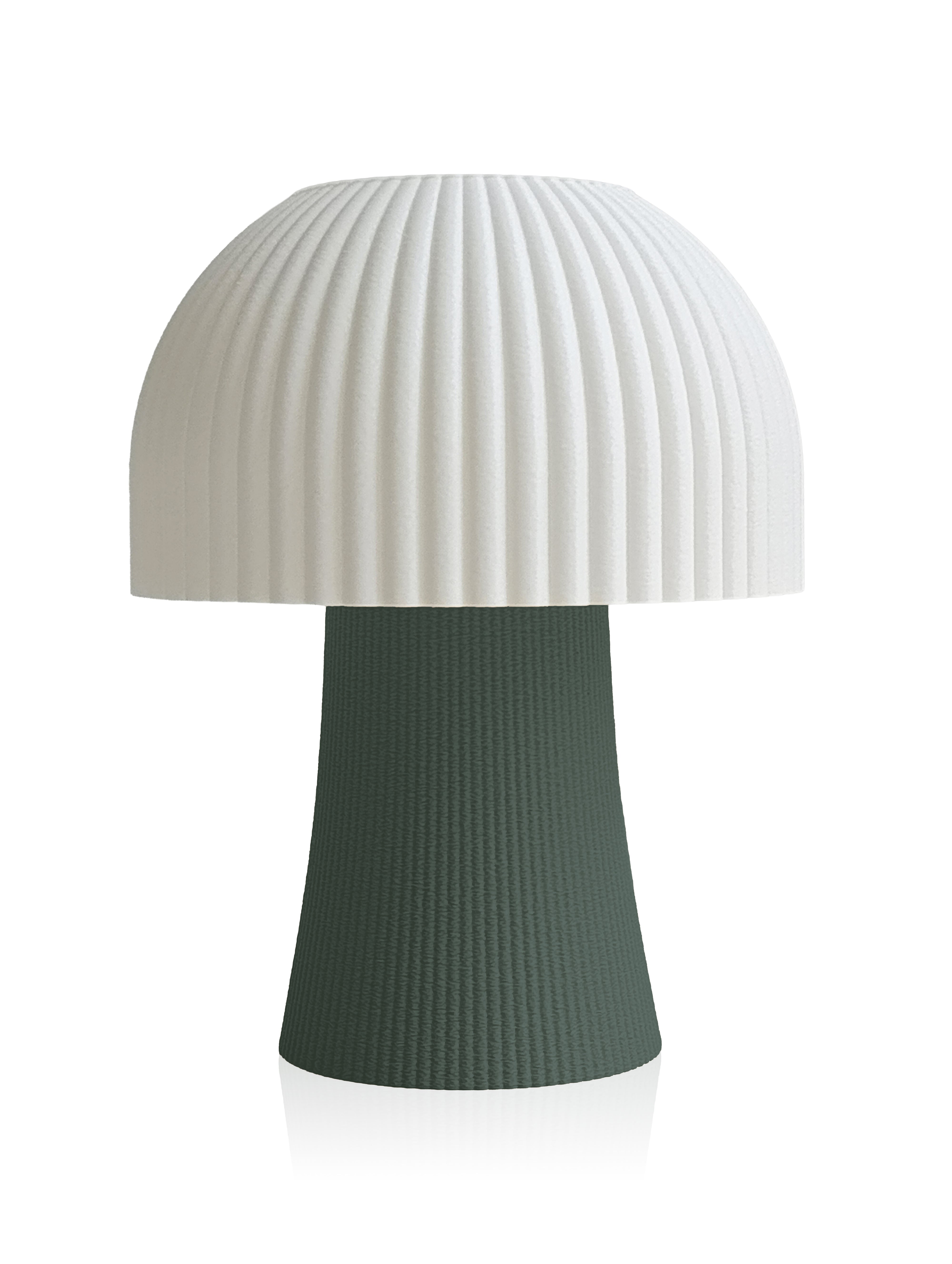
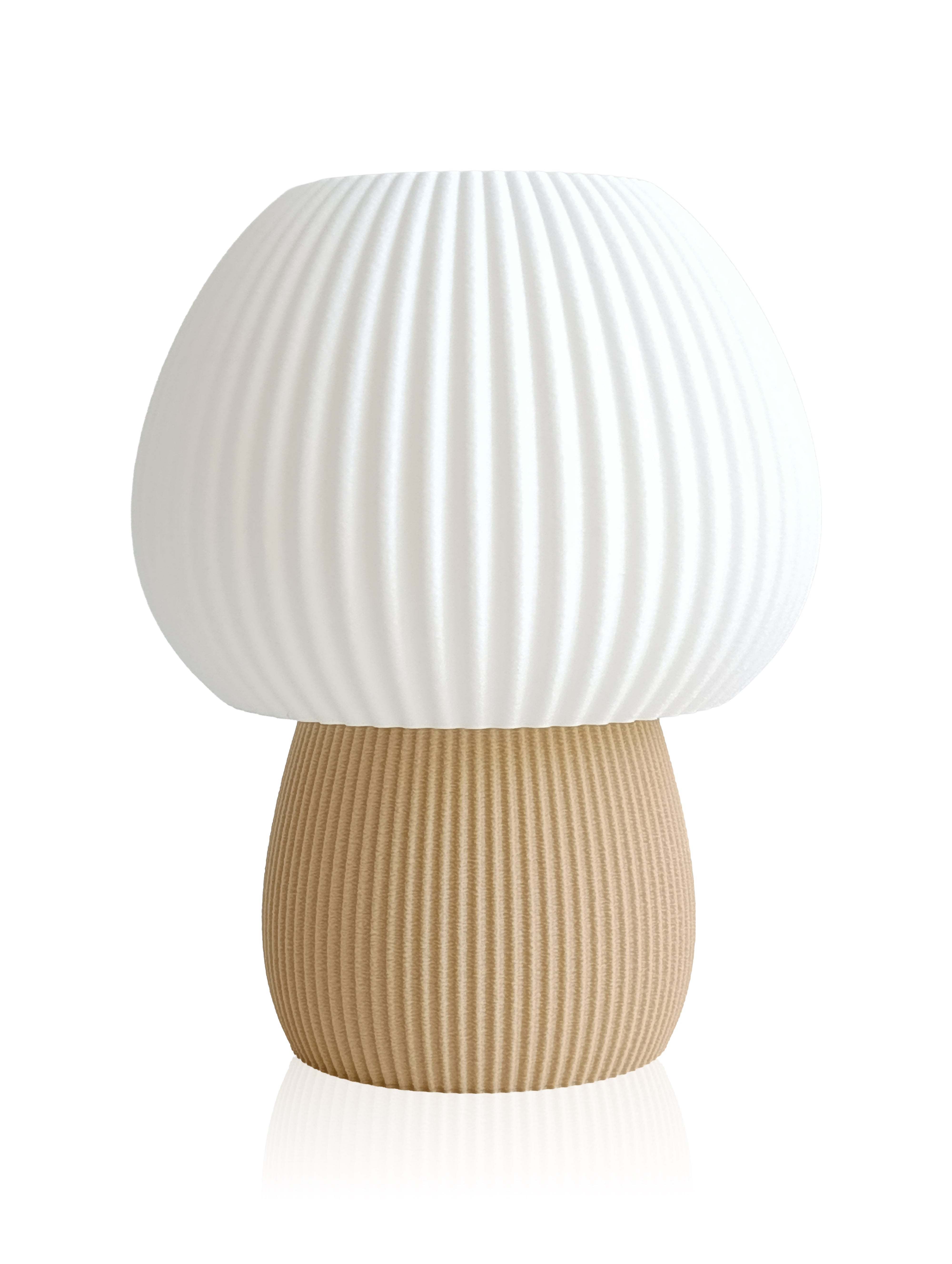
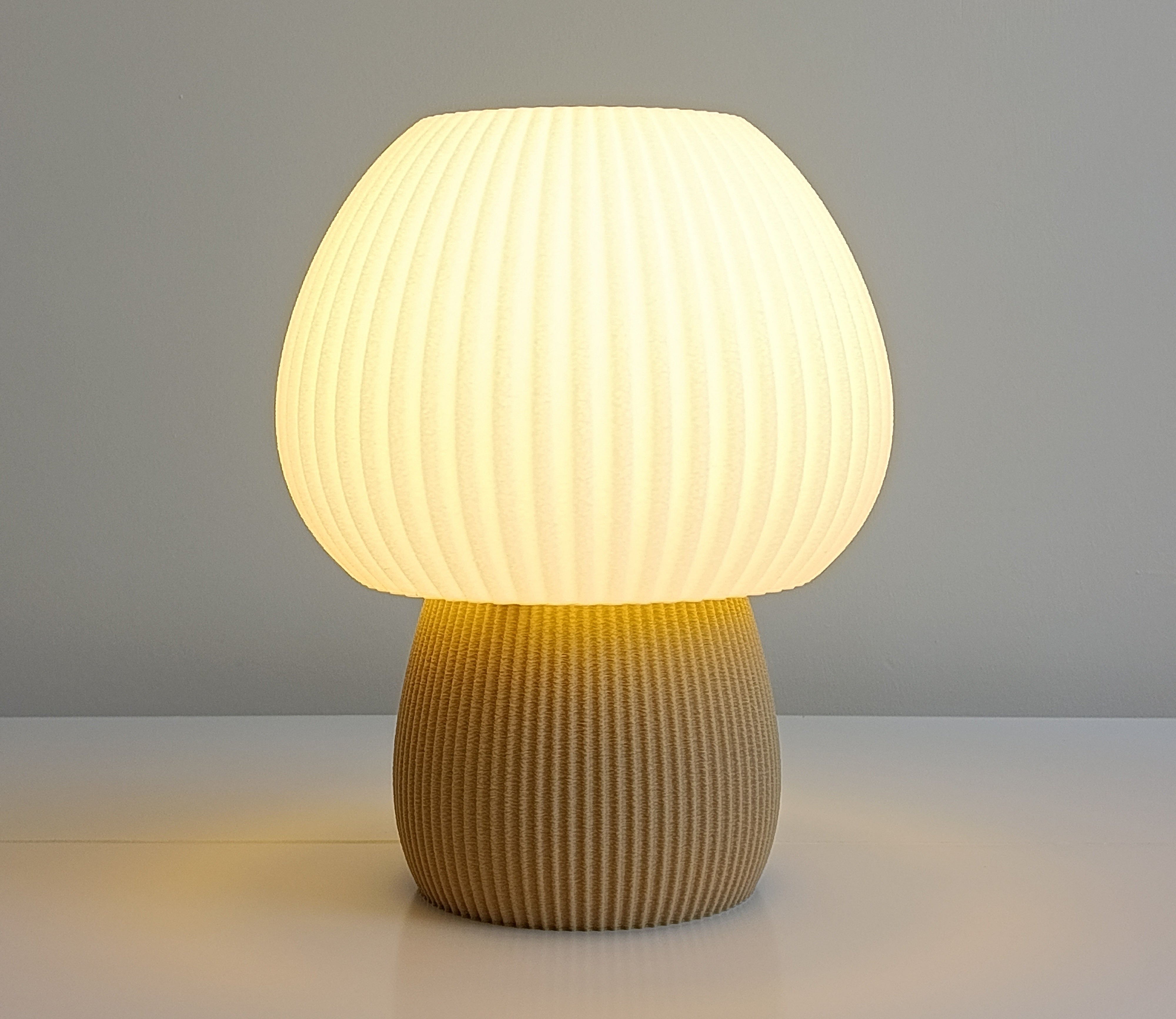
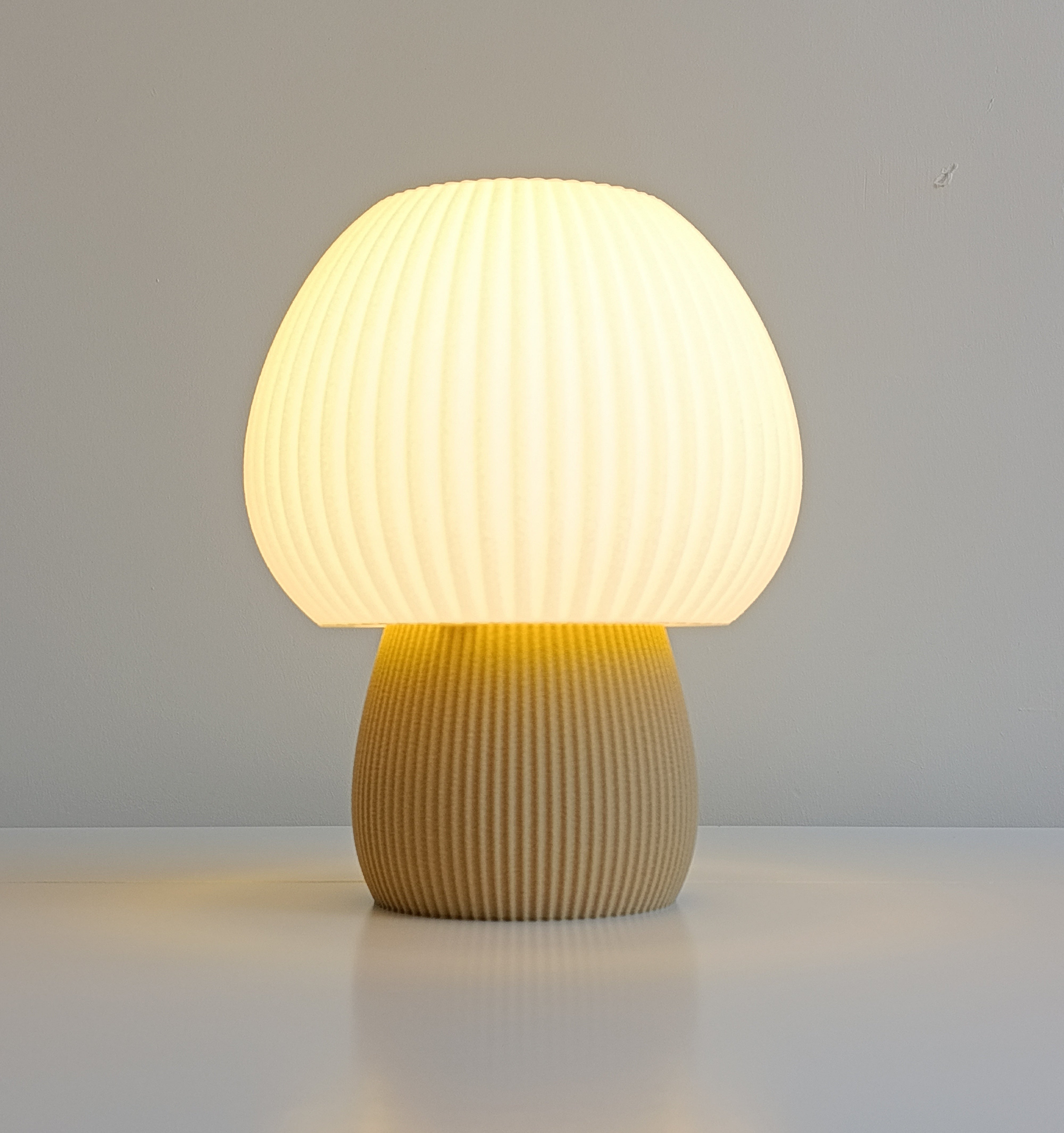
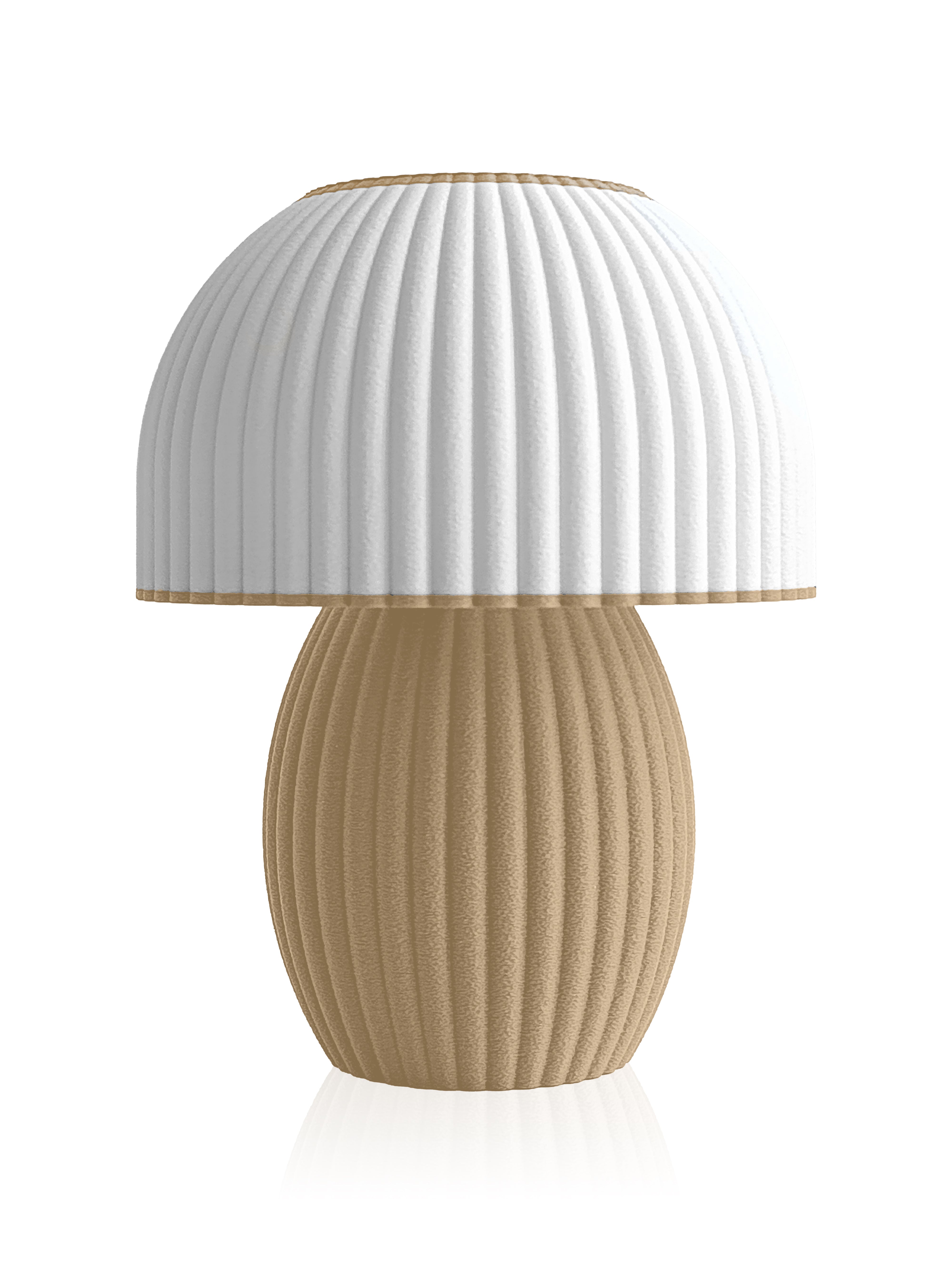
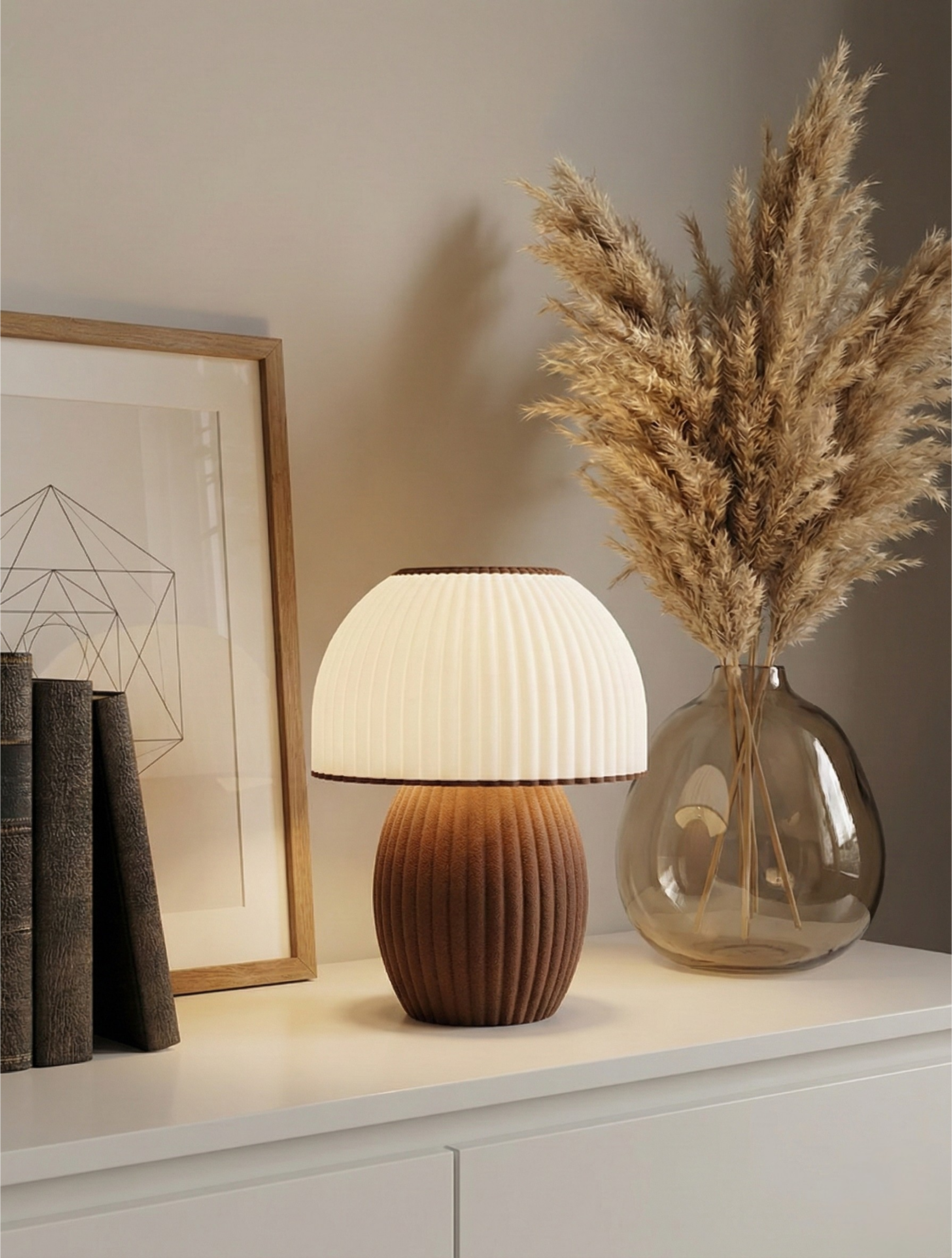
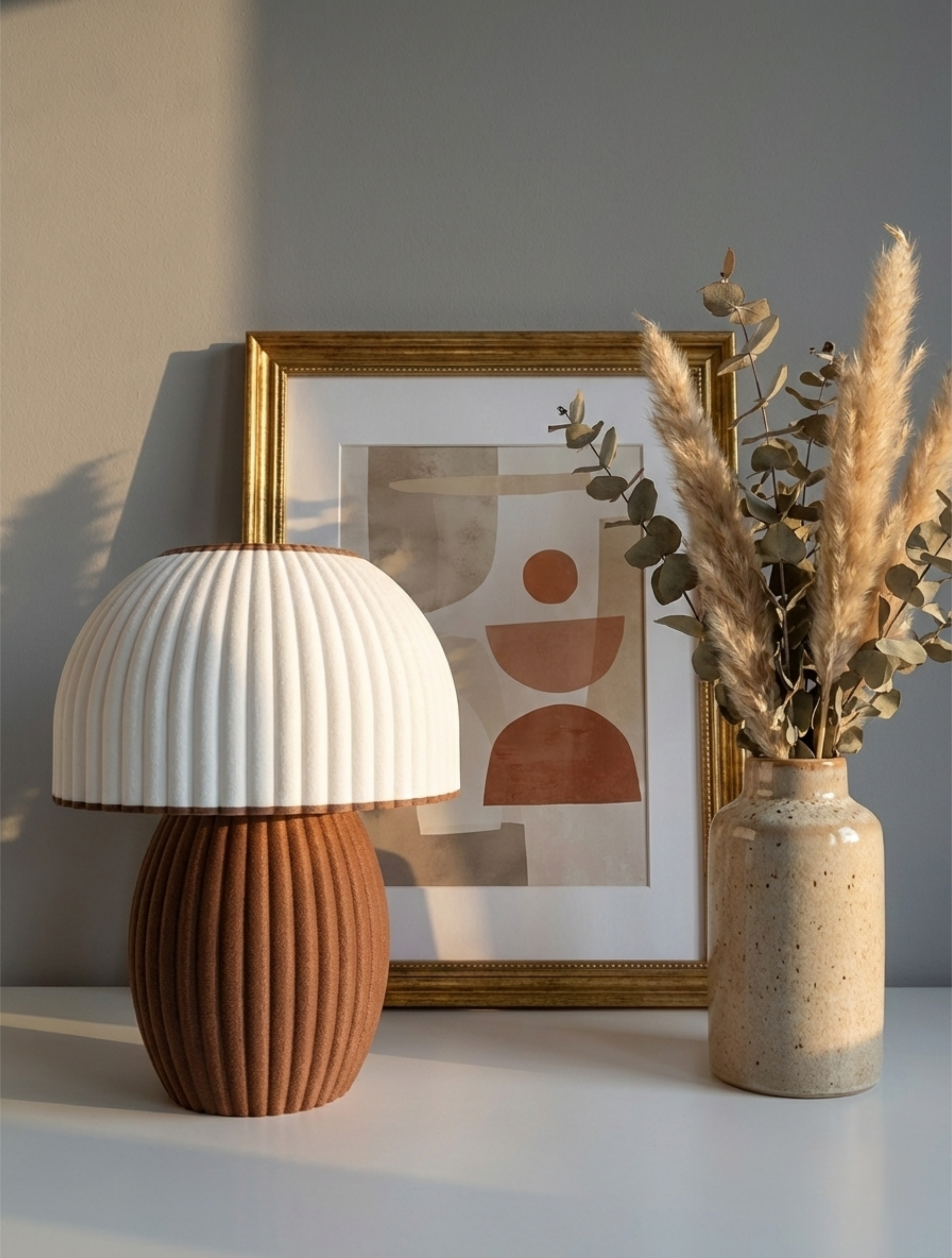
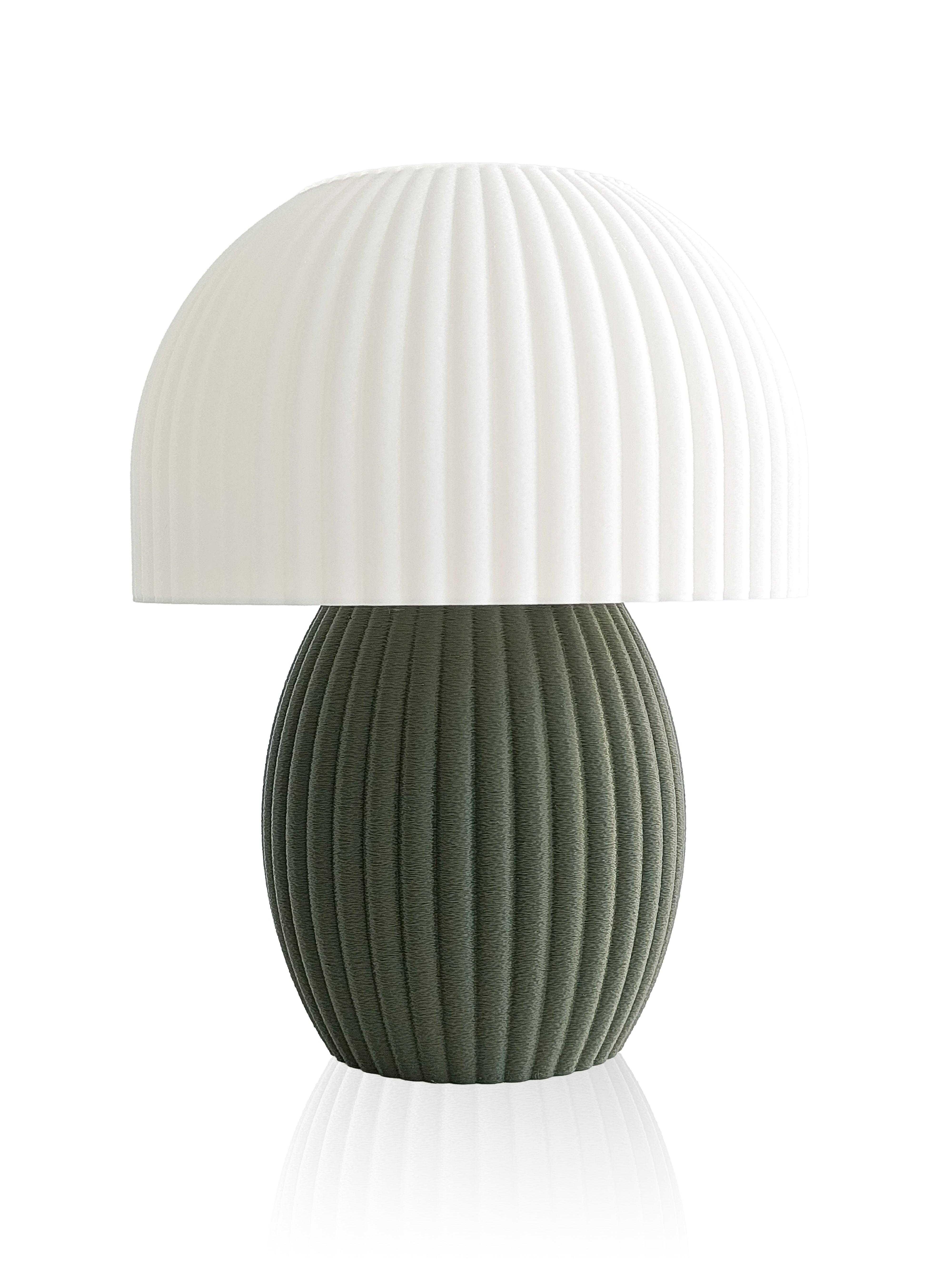
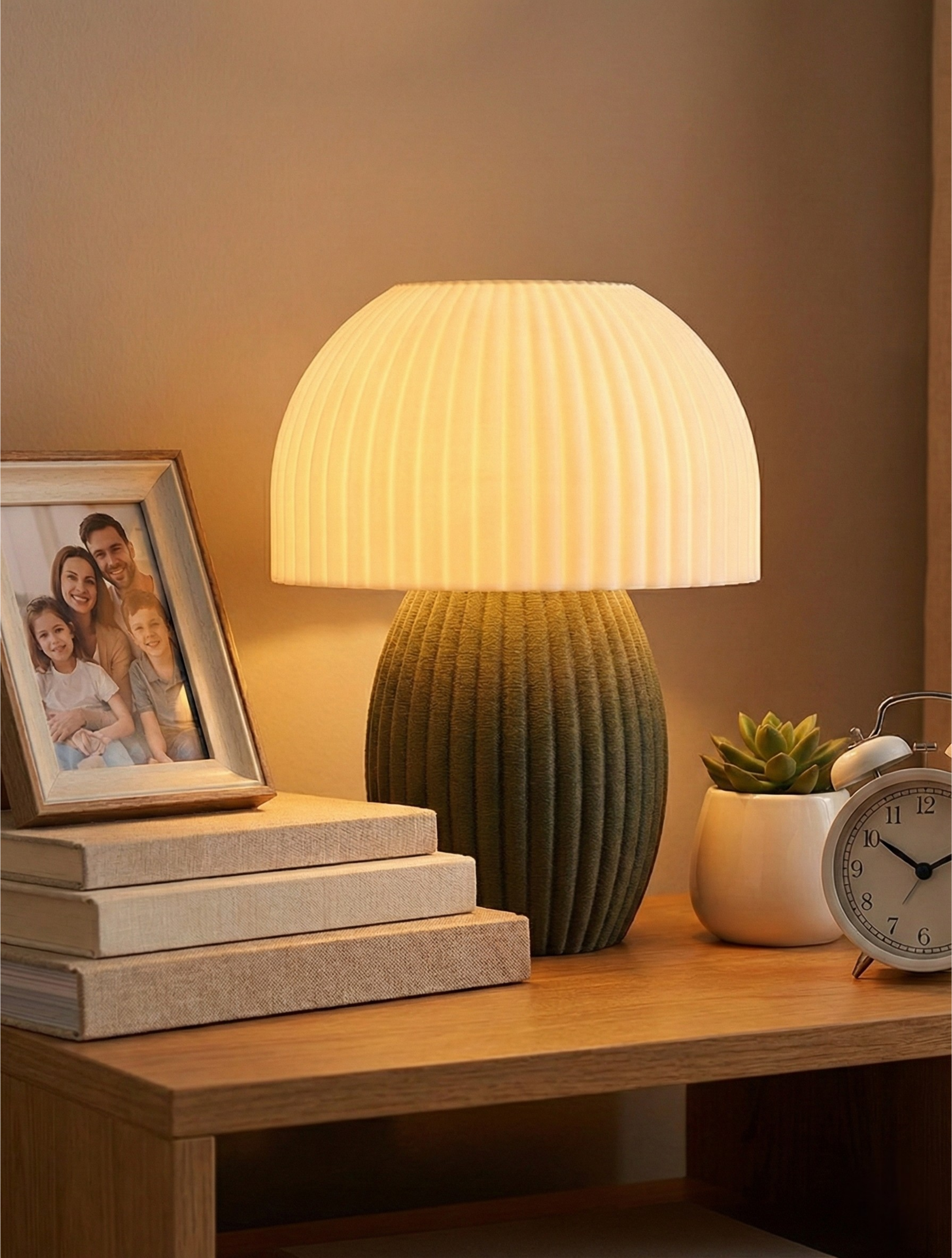
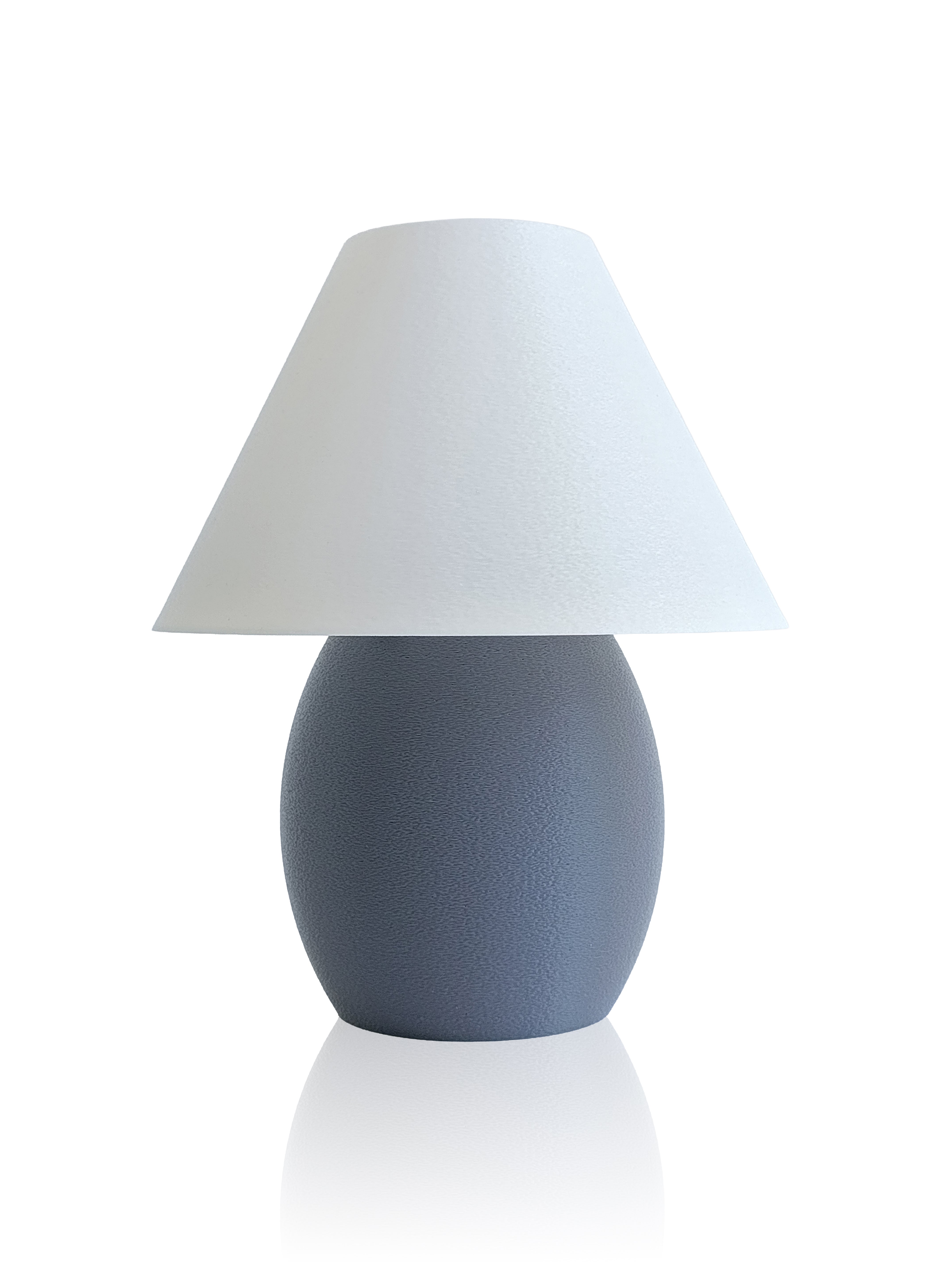
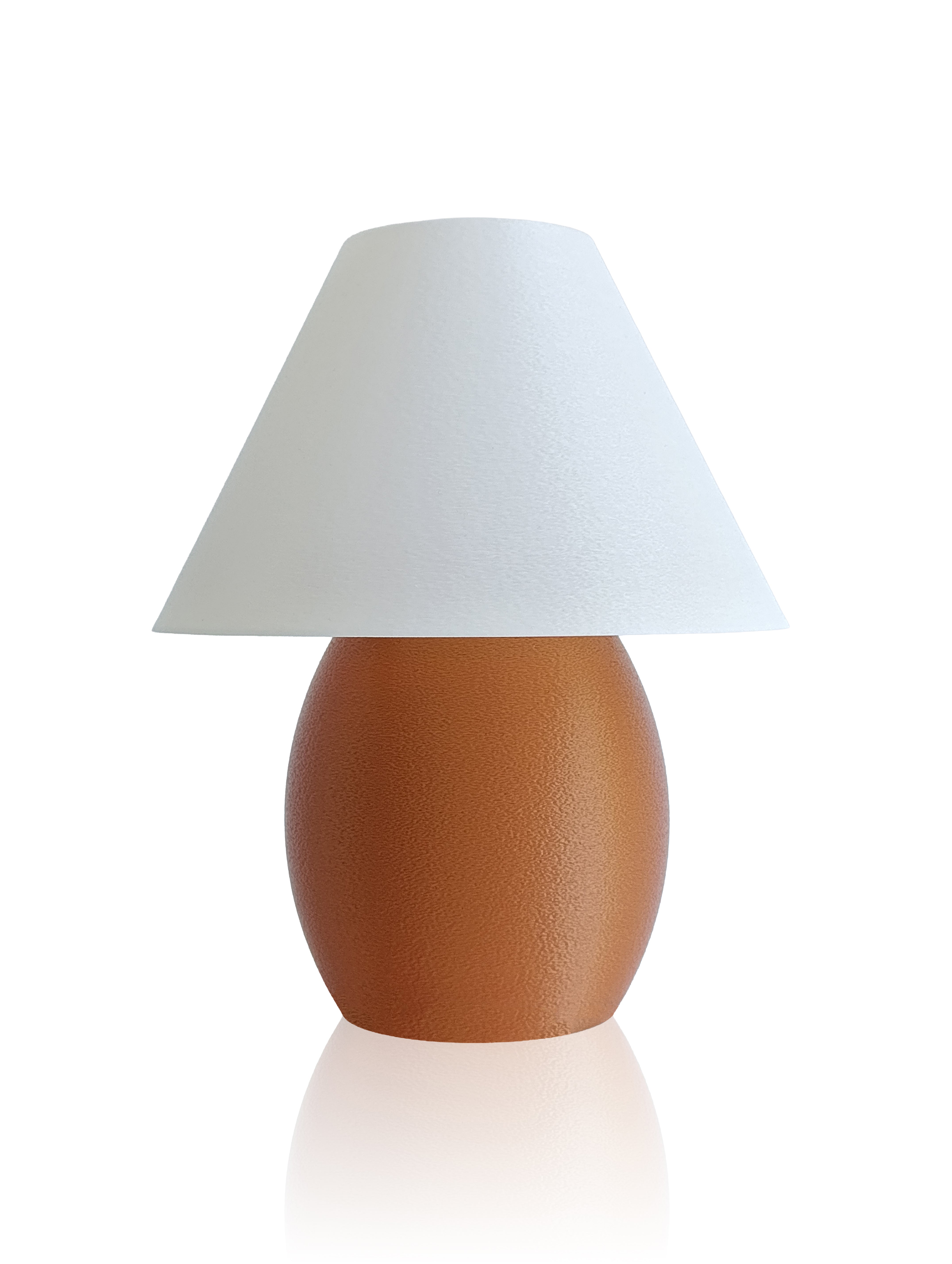
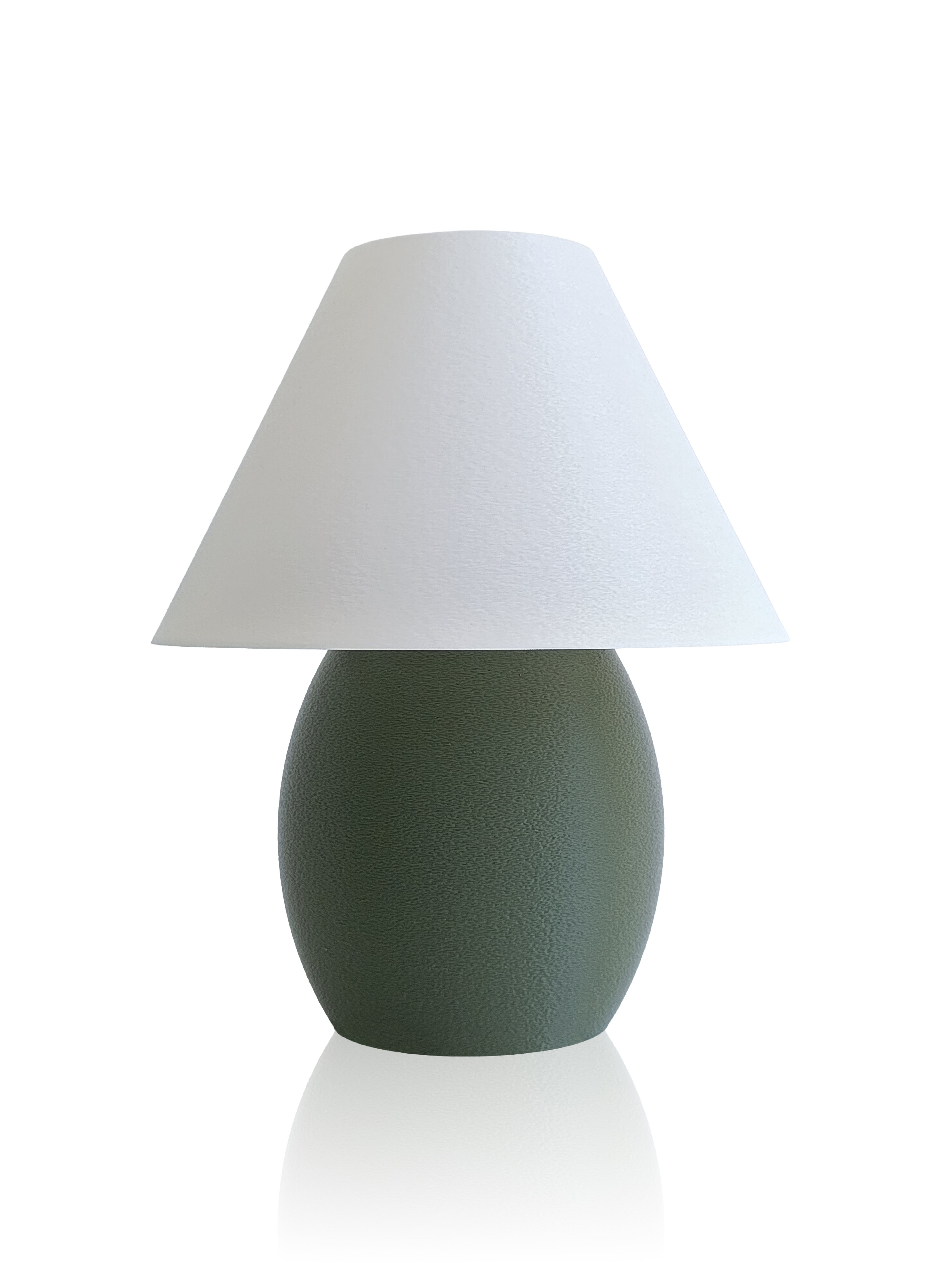
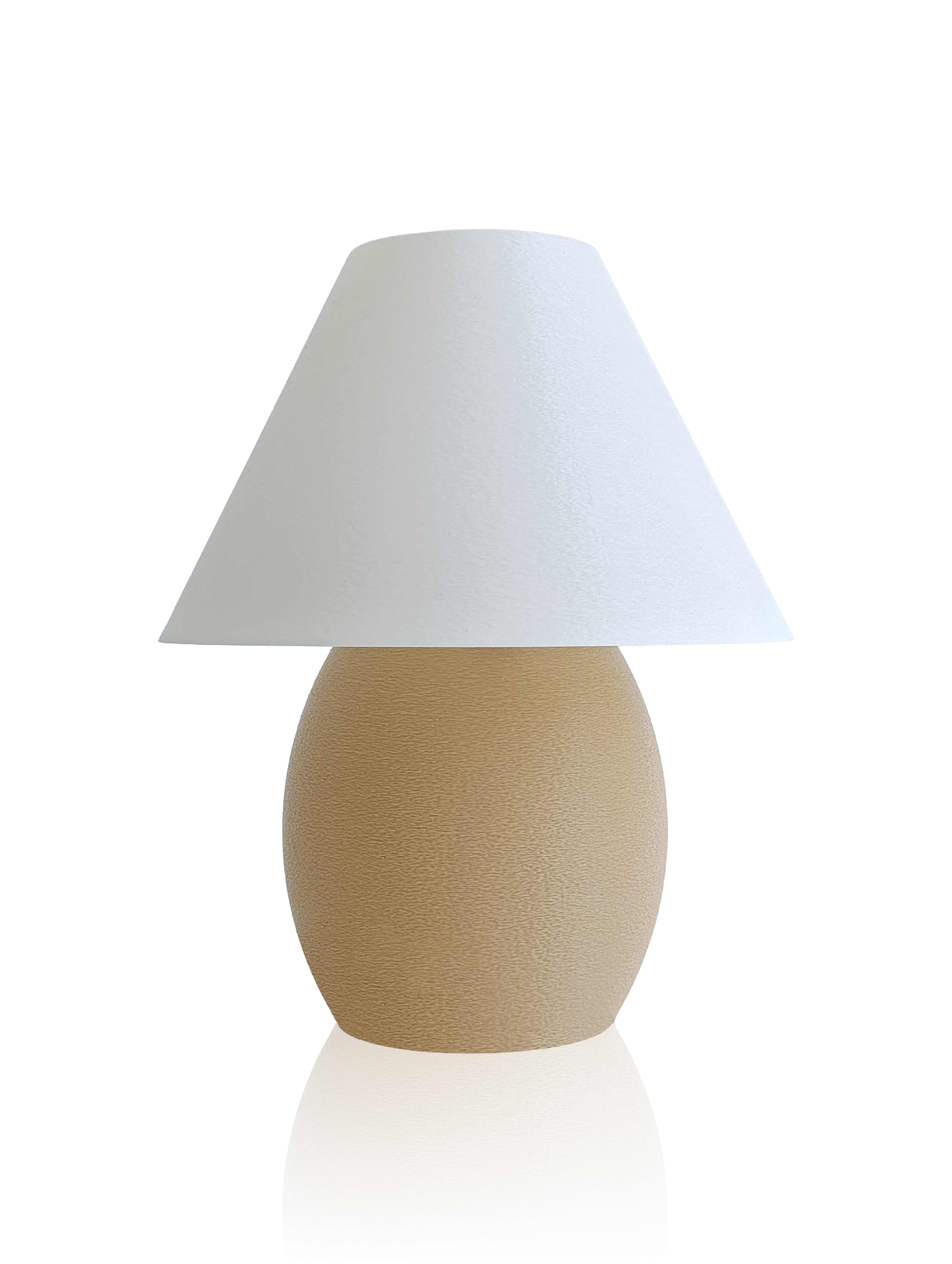
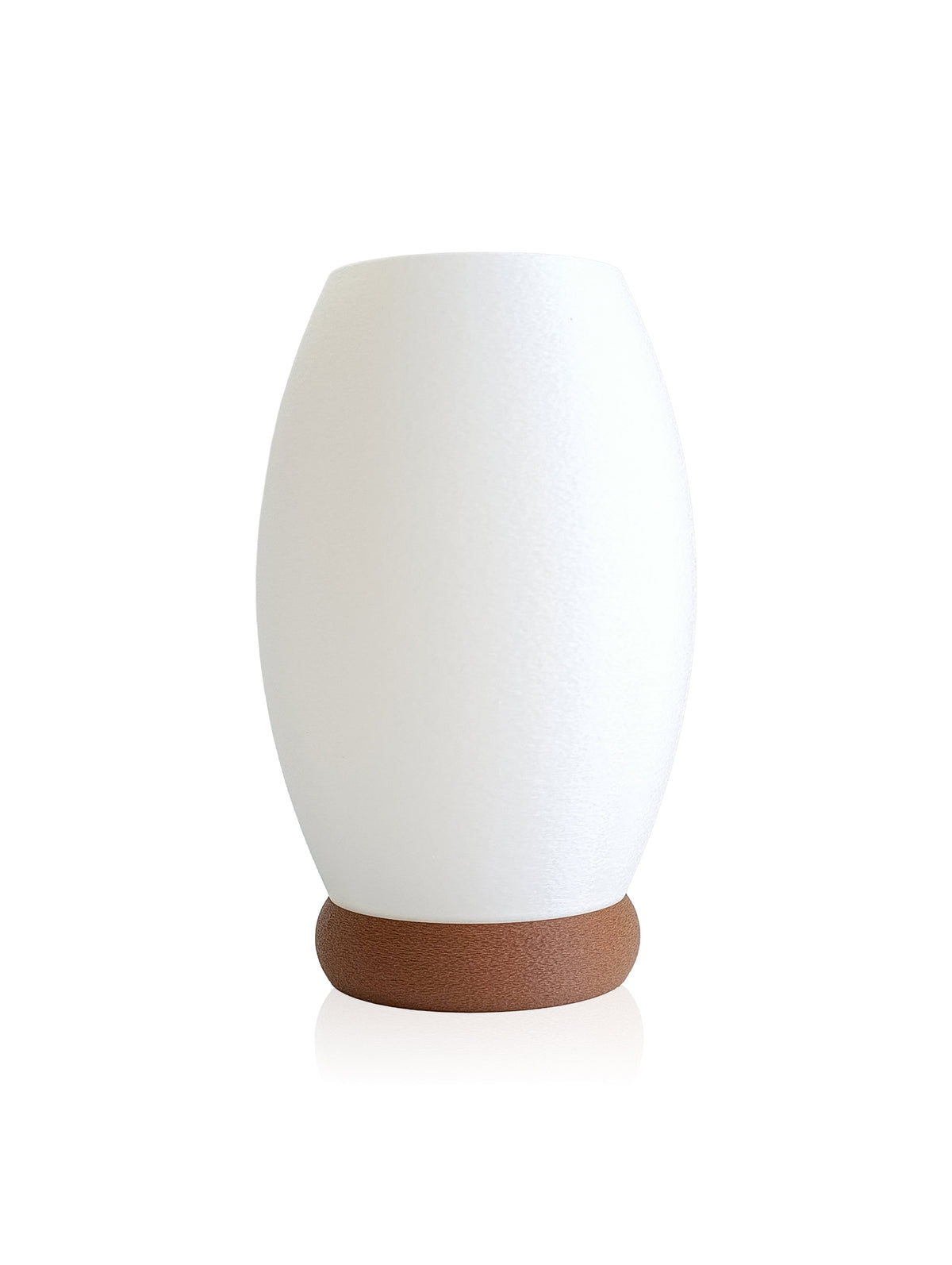
The Friloon Line exemplifies this balance—offering thoughtfully designed shades in various tones that control light distribution while contributing to your home's editorial aesthetic.
Understanding Color Temperature and Shade Material
Beyond the shade's color, the material and density of your lampshade also influence light distribution. Linen, cotton, and silk fabrics diffuse light differently than paper or synthetic blends. A thin, tightly woven cream linen will transmit more light than a thick, loosely woven cream linen.
The color of light itself—its warmth or coolness—can also feel brighter or dimmer depending on your shade choice. A white shade with warm (2700K) bulbs creates a golden, inviting glow, while the same shade with cool (4000K) bulbs feels brighter and more energetic. Dark shades can actually enhance the warmth of your light, making a space feel more intimate without additional dimming.
- Thin, light fabrics transmit more light than thick, dense fabrics
- Warm color temperature light feels softer through dark shades
- Natural fibers (linen, silk) diffuse light more evenly than synthetics
- Shade opacity affects both brightness and light quality
Practical Considerations for Your Space
Choosing between light and dark lampshades depends on your room's function and your personal priorities. Ask yourself: Do I need this light to help me see clearly, or is its primary job to set a mood? How much natural light does this room receive? What other light sources exist in the space?
For bedrooms and living rooms, dark or medium-toned shades create the relaxed environment most people want in these spaces. For kitchens, bathrooms, and work areas, lighter shades ensure adequate visibility. In dining rooms, a darker shade can work if you're pairing it with a dimmer switch or a higher wattage bulb, giving you flexibility based on the occasion.
The most emotionally intelligent approach is having variety in your home. A mix of light and dark shades across different rooms—and even multiple fixtures within one room—allows you to create nuance and respond to different moods and needs throughout your day.
Frequently Asked Questions
Do light lampshades make your space brighter?
Yes. Light-colored shades (white, cream, pale gray) transmit 70-90% of bulb light, while dark shades transmit only 30-50%. Using a light shade with the same bulb will noticeably brighten your room.
Can you use a dark lampshade if you want a bright room?
Yes, but you'll need to compensate by using a higher wattage bulb or adding additional light sources. A 100W equivalent bulb under a dark shade might equal a 60W bulb under a light shade in terms of perceived brightness.
What's the best lampshade color for a bedroom?
Dark or medium-toned shades are ideal for bedrooms because they promote relaxation and reduce light pollution. Pair them with warm color temperature bulbs (2700K) for maximum coziness.
The relationship between your lampshade and light distribution is one of those invisible design decisions that shapes how your home feels. Light shades brighten and energize; dark shades soothe and define. The best choice depends on what your space needs—and what your home, ultimately, is meant to be.








Share:
Mirrors and Light Relationship: Design Secrets That Multiply Lighting
Light and Motivation: How Lighting Affects Work Performance