

Dynamic Lighting: Changing Light Throughout the Day

The light in your home is rarely static—nor should it be. Dynamic lighting, the practice of changing light color temperature and intensity throughout the day, aligns your living space with your body's natural circadian rhythm and supports your overall wellbeing. Rather than maintaining the same harsh white light from dawn to dusk, dynamic lighting mimics the sun's journey: cool, energizing light in the morning; bright, neutral light during work hours; and warm, soft light in the evening. This approach is grounded in science and has been shown to improve focus, mood, sleep quality, and even metabolic health.
Understanding Your Circadian Rhythm and Light
Your circadian rhythm is a 24-hour biological cycle that regulates sleep, hormone production, body temperature, and alertness. Light is the most powerful signal that sets this internal clock. When your eyes detect bright, cool light in the morning, your brain suppresses melatonin (the sleep hormone) and increases cortisol, naturally waking you. Conversely, dim, warm light in the evening signals your body to prepare for rest.
The challenge of modern life is that we're often bathed in the wrong light at the wrong time. Many of us wake to artificial overhead lighting and work under fluorescent bulbs before spending evenings scrolling by blue light from screens. This mismatch confuses our circadian system, leading to disrupted sleep, fatigue, and difficulty concentrating. Dynamic lighting restores alignment between your environment and your biology.
- Morning (5000K–6500K): Cool, bright light boosts alertness and regulates cortisol
- Midday (4000K–5000K): Neutral white light supports focus and productivity
- Evening (2700K–3000K): Warm, dim light promotes relaxation and melatonin production
How Color Temperature Shapes Your Mood and Energy
Color temperature is measured in Kelvin (K) and describes whether light appears warm or cool. Lower numbers (2700K) produce soft, amber light; higher numbers (6500K and above) create crisp, blue-tinted light. Your body responds physiologically to these differences because of a special type of eye cell called intrinsically photosensitive retinal ganglion cells (ipRGCs), which are particularly sensitive to blue wavelengths.
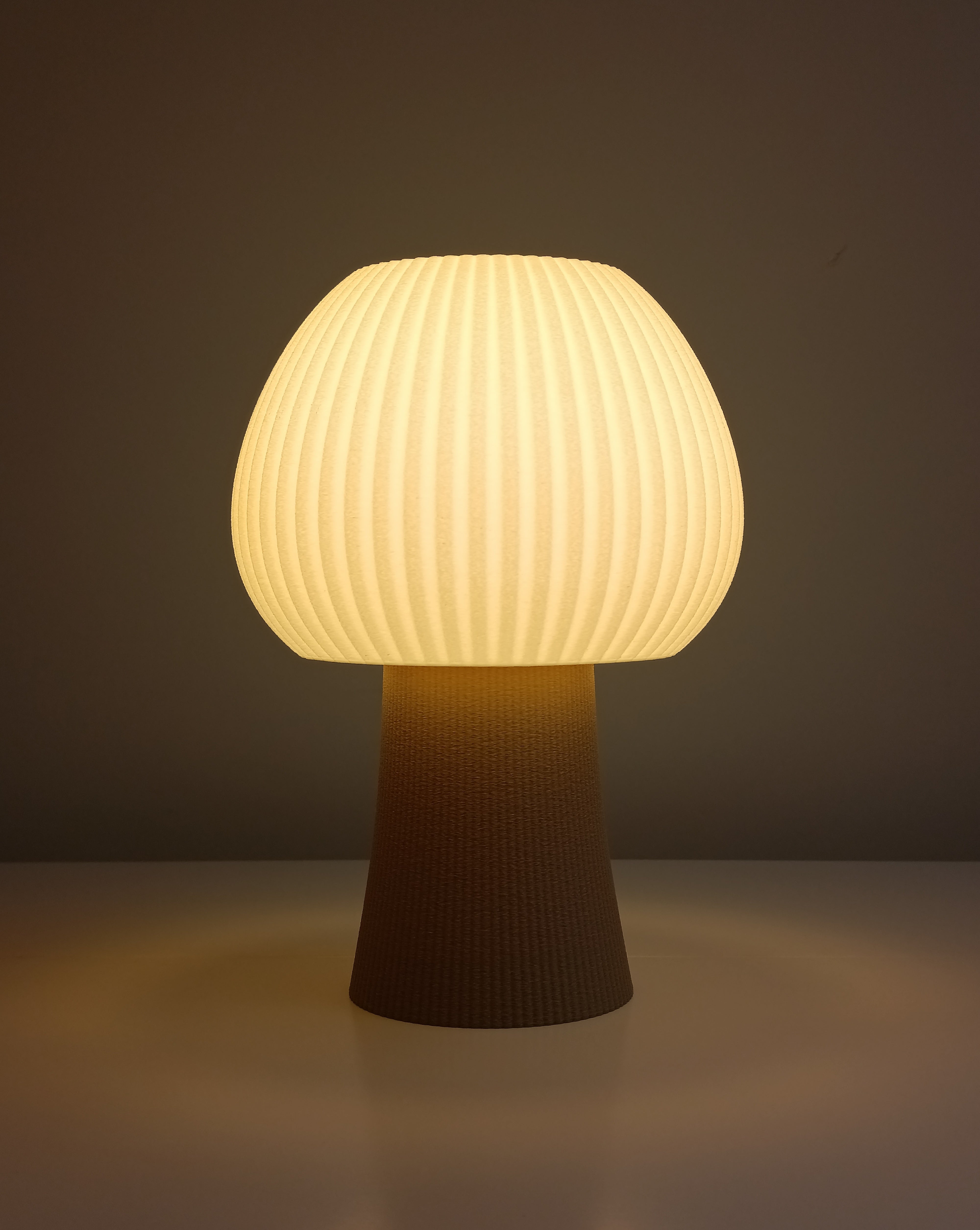
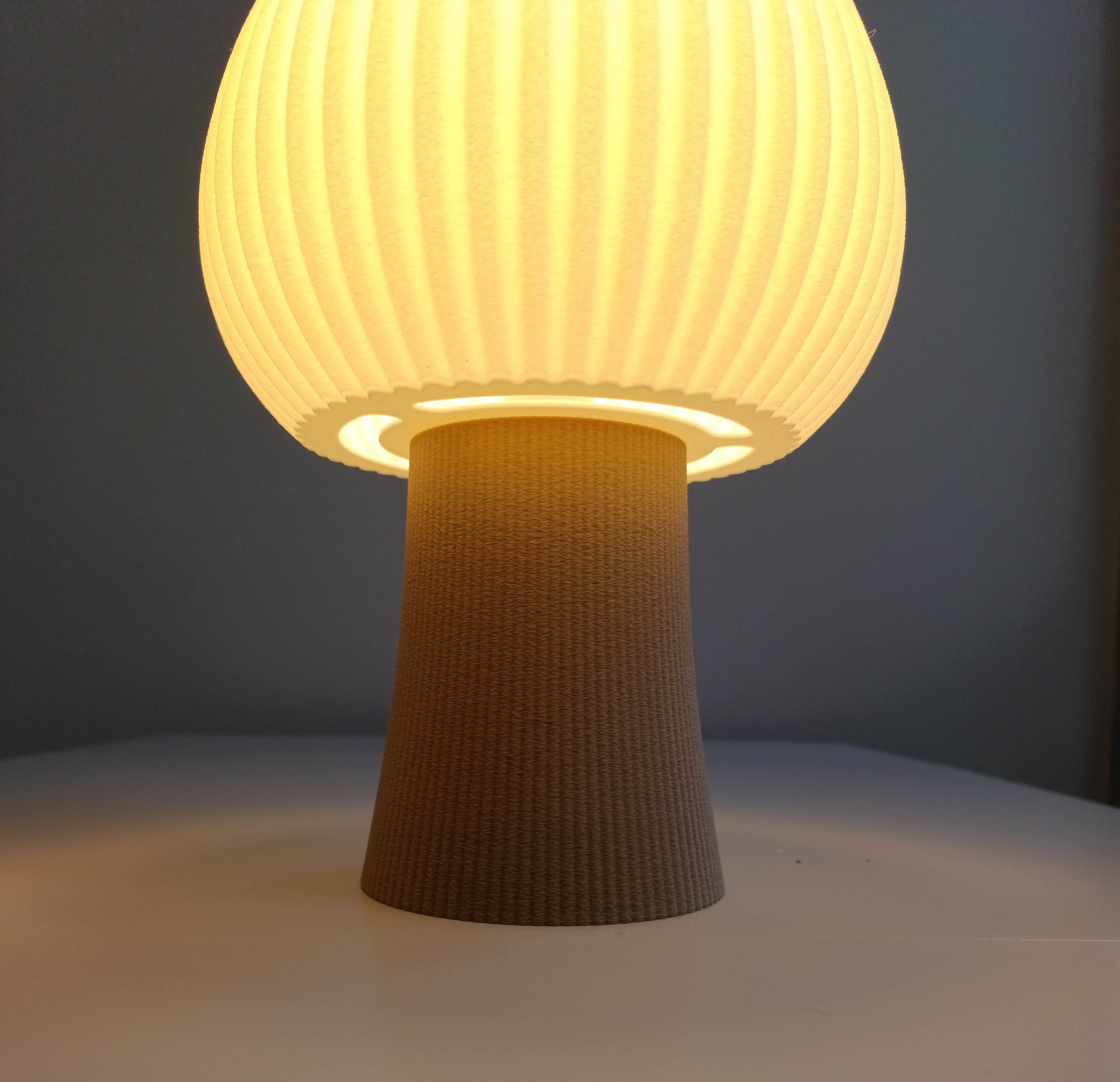
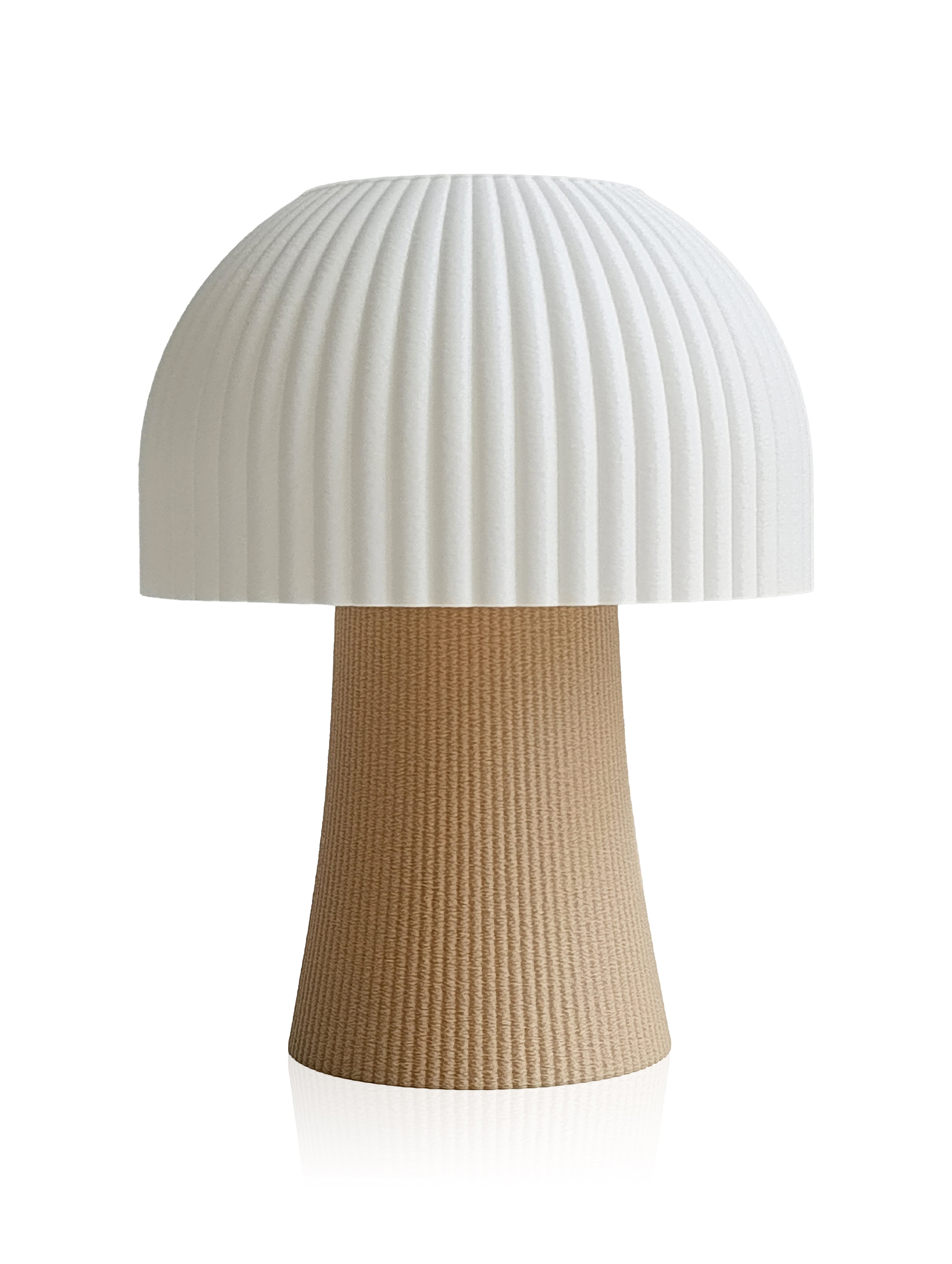
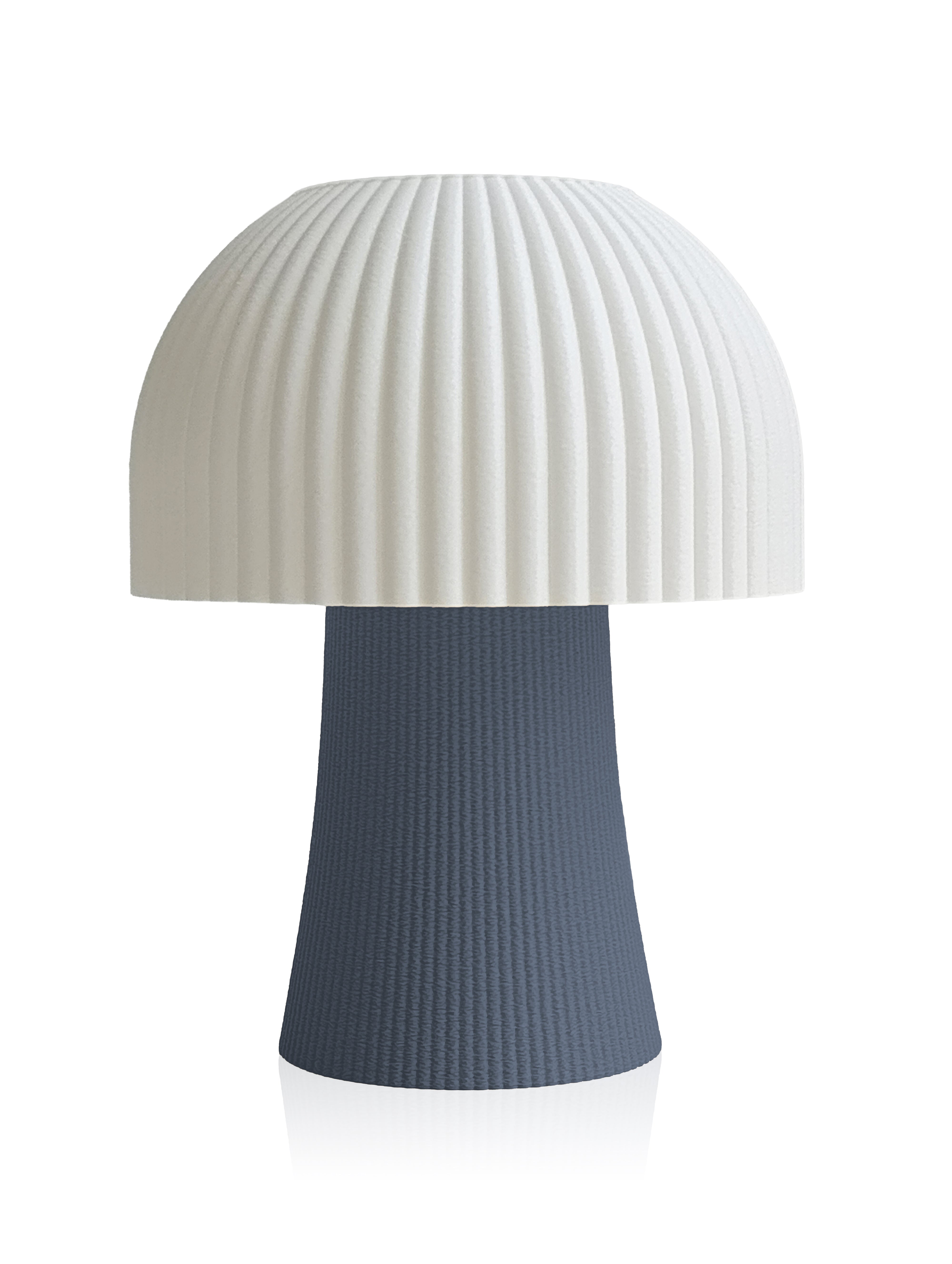
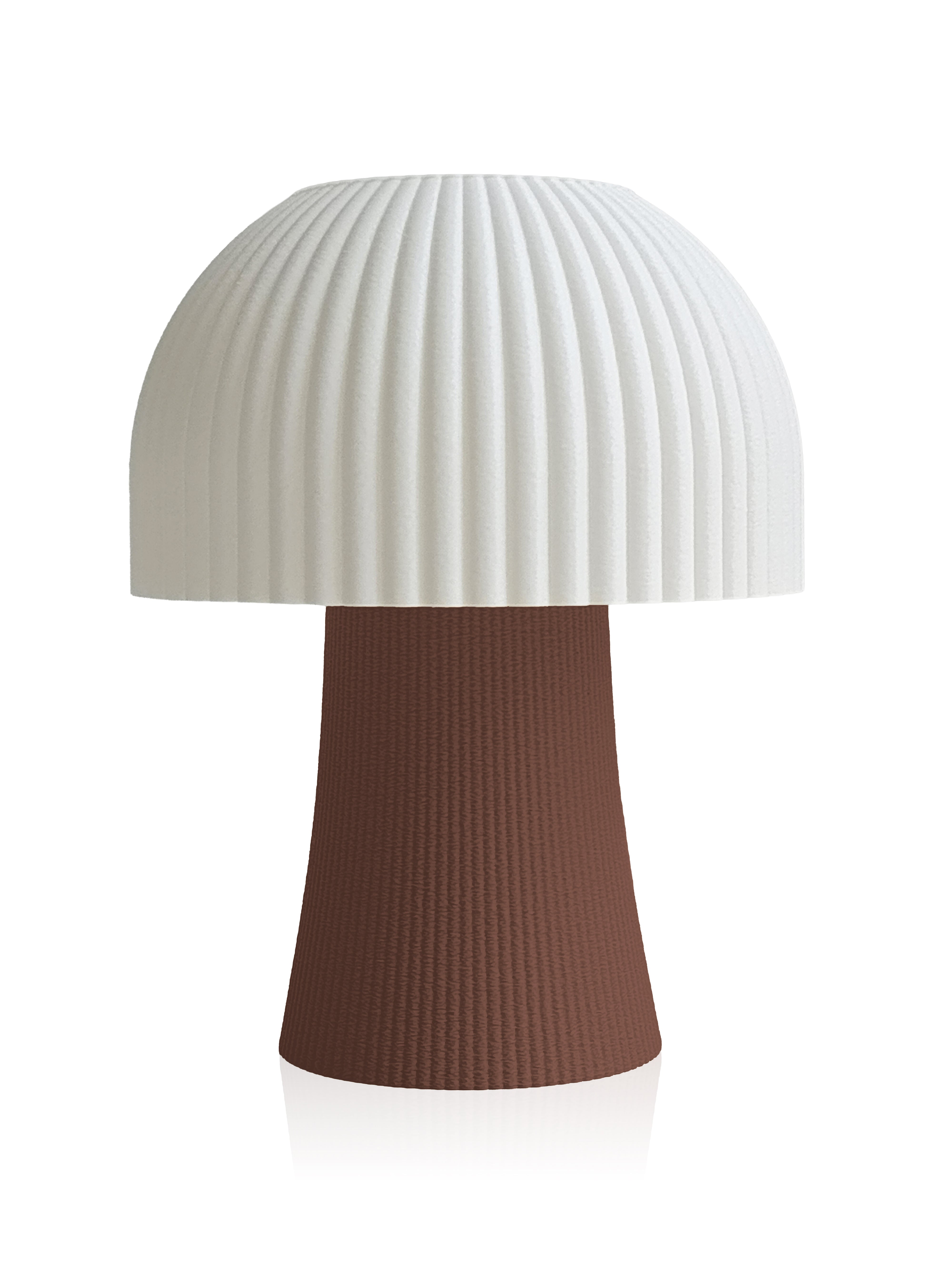
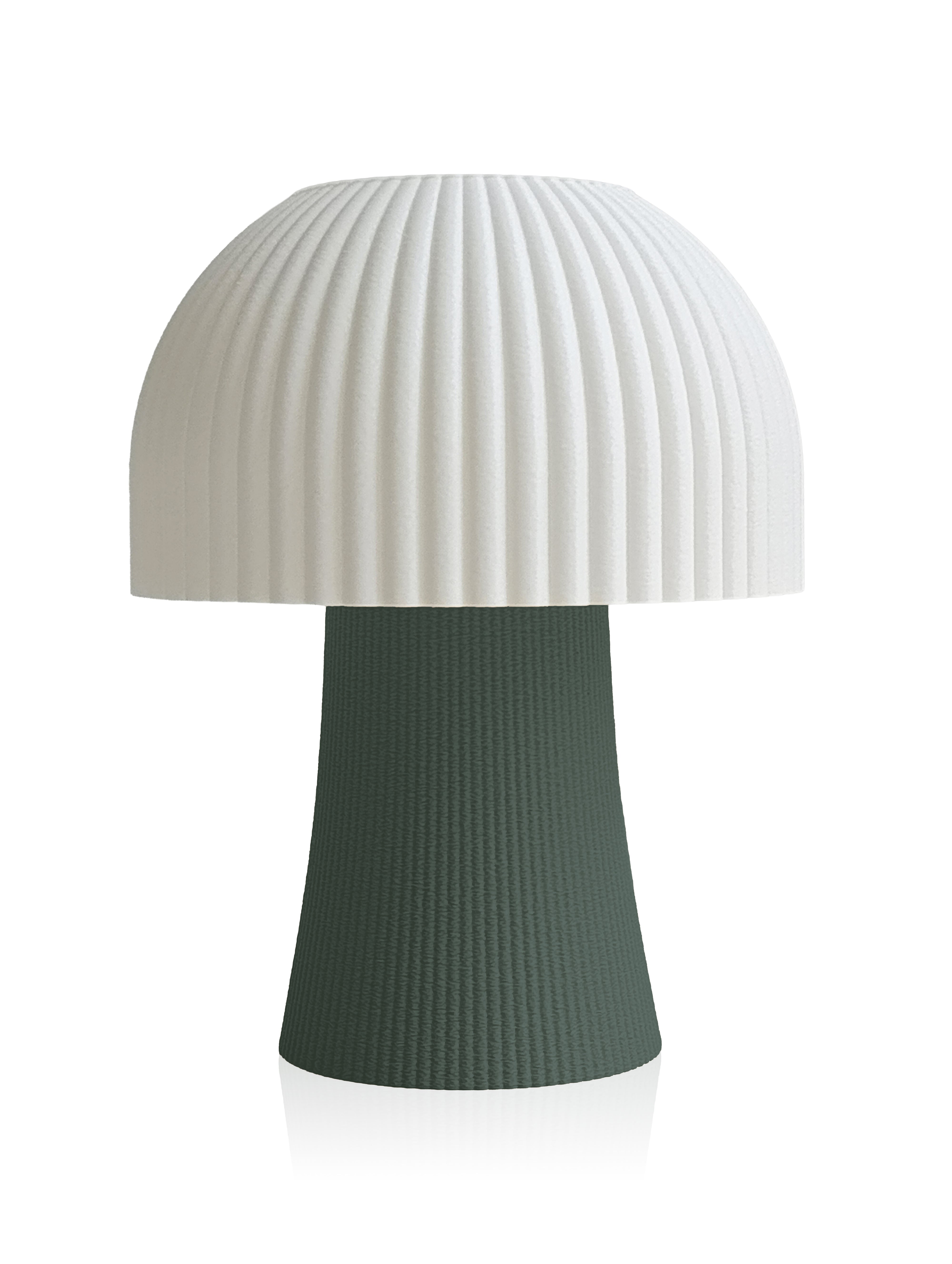
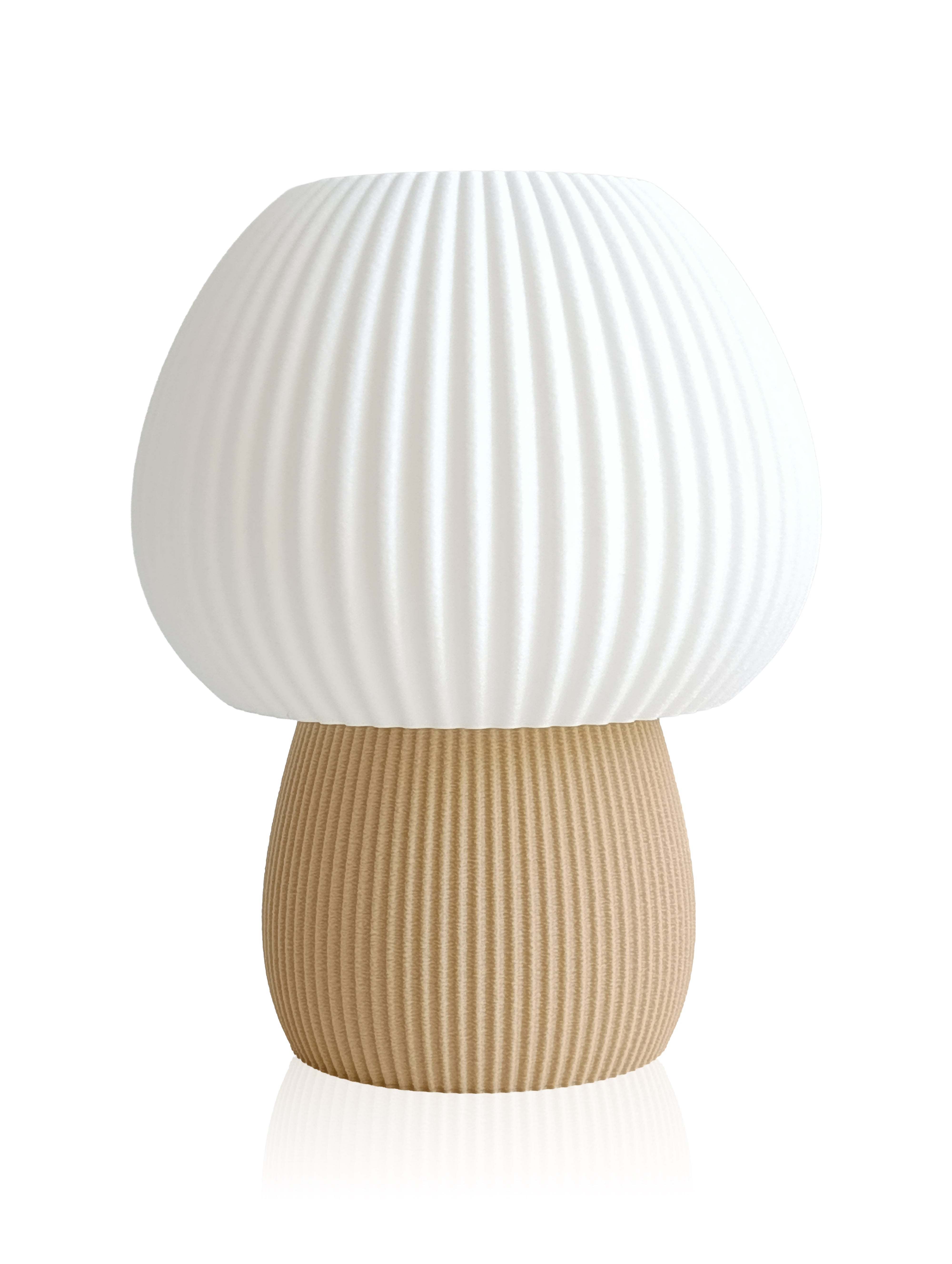
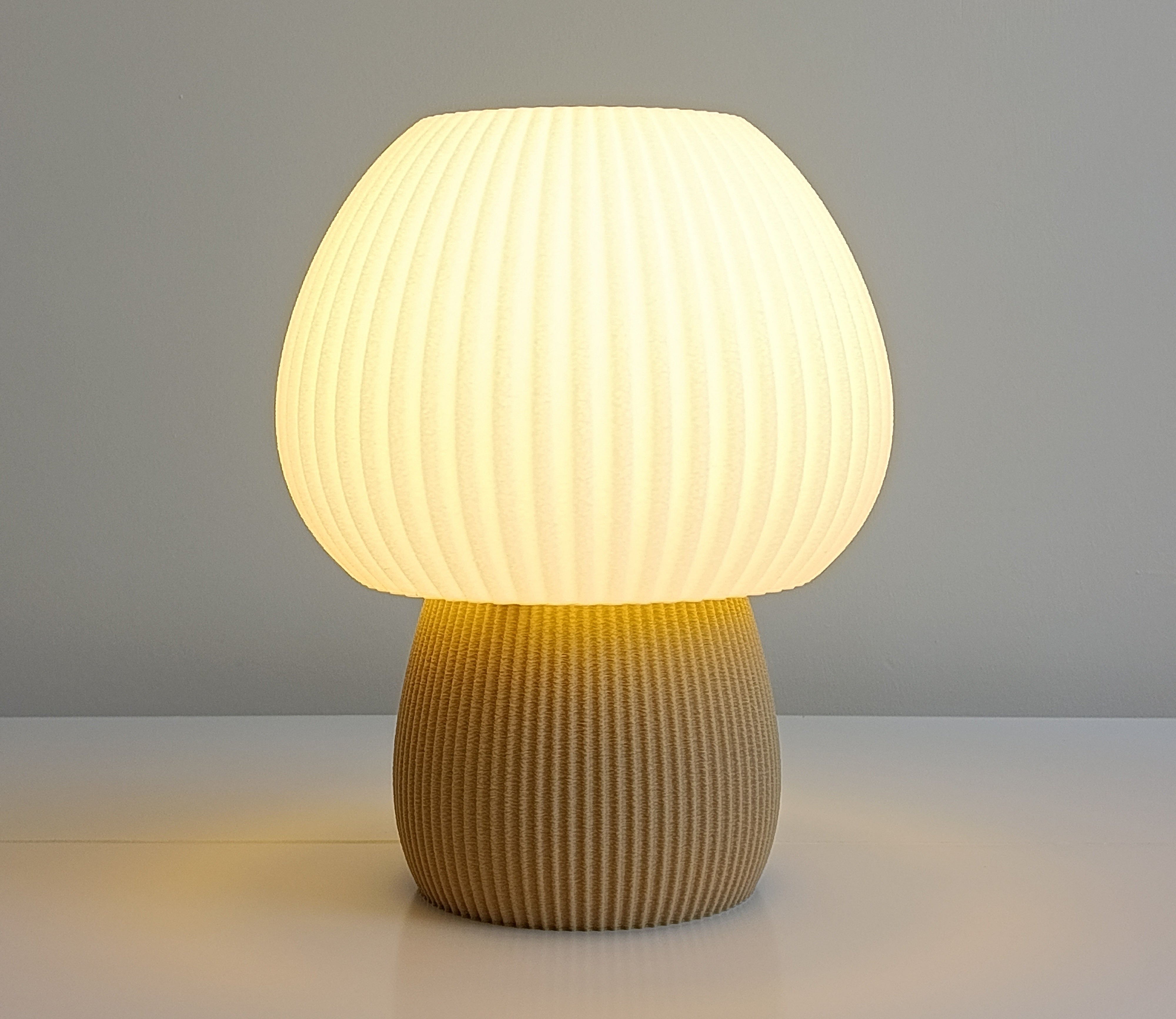
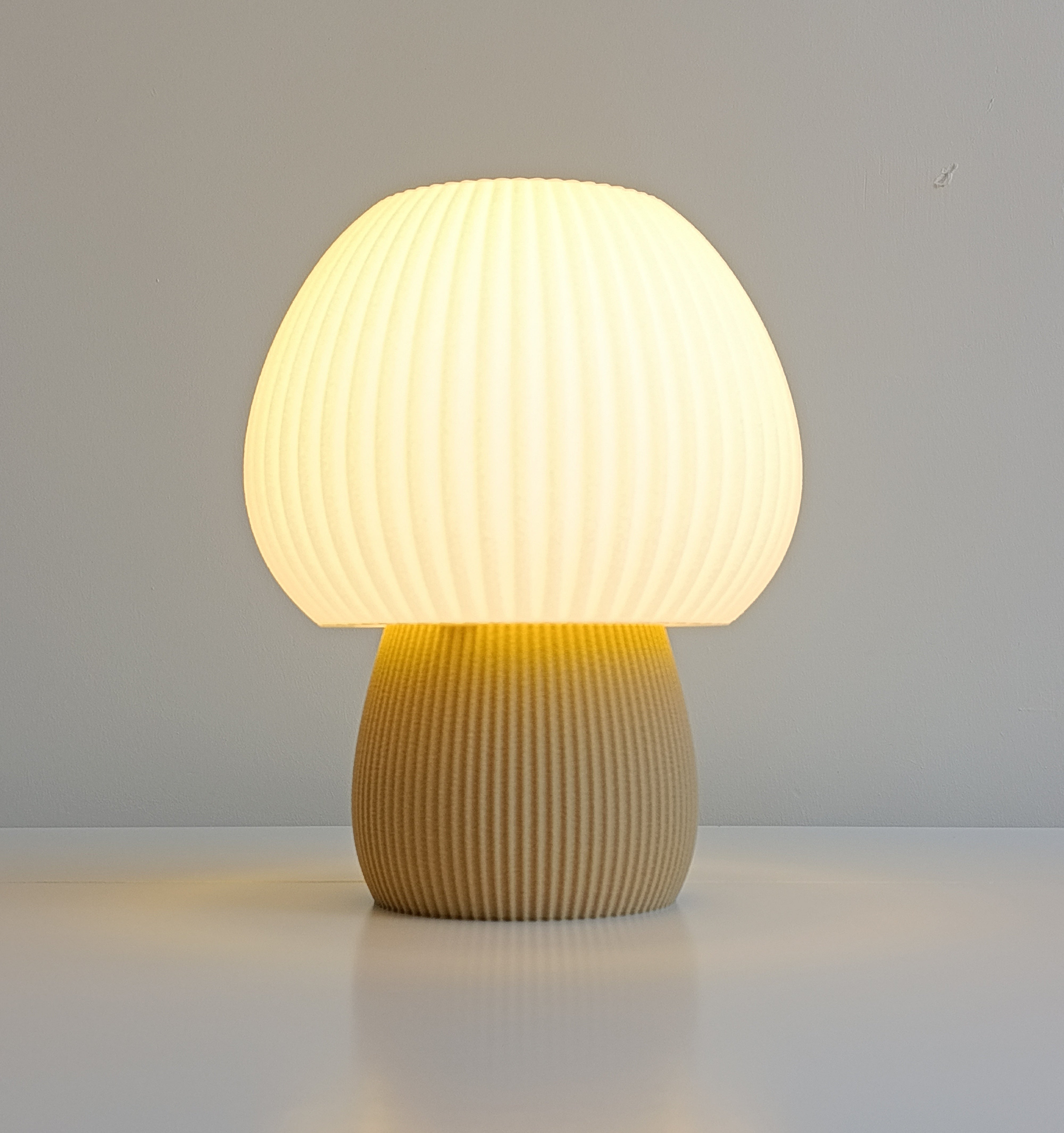
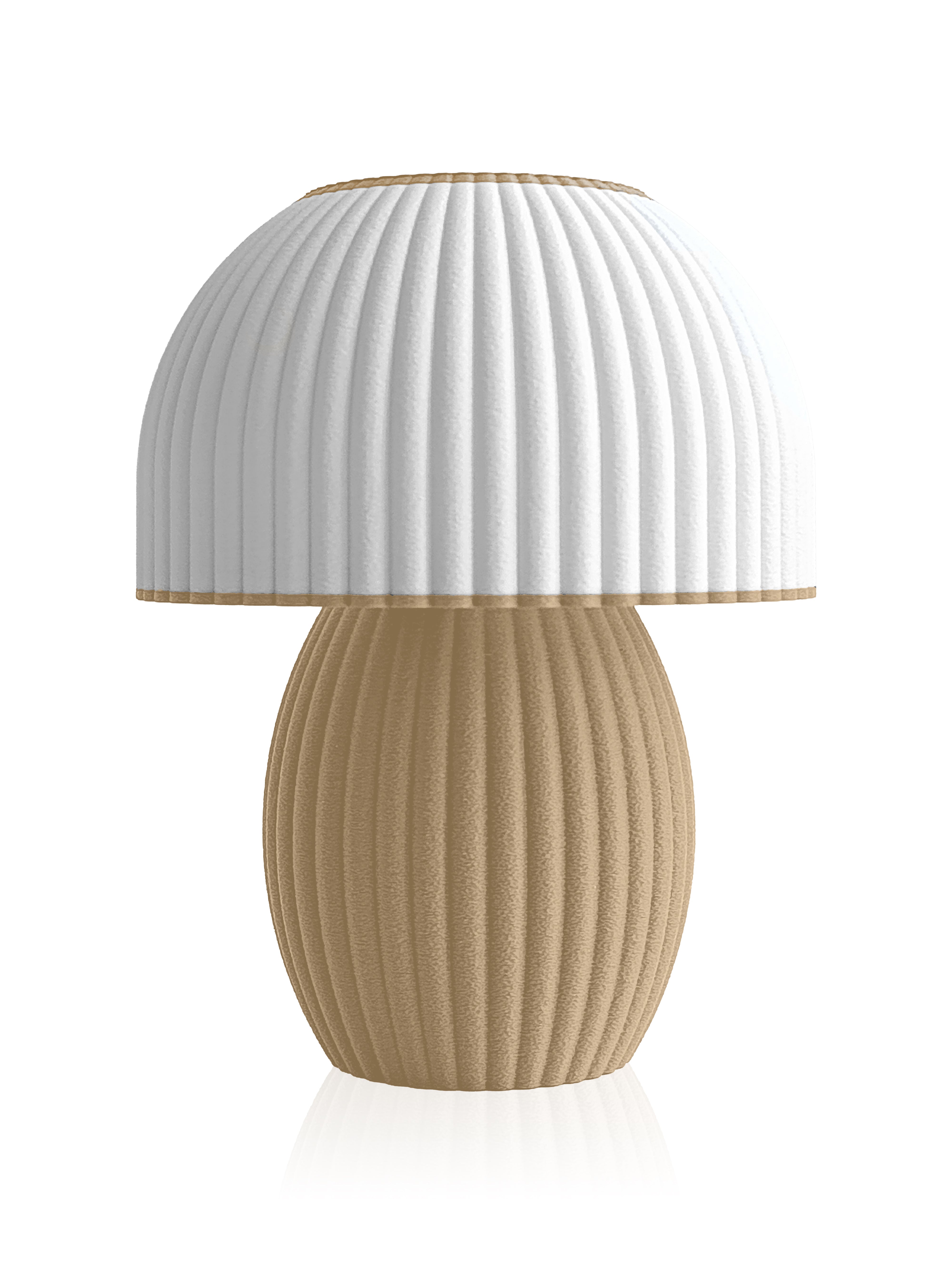
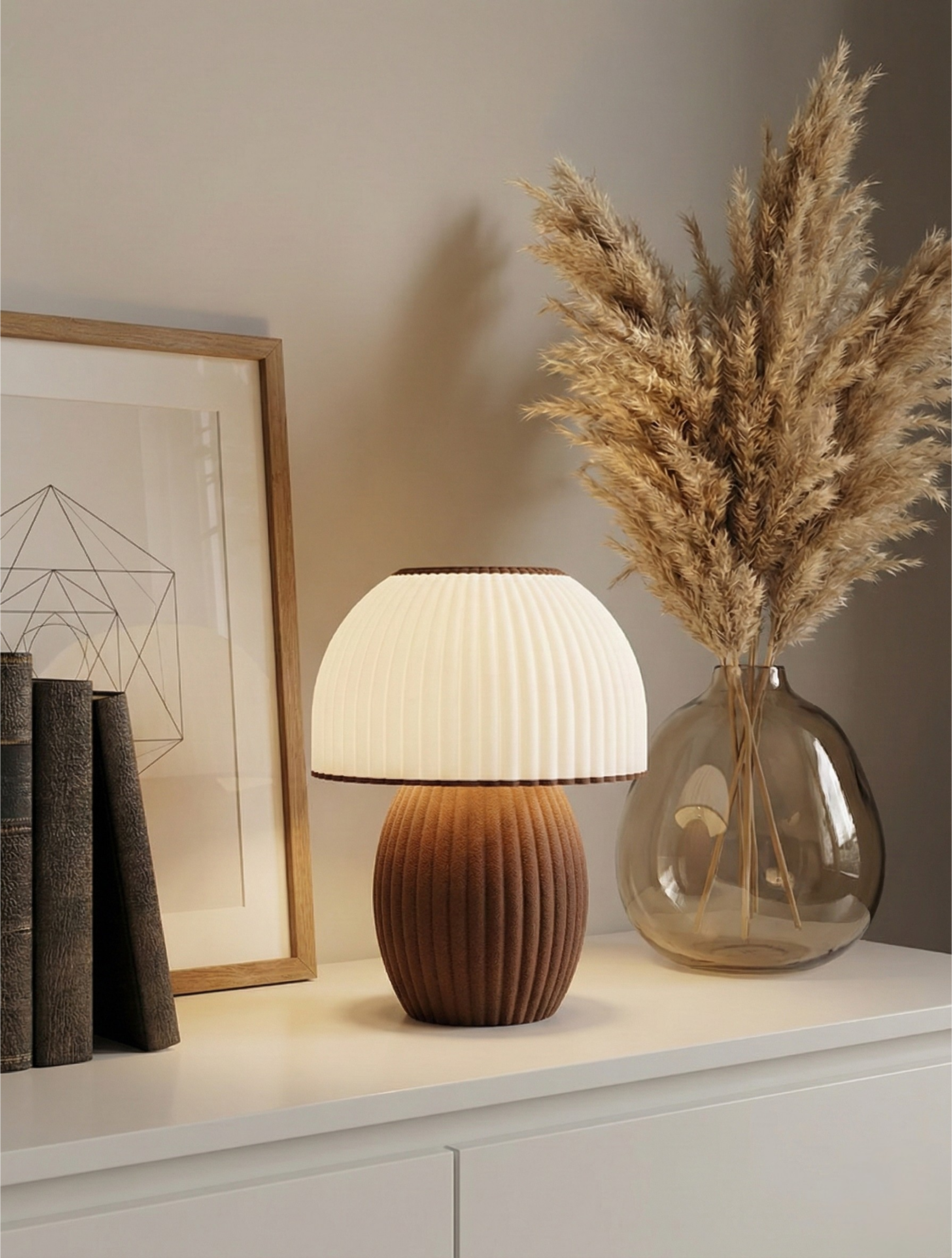
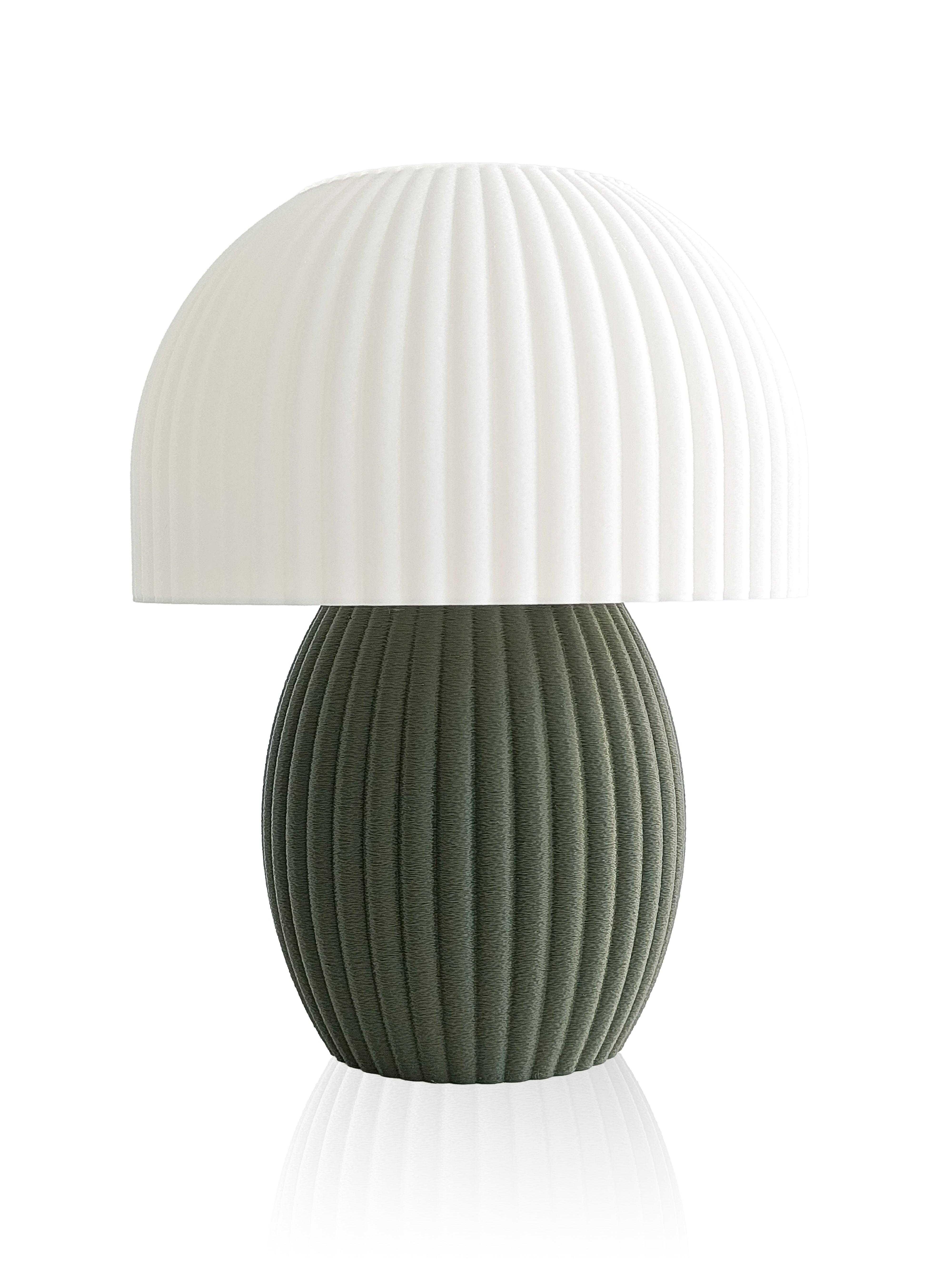
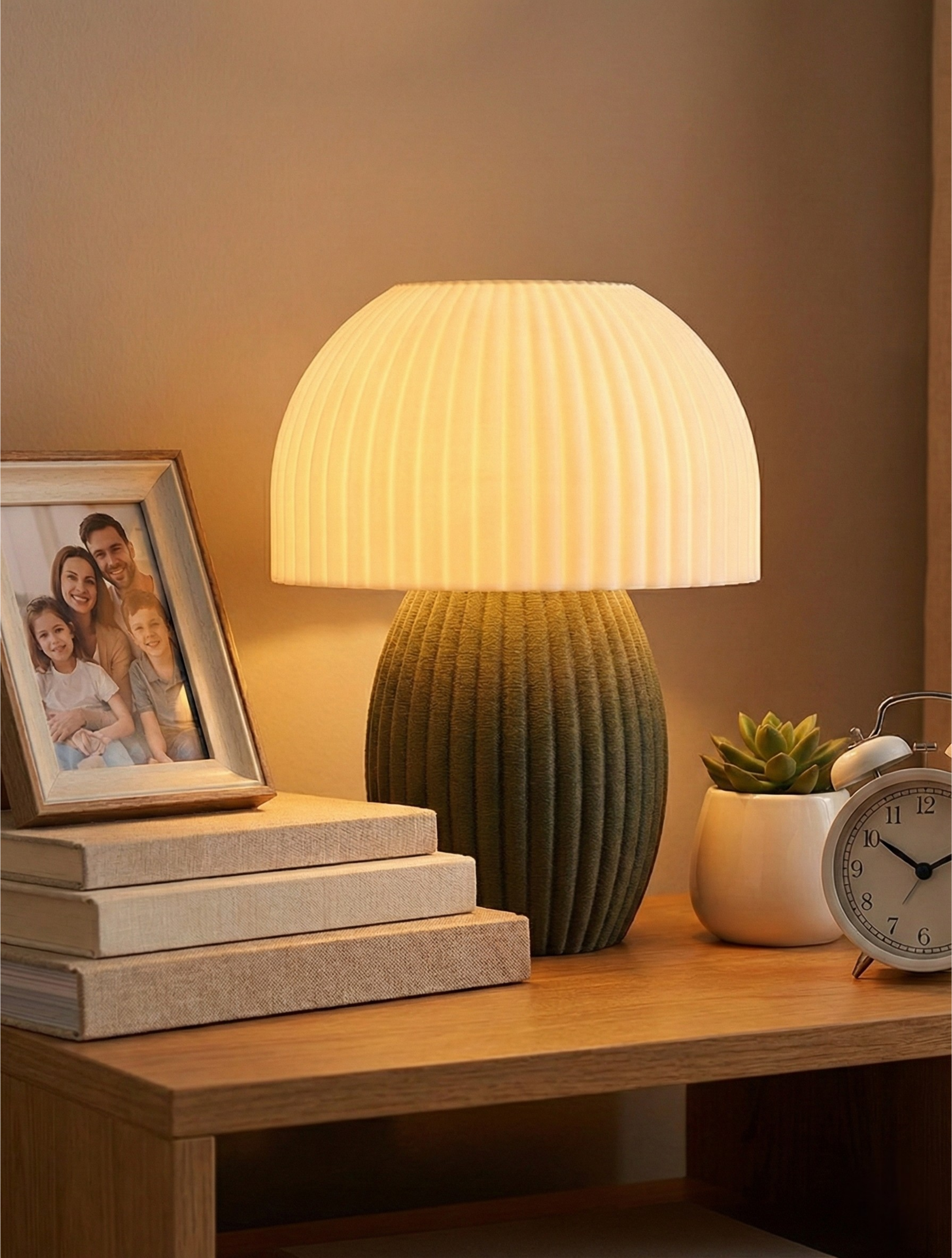
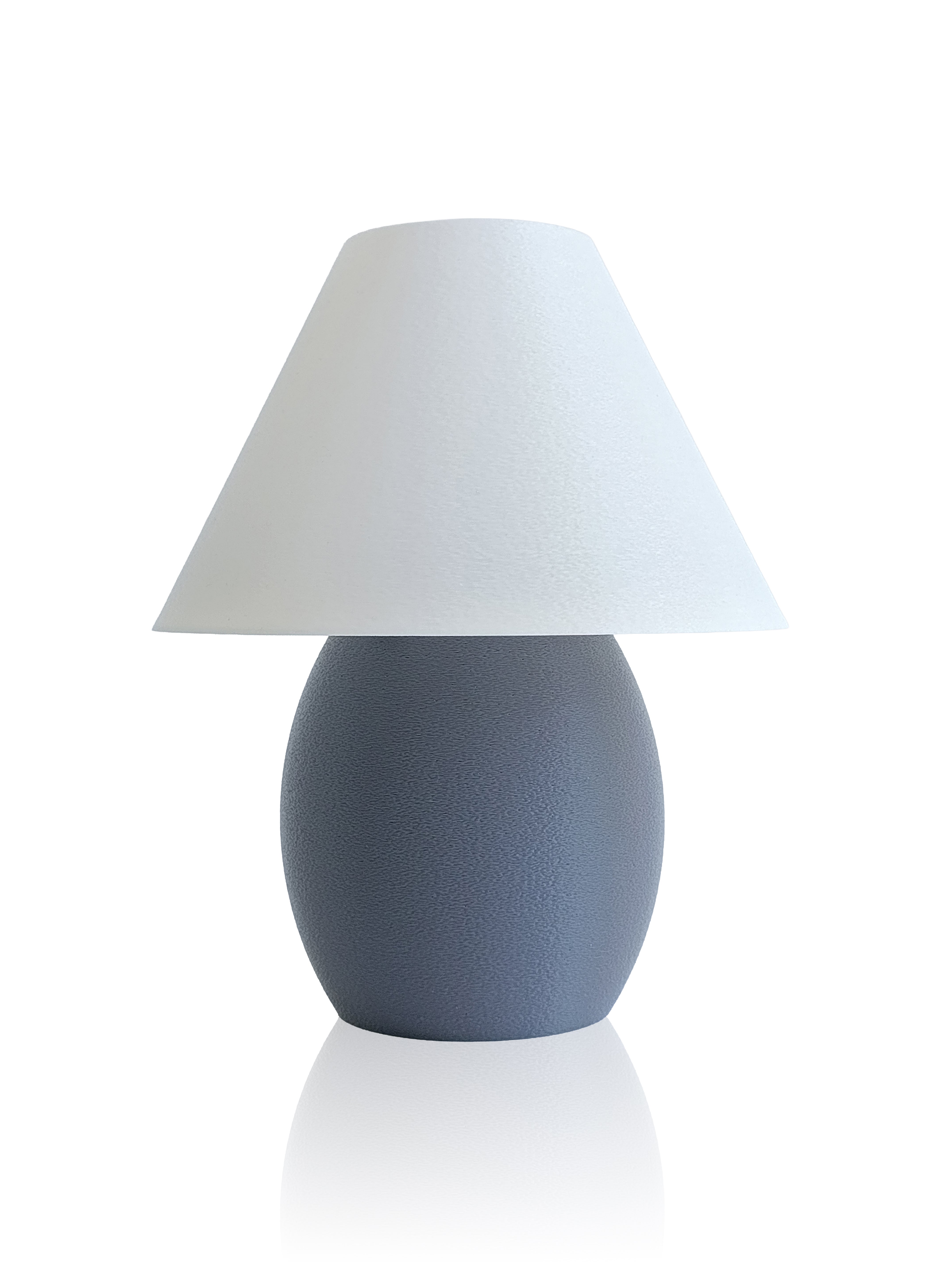
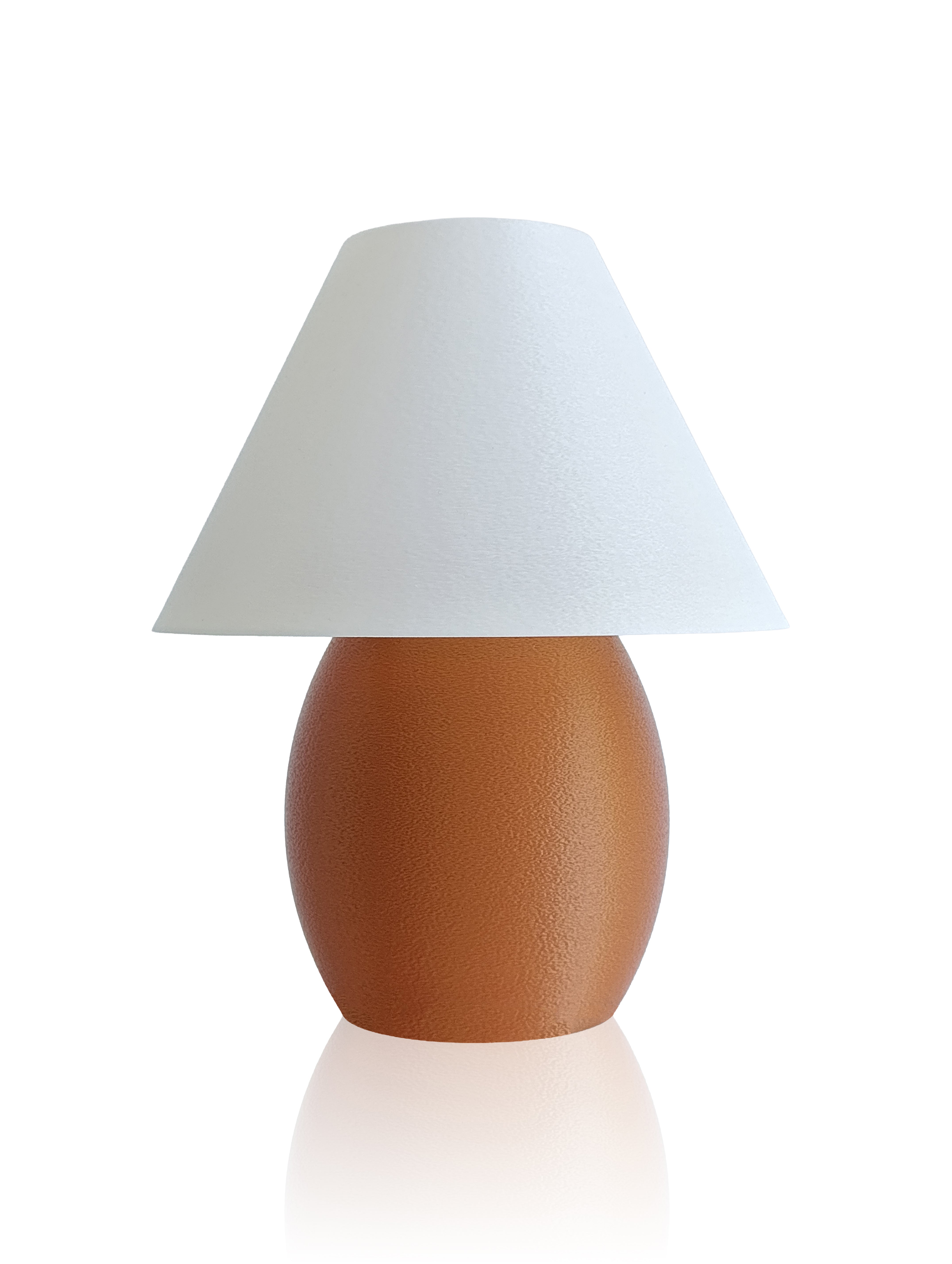
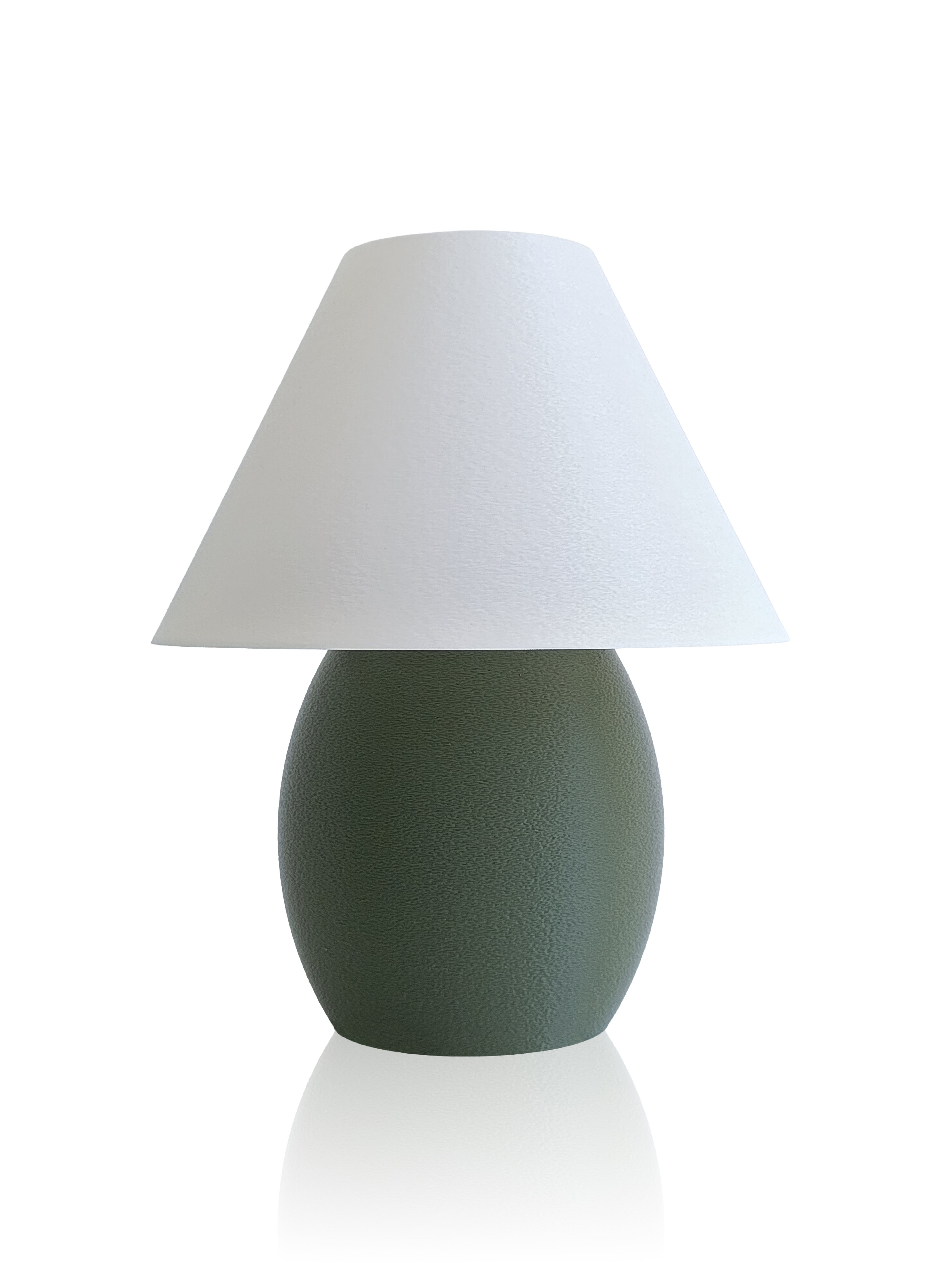
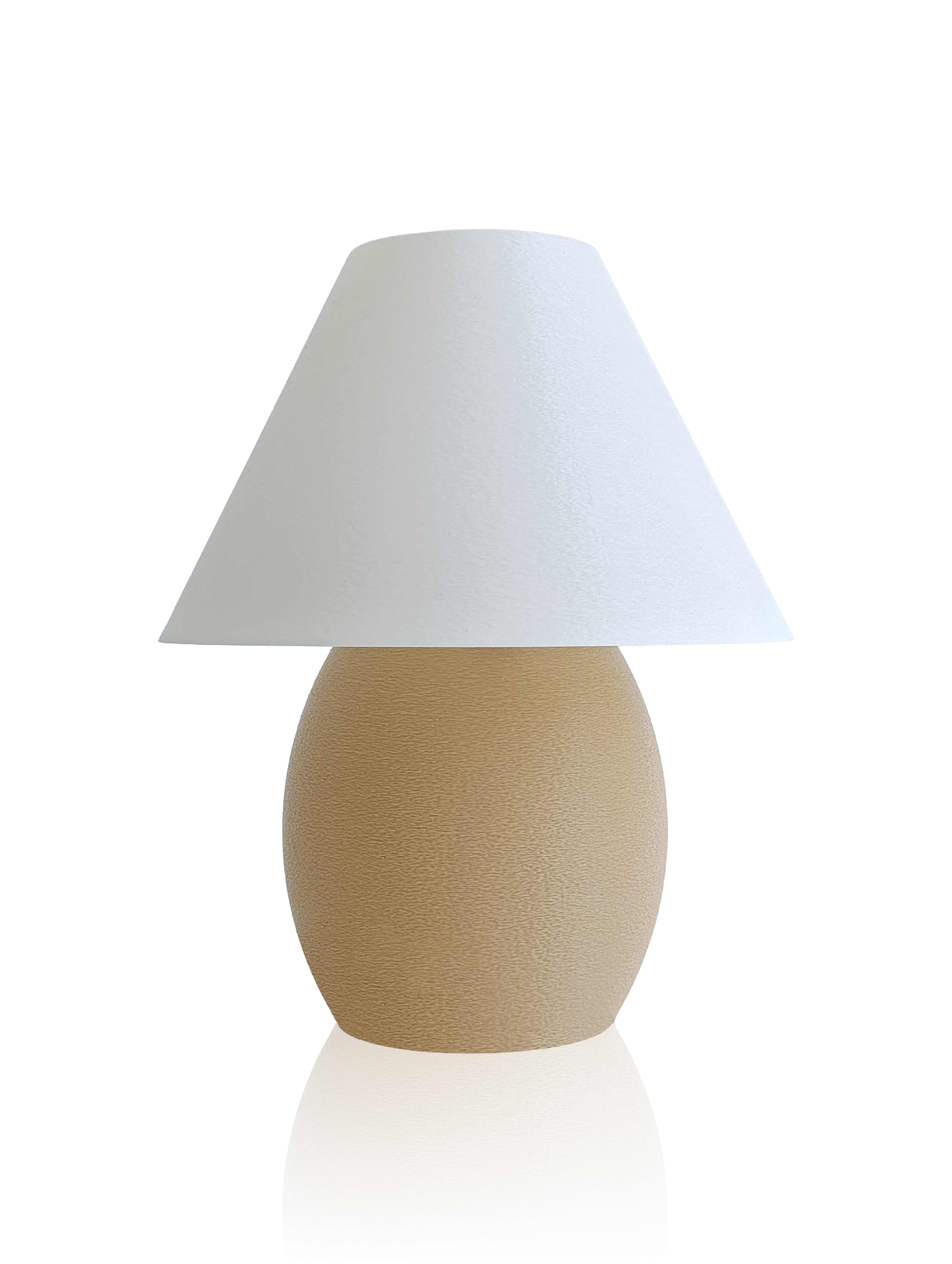
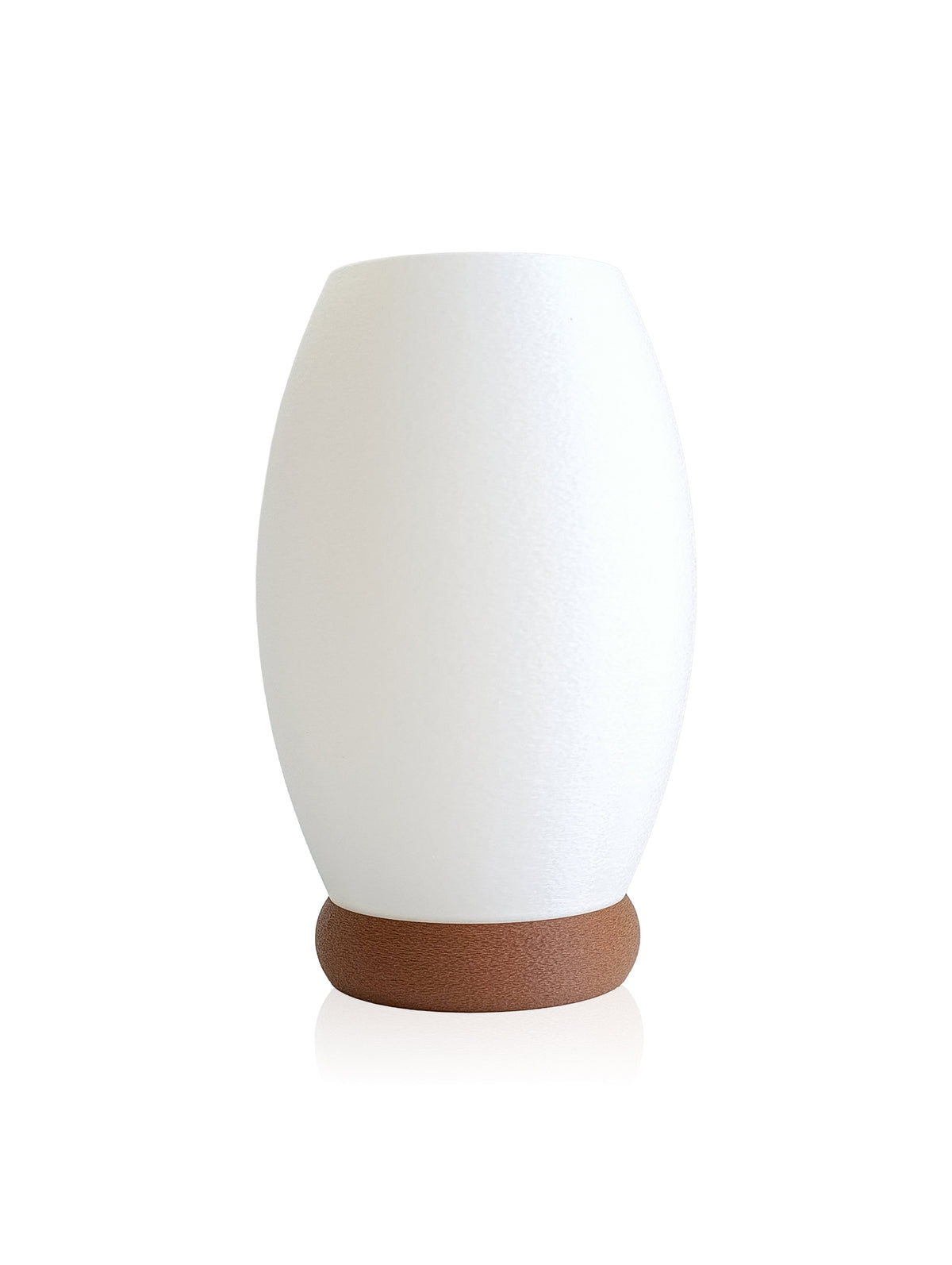
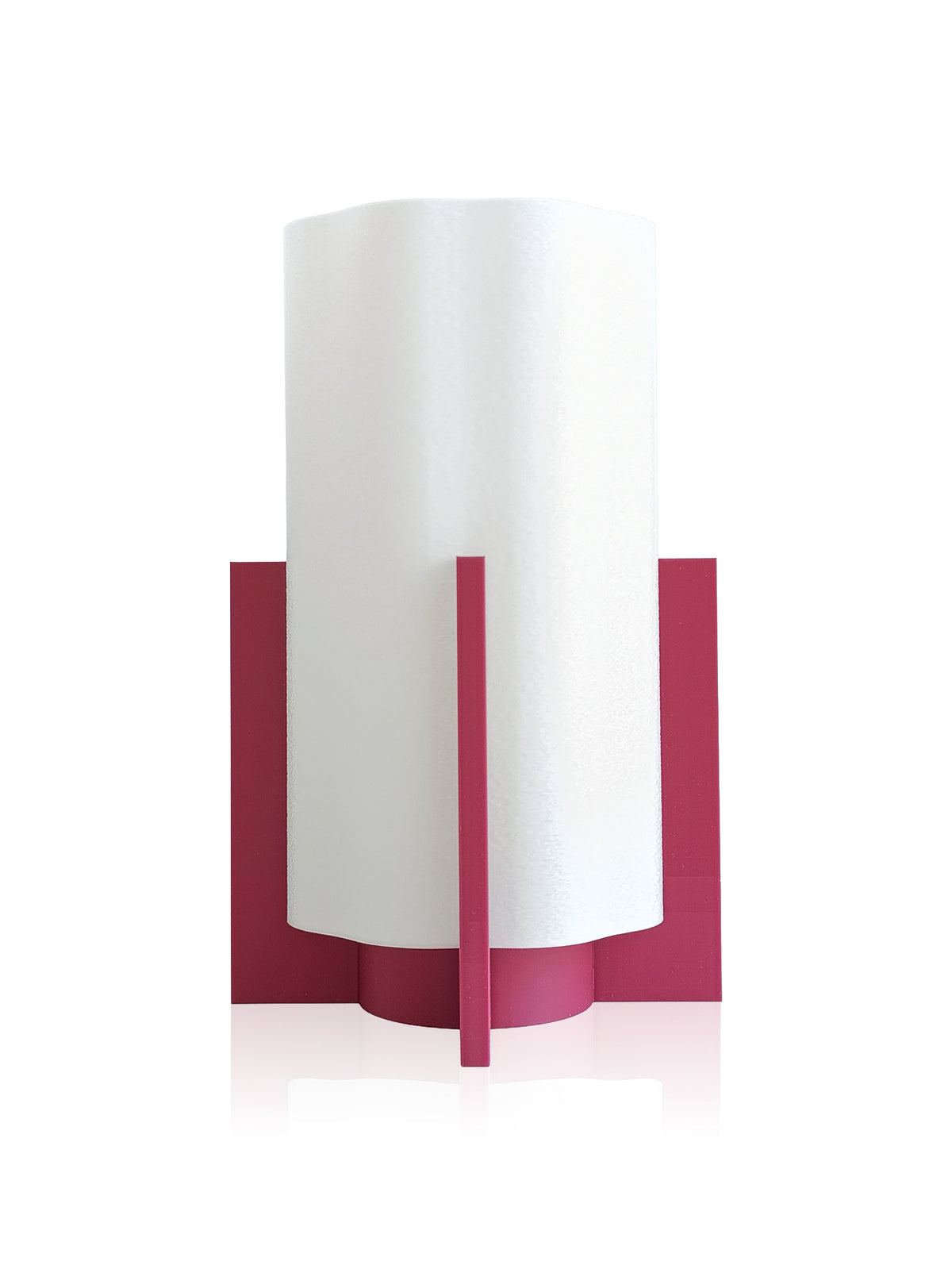
When you expose yourself to cool, blue-rich light during the day, these cells signal your brain to increase alertness, regulate your mood, and optimize cognitive performance. This is why morning sunlight feels invigorating, and why working in daylit spaces improves productivity. In the evening, warm light with reduced blue wavelengths allows your natural melatonin production to proceed uninterrupted, easing your transition to sleep. The LUMOR US fixture offers adjustable color temperature, allowing you to shift your home's light profile throughout the day without changing multiple fixtures.
- Cool light (5000K+) increases alertness, improves mood, supports circadian entrainment
- Warm light (2700K–3000K) reduces eye strain, promotes relaxation, supports melatonin production
- Brightness also matters: dim light signals evening; bright light signals morning and midday
Practical Steps to Implement Dynamic Lighting at Home
You don't need a high-tech smart home system to practice dynamic lighting. Start with intentional choices about when and how you light different rooms. Upon waking, open your curtains to natural light or use bright, cool lighting in your kitchen and bathroom. This signals your body that the day has begun. During work or focused tasks, maintain neutral-to-cool light at 4000K–5000K in your workspace.
In the late afternoon and evening, begin dimming lights and shifting toward warmer tones. Aim for 2700K–3000K in living spaces after sunset. Replace bright overhead lights with softer accent lighting, table lamps, or wall sconces. Reduce screen time an hour before bed, or use blue-light filters on devices. If you're ready for a more streamlined approach, tunable fixtures let you adjust both brightness and color temperature with a simple app or switch, making dynamic lighting effortless.
- Morning: Open blinds; use bright, cool lighting in active spaces
- Midday: Maintain neutral-to-cool light in work and living areas
- Evening: Dim lights, shift to warm tones, and minimize blue light exposure
- Night: Use very warm, low-level light only when necessary
Frequently Asked Questions
What is dynamic lighting?
Dynamic lighting is the practice of adjusting light color temperature and intensity throughout the day to align with your circadian rhythm and support your body's natural sleep-wake cycle.
What color temperature should I use in the morning?
Use cool, bright light in the morning—typically 5000K to 6500K (daylight range). This boosts alertness and helps regulate your circadian rhythm by suppressing melatonin and increasing cortisol production.
Can dynamic lighting improve sleep quality?
Yes. Warm, dim light (2700K or lower) in the evening signals your body to produce melatonin, naturally supporting better sleep onset and quality. Reducing blue light exposure an hour before bed further enhances this effect.
Creating Your Ideal Home Light Environment
Dynamic lighting isn't a luxury—it's a science-backed investment in your home's role as a space for rest, work, and wellbeing. By thoughtfully shifting your light throughout the day, you're honoring your body's biology and creating an environment that supports focus when you need it and calm when you deserve it. Whether you begin with simple behavioral shifts or invest in tunable fixtures, the benefits—better sleep, sustained energy, improved mood—make the effort worthwhile. Your home's light is part of your home's story. Make it work for you.







Share:
Bedroom Lighting: Creating a Romantic and Relaxing Atmosphere
Multi-Purpose Lighting: Different Activities with One Lamp