

Dinner Lighting: How Light Enhances Food Flavor

There's a reason restaurants spend as much time perfecting their lighting as they do their menus. The relationship between dinner lighting and how we perceive food is more profound than most of us realize. Research shows that light doesn't just help us see our meals—it fundamentally shapes how we taste them. From the warmth of the bulb to the intensity of the glow, every aspect of your dining room lighting influences your sensory experience. If you've ever noticed that food tastes better at a candlelit dinner or feels less appetizing under harsh fluorescent lights, you're experiencing the science of dinner lighting firsthand.
The Science Behind Light and Taste Perception
Our brains don't perceive flavor in isolation. Instead, taste is a multisensory experience where vision plays a starring role. When light hits our food, it reveals color, texture, and visual appeal—all of which prime our brain to expect certain flavors before we even take a bite. This phenomenon is called "visual flavor," and it's remarkably powerful. Studies have shown that when people eat under different lighting conditions, they report different flavor intensities, even when the food is identical.
The color temperature of your light matters immensely. Warm light—typically in the 2700K to 3000K range—enhances the perception of food's natural colors and makes dishes appear more appetizing. It creates what scientists call a "halo effect," where warm tones make reds appear deeper, golds more luxurious, and greens more vibrant. Cool light, by contrast, can make food look washed out or unappetizing, potentially dampening your appetite before you even taste anything. This is why restaurants almost universally choose warm lighting: they're not just setting a mood, they're literally making their food taste better.
Creating the Perfect Dining Atmosphere With Warm Light
The ideal dinner lighting balances two competing needs: enough light to see your food clearly, but warm and soft enough to feel inviting. Lighting designers recommend aiming for 30 to 40 foot-candles of light over your dining table—bright enough to read by, but not so bright that it feels clinical. The key is layering your light sources.
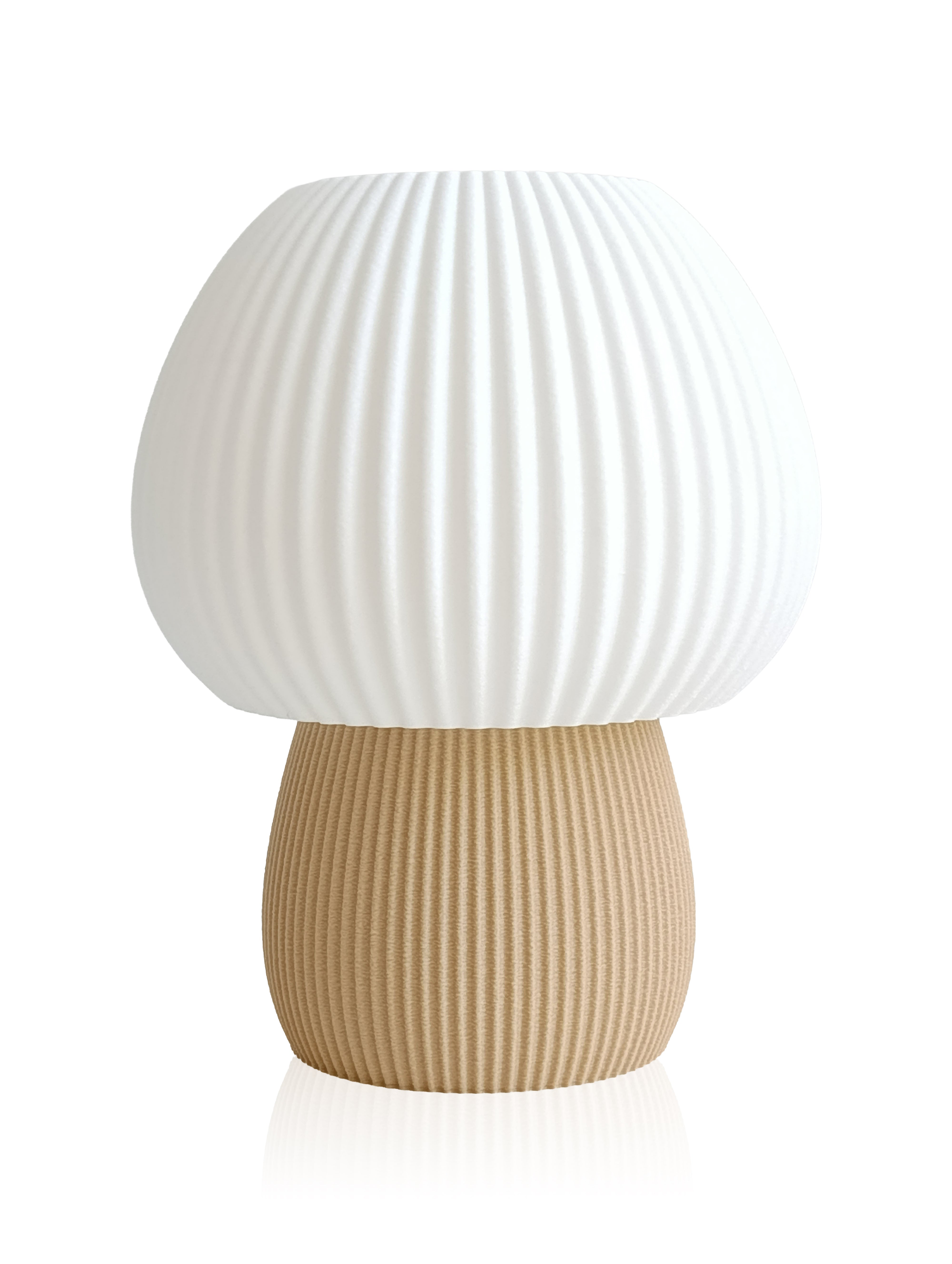
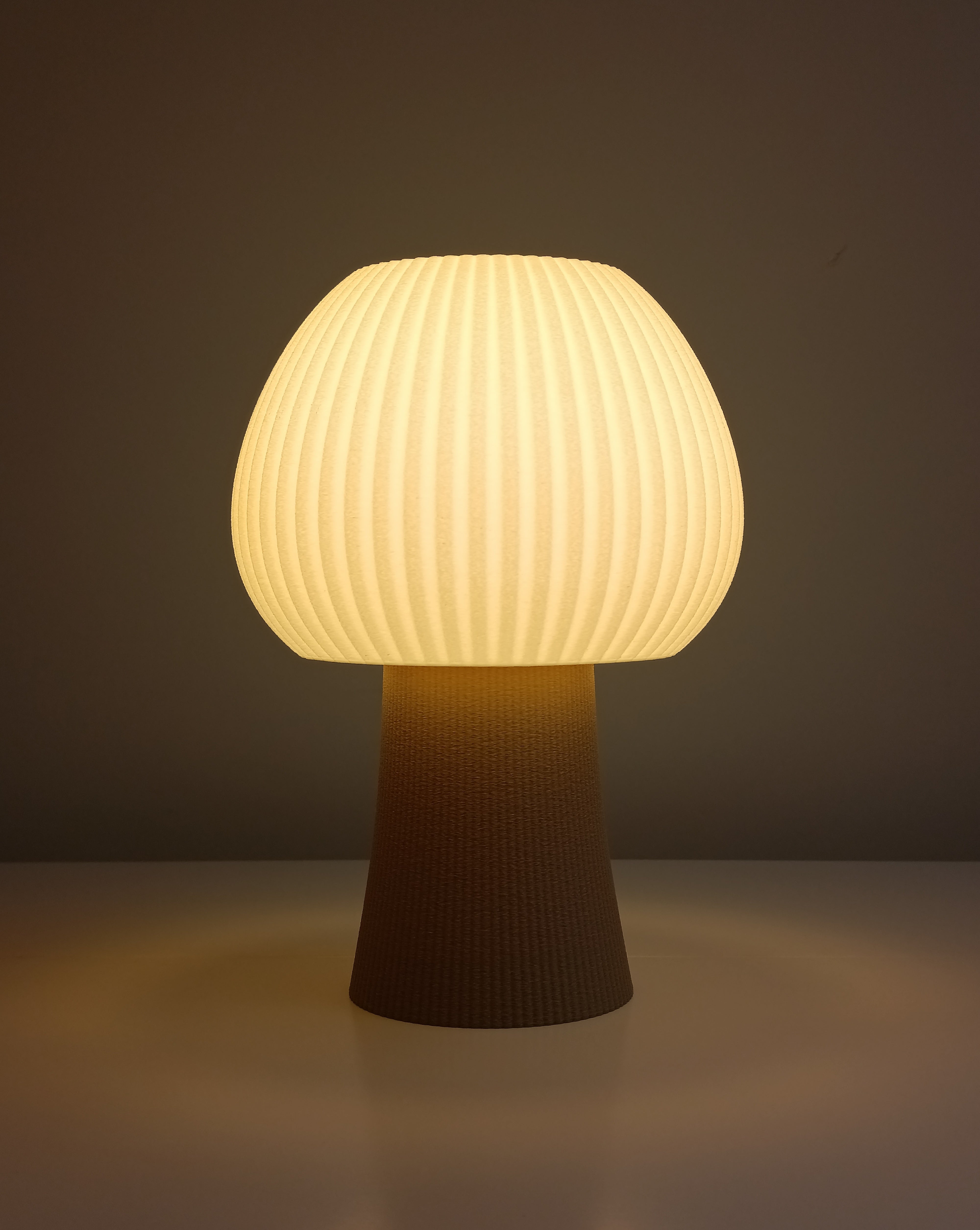
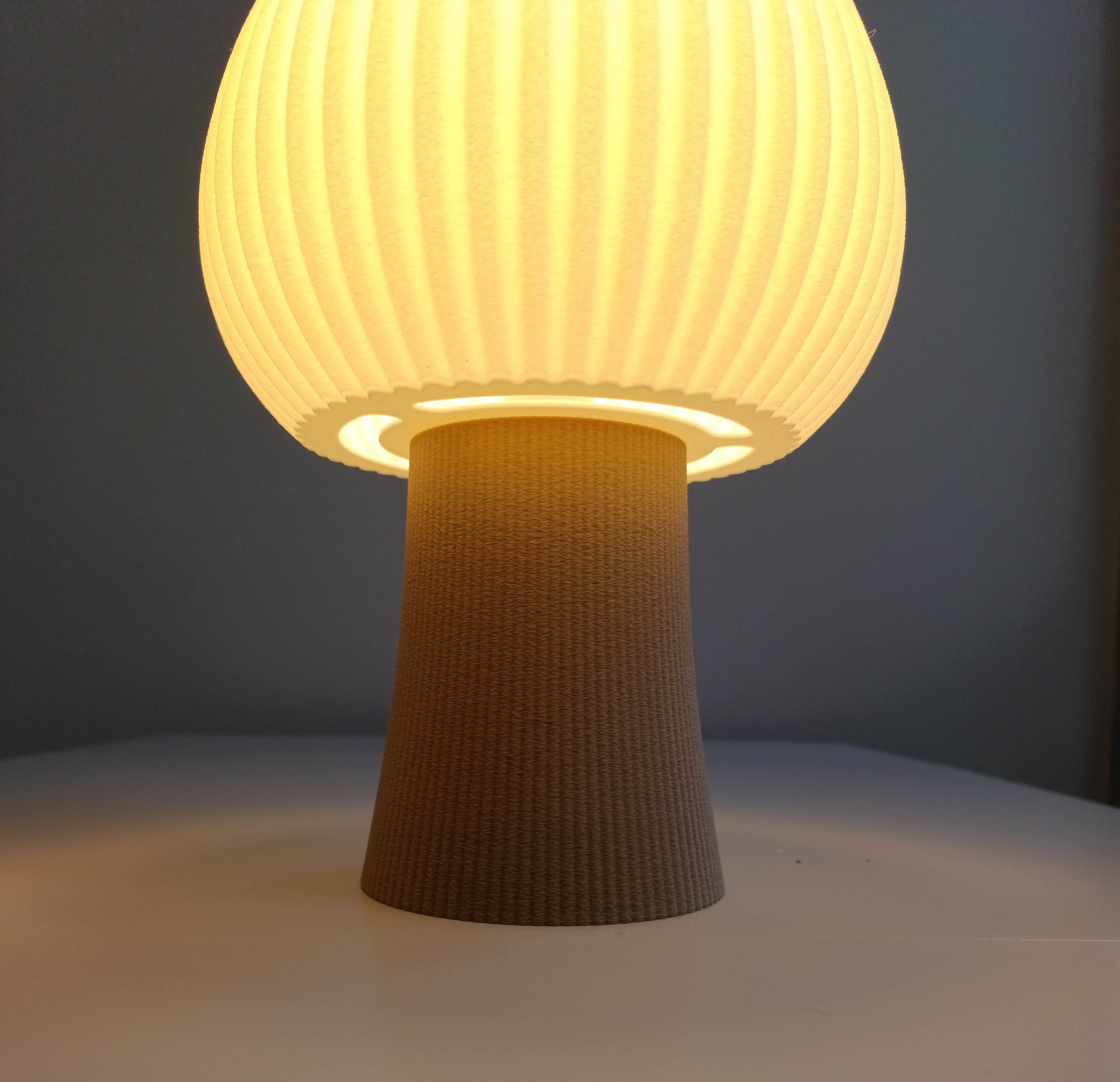
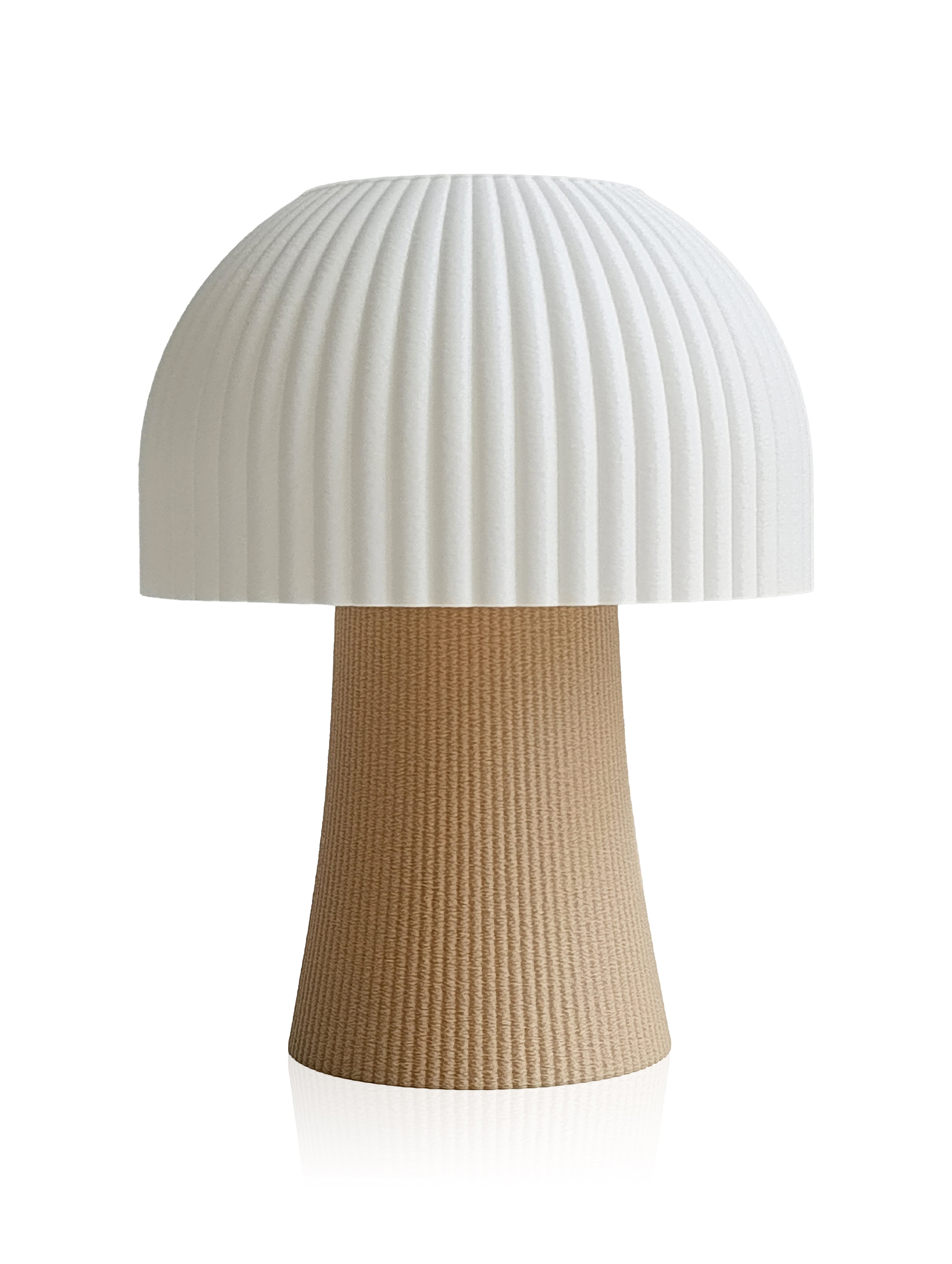
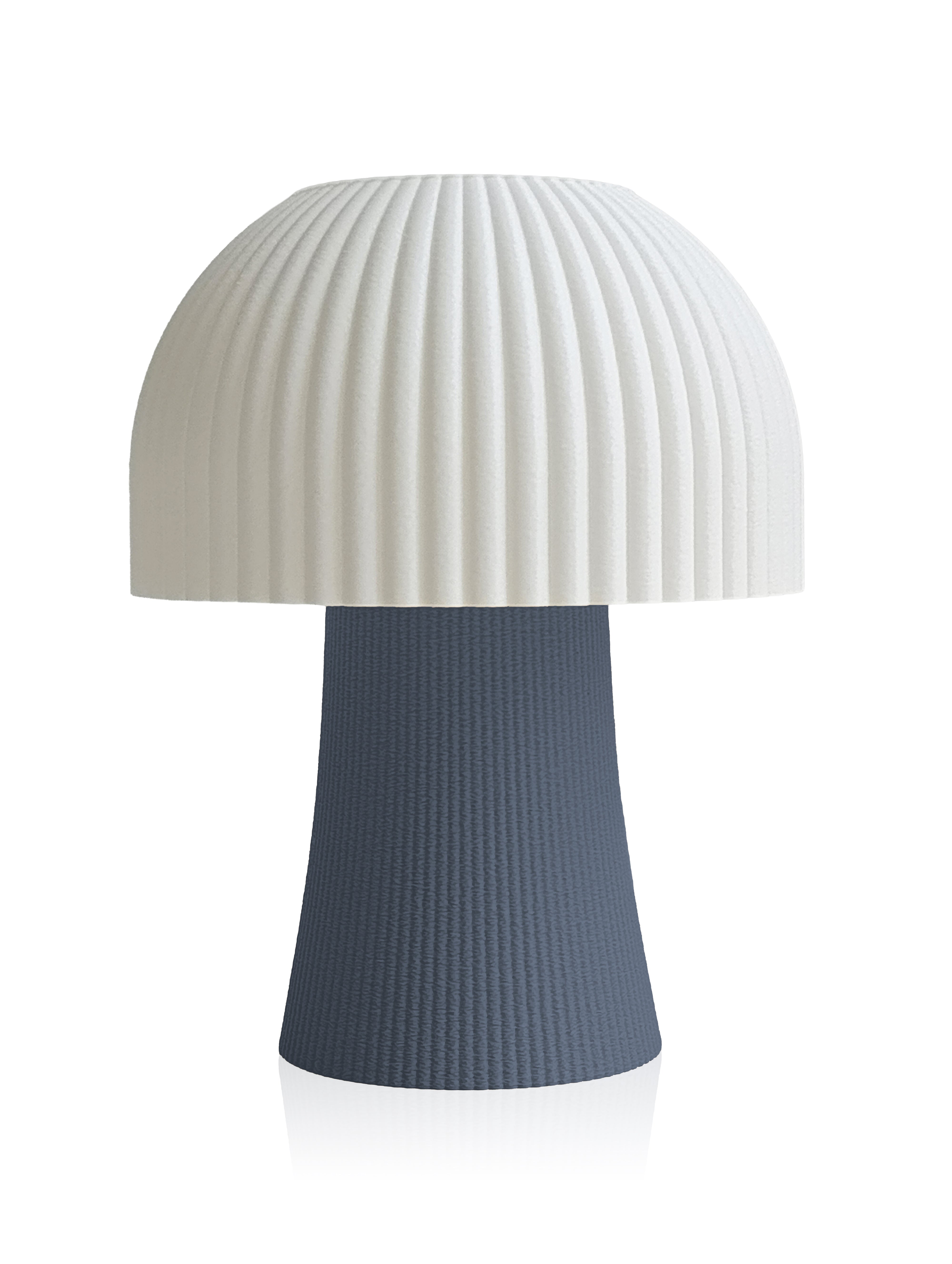
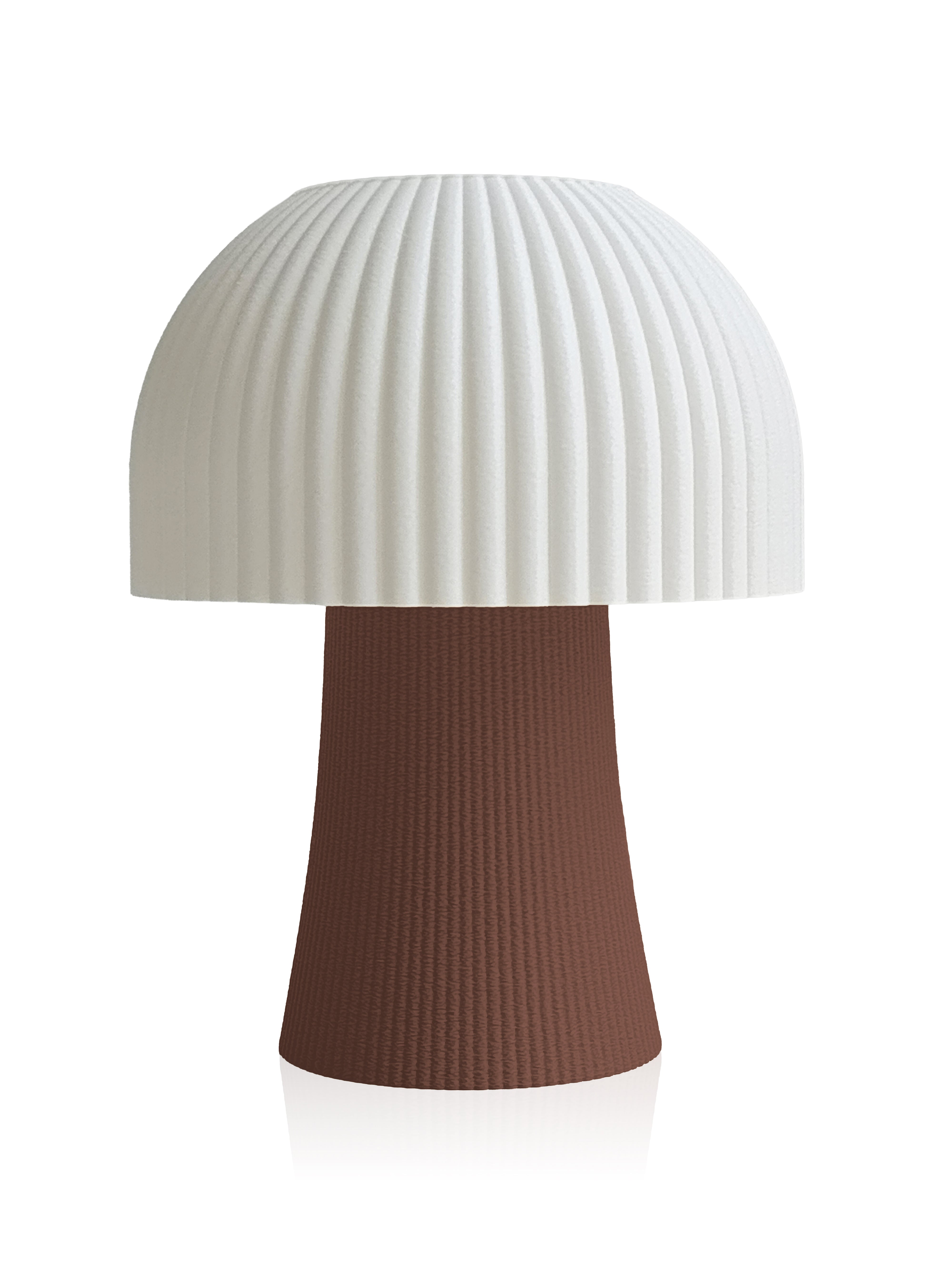
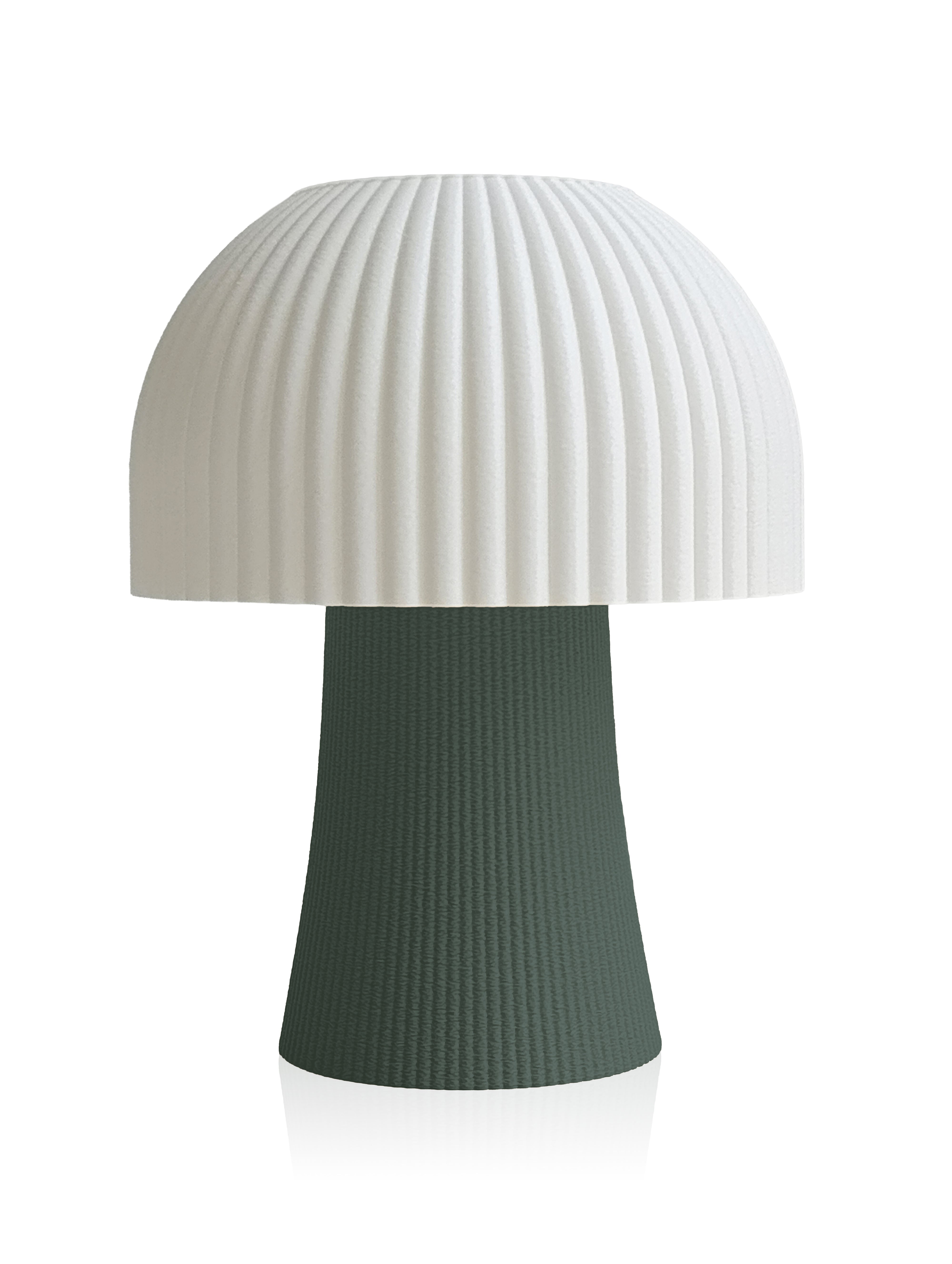
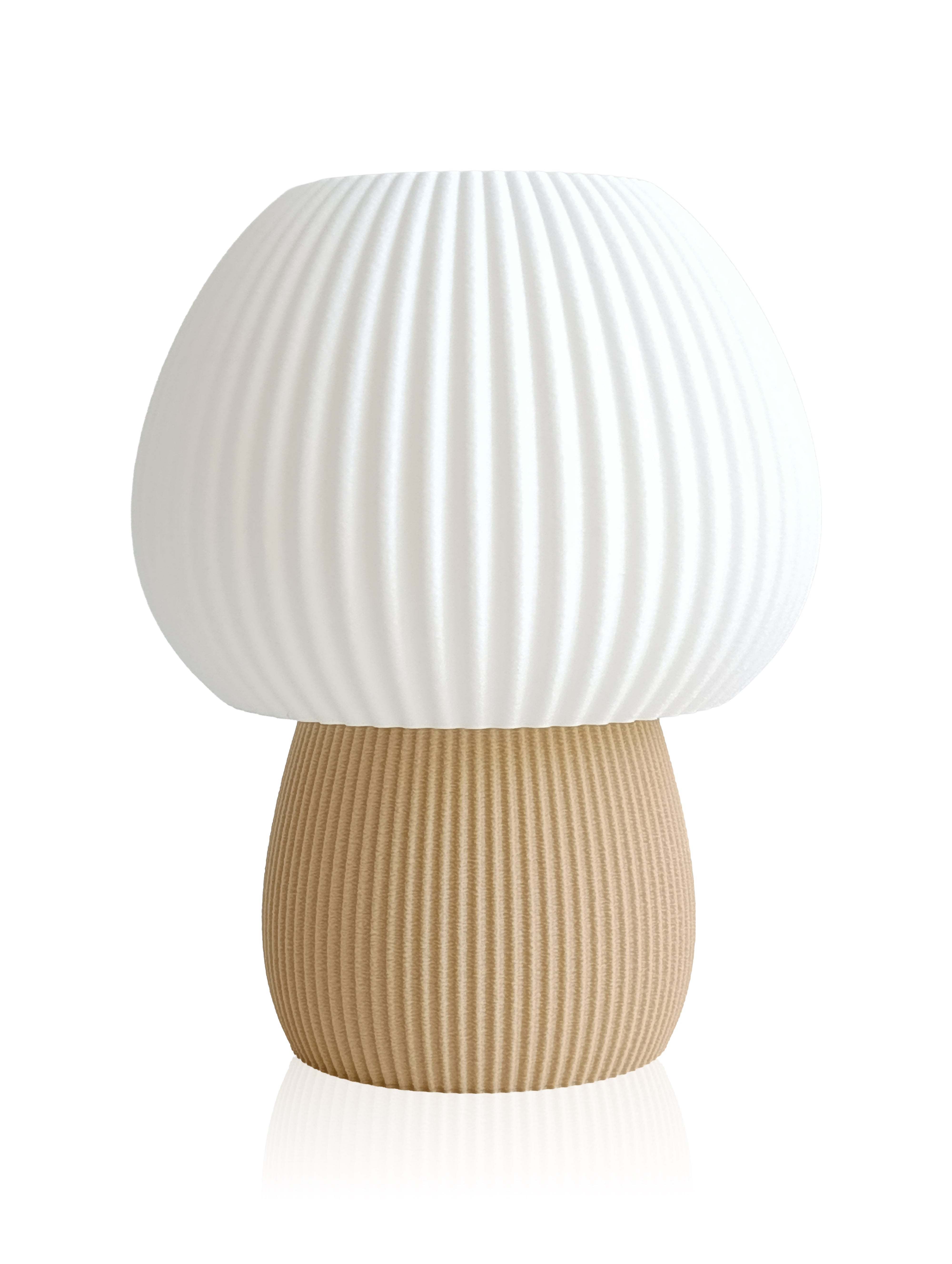
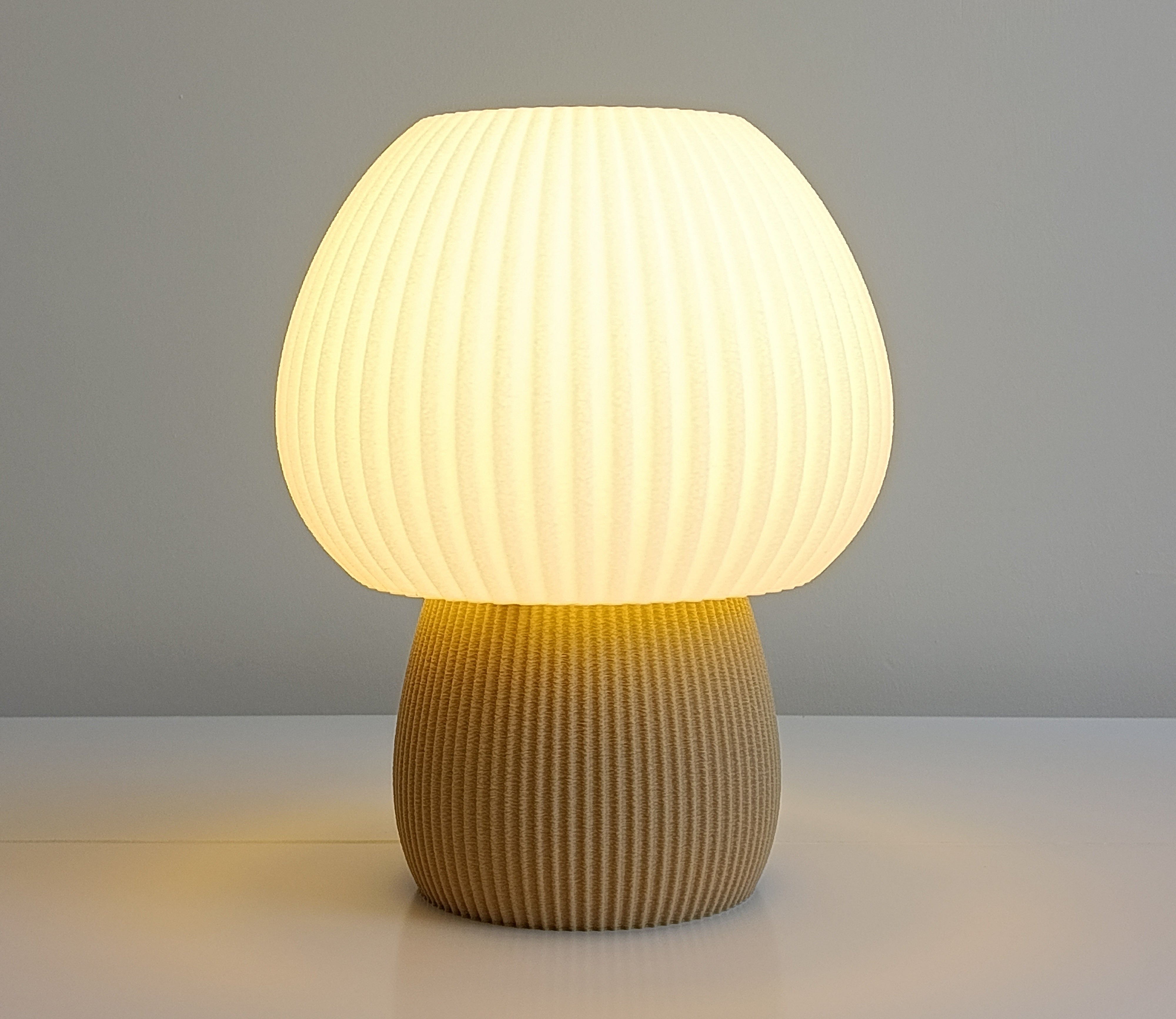
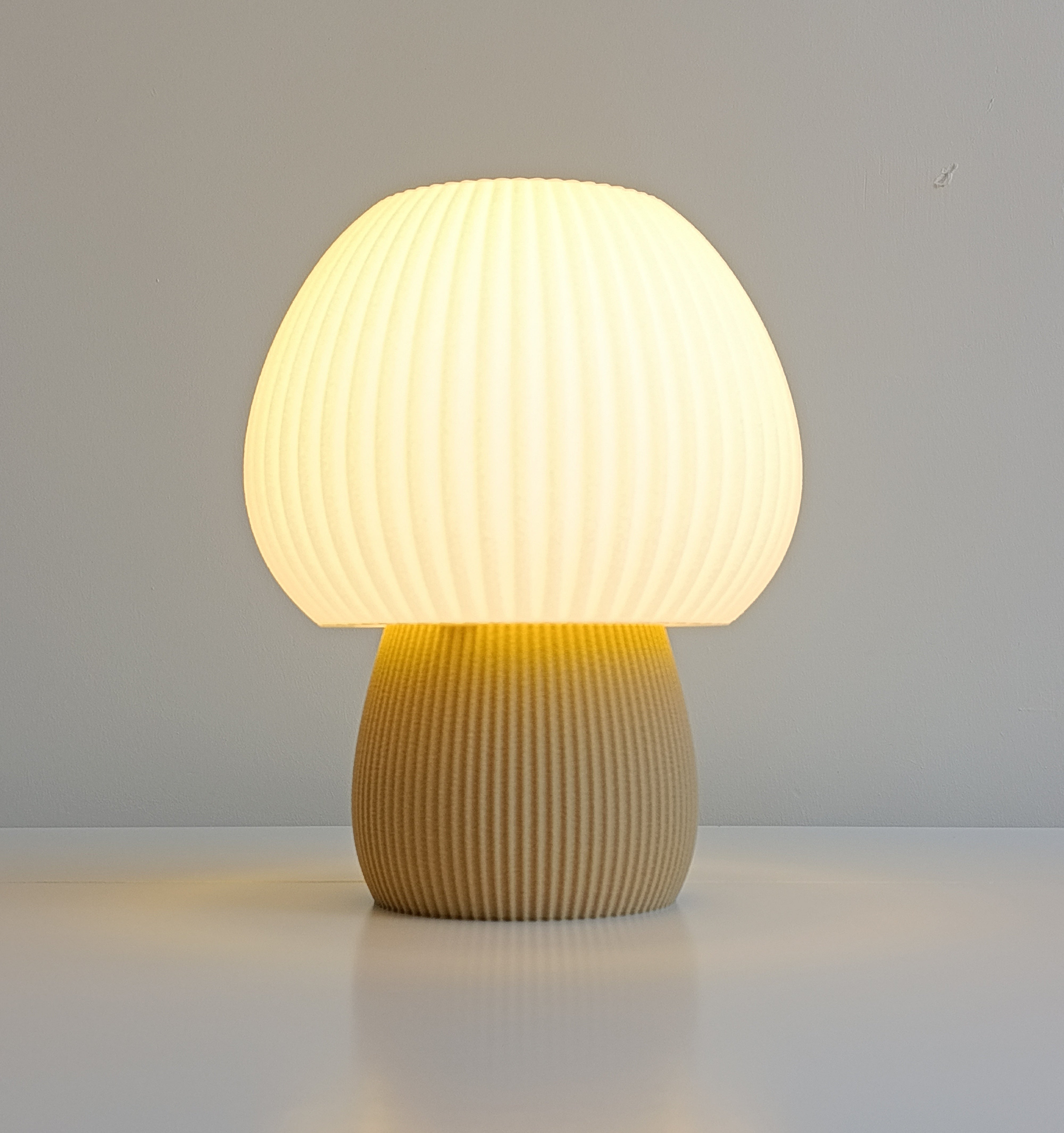
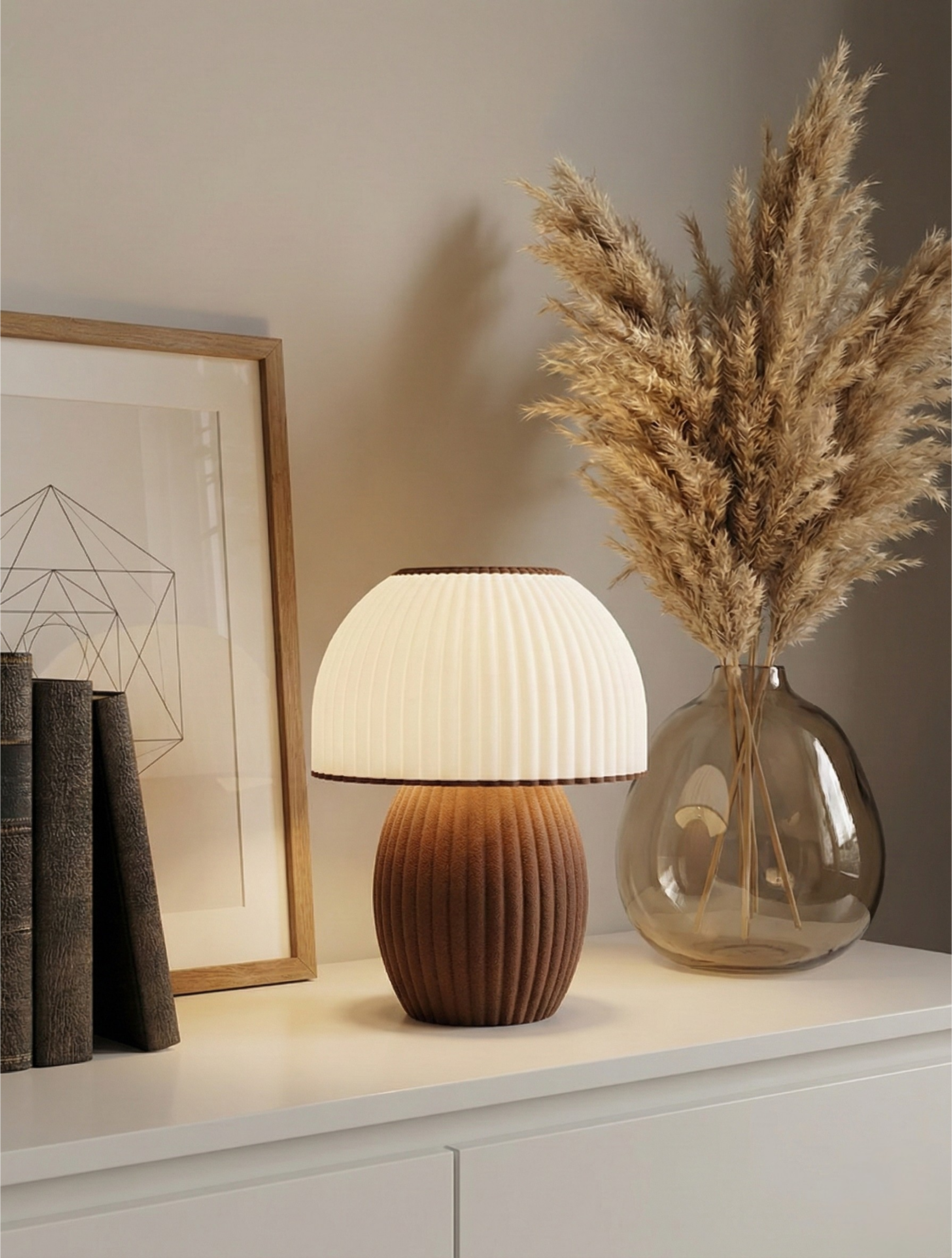
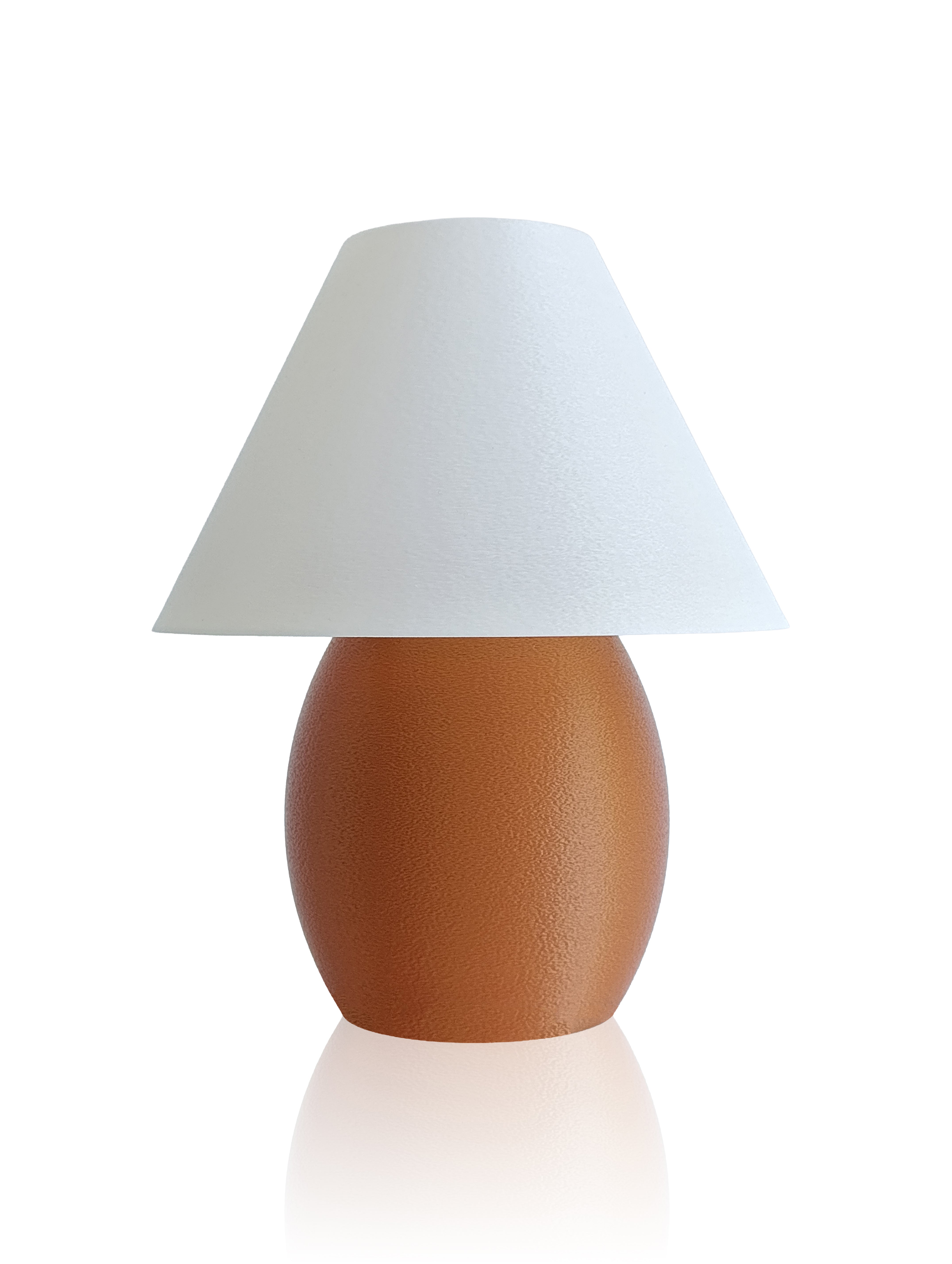
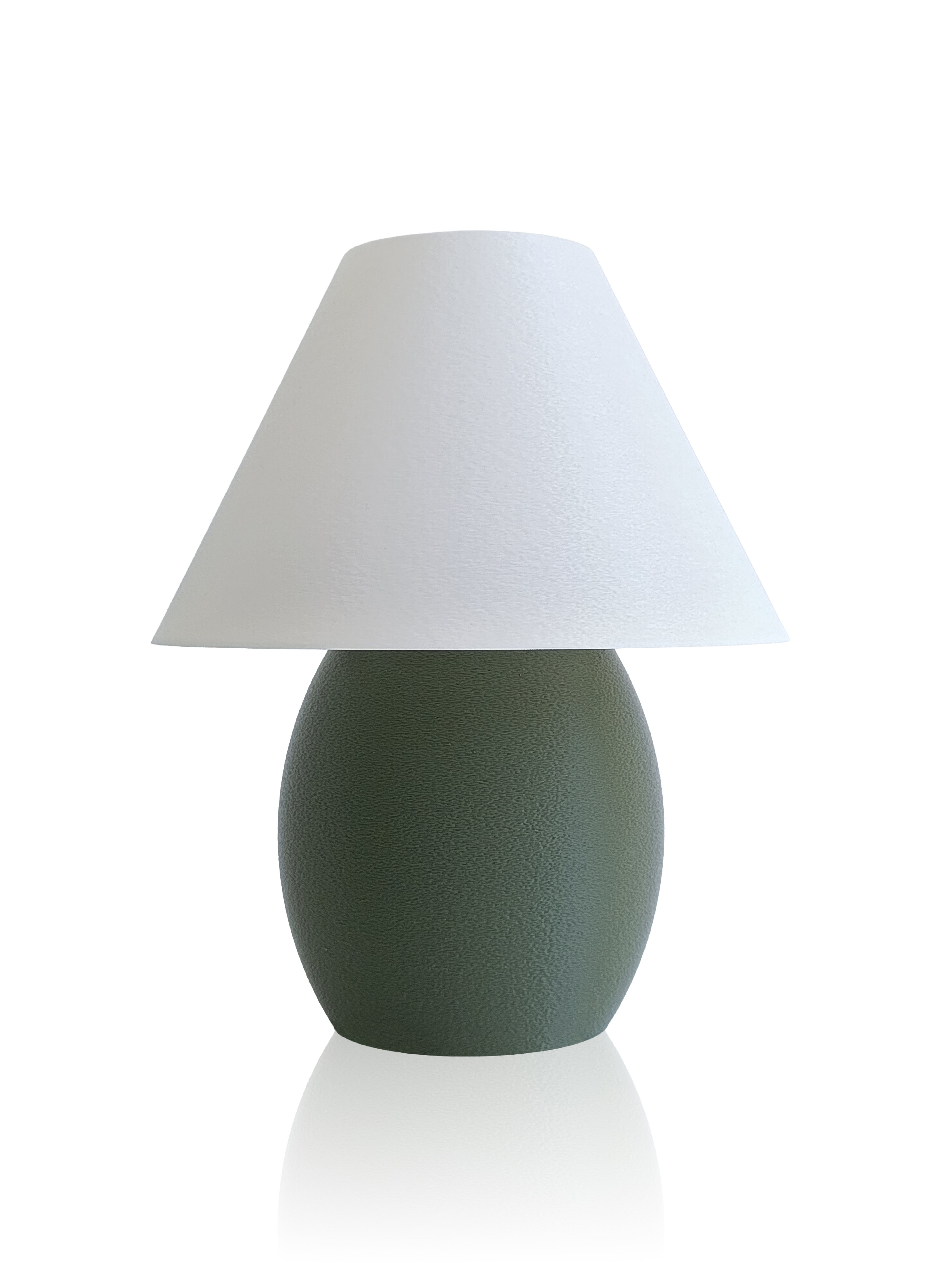
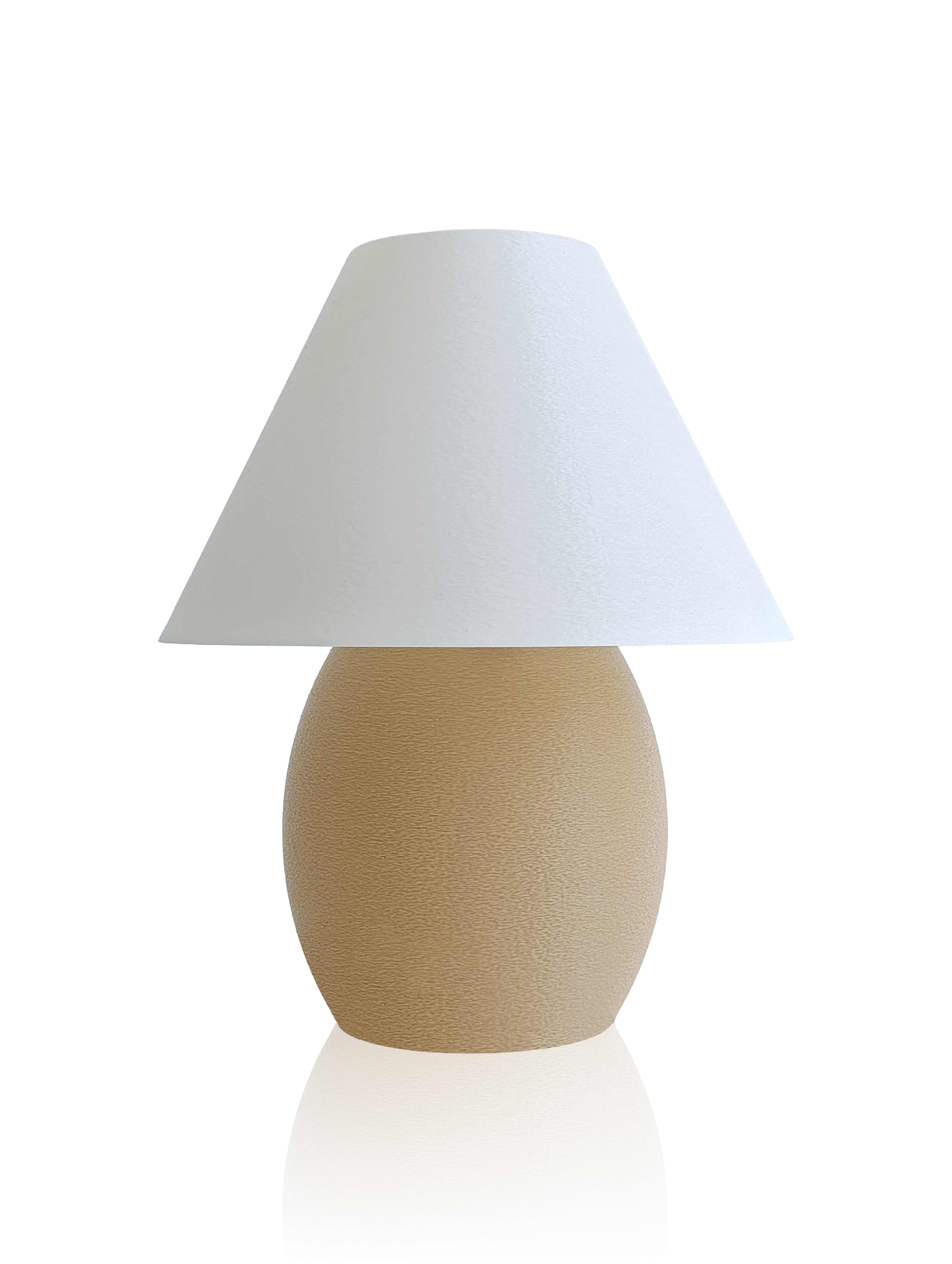
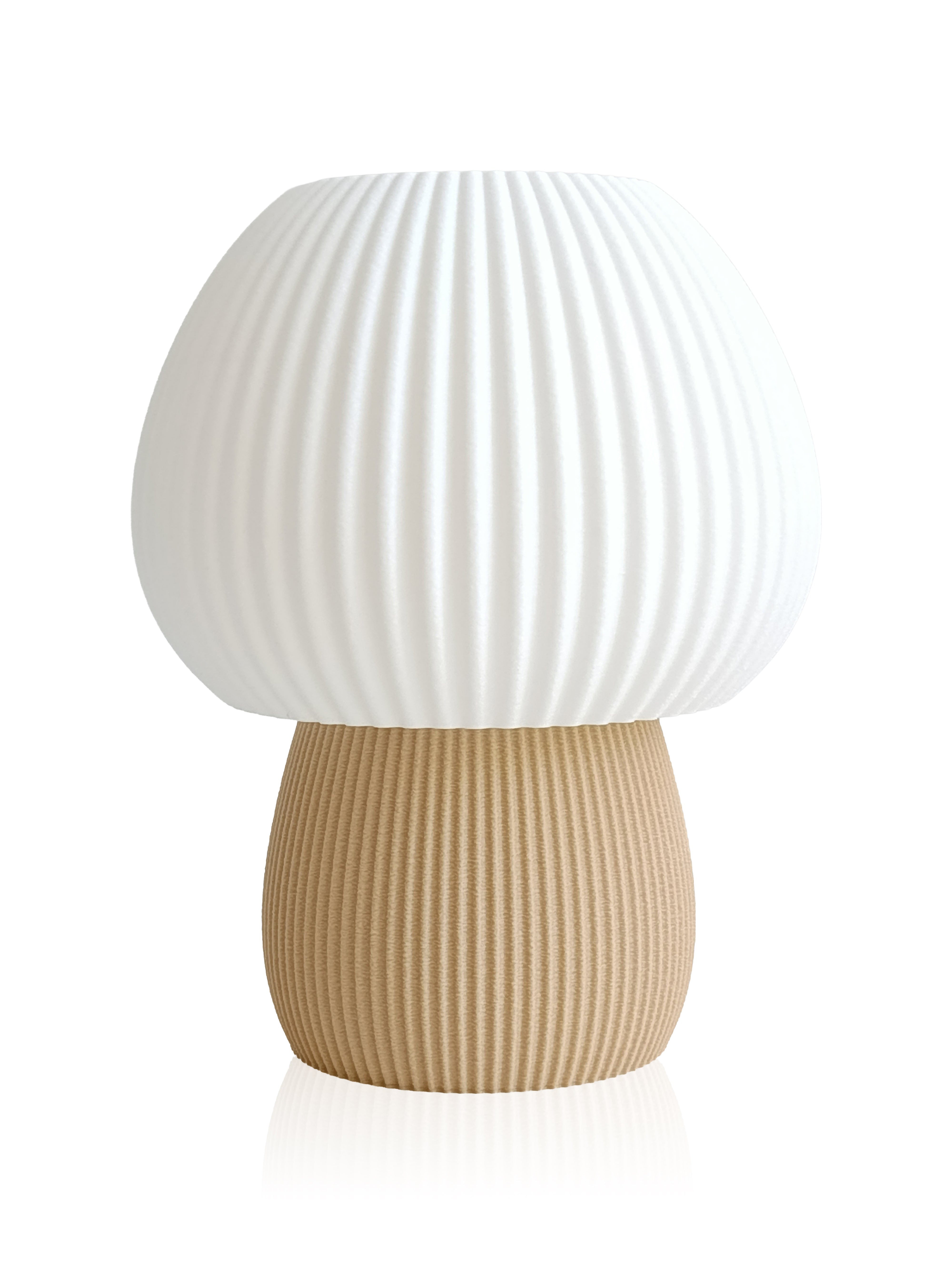
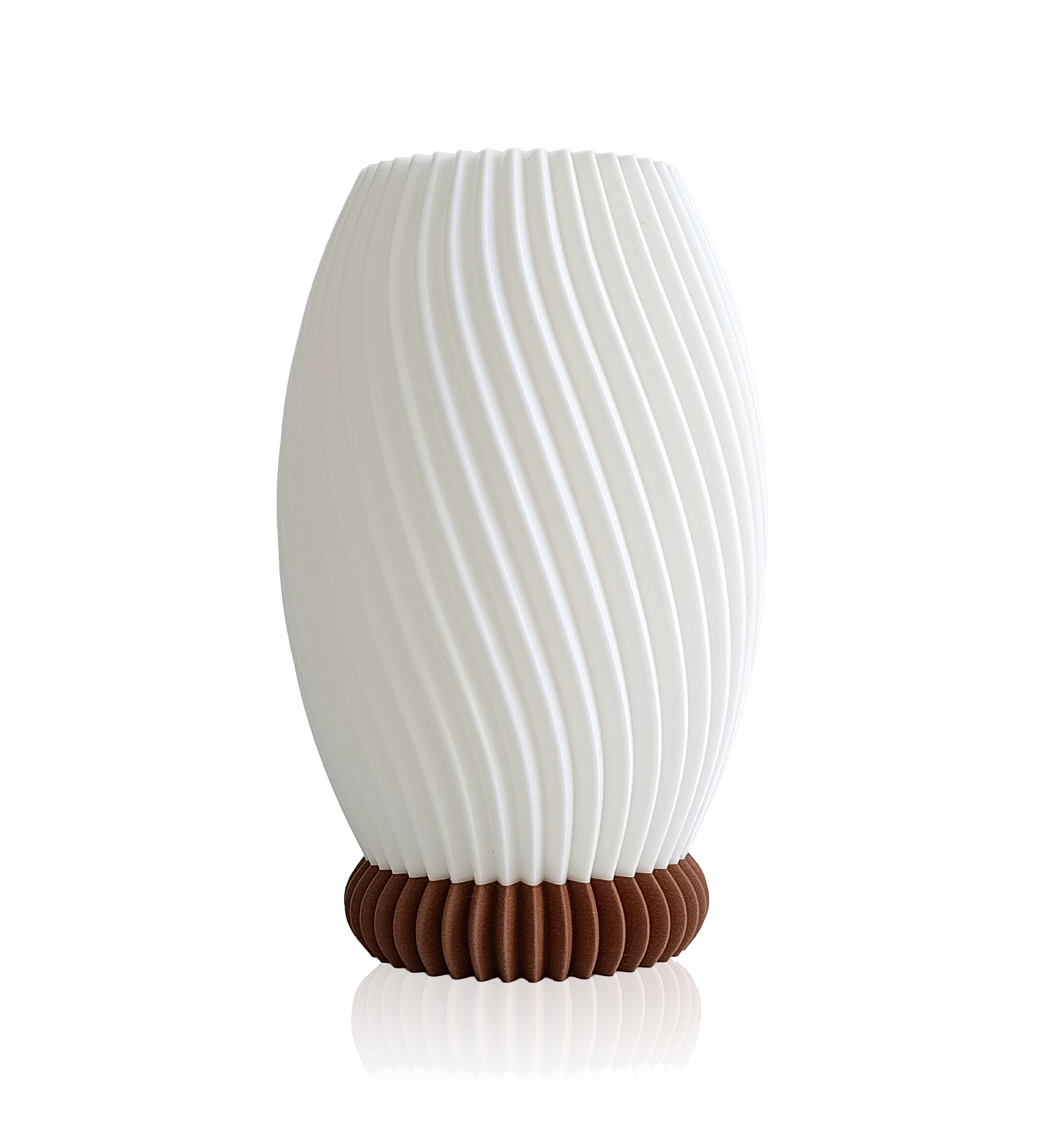
Consider pairing overhead ambient lighting with accent fixtures that can be dimmed throughout the meal. A fixture like the LUMORA US offers the warm, adjustable quality that transforms a dining space into something intimate without sacrificing visibility. Dimmer switches are your secret weapon here—they allow you to adjust light intensity based on the time of day, the meal, and your mood. Softer light during dinner encourages slower eating and better digestion, while slightly brighter light during appetizers promotes conversation and engagement.
Beyond overhead fixtures, incorporate secondary lighting sources:
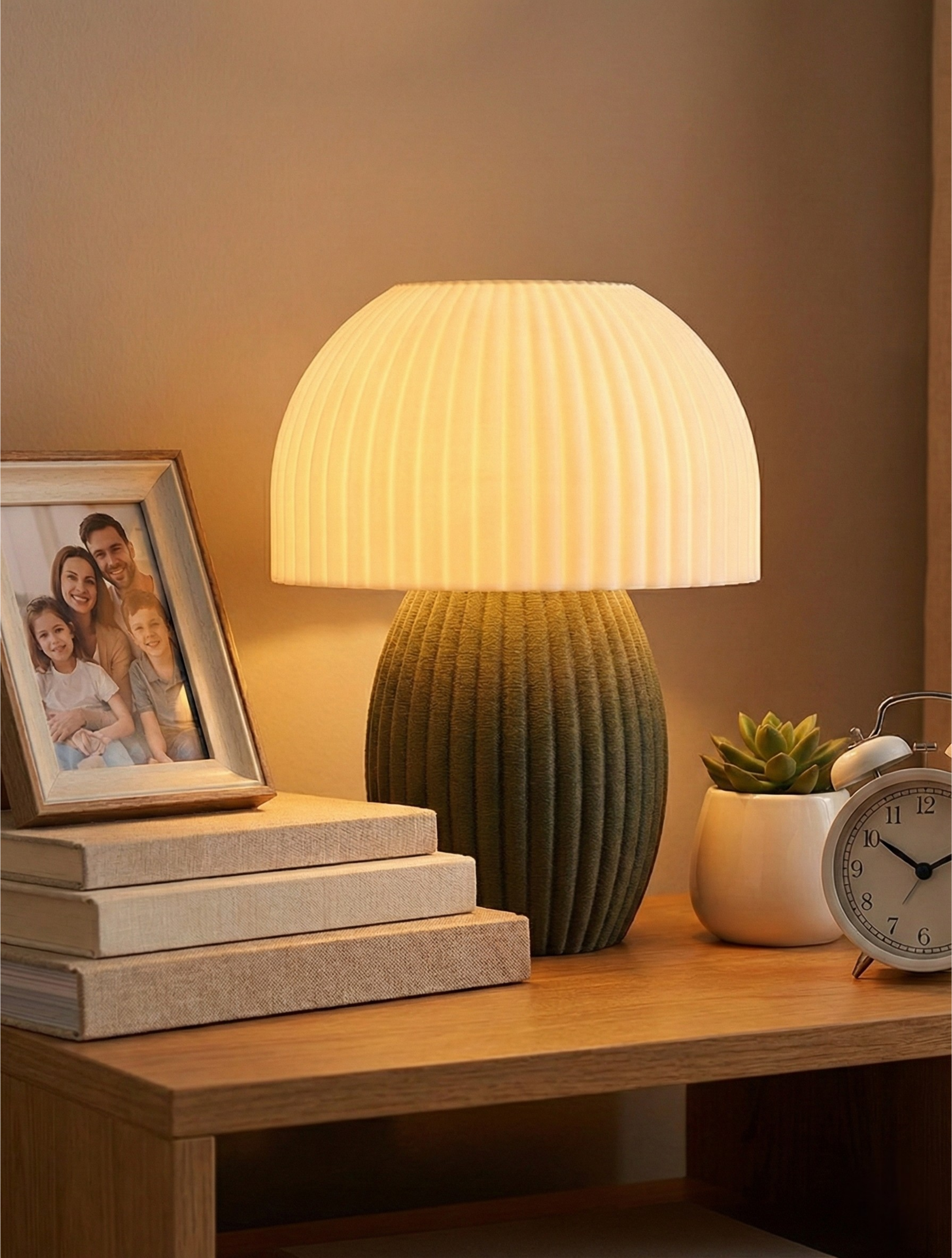
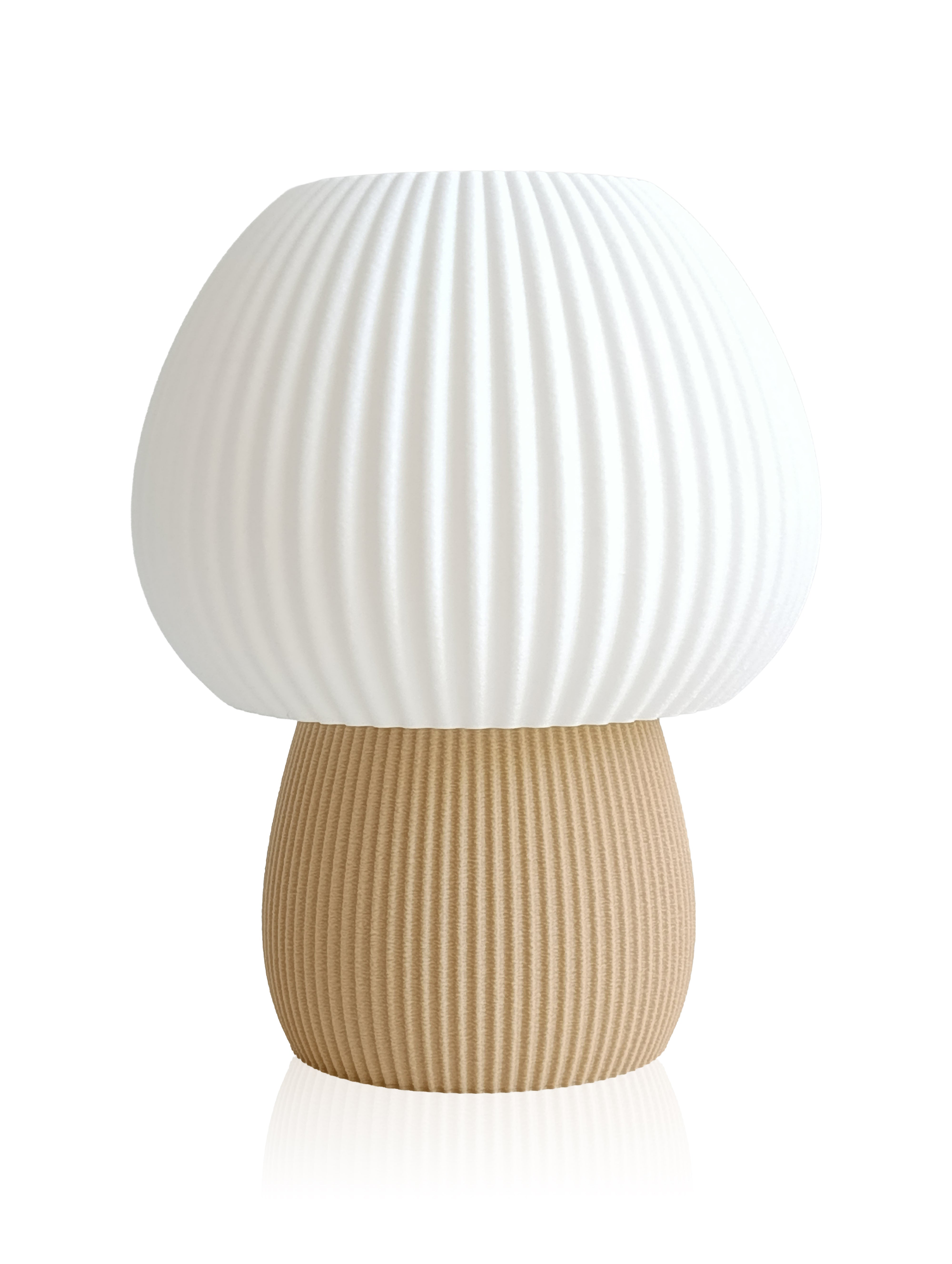
- Table lamps with fabric shades that diffuse warm light
- Candlelight or candle-style bulbs for intimate occasions
- Accent lighting on artwork or architectural features to add depth
- Wall sconces at eye level to create a sense of enclosure
How Color Temperature Influences Your Dining Experience
Color temperature—measured in Kelvin (K)—is the most critical factor in dinner lighting. Lower Kelvin values produce warmer, more orange-tinted light that feels cozy and enhances food appeal. Higher values create cooler, bluer light that feels clinical and suppresses appetite.
For dining spaces, aim for bulbs in the 2700K range. This warm white light mimics the golden hour and candlelight, creating an environment where food naturally looks its best. It also has a subtle psychological effect: warm light triggers the release of serotonin and melatonin, making you feel more relaxed and present during meals. This shift in mood actually affects how you taste food—when you're calm and present, you chew more slowly, engage all your senses more fully, and genuinely enjoy each bite more.
If you're currently using 4000K or 5000K bulbs in your dining room, switching to 2700K will create an immediate transformation. You'll notice your table setting looks more inviting, your food appears more flavorful, and the entire meal feels more special. It's a simple change with remarkable results.
Practical Tips for Optimizing Your Dining Lighting
Transforming your dinner lighting doesn't require a complete renovation. Start with these actionable steps:
- Install dimmer switches on existing overhead fixtures to control intensity
- Replace bulbs with warm white (2700K) options, ensuring they're dimmable if possible
- Add a secondary light source like a table lamp or wall sconce for layered lighting
- Avoid direct overhead light shining straight down—use shades or diffusers instead
- Test different light levels during your meals to find your personal sweet spot
- Consider the finish of your fixtures—matte and frosted finishes diffuse light more gently than polished metals
Pay attention to how different lighting setups affect your eating experience. Notice which settings make you linger longer at the table, which encourage more conversation, and which make your food look most appealing. Your dining room lighting should feel like a natural extension of your home's warmth.
Frequently Asked Questions
Does warm light actually make food taste better?
Warm light doesn't change the actual flavor of food, but it enhances visual perception of color and texture, which your brain uses to predict taste. This multisensory effect makes food feel and taste more satisfying in warm light than in cool light.
What Kelvin temperature is best for dining rooms?
For dining spaces, 2700K (warm white) is ideal. This color temperature mimics candlelight and the golden hour, making food appear more appetizing and creating a psychologically comfortable environment for eating and socializing.
Can I use the same lighting for cooking and dining?
No—cooking requires brighter, cooler light (4000K+) for safety and clarity, while dining benefits from warmer, dimmer light (2700K). Consider using different fixtures or dimmers to switch between these needs.
The Takeaway
Dinner lighting is one of the most underestimated tools in home design. It touches everything: how your food looks, how you taste it, how long you linger at the table, and ultimately, how much joy you get from one of life's most fundamental rituals. By choosing warm light, layering your sources, and adjusting intensity to match your meal and mood, you're not just illuminating a room—you're elevating an entire experience. Your dining table deserves light that honors the care you put into your meals and the time you spend there with people you love.






Share:
Light and Motivation: How Lighting Affects Work Performance
Psychology of Dim Light: Why Our Brains Need Darkness