

Art Lighting: Proper Light Design for Paintings and Artwork

The right lighting can transform how you experience the artwork in your home. Whether you're displaying a cherished painting, a family portrait, or a contemporary print, art lighting isn't just about visibility—it's about honoring the piece and creating the emotional atmosphere you want in each room. Proper light design for paintings and artwork involves understanding color temperature, placement, and intensity to showcase your collection thoughtfully and beautifully.
Why Artwork Deserves Dedicated Lighting
Your paintings and artwork are more than decorative elements; they're focal points that deserve intentional consideration. When a room's general lighting is your only source of illumination, artwork often appears flat, dull, or overly reflective. Dedicated lighting solutions allow you to highlight the textures, colors, and details that drew you to each piece in the first place.
Beyond aesthetics, proper lighting protects your investment. Harsh or overly bright light can fade delicate pigments and damage original materials over time. By choosing the right fixtures and intensity levels, you create an environment where your artwork can be appreciated safely for years to come.
How to Choose the Right Color Temperature for Paintings
Color temperature—measured in Kelvin (K)—is one of the most important decisions in art lighting. Most artwork looks best under warm white light, typically between 2700K and 3000K. This range mimics the quality of natural daylight and complements a wide variety of artistic styles without introducing color casts that might distort the artist's original intention.
- 2700K: Warm, inviting light ideal for traditional paintings, portraits, and warm-toned artwork
- 3000K: Slightly cooler than 2700K; works well for contemporary pieces and mixed-media displays
- Above 4000K: Generally too cool for most artwork; can make colors appear unnatural and create an institutional feel
Avoid overly bright or cool-toned lighting, which can create harsh shadows and make colors appear washed out. When selecting fixtures, look for options that offer dimmable capabilities—this gives you the flexibility to adjust light levels based on time of day, room ambiance, and your mood.
Placement and Angle: The Foundation of Flattering Art Lighting
Where you place your light source matters as much as what type of light you choose. The goal is to illuminate the artwork evenly while minimizing glare and shadows that distract from the piece itself.
For wall-mounted artwork, position your light fixture 12 to 18 inches above the frame's top edge. Angle the light at approximately 30 degrees downward—this positioning prevents light from bouncing directly back into the viewer's eyes while ensuring even coverage across the entire piece. If you're lighting multiple pieces or a gallery wall, maintain consistent angles and distances to create visual harmony.
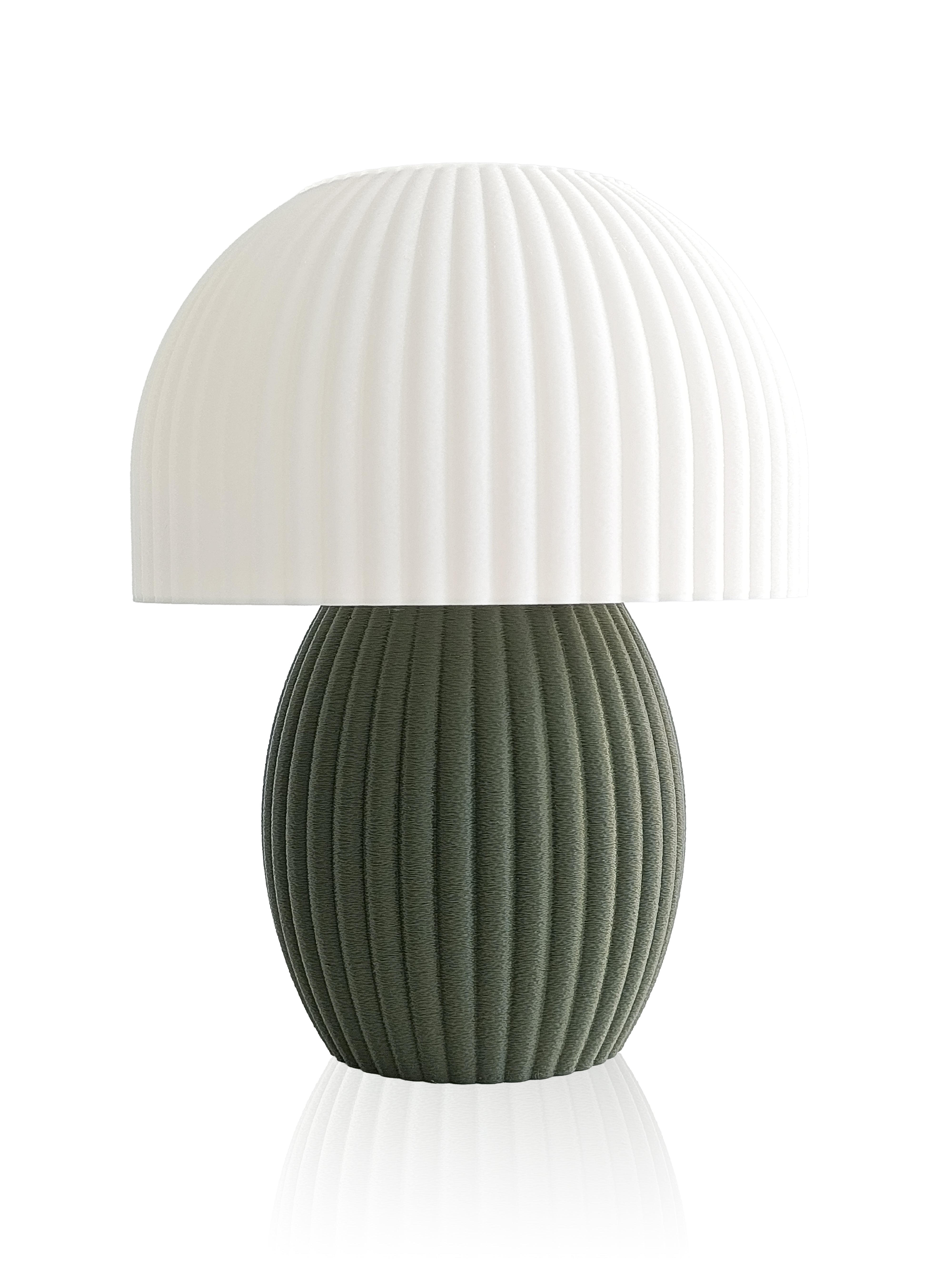
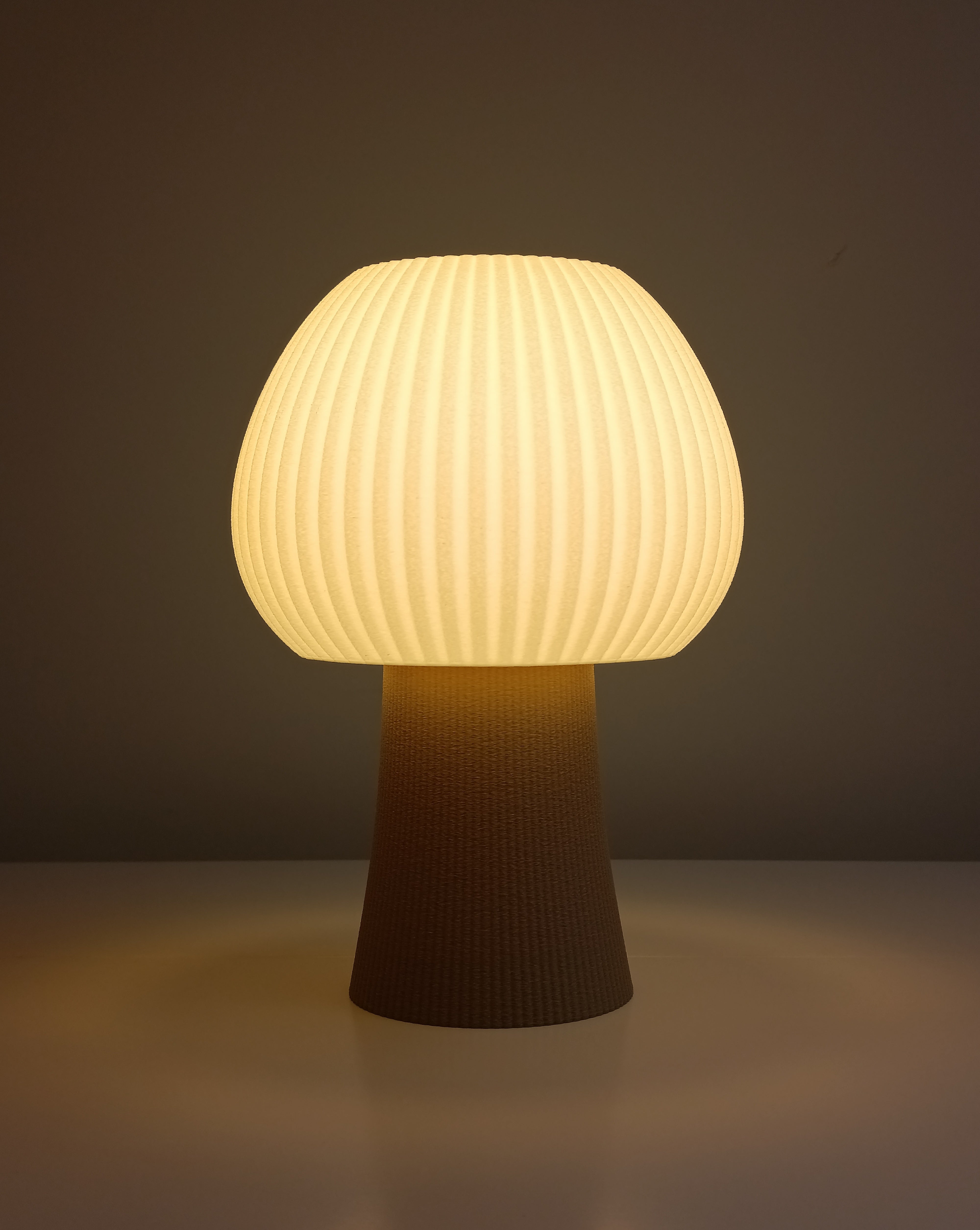
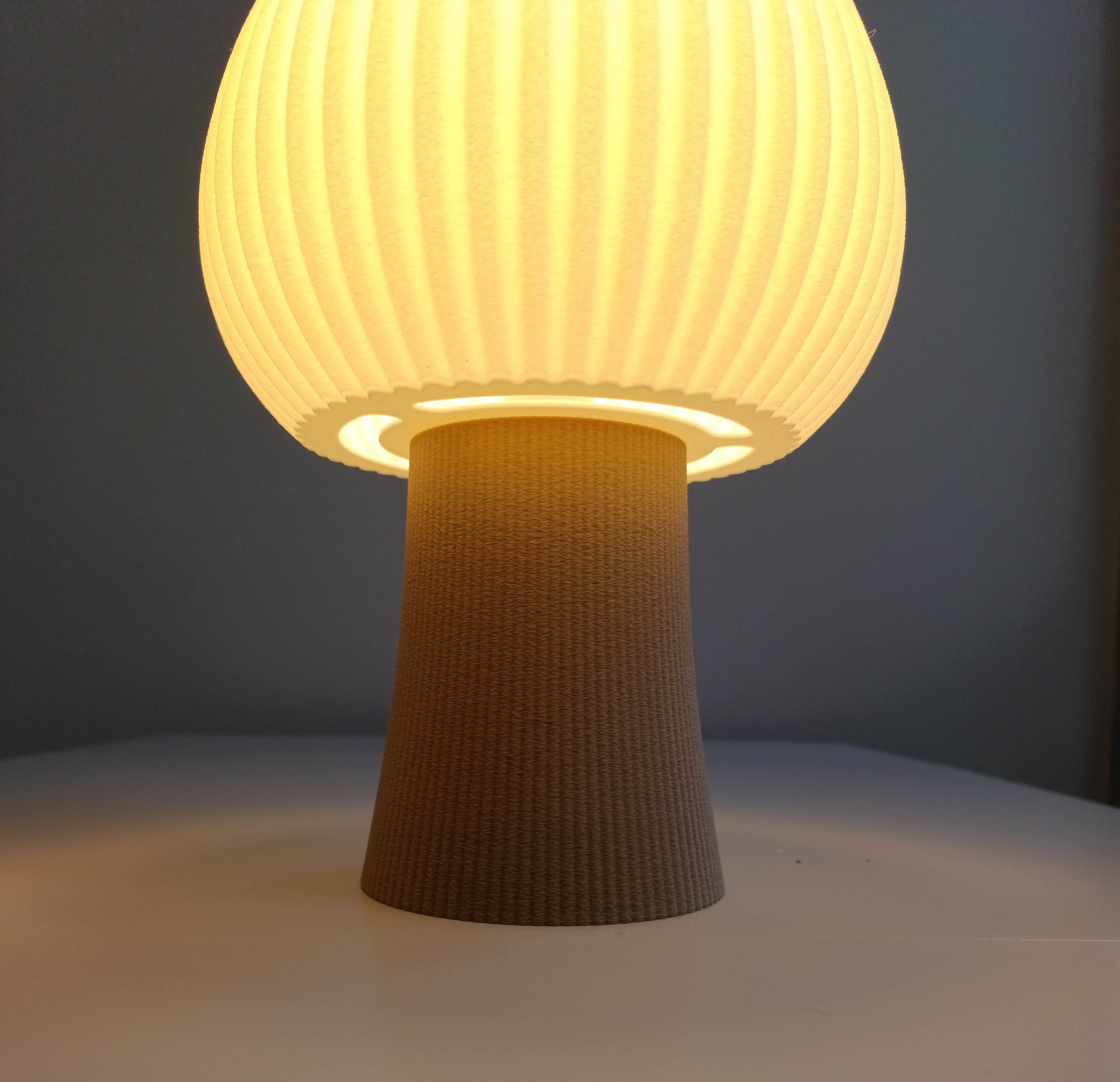
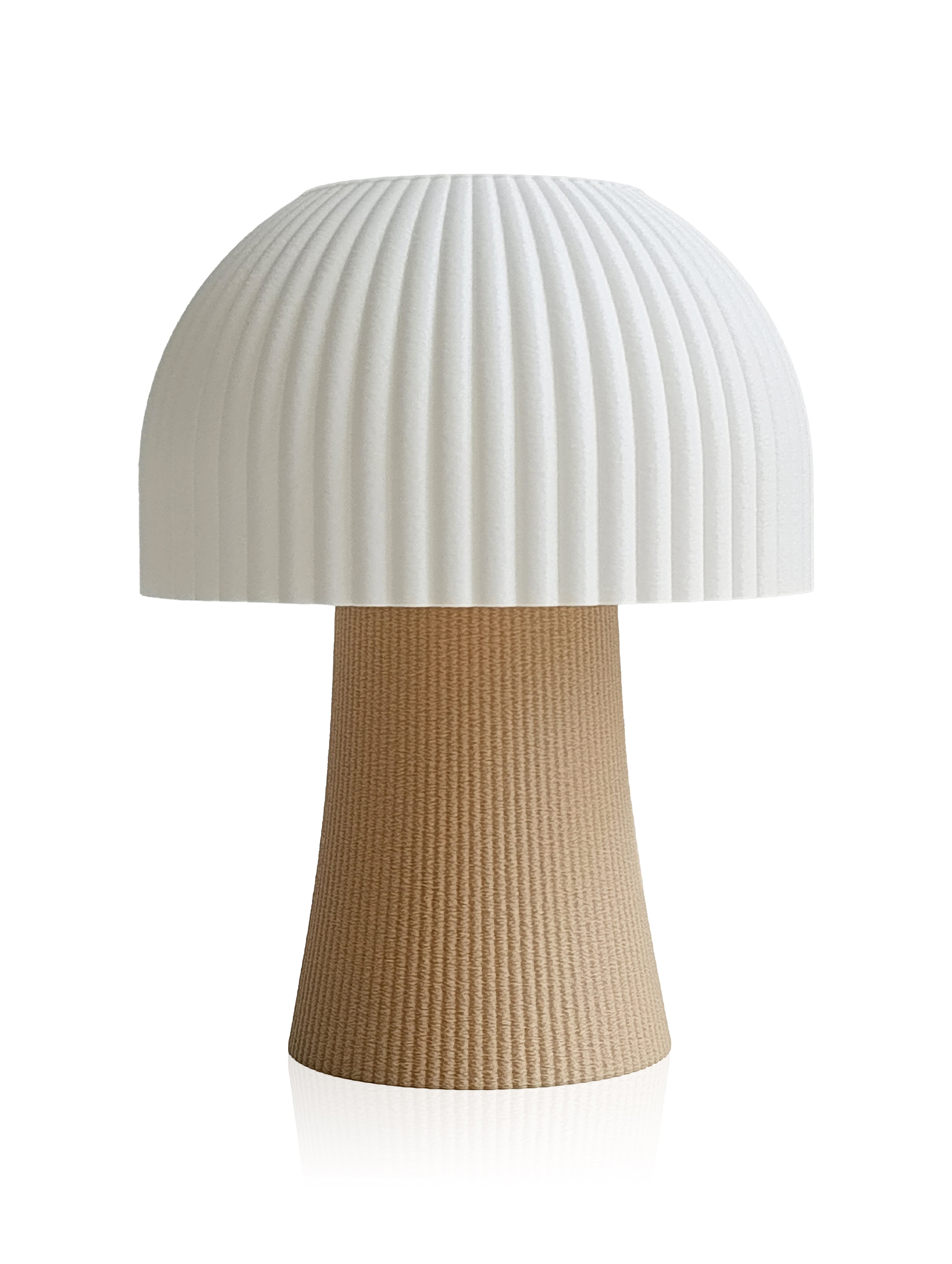
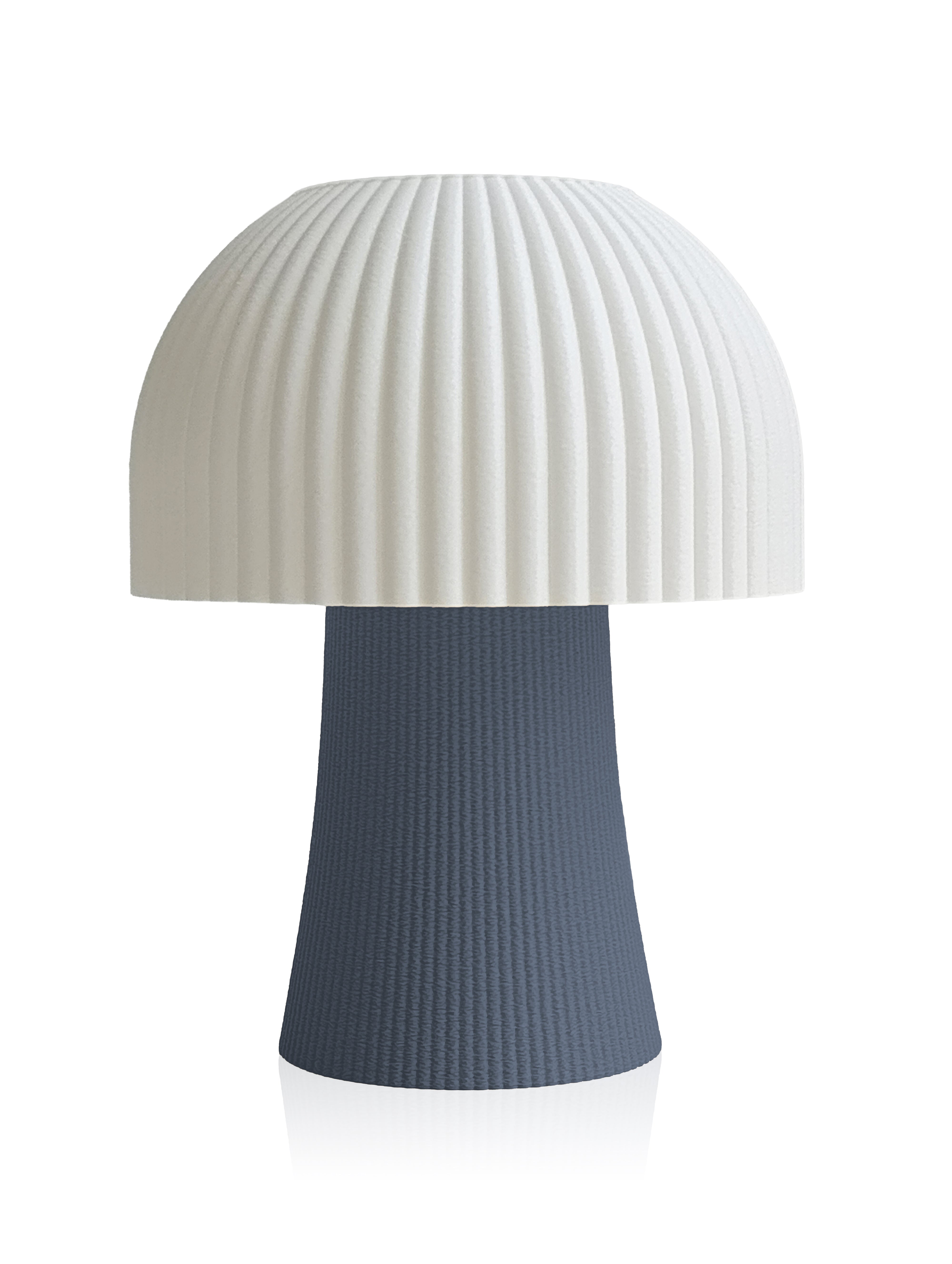
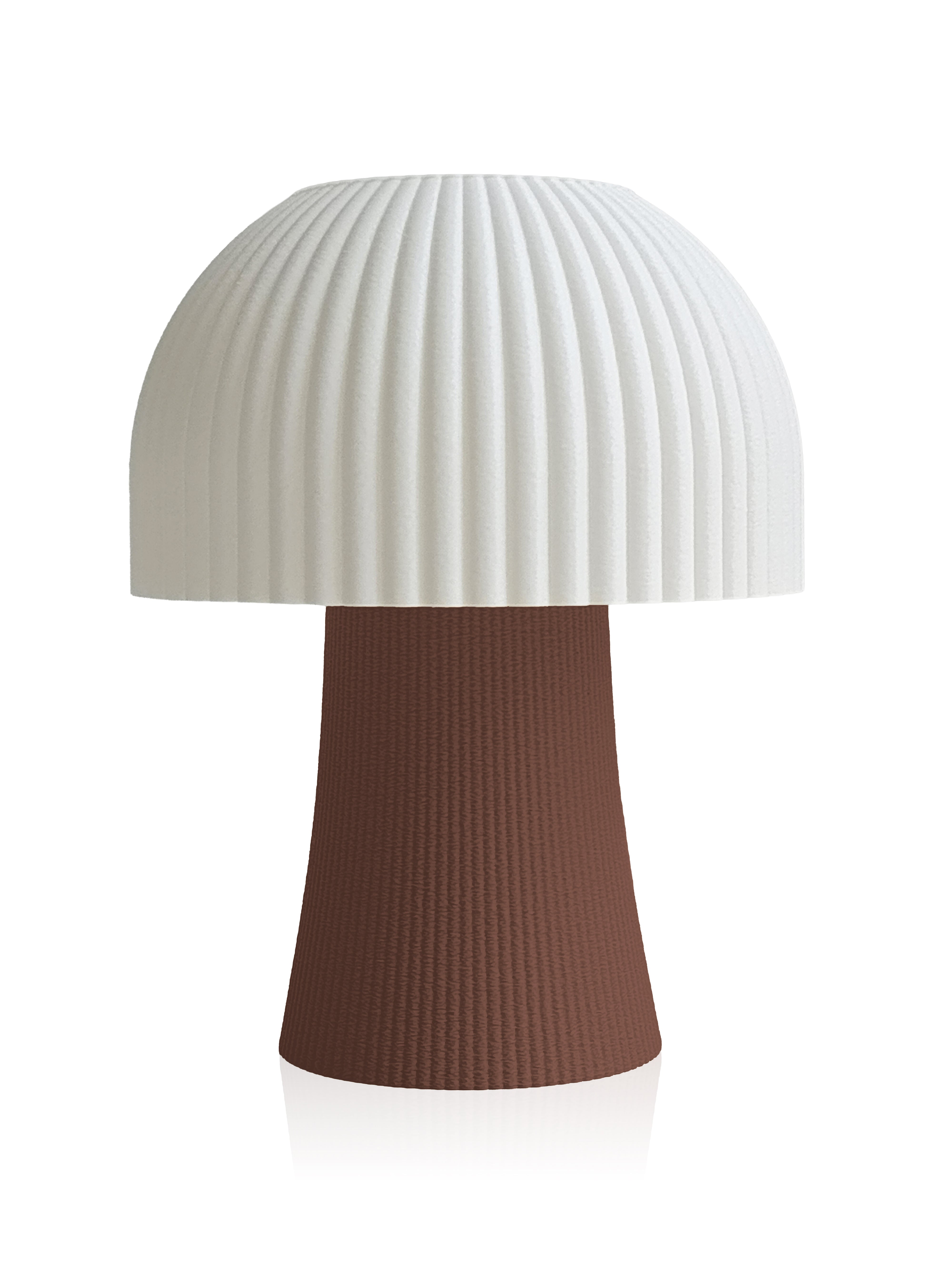
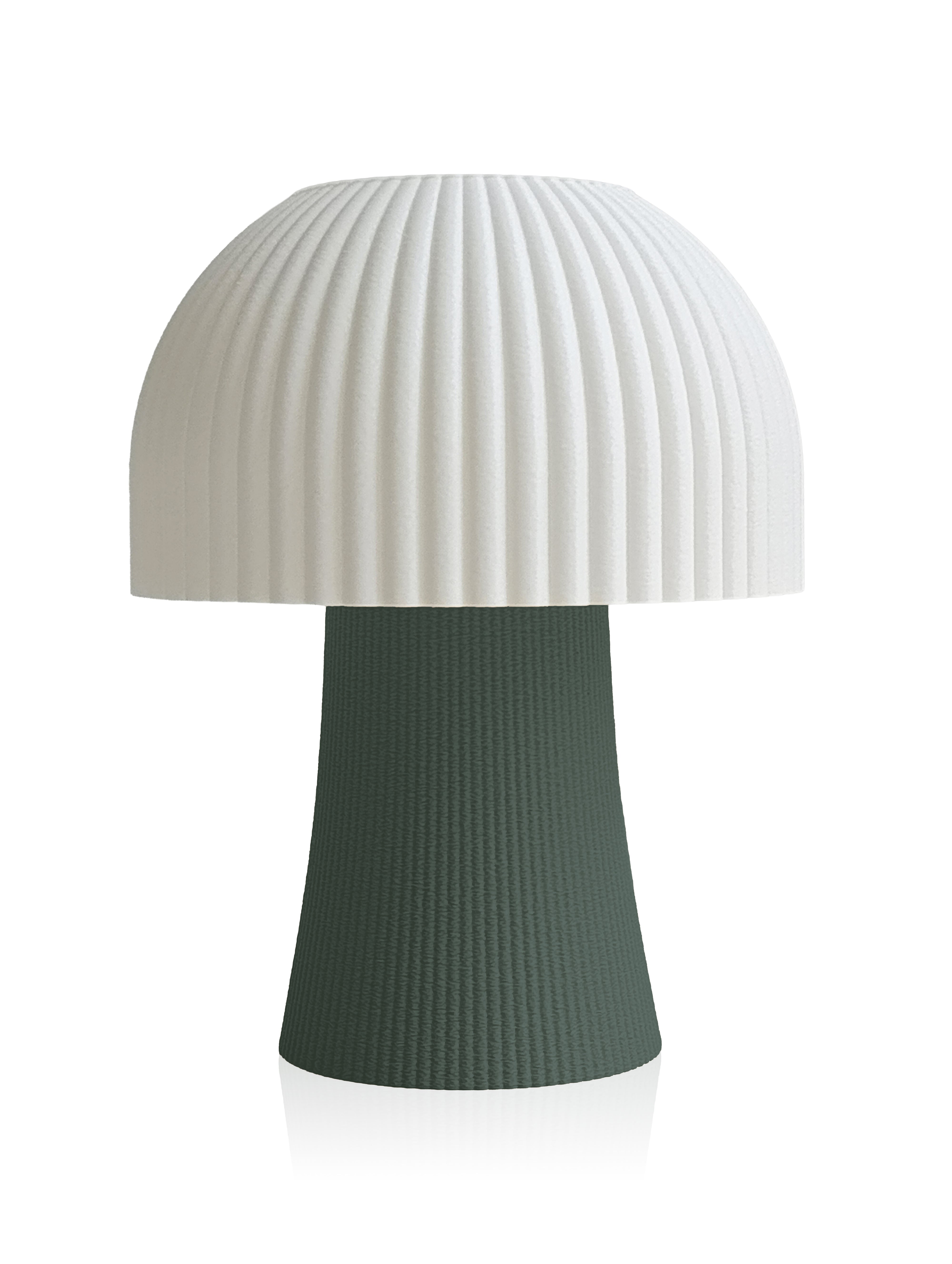
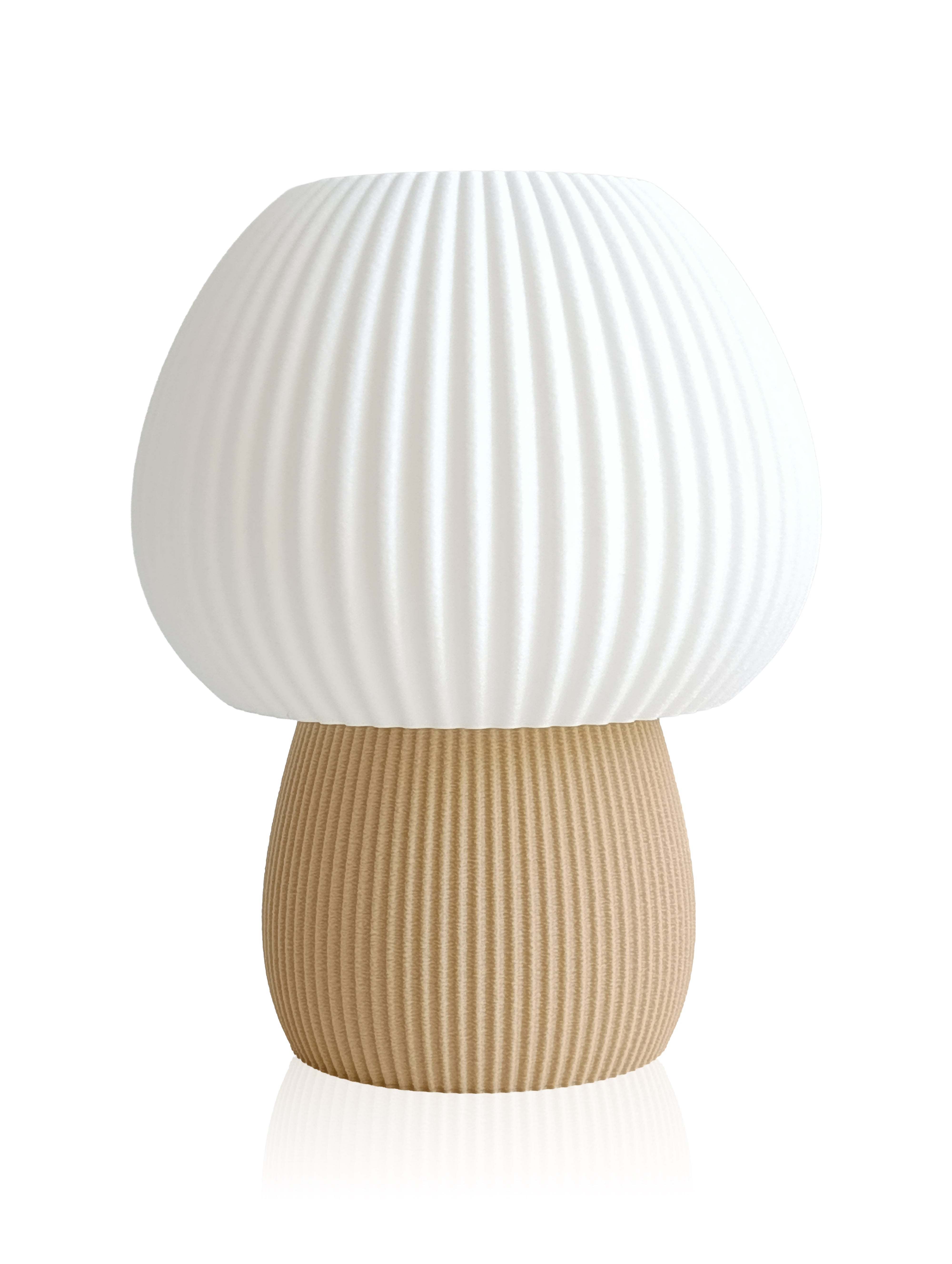
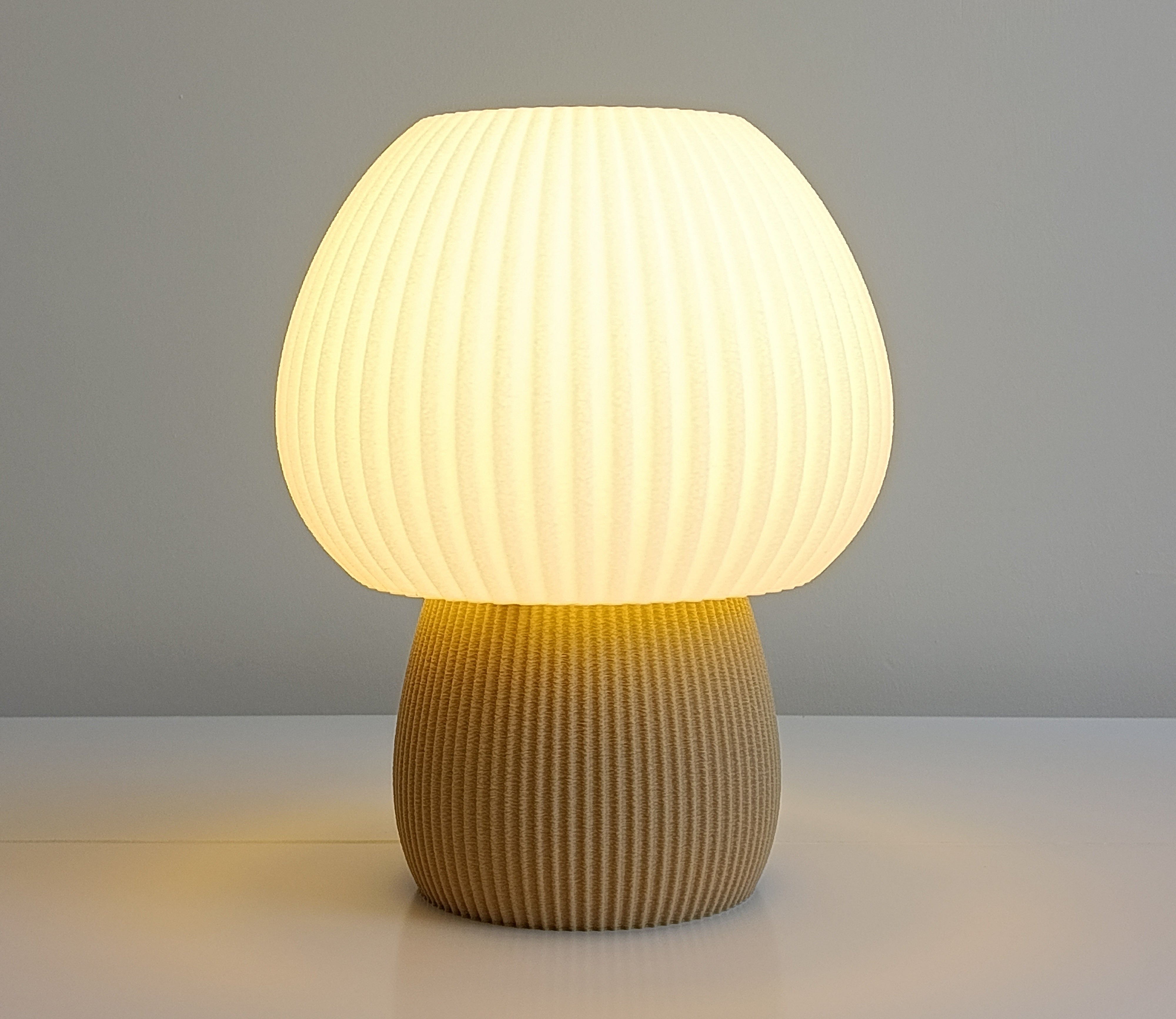
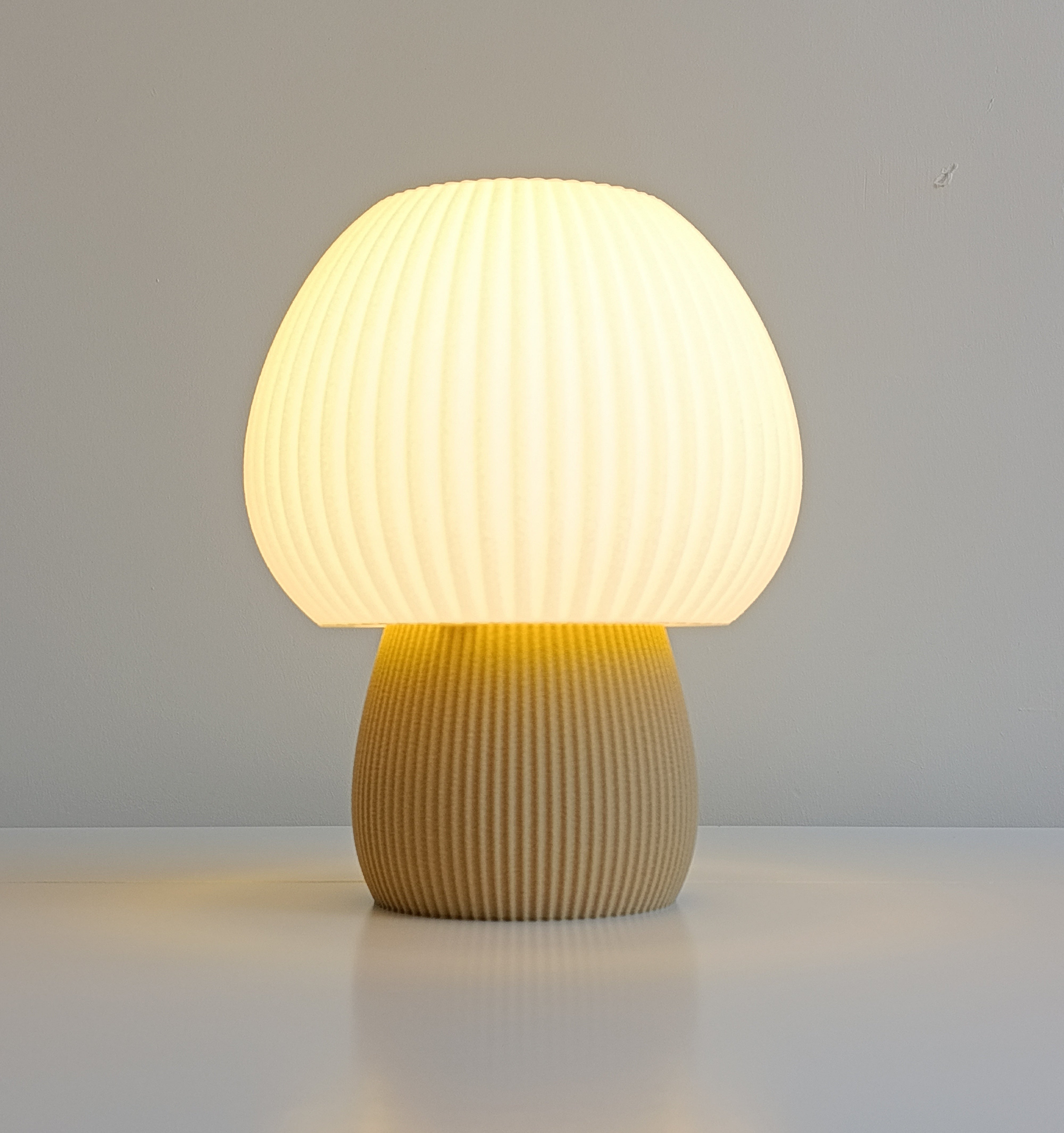
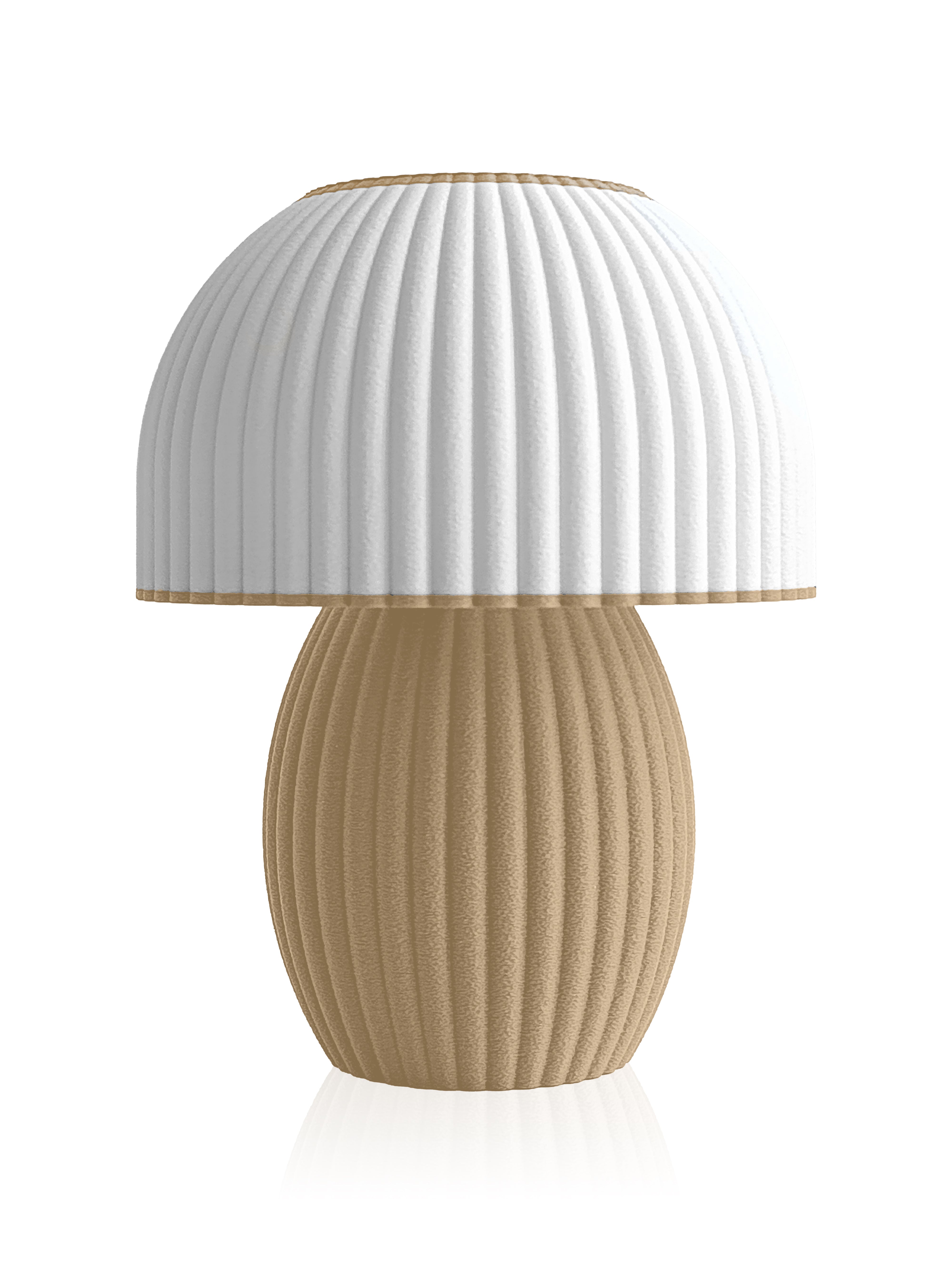
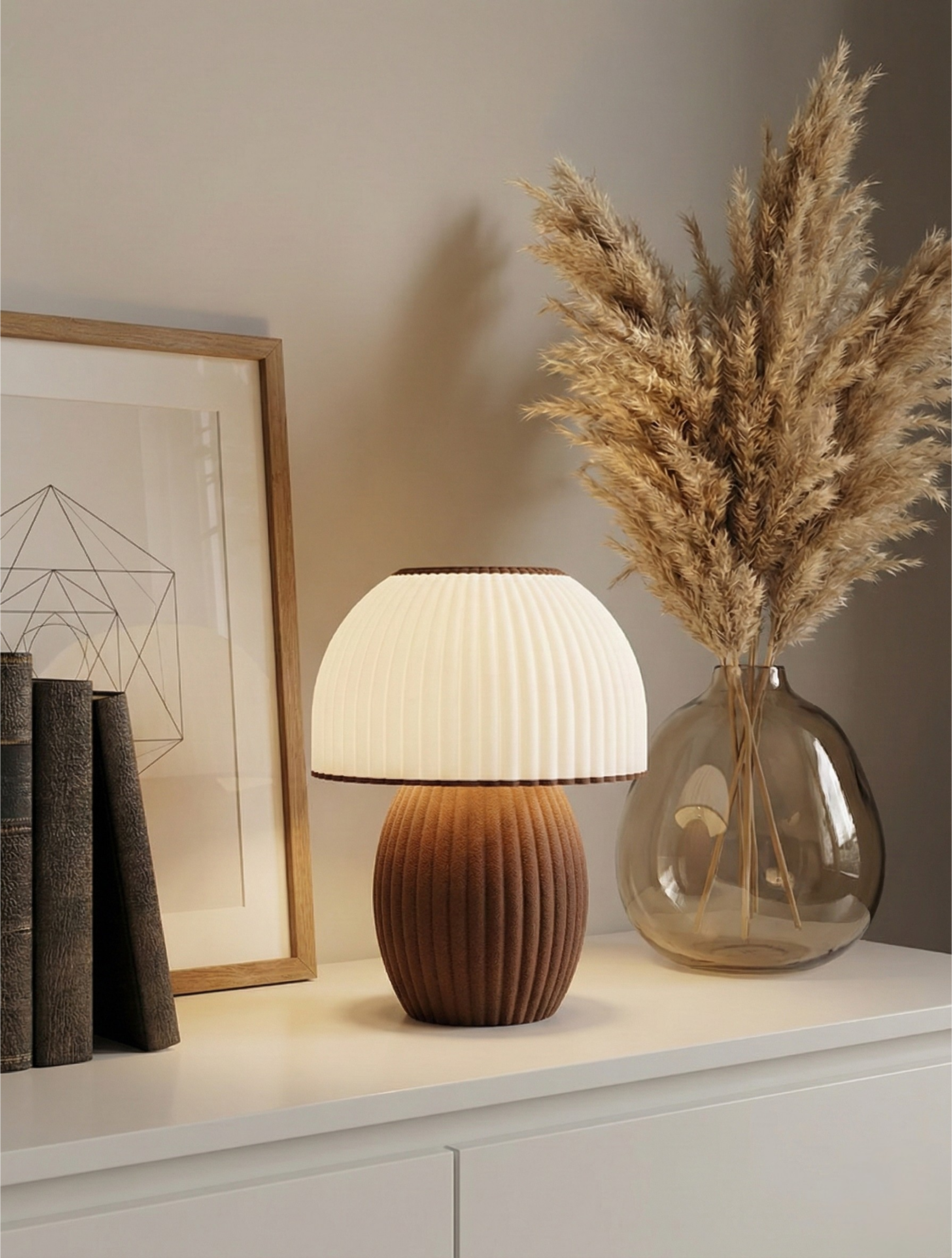
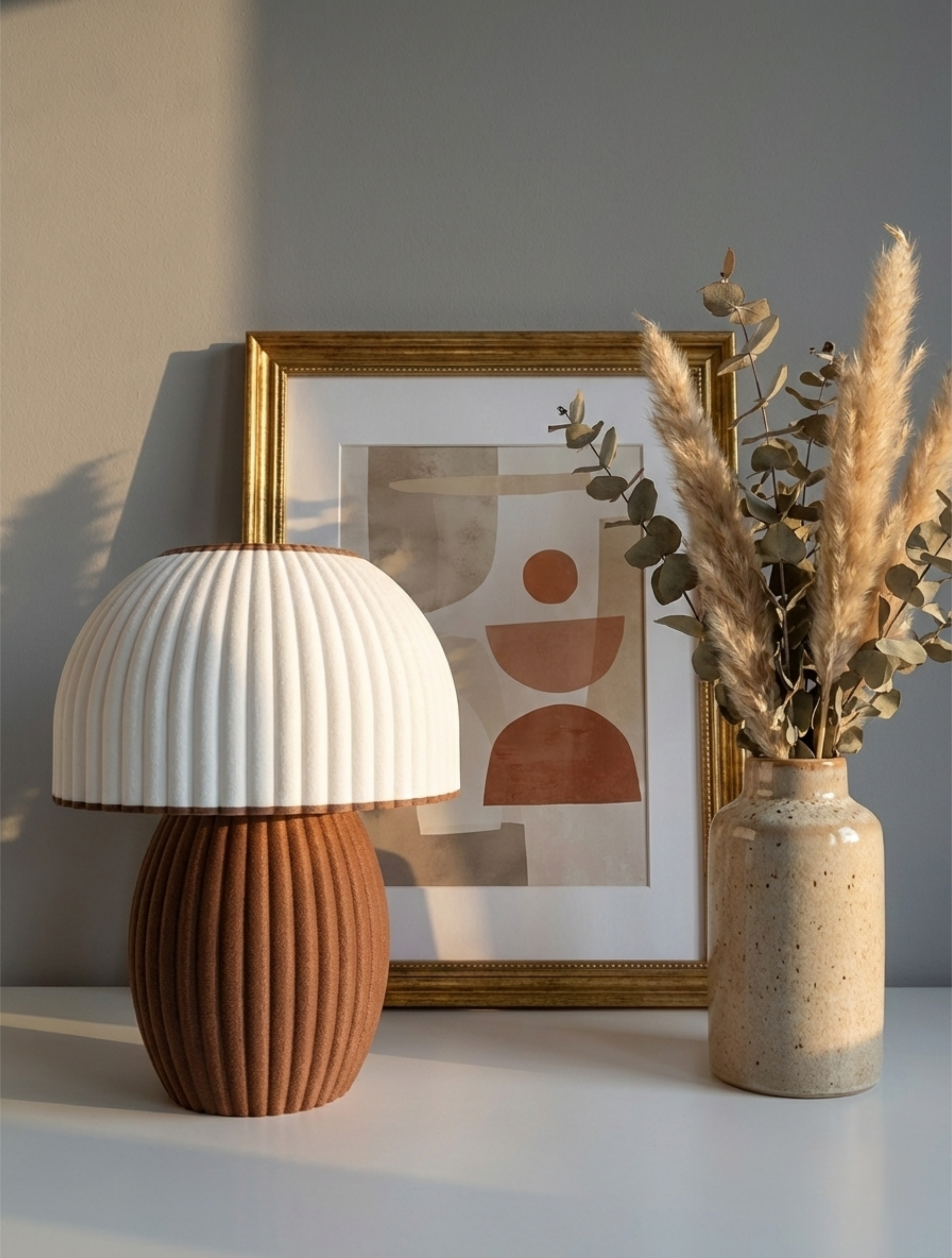
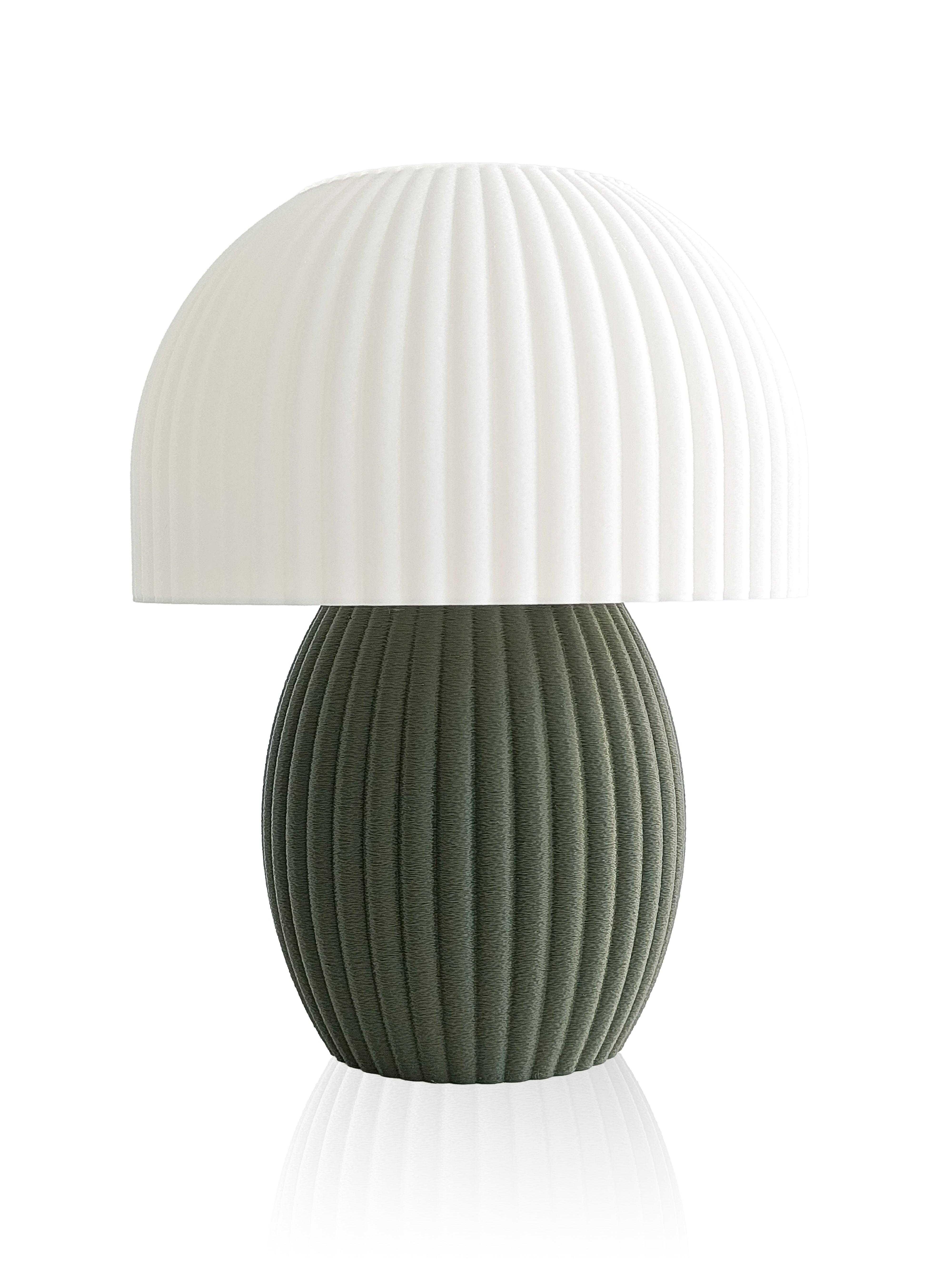
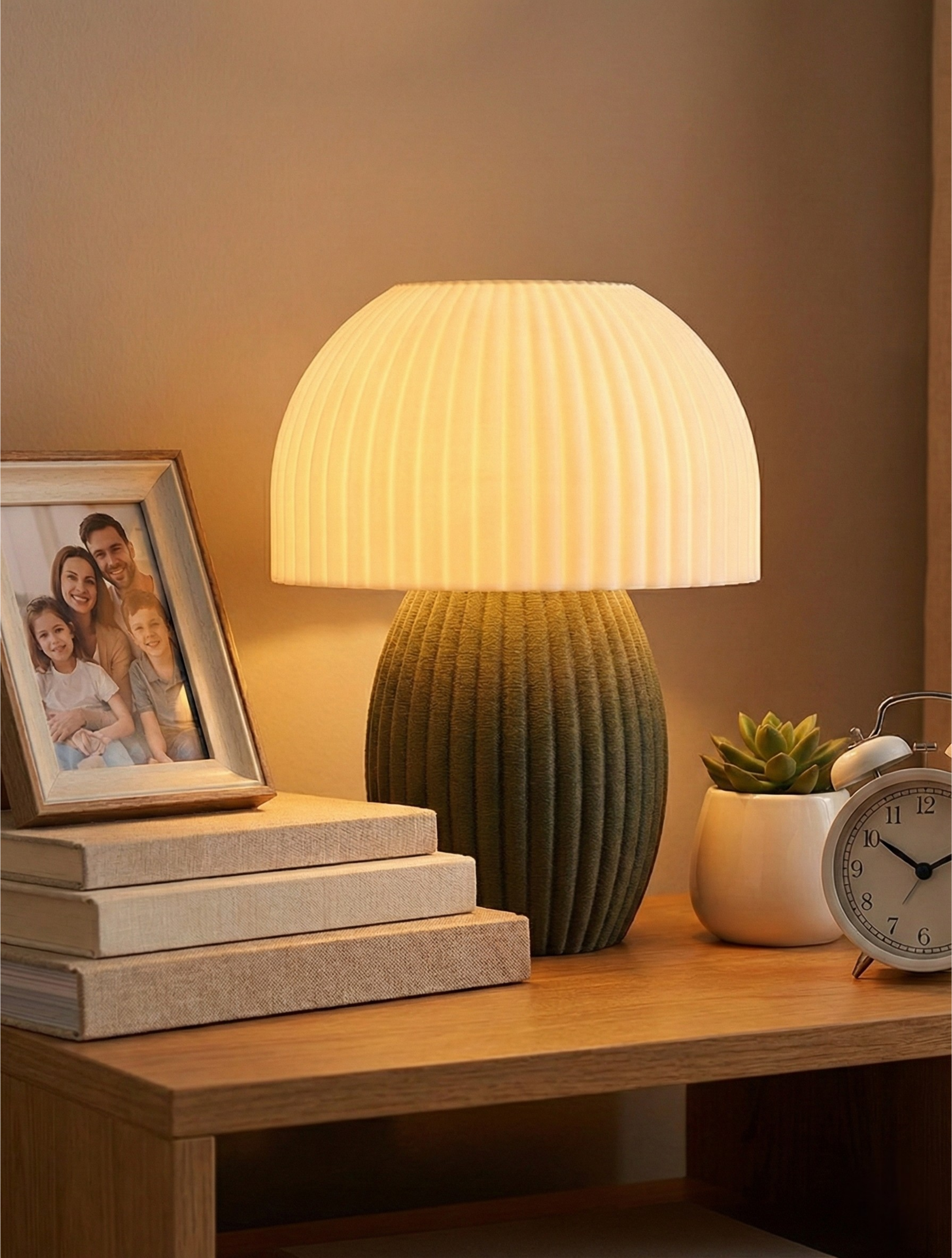
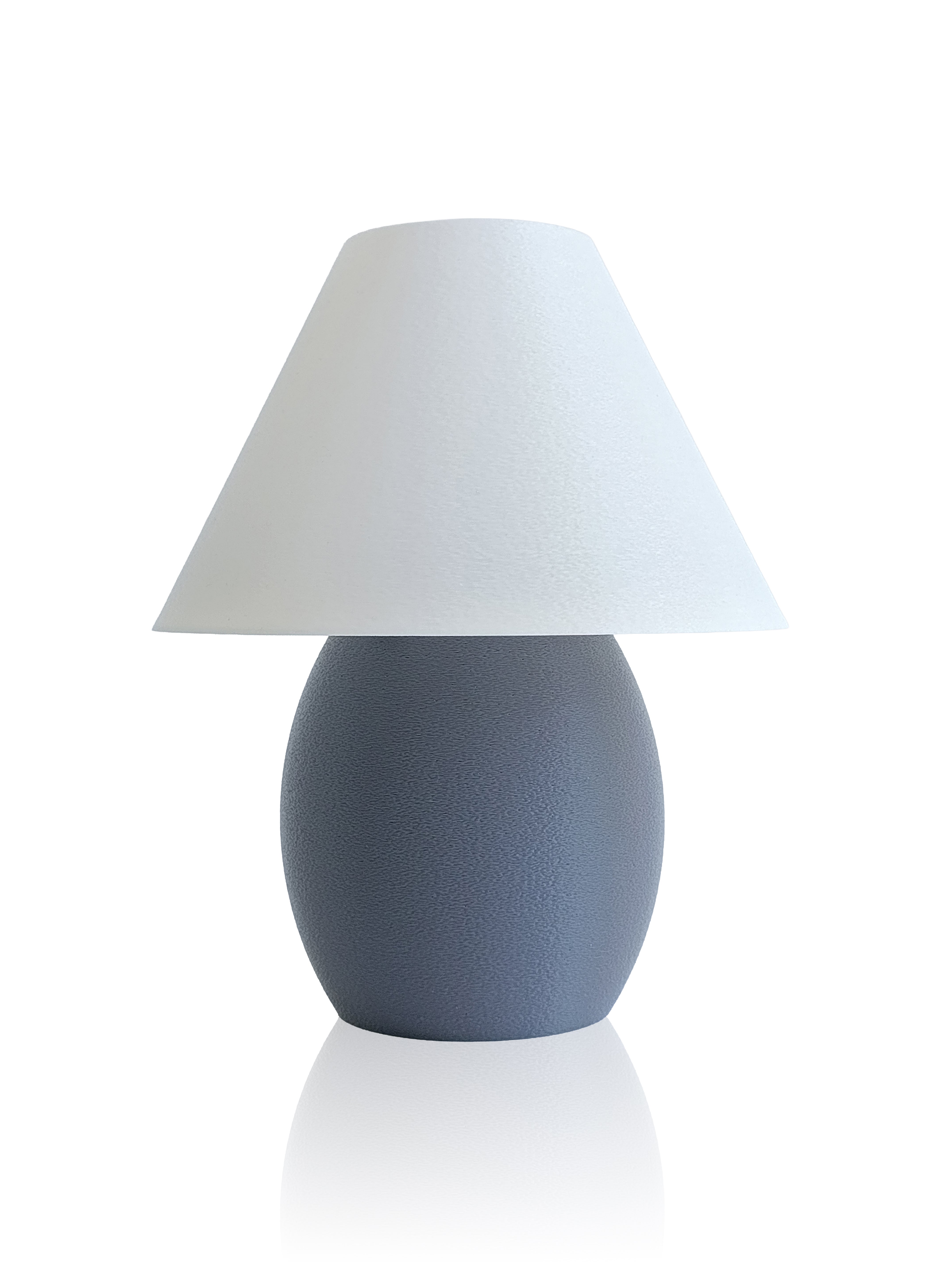
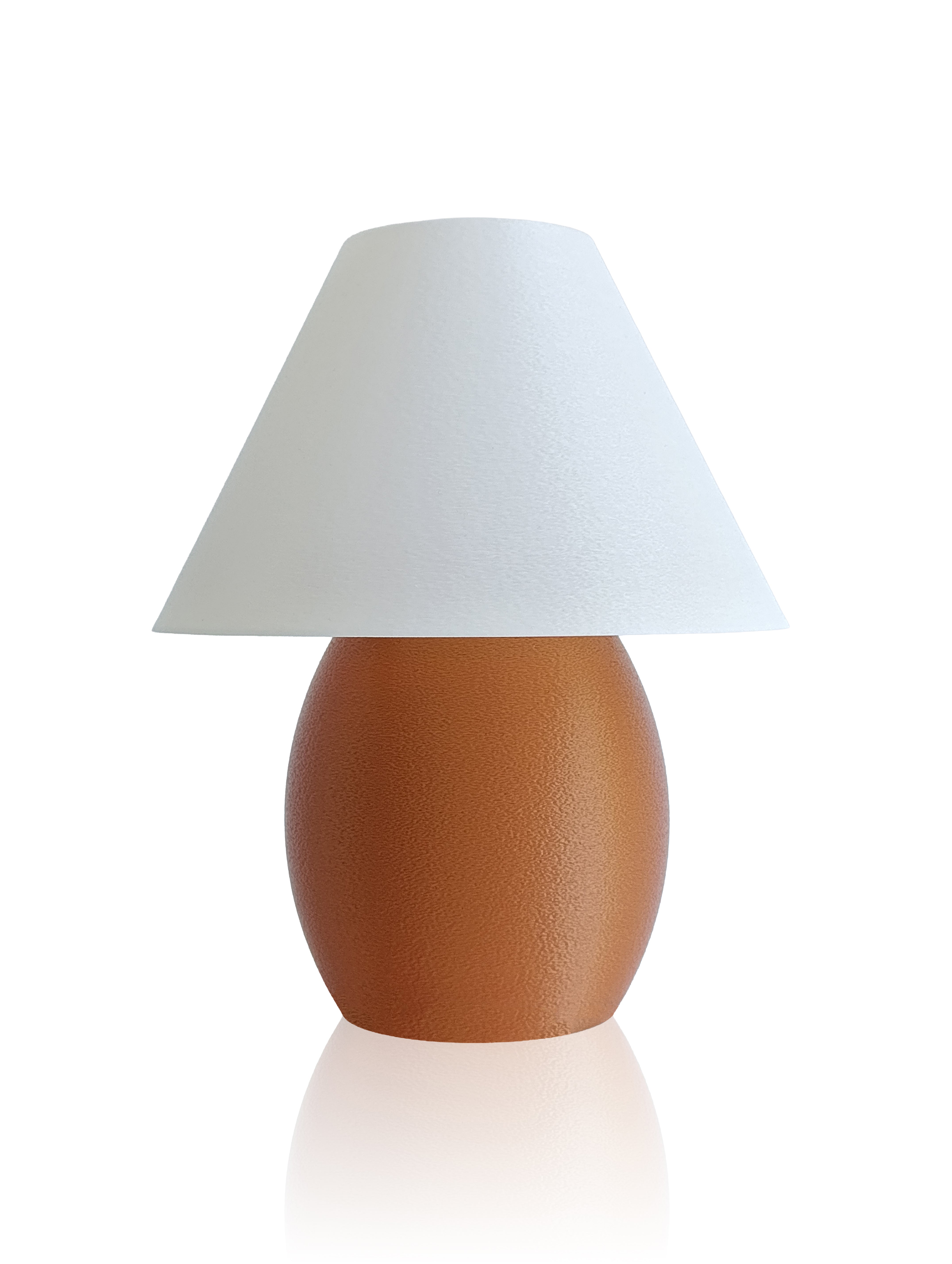
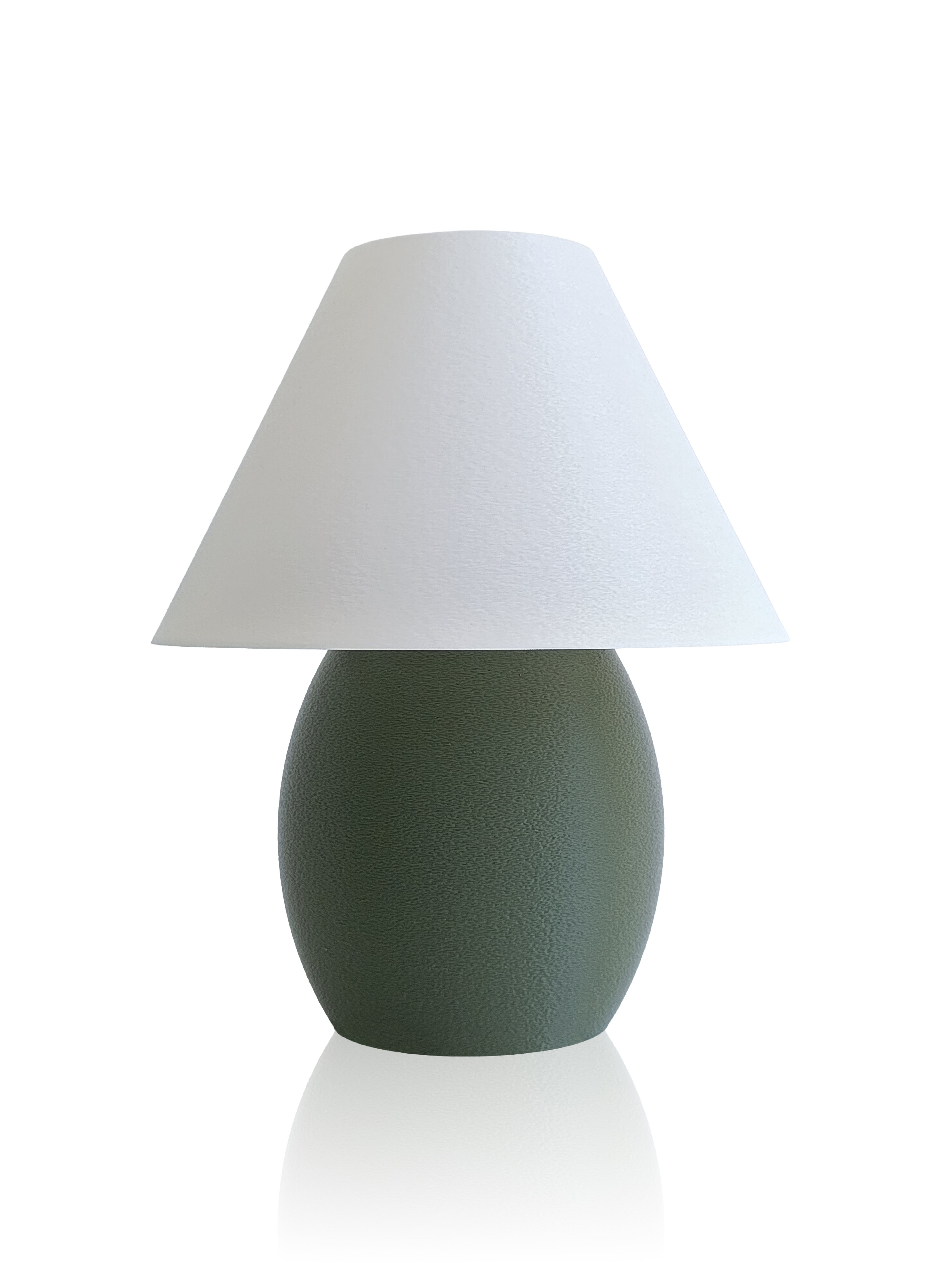
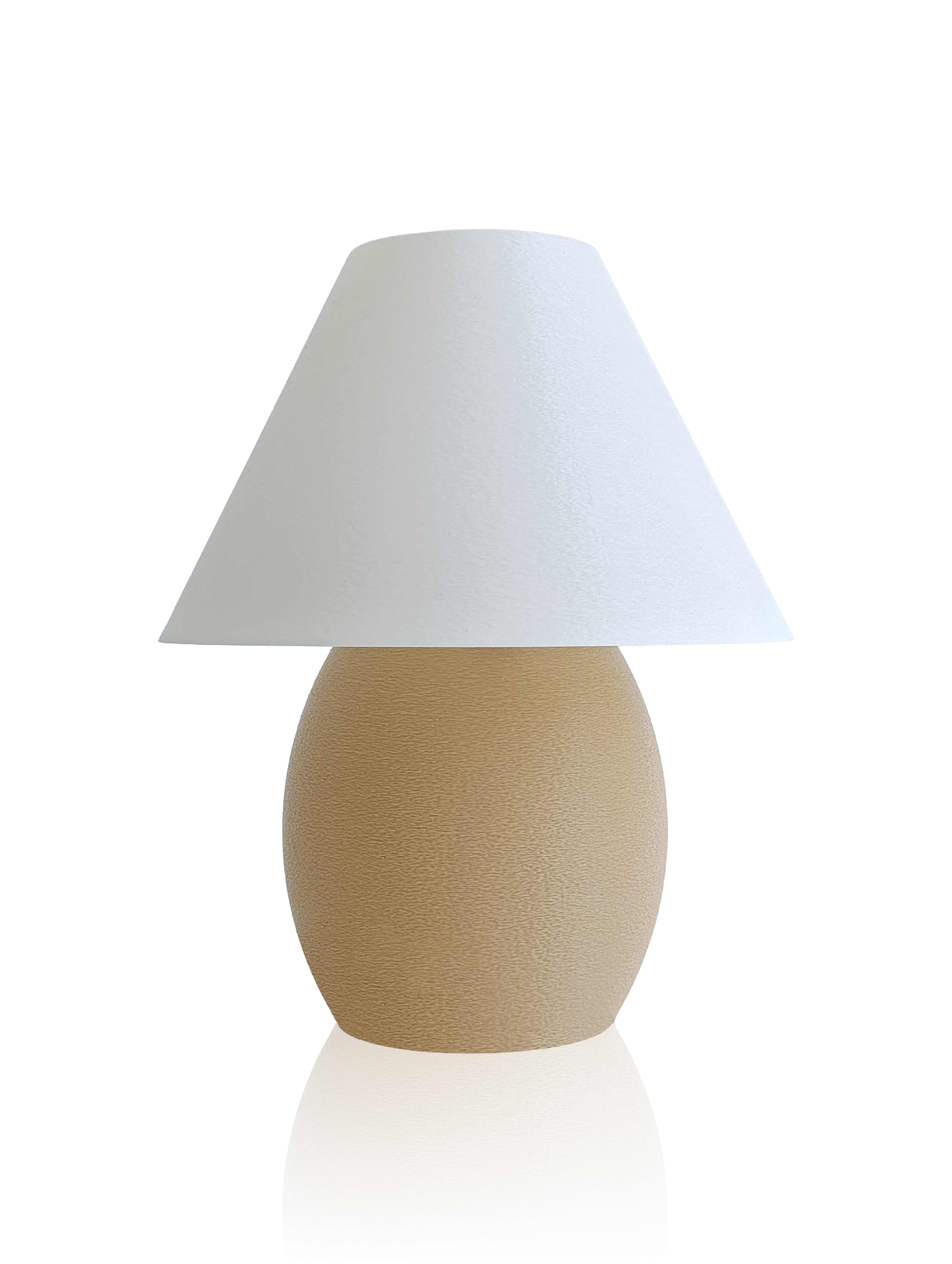
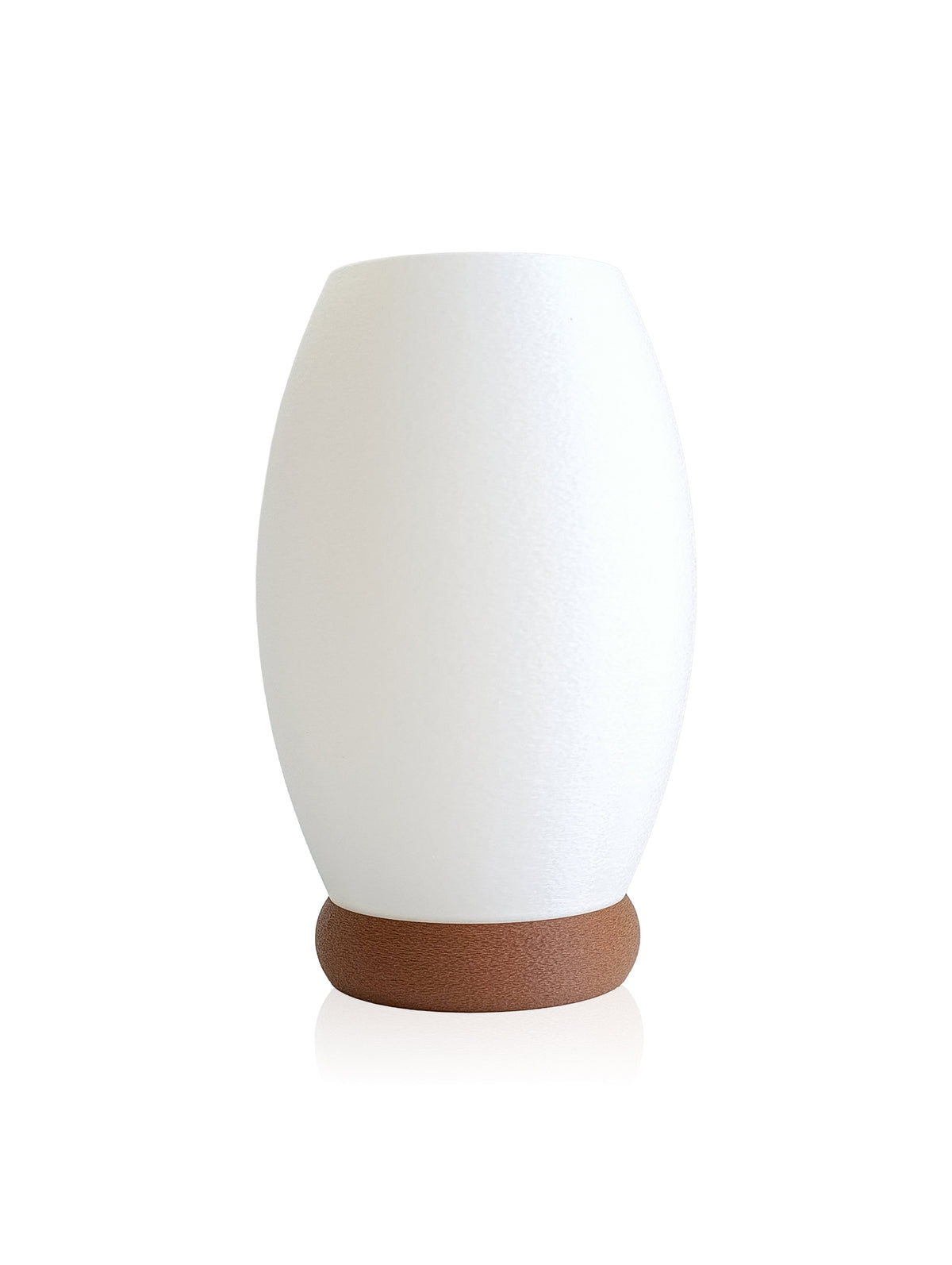
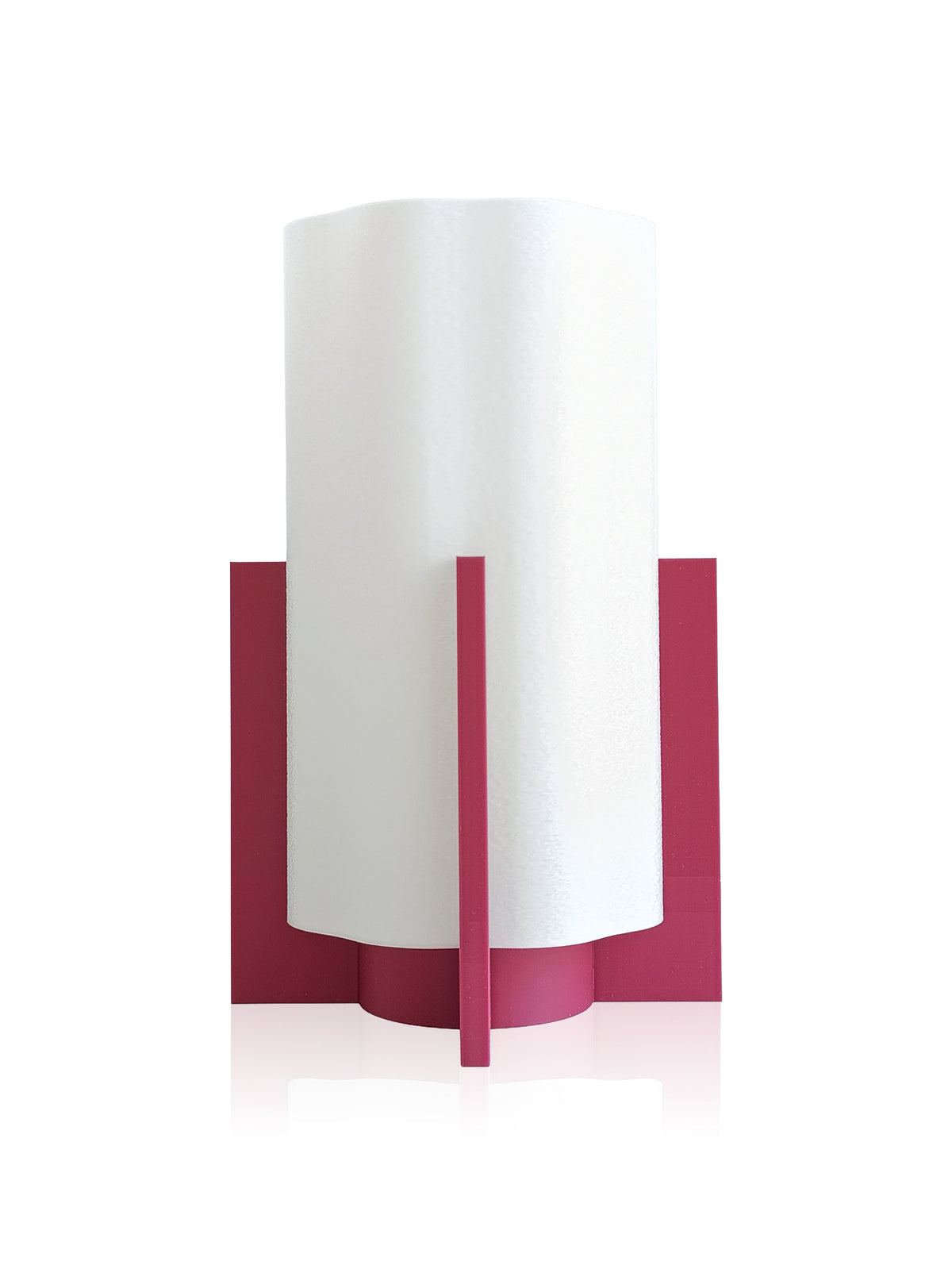
The ORBELA US offers flexible directional lighting that adapts to your specific artwork placement, allowing you to fine-tune the angle and intensity for each piece. This kind of precision makes it easier to achieve professional-quality illumination throughout your home.
- Mount fixtures slightly off-center for asymmetrical pieces
- Use multiple smaller lights rather than one large fixture for gallery walls
- Avoid placing lights directly above if it creates strong shadows
- Test angles during different times of day to account for natural light changes
Layering Light for Your Complete Interior Vision
Dedicated art lighting works best as part of a larger lighting design strategy in your home. Layering different light sources—ambient (general room lighting), task (functional lighting), and accent (like picture lights)—creates depth and flexibility in how spaces feel.
Consider how your artwork interacts with other light sources in the room. Dimmed ambient lighting allows accent lighting on artwork to shine without overwhelming the space. This thoughtful approach to lighting design is what separates a well-lit home from one that feels intentional and editorial—spaces that reflect your personality and care for the things you love.
Frequently Asked Questions
What color temperature is best for lighting artwork?
Warm white light between 2700K and 3000K is ideal for most artwork, as it mimics natural daylight and enhances colors without creating glare or distortion.
How far should a picture light be from artwork?
Position picture lights 12 to 18 inches above the top of the frame, angled at 30 degrees for optimal illumination without glare or shadows.
Can I use regular ceiling lights to illuminate paintings?
Regular ceiling lights often create unwanted reflections and uneven illumination. Dedicated picture lights or directional accent fixtures provide superior control and flattering light distribution.
Lighting your artwork thoughtfully transforms how you experience your home every single day. By understanding color temperature, placement, and how light layers within your space, you're making decisions that honor both your art and your living environment. Your home deserves lighting that's as intentional and meaningful as the pieces you've chosen to display.







Share:
Kids Room Lighting: Safe and Educational Light Design
Smart Home Lighting: Voice Control and Automation Guide