

Light and Social Distance: How Lighting Affects Human Proximity

The spaces we inhabit speak a quiet language—one that shapes how we move through them, where we choose to sit, and how close we stand to the people we care about. Light and social distance are deeply intertwined in ways most of us have never consciously considered. How you light your home doesn't just affect what you see; it influences the invisible boundaries between bodies, the comfort of gatherings, and the emotional tenor of every interaction that happens within your walls. Understanding this connection transforms lighting from mere functionality into a tool for designing human experience.
The Science of Light and Spatial Behavior
Our bodies respond to light in profound ways that extend far beyond vision. When a space is brightly lit, research shows that people tend to maintain greater physical distance from one another—a phenomenon rooted in our evolutionary wiring. Bright light heightens alertness and can trigger a subtle sense of vigilance, making us more aware of others as separate entities in our environment. This is why clinical spaces, offices, and stores often feel more formal and distancing: they rely on high-intensity overhead lighting that keeps us psychologically at arm's length.
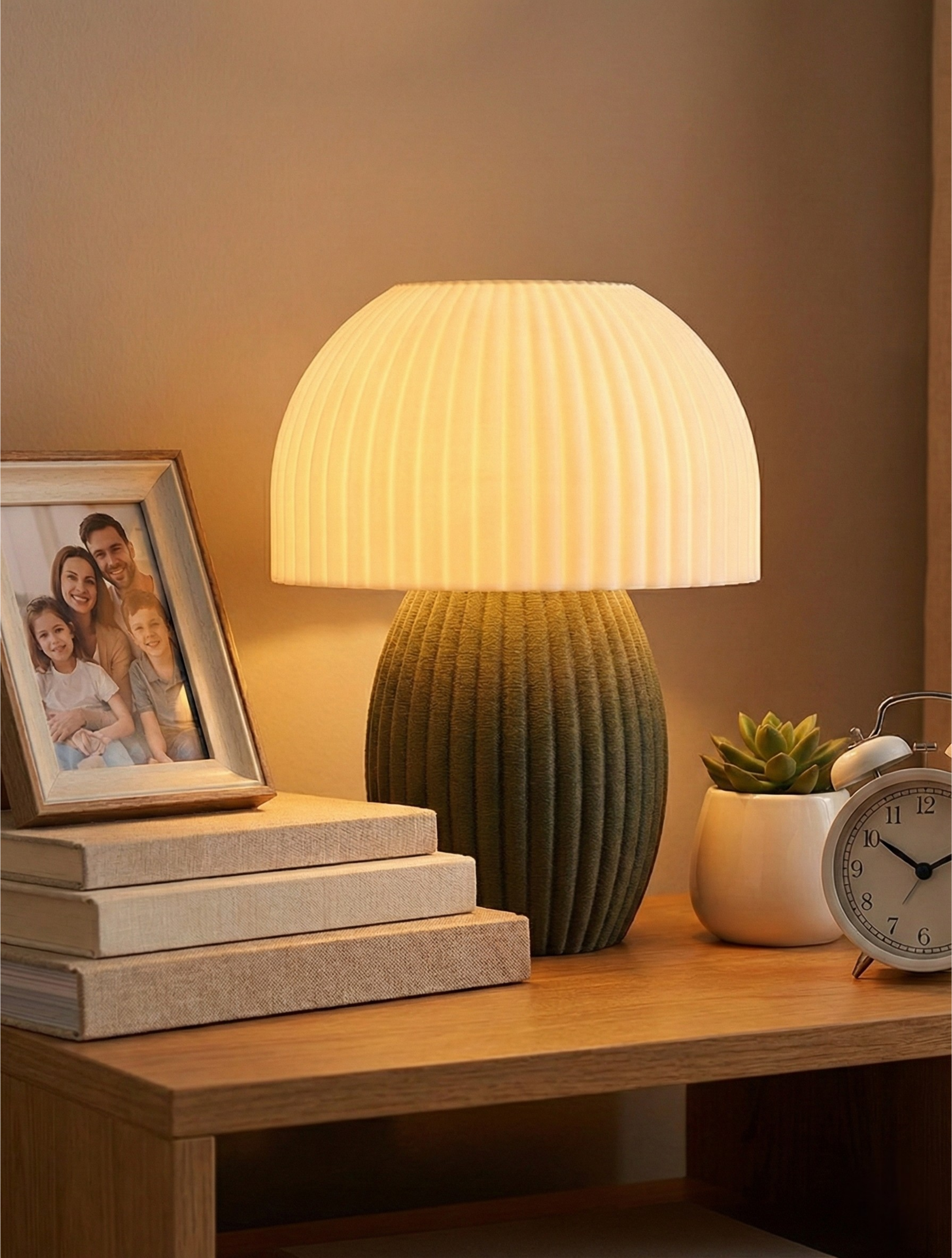
Conversely, softer, warmer lighting creates what researchers call "approach behavior." Lower light levels (typically between 200-500 lux) encourage people to move closer together, relax their posture, and engage more intimately. The warmth of the light itself—measured in color temperature on the Kelvin scale—matters enormously. Warmer tones (around 2700K) feel more inviting and social, while cooler tones (5000K and above) feel more institutional and formal. Your home's lighting literally rewires the distance your guests maintain from one another.
Why Warm Light Invites Closeness
There's a reason candlelit dinners feel romantic and fluorescent break rooms feel isolating. Warm light carries psychological weight tied to comfort, safety, and belonging. When light approaches the temperature of fire—that primordial source of human gathering—something primal shifts in us. We unconsciously associate it with home, with tribe, with the people we trust enough to sit beside.
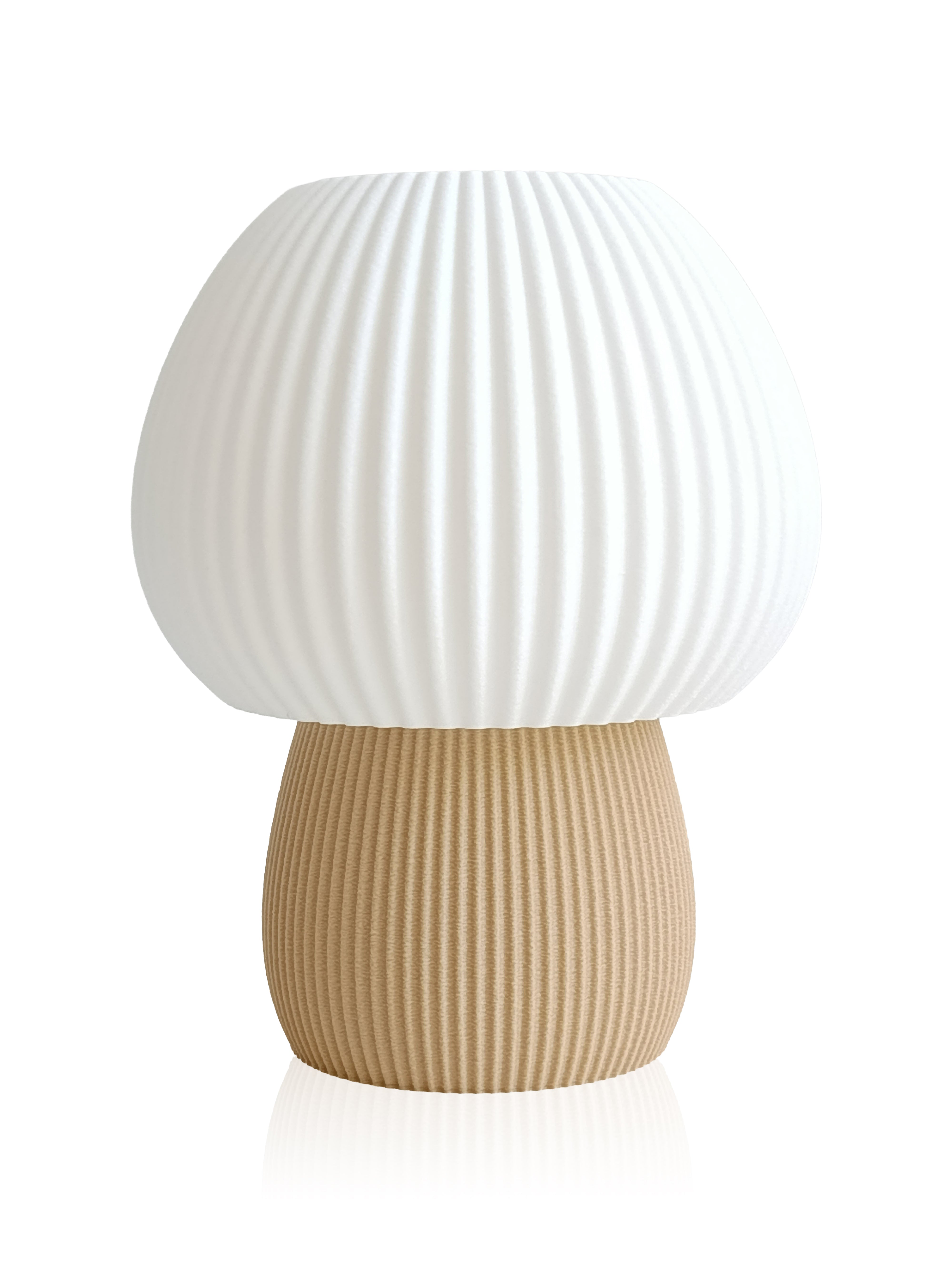
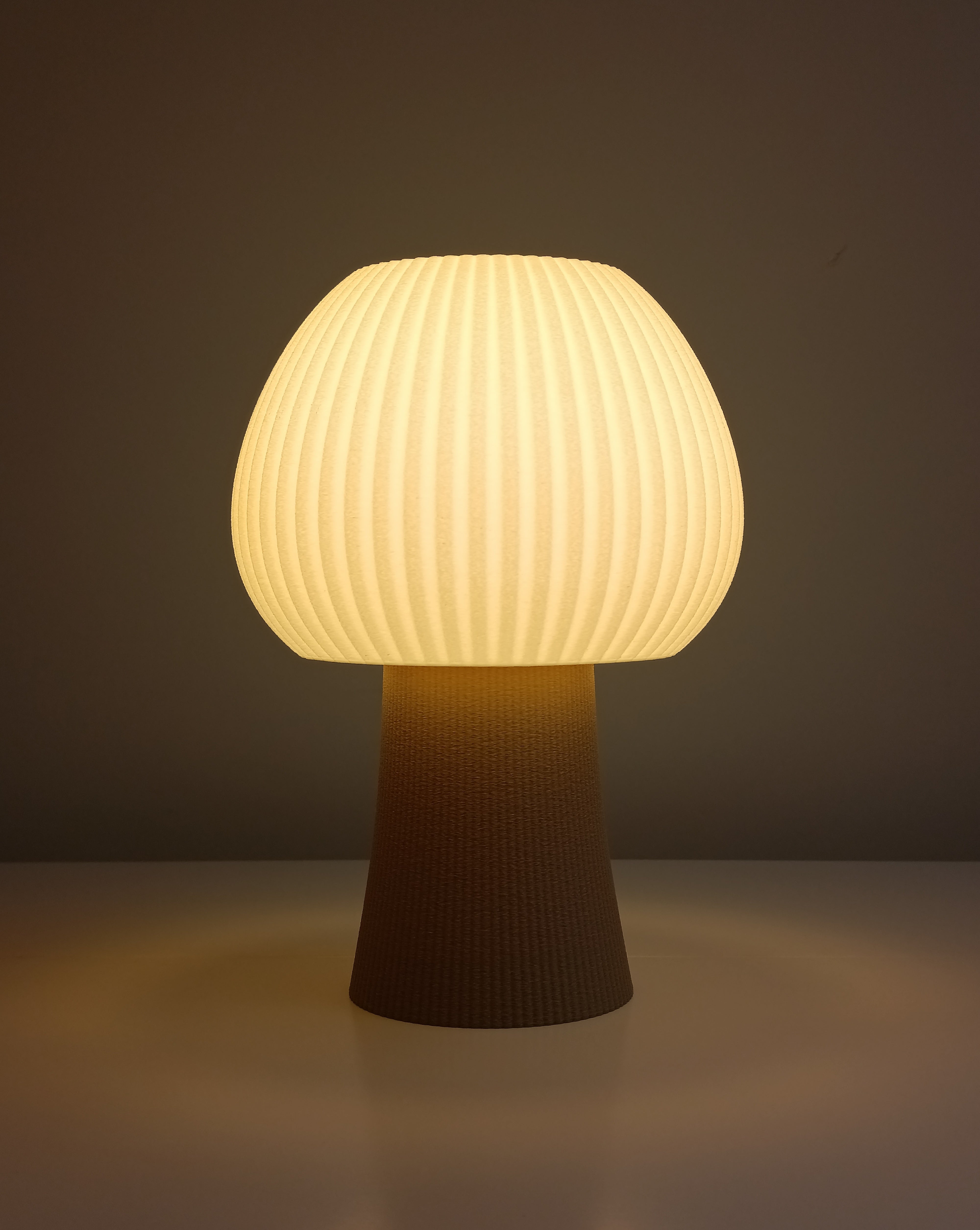
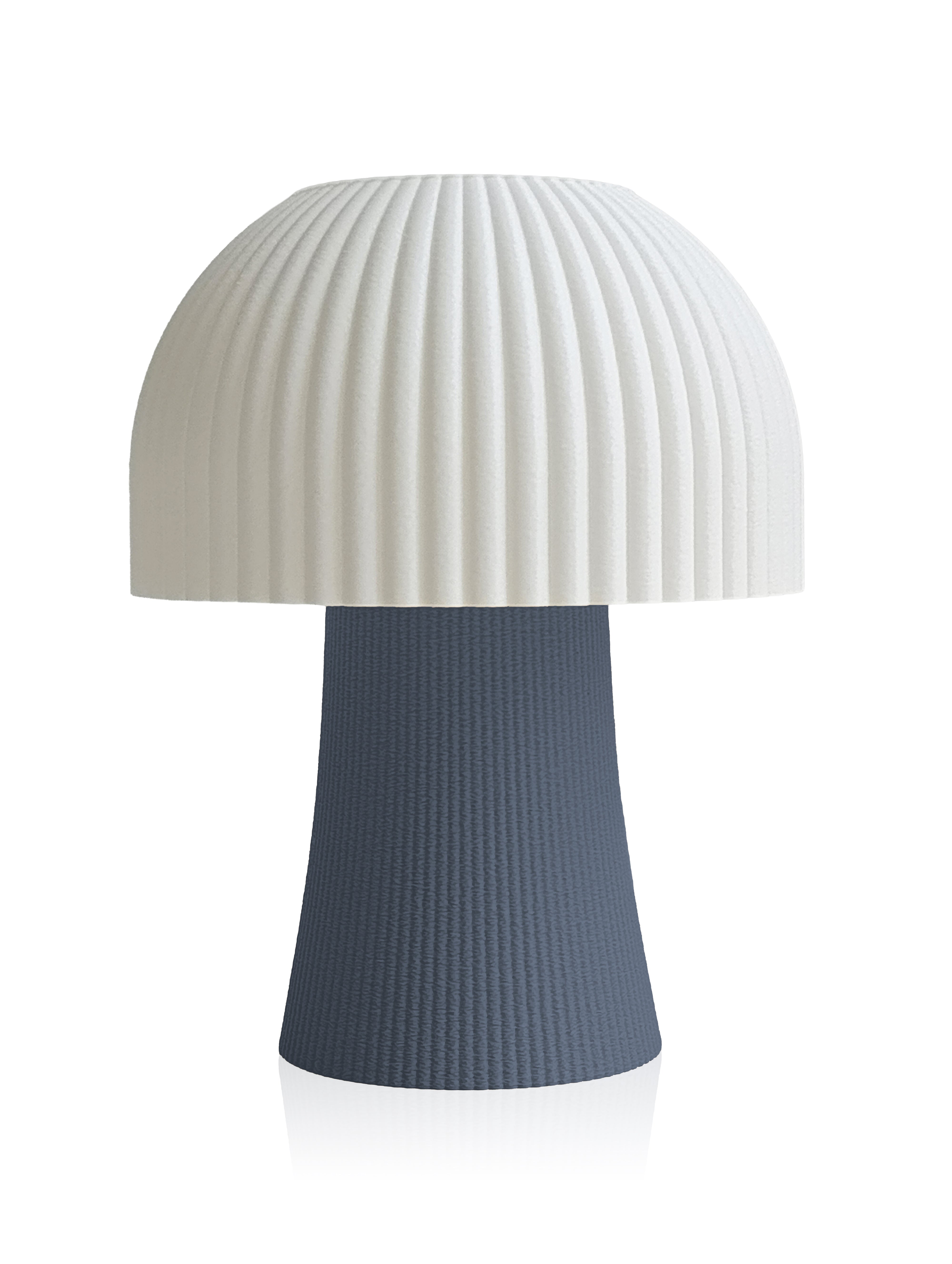
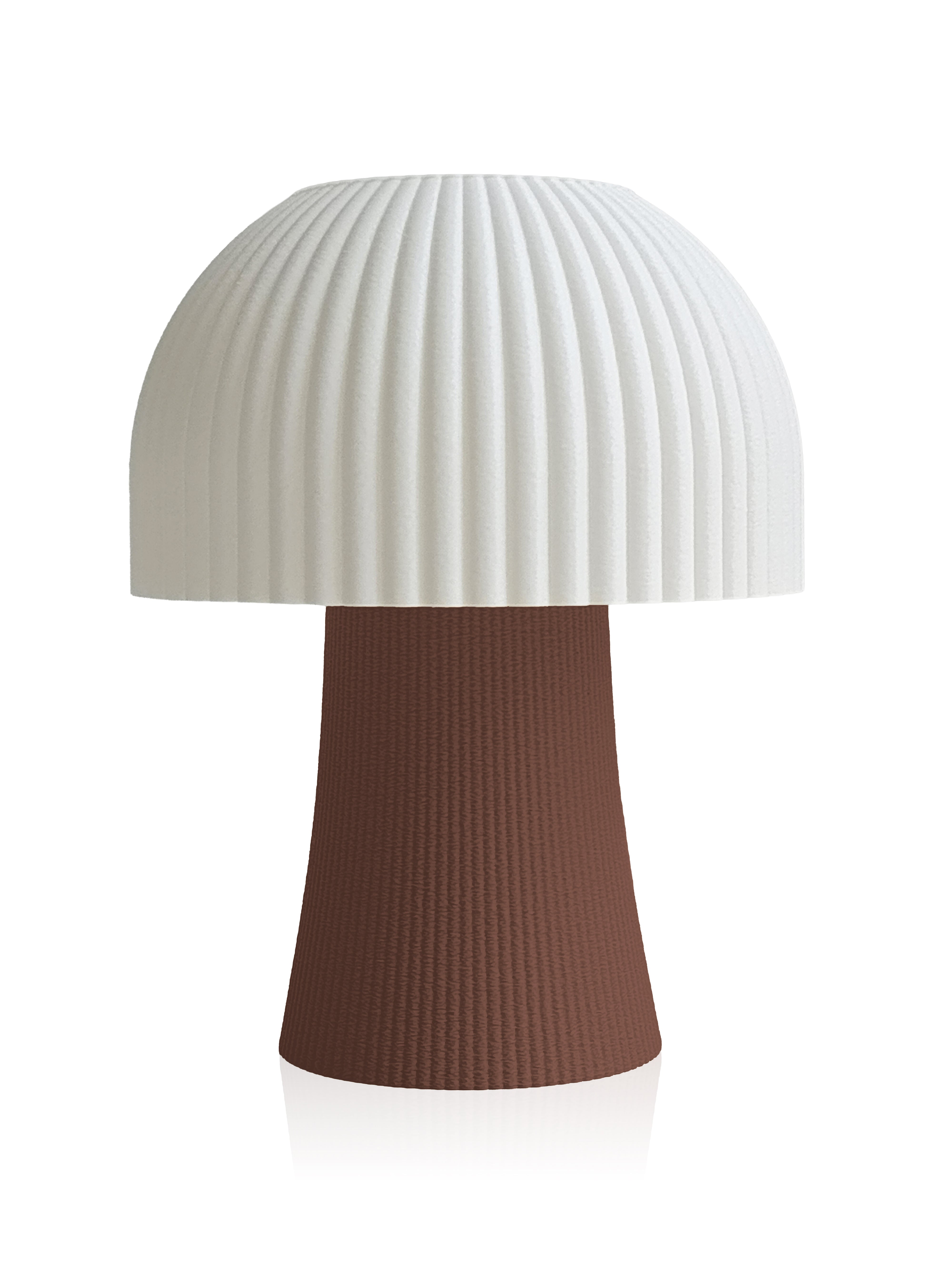
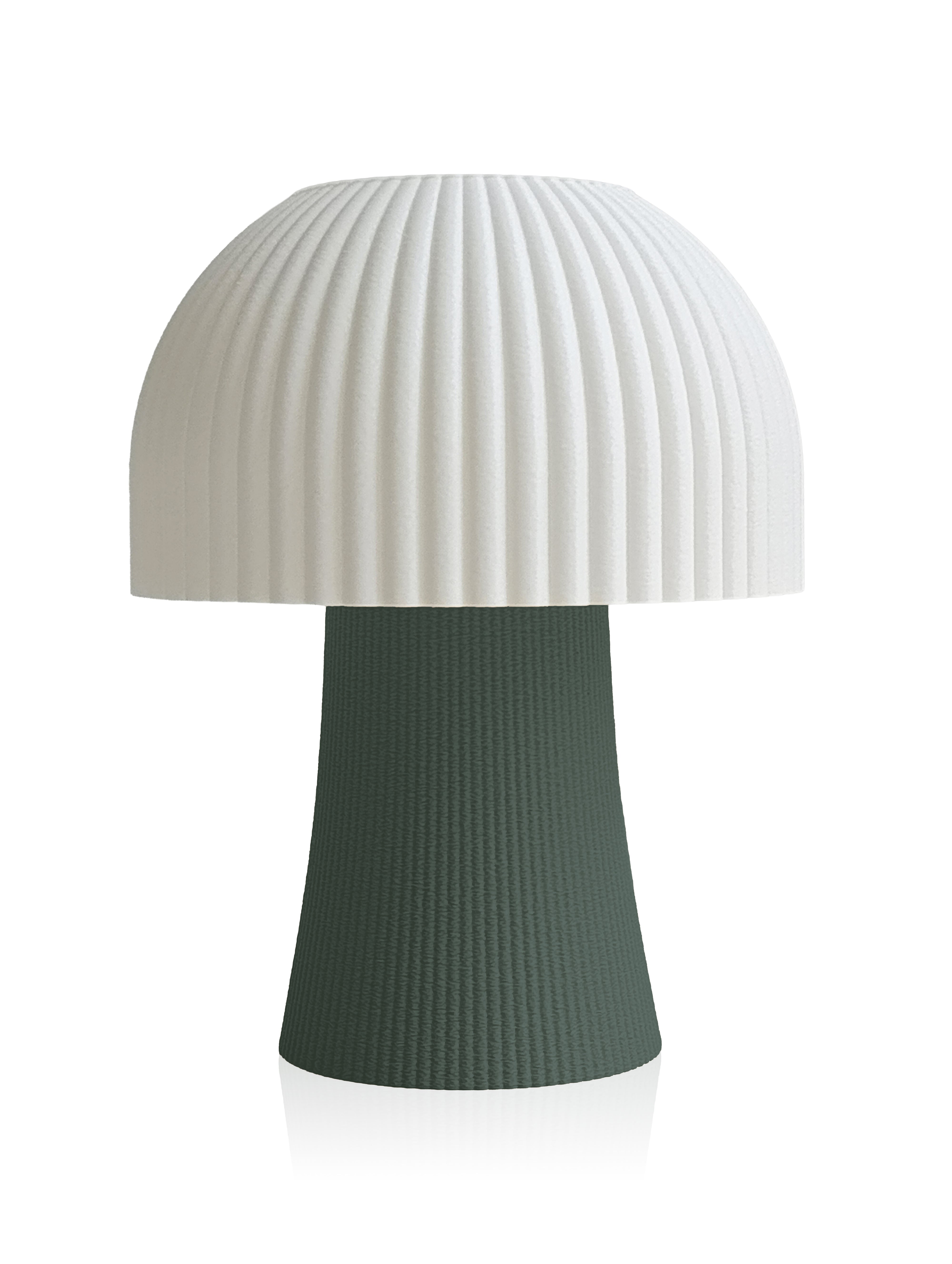
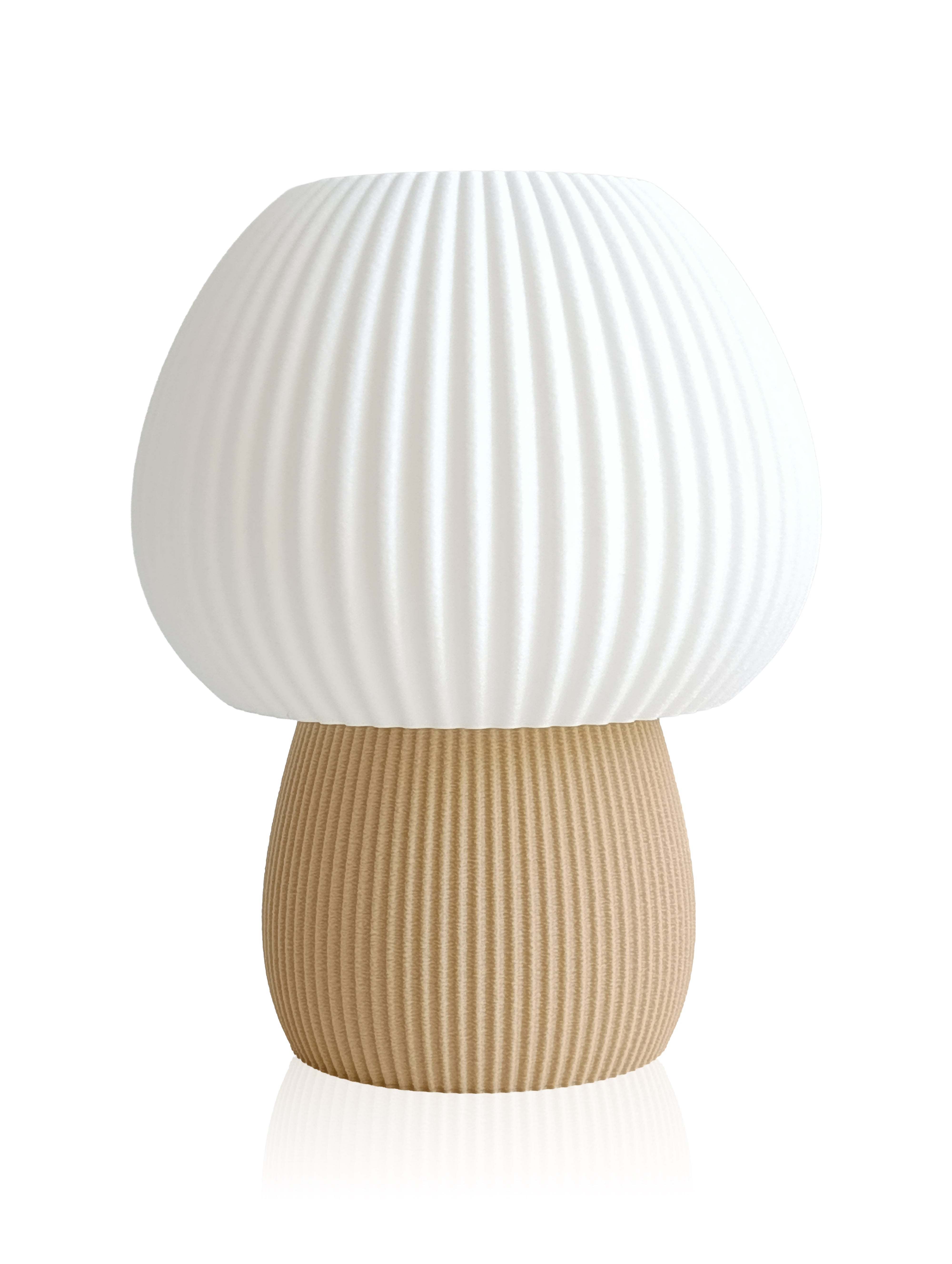
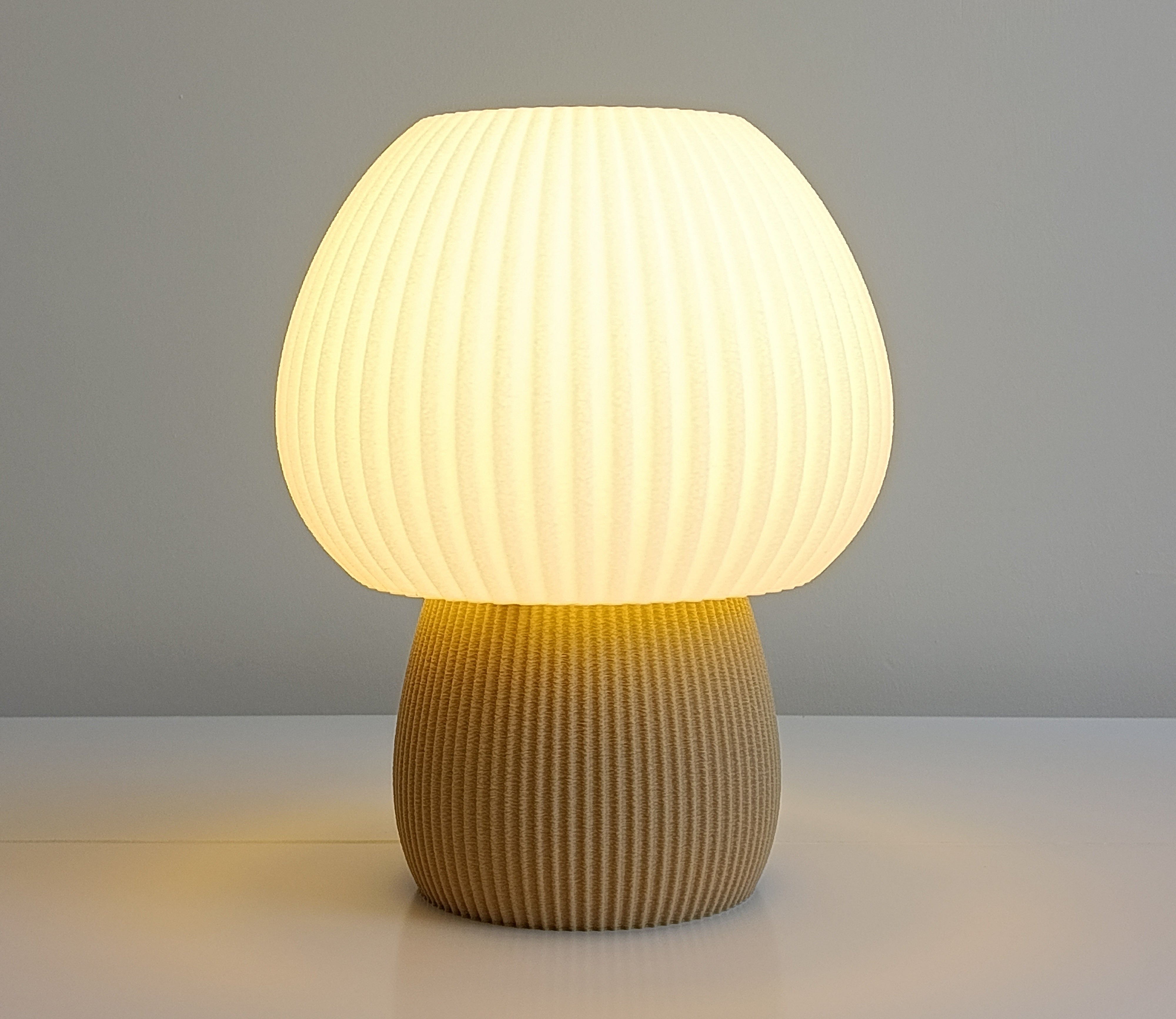
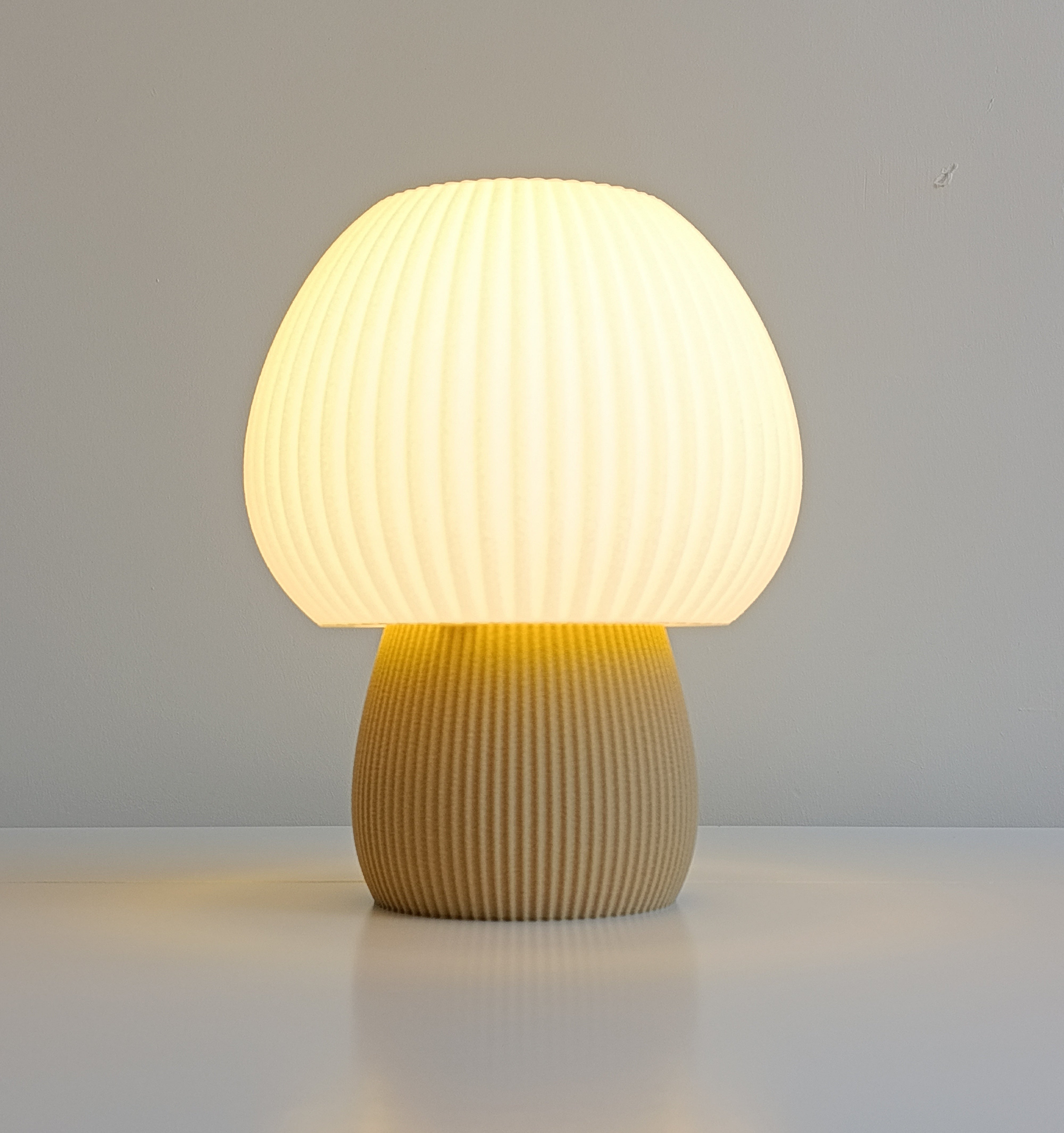
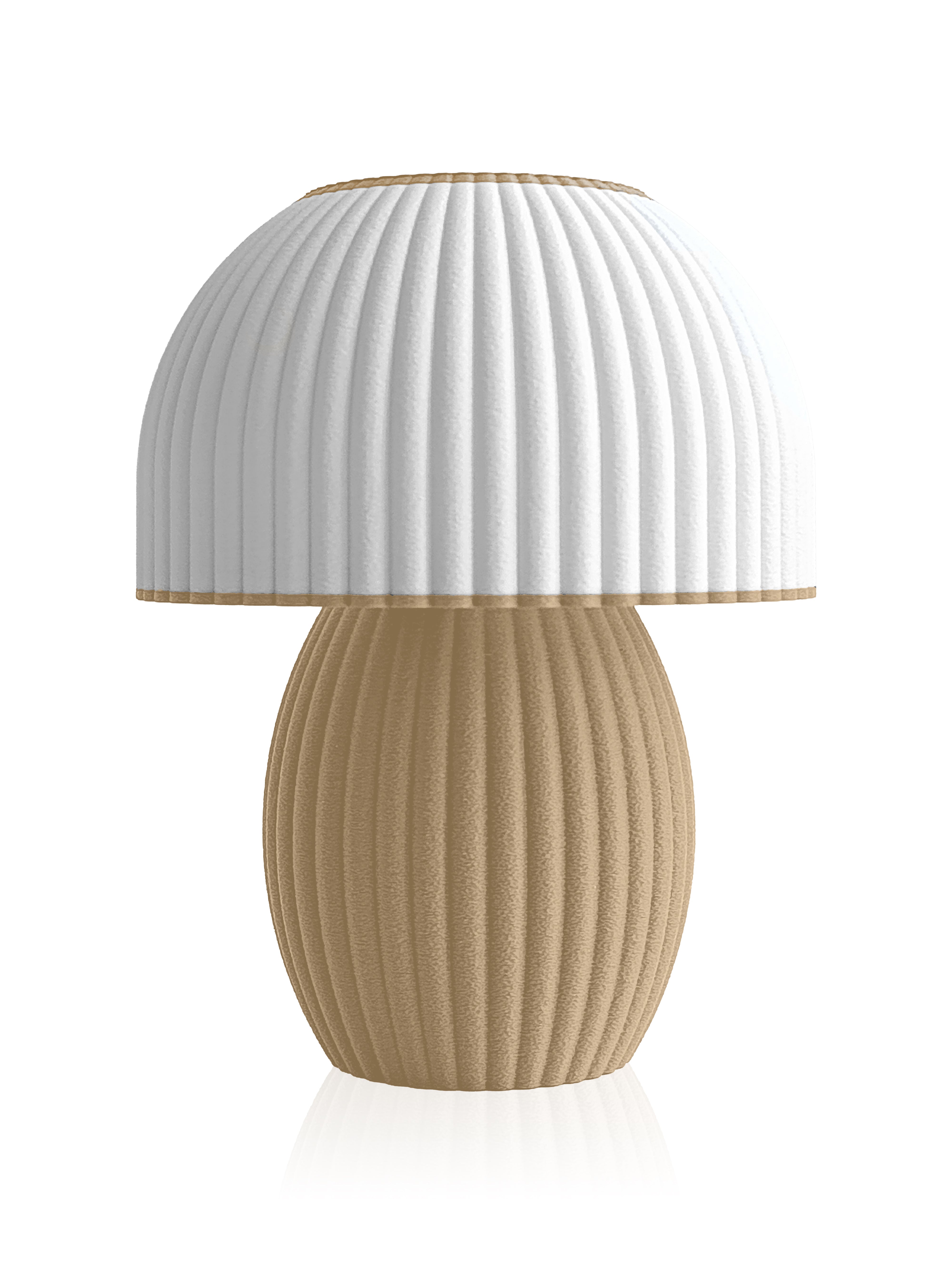
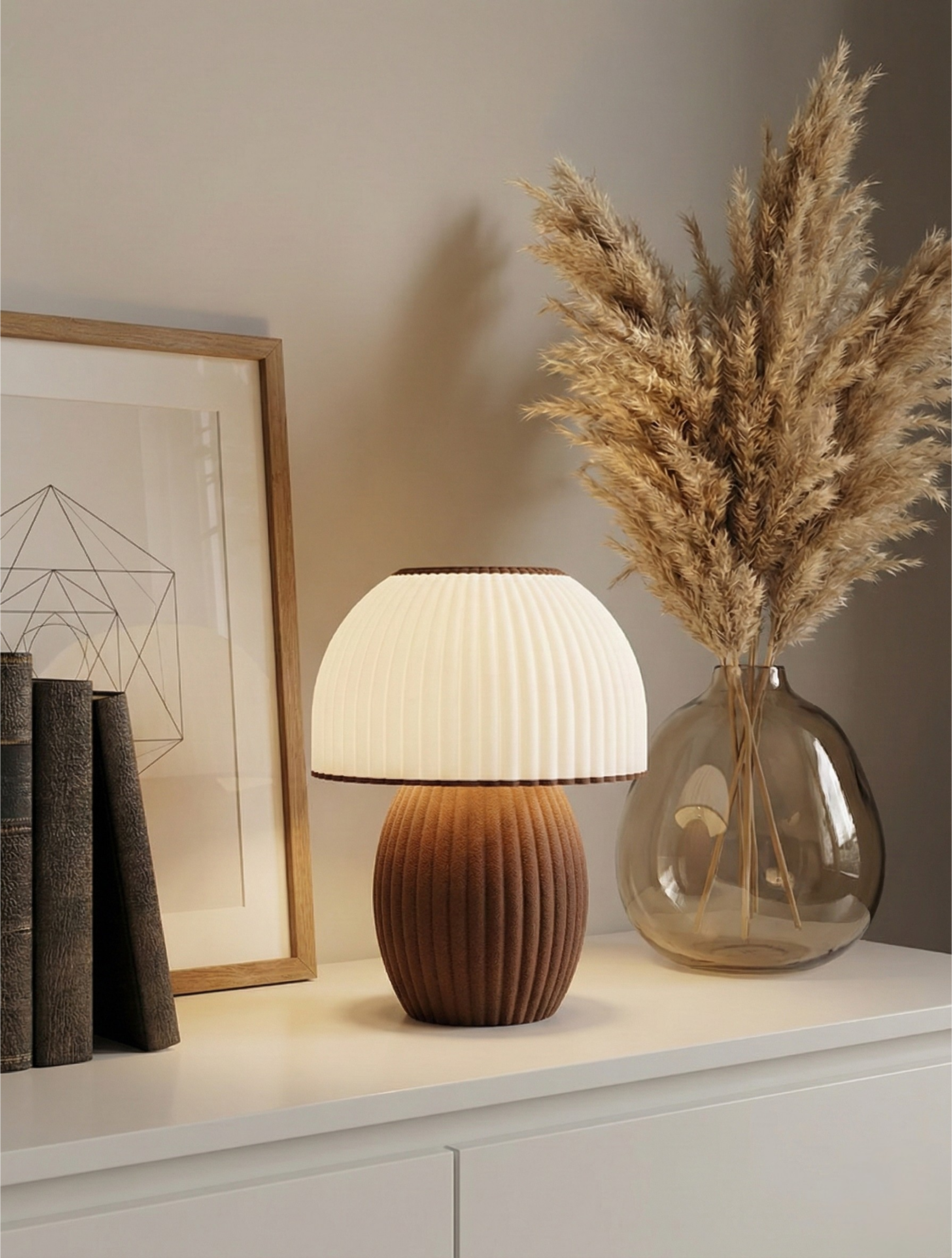
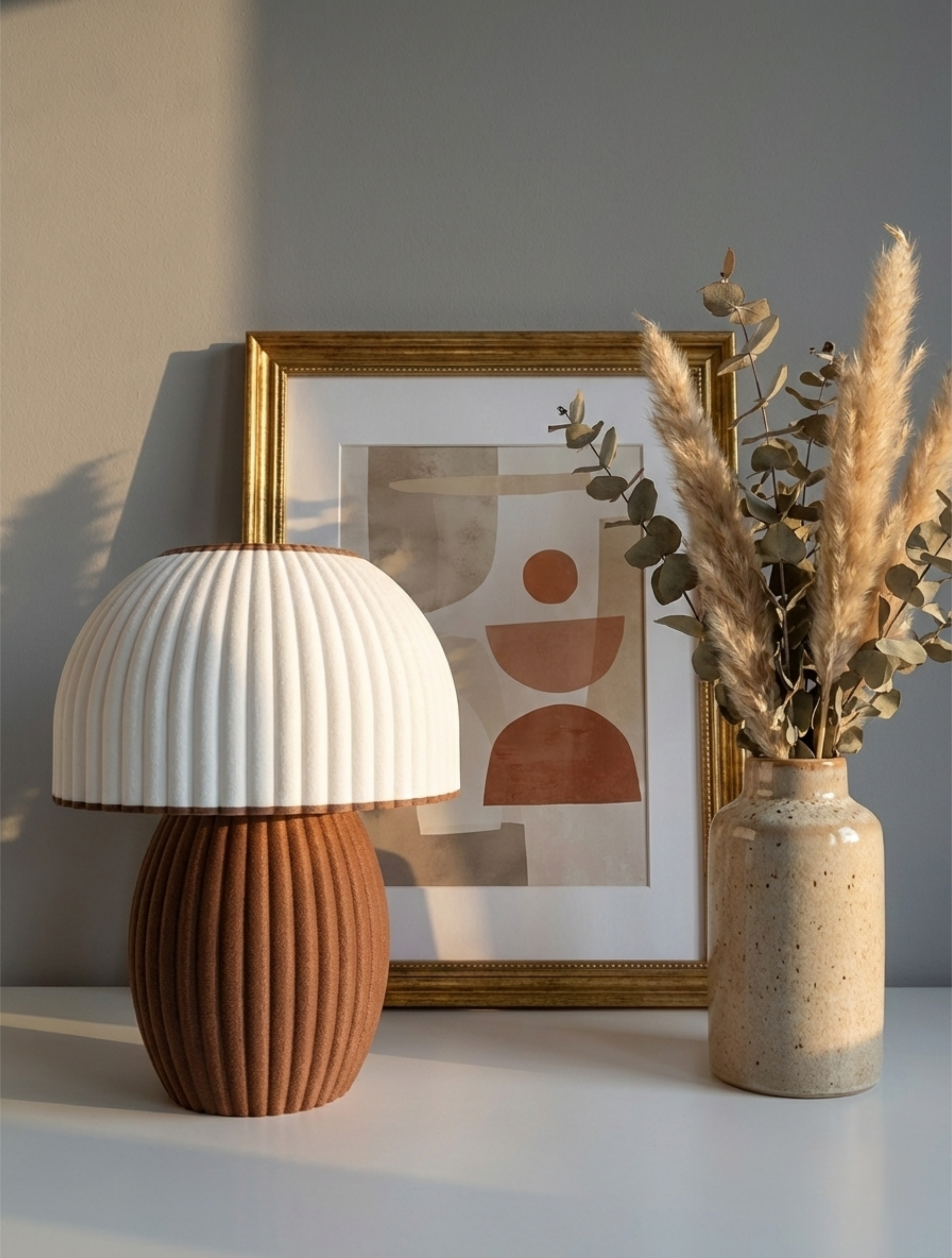
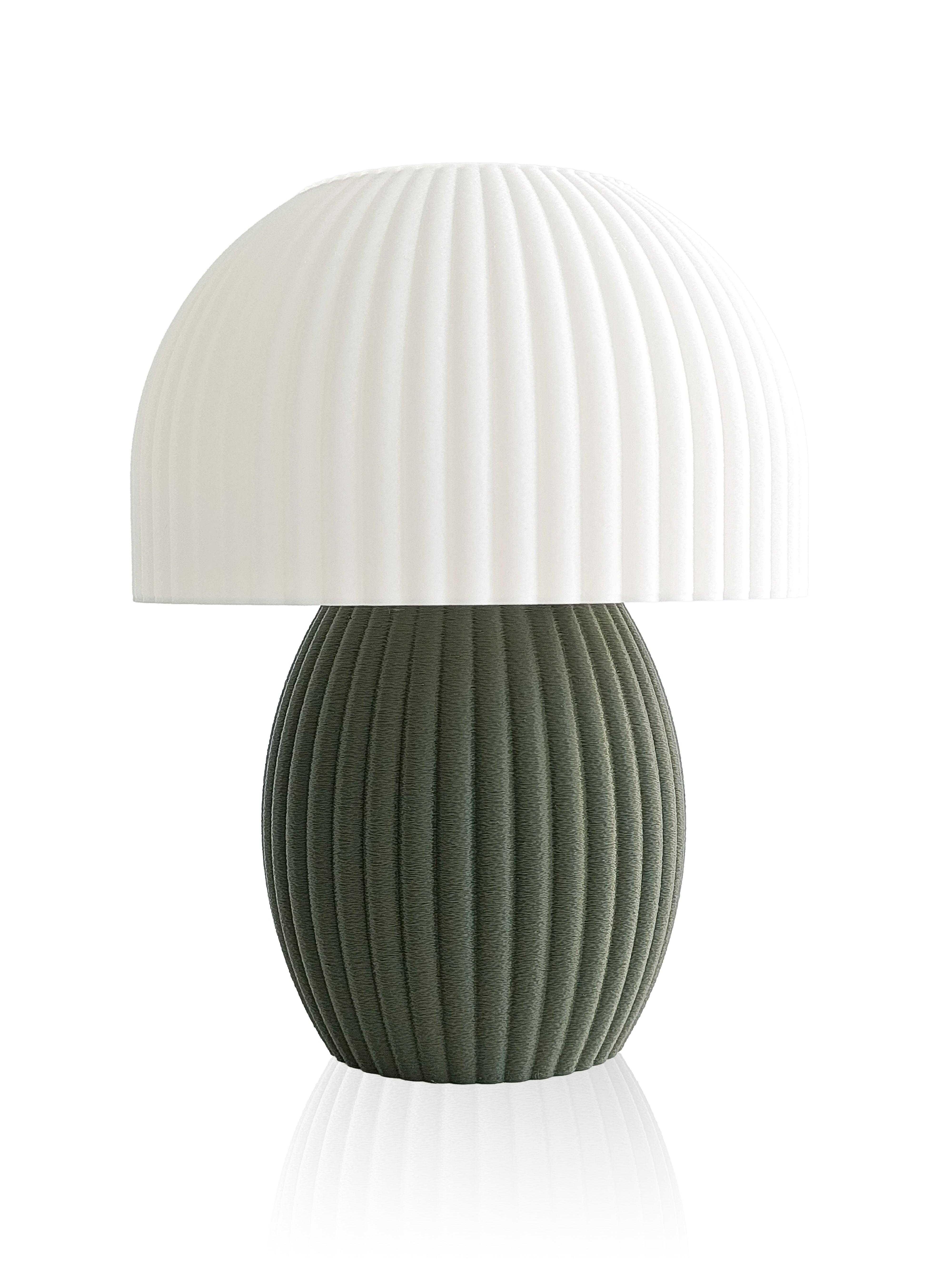
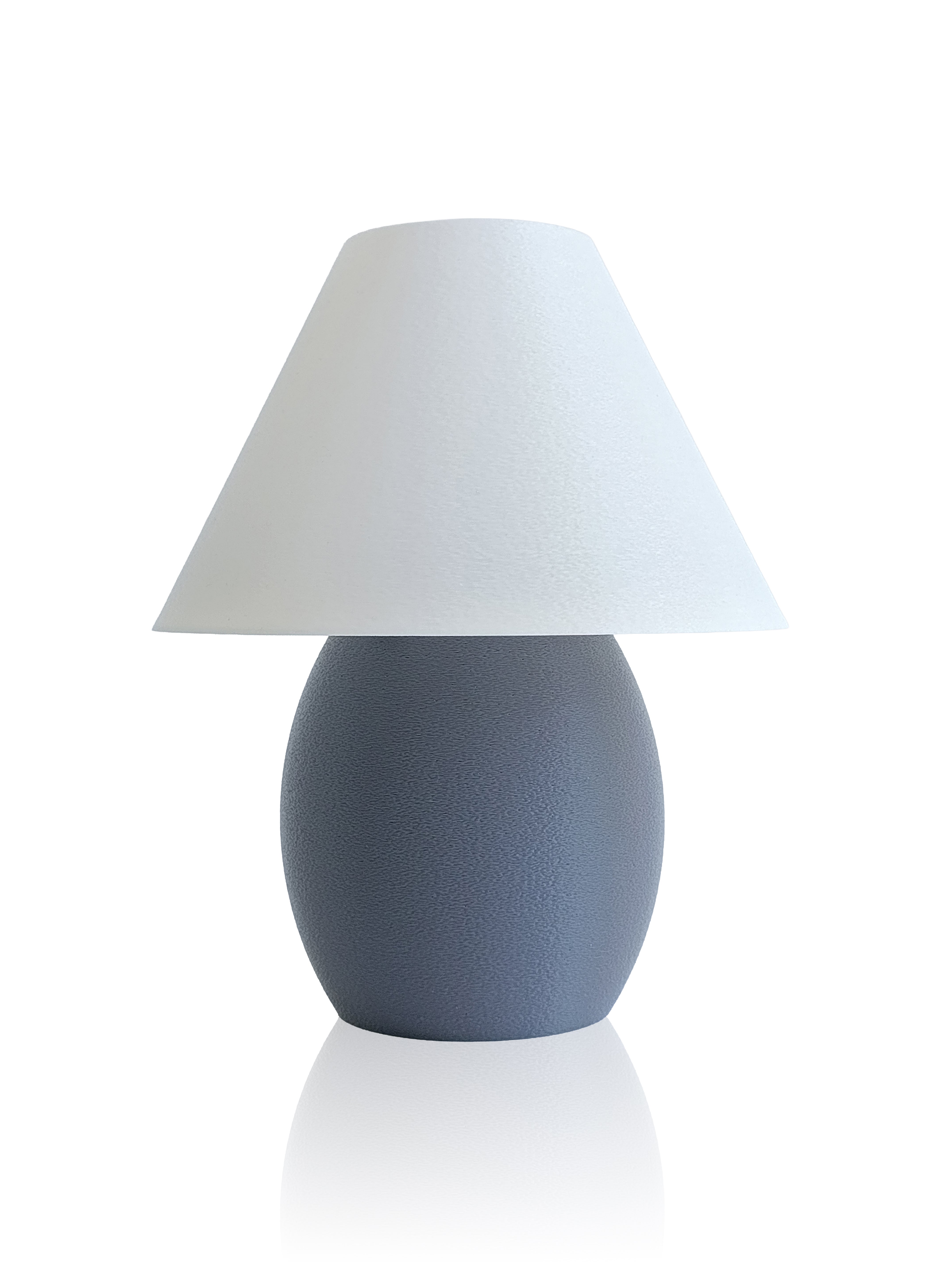
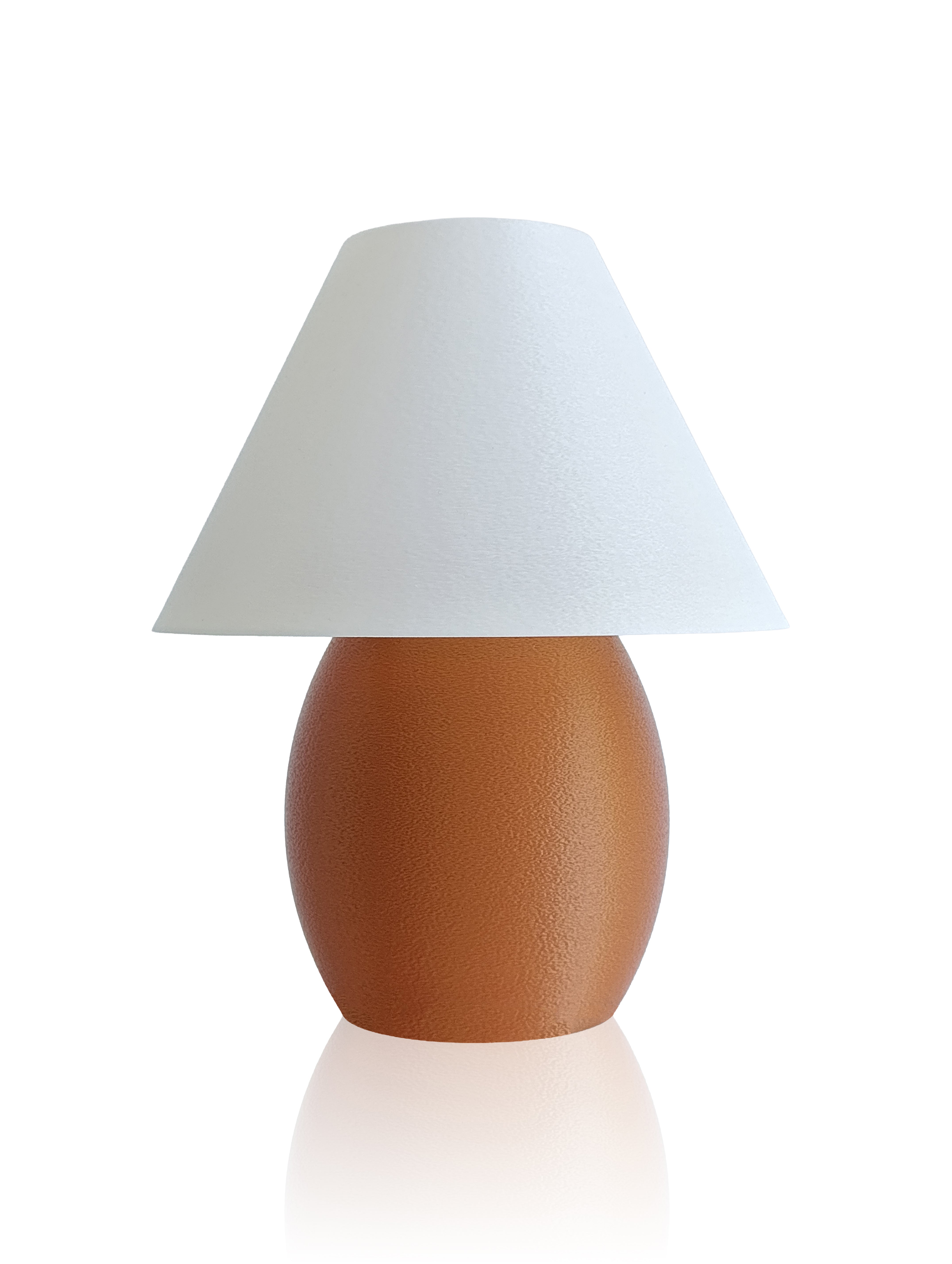
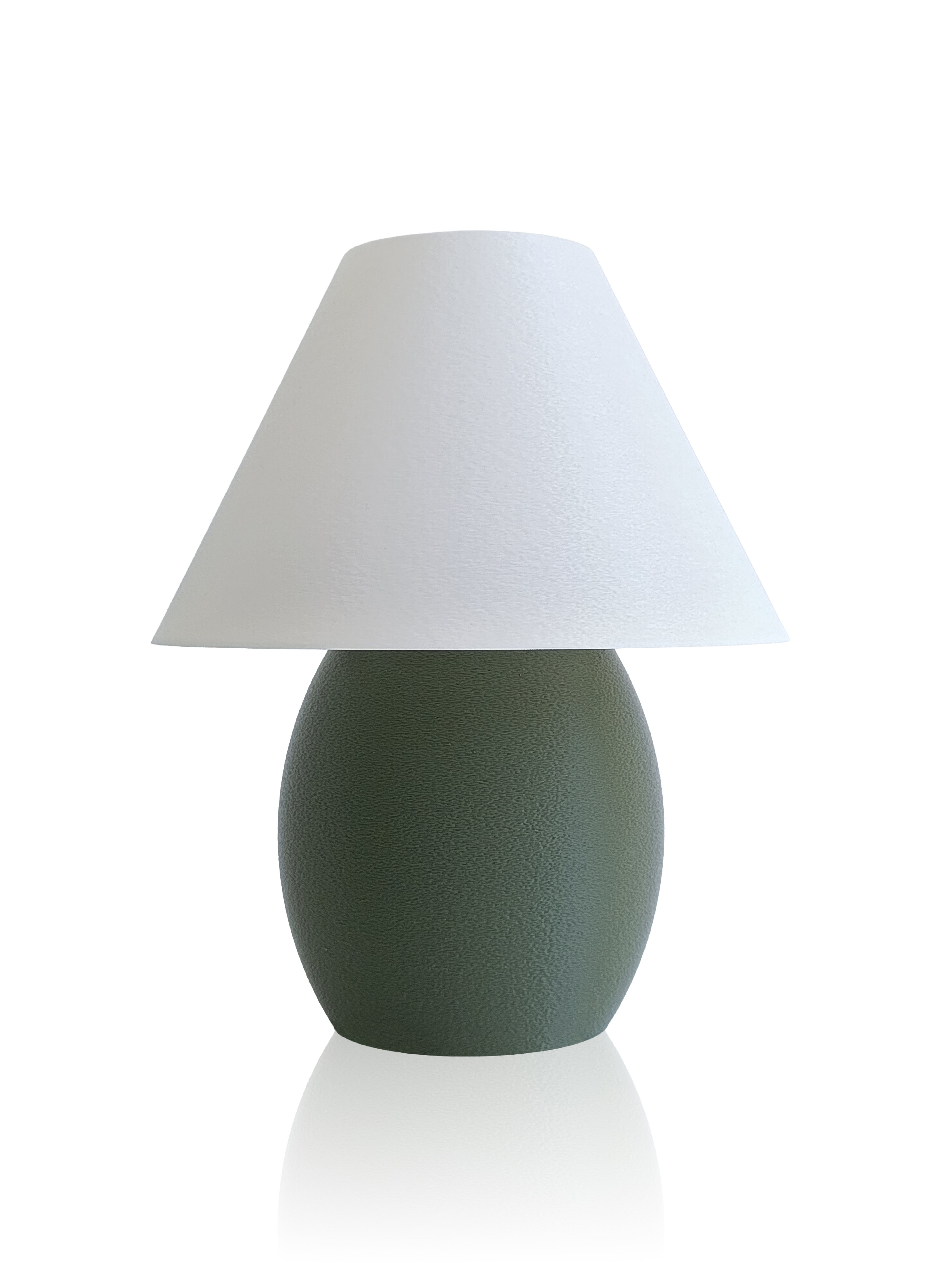
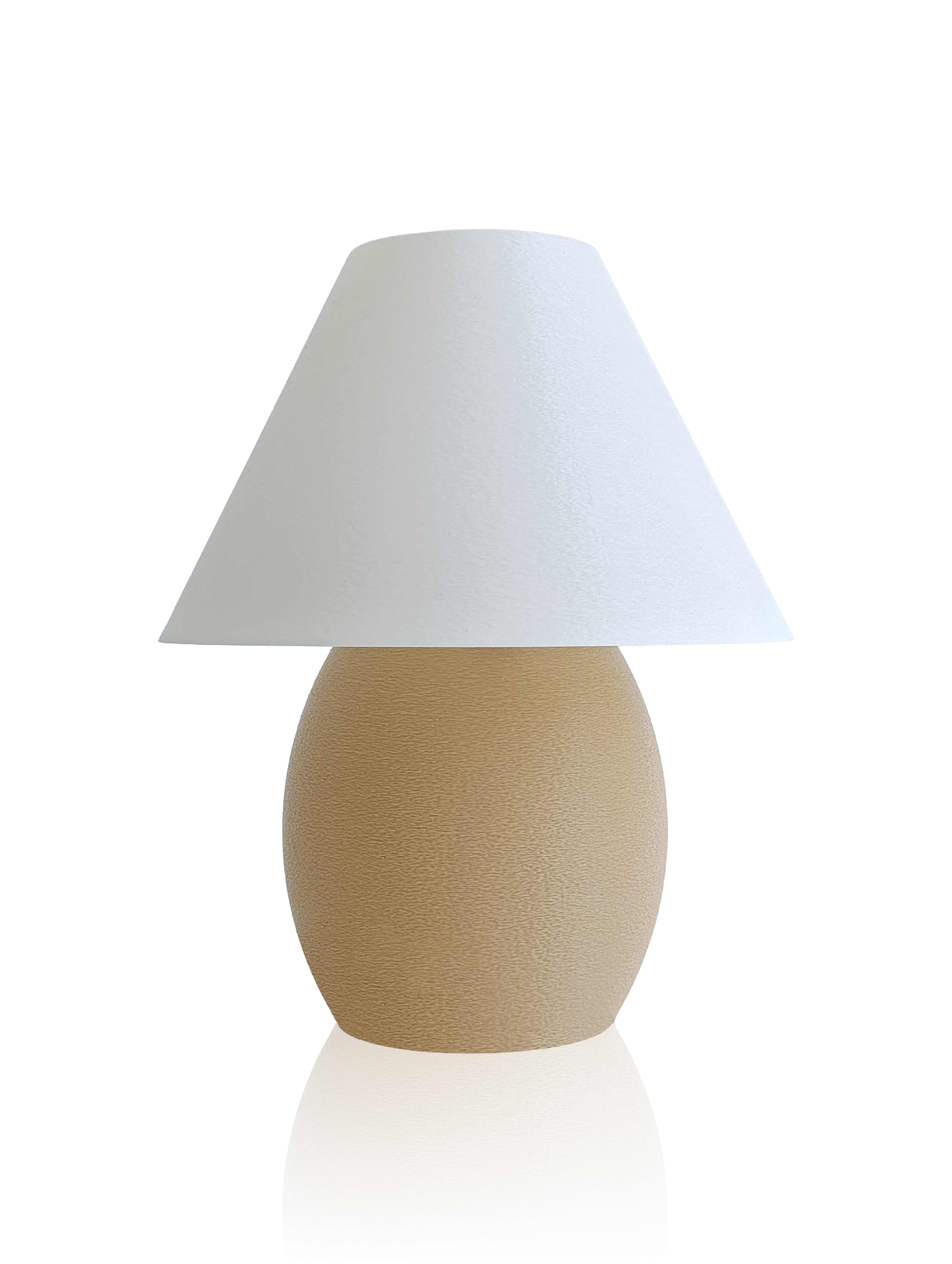
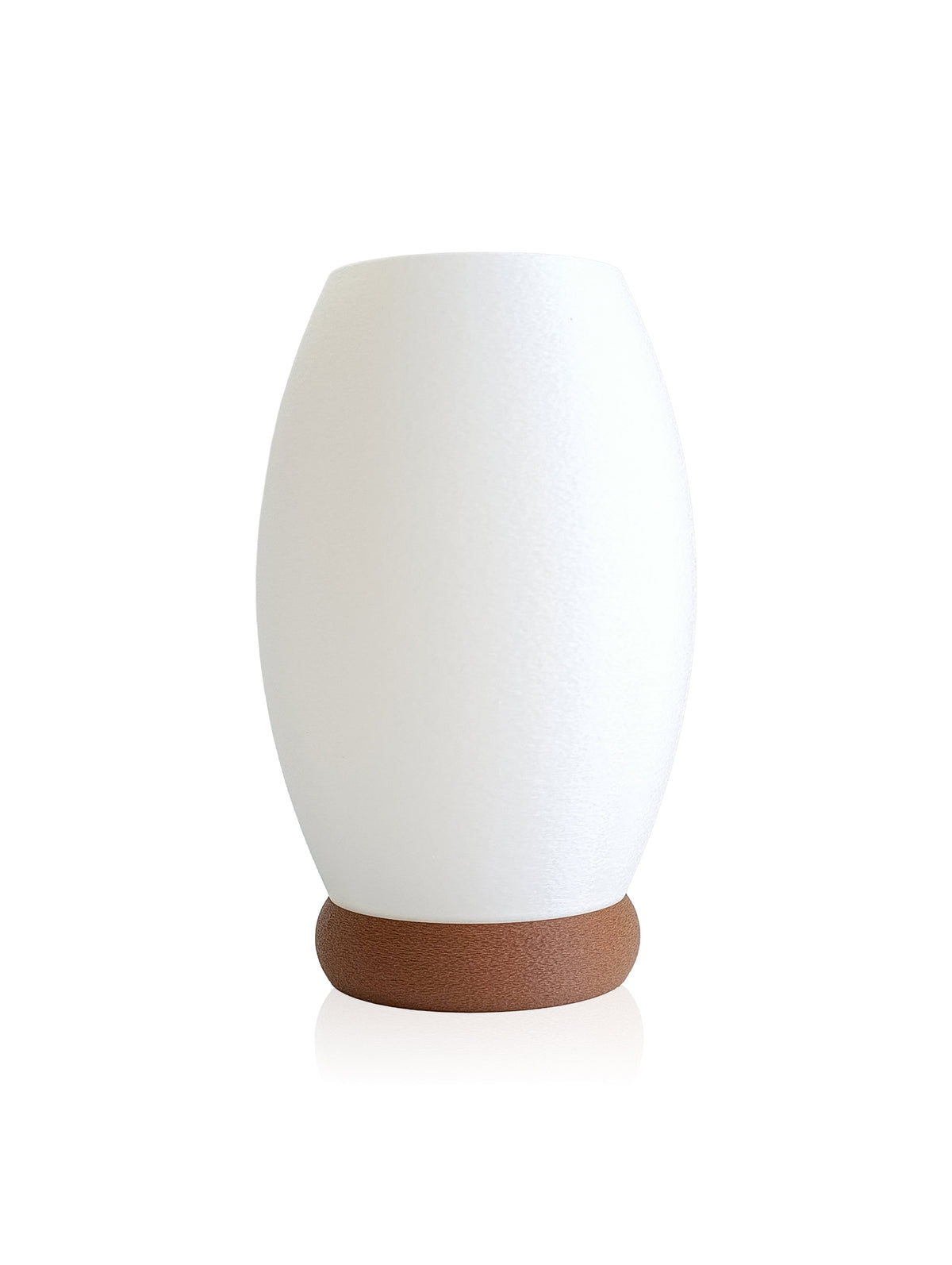
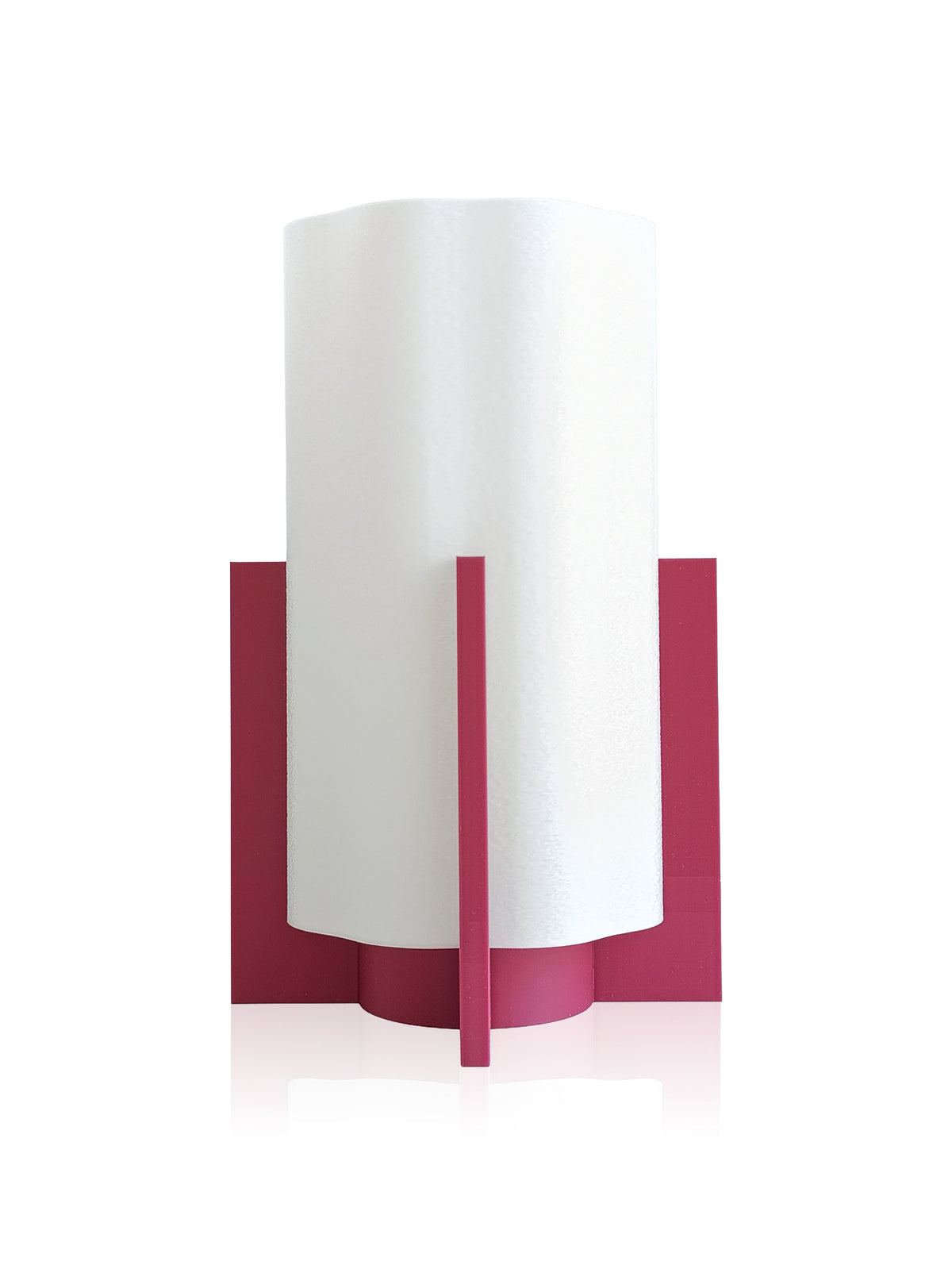
The biology supports this intuition. Warm lighting stimulates the production of serotonin, the neurotransmitter associated with mood regulation and social bonding. It also suppresses cortisol levels, reducing stress and defensive spatial behavior. This is why the most hospitable homes rely on layered, warm-toned ambient lighting. Consider how products like the LUMORA US are designed around this principle—delivering warm, dimmable light that adapts to the emotional needs of your space, encouraging genuine connection rather than performance.
When you have control over your lighting—the ability to dim, adjust color temperature, and layer different sources—you create what designers call "social permission." Soft light tells guests it's okay to linger, to settle in, to move closer. It's an invitation embedded in photons.
Designing Lighting for Different Social Needs
The most emotionally intelligent homes don't rely on a single lighting approach. Instead, they offer flexibility—the ability to shift the social atmosphere depending on what the moment requires.
For intimate gatherings and family time, aim for:
- Warm color temperature (2700K or lower)
- Dimmable fixtures that allow you to lower intensity as the evening progresses
- Layered lighting that includes task light, ambient light, and accent light—so no single harsh source dominates
- Indirect light sources that bounce off walls and ceilings rather than shining directly
For more formal or energizing settings where some social distance serves a purpose, consider:
- Slightly higher light levels (500-750 lux)
- Neutral to slightly cool temperatures (3500K-4000K)
- Direct, focused lighting that creates clarity and definition
- Brighter task lighting for activities like cooking or working
The key is intentionality. Rather than accepting whatever default lighting came with your home, think of light as a design choice that shapes behavior. When you walk into your living room at dusk, does the lighting encourage you to sink into conversation, or does it push you toward productivity? Your answer reveals what your current lighting is actually asking of you.
Light, Distance, and Mental Health
Beyond the immediate social dynamics, the relationship between lighting and proximity has surprising mental health implications. Spaces that feel too bright and expose us to constant distance from others can contribute to loneliness and anxiety, even when we're surrounded by people. Conversely, overly dim spaces can feel oppressive or create a sense of isolation.
The sweet spot—warm, dimmable, layered lighting that you can adjust to your needs—supports both solitude when you need it and connection when you're ready. This flexibility is what mindful living actually looks like. It's the difference between a home that demands a certain social posture and a home that holds space for your authentic self, whatever that looks like on any given evening.
Frequently Asked Questions
How does light color temperature affect how close people sit to each other?
Warmer light (2700K) encourages closer proximity and intimacy, while cooler light (5000K+) increases the distance people maintain. This happens because warm light triggers relaxation and feelings of safety, while cool light heightens alertness and creates psychological distance.
What is the ideal light level for social gatherings at home?
For intimate gatherings, aim for 200-500 lux with warm color temperature (2700K). This level feels comfortable for conversation without being so dim that it feels gloomy or unsafe. Dimmability allows you to adjust based on the time of day and the mood you want to create.
Can changing my lighting actually improve my relationships?
Yes, indirectly. When your lighting creates a comfortable, inviting environment, it removes subtle barriers to connection and makes people more likely to linger, relax, and engage authentically. Better lighting doesn't fix relational problems, but it removes environmental friction that prevents closeness.
Closing: Your Home as a Social Landscape
Light shapes your home in invisible ways, constantly negotiating the distance between bodies, the warmth of gatherings, and the comfort of solitude. When you begin to see lighting as a tool for social design—not just illumination—you reclaim agency over one of your most powerful design elements. Your home becomes less about aesthetics alone and more about the felt experience of being human in it. The light you choose is a choice about closeness, about invitation, about how your people will move through your spaces. Make it warm. Make it intentional. Make it yours.







Share:
Light and Social Interaction: How Lighting Affects Communication
Dual Light Layering: Balancing General and Task Lighting