

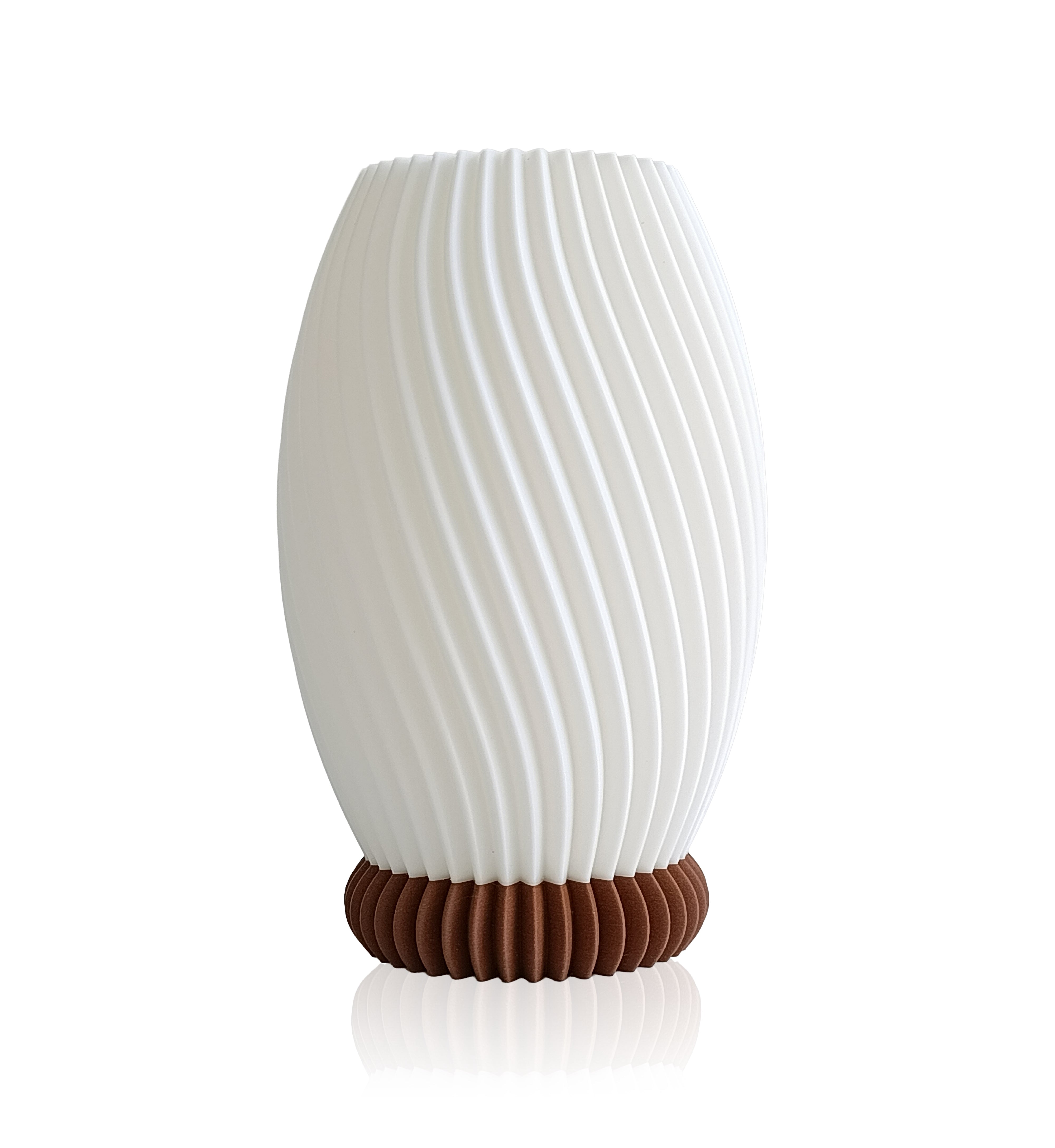
Dual Light Layering: Balancing General and Task Lighting

The most livable homes aren't the brightest—they're the ones with intentional, layered light. When you understand dual light layering, the balance between general and task lighting, you create spaces that feel both functional and deeply comfortable. It's the difference between a room that feels harsh and sterile versus one that invites you to settle in.
What Is Dual Light Layering?
Dual light layering is the practice of combining two distinct types of lighting within a single space: general (or ambient) lighting and task lighting. General lighting provides overall illumination and sets the mood of a room. Task lighting targets specific work areas—your desk, kitchen counter, or reading nook—where you need focused visibility. Neither works alone; they're most effective as a conversation between brightness and purpose.
Think of it like seasoning food. General light is your foundation, much like salt. Task light is the finishing spice that brings specific flavors forward. The best rooms have both, calibrated to work together rather than compete.
- General lighting covers the entire room with even, ambient light
- Task lighting provides 3-5 times brighter light for specific activities
- Together, they create flexibility and emotional warmth
- Neither should dominate the other in a well-designed space
Why General Lighting Alone Isn't Enough
A single overhead light source, no matter how powerful, creates problems. It casts harsh shadows, flattens the room's visual depth, and often leaves work surfaces in shadow while overilluminating unused areas. This is where many homes struggle—they rely entirely on ceiling fixtures without considering where people actually need light.
General lighting should feel ambient and approachable, typically in the 2700-3000 Kelvin range (warm white). It provides about 10-20 foot-candles of illumination—enough to move safely through your space and enjoy its proportions. But when you sit down to read, pay bills, or prepare dinner, that gentle ambient light falls short. You need more light, directed where you're looking.
Bringing Task Lighting Into Balance
Task lighting is where your home becomes truly functional. A well-positioned desk lamp, under-cabinet kitchen lighting, or bedside reading light transforms how you actually use your space. These fixtures typically deliver 30-50 foot-candles of light directly onto your work surface, making detail work easier and reducing eye strain.
The key is intentionality. Task lighting works best when it's positioned to illuminate without creating glare in your line of sight. A LUMOR US pendant above your workspace, for instance, directs light downward without the brightness spreading awkwardly across your entire face. This is the choreography of dual light layering—each fixture knows its role.
- Position task lights 12-18 inches above work surfaces
- Use warm color temperatures (2700K) for residential spaces to maintain coziness
- Avoid glare by aiming light slightly forward rather than directly at eye level
- Consider dimmer switches to adjust general lighting when task lighting is active
Creating Emotional Depth Through Layering
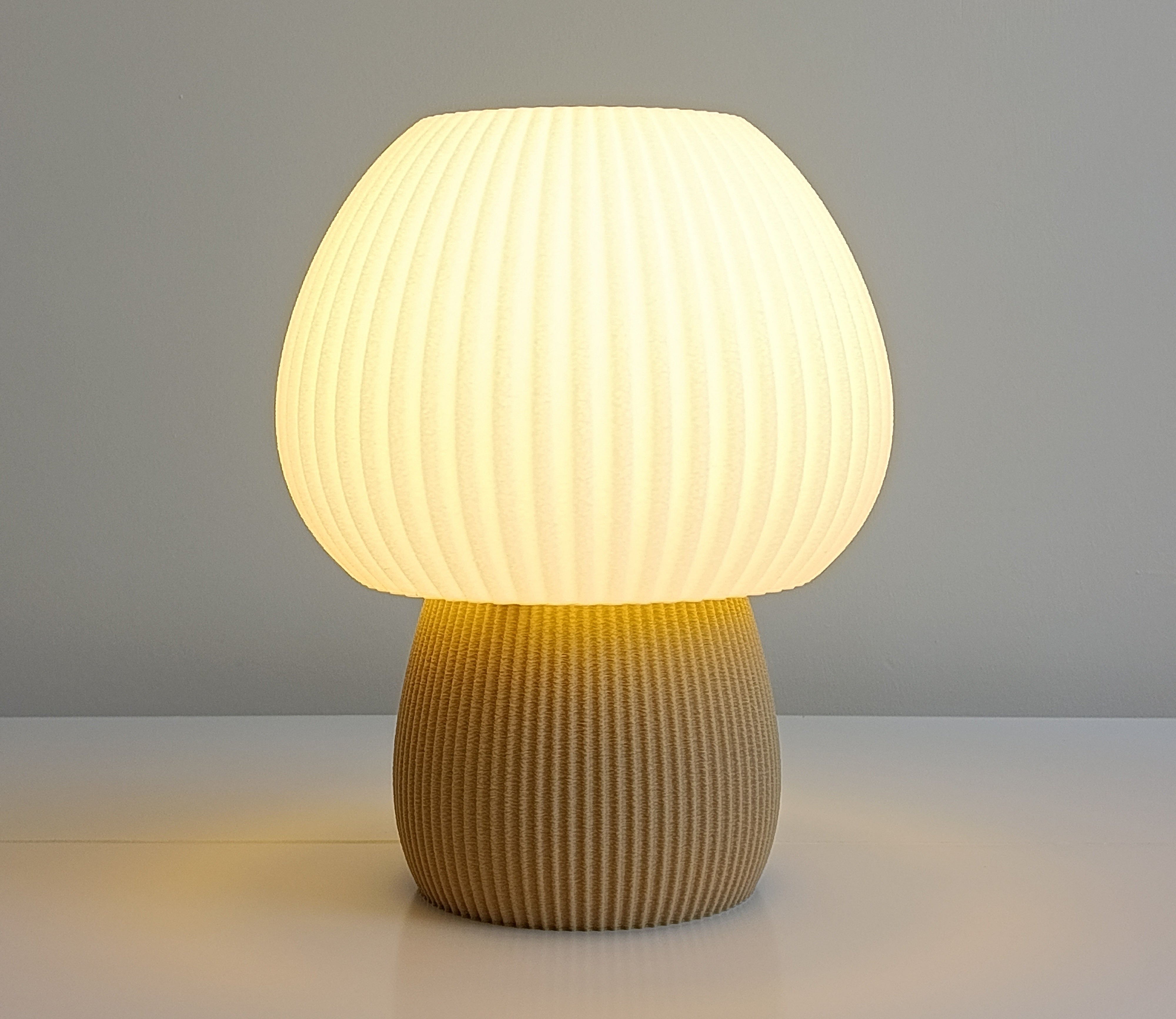
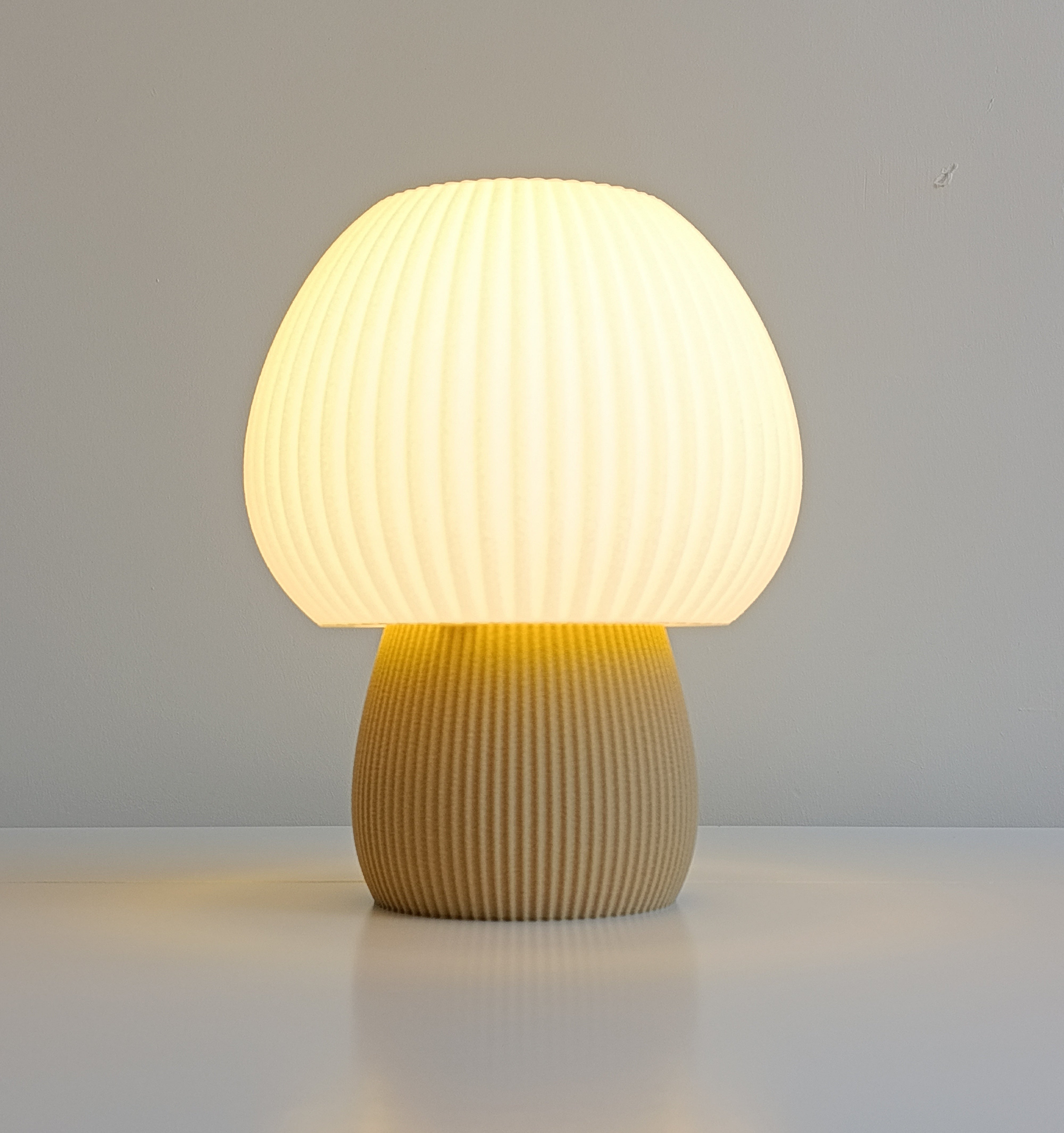
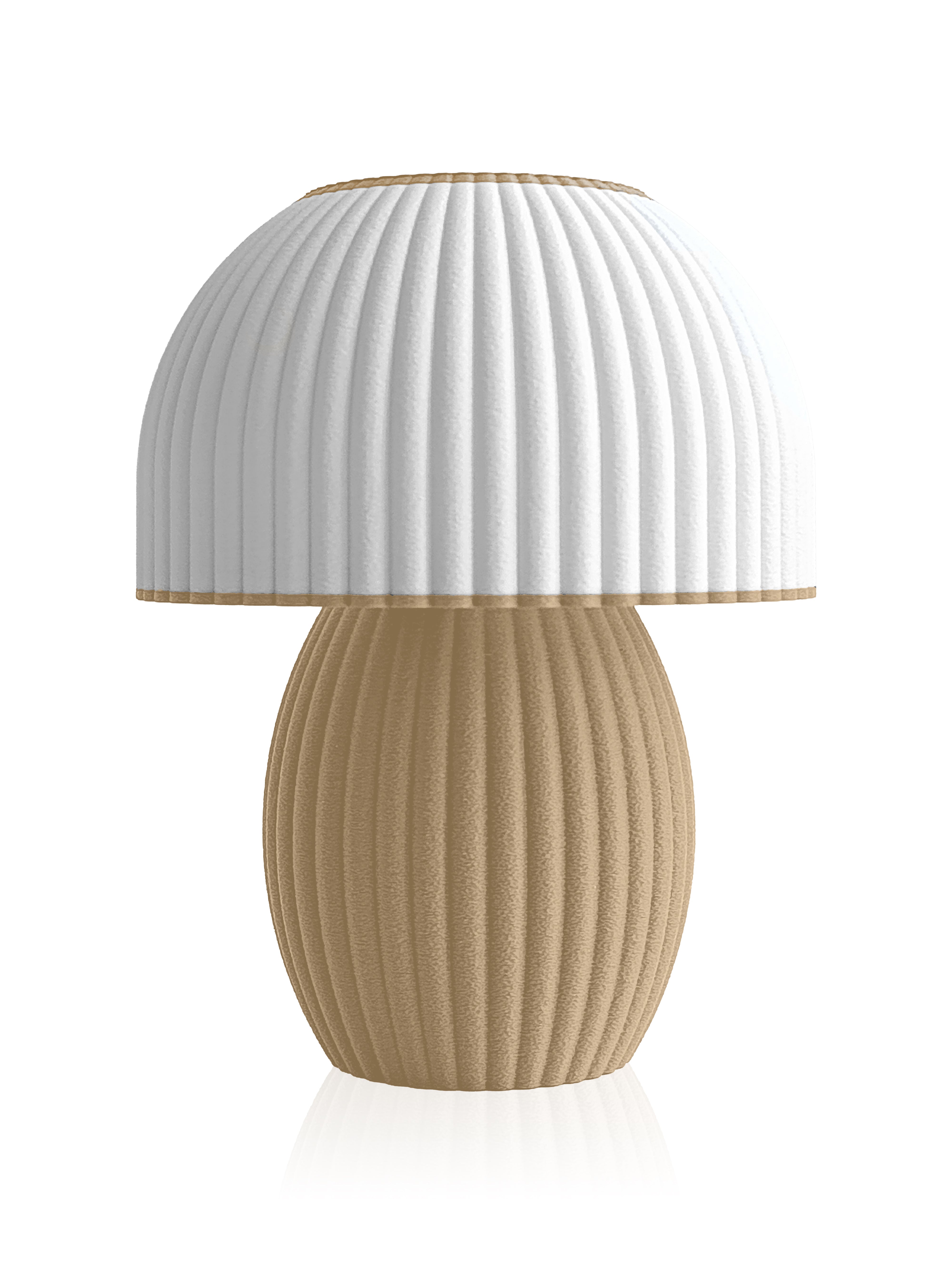
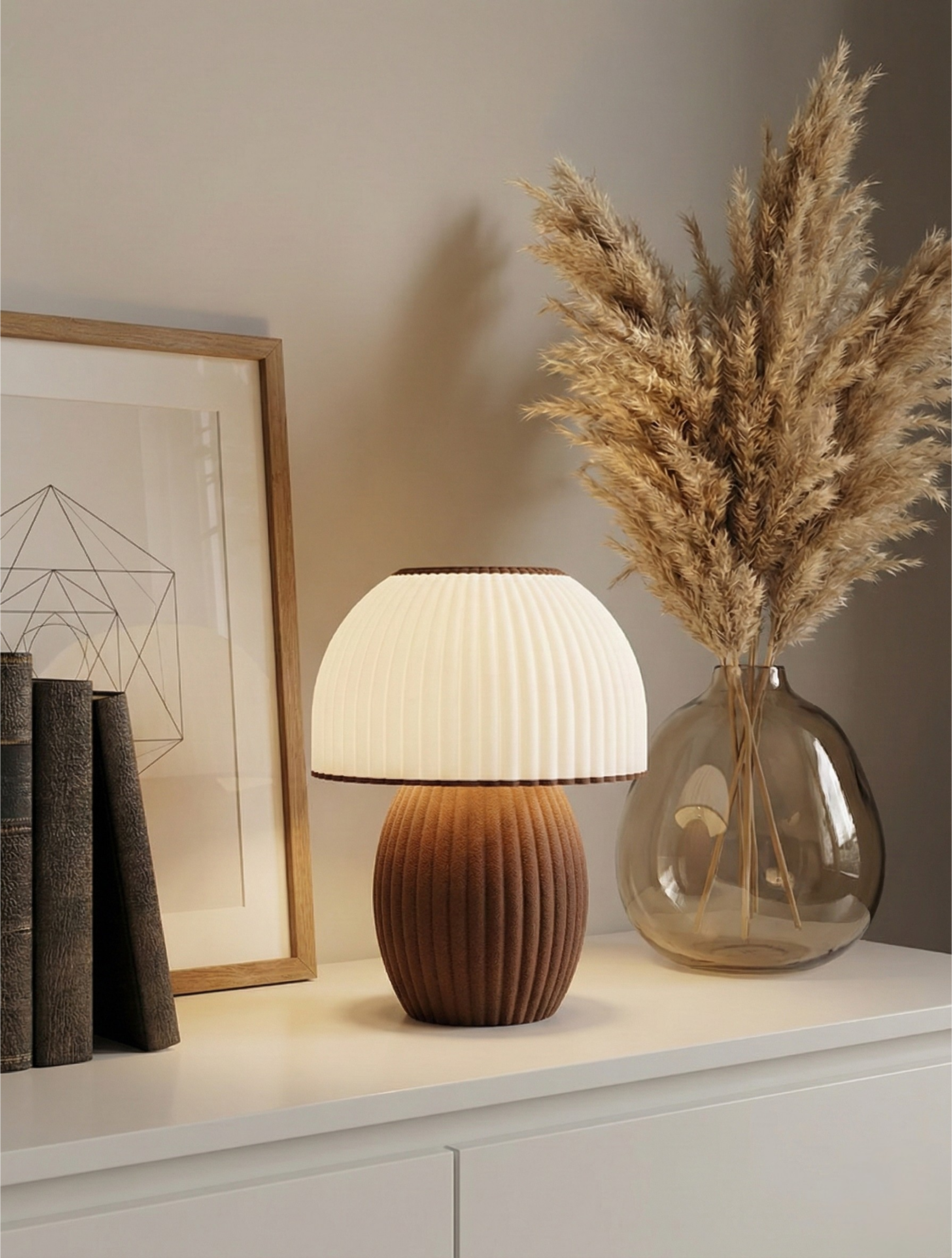
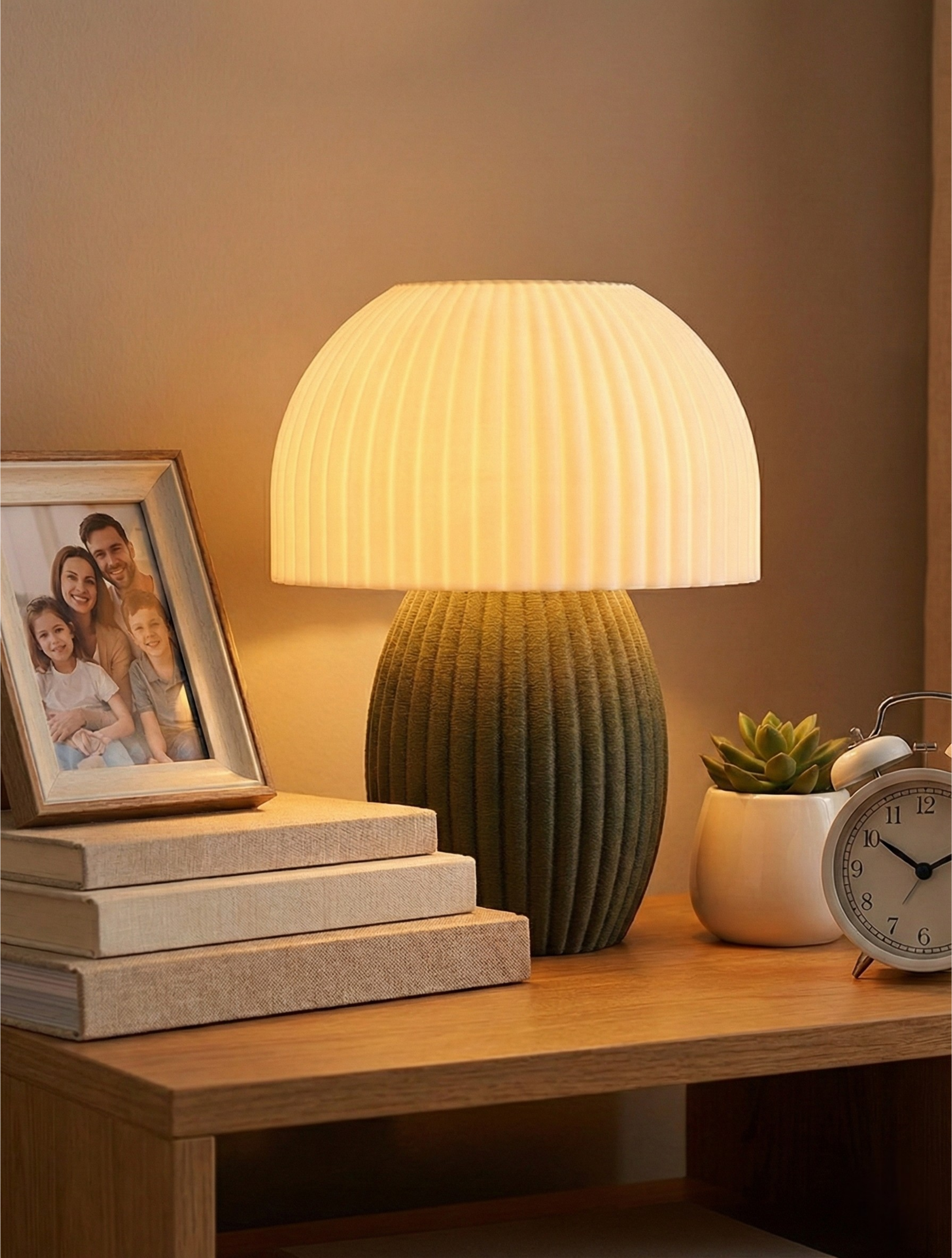
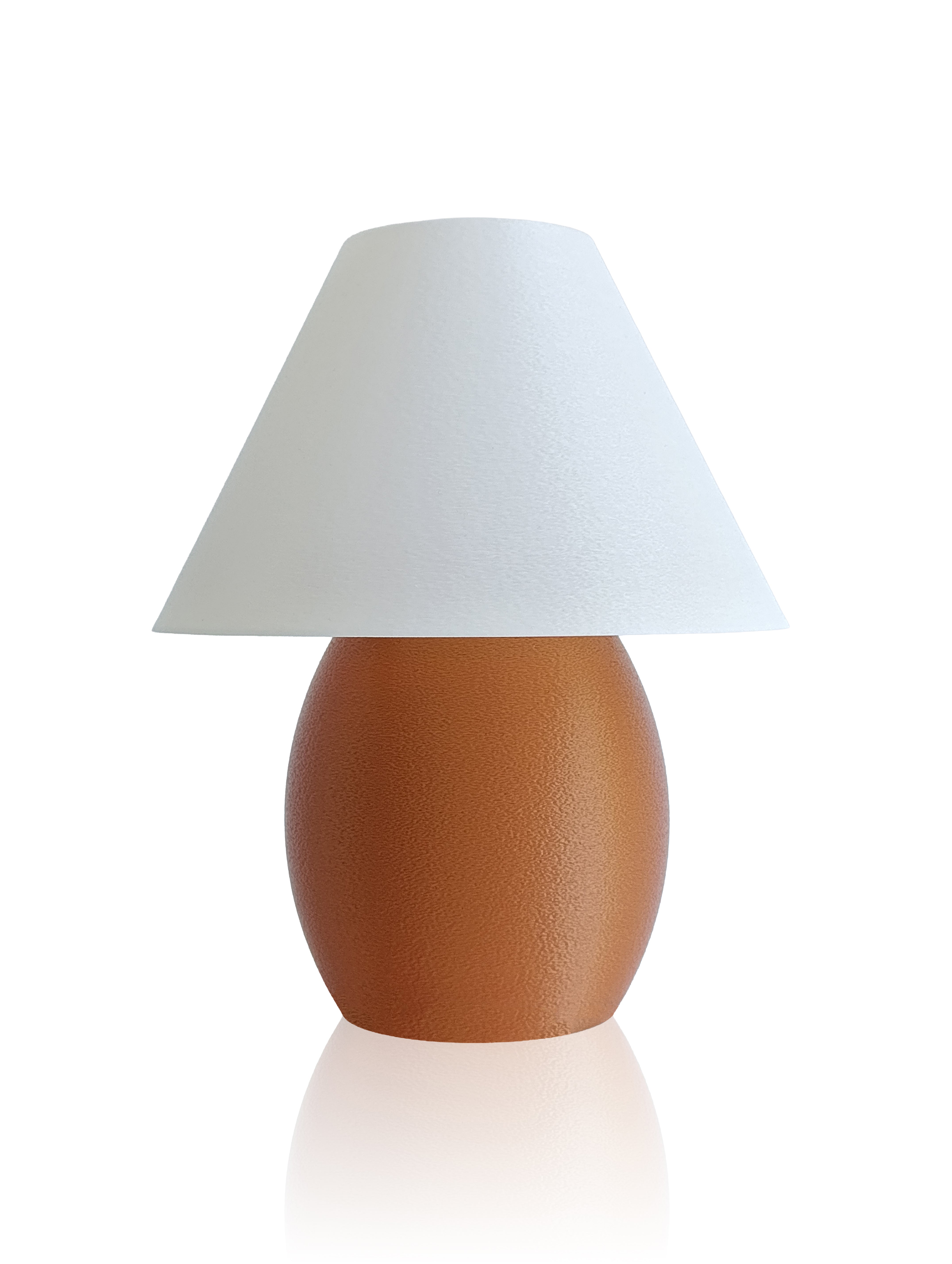
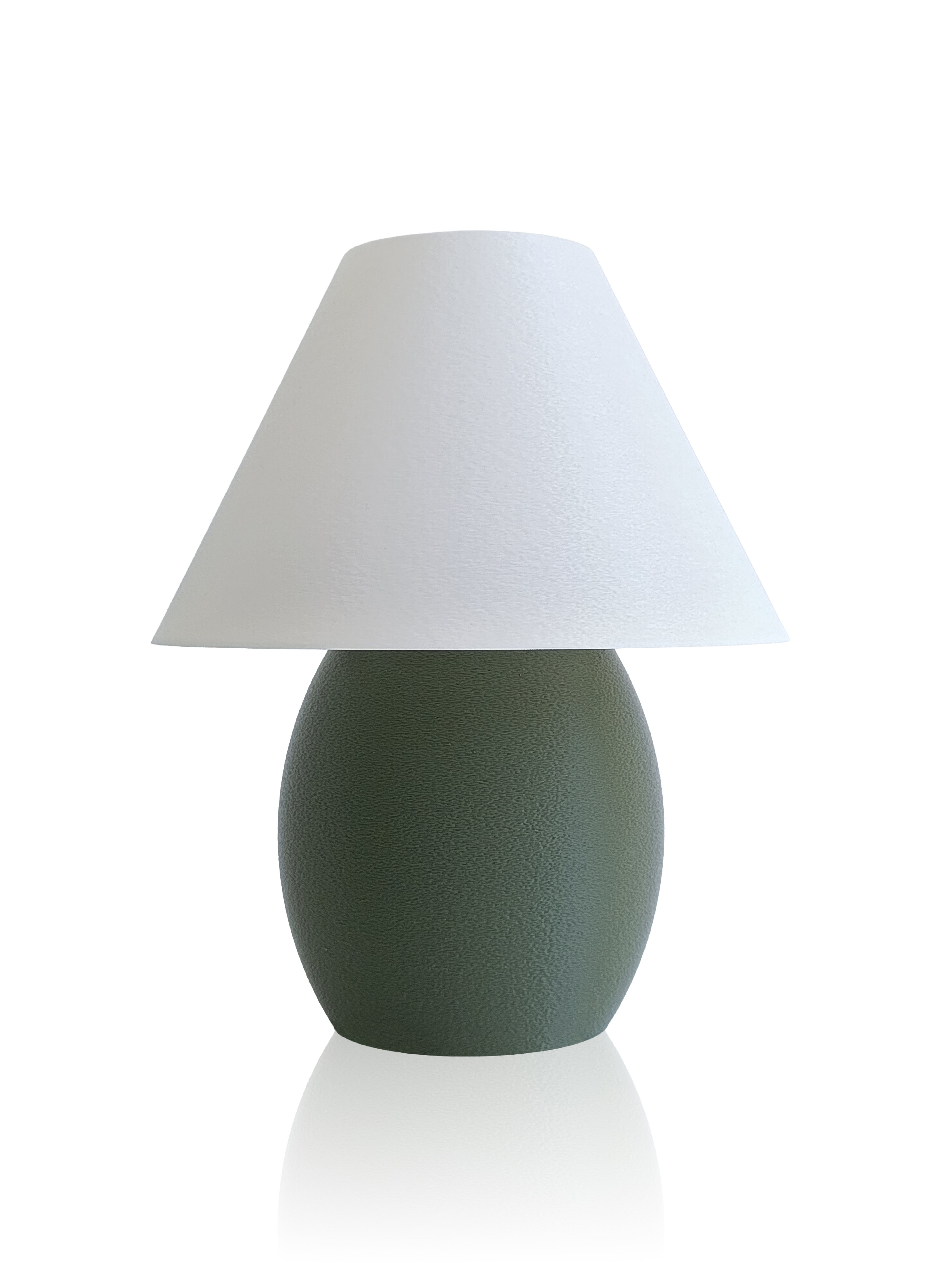
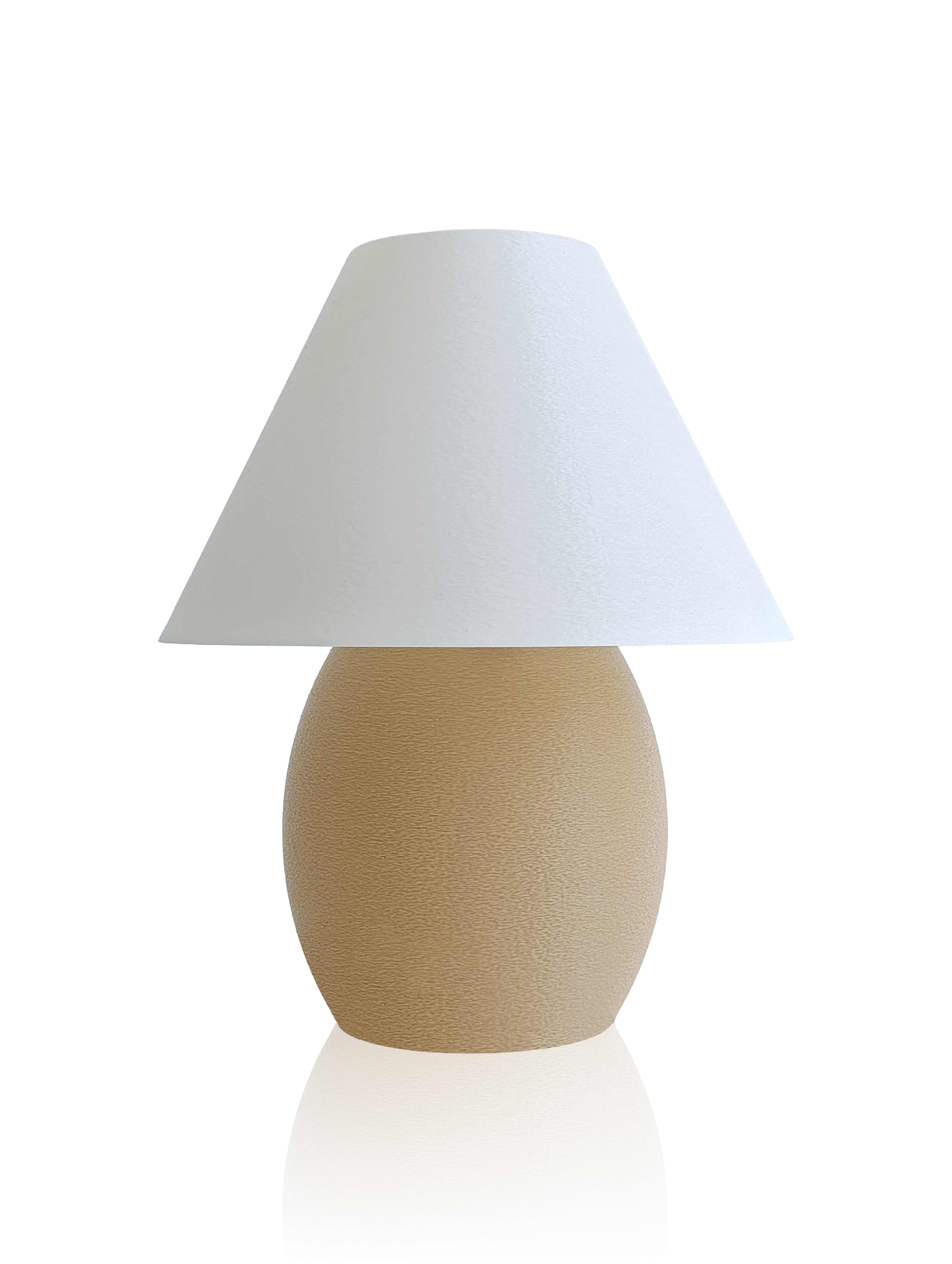
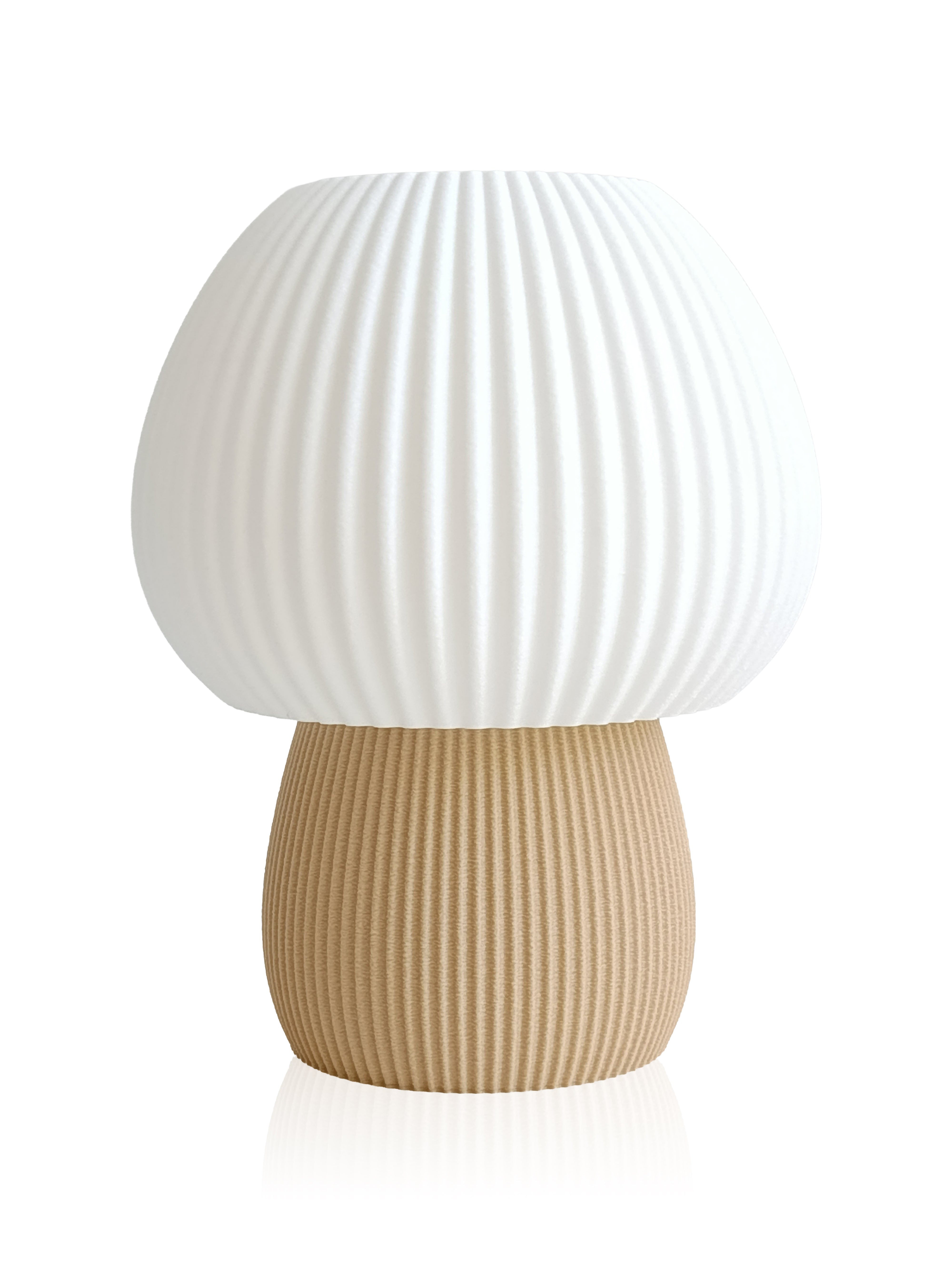
Beyond function, dual light layering shapes how your home feels. Spaces with only general lighting feel institutional. Spaces with layered light feel thoughtful—like someone considered how you'd actually inhabit the room. The ORBELA LINE US collection exemplifies this philosophy, offering pieces that work equally well as ambient or task fixtures depending on placement and dimming.
This emotional intelligence is what separates designed spaces from merely lit ones. When your general lighting provides a warm, welcoming base and task lighting kicks in exactly where you need it, your home adapts to your life rather than forcing you to adapt to it. You can read comfortably, cook safely, and still feel surrounded by softness.
The practical benefit is energy efficiency too. Instead of running one bright overhead light all evening, you can dim your general lighting and activate task fixtures only in active zones. You're using light more strategically, which means lower energy costs and a smaller environmental footprint.
Frequently Asked Questions
What color temperature should I use for dual light layering?
Stick with warm white (2700-3000K) for both general and task lighting in residential spaces. This range feels inherently cozy and doesn't disrupt your circadian rhythm during evening hours, even when task lighting is bright.
Can task lighting be decorative?
Absolutely. Task lighting doesn't need to hide. Pendant lights, desk lamps, and architectural fixtures can be beautiful focal points while doing their job. The best pieces work as both functional and aesthetic elements in your home.
How do I know if I have enough general lighting?
Your general lighting is adequate if you can move safely through the room without shadows, and the space feels inviting rather than dim. A quick test: if you can read a newspaper comfortably without additional light, your base lighting is working.
Dual light layering isn't complicated—it's about giving yourself options. A room with thoughtfully balanced general and task lighting adapts to your needs, supports your activities, and makes your home feel intentional. Start by assessing where you actually need more light, add focused task fixtures to those zones, and let your general lighting provide the emotional foundation. Your home will thank you.






Share:
Light and Social Distance: How Lighting Affects Human Proximity
Light and Spatial Perception: How Lighting Affects Room Size