


Winter Lighting: Energy and Mood in Dark Days

As daylight hours shrink and temperatures drop, the quality of light in your home becomes more than aesthetic—it becomes essential to your wellbeing. Winter lighting design isn't just about visibility; it's about intentionally supporting your energy, mood, and circadian rhythm during months when natural light is scarce. The right lighting strategy can transform how you experience your home when darkness falls at 5 p.m., turning those long evenings into restorative rather than draining.
How Winter Darkness Affects Your Mood and Energy
Seasonal changes in light exposure influence your body's production of serotonin and melatonin, the hormones responsible for mood regulation and sleep quality. During winter, reduced natural light can trigger Seasonal Affective Disorder (SAD) in some people, characterized by persistent low mood, fatigue, and difficulty concentrating. Even without diagnosed SAD, most of us feel the subtle weight of darker days—a shift in energy that's deeply physiological, not just psychological.
This is why your home's artificial lighting matters profoundly. The light you choose to surround yourself with during winter hours either compounds the seasonal shift or actively counteracts it. Strategic winter lighting can:
- Support natural circadian rhythm alignment when daylight is limited
- Create visual warmth that counters the emotional coldness of winter
- Boost alertness and mood during peak evening hours
- Establish ritual and comfort through intentional light design
Color Temperature: The Science of Warm Light in Winter
Not all light is created equal. Color temperature—measured in Kelvin (K)—determines whether light feels energizing or calming. During winter, understanding Kelvin values becomes your secret tool for mood management.
Warm light (2700K-3000K) mimics the golden hour and signals your body to wind down. This is ideal for evenings and spaces where you want to relax. Cool light (4000K-5000K) resembles midday sun and promotes alertness and focus—useful for morning routines or work areas. During winter months when you're working or spending time indoors during what would naturally be daylight hours, incorporating warmer tones throughout your home creates psychological continuity and comfort.
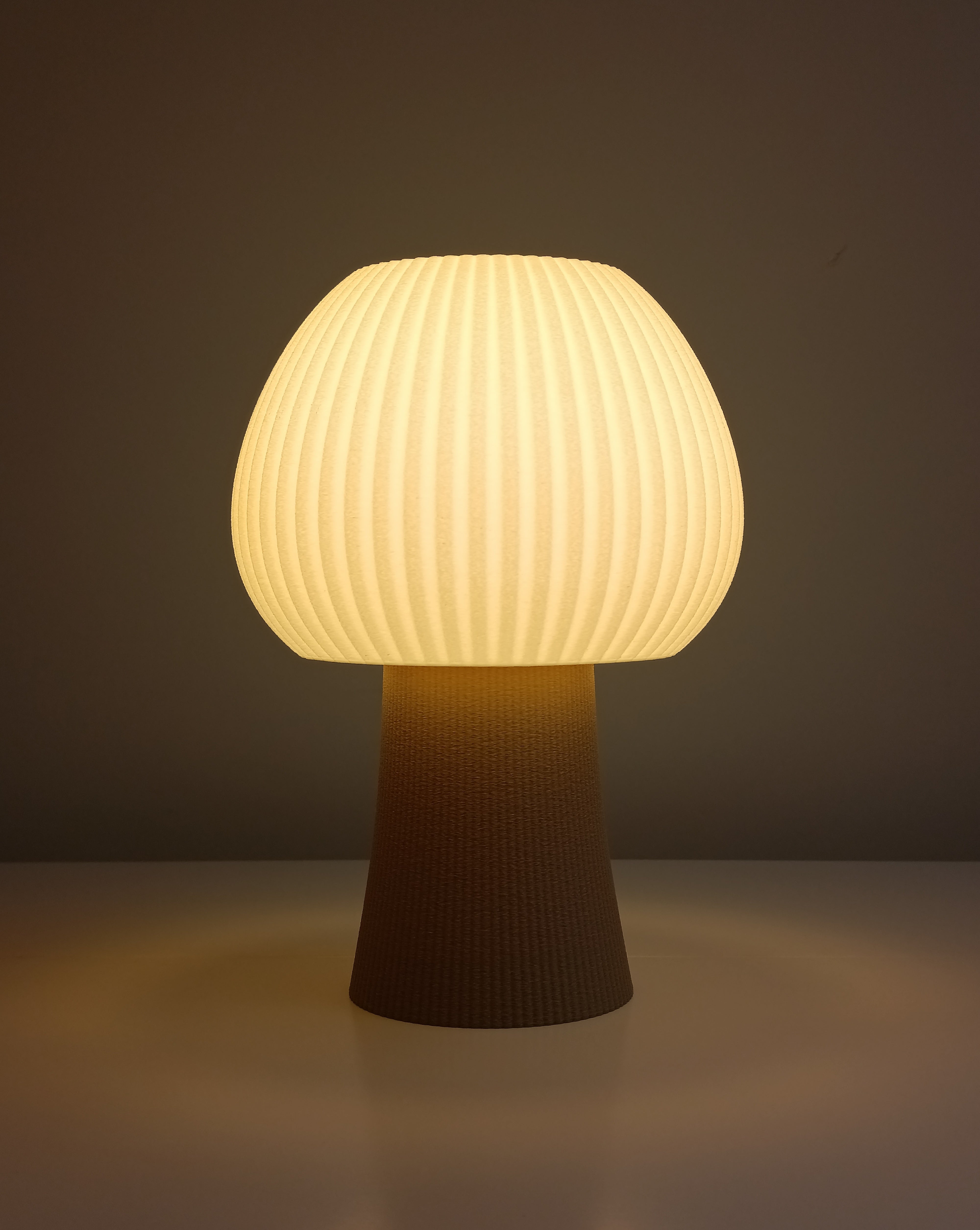
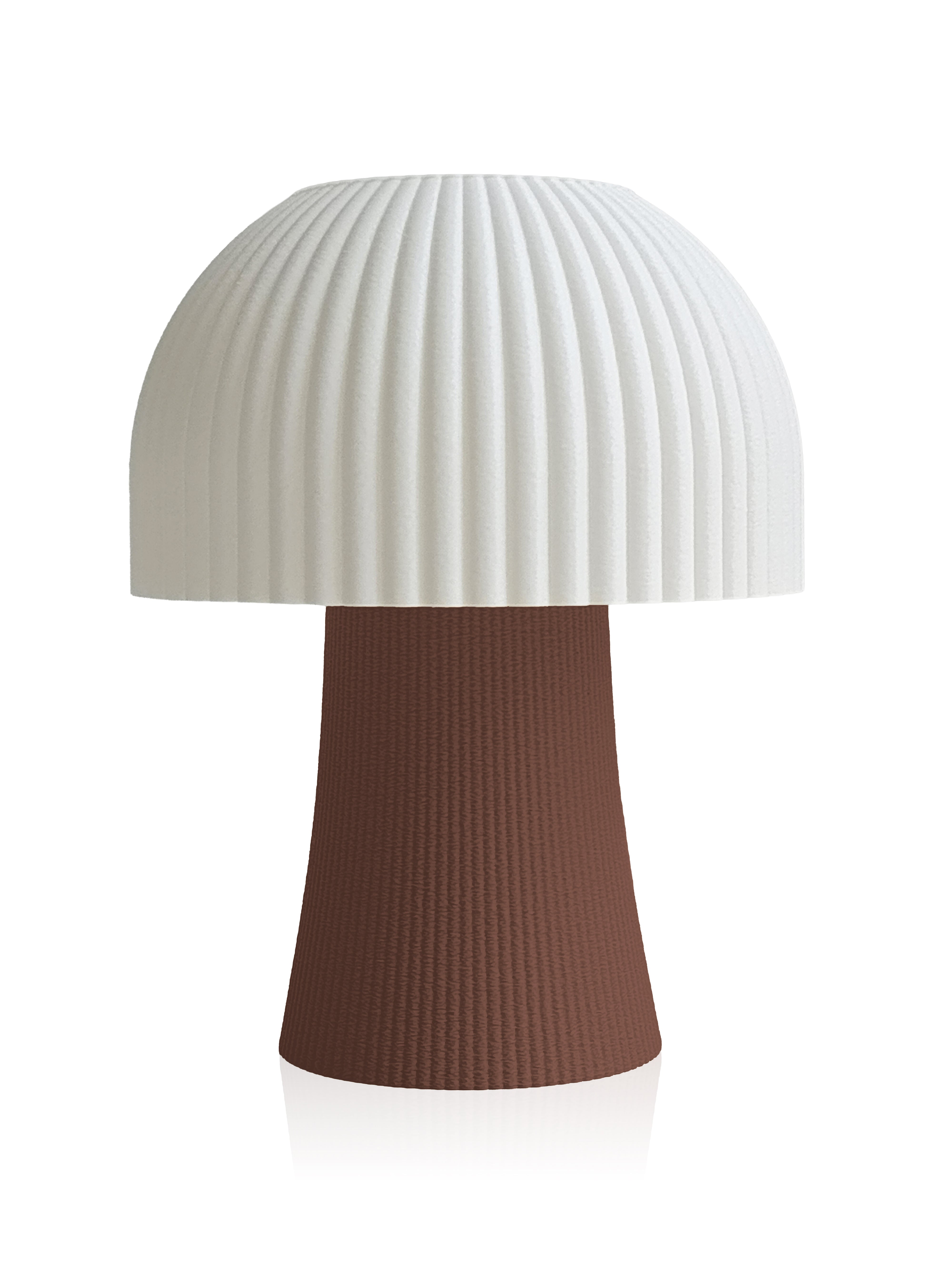
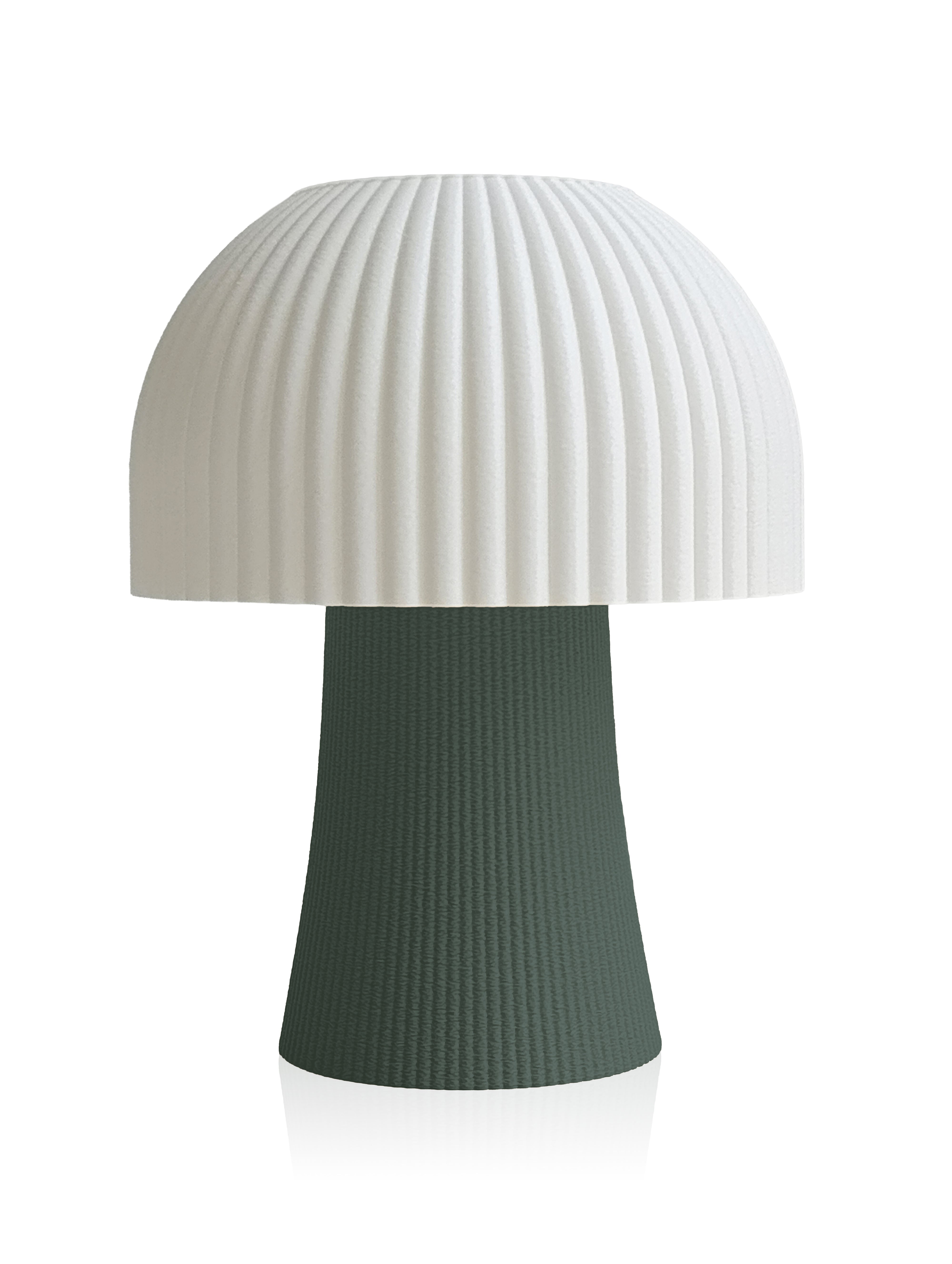
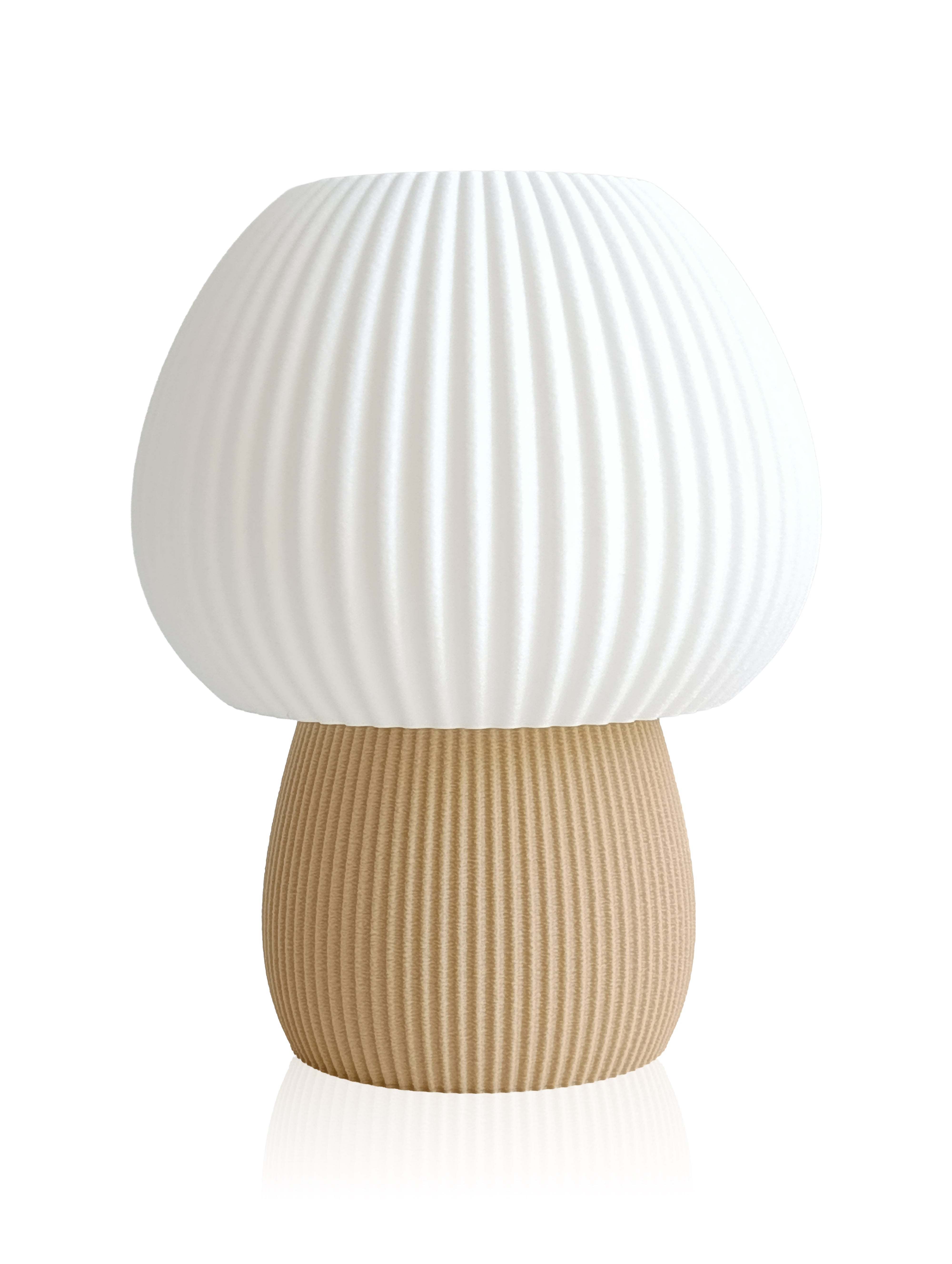
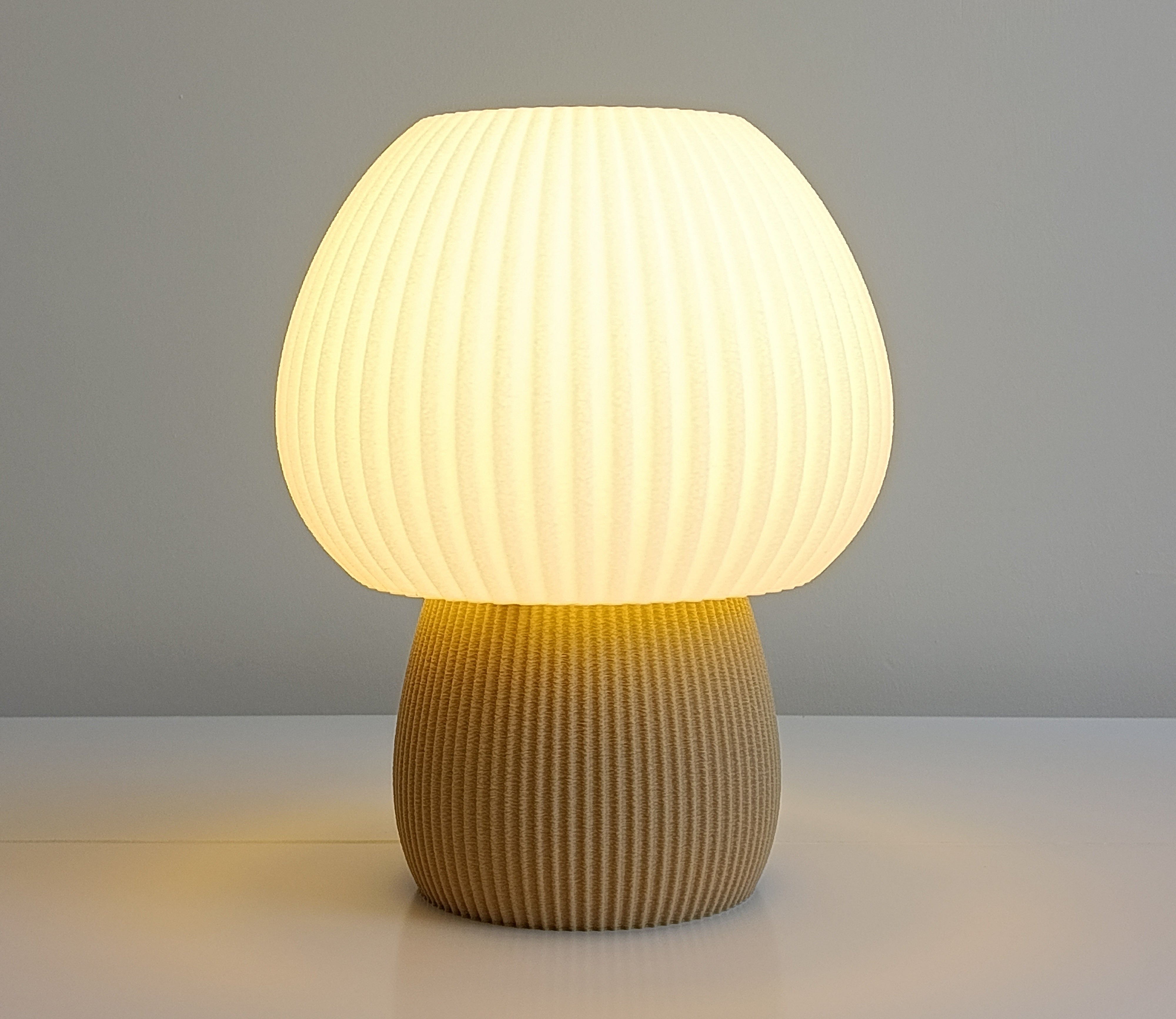
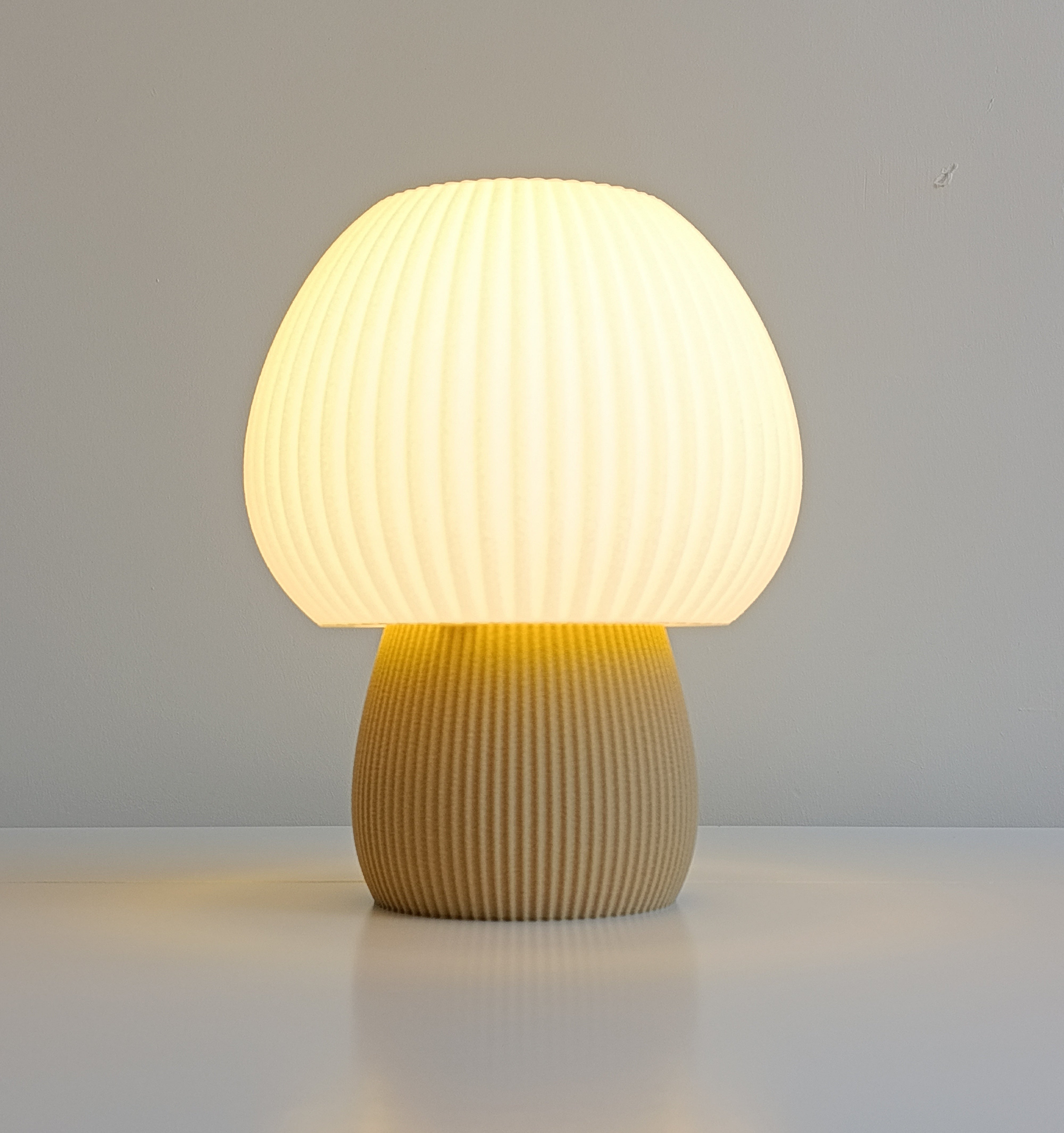
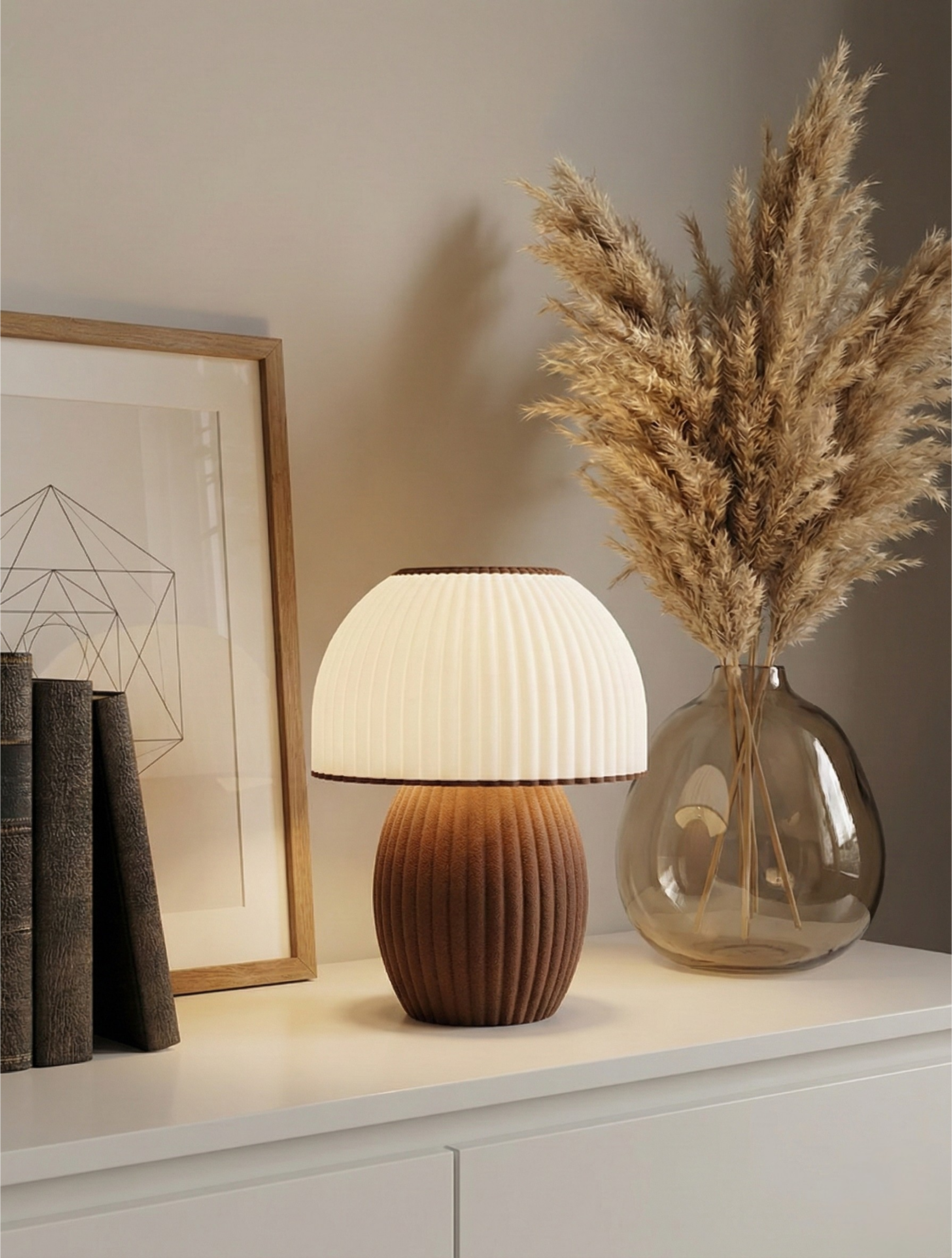
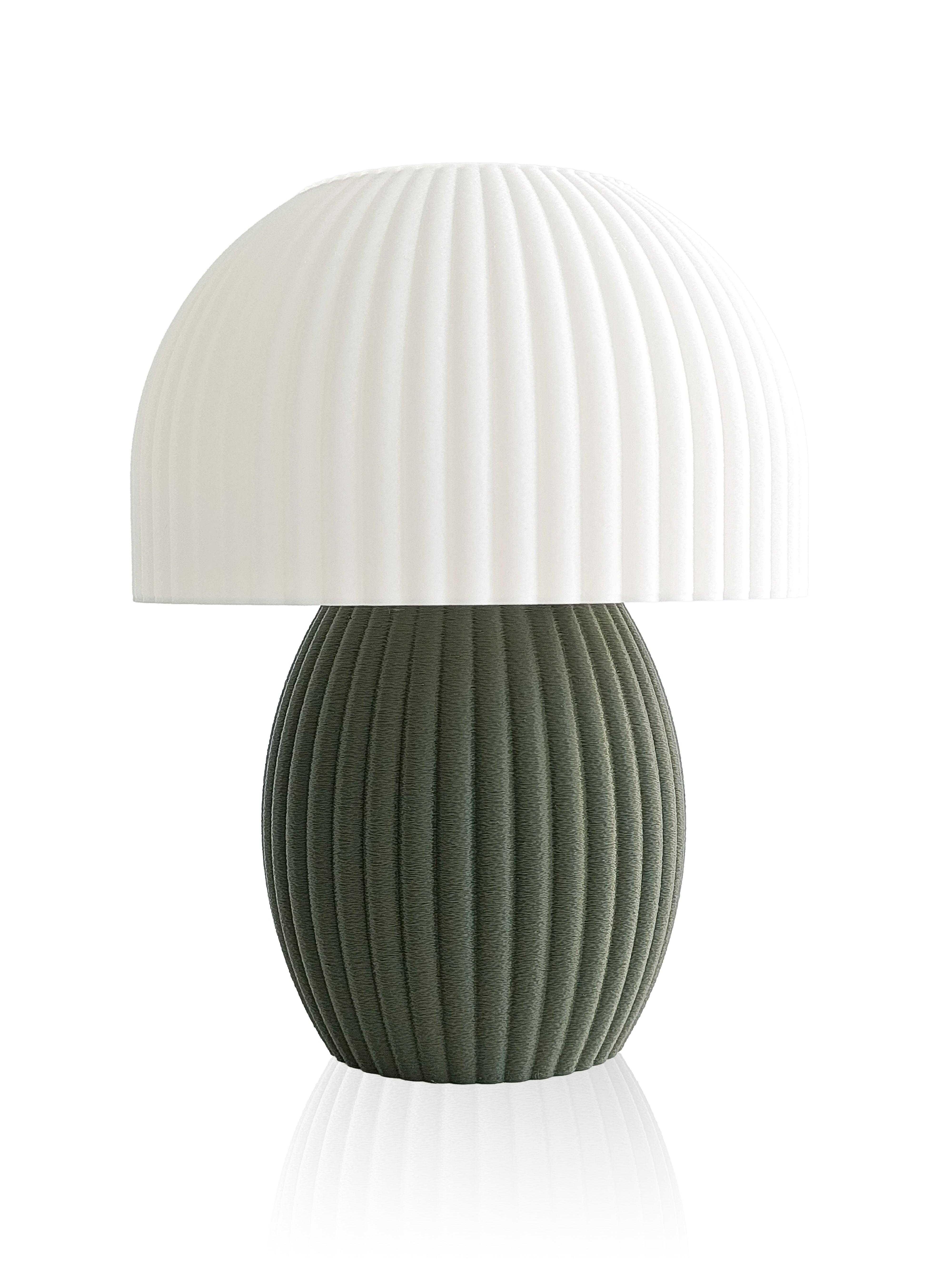
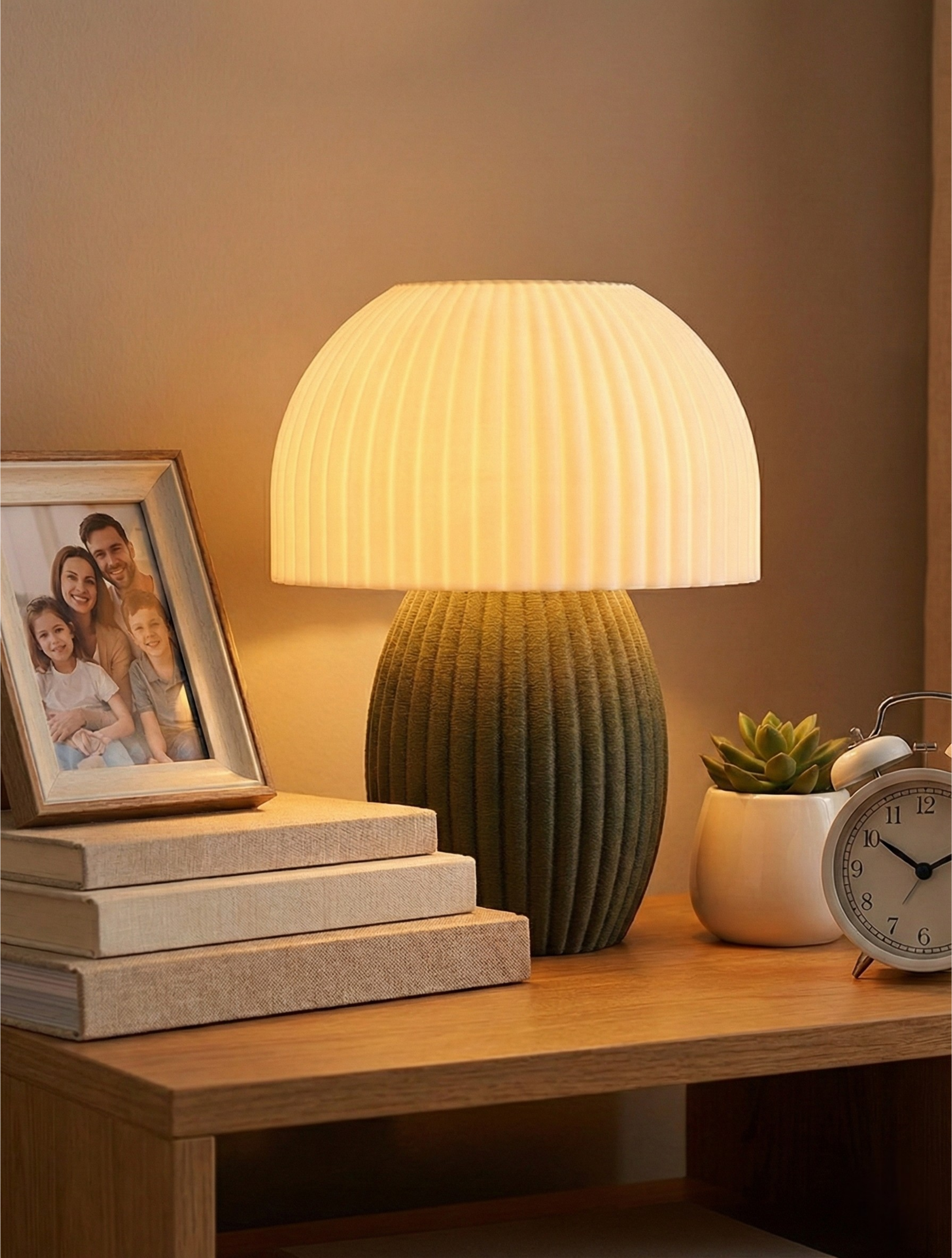
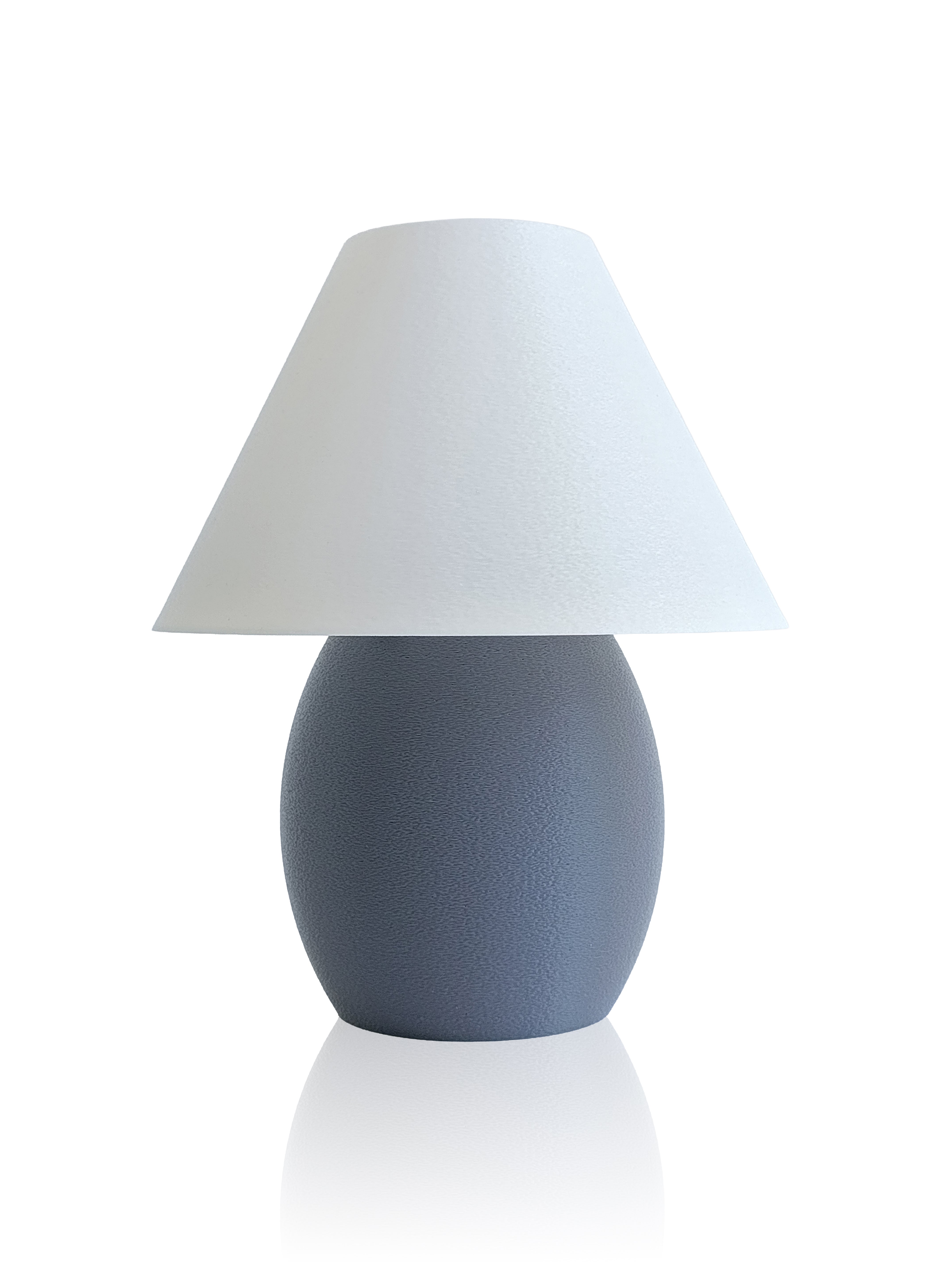
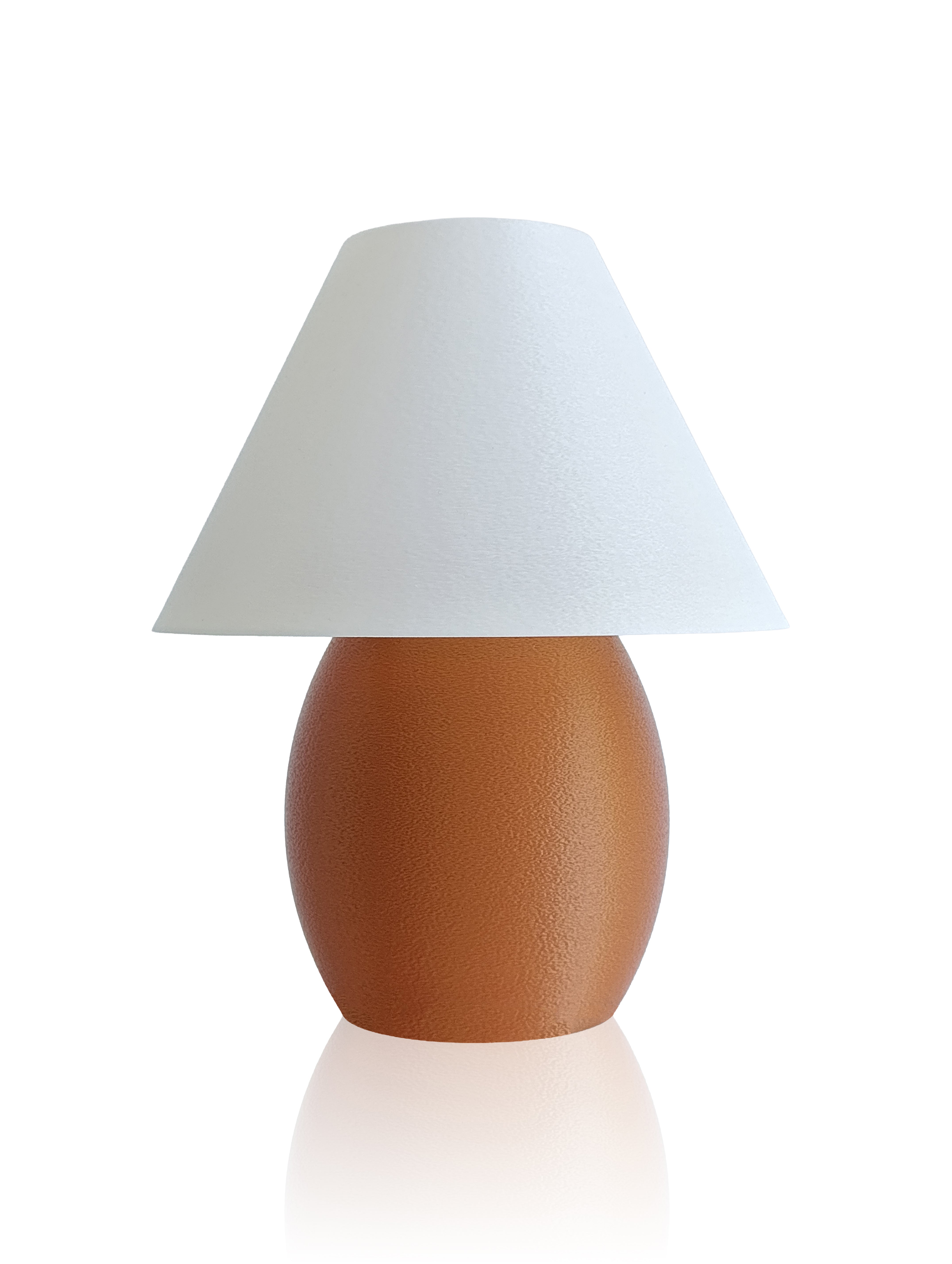
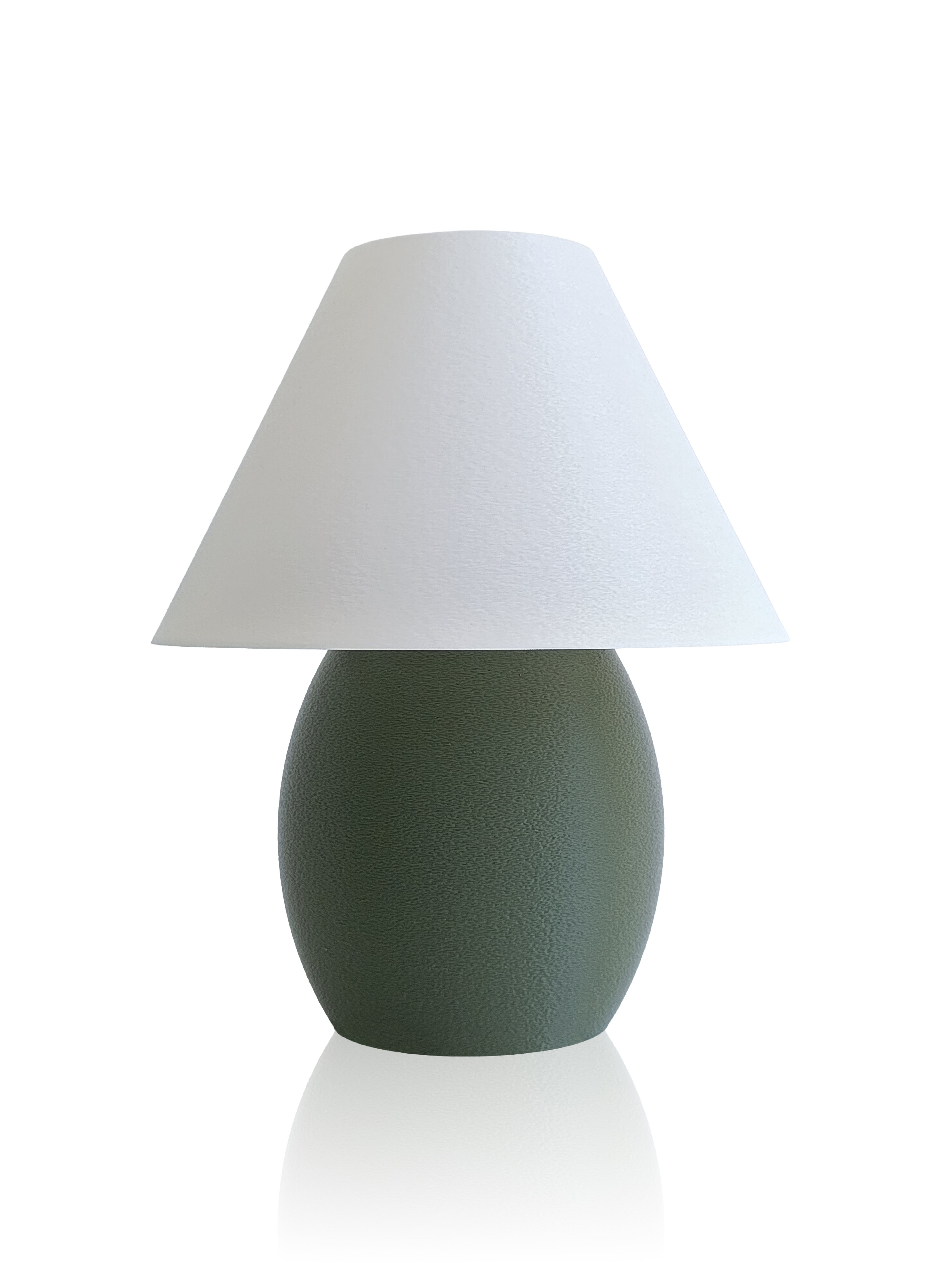
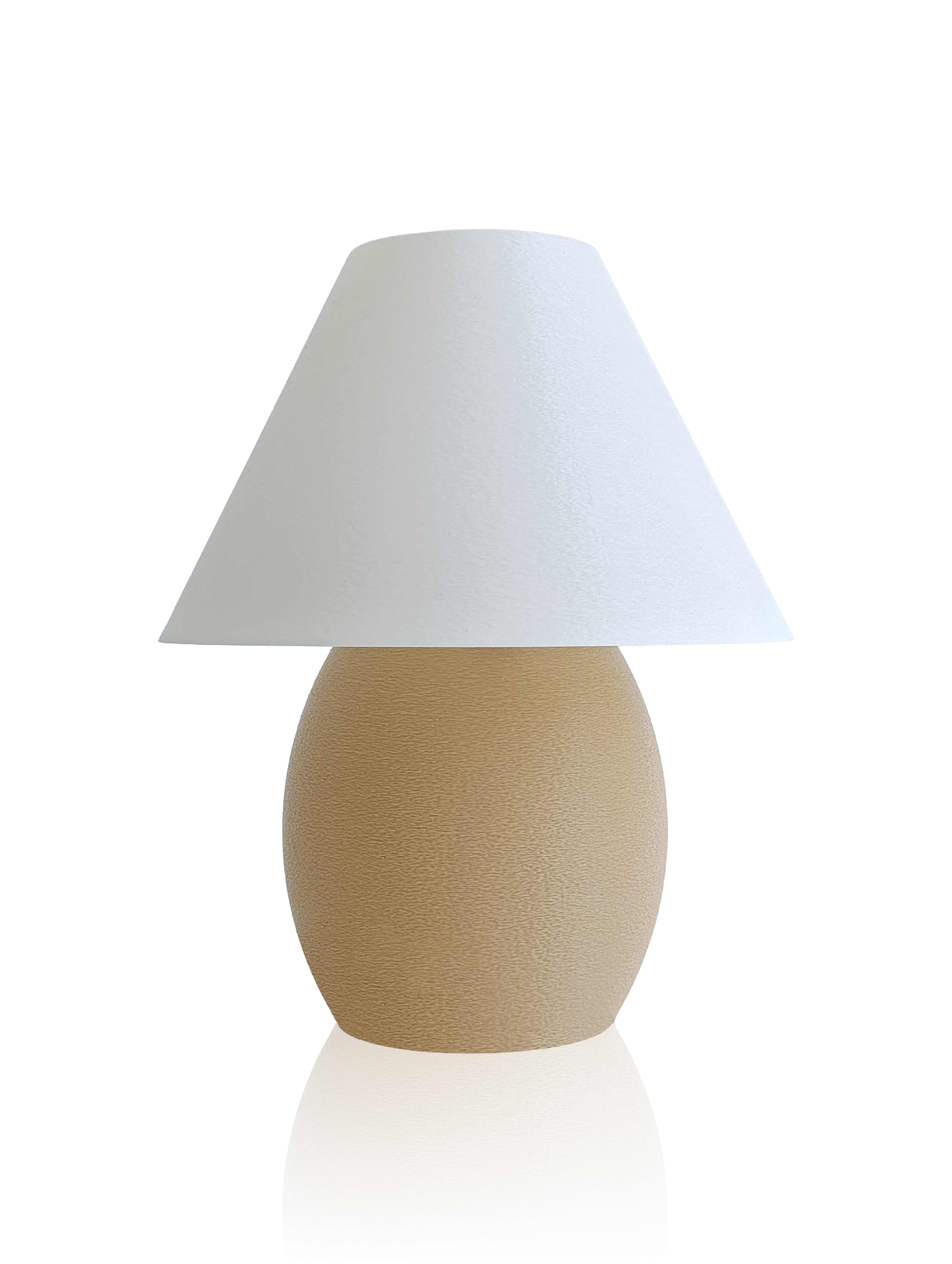
The LUMORA US offers adjustable color temperature options, allowing you to shift your lighting intentionally as the day progresses—brighter and slightly cooler in morning and afternoon zones, warming to deeper amber tones by evening. This flexibility mirrors natural light cycles and supports your body's natural rhythm even when the sun sets early.
Layering Light for Depth and Functionality
Winter lighting design works best through layering—combining ambient, task, and accent light to create flexibility and emotional resonance. A single overhead fixture leaves rooms feeling flat and uninviting. Instead, think in terms of zones and moods:
- Ambient lighting: Provides overall illumination; should be warm and diffused
- Task lighting: Supports specific activities (reading, cooking, working) with brighter, more direct light
- Accent lighting: Highlights architectural features or art; adds visual interest and depth
- Mood lighting: Dimmer options or lower-level sources that create intimate, restorative spaces
During winter, layered lighting becomes particularly valuable because it allows you to adjust intensity based on time of day and emotional need. Morning might call for brighter task lighting to combat grogginess. Afternoon work benefits from focused illumination. Evening calls for dimmed ambient light that's warm enough to feel cozy but bright enough to maintain alertness until bedtime.
Creating Winter Rituals Through Light
Beyond the physiological effects, intentional winter lighting creates behavioral anchors—rituals that structure your day and signal transitions between activities. When you consistently light your morning coffee station with brighter, energizing light, or dim your living room to candlelit softness by 7 p.m., you're creating psychological cues that your mind recognizes and responds to.
These rituals matter especially in winter, when the absence of natural light transitions means your body lacks the sun's natural cues for activity and rest. By designing your home's lighting intentionally, you become the architect of your own seasonal rhythm. This isn't about fighting winter—it's about honoring the season while supporting your wellbeing through it.
Frequently Asked Questions
What color temperature is best for winter evenings?
Warm white light between 2700K-3000K is ideal for winter evenings. It creates a cozy atmosphere, minimizes blue light that disrupts sleep, and psychologically counters seasonal darkness by evoking warmth and comfort.
Can winter lighting actually help with seasonal depression?
Strategic lighting can support mood by maintaining circadian rhythm alignment and providing visual warmth, but it's not a clinical treatment for Seasonal Affective Disorder. For diagnosed SAD, light therapy boxes (10,000 lux) used during morning hours are more effective; consult a healthcare provider for comprehensive support.
How should I adjust lighting between morning and evening in winter?
Use slightly cooler, brighter light (3500K-4000K) in morning and work areas to promote alertness, then transition to warmer light (2700K) by evening to support relaxation and natural melatonin production. Dimmer switches make these transitions seamless.
Closing Thoughts
Winter doesn't have to mean surrendering to darkness. By approaching seasonal lighting as a deliberate design choice rather than an afterthought, you transform your home into a space that actively supports your energy, mood, and rest. The goal isn't to fight winter's darkness—it's to work with it, creating light that feels authentic to the season while honoring your need for warmth, visibility, and emotional balance. Your home's lighting is a tool you control. Use it thoughtfully, and winter becomes a season of intimate, well-lit moments rather than endless darkness.








Share:
Psychology of Dim Light: Why Our Brains Need Darkness
Dim Light and Creativity: Lighting That Sparks Artistic Inspiration