

Living Room Lighting Guide: The Right Lamp for Every Corner

Your living room is where life happens—where you unwind, gather with loved ones, and spend your evenings. The right living room lighting transforms this space from merely functional to genuinely inviting. Yet many of us default to a single overhead fixture, missing the opportunity to create depth, warmth, and flexibility. Proper layered lighting isn't just about visibility; it's about setting the mood and supporting how you actually live in your home.
Understanding the Three Layers of Lighting
Before placing lamps around your living room, it helps to understand the fundamental framework that designers use: ambient, task, and accent lighting. These three layers work together to create a space that feels balanced and responsive to your needs throughout the day.
Ambient lighting provides overall illumination—the gentle glow that makes your space feel inhabitable. Task lighting targets specific activities like reading or working. Accent lighting adds character and draws attention to architectural features or artwork. Most living rooms benefit from all three working in concert, which is why a single overhead light rarely feels quite right.
- Ambient: General background light (typically 300-500 lux)
- Task: Focused light for activities (typically 500-1000 lux)
- Accent: Decorative or directional light (variable intensity)
Choosing Lamps for Reading and Focused Work
If your living room doubles as a reading nook or work zone, task lighting is non-negotiable. Floor lamps positioned near seating areas should provide enough brightness without creating glare or harsh shadows on your page or screen. Look for lamps with adjustable brightness or directional heads that allow you to control where light lands.
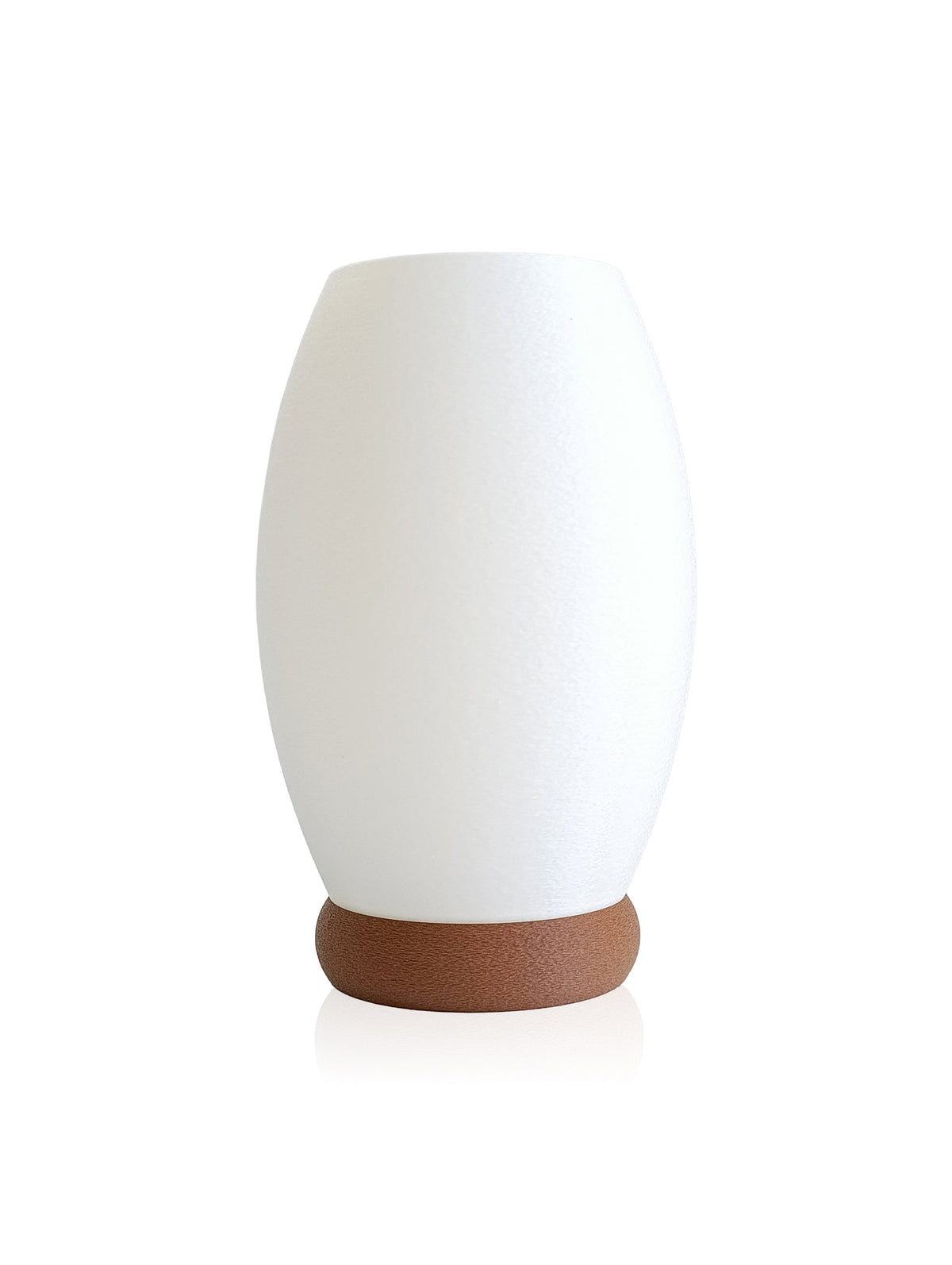
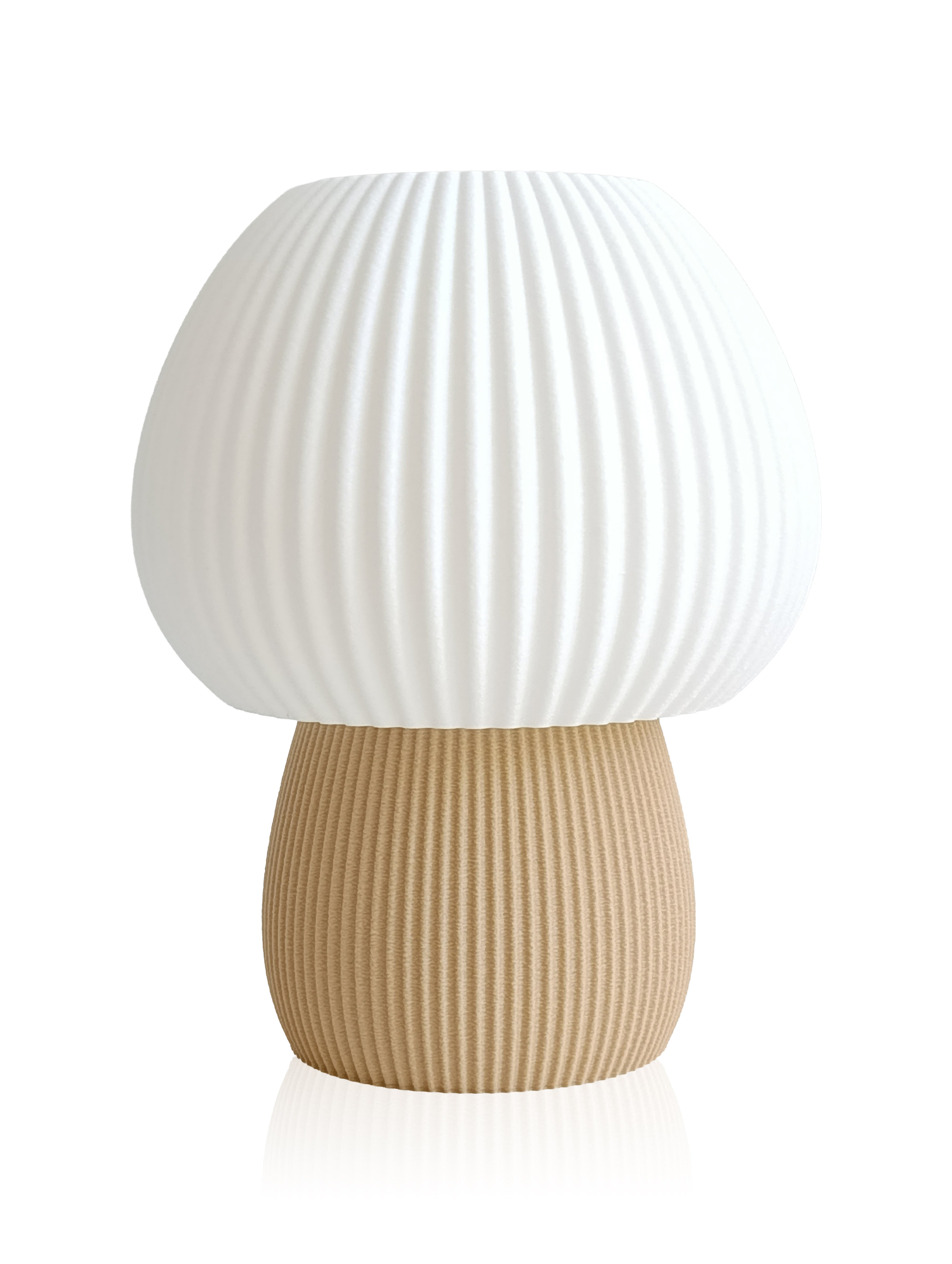
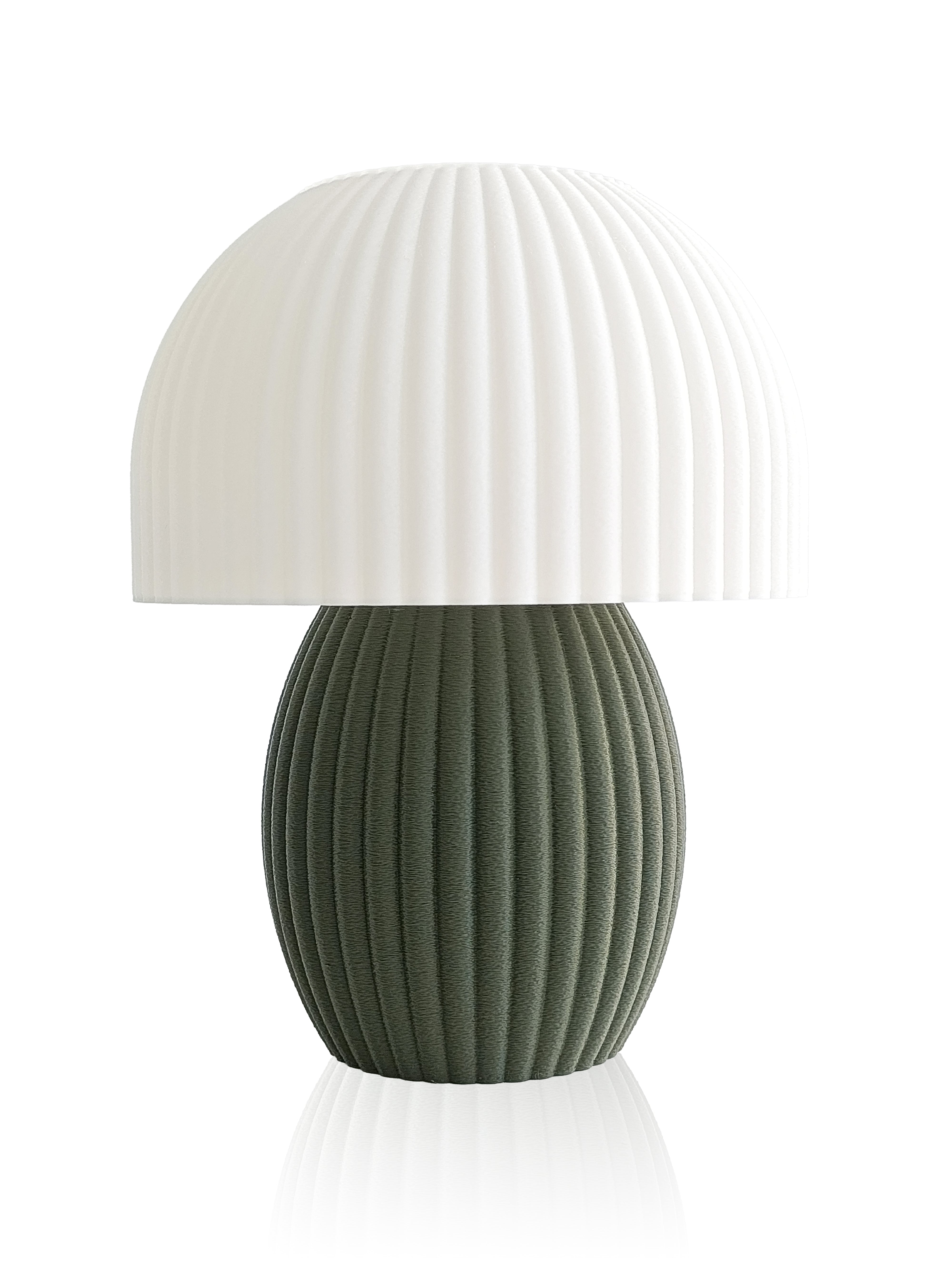
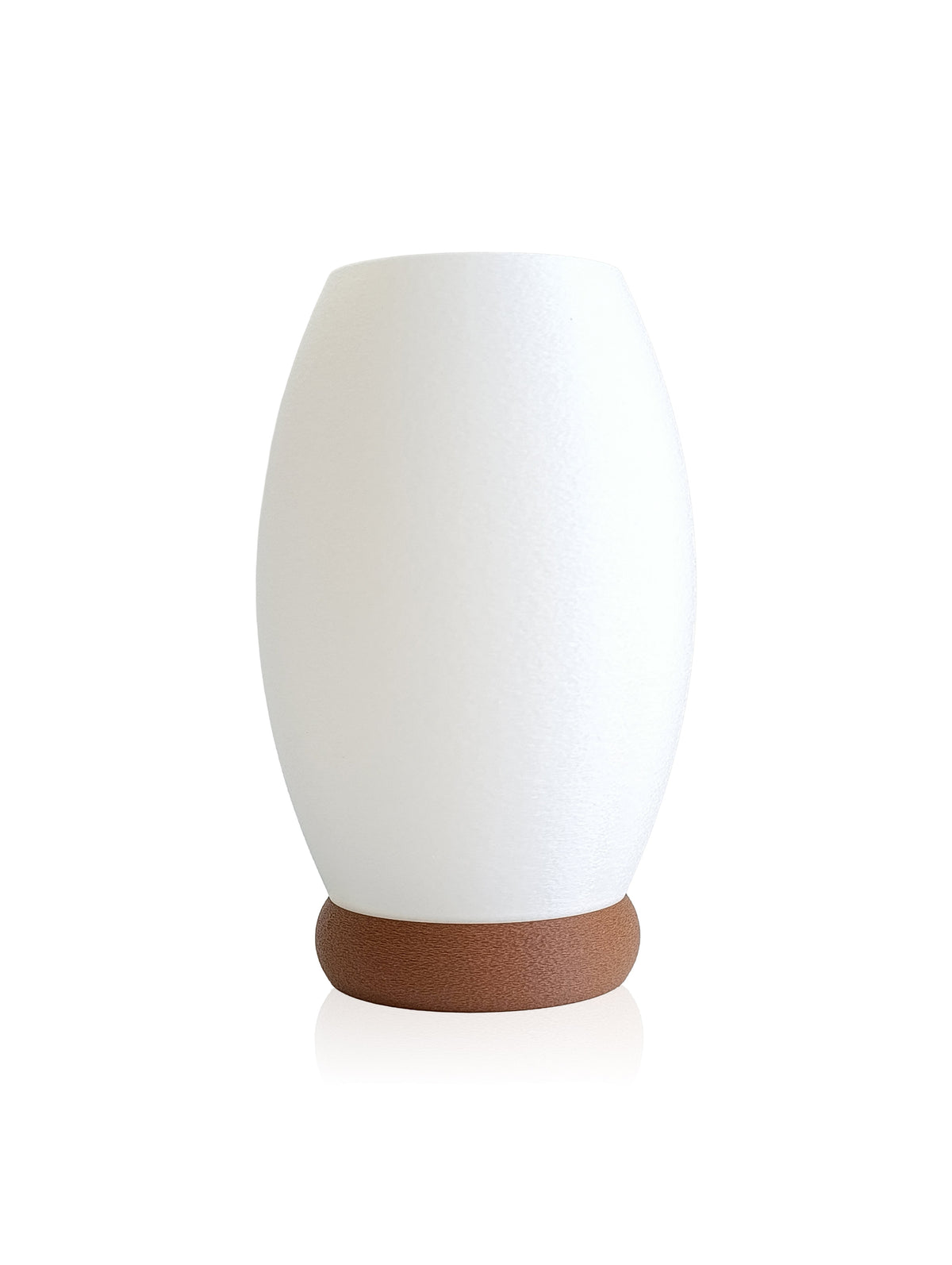
The LUMI US brings thoughtful design to task lighting, offering the brightness needed for focused work while maintaining an aesthetic that feels more refined than typical desk lamps. Aim to position reading lamps at roughly 15 inches from your line of sight, with the light source slightly behind or to the side of where you'll be sitting.
- Place floor lamps beside armchairs or at the end of sofas
- Choose warm color temperatures (2700K-3000K) to avoid eye strain
- Ensure the lampshade diffuses light evenly without dimming it too much
- Test brightness before committing—what feels right in the showroom may feel different at home
Creating Ambient Warmth with Layered Table Lamps
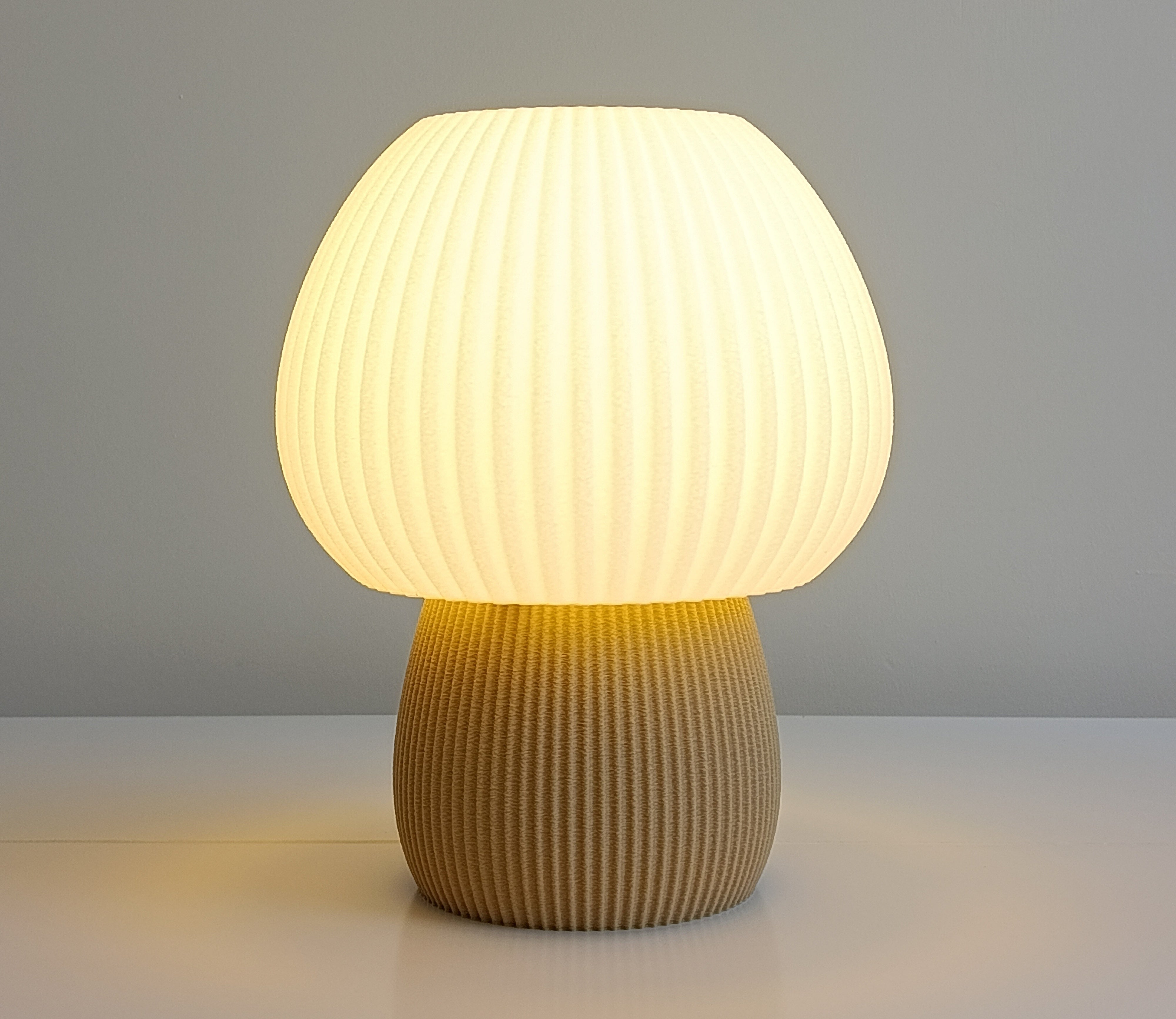
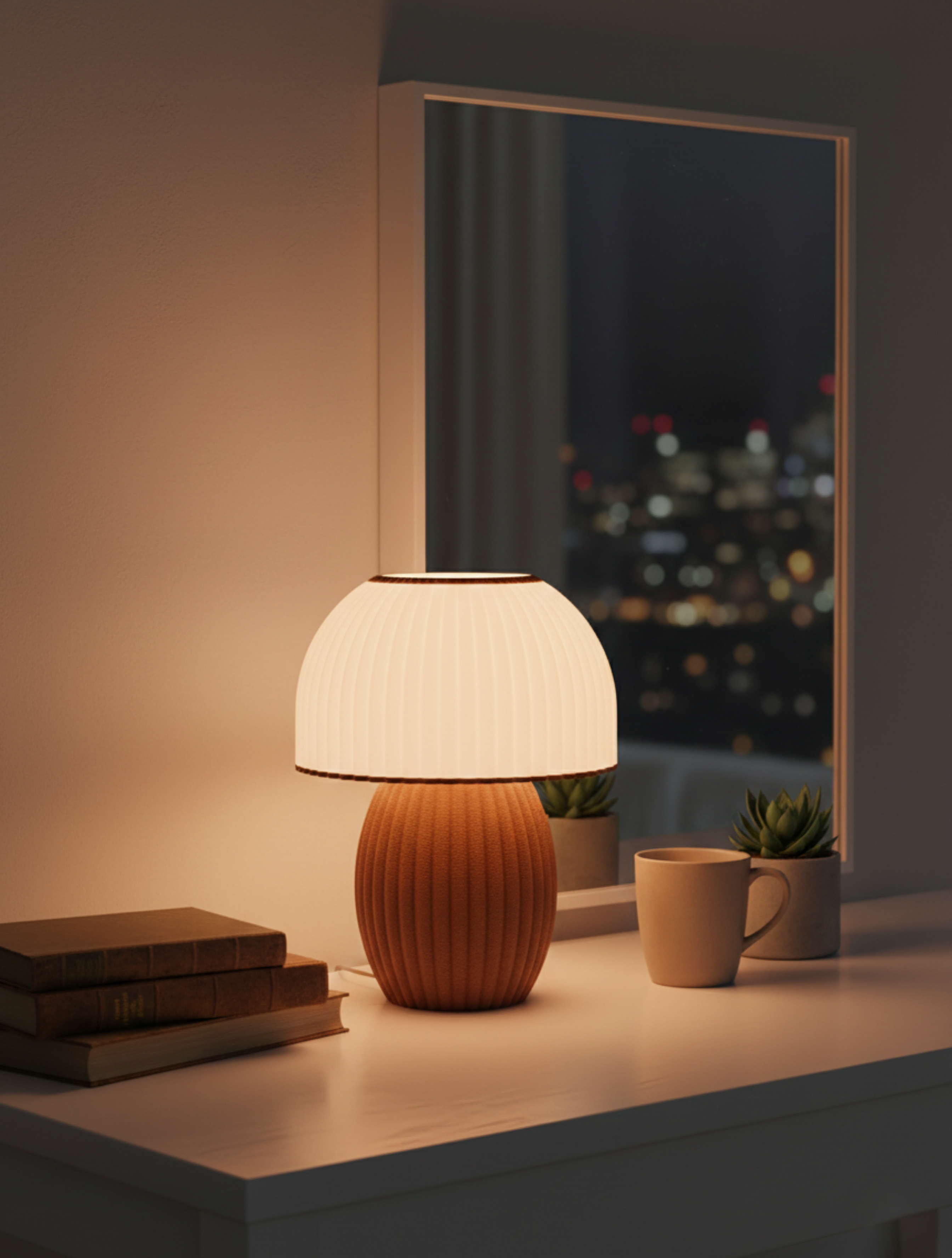
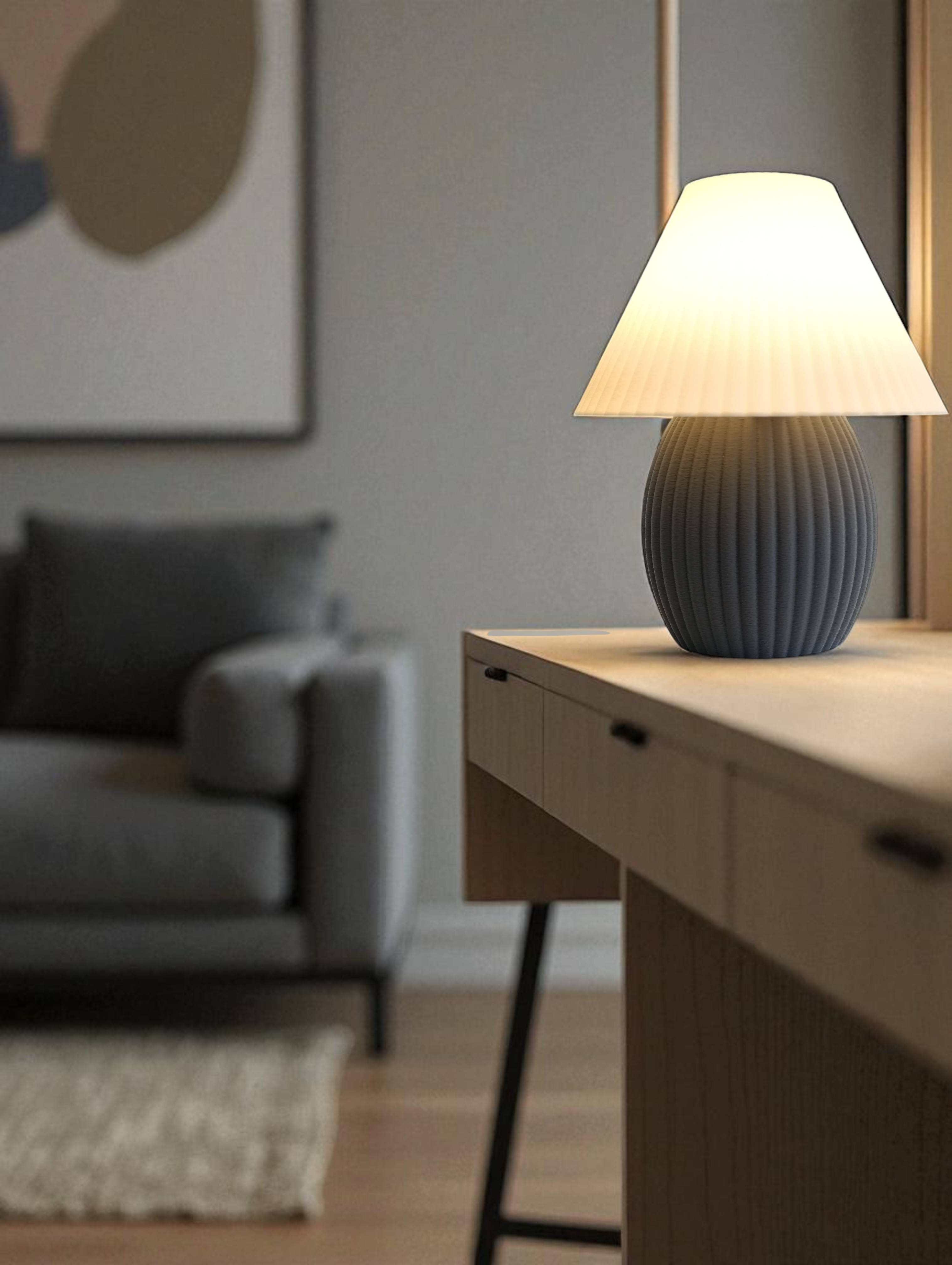
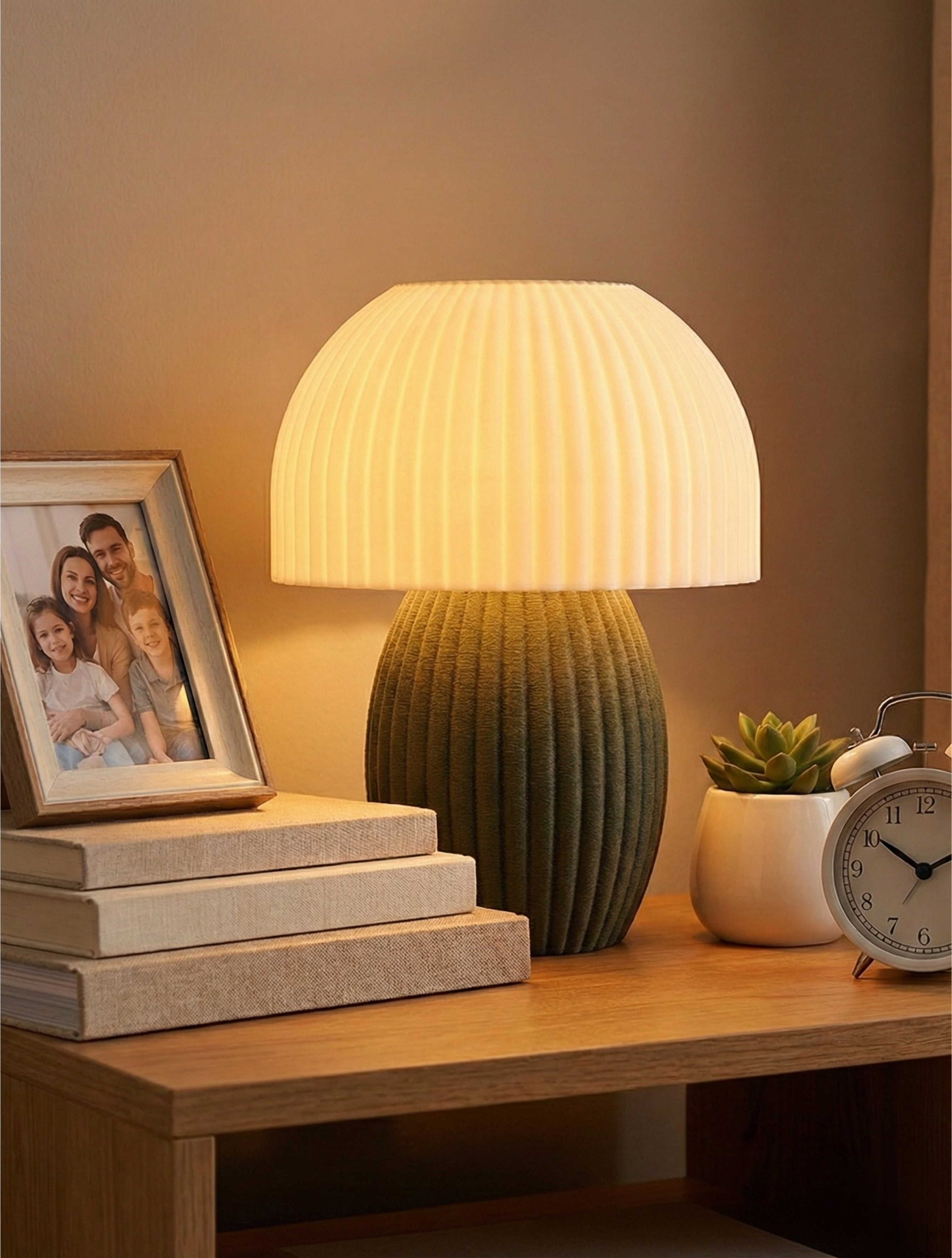
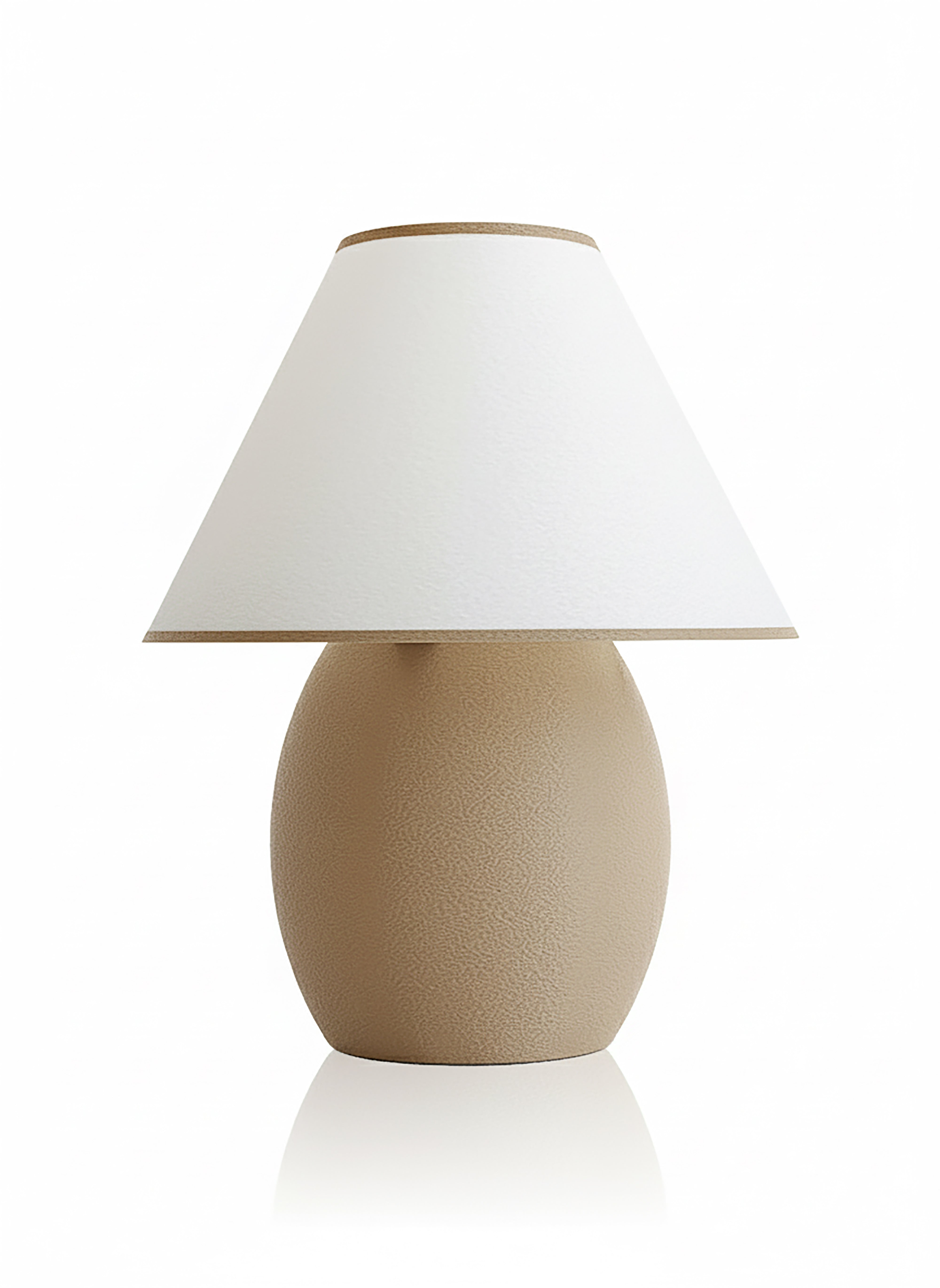
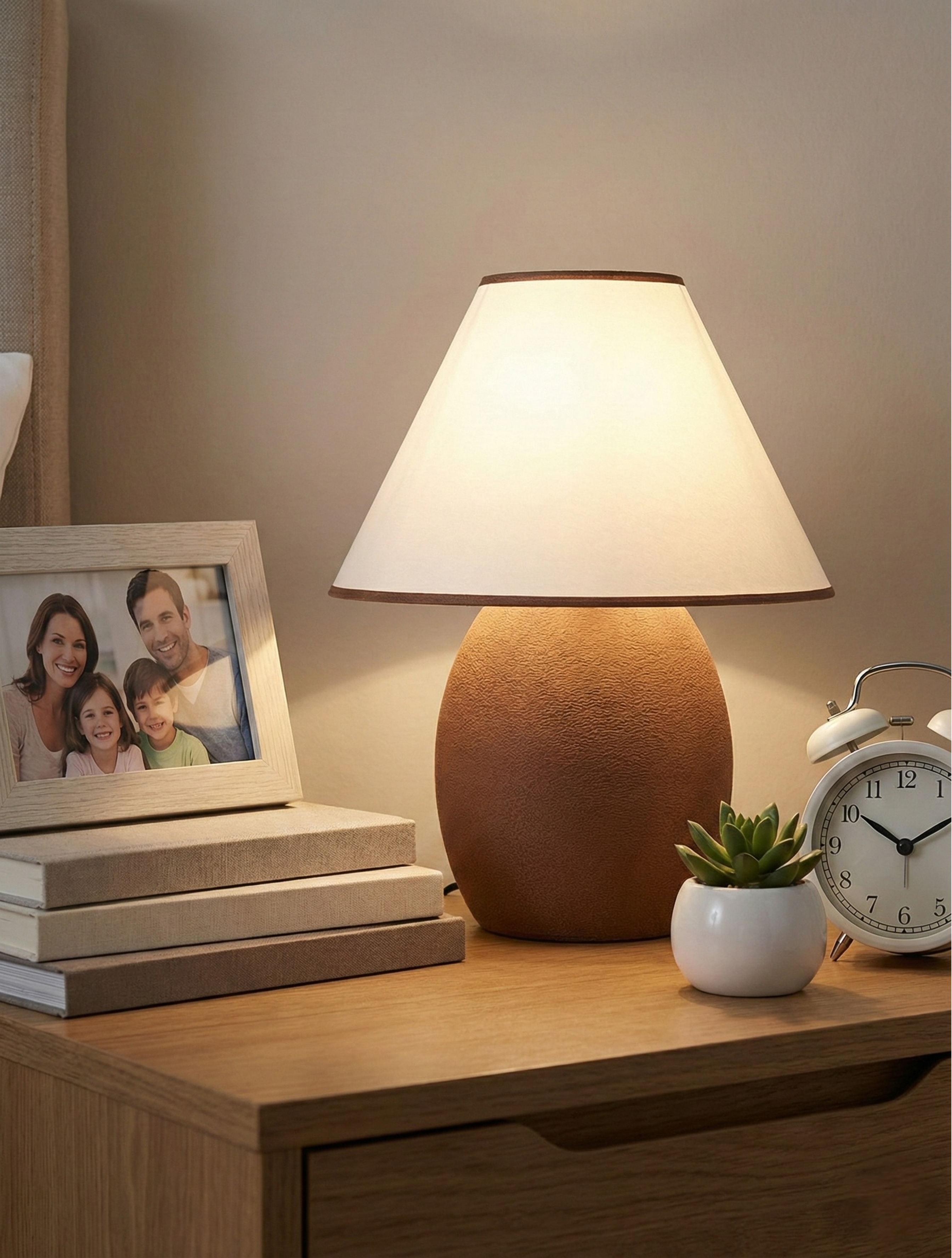
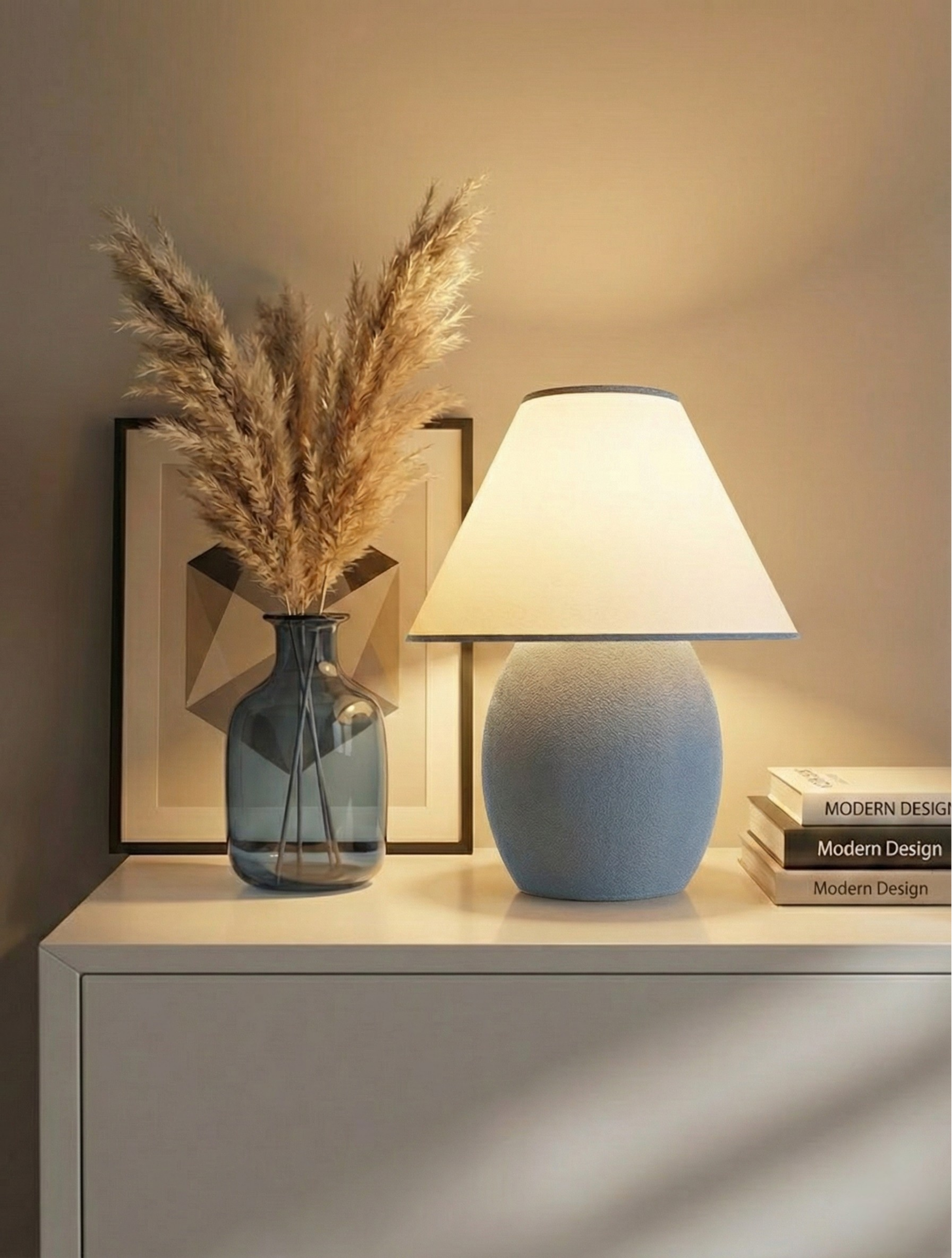
Table lamps are your secret weapon for creating that coveted layered effect. Rather than relying on overhead lighting, a thoughtfully placed collection of smaller lamps creates pockets of warm illumination that feel infinitely more inviting. Consider placing table lamps on side tables, console tables, or shelving at varying heights around the room.
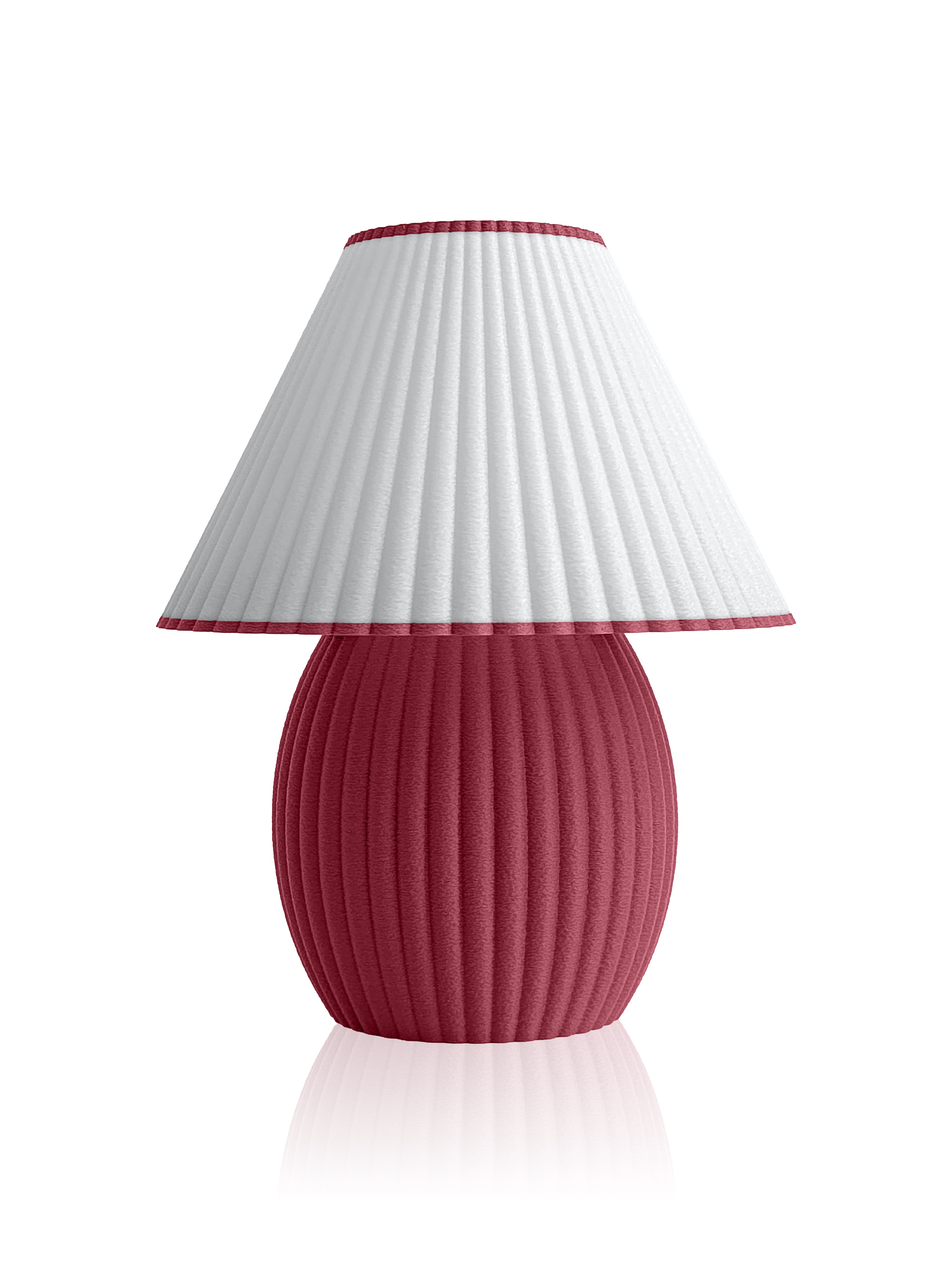
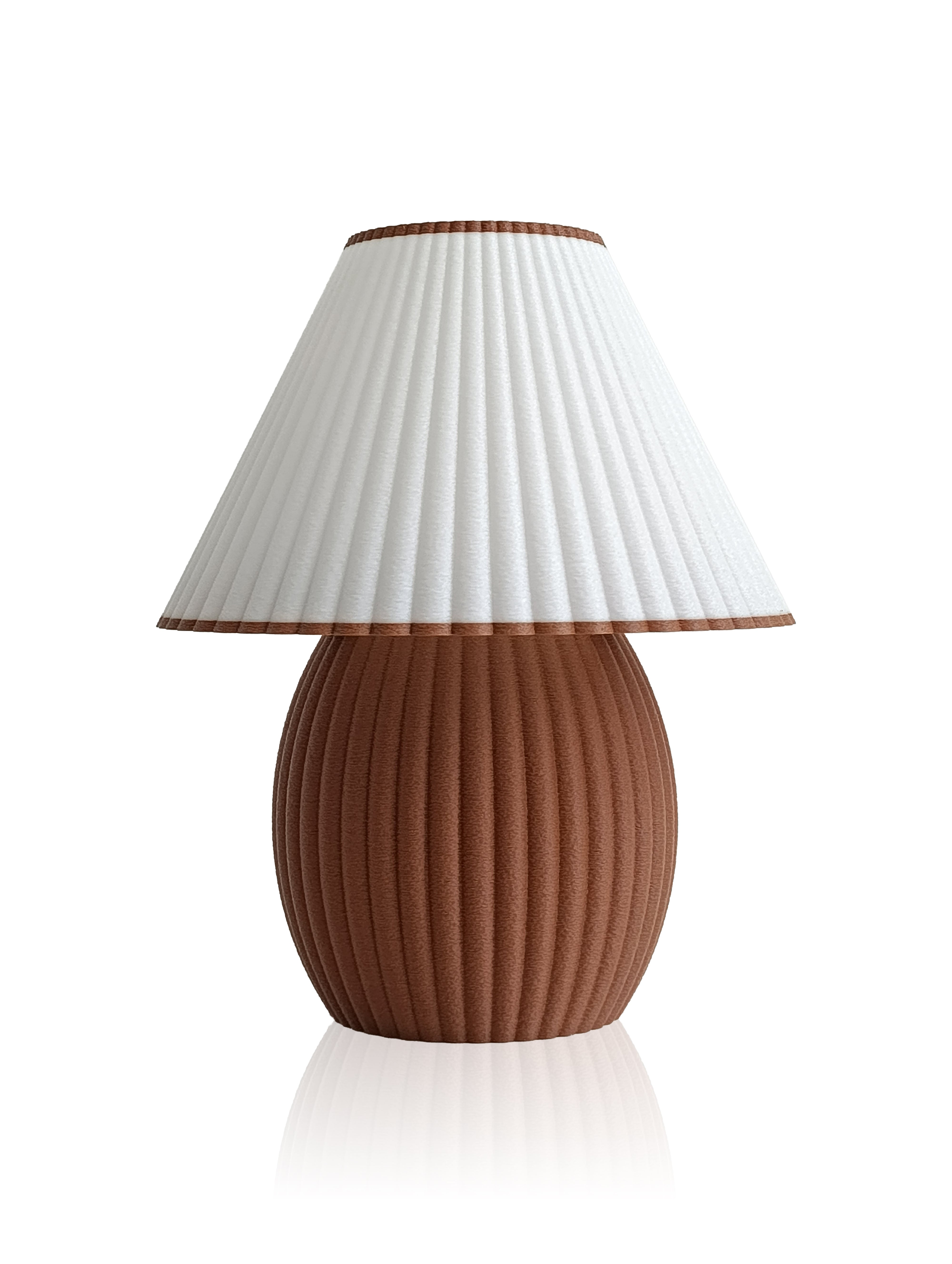
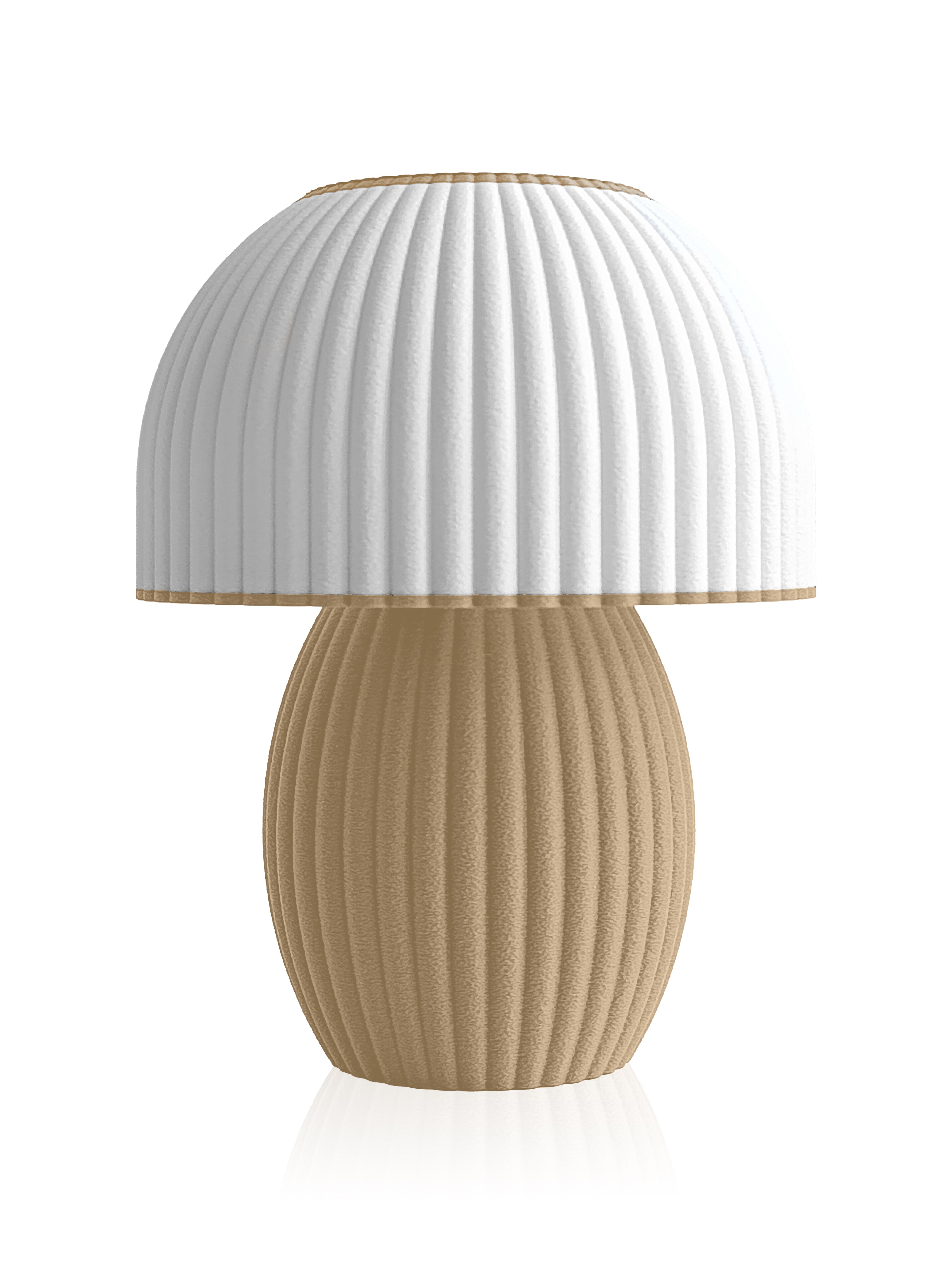
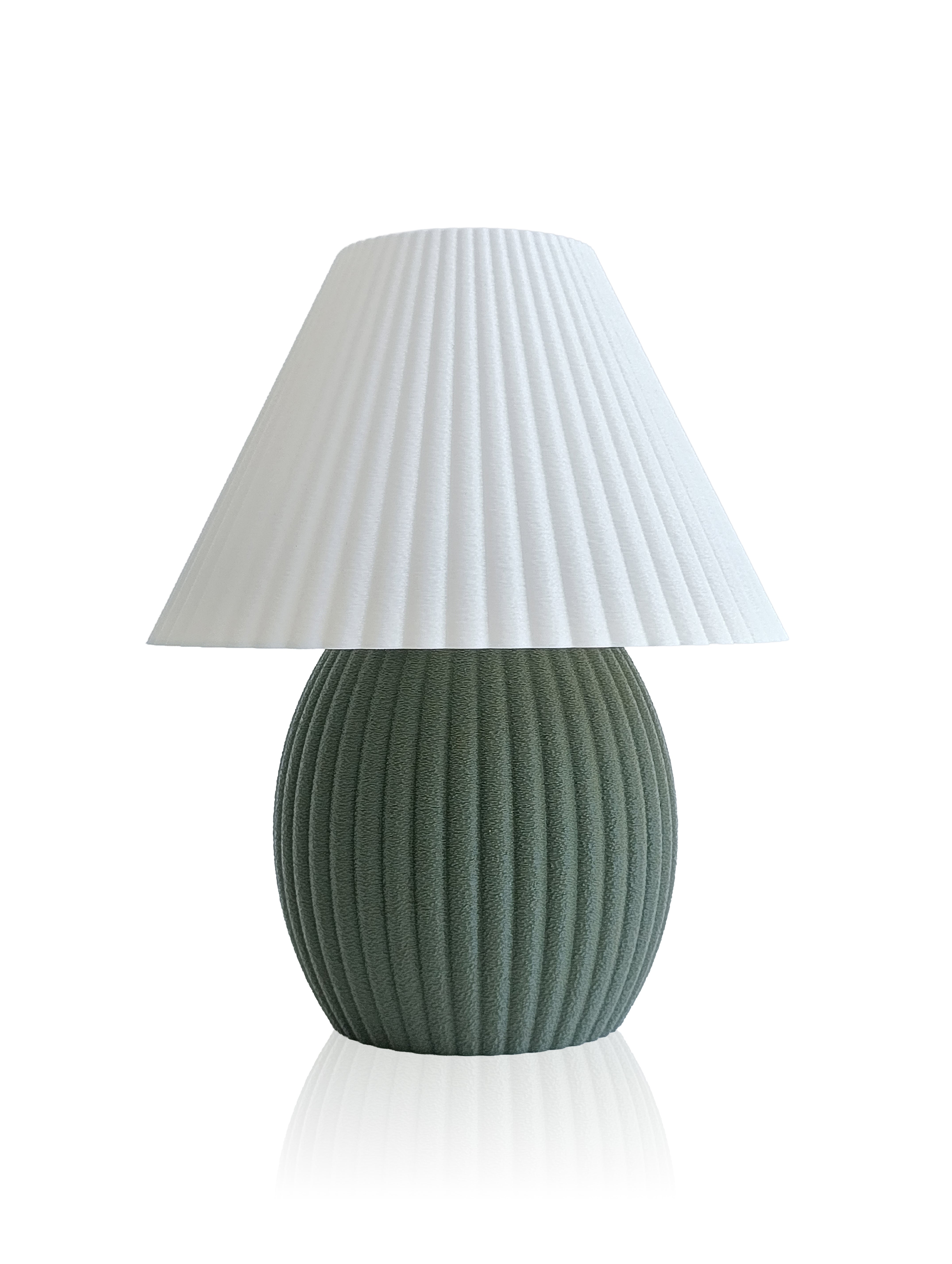
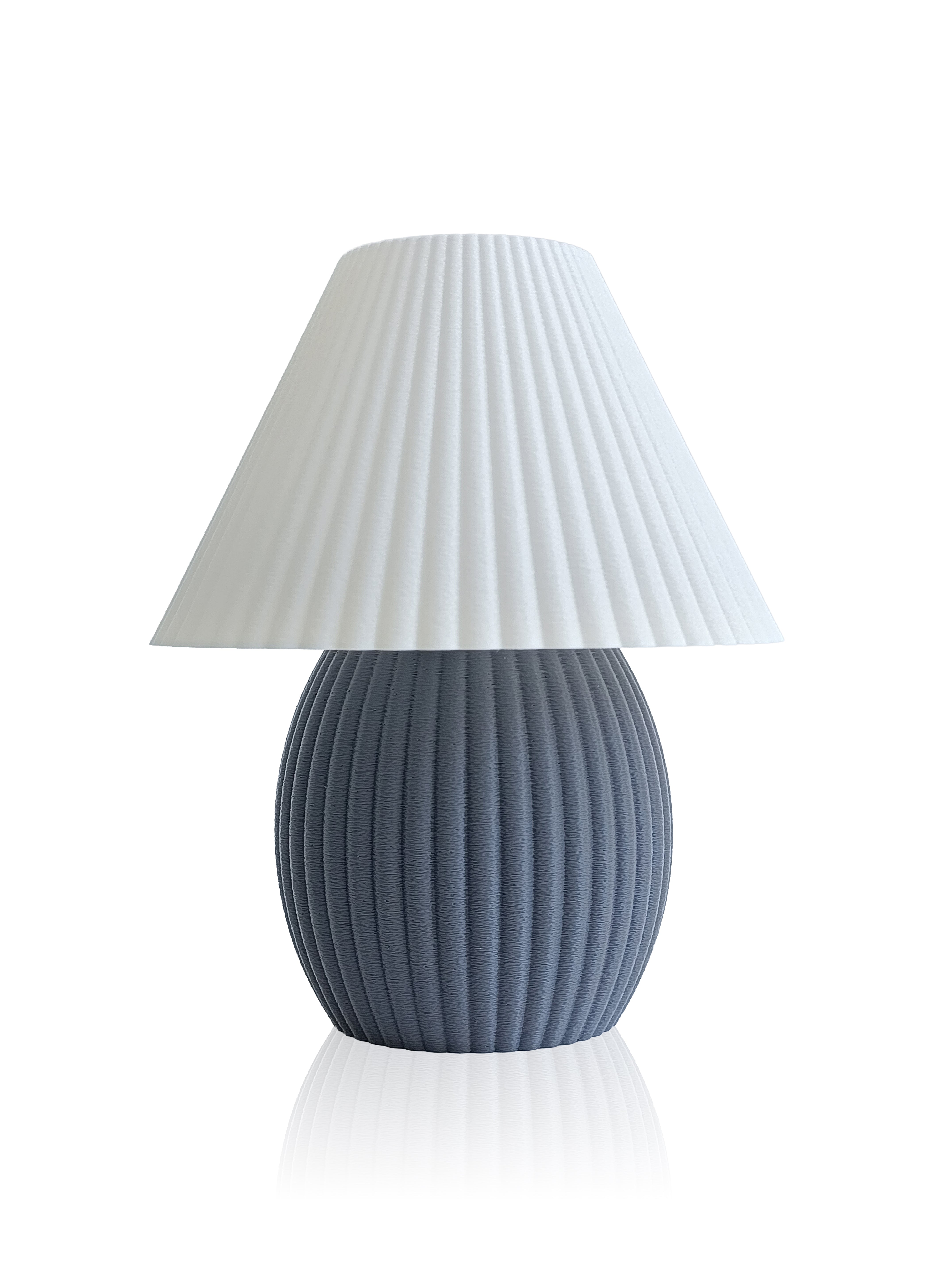
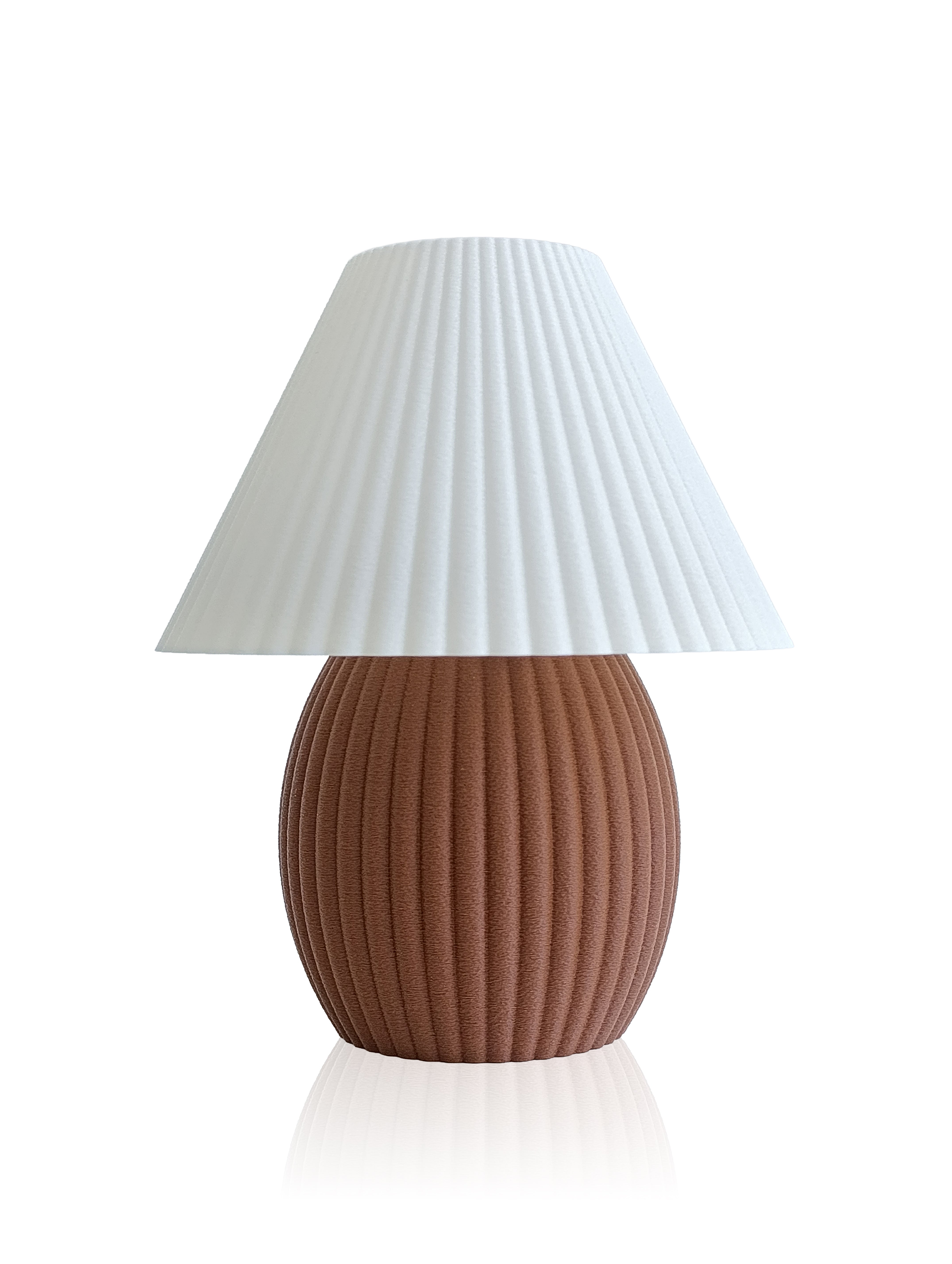
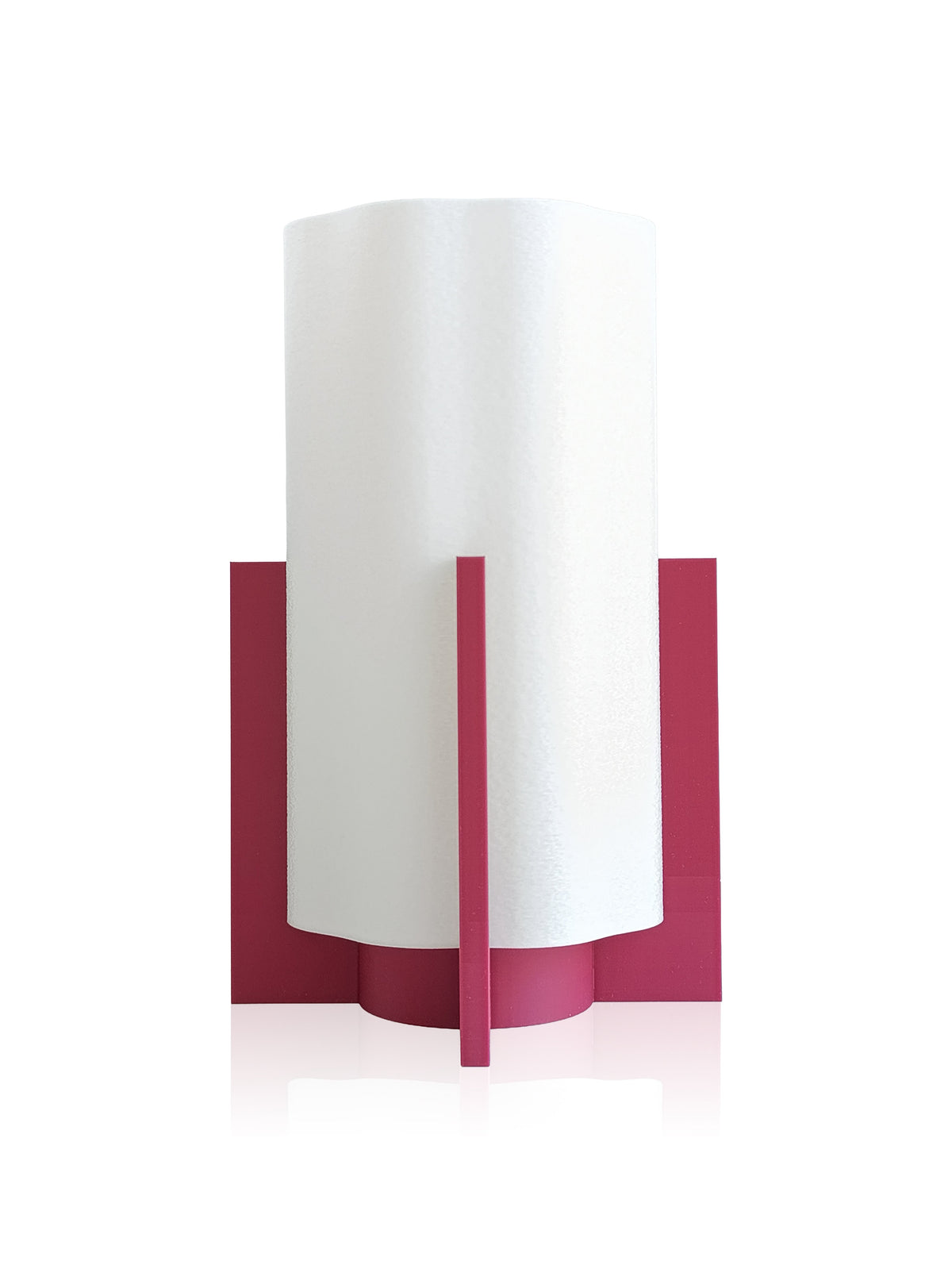
The key to ambient lighting is choosing lamps that work together visually while distributing light evenly. The ORBELA LINE US offers a cohesive design language that allows you to create symmetry—matching lamps on either end of a sofa, for instance—while maintaining visual interest. Multiple smaller light sources always feel warmer and more sophisticated than one bright fixture.
- Aim for lamps that complement your existing décor without competing for attention
- Use warm white bulbs (2700K) for ambient lighting throughout the evening
- Position table lamps at least 6 inches back from the edge of furniture to avoid direct glare
- Layer in dimmers where possible to adjust brightness as daylight shifts
Accent Lighting and the Details That Matter
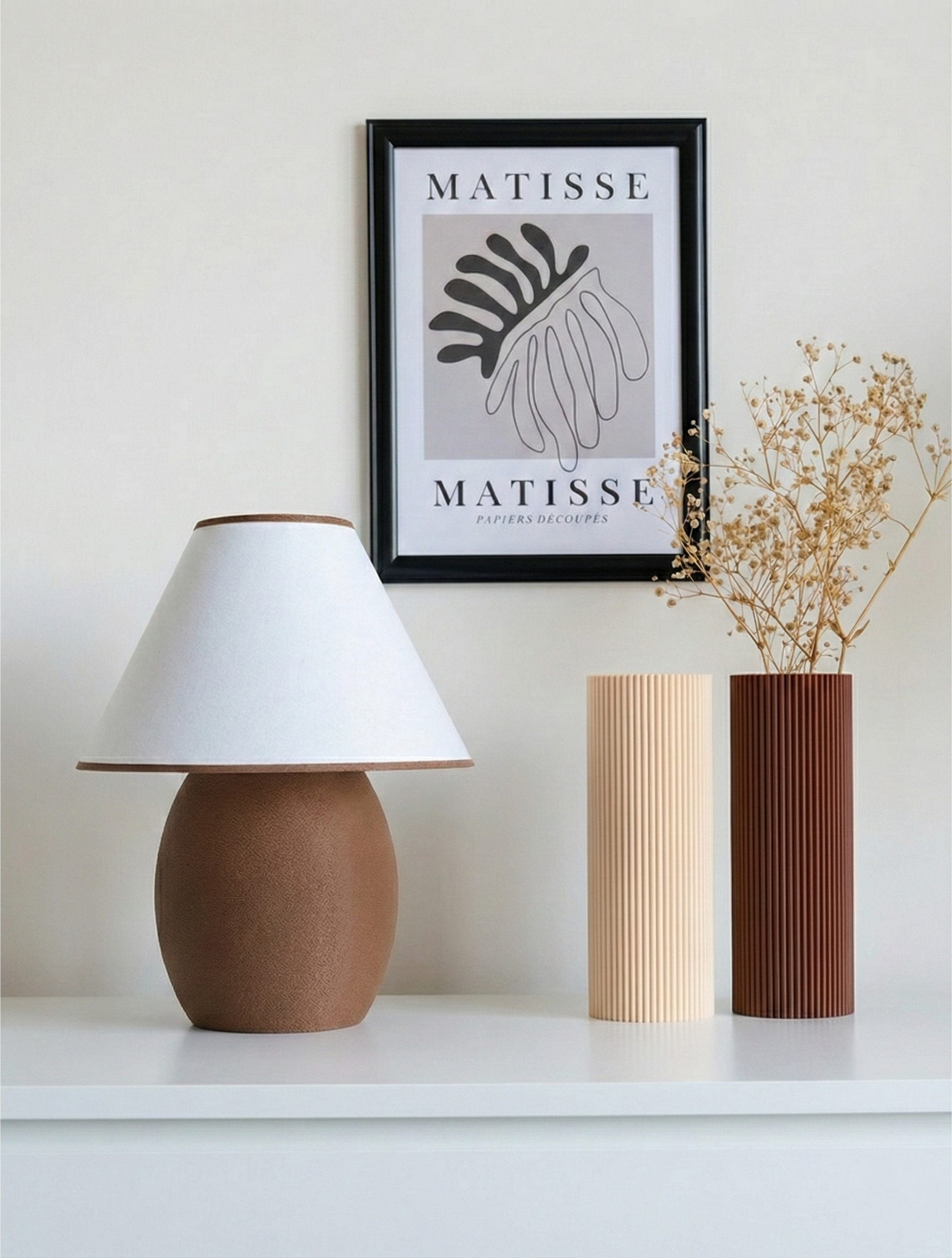
Once you've addressed ambient and task lighting, consider how to highlight what you love about your space. Accent lighting draws the eye to artwork, architectural details, or favorite objects. This might be a uplighter beside a plant, a picture light above artwork, or a sculptural lamp that serves as both functional light and decorative object.
Accent lighting should be roughly one-third the brightness of your ambient lighting, creating visual interest without overwhelming the space. Think of it as the finishing touch that reveals your personality and makes your living room feel distinctly yours, not like a generic room.
Frequently Asked Questions
What color temperature should I use in my living room?
For living rooms, choose warm white bulbs in the 2700K-3000K range. This color temperature mimics candlelight and creates the cozy, inviting atmosphere most people want in this space. Cooler temperatures (4000K+) can feel clinical and are better suited to workspaces.
How bright should living room lamps be?
Ambient living room lighting typically ranges from 300-500 lux, while task lighting for reading should be 500-1000 lux. Rather than fixating on numbers, trust your eyes—the space should feel comfortable and shadow-free without being harsh or bright enough to strain your eyes when relaxing.
Can I mix different lamp styles in my living room?
Absolutely. A mix of lamp styles creates visual interest, as long as they share a common thread—similar color, metal finish, or design era. Aim for cohesion without uniformity; this balance is what makes a room feel thoughtfully designed rather than matchy or sterile.
Bringing It All Together
Your living room lighting should work as hard as you do—adapting to morning coffee, afternoon work, and evening relaxation. By layering ambient, task, and accent lighting thoughtfully, you create a space that responds to your life rather than against it. Start with one well-placed lamp, then add layers as you discover what feels right. The goal isn't perfect design; it's a room that feels like home.





Share:
Remote Work Lighting: Finding Warmth in Your Home Office
Kids' Room Lighting: From Night Light to Play Corner