

Light and Social Interaction: How Lighting Affects Communication

The way we light our homes shapes more than just what we see—it shapes how we connect. When friends gather in your living room or you settle in for an important conversation, the quality of light around you subtly influences whether that interaction feels warm or cold, intimate or awkward. Understanding how lighting affects communication and social interaction is essential for anyone who wants to create spaces where meaningful moments actually happen.
Why Lighting Matters More Than You Think in Social Spaces
Lighting is one of the most underestimated design elements in creating comfortable social environments. Research in environmental psychology shows that people communicate more openly and feel more at ease in spaces with thoughtfully designed lighting. Poor lighting—whether it's too harsh, too dim, or the wrong color temperature—can create tension, make conversations feel strained, and even trigger anxiety in social settings.
The physical act of socializing is deeply tied to how we perceive our surroundings. When you're sitting across from someone in soft, warm light, your pupils dilate slightly differently than they would under fluorescent brightness. Your brain registers the environment as safer, more inviting, and more conducive to authentic conversation. This isn't just comfort—it's neuroscience at work in your home.
Color Temperature and Emotional Openness
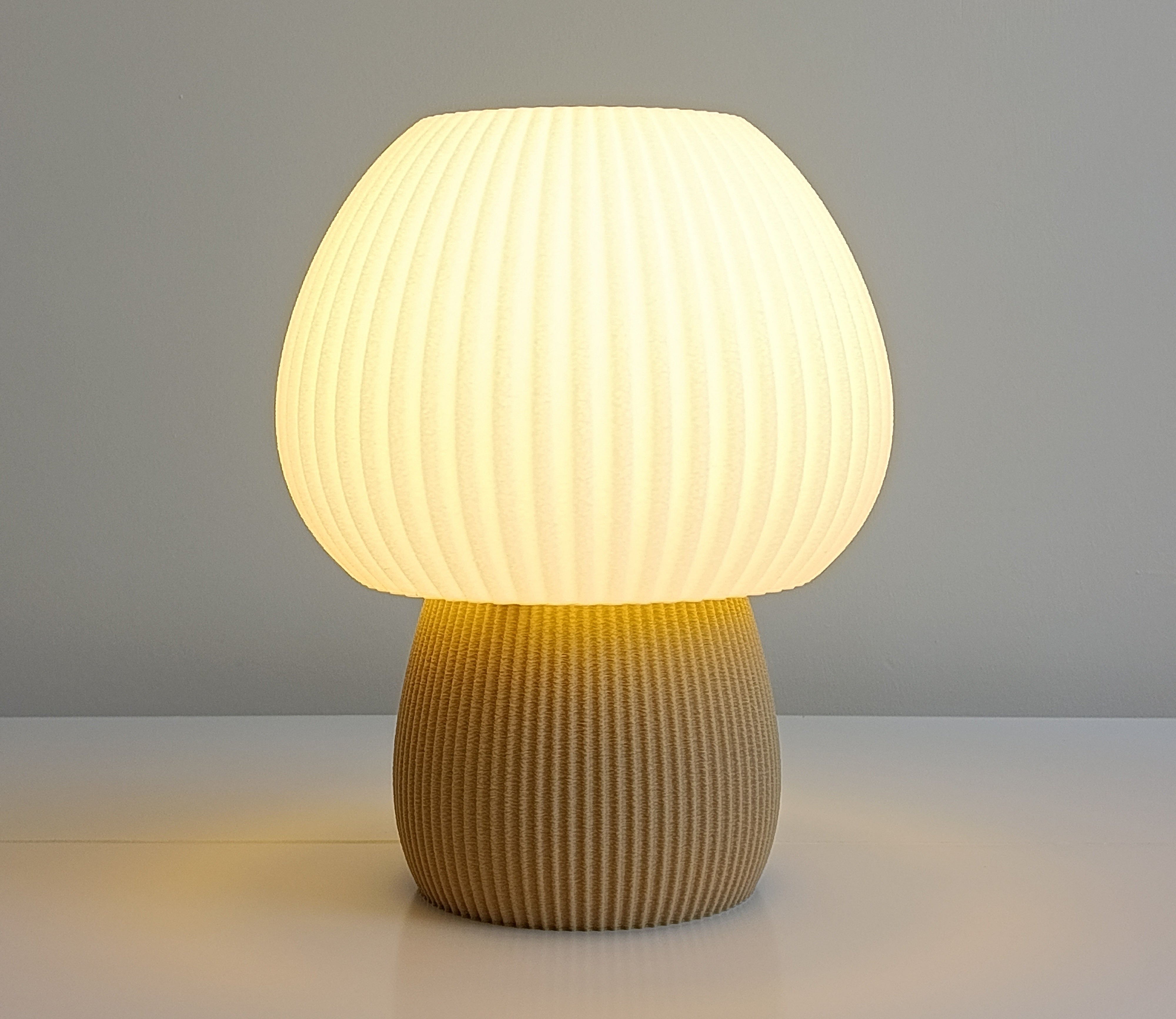
Color temperature, measured in Kelvin (K), dramatically affects how we perceive social situations. Warm light (2700K–3000K) mimics the golden hour and activates feelings of comfort and trust. Cool light (5000K and above) can feel clinical and distant, making people less likely to open up or relax around others.
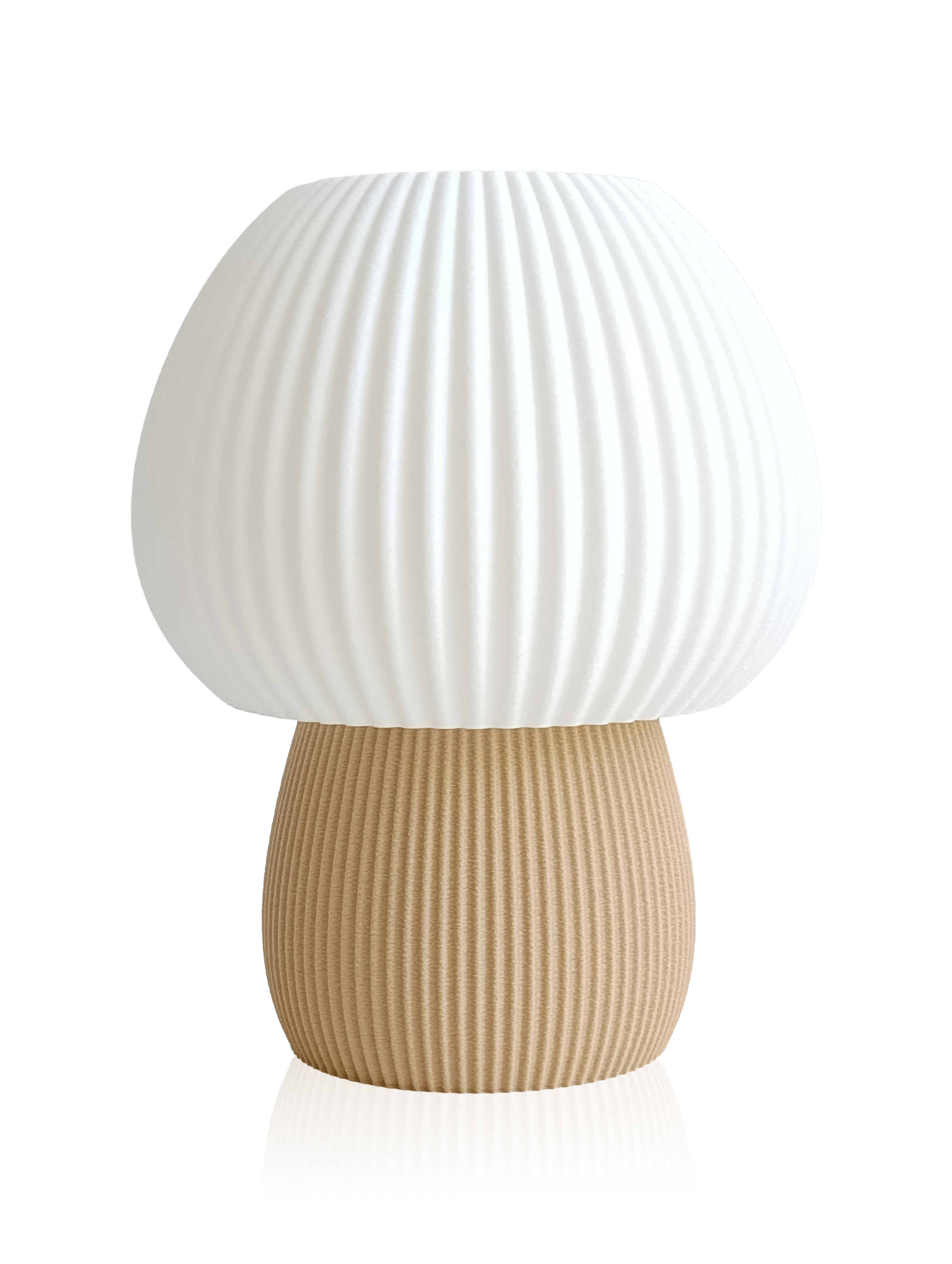
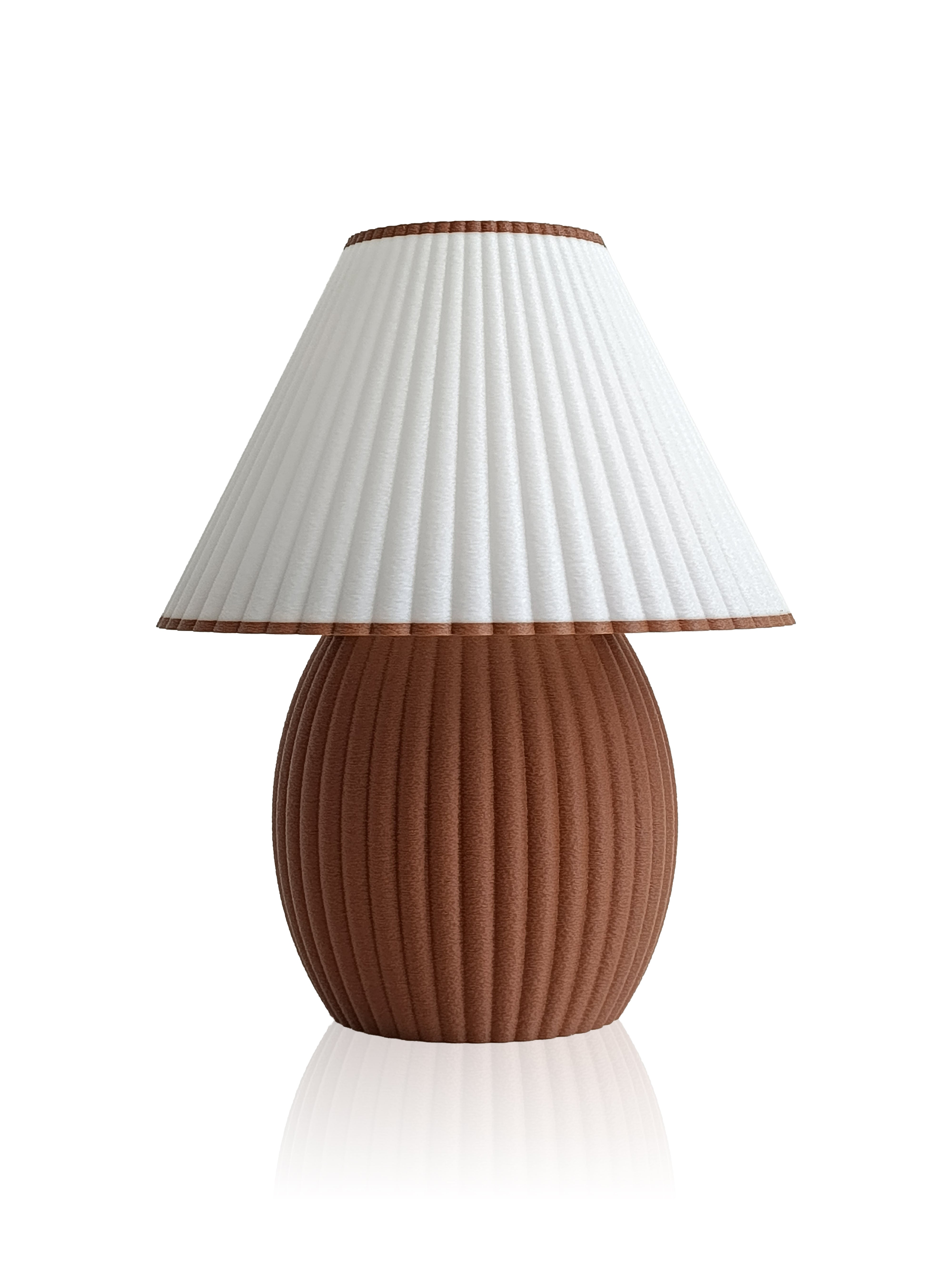
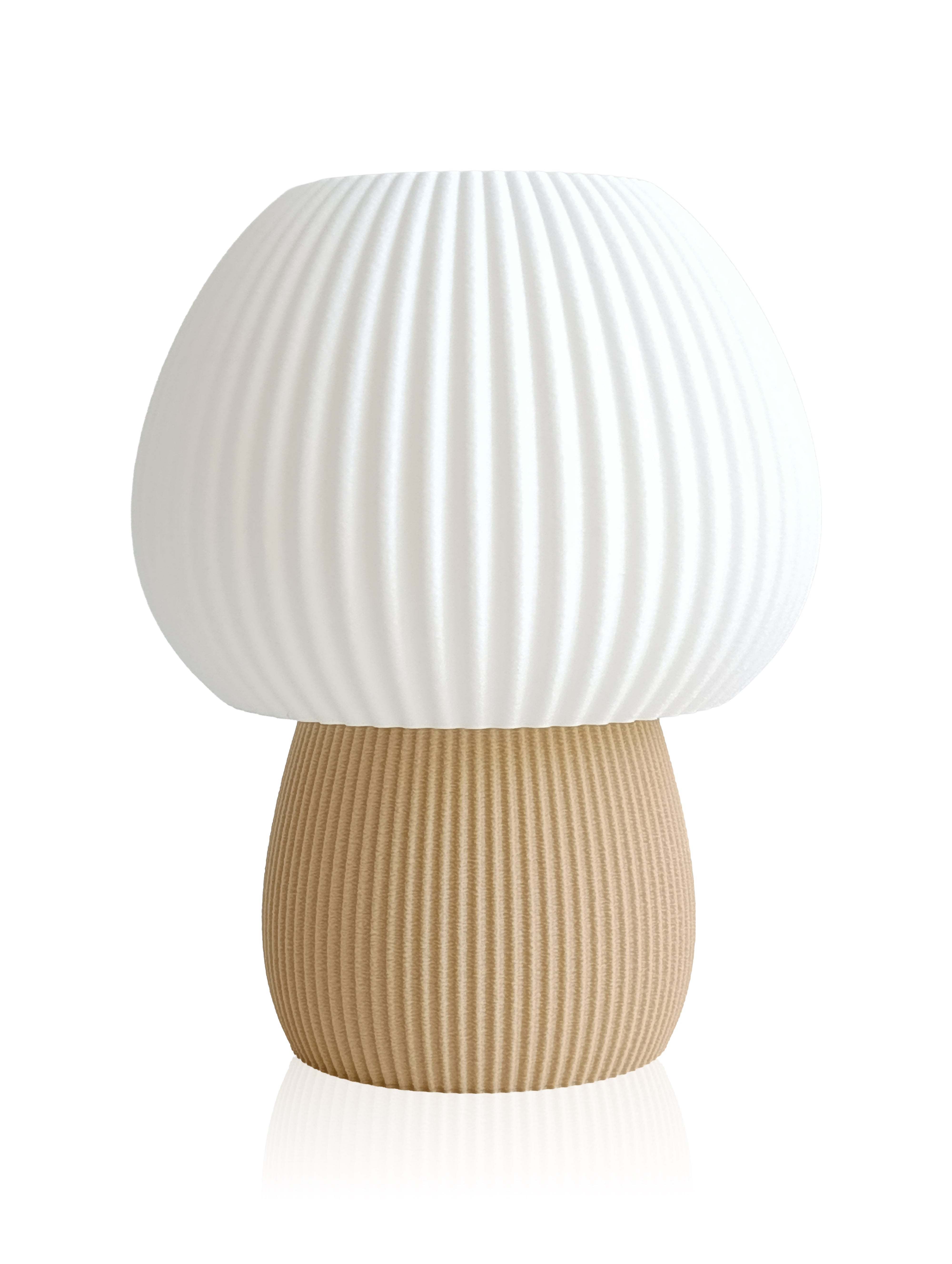
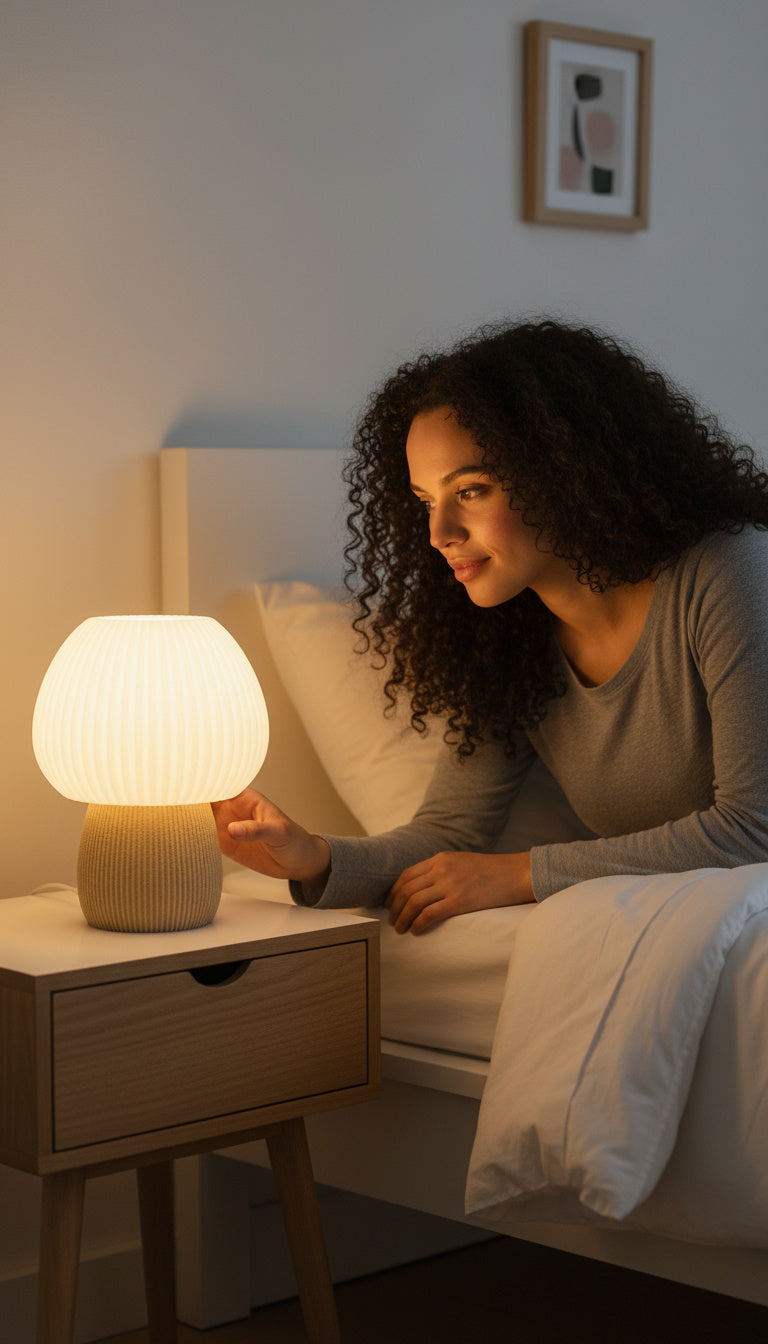
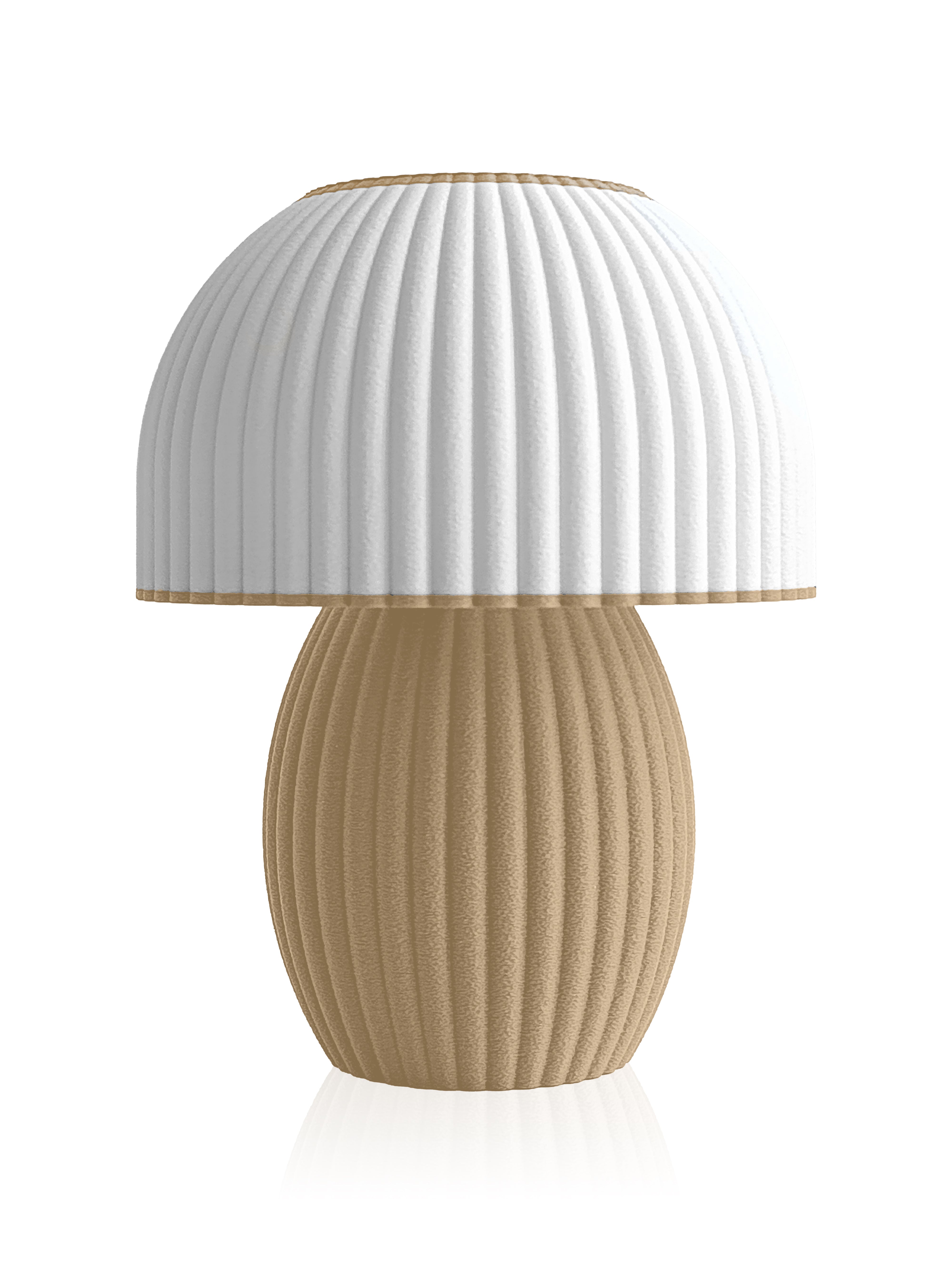
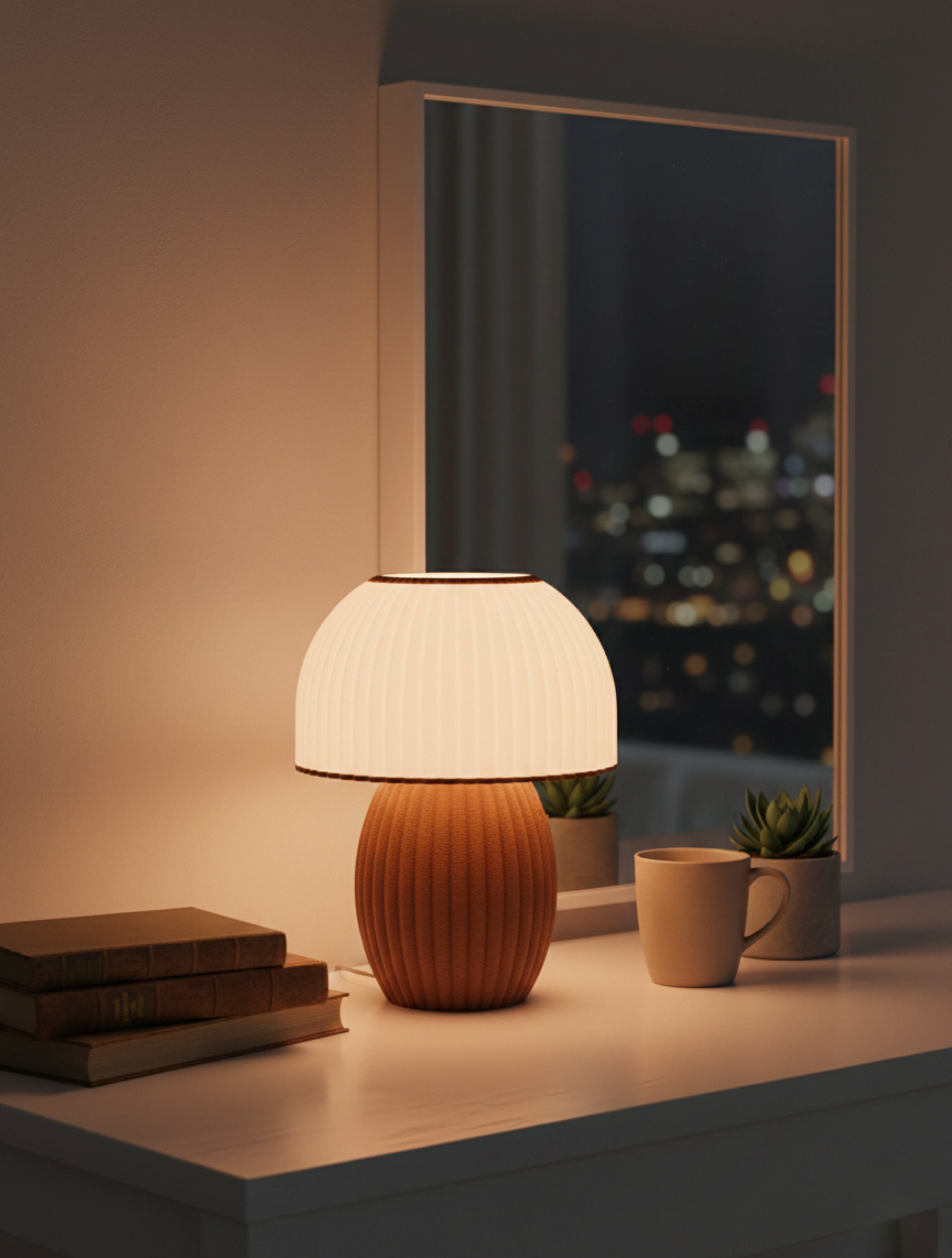
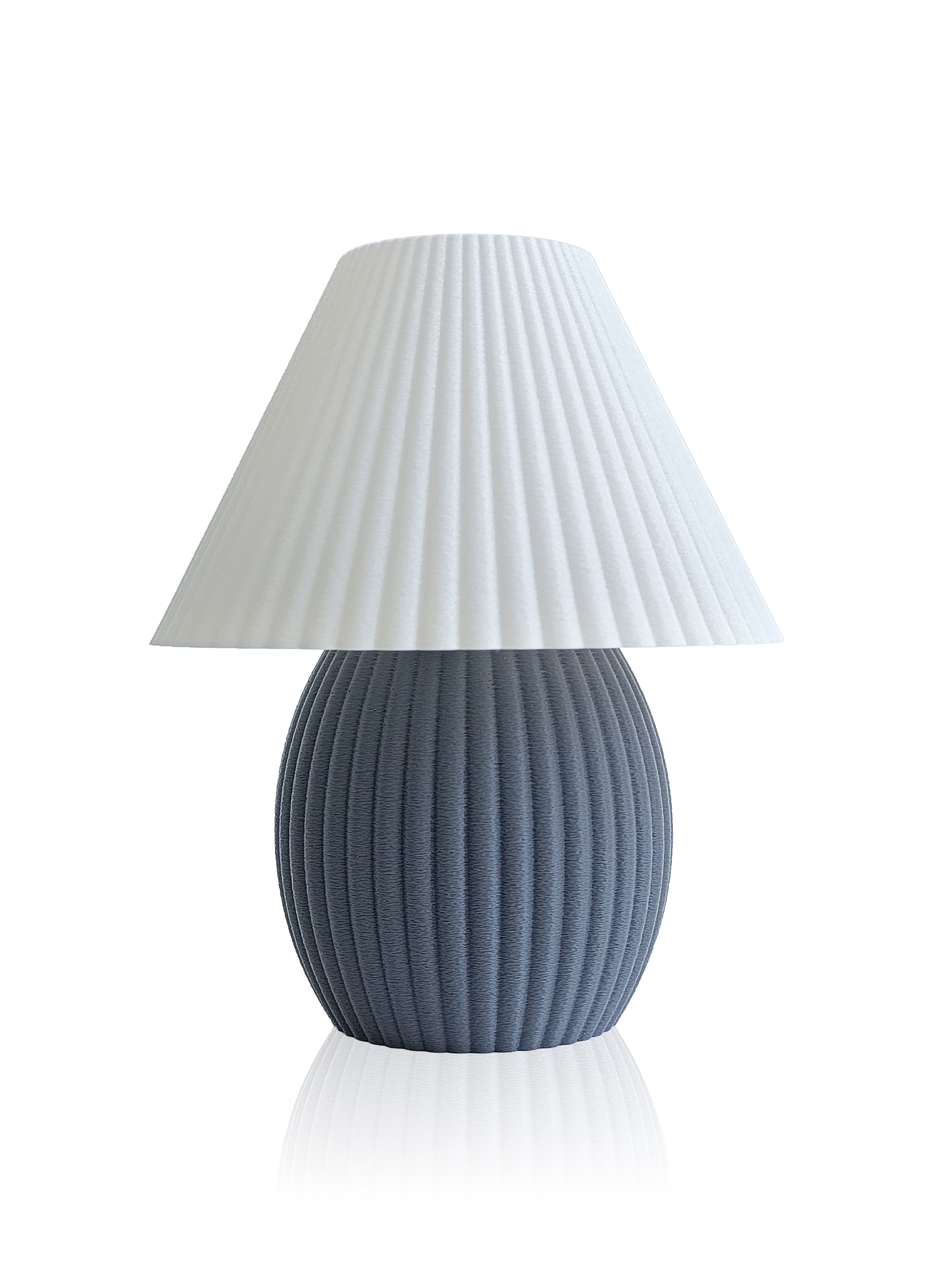
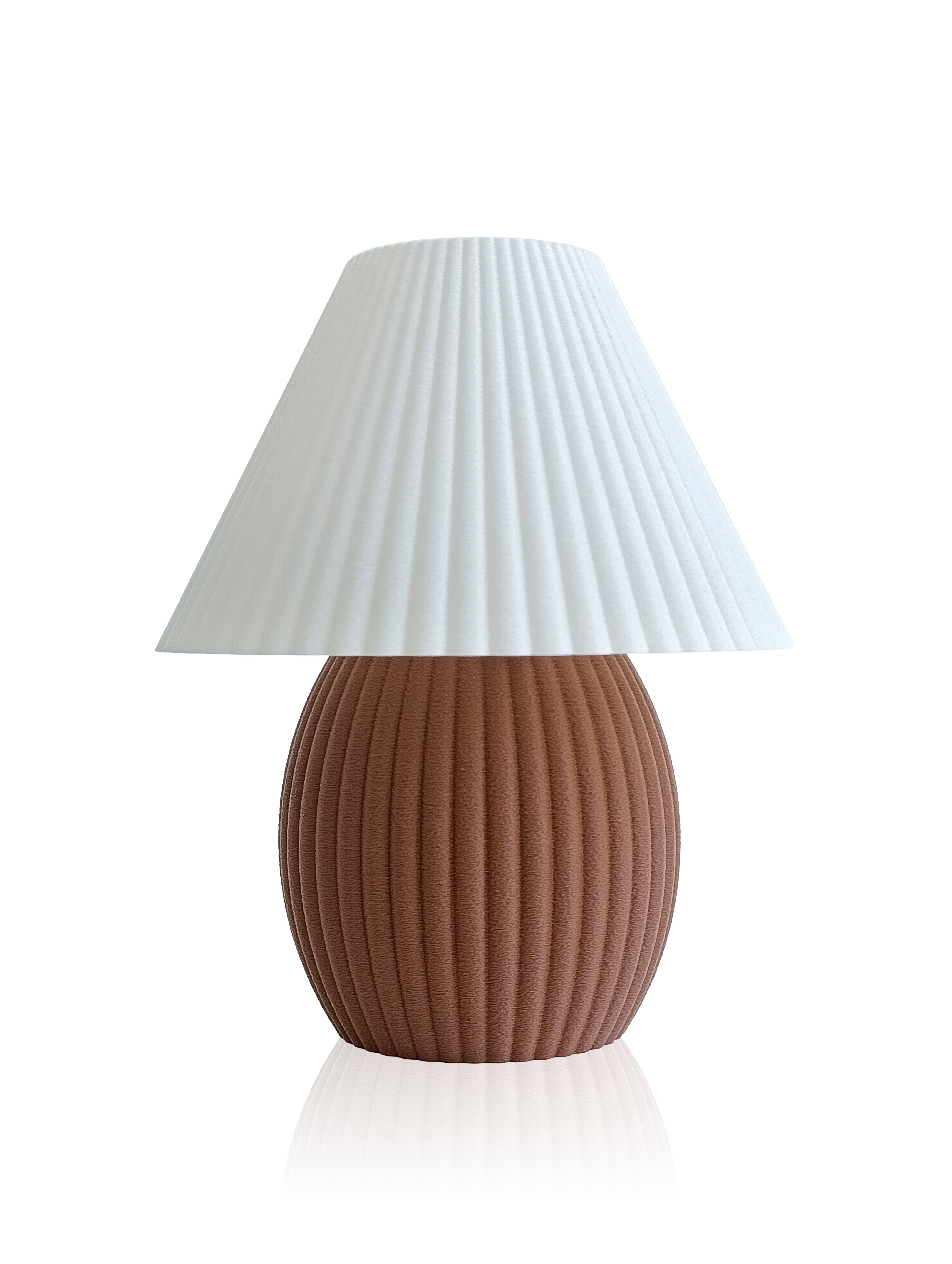
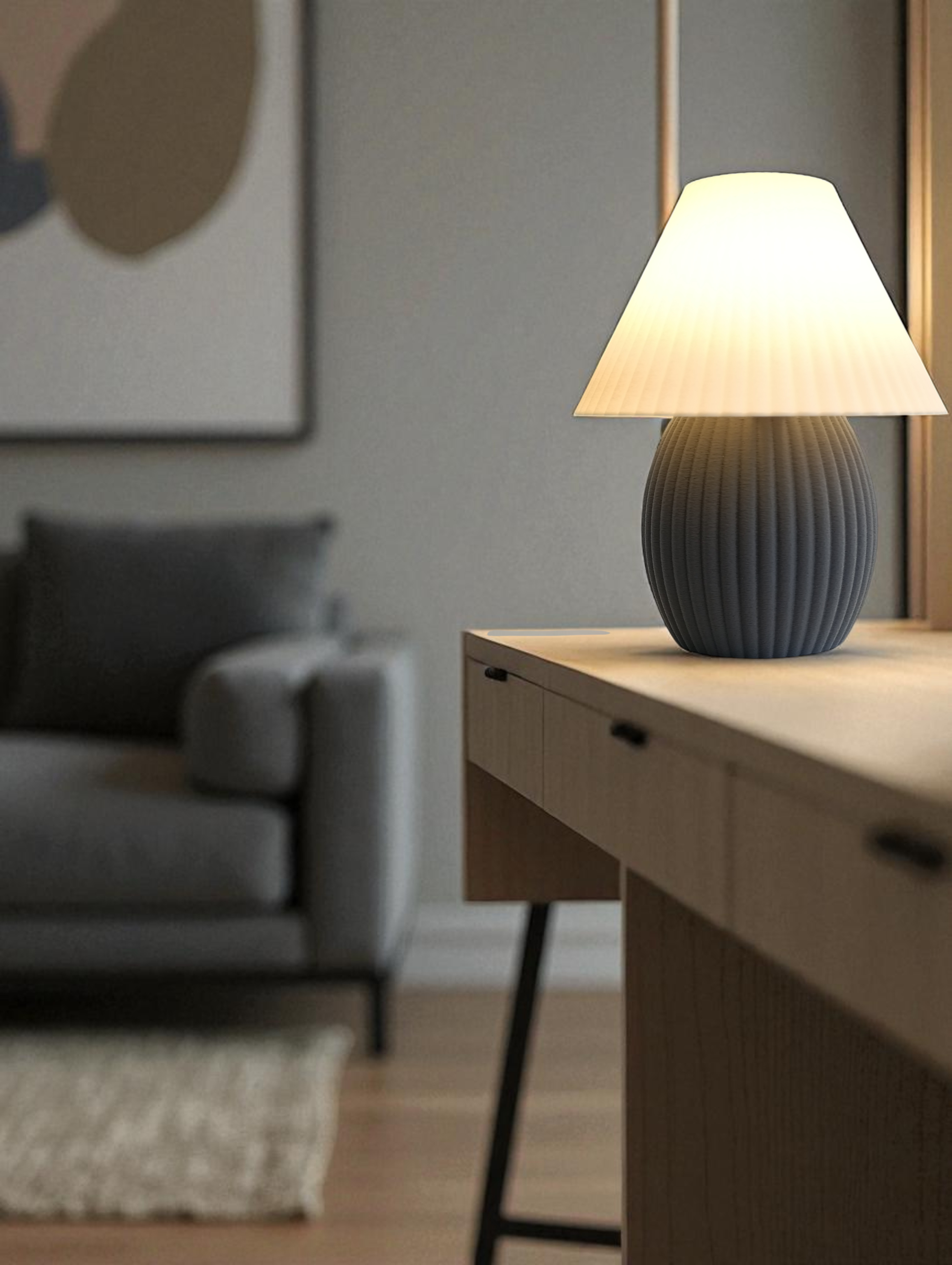
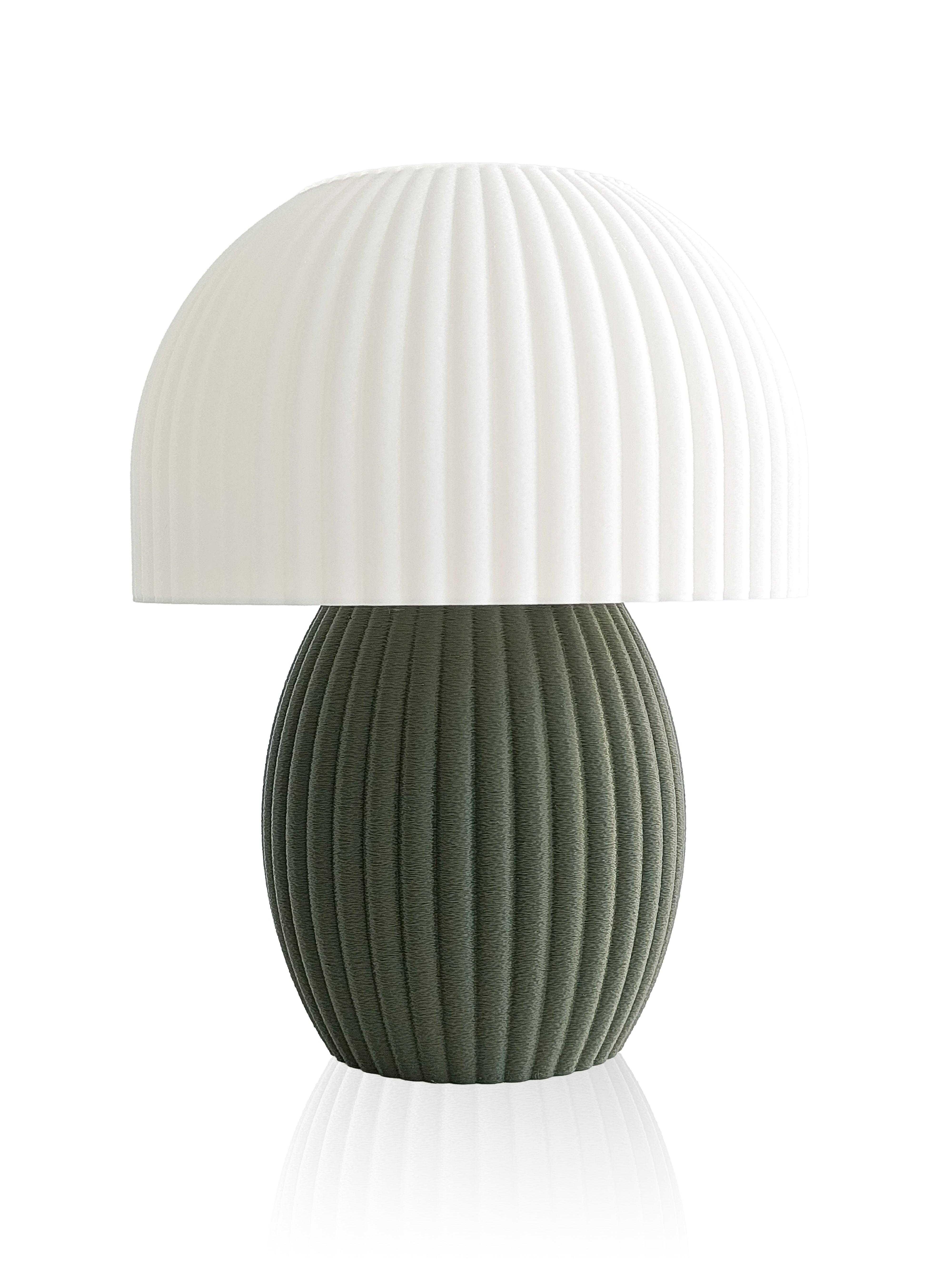
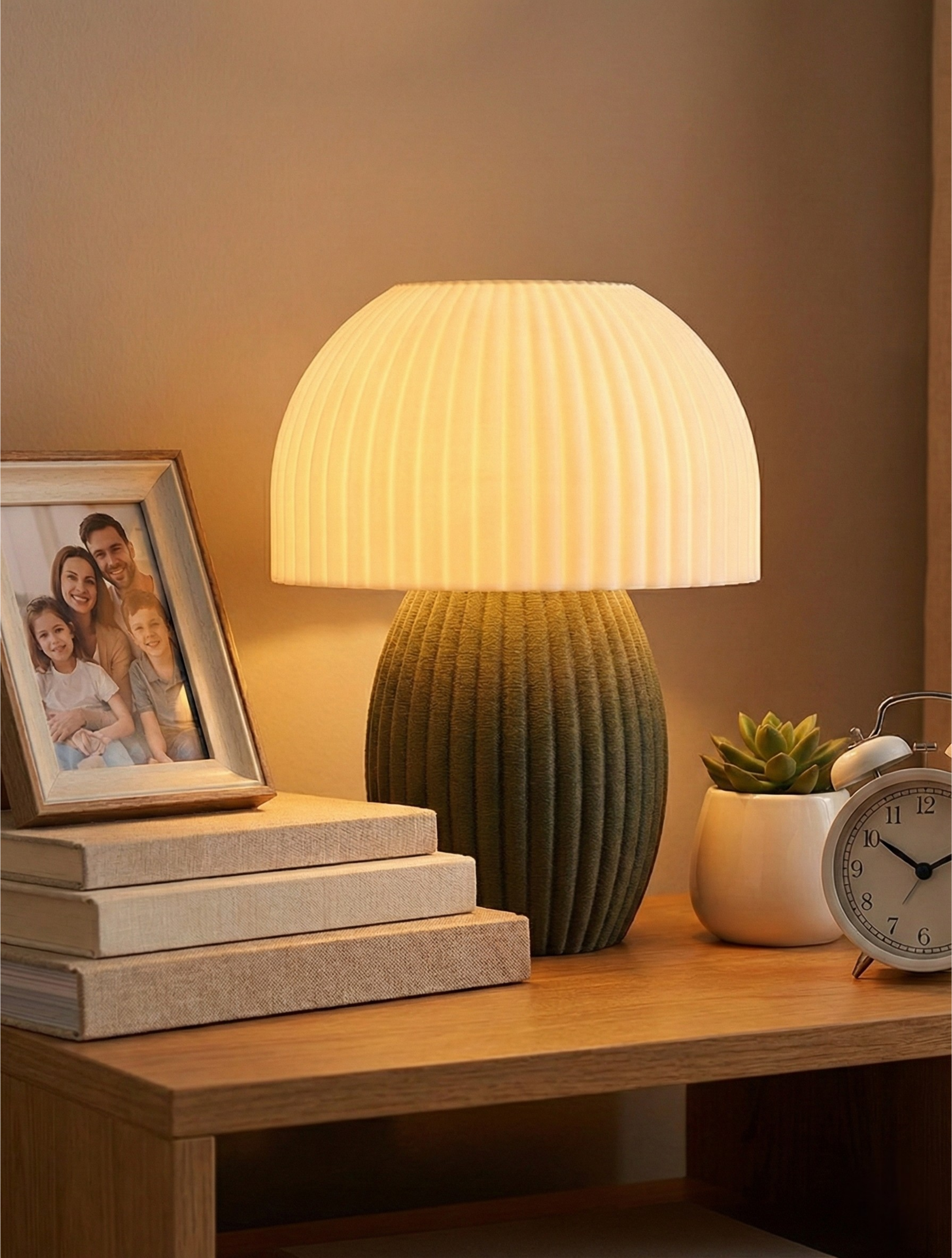
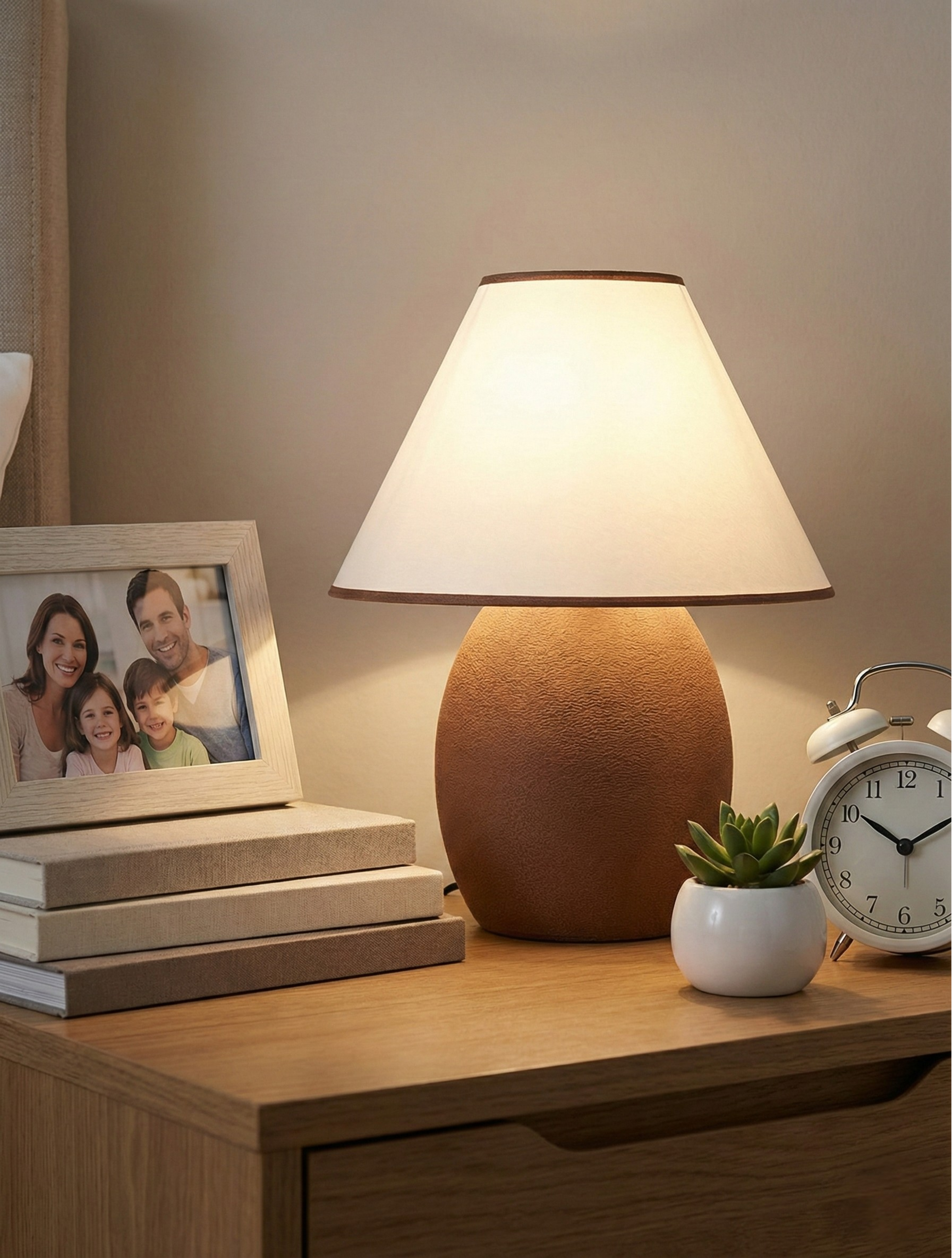
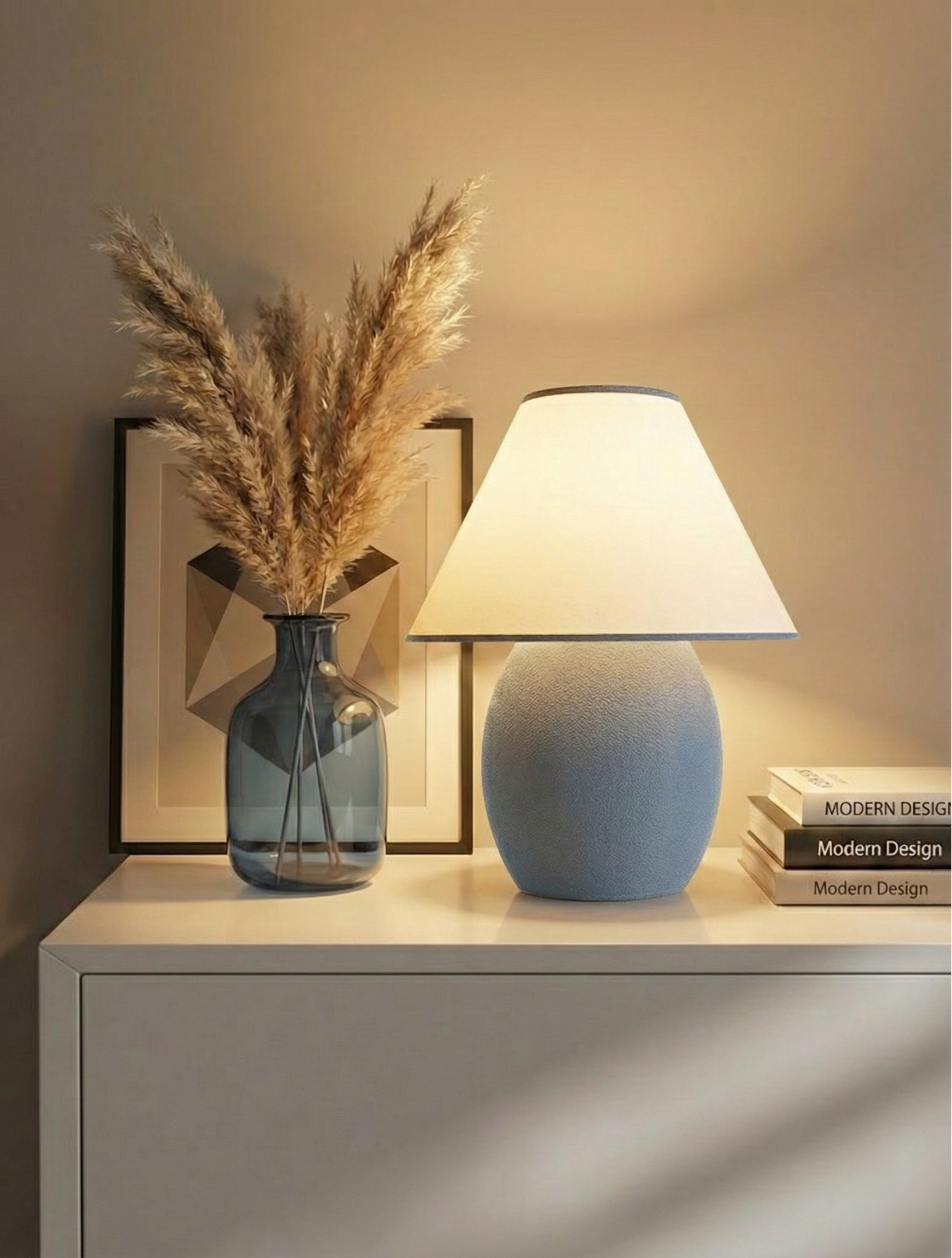
When you're hosting gatherings or creating conversation areas, warm-toned lighting encourages people to linger longer and engage more deeply. This is why restaurants and bars intentionally use warm lighting—it's not arbitrary design. Your home should feel similarly welcoming. The LUMORA US collection offers warm, adjustable options that let you set the emotional tone of your space without feeling artificial or staged. Dimmer capability is key here: the ability to lower intensity while maintaining warmth gives you control over how intimate or energized a conversation feels.
Light Levels and Attention in Conversation
Brightness levels influence cognitive function and attention span during social interaction. Too-dim lighting can strain the eyes and create fatigue, while excessive brightness can feel aggressive or overstimulating. The sweet spot for conversation is typically 200–500 lux—bright enough to see facial expressions clearly but not so bright that it feels harsh.
Facial expressions are central to human communication. Studies show that when people can clearly see micro-expressions and eye contact in good light, they feel more connected and understood. Conversely, inadequate lighting forces people to work harder to read nonverbal cues, which increases mental effort and reduces genuine connection. This matters whether you're having a family dinner or a quiet conversation with a partner. Layered lighting—combining ambient, task, and accent lighting—lets you adjust for different social situations and times of day.
Circadian Rhythm and Evening Social Gatherings
Our bodies have natural circadian rhythms that influence when we feel social and alert. Blue-enriched light (cooler temperatures) signals our brains that it's daytime and promotes alertness. Warm, amber light signals evening and relaxation. This matters if you're hosting gatherings later in the day—harsh cool lighting can work against the body's natural wind-down process, creating tension even when everyone's intentions are good.
Evening gatherings call for progressively warmer light as the night deepens. The ability to adjust both brightness and color temperature—what some lighting systems offer—gives you the power to sync your home's lighting with your guests' natural rhythms. When lighting aligns with circadian cues, people naturally feel more relaxed, conversation flows easier, and the evening feels more natural rather than forced.
Frequently Asked Questions
How does warm lighting improve conversation?
Warm light (2700K–3000K) activates the parasympathetic nervous system, which promotes relaxation and trust. It mimics natural sunset light, signaling safety to our brains, which makes people more likely to open up and engage authentically in conversation.
What's the ideal brightness level for social spaces?
Aim for 200–500 lux in conversation areas. This level is bright enough to read facial expressions and nonverbal cues clearly but not so bright that it feels harsh or overstimulating, which helps people feel comfortable and connected.
Should I use different lighting for different times of day?
Yes. Cooler light (3500K–4000K) works well for daytime gatherings and afternoon social activities, while warmer light (2700K–3000K) is better for evening interactions. Dimmable systems give you flexibility to adjust as the day transitions into night.
Creating Your Home's Social Lighting Strategy
The homes where people truly connect are the ones where lighting feels intentional but never obvious. Your goal isn't to light every corner equally—it's to create zones and moments where conversation naturally flourishes. Consider how light falls during different times of day, where people naturally gather, and what kind of mood you want to set. Warm, dimmable ambient lighting paired with strategic accent lighting creates depth and invites people into your space rather than flooding it with uniform brightness.
When you understand how light influences communication, you're not just decorating—you're designing for human connection. Your home becomes a place where conversations deepen, guests feel welcome, and moments matter. That's the real power of thoughtful lighting.





Share:
Why Warm Light Increases Appetite: The Secret of Restaurant Lighting
Light and Social Distance: How Lighting Affects Human Proximity