

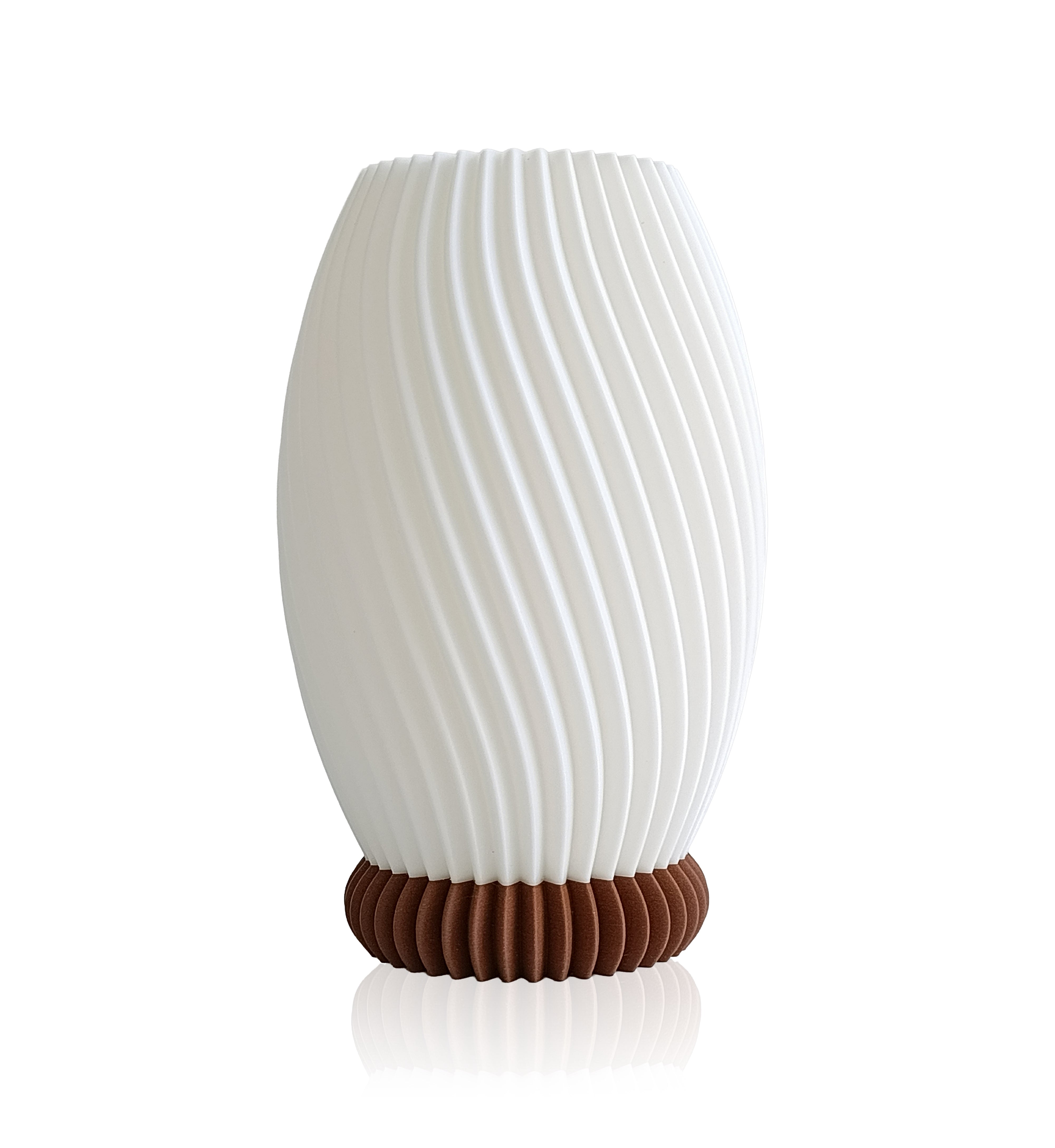
Light Intensity for Living Spaces: Ideal Lumen Values for Every Room

When designing your home, light intensity matters as much as the fixtures themselves. Understanding lumen values—the measurement of visible light output—is essential for creating spaces that feel both comfortable and intentional. Whether you're reading on the couch, cooking dinner, or winding down before bed, the right light intensity transforms how a room feels and functions. This guide walks you through the ideal lumen values for every space in your home.
What Are Lumens and Why They Matter
Lumens measure the total amount of visible light emitted by a source. Unlike watts, which measure energy consumption, lumens directly reflect how bright a light actually appears to you. A 60-watt incandescent bulb produces roughly 800 lumens, while modern LED bulbs achieve the same brightness using far less energy. Understanding this distinction helps you choose lighting that matches your space's actual needs rather than relying on outdated power consumption standards.
Light intensity also affects circadian rhythm, mood, and visual comfort. Spaces that are too dim can cause eye strain and feel depressing, while overly bright environments feel harsh and industrial. The goal is balance—layering different light sources at appropriate intensity levels so your home adapts to different times of day and activities. This is why designers talk about ambient, task, and accent lighting working together to create depth and functionality.
Bedroom Lighting: Creating a Restful Environment
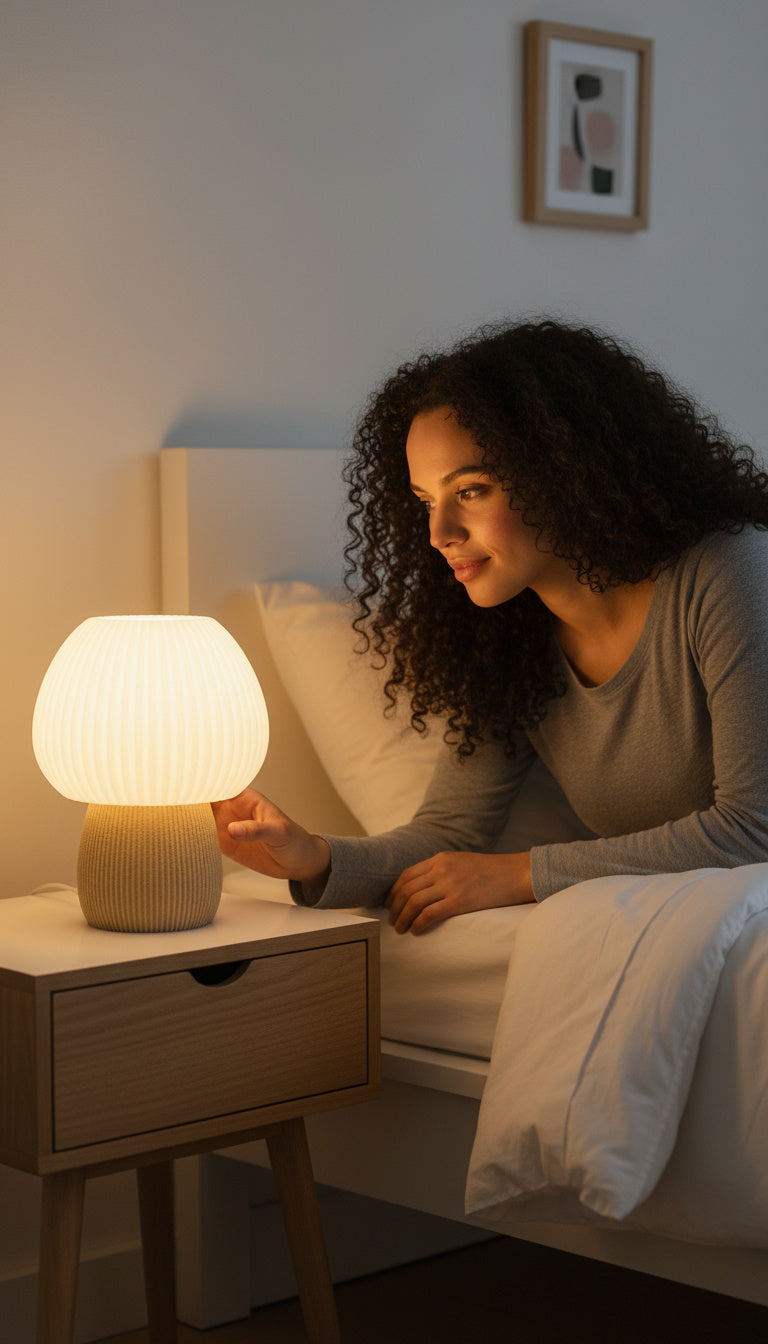
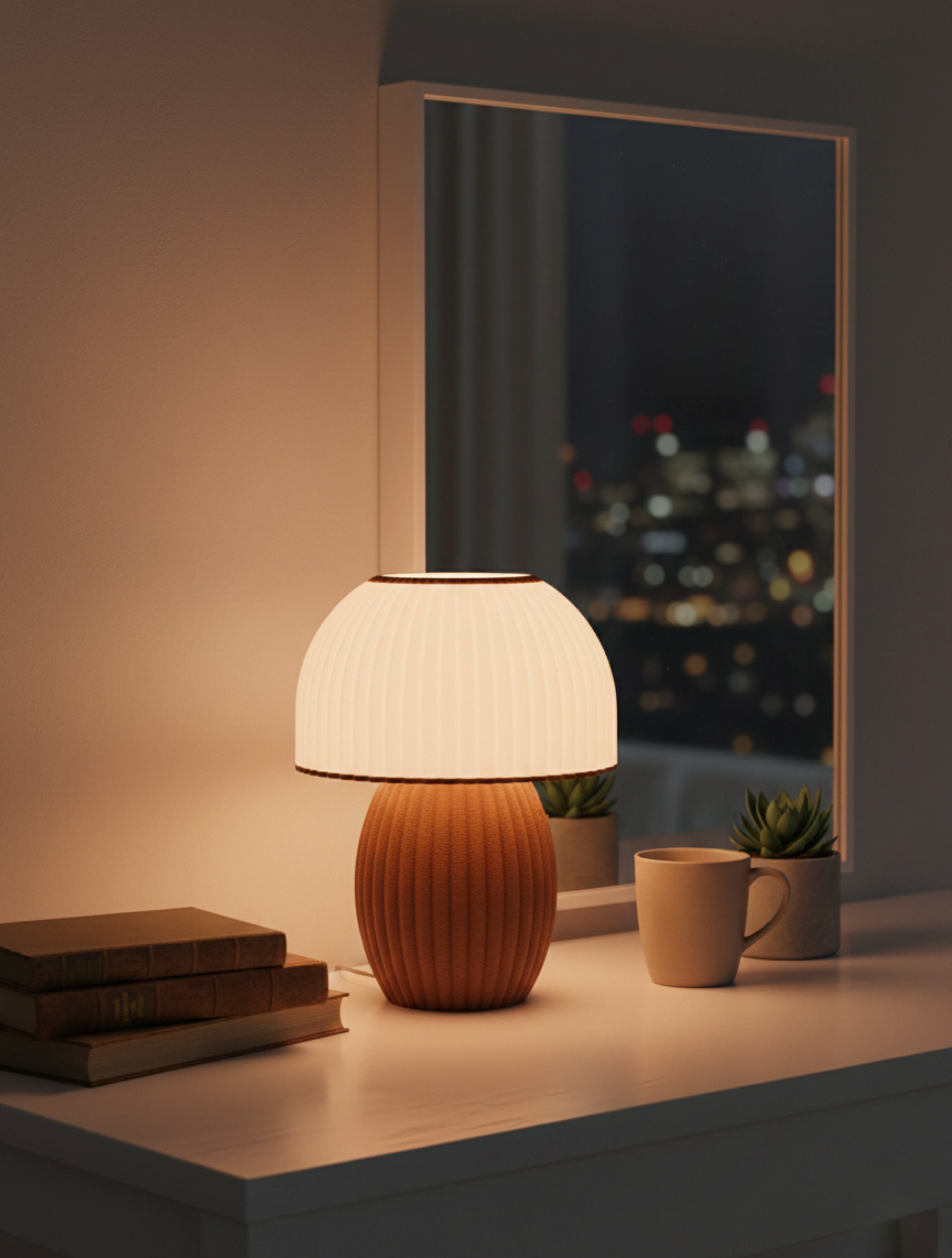
Your bedroom should be a sanctuary, and lighting plays a crucial role in that feeling. For general ambient lighting, aim for 10-20 lumens per square foot. A typical 12 x 14-foot bedroom needs roughly 1,680–2,800 total lumens from ceiling fixtures, but this shouldn't all come from one source. Instead, layer your lighting: a primary ceiling fixture at the lower end (around 1,400 lumens) combined with bedside lamps (300–500 lumens each) gives you flexibility.
The color temperature matters equally. Warm white light (2,700 Kelvin) suppresses melatonin less than cool light, supporting better sleep. Dimmable fixtures are invaluable in bedrooms—they allow you to reduce intensity in the evening as part of your wind-down routine. Consider installing lights with warm dimming capability so they don't just get darker but also shift toward warmer tones.
Bedroom Lumen Summary:
- Ambient lighting: 10–20 lumens per square foot
- Ceiling fixture: 1,200–1,800 lumens
- Bedside task lights: 300–500 lumens each
- Color temperature: 2,700 Kelvin (warm white)
Living Room and Reading Spaces: Layered and Flexible
Living rooms demand versatility. You might watch television at night, read during the day, or host gatherings in the evening—each activity benefits from different light intensity. Plan for 15–20 lumens per square foot for general ambient lighting, but add multiple layers so you can adjust. A 15 x 18-foot living room needs roughly 4,050–4,860 total lumens when fully lit, but this should come from a mix of sources: ceiling fixtures, floor lamps, table lamps, and wall sconces.
Reading requires focused task lighting at 30–50 lumens per square foot in the immediate area around your chair. This doesn't mean flooding the whole room—instead, position a high-quality lamp (600–900 lumens) near your reading spot.
Living Room Lumen Summary:
- Ambient lighting: 15–20 lumens per square foot
- Ceiling fixture: 2,000–2,500 lumens
- Reading task lamp: 600–900 lumens
- Color temperature: 3,000 Kelvin (warm white to neutral)
Kitchen and Task Spaces: Bright and Functional
Kitchens are working spaces and need the highest light intensity in your home. Aim for 30–40 lumens per square foot for general ambient lighting, plus additional task lighting over counters and the stove. A 10 x 12-foot kitchen needs roughly 3,600–4,800 total lumens from ceiling fixtures alone, supplemented by under-cabinet and pendant lights over islands or counters.
Task lighting over work surfaces should deliver 50–100 lumens per square foot directly onto countertops. This prevents shadows and eye strain while you're chopping, mixing, or reading recipes. Neutral to cool white light (3,500–4,100 Kelvin) is ideal in kitchens because it mimics natural daylight and makes it easier to see true food colors and spot spills. Unlike bedrooms, dimming is less critical here—functionality comes first.
Kitchen Lumen Summary:
- Ambient lighting: 30–40 lumens per square foot
- Ceiling fixture: 3,000–4,000 lumens
- Under-cabinet task lighting: 50–100 lumens per square foot
- Color temperature: 3,500–4,100 Kelvin (neutral to cool white)
Bathrooms and Entryways: Practical Brightness
Bathrooms need functional, shadow-free lighting for grooming tasks. Plan for 30–40 lumens per square foot, with special attention to vanity area lighting. Flanking mirrors with lights on both sides eliminates shadows on your face—aim for 1,500–2,000 total lumens in a typical bathroom, heavily weighted to the vanity area. Cool to neutral white (3,500–4,100 Kelvin) is standard here.
Entryways and hallways typically need 10–20 lumens per square foot since they're transitional spaces. A 100-square-foot entry can work with 1,000–2,000 lumens total. Warm light (2,700–3,000 Kelvin) creates a welcoming feel as you arrive home, helping your eyes adjust from outdoor brightness.
Frequently Asked Questions
How many lumens do I need for a bedroom?
A typical bedroom needs 1,200–1,800 lumens from a ceiling fixture, supplemented by 300–500 lumen bedside lamps. Use 10–20 lumens per square foot as your baseline, adjusted for room size and personal preference. Dimmable fixtures add flexibility for different times of day.
What's the difference between lumens and watts?
Watts measure energy consumption; lumens measure actual light output. A modern 10-watt LED bulb produces about 800 lumens, equivalent to a 60-watt incandescent. Always choose bulbs by lumens, not watts, for accurate brightness comparison.
Is higher color temperature better for task lighting?
Yes. Cooler color temperatures (3,500–4,100 Kelvin) are ideal for task-focused spaces like kitchens and bathrooms because they mimic daylight and reduce eye strain. Warm light (2,700 Kelvin) works better in bedrooms and living areas where relaxation matters.
Creating Your Ideal Home Lighting Plan
The best-lit homes aren't the brightest—they're the most thoughtfully designed. By understanding lumen values and layering different light sources, you create spaces that feel intentional, comfortable, and responsive to your life. Start by calculating your room's square footage, deciding its primary function, and building a lighting plan that combines ambient, task, and accent fixtures. Include dimmers where possible, and choose warm color temperatures for living spaces and cooler tones for task areas. Your home deserves lighting as considered as every other design choice you've made.







Share:
Light Polarity: Warm-Cool Light Balance in Home Design
Light and Creativity: How Lighting Influences Artistic Inspiration