


Kids Room Lighting: Safe and Educational Light Design

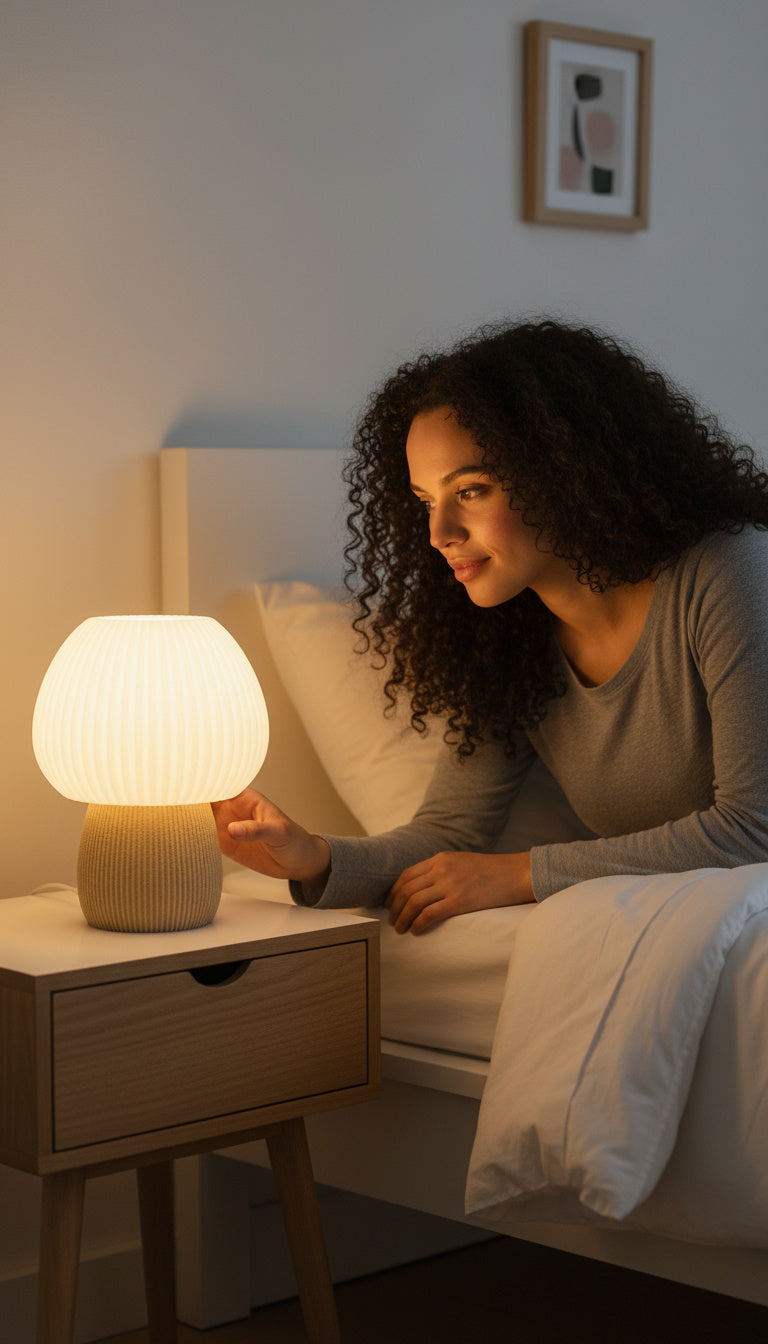
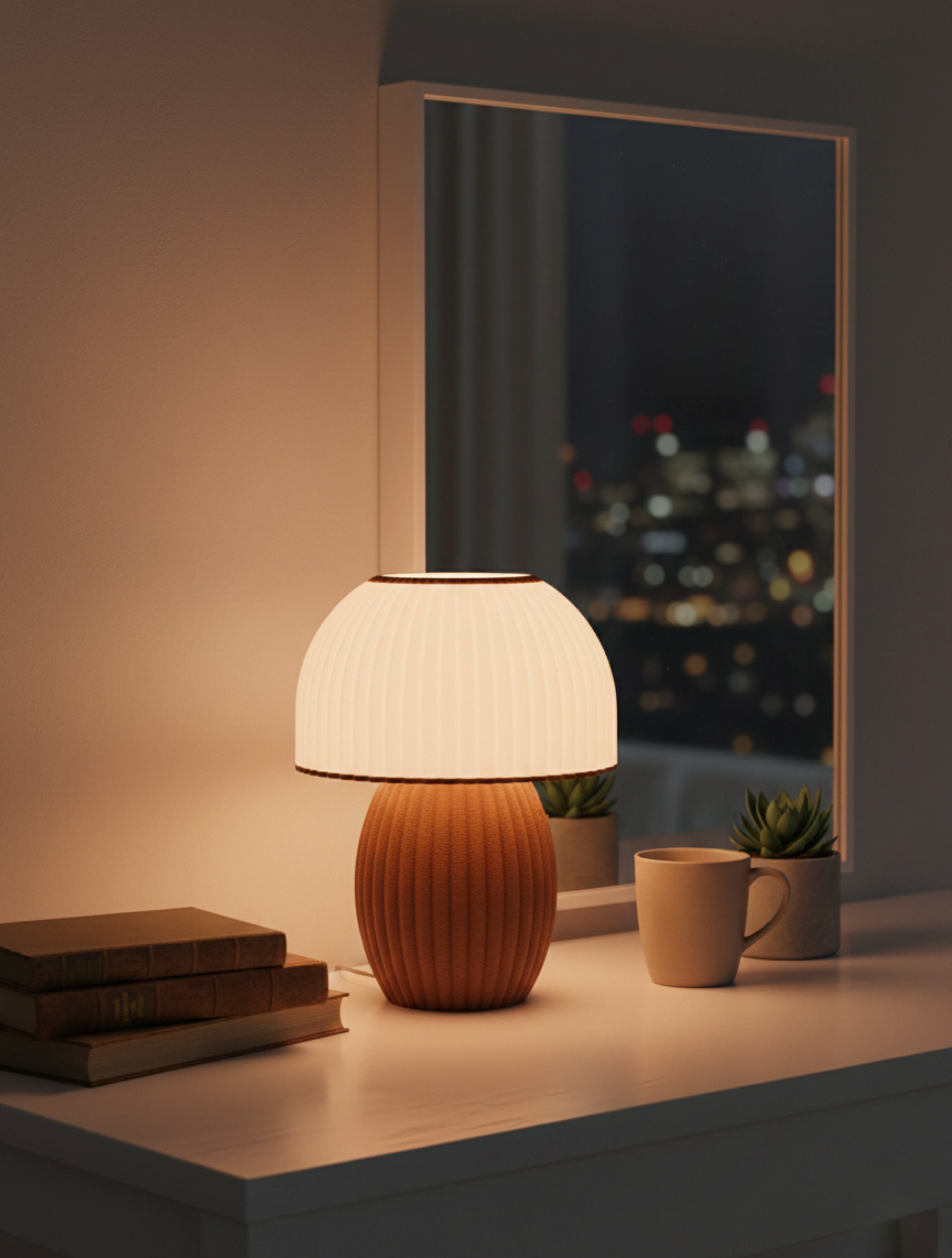
Creating the right lighting environment in your child's room goes far beyond aesthetics. The light we choose affects sleep quality, mood, focus, and even learning ability. When designing kids room lighting, parents and caregivers should consider safety, developmental needs, and how light influences the body's natural rhythms. Your home's approach to children's lighting should be thoughtful, intentional, and responsive to your child's changing needs throughout the day.
Understanding Color Temperature and Circadian Rhythm Lighting
Color temperature—measured in Kelvin (K)—dramatically influences how your child's body responds to light. Warm white light between 2700K-3000K mimics the natural light of sunset and signals the brain to produce melatonin, the hormone essential for sleep. Cool white light above 4000K, by contrast, simulates daylight and can suppress melatonin production, making it better suited for daytime activities and study areas.
The science behind circadian rhythm lighting is straightforward: our bodies evolved to respond to natural light patterns. During the day, cooler light supports alertness and learning. In the evening, warm light helps transition toward rest. A well-designed kids' room acknowledges this natural rhythm by offering different lighting options for different times of day.
- Warm white (2700K-3000K) for bedtime and evening relaxation
- Neutral white (3500K-4100K) for general daytime activities
- Cool white (5000K+) for homework and focused study (earlier in the day)
- Dimmable fixtures to adjust intensity as needed
Brightness Levels and Layered Lighting Design
Rather than relying on a single overhead fixture, thoughtful kids' room lighting uses layered lighting—combining ambient, task, and accent light. This approach gives you control over the environment and prevents the harsh, fatiguing effect of a single bright source.
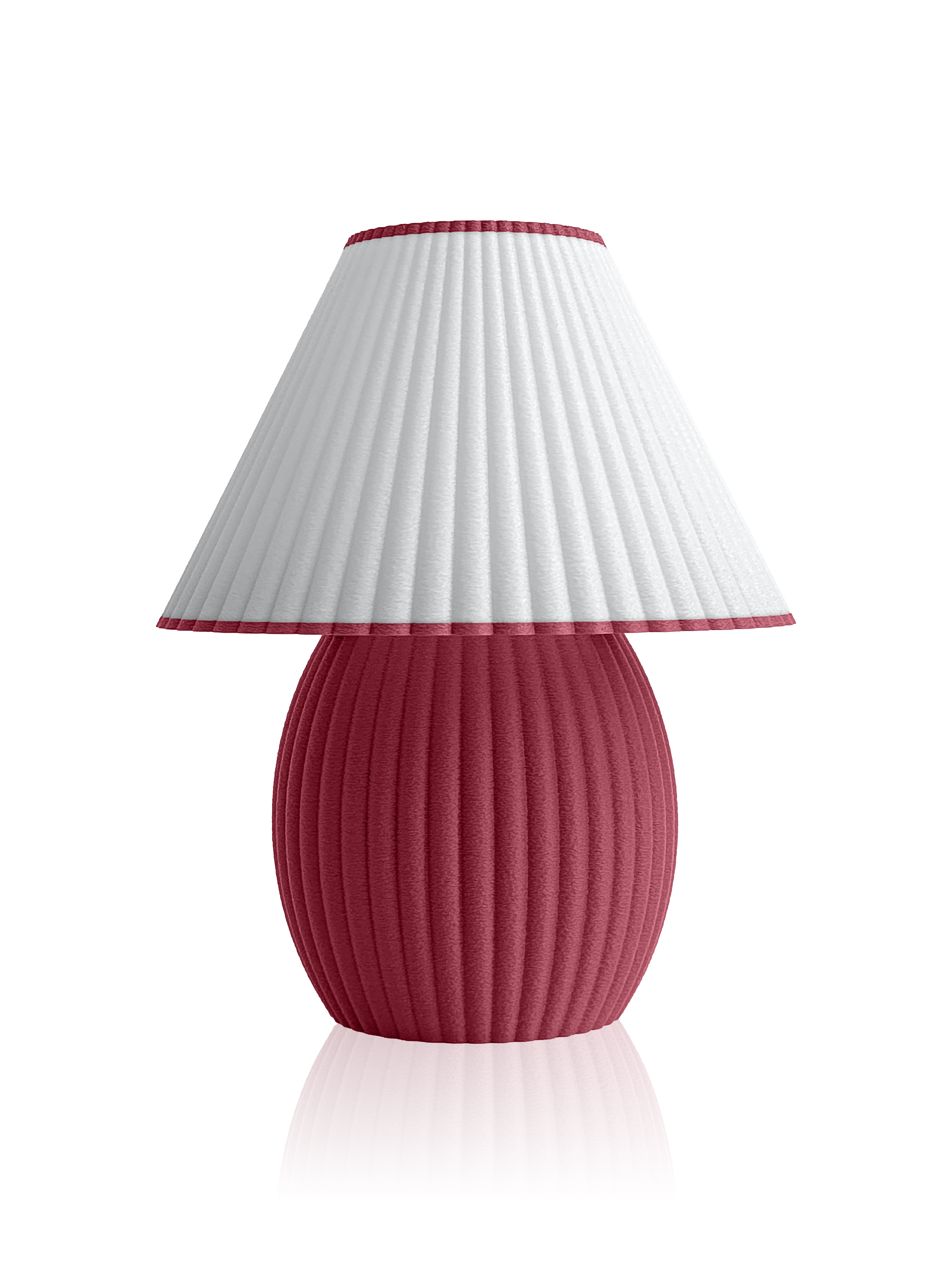
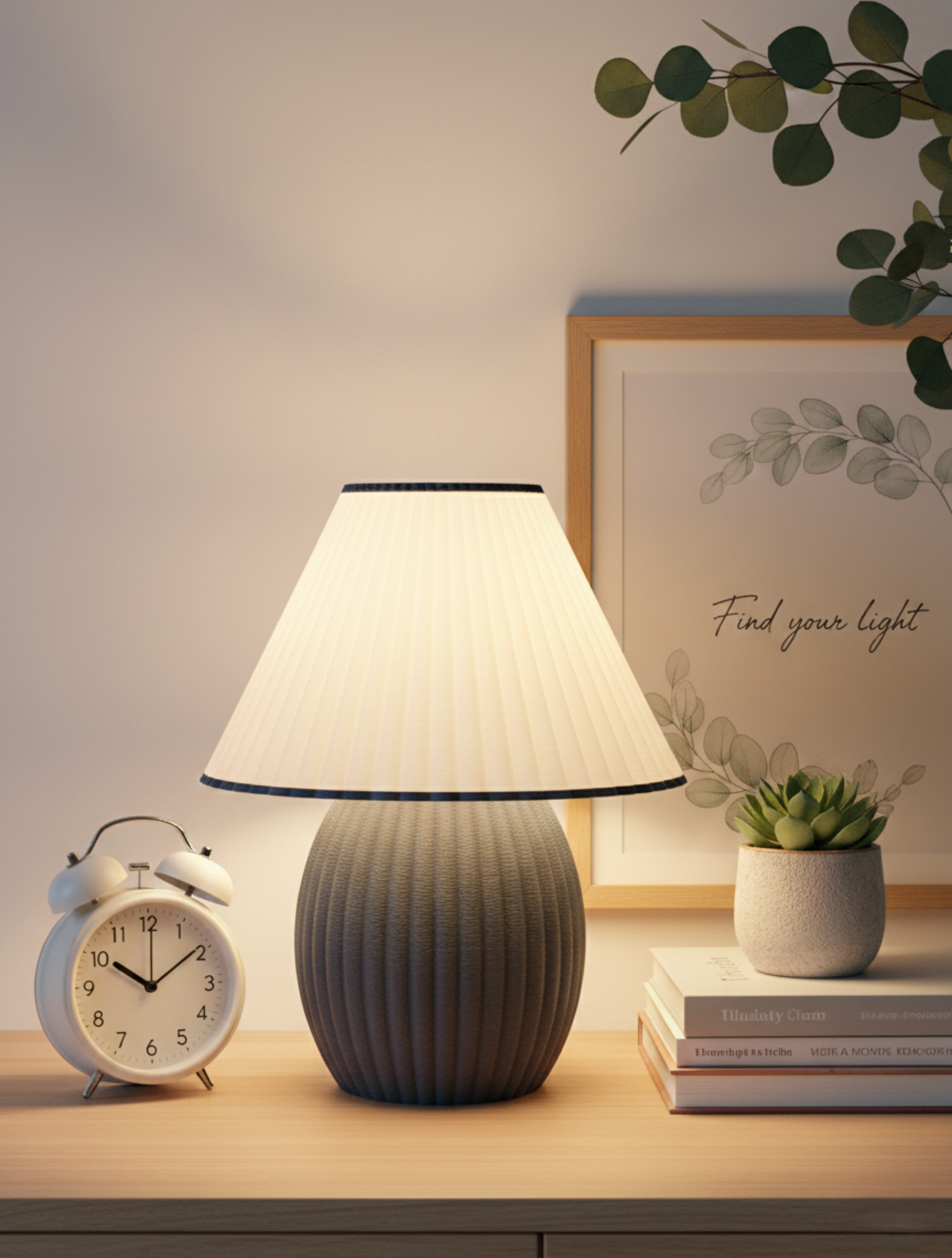
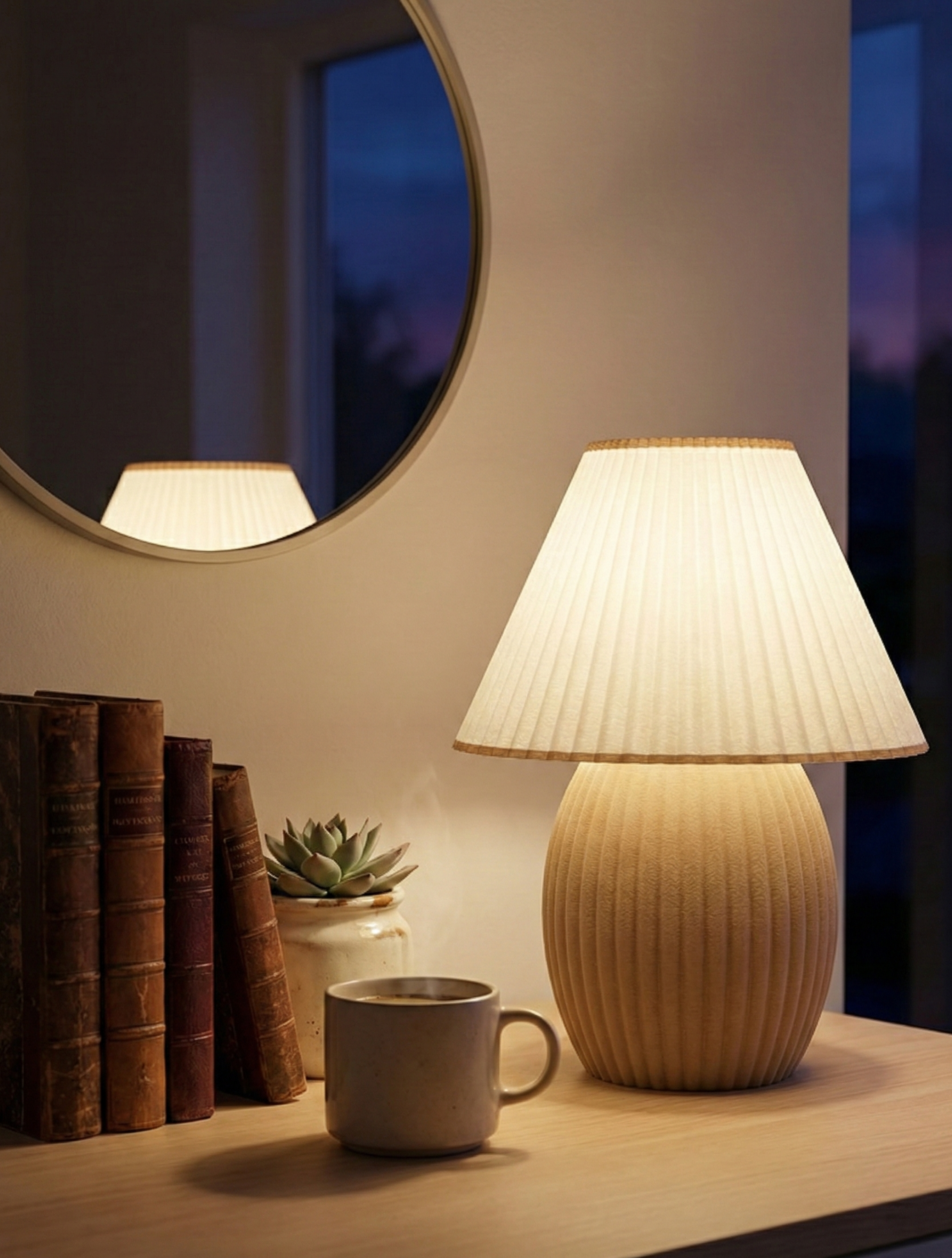
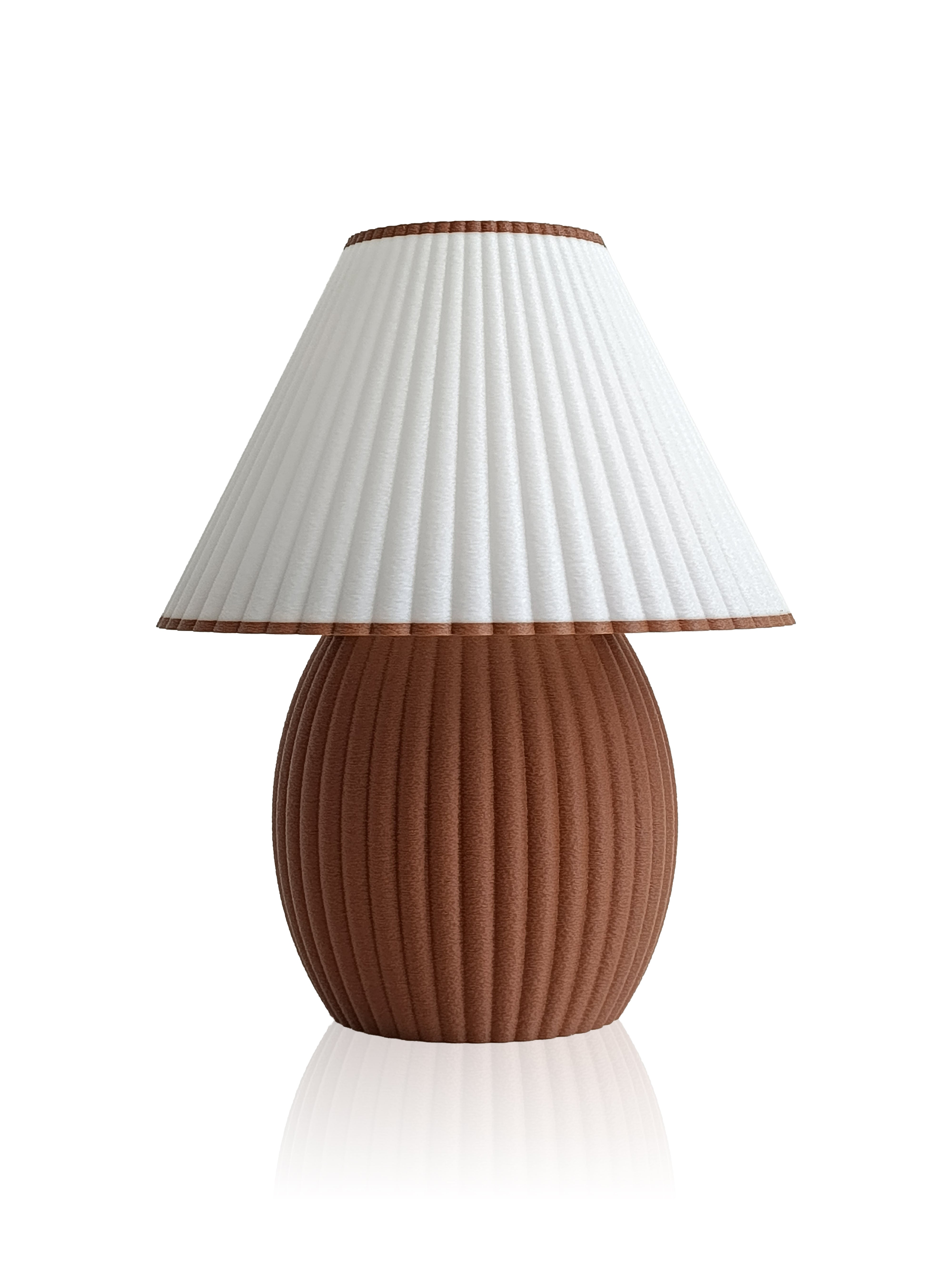
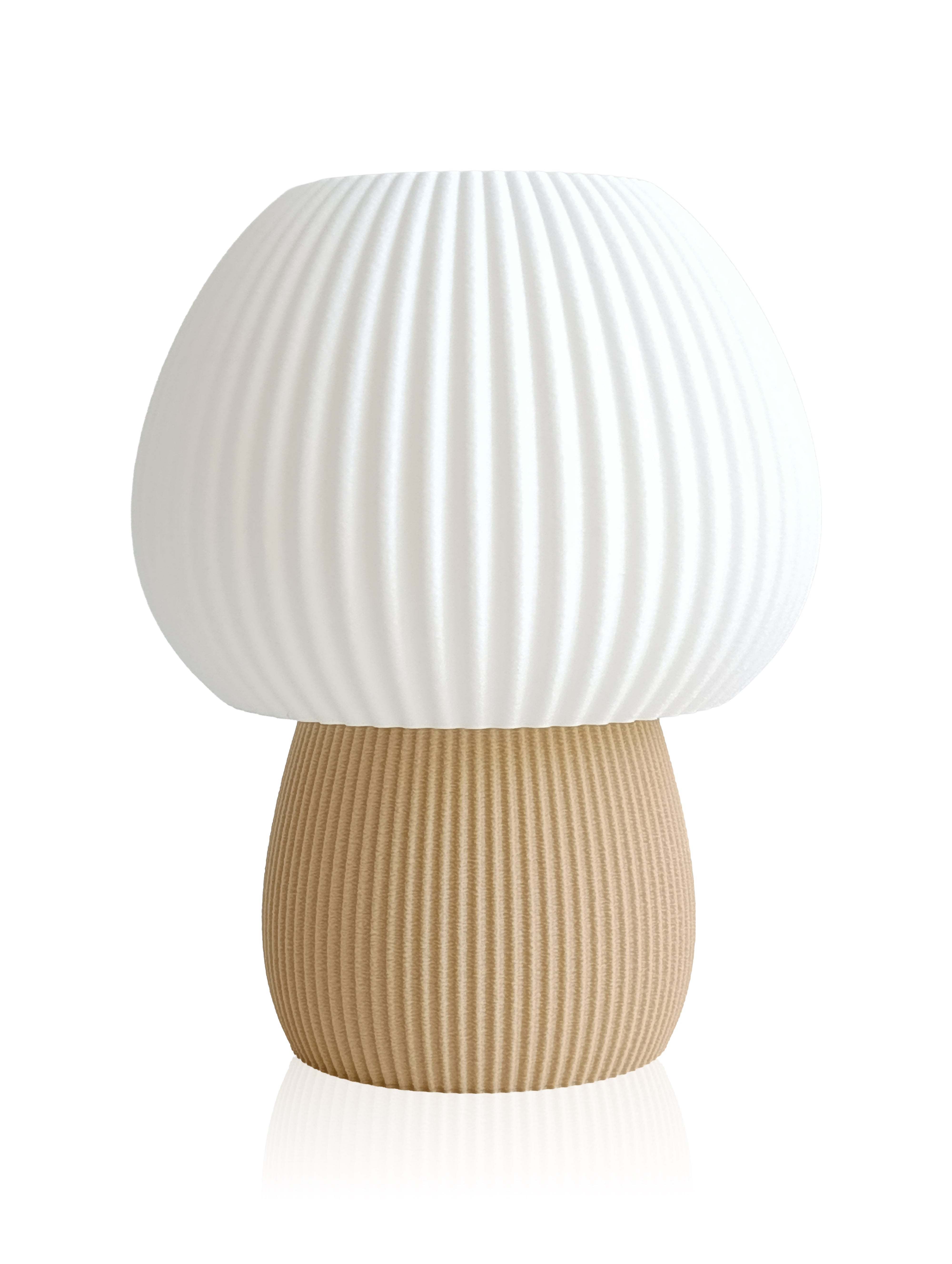
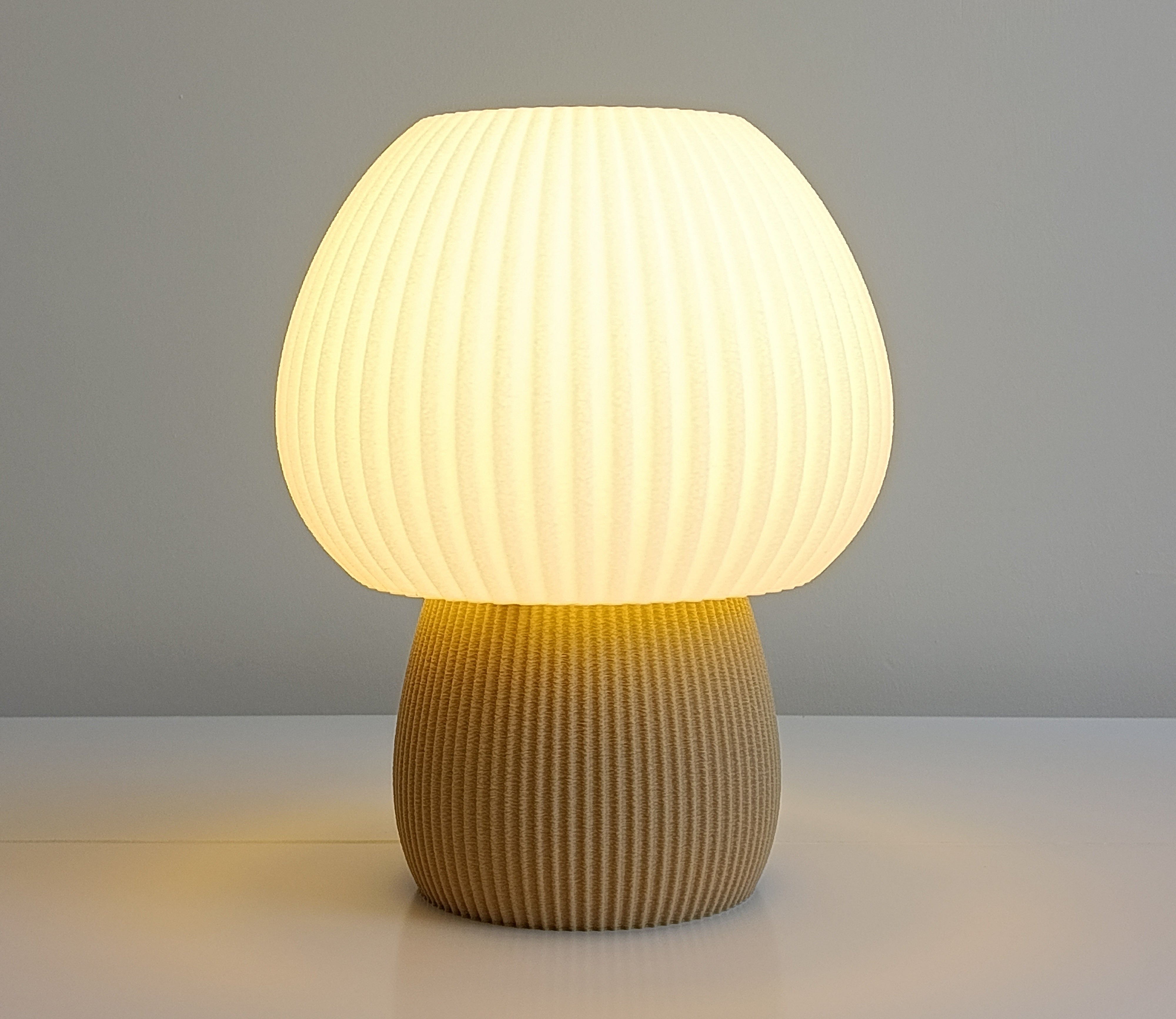
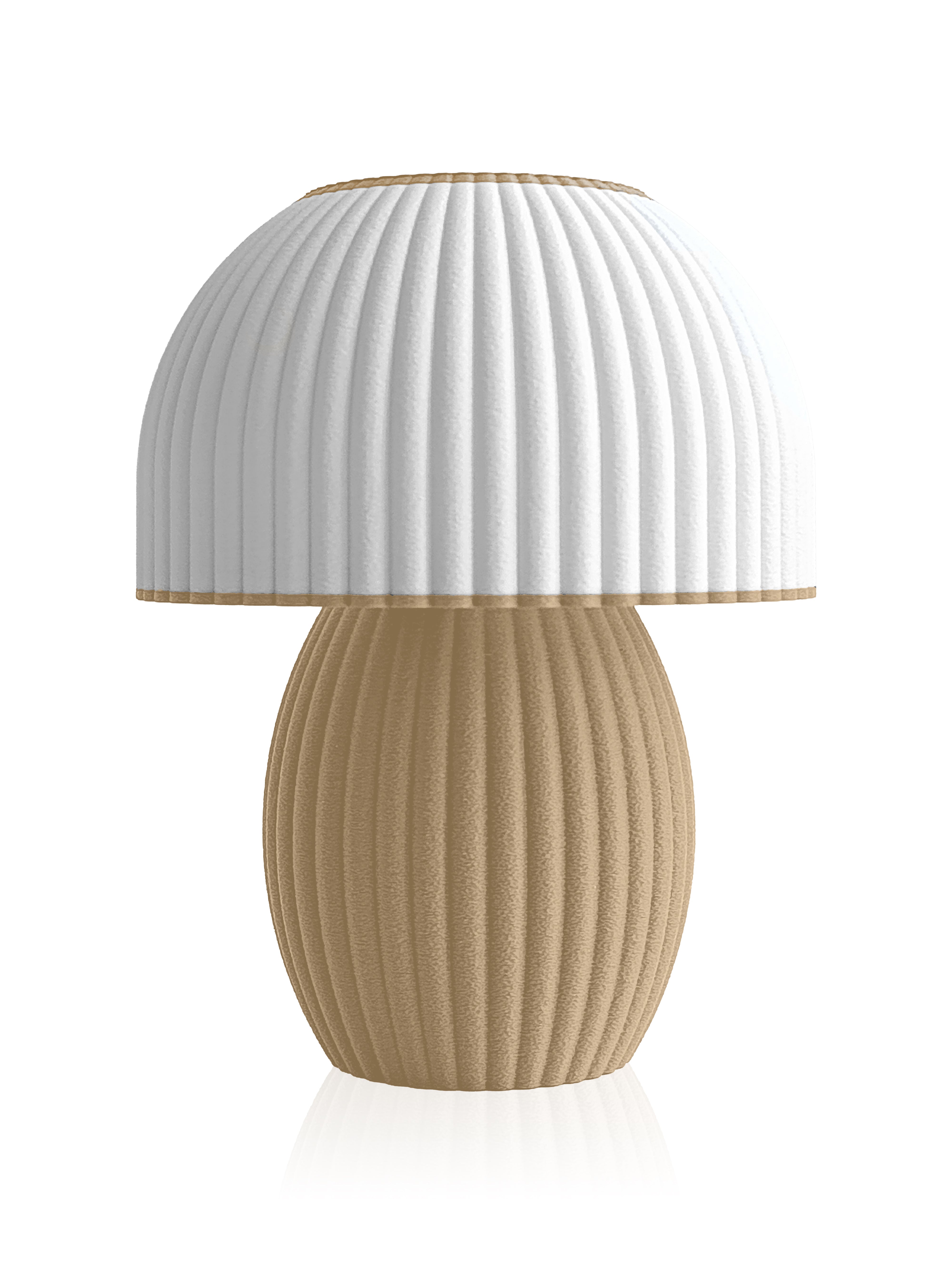
For general ambient lighting, aim for 300-500 lux in bedrooms and 500-750 lux in study areas. (A lux is a unit of illumination; for reference, a typical living room might have 200-300 lux.) Task lighting for reading or homework should be 750-1000 lux, focused directly on the work surface. The LUMORA US offers adjustable brightness options, allowing you to fine-tune the environment based on activity and time of day.
- Ambient lighting: general illumination of the entire room
- Task lighting: focused light for reading, homework, or creative play
- Accent lighting: gentle, decorative light for relaxation or nighttime navigation
- Dimmable controls: flexibility to lower light intensity as bedtime approaches
Safety Considerations and Light Quality
Safety in children's lighting means choosing fixtures that are secure, cool to the touch, and made with child-safe materials. It also means selecting high-quality light sources that won't cause eye strain or headaches.
Look for fixtures that are:
- Flicker-free (critical for reducing eye strain and potential migraines)
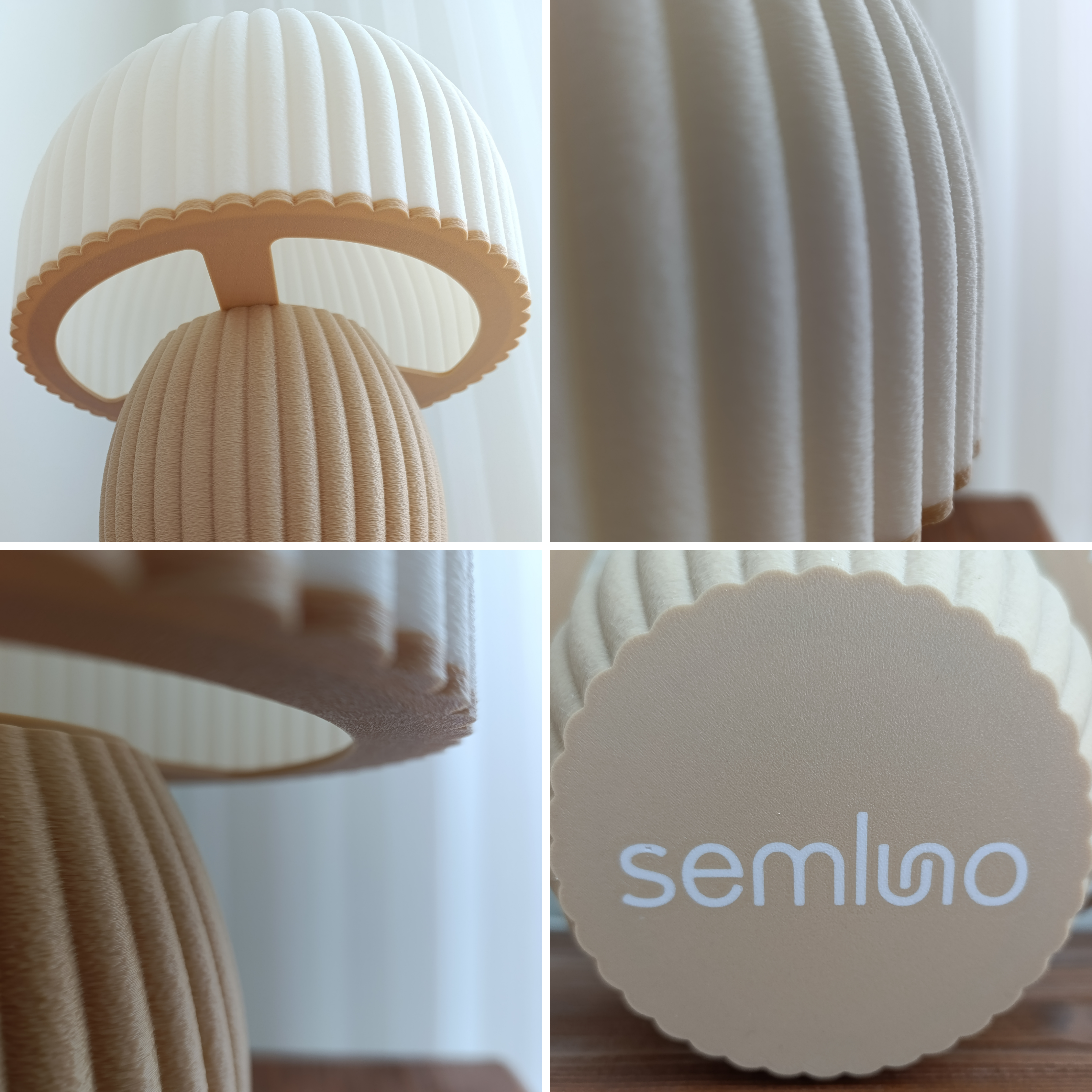
- Non-toxic and made from durable, child-safe materials
- Properly installed and secured to prevent tipping or falls
- Free from excessive blue light in evening hours (to protect sleep)
- Covered or diffused to prevent direct glare in the child's line of sight
LED technology has made high-quality, energy-efficient children's lighting accessible. Modern LEDs produce stable, consistent light without the flickering of older bulbs, and they generate minimal heat—important when fixtures are in reach of curious hands.
Creating an Educational Light Environment
Beyond safety and sleep, lighting directly influences learning and focus. Natural light exposure during the day—especially in the morning—helps regulate circadian rhythm and improves daytime alertness and evening sleep quality. Whenever possible, position your child's desk or study area near a window to maximize natural light during homework time.
For evening study, use cool-to-neutral light (4000K-4500K) positioned to minimize shadows on the work surface. Avoid glare on screens, and ensure light is diffused rather than harsh. Once homework is complete and evening settles in, transition back to warm light to signal the body that rest is approaching.
Frequently Asked Questions
What color temperature is best for kids' bedrooms?
Warm white light between 2700K-3000K is ideal for bedrooms as it promotes relaxation and sleep. Cooler light above 4000K can suppress melatonin and interfere with rest, making it better suited for study areas only.
How bright should kids' room lighting be?
General ambient lighting should provide 300-500 lux for bedrooms and 500-750 lux for study areas. Dimmable fixtures allow you to adjust brightness based on the time of day and activity.
Are LED lights safe for children's rooms?
Yes, quality LED lights are safe for children's rooms. Choose flicker-free, non-dimmable or dimmable LEDs from reputable brands, and avoid fixtures that produce excessive blue light in the evening hours.
Designing lighting for your child's room is an investment in their wellbeing—physically, emotionally, and academically. By thoughtfully layering warm and cool light, controlling brightness, and choosing safe, high-quality fixtures, you create a space that supports both restful sleep and focused learning. Your home's lighting choices matter more than you might think.





Share:
Multi-Purpose Lighting: Different Activities with One Lamp
Art Lighting: Proper Light Design for Paintings and Artwork