

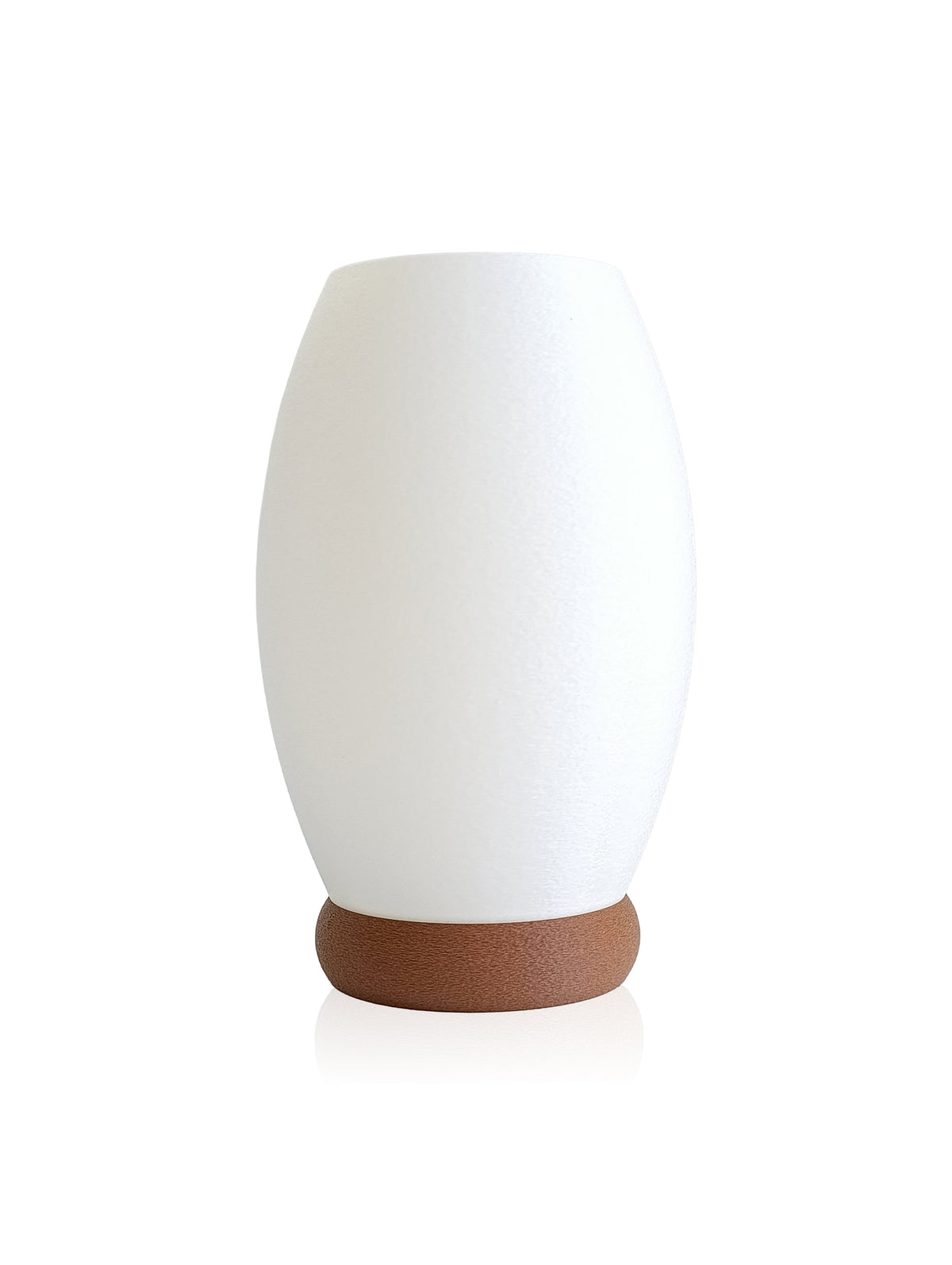
Reading Nook Lighting: The Light for Quality Time with Books

A good reading nook is more than just a comfortable chair and a stack of books—it's a sanctuary where you can disappear into another world. Reading nook lighting plays a crucial role in creating that sanctuary. The right light transforms a corner of your home into an inviting space where you can spend hours turning pages without eye strain or discomfort. Whether you're carving out a quiet spot by a window or tucking a reading area into a bedroom corner, thoughtful lighting design matters as much as the cushions beneath you.
Why Lighting Matters More Than You Think
Most people underestimate how profoundly light affects their reading experience. Poor lighting doesn't just make text harder to see—it causes eye fatigue, headaches, and can actually discourage you from spending time in your reading space. The right light, on the other hand, invites you in. It signals to your brain that this is a place for rest and focus, creating an emotional experience that extends beyond the practical.
Think about the last time you read in natural light versus under harsh overhead lighting. The difference is immediate and visceral. Your goal is to recreate that quality of natural light in a controlled, intentional way. This means considering:
- Color temperature (warmth or coolness of the light)
- Brightness level (measured in lux)
- Light direction and positioning
- How the light makes you feel
Color Temperature: Finding Your Warm Light Sweet Spot
Color temperature is measured in Kelvin (K), and this number fundamentally shapes how your reading nook feels. Daylight is around 5000-6500K, which feels bright and energizing. Incandescent bulbs hover around 2700K, creating that cozy, golden glow we associate with warmth and relaxation.
For reading, aim for bulbs in the 2700K to 3000K range. This warm light reduces eye strain, feels inviting, and signals to your body that it's time to slow down. It also pairs beautifully with wood furnishings, warm textiles, and the natural patina of well-loved books. If you find 2700K too amber, 3000K offers a subtle step up while maintaining that comfortable, residential quality that makes a reading nook feel like home.
Avoid anything cooler than 4000K in your reading space. Cool white light (5000K+) feels clinical and energizing—perfect for a kitchen or workspace, but it works against the mindful, restorative mood you're building.
Brightness and Positioning: Direct Without Glare
The ideal reading light should be bright enough to read comfortably without creating glare on your page. Aim for 300-500 lux at your reading surface—enough to see text clearly, but not so bright that it causes harsh shadows or reflection.
Positioning is equally important. A reading lamp should:
- Position the light source slightly behind and to the side of where you'll sit (never directly in front of your eyes)
- Shine down onto your lap and the book, not upward
- Have a diffuser or shade that softens the light
- Be adjustable or placed at an angle to reduce reflection
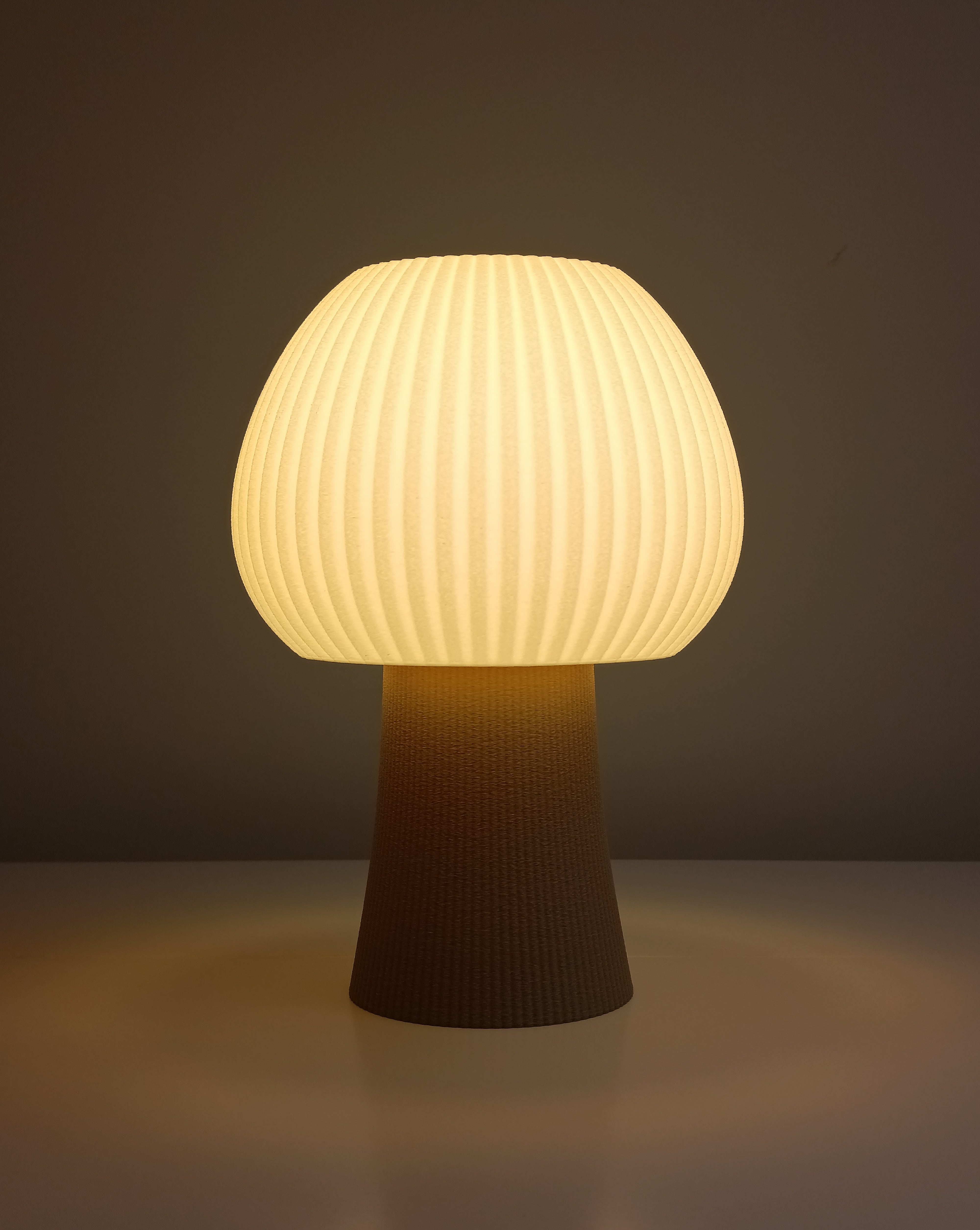
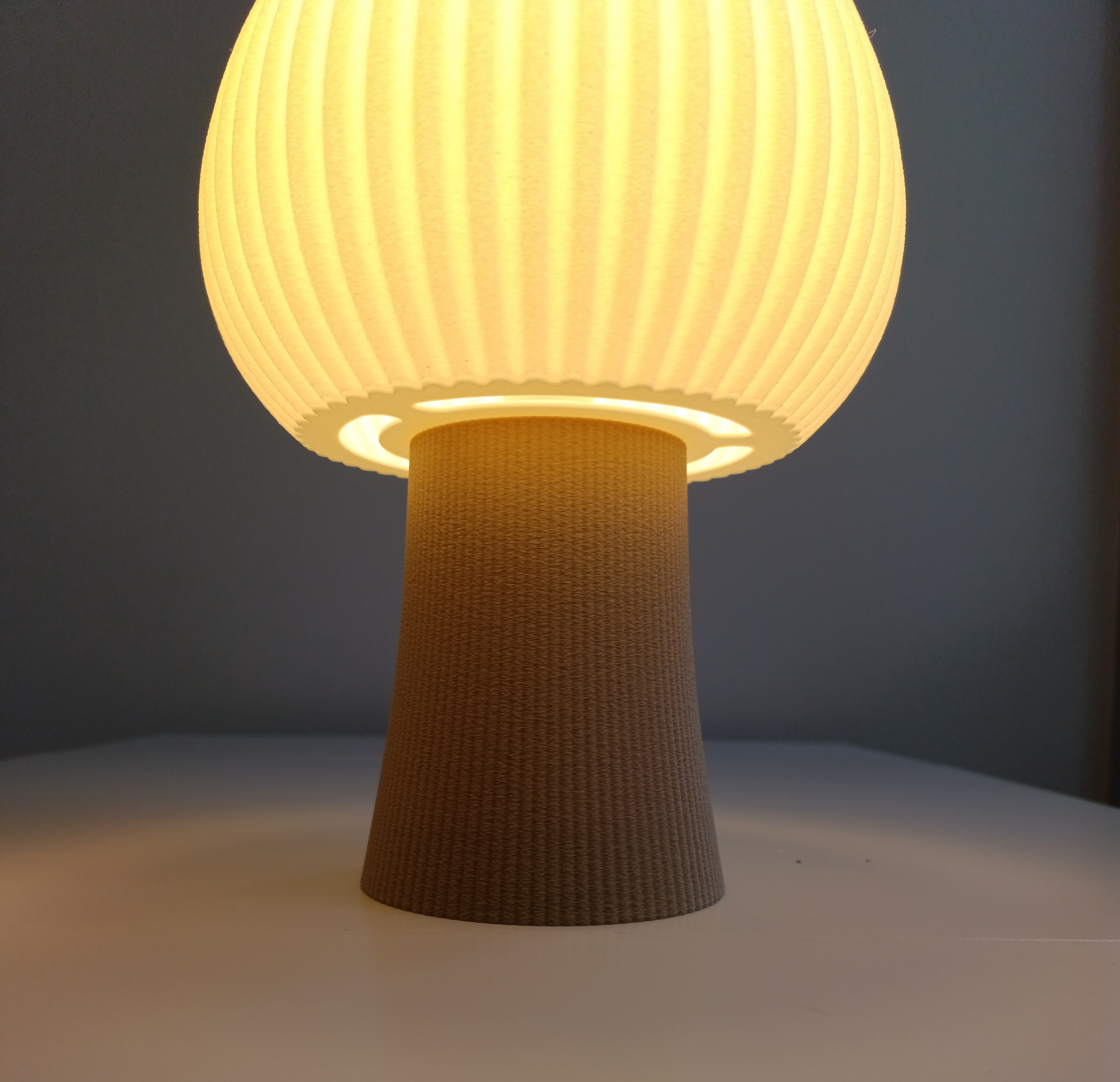
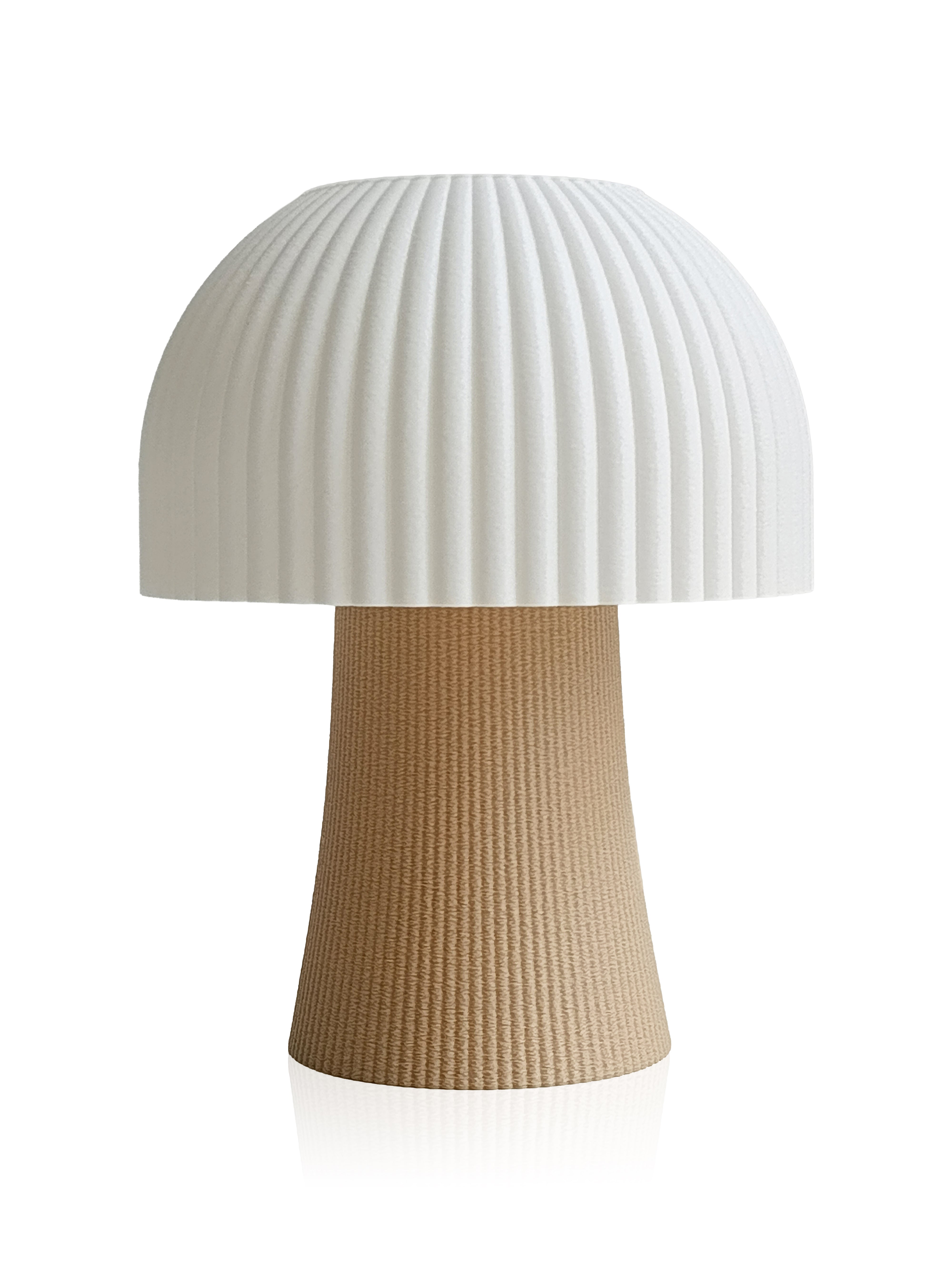
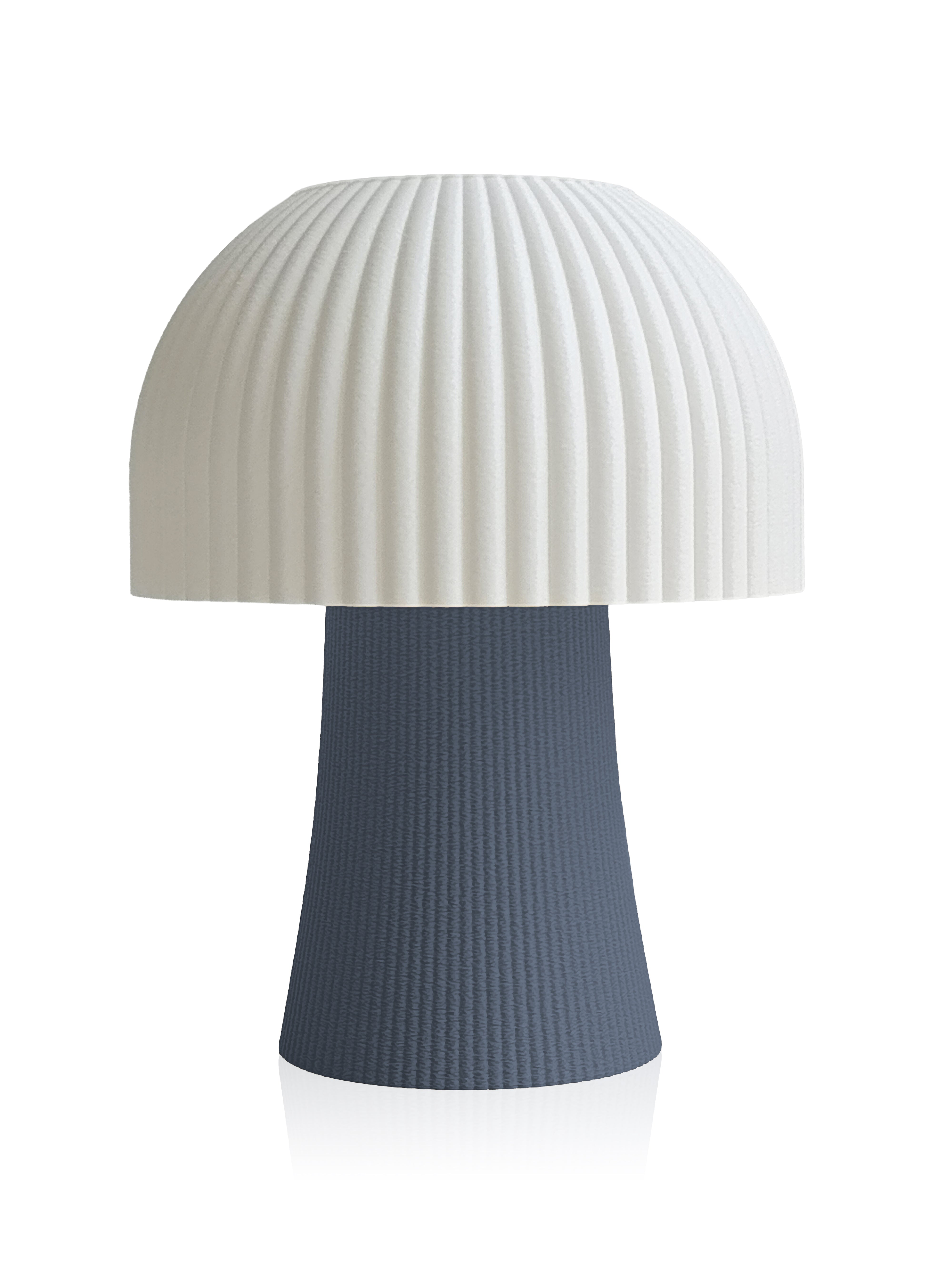
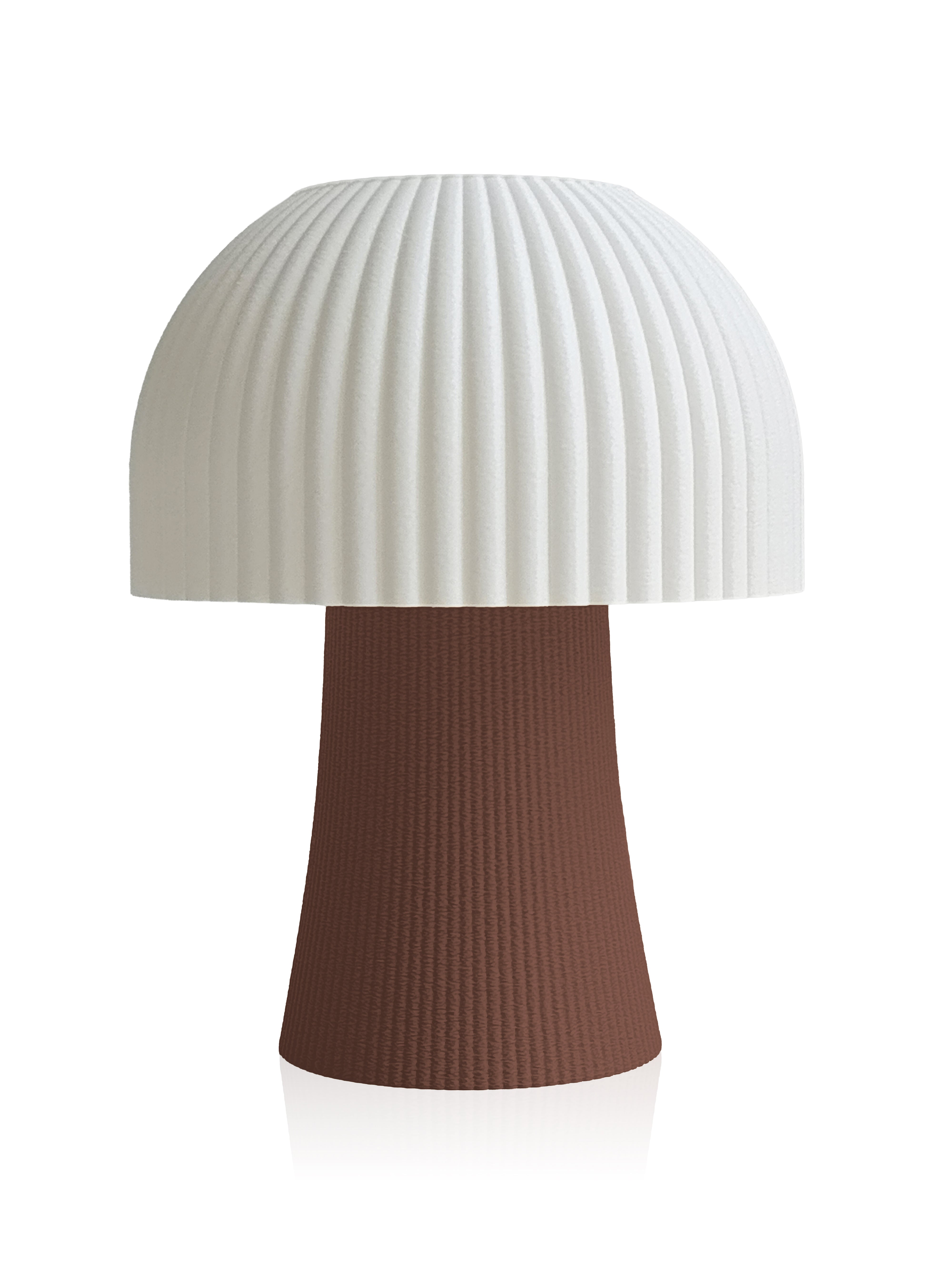
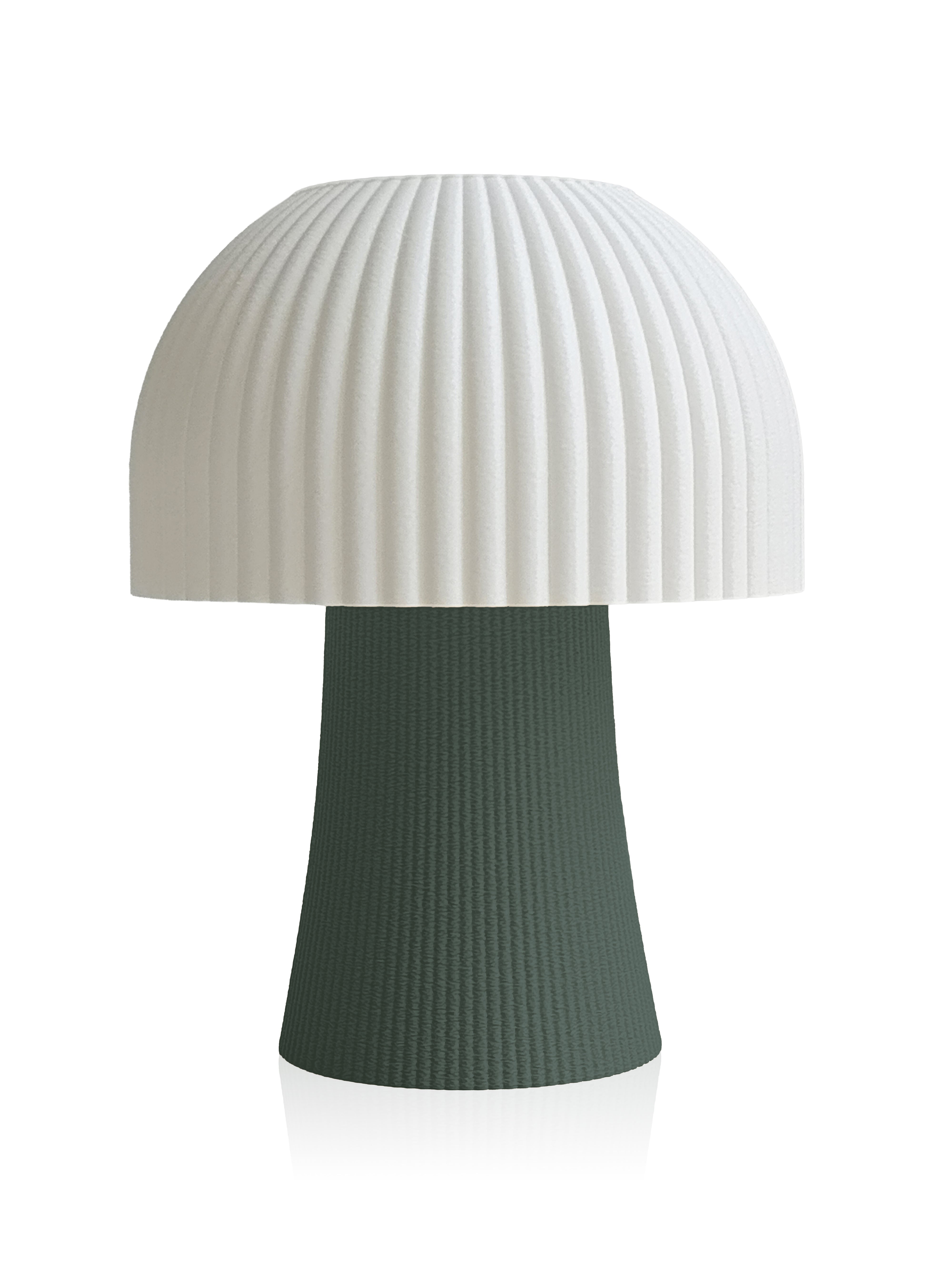
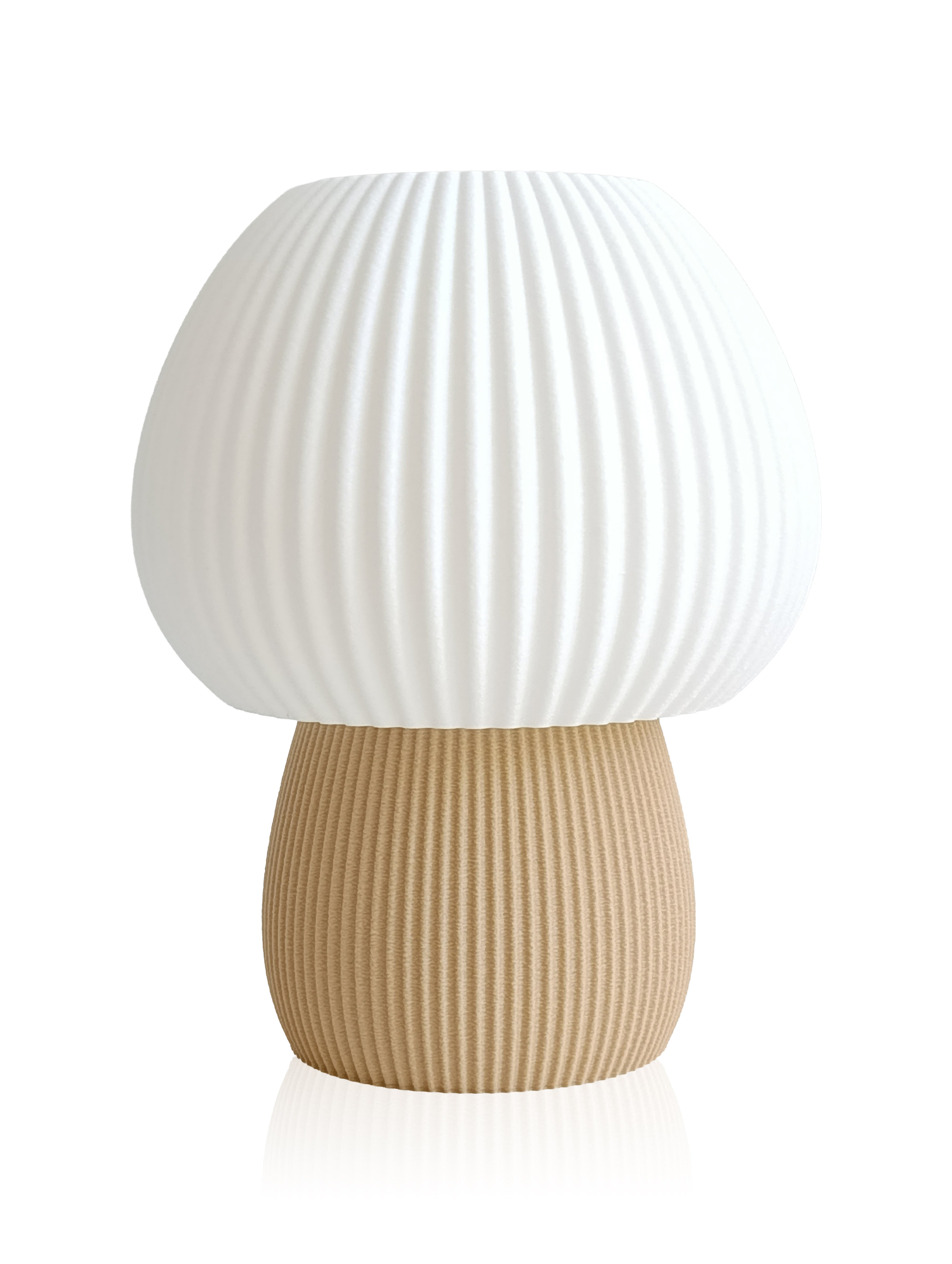
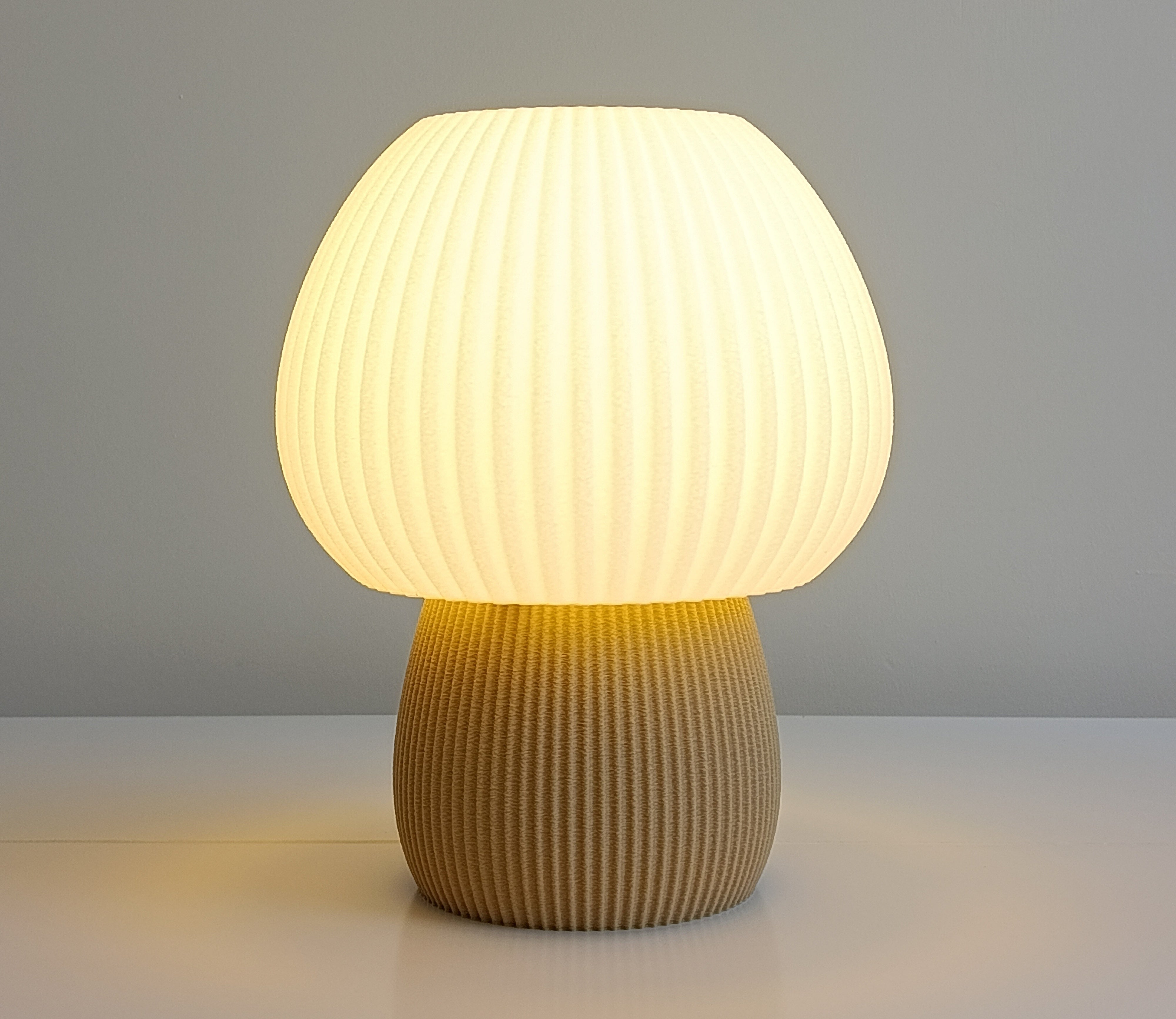
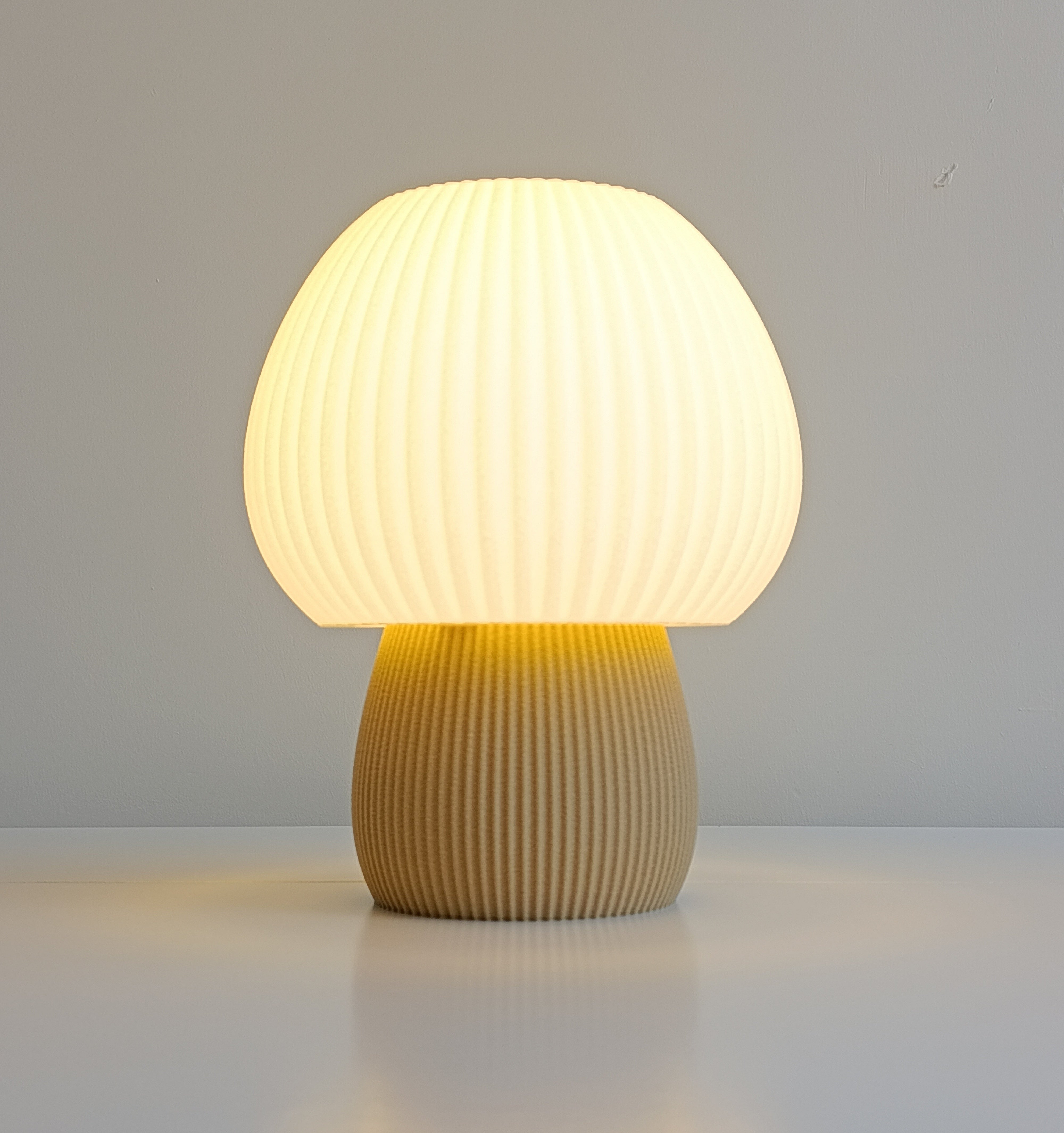
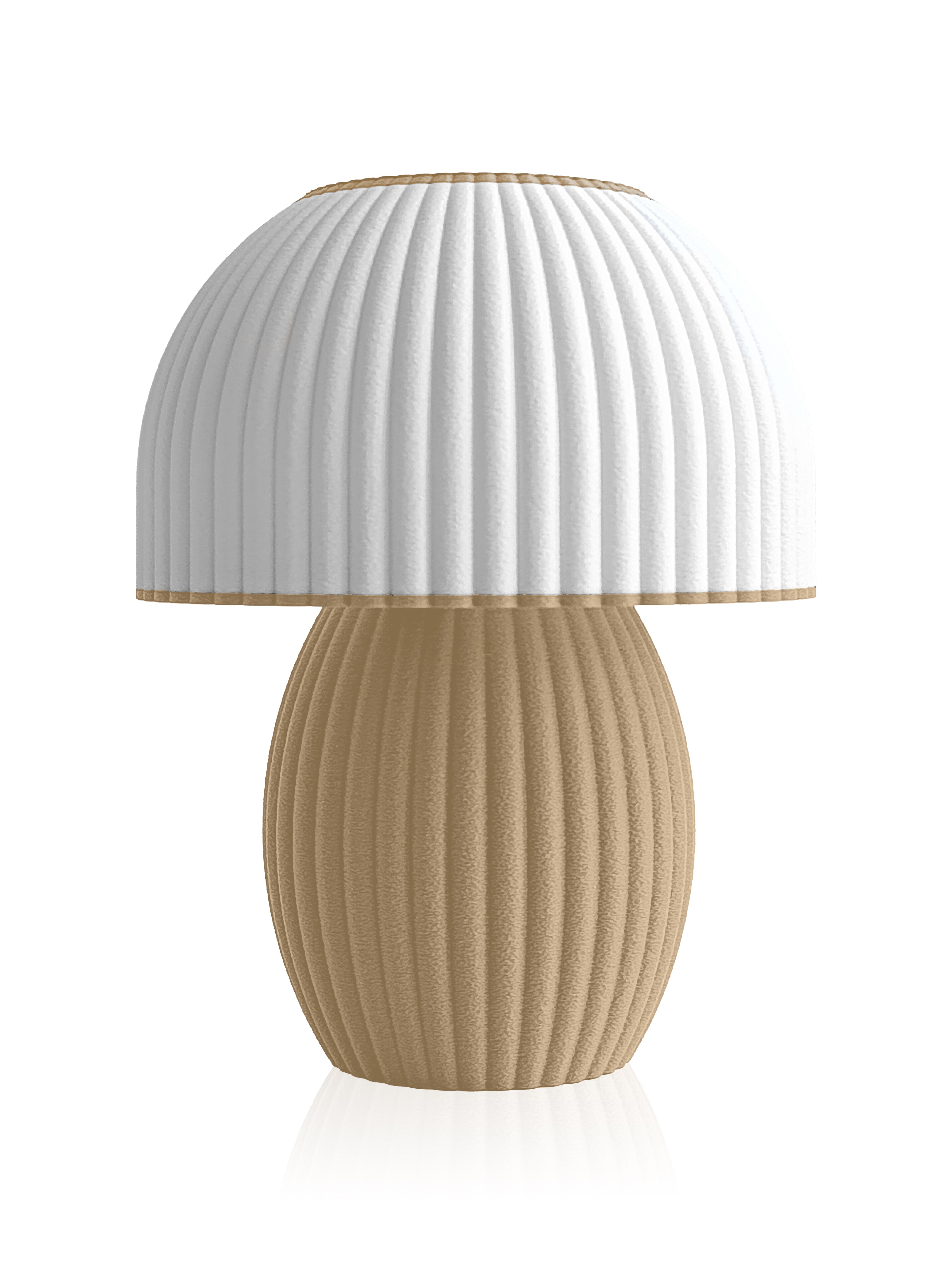
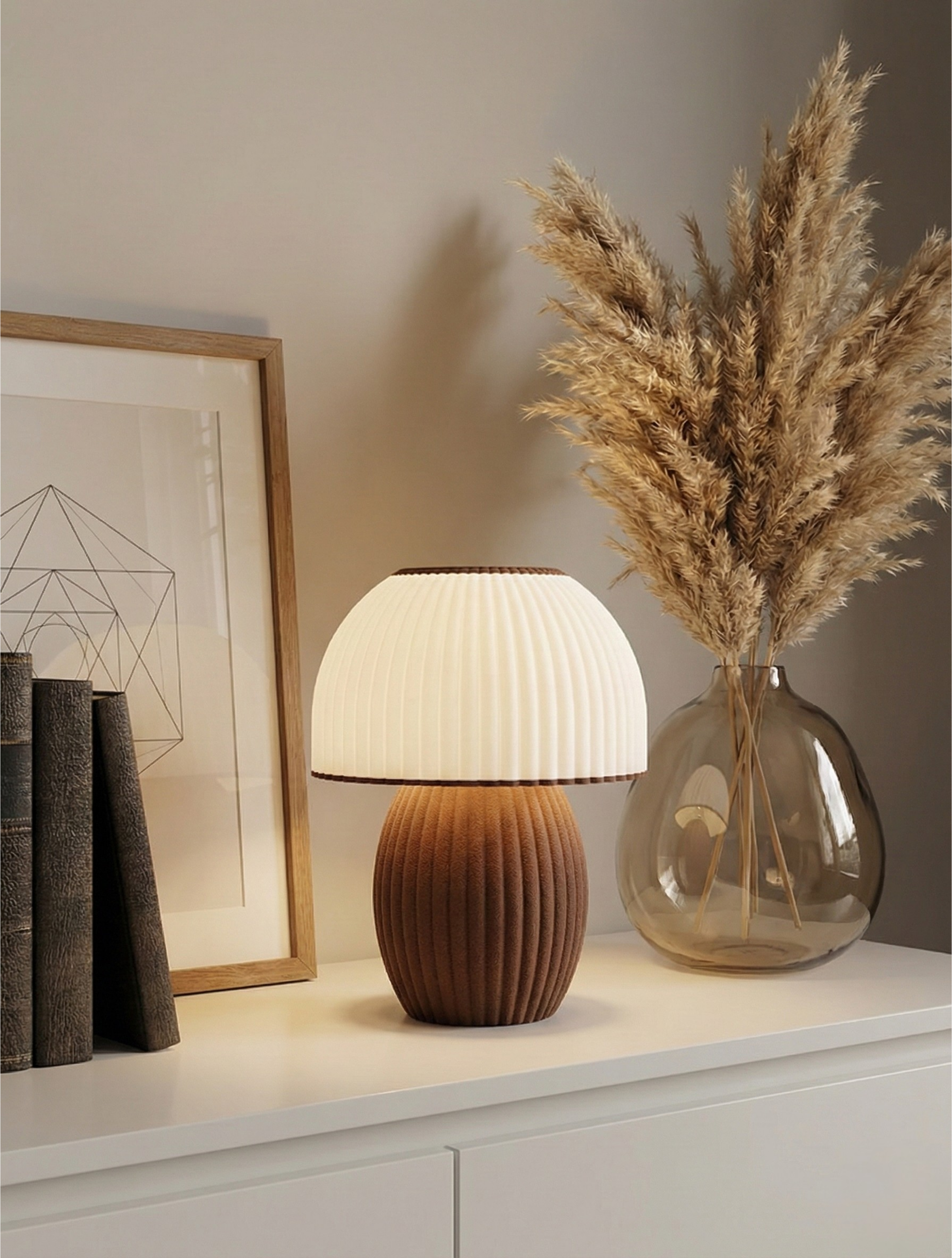
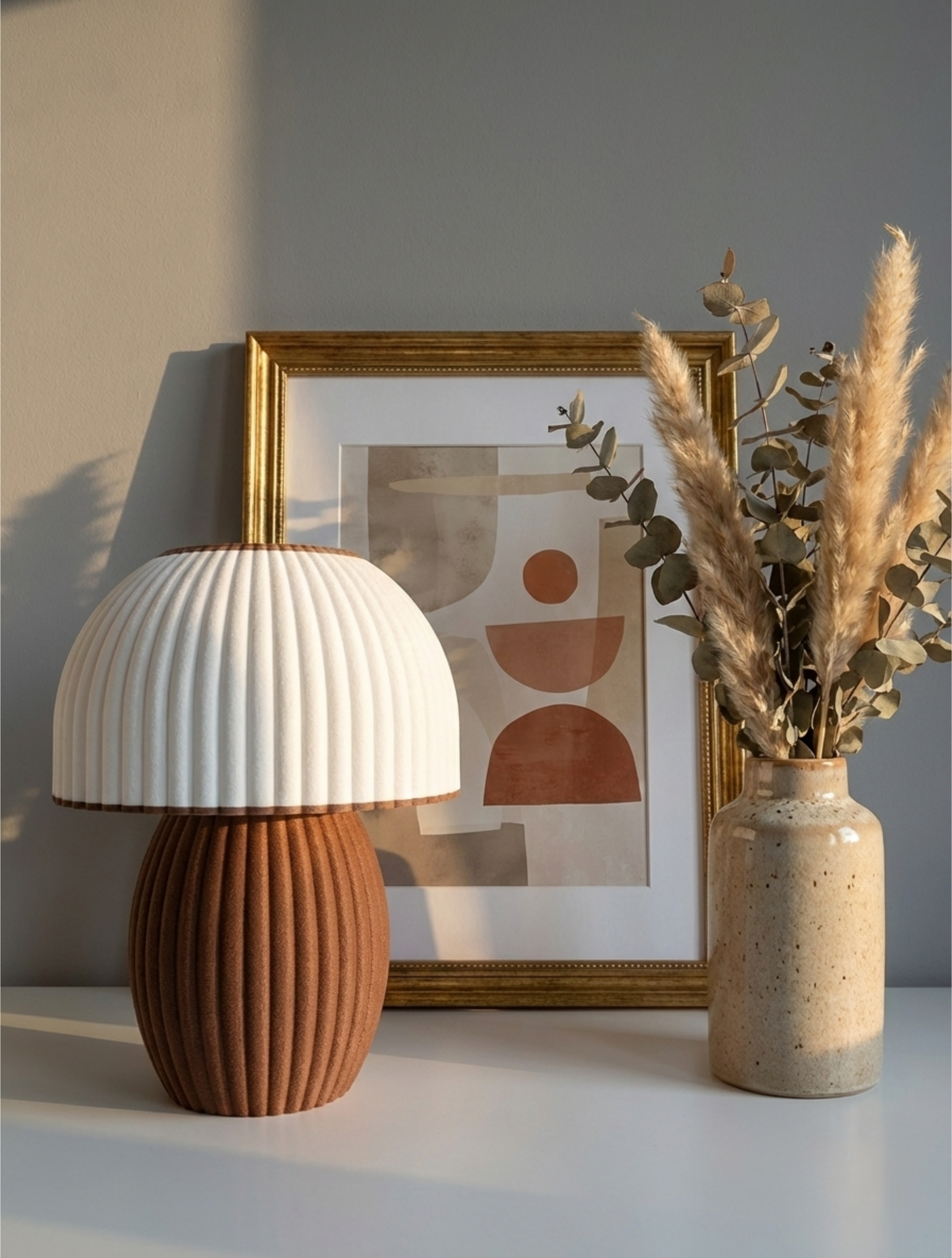
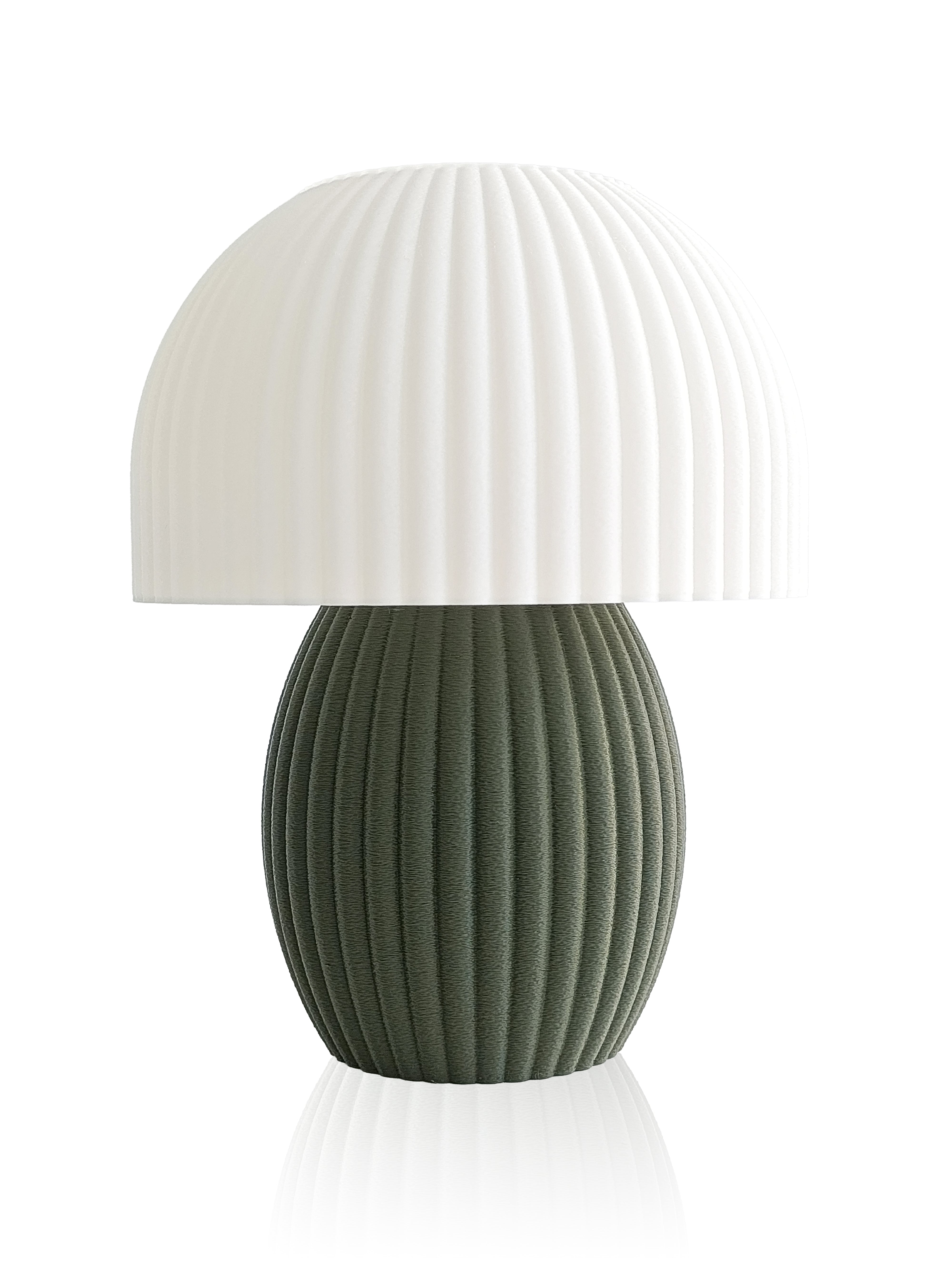
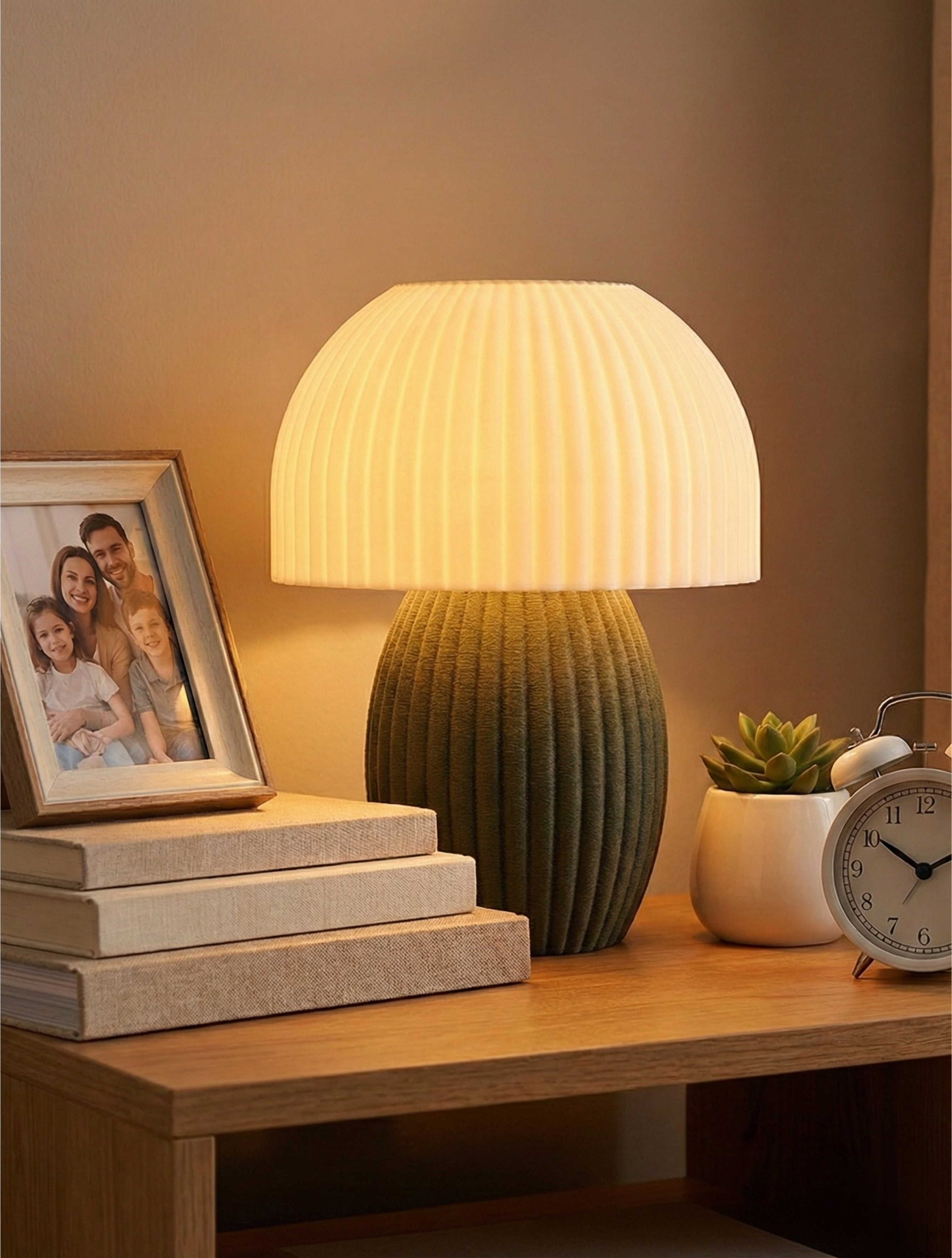
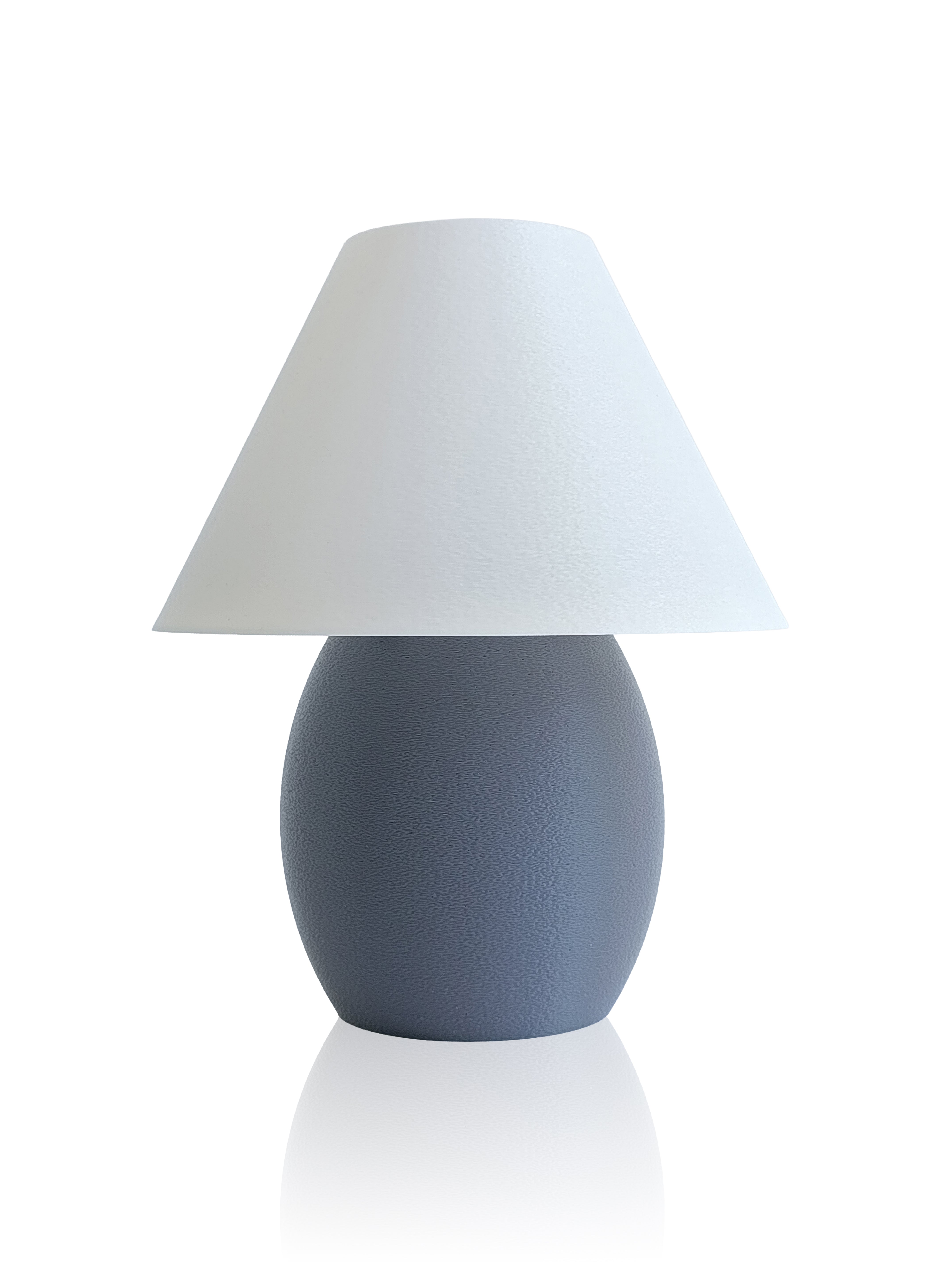
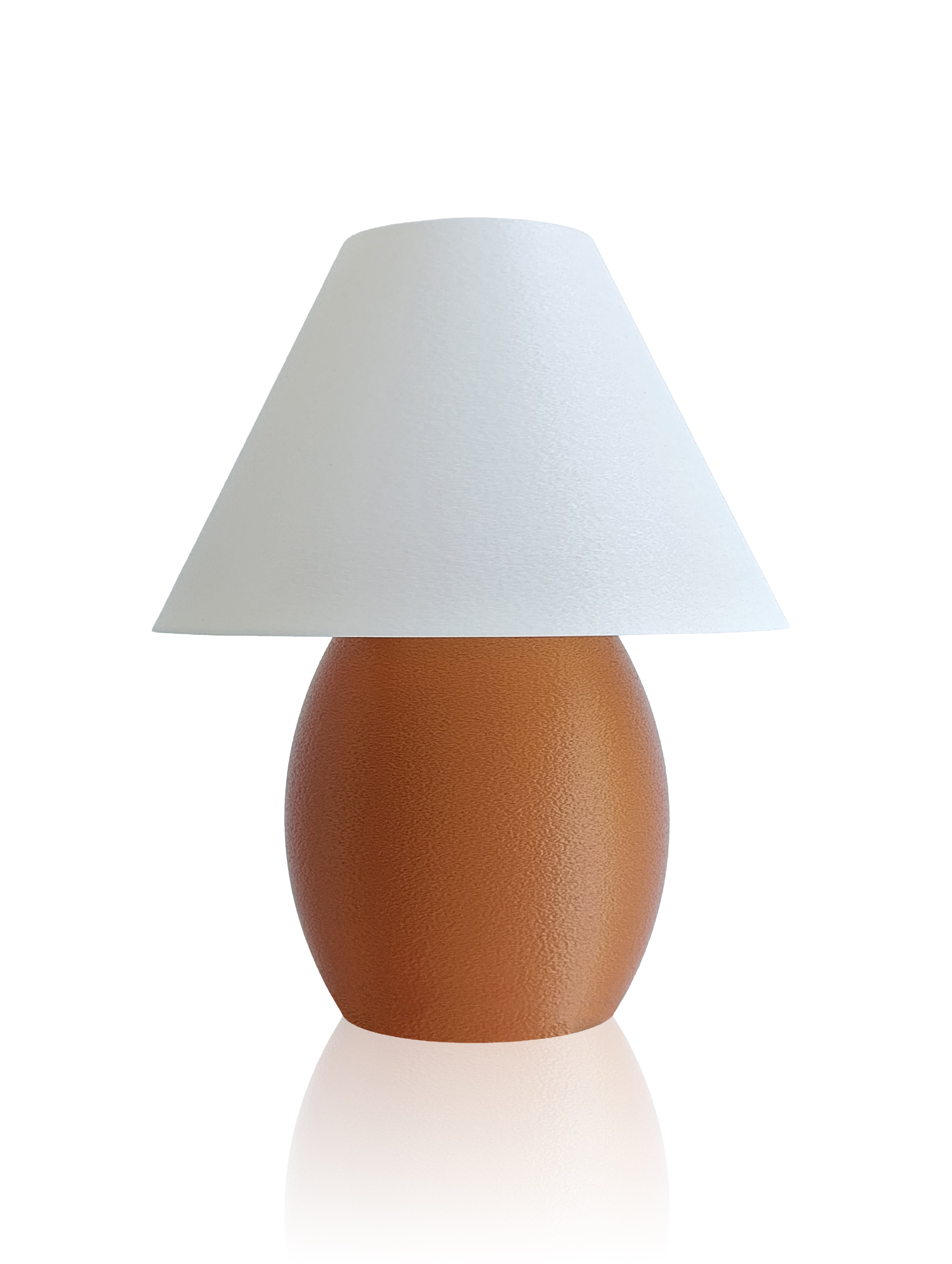
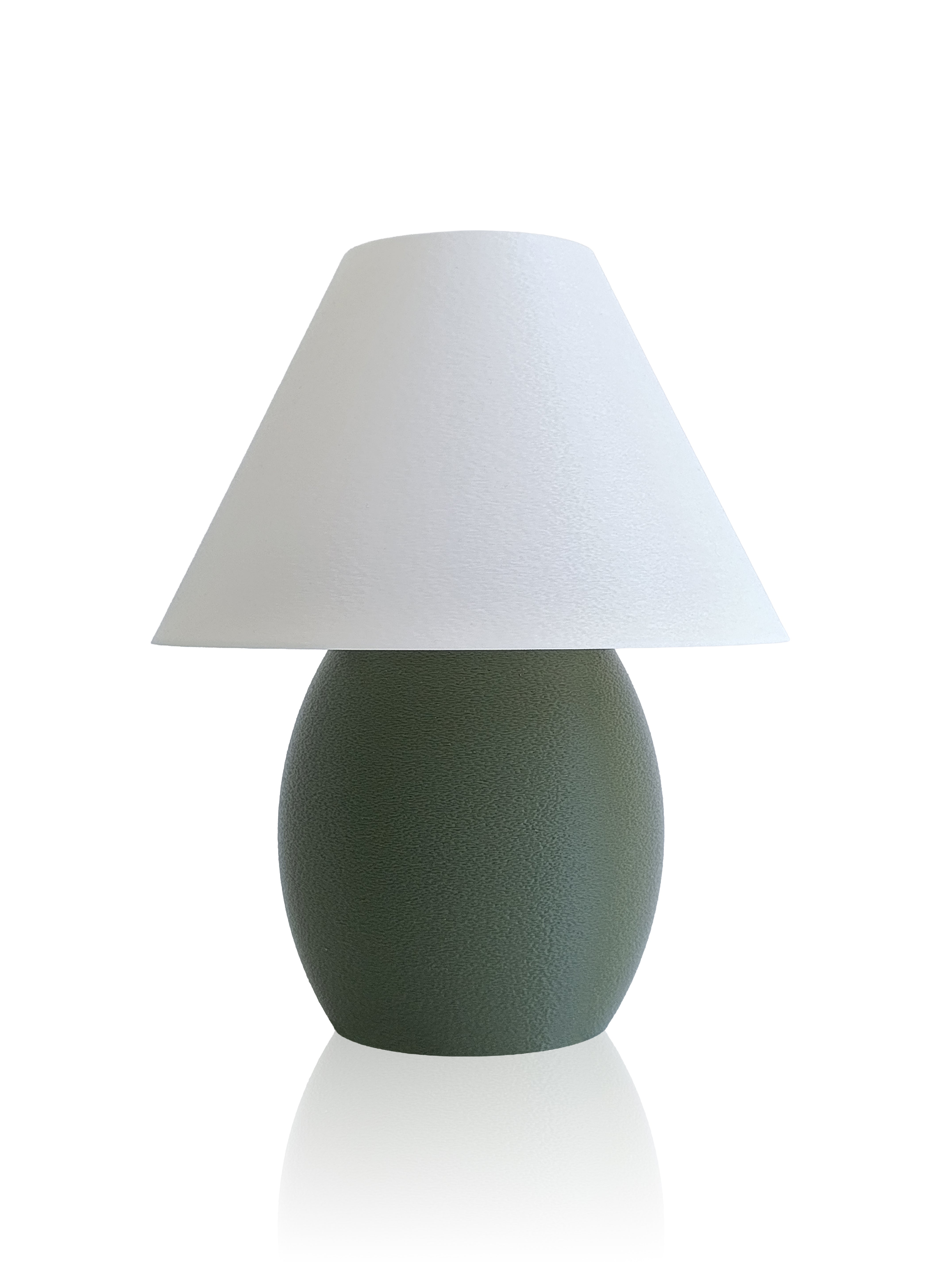
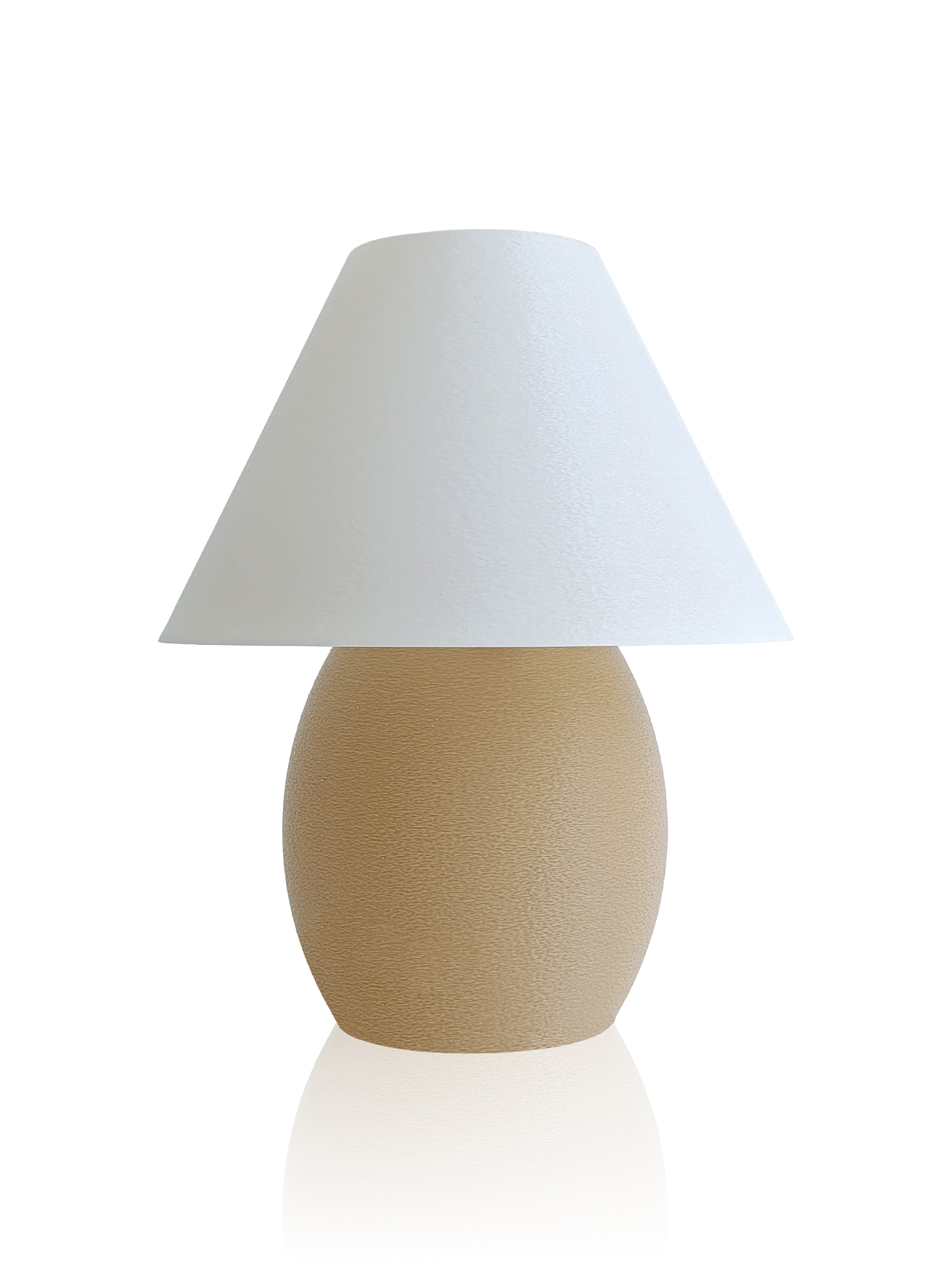
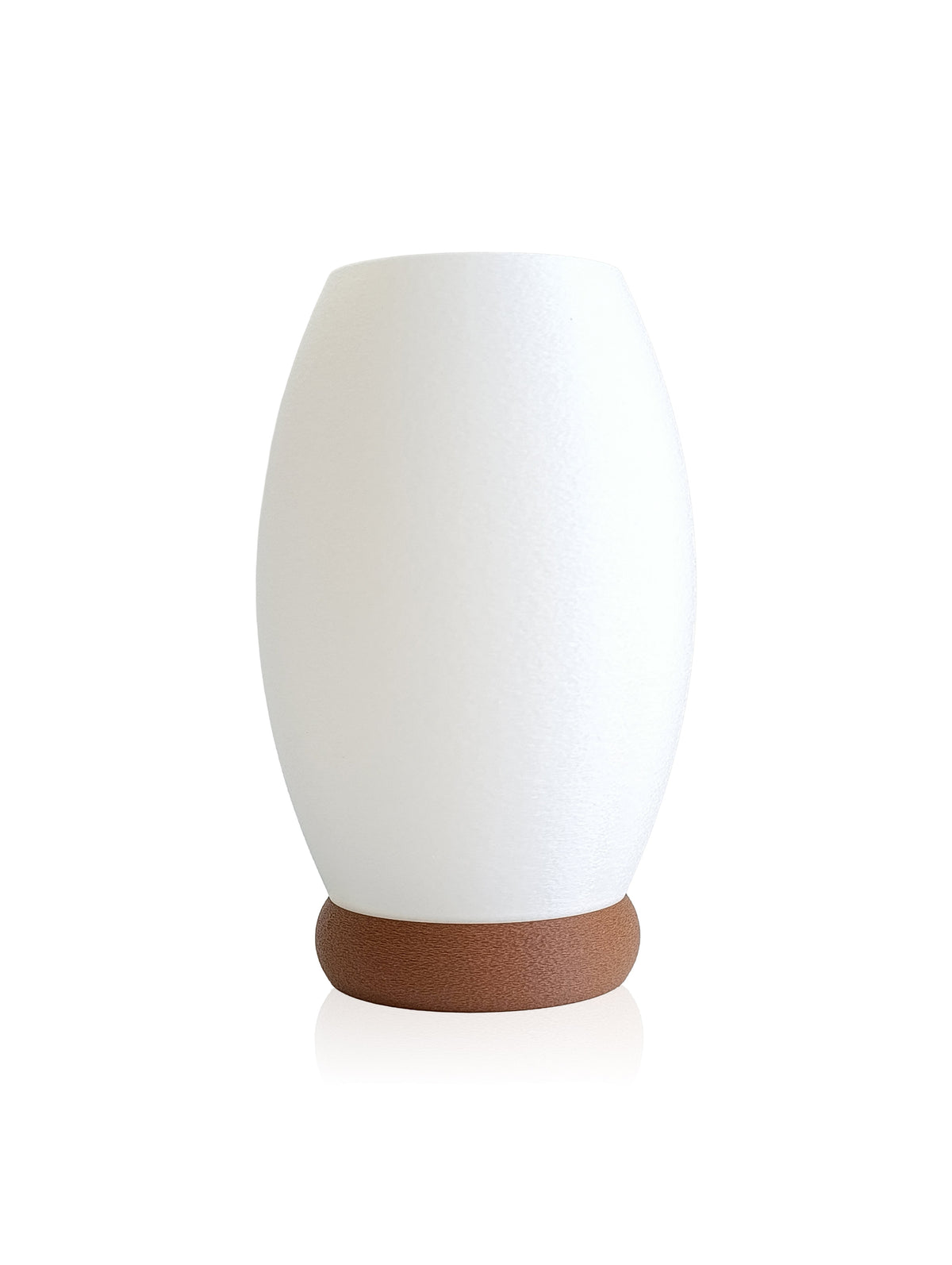
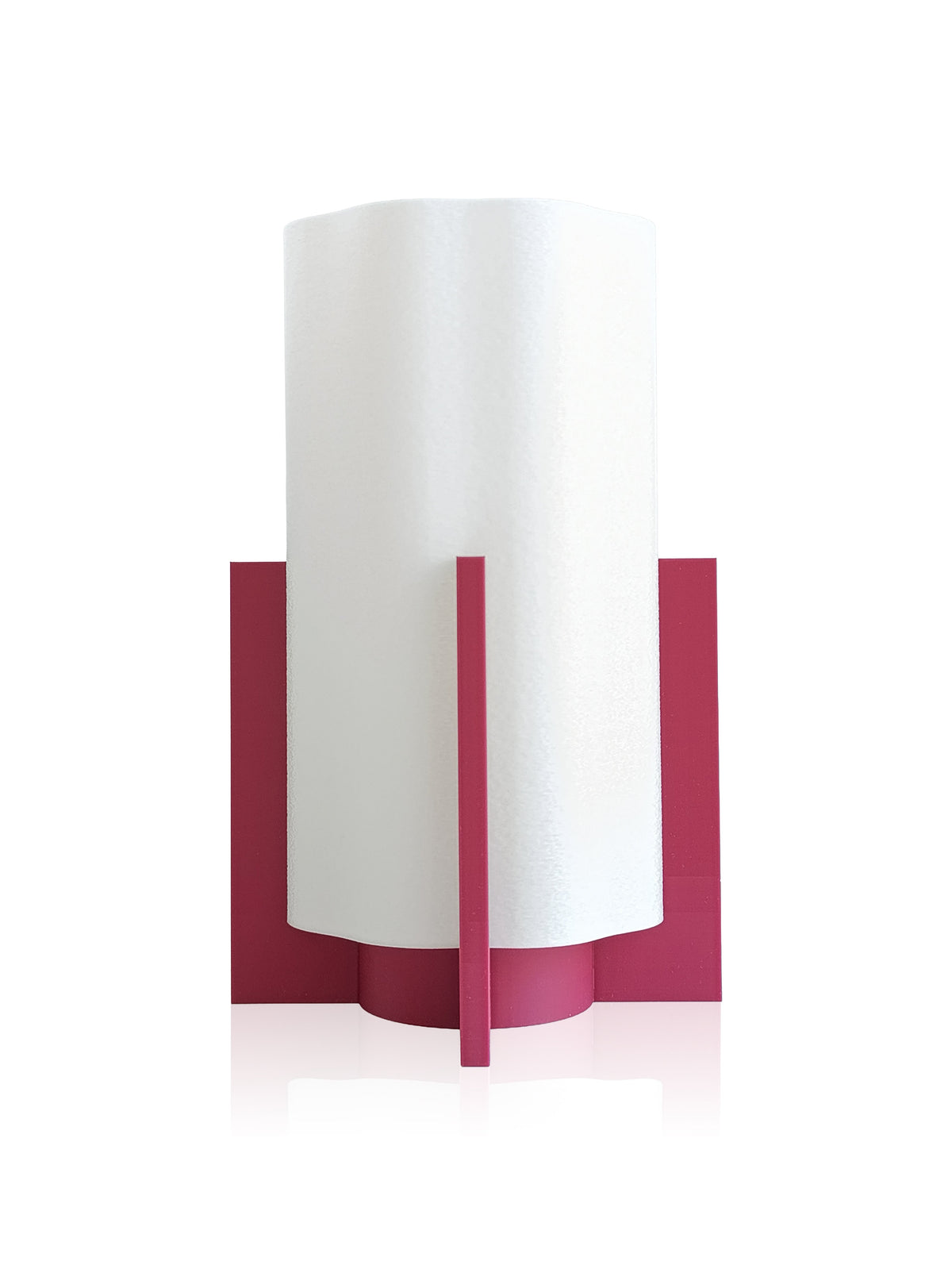
The LUMI US is designed with reading in mind. Its warm 2700K color temperature and downward-directed beam eliminate glare while providing focused light exactly where you need it. The soft diffusion means you get comfortable brightness without that harsh quality that makes you squint.
Layering Light for Different Moods
The most sophisticated reading nooks use layered lighting. This means combining your primary task light (the lamp directly illuminating your book) with ambient light from elsewhere in the room. A dimmed overhead fixture, a string of warm lights, or the glow from an adjacent space creates depth and prevents your reading corner from feeling like a spotlight on a stage.
Layering also gives you flexibility. On a cozy winter evening, you might use only your task light. On a brighter afternoon, you might dim it and let natural light dominate. The ability to adjust and adapt makes your reading nook feel alive rather than static.
Frequently Asked Questions
What color temperature is best for reading?
Warm white light between 2700K and 3000K is ideal for reading. This color temperature feels inviting, reduces eye strain, and creates the relaxing atmosphere that encourages you to spend time reading. Avoid cool white light (5000K+), which feels clinical and energizing rather than restful.
How bright should reading light be?
Aim for 300-500 lux at your reading surface. This is bright enough to read text comfortably without causing eye strain or glare. Your specific needs may vary based on age, eyesight, and paper color, so adjustability is valuable.
Can I use natural light as my main reading light?
Natural light is wonderful for daytime reading, but you'll need a supplementary lamp for morning, evening, and cloudy days. Combining natural light with warm artificial light during the day, then transitioning to your task light in the evening, creates an ideal reading environment that adapts to your circadian rhythm.
Your reading nook is an investment in the rituals that matter. The light you choose becomes part of that ritual—a signal to yourself that this is time for presence, imagination, and quiet joy. Choose warmth, choose focus, and choose light that makes you want to settle in and stay awhile.







Share:
Entryway Lighting: Creating the First Impression with Light
Bedroom Decor: Creating Atmosphere with Bedside Lamps