

Night Lighting and Safety: Indoor Nighttime Illumination Strategy

The hours between dusk and dawn present a unique design challenge. Your home needs to feel secure and navigable without sacrificing the calm, restorative quality that nighttime should bring. Night lighting and safety go hand in hand—thoughtful illumination after dark isn't just about preventing accidents, it's about creating an environment that supports better sleep, reduces eye strain, and maintains the emotional sanctuary we've all come to expect from our homes.
Why Nighttime Lighting Matters for Both Safety and Wellness
When the sun sets, our bodies naturally begin producing melatonin, the hormone that signals it's time to rest. Yet many of us flood our homes with bright, blue-toned light in the evening, which suppresses melatonin production and confuses our circadian rhythms. This conflict between what our bodies need and what our environment provides can leave us feeling restless, disrupted, and ultimately less safe—because poor sleep quality impairs judgment, balance, and reaction time.
Beyond circadian considerations, nighttime accidents are real. Falls, collisions, and missteps happen more frequently in poorly lit spaces. The solution isn't bright overhead lights everywhere; it's strategic, layered lighting that guides movement while respecting the body's natural wind-down process. This balance between safety and wellness is where intentional night lighting design becomes essential.
Creating Layered Night Lighting in Key Areas
The most functional nighttime lighting strategy uses multiple layers, each serving a specific purpose:
- Ambient lighting: Soft, warm fixtures that provide general visibility without harsh glare. Consider wall sconces or dimmable pendant lights at a warm color temperature (2700K or lower).
- Task lighting: Focused illumination for specific activities—bedside reading lamps, bathroom vanity lights, or kitchen counter lights that activate only when needed.
- Accent or pathway lighting: Low-level lights that guide safe movement through hallways, stairs, and transitions between rooms, reducing trip hazards.
- Emergency or backup lighting: A reliable light source accessible from bed or key locations in case of power outages.
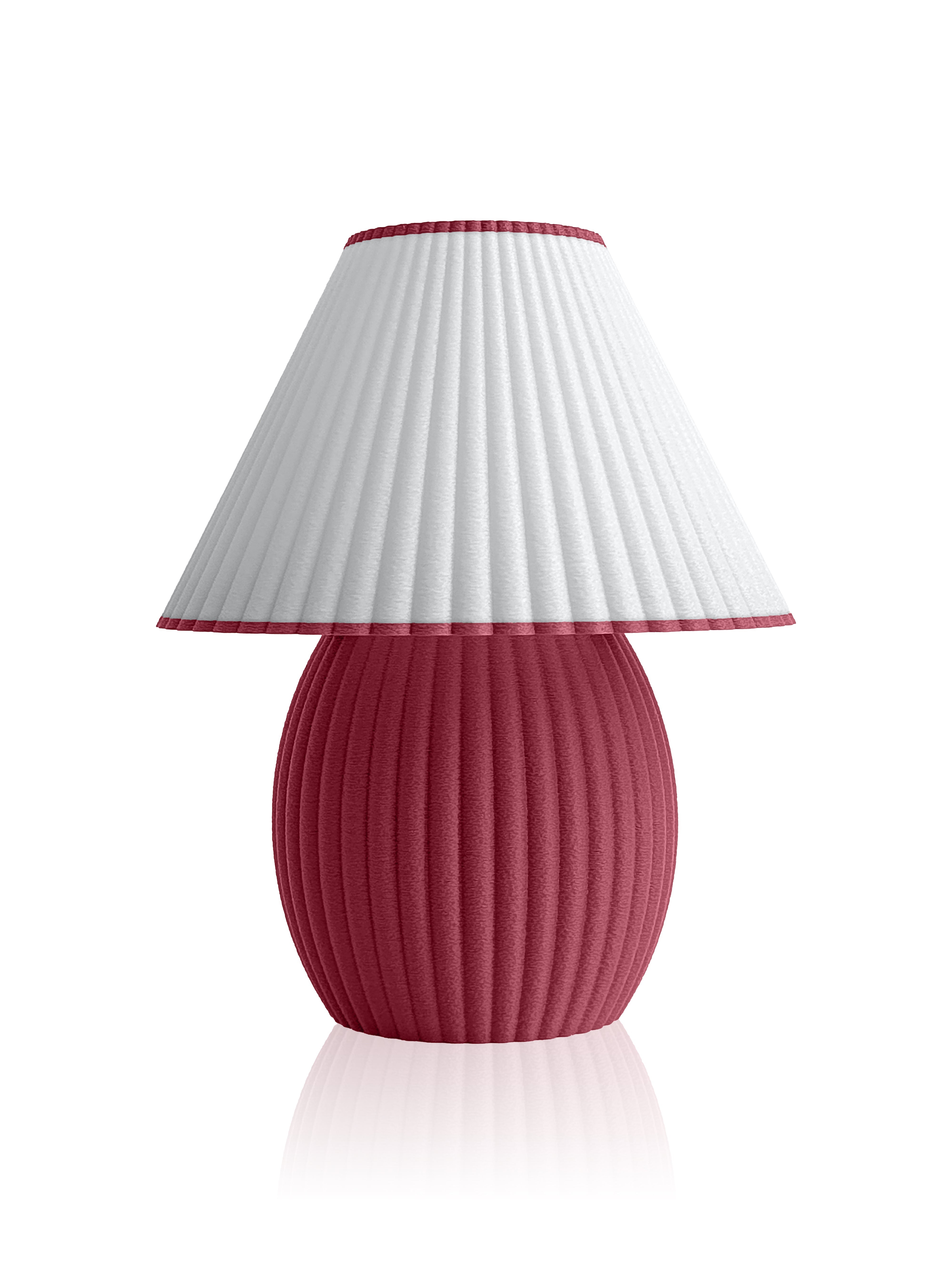
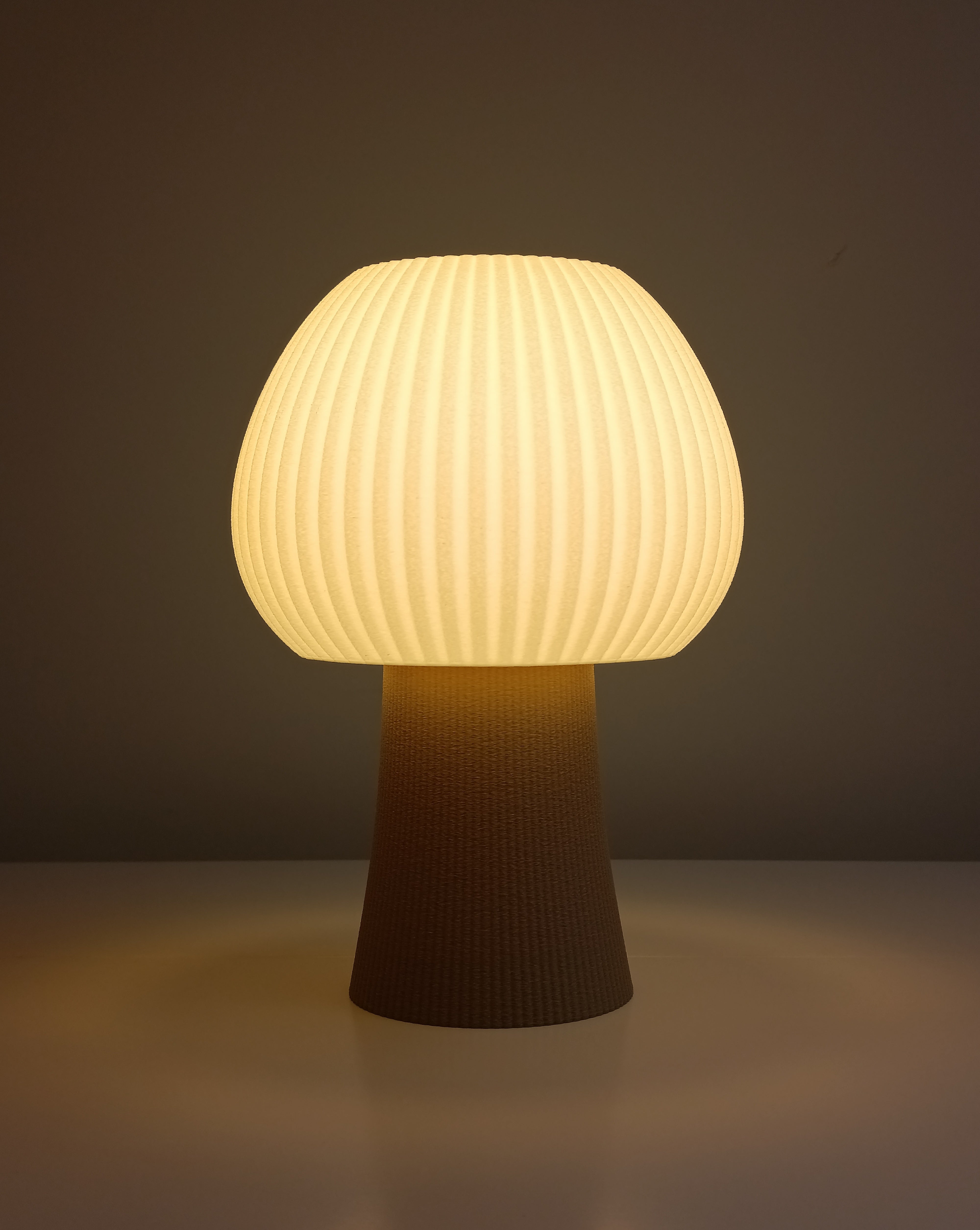
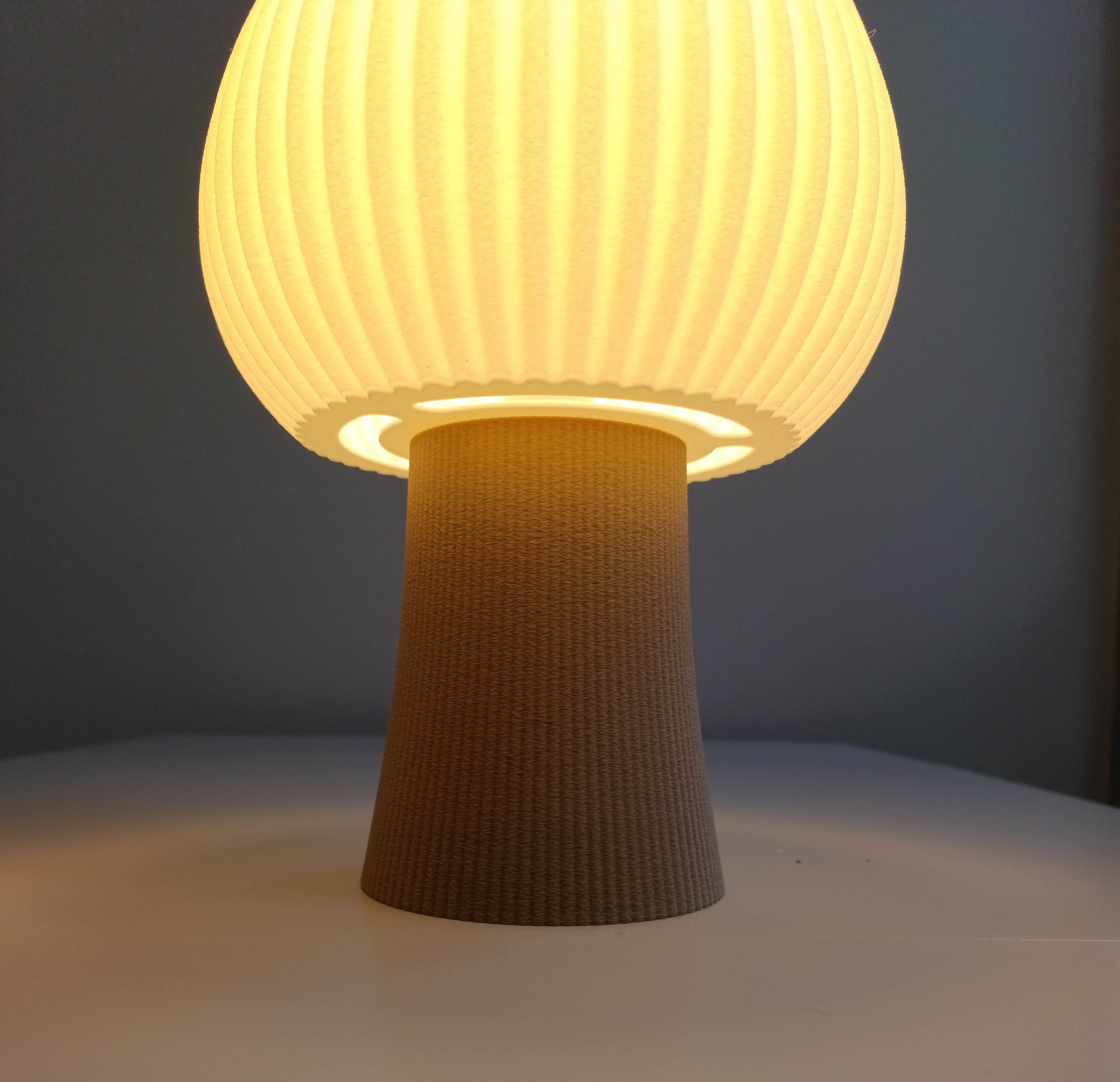
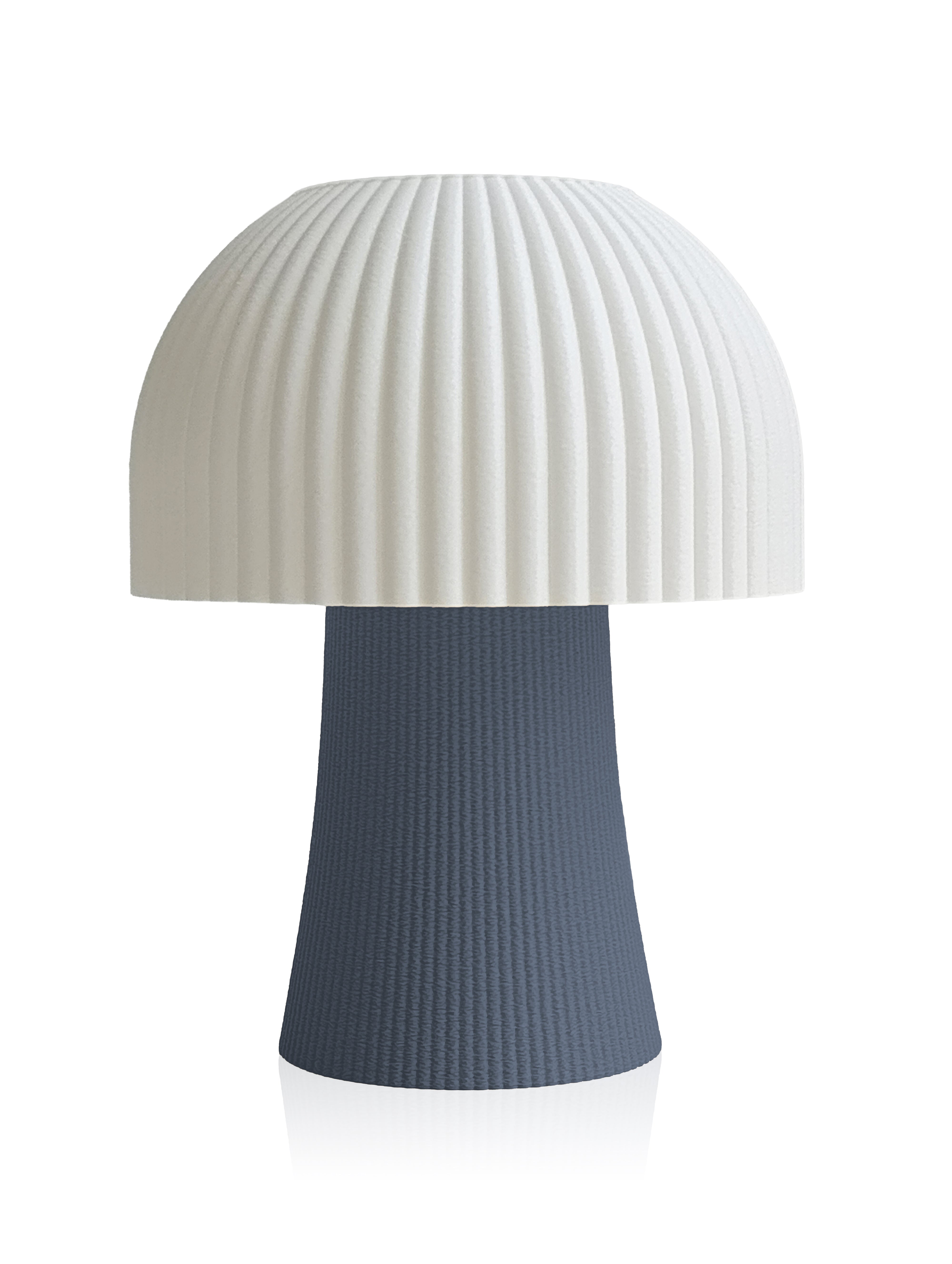
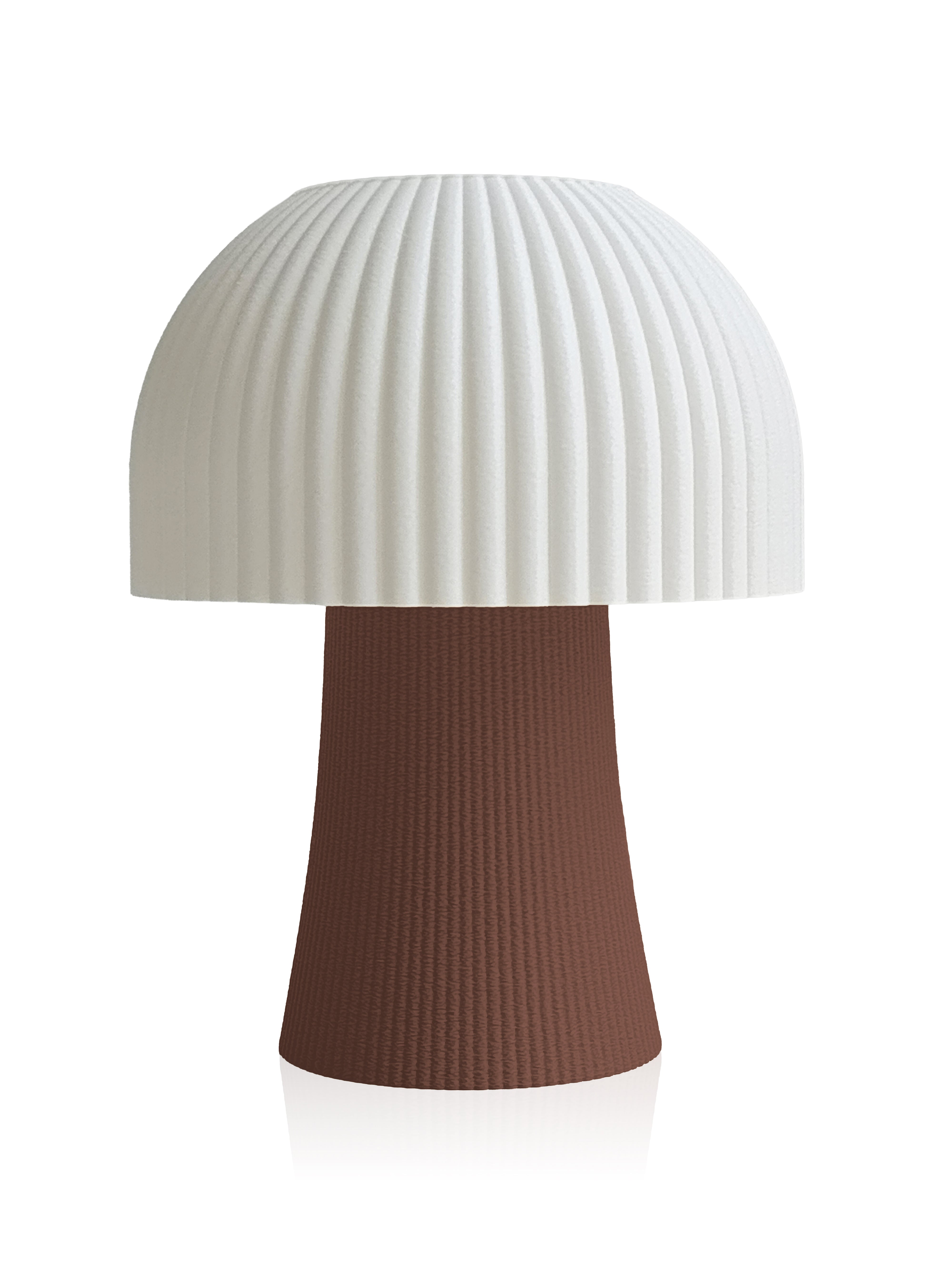
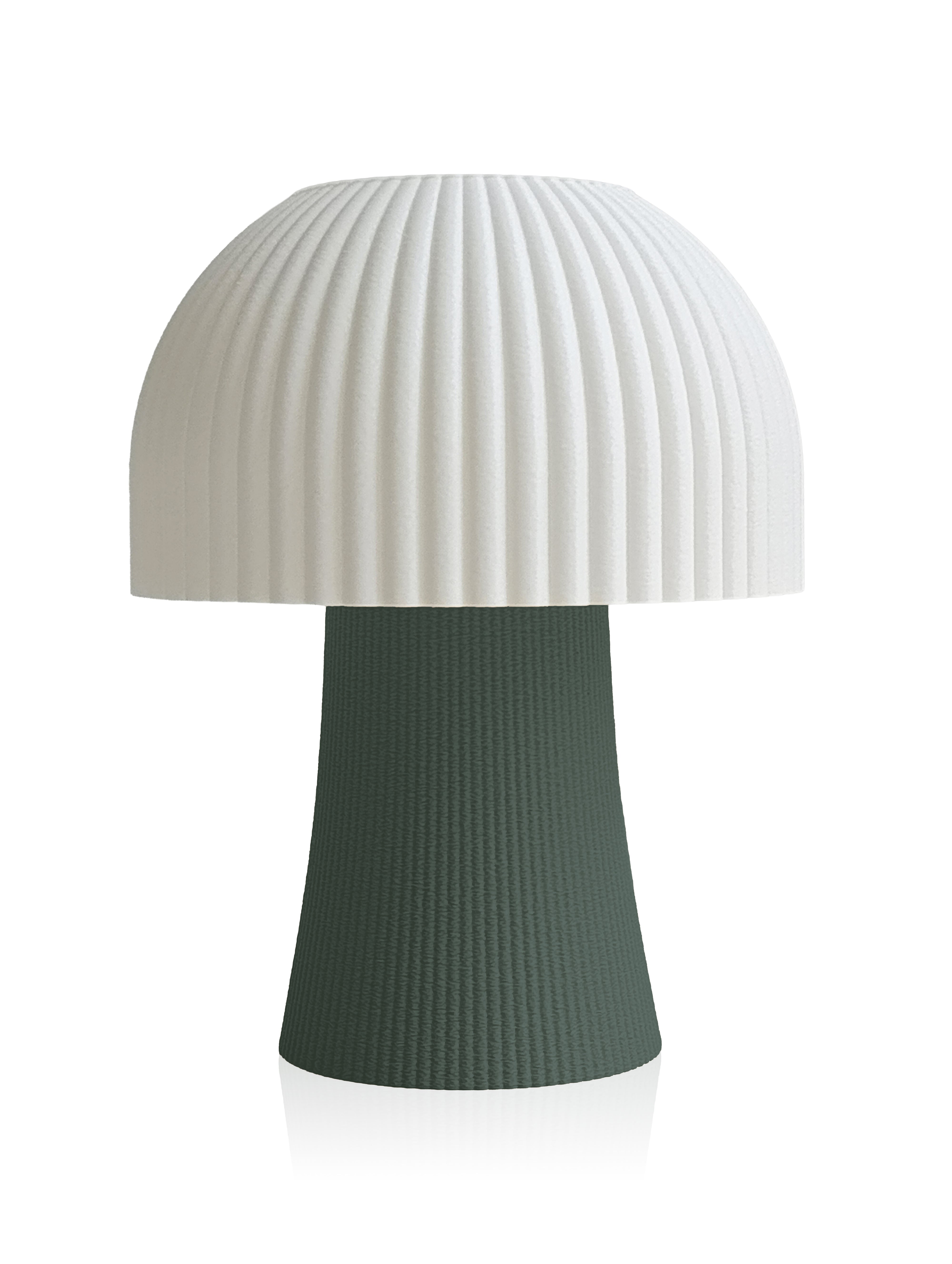
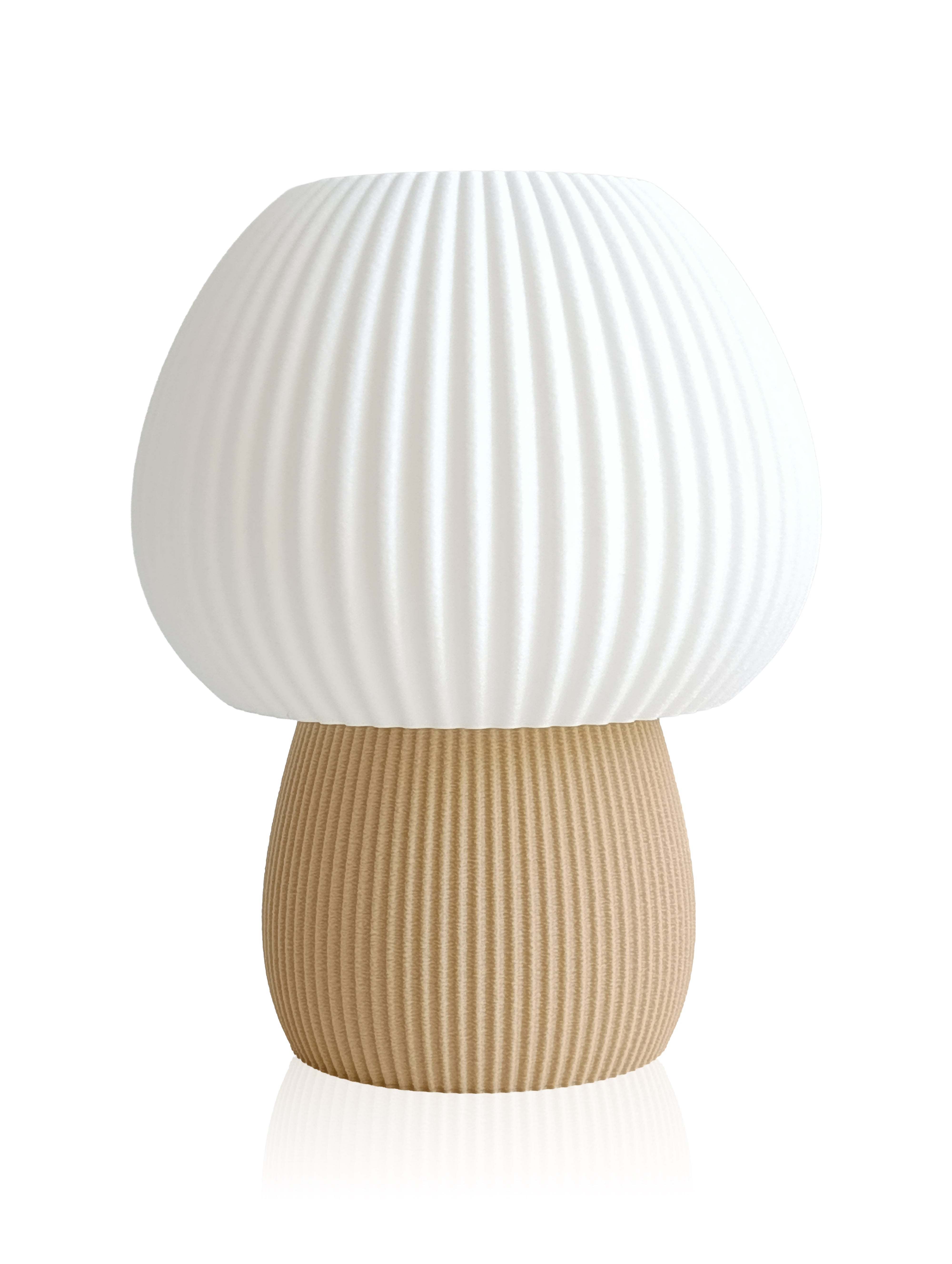
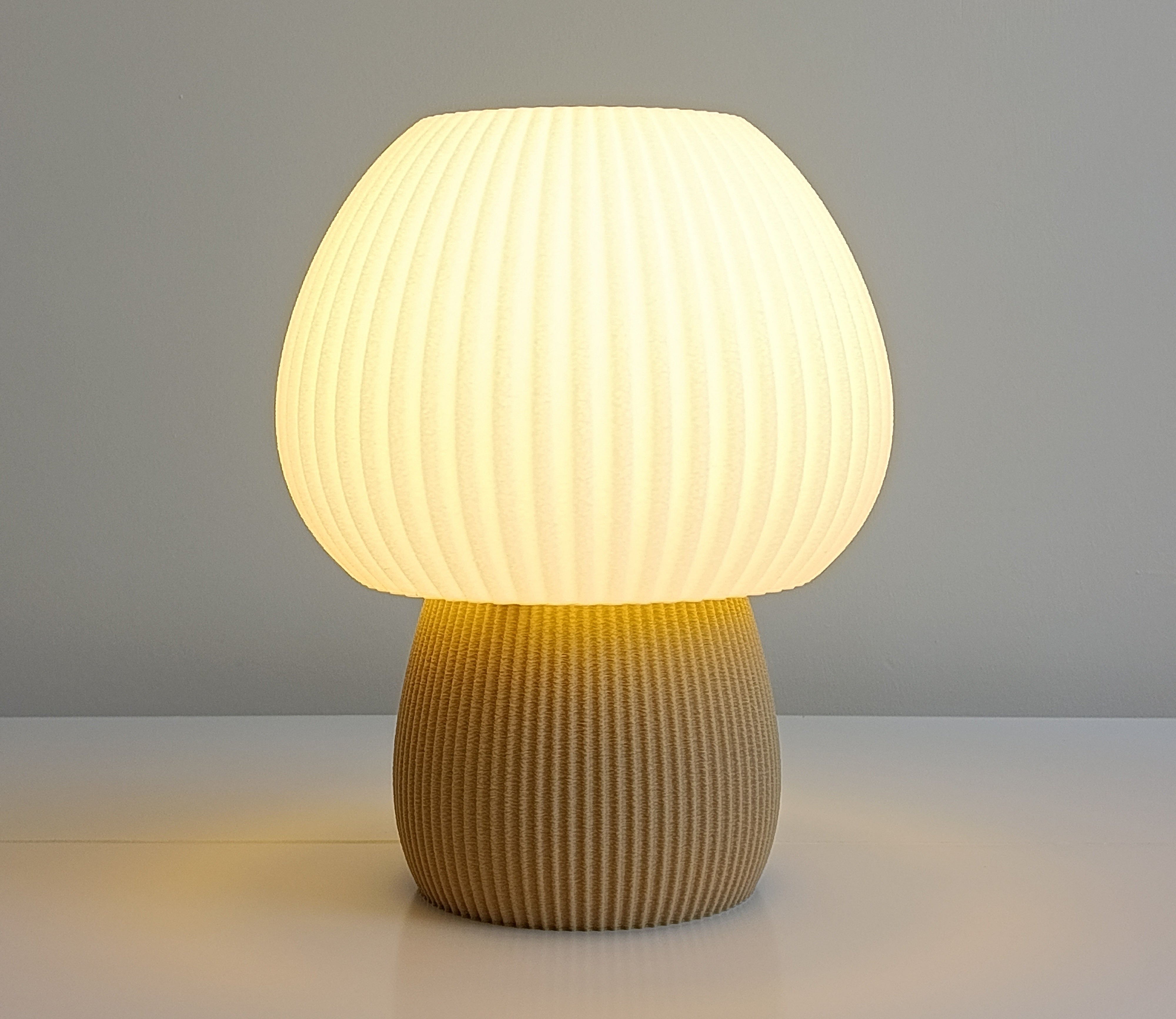
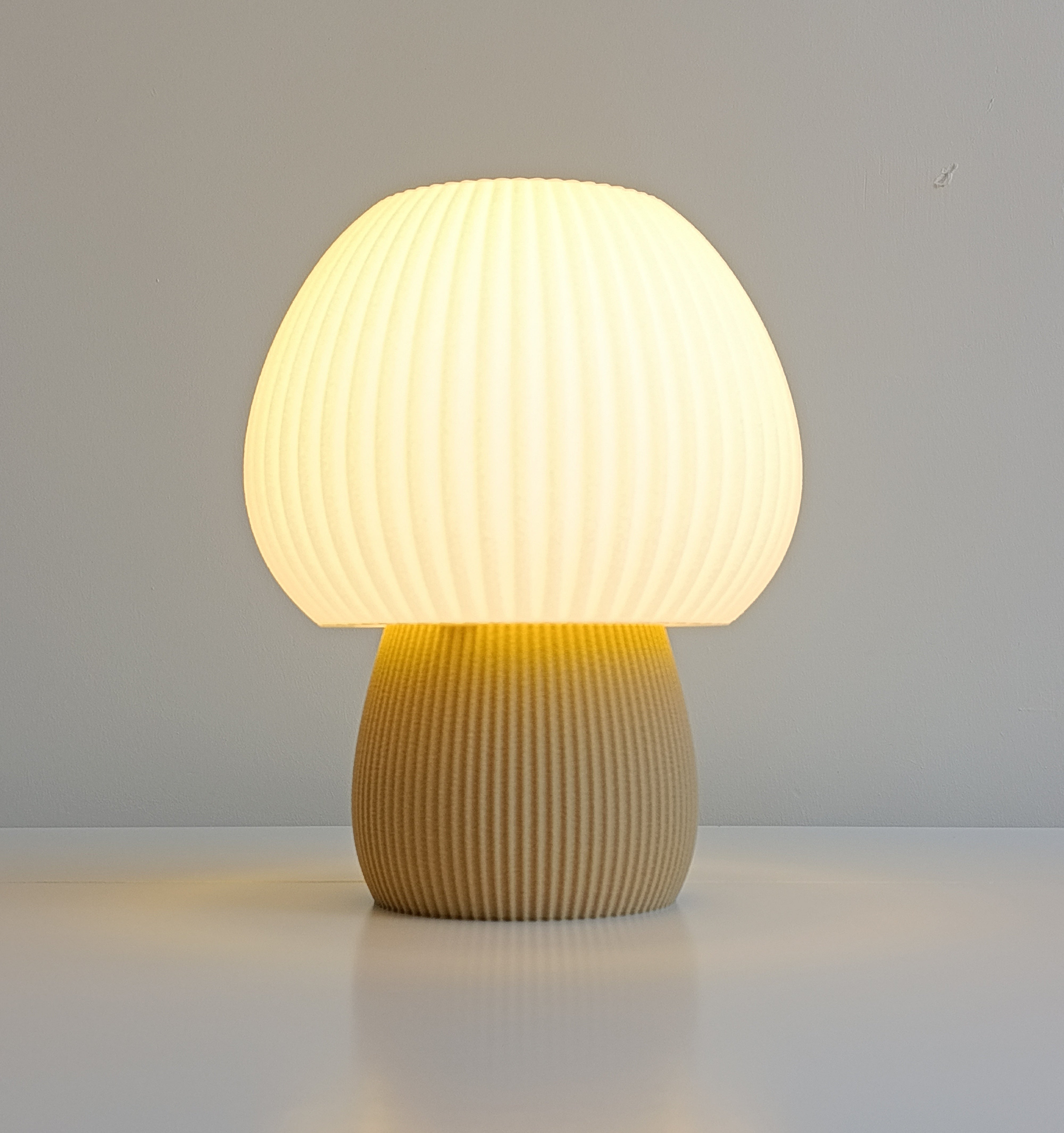
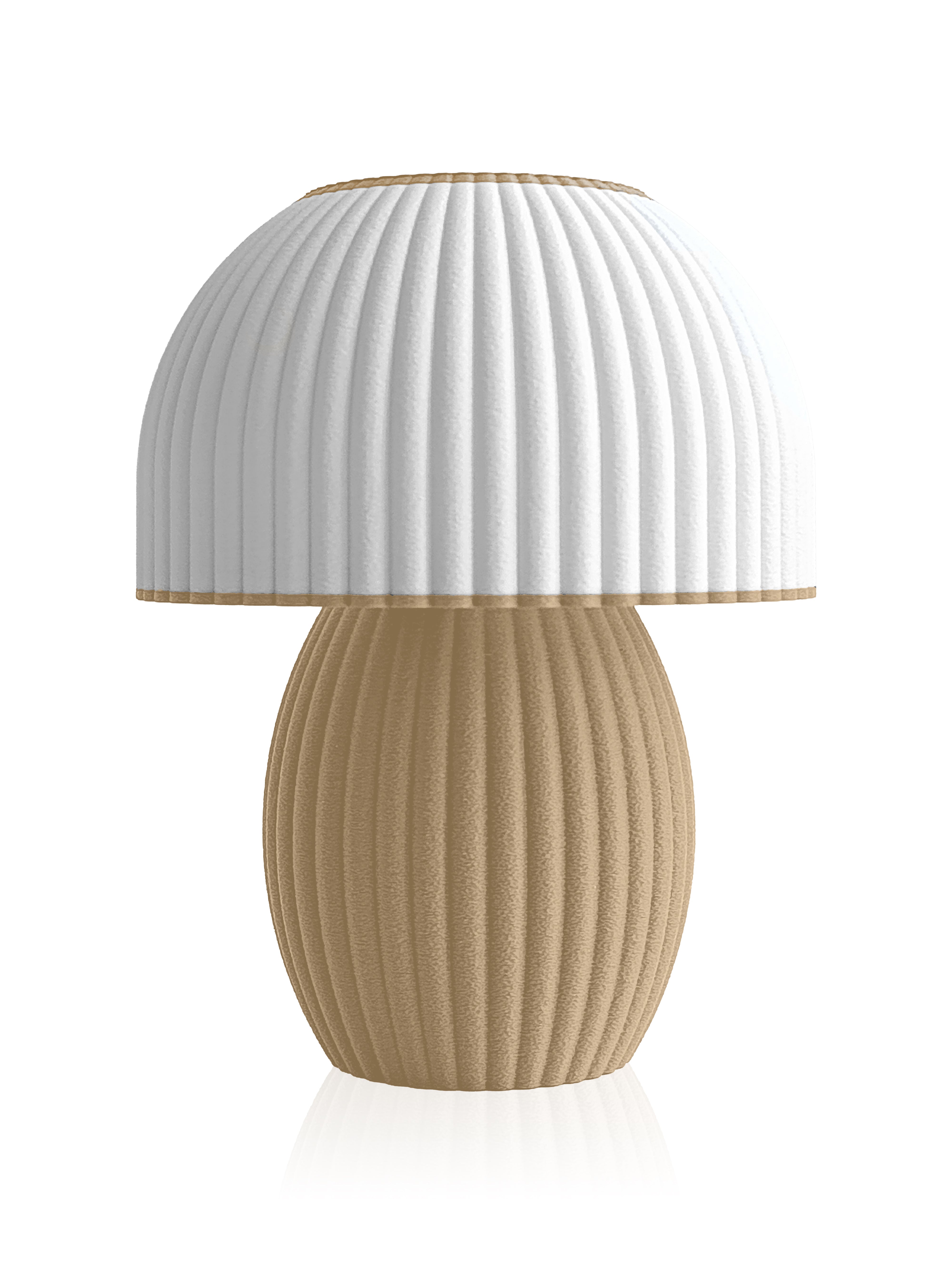
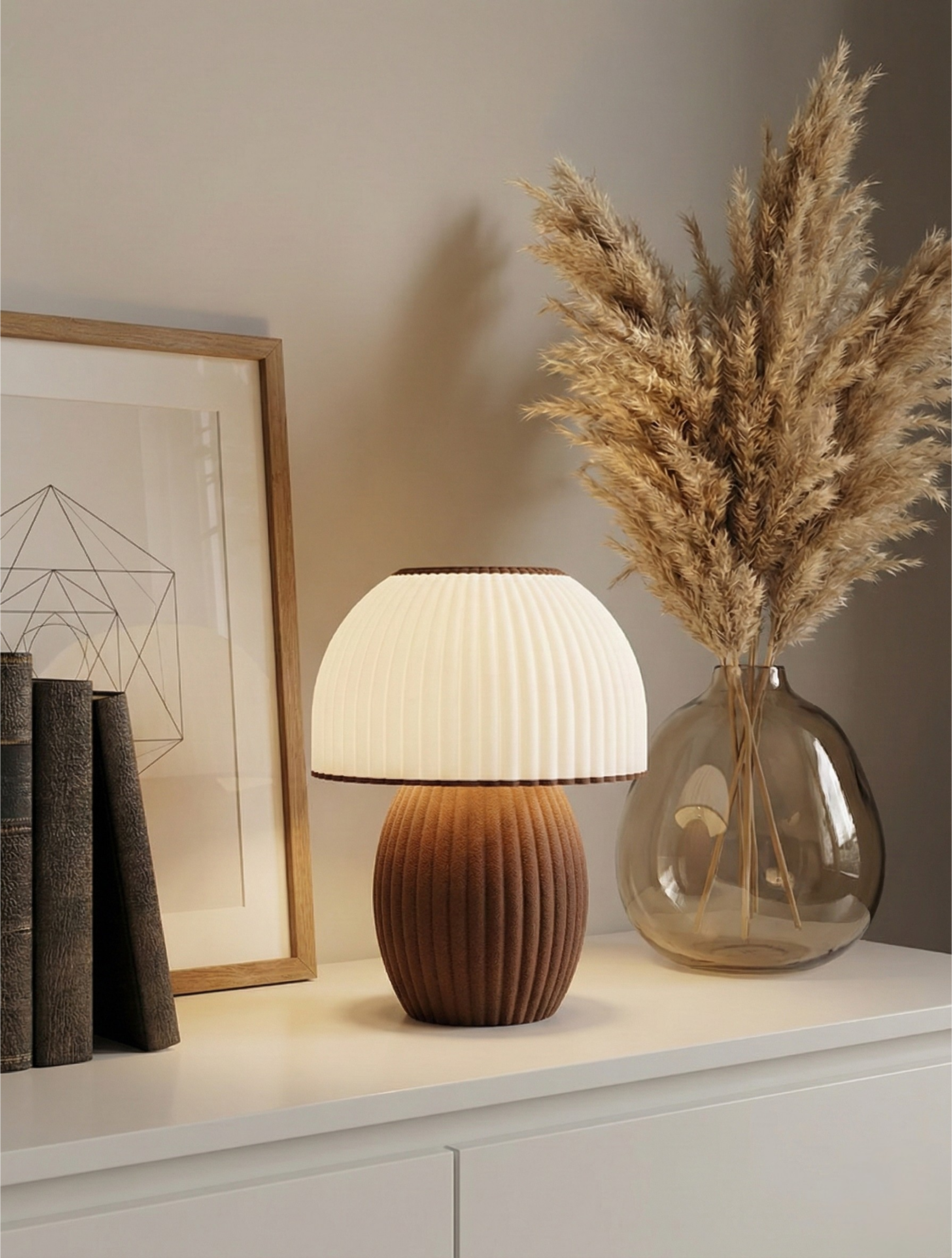
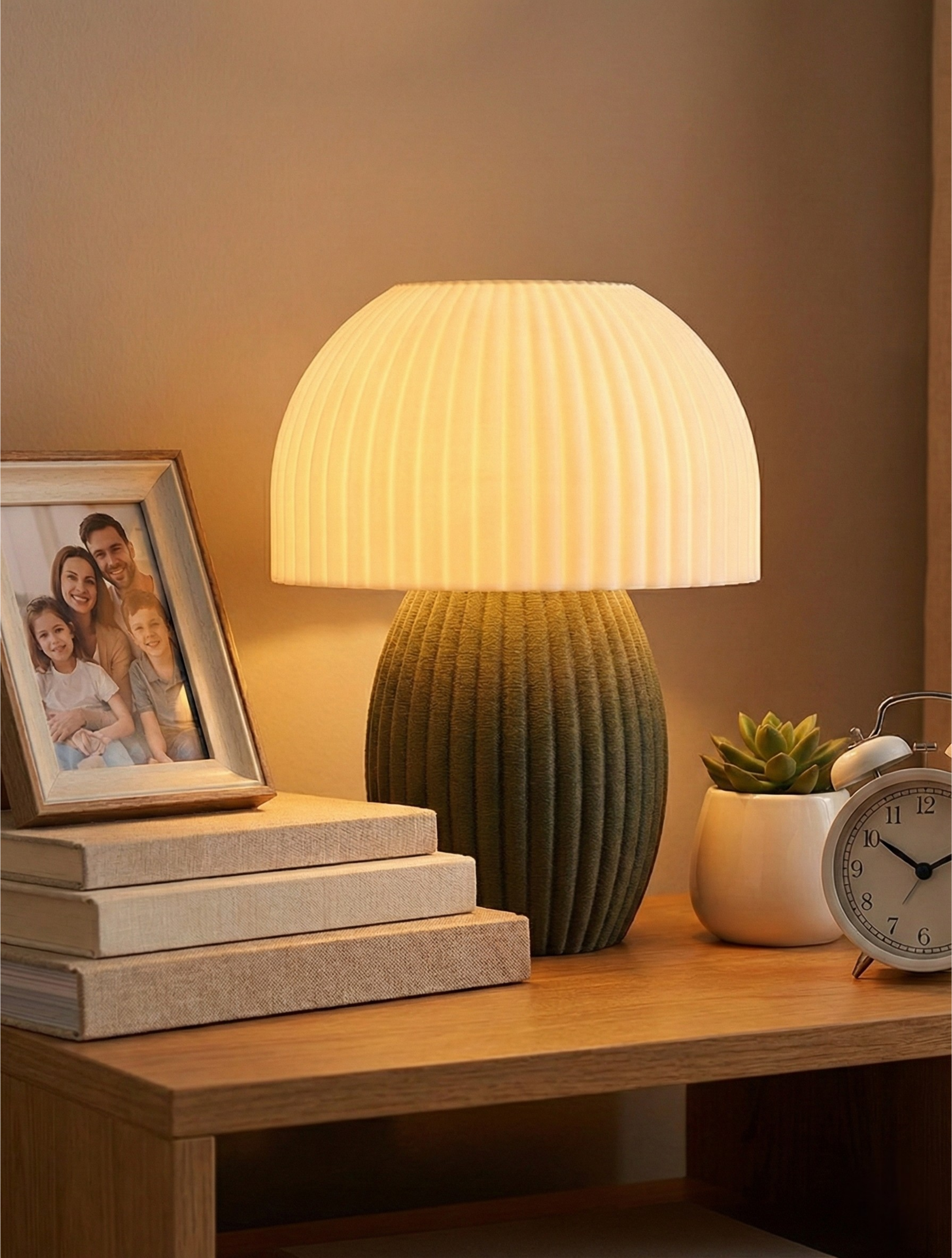
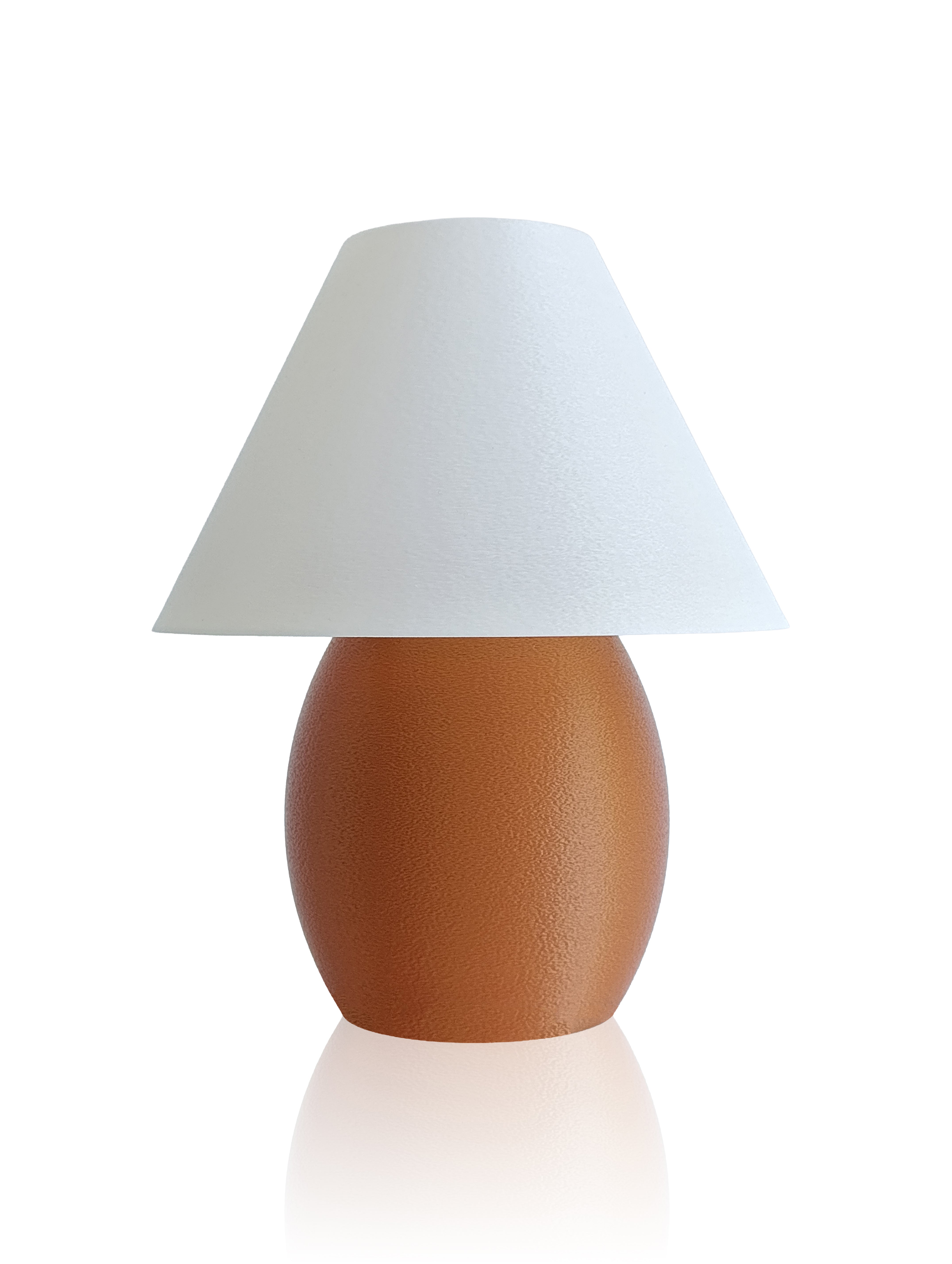
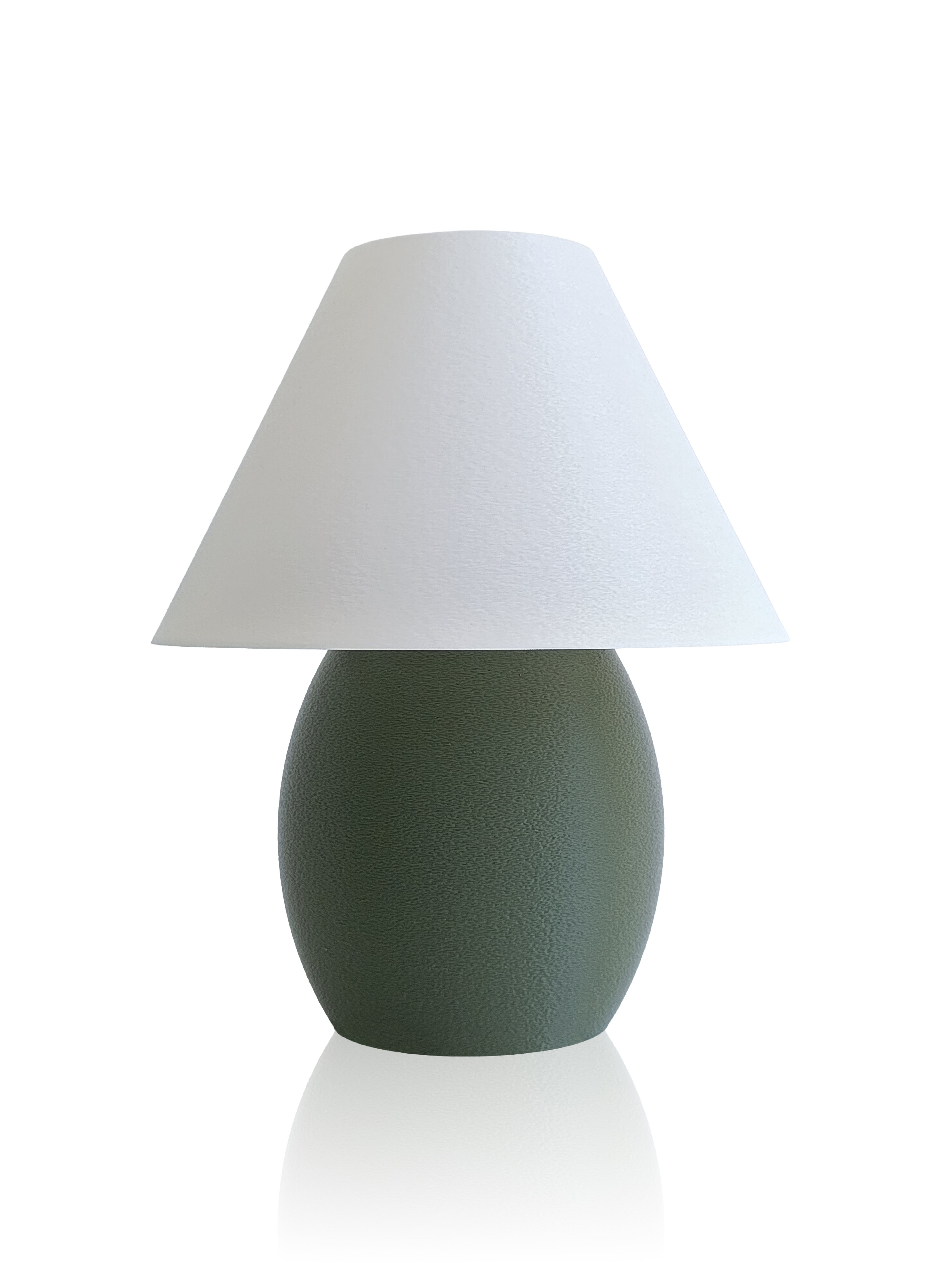
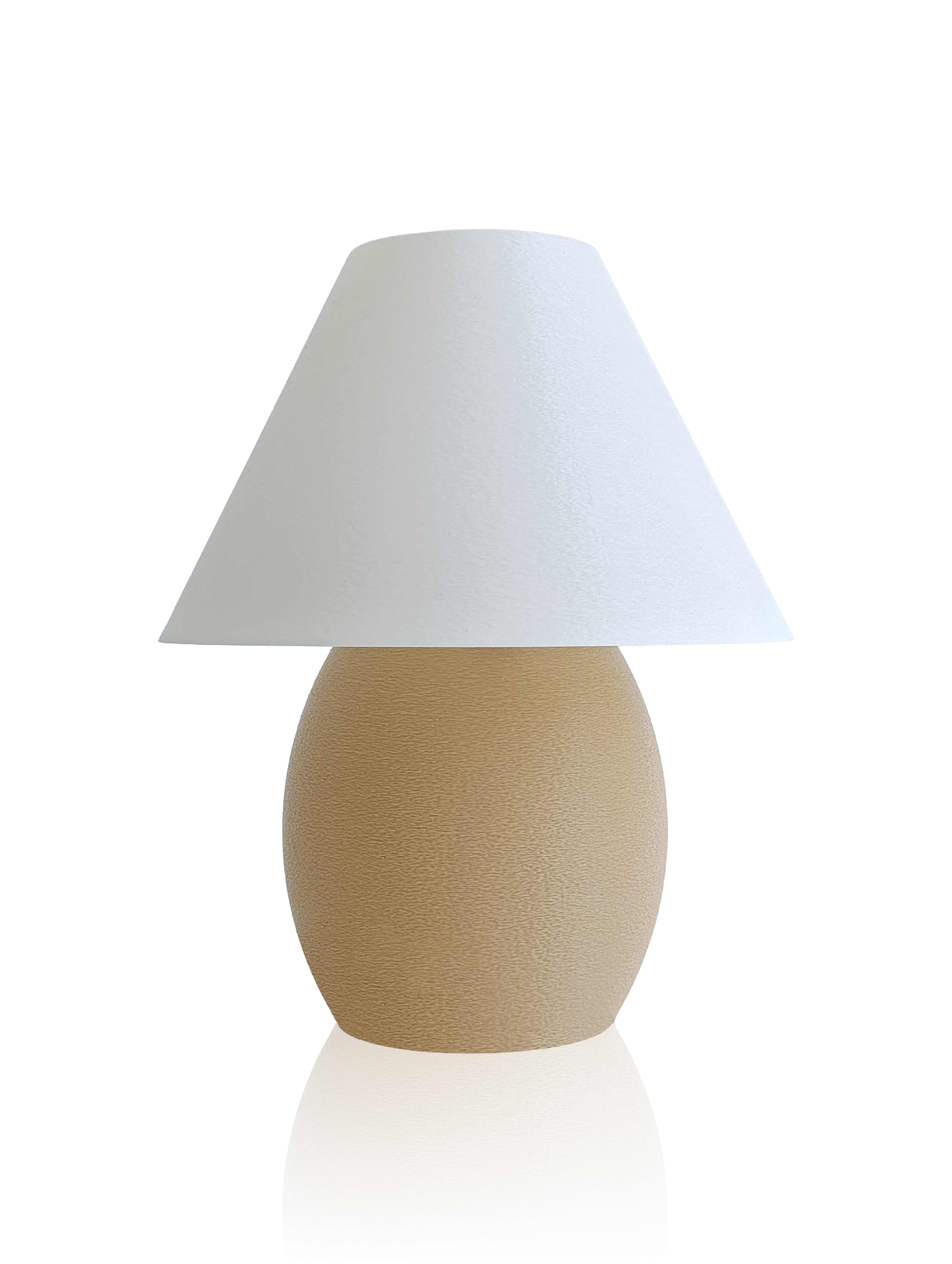
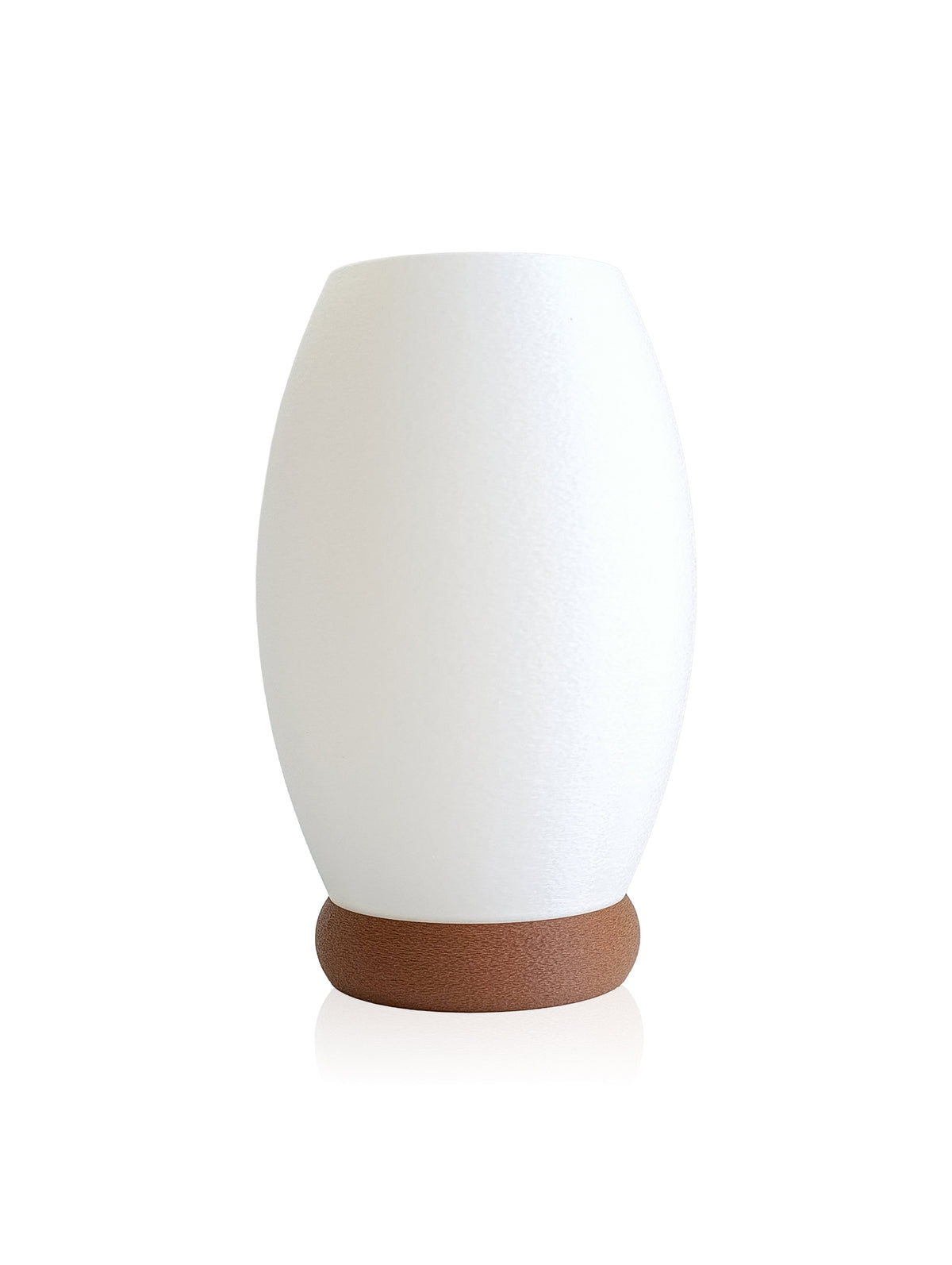
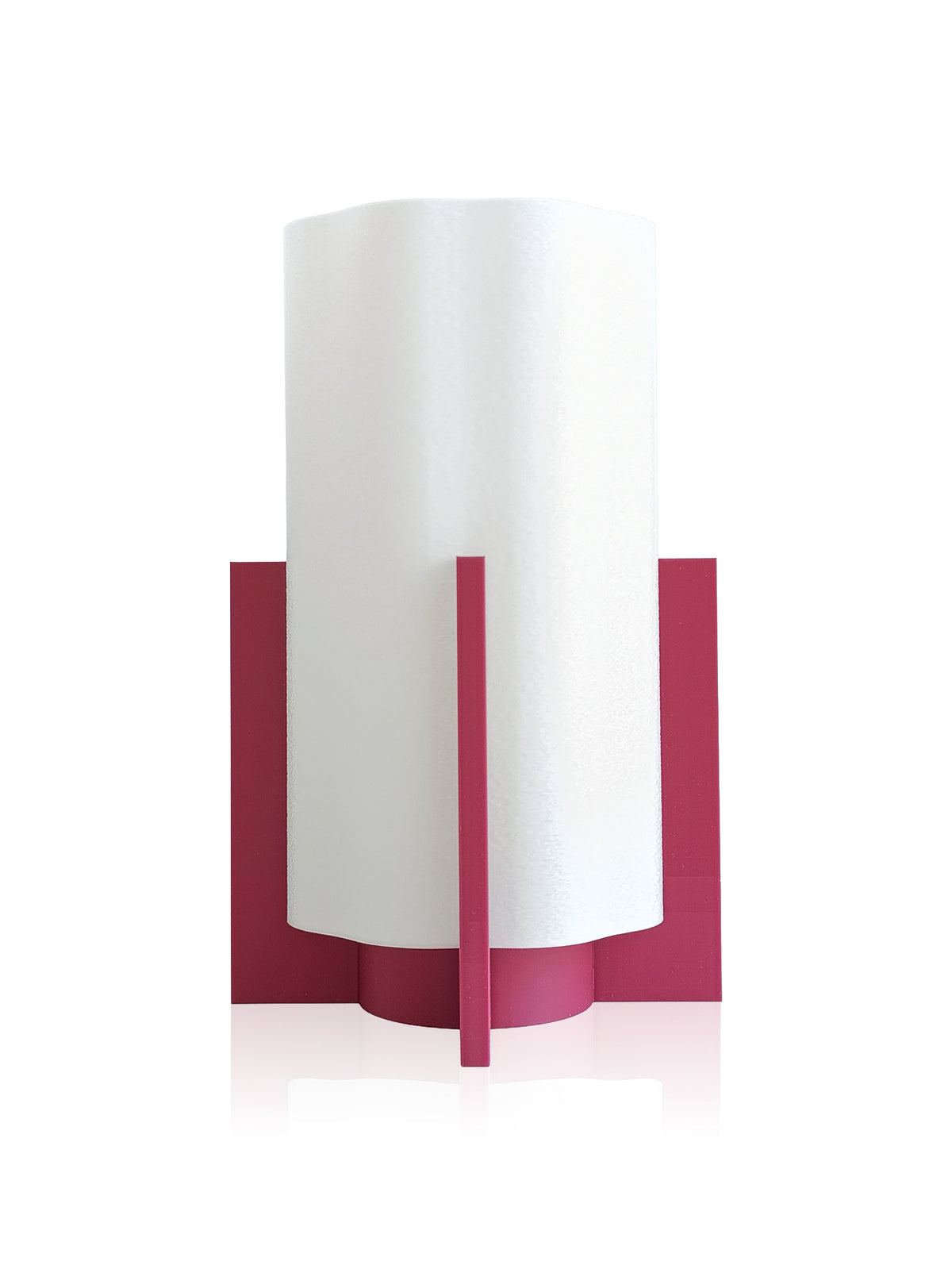
The FRILOON US collection offers fixtures designed with this layered approach in mind—warm, dimmable options that allow you to adjust intensity throughout your evening routine. Starting bright enough for dinner preparation, then gradually dimming as you move toward bedtime, your lighting can actively support your circadian rhythm rather than work against it.
Color Temperature and the Science of Night Light
Not all light is created equal when night falls. Color temperature, measured in Kelvin (K), directly affects how your body responds. Daylight sits around 5000-6500K; warm interior light typically ranges from 2700-3000K; and the softest, most sleep-friendly lighting hovers around 2200-2700K.
For nighttime use, aim for warm color temperatures—the lower the Kelvin number, the warmer and more amber-toned the light. This wavelength is less likely to suppress melatonin, making it ideal for evening spaces like bedrooms, bathrooms, and living areas where you wind down. The FRILOON Line provides this warm spectrum in various fixture styles, allowing you to maintain visual safety while honoring your body's natural preparation for sleep.
Room-by-Room Night Lighting Strategy
Different rooms require different approaches:
- Bedrooms: Prioritize dimmable, warm-toned fixtures. Bedside task lighting should be low and easily controlled without leaving bed. Avoid bright overhead lights entirely.
- Bathrooms: Install layered lighting with dimmer capability. Nighttime bathroom trips should be manageable without activating full brightness, which can jolt you awake.
- Hallways and stairs: Low-level pathway lighting or motion-activated fixtures prevent falls without creating visual disruption.
- Living spaces: Combine dimmable ambient light with localized task lighting for reading or evening activities, gradually reducing intensity as bedtime approaches.
- Kitchens: Under-cabinet or low-level ambient lighting allows safe navigation without the jarring effect of full overhead illumination.
Frequently Asked Questions
What's the ideal color temperature for nighttime lighting?
The ideal color temperature for nighttime lighting is between 2200-2700K (warm, amber-toned light). This wavelength minimizes melatonin suppression and supports your body's natural sleep preparation, while still providing sufficient visibility for safety.
Should I use dimmer switches throughout my home?
Yes, dimmer switches are highly recommended for nighttime-friendly design. They allow you to adjust light intensity based on your activity and time of evening, gradually reducing brightness as you approach bedtime while maintaining safety and flexibility.
Is it safe to use only low-level lighting at night?
Low-level lighting works well for familiar spaces and regular movement, but strategic placement is key. Combine ambient low-level light with task lighting in areas where you need visibility (stairs, bathrooms, reading spaces) to balance both safety and circadian wellness.
Closing: Light as Part of Home Wellness
Night lighting is more than a functional afterthought—it's an integral part of how your home supports your wellbeing. When you thoughtfully design illumination for evening and nighttime use, you're making a choice to honor both safety and rest. The goal is a home that feels secure, navigable, and genuinely restful; a space that understands the rhythms of your day and responds with intention.
Start by auditing your current nighttime lighting. Which rooms feel safe? Which feel harsh or disorienting? From there, layer in warm-toned fixtures, add dimmer capability where possible, and create pathways of gentle light that guide rather than startle. Your home at night can be both a sanctuary and a safe haven.







Share:
Light and Spatial Perception: How Lighting Affects Room Size
Light Temperature and Color Selection: Proper Lighting for Decor Colors