

Mirrors and Light Relationship: Design Secrets That Multiply Lighting

The relationship between mirrors and light is one of interior design's most underrated secrets. When thoughtfully placed, mirrors don't just reflect your image—they amplify both natural and artificial light throughout your home, creating spaces that feel larger, brighter, and more intentionally lit. Understanding this mirrors and light relationship is essential for anyone looking to enhance their space with warmth and intention. Whether you're working with abundant sunlight or layering artificial sources, mirrors become your quiet allies in designing a home that feels alive.
How Mirrors Amplify Light in Your Space
Mirrors work by reflecting light waves back into a room, effectively multiplying the brightness without requiring additional light sources. When sunlight enters a room and hits a mirror, it bounces back into the space, distributing illumination to corners and areas that might otherwise remain dim. This principle applies equally to artificial lighting—a well-positioned mirror can double the perceived brightness of a lamp or overhead fixture by capturing and redirecting its rays.
The effectiveness depends on several factors: mirror size, placement angle, and the quality of the reflective surface. A large, well-maintained mirror positioned opposite a window will maximize natural light distribution, while smaller mirrors strategically placed near lighting fixtures can create pockets of brightness. The key is understanding your room's light sources and placing mirrors to create a dialogue between illumination and reflection.
- Mirrors opposite windows multiply natural light by 30-40%
- Reflective surfaces bounce light into shadowed corners
- Mirror quality matters—clear glass reflects more effectively than antiqued or tinted mirrors
- Placement angle determines which areas receive reflected light
Strategic Mirror Placement for Optimal Light Distribution
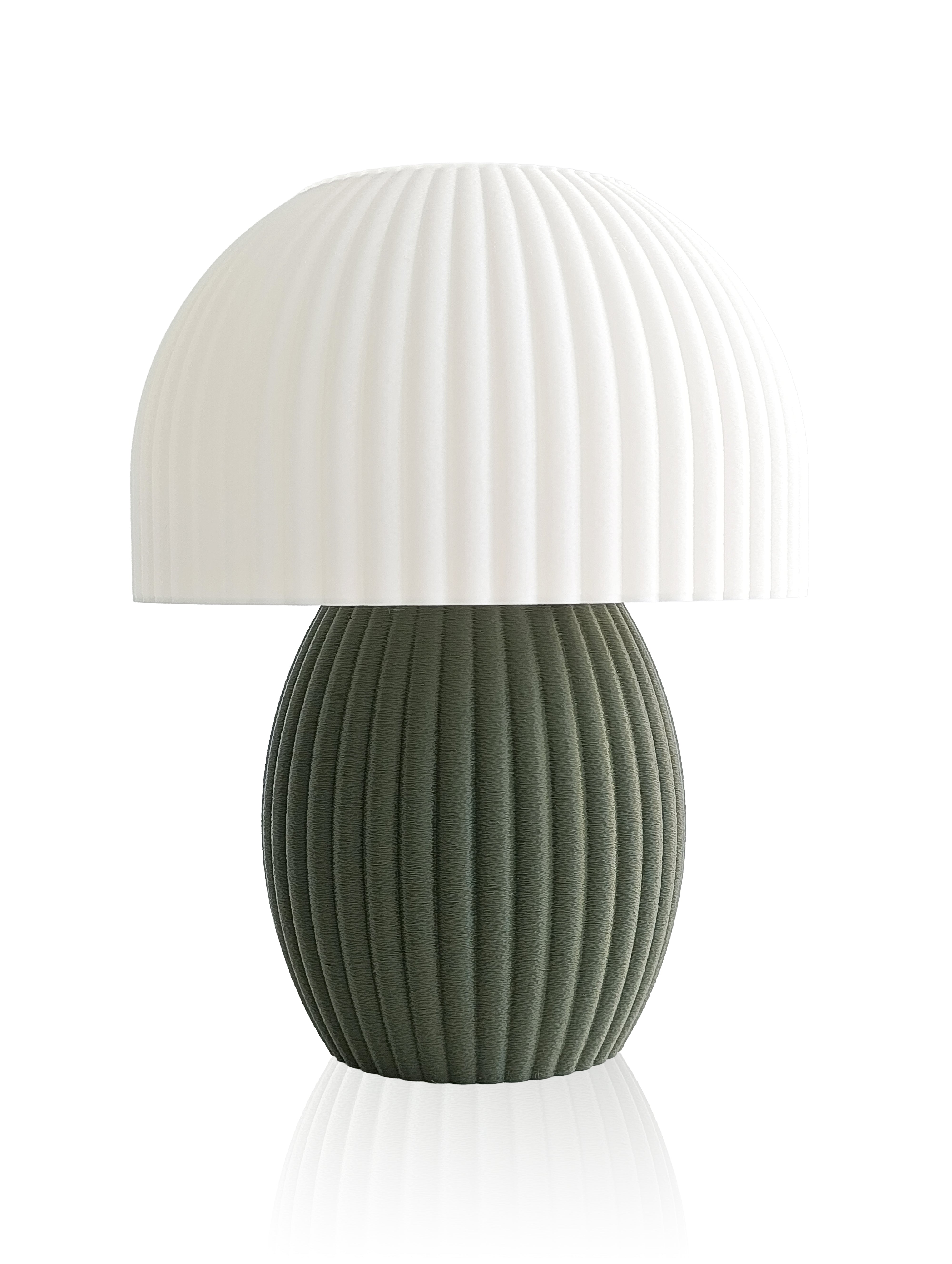
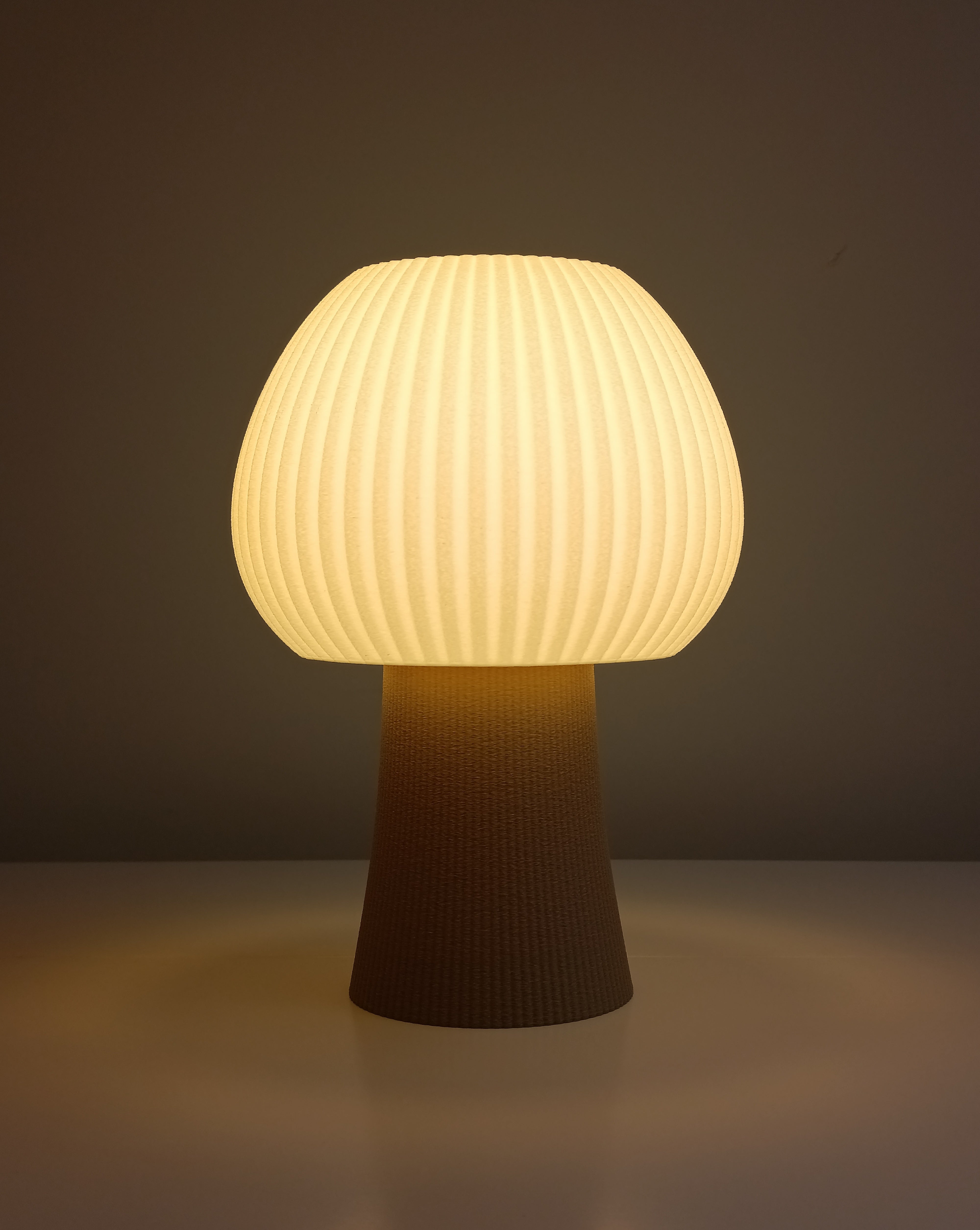
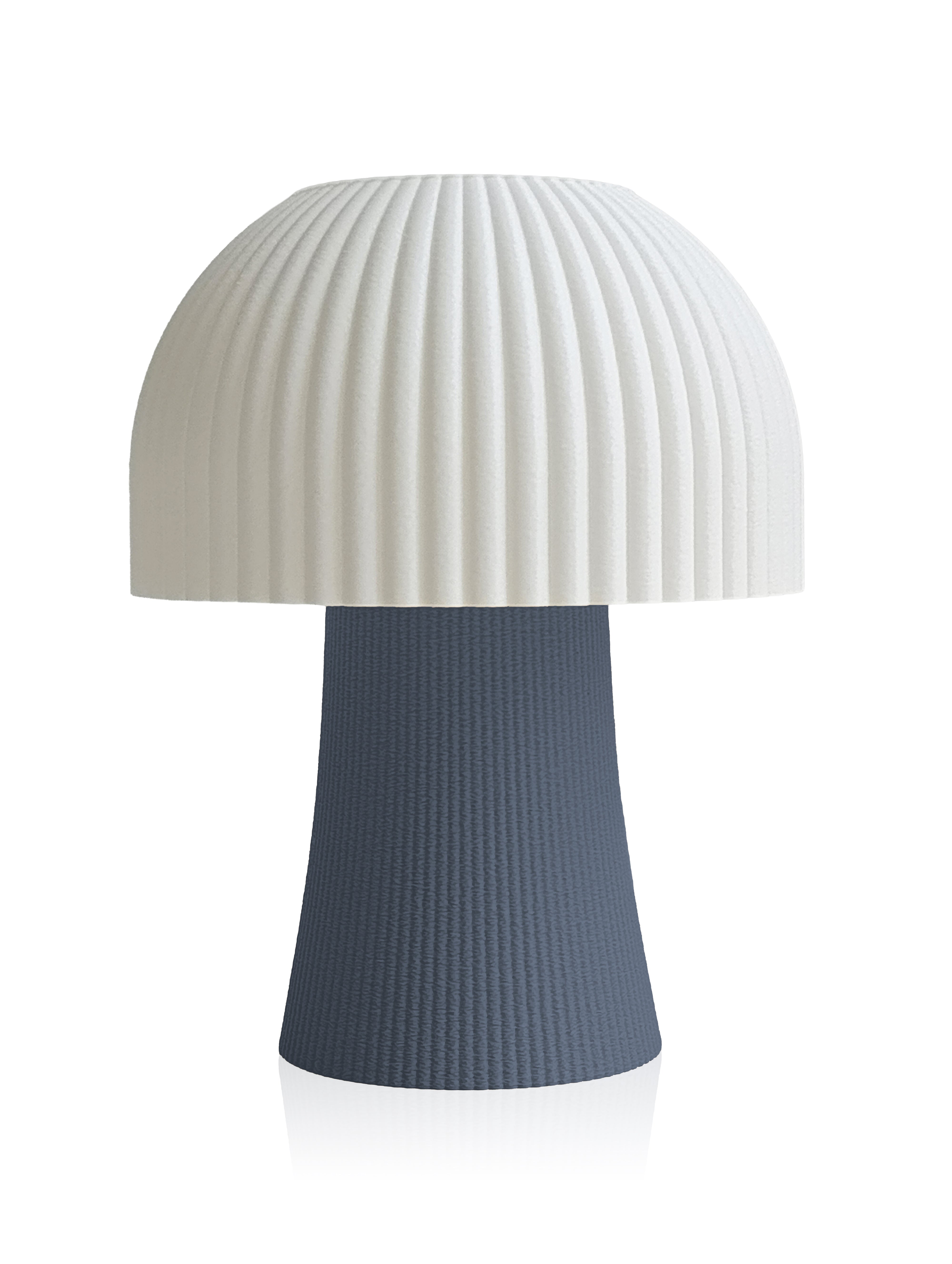
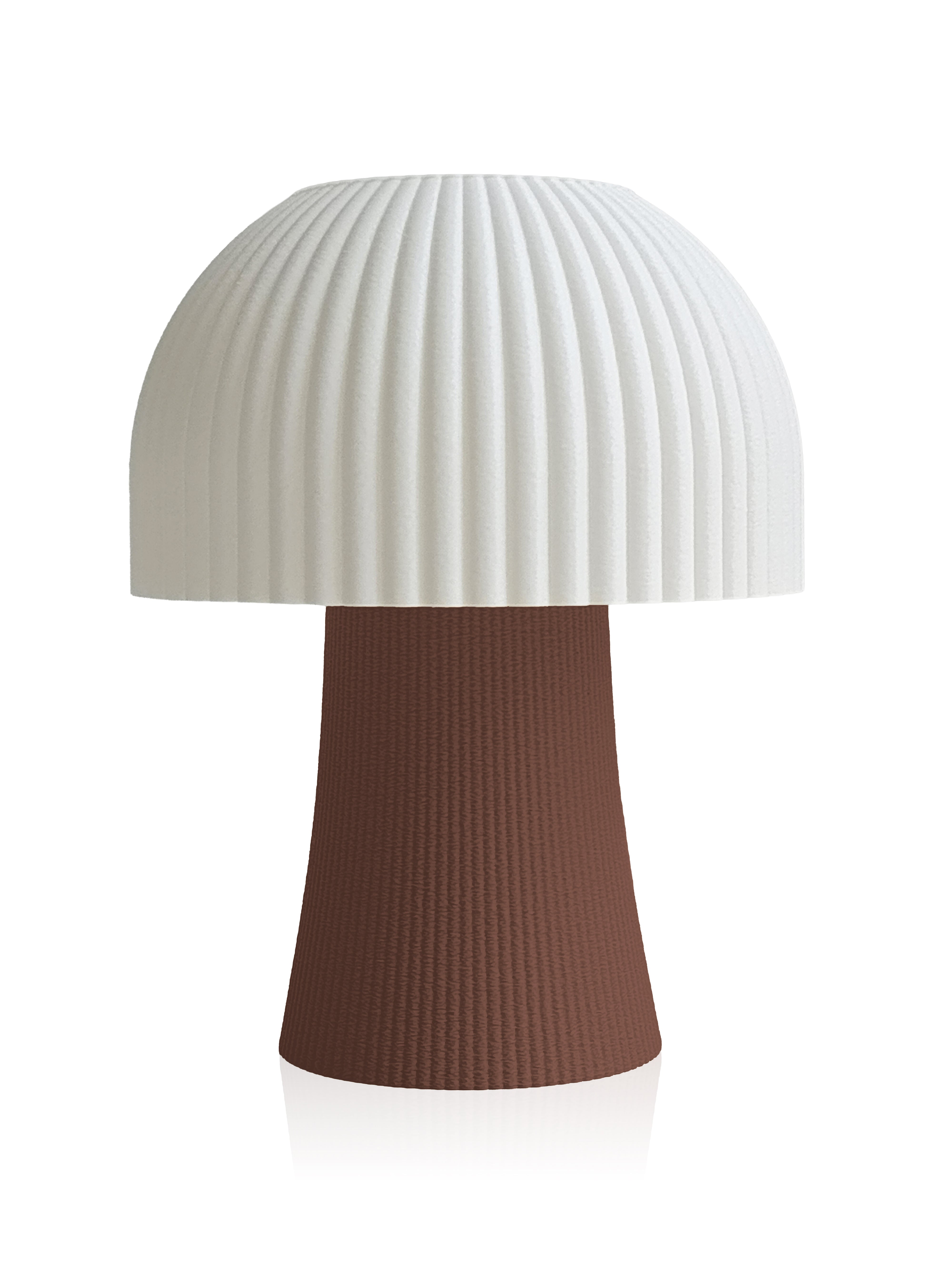
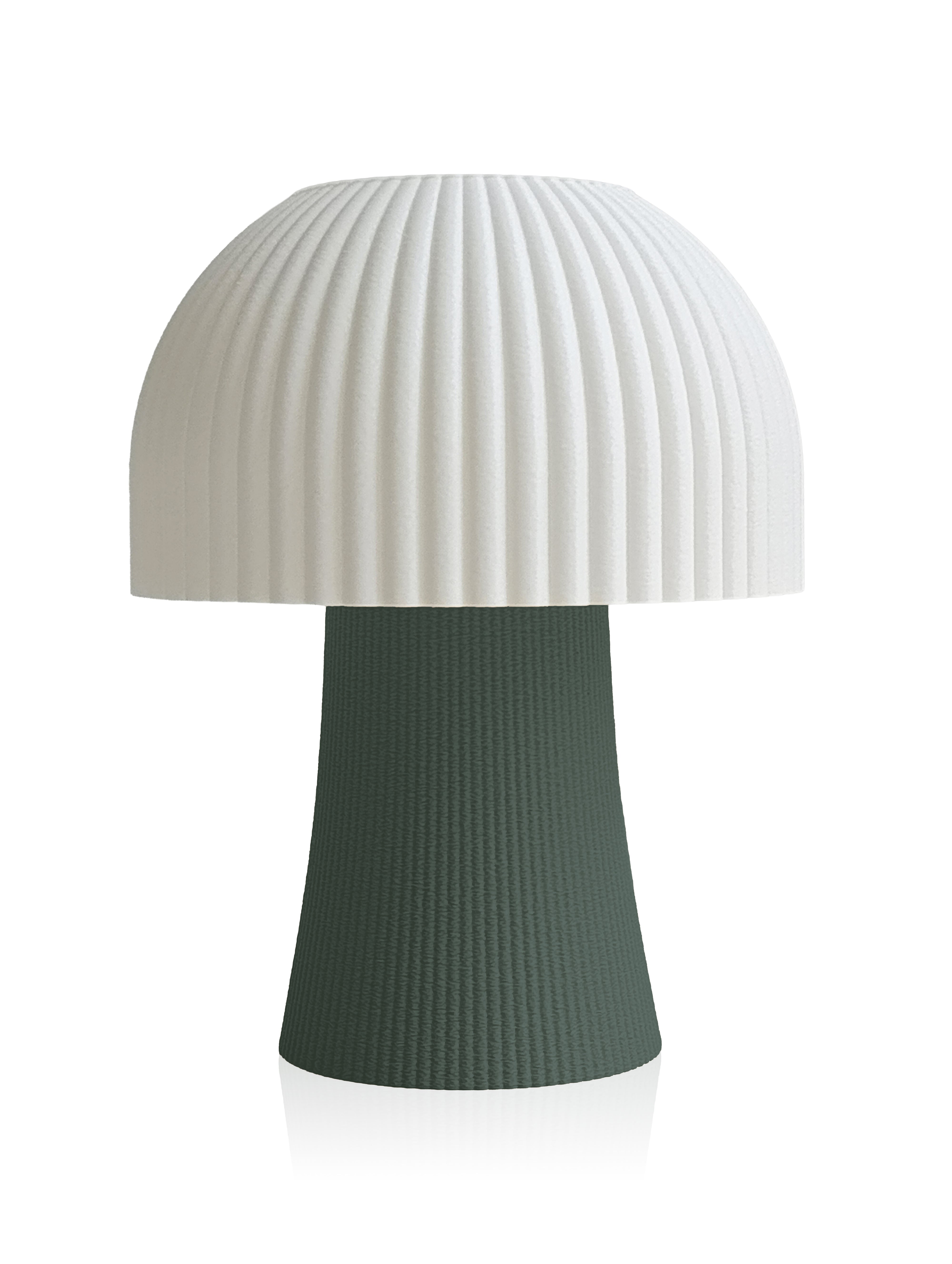
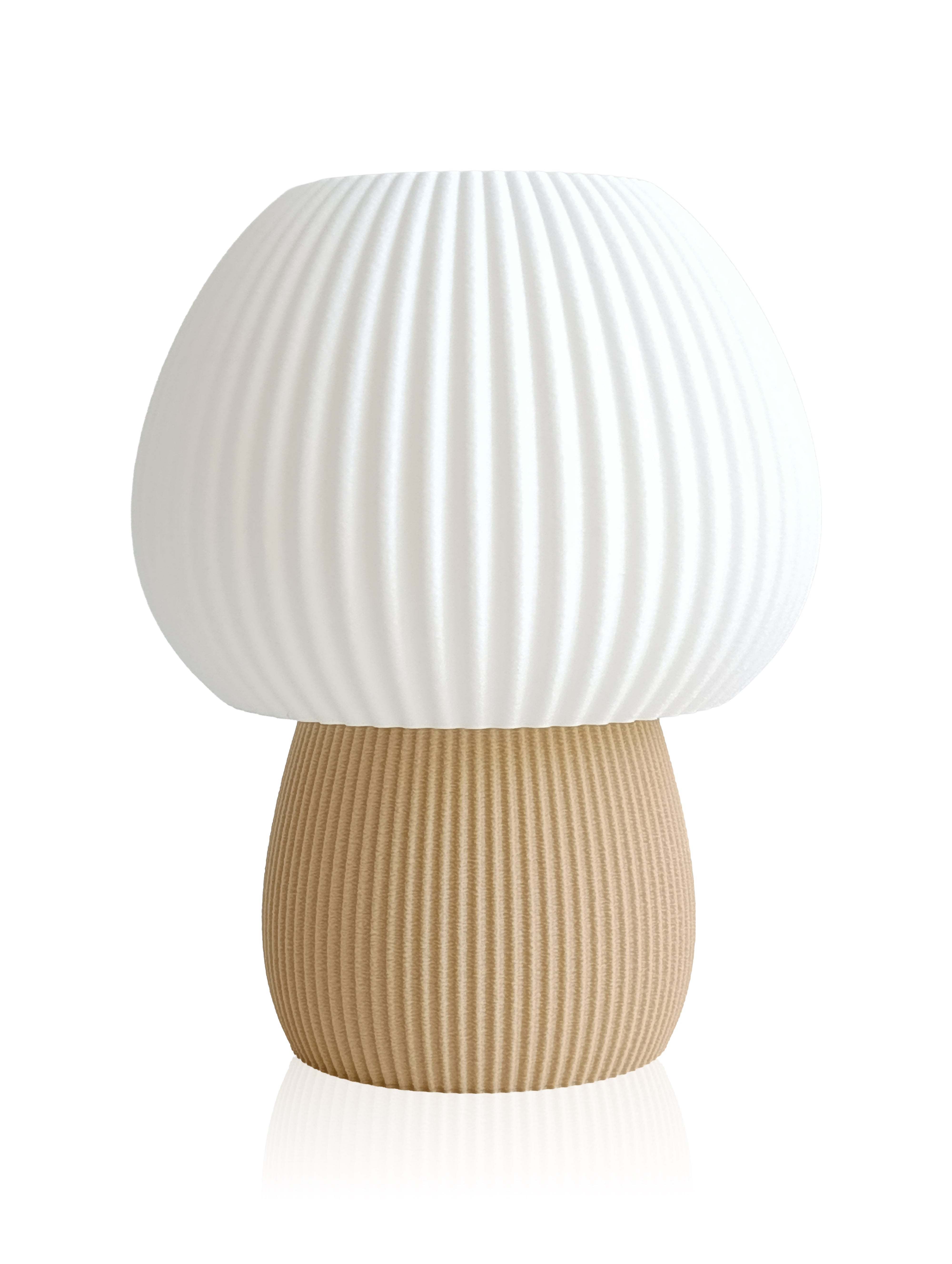
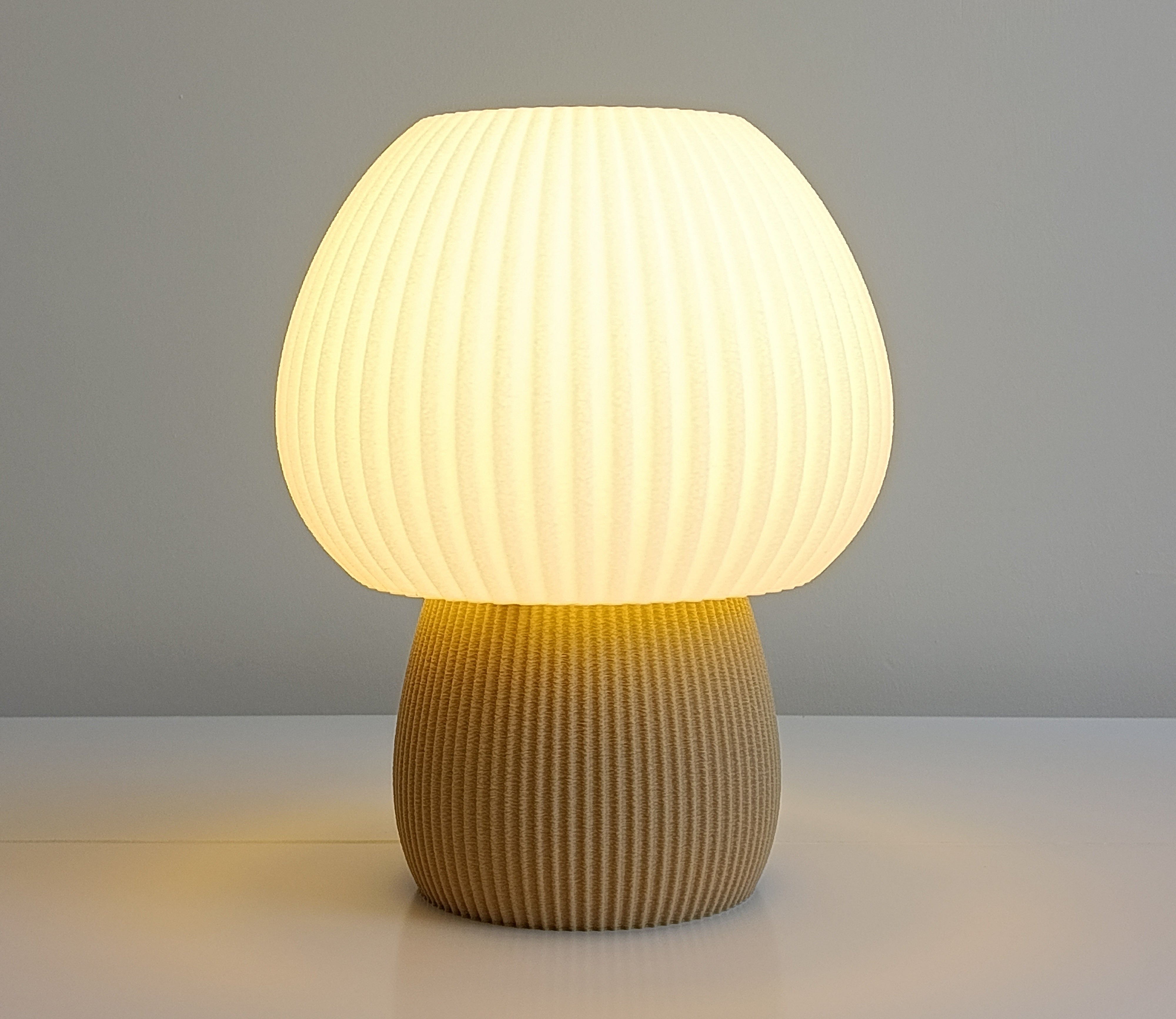
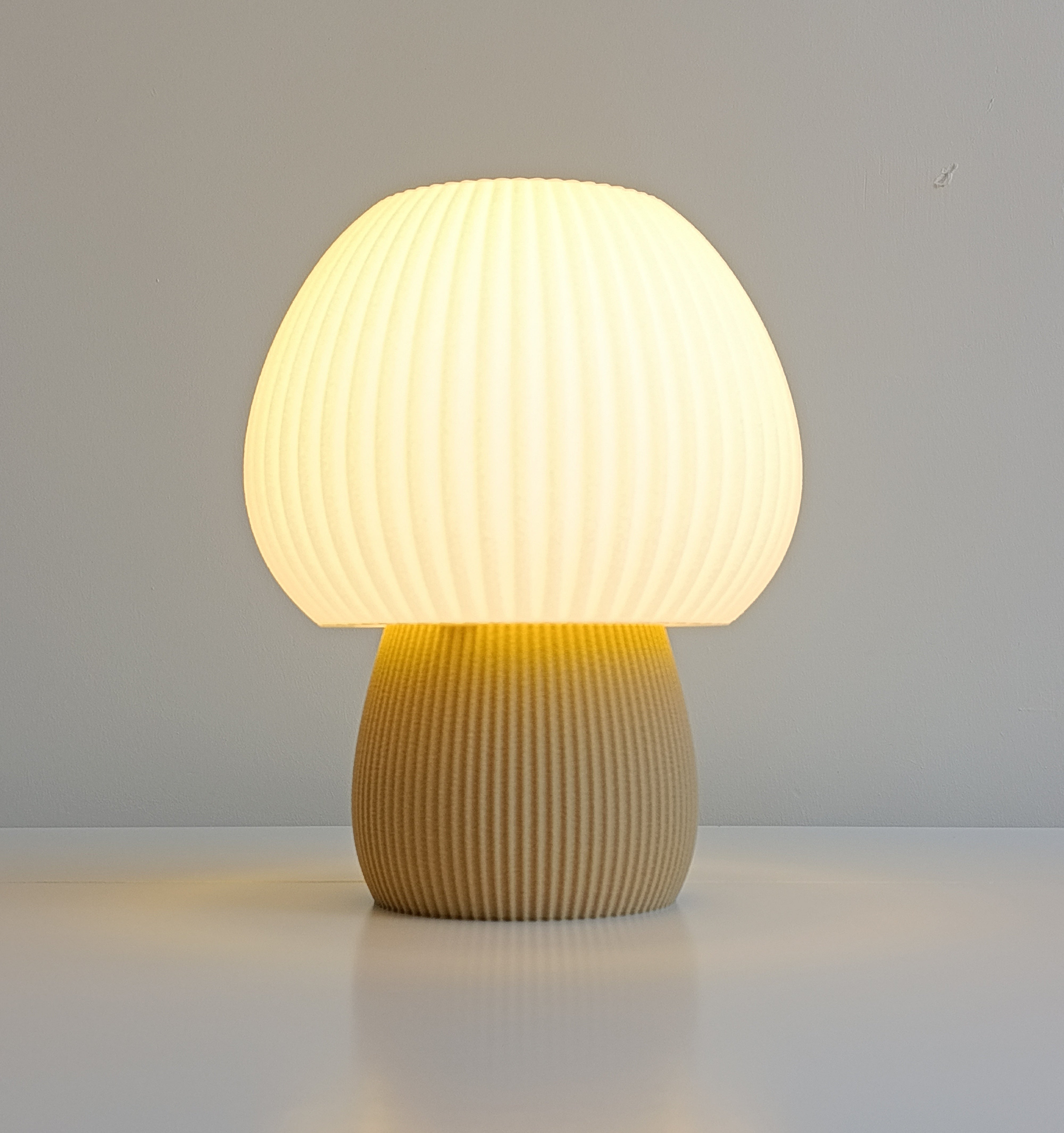
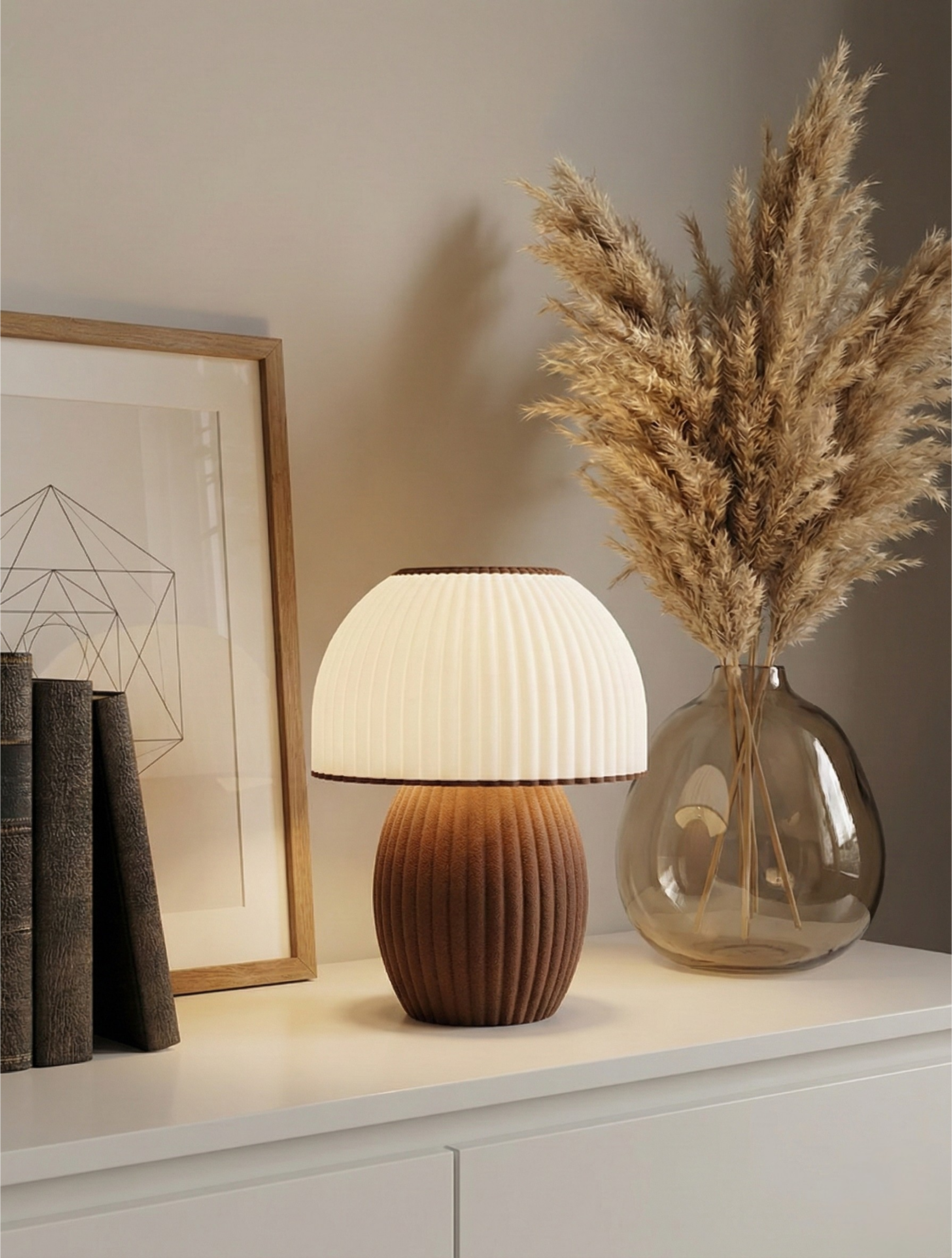
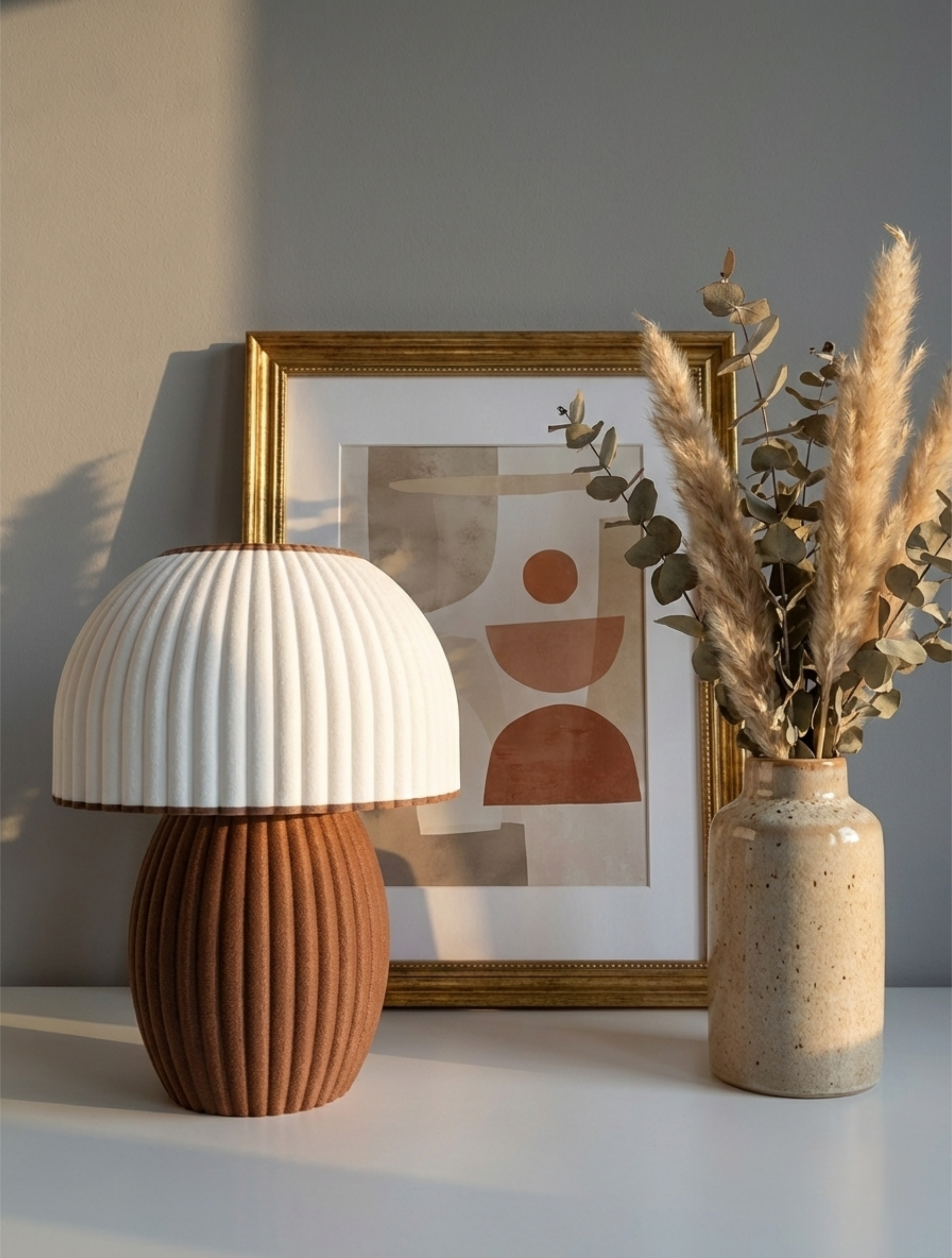
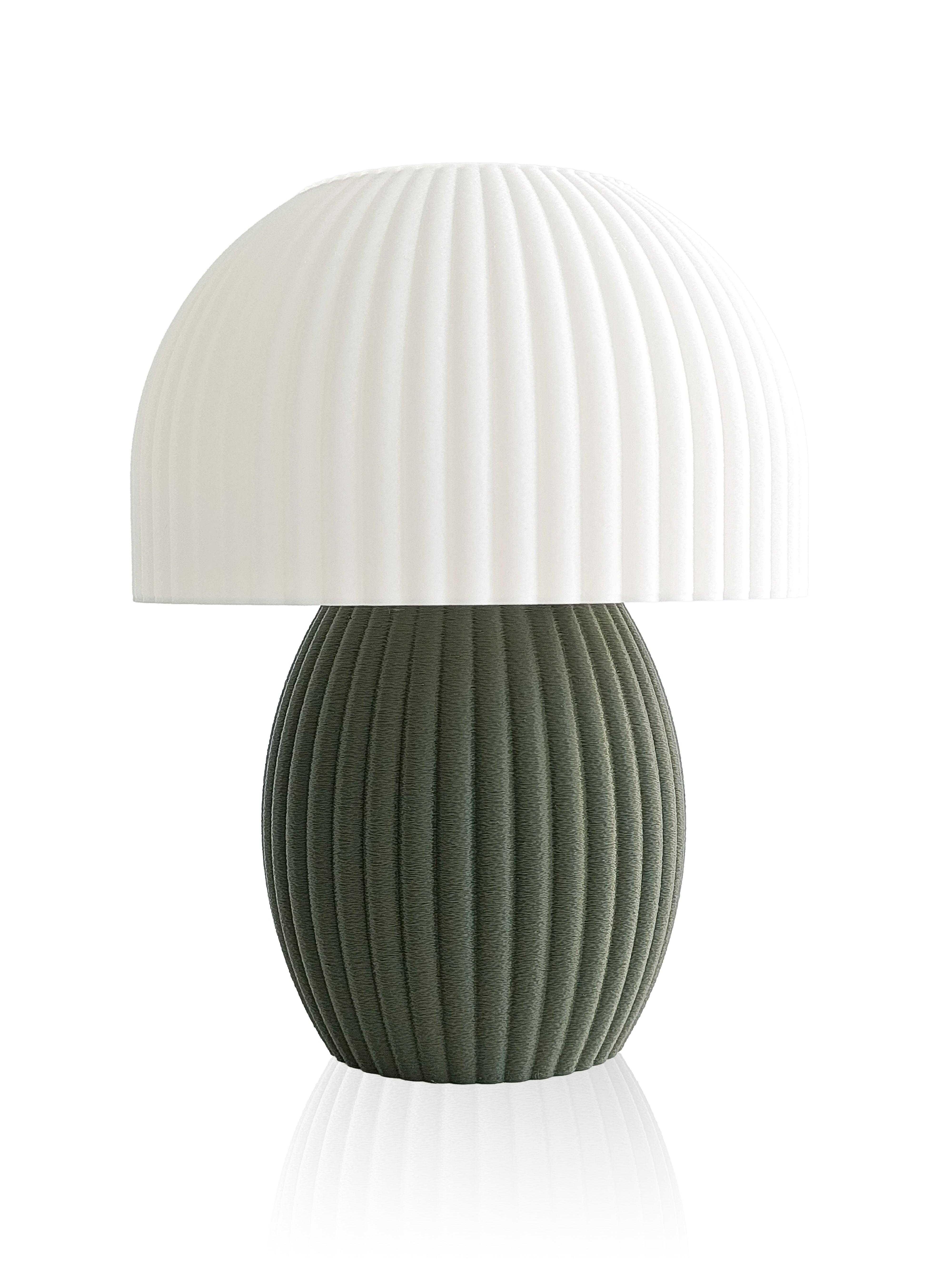
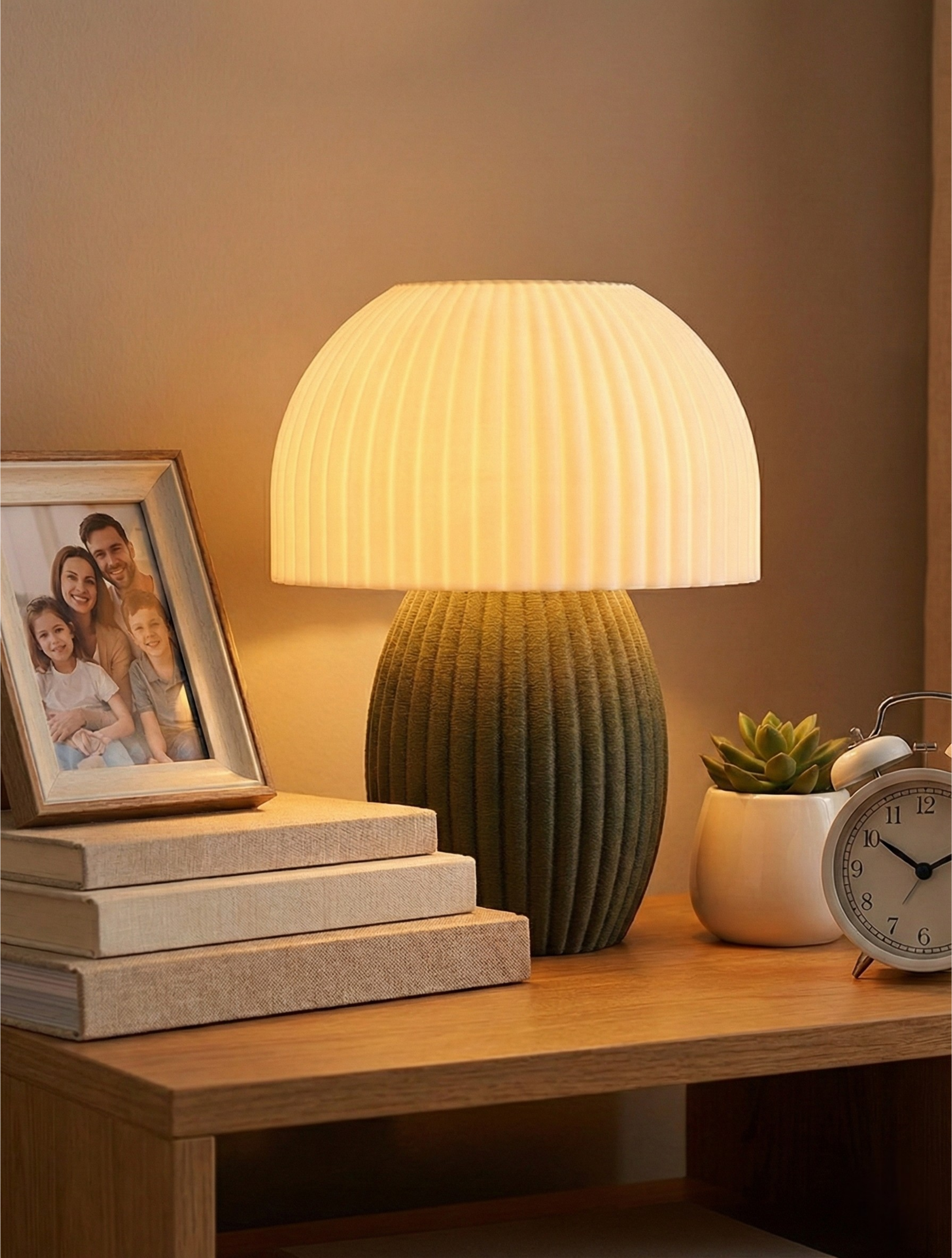
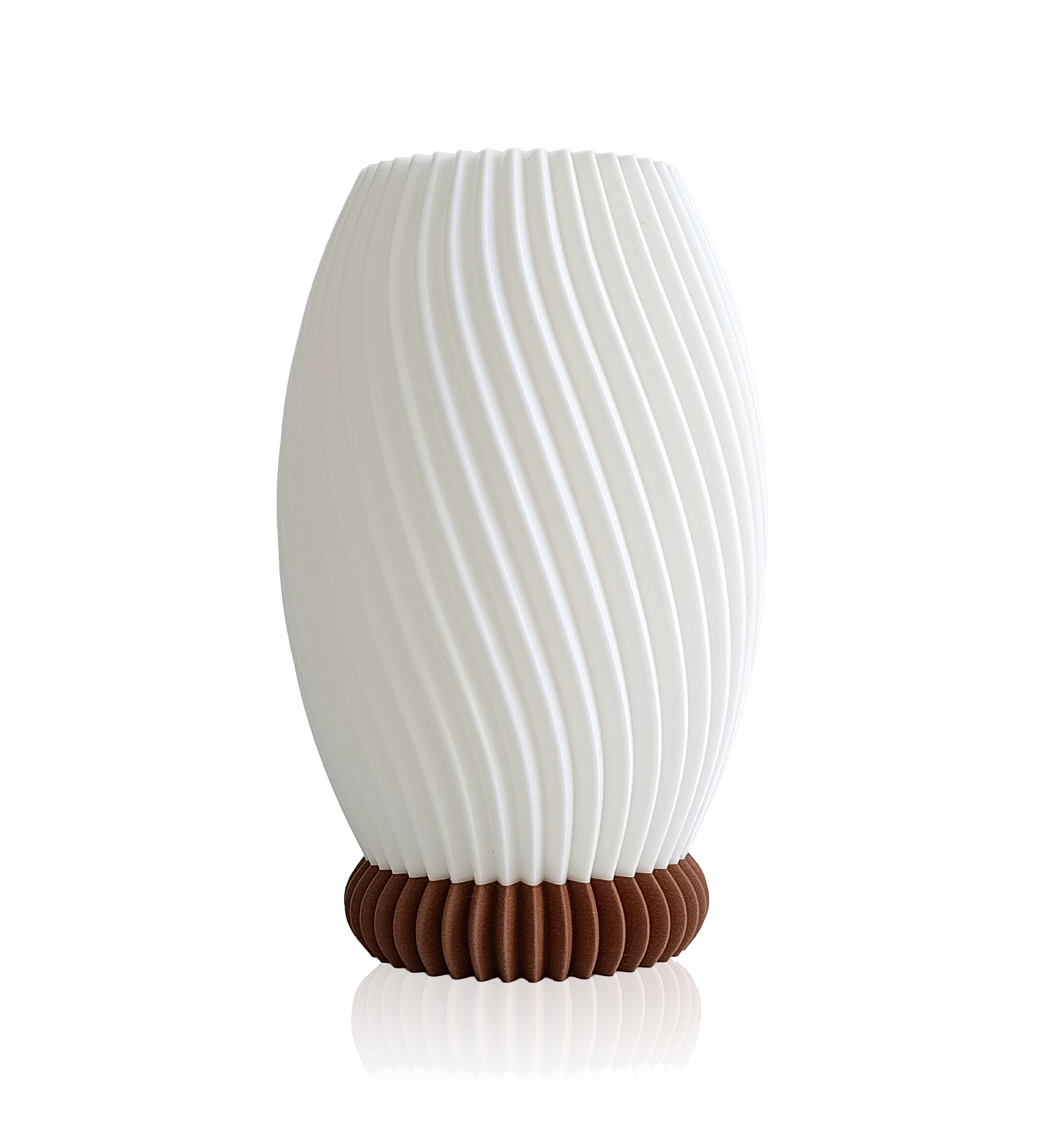
Placement is where mirrors transition from decorative objects to functional design elements. The most effective strategy is positioning mirrors to reflect your primary light source—whether that's a sunny window, a pendant fixture, or a sculptural lamp like the ORBELA US. When a mirror faces a light source directly, it captures maximum illumination and bounces it throughout the room.
Consider these placement principles for your home:
- Opposite windows: Creates a window effect, spreading daylight deeper into your space
- Beside statement lighting: Amplifies the impact of sculptural or decorative fixtures
- On narrow walls: Makes hallways and tight spaces feel wider and brighter
- Above surfaces with warm lighting: Reflects warm tones and creates ambient brightness
- Perpendicular to light sources: Distributes illumination into adjacent rooms and areas
The goal isn't to place mirrors randomly, but to map your light sources first, then position mirrors strategically to create intentional brightness that serves your daily life and evening ambiance.
Creating Layered Lighting With Mirrors
Sophisticated lighting design relies on layering—combining ambient, task, and accent light to create depth and warmth. Mirrors elevate this approach by multiplying each layer's effectiveness. When you introduce a mirror near your accent lighting, you're not just brightening the wall behind it; you're creating visual interest and extending the light's reach throughout the room.
This is particularly powerful in living spaces where you want to shift between energized morning light and cozy evening atmosphere. A mirror reflecting warm evening lamps back into the room creates a sense of expanded, glowing space without harsh overhead lighting. The reflected warmth feels natural and inviting—exactly the emotional quality that transforms a room into your home.
For dining areas, bedrooms, and living rooms, consider pairing mirrors with dimmable fixtures or warm-toned bulbs (2700K Kelvin range). The mirror will reflect and soften this warmth, creating an environment that feels both brighter and more intimate than either element alone.
Avoiding Common Mirror and Light Mistakes
Even with good intentions, mirror placement can sometimes create unflattering glare or unflattering reflections. Avoid positioning mirrors directly across bright overhead lights, which can bounce harsh shadows or create uncomfortable glare. Similarly, mirrors reflecting very cool-toned light (above 4000K) can feel clinically bright rather than warmly welcoming.
The most important consideration: mirrors should enhance your intentional design, not compete with it. A mirror should complement your lighting scheme, not overpower it. Take time to observe how light moves through your space at different times of day before permanently hanging mirrors. This mindful approach ensures your reflective surfaces work with your home's natural rhythm rather than against it.
Frequently Asked Questions
Can mirrors increase the brightness of artificial light?
Yes. Mirrors reflect artificial light back into the room, effectively multiplying the brightness from lamps, fixtures, and overhead lights. Placement opposite or adjacent to light sources maximizes this effect.
What's the best mirror size for amplifying light?
Larger mirrors (36+ inches) reflect more light and are generally more effective, but even smaller mirrors can amplify light when strategically placed. The key is positioning over total size.
Should mirrors have special glass to reflect light better?
Clear, high-quality glass reflects light most effectively. Antiqued, frosted, or tinted mirrors reduce reflectivity, so choose clear mirrors when your primary goal is amplifying illumination.
Your home deserves lighting that feels both functional and intentional. By understanding the mirrors and light relationship, you're not just brightening rooms—you're creating spaces that feel larger, warmer, and more aligned with how you actually want to live. Start by observing your light sources, then introduce mirrors thoughtfully. Watch how your space transforms as reflection becomes part of your design conversation.






Share:
Light Pollution: The Hidden Danger in Home Lighting
Light vs Dark Lampshades: How Color Impacts Light Distribution in Your Home