

Desk Lighting Guide: Eye Health and Productivity Essentials
Your workspace deserves lighting that supports both your wellbeing and your work. Whether you're deep in a creative project or navigating spreadsheets late into the evening, the right desk lighting can transform how you feel and perform. Poor lighting doesn't just strain your eyes—it can disrupt your sleep patterns, drain your energy, and make even simple tasks feel overwhelming.
Understanding Brightness and Eye Comfort
The foundation of healthy desk lighting starts with getting the brightness just right. Too little light forces your eyes to work harder, while excessive brightness creates harsh contrasts that lead to fatigue. The sweet spot for most desk work falls between 500-1000 lux at your work surface—bright enough to see clearly without squinting, yet gentle enough for extended focus.
Think of your lighting as layered, just like your home's overall design. You'll want your primary task light to provide focused illumination on your work area, while ambient room lighting fills in the shadows and prevents stark contrasts. This approach mirrors how natural light works throughout your day, creating a more comfortable visual environment that feels intuitive rather than artificial.
How Color Temperature Affects Your Daily Rhythm
The color of your light—measured in Kelvin—plays a surprisingly significant role in how alert and focused you feel. Cool white light in the 4000-5000K range mimics midday sunlight, naturally boosting concentration and energy levels. This makes it ideal for morning and afternoon work sessions when you need to be at your sharpest.
As evening approaches, warmer light around 2700-3000K becomes your ally in maintaining healthy sleep patterns. Many people find that switching to warmer tones after sunset helps signal to their body that it's time to begin winding down, even if they're still working. Consider these key benefits of temperature-adjustable lighting:
- Enhanced morning alertness with cool white light
- Reduced eye strain during extended computer work
- Better sleep quality when using warm light in the evening
- Natural support for your circadian rhythm throughout the day
Strategic Placement for Maximum Productivity
Where you position your desk light matters just as much as the bulb inside it. The goal is to illuminate your work surface evenly without creating glare on your computer screen or casting shadows from your hands as you write. Generally, placing your light source to the side of your dominant hand works well—so if you're right-handed, position it on your left side to avoid casting shadows as you work.
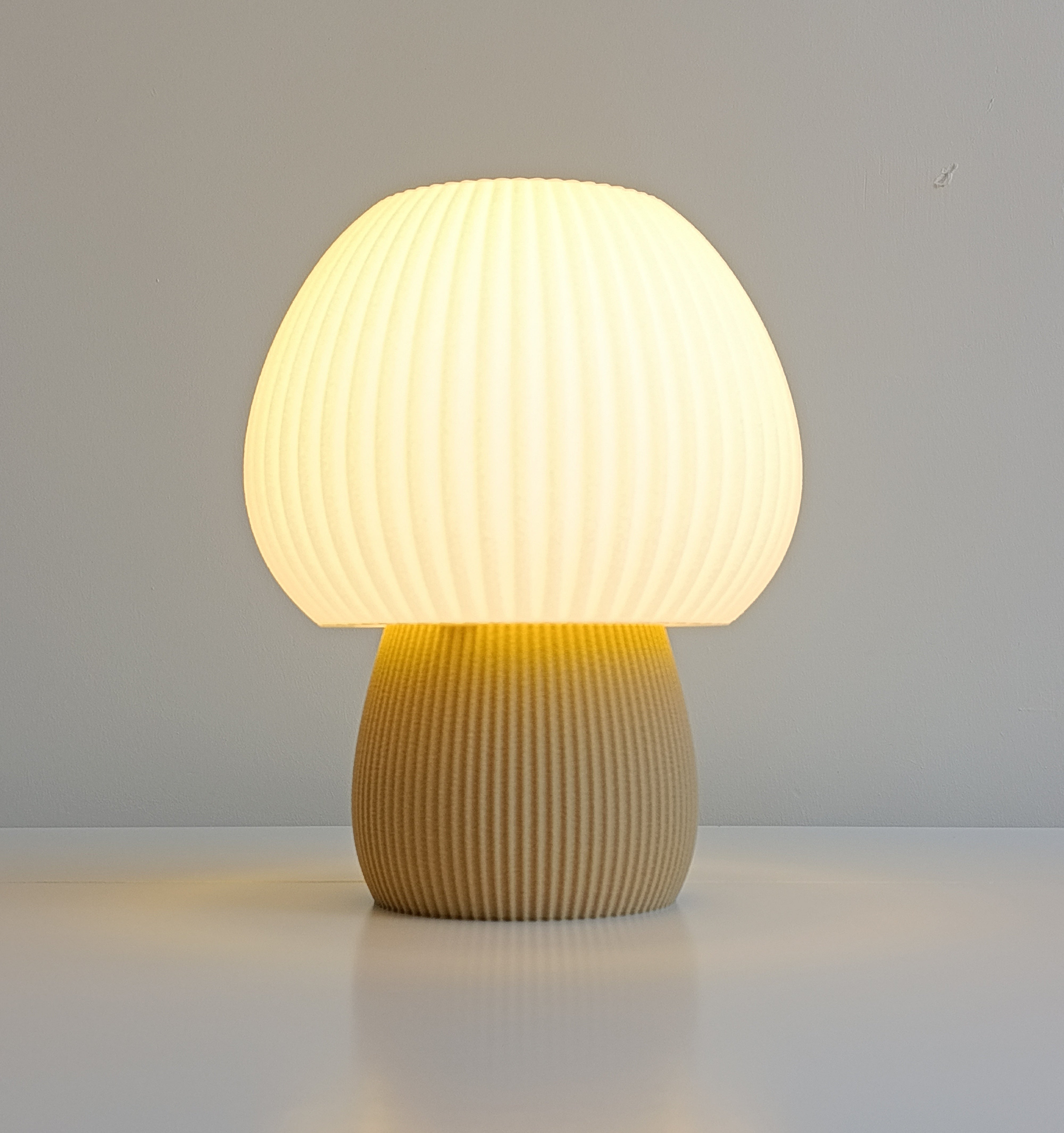
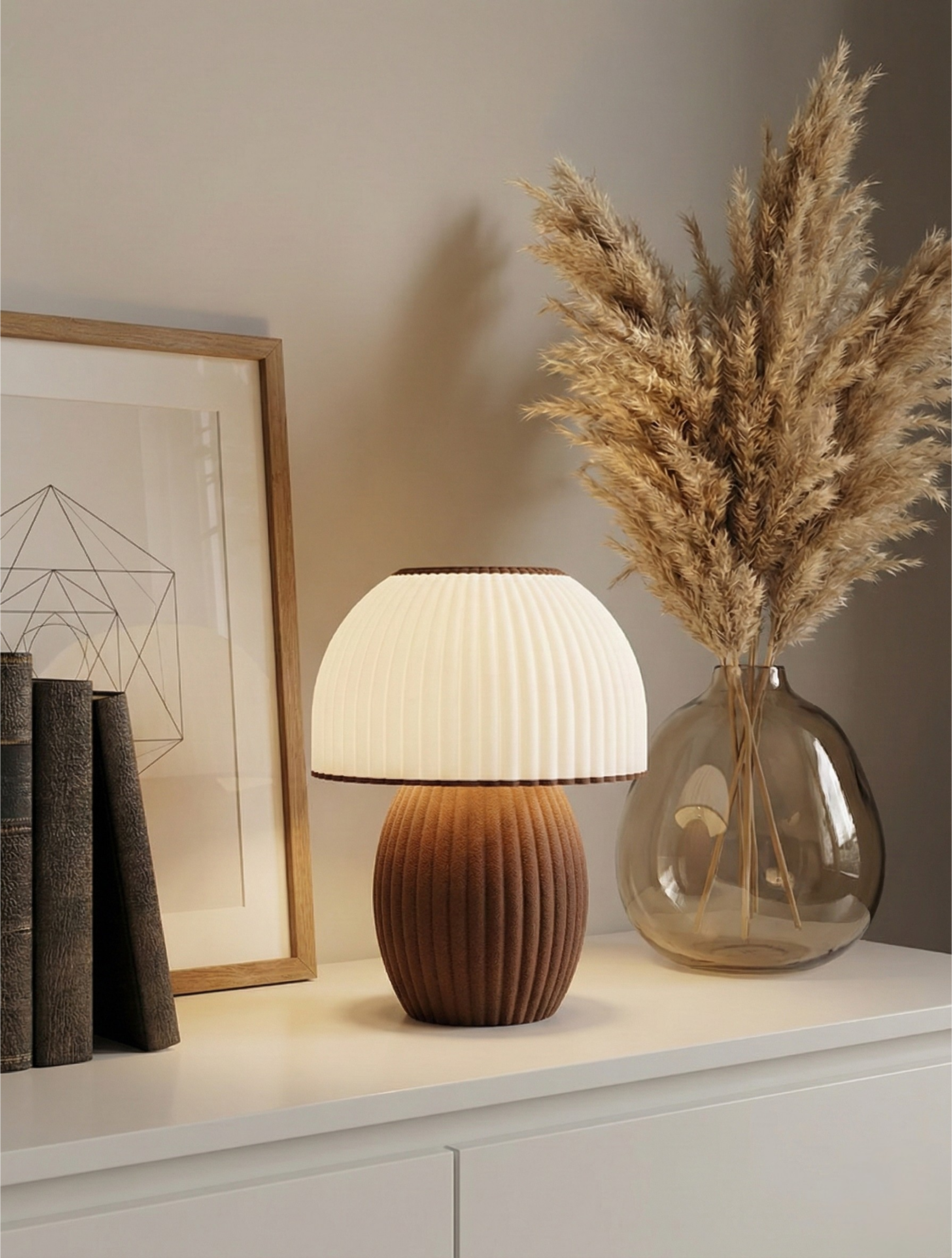
For computer-heavy tasks, consider the relationship between your screen and surrounding lighting. Your monitor shouldn't be the brightest thing in your field of vision, as this creates unnecessary contrast that tires your eyes. Instead, aim for balanced lighting where your screen brightness matches the general illumination of your workspace. The LEXOR US exemplifies this thoughtful approach with its adjustable positioning and dimming capabilities, allowing you to fine-tune both placement and intensity throughout your day.
Frequently Asked Questions
What's the ideal brightness level for desk work?
The optimal brightness for desk work is 500-1000 lux at your work surface. This provides enough illumination for reading and computer tasks without causing eye strain or harsh shadows.
Should I use warm or cool light for productivity?
Cool white light (4000-5000K) enhances alertness and focus during daytime work hours. Warm light (2700-3000K) is better for evening tasks as it supports your natural circadian rhythm.
How can I reduce screen glare at my desk?
Position your desk lamp to the side of your monitor rather than directly behind it. Use ambient room lighting to balance the brightness difference between your screen and surrounding area.
Creating a workspace that truly serves you means paying attention to these details that might seem small but make an enormous difference in how you feel each day. Good lighting isn't just about seeing better—it's about supporting your body's natural rhythms, protecting your long-term eye health, and creating an environment where your best work can flourish. Your future self will thank you for the investment in lighting that works as hard as you do.









Share:
Home Office Lighting: Professional Appearance in Video Calls